Tag: starbucks

  • Nestlé and Starbucks close deal for global license of Starbucks CPG and Foodservice products

    Nestlé and Starbucks close deal for global license of Starbucks CPG and Foodservice products

    Nestlé and Starbucks Corporation announced the closing of the deal granting Nestlé the perpetual rights to market Starbucks Consumer Packaged Goods and Foodservice products globally, outside of the company’s coffee shops.

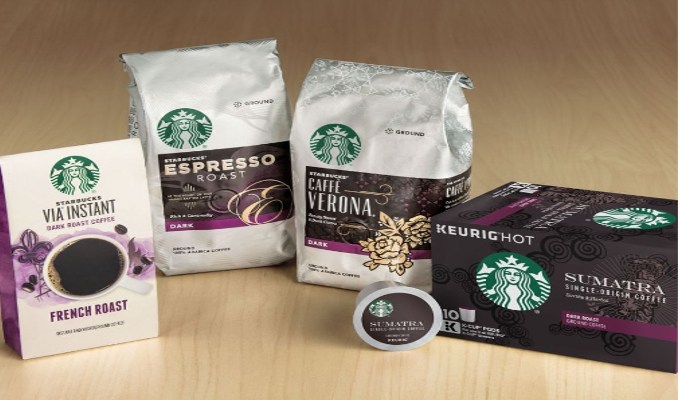
    Through the alliance, the two companies will work closely together on the existing Starbucks range of roast and ground coffee, whole beans as well as instant and portioned coffee. The alliance will also capitalize on the experience and capabilities of both companies to work on innovation with the goal of enhancing its product offerings for coffee lovers globally.

    “This partnership demonstrates our growth agenda in action, giving Nestlé an unparalleled position in the coffee business with a full suite of innovative brands. With Starbucks, Nescafé and Nespresso we bring together the world’s most iconic coffee brands,” said Mark Schneider, Nestlé CEO.

    “The outstanding collaboration between the two teams resulted in a swift completion of this agreement, which will pave the way to capture further growth opportunities,” he added.

    The agreement significantly strengthens Nestlé’s coffee portfolio in the North American premium roast and ground and portioned coffee business. It also unlocks global expansion in grocery and foodservice for the Starbucks brand, utilizing the global reach of Nestlé.

    “This global coffee alliance with Nestlé is a significant strategic milestone for the growth of Starbucks,” said Kevin Johnson, President and CEO of Starbucks.

    Johnson added, “Bringing together the world’s leading coffee retailer, the world’s largest food and beverage company, and the world’s largest and fast-growing installed base of at-home and single-serve coffee machines helps us amplify the Starbucks brand around the world while delivering long-term value creation for our shareholders.”

    Approximately 500 Starbucks employees in the United States and Europe will join the Nestlé family, with the majority based in Seattle and London. The international expansion of the business will be led from Nestlé’s global headquarters in Vevey, Switzerland.

    The agreement covers Starbucks packaged coffee and tea brands, such as Starbucks®, Seattle’s Best Coffee®, TeavanaTM/MC, Starbucks VIA® Instant, Torrefazione Italia® coffee and Starbucks-branded K-Cup® pods. It excludes Ready-to-Drink products and all sales of any products within Starbucks® coffee shops.

  • Starbucks strengthens India commitment with opening of 125th store at The Pavillion Mall

    Starbucks strengthens India commitment with opening of 125th store at The Pavillion Mall

    Tata Starbucks Private Limited, the 50/50 joint venture between Starbucks Coffee Company and Tata Global Beverages Limited, celebrates the opening of its 125th Starbucks store in India at The Pavillion Pune. With 125 stores now operational across 7 cities, Tata Starbucks Private Limited continues to grow in the market with a commitment to offer the unique Starbucks Experience, unparalleled service, handcrafted beverages and extensive food offerings.

    “As we continue on our journey in India, we are doubling down on our commitment to customers and building a strong presence for Starbucks in India. We are thrilled to celebrate the opening of our 125th store in India and to extend our unique Starbucks third place Experience to coffee lovers across the country. We are humbled by the way we have been embraced by our customers and greatly supported by our partners since the opening of our first store in 2012,” said Sumitro Ghosh, CEO, Tata Starbucks Limited. “As we continue to achieve our well thought out expansion in India, we are committed to exceeding the expectations of our customers and those of our partners.”

    The newly opened Starbucks store houses an elaborate coffee bar with innovative brewing techniques like the Siphon, Chemex® and the signature Starbucks® Nitro Cold Brew. Siphon brings out the intense flavours of the coffee, using halogen to produce heat for boiling water and the movement of coffee through chambers. This fascinating process makes a rewarding cup for those who enjoy well-defined flavours dominating the coffee. Nitro Cold Brew on tap allows customers to enjoy small‐batch, slow‐steeped coffee using the highest quality coffee beans. In today’s fast‐paced world where everything is instant and on‐demand, Nitro Cold Brew unfolds an irresistible coffee experience where time meets texture. Chemex® is an example of a manual pour-over method, an elegant one-piece hourglass shaped vessel, made of high quality, heat-resistant glass. With a brew time typically between 4 and 5 minutes, Chemex® is great at balancing out the coffee – heavy coffees come through more cleanly, and bright coffees come through a little more balanced.

    The Pavillion Pune is a renowned multi-brand mall that is known to provide a unique shopping, retail and entertainment experience. With the opening of India’s 125th Starbucks store this week, Pune locals now have a new meeting spot. The Starbucks store invites customers for an immersive journey of coffee discovery while delivering an unparalleled Third Place experience. The store’s artwork celebrates the story of the Starbucks bean – unraveling each bean’s journey. Other store elements include a comfortable seating arrangement for large groups, close friends and individuals to enjoy a cup of coffee in this unique atmosphere.

    Starbucks takes its count to 11 stores in the city of Pune with the opening of Starbucks store at The Pavilion. As Tata Starbucks continues to grow in India, so does its commitment to be a positive force in contributing to the future success of the country.

  • Global chains suffer as Vietnamese coffee lovers vote with their feet

    Global chains suffer as Vietnamese coffee lovers vote with their feet

    Local coffee shop chains are outmaneuvering international brands like Starbucks by catering to customers’ demands.

    Young customers are now choosing smaller brands like The Coffee House, Cong Ca Phe and Phuc Long as their to-go spot for affordable brews.

    Local brands not only offer many beverage options but also sophisticated interiors and unlimited and fast internet access to ensure they retain customers, Nikkei Asia Review quoted market researcher Nguyen Phuong as saying.

    All this has helped these brands become very popular among students and young working professionals, who can spend hours there yet feel welcome.

    Phuong said having knowledge of Vietnamese culture and consumers has helped the local brands attract customers.

    By changing their business models to fit customers’ tastes, local brands report growing and some are even looking to expand.

    Nguyen Hai Ninh, CEO of what is thought to be the fastest growing chain, The Coffee House, told Nikkei that he plans to open 700 outlets around Vietnam in the next five years, or around 10 a month.

    Just one month after the brand opened its first shop in Seoul last month, Cong Ca Phe plans to add two more stores in the South Korean capital.

    The chain, which debuted in 2007, has more than 50 stores around Vietnam, and intends to add one or two every month until 2020.

    Thuc Coffee, Urban Coffee Station and Phuc Long report 7 percent annual revenue growth.

    In contrast, international names like Starbucks have grown slower than expected in the Vietnamese market.

    Starbucks only has 38 stores after entering the market five years ago despite boasting huge numbers in neighboring countries such as Thailand (330 stores), Indonesia (320) and Malaysia (190).

    Meanwhile, NYDC, Gloria Jean’s Coffees, and Caffe Bene of Korea have all wound up or are close to doing so.

    Singapore-based NYDC closed its last store in July 2017, Australian brand Gloria Jean’s Coffee also closed its last store in April 2017 after a decade of slow growth.

    Caffe Bene now has only three outlets remaining, according to InsideRetail Asia.

    Talking about the reason for the failure of international brands in the domestic market, industry insiders said that high rents on premium land have raised the cost of retail prices, making their coffee less competitive than local ones.

    A local coffee shop owner told Nikkei that opening a 200-square-meter Starbucks store in Saigon requires an initial investment of $215,000, while Coffee House only needs $86,000.

    Sean T Ngo, CEO of VF Franchise Consulting, said Vietnam, a major exporter of Robusta coffee, imposes high import tariffs on coffee beans, and international coffee chains often use imported Arabica beans that raise costs significantly. Higher costs have driven many customers to domestic brands.

    Phuong said that another reason for the downfall is that old brands are slow to adjust their business models to match customers’ taste.

  • Kenny Rogers Roasters, Jollibean to enter India market

    Kenny Rogers Roasters, Jollibean to enter India market

    The Kenny Rogers Roasters and Jollibean food retail brands are to launch in India.

    Malaysia’s Berjaya Food has signed a preliminary franchise partnership deal with India’s World Iconic Brands Hospitality (WIB) to take the banners into the new market.

    WIB will invest US$50 million to open 30 Kenny Rogers Roasters restaurants and 75 Jollibean kiosks in India over the next five years.

    Berjaya Food owns the two chains as well as operating Starbucks in Malaysia and Brunei.

    CEO Sydney Quays describes India as “a stepping stone” for the company to expand into more foreign markets.

    “We have a lot of interest from Southeast Asian countries,” he told the Sun Daily.

    With 970 shopping malls and more than 200 airports, India represents a strong potential market for both the brands, said WIB MD Gaurav Marya.

    “We’ll spend the next six to eight months to get the model right, understand the preference of consumers and we will scale up the business,” he said.

    The first new outlet will open early next year.

    WIB is a subsidiary of Franchise India, Asia’s largest integrated franchise solutions company, which manages 400 brands.

    Kenny Rogers Roaster restaurants already operate in Malaysia, the Philippines, Singapore, Indonesia, Thailand, Bangladesh, India and Dubai, while India is only the second offshore market for Jollibean, after Singapore.

  • Starbucks to open Reserve store in Malaysia

    Starbucks to open Reserve store in Malaysia

    Starbucks Malaysia is about to open its first Reserve store.

    Local franchise holder Berjaya Food plans to expand its existing Berjaya Times Square Starbucks outlet into the new up-market format.

    The brand has entered into a sale and purchase agreement to secure an 829sqft space adjacent to the existing café for a reported RM12.43 million (US$3.05 million). The space was purchased by investment firm Deru Klasik for RM3.83 million in 2005. The purchase is expected to be completed by the end of this year.

    Berjaya Food said the Starbucks Malaysia Reserve store will provide customers with a personalised, hand-crafted coffee experience, adding that the property acquisition should enable the group to benefit from any future capital appreciation.

  • Starbucks and Alibaba form New Retail Partnership in China

    Starbucks and Alibaba form New Retail Partnership in China

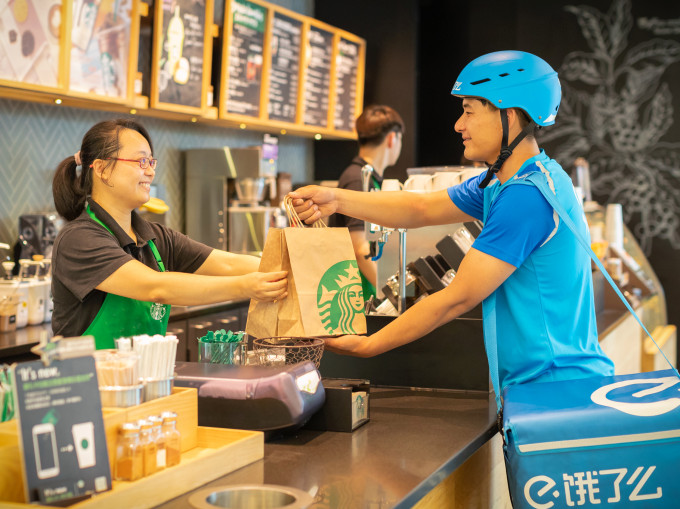
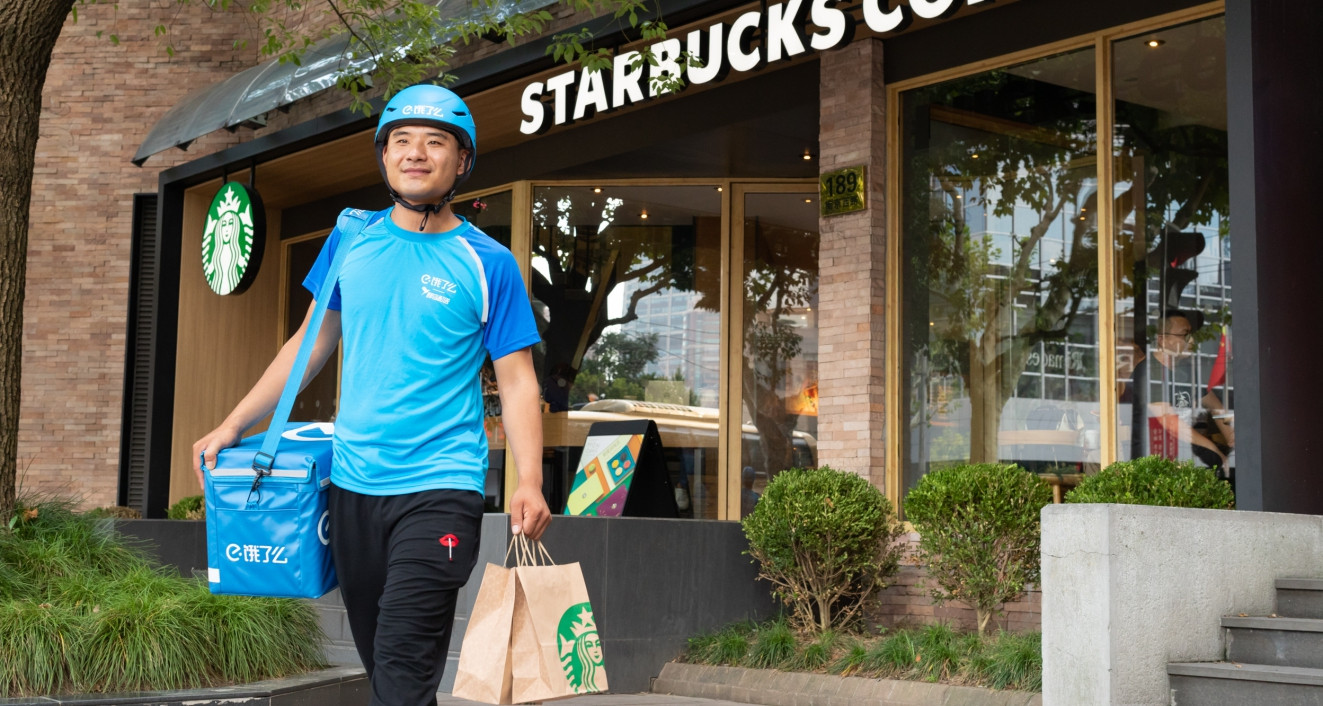
    Starbucks China and Alibaba have announced an alliance that stretches way beyond the latter’s online delivery platform Ele.me.

    The two companies describe their pact as “a deep, strategic New Retail partnership” that will enable a seamless Starbucks experience and transform the coffee industry in China.

    The partnership spans Ele.me, the food delivery platform acquired by Alibaba last month, Hema supermarkets, Tmall, Alipay and Taobao. Pilot delivery services by Starbucks China will start next month with the coffee company opening delivery kitchens to fulfil orders and “co-create an unprecedented virtual Starbucks store”.

    Starbucks China CEO Belinda Wong says the partnership with Alibaba breaks the physical and virtual barriers between the home, office, in-store and digital space.

    “It will make China the first Starbucks market to deliver a seamless Starbucks experience across all facets of our customers’ lives.”

    Alibaba CEO Daniel Zhang said Starbucks is more than a destination for premium coffee “and we share the same vision to pioneer a new coffee culture and lifestyle through innovation and technology”.

    It starts with Ele.me

    Ele.me, China’s largest on-demand food delivery platform with 3 million registered delivery riders, will start delivering Starbucks orders from 150 stores in key trading zones in Beijing and Shanghai next month. By the end of the year, that service is expected to expand to more than 2000 Starbucks stores across 30 Chinese cities.

    The two companies have worked together to develop what they describe as “a unique, customised delivery infrastructure” including dedicated delivery riders, precise delivery times, and custom carriers. They believe they will be able to offer “a best-in-class coffee delivery service standard for Chinese customers” which could well be interpreted as a challenge to local startup Luckin Coffee which has grown into a US$1 billion company in less than a year, based on a mixed delivery and in-store model.

    Starbucks will partner with Hema supermarkets to open dedicated “Starbucks Delivery Kitchens” within stores. The kitchens will use Hema’s fulfillment and delivery capabilities to complement the delivery of Starbucks beverages offered through existing Starbucks stores. Starbucks will also use Hema’s consumer insights and fulfillment expertise to reach more communities across China.

    Data from Hema stores will be used to help plan the location of future Starbucks cafes, combined with delivery kitchens. The first delivery kitchens will open in selected Hema supermarkets in Shanghai and Hangzhou next month.

    Digital transformation

    Starbucks China and Alibaba say the creation of a ‘virtual Starbucks store’ in China is a key strategic initiative under the partnership.

    Alibaba will develop a centralised online management hub, with the capability to integrate and deliver a consistent Starbucks experience across multiple digital platforms. “This innovation will transcend the traditional limitations of a single-app visit by providing the consumer an elevated, and even more personalised Starbucks digital experience across the Starbucks app and Alibaba’s customer-facing mobile apps, including Taobao, Alipay, Tmall and Koubei,” the companies said in a statement.

    “This latest innovation will revolutionise the traditional offline-to-online model by effectively extending the reach of the Starbucks experience into the everyday lifestyle ritual of the Chinese consumer, regardless of time or place. Whether it is at home or in the office, within a Starbucks store or online, Starbucks customers will be able to access and enjoy a one-stop Starbucks experience when purchasing merchandise online, buying a Starbucks handcrafted beverage to be delivered to a friend or sending a Starbucks gift of love on the “Say it with Starbucks” social gifting platform.”

    Starbucks will progressively integrate its Starbucks Rewards membership platform onto the centralised system to use its consumer insights to deliver a personalised experience to customers.

    “Starbucks China and Alibaba are trusted business partners who share common values in the spirit of innovation and the unrelenting pursuit of product and service excellence,” the statement said.

    “Thanks to the elevated customer experience delivered by our more than 45,000 partners, Starbucks is growing and innovating faster in China than anywhere else in the world,” said Kevin Johnson, president and CEO at Starbucks Coffee Company. “Our transformational partnership with Alibaba will reshape modern retail, and represents a significant milestone in our efforts to exceed the expectations of Chinese consumers. Starbucks China is one to watch, and I have full confidence in the team that will bring the new innovation behind the Starbucks Experience to life.”

  • Starbucks China remain confident after sales slip

    Starbucks China remain confident after sales slip

    Starbucks China sales slipped 2 per cent on a same-store basis in the latest quarter, but the company will persevere with its expansion plan.

    The number of transactions in China and Asia Pacific slipped 3 per cent.

    “We remain confident in our global growth strategies, in the sustainability of our leadership position around all things coffee and tea and in our leadership teams around the world to navigate our next phase of growth,” said CEO and president Kevin Johnson.

    While global sales growth was a modest 1 per cent – driven by a 3 per cent increase in the average transaction value, it was still a record for the coffee retailer. Consolidated net revenue rose by 11 per cent to US$6.3 billion in the three months to July 1, in part thanks to store openings, selling its Tazo division and closing Teavana mall stores in the US.

    In China-Asia Pacific, net sales grew 46 per cent year on year, to US$1.229 billion, primarily driven by taking over ownership of the Starbucks East China business, a net increase of 746 stores year on year and favorable foreign currency translation. That was partly offset by the absence of revenue following the sale of the Singapore retail operations to Hong Kong-based Dairy Farm International subsidiary Coffee Concepts and a 1 per cent regional decrease in same-store sales.

    Another highlight of the quarter was a 14 per cent increase in the number of active Starbucks Rewards members in the US, to 15.1 million customers.

    Starbucks opened 511 net new stores in the quarter and now operates 28,720 stores across 77 markets.

    CFO Scott Maw said Starbucks’ record revenues and profits for the quarter reflected the underlying strength of the Starbucks business and brand all around the world.

    “We continue to grow share in virtually every market and channel in which we operate at the same time that our streamline initiatives are enabling us to sharpen our focus – and leverage our resources – against our highest value, long-term growth opportunities.”

  • Vincom Centre Landmark 81 launched

    Vincom Centre Landmark 81 launched

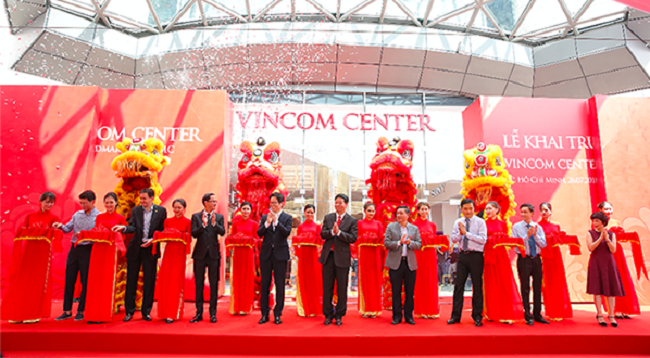
    Vingroup has opened its 55th shopping centre, The Vincom Center Landmark 81 mall, in Ho Chi Minh City’s Binh Thanh district.

    The 50,000sqm shopping centre occupies six of the skyscraper’s 81 storeys, housing 100 domestic and international brands in cosmetics, fashion, F&B, and entertainment.

    Fashion brands include Versace Jeans, Calvin Klein, Adidas, Tommy Hilfiger, Lacoste, French Connection, Kimmay, Superdry, H:Connect; Cole Haan, Ecco, Dune London, Parfois, Aldo, Pandora, Longines, OWL and Nike.

    The 7000sqm food and beverage area features 30 restaurants, including China’s Peach Garden, Japan’s Dozo Sushi, Vietnamese restaurants Delights, Di Mai, and coffee shops including Starbucks’ largest Vietnam outlet and Highlands Coffee.

    In the entertainment area, there is a 2000sqm Vincom Ice Rink, Vietnam’s largest, and a CGV cinema complex including an Imax screen, as well as a tiNiWorld entertainment complex and an indoor games centre.

    Vingroup’s food arm VinMart operates a supermarket there.

  • Dairy Farm restructures after recent result

    Dairy Farm restructures after recent result

    “Underperforming” subsidiaries and rising rent and labour costs are disturbing the chairman of Hong Kong-listed multinational retailer Dairy Farm International – but those factors failed to prevent a solid second-half year performance.

    Dairy Farm’s total sales rose 17 per cent to US$12.215 billion in the six months to June 30 and profit attributable to shareholders was $215 million, up 6 per cent. The increased sales came largely from the Yonghui supermarket operation and Maxim’s which owns food retail channels and the Starbucks business in Hong Kong, Singapore, Vietnam and Cambodia.

    Chairman Ben Keswick said the health and beauty business in Hong Kong and Macau drove strong results in North Asia, but the Southeast Asian food businesses continued to face challenges producing a weaker overall performance.

    “While the outlook for the remainder of the year is expected to remain challenging for the Food businesses, particularly in Southeast Asia, the group’s other businesses should continue to make steady progress. Significant management and structural changes have been made to address the issues the group faces in a number of areas, but time will be needed to deliver sustainable improvement.”

    The company has consolidated its trading operations into a more centralised structure with two main trading divisions: North Asia and Southeast Asia, in addition to the standalone business of Home Furnishings (essentially Ikea) and Maxim’s.

    Keswick says five strategic priorities have been identified: building capability, growing presence in Mainland China, protecting the group’s Hong Kong business, revitalising the Southeast Asia operations and driving digital innovation. “A series of programs are underway to support these priorities across all of the group’s businesses,” he said in the earnings statement.

    In North Asia, overall sales within the food businesses were ahead of prior year, but profits declined, mainly due to higher rent and labour costs in Hong Kong. “The health and beauty business in Hong Kong and Macau delivered very strong sales and profit growth, driven by a significant increase in business from higher numbers of mainland Chinese tourists.”

    Southeast Asia challenges

    However, in Southeast Asia, challenging trading conditions continued for Dairy Farm’s food businesses.

    “The group saw lower sales and profits in Singapore, Malaysia and Indonesia, while in the Philippines, sales were higher but profits lower, due to increased operating costs resulting from more store openings. Generally, these businesses have suffered from a lack of investment in infrastructure, range and competitive pricing for some time, while competition in each market has been increasing.

    “Turning these food businesses around and becoming more relevant to the changing demands of customers will take significant effort. Appropriate plans are now being put in place following the strategic review, but will require time to take effect,” said Keswick.

    He said the improving performance of the majority of the group’s health and beauty businesses in Southeast Asia is encouraging, with Malaysia, Indonesia and Vietnam reporting better underlying results.

    Dairy Farm’s convenience store operations (7-Eleven) performed well, with Hong Kong and Macau trading in line with last year.

    “In Singapore, overall convenience store sales were slightly lower than last year due to the termination of a multi-site agreement, but profitability improved following the closure of some underperforming stores. Like-for-like sales increases and store expansion in Mainland China continued to underpin growth in this sector.

    “In Home Furnishings, Ikea performed ahead of last year in Taiwan and Indonesia, with sales and profits growth. Hong Kong reported higher sales, helped by a contribution from the new store which opened in October last year, but associated higher operating costs resulted in reduced reduction in profits. Progress continues to be made on new store development in both Taiwan and Indonesia, with several sites under development. Meanwhile, e-commerce activities are showing increased results in all markets but from a small base.

    Keswick said Maxim’s delivered another good performance and is continuing to expand its presence across Mainland China and Southeast Asia. In Hong Kong, Maxim’s opened its first Shake Shack in May with “encouraging initial results”.

    Supermarket chain Yonghui reported strong sales growth and underlying profits from the core food business remained strong, but total profits were behind prior year due to the investment in new technology formats and the introduction of an employee incentive scheme announced earlier this year.

    Philippines restructure

    Meanwhile, back in March, the group announced it had agreed to partner with Robinsons Retail Holdings Inc. (‘RRHI’), the third largest retailer in the Philippines, to build a leading food retail business in that market. Dairy Farm will combine its Rustan Supercenters operations with RRHI to build on the combined strengths of both businesses, creating a new platform for growth. Following completion of the transaction, Dairy Farm would own 18.25 per cent of RRHI. The transaction, which is subject to certain regulatory approvals, is expected to be completed in the fourth quarter.

    As at June 30, Dairy Farm, including associates and joint ventures, operated more than 7400 outlets across all formats, compared with 7181 at the end of last year.
  • Cafe 25 opens 10,000th store

    Cafe 25 opens 10,000th store

    Convenience-store brand GS25 says 10,000 of its outlets now serve coffee products distributed under its house brand Cafe 25, just 30 months after the brand was launched.

    The figures show how successful South Korea’s convenience stores have been in challenging coffee-focused chains like Lotte’s Angel-in-Us and even Starbucks, by offering discounted alternatives through vast store networks.

    The GS Retail-owned group says it has already surpassed the 100 million-mark for the total number of coffee products sold, with Cafe 25 selling 40 million cups in the first half of this year alone.

    GS25 is putting significant effort into making the coffee products successful by installing top-notch coffee machines that sell for 13 million won (US$11,440) in each of its stores.To commemorate 10,000 GS25 store milestone, the company will be selling 50,000 promotional coupons online via Gmarket and Auction that allow customers to buy iced Americanos and iced lattes for half the usual price.

    An official at GS25 said the success of Cafe 25 products can be explained by the company’s bid to offer high-quality coffee products at affordable prices, while also leveraging the chain’s vast network of stores.

  • KT triples the Wi-Fi speed at 3 Seoul Starbucks branches

    KT triples the Wi-Fi speed at 3 Seoul Starbucks branches

    KT will triple the speed of the internet at some Starbucks Korea branches starting today.

    The company announced Monday that it will offer 10 GiGA Wi-Fi services at three Starbucks Korea branches. The cafes are in the Jongro Tower in central Seoul and COEX and Kyobo Tower in Gangnam District, southern Seoul.

    According to KT, the 10 GiGA Wi-Fi will enable consumers to use the internet at a speed of 4.8 gigabits per second (Gbps). This is three times the speed previously offered by the coffee chain, which topped out at 1.7 Gbps.

    The upgraded speed is meant to ensure the internet is still smooth and fast when multiple users are connected at once. In the past, customers complained about the internet slowing down when many users tried to connect at once.

    KT plans to expand the service to all of Starbucks’ premium Reserve stores in Korea by September.

  • Starbucks to stop using disposable plastic straws

    Starbucks to stop using disposable plastic straws

    Starbucks has announced plans to eliminate plastic straws globally by 2020.

    According to a statement released by the brand, Starbucks’ focus on adapting to consumer trends has led it to take notice of the “tremendous momentum” of the global movement to eliminate plastic straws.

    “Going strawless is the right thing to do for our environment, our partners and our business,” the statement read.

    The brand plans to introduce strawless lids and alternative-material straws in its 28,000+ stores around the world. The lids are already available in more than 8000 stores throughout North America for certain menu items. Straws made from alternative materials will soon be available on request for its Frappuccino beverages.

    Starbucks is the largest food and beverage retailer to make such a commitment, which will eliminate more than 1 billion plastic straws per year from Starbucks stores.

  • Starbucks debuts nitro cold brew in India

    Starbucks debuts nitro cold brew in India

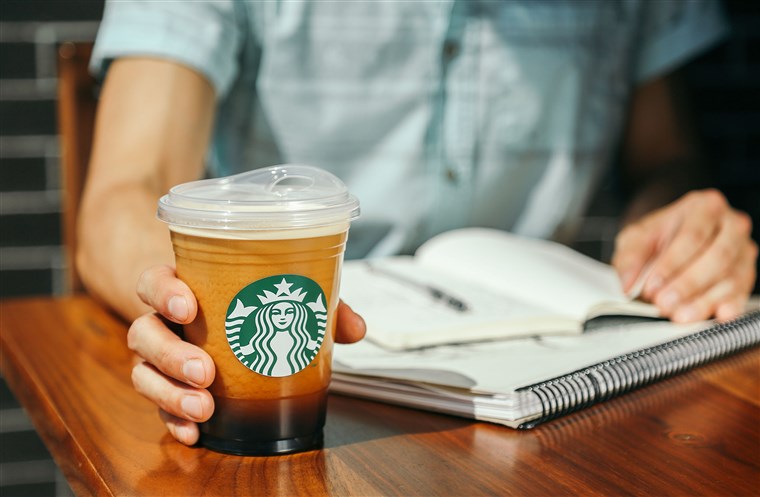
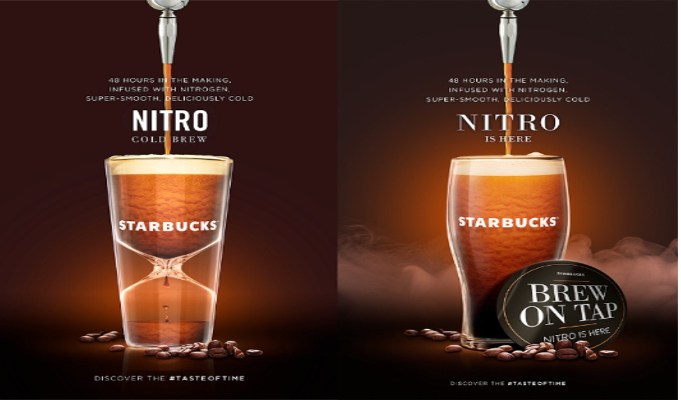
    Starbucks has introduced a new generation of coffee in India with Nitro Cold Brew on tap. Using the highest quality coffee beans, the Nitro Cold Brew unfolds an irresistible coffee experience where time meets texture. With each cup 48 hours in the making, the Nitro Cold Brew is a super-smooth, naturally sweet coffee that cascades from the tap with a velvety, creamy texture which customers can see and taste.

    Nitro Cold Brew marks Starbucks next chapter of coffee innovation offering customers an elevated coffee experience through its newest take on its signature Cold Brew. In today’s fast‐paced world where everything is instant and on‐demand, Starbucks Nitro Cold Brew allows customers to enjoy small-batch, slow-steeped coffee like they’ve never tasted it before. After handcrafting the Cold Brew recipe, baristas perfect the pour by pulling the tap and allowing the Cold Brew coffee to mix with nitrogen to deliver an entirely new cold coffee experience. Nitro Cold Brew is cold right out of the tap and served unsweetened without ice.

    Starbucks also offers the refreshing Vanilla Sweet Cream Cold Brew. Made with Starbucks® Cold Brew over ice and topped with a house-made vanilla sweet cream, the sweet cream floats on top of the beverage before slowly cascading down for an eye‐catching effect.

    “At Starbucks, innovation is always brewing. We take great pride in partnering with customers in their journey of coffee exploration. We are pleased to introduce Starbucks® Nitro Cold Brew in India, taking our Cold Brew craft to a whole new level,” said Veetika Deoras, Head – Marketing, Category and Digital at Tata Starbucks Pvt. Ltd. “It is a sensorial coffee drinking experience, and one that has the potential to redefine the language of coffee in India.”

    Starbucks Cold Brew is available across all Starbucks stores in India. Starbucks Nitro Cold Brew is currently exclusively available in 5 stores across India: Mumbai, Kamala Mills | Bangalore, Jaya Nagar | Delhi, Green Park | Noida, DLF Mall of India | Kolkata, Park Mansions.

  • Starbucks to increase number of cashless stores in Korea

    Starbucks to increase number of cashless stores in Korea

    Starbucks Coffee Korea Co. said Monday it will increase the number of cashless stores to over 100 across South Korea this month amid rising use of credit cards and mobile payment systems in the tech-savvy country.

    Earlier in April, the coffee giant began a test run of three cashless stores in major office districts in and around Seoul.

    The proportion of cash transactions at these stores has since dropped from 3 percent to 0.2 percent, according to the joint venture between Starbucks Coffee International Inc. and South Korean retail giant Shinsegae.

    The company will turn 100 more outlets into cashless stores from July 16 in addition to the three under the trial system.

    Starbucks said the decision is part of its broader digital innovation drive as cash payment has been constantly declining at stores in South Korea, from 31 percent of the total in 2010 to 15 percent in 2013 and 7 percent last year.

    “South Korea has a high utilization rate of credit cards and mobile payments. That coupled with the country’s well-established digital infrastructure enabled our latest expansion decision,” Starbucks Korea CEO Lee Seock-koo said in a statement.

    The total daily average amount of electronic financial transactions came to a record 581.53 billion won (US$521.6 million) in the first quarter of this year, up 13.2 percent from a quarter earlier, according to government data.

  • Starbucks Korea to open the 30th upscale Reserve Bar

    Starbucks Korea to open the 30th upscale Reserve Bar

    Starbucks Korea says it will expand its premium Reserve store network to meet the growing demand for specialty coffee among local consumers.

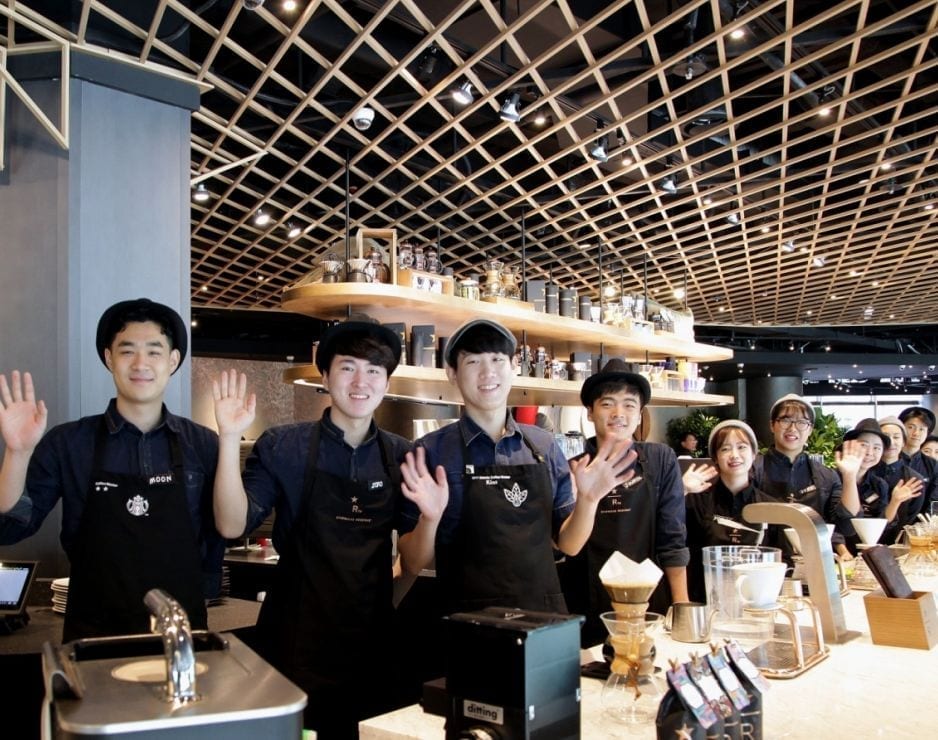
    The company will open two Reserve stores in Seoul and a third in Pangyo, just south of the capital, this week. They will raise to 30 the number of upscale Reserve cafes in the country, which is already the third-largest total of any international market, behind China with 52 and the US with 35.

    Starbucks Korea is a joint venture between Starbucks Coffee International and South Korea’s Shinsegae Group.

    The number of Reserve bars in South Korea stood at 15 as of the end of last year, so has nearly doubled in the past six months.

    “We will continue to increase the number of Reserve bars in line with the growing demand for specialty coffee among local consumers,” a Starbucks Korea official said

    Starbucks remains the undisputed No 1 in Korea’s coffee industry and was the first such chain the country to surpass 1 trillion won (US$895 million) in sales. It has more than 1150 stores nationwide.

    The size of South Korea’s domestic coffee market reached 6.4 trillion won at the end of 2016, up 30.6 per cent from 2014, according to government data.