Tag: startup

  • Singapore Payments Startup InstaReM Partners Thai Banking Group

    Singapore Payments Startup InstaReM Partners Thai Banking Group

    Digital remittance company InstaReM has partnered Thai banking group Kasikornbank in an agreement that would see the Singapore startup power cross-border payments for the bank’s clients in select markets, it announced in a press release on Thursday.

    This relationship further cements InstaReM’s position as a leading provider for cross-border transactions. With InstaReM, KBank clients will be able to realize faster turnarounds, while providing certainty on delivery times and payout amounts, Prajit Nanu, co-founder and CEO of InstaReM, said.

    “This is an important partnership for KBank at an exciting stage in our evolution. We are continuing to expand our cross-border payment capabilities into key markets across the world, as we are witnessing increasing demand from our customers.

    Kasikornbank is Thailand’s second-largest and Southeast Asia’s eighth-largest bank in terms of total assets, at $96.9 billion, according to data from Forbes. At $14.5 billion, it is also the country’s largest bank in terms of market capitalization.

    InstaReM, which has a presence in 40+ countries in Asia-Pacific, North America and Europe enables low-cost cross-border payments to 55+ countries. It has enhanced its payments capabilities by partnering global payments leaders like Ripple, Visa and First Data.

    In March, the firm announced the close of its $41-million Series C funding round, which will be used to support growth and expansion to new markets, including opening a regional headquarters in Latin America and expanding its teams in London and Seattle, the firm said. This brings the total funding InstaReM has raised to $59.5 million since it started operations in 2015.

    It is expected to receive licenses for Japan and Indonesia later this year, and continues to prepare for an initial public offering, planned for 2021.

  • Peer-to-peer rental marketplace MyRent launched in Singapore

    Peer-to-peer rental marketplace MyRent launched in Singapore

    Singapore’s first peer-to-peer on-demand rental marketplace MyRent has launched.

    The site allows Singaporeans to rent items including photographic and sporting equipment, seasonal apparel and video games. After a beta trial, it already has more than 2000 registered users with 800 active listings.

    “The idea behind MyRent is to allow users to own experiences instead of things,” said

    Ishwar Dhanuka, MyRent co-founder and CEO.

    “We want to decentralize ownership, and create a win-win for both listers and renters — where the former can earn money by renting what they own and rarely use, while the latter can rent a product without actually having to pay the full amount to use it.”

    With MyRent, customers can rent a piece of equipment without any deposit.

    The platform has built its own app, available for both iOS and Android users.

    According to a study jointly published by Google and Temasek, Singapore’s e-commerce market is valued at more than US$1 billion but is projected to soar to $5.4 billion by 2025.

    Peer-to-peer retail platforms have gained popularity in the industry, with platforms such as MyRent shifting focus towards providing consumers with experience versus the traditional ownership of goods.

    After Singapore, MyRent is eyeing expansion into Malaysia by the end of this year. It is also exploring merchant partnerships to help stores rent out unused inventory and ecosystem partnerships – such as in insurance and logistics.

  • YouTrip raises $25.5m for SEA expansion

    YouTrip raises $25.5m for SEA expansion

    Hong Kong developed multi-currency mobile wallet YouTrip has raised $25.5 million in a pre-Series A funding round to help pursue expansion in Southeast Asia.

    YouTrip was developed in Hong Kong to be Singapore’s first multi-currency mobile wallet with a prepaid Mastercard. It was developed in partnership with Mastercard and Singapore’s largest public transport card issuer EZ-Link.

    Designed with travelers in mind, YouTrip allows users to pay in over 150 currencies and to exchange and store 10 selected currencies through an in-app exchange feature.

    YouTrip’s $25.5 million funding round was the largest pre Series A funding round for a Hong Kong founded a startup,and attracted participating investors including major Asian family offices and venture capital firm Insignia Ventures Partners.

    YouTrip plans to use the proceeds to invest heavily in growing its team and technology infrastructure to bolster its engineering hub based in Hong Kong, further enhance its payment infrastructure, roll out new product features, and expand into more Southeast Asian markets.

    “As a frequent traveler, I was surprised with how much banks mark up on overseas transactions – this was among the many reasons why I started YouTrip with Arthur Mak, who is also chairman of YouTrip,” the company’s co-founder and CEO Caecilia Chu said.

    “As the regional travel industry continues to post robust growth, YouTrip recognizes the pain points of travelers and equally, the immense opportunity to better serve their financial needs. We are dedicated to creating the best mobile financial services for travelers by simplifying overseas spending and creating a fuss-free travel experience.”

  • Startup Offers Bank Cash Points as ATMs

    Startup Offers Bank Cash Points as ATMs

    A Singapore fintech turns brick-and-mortar shops into alternative ATMs, potentially saving banks millions of dollars in maintaining their cash logistics. Banks can now tap on SoCash’s apps and existing brick and mortar point-of-sales to save on the huge costs associated with maintaining ATMs and the physical circulation of cash.

    So let’s say there are 3,000 ATMs in Singapore and they hold anywhere between S$150,000 to S$200,000 overnight. That’s a minimum of S$450 million of liquidity that is stuck in these machines, says SoCash founder Hari Sivan.

    The inefficiencies of leaving cash in ATMs has been bugging Singapore’s banks, which typically spend $200 million a year on ATM maintenance, logistics, insurance, counting and cleaning cash, and other expenses just to maintain the circulation of physical cash, the fintech firm estimates.

    With SoCash, banks pay only a transaction fee and a platform fee. Currently, banks using SoCash’s service include DBS, POSB, Standard Chartered and ICBC. With cash points set up in 1,300 locations in Singapore, the startup processes close to 200,000 transactions per month.

    Retailers are paid a fixed fee per transaction by SoCash, letting them tap on the store’s pool of cash earnings to generate a revenue stream while saving themselves the hassle of having to deposit their cash earnings at a physical branch, Sivan explains.

    This cash withdrawal service also helps the participating shops to generate walk-ins and push in-store promotions on the app’s platform.

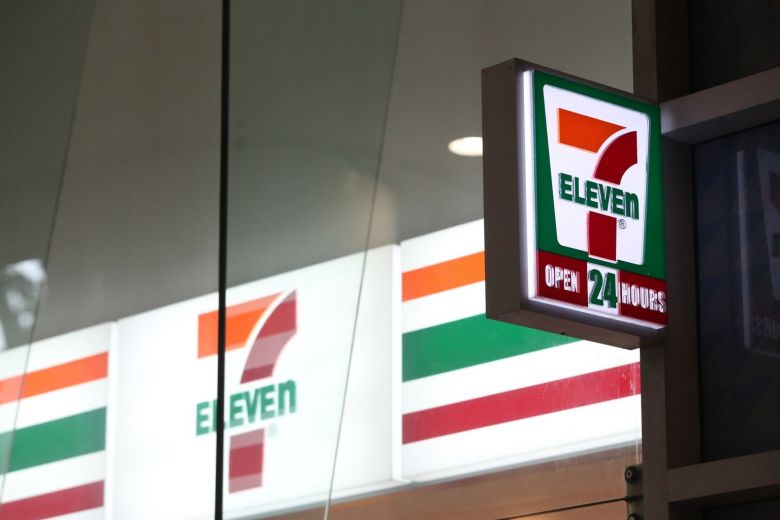
    Once a user opens the Socash app, scans a QR code and inputs the withdrawal amount,  he or she can collect the cash from the cashier at a chosen cash point, such as a 7-Eleven. The user’s bank account is then debited while the retailer’s account is credited by the participating bank.

    Sivan, who spent about 13 years in the banking industry, is planning its Series B fundraising round in the next few weeks.

  • Chinese baby products website Beidian gets Funding

    Chinese baby products website Beidian gets Funding

    Chinese maternal and child-care social-shopping site Beidian has attracted RMB860 million (US$126 million) in funding from leading investment firms.

    Hillhouse, Xiang He and Sequoia Capital are among the high-profile funders backing the social commerce enterprise. The online retailer focuses primarily on trading in mother and infant goods as well as other daily-use products.

    Any user can trade on the Beidian platform to sell and receive commissions from sales, with the opportunity to connect directly with suppliers and receive support for their marketing and distribution.

    The site has more than 50 million registered users, predominantly housewives, 20 per cent of whom are active on a monthly basis. More than 100 million purchases are processed on the site per business quarter.

  • Omnichannel startup CitiXsys Opening Offices

    Omnichannel startup CitiXsys Opening Offices

    Fresh from a US$20 million funding injection, omnichannel-solutions startup CitiXsys plans to open six offices across Asia, eyeing region-wide expansion. CitiXsys’ new offices will be located in Singapore, Jakarta, Ho Chi Minh City, Manila, Bangkok, and Kuala Lumpur.

    “Southeast Asia offers an ideal business climate today, with massive opportunity in this important region,” said Kamal Karmakar, CitiXsys CEO.

    “Purchasing a retail-management solution is one of the most important decisions a retailer can make since the future of the entire business hangs on its success.”

    Southeast Asia is the world’s fastest-growing internet region with the e-commerce market expected to reach US$53 billion by 2023.

    “By opening up more local offices and bringing on local product expertise we will be able to better support the needs of our fast-growing client, partner, and distributor base in Southeast Asia,” added Paula Da Silva, executive VP of global partnerships and alliances at CitiXsys.

    “Already this year, the CitiXsys channel partner ecosystem in this region has grown by 30 percent, signaling a need for solutions designed to complement the way retail works in Asia today.”

  • Shinsegae launched coworking space in Seoul

    Shinsegae launched coworking space in Seoul

    Shinsegae International has launched a new coworking space in Seoul it expects will boost its retail business.

    The new 278sqm “Scale Up” space in Cheongdam-dong is targeted at startups in the lifestyle-related industry. With seven offices and meeting rooms, it is loosely modeled on the firm’s earlier coworking space S.I Lab for fashion enterprises.

    “Scale Up’s main purpose is not to provide space, but rather to support startups with growth potential,” said Shinsegae International executive director Park Seung-seok. “With our infrastructure, we aim to make a win-win situation for both Shinsegae International and small startups.”

    Shinsegae has reserved one of the Scale Up offices for foreign business operators visiting the country. Four other members will pay a monthly fee of KRW1.5 million (US$1280) to use the space, which includes support services such as opportunities to use the company’s retail channels and potential cooperation with Shinsegae brands.

  • Honestbee CEO Departing to get more Funding

    Honestbee CEO Departing to get more Funding

    Interim replacement from cornerstone investor, suggesting much-needed funds will soon be injected to save the startup.

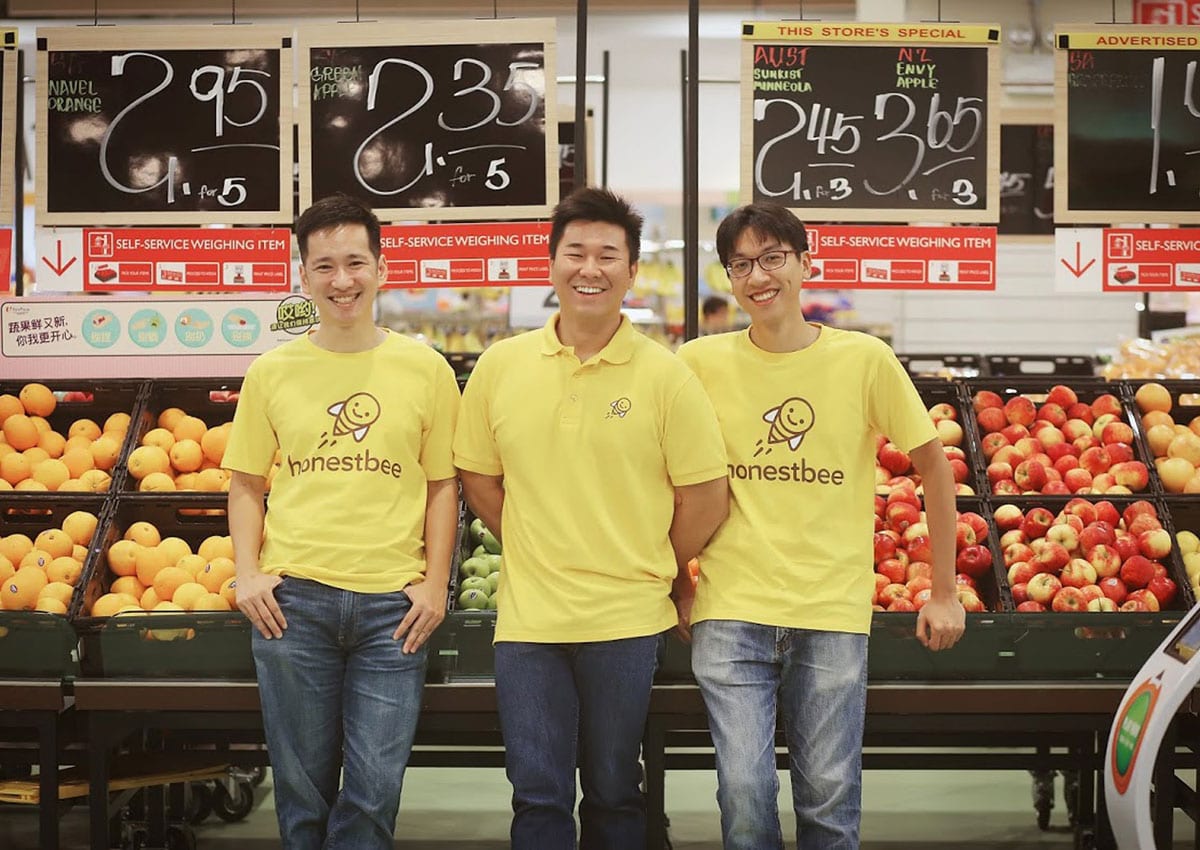
    Honestbee CEO and cofounder Joel Sng has stepped away from the business, clearing the way for a fresh round of investment which would ensure the startup’s survival.

    His place has been taken by Brian Koo, the grandson of the founder of South Korean industrial giant LG and who oversees US-headquartered investment fund Formation Group, one of the key investors and shareholders in Honestbee. Koo’s role has been termed “interim CEO”.

    While Honestbee in an unattributed statement said Sng was “stepping down” as Honestbee CEO the exact circumstances of his departure are less clear.

    The Straits Times reported early yesterday that Sng had sent an email to staff signalling his intention to leave the role, while TechCrunch, which has been reporting extensively on Honestbee’s challenges in recent weeks and is well connected with inside sources, said Sng had been fired and had vacated his desk on Tuesday.

    DealStreetAsia quoted an email from Sng which it had seen, in which Sng apologised to the Honestbee team: “Over the past year, our business has grown significantly, and operating and scaling across eight countries is not without its challenges. We acknowledge that the board could have provided the company more guidance and we apologise for not doing more.

    “…All of you have given blood, tears and sweat to get us this far. These are the moments when we have to be strong. I want all of you to know that I am in this with you, fighting every day beside you. We might be judged by our mistakes, but we will be remembered by our success in the future,” he said.

    Earlier reports had suggested concerns about financial decisions and management of the business had proved a major barrier to attracting urgently needed funds to keep the business running, in particular a scheduled funding round in January from a Japanese investor.

    Brian Koo took over the role yesterday in a move at least one observer is seeing as a precursor to Formation Group injecting more capital.

    Earlier this week, Honestbee confirmed it was shutting its operations in five markets – Thailand, Hong Kong, Japan, Indonesia and the Philippines. However a spokesperson in an emailasked to clarify that the company had not decided to exit those markets, rather it had “halted or temporarily suspended operations” in them.

    Regardless of the exact circumstances of Sng’s departure, Koo was magnanimous in recognising the cofounder’s role in establishing the business.

    “I would like to express my appreciation for Joel, as he steps away from his current role, for taking Honestbee from zero to one,” he said in a statement.

    “I will be working with the executive team to conduct an in-depth review of our business to focus and align our strategic interests across our various geographies and verticals, and take the opportunity to articulate a clear vision for the future of honestbee.”

    In the same statement Sng said Koo had been Honestbee’s earliest supporter and a key investor.

    “He was also instrumental in helping us define Honestbee’s purpose and mission from day one. I am confident that he would (sic) be able to bring the company to the next level, supported by the newly appointed executive team comprising key leaders of our organisation.”

    “We will continue to innovate and improve our business to stay relevant in today’s rapidly changing business environment. We remain committed to making great food experiences accessible to customers across Asia.”

  • Honestbee Shutting Down in Several Countries

    Honestbee Shutting Down in Several Countries

    Singapore grocery-picking startup puts a positive spin on its predicament as it seeks investors.

    Honestbee has shut down or suspended operations in five countries as it seeks funding to continue to trade in its core markets, including home base Singapore.

    As previously reported by Inside Retail Asia, Honestbee has suspended operations in Hong Kong and Thailand. Yesterday, the company clarified that it had “halted services” in Indonesia and Hong Kong and its food vertical in Thailand. Services in Japan and the Philippines have been suspended.

    The grocery-delivery startup founded in 2015 has run out of cash but is putting a positive spin on its predicament.

    “Over the past four years, we have demonstrated commitment to our staff, partners and customers, and continue to innovate and improve our business to stay relevant in today’s rapidly-changing business environment,” the company said in a statement.

    “The launch of Habitat by Honestbee in Singapore last October marks the next phase in our evolution as a food company.”

    Honestbee said 10 per cent of its staff had been laid off. It did not refer to the number of resignations over recent months, which have included senior management, such as the head of the Philippines operation. One media outlet reported that between 50 and 70 staff had voluntarily resigned.

    The company said the curtailment of operations in five markets was necessary “to help us focus and align our regional business, and more importantly, to enable us to better meet our customers’ needs”.

    “The status of Honestbee’s business in the remaining markets stands unchanged.”

    Honestbee said media reports regarding a delay in employees being paid were untrue.

    “We will ensure that all employees across all markets, including Singapore, are paid in a timely manner. In addition, we are also committed to fulfilling our financial obligations to all Bees (store pickers), partners and vendors.”

    Meanwhile, the hunt for new investors continues. According to DealStreetAsia, Grab has been approached, but declined to be involved, as it is a shareholder in Honestbee’s rival HappyFresh.

  • Honestbee running out of Funds

    Honestbee running out of Funds

    Innovative startup runs out of cash; suspends Hong Kong and Thai operations. Honestbee is freezing operations in Hong Kong and Thailand and laying off staff as it urgently seeks investment to stave off collapse.

    According to an in-depth, citing multiple industry sources, the Singapore-headquartered food-delivery business turned innovative food-and-grocery retailer has nearly run out of money and is unlikely to be able to pay staff this month.

    “From talking to several former and current staff, Honestbee is laying off employees, it has a range of suppliers who are owed money, it has “paused” its business in the Philippines, it has closed R&D centers in Vietnam and India, it isn’t going to make payroll in some markets and a range of executives have quit the firm in recent months,”.

    However, the potential for the sale or rescue of the business is high. The company has held talks with Grab and its rival GoJek over the potential acquisition of all or part of the business.

    Honestbee was founded four years ago. Its core business concept is using store pickers to shop for groceries at various food retailers, with orders completed on apps and shipped by delivery staff to consumers. It operates in Hong Kong, Taiwan, Thailand, Indonesia, the Philippines, Malaysia and Japan, as well as its home market. In suburban Singapore it has opened a technology-run physical retail store listed this month as one of the world’s ‘must-see’ stores.

    Honestbee’s dire predicament is the result of high marketing costs faced by most online startups in Asia: building critical mass takes massive investment in digital marketing, discounting and – especially in the case of delivery apps – recruitment.

    We have been shown financials for the company from last December which showed revenue of S$2.5 million (US$1.8 million) and a loss of $6.5 million on transactions totalling $12.5 million.

    About 80 per cent of the company’s revenue comes from Singapore, Taiwan and the Philippines.

    Honestbee issued a statement earlier this month attempting to put a positive spin on its perils, saying the decision to “temporarily” suspend its food verticals in Hong Kong and Thailand followed a strategic review of the company’s business, so it could “simplify what we do and how we do it to better meet what our consumers want”.

    The company said 6 per cent of its global staff would be laid off.

    “The status of Honestbee in the remaining markets remain unchanged as we evaluate and we will continue to operate and contribute to Honestbee Pte Ltd.”

    In addition to the layoffs announced, senior management have already left the company in the Philippines, Japan and Indonesia.

  • India’s Quikr Acquires Zefo marketplace

    India’s Quikr Acquires Zefo marketplace

    Indian online classifieds site Quikr has bought refurbished goods marketplace Zefo, headquartered in Bangalore.

    The acquisition allows an exit strategy for Zefo’s current investors, including Sequoia Capital, and gives Quikr a pathway to expand and strengthen its pre-owned product range.

    Zefo, has a portfolio of more than 10,000 products in four cities, including Bengaluru, Mysore, Delhi NCR and Mumbai.

    “With Quikr and Zefo as a combined entity, we will be able to offer a broader selection of products at even more competitive prices along with as strong a focus on quality,” said Quikr founder and CEO Pranay Chulet.

    “With this transaction, the capabilities we have built and the offerings we have honed can now be offered to Quikr’s large customer base,” said Zefo CEO Rohit Ramasubramanian.

  • Singapore Fintech Firm Heading into Indonesia

    Singapore Fintech Firm Heading into Indonesia

    Following a successful Series B funding round, SME lending platform Validus Capital is launching in Indonesia. SME lending platform Validus Capital has launched in Indonesia, its first Southeast Asian market outside its home country of Singapore, the firm announced in a media release on Thursday.

    Launched in partnership with Indonesia’s Triputra Group under the name Batumbu, the financing platform connects domestic SMEs from sectors as diverse as food and beverage (F&B), services, engineering, to construction industries with accredited, institutional and high net worth investors.

    Leading the local management team is Sonny Christian Joseph, who has over 23 years in SME banking in Indonesia and was previously head of SME banking at Indonesian business bank BTPN.

    P2P lending platforms have gained popularity and have grown rapidly in Indonesia. In 2018, P2P lending platforms disbursed a total of US$1.4 billion (S$1.9 billion) in loans, representing a 681.25 per cent year-on-year growth, according to data from Indonesian financial services authority Otoritas Jasa Keuangan.

    «Our expansion into Indonesia serves as a significant milestone for us. Sharing our insights and applying key learnings from Singapore allows us to take a proven and sustainable business model and apply this to a larger market – a market where I have personally spent a few years helping SMEs to grow,» Ajit Raikar, Validus CEO and co-founder, said.

    Unlike traditional financing options and P2P lenders, Butumbu uses proprietary technology and credit scoring systems adapted and tailored to cater to the needs of SMEs in Indonesia. The firm said that  it will develop strategic partnerships with large corporations to ensure an extremely robust and scalable financing ecosystem.

    In February 2019 Validus recently raised US$15.2 million (S$20.5 million) in an oversubscribed Series B funding round led by Dutch public-private development bank FMO.

    Validus was founded in 2015 and is backed by the likes of Netherlands development bank FMO and Temasek Holdings’ Vertex Ventures. According to the company, it is Singapore’s largest peer-to-business lending platform, facilitating over US$147 million (S$200 million) in business financing to local SMEs in less than 18 months.

  • Jack Ma calls 12-hour work days a “blessing”

    Jack Ma calls 12-hour work days a “blessing”

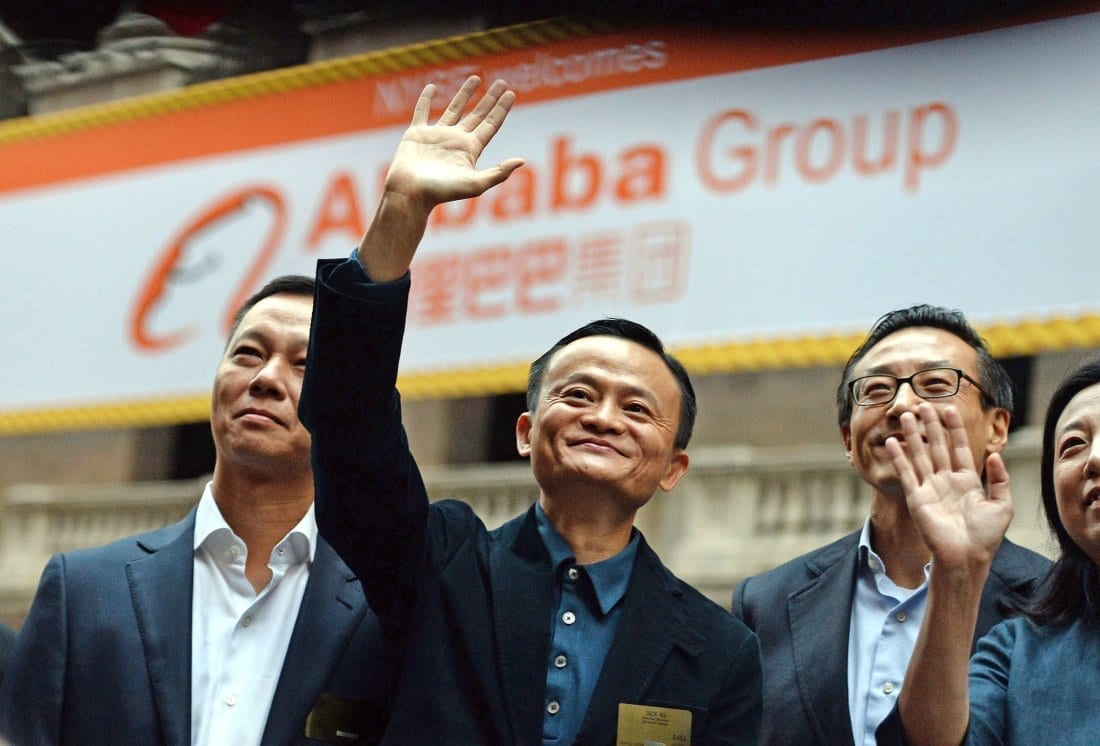
    In the middle of stress awareness month, Alibaba founder Jack Ma has told his company’s workers they should be working a “996” work schedule – that is from 9am to 9pm, six days a week.

    According to a speech made this week by Ma, working 12 hours a day for Alibaba was a “blessing” to staff, and necessary for the business to achieve success.

    Ma’s comments caused a stir in China, where a conversation about work-life balance has spring-boarded off of a slowing tech industry.

    “With the pressure of economic downturn, many enterprises are facing challenges to survive… but the way to relieve anxiety is not to let employees work overtime as much as possible,” an editorial wrote.

    Ma later backtracked on his comments, calling such a work regime inhumane, unhealthy and unsustainable.

    The comments come as LinkedIn revealed work-life balance is the top cause of stress at work for Australians, with 72 per cent of survey respondents struggling to keep a balance between the two.

    The report also found that executive-level professionals are the most stressed, more so than middle management and individual contributors.

    In terms of age demographic, Generation X is the most stressed generation with over half (54 per cent) claiming to struggle with confidence in the future of their work.

  • Toyota Sells Electric Vehicle Technology To Chinese Startup Singulato

    Toyota Sells Electric Vehicle Technology To Chinese Startup Singulato

    Toyota Motor Corp has agreed to sell electric car technology to Singulato, its first deal with a Chinese electric vehicle startup, allowing the fledgling firm to speed up development of a planned mini EV.

    In return, Toyota will have preferential rights to purchase green-car credits that Singulato will generate under China’s new quota system for all-electric and plug-in hybrid vehicles.

    It will also gain a bird’s-eye view into how Chinese EV startups operate and the strategies they pursue in a fast-changing marketplace, said Singulato Chief Executive Shen Haiyin and two sources at the Japanese automaker.

    “With electrification, autonomous driving and car-sharing shaking up the industry, old ways need to be re-examined,” one of the Toyota sources said, declining to be identified as he was not authorized to speak on the matter.

    “We have a century’s lead in automotive technology, but we also need to be humble enough to learn from newcomers.”

    Singulato will acquire a license to use the design of Toyota’s eQ – a battery electric microcar. The deal is due to be announced on Tuesday at the Shanghai auto show, where Singulato will unveil a concept car based on the eQ.

    Singulato plans to redesign the car, tailoring it to local tastes to come up with a model by early 2021 that is more affordable and offers a longer driving range.

    “This deal gives us a way to save on time and costs to develop a reliable car and focus on what we excel in,” Shen told Reuters.

    Financial terms are not expected to be disclosed. A Singulato source said the startup agreed to pay “several tens of millions of dollars” for eQ’s design.

    Toyota said it was taking various measures to accelerate its business in China, a key market, but it would not comment on specific steps.

    The agreement is a vote of confidence by Toyota in Singulato’s prospects, said Shen. Founded in 2014 and backed by Intel Corp and Japanese trading house Itochu Corp, Singulato is one of at least 50 Chinese EV startups seeking to survive in a competitive market.

    It plans to sell its first self-developed battery electric car called the iS6 this year, competing with models from rival startups like Nio and WM Motor as well as those from global automakers.

    Singulato’s version of the eQ will be a so-called connected car offering young buyers a host of entertainment, safety and navigation features. The car, which will be called the iC3, will also feature some self-driving technology.

    Toyota sold about 100 eQ cars in 2012 and then discontinued it due to concerns over the limits of EVs, including their high price tags, short driving range and long charge time. But Singulato believes technological advances, especially in batteries, have made the car much more marketable.

    Shen said the iC3 should be able to go as far as 250-300 km (160-190 miles) on a single full charge and will be priced around 100,000 yuan ($15,000). Singulato aims to sell 200,000 units over five years.

    According to the two Toyota sources, the deal is part of efforts to share more technology with China as the Japanese automaker seeks more growth in the world’s largest auto market by beefing up manufacturing capacity and distribution channels.

    The green-car credits will also come in handy.

    Keen to combat smog, jump-start its own auto industry and lower reliance on imported oil, China is aggressively pursuing the adoption of electric cars. Under a production quota system taking effect this year, automakers are required to produce and sell a certain number of new-energy vehicles in proportion to their overall sales volume.

    A carmaker that fails to achieve its quotas will have to acquire NEV points from an automaker with surplus credits or face penalties.

    Toyota has said that initially it won’t be able to meet its quotas without buying credits from others. It has also agreed to produce and help sell a car for GAC Motor, a joint venture partner, to generate credits.

    According to the Toyota sources, the deal with Singulato has already yielded intriguing glimpses into the thinking of Chinese EV startups and their non-traditional approach to engineering.

    One such example was Singulato’s idea to look at linking headlights with satellite, cellular network location data and the driver’s planned trip. That could help turn the headlights along the driver’s route for enhanced visibility and driving safety.

    It might not something Toyota would consider but as an idea, “it was eye-opening,” one of the sources said.


  • Indian startup WoodenStreet thrives with O2 Growth Hacking

    Indian startup WoodenStreet thrives with O2 Growth Hacking

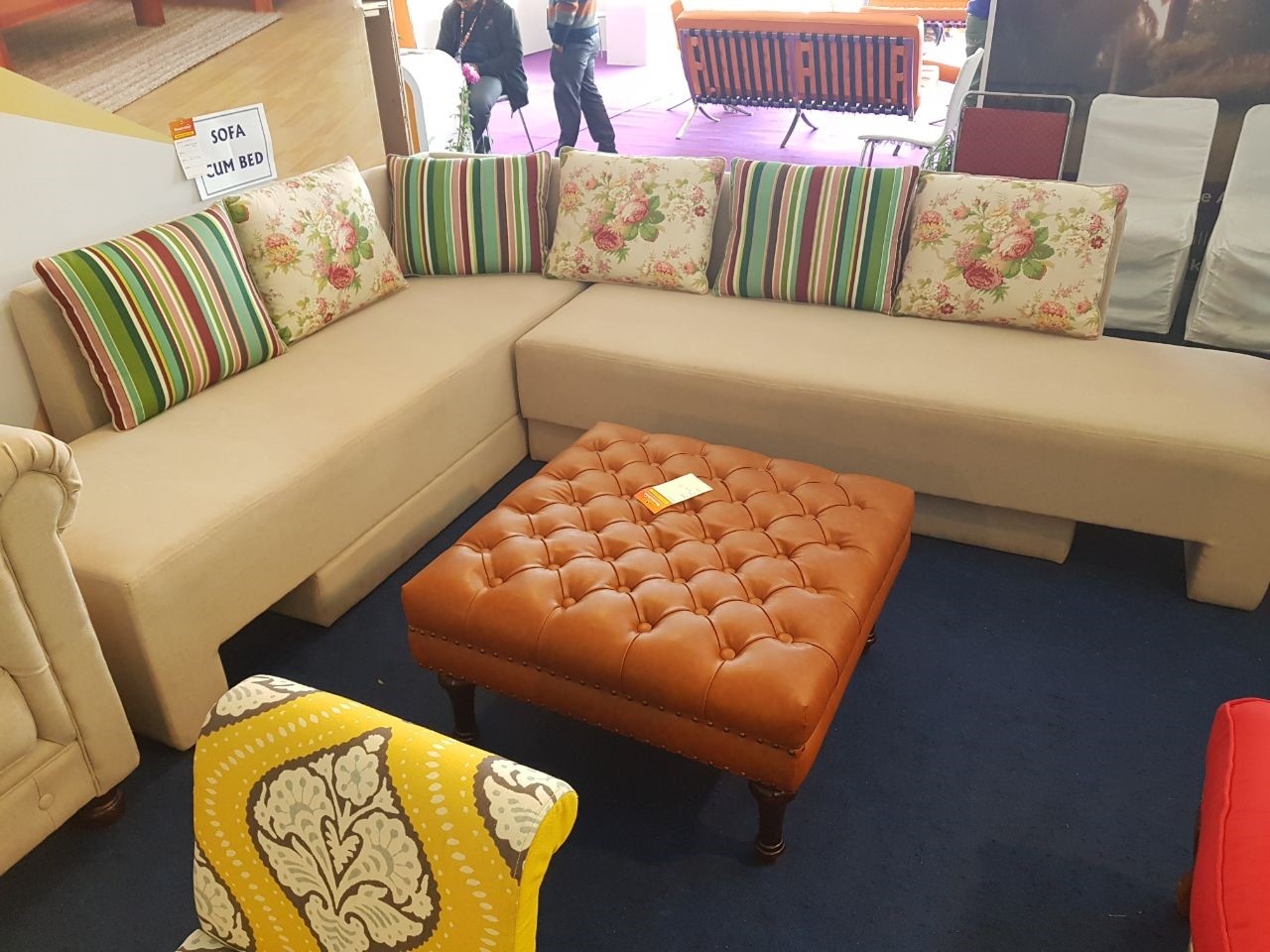
    Indian furniture startup WoodenStreet is targeting 15 additional experience stores in the territory by the end of the year.

    The firm, which specialises in customisable furnishings, currently operates 12 locations throughout India as well as more than 30 delivery hubs.

    “Our country is a diverse nation,” said the firm’s CEO Lokendra Ranawat, “which means that no two homes are the same. Our design tastes are influenced by our upbringing and our culture, so why should we be forced to buy furniture that does not match them? We want people to be free from such constraints.