Tag: startup

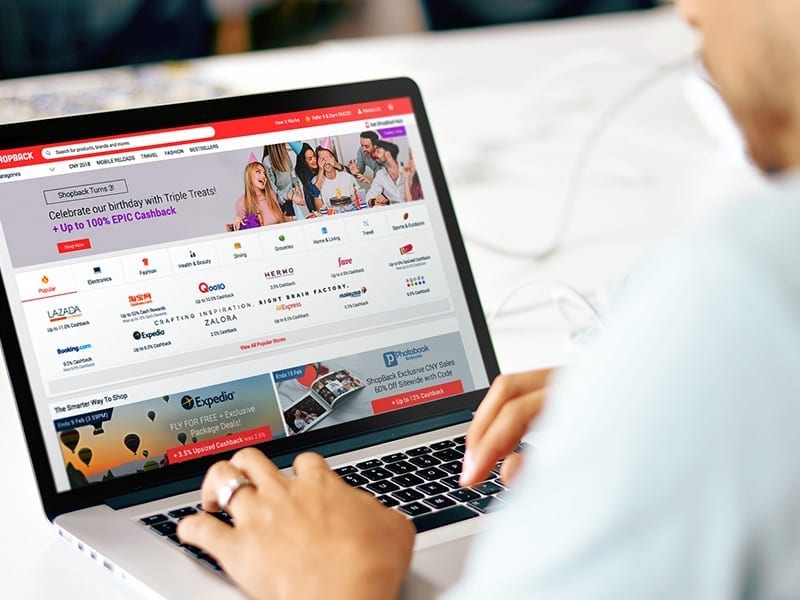
  • ShopBack Secures Fresh New Funding

    ShopBack Secures Fresh New Funding

    Rewards program ShopBack has secured a further US$45 million in its latest funding round.

    Joining the shareholders’ register are newcomers including Japanese e-commerce giant Rakuten, EV Growth, and EDBI, a Singapore government-linked strategic investor.

    Amit Patel, CEO of Rakuten subsidiary Ebates and Willson Cuaca, managing partner at EV Growth, will join ShopBack’s board of directors. The new funding round takes the total investment in Shopback to $83 million.

    ShopBack has recently been expanding its core services beyond its original cashback service for online shoppers. Among them, Shopback Go, in partnership with Visa and Mastercard, which enables users to dine out and earn rewards.

    Last year, ShopBack experienced 250 per cent year-on-year growth in both orders and sales. The company powered more than 2.5 million monthly transactions for more than 7 million users in seven Asia-Pacific markets, and delivering close to $1 billion sales for more than 2000 merchant partners, both online and offline.

    ShopBack also entered Australia last year, its first market outside Asia, and opened research and development hubs in Vietnam and Taiwan.

    The company says the fresh funding will be invested in “simplifying shopping experiences, expanding data capabilities to fuel personalisation and business insights, as well as accelerating growth in key markets”.

  • Zilingo received fresh investment funding

    Zilingo received fresh investment funding

    Online marketplace Zilingo has raised US$226 million in its recent Series D funding.

    The fresh capital round brings the total amount raised by the company to $308 million. Having secured its latest investments, the company is now looking to China as well as other key Asian markets as part of its growth strategy to expand its B2B business.

    Key investors from this latest round included Sequoia Capital, Temasek Holdings, Burda Principal Investments, Sofina, Singapore investment fund EDBI as well as existing investors.

    “Sequoia’s investment in Zilingo dates back to when the company wasn’t even yet incorporated and the name wasn’t finalised,” said Sequoia Capital (India) Singapore’s MD Shailendra Singh.

    “Ankiti and team have rapidly transformed their original ideas about Zilingo into a platform company that serves fashion consumers, merchants, retailers, brands and manufacturers, collectively representing a multi-hundred-billion-dollar market size. We are amazed by the team’s ability to envision and execute against such an ambitious roadmap and are excited to continue to support them on their journey.”

    The company says it plans to invest the capital in long-term value building across the supply chain, building new and deeper relationships with manufacturing partners in Vietnam, Cambodia, Sri Lanka and China, and expanding into new markets such as the Philippines, Indonesia, Australia and the US this year.”

  • Startup Launchpad Spring event focuses on blockchain

    Startup Launchpad Spring event focuses on blockchain

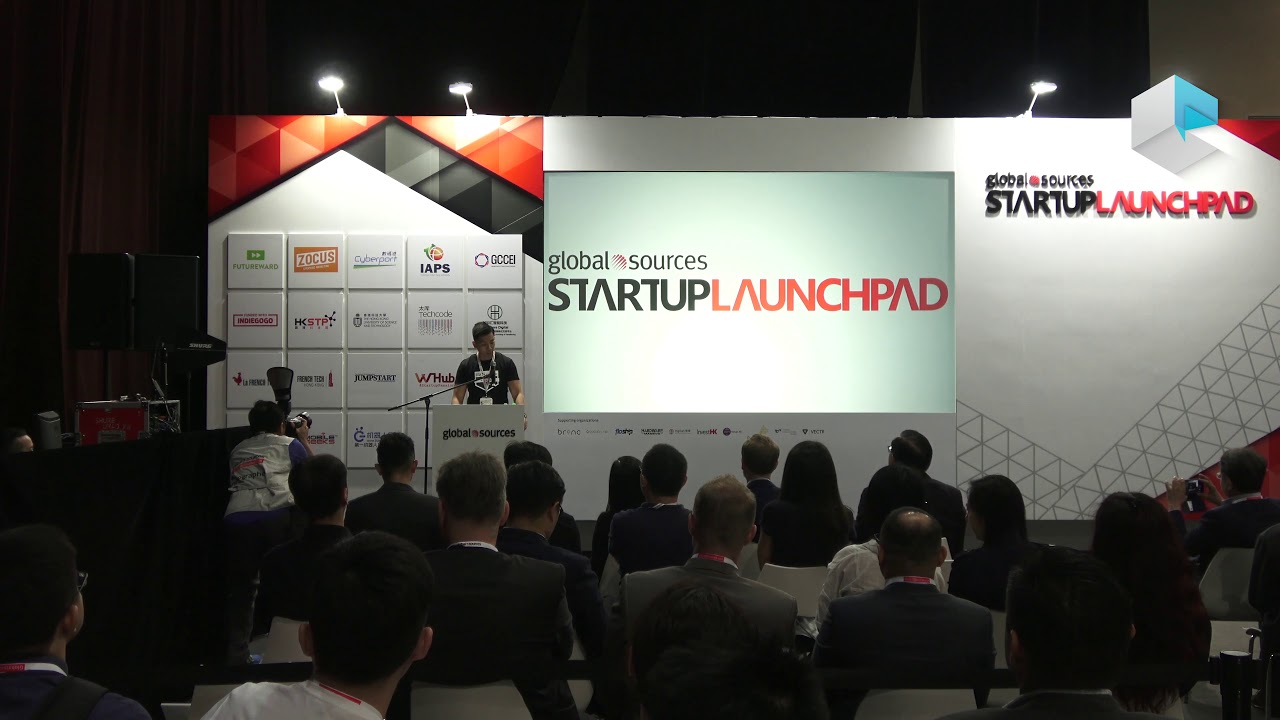
    Ahead of the next edition, we sat down with Minesh Pore the head of Startup Launchpad, to talk us through this April’s event at Asia World Expo.

    Mishesh, tell us about yourself

    Thanks StartupsHK. I’m a highly regarded global trade expert with more than 18 years experience leading multinational organisations in corporate transformation, Intra-prenuership, innovation, international business development and strategic planning. I would say I am a well-connected and respected globally for my experience, network and knowledge of the Greater Bay area startup ecosystem, mentoring startup founders, helping startups scale up and expand international.

    What is Startup Launchpad?

    Startup Launchpad is hosted in Hong Kong every April and October. The show focuses on helping hardware and retail solutions startups scale up by meeting buyers, retailers and wholesalers from more than 140 countries. We will also be hosting a one-day conference, with a focus on blockchain as a transparency tool for supply chain. We will have two-day workshops, the focus of which is to educate startup founders on every step from initiating a business plan to working with distributors globally. We will also have pitches from the top 10 startups that will be pitching for more than HK$500,000 in prizes.

    Why should startups attend?

    Startups who want to sell their products and solutions should attend the trade shows. Startup ecosystem players who want to connect with others in blockchain for supply-chain sector and learn what the latest trends are in this arena should attend. All those who have considered launching a startup or who are at any stage of their startup journey, should attend the workshops. Also: come and listen to the pitch-competition winners, who this time come from Hong Kong, China, India, Austria and Spain.

    What are some of the standout events we should look out for?

    The must sees at the show will be:

    • AR/ VR game demos by Ubisoft and Ninebot will be on display, demonstrating the latest in eVehicle technology.
    • 200 Startups from Austria, India, Spain, China, Taiwan, the US, Singapore and Hong Kong wll be showcasing various IOT products, connected devices, eVehicles, health-tech devices, edu tech, AR / VR products and retail solutions.
      • Conference: Future of Retail – SCM Innovation (April 19 in Hall 2 at Asia World Expo). This conference will be talking about potential in automating the complicated supply-chain management, using tech innovations such as blockchain. Insights will be shared by the industry’s top practitioners. Also, we will be discussing the investment outlook in the new retail sector.
    • Workshop: Start. Make. Sell! Workshop Series for Startups. April 20-21 in Hall 2 at Asia World Expo). These workshops are designed for early-stage startups, entrepreneurs or anyone thinking about hardware projects. The workshop will guide participants through the right way to start their business in the Greater Bay area, including finding the right partners, incubation programs and leveraging free trade-zone advantages; tips and advice on prototyping products; and how to validate, market and sell the product.
  • Echelon Bangkok roadshow showcases the bright new stars in Thailand’s ecosystem

    Echelon Bangkok roadshow showcases the bright new stars in Thailand’s ecosystem

    Recently, Echelon, the tech event startup organizer from Singapore held an event at WeWork Asia Centre in Bangkok. The Echelon Roadshow is part of a series of international stops leading up to the annual Echelon Asia Summit happening in May.

    The event brought together the local startup ecosystem over a night of networking, Thailand top 100 startup, plus a panel discussion with feature founders sharing their startup journeys – from how they scaled their company to how they addressed obstacles such as building a sustainable team. The panellists included Surasit Sachdev, CEO of Hungry Hub, Casey Liang, co-founder of Pomelo, and Bond Thaiyanurak, CEO&Founder of Box24. The discussion was moderated by PachareePantoomano, BrandNow.asia’s Director of Make it Happen, the agency that launched large startups such as Grab, Lalamove, and Honestbee in Thailand.

    The panel discussion tackled Founders Confessions which panellists shared their experiences as part of starting up. Bond talked about working with the right partners and having the right chemistry. He’s had to resolve a conflict with a shareholder. Surasit confessed that when he initially started the company, he did not do market research and that causes him to burn through his investment quickly. He advised anyone thinking about starting up should do the research and work on the proof of concept from the beginning. When Pacharee asked the panellists if they started their companies for love or money, Casey said that it was a bit of both. However, it’s the love for growing the business that keeps him going. The life of a start-up can be a bumpy one and he said that if you love what you do, it will help you stay true to your goal.

    Thaddeus Jit Siong Koh, the co-founder of e27, shared “The journey for these winners has only just begun. We are excited to see them compete against the other bright new stars of Southeast Asia’s ecosystem in Singapore — at our Echelon Asia Summit 2019 which is taking place on May 23rd and 24th at Singapore Expo. We also hope that these startups will be able to level up through absorbing insights from thought leaders, corporate business matching, and more”

    Pacharee added, “It is important that we continue to contribute, develop and grow the ecosystem locally, regionally and globally. These events and competitions bring about better products and services for businesses and consumers. We are delighted to be Echelon’s media and community partner in Thailand. It is an opportunity for us to support our local startup scene and do our part in fostering the digital economy”.

  • Vinomofo partners with US wine Startup

    Vinomofo partners with US wine Startup

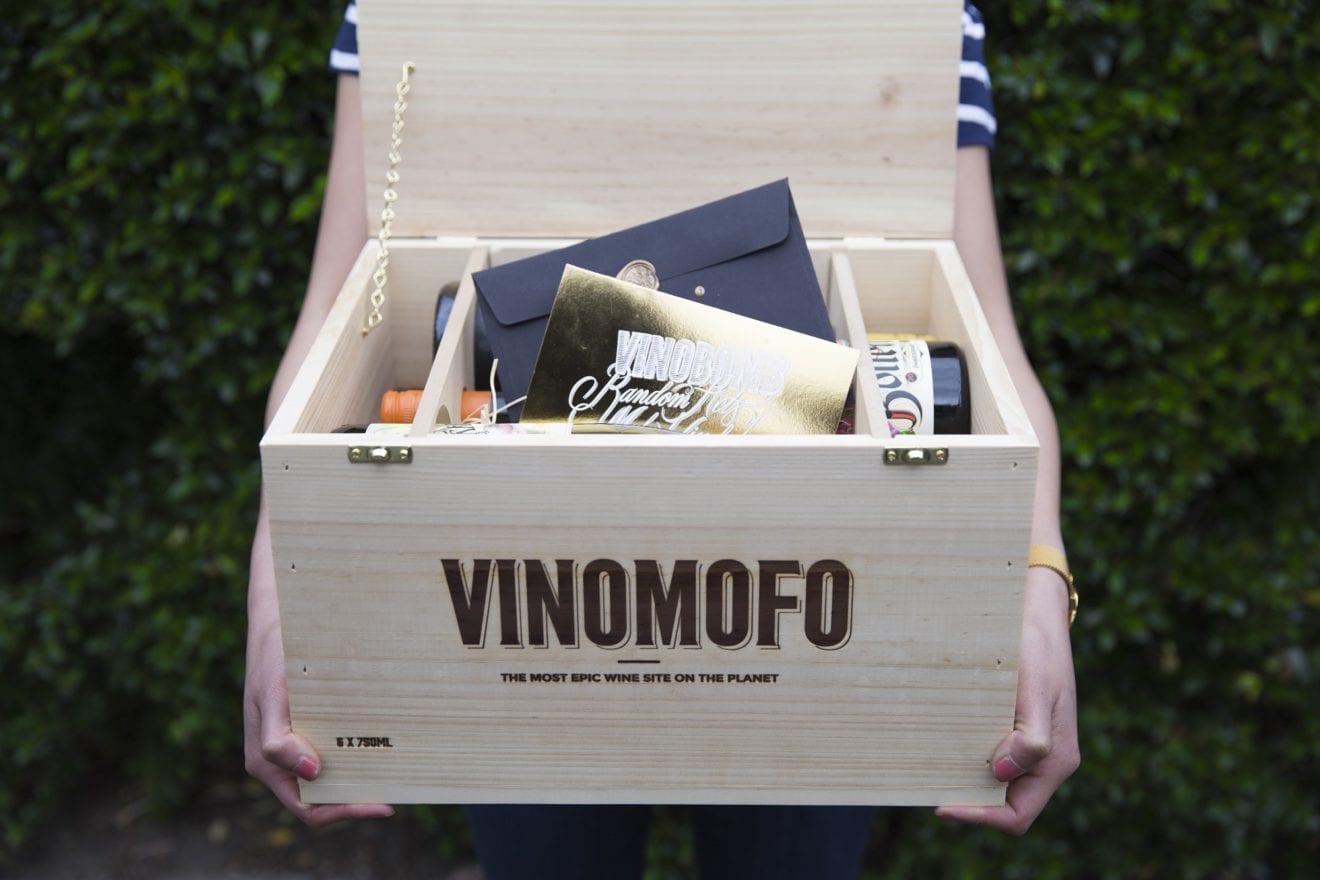
    Online wine retailer Vinomofo has partnered with US wine media mogul Gary Vaynerchuk to bring the inaugural wine from his label, Empathy Wines, to its customers in Australia, New Zealand and Singapore.

    The wine, which Vinomofo is launching this month, is available exclusively for pre-order from the online retailer.

    Vinomofo co-founder and CEO Justin Dry said the partnership was fitting, since Vaynerchuk’s approach to the industry aligns perfectly with Vinomofo’s mission to offer great wine at the right price.

    “The inclusion of Empathy Wines is an exciting one for us,” Dry said in a statement.

    “It strengthens our offering as well as supporting Californian winemakers who’ve been devastated by fires recently and cements our commitment to bringing really cool wines to our wine lovers.”

    This is just the first step in a bigger effort to introduce more wine from overseas to Vinomofo’s customers in Australia, New Zealand and Singapore, Dry told

    “We’re currently buying for our second container – after filling the first one with Gary Vee’s Empathy Wines Rosé – so look out for some super cool wines by iconic US winemakers like André Hueston Mack hitting our shores in 2019,” he said.Adtech Ad

    But there is still no word on when Vinomofo will officially launch in the US market, which it had previously planned to do in 2018.

    “We have some very exciting things happening in the background at Vinomofo. We will share these with you as soon as we can,” Dry said.

    “In the meantime, we are super excited to be forming this partnership and can’t wait for what’s ahead.”

    Gary Vaynerchuk, also known as Gary Vee, took his parents’ liquor business in the US, Shopper’s Discount Liquors, online in 2006, and started Wine Library TV, a daily webcast covering wine.

    He later started a digital ad agency, which provided social media and strategy services to several Fortune 500 companies, including Anheuser-Busch, Mondelez and PepsiCo.

  • Indian online grocer BigBasket raises Millions for next Phase

    Indian online grocer BigBasket raises Millions for next Phase

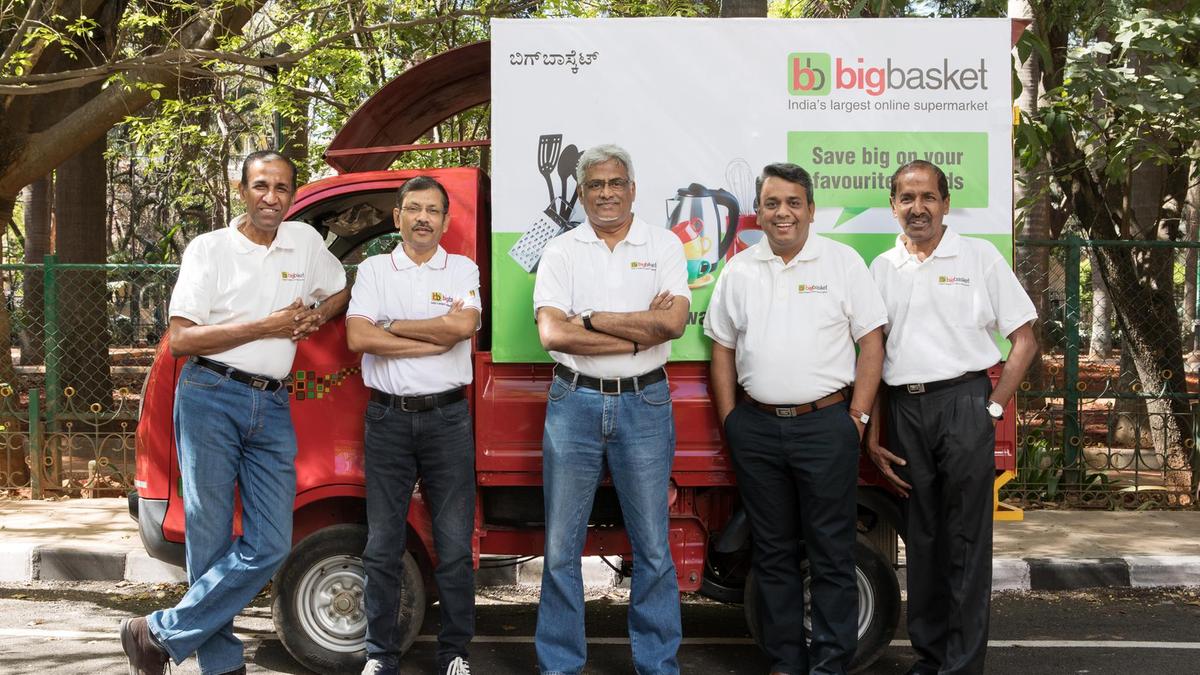
    Indian online grocery platform BigBasket has raised investment capital of about US$150 million.

    The investors include South Korean Mirae Asset Management (at about $60 million), the UK’s CDC Group (at $40 million), and existing investor Alibaba (about $50 million). The investment figures were shown in documents submitted to the Ministry of Corporate Affairs.

    BigBasket received $300 million in February last year from Alibaba and other investors and has been discussing seeking further funding since last November. The firm aims to generate revenues of the equivalent of $2.5 billion by next year.

    The online-grocery market is burgeoning in India, and accounts for a sizeable proportion of unorganised retail in the country.

  • Six great marketing lessons Learned from MarketingPulse

    Six great marketing lessons Learned from MarketingPulse

    “Great ideas should be scary,” advocates Marcelo Pascoa, head of global brand marketing at Burger King, one of the keynote speakers at the recent MarketingPulse event in Wanchai. “When new things come to be, it is often associated with fear. So, my advice to marketers is: be very afraid! If you sleep well the night before your project launches, then the promotion wouldn’t be too spectacular.”

    Pascoa’s projects are known to be bold and daring, even making fun of competitors in the market. One example was a marketing stunt in which people were asked to open the Burger King app at a McDonald’s to win a free burger. As a result, there was a huge leap in interest in the Burger King app and it became the most downloaded app on the store. He said that knowing your work aligns with the brand value is key when facing challenges and criticism. “My biggest fear is being irrelevant. Marketers live in fantasies where they control everything, but social media has proved that we cannot control everything.”

    MarketingPulse second edition

    Pascoa was one of many speakers at the second edition of MarketingPulse, Asia’s premier conference for marketers and brands, held at the Hong Kong Convention and Exhibition Centre. Organised by the Hong Kong Trade Development Council (HKTDC), the key morning session at the event, “Dear Brands, Let’s Sail to the Future!”, featured a heavyweight line-up of industry experts who shared their tricks and tips on how to keep ahead of marketing trends to develop successful brand stories.

    Respect cultural differences

    Endeavor is a brand focusing on entertainment, sports and marketing services. Bozoma Saint John, the company’s chief marketing officer, shared her success stories at Endeavor and in previous high-profile marketing roles at Uber and Apple Music.

    St John recounted some of the marketing stunts that helped to push her brands, from inviting Beyonce to perform at the Super Bowl and promoting Apple Music’s breakup song services through private chat messages between three famous black actresses, to featuring two superstar athletes sharing their thoughts on cultural differences during an Uber ride. These stunts were not only successful in capturing the attention of consumers, but also raised discussions on cultural issues relevant to society as a whole.

    “I am addicted to popular culture,” she declared. “I am always fascinated by the latest and most trendy things and would like to know how they come to be and how they connect with history. People working in the marketing sector represent various cultural differences between different places. We have to know its meaning, why it comes to be, and how cultures interact in order to use popular culture as a marketing tool.”

    Saint John pointed out that there are currently tensions in society which make it important for marketers to understand different communities well and build connections through various emotions in order to avoid controversies such as cultural appropriation.

    Think before you speak

    One of Hong Kong’s best-known creative talents, Juno Mak, creator at Kudos Films, began his presentation by sharing his experience in the entertainment industry and explaining how marketing became part of his everyday life.

    “We do not need to be a businessman to do marketing, as we are already marketing ourselves in our daily lives − our sitting posture, our favourite colours, and our watches, these are all making a promotion out of a life. When you know yourself better, you will know how to do marketing,” he said.

    Mak also made the bold suggestion that we should abandon two things: our resumes, and thoughts that come from the mouth, not the head.

    “Things you write in your resume are tasks completed in the past. But we have to think: what’s next? We should also give up on thoughts that come from our mouths, as they might be copies of other people’s ideas. Thoughts should come from your head − a creation that you agree with.”

    Storytelling techniques

    Jonathan Mildenhall, co-founder and CEO of TwentyFirstCenturyBrand and former chief marketing officer at Airbnb, offered the audience a whole new definition of marketing in the 21st century. “Marketers create assets for the company, including its finance, consumers, employees and cultural assets. Marketing with a clear focus creates unparalleled value,” he said.

    Mildenhall emphasised that storytelling techniques are key to any marketing campaign.

    “I am 100 per cent a supporter of emotional storytelling. If a marketing campaign does not contain a story behind it, it is only market pollution. Stories help us build a signature super-brand that people care about.”

    He shared his experience at Airbnb to illustrate how consumption begins with emotion − for example, bringing the room in a Van Gogh painting to life, or sharing true stories from the community to bring out cultural values.

    “We rationalise our choice of consumption after we create the emotion,” he explained.

    Understanding local tastes

    Keiei Sho, executive officer, GM of overseas business division at Calbee, distributed his company’s popular grilled corn sticks to conference visitors to demonstrate how market tastes can change.

    “People used to say that the corn sticks were too hard and that consumers would not like them,” he said, before revealing that sales were now in the region of US$300-400 million. Sho recounted Calbee’s history, explaining that after the Second World War, Japan was left with devastated industries and faced food shortages. Calbee stepped in to manufacture prawn crackers using the flour left behind by the US Army and shrimps from the Seto Inland Sea, which proved to be a hit.

    The company continues its creative legacy, recently working with 47 Japanese prefectures to create a successful campaign by developing 47 different flavours of chips.

    “We collaborated with local governments to learn about local tastes, hoping to know what would resonate with consumers, while showcasing promotions from various prefectural governments on the back of the bag,” he explained.

    Using its advantages in the areas of food safety and convenient packaging, the brand has continued to push the envelope by launching breakfast food items to attract Chinese visitors and promoting Kyoto’s breakfast culture using online celebrities.

    Embracing consumer insights

    The lingerie brand created by Michelle Cordeiro Grant, founder and CEO of Lively, has embraced the concepts of female empowerment and body acceptance. The company created a new definition of what sexiness means, building a brand that brings community, experience and products together.


    Advocating “high style and comfort”, the brand has been communicating with 100 brand ambassadors right from the start to learn about consumers’ needs and elicit useful feedback. Many of Lively’s new underwear lines are launched in accordance with customer preferences.

    Grant said Lively is an experience-focused brand, with its retail stores devoting only 30 per cent of the space to products while the rest is used for events such as hip-hop experiences and movie nights.

    “Lively is an organism with a human soul,” she said. “Normally, females purchase underwear once or twice a year, while our consumers purchase underwear on average four to five times per year. This shows that they are purchasing not out of their ‘needs’, but their ‘desires’.

    “This is key to how we create our market share.”
  • Singaporean firm’s taxi joint venture in Vietnam suffers losses

    Singaporean firm’s taxi joint venture in Vietnam suffers losses

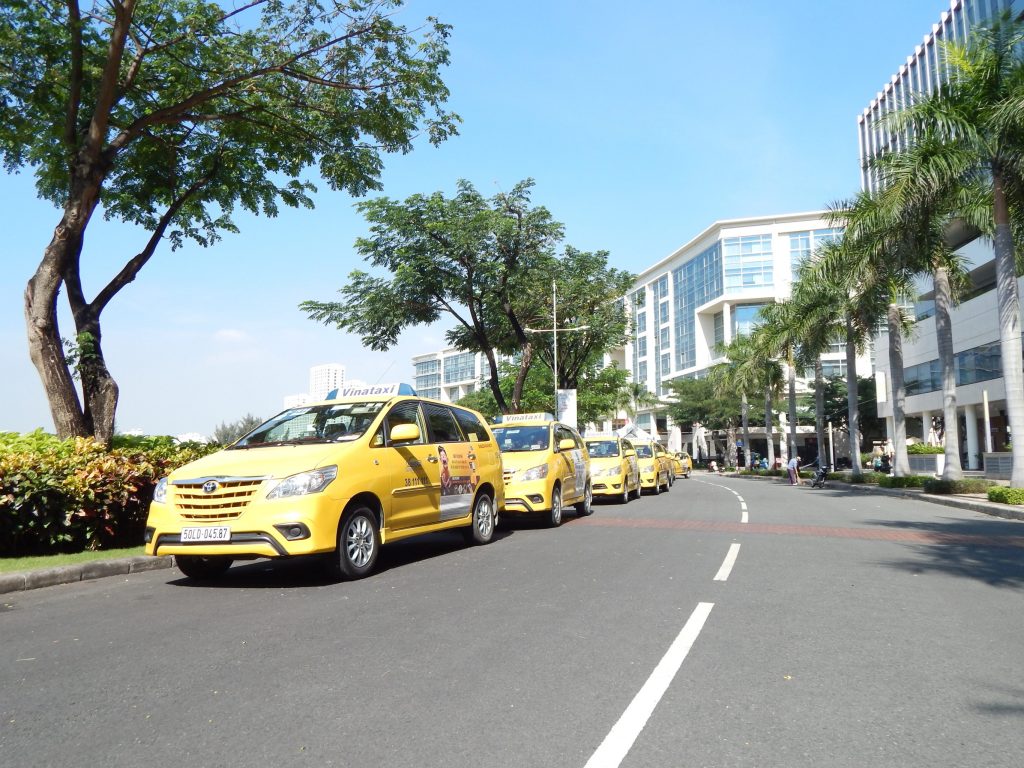
    ComfortDelgro Savico Taxi, a joint venture between a Singaporean transport corporation and Vietnamese motor vehicle dealer, lost $103,000 last year. This figure is mentioned in the latest financial statement published this month by local retail, motor vehicle and parts dealer Savico, the Vietnamese joint venture partner. ComfortDelgro Savico Taxi has been in constant trouble in the last few years. After nearly ten years of operation, the joint venture had to restructure and upgrade its fleet to maintain an exploitation rate of 90 percent, which meant heavy investments.

    However, just when it was becoming profitable enough to offset cumulative losses of the previous years, the joint venture met fierce competition from ride-hailing start-ups Grab and Uber.

    Savico decided to close the taxi firm’s operations last March to preserve its capital. At closure time it had 352 cars but only 140 drivers.

    Following the joint venture’s closure, ComfortDelGro’s revenue in Vietnam fell to $3.3 million in 2018 compared to $6.8 million the previous year, down by more than half.

    ComfortDelGro’s Vietnam earnings now account for less than 1 percent of its total revenue. The firm also has business in Singapore, the U.K., Australia, China and Malaysia.

    According to financial statements, ComforDelGro’s non-current asset value in Vietnam has also fallen from $12.8 million in January 2017 to only $4.8 million in 2018.

    Although the Singaporean transport firm’s management did not give a reason for the fall, experts have not ruled out the possibility that it has already liquidated all its long-term assets in the joint venture and is waiting to complete dissolution procedures.

    ComfortDelgro Savico Taxi, formerly known as Tourism Taxi Savico Enterprise, was established in March 2005 as a joint venture between Savico (40 percent) and ComfortDelGro (60 percent) – a leading public passenger transport operator in Singapore.

    ComfortDelGro still owns a 70 percent stake in another local taxi firm called VinaTaxi, which takes up the third largest market share in the HCMC taxi market.

    However, last November, its Vietnamese partner, the Transport and Industry Development Investment Corporation (Tracodi), withdrew its 30 percent stake from the joint venture, citing poor business performance.

  • Vietnam ride-hailing app FastGo to hit Singapore streets

    Vietnam ride-hailing app FastGo to hit Singapore streets

    Vietnamese ride-hailing firm FastGo is set to launch Singapore operations in April as part of its regional expansion plans. The nine-month old Vietnamese start-up has announced that drivers will be able to register on its ride hailing application from April 1, and customers can use the service from April 30. Diep Nguyen, country manager for FastGo Singapore, said the company’s fleet size will be at least 3,000 cars.

    Singapore is the third country in which FastGo will operate, after Vietnam and Myanmar. The firm is expected to face fierce competition from market incumbents including  Singapore’s Grab, Indonesia’s Go-Jek, as well as local startups Ryde and TADA.

    FastGo, which is part of Vietnamese technology startup NextTech Group, has plans to launch in five other countries in the region, including Indonesia and the Philippines, by the end of 2019.

    While FastGo has not yet publicised fares, but the ride-hailing app will not charge peak period surcharges, and customers can tip drivers. FastGo aims to undercut competitors like Grab and Go-Jek, who collect 20 percent of ride fares from drivers, by charging them a fixed daily subscription fee of $5 if a driver’s income exceeds $30 a day.

    However, an associate professor at the Singapore University of Social Sciences, as saying “another small entrant” will not make a difference to the local ride-hailing market, unless the new player is financially backed by a strong sponsor or a well-known Singaporean firm.

    “Other than GoJek and Grab, the other (existing) players have very small market share and have difficulty making much impact locally. The market is easy to enter but it’s very hard to get a substantial market share,” he said.

    Founded in April 2018, FastGo Vietnam JSC launched its service after Uber’s exit from Southeast Asia last June. With almost 60,000 drivers onboard, the company claims to be the second most popular ride-hailing firm in Vietnam, following Grab. After receiving an undisclosed sum in a Series A investment from venture capital platform VinaCapital Ventures in August last year, FastGo is aiming to raise another $50 million in its Series B investment round over the next few months.

    According to the company’s statements, FastGo will diversify its services to include food delivery and financial services.

  • Singapore’s Start-Up To Launch World’s First All-In-One Digital Currency App

    Singapore’s Start-Up To Launch World’s First All-In-One Digital Currency App

    A team of Singaporean startup will be launching the world’s first all-in-one digital finance mobile application to help general public come onboard to the world of digital currency or better known as cryptocurrency.

    Started off as a media portal AsiaTokenFund, the company has launched the app called ATF to integrate its media platform with a dynamic cryptocurrency “store & utilize” platform. The company realized that as more and more real-businesses are moving into blockchain and adopting cryptocurrency, there is a need to bring more people from the general public into the industry by adopting and utilizing cryptocurrency in everyday life. The main issue is that, at the present moment, it is very difficult or troublesome for a new-to-crypto user to come onboard as the processes are so segmented.

    Right now if a new user wants to obtain a cryptocurrency, he/she have no idea what it is. He/she will have to read information about it somewhere. Next, he will need to download and set up a wallet and thereafter find a OTC or platform to buy his first cryptocurrency. Thereafter, he’ll have to find other platform to trade or download other app to make payments. It’s just too fragmented with too many processes. You can’t drive mass adoption this way” Said Ken N, Co-Founder & CEO of ATF.

    With ATF Platform / App , users will be able to read the latest news on what’s happening in the blockchain & cryptocurrency space , get the latest market analysis , find out what new currencies are out there to purchase and learn some basic information.

    Adding to that, users will also be assigned their own asset function which comes with a secured wallet to store and utilize their cryptocurrency. In the asset function, users can also purchase cryptocurrency using fiat via bank-transfer or credit / debit cards. Users can also sell their cryptocurrency with the same method.

    In Addition, users can transfer cryptocurrency to peers for free. With the added supported merchant function, users can now purchase items listed in the app by merchants and pay by cryptocurrency. What more, users can also use the ATF app to scan & pay directly at merchant physical shop using their digital currencies.

    “We’ve real companies embarking to accept digital currencies. Recently, we’ve seen news that Starbucks will soon start to accept bitcoin as payment in the US. We’ve also seen news on Facebook announcing its cryptocurrency. I foresee in the near future, more real businesses especially merchants will be able to accept cryptocurrency. There is a gap in the market to provide a one-stop-solution. I hope we are able to do just that” Said Ken N.

    The full function of the app can be summarized as follow:

    • News, Research Articles & Market Analysis.
    • Latest Project Fundraising, issuing new cryptocurrency for purchase.
    • Secured Wallet to store cryptocurrency.
    • OTC, fiat-to-crypto purchase or sell cryptocurrency.
    • Aggregated to Exchange for trading.
    • Transfer crypto peer-to-peer for free.
    • Purchase in-app merchant listed items.
    • Scan & Pay at merchant physical store using crypto.

    ATF currently have over 80,000 subscribers on their media channel www.atfnews.com and social media following of over 140,000 in facebook and other platforms. Headquartered in Singapore, ATF have international teams based in Shanghai, Vietnam, Thailand, Philippines and Germany.

    ATF Mobile App will be launched in both Google Play store and Apple store in first week of April 2019. The company is now set to raise its Series A equity funding to support its global expansion initiatives.

  • V-MORE announces planned Thailand expansion

    V-MORE announces planned Thailand expansion

    V-MORE, an e-commerce supply chain management platform, has revealed its intention of expanding into Thailand.

    V-MORE aims to recruit new Thai e-commerce merchants as part of its expansion strategy and has rolled out onboarding programs for new merchants and users.

    V-MORE is a one-stop marketplace where consumers can shop and be rewarded at over 500 marketplace and shopping sites including leading online brands, hotel and flight booking sites, technology as well as food and beverages merchants. Thai merchants can participate in its e-commerce program and increase their exports to other countries in Asia and beyond.

    “We are pursuing a plan of expansion and hope to achieve revenue growth through mass adoption by users and merchants in our ecosystem. Thailand is fast becoming the leading e-commerce market, and we seek to increase our user and merchant base through user incentive programs, brand awareness and marketing programs,” said Sir Eldee Tang, CEO and Founder of Noble Vici Group.

    According to research, there are more than 57 million internet users in Thailand who are well-versed with digital technologies, mobile and e-commerce. The market is valued at $3.5 billion and is expected to generate revenue growth rate of 13.2% annually, reaching $5.8 billion by 2022.

    “We look forward to new local merchants to come on board our platform and welcome sellers and buyers to experience the online marketplace for the first time,” Eldee added.

  • TradeGecko launches Founder Plan giving commerce startups the technology superpowers to build amazing businesses

    TradeGecko launches Founder Plan giving commerce startups the technology superpowers to build amazing businesses

    TradeGecko, a leading technology company that provides cloud-based inventory and order management solutions for small and medium-sized businesses (SMBs), today launched its Founder Plan, expanding access to its powerful technology platform to early-stage commerce businesses. 

    The plan enables founders to integrate TradeGecko’s leading inventory and order management solution from the get-go, so that they can build their commerce businesses to scale quickly. This limits cumbersome and complex manual processes that may inhibit future growth, empowering entrepreneurs with the ability to level the playing field with bigger competitors. 

    Recent research by TradeGecko has shown that operational challenges are among the biggest headaches for commerce entrepreneurs. 31 percent of businesses under US$1 million still rely on spreadsheets for their inventory management, with another 24% using pen and paper and 19% not using anything at all. On average, 90 hours a month are spent on backend functions such as order and inventory management as well as product sourcing.

    From as little as US$39 per month, subscribers of the Founder Plan can access a fully automated system that consolidates operations management functions into one central location. This ensures that inventory levels, sales channels and accounting systems are always up-to-date and accurate. It also gives commerce businesses the power to add new sales channels, integrates with other business-critical functions and provides analytics to support decision-making.

    “At TradeGecko, no founder gets left behind. Our mission is to give founders the technology superpowers to compete in the global market. The Founder Plan is an accessible launchpad that enables entrepreneurs to scale, while ensuring they have the time and information they need to do what they do best – build amazing businesses,” said Cameron Priest, Co-Founder and CEO of TradeGecko. 

    The Founder Plan allows users to manage their total inventory starting with one eCommerce channel, integrated with accounting, manage sales orders and purchase orders, shipping and email support. It also gives access to TradeGecko Payments, TradeGecko Mobile App and TradeGecko Intelligence sales and inventory reports.

  • Meituan Dianping nearly doubled revenue

    Meituan Dianping nearly doubled revenue

    China’s Meituan Dianping, the world’s largest food-delivery service, nearly doubled its revenue last year, but the tech startup is still bleeding cash.

    In the second set of results since its high-profile IPO, Meituan Dianping reported total revenues of RMB65 billion (US$9.68 billion), up 92.3 per cent on its 2017 result. Gross profit rose to RMB15.1 billion ($2.25 billion), but its adjusted net loss blew out to RMB8.5 billion ($1.27 billion).

    In its results statement, the company said strong revenue growth was achieved across all major business segments and its food-delivery business and in-store, hotel and travel segments on a combined basis generated positive adjusted operating profit.

    Total gross transaction volume grew by 44.3 per cent to RMB515.6 billion and the number of annual transacting users rose from 309 million to 400.4 million last year.

    The losses have been incurred by new services including ride-hailing and bike sharing.

    During the last year, Meituan Dianping has been boosting its customer base by targeting internet users who have not previously used food-delivery services from an online platform. It also launched a rewards program to maintain customer loyalty and incentivise user referrals through social media platforms.

    “In addition, through creating more diversified service categories, consumption scenarios and upgrading marketing programs, we increased users’ transaction frequency and further boosted transaction volume growth,” the company said in a results filing.

    “We continued to expand the service categories on our platform to include breakfasts, afternoon tea and midnight snacks. Delivery volume of fast food, snacks, desserts and drinks achieved strong growth during last year.”

  • English learning app co-founded by Vietnamese raises $7 million

    English learning app co-founded by Vietnamese raises $7 million

    ELSA has raised $7 million in a Series-A round from Google’s AI Fund Gradient Ventures and other U.S. investors. The investment round for ELSA, a mobile app that uses artificial intelligence and speech recognition technology to help language learners improve their English pronunciation, was led by Gradient Ventures, Google’s AI-focused venture fund.

    According to tech news provider Engadget, the Google fund will also offer “technical mentorship” to AI startups. ELSA will gain access to Google itself, including prominent figures such as investor and futurist Ray Kurzweil, design mastermind Matias Duarte and X lab leader Astro Teller.

    U.S. fund SOSV and Singaporean Monk’s Hill Ventures, strategic investment funds from the previous investment round, also invested in the app. In three years after its establishment, ELSA has successfully attracted $12 million through funding rounds in Silicon Valley, the U.S. and Asia.

    CEO and co-founder Van Dinh Hong Vu revealed that this round of funding will help the startup continue to recruit computer engineers and computer scientists in AI, and to explore new markets like Japan, Indonesia and India.

    ELSA currently has 4 million users from 101 countries worldwide, making it one of the top 5 AI applications with the most users. In 2018, the application recorded an increase in student enrolment by 350 percent over the previous year.

    Vietnam has been the fastest growing market for ELSA. ELSA grew its business fourfold in Vietnam in 2018 and expects to grow at a faster pace in 2019.

  • ViSenze AI technology helps people shop on Samsung phones

    ViSenze AI technology helps people shop on Samsung phones

    Visual commerce AI firm ViSenze has partnered with Samsung to help users easily discover and purchase products using the Shopping by Bixby Vision app on the electronics firm’s mobile devices. The partnership employs ViSenze’s automated visual-commerce technology and visual-search capabilities customised to consumers’ personalised shopping demands.

    “Consumers are exposed to countless products in their everyday lives that inspire and empower them to explore new trends,” said ViSenze CEO Oliver Tan. “Samsung is one of the first major companies to capitalise on this, recognising how essential it is to ensure the path from discovery to purchase is effortless.

    “At ViSenze, we work globally with some of the largest brands and retailers. Coupling this knowledge with our market-leading visual commerce technology, we are able to provide our partners with the insights and capabilities they need to find success with visual search and the commerce it’s driving each day.”

    According to material released by the brand, “Visual commerce solutions enable mobile shoppers to seize inspirational moments instantaneously by enabling them to find the same or visually similar products directly on their devices from top retailers such as Rakuten, Urban Outfitters and Zalora.”

    “Thanks to ViSenze, customers in this region can now take mobile shopping to new heights via Shopping by Bixby Vision, which makes shopping easier than ever, via your camera,” said head of mobile services & partnerships for Samsung Southeast Asia & Oceania Christopher Tarr.

    “From inspiration to instant gratification – it is that simple.”