Tag: Startups

  • Deliveroo deepens investment into on-demand grocery segment with exclusive DON DON DONKI partnership

    Deliveroo deepens investment into on-demand grocery segment with exclusive DON DON DONKI partnership

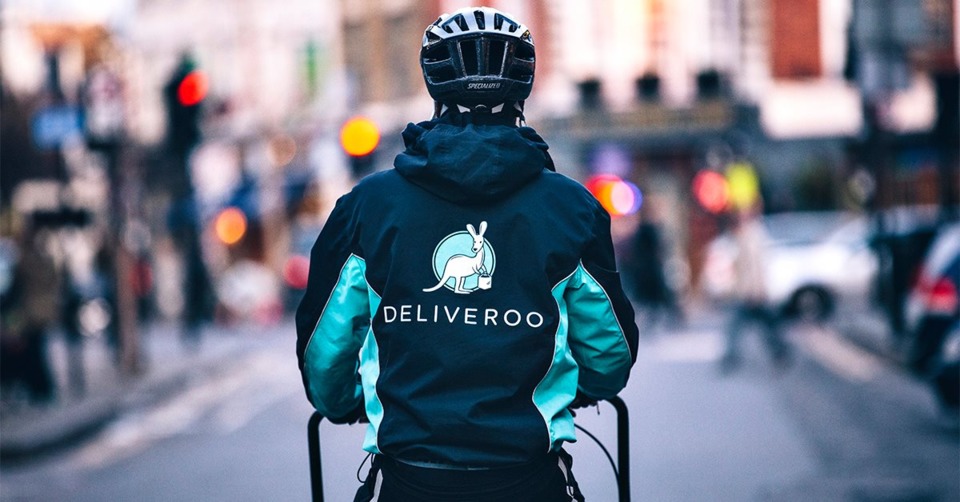
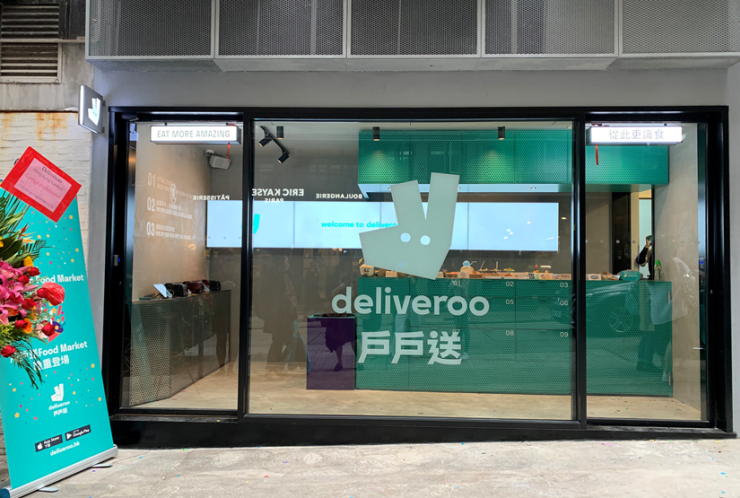
    Deliveroo today announces its partnership with DON DON DONKI, marking the first-ever collaboration with on-demand delivery app in Hong Kong for the Japanese megastore. The exclusive partnership with Deliveroo will enable customers to access a variety of tasty snacks, ready-to-eat meals and daily essentials from DON DON DONKI, making virtual shopping simple and convenient as many people opt to stay home amidst rising COVID-19 case numbers.

    The new partnership represents Deliveroo’s deepening penetration into the on-demand grocery segment. In October, Deliveroo launched its on-demand grocery offer, giving Hong Kong food lovers across the city easier access to supermarket and convenience store retailers such as Marks & Spencer and 7-Eleven.

    Introducing DON DON DONKI on Deliveroo will connect Hong Kongers to a wide variety of exciting and essential items from Japan, starting today. DON DON DONKI to-door delivery will be available across multiple neighbourhoods in Hong Kong Island, Kowloon and the New Territories reaching approximately over 1.5mn customers; or customers can choose pick-up to shop online and skip the queue.

    Via Deliveroo, customers can access some of their favourite DON DON DONKI household essentials, ready-made meals, supermarket staples and fresh produce.  With almost 300 items available to order on Deliveroo, customers can order a wide range of items including Japanese pears, grape shine muscat, wagyu beef, fresh sashimi and sushi, assorted cheese products, snacks and sweets, beverages such as sake and canned chūhai, as well as store beauty supplies, snacks for pets and home essentials.

    The boost to Deliveroo’s on-demand grocery offerings comes as consumers in Asia are eagerly embracing online shopping methods related to F&B. With the online grocery market in Asia expected to reach over US$295 billion by 2023, Deliveroo is making sure its offer to consumers meets changing demands, which is particularly important as consumer habits continue to evolve alongside COVID-19 restrictions.  With a fleet of over 7,000 riders in Hong Kong, Deliveroo is committed to delivering meals and essential grocery items in as little as 30 minutes, ensuring people have the food and other goods they need and want.

    Brian Lo, General Manager, of Deliveroo Hong Kong said, “Deliveroo is committed to more investment in on-demand convenience, following the announcement of partnerships with 7-Eleven and Marks & Spencer earlier this year. Now, we are  incredibly excited to partner with DON DON DONKI exclusively to offer convenient delivery and pick-up access to the megastore’s amazing range of products. We are dedicated to staying on top of consumer trends and catering to what our customers want, so DON DON DONKI is an extremely relevant brand and partner to bring on board as we deepen our on-demand grocery sector penetration. The potential of eCommerce grocery services is significant, particularly in light of COVID-19, and we will continue to work with more large brands to help Hong Kongers conveniently access the products they want and need.”

    Fast and convenient DON DON DONKI shopping

    Skip the line and order online! As Deliveroo and DON DON DONKI kick off their partnership, starting from today, five DON DON DONKI stores located in key areas within Hong Kong will be ready for delivery. Customers can also choose going to any of the five stores to pick up to save time and skip the queue. In recognition of the partnership, Deliveroo is offering delicious deals to new and old Deliveroo customers. New customers can receive two $50 vouchers (T&C apply) when they sign up for Deliveroo, while long-standing customers can enjoy 15 percent off their first DONKI-on-Deliveroo purchase.  Additionally, customers can enjoy a special price for Deliveroo-exclusive Hotpot Combo in a limited co-branded thermal bag from 18 December (available on a first-come-first-served basis while stocks last).

    DON DON DONKI is a beloved Japanese discount chain that first opened its doors in Hong Kong earlier last year. Operating 24/7 in most locations, the megastore offers an abundance of Japanese snacks, beauty items, lifestyle goods, cooked food – including special bento offerings – dry goods, fresh produce, and much more. DON DON DONKI can be accessed via the Deliveroo app to order instant soups, exclusive Japanese sodas, rice bowls and much more, bringing Japan to customers’ doorsteps in Hong Kong.

  • Singapore Beefs Up Wealth Management Talent Pipeline

    Singapore Beefs Up Wealth Management Talent Pipeline

    After a deadly pandemic wiped out most revenue for the year, Macau’s gaming industry could face a permanent structural shift with the potential introduction of a new system to exchange digital yuan for gambling chips.

    Macau’s watchdog, the Gaming Inspection and Coordination Bureau, has been in talks with various casino operators over the usage a digital yuan to buy casino chips, according to a report citing unnamed sources.

    The discussions are still in the initial stages and no final decision has yet to be made.

    Currently, tourists entering Macau to gamble commonly use two methods to obtain casino chips. One method is to obtain chips by converting Hong Kong dollars (which is widely accepted in the fellow special administrative region). Another is to obtain credit often from junket providers, a method commonly used by mainland high rollers to sidestep Chinese capital control rules.

    By introducing the digital yuan and enforcing it as the medium to exchange casino chips, authorities risk disrupting Hong Kong dollar flows and, more importantly, putting junkets out of business.

    In addition to hurting service providers in the middle, imposing a digital yuan would significantly increase the transparency of money flows from the mainland to Macau.

    Industry watchers are concerned not only about the lack of privacy for gamblers but also the potential of a conversion cap to expand the coverage of mainland China’s capital control rules.

    Although some believe the introduction of the move could boost Chinese middle-class participation in Macau’s gambling sector through the ease of conversion, others expect a fallout in the casino hub due to its strong reliance on high rollers that need financial flexibility.

    The report added that the increased exposure to casinos in Russia and the Philippines by Suncity Group, the listed arm of Macau’s biggest junket operator and the recent mystery buyer of cigar brands like Cohiba, was a response to changes such as the potential implementation of the digital yuan, citing another unnamed source.

    Gaming revenue in Macau has plunged by $27 billion this year, down at least 90 percent for six straight months since March.

  • Startups need partnerships to participate in bigger ecosystems

    Startups need partnerships to participate in bigger ecosystems

    Vietnamese startups need to expand their partnership network with domestic and regional firms for functioning deeper in big firms’ ecosystems, industry insiders say.

    Nguyen Anh Duc, CEO of retail chain Saigon Co.op, said among its 2,500 partners and suppliers in ASEAN, nearly 60 percent are young entrepreneurs in Vietnam who contribute about 28 percent of Saigon Co.op’s annual revenues.

    However, the contribution of young entrepreneurs to the company has been falling in recent years, he said Monday at the ASEAN Young Entrepreneur Carnival held in Hanoi.

    Saigon Co.op is constantly looking to improve it ecosystem and expand its market size, and for this, it needs more contributions from young entrepreneurs, Duc said.

    “There are gaps in the business environment among ASEAN countries, and young entrepreneurs need to fill those,” he said, adding that this process will lead to the creation of more unicorns in Vietnam and other ASEAN countries.

    Other forum participants said Vietnamese startups need to implement their ideas faster in the modern market to improve their ecosystems.

    Nguyen Dang Quynh Anh, chief operating officer of media giant Yeah1 Group, said a key factor in improving a company’s ecosystem is digital transformation, which requires young entrepreneurs to make quick decisions to make their services and products match the demand of modern customers.

    The pandemic will create new shopping habits among consumers who now are more familiar with sitting at home and ordering products to be delivered to their doorstep, and startups need to take advantage of this new trend to expand their market, she added.

    Although one of the biggest challenges startups face in expanding their network is mobilizing funds, experts say that there are many funding sources available now for young entrepreneurs with potential.

    Nguyen Phi Van, chairwoman of startup support organization Vietnam Angel Network, said that a group of angel investors in ASEAN this year has established a financial company to support startups with the biggest potentials in the region. So, if a Vietnamese and a Malaysian investor decide to fund a startup, it will be able sell its products to both markets.

    “Vietnam is currently one of the markets receiving great attention from investors in ASEAN thanks to its growth potential,” Van said.

    Investment in Vietnamese tech startups in the first six months fell 22 percent year-on-year to $222 millionfrom 40 dealsdue to the Covid-19 pandemic, according to a report by Ho Chi Minh City-based venture capital firm Do Ventures.

    Among six major economies in Southeast Asia, Vietnam accounted for 16 percent of the total investment, ranking third behind Singapore (37 percent) and Indonesia (30 percent), it added.

  • Banking-as-a-Service Startup to Expand in Singapore

    Banking-as-a-Service Startup to Expand in Singapore

    Singapore-headquartered fintech RootAnt has raised $1.46 million in a seed investment round, led by Linear Capital and co-investor KZM Group.

    The funds will be used for expansion in Singapore, the rest of Southeast Asia, and Japan, with an aim to provide both anchor corporates and SMEs with new and enhanced solutions on its platform, as well as R&D and the development of its multi-tier financing platform the startup announced on Thursday.

    RootAnt operates a cloud transaction banking engine and specializes in embedded financing for enterprises, connecting financial institutions with new tech solutions, data sources, enterprise systems, blockchain networks, and business partner platforms.

    The company said it is also planning to launch other financial solutions this year that will cover verticals such as SME finance, green finance, Islamic finance, and supply chain finance.

    The entry of digital-only banks into the market, along with increased challenges among SMEs to make payments while ensuring healthy liquidity has prompted a need for more innovative and relevant digital banking solutions has become a priority.

    We aim to address the financial challenges faced by businesses caused by COVID-19, and also to create avenues for business sustainability, growth, and continuity, Lincoln Yin, RootAnt CEO and founder, said about the seed funding.

    We aim to become a key player in this industry to continue supporting businesses with their financing demands as they recover from the impact of COVID-19, Yin added.

  • Russian ride-hailing app makes Vietnam debut

    Russian ride-hailing app makes Vietnam debut

    Russia’s InDriver has become the latest entrant in Vietnam’s growing but fiercely competitive ride-hailing market, joining several foreign and domestic firms in the fray.

    Starting this month, the company is offering car and motorbike ride-hailing services in the central province of Thua Thien Hue, the southern city of Can Tho, and the northern city of Hai Phong.

    It now has 260 car and 300 motorbike driver-partners. The company currently does not charge any fee from drivers, allowing them to receive in full the amount that customers pay.

    The biggest difference between InDriver and other ride-hailing apps is its real-time deal feature, which allows customers to offer an initial fare for the ride and send it to nearby drivers, who have the option to either accept the fares or propose a higher one.

    While other companies automatically select drivers, InDriver allows customers to manually choose one based on their proximity, reviews and price offers.

    A company spokesperson said this feature goes against popular algorithms which automatically increase fares during peak and high-demand hours.

    InDriver has over 50 million users worldwide. Its main competitors in Vietnam are currently Singapore’s Grab, domestic player Be, and Indonesia’s Gojek.

    U.S.’s ABI Research estimates Grab dominates the Vietnamese market with a 73 percent share, followed by Be with 16 percent and Gojek with 10.3 percent.

    In July, domestic player GV Taxi became a new player in the ride-hailing market, aiming to have 8,000 partner drivers in six months.

    Vietnam’s ride-hailing market was the fourth largest in Southeast Asia last year behind Indonesia, Singapore, and Thailand, according to a report by Google.

  • Razer Fintech Eyes New Markets

    Razer Fintech Eyes New Markets

    The firm is said to be exploring opportunities in Southeast Asia and other emerging markets, such as India and Latin America, to grow its fintech business.

    The financial technology arm of Singapore gaming and technology brand Razer said that while awaiting results of its bid for a digital banking license in Singapore, it is currently exploring applying for digital bank licenses in other jurisdictions, it said on Wednesday with its financial results for the first half of 2020.

    Razer Fintech generated $1.8 billion in total purchase value in the first half of the year, representing an increase of 114.3 percent year-on-year, and just shy of the $2.1 billion it achieved across the whole of 2019. This was driven by the onboarding of new merchants and surges in online shopping and digital entertainment consumption activities due to the COVID-19 lockdown, Razer said in the announcement.

    Razer recorded a record high revenue of $447.5 million, with 25.3 percent year-on-year growth for the period, driven by strong growth across its Peripherals portfolio, strong double-digit percentage year-on-year growth for Systems in May and June, and phenomenal growth in the services business.

    In an interview with on Thursday, Razer Fintech chief executive Lee Li Meng said the company is well-positioned to grow its digital banking business and is able to pivot quickly from its digital payments business to being a digital banking platform.

    The company is also looking abroad for more opportunities in this field. «We want to build a global business and leverage on the Razer Inc side of things as they grow alongside the fintech business, Lee said.

    Razer Fintech is one of the largest offline-to-online digital payment networks in Southeast Asia and has processed billions of dollars in total payment value since its establishment in 2018. The company is also is part of a consortium that is vying for one of five licenses in Singapore’s digital banking regime.

  • Three Asian fashion-tech startups to set sail

    Three Asian fashion-tech startups to set sail

    Three fashion-tech businesses, all graduates of Singapore’s Textile and Fashion Federations’ Bridge Fashion Incubator program, are launching this month.

    The three businesses—Shop Bettr, Republiqe and Tropick, are “some of the most promising innovative entrepreneurs” witnessed last month at the Cohort #2 Demo Day.

    The Shop Bettr brand is positioning itself as Asia’s first fashion tech search-and-shoppable platform for sustainable fashion. The firm aims to “solve the conscious consumer’s three-pronged challenge of not understanding certifications, not wanting to be deceived by greenwashing, and not finding sustainable products that resonate with their style and budget while helping sustainable businesses reach the ever-growing conscious community”.

    More than 50 brands from the Apac region have registered with the platform, reaching more than 90,000 through the firm’s waiting list and brand partners.

    Republiqe, an entirely digital luxury consumer fashion label, prepares to open this Friday, promising to “redefine and disrupt the fashion industry through tech-driven digital clothing and creativity”. The firm has launched an enigmatic Instagram account in anticipation of the upcoming launch.

    The third brand, Tropick, focuses on staple menswear items (as opposed to temporary trends) created with fabrics optimized for wearing in the tropics, implementing the innovations and attributes of athletic wear. The firm will drop new designs one by one in limited quantities as a means to conserve on resources and avoid wastage.

    “We believe Tropick is addressing a huge gap in the menswear market in Asia, but trying on the shirt is where the real magic happens,” said Tropick’s founder Monica Millington. “By creating pieces that are so comfortable and easy to care for – yet still look polished in this climate – we are setting a whole new standard for the men’s modern wardrobe.”

  • GoJek and Deliveroo join forces in Singapore

    GoJek and Deliveroo join forces in Singapore

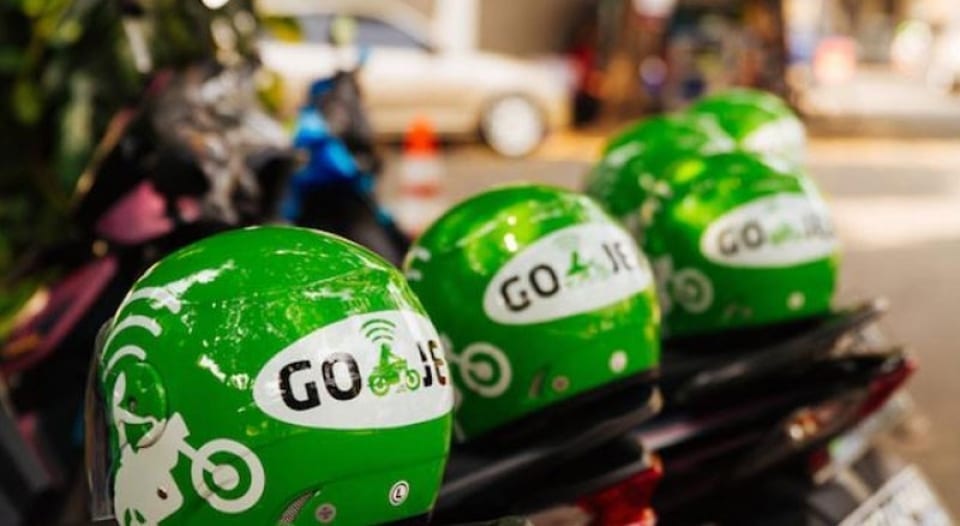
    Indonesian ride-hailing operator Gojek and Deliveroo, the food-delivery service, have joined forces in Singapore.

    Following a change in law allowing taxis to provide food and grocery deliveries – in response to increased demand during the Covid-19 lockdown – drivers will now have the option of making food deliveries around central Singaporean locations as a way to supplement their income, reports Channel News Asia.

    Many drivers on the platform have reported an income drop of up to 70 percent during the lockdown period, with some subsisting on grocery vouchers provided by a support fund established by the firm. Now they will be able to help ends meet by serving both GoJek and Deliveroo.

    “By strengthening Deliveroo’s supply of delivery riders, the company can better cater to the increased demand for food delivery during the current ‘circuit breaker’ period, when more people are eating at home,” said Gojek.

    The firm is also participating in a charitable effort to provide meals to vulnerable single-parent homes in the territory.

    Several competing ride hailers and taxi services are already providing food delivery solutions, with arch-rival Grab offering its own food platform. Gojek has its own food delivery platform in Indonesia.

    Gojek will “continue to find ways to look after our driver-partners and support the wider Singapore community,” said Singapore GM Lien Choong Luen.

  • Deliveroo Singapore partners WeCare@MarineParade to deliver iftar meals

    Deliveroo Singapore partners WeCare@MarineParade to deliver iftar meals

    Deliveroo Singapore is partnering with WeCare@MarineParade to deliver iftar meals to vulnerable Muslim families to enjoy during Ramadan. As part of a joint partnership between WeCare@MarineParade, Islamic Restaurant Singapore and Deliveroo, Deliveroo riders will deliver 1,200 meals to 115 households and 428 beneficiaries nominated by WeCare@MarineParade between 4 May to 22 May. Generously donated by Mr Yusoff Rahman, the meals will be prepared by Islamic Restaurant Singapore, with delivery fulfilled by Deliveroo.

    WeCare@MarineParade is a community-based network that aims to help vulnerable residents in Marine Parade through community action and meaningful partnerships. Founded in 1921 by Mr Abdul Rahiman, Islamic Restaurant Singapore has been in the food business for nearly 100 years. Serving up halal dishes which utilise traditional cooking methods with modern twists, Islamic’s mission has always been to serve up quality comfort food including roti maryam, murtabak, curries and other mamak favourites.

    “Deliveroo Singapore is always seeking opportunities to give back to the communities we operate in,” said Sarah Tan, Director of Growth and Marketing and Interim General Manager, Deliveroo Singapore. “As a company which delivers great-tasting food to thousands of consumers’ doorsteps each day, banding together withWeCare@MarineParade and Islamic Restaurant to give back to those in need was an obvious partnership this Ramadan. As Singapore continues to do its part to stop the spread of COVID-19 together, we hope the food deliveries raise a smile for our Muslim friends at home.”

    “Amidst the Circuit Breaker, gathering volunteers to distribute food has been challenging. Thus, we are delighted to work with Deliveroo during this special time. Between 4 May to 22 May, Deliveroo riders will deliver local food to over 400 of our beneficiaries in Marine Parade. This would not have been possible without their kind sponsorship and move to bring favourite takeaways, delivered to people’s doorstep.” said Chan Jianhong, Head of WeCare@MarineParade.

    “I’m very grateful to receive this delicious iftar meal for me and my family to enjoy together during the holy month of fasting,” said Marine Parade resident, Mdm Sharifah Binte Hussein. “It’s difficult this year not getting to spend time with our extended family and friends during Ramadan, but little acts of kindness like this go a long way.”

    “I’m happy for the opportunity to do my part to help the less fortunate in our community and lift their spirits, especially during these challenging times. It means even more as we get to volunteer during our free time during fasting month. This is a truly meaningful initiative that I’m glad to be a part of. It’s really rewarding to see the smiles on their faces when we drop off the meals and I hope I can continue to participate in such initiatives like these,” said Nurul Astika, a Deliveroo rider who participated in this initiative.

    Deliveroo Singapore’s partnership with WeCare@MarineParade and Islamic Restaurant Singapore is the latest in a series of community focused tie-ups. Previous partnerships include TOUCH Community Services, where Deliveroo rallied customers, restaurants and riders to get behind the Meals-On-Wheels initiative, and social enterprise Glyph, which saw Deliveroo hosting quarterly Food & Cultural Exchanges and offering discounted Glyph membership fees for riders’ children.

  • Start-ups in APAC brace for coronavirus bruising

    Start-ups in APAC brace for coronavirus bruising

    In 2013, Simon Loong launched Hong Kong fintech WeLab using a small loan — just four years later the business was profitable. As one of the leaders of the second FT Asia-Pacific High Growth Companies ranking, WeLab’s story is testament to the favorable business conditions that start-ups in Asia can enjoy. WeLab, an online platform that offers users a range of services including loans, already had a presence in Hong Kong and mainland China. In 2018 it entered Indonesia via a joint venture with a local conglomerate.

    The resultant Maucash platform acquired more than 600,000 registered users in its first year of operations — a faster user growth rate than when it entered mainland China in 2014. Its momentum to this point reflects how the Apac region’s youthful population — which in places like India and Indonesia is chronically “underbanked” or lacks access to financial services entirely — is moving online, boosting companies like WeLab that are eager to meet their needs. Little wonder, then, that once again technology businesses along with fintech and eCommerce overwhelmingly dominate this year’s list, together accounting for more than 30 percent of the 500.

    Indonesia, meanwhile, contributed just two companies to the list, yet both of them — Fabelio, an online furniture retailer, and Bukalapak, a digital marketplace — rank in the top 20. In terms of cities, Singapore overtook Tokyo this year for having the largest number of high-growth companies (74), followed by the Japanese capital (69) and Sydney (34). Singapore’s “good ingredients” have made it a favored destination for both domestic entrepreneurs and those from the wider region, says Patrick Yeo, a partner at PwC who advises businesses locating in the city-state. “Singapore is the headquarters for these companies but the operations from which they derive their revenue are not necessarily all from there,” he adds.

    Many start-ups have not experienced what it is to have forward estimates go up in smoke Michael Joseph, Ion Pacific One such example is ride-hailing company Grab, which moved its headquarters from Malaysia to Singapore in 2014. The city now acts as a base from which it serves other markets in south-east Asia. Grab ranks 20th, with a 2015-18 CAGR of 233 percent. The business, which is backed by SoftBank and was valued at $14bn before the pandemic, is also a company that its western counterparts are looking to for ideas. The company launched its original ride-hailing app in 2012, with the aim of becoming the Uber of south-east Asia. It has since widened its offering beyond simply getting people “from A to B”, says Ming Maa, Grab president.

    It now offers loans, and grocery and laundry delivery. “The more services a customer uses, the more revenues we are able to generate.” Now, it seems, US rival Uber is imitating the “super app” strategies of Grab and Indonesia-based Gojek. Uber chief executive Dara Khosrowshahi last year declared he wanted “Uber to be the operating system for your everyday life”. Gojek, as with some other Asian companies valued above $1bn such as Indonesian e-commerce player Tokopedia, declined to be featured on the list. Some companies did not want to make their figures public or chose not participate for other reasons.

    Pandemic fallout Even before this crisis, growth had begun to show signs of slowing for some companies since 2018. Bukalapak’s app download figures on Apple and Android devices halved between January and December 2019, from about 1.4m to 692,000, according to data from Sensor Tower. Asia has historically been effective at building online marketplaces such as Grab’s “superapp” model and such ventures will face less pressure than smaller start-ups during the coronavirus-led downturn, says Jonathan Woetzel, Asia-based director of the McKinsey Global Institute.

    “There will be volatility. Does that translate into massive bankruptcies? I do not see that, certainly not for larger ones at this stage,” he says. Editor’s note The Financial Times is making key coronavirus coverage free to read to help everyone stay informed. Find the latest here. WeLab’s online lending platform in Hong Kong, WeLend, has seen an increase of about 36 percent in application volumes in March compared with the same month in 2019. Yet Mr Loong cautions that WeLab is bracing for a hit to China and Hong Kong’s economies, which could affect customers’ ability to repay those loans.

    WeLab said it was being “prudent” with the increase in applications, which were coming from a wide range of age groups and industries. Many entrepreneurs in India and south-east Asia are facing their first real recession and test of their business models, notes Michael Joseph, managing partner of Asia-based asset manager Ion Pacific, which invests in the venture capital secondary market. “Many of the start-ups in south-east Asia are run by teams that . . . have not experienced, first-hand, what it is to have your forward estimates go up in smoke in the way that the dotcom bubble bursting and the global financial crisis caused pain for start-ups earlier in the millennium,” he says.

  • Grab Hires Chief Financial Officer

    Grab Hires Chief Financial Officer

    Grab has appointed a chief financial officer with extensive experience in scaling rapidly growing technology companies.

    Based in Singapore, Peter Oey reports to group CEO and co-founder Anthony Tan. He will be responsible forfinance operations, treasury, tax, procurement, and real estate and facilities, the firm said in an announcement on Wednesday.

    He will also work closely with Grab president Ming Maa, who will continue to lead strategic business planning for the company, the statement said.

    Oey brings extensive experience scaling rapidly growing technology companies. He spent two decades of corporate finance and strategic planning, and was previously CFO for legal tech firm Legalzoom and personal information broker Mylife. He also spent 12 years in various roles at gaming firm Activision Blizzard, including vice president, corporate controller.

    The past year has seen Grab growing its food delivery, payments and financial services businesses significantly. According to the firm, Grab Food saw its gross merchandise value grow by over 400 percent across Southeast Asia, led by Indonesia, Thailand and the Philippines, while Grab Pay increased total payments volume by 170 percent.

    Apart from launching e-money, lending and insurance distribution on its platform, the firm has partnered Singtel in its application for a digital bank license in Singapore. It also moved into wealth management with the acquisition of Singapore-based robo-advisor Bento.

    In the coming year, Grab said it expects to expand its financial services offerings, grow its daily essentials delivery and concierge services and develop more business-to-business service offerings.

  • Chinese Startup Fundraising Plunges

    Chinese Startup Fundraising Plunges

    The ongoing coronavirus outbreak has caused capital flows into mainland China’s startups to plunge 60 percent year-to-date.

    Year-to-date, Chinese startup fundraising registered $1.79 billion from a 6-year low of 168 deals – a major plunge from last year’s $4.18 billion and 440 deals in the same period, according to alternatives data provider Preqin. Venture capitalists have only closed six funds thus far, raising $300 million.

    The capital slowdown will likely drag the broader outlook for private equity in the region. Within Asia Pacific, China accounted for around half of all private equity investments and 80 percent of the nearly 3,000 country-specific deals Preqin tracked since 2016.

    A partner at major Chinese venture capital firm SB China Capital, Zhao Chenxi, warned startups to brace for the potential of receiving no venture capital for all of 2020 in his social media account. Wu Shichun, founding partner of Plum Ventures, called the current period a test of the «hell model» for small and medium-sized enterprises that continue to bleed costs with no income.

    Despite assurances from Beijing and regulators about providing financial buffers, data signals a bleaker reality. A report by Tsinghua University and Peking University said that 85 percent of the 1,506 SMEs surveyed in early February expect to run out of cash within three months with one-third of respondents expecting a more than 50 percent cut to annual revenue.

    More mature startups have been the exception to the rule thus far as fundraising activities were relatively less affected. This is especially the case for businesses with strong digital capabilities to navigate around an outbreak that has created a market of 50 million homebound consumers in Hubei province.

    According to a China TH Capital survey, over 81 percent of the 40 late-stage private equity and venture capitalists saw no impact with the remainder seeking to cut back on investment plans for the year ahead.

  • Grab Moves Into Wealth Management With Acquisition

    Grab Moves Into Wealth Management With Acquisition

    Grab on Tuesday announced the acquisition of Bento Invest, a Singapore-based Robo-advisory start-up for an undisclosed sum. It allows Grab to kickstart the offering of retail wealth management solutions to users, driver-partners, and merchant-partners via its app.

    With the acquisition, Bento will be rebranded as GrabInvest with products launched on the Grab app in the first half of the year in Singapore. GrabInvest will be a new core business vertical under Grab’s financial services arm, Grab Financial Group, led by Chandrima Das, founder, and chief executive of Bento.

    «In Southeast Asia, there is a lack of access to affordable wealth management products and retirement planning solutions for most people. As we face an increasingly volatile and uncertain economic environment, it is imperative for Southeast Asians to acquire the tools and knowledge to protect their future by sustainably building wealth for themselves and their families,» said Reuben Lai, Senior Managing Director of Grab Financial Group in a media statement.

    Bento’s proprietary digital wealth platform includes client onboarding, and portfolio construction and rebalancing supported by robust risk management capabilities. The platform is built and backed by a team of seasoned asset management and banking professionals who will join the GrabInvest team. Bento’s founder, Chandrima Das, has over two decades of leadership experience in banks and asset managers across Asia and the U.K. She was formerly Managing Director at Bank of Singapore and prior to that, CEO of ING Investment Management.

    GrabInvest will operate under a retail wealth management capital markets services license in Singapore, namely the MAS Retail Licensed Fund Management Company (LFMC) license. It hopes to offer cash management and portfolio-based financial solutions to its users, driver-partners, and merchant-partners, with Singapore as the first market to roll-out.

    GrabInvest said its aim is to democratize access to retail wealth management products, by providing people in Southeast Asia with the opportunity to save and invest in financial products traditionally limited to affluent individuals and institutional investors. GrabInvest aims to make wealth management services accessible by adopting a low-cost model, easy to understand by allowing users to transact on a platform they are familiar with, transparent by having full disclosures on fees with zero hidden elements, and trusted by adhering to consumer protection standards outlined by the regulators.

    Grab Financial Group currently offers financial services across Southeast Asia in payments (GrabPay), rewards (GrabRewards), lending (GrabFinance), and insurance (GrabInsure) to micro-entrepreneurs, small business owners, driver-partners and users across Southeast Asia.

  • India’s Lenskart wins US$275 million in Softbank funding

    India’s Lenskart wins US$275 million in Softbank funding

    Indian omni-channel eyewear retailer Lenskart has raised an investment of US$275 million from SoftBank Vision Fund.

    Several of the firm’s existing investors sold their stake in the business during the latest Series-G financing round. The new funding has lifted the firm’s total investments to date to $456 million, leaving Lenskart with a valuation of more than $1.5 billion.

    The firm currently sells via more than 500 outlets throughout more than 100 Indian cities. The firm started as an online-only business, with 60 per cent of current sales still taking place online.

    “We are thrilled to have SoftBank Vision Fund with us in our journey,” said Lenskart founder and CEO Peyush Bansal in an interview with TechCrunch. “Their understanding of consumer and technology will help us build the next edition of Lenskart.”

    The firm’s latest inflow of capital will be used to improve its IT infrastructure and supply chain.

  • Viec.Co scoops Vietnam Startup 2019 title

    Viec.Co scoops Vietnam Startup 2019 title

    Viec.Co, a platform connecting employers and freelancers, scored the highest in a startup competition organized by VnExpress, Vietnam’s most-read online newspaper.

    Viec.Co surpassed other contestants in the top 5 to be named the winner of the Vietnam Startup 2019, which concluded in the final Gala on December 2 in Ho Chi Minh City.

    Themed “Unicorn to be”, the final gathered the top 5, including Viec.Co, TripHunter, Liberzy, Tez and Sphacy for a debate in front of judges. Viec.Co was chosen as winner, based on criteria including leadership ability, uniqueness, new technology, product feasibility, global reach and community contribution

    Specialized in helping freelance workers access employment opportunities, Viec.Co provides a one-touch experience via a human resources platform. It is also a tool for employers to evaluate and recruit candidates at the lowest cost and simple procedure.

    Viec.Co has further applied the API (Application Programming Interface) to the Momo ecosystem, Vietnam’s mobile, e-wallet and payment application, to provide simple and convenient payment solutions.

    After one year of operation, the startup grew 30 percent per month, now boasting over 40,000 registered users, 10,000 employable freelancers, and 30 customers.

    Tez, the online library startup, is an educational platform that provides a comprehensive system of online lectures and materials for teachers and learners at all levels. It aims to create a “social network” that connects students, teachers, and the community to share knowledge more easily, conveniently and broadly. Of the top 5 in Vietnam Startup 2019, TripHunter is a tool to automatically build travel schedules, based on web and application platforms. The tool enables users to manually adjust their own schedules, and compare prices between online travel agents (OTAs), booking and managing all services such as airline ticketing and hotel reservations all via one application.

    Tez’s business model consists of two channels, which include selling user accounts and advertising revenue. Accordingly, 85 percent of Tez’s revenue comes from users and the rest from advertising services for English schools, institutes, and organizations.

    Tez has collated 83,000 lectures, 115,000 documents, 175,000 registered members over 10 months of operation. It has a turnover of VND8.3 billion ($358,000) and more than 18 million website and app visits.

    Operating similarly to the Grab ride-hailing platform and food ordering apps, Sphacy developed a pharmaceutical ordering application. It allows users to buy drugs anytime, anywhere via ordering – delivery using a mobile app.

    Sphacy directly connects customers with pharmaceutical suppliers, including wholesalers and retailers, along with quality control regulations. “It provides a solution to modern pharmaceutical problems, such as unknown origin, incorrect dosage, high level of antibiotic resistance,” said Sphacy’s CEO and founder Vu Van Thanh.

    With Liberzy, users can design trips according to their needs, with itineraries and notes visually displayed on the map. Each user has a personal page to share destinations, experiences and connect with others. Libezy also connects with suppliers to recommend suitable services such as airline tickets, hotels and restaurants based on a user’s schedule. Also specialized in tourism, Liberzy is a platform that helps create schedules and provides useful information about a specific trip, gathering together people with similar travel interests. “Liberzy stands for Liberty and Easy, denoting traveling with freedom and ease. In addition, the ‘S’ of ‘Easy’ has been changed to ‘Z’ to represent a travel platform for Generation Z, who love self-sufficient travel using modern technology,” Truong Duc Thang, Liberzy’s CEO and founder explained.

    At Vietnam Startup Gala 2019, Thinsulin, a startup that provides blood sugar lowering and weight loss methods, was named as the startup with the most audience votes. As a part of the Gala, a series of “Speed Dating” activities opened opportunities for Vietnamese startups to meet and present their ideas and projects to investors.

    Vietnam Startup 2019 is a voting event, annually organized by VnExpress. It underwent eight months of registration, online submissions, training and voting to find the top 25 and top 15 best startups in 2019.

    The five judges are well-known investors or mentors with great experience of the local start-up community, including Truong Gia Binh, chairman of FPT Corporation; Pham Phu Ngoc Trai, founder and chairman of Global Integration Business Consultants (GIBC); Tran Ngoc Thai Son, founder and chairman of e-commerce firm Tiki; Nguyen Lan Anh, CEO of Endeavor Vietnam; and Bui Kim Thuy, country representative of the US-ASEAN Business Council in Vietnam (USABC).

    The event is sponsored by Tiki (diamond sponsor), Grab (gold sponsor), IMAP (silver sponsor), Sun*Startup and LG (copper sponsors). AIM and Zone Startups Vietnam also act as partners.