Tag: Startups

  • Tokopedia expands delivery promise Same Day Delivery

    Tokopedia expands delivery promise Same Day Delivery

    Indonesian e-commerce company Tokopedia is expanding its one-day delivery guarantee to almost all of its products as it prepares to battle Amazon and other foreign rivals.

    Backed by Alibaba Group and SoftBank, Tokopedia’s greatest strength might lie in the fact it is a 100-per-cent Indonesian focused company, unlike its rivals – and shareholder – which are simultaneously trying to build share in many different markets simultaneously.

    “We focus on Indonesia,” Tokopedia founder and CEO William Tanuwijaya said in an interview in Tokyo. “Our mission is really to solve the Indonesian customer problem. And we see the room for growth is still tremendous.”

    Online shopping in Indonesia is expected to grow by more than 400 percent within the next five or so years, to US$53 billion. That sort of growth is attracting Amazon, which opened in Singapore two years ago and subsequently launched in Australia, along with existing Indonesian rivals including Alibaba-backed Lazada and Shopee.

    Tokopedia already offers same-day or one-day delivery for about 65 percent of the products it sells. Expanding that to almost its entire catalog would be made possible by alliances with 11 logistics companies covering the most populous of the country’s 17,000 islands.

    The company is a marketplace, linking more than 5 million sellers with the nation’s largest database of online shoppers. It has no inventory of its own.

    Tanuwijaya admitted getting more than 90 per cent of goods delivered within 24 hours was a goal that might take two years or more to achieve.

  • KVision Organises hackathon to Envision Vietnamese startups

    KVision Organises hackathon to Envision Vietnamese startups

    KasikornBank’s Kasikorn Vision has joined hands with VIISA, a leading accelerator in Vietnam, and UP Co-Working Space to hold a three-day hackathon. The event, from June 28-30, 2019, will offer startups the opportunity to gain financial backing from Vietnamese and overseas investors and fast-track their entry into a range of other startup programs.

    It will target startups with products or ideas to tackle finance and business challenges facing Vietnamese and ASEAN economies. Bringing together KBank’s expertise in regional banking, KVision’s $245 million worth of funding, VIISA’s local know-how, and innovative ideas from local startups, the aim is to drive synergy that will spur cutting-edge solutions and create value and drive growth in Vietnam and the wider region.

    Chat Luangarpa, first senior vice president of Thailand’s KBank, said Vietnam has emerged as one of ASEAN’s most vibrant startup markets and active venture capital markets. With a fast-growing economy, a pool of youthful tech talent, and strong government support, it has all the key ingredients for rapid innovation growth, he said.

    “The country’s young, change-oriented consumer market makes Vietnam a perfect place for startups to thrive.”

    KVision, aiming to drive innovative growth in the region, sees the potential for Vietnamese startups to not only grow in the local market but also capture opportunities across ASEAN.

    Supported by KBank’s presence in the region, the hackathon is aimed at equipping Vietnamese startups with the right tools to take them to the next level on the regional stage.

    The program will bring seasoned mentors from the local and global startup communities, including Akamai, Sendo, and other leading accelerators, and business veterans such as UniBrands. Through a series of mentoring and sharing sessions, startups will receive real-world advice, hands-on supervision and invaluable networking to help them step up their game in all aspects.

    From design thinking to pitching, the end goal is to inspire and drive startups to come up with real solutions to materialize their business, and form real connections to make their business happen. Startups with potential will have the opportunity to gain financial backing from investors in Vietnam and overseas and fast-track entry into a range of other startup programs.

    At the heart of this program lies the idea of co-innovation. Duc Tran, CEO of VIISA, said the time for partnerships is now. Gone is the time when brick-and-mortar corporations and startups could simply view each other as competitors, he said. Partnerships between the two could bring a synergy and combination of various strengths to accelerate growth, allowing startups to expand at a time of increasing competition while also allowing corporations to transform in the digital age.

    Luangarpa said this is now one of KBank’s key strategies too. The establishment of KVision in Vietnam, as well as other countries with outstanding technology sectors like China, Israel, and Indonesia, is to scout for innovative startups to co-launch new services in the region’s underserved and quickly evolving markets.

    KVision will hold the three-day “KVision x VIISA Hackathon: Building Co-Innovation” event at UP Co-Working Space, Ho Chi Minh City, from June 28 to 30. The program is open to both startups with business ideas and those with existing products. Prizes include $2,000 for the ideation track winner, $5,000 for the acceleration track winner and fast-track guarantees to various startup programs and perks from hackathon partners. Applications are open until June 15.

    KVision looks to play an active role in linking startup ecosystems in ASEAN. Earlier this month the Thai company signed an agreement with the Vietnamese government’s Business Startup Support Centre to support Thai startups’ entry into the Vietnamese market.

    KBank first entered Vietnam in 2015 with representative offices in Hanoi and Ho Chi Minh City. To continue its focus on Vietnam, KBank plans to upgrade its Ho Chi Minh City representative office to its first branch in Vietnam once the license is granted.

    Alongside setting up branches, KBank also looks to bring in digital solutions, including partnerships with startups to address financial service gaps and drive disruption in the region.

  • Peer-to-peer rental marketplace MyRent launched in Singapore

    Peer-to-peer rental marketplace MyRent launched in Singapore

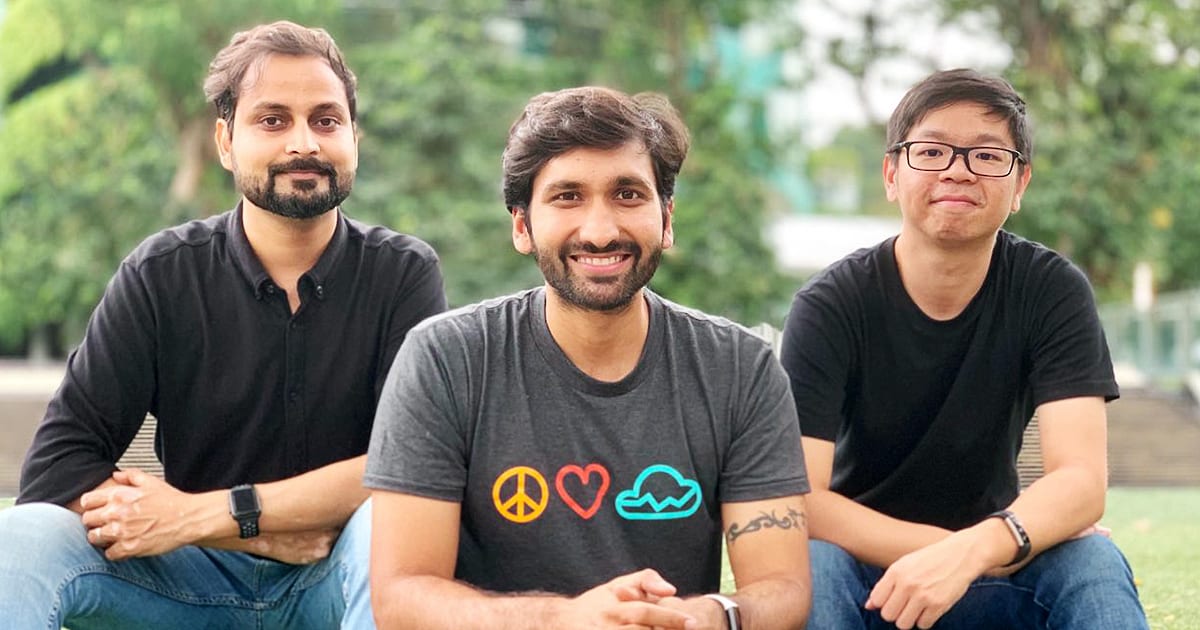
    Singapore’s first peer-to-peer on-demand rental marketplace MyRent has launched.

    The site allows Singaporeans to rent items including photographic and sporting equipment, seasonal apparel and video games. After a beta trial, it already has more than 2000 registered users with 800 active listings.

    “The idea behind MyRent is to allow users to own experiences instead of things,” said

    Ishwar Dhanuka, MyRent co-founder and CEO.

    “We want to decentralize ownership, and create a win-win for both listers and renters — where the former can earn money by renting what they own and rarely use, while the latter can rent a product without actually having to pay the full amount to use it.”

    With MyRent, customers can rent a piece of equipment without any deposit.

    The platform has built its own app, available for both iOS and Android users.

    According to a study jointly published by Google and Temasek, Singapore’s e-commerce market is valued at more than US$1 billion but is projected to soar to $5.4 billion by 2025.

    Peer-to-peer retail platforms have gained popularity in the industry, with platforms such as MyRent shifting focus towards providing consumers with experience versus the traditional ownership of goods.

    After Singapore, MyRent is eyeing expansion into Malaysia by the end of this year. It is also exploring merchant partnerships to help stores rent out unused inventory and ecosystem partnerships – such as in insurance and logistics.

  • Omnichannel startup CitiXsys Opening Offices

    Omnichannel startup CitiXsys Opening Offices

    Fresh from a US$20 million funding injection, omnichannel-solutions startup CitiXsys plans to open six offices across Asia, eyeing region-wide expansion. CitiXsys’ new offices will be located in Singapore, Jakarta, Ho Chi Minh City, Manila, Bangkok, and Kuala Lumpur.

    “Southeast Asia offers an ideal business climate today, with massive opportunity in this important region,” said Kamal Karmakar, CitiXsys CEO.

    “Purchasing a retail-management solution is one of the most important decisions a retailer can make since the future of the entire business hangs on its success.”

    Southeast Asia is the world’s fastest-growing internet region with the e-commerce market expected to reach US$53 billion by 2023.

    “By opening up more local offices and bringing on local product expertise we will be able to better support the needs of our fast-growing client, partner, and distributor base in Southeast Asia,” added Paula Da Silva, executive VP of global partnerships and alliances at CitiXsys.

    “Already this year, the CitiXsys channel partner ecosystem in this region has grown by 30 percent, signaling a need for solutions designed to complement the way retail works in Asia today.”

  • Shinsegae launched coworking space in Seoul

    Shinsegae launched coworking space in Seoul

    Shinsegae International has launched a new coworking space in Seoul it expects will boost its retail business.

    The new 278sqm “Scale Up” space in Cheongdam-dong is targeted at startups in the lifestyle-related industry. With seven offices and meeting rooms, it is loosely modeled on the firm’s earlier coworking space S.I Lab for fashion enterprises.

    “Scale Up’s main purpose is not to provide space, but rather to support startups with growth potential,” said Shinsegae International executive director Park Seung-seok. “With our infrastructure, we aim to make a win-win situation for both Shinsegae International and small startups.”

    Shinsegae has reserved one of the Scale Up offices for foreign business operators visiting the country. Four other members will pay a monthly fee of KRW1.5 million (US$1280) to use the space, which includes support services such as opportunities to use the company’s retail channels and potential cooperation with Shinsegae brands.

  • Indian startup WoodenStreet thrives with O2 Growth Hacking

    Indian startup WoodenStreet thrives with O2 Growth Hacking

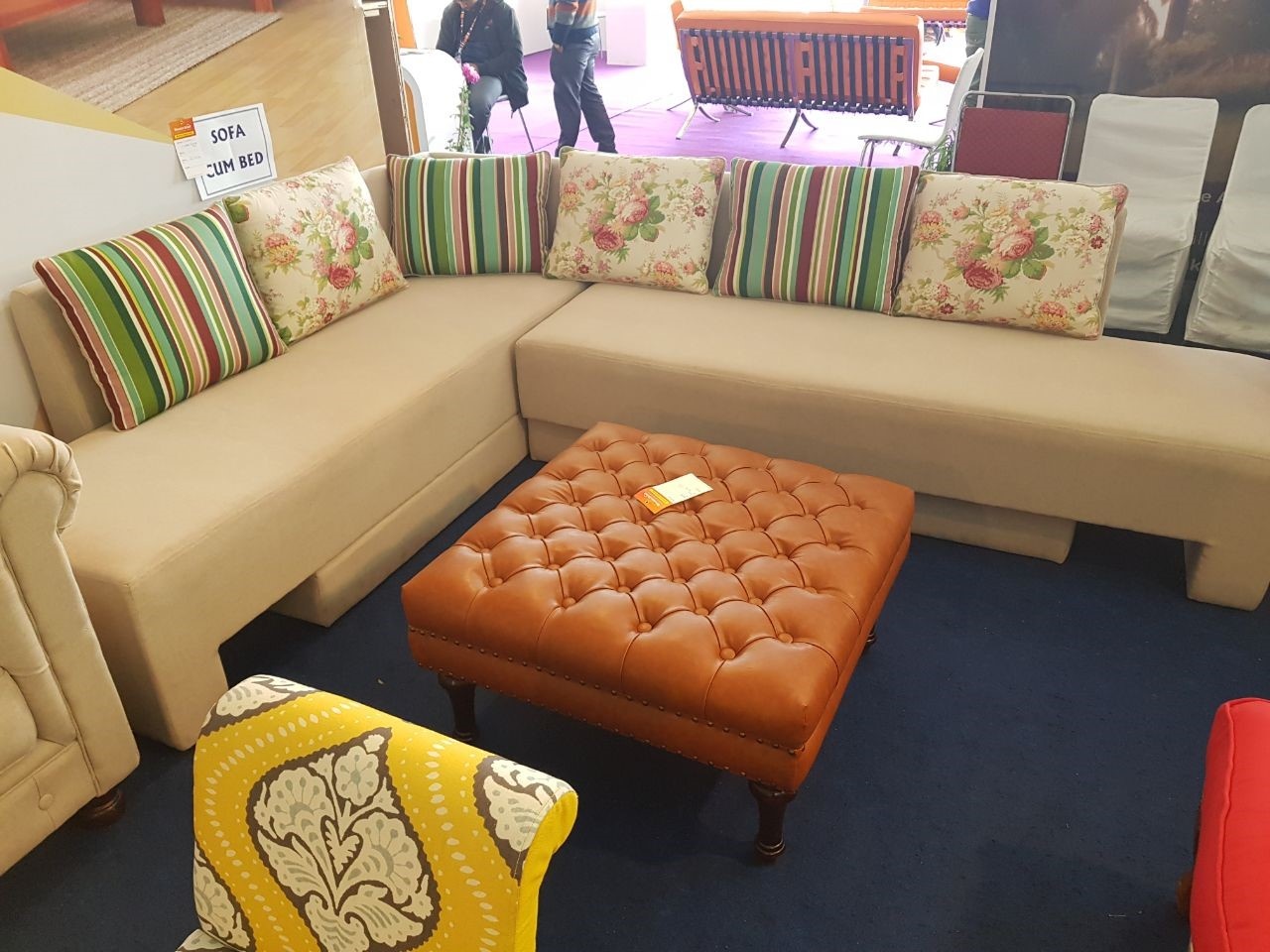
    Indian furniture startup WoodenStreet is targeting 15 additional experience stores in the territory by the end of the year.

    The firm, which specialises in customisable furnishings, currently operates 12 locations throughout India as well as more than 30 delivery hubs.

    “Our country is a diverse nation,” said the firm’s CEO Lokendra Ranawat, “which means that no two homes are the same. Our design tastes are influenced by our upbringing and our culture, so why should we be forced to buy furniture that does not match them? We want people to be free from such constraints.

  • ShopBack Secures Fresh New Funding

    ShopBack Secures Fresh New Funding

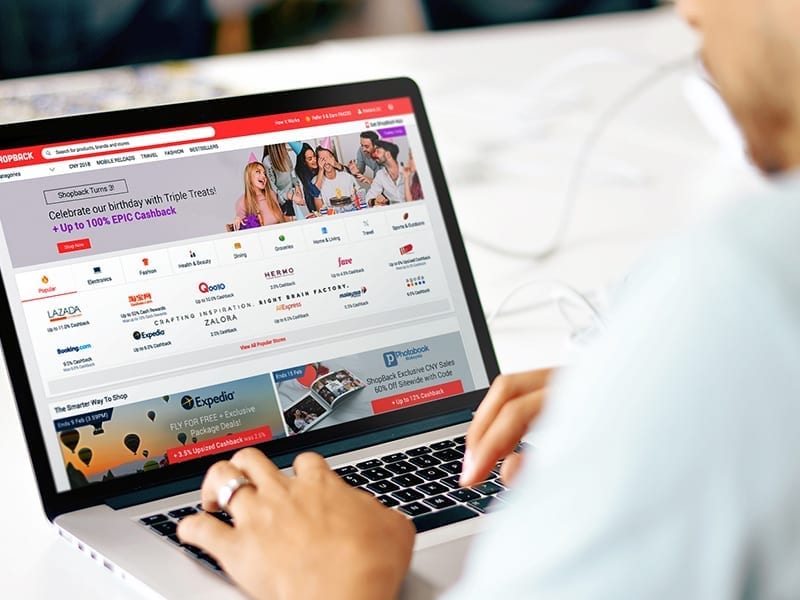
    Rewards program ShopBack has secured a further US$45 million in its latest funding round.

    Joining the shareholders’ register are newcomers including Japanese e-commerce giant Rakuten, EV Growth, and EDBI, a Singapore government-linked strategic investor.

    Amit Patel, CEO of Rakuten subsidiary Ebates and Willson Cuaca, managing partner at EV Growth, will join ShopBack’s board of directors. The new funding round takes the total investment in Shopback to $83 million.

    ShopBack has recently been expanding its core services beyond its original cashback service for online shoppers. Among them, Shopback Go, in partnership with Visa and Mastercard, which enables users to dine out and earn rewards.

    Last year, ShopBack experienced 250 per cent year-on-year growth in both orders and sales. The company powered more than 2.5 million monthly transactions for more than 7 million users in seven Asia-Pacific markets, and delivering close to $1 billion sales for more than 2000 merchant partners, both online and offline.

    ShopBack also entered Australia last year, its first market outside Asia, and opened research and development hubs in Vietnam and Taiwan.

    The company says the fresh funding will be invested in “simplifying shopping experiences, expanding data capabilities to fuel personalisation and business insights, as well as accelerating growth in key markets”.

  • Startup Launchpad Spring event focuses on blockchain

    Startup Launchpad Spring event focuses on blockchain

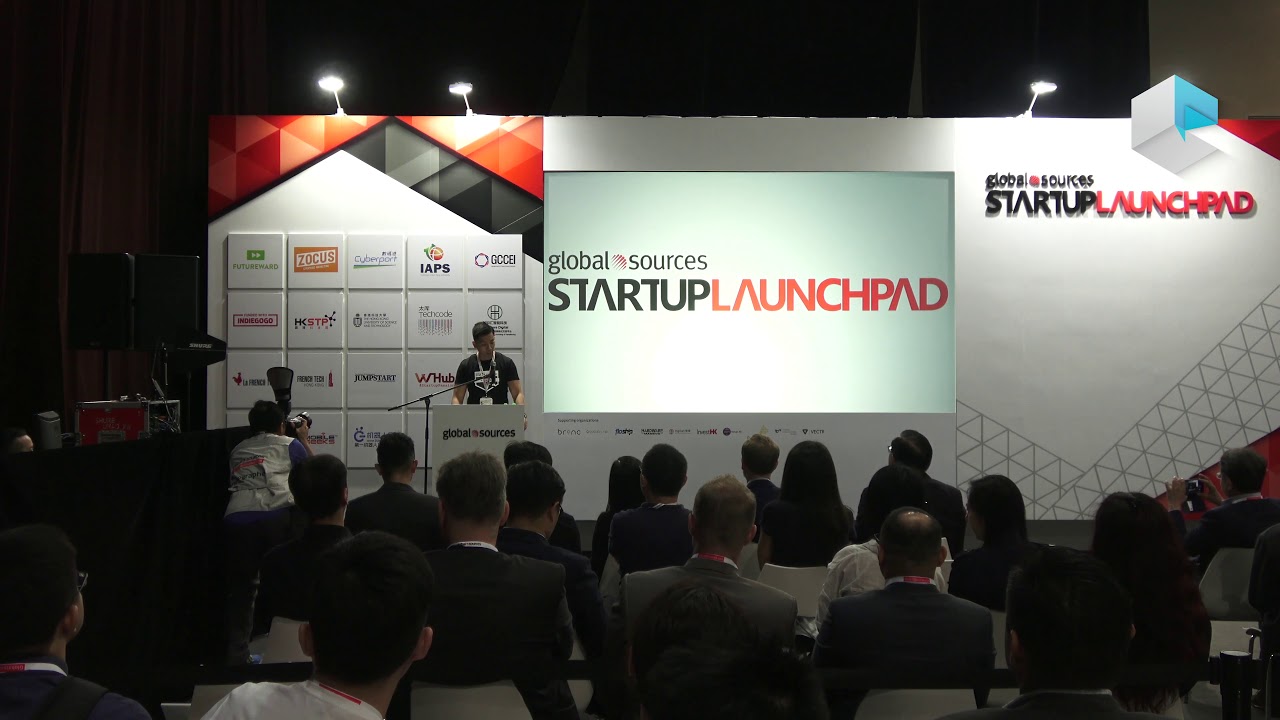
    Ahead of the next edition, we sat down with Minesh Pore the head of Startup Launchpad, to talk us through this April’s event at Asia World Expo.

    Mishesh, tell us about yourself

    Thanks StartupsHK. I’m a highly regarded global trade expert with more than 18 years experience leading multinational organisations in corporate transformation, Intra-prenuership, innovation, international business development and strategic planning. I would say I am a well-connected and respected globally for my experience, network and knowledge of the Greater Bay area startup ecosystem, mentoring startup founders, helping startups scale up and expand international.

    What is Startup Launchpad?

    Startup Launchpad is hosted in Hong Kong every April and October. The show focuses on helping hardware and retail solutions startups scale up by meeting buyers, retailers and wholesalers from more than 140 countries. We will also be hosting a one-day conference, with a focus on blockchain as a transparency tool for supply chain. We will have two-day workshops, the focus of which is to educate startup founders on every step from initiating a business plan to working with distributors globally. We will also have pitches from the top 10 startups that will be pitching for more than HK$500,000 in prizes.

    Why should startups attend?

    Startups who want to sell their products and solutions should attend the trade shows. Startup ecosystem players who want to connect with others in blockchain for supply-chain sector and learn what the latest trends are in this arena should attend. All those who have considered launching a startup or who are at any stage of their startup journey, should attend the workshops. Also: come and listen to the pitch-competition winners, who this time come from Hong Kong, China, India, Austria and Spain.

    What are some of the standout events we should look out for?

    The must sees at the show will be:

    • AR/ VR game demos by Ubisoft and Ninebot will be on display, demonstrating the latest in eVehicle technology.
    • 200 Startups from Austria, India, Spain, China, Taiwan, the US, Singapore and Hong Kong wll be showcasing various IOT products, connected devices, eVehicles, health-tech devices, edu tech, AR / VR products and retail solutions.
      • Conference: Future of Retail – SCM Innovation (April 19 in Hall 2 at Asia World Expo). This conference will be talking about potential in automating the complicated supply-chain management, using tech innovations such as blockchain. Insights will be shared by the industry’s top practitioners. Also, we will be discussing the investment outlook in the new retail sector.
    • Workshop: Start. Make. Sell! Workshop Series for Startups. April 20-21 in Hall 2 at Asia World Expo). These workshops are designed for early-stage startups, entrepreneurs or anyone thinking about hardware projects. The workshop will guide participants through the right way to start their business in the Greater Bay area, including finding the right partners, incubation programs and leveraging free trade-zone advantages; tips and advice on prototyping products; and how to validate, market and sell the product.
  • V-MORE announces planned Thailand expansion

    V-MORE announces planned Thailand expansion

    V-MORE, an e-commerce supply chain management platform, has revealed its intention of expanding into Thailand.

    V-MORE aims to recruit new Thai e-commerce merchants as part of its expansion strategy and has rolled out onboarding programs for new merchants and users.

    V-MORE is a one-stop marketplace where consumers can shop and be rewarded at over 500 marketplace and shopping sites including leading online brands, hotel and flight booking sites, technology as well as food and beverages merchants. Thai merchants can participate in its e-commerce program and increase their exports to other countries in Asia and beyond.

    “We are pursuing a plan of expansion and hope to achieve revenue growth through mass adoption by users and merchants in our ecosystem. Thailand is fast becoming the leading e-commerce market, and we seek to increase our user and merchant base through user incentive programs, brand awareness and marketing programs,” said Sir Eldee Tang, CEO and Founder of Noble Vici Group.

    According to research, there are more than 57 million internet users in Thailand who are well-versed with digital technologies, mobile and e-commerce. The market is valued at $3.5 billion and is expected to generate revenue growth rate of 13.2% annually, reaching $5.8 billion by 2022.

    “We look forward to new local merchants to come on board our platform and welcome sellers and buyers to experience the online marketplace for the first time,” Eldee added.

  • Meituan Dianping nearly doubled revenue

    Meituan Dianping nearly doubled revenue

    China’s Meituan Dianping, the world’s largest food-delivery service, nearly doubled its revenue last year, but the tech startup is still bleeding cash.

    In the second set of results since its high-profile IPO, Meituan Dianping reported total revenues of RMB65 billion (US$9.68 billion), up 92.3 per cent on its 2017 result. Gross profit rose to RMB15.1 billion ($2.25 billion), but its adjusted net loss blew out to RMB8.5 billion ($1.27 billion).

    In its results statement, the company said strong revenue growth was achieved across all major business segments and its food-delivery business and in-store, hotel and travel segments on a combined basis generated positive adjusted operating profit.

    Total gross transaction volume grew by 44.3 per cent to RMB515.6 billion and the number of annual transacting users rose from 309 million to 400.4 million last year.

    The losses have been incurred by new services including ride-hailing and bike sharing.

    During the last year, Meituan Dianping has been boosting its customer base by targeting internet users who have not previously used food-delivery services from an online platform. It also launched a rewards program to maintain customer loyalty and incentivise user referrals through social media platforms.

    “In addition, through creating more diversified service categories, consumption scenarios and upgrading marketing programs, we increased users’ transaction frequency and further boosted transaction volume growth,” the company said in a results filing.

    “We continued to expand the service categories on our platform to include breakfasts, afternoon tea and midnight snacks. Delivery volume of fast food, snacks, desserts and drinks achieved strong growth during last year.”

  • KITA opens office in Dubai to assist Korean start-ups

    KITA opens office in Dubai to assist Korean start-ups

    The Korea International Trade Association (KITA) said Tuesday it has set up an office in Dubai to help local start-ups advance into the Middle Eastern market. Under an agreement with Dubai Future Foundation, the Korea Office will be set up at Emirates Towers in one of the key cities of the United Arab Emirates (UAE). The office will provide working space for local start-ups and assist entrepreneurs in establishing their businesses in the burgeoning Middle Eastern market, KITA said.

    “It will be a great opportunity for local start-ups as Dubai institutions are pushing forward various projects under the support and attention of the prince of Dubai,” Kim Ki-hyeon, a KITA official, said.

    Dubai Future Foundation was set up with an aim to shape the future of the strategic sectors in cooperation with the government and private sectors.

  • Vietnamese logistics startup raises $5.5 mln in latest funding round

    Vietnamese logistics startup raises $5.5 mln in latest funding round

    Logivan, a web platform that helps trucks connect with potential customers, said it has raised $5.5 million in the latest funding round. The investment comes from two Asian angel investors and Indonesian venture capitalist Alpha JWC Ventures. One of the angel investors is David Su, a founding managing partner at private equity firm Matrix Partners China, who invested through his family office.

    He said: “Vietnam is the next rising star in the growing Southeast Asia region and it is well poised to experience a similar growth trajectory as we witnessed over the past years in China.

    “Vietnam’s logistics industry is highly fragmented, logistics costs make up 23 per cent of Vietnam’s GDP, with 90 per cent of trucks in Vietnam being owned by individuals. Given the success of Manbang (a Chinese truck-hailing firm), we believe that Logivan has the potential to emulate its success.”

    According to e27, an online Tech media platform for Asia, Logivan will be investing in data analysis to optimize user experience, artificial intelligence, truck-matching, and pricing algorithms to minimize empty trips and in human resources.

    Last year, Logivan raised $600,000 in April from Singapore-based Insignia Ventures Partners and $1.75 million in August from Singaporean private equity firms Ethos Partners and Insignia and Vietnamese investment fund VinaCapital Ventures.

    It has raised a total of $7.9 million to date.

    Founded in 2017 by Cambridge graduate Pham Khanh Linh, the company offers a logistics service which optimizes trucks’ routes and minimizes empty return trips.

    She came up with the idea after observing that 60-70 percent of trucks in Vietnam returned empty after dropping off their loads because they could not connect with potential customers.

    In 2018 Logivan claims to have connected more than 22,000 transportation partners with every major commercial truck type. It also has 10,000 shipping companies registered on its system.

  • Vietnamese startup launches platform for hiring blockchain talents

    Vietnamese startup launches platform for hiring blockchain talents

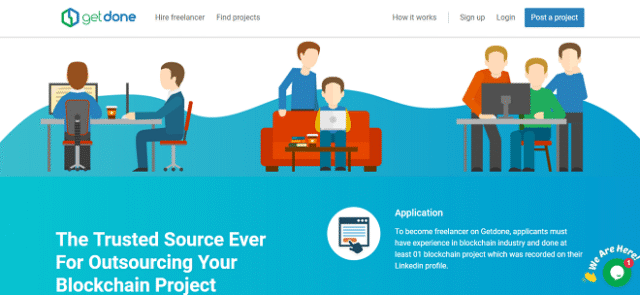
    Getdone is a platform that connects blockchain talents, who can work as full-time employees or freelancers, to global clients in blockchain industry. This platform is the universal version of freelancerviet.vn, a leading freelancer platform in Vietnam. It lists 300,000 freelancers in various categories, with a focus on blockchain and AI technology. Getdone provides innovative solutions based on a combination of the two emerging technologies to improve security and payment speed, transaction fees and reliability of talent profiles and overcome the language barrier.

    In Vietnam, the number of job searches related to cryptocurrency and blockchain doubled in 2018. However, blockchain engineers and developers currently account for only 2-5 percent of the IT workforce, according to TopDev’s annual report last August.

    Upwork’s newest quarterly index of the hottest skills in the U.S. freelance job market ranks blockchain first out of 20.

    For this reason, Getdone entered the market with the mission to be a part of the solution of hiring blockchain talent including engineers, developers, and others.The shortage of blockchain developers continued in the fourth quarter of last year even as blockchain products doubled. The demand for employees in blockchain is so high that employers and clients need to find ways to work around a shortage.

    The smart contract on the Getdone platform cuts off third parties’ intermediary role to reduce commissions and ensure security and quick payment.

    Besides, AI technology with self-recommendation function based on automatic data analysis will help connect clients and qualified job seekers.

    AI also proposes an average budget for a project to help clients understand reference budgets when they need to hire blockchain talents, and an average rate per hour of work based on a candidate’s profile.

    It will create a standard framework for the freelance job market, avoid devaluation and protect the benefits of both blockchain talents and clients.

    The new-user-support tool will help new applicants find jobs more easily through the test system. A new talent who joins the site and gets a high-test score will still get a job despite having no previous work history on Getdone.

    Getdone will provide a live language translation tool to break the language barrier and help talents work across the world. Getdone accepts payments in more than 20 cryptocurrencies and foreign currencies.

    A hedging mechanism helps stabilize the value of cryptocurrencies used at Getdone. When choosing a talent, the company deposits a sum of money with the crypto token by the time talents complete their work within a few days to several months.

    In 2018 freelancerviet won Ho Chi Minh City’s Best Innovation Project award and the Asian Rice Bowl Startup Award in the Best AI and Machine Learning Application category from NEF (New Enterprises Foundation) and MaGIC (Malaysian Global Innovation & Creativity Center).

    Getdone is also one of three Vietnamese representatives to beat thousands of competitors from across the world to qualify for the Elevator Pitch Competition, a global contest organized by the Hongkong Science and Technology Center.

  • Food trends and their impact on consumption

    Food trends and their impact on consumption

    We are a young nation of 1.2 billion consumers. We are more connected to each other and the rest of the world than ever before. We travel within India and outside India more frequently. We are more informed about ourselves, about what we eat, about our environment and also about the impact of our consumption on environment. We see a large number of trends and counter trends that influence us. Some of these are fads that just pass away and some are here to stay. Here are some key trends that will have an impact on the way we consume.

    Food is an experience

    Indians have historically valued pure, freshly cooked home-made meals. The trend of eating out, widely prevalent in the West, has slowly emerged in India over the past few years. Eating out is no longer considered as a means of satiating hunger nor is it limited to the rare occasions. Shopping and casual outings, spending free time and experimentation are, not surprisingly, the new reasons for eating out!

    As per a recent Nielsen report, on average, Indians spend Rs 6,300 per year on eating out with affluent Indians spending approximately twice as much as their middle class counterparts.

    Usage of “Let’s Do…” for food is a true reflection of Food as an Experience. Consumers are frequently experimenting with a variety of cuisines, flavors, and combinations of food that were hitherto either unavailable or unheard of in the Indian market.

    Cross-cultural influences abound in dishes. Some examples of the innovative confluence of flavors are peri peri bhel, Schezwan and chocolate dosas and a wide variety of Frankies. Even the quintessential lassi can be found with a multitude of western influences such as chia seed additions and imported fruit flavors. Tikka and tandoori flavored mayonnaise, Indian versions of Chinese dishes, Chettinad sandwiches and paneer tikka pizzas are instances of Indian flavors seeping into western culinary dishes. The same is reflected in some of the food product launches.

    Variants range from quinoa rawa upma insta mix, smoky tikka mayonnaise & tamarind date chutney to beverages such as jamun kalakhatta, kokum, gol gappe ka pani, aam panna, and jal jeera made specifically as substitutes to fruit- based juice. These immensely popular products reveal the inclination of the Indian consumer towards mixing flavors.

    Health is Imperative

    As a nation, India is performing better on all indices of health such as quality and longevity of life. Indians are living better, longer and have healthier life spans. Thanks to mobile apps and wearable devices, it is possible to constantly monitor the heartbeat, quality of sleep, blood pressure and even the number of steps taken during the day. The entire idea of health has transformed from being curative to becoming preventive in nature.

    Although consumers are time constrained due to hectic work schedules, especially in urban areas, they are looking for avenues to build and maintain a healthy life style. While physical activity forms a core part of this endeavor, Indians are proactively choosing the right food products to meet their diet and health goals.

    Food products in the market range from breakfast cereals such as oats and muesli to vitamin pills. There is a marked rise in the consumption of baked goods, health biscuits, multi-grain flours, green tea and other health drinks. Furthermore, consumers are willingly buying premium products that promise health benefits. Some of the health attributes perceived to be the most important are high protein, high fiber, low cholesterol and low fat.

    Oats-based mango flavored, calcium and fibre-rich ready-to-drink breakfast option and power sprouts, honey dates flavored malt-based food drinks are good illustrations of healthy beverages available on the shelves. Snack packs of sweet and savory yoghurt and snack combos such as the Jalapeno Greek yoghurt with barley puffs are healthy replacements for the “in between meals” snacks that Indians are prone to eating. Packed khichdi mix infuses the health quotient of broccoli, carrots and almonds in the consumer’s diet. Another unique example is the gluten-free alternative to spaghetti made by cutting vegetables into thin noodle shapes or curls.

    Consumption of dietary supplements, especially in relation to adult nutrition, has also boomed. There is an emergence of “immunity boosting” foods as a major category in the market.

    These supplements can induce weight gain or weight loss or nourish the body with vital elements such as calcium, iron, omega 3 and vitamins. Moreover, active adults are consuming copious amounts of whey proteins and energy beverages.

    Consumers are as conscious of the wellness of their children as they are of their own. For instance, consumers are willing to experiment with chocolate-flavored nutritional supplements for children in a bid to ensure holistic growth. Busy parents who rely on prepackaged food or ready-to-eat meals are some of the key purchasers of probiotic drinks meant for children.

    The wide acceptance of health and wellness foods has created a Rs 10,352 crore market with a growth rate of about 10 percent. The sales contribution is the highest in non-metro but urban cities, at 40 percent. This is closely followed by rural areas at 32 percent and urban areas at 28 percent. The category penetration is highest in the south followed by the east.

    Natural & Ayurvedic Way of Life

    We see both these trends- Health and Tradition- coming together in Ayurveda and Natural Foods. The growing belief that natural products are uncontaminated and best is getting firmly ingrained in the minds of Indian consumers as the word “processed” implies a negative connotation of unoriginality. Ingredients recommended by our ancestors such as tulsi, turmeric, neem, lemon, mustard oil, ghee, saffron, amla juice, cold pressed oils of nuts and seeds are all finding their way on to the consumer’s plate. Food items made with these ingredients are not only considered as healthy but also as comfort food since consumers perceive that they have made a special effort to look after themselves. The re-emergence of yoga has only served to boost this trend. Consumers will continue to turn to nature to search for viable but healthy food options. This trend also manifests itself in organic foods though they are still a niche and are hampered by a lack of trust and high premiums. We foresee that the natural and ayurvedic trend will be stronger in the years to come and that multiple entrepreneurs will establish profitable ventures in these categories.

    Increasing Share of Proteins & Dairy

    The biggest trend as a Nation that we see is the shift to Proteins and Fats. For the first time in Indian history, milk has become the biggest agriculture crop at almost INR 5 lakh crore. It’s now bigger than all cereals and pulses put together and is 20% of the agricultural output. This shift towards fats and proteins from the traditional intake of carbohydrates for subsistence is the biggest perceptible proof of prosperity of the people. Though India is 70% non-vegetarian, it apparently has not yet crept into daily dietary preferences. Milk appears to be the most economic and culturally accepted protein source of daily diet in our country. It can also be seen as the reflection of the dietary habits of a younger India. In Modern Trade, we have seen milk and value-added milk products increasing their share and new entrepreneurs and new products coming up. We envision this trend to become stronger in the times to come.

    Startups in Food

    The emergence of modern trade and e-commerce has made it easy to be a single product company and has fostered innovation and entrepreneurship. Launching a new FMCG product is no longer the domain of multinationals or big players with financial and distribution muscle. Small and medium enterprises that were previously deterred by the huge capital investments required for distribution networks while launching new products can now easily develop and bring their products to the market in a cost effective manner.

    This has had a profound effect on the number of launches of innovative products in the market. Quinoa puffs, butter spreads, health and energy bars, pasta kits, packaged ready to cook idli/ dosa batters, raw juices, water based functional beverages, are all excellent examples of new age products built and marketed by small companies being widely accepted by the consumer base.

    In conclusion, the purchasing decisions of consumers are affected by trends to a large extent. As enablers in the consumer’s shopping journey, recognizing and translating these trends into viable business opportunities remains a key concern for manufacturers and retailers today.
  • Milkbasket India launches operations in Bengaluru

    Milkbasket India launches operations in Bengaluru

    Milk delivery startup Milkbasket Wednesday said it plans to hire 2,500 people over the next two years and announced the launch of its services in Bengaluru. According to a report, the company said it will hire people to support the operations and growth in Bengaluru. “Within next two years, we hope to have the largest operations in Bengaluru and will be creating employment for over 2,500 people in the process,” Anant Goel, Co-founder and CEO, Milkbasket was quoted by PTI as saying.

    Hiring will be made for ground operations as well as the corporate office, the company said. The startup has 1,500 employees in Delhi-NCR and Bengaluru.

    It has raised close to US$ 16 million from Mayfield Advisors, Beenext, Kalaari Capital, Unilever Ventures, Lenovo and Blume Ventures.