Tag: Supermarkets

  • GetUp Targets Hundreds of Coles Stores over Palantir AI Deal

    GetUp Targets Hundreds of Coles Stores over Palantir AI Deal

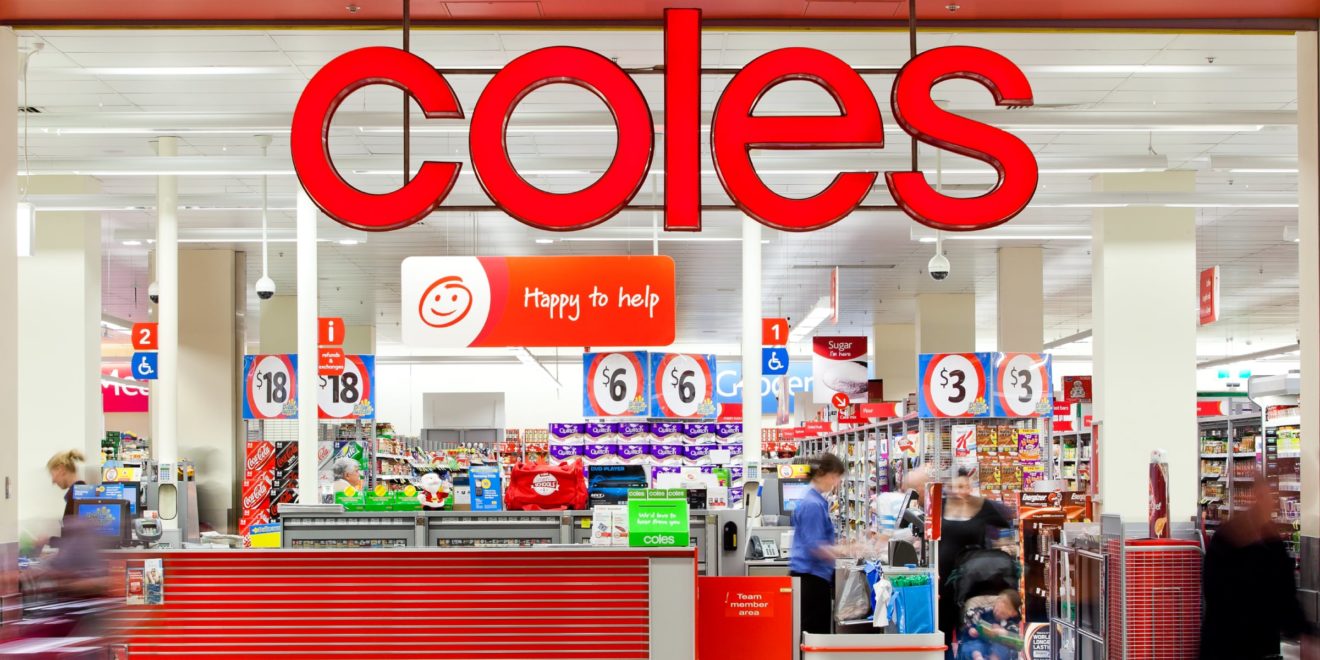
    Community advocacy group GetUp targeted hundreds of Coles stores across Australia with spoof digital billboards, challenging the supermarket operator over its enterprise partnership with US analytics vendor Palantir. The advertisements ran outside store entrances in July, mimicking the retailer’s signature red and white branding with the slogan: “Here at Coles, we’re always watching you.”

    The pushback followed Coles deploying software from the controversial US technology company to sharpen artificial intelligence and operational efficiency across its supermarket network. While the digital billboards were taken down quickly, the campaign triggered public debate over how large grocery chains handle customer data and explain tracking tools to shoppers.

    Public Scrutiny Over Store Analytics

    Supermarket operators across the Asia-Pacific region have accelerated investments in predictive analytics, automated inventory forecasting, and computer vision systems. Enterprise partnerships with overseas defence and intelligence contractors carry brand risks that standard retail IT upgrades do not. Consumer groups increasingly scrutinise the boundary between back-end supply chain optimisation and customer-facing surveillance.

    For grocery chains operating in concentrated retail markets, transparency around data architecture has become an operational necessity rather than an investor relations footnote. When retailers fail to define where data processing stops, third-party advocacy groups easily fill the information vacuum with negative messaging right at the store entrance.

    Retail AI Strategy Under Pressure

    The dispute reflects broader friction across Australian retail as grocers test advanced algorithmic tools to cut shrink and streamline operations. Coles had framed its AI rollout as an efficiency play, intended to modernise store workflows and stock management across its national footprint. Linking store-level operations to specialised analytics vendors has instead tested customer goodwill at a time of heightened consumer sensitivity around commercial data collection.

    Grocers managing similar automation rollouts across regional markets now face tighter questions regarding data sovereignty, third-party software governance, and in-store customer communications. Retailers will need to clarify operational boundaries as advocacy campaigns continue tracking corporate technology procurements.

  • Singapore Retail Sales Growth Slows to 1.5% in July as Luxury Holds Firm

    Singapore Retail Sales Growth Slows to 1.5% in July as Luxury Holds Firm

    Singapore retail sales excluding motor vehicles rose 1.5 per cent year-on-year in July to SG$3.7 billion (US$2.9 billion), slowing from a 4.1 per cent gain in June.

    Official Department of Statistics data released on Monday showed shoppers pared back daily supermarket and fuel spending while sustaining double-digit increases on high-end discretionary items. Online transactions generated 18.3 per cent of total retail turnover during the month.

    Discretionary Spend Defies Inflation

    Recreational goods rose 13.9 per cent year-on-year, propelled by sports equipment purchases. Turnover for watches and jewellery climbed 11.1 per cent over the same period, giving both categories three consecutive months of double-digit expansion.

    Everyday retail categories faced a sharper contraction. Fuel receipts dropped 1.1 per cent in July after an 8.0 per cent expansion in June, reflecting a mid-year drop in pump prices before crude costs picked up again heading into late third-quarter trading. Supermarkets, convenience stores, mini-marts, and food and alcohol retailers all posted annual revenue declines.

    Right now, this is a market where retailers serving the masses are struggling, while those attracting the wealthy thrive.

    Josh Gilbert, lead analyst for Apac at Etoro, noted that households have adjusted their budgets around elevated living expenses by cutting routine spending to protect big-ticket purchases.

    Department Stores Squeezed

    Department stores suffered their sixth contraction in seven months. The persistent slide exposes structural problems for general merchandise retailers competing against specialized mono-brand stores on one side and cross-border e-commerce platforms on the other.

    Landlords across central shopping corridors face an increasingly split tenant base. Prime retail space dedicated to athleisure, fitness gear, and hard luxury continues to deliver higher sales densities, while suburban grocery anchors and legacy multi-brand floors yield lower turnover rents.

    Distortions and the Next Baseline

    Part of the drag on staple retail reflects a high comparative base from July 2025, when households spent state-issued SG60 vouchers across neighborhood stores and supermarkets.

    August retail numbers will reveal whether renewed oil price volatility and the complete runoff of previous fiscal stimulus further weaken food receipts, ahead of fourth-quarter lease renegotiations across major shopping mall portfolios.

  • Australian Grocery Baskets Rise 8.5% as Shoppers Trade Down

    Australian Grocery Baskets Rise 8.5% as Shoppers Trade Down

    Australian households face an 8.5 per cent jump in standard grocery costs, pushing four-person families to spend an average of $245 weekly at supermarket checkouts. That identical basket of goods climbed to $232 in July 2026 from $214 in March 2025, according to tracking data from consumer research firm Canstar.

    Overall household grocery spending rose two per cent year on year from an average of $240 per week, held down only because shoppers are actively ditching premium items and buying cheaper alternatives. Research from ANZ Institutional shows consumers are managing higher food costs by swapping beef for chicken, picking private-label staples like pasta and canned tomatoes, and structuring purchases around promotional cycles.

    Trading down to private labels

    Price scrutiny has altered basket composition across major supermarket chains. Canstar survey data indicates 40 per cent of shoppers cut back on discretionary treats and snacks, while 38 per cent spend extra time evaluating unit pricing on shelves. Another 30 per cent target marked-down stock, and 25 per cent now buy supermarket home brands instead of proprietary labels.

    The shift demonstrates how consumer adaptation blunts headline shelf inflation. Families who alter their purchasing baskets shield their weekly budgets, while those maintaining rigid preferences for items like fresh beef, dairy and convenience foods absorb the full weight of cumulative price gains.

    “Food inflation doesn’t just change prices; it changes habits,” said Matthew Mann, director of research and analysis at ANZ Institutional.

    Margin squeeze for national brands

    For packaged goods manufacturers and tier-one food brands, this behavioral pivot threatens market share in key dry-grocery and dairy categories. Major supermarket operators in Australia continue to expand their private-label ranges, securing margin while offering entry-level price points that squeeze branded suppliers off shelf space.

    Suppliers unable to fund trade promotions or justify premium pricing risk permanent volume losses as private-label loyalty solidifies. The margin pressure sits heavily on domestic food processors, who must navigate higher logistical and ingredient costs without full pricing power at the retail negotiating table.

    Tracking the checkout shift

    Cost pressures built steadily through 2025 before escalating into mid-2026, compounded by wider supply chain friction and energy costs. University of Sydney retail researcher Lisa Asher noted that real wage growth has failed to keep pace with cumulative food cost increases over that window.

    The key metric for Australian retail suppliers through the final quarter of 2026 is volume recovery in branded meat and snack categories as promotional discounting deepens.

  • Destination Italy Adds Two Frozen Pizza Lines Across Australia and New Zealand

    Destination Italy Adds Two Frozen Pizza Lines Across Australia and New Zealand

    Destination Italy expanded its frozen pizza lineup across Australia and New Zealand on September 7, 2026, launching two Italian-made varieties into regional supermarket freezers.

    Made in Italy, Woodfired Puttanesca and Woodfired Salame ship directly to Australian and New Zealand retailers catering to demand for imported convenience meals.

    Ingredients and Recipe Formats

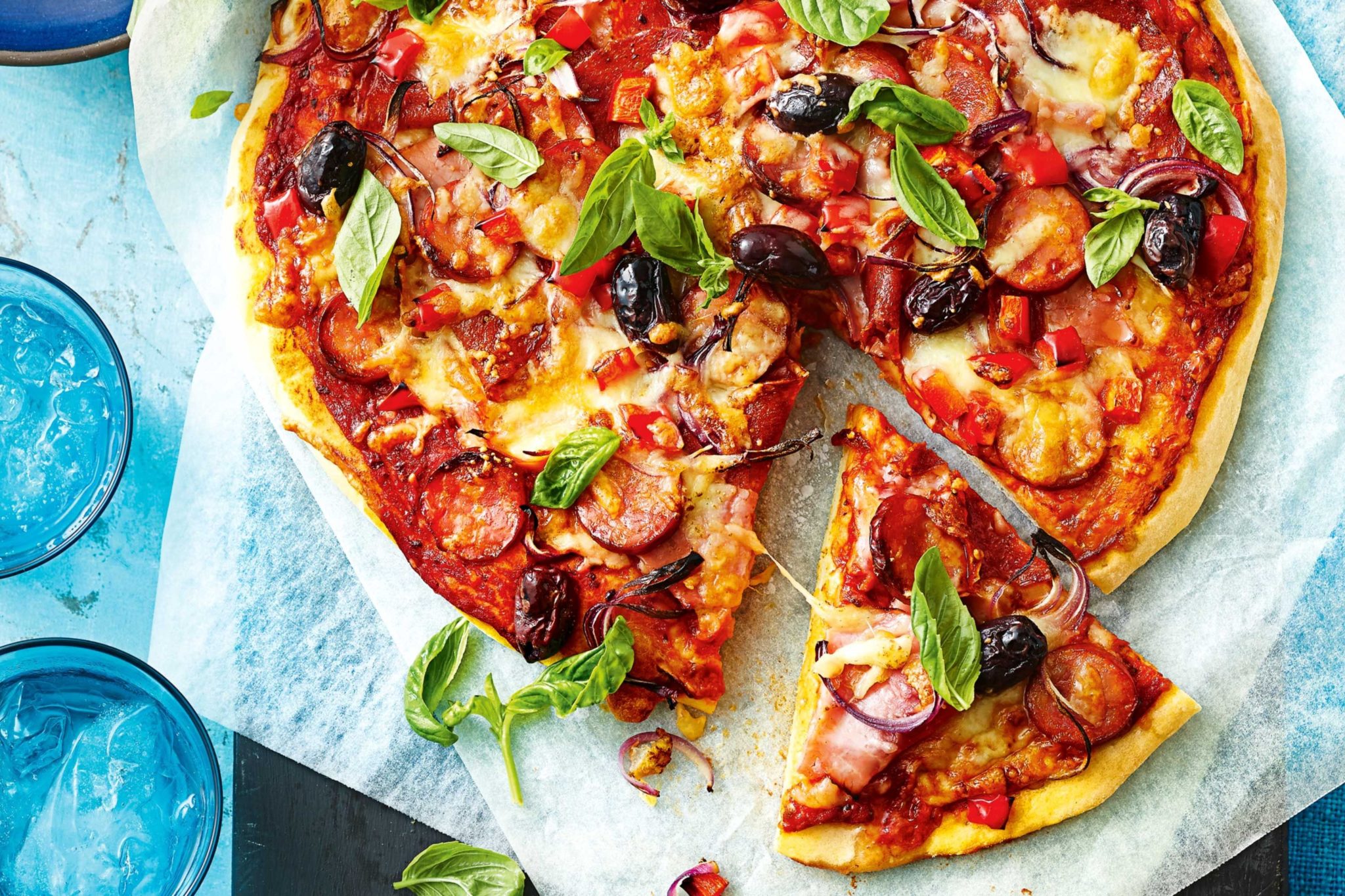
    The Woodfired Puttanesca pizza uses a traditional tomato and mozzarella base topped with black olives, capers, and oregano. Woodfired Salame pairs that same base with sliced salami, produced in Italy before frozen transport.

    Both products rely on Italian-baked woodfired crusts to stand out from local alternatives. The format targets shoppers who want regional recipes without paying foodservice prices.

    Premium Competition in the Freezer Aisle

    Major grocers across Australia and New Zealand have steadily reallocated freezer space to imported and specialty private-label items over the past three years. Mainstream frozen pizzas face ongoing margin compression. That pressure has prompted distributors to push higher-value imported SKUs onto shelves.

    For retailers, imported lines offer higher basket values in a category historically dominated by discount domestic labels. Cold-chain freight costs and exchange-rate swings between the euro and the Australian dollar remain key operational hurdles, squeezing margins when shipping volumes fluctuate.

    Retail Distribution Timelines

    Destination Italy built its initial ANZ footprint around core woodfired SKUs before widening the range with specialized regional flavor profiles. Across the supermarket frozen sector, brands are taking similar premium routes, using origin-certified manufacturing to defend shelf share.

    Supermarkets will roll out the two new varieties across national freezer networks through the remainder of the month.

  • F&N Magnolia Launches Sanrio Ice Confection Line Across Singapore

    F&N Magnolia Launches Sanrio Ice Confection Line Across Singapore

    F&N Magnolia rolled out a limited-edition strawberry and yoghurt ice confection across Singapore retail channels on September 3, priced at S$2.20 for single sticks and S$8.40 for four-packs.

    The launch pairs the heritage dairy brand with Sanrio characters My Melody and Kuromi across impulse and take-home formats. Alongside the stick multipacks, the company introduced a repackaged My Melody and Kuromi raspberry ripple ice cream tub priced at S$6.42.

    Channel Distribution and Pricing

    F&N split the product formats by channel to target distinct shopping occasions. Convenience stores carry the single-serve stick line at S$2.20, while leading supermarket operators stock the four-stick multipacks at S$8.40 and the redesigned tubs at S$6.42. All items carry halal certification to serve the broader domestic market.

    To drive basket size in grocery aisles, the brand attached a gift-with-purchase promotion running through the end of October 2026. Shoppers who buy two multipacks receive a branded travel organiser set valued at S$19.90, subject to stock availability.

    Character Licensing in Dairy Retailing

    Packaged food manufacturers across Southeast Asia rely heavily on co-branded character tie-ups to drive short-term volume in crowded freezer cabinets. Licensing recognizable IP allows legacy dairy labels to capture younger demographics and impulse buyers without reformulating entire permanent portfolios.

    The promotion runs across participating supermarket chains until October 31, 2026, or until premium gift stocks are exhausted.

  • Coles Drops Palantir Contract After Activist Campaign over Data Use

    Coles Drops Palantir Contract After Activist Campaign over Data Use

    Coles will end its enterprise partnership with United States software vendor Palantir. The decision follows an 85,000-signature petition against deploying military-grade data systems in Australian supermarkets.

    Company officials confirmed the business will let the three-year agreement expire in 2027 rather than sign an extension.

    Rostering and Supply Chain Deployment

    The grocer brought in Palantir in early 2024 to manage backend administration across its store network. The software scheduled shift rosters and coordinated bakery production runs. It also modelled inventory flow through distribution centres.

    Community advocacy group GetUp launched a campaign against the deal shortly after the contract took effect. Activists cited Palantir’s contracts with the United States Immigration and Customs Enforcement agency and the Israeli Defence Forces. They argued military-grade systems had no place in retail operations.

    A spokesperson for the chain rejected claims that the platform ever tracked shoppers or gathered aisle surveillance feeds. “Palantir’s technology has delivered value across Coles’ operations, particularly in rostering, store operations and supply chain planning,” the spokesperson said.

    The Enterprise Risk in Retail AI

    Supermarket operators across the Asia-Pacific region are rushing to automate workforce management and stock replenishment. Yet vendor selection brings brand exposure that procurement teams often underestimate. When enterprise software providers run heavy defence and state intelligence divisions, consumer-facing retailers absorb the reputational fallout directly at the checkout.

    Coles chose to let the contract lapse quietly at its natural term rather than terminate immediately. That approach lets the grocer run down existing IT commitments while scouting replacement platforms for store-level forecasting and labor scheduling.

    A Push Toward Neutral Systems

    Earlier, the company maintained Palantir never controlled internal grocer data or held rights to repurpose operational metrics. It declined to detail commercial reasons for walking away from the contract when asked for clarification.

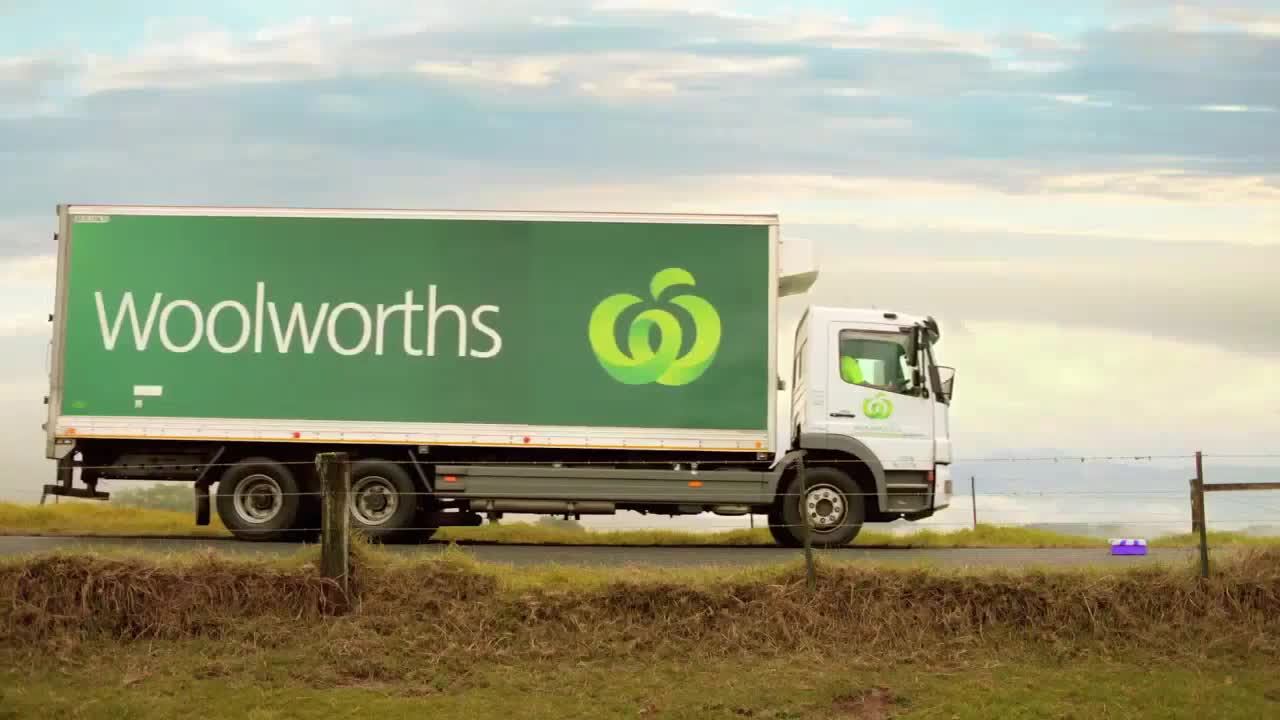
    Chains across Australia and the wider region face sharper scrutiny over in-store data management. Woolworths and Coles both encountered customer resistance in recent years when testing automated checkout monitoring and digital loss-prevention systems.

    Attention now turns to how the retailer will transition its store scheduling and supply chain workflows to alternative software providers before the agreement concludes in 2027.

  • 87% Of Australians Have AI Privacy Concerns, Report Finds

    87% Of Australians Have AI Privacy Concerns, Report Finds

    Eighty-seven per cent of Australians have concerns about privacy for artificial intelligence, according to Australian Retail Council research discussed at an industry roundtable in September 2026.

    The findings, highlighted by Diebold Nixdorf, show that only 5 per cent of Australians say they trust AI companies, presenting a live commercial risk for retailers integrating automation into everyday operations.

    Senior retail leaders at the gathering noted that while the technology for age verification, customer service, and loss prevention is ready, customer trust remains the primary barrier to adoption across Australian stores.

    Designing privacy into the checkout lane

    Automated age verification and theft detection represent the front line of store deployment. In international grocery markets, automated systems now approve most age-restricted purchases at self-checkout within seconds by processing visual data locally without retaining personal files.

    Hardware suppliers argue that keeping customer records off retail servers prevents chains from becoming targets for regulatory scrutiny. Similarly, loss prevention algorithms in newer self-checkouts prompt shoppers to scan missed items before store staff intervene, reducing confrontation at the register.

    Operating standards across store networks

    Supermarket operators across the Asia-Pacific region have accelerated camera-assisted checkout rollouts over the past three years to curb inventory shrink. Australian grocers that run uncoordinated systems across point-of-sale, payments, and security cameras risk alienating shoppers if privacy safeguards vary between store departments.

    For regional retail executives, deploying store AI without clear boundaries creates legal and operational liabilities. While Asian retailers in markets such as Singapore and Japan have integrated automated kiosks with high public compliance, Australian consumers push back when surveillance feels unchecked.

    Industry proposals for shared rules

    The push toward automation follows earlier disputes between major Australian supermarket chains and privacy regulators over facial recognition testing in retail aisles. Industry participants at the roundtable raised support for a retail-specific AI code of practice to set standard data retention limits across the sector.

    Diebold Nixdorf published the findings alongside its research report on self-service systems in Australia. Retailers now weigh whether to adopt voluntary operating rules or wait for formal regulatory guidelines on customer data capture at the till.

  • Woolworths to Shift 130 Support Roles from New Zealand to Australia

    Woolworths to Shift 130 Support Roles from New Zealand to Australia

    Woolworths plans to shift roughly 130 customer support roles from New Zealand to Australia as part of a restructuring across the Tasman.

    The proposal includes shuttering the retailer’s dedicated customer care centre in New Zealand to streamline operations across its grocery division.

    Cost Cuts and Centralisation

    Closing the customer care facility will save the business $4.1 million by the 2029 financial year. Woolworths plans to absorb these contact functions into its Australian network rather than maintaining separate customer support centres across both countries.

    Union officials pushed back immediately against the announcement. The Workers First Union condemned the proposal as “corporate greed”, warning that local staff are paying the price for trans-Tasman cost rationalisation.

    Regional Margin Pressure

    Supermarket operators across Australasia face persistent margin pressure from elevated operating costs and cautious consumer spending. Consolidating back-office and contact centre functions allows major grocers to trim overheads, mirroring broader retail trends across the region where administrative operations are pooled into single hubs.

    Consultation over the proposed customer care shutdown remains underway ahead of the company’s 2029 financial milestone.

  • Australian Shoppers Shift to Private Labels as Discretionary Sales Drop

    Australian Shoppers Shift to Private Labels as Discretionary Sales Drop

    Australian supermarket chains lifted private-label grocery sales by up to 6.1 per cent in fiscal 2026 as stubborn inflation squeezed household budgets. Coles Group reported that own-brand revenue outpaced overall company growth, with one in three customer baskets now containing its private-label lines.

    Woolworths Group recorded a 5.5 per cent increase in own and exclusive brand sales over the same period. Budget department store Kmart, operated by Wesfarmers, delivered resilient sales, while rival Big W returned to profitability before early fiscal 2027 trading slowed.

    Private Labels Win Margin and Volume

    Household goods retailers experienced a sharp pullback in consumer demand. Furniture chain Nick Scali reported that customer traffic fell by up to 15 per cent in the quarter to August as residential property turnover slowed. Australian same-store sales at Harvey Norman dropped 3.4 per cent, and electronics chain JB Hi-Fi posted its largest single-day share price decline since 2020 after missing consensus sales estimates.

    Quick-service dining networks faced similar pressure. Retail Food Group, which operates Gloria Jean’s and Donut King, booked an annual decline of roughly 3 per cent in domestic network sales. Automotive parts maker ARB posted a 3.3 per cent drop in Australian aftermarket revenue, while used-car transactions across the country fell 16.2 per cent in June.

    Property Slump Stalls Discretionary Demand

    Consumer price inflation has held above 3 per cent since 2025, outpacing wage growth of 3.2 per cent in the June quarter. With Commerzbank calculating that 60 per cent of Australian household wealth is tied up in residential real estate, higher borrowing costs and property tax adjustments targeting investors have directly curbed big-ticket purchases.

    The divergence across retail categories mirrors trends across Asia-Pacific markets, where food retailers expand low-price private lines to capture defensive trade while durable goods sellers rely on promotional financing to prevent transaction volumes from falling further.

    Trading updates for the first eight weeks of fiscal 2027 show sales at Big W have already started to decline, making the upcoming quarterly retail trade data the next key benchmark for consumer demand.

  • Japan Convenience Store Chains Cut Onigiri Base Prices

    Japan Convenience Store Chains Cut Onigiri Base Prices

    Japan’s three largest convenience store operators, 7-Eleven, FamilyMart and Lawson, have cut base retail prices on onigiri rice balls after years of inflation doubled shelf prices for the staple snack.

    The reductions mark a permanent reset of baseline pricing rather than temporary sales promotions, targeting everyday basket affordability across thousands of urban outlets.

    Price Cuts Across Major Chains

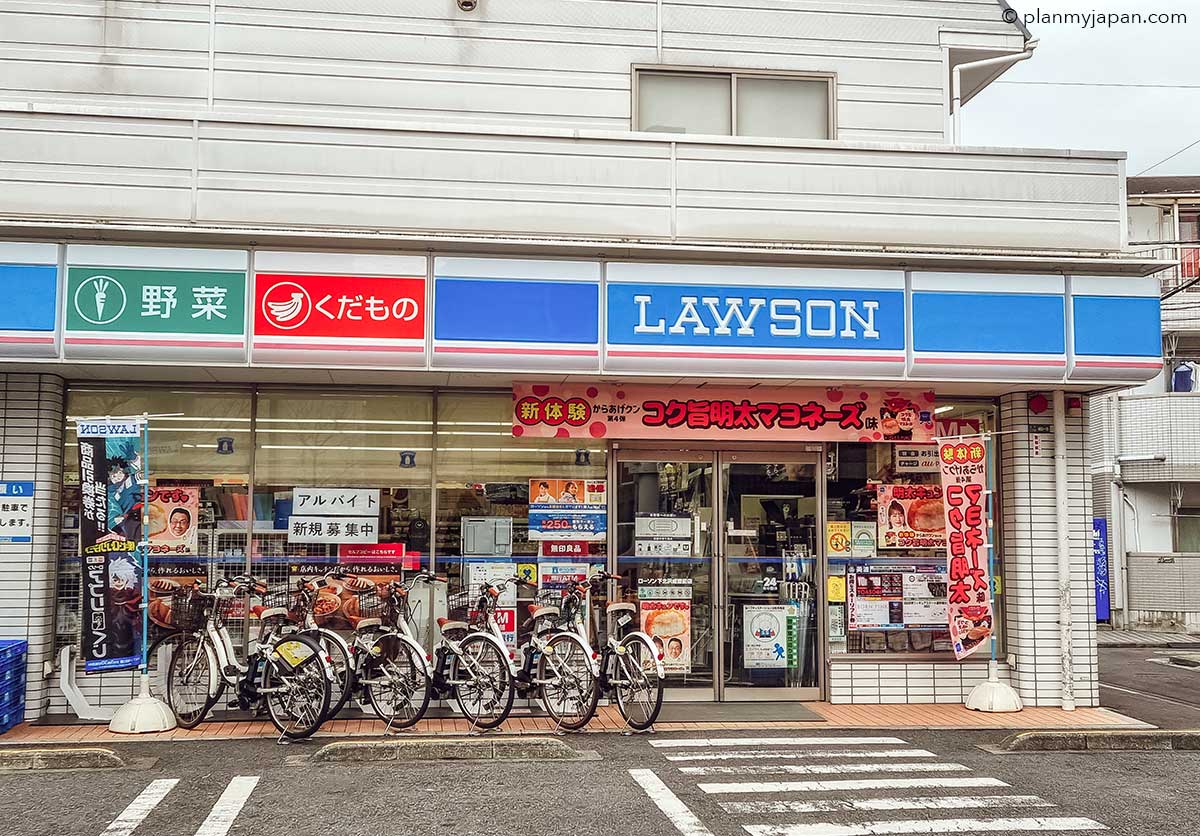
    Lawson will reduce after-tax prices by 10 yen across all 20 varieties in its Temaki Onigiri lineup on September 29. Its Sea Chicken Mayonnaise drops from 181 yen to 171 yen, grilled salmon falls from 221 yen to 211 yen, and spicy cod roe mentaiko drops from 235 yen to 225 yen. Plum, kombu, and okaka variants will each decline from 194 yen to 184 yen.

    7-Eleven Japan is lowering prices on its core salmon and mentaiko rice balls by 19 yen, reducing both from 214 yen after tax. FamilyMart initiated its adjustments on August 24, cutting the price of its Kombu and Tuna Mayonnaise Big Musubi from 320 yen to 298 yen.

    Wholesale Relief and Volume Recovery

    Data from Japan’s Ministry of Agriculture, Forestry and Fisheries shows the average supermarket retail price for a five-kilogram bag of rice dropped 27.7 per cent between early this year and mid-August. Falling raw grain costs have given convenience chains room to adjust procurement and restore unit volumes that slowed when onigiri crossed historical psychological price barriers.

    For Japanese convenience operators, rice balls serve as primary foot-traffic drivers alongside canned coffee and ready-to-eat lunches. Chains spent two years passing input costs directly to shoppers, but price resistance pushed consumers to trim daily spend, prompting this coordinated push to protect store traffic.

    The repricing rollout will test whether lower shelf prices can restore transaction counts before quarterly sales figures reveal the impact on gross retail margins.

  • Carrefour Returns to India with 50,000-Square-Foot Greater Noida Flagship

    Carrefour Returns to India with 50,000-Square-Foot Greater Noida Flagship

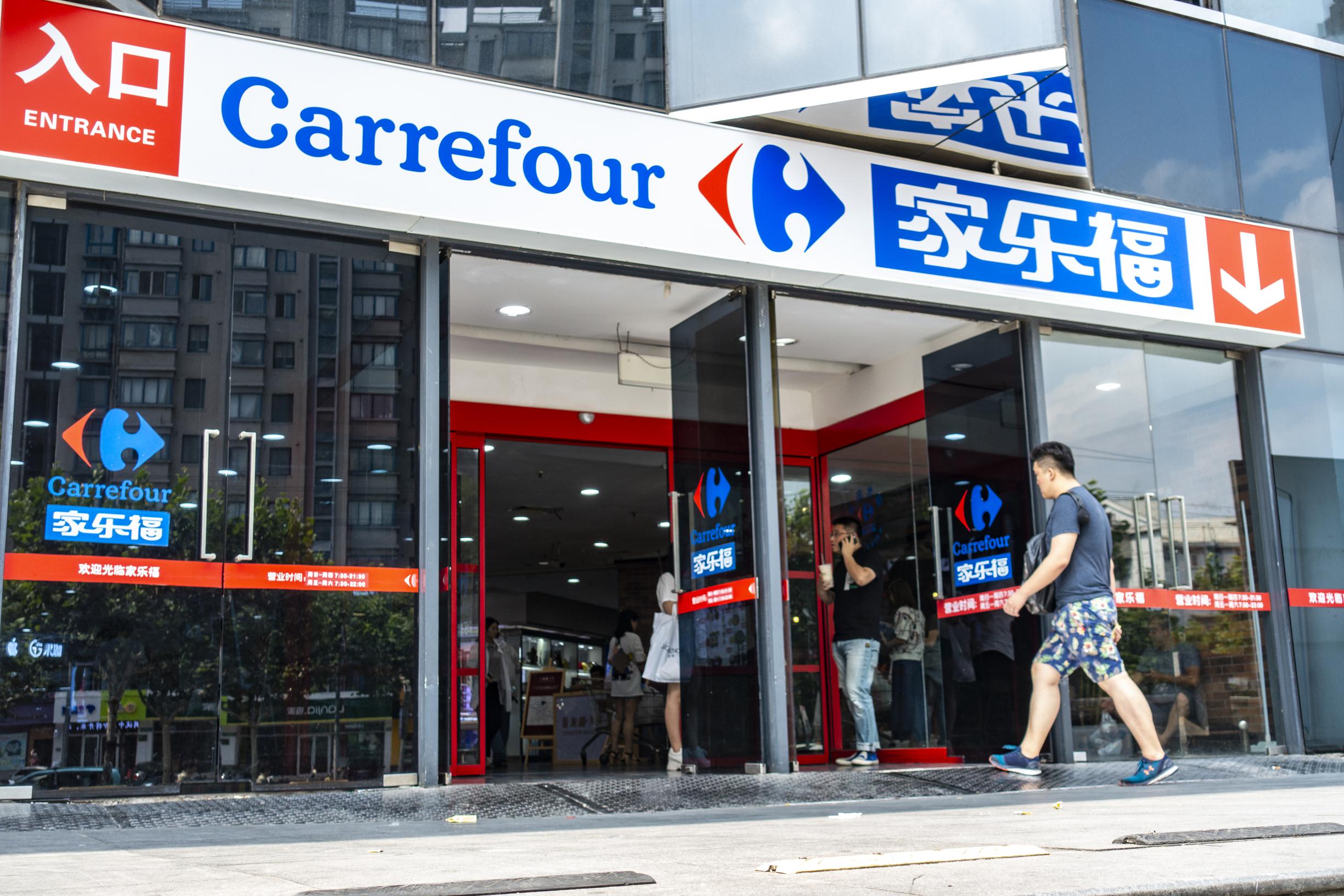
    French grocer Carrefour opened a 50,000-square-foot flagship store in Greater Noida West, returning to the Indian market a decade after shutting down its initial operations.

    The outlet at Boulevard Walk mall stocks more than 15,000 products across fresh food, groceries and household essentials under a franchise pact with Dubai-based Apparel Group.

    Apparel Group, which manages more than 300 fashion and lifestyle stores across 50 Indian cities, will run the local stores and supply chain. The partnership combines Carrefour’s private labels and imported lines with locally sourced goods to build an omnichannel grocery network across North India.

    A Second Run at Multi-Brand Grocery

    Carrefour first set foot in India in 2010 under the government’s cash-and-carry wholesale regulations. It closed its five wholesale depots and left in 2014 after failing to secure a domestic partner to navigate foreign investment limits in multi-brand retail.

    Foreign supermarket chains have long found India difficult to penetrate because of strict ownership caps and entrenched local distributors. While Walmart shifted entirely to wholesale and e-commerce through Flipkart, Carrefour is using a regional master franchisee to shoulder real estate commitments and store-level operations.

    Scaling North India Distribution

    Apparel Group owner APPCORP Holding, led by chairman Nilesh Ved, is using the Greater Noida site as a launchpad to expand Carrefour into additional northern urban clusters.

    The joint venture will now establish dedicated supply chain hubs to support planned store openings across Uttar Pradesh and the National Capital Region.

  • Weak Peso Pushes Philippine Supermarkets Toward Cheaper Stock

    Weak Peso Pushes Philippine Supermarkets Toward Cheaper Stock

    Philippine manufacturers and retailers face severe cost pressures after the peso slid past 62 per US dollar. The slump drives up import expenses for raw materials, machinery, and store inventory.

    The currency touched an all-time low of 62.265 against the greenback on August 28. That drop amplified imported inflation after domestic headline inflation reached 6.2 percent in July.

    Warnings from the Federation of Philippine Industries indicate that higher landed input costs will cascade through wholesale channels onto retail shelves. Raw materials, intermediate goods, capital equipment, and mineral fuels make up more than 85 percent of total Philippine imports, according to government trade data. Domestic producers must spend more pesos to secure ingredients and packaging. At the same time, higher diesel and electricity charges lift distribution expenses across store networks.

    Supermarket Shelves and Downgraded Goods

    Consumer goods companies also face steeper capital expenditure hurdles. Machinery and equipment account for nearly 28 percent of inbound shipments. Meanwhile, a 25-basis-point interest rate increase by the Bangko Sentral ng Pilipinas has pushed commercial borrowing rates higher.

    If brand owners pass cost increases to retail buyers, store operators will adapt by altering product selections. Grocers may have to stock cheaper, lower-grade alternatives to maintain transaction volumes as household budgets tighten, warned Steven Cua, president of the Philippine Amalgamated Supermarkets Association.

    Retailers across Southeast Asia have confronted similar currency depreciation cycles by shrinking pack sizes and expanding private-label ranges. Remittances from overseas workers normally cushion Philippine consumer spending. However, sustained food and energy inflation threatens to cancel out those remittance gains by eroding baseline purchasing power.

    Input Clearances and Inflation Watch

    To ease cashflow strains on domestic factories, manufacturing lobbies are pressing government agencies to fast-track customs clearance for industrial inputs. Expedited releases would cut storage and port fees that accumulate during administrative delays.

    Market watchers now look to the upcoming official August inflation print. Central bank officials must decide whether further interest rate adjustments are needed to stabilise the peso.

  • Japan Retail Sales Rise 4.0% in July as Department Stores Beat Formats

    Japan Retail Sales Rise 4.0% in July as Department Stores Beat Formats

    Japan’s retail sales rose 4.0 per cent year on year in July, driven by vehicle demand and strong department store receipts. Data released on August 31 by the Ministry of Economy, Trade and Industry (METI) showed department stores expanded 4.3 per cent, outperforming convenience stores at 1.3 per cent and supermarkets at 0.8 per cent.

    Wholesale sales across the country climbed 9.0 per cent over the same period, pointing to steady business-to-business inventory movement alongside consumer channels.

    Autos and Machinery Lift Totals

    Gains varied sharply by product line. Motor vehicle retail jumped 16.2 per cent year on year, delivering the fastest expansion among all retail sectors tracked by METI. Machinery and equipment retail climbed 6.3 per cent, while general merchandise sales rose 3.1 per cent and medical and cosmetics retail gained 1.6 per cent. Fuel retail turnover remained flat.

    Apparel and textile retail dropped 6.6 per cent year on year. That was the steepest contraction in the survey and the only major retail category to decline in July.

    Department Stores Lean on Inbound Spend

    The gap between falling clothing sales and rising department store receipts reveals a split in consumer behavior. Department store operators historically rely on apparel for a large share of their floor space, yet their revenue expanded while domestic clothing retail contracted. Tax-free transactions, luxury goods, and jewellery purchases by foreign visitors filled the shortfall left by cautious local fashion shoppers.

    Department stores across East and Southeast Asia have navigated similar pressures, leaning into high-margin luxury concessions and tourist footfall to offset sluggish domestic volume in apparel. For Japanese operators, sustained gains now tie closely to exchange-rate levels and international passenger arrivals rather than domestic wage spending.

    METI will publish its finalized July commerce figures in mid-September, with retail watchers monitoring whether vehicle order backlogs and inbound tourist spending hold up through late summer.

  • Aldi Loses Appeal in Little Bellies Copycat Packaging Case

    Aldi Loses Appeal in Little Bellies Copycat Packaging Case

    Aldi has lost an appeal against Australian baby food maker Little Bellies over copyright infringement in its private-label snack packaging. An appellate court upheld the 2024 Federal Court ruling against the discounter. It also extended the infringement finding to cover additional products.

    At issue is the grocer’s Mamia toddler snack line, which copied packaging created by Little Bellies. Brothers Clive and Steven Sher founded the Australian snack business before expanding it across supermarket shelves.

    Expansion of the 2024 ruling

    Federal Court judges in 2024 found that three products in the Mamia range infringed Little Bellies’ design copyright. That verdict was a rare legal defeat for the retailer’s Australian packaging strategy.

    Judges dismissed the appeal and widened the scope of that finding. The extended ruling confirms Mamia’s visual similarities went beyond allowable category cues to breach copyright protections.

    Private-label scrutiny across the region

    Aldi built its global discount model on private-label goods that mimic market-leading national brands. Across the Asia-Pacific region, grocers often test the line between standard category cues and intellectual property infringement to win value-focused shoppers.

    The decision narrows legal leeway for store-brand lookalikes across grocery aisles. The court will now determine final orders and damages for the affected product lines.

  • Central Retail First-Half Profit Jumps 35% to $155 Million

    Central Retail First-Half Profit Jumps 35% to $155 Million

    Central Retail posted a 35 per cent increase in first-half net profit to 5.0 billion baht ($155 million), driven by grocery gains and aggressive store pruning in Thailand and Vietnam.

    Total revenue from continuing operations rose 2.4 per cent to 123.7 billion baht ($3.9 billion), with grocery accounting for 46 per cent of all sales.

    Store and online sales rose 2.2 per cent across the network, beating a 2.2 per cent expansion in total retail selling area. Gross margins widened by 110 basis points to 24.8 per cent, outpacing operational cost growth. Finance costs dropped sharply, while profit contributions from a newly acquired 40 per cent stake in JD Sports lifted the bottom line.

    Pruning hardlines and shifting to athleisure

    The conglomerate closed 11 branches of Power Buy, B2S, and Officemate over the past 12 months. It also severed 39 stores in April by exiting the NK appliance retail business in Vietnam. Hardlines revenue fell 2.9 per cent during the half, or 0.5 per cent when excluding the NK divestiture.

    Fashion sales edged up 2.1 per cent. Central Retail took its minority stake in JD Sports partly to overhaul sports merchandising at its proprietary Supersports chain, shifting shelf space toward high-turnover athleisure ranges.

    Food delivered the bulk of operating momentum. Grocery sales increased 6.1 per cent, recording same-store sales growth of 2 per cent in the first quarter and 3 per cent in the second quarter. Overall group same-store sales slipped 0.1 per cent for the six months, dragged down by two-year stacked declines of 7.5 per cent in hardlines and 5 per cent in fashion.

    Uneven regional recovery

    Across Southeast Asia, diversified retail conglomerates have spent the past two years ditching fragmented specialty formats to defend supermarket cash flow against inflation. Central Retail mirrors regional peers that expanded fast into bulky non-food retail during low-rate cycles, only to find floor space unproductive once discounters and online platforms undercut consumer electronics and stationery.

    Trading conditions remain split between its two core markets. In Thailand, high household debt and slow tourism recovery continue to curb discretionary spending, even with the central bank lifting its 2026 economic growth forecast to 1.9 per cent. Vietnam provides stronger retail momentum, backed by rising inbound tourism and state efforts to lift domestic consumer spending.

    Central Retail now manages 3,834 stores and 75 shopping centres with 779,000 square metres of net leasable area across both countries. Investors are watching third-quarter same-store sales figures to see whether hardlines and fashion can pull out of negative territory.