Tag: Supermarkets

  • Woolworths to Drop Tasmanian Beef Sourcing in 2027 over Rising Freight Costs

    Woolworths to Drop Tasmanian Beef Sourcing in 2027 over Rising Freight Costs

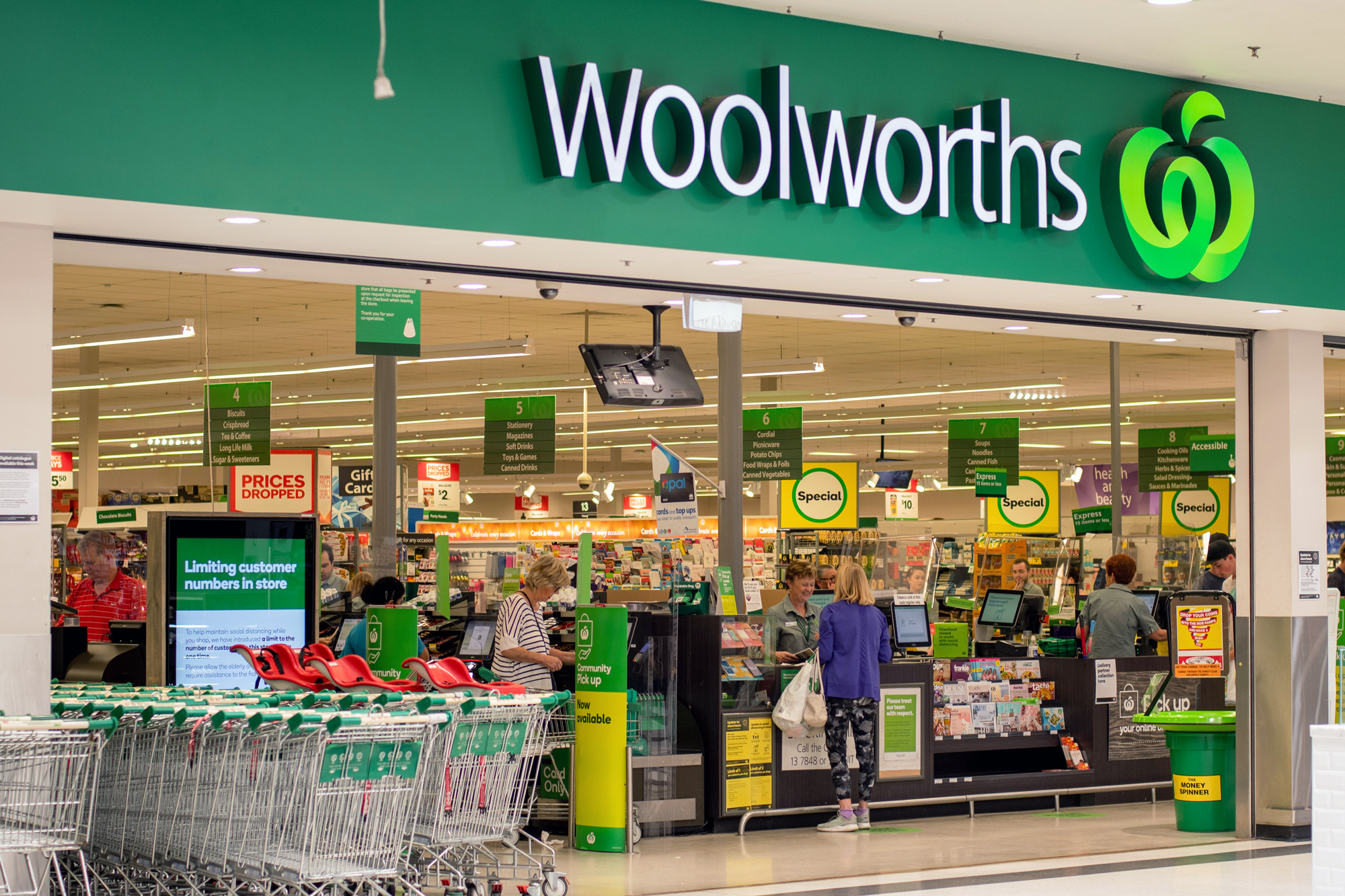
    Woolworths will stop selling Tasmanian beef across its supermarket network from 2027, ending a supply pipeline of 80 cattle per week. The Australian grocer is cutting ties with meat processor JBS Foods and its Longford abattoir after shipping expenses across Bass Strait made island sourcing unviable.

    Rising production expenses and maritime freight rates prompted the decision to consolidate beef procurement on the mainland. Tasmanian beef producers, including long-term suppliers such as farmer Jerrod Nichols, now face finding alternative buyers in an increasingly volatile livestock market.

    Freight Pressures Across Bass Strait

    Transporting livestock and processed meat across Bass Strait requires dedicated cold-chain shipping that adds fixed overheads to wholesale purchasing costs. Supermarket operators have faced mounting transport inflation across island supply chains over the past three years. Woolworths concluded those logistics costs could no longer be absorbed without passing price increases directly to shelf prices.

    The exit shows how major retailers across Asia-Pacific are rationalizing local sourcing contracts in favour of centralized, lower-cost mainland processing hubs. When transport costs spike, regional supply arrangements often become the first casualty in margin defense strategies.

    Supply Pipeline Until 2027

    Local farmers will continue to supply the supermarket giant for the remainder of the current agreement. Woolworths confirmed it will maintain its regular weekly intake through the end of 2026 before shifting volume to its existing mainland abattoir partners.


  • Japan Startup Muse Deploys Retail Robots to New York Grocery Stores

    Japan Startup Muse Deploys Retail Robots to New York Grocery Stores

    Japanese robotics startup Muse rolled out its automated retail helper robots in a New York grocery store to capture US supermarket demand for labor-saving physical artificial intelligence.

    The deployment puts automated shelf-stocking hardware directly into commercial grocery aisles alongside store clerks. Rising operational expenses and stubborn retail worker shortages across North America have accelerated the commercial rollout of Asian service robotics beyond domestic test markets.

    Automating shelf replenishment

    Muse built its physical AI machines to assist staff with the physical strain of routine grocery restocking. The robots navigate sales floors to handle merchandise replenishment tasks, reducing the repetitive lifting required of store associates during standard operating shifts.

    Store operators in the United States face persistent labor turnover in entry-level inventory roles. Deploying autonomous replenishment units allows grocers to maintain shelf availability without increasing headcount during peak restocking hours.

    Exporting Asian physical AI

    Japanese robotics developers are increasingly targeting overseas retail markets where wage pressures create faster paths to commercial adoption than domestic pilot schemes. While Japanese supermarkets have tested automated replenishment in limited urban formats, the scale of floor space in American grocery chains offers substantially larger hardware deployment volumes per client.

    Muse plans to use the New York supermarket deployment as an operational reference site to secure multi-unit rollouts across broader US retail chains.

  • Who Gives A Crap Targets A$100 Million Annual Donations on Retail Push

    Who Gives A Crap Targets A$100 Million Annual Donations on Retail Push

    Melbourne consumer brand Who Gives A Crap has distributed more than A$50 million to global sanitation initiatives as it expands into mainstream supermarket chains worldwide.

    The company, which gives half of its profits to water and hygiene projects, is now mapping a growth path aimed at generating A$100 million in annual donations by 2050. That target requires building a commercial footprint large enough to challenge legacy paper giants such as Kimberly-Clark.

    From web stunt to supermarket shelves

    Co-founders Simon Griffiths, Danny Alexander and Jehan Ratnatunga launched the business in 2012 by raising A$50,000 through a 50-hour crowdfunding web feed. Bootstrapped for its first nine years, the company took outside institutional funding in 2021 and expanded its workforce to nearly 300 employees.

    While direct-to-consumer delivery drove early revenue across Australia, the United States, Britain, Canada, France and Germany, long-term growth now depends on physical grocery distribution. In the United States, placement with Whole Foods Market opened access to shoppers who do not buy paper goods online. Supermarket distribution across Australian chains followed a similar pattern, forcing the brand to compete directly against entrenched multinational FMCG lines on store shelves.

    Targeting global scale in paper goods

    Entering physical stores presents distinct margin and packaging challenges for direct-to-consumer challengers across the Asia-Pacific region. Brand visibility in high-traffic aisles requires heavy inventory commitments and immediate shelf recognition, especially in staple categories where consumers buy on autopilot.

    The company plans to use expanded supermarket listings in North America and Europe to fund its target of A$100 million in yearly charitable disbursements by 2050.

  • Australian Grocers Expand Private Labels as Coles Posts $1.09B Profit

    Australian Grocers Expand Private Labels as Coles Posts $1.09B Profit

    Coles Group posted a 1.09 billion Australian dollar net profit for the financial year ending June 28, as the country’s supermarket giants add thousands of private-label lines to store shelves.

    The expansion of store brands directly targets margin defence and customer retention across Australian grocery aisles.

    Private label pressure from Aldi

    Aldi entered the Australian market through Sydney in 2001, building its network on an inventory model where 90 per cent of products were private labels sold at lower price points. At that stage, Coles and Woolworths together controlled about 71 per cent of the national grocery market.

    The German discounter captured substantial market share by 2015. That persistent push forced both incumbent chains to rethink their merchandise mix and build out multi-tier house brands to compete across basic grocery categories.

    Margin defence and shelf allocation

    Supermarket operators use own-brand ranges to secure higher gross margins and gain greater use over suppliers. For grocery retailers across the Asia-Pacific region, allocating more shelf space to proprietary labels offers direct protection against wholesale price inflation.

    Both Coles and Woolworths face continued consumer demand for cheaper basket alternatives as shoppers swap branded packaged goods for supermarket-owned items.

  • Industry Beans Returns DC Coffee to Supermarket Shelves via Woolworths

    Industry Beans Returns DC Coffee to Supermarket Shelves via Woolworths

    Melbourne specialty roaster Industry Beans has returned DC Coffee to national supermarket shelves through Woolworths, targeting Australian consumers switching from cafe takeaway cups to home brewing.

    The rollout follows a total overhaul of the brand, which Industry Beans co-founder Trevor Simmons pulled from rival chain Coles after acquiring the business in 2023.

    Canstar survey data of more than 2,100 consumers shows 29 per cent of Australians have stopped buying cafe coffee to brew at home. Another 19 per cent bought a dedicated coffee machine to cut daily spending as the average takeaway cup climbed to $5.90 before plant-milk surcharges.

    Rethinking Supermarket Coffee

    Simmons bought DC Coffee from David Valmorbida after years of acting as its contract roaster. By 2023, the brand’s footprint in Coles had dropped to less than half its original SKU count because of weak sell-through and an absence of dedicated marketing support.

    Industry Beans stripped back the catalog rather than trying to salvage slow-moving specialty lines. The Woolworths range centres on larger pack formats and two high-volume blends, The Darkness and The Duchess, before introducing a third blend called The Swell and an instant coffee offering.

    DC Coffee traces its roots to Caffe Ducale under the Valmorbida family’s Conga Foods business. Former manager Rob Stewart later reshaped the label with street-art packaging, securing national distribution in Coles in 2020 as one of the earliest third-wave brands on mainstream Australian grocery shelves.

    Targeting the Home Brewer

    Specialty roasters across Asia-Pacific long protected premium positioning by keeping their best beans restricted to company-operated cafes or direct-to-consumer subscriptions. Rising living costs and sharper price scrutiny have forced a shift, prompting roasters to compete directly on supermarket shelves against commercial legacy brands.

    DC Coffee is backing the retail rollout with a national promotional push titled Fuel Your Creativity. The brand will track volume performance on the primary blends across Woolworths stores before releasing its instant coffee formats to the same network.

  • Australian Supermarkets Adapt to In-Between Shoppers Seeking Asian Groceries

    Australian Supermarkets Adapt to In-Between Shoppers Seeking Asian Groceries

    Australian mainstream grocers are restructuring their international food aisles as demand from second-generation shoppers erodes the traditional gap between independent Asian grocers and major supermarket chains.

    The shift challenges decades of split retailing, where consumers bought standard household staples at major chains and visited specialty Asian grocers for authentic ingredients.

    Breaking the Specialty Divide

    May Wong, who concluded her tenure as a category manager at Coles Group on August 31, 2026, after seven years managing an Asian grocery store, said the boundary between the two channels is disappearing. Shoppers from second-generation migrant backgrounds increasingly expect mainstream supermarkets to stock the authentic food items that match their cultural heritage.

    Specialty grocers long held a monopoly on authentic imported brands, while major supermarkets focused on westernised pantry staples. Younger shoppers now seek authentic taste profiles without making a separate trip to suburban ethnic markets.

    Shifting Demographics on Mainstream Aisles

    For supermarket operators across the Asia-Pacific region, tailoring shelf space to multicultural demographics has turned ethnic aisles into high-growth territory rather than niche perimeter displays. Major chains in markets with large diaspora populations are expanding direct sourcing relationships with Asian food exporters to meet tighter consumer standards on authenticity.

    Coles and competing Australian supermarket operators will test updated product assortments across metropolitan store networks through the coming retail quarters.

  • Taiwan Convenience Chains Expand Southeast Asian Goods as Migrant Numbers Double

    Taiwan Convenience Chains Expand Southeast Asian Goods as Migrant Numbers Double

    Taiwan convenience operators FamilyMart and 7-Eleven are rewiring hundreds of store layouts to target more than 870,000 Southeast Asian migrant workers now living on the island. FamilyMart has installed dedicated import sections across 1,200 outlets, roughly 30 percent of its total network, after sales in the category jumped 70 percent last year.

    Government labour data shows the island’s migrant workforce expanded from 390,000 in 2011 to over 870,000 this year. When including international students, spouses, and undocumented workers, the consumer cohort reaches an estimated 1.2 million people. A study by non-profit group One-Forty found these residents visit convenience stores every two days on average, relying on them for food, parcel pick-ups, and cross-border remittances.

    Halal hot food and bilingual shelves

    FamilyMart began testing dedicated shelves in residential and manufacturing districts in 2020. Those sections stock roughly 100 packaged items from Indonesia, Vietnam, Thailand, and the Philippines, supported by dual-language Chinese and English labelling alongside halal marks. The chain introduced pork-free hot food stations across 220 locations near transport hubs, hospitals, and industrial zones in 2024, and now distributes halal-certified ready-to-eat meals to 700 stores.

    Rival operator 7-Eleven has rolled out Southeast Asian merchandise fixtures to 400 branches. Its inventory focuses on high-turnover staples such as Indonesian instant noodles and sambal, Philippine dried mangoes, Thai roasted peanuts, canned coconut water, and energy drinks placed near universities and factory zones.

    Supermarkets tailor fresh produce

    Supermarket chain PX Mart is adjusting its own assortments in response to heavy footfall around manufacturing clusters. At its branches near the Hukou Industrial Park in Hsinchu County, one quarter of migrant worker shoppers visit more than once a week. PX Mart has divided its foreign range into four core groups: packaged groceries, instant meals, household goods, and fresh produce tailored by nationality, adding specific herbs for Vietnamese cooks and personal care lines imported from Indonesia.

    Convenience retailers across East Asia frequently tweak shelf space to protect store yields as domestic populations age and shrink. In Taiwan, where convenience store density is among the highest in the world, shifting floor space toward Southeast Asian staples allows operators to extract higher basket sizes from a daily captive audience without adding physical square footage.

    Store planners are now watching whether 7-Eleven expands its 400 dedicated sections deeper into residential neighbourhoods, while FamilyMart continues rollouts of halal-certified hot food counters across remaining transit-hub locations.

  • Moondarra Expands Dairy Line with Cranberry Vanilla Cream Cheese at Woolworths

    Moondarra Expands Dairy Line with Cranberry Vanilla Cream Cheese at Woolworths

    Australian dairy brand Moondarra Cheese has rolled out a cranberry and vanilla soft cheese across selected Woolworths supermarkets nationwide, priced at $4.20 for a 120-gram tub.

    The product uses the manufacturer’s triple cream cheese base blended with cranberries and vanilla. Alongside the new SKU, Moondarra refreshed the packaging design across its broader line of marinated cheeses to improve shelf visibility in the specialty deli and dairy aisles.

    Supermarket Dairy Competition

    Sweet and savoury combination cheeses have gained shelf space in Australian grocers as producers target entertaining platters and snacking occasions. Woolworths and rival Coles have both reshuffled their specialty cheese sets over the past two years, replacing slower-moving European imports with local flavoured cheeses that offer higher margins and shorter supply chains.

    For Moondarra, the rollout secures valuable facings in Australia’s largest supermarket network. Supermarket dairy aisles remain tightly contested as private-label options squeeze mid-tier branded producers on everyday staples, pushing commercial cheese makers toward higher-value sweet and marinated segments.

    Distribution and Retail Presence

    The new cheese formulation is now available in selected Woolworths stores across the country. Moondarra will monitor sales performance across the network ahead of the key summer entertaining season.

  • Japanese Retailers Lock in FX Contracts as Weak Yen Hits Profits

    Japanese Retailers Lock in FX Contracts as Weak Yen Hits Profits

    Japanese retailers are overhauling supply contracts and turning to financial derivatives as the yen hovers near 159 per dollar, driving up import costs across food and consumer goods.

    The currency has shed more than 30 per cent against the greenback over the past five years, eroding buying power for domestic store operators that rely heavily on overseas agricultural products, raw materials and finished goods.

    Supermarkets Shift Supply Terms

    Takara MC, which runs 43 supermarkets south of Tokyo, has abandoned monthly price negotiations with overseas suppliers in favour of quarterly and annual agreements. Chief executive Taku Ueno said securing terms for up to a year on imports such as US beef, Spanish olive oil and Italian tomatoes allows the chain to shield shoppers from immediate price increases on store shelves.

    Securing supply deals has grown harder as rival buyers from China and Thailand consistently outbid Japanese grocers for commodity shipments.

    Bankers report that small and mid-sized store operators, which previously absorbed modest currency swings, are now turning to futures, forwards and options contracts to limit their balance sheet exposure.

    Corporate Hedging Stretches Further

    Nitori Holdings, the country’s largest furniture retail chain, estimates that every 1 yen drop against the US dollar reduces its operating profit by roughly 2 billion yen ($12.5 million). While the company has avoided direct hedges to date, it is reviewing forward contracts if currency weakness continues.

    Brokers in Tokyo say hedging volume is expanding well beyond traditional tenors. Daiwa Securities noted that client requests to lock in exchange rates have stretched from the usual few months out to as long as five to 10 years, while Bank of America expanded its Tokyo foreign exchange sales team over the past two years to handle the surge in corporate demand.

    For retailers across East Asia, Japan’s currency predicament shows how sustained foreign exchange weakness can upend long-standing retail pricing models. Competitors elsewhere in the region, operating with firmer currencies, continue to snap up global agricultural allocations that once went routinely to Tokyo buyers.

    Market participants at JP Morgan project the dollar-yen rate will persist in the 155 to 165 corridor, keeping the pressure firmly on Japan’s store operators as contract renewals approach in the coming quarter.

  • F&N Expands NutriWell Line with Pistachio Chocolate Oat Milk

    F&N Expands NutriWell Line with Pistachio Chocolate Oat Milk

    Fraser and Neave launched NutriWell Pistachio Chocolate Oatmilk in Singapore this week, adding a flavored nut-and-grain blend to its packaged wellness beverage portfolio.

    The formulation pairs dairy-free oat milk with pistachio and chocolate flavoring, positioning the product directly at shoppers looking for plant-based indulgence.

    Flavour Blends in Plant Milk

    NutriWell formulated the new release entirely free of dairy to cater to lactose-intolerant consumers and vegan shoppers. The recipe pairs oat milk with pistachio, a flavour that has gained rapid traction across regional bakery, ice cream, and specialty coffee menus over the past twelve months.

    Packaged in ready-to-drink cartons, the drink provides an alternative to conventional chocolate cow milk and plain soya drinks. F&N designed the line to sit in chilled retail cabinets alongside standard dairy items rather than specialty vegan shelves.

    Chilled Dairy Alternatives in Southeast Asia

    Regional beverage makers across Southeast Asia have shifted away from plain soy and almond bases toward composite grain formulations. Major bottlers now combine oat bases with dessert-inspired profiles to protect shelf space as standard plant milk volumes plateau in mature supermarket channels.

    Retail distribution is rolling out across Singapore supermarkets and convenience outlets this month, with regional channel expansion across Malaysia scheduled for the following quarter.

  • Australian Certified Organic Sales Hit AU$1.02 Billion

    Australian Certified Organic Sales Hit AU$1.02 Billion

    Australia certified organic sector generated AU$1.02 billion in annual sales during the 2024-25 financial year. The total represents the first time the market cleared the billion-dollar threshold, driven largely by supermarket shelves and household pantry purchases.

    Retail sales for take-home consumption reached AU$657.6 million, climbing 11.9 per cent year on year, according to the Australian Organic Market Report 2026 released by Australian Organic Limited. The growth in household buying outpaced broader packaged grocery volume across major Australian supermarket chains.

    Supermarket Aisles Drive Revenue Gains

    Packaged food and fresh produce accounted for the bulk of retail spend, with shoppers prioritizing chemical-free certifications despite broader inflationary pressures on household food budgets. Certified supply chains kept up with the volume demand, helping standardise shelf placements across national grocery operators.

    The AU$1.02 billion total spans domestic agriculture, food manufacturing and retail channels across the country. Commercial operations continued converting conventional acreage to certified standards to capture premium wholesale margins.

    Wholesale Margins and Export Volumes

    Across the Asia-Pacific region, premium food producers face tight price sensitivity, yet certified organic goods continue to hold distinct price premiums in tier-one retail channels. Australian producers are positioning their certified output against competing high-end food exports from New Zealand and Europe.

    Industry bodies will monitor whether retail volume growth holds through the 2025-26 period as supply contracts renew and private-label organic ranges expand in major supermarket chains.

  • Real Pet Food Expands Fussy Cat Range with Dental Dry Food

    Real Pet Food Expands Fussy Cat Range with Dental Dry Food

    Real Pet Food Company expanded its Australian cat care line with the release of Fussy Cat Dental Defence Ocean Fish, a grain-free dry formula targeting dental health.

    The product uses an engineered kibble shape designed to prompt chewing and reduce tartar accumulation on teeth. Australian-sourced ocean fish forms the core protein base alongside added calcium for bone and tooth maintenance.

    Oral Care in Pet Grocery

    Specialised pet nutrition remains one of the steadiest sub-sectors in Australasian grocery aisles. Supermarket operators continue giving shelf space to functional lines that address specific conditions such as joint health, digestion, and dental hygiene. Fussy Cat competes directly against established premium dry pet food lines across supermarket networks in the region.

    Sourcing and Format Strategy

    Domestic ingredient sourcing gives local pet manufacturers a clear marketing point against imported dry kibble brands. Real Pet Food Company relies on local fish supply to back its grain-free recipe specifications across Australian grocery distribution.

    Retailers will track sell-through rates as the new dental stock hits Australian pet food fixtures over the coming retail quarter.

  • Asia-Pacific Captures 42 Percent Share as Global Retail Hits 31.58 Trillion Dollars

    Asia-Pacific Captures 42 Percent Share as Global Retail Hits 31.58 Trillion Dollars

    Asia-Pacific accounted for 42 percent of the 31.58 trillion dollar global retail market in 2025, cementing the region as the primary revenue hub for consumer merchandise. The sector is expanding at an annual compound rate of 5.35 percent, heading toward 43.17 trillion dollars by 2031.

    Regional momentum stems from dense consumer populations, rapid formalization of modern store networks, strong manufacturing supply chains, and high mobile-commerce adoption across emerging markets. North America held the second spot globally, supported by higher household spending and established warehouse-club networks.

    Shifting Channel Mix and Digital Share

    Digital channels are taking a larger cut of total retail receipts. Global e-commerce penetration reached 23.5 percent in 2025, up from 18.0 percent in 2020, and projections put digital sales at 29.5 percent of the total market by 2031. Retailer-owned e-commerce and online marketplaces represent the fastest-growing routes to market, even as physical supermarkets and convenience formats retain volume dominance in food and grocery categories.

    Average global retail spending per person stood at 3,851 dollars in 2025, with that number forecast to climb to 5,026 dollars by 2031. Food and beverages remains the single largest product category worldwide, driven by everyday repeat demand that cushions operators against cyclical discretionary drops.

    Operational Pressure and Volume Recovery

    For store operators and digital merchants across Asia, top-line growth is shifting away from post-pandemic price inflation toward real merchandise volume gains. Real volume growth is forecast to accelerate from 2.8 percent in 2026 to 3.3 percent by 2030, putting sharper focus on store productivity, automated warehouse replenishment, and private-label margins.

    Global chains including Walmart, Amazon, Schwarz Group, Aldi, and Costco continue to recalibrate inventory to limit shrink and return costs. RetailNews Asia tracking shows regional operators are prioritizing membership ecosystems and in-house retail media networks to defend operational margins as logistics and wage bills rise.

    Merchants face an immediate baseline as global trade volumes, which expanded 4.6 percent in 2025, test supply visibility ahead of the projected 33.27 trillion dollar market turnover mark in 2026.

  • Makro Returns to Philippines with Four Greater Manila Outlets

    Makro Returns to Philippines with Four Greater Manila Outlets

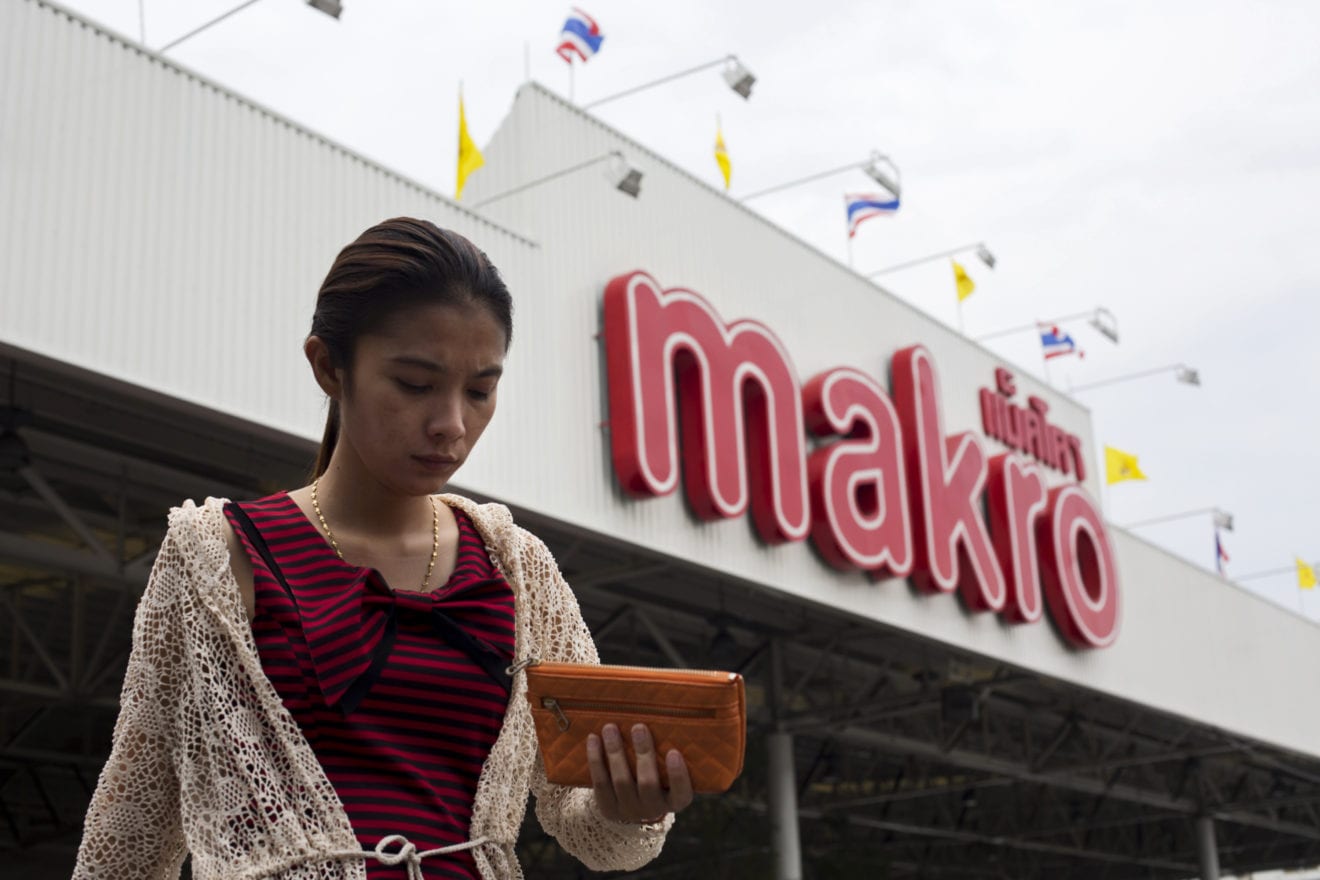
    Thai wholesale operator CP Axtra has partnered with Ayala Corporation to bring Makro back to the Philippines across four commercial estates in Greater Manila.

    Under the deal, the joint venture signed lease agreements with Ayala Land for sites in Quezon City, Taguig, Laguna, and Cavite. The cash-and-carry brand returns nearly two decades after its original footprint was sold off and absorbed by rival operators.

    Four Hubs Across Greater Manila

    All four locations sit inside key transport corridors and commercial zones. In Quezon City, Makro will open at Cloverleaf at the intersection of EDSA and the North Luzon Expressway. In Taguig, the retailer will take space inside Ayala Malls Arca South to serve the capital’s southern gateway.

    Two other branches target corridors south of Metro Manila. Broadfield in Biñan, Laguna, puts Makro inside a dedicated commercial and logistics campus. Meanwhile, Evo City in Kawit, Cavite, places the brand in a fast-growing residential and commercial district.

    Rebuilding an Old Partnership

    Makro first entered the Philippine market in March 1996 through a joint venture among Dutch retailer SHV, Ayala, and the SM Group. Ayala sold its 28 percent stake in 2004. SM took full control five years later, converting all existing branches into SM Hypermarkets by 2009.

    Today, the partnership pairs Ayala with CP Axtra, the retail arm of Thailand’s Charoen Pokphand Group, which operates Makro wholesale centres and Lotus’s supermarkets. The Philippine market offers a strong base of small merchants, food service businesses, and bulk-buying households that CP Axtra targets across Southeast Asia.

    Makro Philippines plans to open its first two stores at Cloverleaf and Arca South between the fourth quarter of 2026 and the first quarter of 2027. Openings in Cavite and Laguna will follow.

  • SM Retail Revenue Hits 223.6 Billion Pesos as Network Expands Beyond Manila

    SM Retail Revenue Hits 223.6 Billion Pesos as Network Expands Beyond Manila

    SM Retail posted first-half 2026 revenues of 223.6 billion pesos ($3.7 billion), up 5.6 per cent from a year earlier. Regional consumer spending gathered pace across the Philippines.

    Net income rose 6.0 per cent to 8.9 billion pesos ($270 million). Same-store sales grew 2.9 per cent across a nationwide network of 4,837 stores.

    Food and Speciality Stores Drive Turnover

    Food retail generated roughly 60 per cent of total sales across 2,824 points of sale. It rose 6.1 per cent with same-store gains of 3.3 per cent. SM Store, the group’s 79-location department store chain, grew revenue 3.2 per cent. Speciality store sales expanded 5.9 per cent, even after the operator closed a net 73 outlets to trim marginal locations.

    The company relies on an asset-light format by leasing space within sister developer SM Prime’s commercial properties. Of the 490 physical stores opened over the past year, 80 per cent sit outside Greater Manila. These target provinces where modern retail still represents less than half of household shopping spend.

    Mall Developer Backs Bay Reclamation

    SM Prime lifted first-half revenue 5.3 per cent to 71.7 billion pesos ($1.2 billion). The developer operates 90 malls across the Philippines and nine in mainland China. Rental income provided more than 60 per cent of that total. Revenue from leisure facilities, including cinemas and ice-skating rinks, rose by more than 10 per cent during the same period.

    Expansion into secondary provinces mirrors retail decentralisation across Southeast Asia, where operators such as Central Group in Thailand and Vincom Retail in Vietnam build commercial centers ahead of rising provincial incomes. Remittances from overseas workers feed directly into these regional retail hubs. They underpin Philippine private consumption at 75 per cent of gross domestic product.

    Work continues on Pasay 360, a 360-hectare Manila Bay reclamation joint venture with local authorities. The project will expand the Mall of Asia complex with new commercial, hotel, and residential districts over multiple development phases.