Tag: Supermarkets

  • Saigon supermarkets to close at 5 PM

    Saigon supermarkets to close at 5 PM

    All supermarkets in HCMC will close at 5 p.m. starting Monday to comply with the city’s suspension of night-time activities amid its Covid-19 battle.

    Retail chains like VinMart and Co.opMart will operate from 7 a.m. to 5 p.m. instead of 10 p.m.

    Big C outlets will open 1.5 hours earlier at 7 a.m. and close at 5 p.m. Aeon Malls and Mega Market will also apply the same hours.

    Most supermarkets in the city had shelves full of eggs, meat and vegetables Monday, with no sign of stockpiling.

    Retail chains have been doubling or tripling their supply to fulfill demand. They also have delivery staff ready in case delivery platforms are banned.

    HCMC banned people from leaving their homes except for emergencies after 6 p.m. starting Monday.

    This is the latest effort to curb the spread of the fourth wave of Covid-19, in which over 62,100 cases have been confirmed in the city out of 97,400 nationwide.

  • Vietnamese supermarkets go back to leave packaging

    Vietnamese supermarkets go back to leave packaging

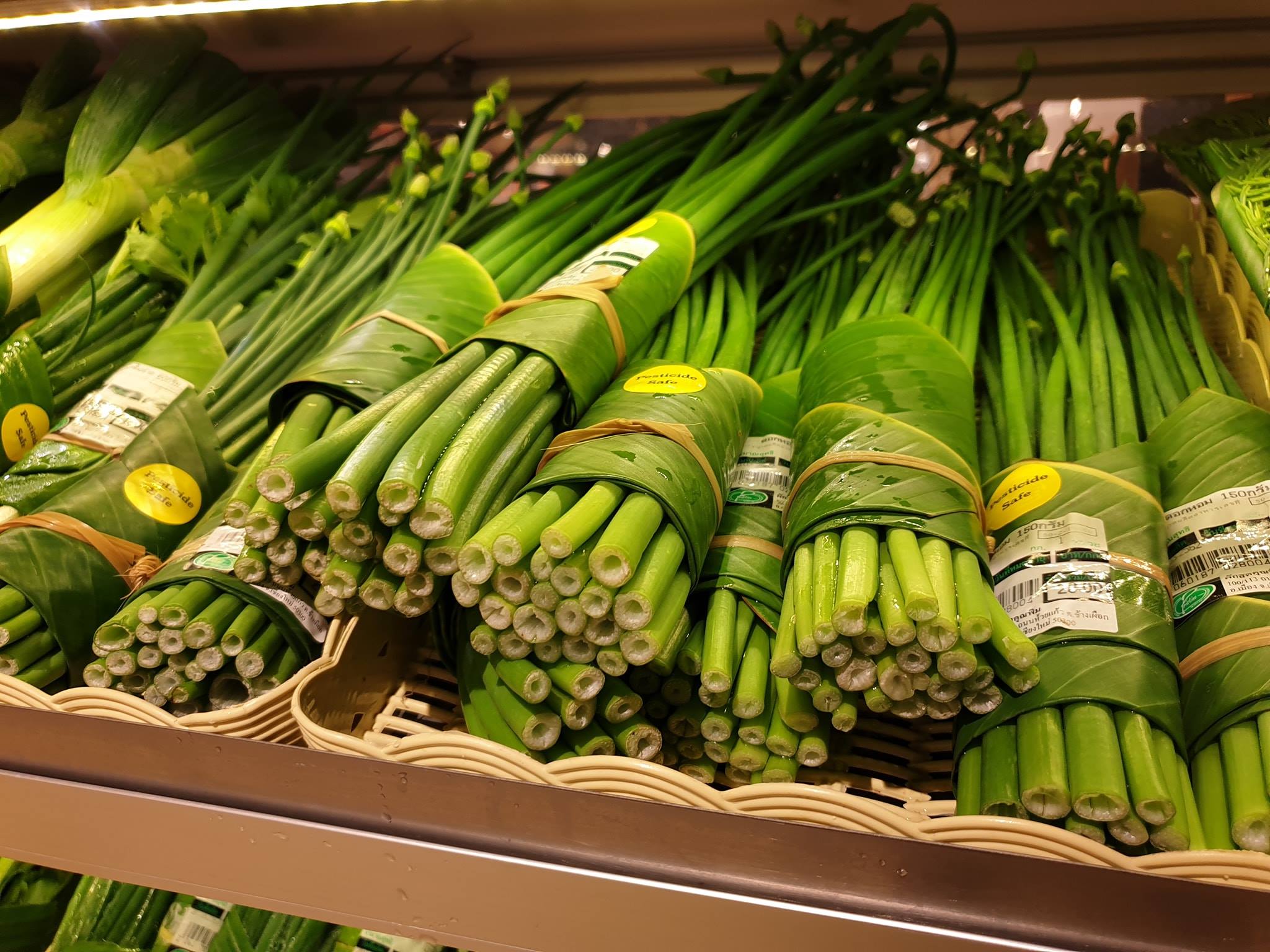
    Shoppers at Lotte Mart in Ho Chi Minh City’s District 7 were recently surprised to see scallions, okra and other vegetables produce wrapped in banana leaves.

    A representative of the supermarket chain said that the company is experimenting with using leaves to wrap veggies in one outlet, and plans to expand this later to the entire chain in the country.

    This is part of a plan to increase the use of environment-friendly products, not just for vegetables but also for fresh meat, the representative added.

    Local shoppers expressed support for the move. “When I see vegetables wrapped in these beautiful banana leaves I’m more willing to buy in larger quantities. I think this initiative will help locals be more aware of protecting the environment,” said Hoa, a District 7 resident.

    The Big C supermarket chain in Hanoi has also started using banana leaves to wrap veggies since Monday, and plans to do so in its central and southern supermarkets in the next few days. The trial is set to last a month.Saigon Co.op is also using banana leaves to wrap vegetables to replace their biodegradable wraps in some of its outlets in HCMC and other southern localities of Phan Thiet, Tay Ninh, Quy Nhon and Tam Ky.

    The supermarket chains are also providing customers with other environmental-friendly products. Lotte Mart said it is selling paper straws and food boxes made with sugarcane waste. Eggs are wrapped in paper packages instead of plastic boxes.

    Big C is offering shoppers bags made with corn powder which is completely biodegradable.

    These moves come after report highlights the large amount of plastic waste generated by Vietnamese people. The country disposes about 2,500 tons of plastic waste a day, according to official figures.

    Vietnam ranks fourth globally in the amount of plastic waste dumped into the ocean, according to the United Nations Environment Programme (UNEP).

    Some local cafes and restaurants have also been encouraging the reduction of plastic use by offering straws made with recyclable or biodegradable materials.

  • Certified Humane Chicken Arrives in Hong Kong Supermarkets

    Certified Humane Chicken Arrives in Hong Kong Supermarkets

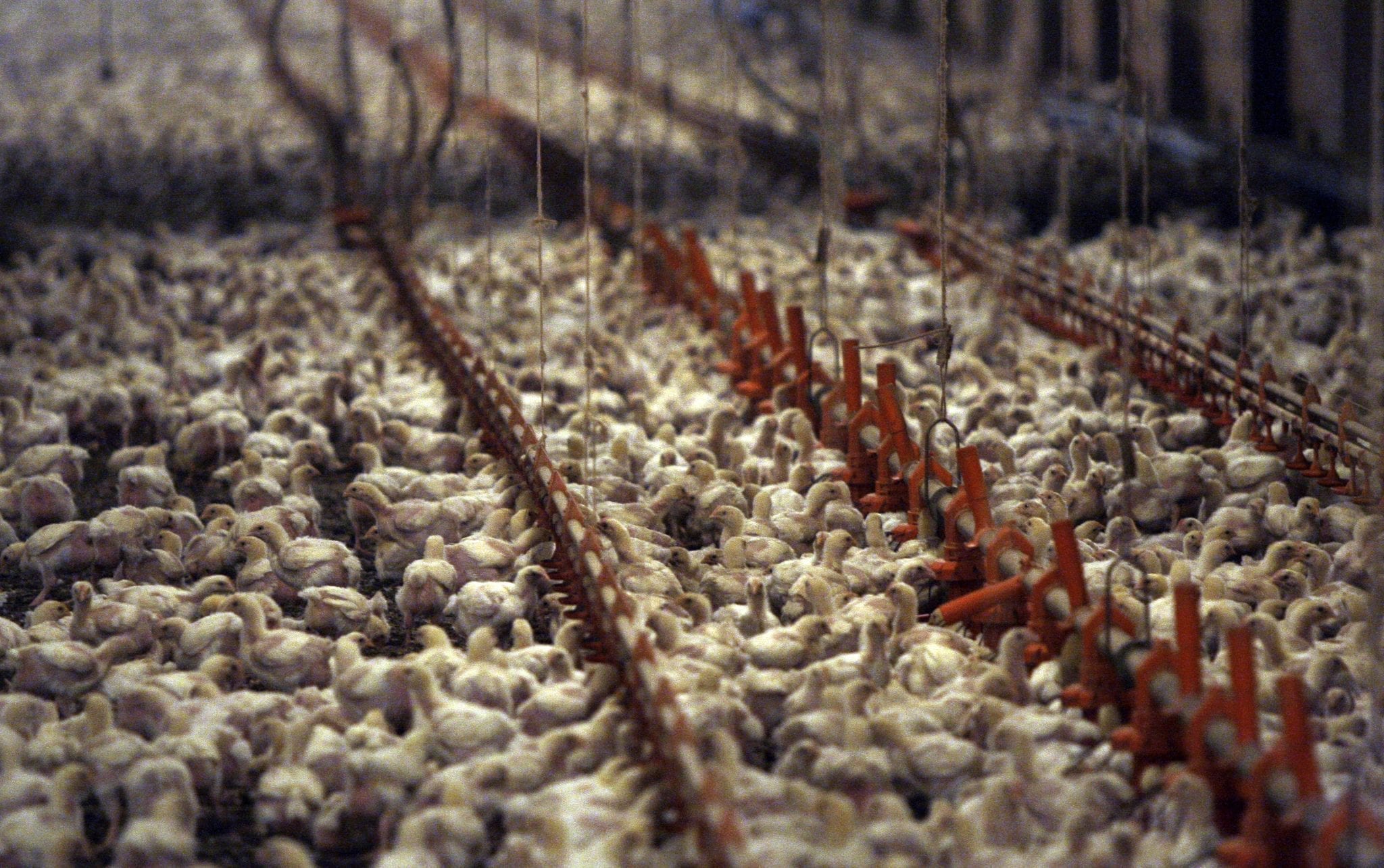
    Humane Farm Animal Care (HFAC), the leading international nonprofit certification program improving the lives of millions of farm animals in food production, announced that Korin Agropecuária, the largest organic chicken producer in Brazil and the first Brazilian company to attain Certified Humane certification in 2009, will export Earth and Barrow frozen chicken pieces with the Certified Humane label to more than 80 PARKnSHOP supermarkets operating in Hong Kong initially and Singapore/Macau afterwards.

    “Hong Kong is a very demanding market, with a high interest in changing food trends,” says Luiz Demattê, Industrial Director for Korin Agropecuária, “Animal welfare certification is a strong selling point for our expanding market. It wasn’t so a few years ago, so we are pleased to be playing a role in bringing this concept to more countries. Our goal is to educate consumers about the Certified Humane® label and the importance of raising food animals humanely.”

    HFAC’s Certified Humane label assures consumers that the meat, poultry, egg, or dairy products they purchase have been produced by farms according to HFAC’s precise Animal Care Standards. Farm animals in the Certified Humane Raised and Handled program must be fed nutritious diets without antibiotics, hormones, and animal by-products. They must also receive proper shelter, resting areas and space sufficient to support natural behaviors, like flapping their wings.

    A scientific committee of 40 farm animal welfare scientists and veterinarians from around the world developed HFAC’s Animal Care Standards to ensure the most humane care of farm animals possible.

    “Consumers are finally becoming more aware of how their food is raised and are demanding more humanely-raised food,” says Adele Douglass, Executive Director for HFAC. “Farm animals don’t have to be mistreated or confined in ways that cause suffering. We’re thrilled at this global awakening and that Hong Kong and Singapore will be the next markets to receive Certified Humane products.”

    Since 2003, more than 514 million farm animals have been raised Certified Humane in the U.S., Canada, Brazil, Peru and Chile. Consumers can download the Certified Humane app in English, French, Spanish and Portuguese to find stores near them that sell Certified Humane products.

  • Myanmar City Mart secures IFC loan

    Myanmar City Mart secures IFC loan

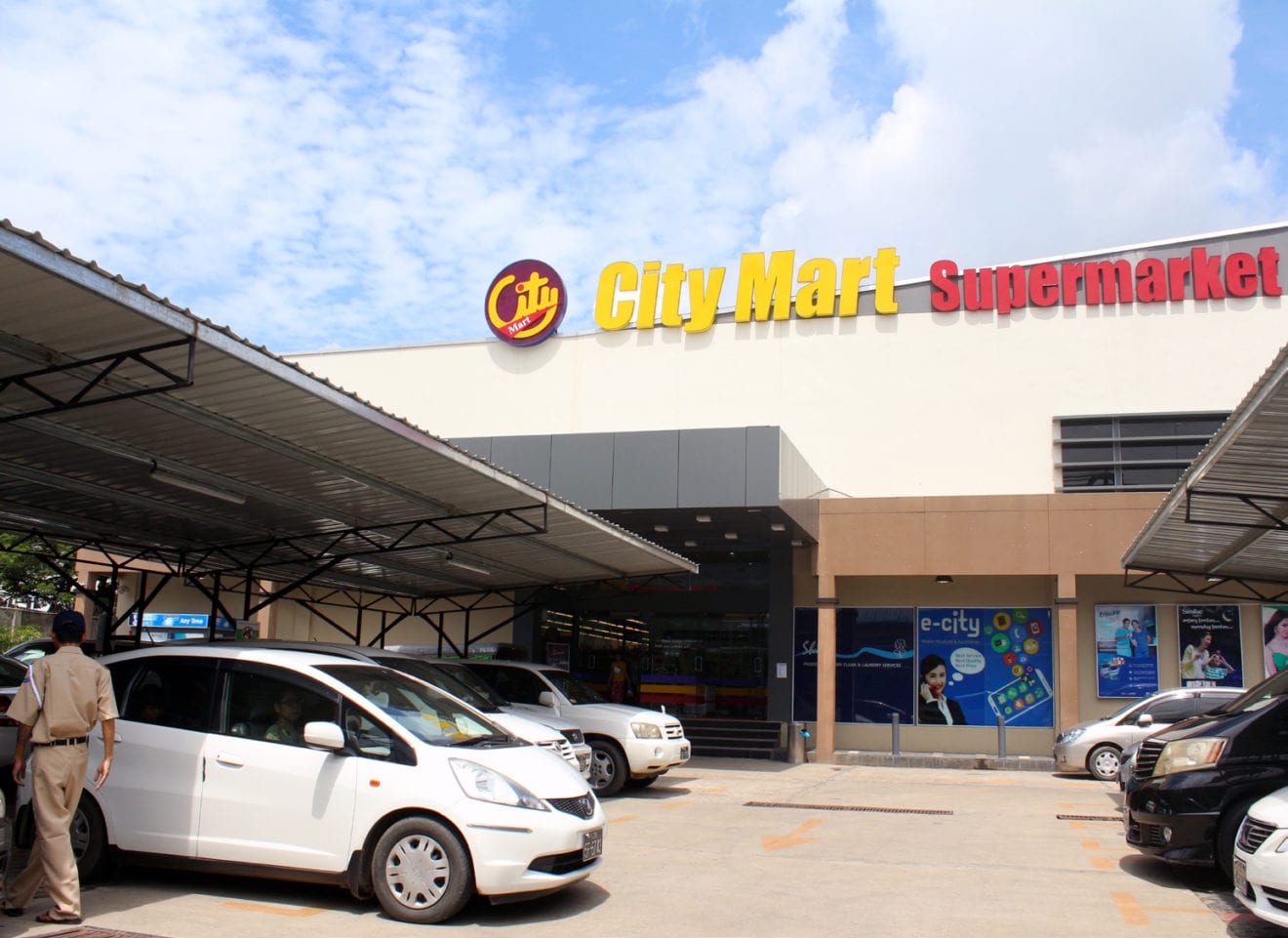
    Supermarket group Myanmar City Mart Holding Company (CMHL), the nation’s largest private retail group, is borrowing $25 million to finance a nationwide expansion.

    With more than 150 retail outlets in Myanmar, the company plans to build 20 more supermarkets and hypermarkets over the next three years.

    It plans a sixfold increase in its purchases from domestic suppliers to reach around $150 million by 2021, and create nearly 4000 jobs, half of which will be for women, reports Deal Street Asia. CMHL’s financing is in the form of a loan from the International Finance Corporation (IFC), the private lending arm of the World Bank Group.

    IFC hopes that CMHL’s expansion will not only help create jobs, but also develop supply chain and logistics infrastructure as well as support smaller businesses. “With our global expertise and industry knowledge, we will be delighted to work with CMHL to improve efficiency and standards to become a model retailer in Myanmar,” says IFC regional director Vivek Pathak.

    CMHL’s shareholders are Win Win Tint, the founder and MD, and her relatives.

    “IFC’s investment is a sign of confidence in our business plan as well as in Myanmar’s retail sector potential,” says Win Win Tint.

    “In addition to funding, IFC’s expertise and advice on food safety, good social and environmental practices and corporate governance will also help us take the company to the next level.”

    Myanmar’s $12 billion retail sector is predominantly informal, with formal retailers holding less than 10 per cent of the market, according to the loan documents. It is the second such loan extended by the IFC to CMHL. In October, IFC had already extended a  $25 million loan for a $46 million retail expansion plan.

    IFC is supporting reforms and investments in Myanmar with the aim of strengthening the private sector, creating jobs for poverty reduction and boosting shared prosperity.

  • Corner stores still dominate Asia retail

    Corner stores still dominate Asia retail

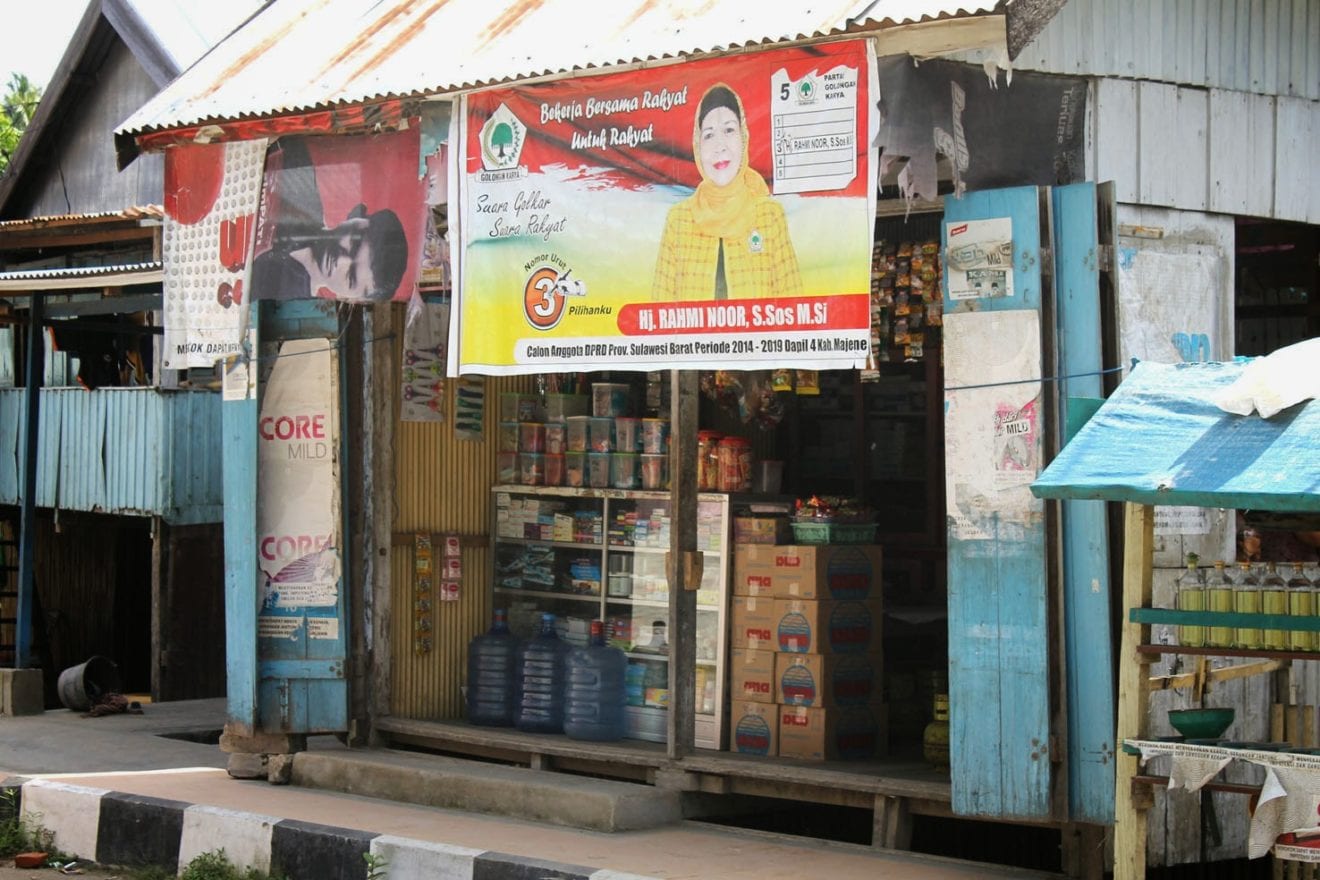
    In Asia retail, the humble corner store is an essential ally to fast-moving consumer goods in the battle for market share and customer loyalty, according to a new report from global performance management company, Nielsen.

    The whitepaper, Maximising Traditions – The Shop. Shopper. Shopkeeper, argues that a better understanding of this fragmented yet ubiquitous traditional trade channel – which comprises more than 5 million outlets in Southeast Asia alone – has the potential to drive sales by putting brands in front of more consumers.

    Nielsen’s research suggests that to better maximise sales, brands should consider a more thorough analysis of their market segmentation, and tap into the understanding of the shopkeeper and shopper.

    Traditional trade channels account for almost half of all grocery sales in Asia and India. In 2014, 47.9 per cent of all retail sales were made through traditional trade channels, compared to 17.2 per cent for supermarkets which account for the second-largest proportion of sales.

    The paper’s author, Connie Cheng, Nielsen’s executive director of shopper solutions for Southeast Asia, North Asia and Pacific, says traditional trade accounts for up to 70 per cent of all retail sales in key markets such as Jakarta, Indonesia, and Ho Chi Minh City, Vietnam.

    “While there’s been a headlong rush into the hypermarket and supermarket retail formats throughout most of Southeast Asia, there are untapped loyalties between brands and consumers shopping at traditional trade stores on every street corner, in every town, village and city,” said Cheng.

    “With almost 50 per cent of retail sales in Asia made at a small, independent grocery store, the research suggests that FMCG brands are leaving money on the table. The key to maximising sales through traditional trade channels is to focus on the relationships between the shopkeeper and the shopper,” she said.

    Maximising Traditions finds that the humble warung in Indonesia, the Philippines’ sari-sari, Malaysia’skedai runcit and Vietnam’s cử a hàng tạp hóa are used by consumers in similar ways. The majority of consumers shop at traditional trade stores for daily meals, snack foods and beverages for immediate consumption, while they are less important for top-up or main shopping trips.

    The whitepaper reveals that the majority of consumers plan their trips to the most conveniently located store in advance, and have a specific brand in mind. Such behaviour highlights opportunities for brands to vary pack formats or leverage loyalty for premium lines to increase basket size.

    When it comes to commonly purchased products, powdered coffee blends, coffee and carbonated drinks top the list in Indonesia, the Philippines and Vietnam, respectively.

    While shoppers clearly tend to view the traditional trade store as an extension of their kitchen pantry, sales of homecare and personal care lines are also common purchases. Laundry items, shampoos, makeup, vitamins, baby-care lines and general household products are the most frequently purchased items at grocery stores in Indonesia, the Philippines and Vietnam.

    The report suggests that marketers need to undertake a more thorough segmentation analysis to maximise market share. Although traditional trade grocery outlets are plentiful in Indonesia, Malaysia, the Philippines, Thailand and Vietnam, the market is fragmented.

    Cheng suggests extending segmentation and tapping shopkeepers for their intimate understanding of hyper-local consumer behaviour.

    “Information on demographics, psychographics and shopper behaviour can help provide actionable information for sales teams,” she adds.

    A better understanding of grocery shoppers can also assist in brand strategy and modelling, potentially unlocking value for brands in regions with a higher average GDP. This may help overcome issues in a fragmented market.

    “There’s an unfortunate and unnecessary disconnect between the desires of brand managers, who may think that bigger is better, and the demands of shoppers utilising Southeast Asia’s most popular channel for purchasing groceries,” continues Cheng.

    “Traditional format stores are as relevant now as they have ever been. By better tapping into consumer behaviour, brands can discover what most Southeast Asians already know; that bigger doesn’t always equate to better.”
  • Wumei seals majority stake in B&Q China

    Wumei seals majority stake in B&Q China

    Beijing based supermarket chain Wumei Holdings will pay CNY1.4 billion (USD225 million) for a majority stake in home decorating chain B&Q China whose parent Kingfisher failed to spur growth in the home decoration market in the world’s second-largest economy.

    The all-cash takeover will be subject to approval from China’s Ministry of Commerce, and is set to complete in the first half of 2015, Kingfisher said in a statement yesterday.

    Xu Zhicheng, an analyst with Guotai Junan Securities, said Wumei could leverage its overall data management system and dealers’ network within the country to boost B&Q’s performance.