Tag: Supermarkets

  • China Aims for $8.94 Trillion in Retail Sales as Price Wars Persist

    China Aims for $8.94 Trillion in Retail Sales as Price Wars Persist

    China’s physical retailers are retooling floor space into leisure and entertainment hubs to counter entrenched price competition as Beijing targets $8.94 trillion in annual consumer sales by 2030.

    First-half retail sales reached $3.7 trillion, but Bain & Company partner Weiwen Han warns the market will stay muted over the next three years as discounting continues to squeeze operating margins across shopping centres and supermarket chains.

    Experience Costs and Margin Pressures

    Official policy guidelines urge store operators to blend standard shopping with immersive dining, social spaces, and entertainment. The strategy shifts the industry away from chasing raw foot traffic toward extracting higher margins from shoppers who do enter. Transforming selling space into experience zones raises the fixed cost per square metre, penalising operators whose foot traffic fails to convert at the cash register.

    The policy combines experience-led flagships in commercial districts and transit hubs with neighbourhood infrastructure upgrades dubbed 15-minute life circles. These local clusters focus on daily essentials through convenience stores, supermarkets, and wet markets.

    Digital Convergence and Supply Chains

    Pure physical retail has ceased to exist in the Chinese market. With online sales of physical goods rising 4.8 per cent year to date compared to 1.3 per cent growth for total retail sales, shoppers routinely compare shelf prices against live e-commerce listings on their phones within seconds.

    Instead of trying to defeat digital platforms on pricing, operators are adopting automated inventory systems, drone delivery, and private-label merchandise. Developing proprietary private-label lines allows chains to offer price value directly without slashing headline gross margins on national brands.

    “They are asking stores to be worth visiting for reasons beyond price,” said Jotham Lim, head of global marketing at Beijing Taomi Technology Co. Ltd.

    Winners and Structural Consolidation

    Mid-sized domestic grocery, convenience, and food and beverage operators stand to gain the most from planned regional deregulation, which removes long-standing barriers preventing chain retailers from expanding across provincial borders. Independent single-store merchants face steep hurdles absorbing the capital expenditure required for digital traceability and store fit-outs, accelerating industry consolidation into regional chains.

    Financing rules now allow qualifying retail operators to raise capital through asset-backed securities and commercial real estate investment trusts, alongside interest subsidies from commercial banks. Landlords and property-owning retailers can tap these vehicles to fund store refits without burning operating cash flow.

    The retail sector entered this transition carrying heavy overcapacity in commercial floor space following decades of rapid mall construction across second- and third-tier cities. Moojing Market Intelligence recorded a steady increase in consumer discussions regarding in-store price checking against e-commerce platforms between the first half of 2024 and the first half of 2026.

    Market operators now face the rollout of regional licensing reforms and the government target to lift retail sales from ¥24.87 trillion to ¥60 trillion over the next four years.
  • Sheng Siong Wins Singapore Affluent Shoppers as Consideration Jumps to 52 per Cent

    Sheng Siong Wins Singapore Affluent Shoppers as Consideration Jumps to 52 per Cent

    Singapore grocer Sheng Siong lifted customer consideration among higher-income households to 52 per cent in August 2026, up from 33 per cent a year earlier. That 19-point surge put wealthy shoppers ahead of middle-income consumers for the first time in brand tracking records.

    Across the island, the supermarket chain’s overall consideration score rose 9.1 points to 50.0 between September 1, 2025 and August 31, 2026. Current customer reach climbed 11.2 points to 50.7 per cent, tracking adults who shopped there within the past three months. Total customer satisfaction increased from 39.3 to 49.9 over the same 12-month period.

    Shifting the Customer Base

    YouGov data shows the sharpest demographic realignment occurred among households earning more than 200 per cent of the national median income. That affluent cohort started September 2025 as Sheng Siong’s least frequent customer group at 33 per cent. By August 2026, it became its most frequent at 56 per cent. Middle-income shoppers rose from 41 per cent to 51 per cent, while lower-income patronage reached 51 per cent.

    Higher-income satisfaction showed an even steeper climb. Net satisfaction in that bracket reached 55.7 in August 2026, up from 28.0 a year earlier. That topped the 52.4 score recorded by lower-income households.

    Pricing Staples and Town Locations

    Sheng Siong engineered this shift through steep discounts on core household baskets and real estate expansion outside suburban strongholds. Targeted price cuts included doubling Community Health Assist Scheme discounts in June. The grocer also discounted pantry staples such as eggs and rice by up to 50 per cent through Community Development Council voucher promotions.

    Store location backed the pricing strategy. The company pushed beyond public housing heartlands by opening a town-centre branch at The Cathay in August 2025. The outlet caught central office workers and professional commuters who previously defaulted to premium grocers.

    Margin Pressures on Mid-Tier Rivals

    Competitors in the mid-tier space face immediate pressure, including FairPrice and DFI Retail Group’s Cold Storage network. When budget operators secure affluent volume on everyday staples, mid-tier chains risk margin erosion as they defend market share with matching promotions.

    Operating costs present risks for the value grocer. Serving shoppers in high-rent central commercial spaces lifts baseline overheads, requiring higher spend per ticket to offset narrow margins on discounted staple goods.

    Logistics upgrades and footprint modernization drove these retail gains over the past two financial years. BrandIndex metrics will show whether the numbers hold when government voucher programs taper off ahead of the 2027 fiscal year.

  • Central Retail to Add 37 Food Stores Across Vietnam by 2028

    Central Retail to Add 37 Food Stores Across Vietnam by 2028

    Central Retail will open up to 37 food stores in Vietnam by 2028. The plan adds large-format hypermarkets and neighborhood supermarkets across primary and secondary cities.

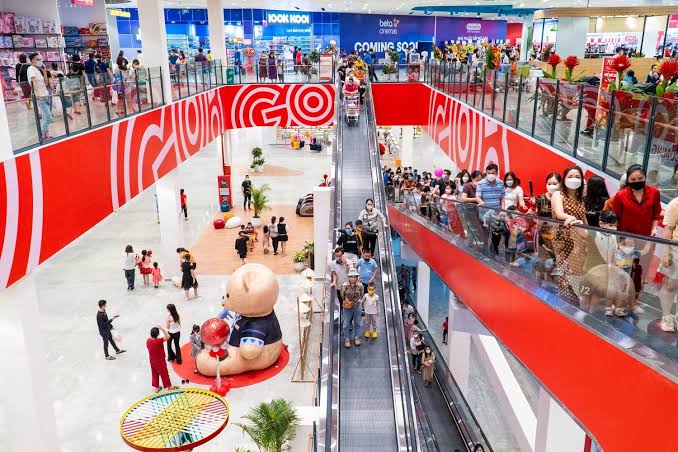
    Targets include 10 to 12 Go! Hypermarkets and 23 to 25 Mini Go! Stores over the next two years. The group already operates more than 300 locations covering 1.3 million square metres of floor space.

    Splitting formats between city hubs and provinces

    Capital will split between large retail hubs and smaller grocery boxes. Central Retail Food Group is restructuring flagship Go! Hypermarkets around fresh produce, in-store bakeries and prepared dining counters. Smaller Mini Go! Branches will push into provincial markets. There, modern retail still competes against traditional wet markets.

    Food accounts for the bulk of local revenue. Beyond Go!, the portfolio includes Tops Market, Mini Go! And Lan Chi Mart. Sourcing leans heavily local. More than 90 per cent of inventory comes from roughly 2,000 Vietnamese suppliers.

    “Our strength lies in having a diverse range of store formats, from hypermarkets to supermarkets, allowing us to expand in ways that best suit the potential of each location and consumer segment across both major and secondary cities,” said Stephane Coum, CEO of Central Retail Food Group.

    Pressure on domestic grocers and floor space

    Rival operators like WinCommerce and Saigon Co.op face higher stakes in secondary provinces. Domestic chains spent the past three years closing unprofitable small stores and trimming distribution margins. Central Retail is taking the opposite route, committing fresh capital to physical stores as consumer spending climbs.

    Productivity outside Hanoi and Ho Chi Minh City remains the main operational hurdle. Secondary cities provide cheaper leases and less modern competition, but basket sizes are smaller and shoppers watch prices closely. The company bets fresh food counters and ready-to-eat meals will pull shoppers from wet markets faster than packaged goods.

    Building out the network

    Central Retail entered Vietnam nearly 15 years ago and has invested THB49 billion (US$1.5 billion) to date. It converted the Big C assets acquired in 2016 into the Go! Brand. Older hypermarket layouts were dropped for food-led centers that mix dining tenants with specialty retail.

    Loyalty data will feed directly into the physical roll-out. The 1 Vietnam loyalty programme reached 7.4 million members in its first year. The chain will use that database to drive shoppers into the 37 new locations as construction finishes through 2028.

  • Rainbow Opens Shenzhen Supermarket Fitted with 17,000 IoT Devices

    Rainbow Opens Shenzhen Supermarket Fitted with 17,000 IoT Devices

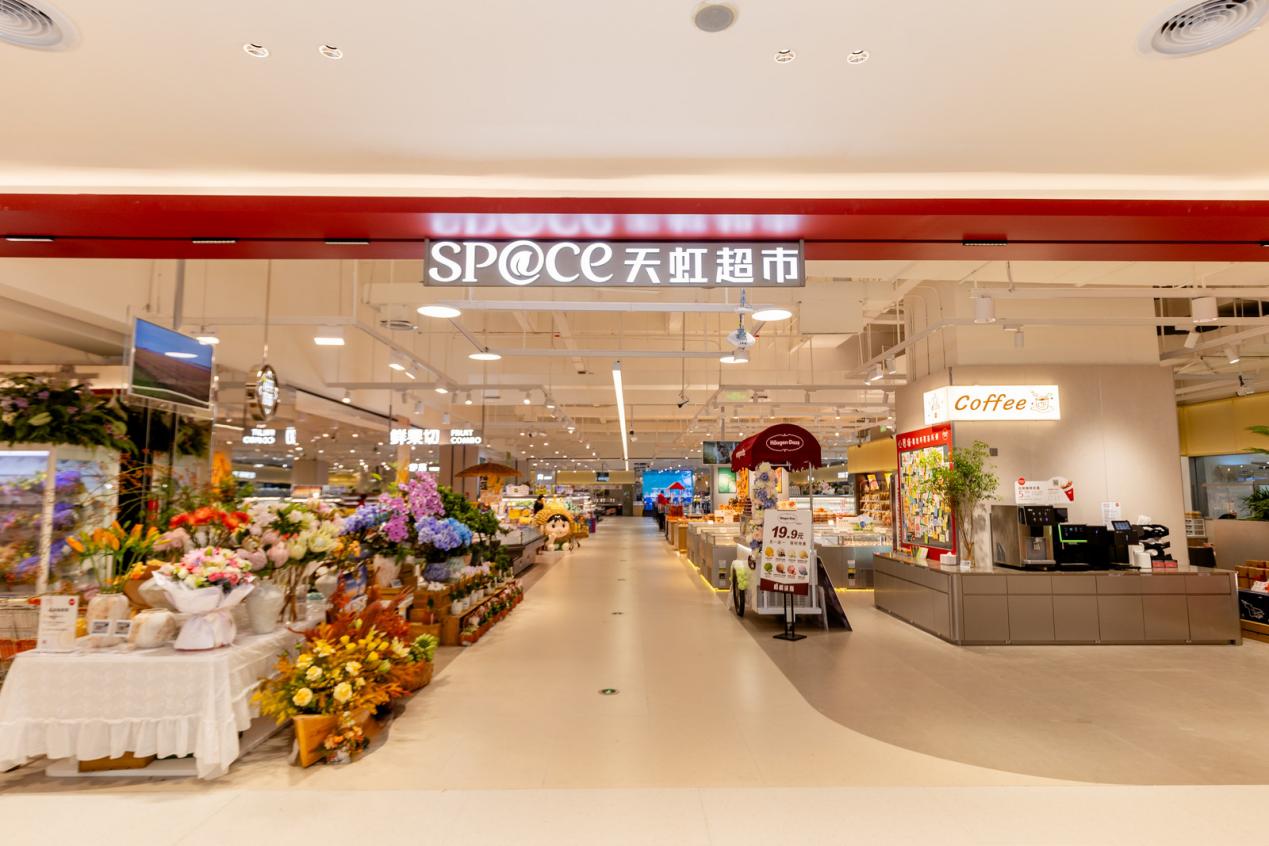
    Rainbow opened its upgraded Shahe sp@ce supermarket in Shenzhen on September 8, deploying more than 17,000 connected IoT devices across the trading floor. The project turns a 17-year-old site in Nanshan District into Rainbow’s first operational store digital twin, linking physical shelf monitoring directly to automated inventory orders and home-delivery packing.

    The retailer developed the system with electronic shelf label supplier Hanshow and its own technology arm, Lingzhi Digital Technology. Hanshow Nebular Ultra electronic labels provide centimeter-level shelf positioning and tap-to-read product provenance for customers, while automated cameras and robotics track out-of-stock items along the aisles. Lingzhi’s proprietary Bailingniao retail artificial intelligence model processes the visual data to adjust replenishment orders and assign tasks to store clerks.

    Smart Carts and Micro-Fulfilment at Shahe

    Shoppers navigating the nine food and lifestyle zones use Hanshow NexConnect smart carts fitted with Lingzhi’s AI assistant for in-store mapping, item lookups and self-checkout. The store also houses a dedicated micro-fulfilment center built to assemble and dispatch online grocery deliveries directly from the back room.

    Our goal with sp@ce 3.0 is to create a better everyday shopping experience built on quality, freshness, transparency and trust. As Rainbow’s first Store Digital Twin-enabled store, the Shahe sp@ce supermarket brings digital visibility into day-to-day operations, helping our teams respond faster and more accurately, while allowing store employees to spend more time on the service and experiences that matter to customers.

    How the Model Cuts Labour and Inventory Friction

    Chinese supermarket chains have spent five years testing automated checkout and camera-based shelf scanning, but most systems remain isolated experiments that alert staff without solving stocking bottlenecks. Rainbow is attempting to connect real-time shelf telemetry directly to supply forecasts, removing manual inventory counts entirely from daily shopfloor routines.

    For suppliers and distributors, the shift to automated replenishment leaves little room for negotiated shelf space or delayed delivery windows. If a supplier fails to restock within the algorithm’s timetable, the system flags the gap immediately. The risk sits in hardware maintenance across thousands of sensor endpoints, where battery depletion or sensor misalignments can distort automated ordering across an entire product category.

    The Trajectory of Rainbow’s Digital Formats

    Rainbow has spent several years reformatting its traditional department stores and community retail centers across China into mixed-use lifestyle hubs. The Shahe project follows Hanshow’s earlier shelf-monitoring rollouts and the launch of its xPilot retail platform in June 2026.

    Operators across southern China will now watch whether the sensor-dense model delivers measurable margin gains or simply inflates store fit-out capital expenditure ahead of Rainbow’s planned rollouts to other sp@ce locations.

  • 127-Year-Old Italian Brand Mutti Enlists Sam Kerr for ANZ Campaign

    127-Year-Old Italian Brand Mutti Enlists Sam Kerr for ANZ Campaign

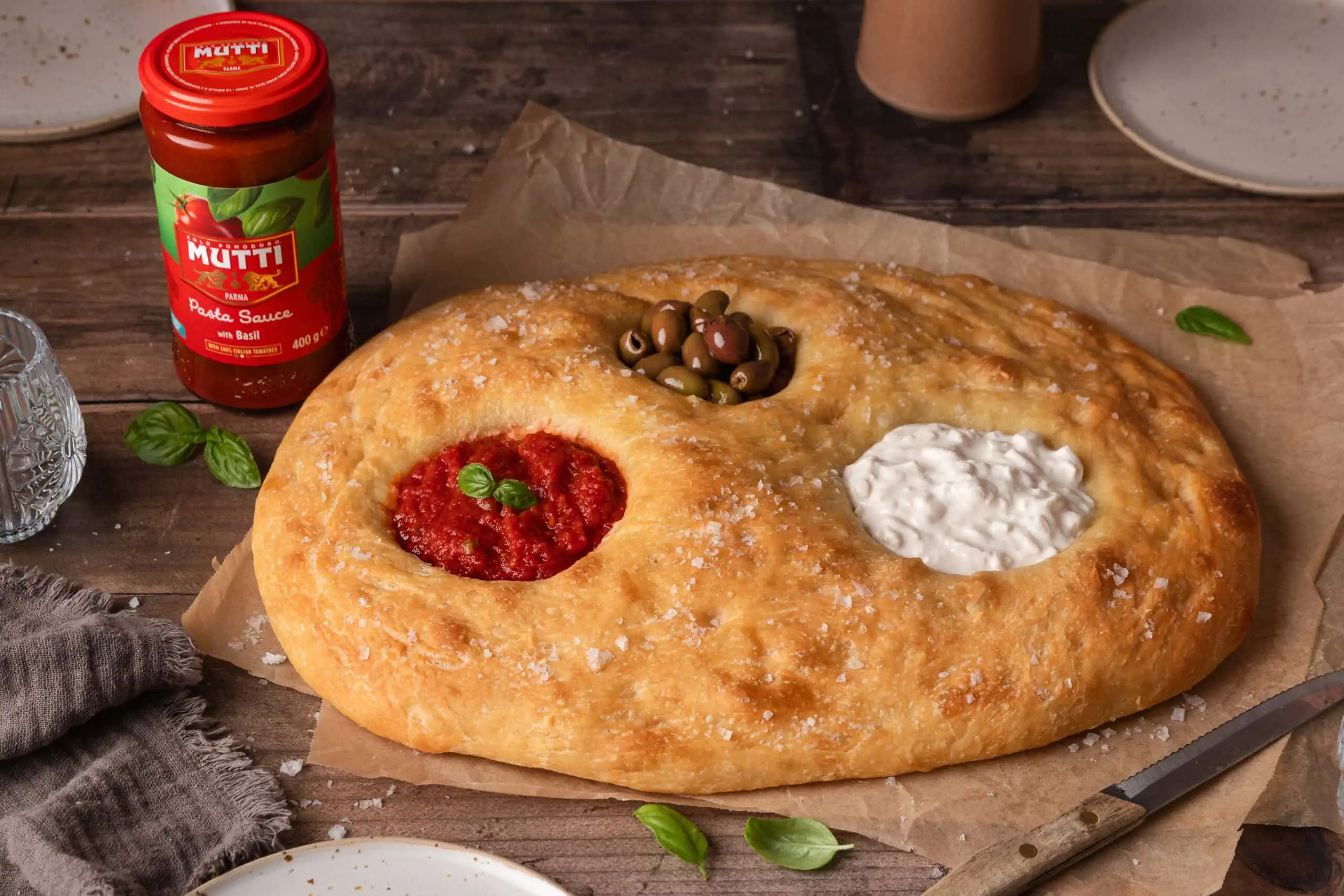
    Italian packaged tomato producer Mutti launched a marketing campaign across Australia and New Zealand in September 2026. Football star Sam Kerr, Paralympic champion Dylan Alcott and television presenter Chris Brown front the push.

    The 127-year-old Italian company targets pantry staple shoppers across Australian supermarkets. It relies on character-driven storytelling rather than standard recipe demonstrations.

    Celebrity Roster and Storytelling Pivot

    Creative spots take the form of scripted vignettes framed as confessions from dedicated brand buyers. In the lead spot, Kerr carries Mutti Passata in her luggage at a hotel and interacts with a chef named Matteo. The scene sets an intentionally humorous tone for the packaged grocery category.

    Samantha Filocamo, marketing director for Australia and New Zealand at Mutti, designed the platform to inject personality into the heritage canned tomato business. She aims to expand brand recall across competitive retail aisles.

    Supermarket Shelf Competition

    Packaged food brands in Australia face sharp margin pressure from private-label supermarket lines. Premium European suppliers must defend higher price points through distinct branding. Mutti has historically relied on provenance and quality credentials to justify its shelf premium over standard tinned tomato competitors.

    Enlisting national sporting figures shifts the brand from niche culinary positioning into mainstream consumer recognition. For grocery retailers, strong branded campaigns in staple ambient categories help protect category value against lower-priced store brands.

    Category Dynamics Across ANZ

    Mutti built its presence in Australasian retail through major supermarket distribution, focusing on whole peeled tomatoes, chopped tomatoes and passata. The promotional push pivots away from traditional food service and home-cooking messaging toward mass-market entertainment.

    Supermarket operators across Sydney and Melbourne will track shelf velocity across the ambient tomato range as the campaign rolls out across broadcast and digital channels.

  • JC Seafood Recalls 275G Salmon Portions Sold at Woolworths in WA

    JC Seafood Recalls 275G Salmon Portions Sold at Woolworths in WA

    JC Seafood Company has recalled its 275-gram Sweet Chilli and Lime Salmon Portions from Woolworths supermarkets across Western Australia after identifying undeclared soy in the product.

    The recall affects batches marked with a best-before date of 18 September 2026. The presence of soy poses a potential health risk to consumers with a soy allergy or intolerance.

    Allergen risks prompt shelf pull

    Consumers who have purchased the affected product are advised to return it to the place of purchase, and anyone concerned about their health should seek medical advice.

    Shoppers who purchased the affected batch can return the packs to their local Woolworths store for a full cash refund. Those who consumed the salmon and feel unwell have been urged to seek medical advice.

    Supply chain labelling scrutiny

    Mislabelling incidents remain a persistent compliance hazard for seafood processors packing value-added marinades and ready-to-cook proteins. Adding pre-mixed glazes often introduces secondary ingredient streams, multiplying the points where allergen tracking can fail.

    For national supermarket operators like Woolworths, undeclared allergen recalls create immediate operational friction at store level. Staff must execute rapid stock sweeps across distribution centres and hundreds of retail bays to eliminate liability.

    Regulatory compliance tracking

    Packaged seafood recalls tied to packaging errors have drawn tighter scrutiny across Australian supply chains this year as regulators press suppliers on quality assurance audits. JC Seafood Company has not reported any illnesses linked to the batch.

    Health authorities and retailer quality teams will monitor store compliance until the product’s 18 September 2026 shelf-life window closes.

  • Brita Marks 60 Years with Launch of Limited Edition Glass Jug

    Brita Marks 60 Years with Launch of Limited Edition Glass Jug

    Brita is marking 60 years in September 2026 by expanding beyond traditional water filter jugs into a broader hydration category spanning smart bottles, tap solutions, and dispensers.

    The German brand, founded in 1966, is rolling out the Brita 60th Anniversary Limited Edition Glass Jug alongside carbonators and integrated appliance filtration to connect with modern shoppers.

    Nadine Miller, marketing director of Brita ANZ, said the brand’s ‘Drink better. Do better.’ campaign reflects an effort to place hydration at the intersection of homewares, wellness, technology, and lifestyle.

    Expanding Beyond the Plastic Filter Jug

    Countertop jugs with replaceable cartridges built the modern filtration category, but growth in developed retail markets requires higher-ticket hardware. Department stores and specialty homewares chains in the Asia-Pacific region have increasingly given prime shelf space to premium glass carafes and integrated carbonation dispensers over utilitarian white plastic pitchers. Brita is responding by pushing higher-margin glass designs and tap fittings into its existing retail footprint.

    Retailers face inventory trade-offs when shifting from simple replacement cartridges to multi-format hydration systems. Cartridges generate reliable repeat footfall, whereas hardware installations demand more display space and shopper education. If consumers treat filtration as an occasional lifestyle purchase rather than a daily consumable habit, replenishment velocity across mass-merchant channels risks slowing down.

    Recycling Metrics and Shelf Space Competition

    Sustainability claims are now central to how hydration products compete against bottled water in major supermarkets. Brita tracks its environmental footprint using an internal metric called Planet Contribution, which balances single-use plastic bottles avoided against the company’s carbon output. In Australia, the business runs a national take-back scheme with TerraCycle to collect and recycle used Maxtra Pro cartridges and soft-plastic packaging wrappers.

    Heinz Hankammer founded the company in Germany in 1966, building filters by hand before releasing the AquaDeMat car-battery demineraliser in 1967. Brita introduced its first consumer household filter jug in 1970 and launched its first industrial cartridge recycling programme in 1992. Those core filter mechanics remain the foundation of the business, even as the exterior form shifts toward glass and plumbed appliances.

    Retail buyers across Australia will evaluate sell-through rates for the 60th Anniversary Limited Edition Glass Jug over the coming holiday quarter as Brita tests consumer appetite for premium materials against standard plastic SKUs.

  • Dove Expands Advanced Care Deodorant Range to Six Scents in Australia

    Dove Expands Advanced Care Deodorant Range to Six Scents in Australia

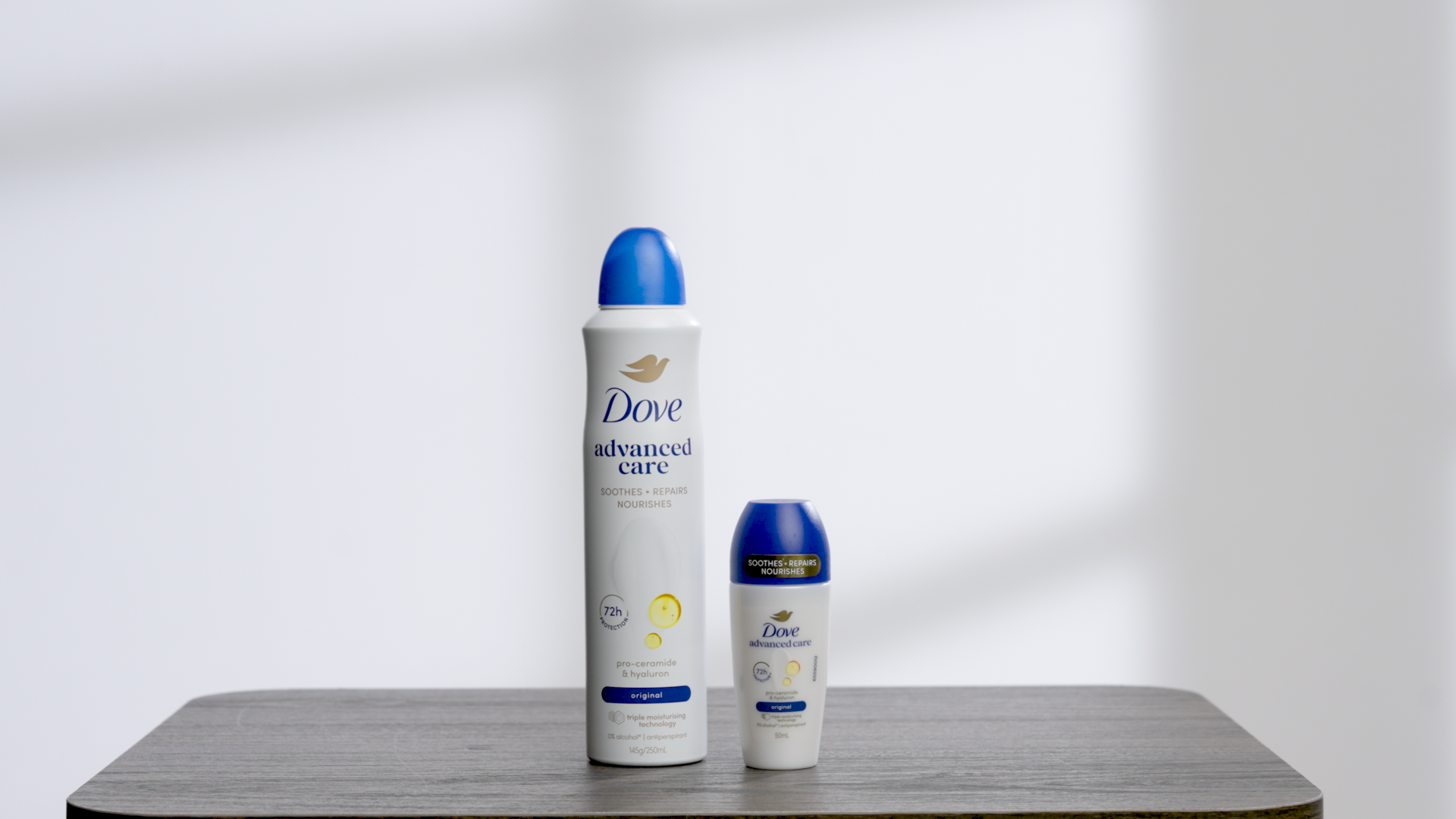
    Dove upgraded its Advanced Care deodorant lineup in Australia in September 2026, adding active skincare ingredients across six distinct fragrance varieties.

    The revamp introduces pro-ceramide serum and hyaluronic acid directly into the brand’s mass-market underarm portfolio, featuring an exclusive scent for independent retailer IGA.

    Skincare Ingredients Enter Daily Deodorants

    Formulations across the refreshed line now blend barrier-repair ingredients typically reserved for facial serums. Pro-ceramide serum works alongside hyaluronic acid to hydrate skin, targeting irritation caused by daily shaving and friction.

    The range spans six fragrances: Original, Pomegranate & Lemon Verbena, Acai Berry & Waterlily, Coconut & Jasmine Flower, Passionfruit & Lemongrass, and Apple & White Tea.

    Retail Distribution and Exclusive Variants

    Supermarket distribution splits the lineup across major national grocers and independent operators. The Apple & White Tea variant sells exclusively through independent IGA stores across the country.

    Channel-exclusive scents give independent operators a defensive shield against major supermarket chains. Tier-one grocers take the core five variants, while IGA uses the exclusive fragrance to drive foot traffic into its personal care aisles.

    Shifting Formulations on Supermarket Shelves

    Personal care manufacturers across the region continue migrating premium skincare ingredients down into high-volume grocery categories. Adding active hydrators allows everyday consumer brands to protect shelf space against specialty pharmacy competitors.

    Retail buyers are watching whether functional skincare claims can lift basket values in basic grocery aisles as shoppers manage everyday household budgets.

  • Hong Kong Bakery Brand Builds 30,000 Members Without Retailer POS Data

    Hong Kong Bakery Brand Builds 30,000 Members Without Retailer POS Data

    A century-old Hong Kong bakery and confectionery manufacturer signed up more than 30,000 loyalty members within six months by asking shoppers to scan supermarket receipts instead of relying on retailer point-of-sale data.

    Powered by the KlikNGo loyalty and CRM platform, the initiative took Gold for Best CRM Campaign at the DigiZ Awards 2026 in September after doubling repeat purchases and generating 47 per cent of the brand’s sales uplift.

    How receipt scanning bypasses the till

    Suppliers selling through Hong Kong supermarket chains, convenience stores and neighbourhood grocers have long operated with limited visibility of their end consumers. Trade promotions produce temporary sales lifts without delivering customer intelligence, while retailers typically treat transaction records as confidential. At the same time, younger shoppers have drifted toward artisanal and lifestyle food brands, weakening the impact of legacy brand familiarity alone.

    To capture shopper records directly, the manufacturer rolled out a mobile application built on the KlikNGo loyalty platform. Consumers register, buy goods at third-party retailers, and photograph paper or digital receipts. The software extracts the merchant name, branch location, purchase timestamp, payment method, and transaction number. It verifies purchases against approved retail partners while blocking duplicate claims.

    More than 10 major retail chains in Hong Kong are covered by the system. Members redeem accumulated points for tier perks, vouchers, gifts, and lucky draws. Outlet staff validate reward vouchers in real time using a separate merchant app, eliminating any need to integrate with supermarket registers.

    Customer profiling and media returns

    App downloads crossed 23,000 within three months of rollout. Shoppers uploaded more than 30,000 receipts over five months. Member mission completion rates hit 85 per cent, supplying profile details, purchase occasions, and product preferences to turn raw receipt data into targeted first-party segments.

    Direct data reshaped advertising spend. Targeted promotions to verified buyers improved media efficiency by 49 per cent. That allowed the brand to direct ad budgets against known consumption habits rather than buying broad demographics across Hong Kong media channels.

    The shift in supplier use

    Packaged goods makers across Asia face an altered balance of power with physical grocery giants like Dairy Farm and AS Watson. When brands collect store-level purchasing intelligence independently, trade marketing budgets move away from retailer listing fees and end-cap slots. Funds shift directly into proprietary engagement channels.

    Customer friction remains the primary operational risk. Asking shoppers to photograph physical receipts demands higher rewards than swiping a loyalty card at checkout. Redemption costs rise if mission completion drops or rewards fail to compensate for the manual step.

    Industry recognition followed the rollout. The initiative won Gold for Best CRM Campaign at the DigiZ Awards 2026, while platform provider KlikNGo took Bronze for Best MarTech for CRM. KlikNGo presents the Hong Kong case study at the Digital Marketing Asia conference in Singapore on September 22.

  • 91 Per Cent of Australian Consumers Switch Brands for Better Offers

    91 Per Cent of Australian Consumers Switch Brands for Better Offers

    A report by retail industry association Shop ANZ and consumer insights platform Vypr reveals that 91 per cent of Australian consumers have switched brands for a better offer.

    The study found that 79 per cent of shoppers have visited a different retailer to secure an offer, putting sustained pressure on retailers to continue promotional activity.

    According to the findings, 81 per cent of respondents said price has become a more important factor when purchasing a product than it was a year ago, making customer retention increasingly difficult.

    Promotional Cycles Drain Brand Value

    Heavier promotional spending generates short-term transaction spikes, but it fails to secure lasting customer retention once items return to full shelf price. Suppliers that fund continuous price reductions face falling margins without gaining repeat foot traffic.

    Vypr chief revenue officer Sam Gilding noted the structural weakness of relying on perpetual markdowns. “If a brand is recruiting shoppers heavily and then losing them to the next offer on shelf, it’s funding a cycle rather than building a base,” Gilding said.

    Middle-Aged Buyers Drive Shift

    Demographic data reveals acute pressure among mid-career shoppers, with 42 per cent of consumers aged 35 to 44 frequently switching brands because of a promotion. This demographic carries higher mortgage commitments and household expenses, making them faster to trade down than younger or older cohorts.

    Retailers across the Asia-Pacific region have expanded loyalty apps to protect basket sizes, yet Australian consumer behaviour suggests shoppers treat these programs as discount search engines rather than commitments to a banner. When every rival matches the discount, the retailer funding the deepest markdown simply buys temporary volume at the expense of profit.

    Shelf Pricing Faces Margin Test

    Shop ANZ general manager Carla Bridge explained that while shoppers discover promotions across apps, email catalogues, and social media feeds, purchasing decisions are still confirmed directly at the physical shelf.

    The findings follow two years of compounding inflation across Australian consumer staples, which reshaped grocery shopping habits and made weekly catalogue specials the primary driver of household spending routes.

    Packaged goods suppliers negotiating trade terms for the upcoming trading quarters now face demands from major supermarket chains to co-fund deeper price cuts to protect category volume.

  • Starbucks Expands in East Asia as Walmart Unwinds Suburban Hypermarkets

    Starbucks Expands in East Asia as Walmart Unwinds Suburban Hypermarkets

    Starbucks continues to scale its store footprint across East Asian metros while Western big-box operators like Walmart have spent years unwinding their suburban hypermarket networks.

    The divergence reveals how high-density Asian urban layouts reward high-frequency beverage retail while penalizing large-format car-dependent grocery models.

    Western retail expansion into East Asia split along structural lines over the past two decades. Big-box hypermarkets required expansive floor plates, suburban road infrastructure, and weekly bulk purchasing routines that never fully aligned with daily fresh food shopping habits in cities across China, Japan, and South Korea. Coffee chains, by contrast, secured small-footprint real estate embedded directly into transit nodes, office towers, and dense residential clusters.

    Urban Density And Real Estate Economics

    Hypermarket operators faced escalating commercial rents on massive suburban plots that could not generate the sales density required to offset real estate overhead. Local convenience store chains and neighborhood wet markets retained daily foot traffic, while domestic e-commerce platforms quickly captured non-perishable consumer goods.

    Starbucks structured its expansion around rapid footfall and premium beverage margins. Store units occupy high-traffic ground-floor positions in office complexes and transit hubs, turning compact footprints into reliable daily transactions. The company positioned its locations as functional meeting spaces for urban workers living and working in tight quarters.

    Localization Of The Consumer Experience

    Walmart relied heavily on centralized global procurement systems and standard supply chains designed to lower unit costs through sheer volume. That formula failed to dislodge regional grocery competitors who maintained direct, daily ties with domestic produce distributors and localized supply channels.

    Beverage operators adapted their product menus and store concepts far more quickly. Seasonal product launches, integration with regional digital payment apps, and localized delivery partnerships allowed coffee chains to embed themselves into daily consumer routines across tier-one and tier-two cities.

    Supply Chains And Digital Delivery Channels

    The rise of on-demand quick-commerce platforms in East Asia further eroded the traditional hypermarket advantage of wide product selections under one roof. When consumers can order household staples on mobile apps for delivery within thirty minutes, the incentive to drive to an out-of-town warehouse store disappears.

    Coffee retail adapted directly to this shift by integrating order-and-pay apps and motorcycle courier fleets into store operations. Compact urban kitchens double as mini-fulfillment nodes for instant delivery without adding significant real estate overhead.

    Western multi-brand retailers entering East Asia now structure their market entries around small-format, experience-driven spaces rather than sprawling suburban warehouses. The next operational test centers on maintaining beverage gross margins as domestic discount coffee brands add thousands of low-cost kiosks across the region.

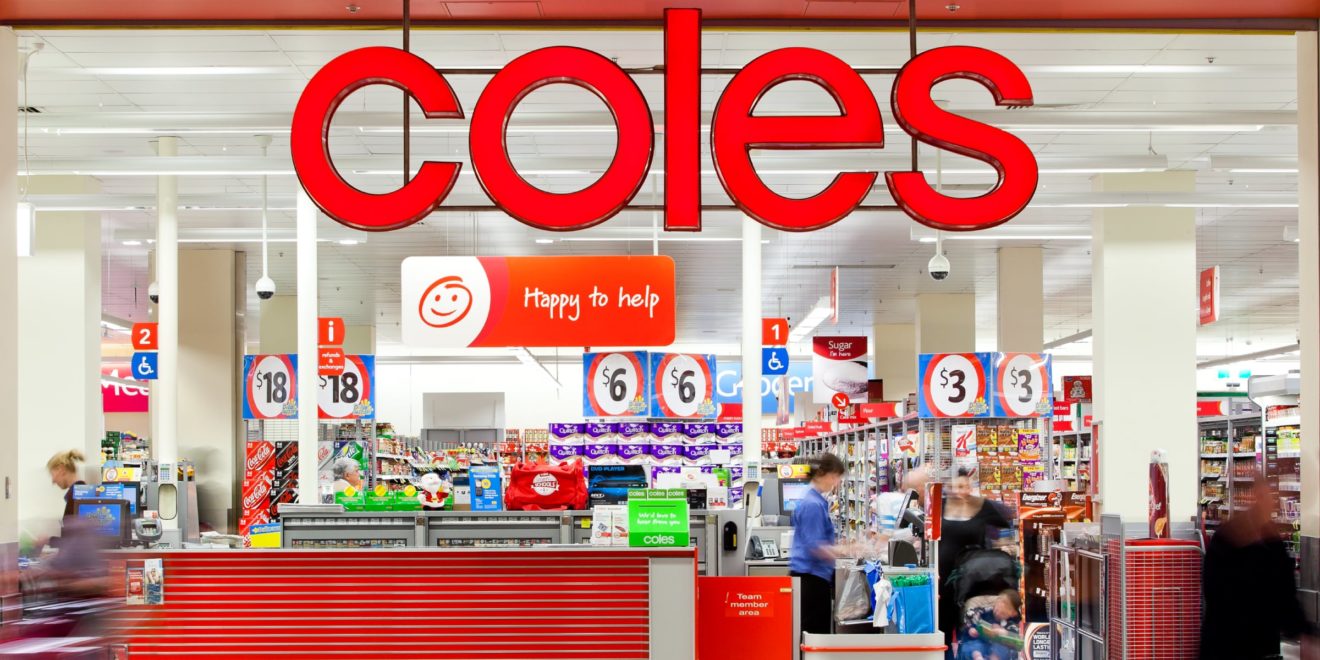
  • Coles Drops Palantir AI Software Across 840 Australian Supermarkets

    Coles Drops Palantir AI Software Across 840 Australian Supermarkets

    Coles will terminate its software partnership with US technology firm Palantir. The platform will leave more than 840 Australian supermarkets when the three-year contract expires.

    The system processed more than 10 billion rows of operational data. That load covered employee shifts, bakery production schedules and store-level inventory allocations.

    Operational Data and Customer Backlash

    Signed in February 2024, the agreement deployed Palantir’s Foundry operating system and artificial intelligence tools for workforce planning and supply-chain logistics. The supermarket chain confirmed the platform will exit its stores beyond 2027. Public pushback over Palantir’s government surveillance and defence contracts drove the decision.

    Advocacy group GetUp mounted a billboard campaign near hundreds of stores in July, mimicking Coles branding to challenge its privacy practices. Coles rejected claims that shopper data was exposed to external access.

    “The software is deployed within Coles’ own environment and is operated and isolated under Coles controls,” a Coles spokesperson said.

    Supplier Scrutiny and Reputational Risk

    Retailers across the Asia-Pacific region face swift commercial fallout when back-end software vendors carry political or military profiles. Enterprise procurement once rested on technical capability and cost alone. That calculation has changed. Boards must now weigh vendor reputation alongside data isolation protocols.

    Ripping out an enterprise planning platform creates operational friction and heavy switching costs. Replacing tools that coordinate thousands of store rosters and perishable stock orders takes months of procurement, technical integration and staff retraining.

    The Shift in Retail Procurement

    Work began as a standard productivity initiative while grocery chains accelerated automation to curb operating costs. Palantir’s historical ties to intelligence agencies, US immigration enforcement and foreign defence contracts turned routine back-office optimization into an active brand problem.

    A replacement tender and full system migration across the 840 supermarkets must now wrap up before the contract concludes at the end of 2027.

  • Danone Launches YoPro High-Protein Yoghurt in New Zealand

    Danone Launches YoPro High-Protein Yoghurt in New Zealand

    Danone launched its high-protein yoghurt brand YoPro in New Zealand in September 2026. The rollout includes 15g and 20g protein formats manufactured at its Victorian processing site.

    An exclusive distribution deal with Foodstuffs North Island places the brand directly into the cooperative’s supermarket network.

    Protein formats and supply lines

    Standard YoPro pots and pouches contain 15g of protein per serve. The concentrated YoPro Perform line offers 20g per serve. Danone formulated both product tiers without added sugar or artificial sweeteners, targeting gym-goers and convenience shoppers seeking functional dairy.

    Supply ships across the Tasman from Danone’s manufacturing facility in Victoria’s Kiewa Valley. Using this established Australian base allows the dairy group to test New Zealand consumer demand without committing capital expenditure to local processing infrastructure.

    The exclusive grocery route

    The arrangement gives Danone immediate shelf space across high-volume banners including Pak’nSave and New World. For Foodstuffs, exclusive rights to an established Australian brand create a temporary point of difference against rival Woolworths New Zealand.

    Exclusivity deals carry operational trade-offs. Danone cuts its addressable market in half by bypassing Woolworths and South Island stores. That places the entire burden of brand adoption on a single cooperative’s promotional schedule.

    Battle for dairy shelf space

    This launch pits Danone against domestic dairy giants where Fonterra and boutique local processors dominate chilled cabinets. High-protein and low-sugar yoghurt has developed into a reliable growth pocket across Asia-Pacific dairy. It pulls consumers away from standard flavoured yoghurts that carry higher sugar loads.

    Danone spent several years building YoPro into a category leader in Australia before expanding the supply chain eastward. That playbook relies on heavy athletic marketing and high protein-to-calorie ratios to defend premium shelf pricing against private-label alternatives.

    Distribution now shifts to in-store execution across North Island supermarket chillers as Foodstuffs completes category resets for the spring retail cycle.

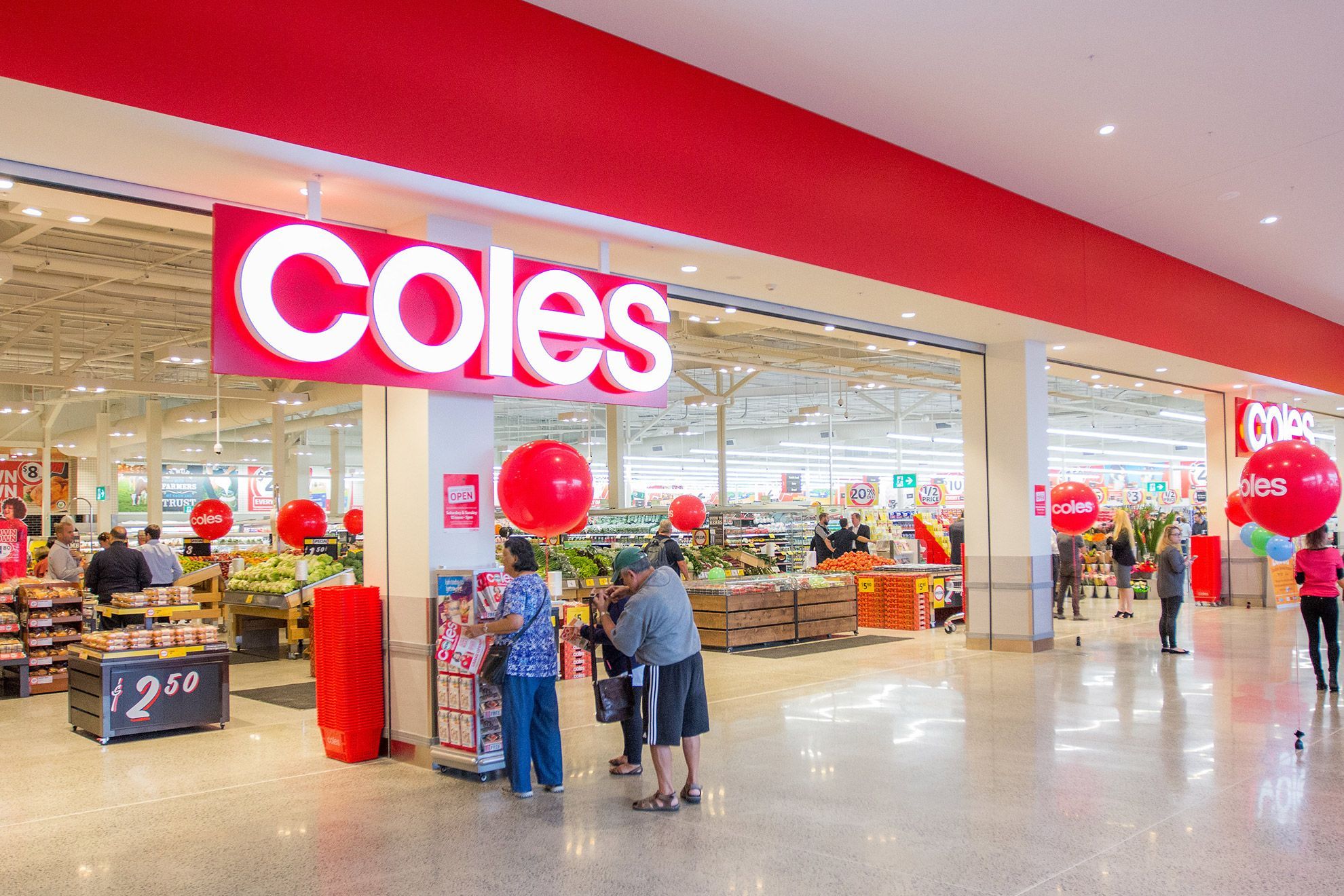
  • Nearly 200 Coles Shareholders Urge Retailer to Act on Plastics

    Nearly 200 Coles Shareholders Urge Retailer to Act on Plastics

    Nearly 200 Coles shareholders urged the company to break its silence over plastic use in September 2026. The demand follows the supermarket chain’s decision to stop selling Antarctic krill oil supplements.

    Rival Woolworths followed suit days later, ending the sale of krill-derived products across its supermarkets.

    Supermarket Giants Drop Antarctic Krill Lines

    Coles confirmed the product exit after conservation group Sea Shepherd spotted several unavailable krill oil items on the grocer’s website. Woolworths then ended all krill supplement sales in its own stores.

    The simultaneous delisting strips high-margin marine dietary lines from both chains. Environmental groups have long scrutinised Antarctic krill harvesting for disrupting Southern Ocean food webs.

    Shareholders Target Packaging Policies

    Investors are now pressing Coles management to address packaging waste and match Woolworths’ commitments. The shareholder group wants firm disclosures on plastic volume metrics alongside specific reduction milestones.

    Coordinated pressure on both supermarket operators accelerates packaging redesign deadlines for regional brand and private-label suppliers. Those unable to cut secondary plastics or adopt circular materials face delisting risks.

    Sourcing Audits Across Australian Aisles

    The sudden krill exit shows how quickly activist campaigns alter Australian retail range planning. RetailNews Asia has tracked similar rapid category exits across fresh produce, seafood and packaging formats in recent trading periods.

    Coles faces its next test when investors look for binding packaging targets and plastic reduction timelines at the upcoming formal shareholder meeting.

  • GetUp Targets Hundreds of Coles Stores over Palantir AI Deal

    GetUp Targets Hundreds of Coles Stores over Palantir AI Deal

    Community advocacy group GetUp targeted hundreds of Coles stores across Australia with spoof digital billboards, challenging the supermarket operator over its enterprise partnership with US analytics vendor Palantir. The advertisements ran outside store entrances in July, mimicking the retailer’s signature red and white branding with the slogan: “Here at Coles, we’re always watching you.”

    The pushback followed Coles deploying software from the controversial US technology company to sharpen artificial intelligence and operational efficiency across its supermarket network. While the digital billboards were taken down quickly, the campaign triggered public debate over how large grocery chains handle customer data and explain tracking tools to shoppers.

    Public Scrutiny Over Store Analytics

    Supermarket operators across the Asia-Pacific region have accelerated investments in predictive analytics, automated inventory forecasting, and computer vision systems. Enterprise partnerships with overseas defence and intelligence contractors carry brand risks that standard retail IT upgrades do not. Consumer groups increasingly scrutinise the boundary between back-end supply chain optimisation and customer-facing surveillance.

    For grocery chains operating in concentrated retail markets, transparency around data architecture has become an operational necessity rather than an investor relations footnote. When retailers fail to define where data processing stops, third-party advocacy groups easily fill the information vacuum with negative messaging right at the store entrance.

    Retail AI Strategy Under Pressure

    The dispute reflects broader friction across Australian retail as grocers test advanced algorithmic tools to cut shrink and streamline operations. Coles had framed its AI rollout as an efficiency play, intended to modernise store workflows and stock management across its national footprint. Linking store-level operations to specialised analytics vendors has instead tested customer goodwill at a time of heightened consumer sensitivity around commercial data collection.

    Grocers managing similar automation rollouts across regional markets now face tighter questions regarding data sovereignty, third-party software governance, and in-store customer communications. Retailers will need to clarify operational boundaries as advocacy campaigns continue tracking corporate technology procurements.