Tag: Supermarkets

  • Ayala Land Signs Makro Wholesale for Four Mixed-Use Luzon Estates

    Ayala Land Signs Makro Wholesale for Four Mixed-Use Luzon Estates

    Ayala Land Inc. Signed long-term lease agreements with Makro Philippines to open four large-format wholesale stores across its master-planned estates in Luzon.

    The rollout puts the wholesale brand into Cloverleaf in Quezon City, Arca South in Taguig, Broadfield in Laguna, and Evo City in Cavite.

    Lease Terms and Property Footprint

    Under the agreement, Ayala Land retains land ownership across the standalone sites in Broadfield, Evo City, and Cloverleaf. Makro will finance, construct, and operate those three locations. At the 74-hectare Arca South development in Taguig, the retailer will take space directly inside the local Ayala Mall.

    Makro Philippines operates as a joint venture between conglomerate Ayala Corp. And Thailand-based CP Axtra Public Co. Ltd., the wholesale and retail arm of Charoen Pokphand Group. The stores will sell fresh produce, dry groceries, imported lines, and nonfood merchandise to commercial buyers and retail households through physical warehouses and an integrated digital ordering platform.

    Wholesale Expansion Across Growth Corridors

    Wholesale clubs and membership formats across Southeast Asia have accelerated their push beyond central business districts to capture rising suburban grocery spend. CP Axtra has pursued international growth outside Thailand to scale its cash-and-carry model, while Ayala Land gains steady rental yields and anchor foot traffic across its mixed-use land bank.

    Development schedules now shift to site preparations at Broadfield and Evo City as Makro begins construction across the three standalone suburban plots.

  • Shrinkflation Pushes Half of Australian Grocery Shoppers to Switch Brands

    Shrinkflation Pushes Half of Australian Grocery Shoppers to Switch Brands

    Eighty-five per cent of Australian grocery shoppers have noticed shrinkflation on supermarket shelves, driving half of them to seek out competitor brands when pack sizes shrink.

    The findings from the 2026 Australian Grocery Shopper Report show that reducing pack volumes rather than raising shelf prices carries immediate commercial risks for FMCG manufacturers. Overall price remains a decisive factor for six in 10 shoppers, but consumers now weigh cost directly against product volume, quality, and ingredient integrity.

    The cost of breaking consumer habits

    Consumer tolerance for stealth volume cuts has eroded sharply across grocery aisles. Focus Insights found that 60 per cent of shoppers do not believe packaged goods companies are transparent about size adjustments. When presented with the choice between a price increase or fewer biscuits in a pack, 59 per cent preferred the product to stay at its original size.

    Downsizing familiar products breaks repeat purchasing cycles. One in two consumers surveyed said they actively seek alternatives if a favourite item shrinks. One in three said they purchase the downsized product less often, and one in five said they stop buying the product altogether.

    The promotional trap for FMCG brands

    Price discounting adds another layer of margin pressure across the category. Nine in 10 shoppers said price promotions influence what they place in their baskets, with 57 per cent stating discounts almost always dictate their purchases. Frequent discounting cycles have conditioned 67 per cent of shoppers to defer purchases until products go on sale rather than pay full shelf price.

    For retailers and consumer packaged goods brands across Asia-Pacific markets, managing rising input costs requires explicit communication on shelf. Quietly trimming product weights threatens core volume share in high-frequency categories where private label substitutes are readily accessible.

    Focus Insights chief executive Deane Hubball and Believe You Me founder Blair Triplett will present the detailed category breakdowns and shopper sentiment data at industry briefings in Melbourne and Sydney next month.

  • Mondelēz Rolls Out Three Limited Oreo Flavours in National Consumer Vote

    Mondelēz Rolls Out Three Limited Oreo Flavours in National Consumer Vote

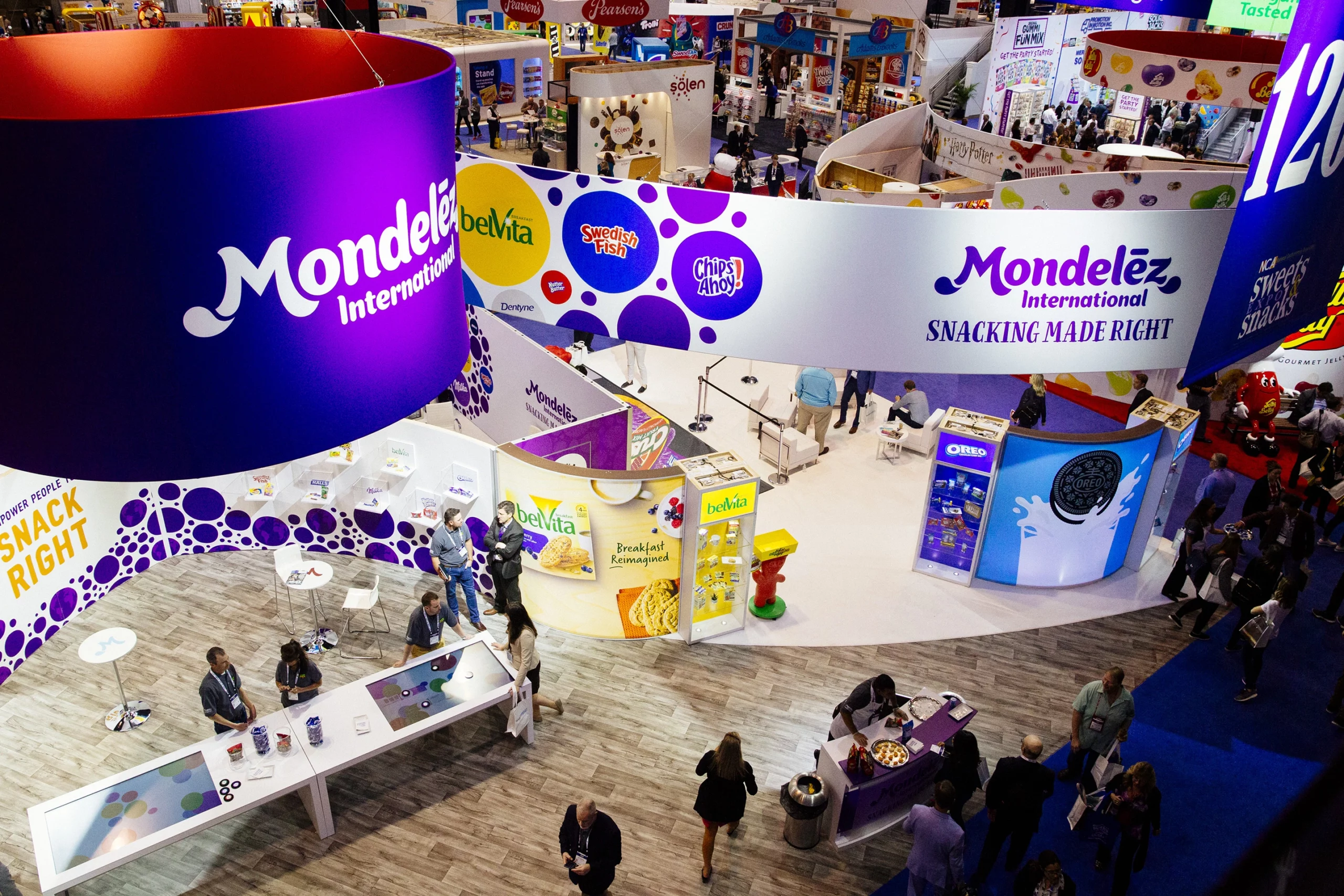
    Mondelēz International released three limited-edition Oreo flavours across Australia on August 24. Consumers will vote on which variant secures a permanent production run in 2027.

    The Twist, Lick, Vote promotion opened with an online presale before stock hit supermarket shelves nationwide. Banana Pudding, Deep Fried, and Chicken & Waffles make up the experimental trio.

    Flavour profiles and voting mechanics

    Banana Pudding combines banana and vanilla pudding flavoured creme in a dual layer between vanilla wafer cookies. The other two entries rely on savoury and novelty profiles to drive social engagement and trial purchases.

    Shoppers cast votes online after sampling the range. The flavour with the highest tally transitions to regular factory production next year.

    Crowdsourced menu strategy

    Packaged food manufacturers across the Asia-Pacific region frequently run voting campaigns to test unconventional formulations without committing to full manufacturing lines. The tactic limits inventory risk while driving retail footfall.

    Mondelēz has not disclosed production volumes for the limited batch or the exact closing date for voting. Tally results and the winning permanent flavour will follow once polling wraps up.

  • Coles Lifts Underlying Profit to $1.26 Billion as Supermarket Sales Surge

    Coles Lifts Underlying Profit to $1.26 Billion as Supermarket Sales Surge

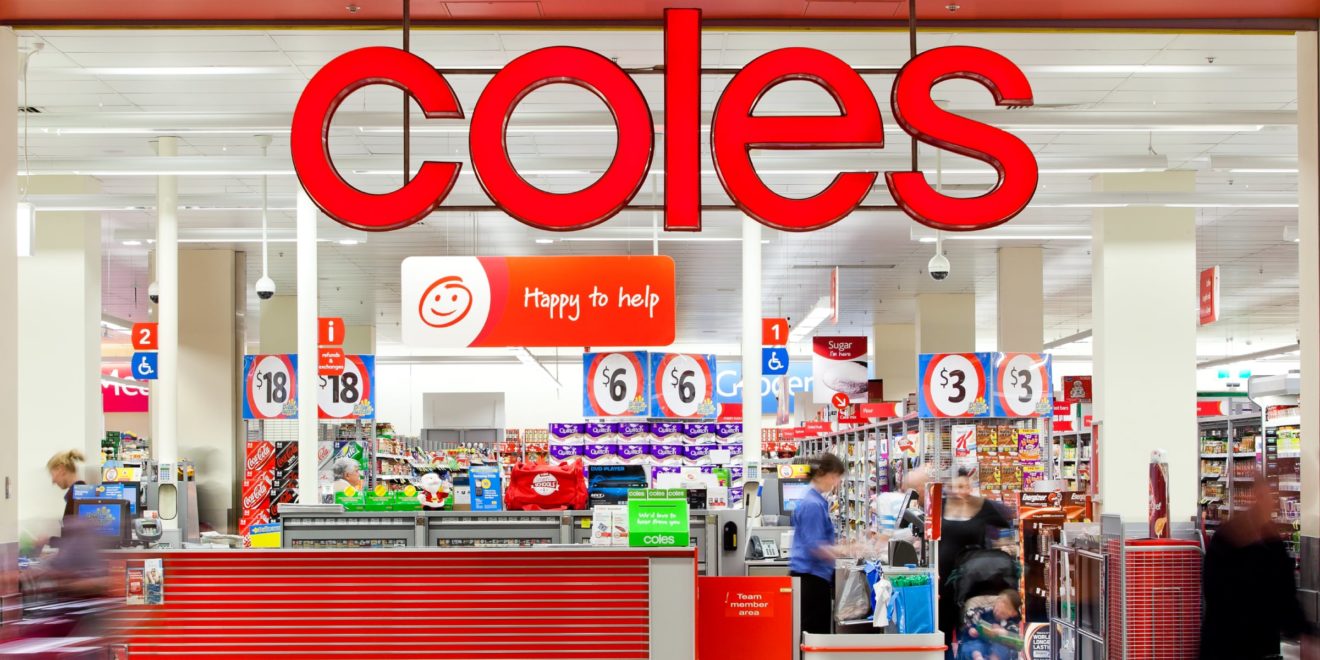
    Coles Group lifted underlying annual profit 13.7 per cent to A$1.26 billion in Melbourne, powered by grocery volume and fast-expanding digital channels.

    Group sales revenue advanced 2.8 per cent to A$45.58 billion across the 2026 financial year. Reported net profit came in lower at A$1.09 billion after the grocer set aside A$235 million to cover remediation costs and penalties from a Federal Court staff underpayment judgment.

    Supermarkets drove the operating momentum. Core grocery revenue rose 3.7 per cent to A$41.47 billion, while division earnings before interest and tax increased 12.2 per cent to A$2.37 billion as the retailer took market share. Supermarket e-commerce sales jumped 26.4 per cent to A$5.6 billion, pushing the group’s automated customer fulfilment centres into positive earnings in their second full year of operation.

    Shoppers pinched by living costs continued to trade down to private labels and loyalty discounts while eating more meals at home. That grocery strength insulated Coles from regional retail headwinds, contrasting with discretionary Asian department store and hypermarket chains that continue to struggle against softer household demand.

    Liquor Slump and In-Store Shrink

    The liquor arm proved the main drag on the group balance sheet. Liquor sales slipped 3.3 per cent to A$3.55 billion, and division operating earnings plunged 47.8 per cent to A$59 million. Management responded with a multi-year restructuring plan that includes shutting standalone shops, co-locating bottle shops alongside supermarkets, and bundling food and beverage offerings.

    Security issues also weighed on store operations. Victoria recorded an 85 per cent surge in threatening incidents against staff over two years, pushing Coles to trial facial recognition systems, though management has not committed to a full network rollout.

    Restructuring Corporate Roles Under Accenture Deal

    Coles will cut hundreds of corporate jobs in the 2027 financial year as part of an expanded technology partnership with Accenture. The retailer plans to spend about A$190 million during the year on restructuring and redundancy costs to establish a dedicated capability centre.

    Store and customer-facing teams will remain exempt from the staff reductions, with the company offering reskilling pathways for affected corporate workers. Capital expenditure will increase in parallel, with Coles allocating an extra A$300 million across FY27 and FY28 to fund technology upgrades, store refurbishments, and 45 new supermarket openings.

  • Parent Hax Secures Coles Distribution for Rinse-Free Washcloth

    Parent Hax Secures Coles Distribution for Rinse-Free Washcloth

    Melbourne startup Parent Hax has secured national retail distribution with supermarket chain Coles for Top N Tail, its rinse-free washcloth priced at $15 for a 20-pack.

    The listing gives the young Australian brand immediate nationwide physical reach across one of the country’s two dominant grocery networks.

    Plant-based formulation targeting bath alternatives

    Top N Tail is formulated with plant-based cleansers, glycerin, aloe and chamomile. Unlike standard baby wipes designed for spot cleaning, the cloth is self-foaming and built for full-body cleansing without requiring water rinsing afterwards.

    Parent Hax engineered the item to bridge the gap between quick wet wipes and full tub baths, targeting parents seeking faster hygiene routines. The product cleans deeply enough to replace an evening wash while cutting down bath preparation and cleanup time.

    Supermarket baby care competition

    Supermarket baby aisles across Australia have traditionally belonged to multinational incumbents selling standard wet wipes and liquid soaps. Coles and rival Woolworths have steadily allocated shelf space to local independent brands offering premium or plant-derived formulations that command higher retail price points.

    Parent Hax enters this category at a per-unit premium compared to conventional baby wipes, betting that convenience and reduced water use justify the $15 shelf price. Initial sales performance across Coles stores will determine whether the startup can expand the range into additional personal care formats.

  • BioCheese Launches Protein-Fortified Vegan Cheddar at Coles for $9

    BioCheese Launches Protein-Fortified Vegan Cheddar at Coles for $9

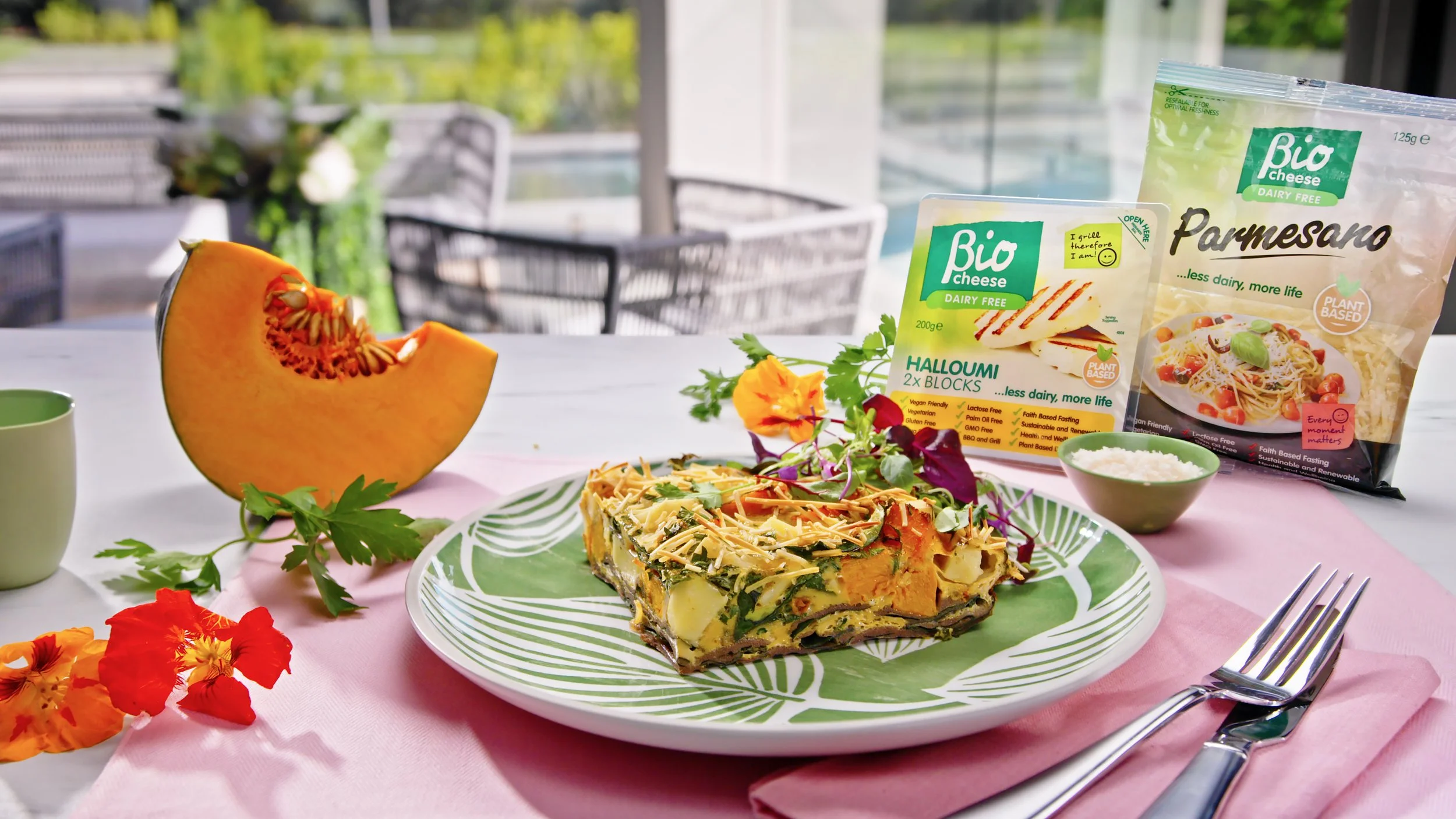
    BioCheese has launched a protein-fortified plant-based cheddar shred across Australian supermarket chain Coles, priced at $9 for a 200-gram pack.

    The product delivers 10 grams of protein per 100 grams, making it the first added-protein dairy-free cheese stocked in Australian grocery aisles.

    Pea Protein and Melting Performance

    Formulated with pea protein, the shredded cheese is built specifically for hot and cold culinary applications. The brand designed the shred to melt in toasties and baked dishes while holding texture in tacos and salads.

    Each unit ships in a resealable 200-gram pouch intended for standard refrigerated dairy and plant-based sections across Coles supermarkets nationally.

    Protein Claims in Plant Dairy

    Plant-based cheese alternatives have historically faced pushback from shoppers over low nutritional value compared to traditional dairy cheddar. While standard dairy cheese provides around 25 grams of protein per 100 grams, standard coconut oil and starch-based alternatives often register near zero.

    By adding 10 grams of functional plant protein, BioCheese is testing whether enhanced nutritional metrics can defend premium shelf space as price-conscious shoppers scrutinise grocery spending across the Asia-Pacific region.

    Distribution is now live across Coles stores, with retail buyers watching whether the $9 price point can sustain regular basket repeat rates against traditional dairy blocks.

  • Thai Hypermarket Operators Face Slowing Growth Under Stiff Competition

    Thai Hypermarket Operators Face Slowing Growth Under Stiff Competition

    Thailand’s hypermarket operators face an uphill battle to expand as stiff competition and sluggish market momentum stall growth across large-format stores. The segment contends with difficult trading conditions where incremental gains require heavy operational effort against entrenched local rivals.

    Competition Slows Large Store Expansion

    Retail analyst Michael Baker reported that large-format grocery and general merchandise chains across Southeast Asia, led by Thailand, now operate in a grinding environment defined by slow forward momentum. Operators face intense rivalry that makes physical network expansion costly and difficult to sustain.

    Big-box retailers across the region have struggled to replicate past expansion rates as neighborhood formats, specialty retailers, and convenience networks pull shoppers away from suburban megastores. In markets like Thailand, where retail space per capita in urban centers is already high, winning market share requires squeezing efficiency out of existing floorspace rather than adding square footage.

    Market Headwinds Across Southeast Asia

    Large-format food and merchandise chains must resolve internal operating pressures while adapting store formats to retain foot traffic. Slower retail turnover across broad merchandise categories has forced chains to rethink store layout and inventory deployment.

    The next quarterly retail filings across Thai listed operators will show whether store rationalization and format downsizing can protect operating margins.

  • Chinese Supermarket Pangdonglai Expands Ex-Convict Recruitment, Sparking Debate

    Chinese Supermarket Pangdonglai Expands Ex-Convict Recruitment, Sparking Debate

    Pangdonglai, a prominent Chinese supermarket chain known for its progressive employee policies, has announced its second consecutive year of recruiting former convicts. This year, the company is seeking 20 individuals who have served at least five years in prison, expanding on its previous program.

    The announcement, made on August 14 by Pangdonglai’s Zhengzhou branch in Henan province, aims to integrate former inmates back into society. The store involved is slated to open in October. This move has reignited discussions across China regarding employment discrimination against former prisoners and the balance with public safety concerns.

    Pangdonglai’s Progressive Employment Model

    Founded by Yu Donglai in 1995 and based in Xuchang City, Henan, Pangdonglai has built a reputation for prioritizing employee welfare over maximizing profits. The company offers higher-than-average pay, reduced working hours, and generous leave entitlements. Employees work a maximum of 36 hours per week, compared to China’s legal limit of 40 hours, and receive 40 days of paid leave annually, including 10 dedicated “mental health” days.

    In the first quarter of 2026, Pangdonglai employees earned an average monthly salary of 9,600 yuan (approximately $1,400 USD). This significantly surpasses the average of around 5,800 yuan seen in China’s private wholesale and retail sectors. Last year, the company initiated its first recruitment drive for former convicts, requiring applicants to have served no more than 10 years, be under 35, and have a middle school education. All 30 former convicts hired under that initial program remain employed, according to a recent statement by Yu on Douyin.

    Balancing Opportunity and Public Concern

    The latest recruitment drive, focusing on individuals with longer sentences, has drawn mixed reactions. Supporters commend Pangdonglai for offering crucial second chances, particularly to those facing significant employment challenges. Lin Minming, founder of Red Apple Public Welfare, noted that this real-world application provides valuable insight into the reintegration of former inmates, countering previous “baseless assumptions.” Fewer than 40% of former inmates in China secure employment due due to their criminal records.

    However, critics have voiced concerns about public safety, especially given that supermarkets are frequented by families, children, and the elderly. Some argue that extended prison sentences often correspond to serious crimes. In response to these concerns, Pangdonglai has clarified that individuals convicted of sexual or violent offenses are ineligible. The company will prioritize applicants with nonviolent offenses, assigning them initially to back-office roles such as warehousing and logistics, with a six-month trial period.

    This initiative aligns with broader efforts in China to support former inmates. A revised Prison Law, taking effect in November, prohibits discrimination against former convicts in employment, education, and social security. It also mandates pre-release education, including legal and psychological counseling, vocational training, and life skills, to encourage employment and entrepreneurship. Pangdonglai’s approach offers a practical example of how retail businesses can contribute to social reintegration while navigating public perception, a strategy that could inform similar social enterprise models across Asia’s diverse retail markets.

  • SM Retail’s First-Half Profit Rises Amid Strong Consumer Demand and Store Expansion

    SM Retail’s First-Half Profit Rises Amid Strong Consumer Demand and Store Expansion

    SM Retail achieved a 5% rise in net income during the first half of 2026, reaching US$143.8 million (PHP8.9 billion). The Philippine retail giant attributed this performance to sustained consumer demand for daily necessities and the ongoing expansion of its physical store footprint.

    Operating income saw an even stronger increase, climbing 12% to US$226.2 million (PHP14.0 billion). This indicates the company’s effective management of operational costs, even in a period of higher inflation. SM Investments Corporation President and CEO, Frederic DyBuncio, highlighted the resilience of the Filipino consumer despite recent economic challenges, noting the robust performance of their consumer-led businesses and the contributions from a diversified portfolio.

    Diverse Growth Across Segments

    The company’s food retail sector demonstrated consistent sales growth across its supermarket and minimart chains. Specialty retail also saw higher sales, particularly in the Home, Other Fashion, and Kids categories. The Home category’s growth was fueled by continued demand for alternative power sources, while the Other Fashion segment was boosted by brands like Kultura and Crocs. The Kids category benefited from increased spending on toys, pet supplies, and stationery.

    SM Retail’s strong showing contributed significantly to SM Investments’ overall consolidated net income, which reached US$741.7 million (PHP45.9 billion) for the first half, an 8% increase from the previous year. Retail accounted for 15% of SM Investments’ net income, following banking (47%) and property (27%). The group’s mall business also reported an 8% revenue increase to US$675.5 million (PHP41.8 billion), a result of higher occupancy rates, stronger tenant sales, and improved operational efficiency.

    Strategic Outlook for Continued Expansion

    Looking ahead, SM Investments CEO Frederic DyBuncio expressed optimism for the second half of the year, while acknowledging potential macroeconomic uncertainties. He stressed that the company’s diversified portfolio, prudent balance sheet, and disciplined approach to capital allocation position it well to continue investing in the Philippines. This strategy aims to create long-term value for customers, communities, and shareholders.

    The emphasis on physical store expansion and diversified retail formats aligns with broader trends in Southeast Asia, where companies often combine digital strategies with a strong brick-and-mortar presence to capture varying consumer preferences and reach underserved areas. Retailers across the region are increasingly focusing on everyday essentials and adapting their offerings to meet shifting consumer priorities, especially after periods of economic fluctuation.

  • Miniso and 99 Ranch Market Lead US Retail Growth by Prioritising Lifestyle and Community

    Miniso and 99 Ranch Market Lead US Retail Growth by Prioritising Lifestyle and Community

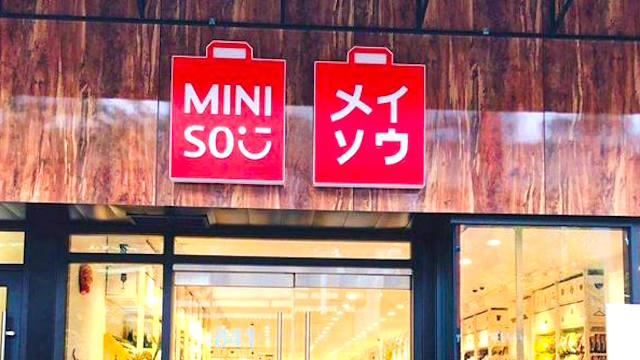
    Asian-rooted retailers Miniso and 99 Ranch Market are achieving significant growth in the United States by focusing on lifestyle connections and fostering a sense of community. The 2026 NRF Hot 25 Retailers list, compiled by Kantar, ranks the nation’s fastest-growing retail companies based on year-over-year domestic sales, with both brands making a notable impact.

    Miniso, a global lifestyle product retailer known for its affordable and aesthetically pleasing goods, secured the top spot at No. 1 on the list. 99 Ranch Market, an Asian supermarket chain, also featured prominently at No. 15. Their inclusion underscores a broader retail strategy: turning consumer lifestyle choices into deep-seated loyalty.

    Building Loyalty Through Experience

    According to Dave Marcotte, a senior vice president at Kantar, Miniso embodies the lifestyle approach in nearly all its operations. The brand’s ability to resonate with consumers on an emotional level, offering products that align with contemporary tastes and trends, is a key driver of its rapid expansion.

    Similarly, 99 Ranch Market differentiates itself through its superior offerings. Marcotte highlights the supermarket’s produce, bakery, and prepared foods as being significantly ahead of traditional chain grocers. The presentation and quality of goods are compelling enough to convert first-time visitors into loyal customers, creating a strong emotional connection.

    The Value Of Belonging In Retail

    The NRF Hot 25 Retailers list emphasises that in an increasingly complex world, a sense of belonging is vital. Retailers that successfully provide this, alongside value and convenience, are seeing stronger customer loyalty. This trend extends beyond Asian-rooted brands, with convenience store chains like Casey’s General Stores (No. 13), QuikTrip (No. 20), and Wawa (No. 24) also making the list due to their strong community ties and distinctive offerings.

    For retailers in Asia-Pacific, the success of Miniso and 99 Ranch Market offers valuable insights. Many Asian markets are already highly competitive, but these examples show that a clear focus on lifestyle integration and superior product quality can create a distinct market position and drive exponential growth. Brands across the region, from local startups to established players, are continually seeking ways to deepen consumer engagement and foster loyalty beyond just transactional interactions.

  • No-Frills Noodles See Surge in Japan as Consumers Seek Value Amid Rising Prices

    No-Frills Noodles See Surge in Japan as Consumers Seek Value Amid Rising Prices

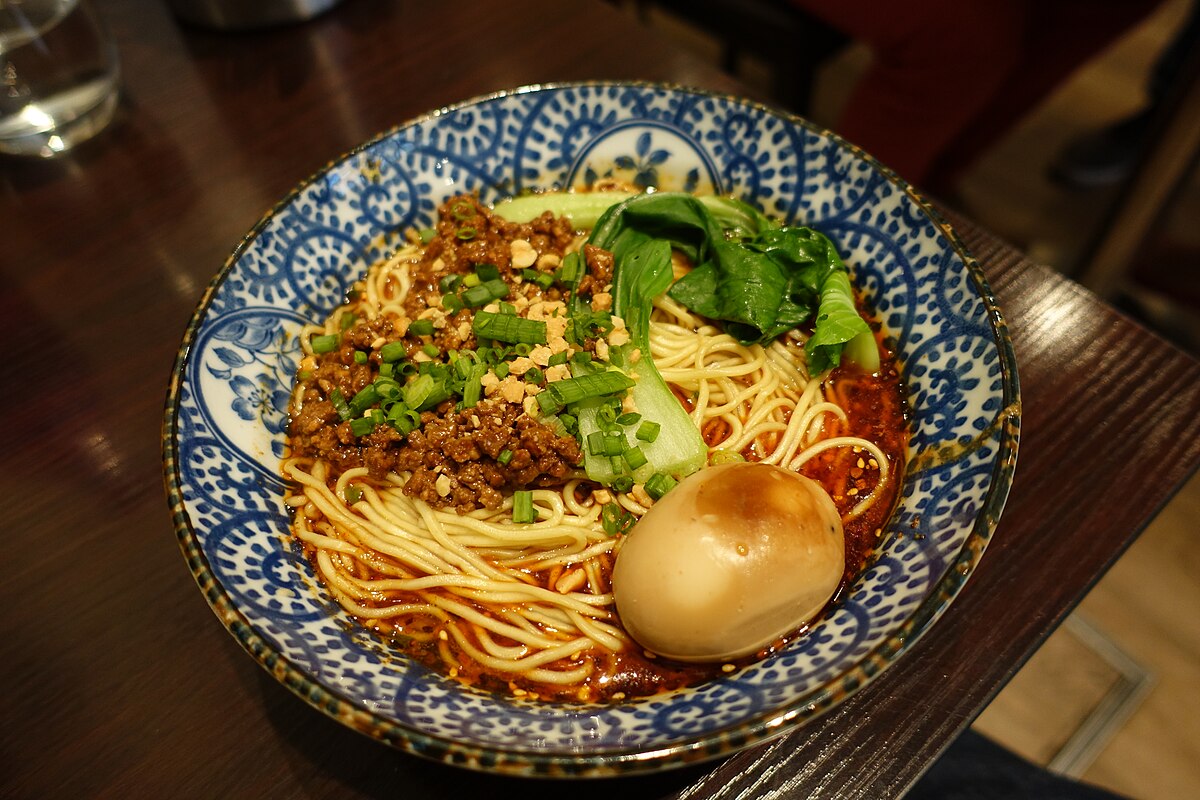
    Major Japanese convenience store and supermarket chains are significantly increasing their offerings of no-frills noodle products. This strategic shift aims to cater to consumers actively seeking more affordable food options as inflation continues to impact household budgets across the nation.

    Lawson, a prominent convenience store operator, introduced two types of frozen noodles without toppings in late June 2026, priced at ¥297 (US$1.90) each. This represents a more than 20% price reduction compared to its existing frozen noodle products that include toppings. The company had previously found success with a line of cup noodles without toppings launched in October 2024, which sold over 5 million units due to their focus on quality broth and customizability.

    Retailers Adapt To Shifting Consumer Habits

    Kanako Ochi, an official in Lawson’s product division, highlighted the importance of responding to evolving consumer needs as shoppers become more budget-conscious. The expansion of no-frills options allows the company to offer new product angles while maintaining competitive prices. Similarly, supermarket giant Aeon began selling fried noodles without toppings such as pork and cabbage in April 2025. This product, priced at just ¥320, contains three times the noodle quantity of its standard fried noodle offering.

    Initially launched in select regions, including the Tokyo metropolitan area, the no-frills fried noodles proved immensely popular, selling ten times more than anticipated. This success prompted a nationwide rollout. An Aeon spokesperson attributed the strong performance to consumers appreciating the cost benefits during a period of increased cost of living. Following this, Aeon also launched topping-free soba noodles in July 2026, featuring double the quantity of its regular product.

    Inflation Drives Demand For Value

    The trend towards value-focused products underscores the ongoing impact of inflation in Japan. According to research firm Teikoku Databank, approximately 18,000 products have either seen price increases this year or are slated for increases by November 2026. This pervasive inflationary environment is expected to ensure the continued popularity of no-frills options among Japanese consumers. RetailNews Asia observes this trend as indicative of broader shifts in consumer spending across the region, where economic pressures often lead to a renewed focus on essential, value-driven purchases, prompting retailers to innovate their product portfolios to meet these demands.

  • Marmite Mania: Singapore Supermarkets Face Unexpected Shortage of Beloved British Spread

    Marmite Mania: Singapore Supermarkets Face Unexpected Shortage of Beloved British Spread

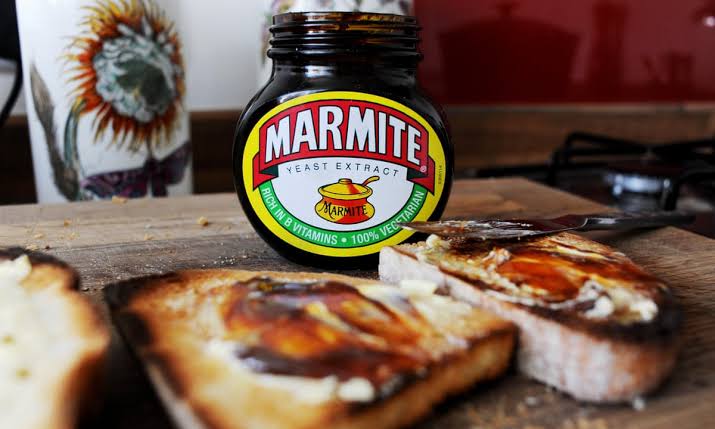
    Marmite, the unique British food spread revered for its savory umami flavor, has reportedly disappeared from the shelves of Singapore’s major supermarket chains and retail outlets. This comes as a surprise to the local populace who have grown to love the uniquely flavored condiment.

    Empty Shelves in Local Stores

    The top supermarket chains in Singapore, notably FairPrice, Sheng Siong, Cold Storage, and Giant, have all reported the absence of Marmite from their inventories. An employee at FairPrice confirmed that Marmite had been out of stock for several months. Similarly, a staff member at Sheng Siong revealed that they had not received any new Marmite shipments recently. Even online searches for Marmite on these supermarkets’ websites yield no results.

    While Marmite is still available from a handful of online sellers, the prices are considerably higher than before. For instance, last week, Shopee had only a few sellers offering 8g sachets for S$4.50 (US$3.48) each. This is a stark contrast to the previous price of a 200g jar, which was sold for S$7.08 at FairPrice.

    Marmite, a dark, sticky spread made from yeast extract, is renowned for its intensely savory, salty, and umami flavor profile. Traditionally spread on toast in the UK, it has also found its way into Singaporean cuisine, featuring in popular dishes such as Marmite chicken and Marmite pork ribs.

    Under New Management

    Unilever, the consumer goods behemoth that produces Marmite, announced in late March that it had agreed to merge its food business, including Marmite, with U.S.-based McCormick. The merged entity will operate under the McCormick name and will be managed by a combination of executives from both companies. The deal is anticipated to close by mid-2027, with Unilever and its shareholders retaining 65% control in the combined company.

    Earlier this month, a notice circulated on social media suggesting that Unilever Asia, the regional distributor responsible for Marmite supplies in Singapore, had removed the product from its portfolio as of April 1.

    Questions & Answers

    Why has Marmite disappeared from Singapore’s supermarket shelves?
    According to local reports, Marmite has been out of stock for several months. The exact reason remains unknown.

    Is Marmite still available in Singapore?
    While Marmite is no longer available in major supermarkets, it can still be purchased from a few online sellers although at higher prices.

    What changes are expected after the merger of Unilever’s food business with McCormick?
    The combined entity will operate under the McCormick name and will be managed by a blend of executives from both companies, with Unilever and its shareholders retaining 65% control. The deal is expected to close by mid-2027.

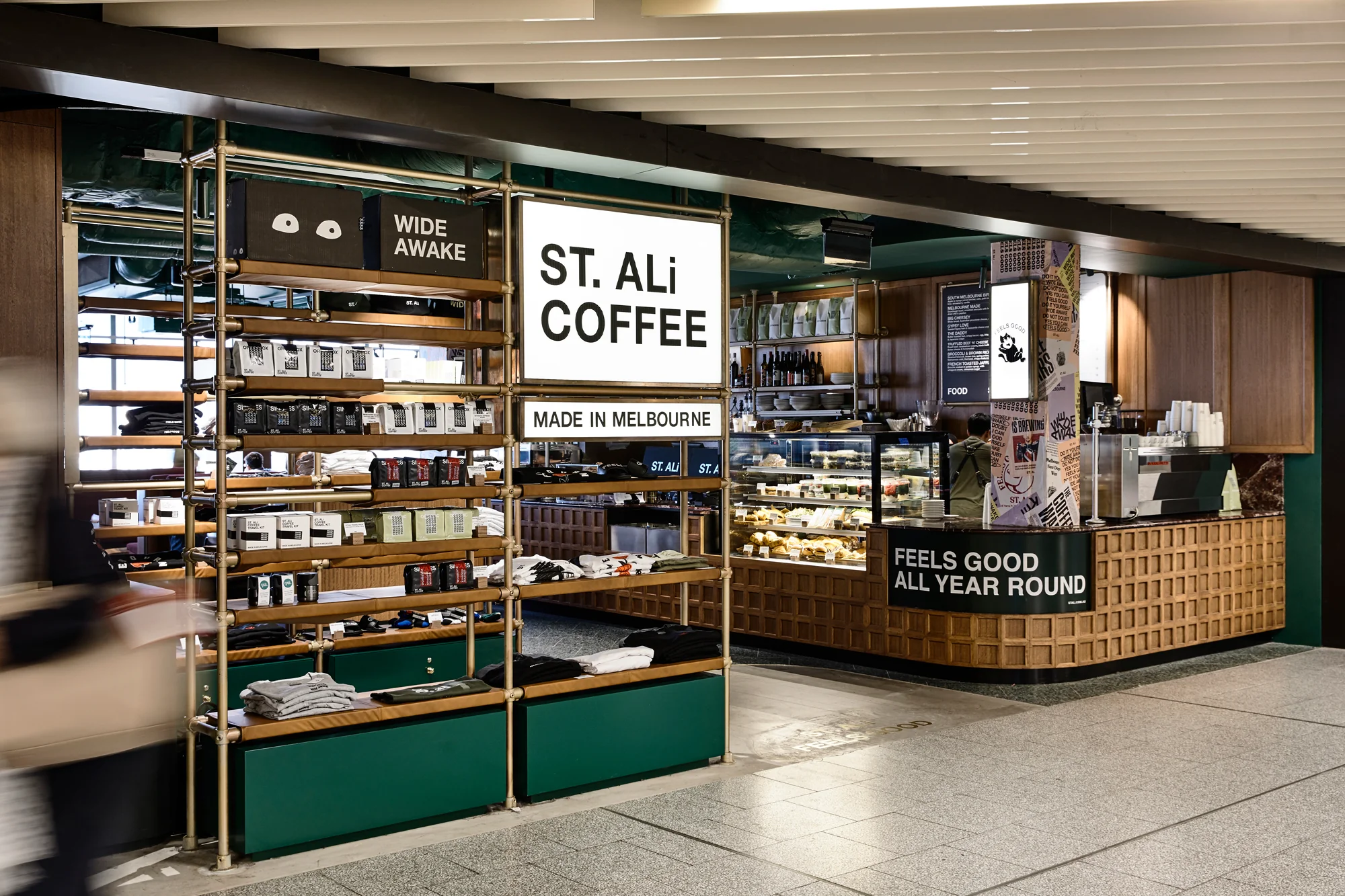
  • St Ali Surfs the Cold Coffee Wave: Italo Disco Espresso Hits Coles Supermarkets Nationwide

    St Ali Surfs the Cold Coffee Wave: Italo Disco Espresso Hits Coles Supermarkets Nationwide

    Melbourne’s prominent coffee roaster, St Ali, has broadened its retail scope with the nationwide launch of its Italo Disco Espresso Concentrate in Coles supermarkets. This move comes after the successful introduction of the brand’s primary assortment of freshly roasted coffee beans in Coles stores in July 2024.

    Meeting Consumer Demand

    This expansion is a strategic response to evolving consumer preferences towards chilled coffee formats. Company data from St Ali’s South Melbourne cafe suggests that cold coffee variants account for approximately 35% of all their beverage sales. Cold coffee has emerged as a significant trend, with St Ali’s CEO, Lach Ward, identifying it as the most noticeable shift in consumption patterns throughout the brand’s 21-year history.

    Sales figures further underline this trend. Innovative cold beverages like the Biscoff Fredo have surged in popularity, becoming the company’s best-selling signature products, outpacing traditional options like magics and black coffee.

    Availability and Trends

    The Italo Disco Espresso Concentrate is accessible to coffee lovers across Australia in a 750ml pouch, retailing at $22. St Ali affirms that the shift towards chilled beverages is not confined to independent specialty outlets. Worldwide statistics reveal that cold beverages represent approximately 60% of total sales in major commercial coffee chains, including notable ones like Starbucks.

    Earlier this year, St Ali further diversified its product range to accommodate the summer season. This expansion included the introduction of two new beverages and the return of a larger-format cold brew.

    Questions & Answers

    What is the Italo Disco Espresso Concentrate?
    It’s a product by Melbourne coffee roaster St Ali, recently made available nationwide at Coles supermarkets.

    What has been the most significant shift in St Ali’s consumption patterns?
    The company has noticed a significant tendency towards cold coffee beverages, marking the most significant shift in their 21-year history.

    What is the current trend in coffee consumption?
    Chilled coffee beverages are the growing trend, with cold drinks accounting for about 35% of St Ali’s sales and 60% of sales in major commercial coffee chains.

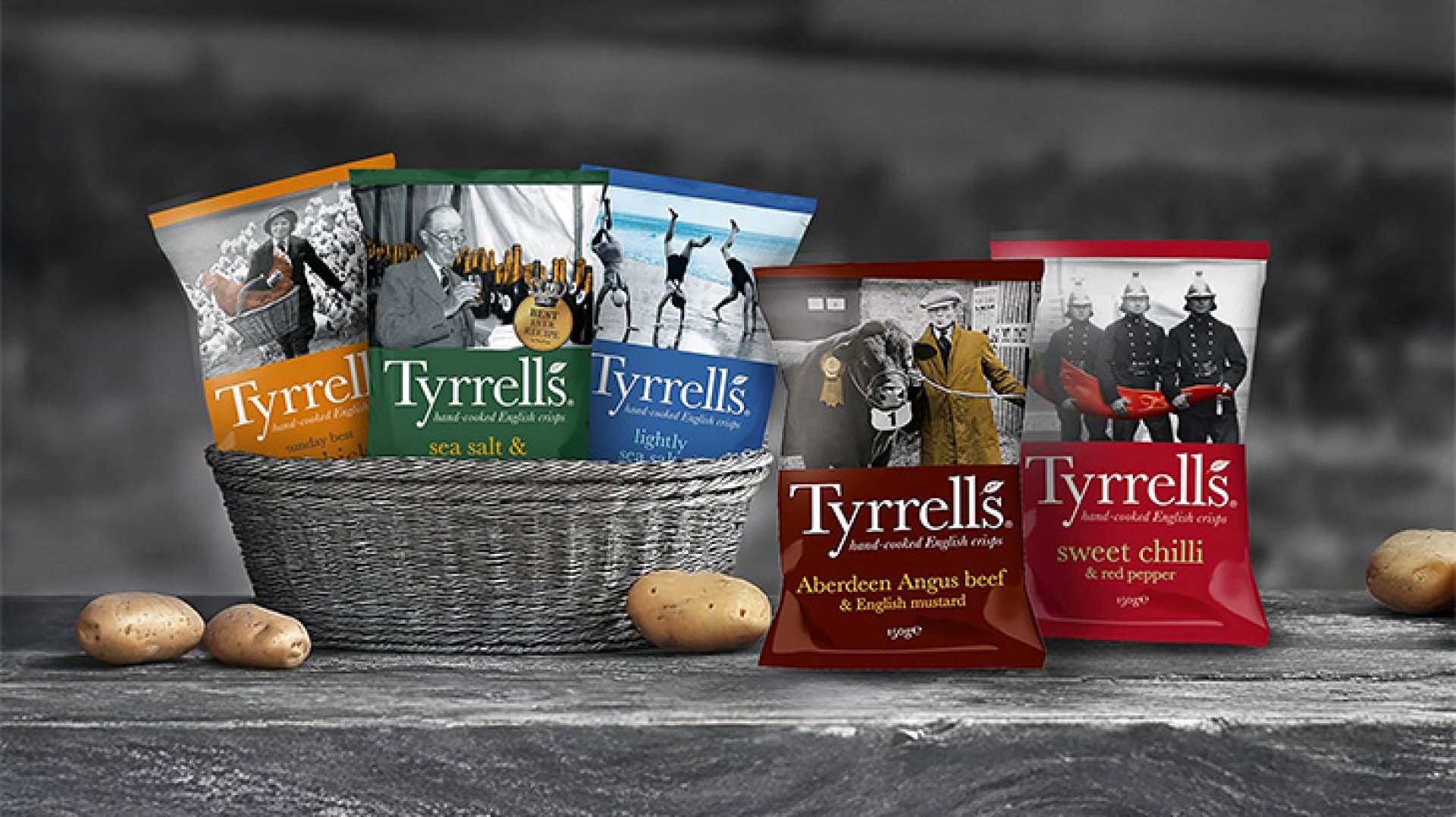
  • Demand Dips: Tyrrells Crisps Vanish From Major Australian Supermarkets

    Demand Dips: Tyrrells Crisps Vanish From Major Australian Supermarkets

    Tyrrells, a British potato crisp brand, has seen a significant downsizing in its distribution in Australia. The brand, previously available in most major supermarkets in the country, has been delisted from leading chains such as Coles, Woolworths, and IGA. Its distribution has been reduced to select independent retailers across the nation.

    Major Supermarkets Stop Stocking Tyrrells

    Coles has affirmed that it has ceased stocking Tyrrells’ products. Concurrently, Woolworths has labelled the brand’s range as “out of stock” on its online store. This swift and unanticipated disappearance of Tyrrells’ products from the shelves of these supermarkets has caused a stir among consumers. Numerous long-term customers have expressed their disappointment through various social media platforms. One social media user bemoaned the absence of any warning or clearance sales, lamenting that they had not been given an opportunity to stock up on the snacks.

    Insufficient Demand Leads to Delisting

    Snackbrands Australia, the local manager of Tyrrells, attributes the decision to delist the brand to insufficient demand. A company spokesperson emphasised the need to balance both the desires of the consumers and the requirements of their retail partners when making challenging decisions such as these.

    Tyrrells’ Availability and History

    Despite this setback, Tyrrells’ products will remain available in certain Harris Farm Markets stores. For updates on availability, customers are advised to get in touch with the consumer care team of Snackbrands.

    Tyrrells, originally founded in the United Kingdom, ventured into the Australian and Asia-Pacific markets in 2016. This expansion included the establishment of manufacturing operations in Victoria, through an investment in Yarra Valley Snack Foods. Despite the recent shrinkage in its Australian distribution, Tyrrells’ products continue to be widely sold in Southeast Asia.

    Questions & Answers

    Why has Tyrrells been delisted from major supermarkets in Australia?
    Insufficient demand for Tyrrells’ products led to the decision to delist the brand from major supermarkets.

    Where can consumers in Australia still find Tyrrells products?
    Tyrrells’ products are still available in select Harris Farm Markets stores and certain independent retailers.

    When did Tyrrells first expand into the Australian market?
    Tyrrells first expanded into the Australian market in 2016.

  • HCMC supermarkets roll out promotions amid rising prices

    HCMC supermarkets roll out promotions amid rising prices

    Supermarkets in HCMC are offering double-digit discounts as food and gasoline prices surge. Central Retail is offering discounts of up to 50 percent on 390 products before 10 a.m. from Monday to Thursday every week. The list of products includes pork, vegetables, and fast-moving consumer goods.

    Co.opmart has announced a cut in prices of 3,000 essential goods until the end of this month. Another promotion is scheduled for next month, a spokesperson said. An MM Mega Market store in Go Vap District has cut the prices of beef by 5 percent, fruits by up to 30 percent, and clothes by 50 percent. Big C, Top Market, and Saigon Co.op are selling beef, chicken wings, and fruits at 10-30 percent discounts.

    Cooking ingredients like oil, chili sauce, and sugar are priced 15-50 percent lower than before. Retail industry insiders say the discounts are being offered as consumers are tightening their purse strings amid a surge in prices. Gasoline prices are up 28 percent since the end of December to a record high of VND29,820 ($1.30) per liter.

    The prices of eight of the nine main consumer products have risen sharply, with seven of them seeing double-digit increases. 50 percent of them have been impacted by food price increases and 40 percent by the increase in gasoline prices.

    This has caused many people to cut spending. Hoa of Go Vap District used to go to the supermarket once a week, but now she only goes twice a month or just once.

    “Prices of everything have risen so I buy in bulk to reduce expenses”.

    Oanh of Tan Binh District recently bought dry products and spices for the next three months in the hope of avoiding further price rises. Though consumers expect further discounts, retail chains say this is unlikely. An executive at a supermarket chain in HCMC, who asked not be named, said the company is also under pressure due to the rising costs, and it has offered the best discounts it could.