Tag: supply chain

  • Del Monte Partners with Riverking to Expand Fresh-Cut Fruit in China

    Del Monte Partners with Riverking to Expand Fresh-Cut Fruit in China

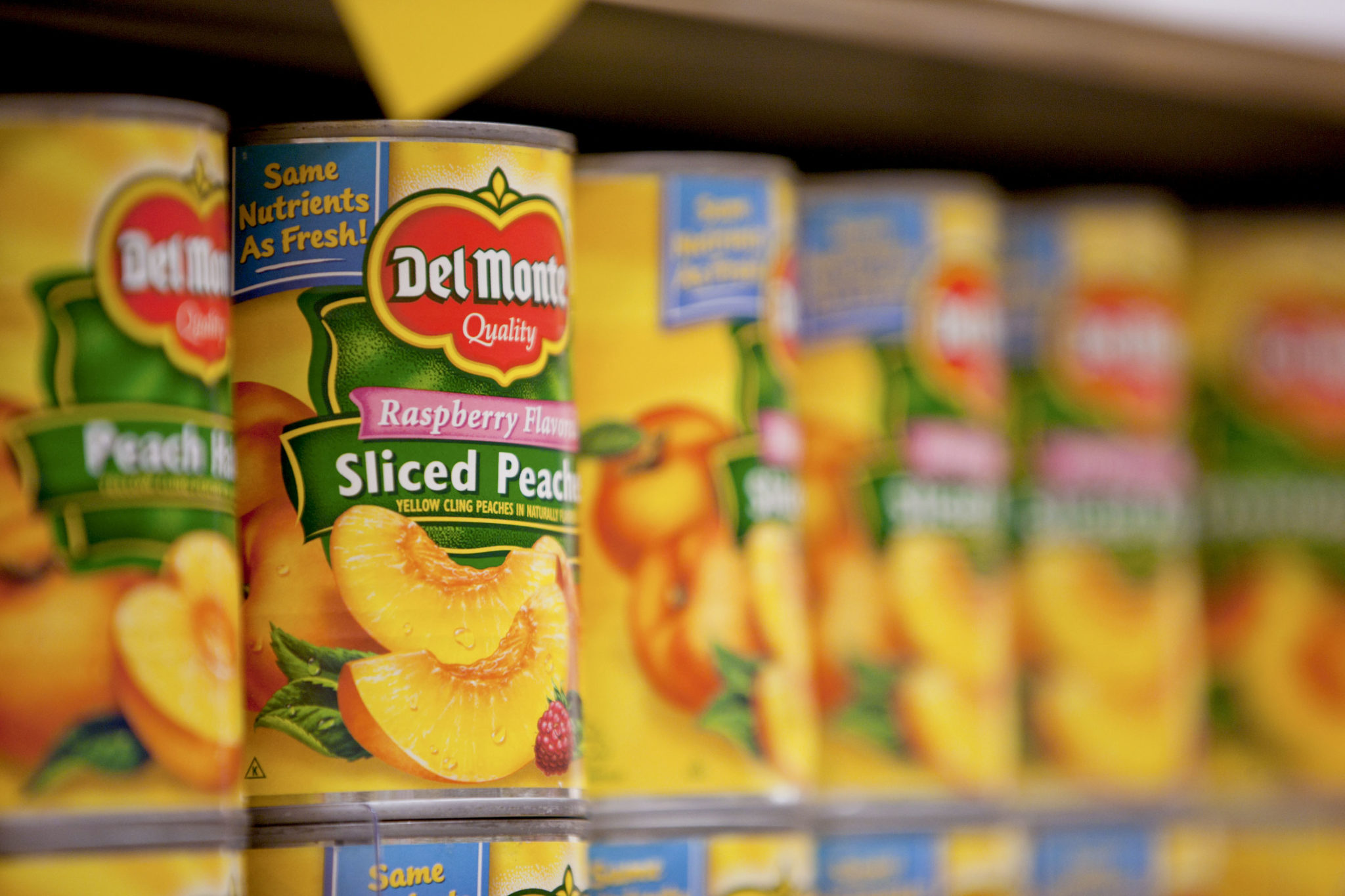
    Del Monte Corp. Has formed a joint venture with Shanghai-based Riverking to sell fresh-cut fruit across China, targeting an Asian business that generated 9 per cent of its sales.

    The partnership, signed through Hong Kong subsidiary Del Monte Fresh Produce (HK), links the New York-listed group with Riverking’s network of 11 distribution centres across mainland China.

    Riverking was founded in 2003 and handles supply chains spanning cultivation, sourcing, harvesting and cold-chain distribution. Outside mainland China, the Shanghai firm operates international offices in Thailand, Australia, New Zealand, North America and South America.

    Distribution Across Eleven Hubs

    Fresh and value-added items delivered $2.62bn of Del Monte’s $4.32bn total revenue last year, while bananas contributed $1.49bn. The group, which changed its corporate name from Fresh Del Monte Produce in June, relies on third-party distributors across China, Hong Kong, Japan and South Korea.

    Up to now, South Korea housed the company’s only dedicated fresh-cut processing facility in East Asia. Partnering with an established domestic handler in Shanghai gives the brand immediate cold-storage reach into Chinese supermarket shelves without building out an entire standalone logistics fleet from scratch.

    Portfolio Realignment After Asset Deals

    The China agreement follows several portfolio shifts by Del Monte over the past year. In January, the group purchased vegetable, tomato and refrigerated fruit lines from California-based Del Monte Foods in a US bankruptcy transaction, after buying a majority stake in Ugandan avocado oil producer Avolio.

    Competitors in China’s packaged produce sector face high spoilage risks and fragmented retail networks. For Del Monte, the next metric to watch is whether Riverking’s 11 regional hubs can lift Asian sales above their current 9 per cent share of total revenue.
  • South Korea Exports Hit Record 709.4 Billion Dollars Year to Date

    South Korea Exports Hit Record 709.4 Billion Dollars Year to Date

    South Korea’s exports reached 709.4 billion dollars year to date, breaking the nation’s previous full-year record months ahead of schedule. Outbound trade surpassed the total volume recorded across the whole of the prior year, according to data released by the customs office in Seoul on Saturday, September 5.

    Record Outbound Shipments

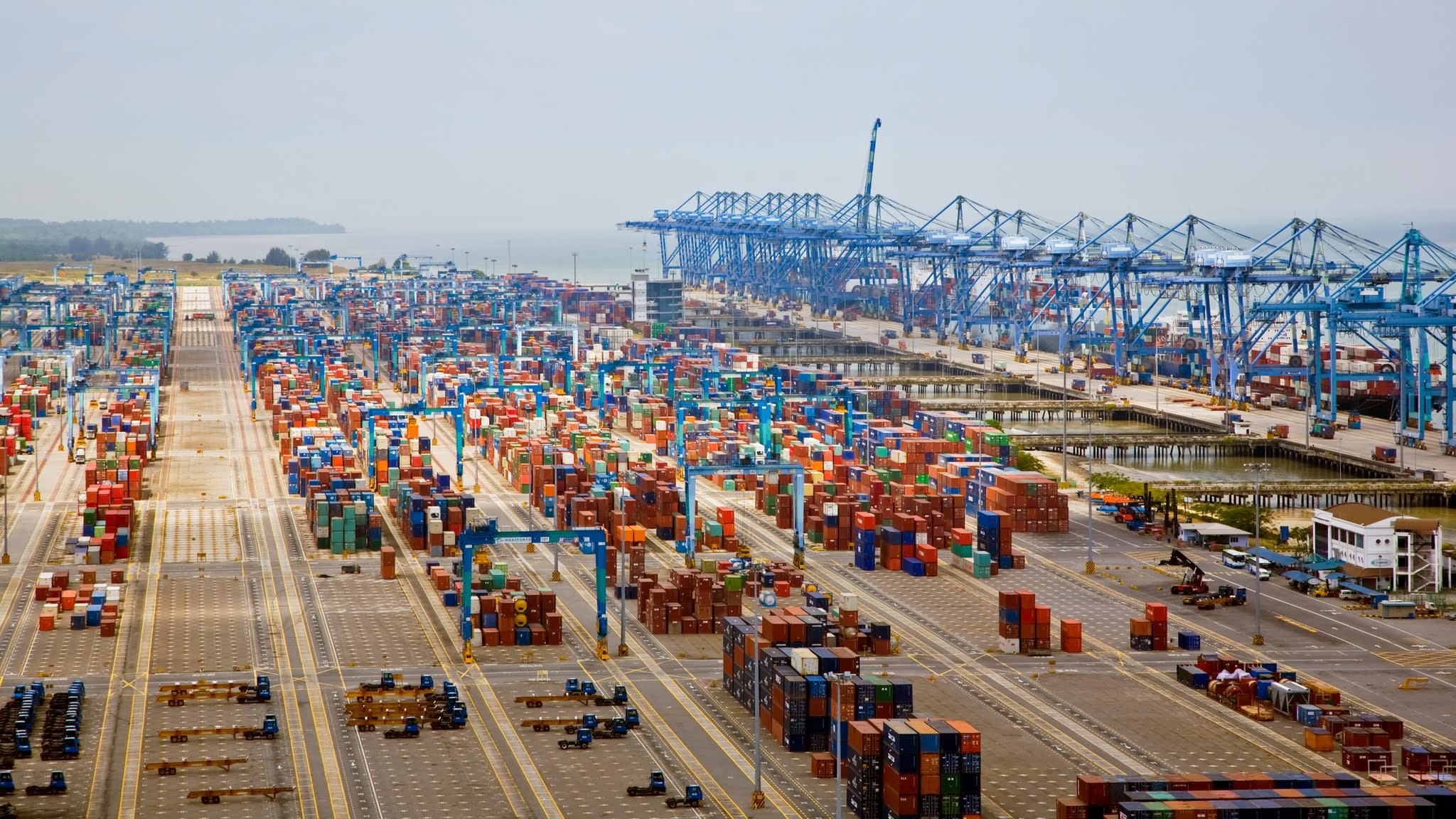
    Customs authorities confirmed the milestone as cross-border shipments cleared major domestic terminals, including Pyeongtaek port. The rapid accumulation of trade value puts outbound volume well ahead of typical seasonal delivery cycles.

    Strong shipment volumes from South Korea offer clear insight into regional manufacturing activity and commercial freight movement. As a key supplier of finished goods and critical components to global retailers and technology companies, the country’s export pace reflects sustained international purchasing appetite.

    Trade Trajectory

    Export momentum heading into the fourth quarter establishes an unprecedented baseline for the economy’s external trade balance. Market analysts and logistics planners are tracking upcoming monthly customs reports to see whether shipment velocity holds steady through the close of December.

  • Shopee Expands Local Fulfillment Network Across Southeast Asia and Taiwan

    Shopee Expands Local Fulfillment Network Across Southeast Asia and Taiwan

    Shopee is overhauling its logistics network across Southeast Asia and Taiwan. The push aims to cut transit times and protect delivery margins across its core marketplace.

    The Singapore-based platform, owned by Sea Group, uses a mix of in-house couriers, third-party fulfillment centers, and external delivery networks. These teams process merchant orders across multiple regional hubs.

    How the routing model operates

    Merchants use a split fulfillment model. They either ship directly from their own facilities or hold stock inside platform-managed hubs. Storing fast-moving inventory near dense urban areas cuts transit distance and speeds up dispatch. Automated systems then route each parcel to external couriers or internal fleets based on carrier capacity, pricing, and destination.

    Surges during promotional events like 11.11 and 12.12 test this setup. Shopee handles these spikes by enforcing strict cut-off windows. It also synchronizes warehouse picking schedules with local freight partners.

    Cross-border friction and last-mile costs

    Last-mile transport remains the most expensive link in regional logistics. Island geography in Indonesia and the Philippines creates delivery hurdles. Heavy traffic in capital cities adds further friction, forcing platforms to run separate delivery setups for urban and rural buyers. Cross-border consignments face extra delays from customs clearance and import duties, requiring close coordination with regional freight handlers.

    Marketplace operators across the region face steady pressure to balance speed against parcel subsidies. Moving higher volumes through dedicated fulfillment nodes lowers per-package handling costs. It also helps platforms retain larger brand merchants.

    Sellers are now preparing inventory allocations for year-end shopping campaigns, setting up the network’s next operational test.

  • Ares Closes $4 Billion Japan Logistics Fund Backed by CPPIB

    Ares Closes $4 Billion Japan Logistics Fund Backed by CPPIB

    Ares Management closed its fifth Japan logistics development fund at JPY 612 billion ($4 billion). The raise hit its hard cap, led by Canada Pension Plan Investment Board.

    Known as Japan Logistics Development Partners V, the vehicle is the largest closed-end institutional fund raised by the Los Angeles firm’s real estate arm. It grew nearly 50 percent beyond its JPY 412 billion predecessor from 2021.

    CPPIB committed JPY 150 billion as cornerstone backer, taking a 24.5 percent stake. Other capital came from sovereign wealth funds, insurers and pension systems across North America, Asia-Pacific, Europe and the Middle East.

    Expanding the Marq Logistics Footprint

    This close follows the integration of GLP’s international fund management business, which Ares bought for $3.7 billion through GCP International in March 2025. That deal handed Ares the Japan logistics series along with digital infrastructure assets under Ada Infrastructure.

    Marq Logistics will build and manage facilities under the fund. Ares created the platform to oversee its industrial assets. As of June, Marq operated 120 million square feet of warehouse space across Japan and 655 million square feet globally.

    Pipeline Across Core Metro Hubs

    Institutional capital continues to target Japanese logistics space because corporate supply chains face structural warehouse shortages along major metropolitan transport corridors. CPPIB has backed every JDP vintage since 2011. That track record makes it one of the longest institutional partnerships in Asia-Pacific industrial real estate.

    Total investment capacity for the vehicle reaches JPY 1.7 trillion ($11 billion), focused on Greater Tokyo, Greater Osaka and Nagoya. Ares has committed JPY 450 billion, or about 26 percent of that capacity, to initial projects ahead of site acquisitions in the coming quarters.

  • Philippine Retailers Seek Abolition of P10,000 Import Tax Exemption

    Philippine Retailers Seek Abolition of P10,000 Import Tax Exemption

    Philippine retail groups are demanding the complete abolition of the country’s 10,000-peso duty-free import threshold ahead of peak holiday shopping.

    The Philippine Retailers Association estimates that 57.4 billion pesos ($1.02 billion) in cross-border parcels entered the country tax-free in 2023 out of a 287 billion peso total e-commerce market. Under current customs regulations, commercial shipments valued below 10,000 pesos avoid all import duties and local taxes, giving offshore digital storefronts a structural pricing edge over domestic brick-and-mortar operators.

    Tax exemptions under fire

    PRA chair Roberto Claudio Sr., founder of sporting goods chain Toby’s Sports, said the association has petitioned the Department of Finance, the Department of Trade and Industry, and Congress to eliminate the exemption for commercial cargo. The group previously favored reducing the threshold value, but Claudio noted that partial cuts fail to curb the influx of untaxed and counterfeit inventory flooding local online marketplaces.

    Domestic retail accounts for 16 percent to 18 percent of Philippine gross domestic product, pays 780 billion pesos in annual taxes, and employs up to 12 million workers. PRA president Alice Liu acknowledged that removing the duty exemption could lift prices on small consumer parcels, but argued the revenue loss and employment risks for domestic operators outweigh individual transaction savings during the critical year-end sales cycle.

    Regional crackdown on cross-border parcels

    The push reflects a broader regulatory shift across Southeast Asia, where finance ministries have steadily dismantled low-value import exemptions to protect domestic supply chains. Indonesia banned direct cross-border trade below $100 on e-commerce platforms and tightened customs clearance on imported apparel, while Malaysia and Thailand introduced value-added taxes on low-value imported goods to close similar digital loopholes.

    Economic managers at the Department of Finance have not yet scheduled formal hearings on the PRA submission, leaving the 10,000-peso de minimis threshold in place as fourth-quarter import volumes begin to climb.

  • Tim Cook Steps Down as Apple Chief Executive and Hands Reins to John Ternus

    Tim Cook Steps Down as Apple Chief Executive and Hands Reins to John Ternus

    Tim Cook will step down as Apple chief executive to become executive chairman, handing control of the 4.5 trillion dollar company to hardware chief John Ternus.

    The transition ends a 15-year tenure that increased Apple’s annual sales from 108 billion dollars to 416 billion dollars, with net profit surging fourfold to 112 billion dollars.

    Cook will guide Apple’s government relations and trade strategy between Washington and Beijing starting September 1. A regulatory filing shows Ternus receives a base salary of 3 million dollars and an annual equity target of 55 million dollars beginning in 2027. Cook will draw an annual salary of 2 million dollars effective September 26, alongside a 45 million dollar target award in restricted stock units.

    The Asian Manufacturing Pivot

    Ternus inherits a hardware empire undergoing its biggest geographic realignment since the launch of the original iPhone. Apple is shifting assembly lines outward from mainland China to insulate its retail pricing from tariffs and geopolitical disputes. The company plans to manufacture the majority of US-bound iPhones in India by the end of 2026, while routing AirPods and iPad assembly through Vietnam.

    Cook built Apple’s initial dominance on Chinese factory scale, but the post-pandemic supply map demands distributed capacity. For electronics retailers and component suppliers across Asia, the succession confirms that Apple’s diversification away from single-country manufacturing will continue under a hardware-focused chief executive.

    Hardware Strategy and Artificial Intelligence

    Beyond factory logistics, Ternus faces immediate product hurdles across consumer markets. Wearables generated 35 billion dollars in fiscal 2025 sales from devices like the Apple Watch and AirPods, yet the 3,499 dollar Vision Pro headset struggled to capture high volumes. Apple also scrapped its decade-long electric vehicle program in 2024 and continues working to catch rivals in artificial intelligence features and voice assistance.

    The new leadership team must now execute the late-2026 India iPhone production target without eroding gross margins across the 2.5 billion active device base.

  • Mapletree Secures $500 Million for Emerging Asia Logistics Strategy

    Mapletree Secures $500 Million for Emerging Asia Logistics Strategy

    Singapore’s Mapletree Investments secured more than $500 million in first-close equity commitments for an emerging Asia logistics strategy targeting $2.1 billion in developments across Malaysia, Vietnam and India.

    The pool combines $250 million raised through the Mapletree Emerging Growth Asia Logistics Private Trust, known as MEGA, with over $250 million in co-investments and joint ventures for Malaysian warehouse projects. Sovereign wealth funds, a pension manager and a state investment group provided the capital. Mapletree will retain a minimum 20 per cent co-investment stake in the vehicle.

    Seed Assets and Target Returns

    Seven development properties seed the new vehicle: four projects in Malaysia, one in India and two operating warehouses in Vietnam. Mapletree aims to deliver an internal rate of return above the mid-teens as modern warehouse space remains scarce across developing Asian manufacturing hubs.

    Logistics forms Mapletree’s largest operating division, representing 43 per cent of total assets under management at S$32.4 billion ($24.8 billion). The firm managed 22.8 million square metres across 12 markets as of March, while its listed Mapletree Logistics Trust vehicle held 175 properties in nine Asia-Pacific markets with occupancy running at 96.9 per cent.

    Shifting Capital Back to Asian Hubs

    The push into emerging Asian industrial corridors mirrors a broader portfolio rotation away from western commercial property. While Mapletree raised capital for China logistics in 2022 and Japan in 2024, the group recently liquidated underperforming student housing vehicles and shed $1.3 billion in US logistics sheds over a 10-month window to fund higher-yielding regional builds.

    Fund managers across Southeast Asia are reallocating institutional money directly toward factory-adjacent storage as multinational brands diversify manufacturing beyond coastal China. Malaysia and Vietnam continue to absorb the bulk of factory floor expansions from electronics and consumer goods suppliers requiring automated, high-ceiling distribution centers.

    Mapletree is targeting an additional $200 million in commitments for MEGA at a second fund closing scheduled for early next year.

  • Woolworths to Drop Tasmanian Beef Sourcing in 2027 over Rising Freight Costs

    Woolworths to Drop Tasmanian Beef Sourcing in 2027 over Rising Freight Costs

    Woolworths will stop selling Tasmanian beef across its supermarket network from 2027, ending a supply pipeline of 80 cattle per week. The Australian grocer is cutting ties with meat processor JBS Foods and its Longford abattoir after shipping expenses across Bass Strait made island sourcing unviable.

    Rising production expenses and maritime freight rates prompted the decision to consolidate beef procurement on the mainland. Tasmanian beef producers, including long-term suppliers such as farmer Jerrod Nichols, now face finding alternative buyers in an increasingly volatile livestock market.

    Freight Pressures Across Bass Strait

    Transporting livestock and processed meat across Bass Strait requires dedicated cold-chain shipping that adds fixed overheads to wholesale purchasing costs. Supermarket operators have faced mounting transport inflation across island supply chains over the past three years. Woolworths concluded those logistics costs could no longer be absorbed without passing price increases directly to shelf prices.

    The exit shows how major retailers across Asia-Pacific are rationalizing local sourcing contracts in favour of centralized, lower-cost mainland processing hubs. When transport costs spike, regional supply arrangements often become the first casualty in margin defense strategies.

    Supply Pipeline Until 2027

    Local farmers will continue to supply the supermarket giant for the remainder of the current agreement. Woolworths confirmed it will maintain its regular weekly intake through the end of 2026 before shifting volume to its existing mainland abattoir partners.

  • Japan Startup Muse Deploys Retail Robots to New York Grocery Stores

    Japan Startup Muse Deploys Retail Robots to New York Grocery Stores

    Japanese robotics startup Muse rolled out its automated retail helper robots in a New York grocery store to capture US supermarket demand for labor-saving physical artificial intelligence.

    The deployment puts automated shelf-stocking hardware directly into commercial grocery aisles alongside store clerks. Rising operational expenses and stubborn retail worker shortages across North America have accelerated the commercial rollout of Asian service robotics beyond domestic test markets.

    Automating shelf replenishment

    Muse built its physical AI machines to assist staff with the physical strain of routine grocery restocking. The robots navigate sales floors to handle merchandise replenishment tasks, reducing the repetitive lifting required of store associates during standard operating shifts.

    Store operators in the United States face persistent labor turnover in entry-level inventory roles. Deploying autonomous replenishment units allows grocers to maintain shelf availability without increasing headcount during peak restocking hours.

    Exporting Asian physical AI

    Japanese robotics developers are increasingly targeting overseas retail markets where wage pressures create faster paths to commercial adoption than domestic pilot schemes. While Japanese supermarkets have tested automated replenishment in limited urban formats, the scale of floor space in American grocery chains offers substantially larger hardware deployment volumes per client.

    Muse plans to use the New York supermarket deployment as an operational reference site to secure multi-unit rollouts across broader US retail chains.

  • Taiwan Pitches Global Chip Alliances as Market Heads for 1.5 Trillion Dollars

    Taiwan Pitches Global Chip Alliances as Market Heads for 1.5 Trillion Dollars

    Taiwan President William Lai told tech executives in Taipei that international chip partnerships will anchor an industry projected to exceed 1.5 trillion dollars this year.

    Foreign semiconductor leaders continue to pour capital into the island, led by Nvidia’s annual procurement and investment topping NT$3 trillion ($94.84 billion). Micron Technology has committed more than NT$1.4 trillion to local operations, while Advanced Micro Devices pushed its research spending in Taiwan past NT$300 billion.

    TSMC’s Overseas Buildout

    Taiwan Semiconductor Manufacturing Co is matching domestic research with heavy spending abroad to insulate buyers against supply shocks. The world’s largest contract chipmaker announced an additional $100 billion commitment to its Arizona facilities in July, while its plant in Kumamoto, Japan, continues on schedule.

    In Europe, TSMC expects its Dresden fabrication facility to begin commercial chip production before the end of next year. That site will supply automotive and industrial customers across the European Union.

    For consumer electronics makers and device brands across Asia, the dual strategy offers reassurance. Taiwan is retaining cutting-edge wafer fabrication and packaging on home soil while duplicating mature and specialized capacity in Western markets to guarantee steady silicon delivery during regional crises.

    State Support for Next-Gen Tech

    Taipei plans to back corporate spending by funding core infrastructure, including power generation, water supplies, land access, and computing capacity. State research backing will focus on silicon photonics, quantum computing, and artificial intelligence robotics.

    US Undersecretary of State for Economic Affairs Jacob Helberg told attendees via video link that concentration without resilience creates systemic vulnerabilities. He pointed to the Pax Silica framework, an alliance designed to secure technology supply lines among trusted trade partners.

    Discussions continue this week as the Semicon Taiwan trade exhibition runs through Friday at the Taipei Nangang Exhibition Center.

  • John Ternus to Take over as Apple CEO as Tim Cook Becomes Executive Chairman

    John Ternus to Take over as Apple CEO as Tim Cook Becomes Executive Chairman

    Apple chief executive Tim Cook will step down after 15 years, handing leadership of the US$4.5 trillion tech company to hardware head John Ternus.

    Cook expanded Apple from a US$350 billion business into the world’s most valuable hardware maker before preparing to shift into the executive chairman role in September.

    Hardware leadership and AI priorities

    Ternus takes charge as Apple faces growing pressure across artificial intelligence development and device assembly. Having run Apple’s hardware engineering division, he oversaw major product portfolios across iPhone, Mac, and iPad product cycles.

    Cook built Apple’s post-2011 growth on rigorous manufacturing coordination and deep consumer distribution networks. His operational playbook turned the brand into a retail powerhouse across China, Japan, and newer retail growth corridors such as India and Southeast Asia.

    Production footprint and next steps

    For electronics supply chains in Asia, the executive change lands as hardware brands reshape procurement and expand production footprints beyond mainland China into India and Vietnam. Regional competitors are simultaneously pushing rapid consumer AI deployments to test Apple’s premium smartphone sales.

    Ternus takes the top post this September as Cook moves into the board chairmanship.

  • Aptar Beauty Shifts Focus to India and Southeast Asia as Market Hits 4% Growth

    Aptar Beauty Shifts Focus to India and Southeast Asia as Market Hits 4% Growth

    Aptar Beauty is shifting its product development and manufacturing footprint toward India and Southeast Asia as global beauty demand stabilises at 4 per cent annual growth.

    The dispensing systems supplier developed its Nouvelle airless dispenser specifically in India to capture surging demand for premium skincare before exporting the design across the region. Aptar plans to roll out the Indian-made packaging line into Thailand and Indonesia, tapping markets where consumer adoption is rising alongside trading up to higher-end product formats.

    Localising production across India and Southeast Asia

    International beauty brands in China face softer sales while domestic players gain ground, prompting packaging suppliers to diversify their regional revenue base. To support Asian fragrance demand, Aptar took a stake in Chinese manufacturer Goldrain to produce perfume pumps tailored to local price points and design preferences.

    Regional production sites in India, Thailand, and China also insulate the company against trade barriers and US tariffs. Operating plants across seven countries allows the group to supply multinational brands locally rather than shipping components across borders.

    For retailers and beauty brands across the Asia-Pacific region, packaging suppliers are moving away from adapting Western designs for Asian shelves. Aptar, like competitors Berry and Silgan, is now engineering packaging in Asia for local climate conditions, viscous formulations, and regional cost targets before distributing those formats globally.

    Engineering pumps for new cosmetic formulas

    Formulation changes are forcing mechanical redesigns across beauty dispensers. Skincare brands are replacing silicones with short-chain alkanes, which cause standard polyolefin plastics to swell and jam pump mechanisms.

    Fragrance houses are also introducing water-based, alcohol-free sprays that standard pumps cannot atomise properly. Aptar developed customised dispensing hardware for formulations like Guerlain’s Aqua Allegoria Perle skincare fragrance, while engineering its GSA platform for high-viscosity creams and expanding refillable systems such as its Gaïa airless line used by Clarins.

    The supplier is now eliminating polyoxymethylene and per- and polyfluoroalkyl substances across its catalogue ahead of the enforcement of the European Union’s Packaging and Packaging Waste Regulation.

  • China Orders Automakers to Curb Overseas Price Cuts as Exports Surge

    China Orders Automakers to Curb Overseas Price Cuts as Exports Surge

    China ordered domestic automakers to halt volatile overseas price cuts and deceptive marketing across foreign markets on Tuesday, after passenger car exports reached 5.18 million units through July.

    Shipments of electric and plug-in hybrid vehicles jumped 129 per cent to roughly 2.77 million units over the same seven-month period.

    Jointly released by the Ministry of Commerce, the Ministry of Industry and Information Technology, and the State Administration for Market Regulation, the 20-article rulebook targets predatory pricing practices that damage brand reputations abroad. The agencies directed manufacturers to set export prices based on production costs and local supply, avoid abrupt discounts, and give foreign dealerships full autonomy over retail pricing. Sales incentives, customer gifts, and financing promotions must also comply transparently with host-market laws.

    Rules for Dealerships and Data

    Beyond showroom floors, the guidelines govern physical factory investments, which currently span more than 80 countries. Auto groups setting up regional assembly plants must adhere to local workplace safety, intellectual property protections, after-sales requirements, and labor standards.

    The policy also places strict limits on software and vehicle intelligence. Companies running connected-car or autonomous-driving systems abroad must handle consumer privacy and cross-border data transfers in accordance with local regulations.

    Exporting Domestic Competition

    Prolonged price wars inside China squeezed dealer margins and triggered aggressive showroom discounting over the past two years. By extending regulatory supervision overseas, Beijing is stepping in to prevent state-backed and private manufacturers from exporting those destructive discounting tactics into Southeast Asia, Europe, and Latin America.

    Passenger new energy vehicle shipments reached 540,000 units in July alone, capturing 58.8 per cent of total passenger exports, as manufacturers attempt to outpace the 8.32 million total vehicles China exported worldwide in 2025.

  • LG Energy Solution Buys 80,000 Tonnes of Arkansas Lithium in Ten-Year Deal

    LG Energy Solution Buys 80,000 Tonnes of Arkansas Lithium in Ten-Year Deal

    South Korea’s LG Energy Solution signed a ten-year binding agreement with Smackover Lithium to buy 8,000 tonnes of battery-grade lithium carbonate annually starting in 2029.

    The contract secures 80,000 tonnes in total from the South West Arkansas Project, representing more than a third of the site’s planned first-phase output of 22,500 tonnes per year. Commercial terms and pricing remain confidential.

    Smackover Lithium Direct Extraction Project

    Smackover Lithium operates as a joint venture formed in 2024 between Standard Lithium, which holds 55 per cent, and Norwegian energy firm Equinor, which owns 45 per cent. The venture uses direct lithium extraction to pull the metal straight from underground brine rather than relying on evaporation ponds across sites in Arkansas and Texas.

    Trading house Trafigura locked in another 8,000 tonnes annually from the same project in March. Together, the Trafigura and LG Energy Solution contracts cover roughly 90 per cent of the venture’s target to pre-sell 80 per cent of its planned capacity.

    Three export credit agencies have offered more than $1 billion in prospective debt financing to back the buildout. Project partners expect to reach a final investment decision before the end of the year.

    Local Sourcing for North American Cell Plants

    For LG Energy Solution, securing Arkansas supply ensures raw materials bypass restrictions tied to foreign entities of concern. Asian battery manufacturers face strict domestic sourcing rules in the United States, driving heavy investment into local processing deals and joint-venture extraction projects.

    The Seoul-based manufacturer operates an expanding manufacturing network across North America, targeting more than 50 gigawatt-hours of lithium iron phosphate production capacity by the end of 2026 across five sites. That footprint supplies stationary storage systems, including units for Tesla, alongside electric vehicle programmes.

    Production recently started at the company’s Lansing facility in Michigan, which will add nickel-manganese-cobalt cell lines for Toyota electric vehicles alongside its existing storage battery output.

  • Star Leap Overhauls Beauty Sourcing as Global Markets Fragment

    Star Leap Overhauls Beauty Sourcing as Global Markets Fragment

    Hong Kong supply chain distributor Star Leap has revamped its cosmetics procurement model to target regional divergences across Southeast Asian, European, and American beauty retail markets.

    The company confirmed that global demand patterns no longer align across key consumer territories, forcing wholesalers to match stock directly to local channel mechanics rather than relying on global brand awareness.

    Shifting Channel Demands Across Regions

    Market dynamics are splitting along regional lines. In Vietnam and across wider Southeast Asia, multinational cosmetics labels face stiff competition from domestic brands, producing a price-sensitive consumer base with distinct SKU preferences.

    Western territories show different retail drivers. United States retailers are tying physical store sales directly to artificial intelligence tools and virtual testing setups, while European buyers are shifting purchasing budgets toward South Korean and Japanese beauty imports at the expense of traditional domestic lines.

    Matching Inventory to Local Channels

    Distributors must balance unit costs against shelf-life constraints and regional stock velocity. Star Leap tracks purchasing costs, batch codes, and SKU assortments against specific distribution channels to prevent unsold stock sitting in secondary markets.

    Cross-border beauty logistics across Asia Pacific historically relied on moving excess inventory between territories when domestic demand slowed. Rising import compliance standards and the rapid growth of domestic Southeast Asian brands have largely closed those secondary arbitrage routes.

    Procurement teams are now locking in smaller, localized batch orders as retailers prepare their mid-year stock allocations across Asian department stores and regional e-commerce platforms.