Tag: supply chain

  • Asia-Pacific Retail Automation Market to Reach $5.07 Billion by 2029

    Asia-Pacific Retail Automation Market to Reach $5.07 Billion by 2029

    Retail automation spending across regional Asia-Pacific markets will reach $5.07 billion by 2029, up from $2.65 billion in 2024.

    The expansion represents a compound annual growth rate of 13.8 percent, outperforming the broader global retail automation sector’s projected 9.9 percent rate over the five-year forecast period.

    Rising wages across developing economies are pressing store operators to replace manual routines with self-checkout kiosks, automated inventory tracking, and warehouse robotics. Worldwide automation revenue is projected to climb from $27.63 billion in 2024 to $44.3 billion by 2029, with Asian markets taking up a growing share of enterprise procurement budgets.

    Warehouses and Non-Food Chains Lead Spending

    Warehouse installations form the largest share of automation deployments in the region, pushed by logistics operators sorting heavier e-commerce parcel flows. Non-food retail stores represent the fastest-growing buyer category as fashion, specialty, and electronics chains adopt electronic shelf labels, autonomous mobile robots, and automated storage systems to defend operating margins.

    Technology vendors competing for contracts include Zebra Technologies, IBM, SAP, Microsoft, and Saison Information Systems, alongside automation hardware groups such as Honeywell, ABB, and Siemens. Cheaper cloud systems and IoT sensors have lowered entry costs, enabling mid-tier chains to buy tools once restricted to massive supermarket operators.

    Shift from Pilot Trials to Fleet Deployments

    Regional merchants previously limited automated checkouts and radio-frequency identification tags to flagship concept locations. Higher store operating expenses have pushed those tests into broad network rollouts across hypermarkets, specialty outlets, and distribution centers.

    Technology vendors are focusing on integrated suites that connect front-of-store optical sensors and automated sortation networks directly to enterprise planning software, targeting retail operators upgrading their infrastructure before 2029.

  • Shein Targets US$1.7 Billion Hong Kong Listing After Shifting Focus to China

    Shein Targets US$1.7 Billion Hong Kong Listing After Shifting Focus to China

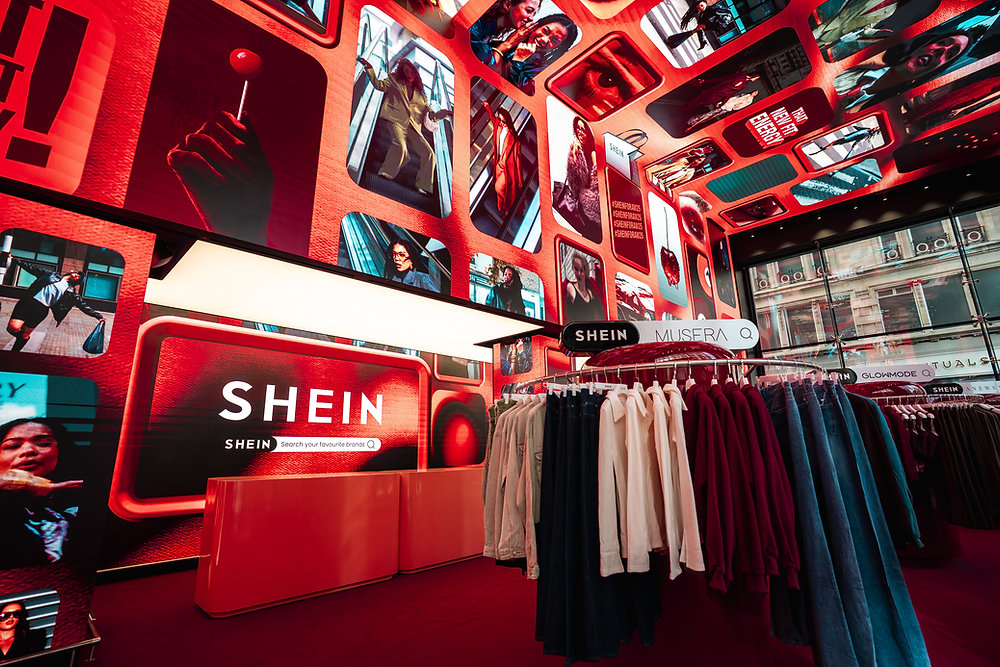
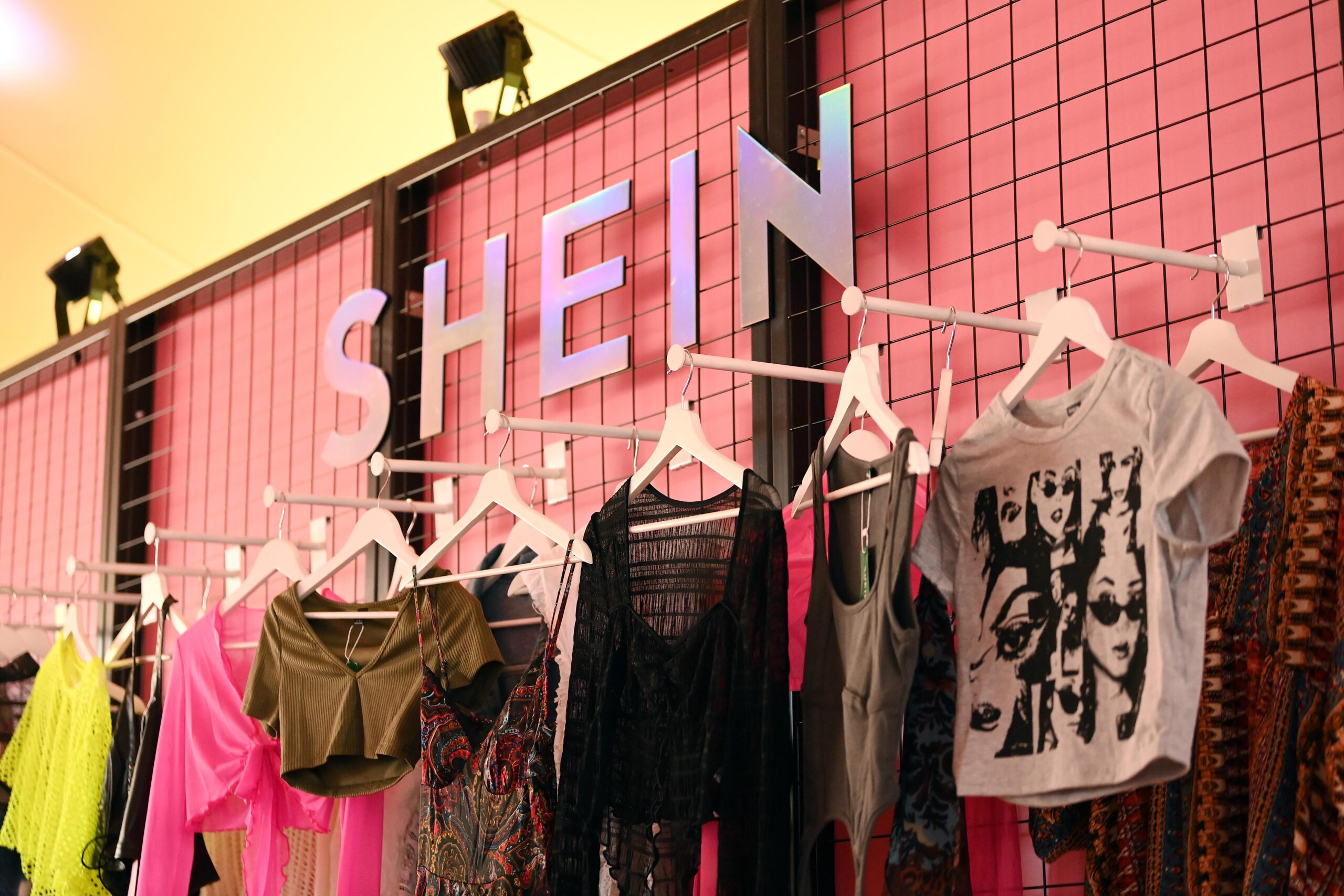
    Shein will debut on the Hong Kong stock exchange on Tuesday, seeking to raise US$1.7 billion after abandoning earlier plans to list in New York and London.

    The listing values the fast-fashion group at US$26.5 billion, down from its peak valuation of more than US$100 billion in 2022. That drop follows years of regulatory hurdles in the West and an extensive effort to secure approval from Chinese market authorities.

    Supply Chain Commitments and Regulatory Clearances

    Founded in Nanjing in 2012, Shein shifted its corporate headquarters to Singapore in late 2021 as part of an attempt to position itself as a global retail player. That strategy ran into resistance from Chinese regulators, including the China Securities Regulatory Commission, which reviews foreign-registered businesses with substantial domestic operations.

    Founder Sky Xu responded by taking direct charge of regulatory relations in China. Xu made a rare public appearance at a February business forum in Guangdong province, pledging a US$1.5 billion investment to expand the company’s supply chain network across the region.

    The company also opened a research and development centre in Nanjing. In its Hong Kong listing prospectus, Shein confirmed that mainland China remains the central anchor of its logistics network and accounts for nearly 80 per cent of its total workforce.

    Western Market Pressures Reshape Listing Strategy

    Attempts to secure listings in the United States and the United Kingdom unraveled under heightened political and regulatory scrutiny. US lawmakers pushed for supply chain audits under the Uyghur Forced Labor Prevention Act, while trade policy shifts eliminated the US$800 de minimis customs exemption that originally accelerated Shein’s cross-border parcel volumes. European authorities introduced comparable parcel handling charges.

    Former executive chairman Donald Tang stepped down ahead of the Hong Kong filing after his previous public remarks claiming American corporate values drew criticism from Chinese officials.

    For retailers across Asia, Shein’s pivot illustrates the limits of cross-border corporate restructuring when manufacturing remains concentrated in southern China. Regional e-commerce operators face a tighter compliance environment globally, leaving Hong Kong as the primary capital market for Chinese-rooted digital exporters.

    Trading begins on Tuesday on the Hong Kong exchange, where investors will test Shein’s revised pricing against slowing margins in overseas markets.

  • Siem Reap Trade Fair Opens Commercial Pathways for Local Producers

    Siem Reap Trade Fair Opens Commercial Pathways for Local Producers

    A regional trade fair in Siem Reap opened commercial channels for provincial producers seeking access to wider consumer markets. The event connects makers of domestic goods directly with retailers, wholesalers and hospitality buyers across Cambodia.

    Producers presented packaged food, agricultural goods, textiles and handicrafts to commercial buyers seeking local inventory. Direct exhibition formats give regional enterprises access to store shelves and hospitality supply chains without intermediary distributor markups.

    Connecting Provincial Goods to Supermarket Shelves

    Organisers built the platform to address distribution bottlenecks that often keep provincial goods out of modern retail networks. Direct contact with procurement managers allows suppliers to negotiate order volumes, adjust packaging and meet quality standards required by national store chains.

    Similar trade exhibitions across secondary cities in Southeast Asia have helped regional craft and food producers secure stable supermarket listings. Modern grocery operators and hotel groups in Cambodia face persistent demand for verified local products from domestic shoppers and international visitors.

    Expanding Domestic Supply Chains

    Retail chains and hospitality buyers face higher logistics costs on imported packaged goods, accelerating demand for dependable domestic alternatives. Local suppliers use the exhibition platform to align barcoding, packaging durability and batch sizes with formal retail criteria.

    Participating vendors are now fulfilling wholesale orders secured during the event as provincial trade organisers prepare follow-up sourcing sessions for the coming retail quarters.

  • Airbus Expands Indian Supply Chain with New A320 Work for Mahindra

    Airbus Expands Indian Supply Chain with New A320 Work for Mahindra

    Airbus expanded its manufacturing supply chain in India by awarding new A320 aircraft component work to Mahindra.

    The contract deepens the industrial partnership between the European aerospace manufacturer and the Indian conglomerate, adding production volume for the primary commercial passenger aircraft programme in the Airbus fleet.

    Expanded Aerostructures Work

    Under the agreement, Mahindra manufactures structural parts and assemblies for the Airbus A320 single-aisle programme. The components feed directly into the final assembly lines that Airbus operates across its global network.

    Local operations handle precision machining, sheet metal fabrication, and sub-assemblies. The expanded work strengthens domestic aerospace manufacturing capabilities across industrial facilities in India.

    Deepening Sourcing in India

    Airbus has broadened its supplier base across South Asia to support international delivery rates. Major commercial aircraft manufacturers continue to scale procurement contracts with Indian engineering and manufacturing firms to secure critical assembly inputs.

    Production under the expanded work package feeds into the global assembly schedule as Airbus works toward higher monthly output rates across its single-aisle line.

  • Australian Retail Profit Lags Sales as Hidden Operating Costs Bite Margins

    Australian Retail Profit Lags Sales as Hidden Operating Costs Bite Margins

    Australian retail sales rose 2.8 per cent in the 2024-25 financial year, but operating profit before tax grew just 1.5 per cent to $38.8 billion as margin pressure intensified.

    Data from KPMG’s Retail Health Index shows that gap widening further into 2026, forcing boards to rethink conventional cost cutting.

    Retailers confronting squeezed margins often reduce store staff hours and trim marketing budgets. Advisory firm Olvera Advisors found these immediate cuts routinely fail to stop profitability leaks, which sit deeper in inventory management, returns handling and supplier contracts.

    Holding Costs and Inventory Drag

    Aged stock sitting in warehouses past 90 days creates an unmeasured drag on working capital. Benchmarking from APQC puts median inventory carrying costs at 10 per cent of value each year. A business holding $5 million in aged stock absorbs $500,000 annually in holding expenses before accounting for final clearance markdowns.

    Supplier renegotiations also remain narrowly focused on unit pricing rather than structural terms. Data from the Payment Times Reporting Regulator shows average retail payment terms at 31 days, though the 95th percentile extends to 77 days. Rebate structures frequently remain poorly tracked at the executive level, echoing findings from the Australian Competition and Consumer Commission’s supermarket inquiry.

    The Multi-Channel Fulfilment Trap

    E-commerce fulfilment and customer returns represent another growing source of unallocated operational losses. Total costs for a single product return average roughly $47 on an $80 basket, factoring in $20.78 for two-way freight, $10 in handling and an average $16 markdown. For a merchant processing one million orders annually, each single percentage point in return rate drains approximately $470,000.

    Similar accounting oversights previously hit Australia’s largest conglomerates. Woolworths paid $217.4 million for an 80 per cent stake in marketplace MyDeal in 2022 before shutting it in 2025 at a cash cost between $90 million and $100 million, alongside a $45 million impairment charge. Rival Wesfarmers similarly wound down its Catch marketplace after channel-level operating costs outpaced unit economics.

    Retail operators now face pressure from commercial lenders to present granular reporting on stock ageing past 90 days, net channel profitability and full-year return costs ahead of the next seasonal markdown cycle.

  • Australia Food Manufacturing Turnover Hits $182.6 Billion

    Australia Food Manufacturing Turnover Hits $182.6 Billion

    Australia’s food and grocery manufacturing turnover rose 5.5 per cent to $182.6 billion in the 2024-25 financial year. Steady consumer demand across supermarket aisles drove the increase.

    Total workforce numbers across processing plants and distribution hubs passed 301,000 people over the 12-month period. That headcount now represents 33 per cent of all manufacturing jobs in the country.

    Squeezed margins and factory payrolls

    The annual State of the Industry 2024-25 report from the Australian Food and Grocery Council shows steady top-line expansion across packaged goods, beverages and daily essentials. Yet the headline revenue growth conceals worsening operational headwinds inside processing facilities.

    Persistent cost pressures and compressed margins are reducing the capital available for factory upgrades, automation and long-term expansion, the council warned. While consumer spending on staples supported turnover, wholesale input prices and elevated running expenses continue to erode net profitability across supply chains.

    Regional production pressures

    Similar margin pressure affects food manufacturing hubs across the Asia-Pacific region. Processors face higher utility bills, freight volatility and stubborn ingredient costs. When consumer-facing brands cannot fully pass wholesale cost increases to supermarket buyers, capital spending plans are routinely deferred.

    Factory operators are now recalibrating capital expenditure budgets for the 2025-26 cycle. They continue to monitor wholesale input pricing ahead of supplier negotiations with national retail chains.

  • Toyota and Honda Face Factory Closures Under Proposed 50 per Cent US Tariff

    Toyota and Honda Face Factory Closures Under Proposed 50 per Cent US Tariff

    Toyota and Honda face potential plant closures in Canada after US President Donald Trump proposed doubling import tariffs on Canadian-built vehicles to 50 per cent.

    The two Japanese manufacturers assemble more than three-quarters of all light vehicles produced in Canada, making them the most exposed automakers to the cross-border levy.

    Canadian shipments represent 24 per cent of Honda’s US sales volume and 17 per cent of Toyota’s deliveries, according to Barclays data. Key export models include the Toyota RAV4 and the Honda CR-V, two of the top-selling sport utility vehicles in the American market. If implemented on Jan 1, 2027, the duties would force both companies to alter production networks that took decades to build.

    Rebuilding the North American Footprint

    Existing US tariffs cost Toyota approximately 1.4 trillion yen in the 2025 financial year. In response, the group committed up to $10 billion over five years to expand its manufacturing footprint inside the US, including a $3.6 billion assembly facility in Texas that will take over production of the Tacoma pickup truck from Mexico.

    Honda faces a steeper hurdle because its automotive unit is still working through a turnaround plan. The company has put plans for an eighth North American assembly facility on hold while talks over the US-Mexico-Canada Agreement remain unresolved. South Korea’s Hyundai reported similar delays to its regional capital spending in 2025.

    Squeezed Between US Tariffs and Chinese EVs

    The border friction hits Japanese manufacturers at a weak point in their global operations. Chinese electric vehicle makers led by BYD have eroded market share for Japanese brands across Southeast Asia, Australia and Latin America, leaving North America as the primary profit engine for both Toyota and Honda. With Chinese brands barred from the US market, defending North American market share is essential for Tokyo’s automotive sector.

    Redirecting Canadian output to alternative export destinations presents structural problems. Assembly lines in Ontario build vehicles configured specifically for US safety and emissions rules, while alternative factories across the Pacific already run close to maximum capacity.

    Negotiations over the USMCA framework continue ahead of the planned Jan 1, 2027 tariff implementation date, with Japanese parts suppliers holding off on capital allocation until trade terms are finalized.

  • Sportswear Brands Overhaul Supply Chains as Functional Demand Jumps 74%

    Sportswear Brands Overhaul Supply Chains as Functional Demand Jumps 74%

    Sportswear brands across Asia-Pacific are overhauling supply chains and trimming product lines to protect margins as regional functional apparel demand heads toward a 74 percent surge by 2033.

    Euromonitor projects the Asia-Pacific region will outpace all other markets in sportswear growth through 2030, driven by outdoor recreation, running, racket sports, and women’s athletics.

    Cutting Styles and Betting on Function

    Shoppers are resisting price increases across regional retail markets, forcing sportswear labels to rely on operational efficiency rather than markups. Valerie Van Tran, partner at Delta West Group in Singapore, said consumers increasingly favour durability and performance over fashion-led collections.

    “As consumers become increasingly value-conscious amid macroeconomic uncertainty, demand for functional apparel is projected to grow 74% by 2033, demonstrating that customers are willing to pay for quality rather than trends,” Van Tran said.

    Fast Retailing’s Uniqlo built a dominant regional footprint by focusing on core functional basics, while Chinese platforms Shein and PDD Holdings’ Temu use algorithm-driven forecasting to eliminate unsold stock. Traditional sportswear makers are now adopting similar digital tools to shorten development cycles and limit inventory risk.

    Pricing Pressure and Sourcing Shifts

    Passing higher input costs directly to shoppers is no longer working. Aditya Kaushik, analyst at Coresight Research, said brands must give consumers concrete reasons to pay premium prices, such as superior materials or improved fit, while ditching poor-selling styles.

    Brands need to tighten collections, work directly with manufacturers, and shift away from storewide discounting in favour of targeted promotions, Kaushik added. He pointed to Ralph Lauren’s strategy of improving product mix and customer experience to protect perceived value without eroding margins.

    For global and regional sportswear players, the operational playbook has shifted: inventory precision matters more than sheer volume expansion. Diversified sourcing networks are replacing concentrated factory footprints across the region, shielding apparel labels from trade tariffs and transport bottlenecks.

    Brand operators across the region now face the challenge of proving their investments in automated forecasting and tighter vendor networks before the 2027 production cycles lock in.

  • China Finds High Nitrite Levels in Malaysian Edible Birds Nests

    China Finds High Nitrite Levels in Malaysian Edible Birds Nests

    Chinese regulators discovered nitrite levels averaging 4,400 milligrams per kilogram in edible bird’s nests imported from Malaysia, sixty times higher than the national safety limit.

    The Zhejiang Provincial Administration for Industry and Commerce tested blood-red cubilose across 491 dealers before issuing the health alert. Under national rules, nitrite content cannot exceed 70 milligrams per kilogram. Investigators found that dealers applied chemical dyes to standard nests to sell them as rare blood-red varieties, generating elevated concentrations of nitrite, a compound linked to cancer risks.

    Tainted stock pulled from shelves

    Beijing Tongrentang Co. Pulled all edible bird’s nests from its retail counters in mainland China and overseas locations. The traditional Chinese medicine merchant enacted the withdrawal two days after Zhejiang officials issued their findings.

    Bird’s nests rank among the most expensive luxury food items in Asia, commanding prices up to 10,000 US dollars per kilogram in markets across China, Hong Kong and the United States. Premium wellness retailers face immediate margin disruption when quality failures occur in products sold specifically for health maintenance.

    Export supply lines under pressure

    Malaysia operates as the world’s largest supplier of edible bird’s nests and ships 95 per cent of its output directly to China. The test results in Zhejiang expose supply chain weaknesses in cross-border trade for unrefined animal secretions, putting pressure on upstream processors to prove product purity before goods clear Chinese customs.

    China’s State Food and Drug Administration has not issued a nationwide directive on imported cubilose, leaving retail buyers waiting for central border inspectors to set updated testing protocols.

  • Global Carton Tape Demand to Grow up to 6 Percent Annually Through 2035

    Global Carton Tape Demand to Grow up to 6 Percent Annually Through 2035

    Global demand for clear polypropylene carton tape will expand by 4 to 6 percent annually through 2035 as e-commerce fulfillment and regional trade drive carton sealing volumes across major markets. Online retail parcels now account for 35 to 45 percent of worldwide consumption, with China supplying approximately two-fifths of total volume through export channels.

    Coated biaxially oriented polypropylene film with acrylic or hot-melt adhesives remains the dominant sealing choice for corrugated cardboard boxes across automated warehouse systems. Retail platforms including Amazon and Alibaba have expanded individual parcel shipments, while product returns create recurring re-packaging cycles that reinforce baseline tape use.

    Feedstock Pressures and Production Shifts

    Manufacturing footprints are adjusting to feedstock availability. Output capacity is migrating toward Southeast Asia and the Middle East, where raw polypropylene film supplies are more accessible. Polypropylene feedstock represents 55 to 65 percent of total manufacturing expenses, leaving standard tape margins exposed to raw material price swings.

    Cross-border distribution also faces trade friction. Import tariffs on finished tape currently range from 5 to 15 percent depending on the jurisdiction and existing bilateral pacts. Standard commodity tape remains highly price-sensitive, prompting large fulfillment operators to switch suppliers frequently to protect packing margins.

    Private Label and Specialty Growth

    Large retailers and third-party logistics operators are turning to contract manufacturing to secure supply. Private-label formats now make up 20 to 30 percent of global volume, giving logistics groups tighter cost control over warehouse consumables.

    Specialty formats are outpacing standard stock. High-adhesion variants, reduced-plastic rolls with 15 to 25 percent thinner gauges, and low-noise unwind tapes are expanding at 7 to 10 percent annually. Foodservice and institutional packaging represent another 20 to 25 percent of demand, where strict food-contact compliance and low-odor formulations command higher pricing from delivery platforms and catering operators.

    Industrial packaging buyers are also testing paper and water-activated tape alternatives to meet corporate plastic reduction targets, though synthetic polypropylene films retain the cost advantage on automated packing lines. Market indicators project the global tape index to reach between 145 and 160 by 2035 against a 2025 baseline.

  • Shein Budgets $15M for Product Safety in 2025 Compliance Push

    Shein Budgets $15M for Product Safety in 2025 Compliance Push

    Shein will spend $15m in 2025 to tighten product safety and regulatory compliance across its global marketplace.

    That budget will fund 2.5 million individual product tests this year, a 25 per cent increase from the testing volume completed in 2024.

    Tighter Rules for Childrenswear and Electronics

    The Singapore-headquartered platform is expanding working agreements with 15 commercial inspection groups, including SGS, Intertek, and Bureau Veritas. The checks target baseline safety benchmarks such as the US Consumer Product Safety Act and the European Union’s General Product Safety Regulation. Suppliers and third-party marketplace merchants must now clear internal standards set out in Shein’s Restricted Substances List.

    Under the new rules, the retailer limits garment production to an approved materials library of certified fabrics, trims, and hardware. Starting April 2025, every fabric used in Shein-branded children’s clothing must clear mandatory chemical and flammability screening before listing. Similar requirements apply to all decorative trims and fasteners.

    A second enforcement phase begins in May 2025, focusing on high-risk third-party merchandise such as consumer electronics, toys, cosmetics, and personal protective equipment. Sellers in these categories must supply verified certifications, including RoHS compliance and FCC documentation, before their listings go live.

    Enforcing Penalties on Third-Party Merchants

    Cross-border retail platforms operating out of Asia face mounting scrutiny from Western regulators over illicit chemical residues and untested electrical goods shipped directly to consumer doorsteps. Direct-to-consumer marketplaces built on rapid-turnaround contract manufacturing must prove they can police hundreds of independent workshops without slowing delivery cycles.

    Shein has already removed more than 540 non-compliant sellers from its marketplace since introducing third-party vendor onboarding. Merchant accounts now undergo recurring audits based on random laboratory screenings and shopper complaints. Vendors that fail testing thresholds face product delistings, financial penalties, or permanent account termination, with Shein committing to notify government regulators of severe safety violations.

    Marketplace teams will track merchant compliance rates closely as the documentation mandate takes effect for electronics and cosmetics vendors in May 2025.

  • China and India Lead Global Quick Commerce with Adoption Past 80 per Cent

    China and India Lead Global Quick Commerce with Adoption Past 80 per Cent

    Quick commerce adoption in China reached 83 per cent and 82 per cent in India, creating a multi-trillion-yuan grocery delivery market that outpaces Western peers. The channel is on track to surpass 1 trillion yuan in China this year, backed by a logistics network that handled 199 billion parcels in 2025.

    Data compiled by consumer intelligence firm NIQ shows ultra-fast delivery has become standard consumer behavior across major Asian economies. The global average adoption rate sits at 48 per cent, dragged down by Western markets where 34 per cent of European shoppers and only 3 per cent of North American consumers use quick commerce platforms.

    India Builds Dark Store Networks

    India represents the fastest-accelerating market for ultra-fast delivery. The sector grew 68 per cent year over year in the fourth quarter of 2025, powered by operators expanding an urban dark-store network projected to exceed 5,000 facilities. Individual micro-fulfillment hubs in the country now process up to 1,800 transactions per day.

    Shoppers in India are also changing how they use the apps. Instead of relying on 10-minute delivery purely for emergency top-ups and late-night snacks, consumers are migrating toward full grocery baskets, driving higher repeat purchase frequencies and larger ticket sizes.

    The structural divergence between Asia and the West comes down to city density, cheap local couriers, and deeply entrenched super-app ecosystems. In China and India, retail platforms solved local delivery economics early by pairing dark stores with dense residential zoning, whereas Western operators struggled with high labor overheads and sprawling suburban delivery routes that broke unit economics after 2022.

    Profitability Lags Channel Expansion

    Surging transaction volumes do not guarantee profitable sales for consumer brands selling through rapid channels. While brand manufacturers allocate an average of 27.4 per cent of their marketing spend to social commerce and related rapid channels, 58 per cent still report a return on investment of less than $1 per dollar spent.

    Growth is accelerating, but sustainable value will come from understanding which consumer missions truly benefit from immediacy.

    Suppliers are now overhauling their inventory allocations to defend margins. The key metric to watch across Asian platforms this year is whether operators can push average order values high enough to offset rising fulfillment costs as dark store networks reach saturation in tier-one cities.

  • FedEx Commits $150 Million to Build Automated Air Cargo Hub at Delhi Airport

    FedEx Commits $150 Million to Build Automated Air Cargo Hub at Delhi Airport

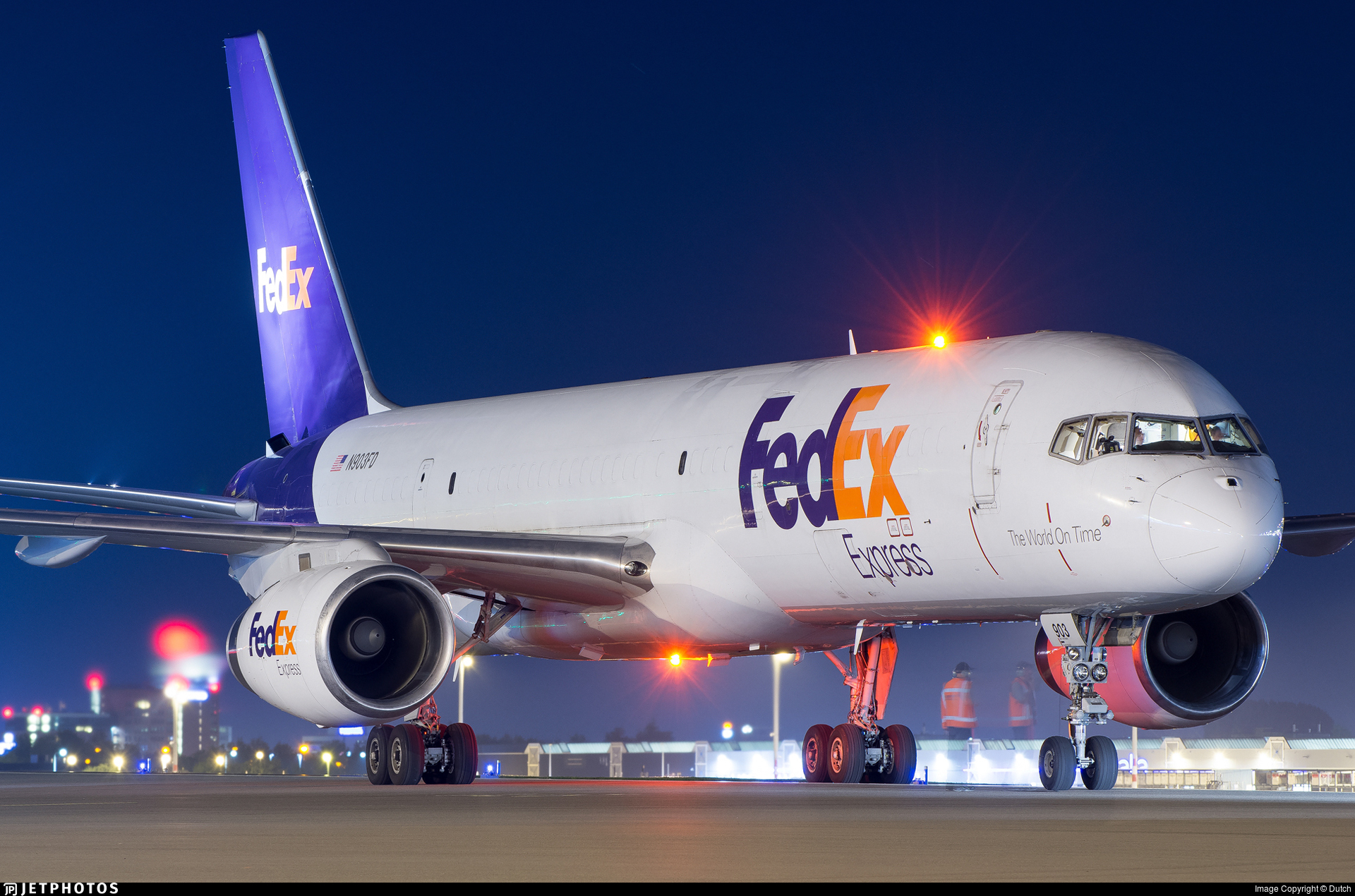
    FedEx will spend $150 million to build and equip a dedicated air freight terminal at Delhi international airport, expanding its international cargo processing capacity across northern India. The planned 230,000-square-foot facility will lift the carrier’s sorting rate at the airport from 600 packages an hour to 5,000.

    The investment will consolidate FedEx’s scattered pickup and delivery operations around the airport into a single base. It includes high-speed automated conveyor lines and computer vision scanners powered by artificial intelligence to route international parcels through customs and sorting lanes.

    Consolidation at GMR Cargo Campus

    Airport operator GMR Airports Ltd is developing the broader cargo zone to house airlines, freight forwarders, and logistics providers. Phase 1 will cover roughly one million square feet, with construction starting shortly. A planned second phase could add between 500,000 and one million square feet of space.

    FedEx is leasing the warehouse structure from GMR and financing all internal sorting systems, scanning hardware, and IT infrastructure. The site design allows for modular physical expansion as freight volumes increase.

    “India is a critical market in our global network, with North and East India playing an important role in the country’s growing trade and economic opportunity,” said Kami Viswanathan, president of FedEx Middle East, Indian Subcontinent and Africa. Viswanathan noted that the expanded presence aims to give regional exporters faster links to overseas buyers as annual Indian merchandise trade exceeds $1.2 trillion.

    Expanding the Indian Triangle

    The Delhi project is the third major air cargo site FedEx has funded in India over the past nine months. In February, the Memphis-based logistics group committed $250 million for an on-airport freight facility at Navi Mumbai International Airport, an Adani Group project targeting 500,000 metric tons of cargo capacity in its initial phase. FedEx will run that site alongside its existing operations at Mumbai’s legacy airport.

    Before that, in December, the company opened a 60,000-square-foot hub at Kempegowda International Airport in Bengaluru, processing up to 4,000 packages an hour across pharmaceutical, industrial, and technology export lines.

    Connecting Delhi, Mumbai, and Bengaluru gives FedEx dedicated airport-side sorting hubs across India’s three largest manufacturing and technology corridors. Construction on the Delhi cargo park begins in the coming weeks, with GMR preparing the phase one site for tenant fit-outs.

  • Apex Logistics Faces US Probe over Alleged Nvidia Chip Transshipment to China

    Apex Logistics Faces US Probe over Alleged Nvidia Chip Transshipment to China

    US authorities are investigating Singapore-headquartered Apex Logistics over the suspected diversion of Nvidia-powered artificial intelligence servers to mainland China through Southeast Asian transshipment hubs. The inquiry focuses on cargo handled in 2024 and could mark the first US enforcement action against a commercial freight company for illicit semiconductor trade.

    Swiss logistics group Kuehne+Nagel, which bought a majority stake in Apex in May 2021 and acquired the remaining shares in October 2025, confirmed the subsidiary is assisting the investigation. Kuehne+Nagel stated it has not been contacted directly by US investigators, describing the probe as an isolated issue concerning specific past shipments.

    How the Taiwan to Hong Kong routing worked

    Investigators are examining a supply line that moved Nvidia-powered server hardware from Taiwan to the United States, dispatched it to a destination in Southeast Asia, and then forwarded it to Hong Kong. From Hong Kong, ground carriers transported the hardware across the border into mainland China. The US inquiry centers on the leg between American ports and Southeast Asian distribution points.

    Apex acknowledged US scrutiny regarding a limited batch of cargo moved during 2024 that reached prohibited destinations. The company stated it is cooperating with investigators and maintains compliance protocols across its network. Apex was founded in Shanghai in 2001 and registered its corporate entity in Singapore in February 2016.

    The servers under review were assembled by California-based Super Micro Computer. Super Micro maintains no direct contract with Apex, as the freight forwarder was hired directly by third-party buyers purchasing the hardware.

    Scrutiny on Southeast Asian hubs

    Washington has restricted direct sales of advanced AI processors to China since 2022, expanding those curbs to include custom chips such as the H20 over national security and military computing concerns. As export controls tightened, enforcement agencies increased audits on cross-border logistics firms that handle transshipment routes across Asia.

    Freight forwarders across Singapore and Malaysia face heightened compliance checks from Western trade officials seeking to close multi-leg shipping channels. Singapore Prime Minister Lawrence Wong stated on August 23 that the country will not permit illicit trade through its facilities, while noting ports cannot audit the full manufacturing chain of every container in transit. The US Commerce Department is reviewing freight documentation from the 2024 shipments to determine if formal export violation penalties apply.

  • Bogg Moves Production to Vietnam Following 10 Million Dollar Tariff Hit

    Bogg Moves Production to Vietnam Following 10 Million Dollar Tariff Hit

    American bag maker Bogg has begun shifting its manufacturing footprint to Vietnam after absorbing a $10 million tariff penalty on its China-based production lines.

    The move lands as the foam-tote brand surpassed $100 million in annual revenue and crossed $400 million in cumulative lifetime sales. Founder and chief executive Kim Vaccarella built the business around washable EVA foam bags, relying on Chinese factories for more than a decade before import duties forced a supply-chain overhaul.

    Supply chain retooling and raw material costs

    Concentrating production in China left the company exposed when cross-border tariffs surged over the past year. Vaccarella said Bogg started shifting manufacturing orders into Vietnam to reduce that tariff drag, while managing swings in the price of raw EVA polymer across global markets.

    The supply revamp coincided with a broader retail push. Bogg added six retail partners and entered roughly 200 new storefronts across the United States, placing inventory into fashion chains including Anthropologie and Urban Outfitters as well as specialty sellers like The Container Store. Wholesale accounts now generate about 40 per cent of total sales, with direct-to-consumer digital channels and Amazon supplying the balance.

    The factory shift across Southeast Asia

    Bogg is following a path well worn by international footwear and apparel brands that have spent the past five years building secondary production hubs in Southeast Asia. For mid-sized consumer labels, diversifying out of coastal China protects operating margins, but it also creates fresh logistical friction as Vietnamese factories face tighter capacity and fluctuating feedstock costs.

    Vaccarella turned down a nine-figure buyout offer to keep Bogg independent, and the company is now preparing its first proprietary retail stores alongside an eventual international expansion.