Tag: supply chain

  • Beauty Sector Vegetable Oils Market to Reach $7.72 Billion by 2031

    Beauty Sector Vegetable Oils Market to Reach $7.72 Billion by 2031

    Personal care formulators will push global spending on cosmetic vegetable oils from US$5.84 billion this year to $7.72 billion by 2031, research from MarketsandMarkets shows.

    Asia-Pacific demand for plant-based ingredients is driving the bulk of that expansion as regional beauty brands overhaul skincare and haircare recipes.

    Coconut oil leads ingredient demand

    Coconut oil will retain the largest individual volume share throughout the forecast period, supported by heavy use in commercial haircare and barrier creams across Asian markets. Conventional oils remain dominant despite the push for specialized extracts, capturing 76.4 percent of total market value this year.

    Clean-label reformulations are forcing raw material buyers to secure traceable supply chains. Consumer goods manufacturers across Japan, South Korea, and Southeast Asia are replacing synthetic emollients with plant derivatives to meet export standards in Western markets and satisfy domestic consumer scrutiny.

    Supply pressures shift procurement

    For regional manufacturers, the shift changes cost profiles in core product lines. Palm, coconut, and seed oil derivatives carry agricultural price volatility that chemical feedstocks avoid, squeezing operating margins when harvest yields drop in major producing hubs like Indonesia and the Philippines.

    Retail buyers in Asia are tightening shelf requirements, penalizing brands that cannot substantiate sustainable sourcing claims on product packaging. Mass-market brands that rely on low-cost conventional oils must balance ingredient certification costs against price-sensitive consumer baskets in developing markets.

    Category targets through 2031

    Formulation trends over the past five years laid the groundwork for this transition, as major beauty conglomerates divested petroleum-heavy bases in favor of botanical alternatives. That initial switch in prestige skincare has now moved down into mass personal care and supermarket private labels.

    Procurement teams now look toward the 2031 horizon, when cosmetic vegetable oil purchases will absorb nearly $1.9 billion in additional annual spending.
  • Foreign Tech Investors Pay up to US$15,000 for Access to Chinese Factory Floors

    Foreign Tech Investors Pay up to US$15,000 for Access to Chinese Factory Floors

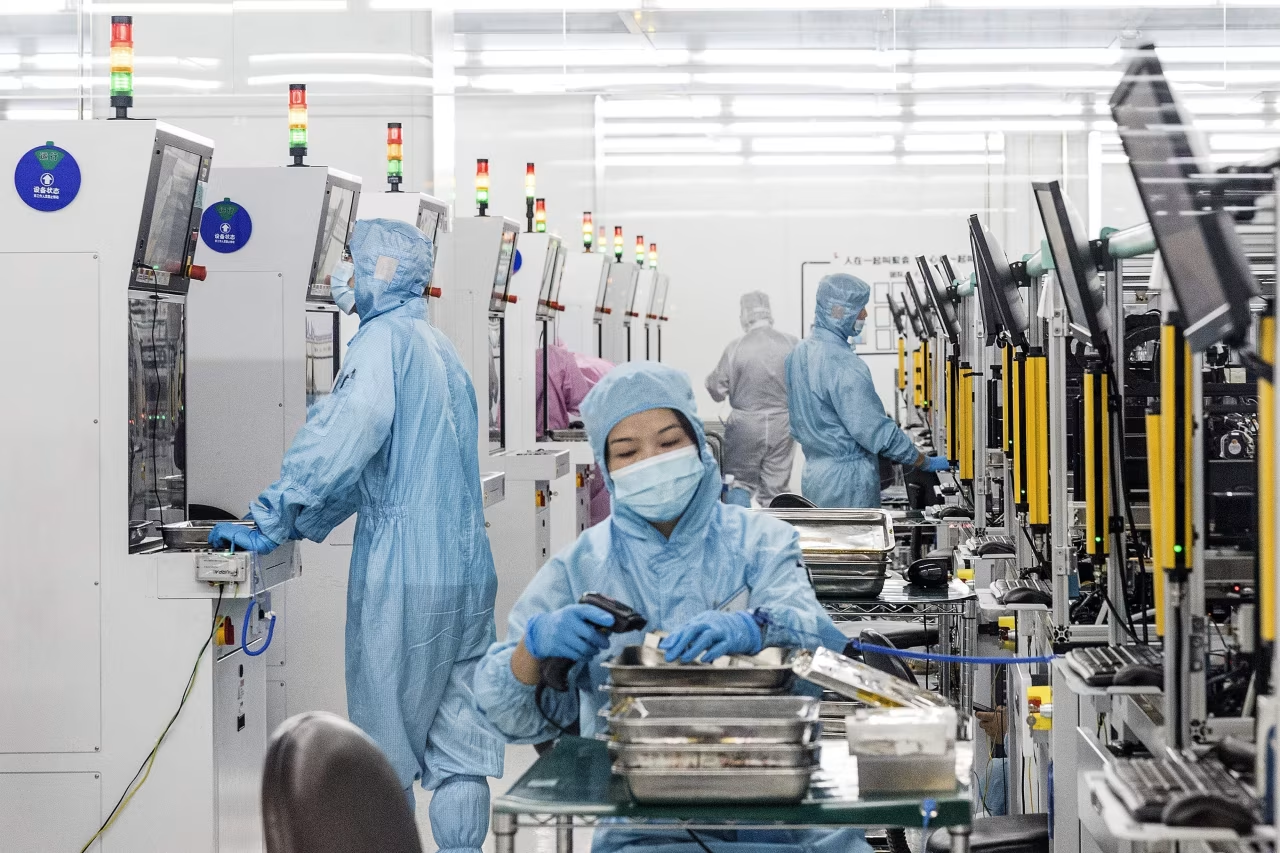
    Foreign investors and tech executives are paying up to US$15,000 each to tour Chinese manufacturing plants. The visits cover robotics, electric vehicle and artificial intelligence facilities across five industrial hubs.

    Western and regional boardrooms face pressure to see if Chinese automation has pulled ahead of global rivals. These paid delegations offer a direct look at mainland hardware supply chains.

    Programmes span Beijing, Shenzhen, Shanghai, Hangzhou and Hefei. Shanghai-based data research firm Baiguan charges up to US$15,000 for a five-day itinerary. Around half its participants come from Southeast Asia. Tech tour agency Glopen reported a 50 per cent jump in enquiries during 2026, mostly from European and Singaporean clients. It now operates more than 100 single-day corporate visits every month. Tech Buzz China founder Rui Ma has organised 11 delegations since 2019, including an April tour through three cities focusing on robotics.

    The Business Behind Factory Tourism

    State backing has turned industrial site visits into commercial business across the mainland. Beijing has designated more than 140 demonstration sites for industrial tourism. The sector generated US$17.8 billion last year and is projected to reach 300 billion yuan (US$44.6 billion) by 2029.

    Public rates for individual factory visits usually run around US$60, but premium access commands steep markups. Xiaomi’s electric vehicle assembly plant in Beijing has recorded more than 250,000 visitors since March 2024. Entry slots from Xiaomi’s official lottery system have been scalped on secondary platforms for up to 2,000 yuan (US$300), despite company rules barring transfers.

    Institutional investors have quietly joined the circuit. US firms Dimension, Capital Group and Thrive Capital have all sent representatives to inspect mainland production setups. European corporate delegations have also toured sites to study state-backed technology coordination.

    Hardware Dependence and Supply Realities

    Consumer hardware and robotics brands see that physical supply chains remain tethered to southern China. Geopolitical posturing has not changed that reality. Western developers still depend on mainland ecosystems for sensors, battery cells, structural frames and precision actuators. Replicating those supplier clusters outside the Pearl River Delta remains slow and capital intensive.

    Visitors risk mistaking demonstration speed for total commercial dominance. Non-Chinese technology firms still hold most global market share, high-margin software profits and core intellectual property. In sectors like autonomous robotaxis, Chinese domestic deployment continues to move cautiously. Regulators remain concerned about urban transport employment.

    Shenzhen Emerges as the Focal Point

    Years of infrastructure spending transformed Shenzhen from a contract assembly zone into an integrated hardware design centre. The current tour rush builds on that base. Foreign visitor arrivals in Shenzhen jumped 70 per cent last year and rose another 30 per cent in the first quarter. Total entries topped 5 million through August.

    Founders use 10-day visa-free entry policies to test prototypes directly with component suppliers. Local operators have opened communal hacker houses for visiting robotics and AI engineers. Informal network groups coordinate factory access across Shenzhen and Silicon Valley.

    Next up is the Asia-Pacific Economic Cooperation forum in November, which Shenzhen will host. Municipal officials plan to show automated assembly plants and urban drone networks to pitch the city’s hardware infrastructure to visiting regional trade delegations.

  • Petrobangla Halves Net Worth Requirement to $50 Million for Spot LNG Suppliers

    Petrobangla Halves Net Worth Requirement to $50 Million for Spot LNG Suppliers

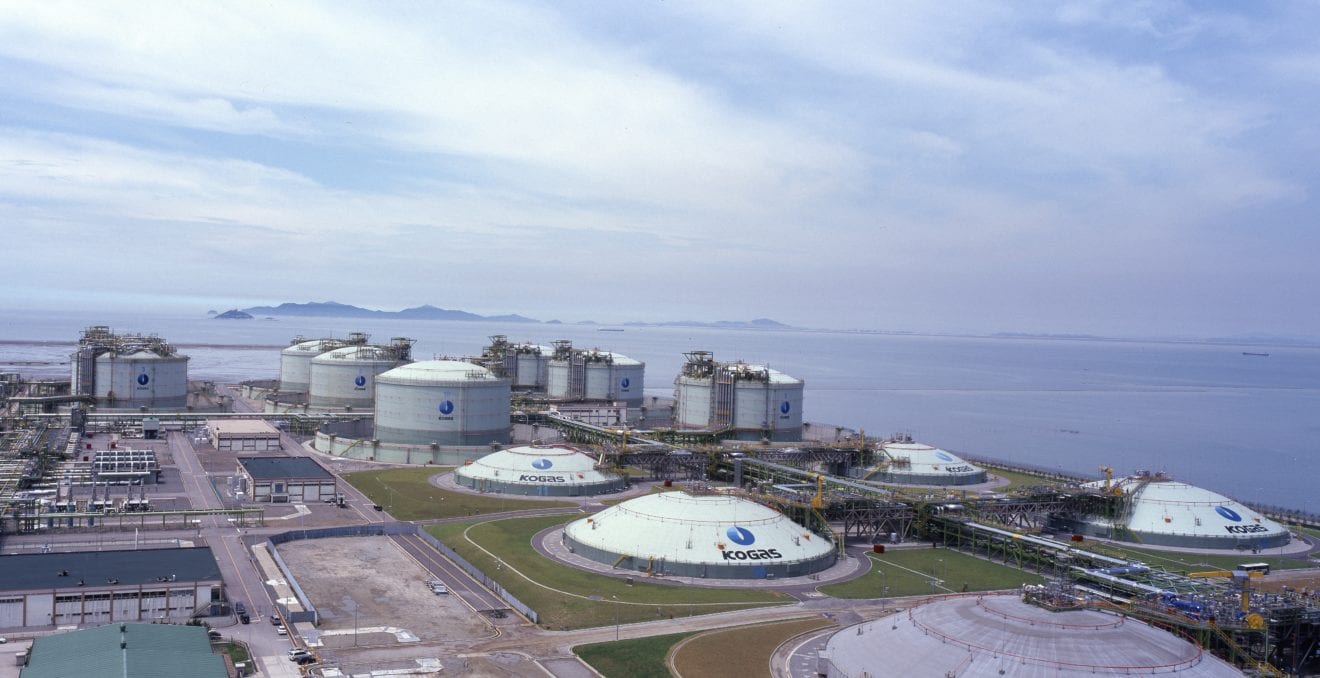
    Petrobangla has slashed its financial and experience thresholds for spot liquefied natural gas suppliers, halving the required net worth to $50 million to ease severe national fuel shortages.

    The state-run energy company now demands just one completed supply contract with no minimum cargo volume, dropping a previous rule requiring 0.5 million tonnes delivered across two separate years.

    Lower barriers for commodity traders

    Under the revised criteria issued on August 29, Petrobangla eliminated requirements for suppliers to own or charter an LNG vessel, prove experience with floating storage and regasification units, or guarantee lean gas containing at least 91 percent methane. Applicants no longer need to verify an absence of failed cargo deliveries over the past five years or limit their arbitration losses to three awards. For joint ventures, the lead partner must cover 75 percent of the $50 million financial capacity, while partners supply the remaining 25 percent.

    “We are looking for more participants in the spot market,” Petrobangla Director for operations and mines Md Shoyeb said.

    Pressure on industrial output

    For industrial manufacturers and export supply chains across South Asia, reliable gas flow dictates factory uptime and power tariffs. Bangladesh faced severe disruption in August when average gas deliveries dropped to 2,235 million cubic feet per day against official demand of 3,860 million cubic feet per day, the lowest August supply figure in a decade. Terminal outages and global supply bottlenecks forced emergency spot purchases at more than $28 per million British thermal units, up sharply from historical norms of $10 to $12 per MMBtu.

    Lowering entry barriers allows smaller trading houses without dedicated fleets to bid against established multinational commodity merchants. The tradeoff sits squarely in operational risk: by waiving past delivery guarantees and vessel charter proofs, Petrobangla accepts higher exposure to cargo defaults and scheduling failures when spot vessel availability tightens.

    Procurement shift since 2024

    The revised criteria follow a governance overhaul that suspended the Quick Enhancement of Electricity and Energy Supply Act, which previously allowed direct, non-tender contracts. The interim administration shifted spot purchases under the Public Procurement Rules 2025, expanding the active spot tender roster to 30 companies from an earlier pool where purchases were concentrated among five suppliers.

    Applications for the new supplier pool close on September 15.

  • EU Warns Pakistan That GSP Plus Benefits Cannot Be Taken for Granted

    EU Warns Pakistan That GSP Plus Benefits Cannot Be Taken for Granted

    The European Union has warned Pakistan that trade preferences under the Generalised Scheme of Preferences Plus cannot be taken for granted as the current framework expires at the end of this year.

    EU Ambassador Raimundas Karoblis told Dawn that Islamabad must address compliance issues under 27 international conventions before reapplying for the successor regime ahead of the Dec 31, 2028 transition deadline.

    Tariff Exposure for Apparel Suppliers

    European buyers take roughly 28 per cent of Pakistan’s total exports. Nearly 90 per cent of those shipments qualify for duty relief under the Generalised Scheme of Preferences Plus framework, known as GSP Plus.

    Textile and apparel factories generate between 70 per cent and 76 per cent of sales to the European market. Leather goods, processed foods, and beverages also rely on zero-tariff access. Without it, local producers struggle against rivals in South and Southeast Asia.

    Pakistan has held GSP Plus status since 2014. The current regulation expires at the end of this year, but existing beneficiaries receive a transition window running until December 31, 2028. European officials stress that the transition does not guarantee automatic inclusion in the next cycle.

    The situation is not certain. And, of course, GSP+ preferences cannot be taken for granted.

    New Benchmarks and Regional Competition

    For European fashion brands and sourcing heads, losing preferential tariffs on Pakistani cotton and knitwear would shift costs overnight. Standard tariffs would add immediate import duties on garments. That would wipe out margins against competitors in Bangladesh, India, and Vietnam.

    Brussels has stripped trade perks before. Sri Lanka lost its GSP Plus standing in 2010 over human rights issues, forcing clothing exporters there to renegotiate pricing across European retail accounts. Pakistan faces partial or full suspension during the transition window if regulators find compliance failures.

    Stricter Conditions for Islamabad

    A European Commission review covering the 2023 to 2025 period cited compliance problems in Pakistan, noting regression on forced labour, judicial independence, and civil rights. Outgoing Foreign Office spokesperson Tahir Andrabi stated that the report understates the country’s reform progress across international treaties.

    The successor framework expands qualifying criteria from 27 international conventions to 32. Islamabad has ratified the five additional treaties. Still, European monitors require a detailed action plan with verified metrics before granting approval under the new system.

    Formal European Commission monitoring reviews will run ahead of the December 31, 2028 transition deadline. Those findings will determine whether Pakistani garment manufacturers retain zero-tariff access to European ports.

  • Tetra Pak Names Michael Wu Managing Director for Oceania Operations

    Tetra Pak Names Michael Wu Managing Director for Oceania Operations

    Tetra Pak appointed Michael Wu as managing director of its Oceania business, taking charge of operations across Australia and New Zealand effective September 1.

    Wu brings 18 years of executive experience across the Swiss-Swedish packaging giant, stepping into the role after serving as market operations quality and sustainability director.

    Leadership Track Across Southeast Asian Markets

    Before his latest global role, Wu led Tetra Pak businesses across Malaysia, Singapore, the Philippines and Indonesia. His appointment shifts an executive with deep Southeast Asian operating experience into the mature Oceania dairy, beverage and liquid food packaging market.

    Food manufacturers across Australia and New Zealand face tight regulatory mandates on packaging circularity and emissions reductions. Placing a former quality and sustainability lead in charge of Oceania reflects packaging producers aligning commercial leadership directly with compliance demands from major supermarket chains and brand owners.

    Shifting Packaging Demands in Oceania

    For beverage processors and dairy co-operatives in the region, processing and packaging machinery upgrades require heavy capital expenditure. Wu inherits client relationships across Australia and New Zealand where processors are balancing automation investments against shifting retail carton consumption.

    Competition from alternative barrier packaging and local carton converters adds pressure on supply agreements. Tetra Pak has relied on integrated equipment and service contracts across Australasia to protect its volume footprint against cheaper imported carton blanks and plastic formats.

    Regional Supply Chain Realities

    Wu oversaw rapid packaging volume growth across Southeast Asian beverage markets before his transition into global sustainability and operations quality management. That background gives him direct insight into regional raw material flows and converting plant efficiency.

    His immediate focus turns to commercial execution across key Oceania accounts as dairy and beverage brand owners finalise processing equipment budgets for the coming operating cycle.

  • Destination Italy Adds Two Frozen Pizza Lines Across Australia and New Zealand

    Destination Italy Adds Two Frozen Pizza Lines Across Australia and New Zealand

    Destination Italy expanded its frozen pizza lineup across Australia and New Zealand on September 7, 2026, launching two Italian-made varieties into regional supermarket freezers.

    Made in Italy, Woodfired Puttanesca and Woodfired Salame ship directly to Australian and New Zealand retailers catering to demand for imported convenience meals.

    Ingredients and Recipe Formats

    The Woodfired Puttanesca pizza uses a traditional tomato and mozzarella base topped with black olives, capers, and oregano. Woodfired Salame pairs that same base with sliced salami, produced in Italy before frozen transport.

    Both products rely on Italian-baked woodfired crusts to stand out from local alternatives. The format targets shoppers who want regional recipes without paying foodservice prices.

    Premium Competition in the Freezer Aisle

    Major grocers across Australia and New Zealand have steadily reallocated freezer space to imported and specialty private-label items over the past three years. Mainstream frozen pizzas face ongoing margin compression. That pressure has prompted distributors to push higher-value imported SKUs onto shelves.

    For retailers, imported lines offer higher basket values in a category historically dominated by discount domestic labels. Cold-chain freight costs and exchange-rate swings between the euro and the Australian dollar remain key operational hurdles, squeezing margins when shipping volumes fluctuate.

    Retail Distribution Timelines

    Destination Italy built its initial ANZ footprint around core woodfired SKUs before widening the range with specialized regional flavor profiles. Across the supermarket frozen sector, brands are taking similar premium routes, using origin-certified manufacturing to defend shelf share.

    Supermarkets will roll out the two new varieties across national freezer networks through the remainder of the month.

  • Bangladesh Plans New Effluent Plant to Protect $5 Billion Leather Export Target

    Bangladesh Plans New Effluent Plant to Protect $5 Billion Leather Export Target

    Bangladesh will build a new central effluent treatment plant at the Savar tannery estate to protect its target of reaching $5 billion in leather and footwear exports by 2030.

    The existing facility processes between 14,000 and 18,000 cubic metres of liquid waste a day, well below its designed capacity of 25,000 cubic metres. Volumes surge to 45,000 cubic metres daily during peak slaughter periods such as Eid-ul-Azha, overwhelming the site and blocking factories from securing international environmental certifications.

    Overhauling the Savar Estate

    Commerce and Industry Minister Khandaker Abdul Muktadir said the government will select a private operator through an open tender to construct and run the replacement facility. Larger tanneries will receive financial and technical backing to build individual treatment units, while non-compliant operators will receive assisted exit packages to leave the cluster. Tanneries that stay must secure certification from the Leather Working Group.

    Infrastructure bottlenecks extend beyond liquid waste. Bay Group Managing Director Ziaur Rahman reported spending nearly Tk30 million on solid-waste handling last year alone, citing unresolved gas shortages and unpaved roads across the estate. Bangladesh shipped $1.76 billion worth of leather goods and footwear across 105 markets last year, yet roughly 65 per cent of leather leaves the country as crust leather rather than finished consumer merchandise.

    Cutting Red Tape for Footwear Makers

    Footwear manufacturers are pushing to diversify beyond raw hides. Non-leather shoes now generate 31 per cent of the sector’s export revenue, but Bangladesh controls less than 0.5 per cent of global trade in the category. The Footwear Leathergoods and Accessories Exporters Association estimates that lifting that share to 5 per cent would add $3.5 billion in export value.

    Across Southeast Asia, rival manufacturing hubs have pulled ahead by streamlining factory setup and clearing environmental hurdles. Vietnam requires four compliance documents for footwear exporters, whereas Bangladeshi manufacturers must navigate 23 separate licences and 190 administrative filings, according to trade group data. That administrative drag slows foreign joint ventures and leaves machinery import permits stalled for months.

    Government negotiators are preparing bilateral talks with Japan to widen tariff concessions on finished leather items before Bangladesh loses its least developed country trade preferences.

  • Coles Drops Palantir Contract After Activist Campaign over Data Use

    Coles Drops Palantir Contract After Activist Campaign over Data Use

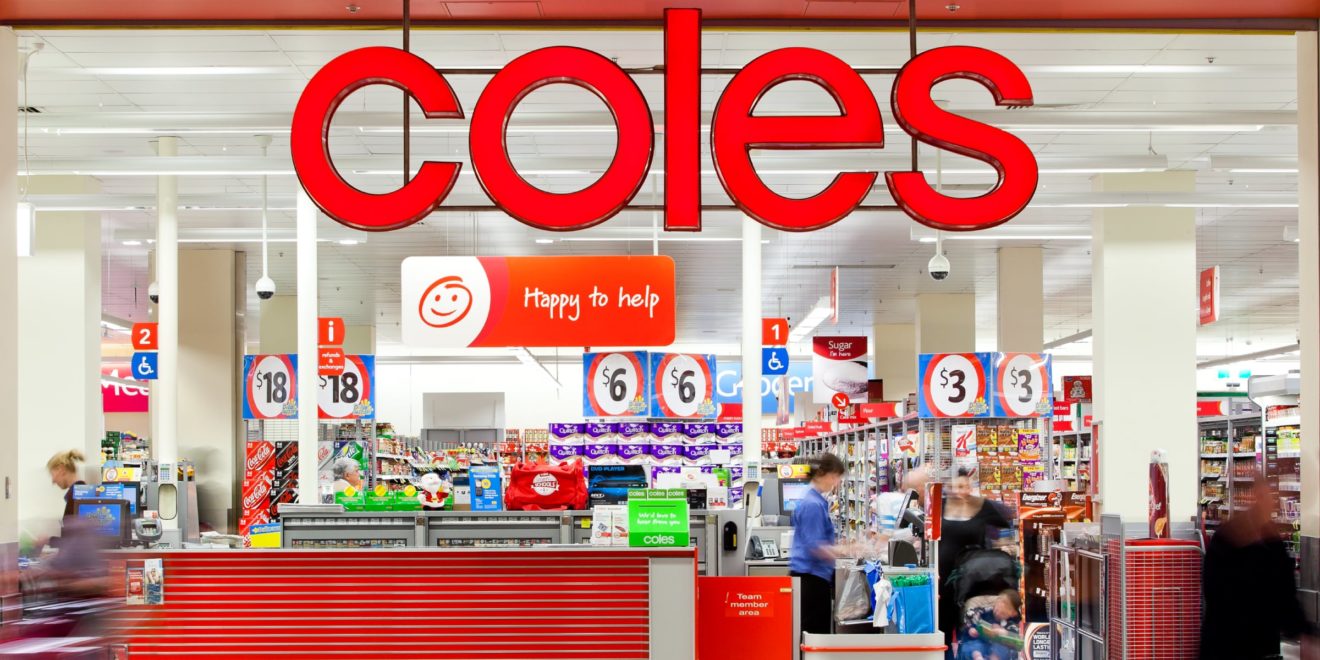
    Coles will end its enterprise partnership with United States software vendor Palantir. The decision follows an 85,000-signature petition against deploying military-grade data systems in Australian supermarkets.

    Company officials confirmed the business will let the three-year agreement expire in 2027 rather than sign an extension.

    Rostering and Supply Chain Deployment

    The grocer brought in Palantir in early 2024 to manage backend administration across its store network. The software scheduled shift rosters and coordinated bakery production runs. It also modelled inventory flow through distribution centres.

    Community advocacy group GetUp launched a campaign against the deal shortly after the contract took effect. Activists cited Palantir’s contracts with the United States Immigration and Customs Enforcement agency and the Israeli Defence Forces. They argued military-grade systems had no place in retail operations.

    A spokesperson for the chain rejected claims that the platform ever tracked shoppers or gathered aisle surveillance feeds. “Palantir’s technology has delivered value across Coles’ operations, particularly in rostering, store operations and supply chain planning,” the spokesperson said.

    The Enterprise Risk in Retail AI

    Supermarket operators across the Asia-Pacific region are rushing to automate workforce management and stock replenishment. Yet vendor selection brings brand exposure that procurement teams often underestimate. When enterprise software providers run heavy defence and state intelligence divisions, consumer-facing retailers absorb the reputational fallout directly at the checkout.

    Coles chose to let the contract lapse quietly at its natural term rather than terminate immediately. That approach lets the grocer run down existing IT commitments while scouting replacement platforms for store-level forecasting and labor scheduling.

    A Push Toward Neutral Systems

    Earlier, the company maintained Palantir never controlled internal grocer data or held rights to repurpose operational metrics. It declined to detail commercial reasons for walking away from the contract when asked for clarification.

    Chains across Australia and the wider region face sharper scrutiny over in-store data management. Woolworths and Coles both encountered customer resistance in recent years when testing automated checkout monitoring and digital loss-prevention systems.

    Attention now turns to how the retailer will transition its store scheduling and supply chain workflows to alternative software providers before the agreement concludes in 2027.

  • Indian Appliance Makers Swap Copper for Aluminium to Defend Shrinking Margins

    Indian Appliance Makers Swap Copper for Aluminium to Defend Shrinking Margins

    Electronics and appliance manufacturers across India are replacing copper with aluminium and expanding domestic component sourcing after input inflation squeezed industry operating margins into single digits.

    Producers have already raised retail prices on air conditioners, refrigerators, and washing machines by 10 to 12 percent across three rounds since January, while absorbing an additional 7 to 10 percent to protect sales volumes.

    Value Engineering and Sourcing Shifts

    Surging copper prices, which rose roughly 45 percent year on year, have forced appliance brands to redesign motors, connecting pipes, and coils. Replacing copper with aluminium, steel, or alternative alloys saves between 2 and 6 percent of final manufacturing costs. Strong buying from artificial intelligence data centres and electric vehicle producers has tied up global copper output months in advance.

    Memory component prices have also doubled or tripled on heavy AI infrastructure demand, driving price hikes of 20 to 40 percent on smartphones, laptops, and televisions. Indian consumer electronics manufacturers import between 30 and 40 percent of their inputs, leaving factory gates exposed to higher freight rates and currency depreciation.

    Supply chain snarls have caused direct revenue losses. Crompton Greaves Consumer Electricals missed out on nearly Rs 200 crore in sales during the previous quarter because of material shortages. At contract manufacturer PG Electroplast, the cost to build 500,000 air conditioners climbed from Rs 700 crore last year to Rs 940 crore.

    Local Manufacturing Expansion

    Brands are countering these cost pressures by shifting away from overseas suppliers. LG Electronics India now sources a key moulding resin domestically after importing its entire requirement until March, while engineering teams adjust product designs to trim material volume per unit. Voltas and Bajaj Electricals have rolled out similar value engineering programs across their appliance lineups.

    Cost restructuring of this scale reflects a broader defensive pivot across Asian consumer hardware manufacturing. When consumer demand resists further retail price hikes, brands must either cut bill-of-materials costs or surrender volume in price-sensitive suburban and rural markets.

    PG Electroplast plans to commission domestic production of air conditioner compressors between December and January, alongside a separate manufacturing line with an annual capacity of two million units.

  • UltraTech Cement to Add 600 Electric Trucks to Indian Logistics Fleet

    UltraTech Cement to Add 600 Electric Trucks to Indian Logistics Fleet

    UltraTech Cement will deploy more than 600 heavy-duty electric trucks across its Indian supply chain by December 2026. The fleet will haul over five million metric tonnes of clinker and raw materials annually across seven states.

    Operations will span industrial corridors in Gujarat, Uttar Pradesh, Madhya Pradesh, Rajasthan, Chhattisgarh, Maharashtra and Odisha. The company calculated that replacing diesel prime movers at this scale cuts net carbon emissions by more than 117,000 tonnes annually, eliminating the consumption of roughly 39 million litres of diesel fuel each year.

    Fleet suppliers and regional deployment

    Procurement contracts have been split among domestic and international commercial vehicle builders. Suppliers include Tata Motors, Ashok Leyland, IPLTech, Sany and Energy In Motion, alongside third-party logistics operators.

    The heavy vehicles will manage mine-to-plant transport as well as inter-plant transfers of clinker. UltraTech currently runs more than 850 alternative-fuel commercial vehicles, a tally that blends compressed natural gas units with battery-electric haulers.

    Scaling heavy-duty electric freight

    Electrifying heavy industrial freight remains rare across Asian emerging markets, where high battery pack costs and limited mega-watt charging infrastructure keep most operators tied to diesel. UltraTech tested the waters in June when it put 45 electric trucks into service on a 250-kilometre clinker route between Rajasthan and Uttar Pradesh with Energy In Motion, bringing its dedicated electric fleet to 89 units at the time. Expanding that base almost sevenfold indicates commercial confidence in operating economics on fixed factory-to-mine loops.

    Delivery schedules for the new vehicle batches begin over the coming quarters, with all 600 prime movers scheduled to enter full revenue service before the end of 2026.

  • Shein Commits US$80 Million to Everlane Takeover as Shares Slump

    Shein Commits US$80 Million to Everlane Takeover as Shares Slump

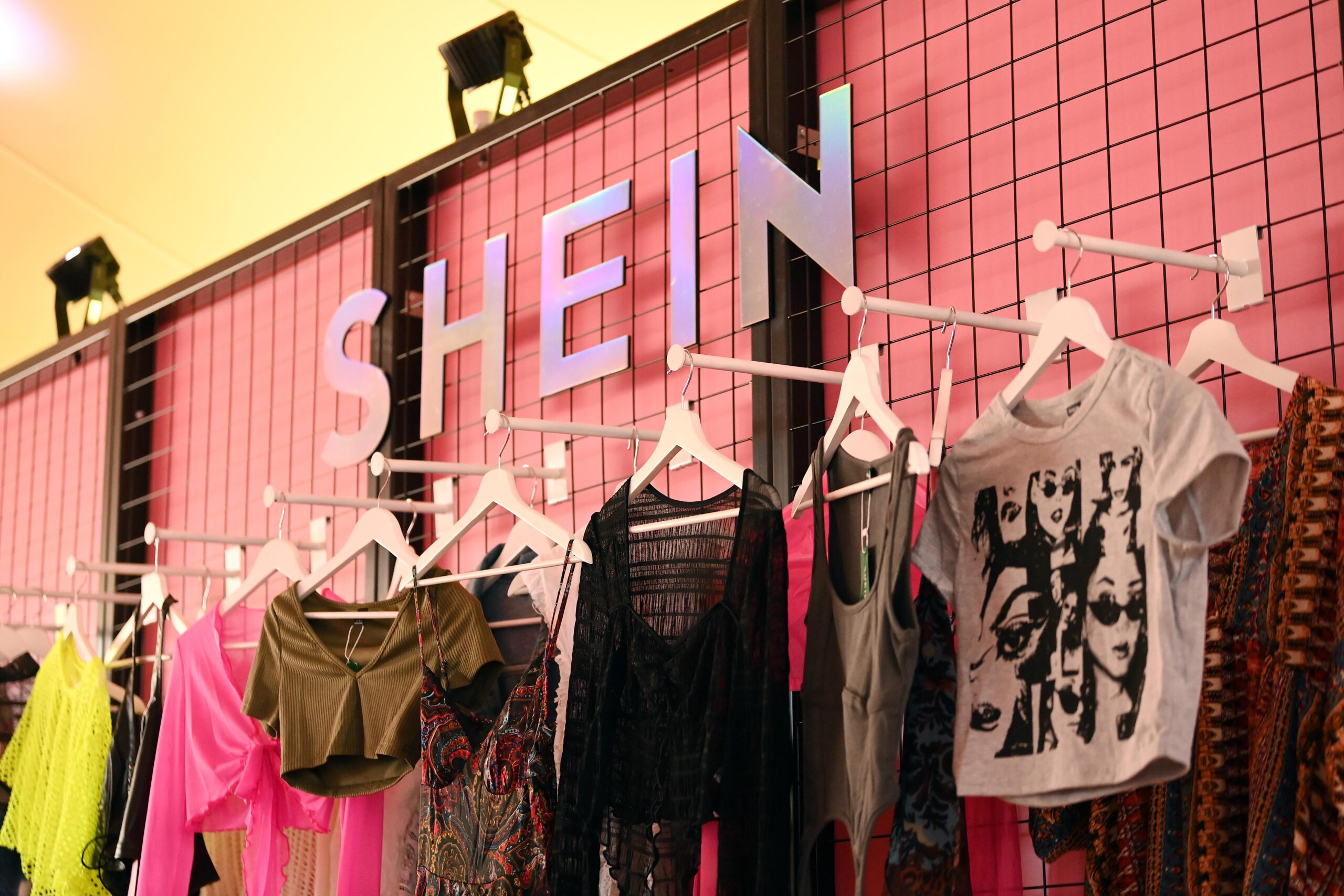
    Shein agreed to buy United States clothing brand Everlane for US$80 million. The company is deploying part of its US$16.74 billion cash reserve to reignite slowing revenue growth.

    The purchase follows a difficult trading debut in Hong Kong this week. Retailer shares finished Friday at HK$38.14 (US$4.86), down more than 20 per cent from the initial public offering price.

    People familiar with the matter said the transaction tests a broader strategy to buy labels across multiple price tiers. Shein held US$15 billion in cash before listing and added US$1.74 billion in net proceeds from the share sale. It plans to plug acquired businesses into its proprietary supply chain and global sales portal.

    Plugging Brands into the Xcelerator Network

    Under the plan, Shein intends to channel targets through its Xcelerator programme. It sells third-party labels access to its on-demand manufacturing system, automated warehousing, and cross-border shipping networks. The platform tracks online consumer demand. It instructs partner factories to scale production up or halt lines within days, keeping unsold stock minimal.

    Everlane will retain independent operations and keep its ethical manufacturing guidelines, Chief Executive Officer Alfred Chang told staff in an internal memo. The US label built its business on organic cotton basics and factory transparency. That approach contrasts with Shein’s high-volume polyester catalogue.

    Slowing Sales and Tariff Pressures

    For Asian fashion operators and global apparel vendors, the takeover shifts how Chinese-founded e-commerce platforms handle slowing organic traffic. Competitors like Temu and TikTok Shop fight on price. Shein is instead trying to buy higher-income shoppers directly rather than relying on deep discounts. If the model works, contract manufacturers across southern China and Southeast Asia will produce higher-margin runs under Western labels instead of unbranded fast fashion.

    Execution and brand equity present financial risks. Buying Western premium labels does not immediately solve Shein’s volume problem. It also offers no guarantee of customer retention if core buyers reject the new owner. Marketplace service revenue is growing faster than direct apparel sales, but it still makes up a small fraction of the balance sheet.

    From Listing Delays to Slower Expansion

    Regulatory changes are already squeezing cross-border logistics margins. Shein’s sales growth slowed to 1.1 per cent in the first quarter of 2026, down from 8 per cent across 2025, after the United States government revoked the de minimis tariff exemption on small incoming parcels. The company previously bought British fast-fashion chain Missguided in 2023 to test brand integration, before regulatory pushback delayed listing attempts in New York and London.

    Investors and suppliers will now watch Shein’s second-quarter earnings and the completion filing for the US$80 million Everlane deal to see if marketplace volume can offset core margin compression.

  • LC Waikiki Starts Production at New Apparel Plant in Aleppo

    LC Waikiki Starts Production at New Apparel Plant in Aleppo

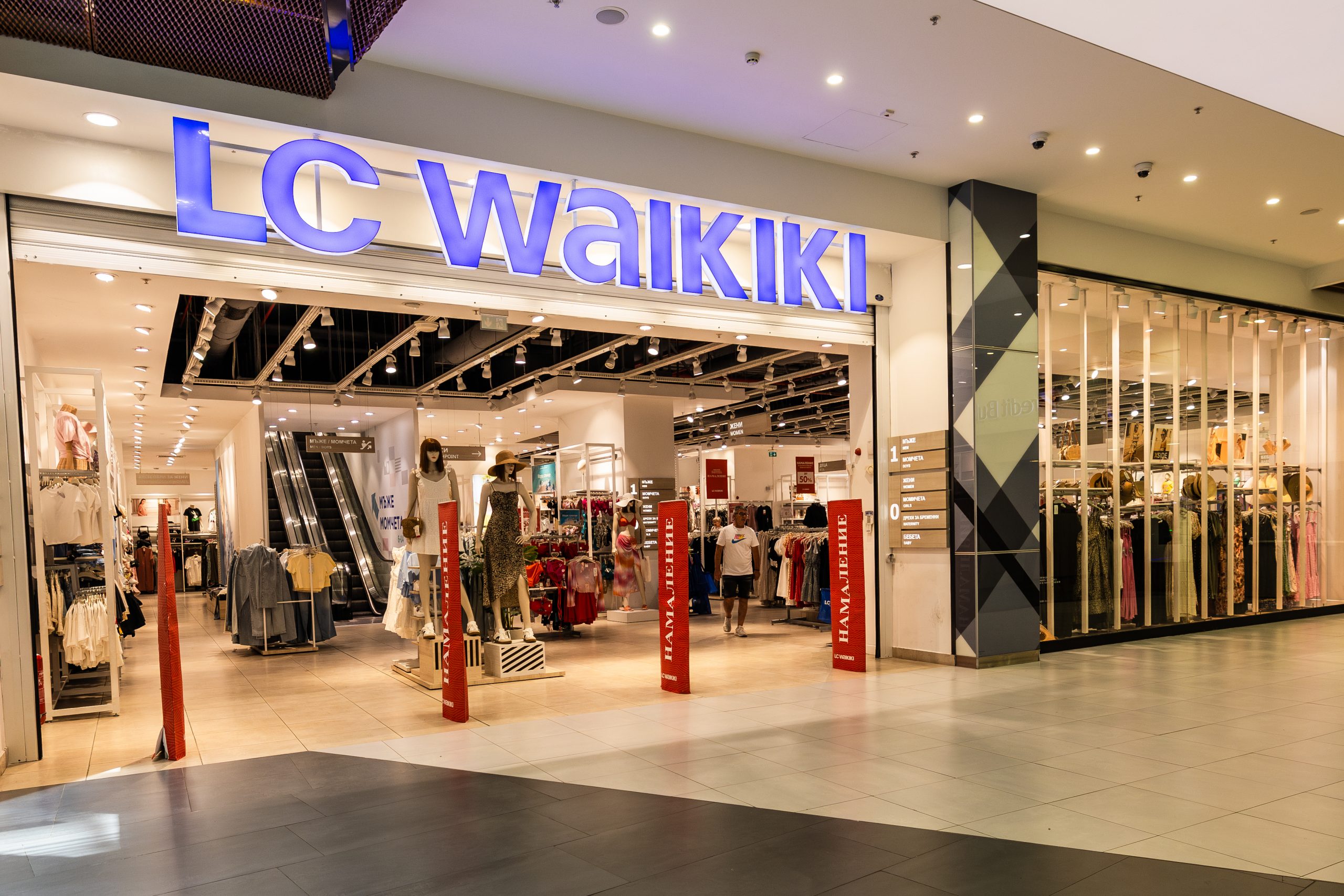
    Turkish apparel retailer LC Waikiki has started production at a new manufacturing facility in Aleppo, Syria, initially hiring 150 workers.

    The company plans to expand the plant’s workforce to 1,000 staff over the next three years.

    Scaling up in Al-Rai

    Operations at the facility in Al-Rai Industrial City began in June. The site establishes direct garment assembly capacity just south of the Turkish border.

    Other Turkish manufacturers are now preparing similar cross-border production arrangements in the industrial zone. Lower wage bases and proximity to established Turkish textile supply chains make northern Syrian border zones an emerging manufacturing corridor.

    Cross-border textile shifts

    Apparel groups based in Turkey have faced rising domestic labor and energy expenses, prompting brands to explore assembly hubs across nearby borders. The move mirrors how Asian garment manufacturers established cross-border supply networks between higher-cost domestic hubs and lower-wage neighboring markets.

    The Aleppo facility provides an operational test for cross-border logistics and labor stability in the region. The primary milestone to watch is whether LC Waikiki reaches its 1,000-worker employment target within the three-year window.

  • Bangladesh Power Shortages Force Consumer Goods Makers to Cut Factory Output

    Bangladesh Power Shortages Force Consumer Goods Makers to Cut Factory Output

    Bangladeshi consumer goods, food, and apparel manufacturers are cutting factory output and rescheduling shifts as industrial gas pressure drops by two thirds across major production hubs.

    The supply squeeze, triggered by an offshore liquefied natural gas terminal going offline on July 21, has forced plants onto costly diesel generators and raised operating expenses by up to 15 percent.

    Export Delays and Rising Fuel Costs

    Food and snack producers face immediate export disruptions. Bombay Sweets missed 45.47 percent of its export orders in August because of low gas pressure, leaving 113,000 dollars in paid orders undelivered while container freight rates to the Middle East reached 8,500 to 12,000 dollars.

    Diversified conglomerate PRAN-RFL Group has cut capacity on select processing lines in Narsingdi, Habiganj, Gazipur, and Narayanganj. The company is using liquefied petroleum gas to keep priority machinery running while idling others during pressure drops.

    Household goods supplier ACI Consumer Brands reports that running diesel generators for continuous 24-hour operations has increased production costs by 10 to 15 percent. Foreign buyers and domestic retail channels have resisted absorbing the difference, leaving manufacturers to absorb the margin squeeze.

    For regional retail brands sourcing apparel and packaged goods across South Asia, the bottlenecks demonstrate the fragility of grid-dependent production hubs, where sudden utility shortfalls directly jeopardize delivery timetables.

    Solar Investments to Offset Grid Failures

    Garment exporter Newage Group has altered shift patterns around electricity availability while drawing 25 percent of its plant power from rooftop solar installations. Drugmaker Incepta Pharmaceuticals is now juggling four distinct energy sources, grid electricity, natural gas, LPG, and diesel, to keep medicine lines operational.

    PRAN-RFL currently generates 35 to 38 megawatts of captive renewable power toward its 200-megawatt plant demand, with plans to expand solar generation capacity to 100 megawatts before the end of the fiscal year.

  • Weak Peso Pushes Philippine Supermarkets Toward Cheaper Stock

    Weak Peso Pushes Philippine Supermarkets Toward Cheaper Stock

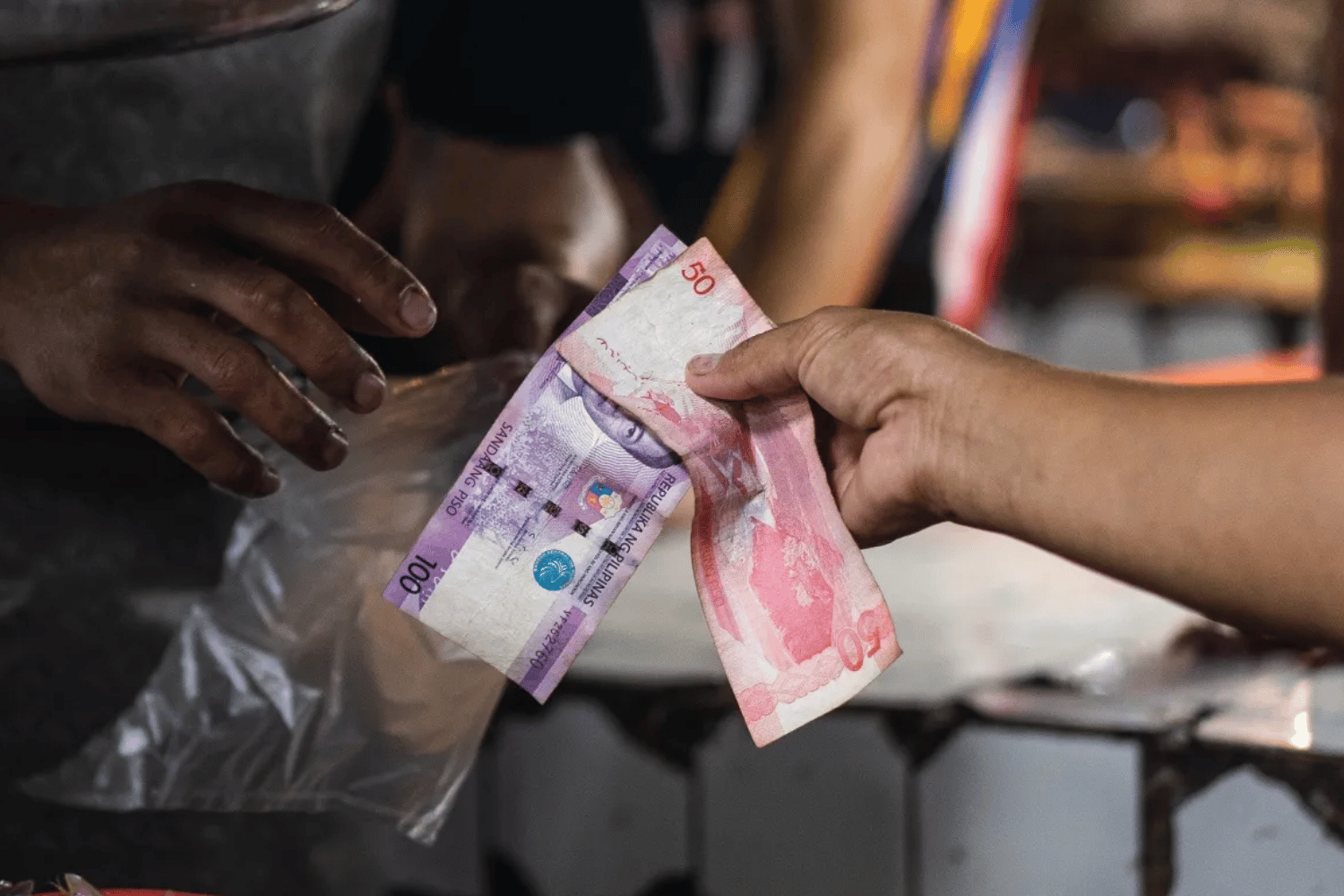
    Philippine manufacturers and retailers face severe cost pressures after the peso slid past 62 per US dollar. The slump drives up import expenses for raw materials, machinery, and store inventory.

    The currency touched an all-time low of 62.265 against the greenback on August 28. That drop amplified imported inflation after domestic headline inflation reached 6.2 percent in July.

    Warnings from the Federation of Philippine Industries indicate that higher landed input costs will cascade through wholesale channels onto retail shelves. Raw materials, intermediate goods, capital equipment, and mineral fuels make up more than 85 percent of total Philippine imports, according to government trade data. Domestic producers must spend more pesos to secure ingredients and packaging. At the same time, higher diesel and electricity charges lift distribution expenses across store networks.

    Supermarket Shelves and Downgraded Goods

    Consumer goods companies also face steeper capital expenditure hurdles. Machinery and equipment account for nearly 28 percent of inbound shipments. Meanwhile, a 25-basis-point interest rate increase by the Bangko Sentral ng Pilipinas has pushed commercial borrowing rates higher.

    If brand owners pass cost increases to retail buyers, store operators will adapt by altering product selections. Grocers may have to stock cheaper, lower-grade alternatives to maintain transaction volumes as household budgets tighten, warned Steven Cua, president of the Philippine Amalgamated Supermarkets Association.

    Retailers across Southeast Asia have confronted similar currency depreciation cycles by shrinking pack sizes and expanding private-label ranges. Remittances from overseas workers normally cushion Philippine consumer spending. However, sustained food and energy inflation threatens to cancel out those remittance gains by eroding baseline purchasing power.

    Input Clearances and Inflation Watch

    To ease cashflow strains on domestic factories, manufacturing lobbies are pressing government agencies to fast-track customs clearance for industrial inputs. Expedited releases would cut storage and port fees that accumulate during administrative delays.

    Market watchers now look to the upcoming official August inflation print. Central bank officials must decide whether further interest rate adjustments are needed to stabilise the peso.

  • Global Food Price Index Hits Nearly Four-Year High on Sugar Surge

    Global Food Price Index Hits Nearly Four-Year High on Sugar Surge

    Global food commodity prices rose 1.9 per cent in August as the United Nations Food and Agriculture Organization price index reached 133.3 points, its highest level since November 2022.

    The increase leaves the benchmark 2.5 per cent higher than a year earlier, driven by broad gains across sugar, cereals, dairy, meat and vegetable oils.

    Sugar registered the steepest climb across the index, jumping 11.9 per cent month on month to 106.4 points. Lower expected sugarbeet yields in the European Union, production declines in Brazil, and weather concerns tied to El Niño in major Asian producers squeezed supply outlooks. India compounded the pressure by announcing duty-free raw sugar imports to shore up domestic availability.

    “August’s increase in global food prices is a warning that the risk premium is returning to food markets,” said Maximo Torero, chief economist at the FAO. Torero pointed to climate shocks, geopolitical tensions and trade logistics bottlenecks as factors tightening supply expectations.

    Grains and Oils Add Cost Pressure

    Cereal prices averaged 116.3 points in August, up 2.2 per cent from July to reach their highest reading since May 2024. Quotations rose for wheat, maize and rice, driven by strong buying interest, adverse weather across several production belts, and shipping disruptions from Black Sea ports in Ukraine.

    Vegetable oils rose 0.6 per cent to 196.9 points. Firm global import demand lifted palm and soy oil values, while dry conditions linked to El Niño threatened plantation yields in Southeast Asia. Rapeseed and sunflower oils softened slightly on expectations of steady harvest volumes.

    Dairy prices advanced 2.3 per cent to 119.2 points because of lower raw milk collections in Europe. Meat edged up 1 per cent to 127.9 points as hot weather slowed pig growth across European farms, though bovine meat prices dipped after Chinese import quotas intensified price competition between Brazilian and Australian cattle exporters.

    Margin Squeeze for Asian Food Retailers

    For packaged goods manufacturers and supermarket operators across Asia, the August index reading signals renewed margin pressure on pantry staples. Food retailers in import-dependent hubs had spent much of the past year managing lower inventory carrying costs, but rising raw input prices for sugar, wheat and cooking oils will force pricing reviews before the fourth-quarter holiday buying cycle.

    Passing higher wholesale costs directly to consumers remains difficult in markets where household budgets are already stretched by utility and transport expenses. Retailers face a choice between absorbing lower gross margins on staple categories or relying on smaller pack sizes and promotional discounts to preserve transaction volumes.

    Supply Outlook for Regional Sourcing

    The August figure sits 16.8 per cent below the all-time high recorded in March 2022, when the outbreak of war in Ukraine disrupted agricultural trade. The latest rally shows that structural supply risks remain sensitive to localized weather and trade restrictions.

    Procurement teams are now monitoring regional harvest numbers closely after the agency cut its 2026 global cereal production forecast by 2 per cent to 2.98 billion tonnes, a harvest that would still rank as the second-largest on record.