Tag: supply chain

  • China August Exports Surge 25% as Real Estate and Retail Slump

    China August Exports Surge 25% as Real Estate and Retail Slump

    Slower consumption and a sharper fall in property investment in August 2026 pushed the Chinese economy deeper into difficulty, showing pressure on policymakers to deliver more stimulus.

    The twin drag from sluggish domestic retail demand and falling real estate outlays left the country dependent on foreign shipments, where outbound trade surged 25 per cent during the month.

    Property Slump Weighs on Household Demand

    Unfinished housing developments in Hebei province, documented by Reuters, illustrate how the property downturn continues to suppress asset values and prompt households to curb discretionary spending.

    Retail operators face a challenging operating environment as domestic shoppers hold back purchases. Brands that expanded floor space across secondary and tertiary cities now confront weaker footfall, leaving store networks with higher inventory overheads and compressed operating margins.

    Export Strength Offsets Domestic Drag

    External trade provided the single major counterweight to weakening internal activity. China’s trade surplus topped $800 billion for the year following the August export surge, keeping industrial assembly lines active even as domestic order books thinned.

    Relying on overseas demand presents clear operational risks for manufacturers and retail suppliers. Export strength cannot replace broad-based retail consumption across China’s tier-one and tier-two metropolitan centers, where commercial landlords and department stores remain exposed to cautious tenant leasing.

    Policy Measures Under Scrutiny

    State planners have approached broad monetary easing with caution, preferring targeted injections rather than wide-scale consumer subsidies. State bank and insurer shares retreated after a proposed $54 billion capital injection plan failed to revive wider market confidence.

    RetailNews Asia sees consumer-facing businesses adjusting expansion budgets across the mainland while monitoring national retail sales prints and property start data scheduled for release in October.


  • BYD Unveils 44-Tonne ETT 44 Electric Truck with 651-kWh Battery

    BYD Unveils 44-Tonne ETT 44 Electric Truck with 651-kWh Battery

    BYD unveiled its 44-tonne ETT 44 electric tractor unit at Hanover’s IAA Transportation show in September 2026. The vehicle enters Europe’s heavy-duty truck market with a 651-kilowatt-hour battery.

    The flagship model delivers peak output of 1,000 horsepower. It claims a driving range of nearly 600 kilometres on a single charge.

    Built on a 4×2 tractor configuration, the ETT 44 uses BYD’s proprietary lithium iron phosphate Blade Battery chemistry. Standard drive power sits at 743 horsepower. The unladen tractor unit weighs between 10.95 and 11.14 tonnes depending on final equipment trim. The company includes a 10-year or 1.2 million-kilometre warranty on the battery pack.

    Megawatt Charging and Fleet Hardware

    Charging hardware is built for high-throughput commercial fleet depots. Using standard CCS2 connectors, the truck draws up to 420 kilowatts to charge from 20 per cent to 80 per cent in 60 minutes. Connecting via the Megawatt Charging System lifts input capacity above 1.5 megawatts. That cuts the charging window to 20 minutes and recovers roughly 400 kilometres of operating range.

    The heavy tractor heads an expanded commercial transport lineup. In Hanover, the Chinese manufacturer also introduced rigid 4×2 and 6×2 chassis models, including a 26-tonne swap-body platform and a hooklift variant. Together with the smaller E-Vali electric van, the range covers logistics weights from 3.5 tonnes to 44 tonnes.

    Rivalry in Long-Haul Logistics

    For European logistics operators and Asian export supply chains, fleet electrification is shifting from urban delivery vans into heavy regional freight. Chinese truckmakers are moving into the European heavy-vehicle market as legacy manufacturers defend their home turf. BYD faces established heavy-duty models from Volvo, Daimler Truck and MAN. Volvo claims up to 700 kilometres on its FH Aero Electric.

    Competition from Chinese heavy-vehicle peers is accelerating. Manufacturers including Sany, Sinotruk and Skyworth displayed competing heavy-duty electric tractor units at Hanover to secure European logistics contracts. BYD counters with in-house battery cell production and bundled ancillary services, packaging vehicles alongside proprietary charging hardware, stationary energy storage systems and fleet financing.

    Commercial Vehicle Expansion

    Overseas expansion began with municipal electric transit buses before expanding into light delivery vans across international markets. Moving into long-haul freight exposes the brand to stricter uptime demands. Commercial hauliers also require higher charging infrastructure support.

    BYD will now roll out commercial fleet trials across European logistics corridors. Initial customer deliveries and depot charging installations are scheduled to begin across core transport hubs.

  • Cellboy Deploys Anchanto Software Across More Than 200 Stores

    Cellboy Deploys Anchanto Software Across More Than 200 Stores

    In September 2026, Philippine mobile phone and gadget retailer Cellboy announced the deployment of Anchanto’s cloud-based Order Management System across its network of more than 200 stores nationwide. The 17-year-old retail brand previously faced operational challenges with manual store-level tracking that delayed inventory and financial reporting.

    The roll-out links Cellboy’s warehouse operations directly to its physical storefronts and online platforms. While the Quezon City-based retailer already utilized a warehouse management system for internal hub operations, the new integration automates transactions from purchase to delivery with real-time updates.

    Connecting Warehouses to Store Shelves

    Under the partnership, Singapore-based commerce technology provider Anchanto supplies a unified system architecture that synchronises online and offline data. The platform provides store teams with real-time inventory visibility across every sales touchpoint, eliminating after-the-fact processing and reducing manual reconciliation work.

    “One of our biggest challenges was the lack of real-time visibility,” said Alvin Teng, chief executive officer of Cellboy. “Transaction data was only updated after processing, making it hard to get an accurate view of inventory and act quickly.”

    The Omnichannel Hurdle for Philippine Retail

    Consumer electronics chains across the Philippines face margin pressure from both organised mall-based competitors and digital marketplaces like Shopee and Lazada. For multi-store operators, carrying excess stock in backrooms to prevent stockouts ties up working capital, while running lean without live data leads to missed sales when shoppers cross between physical counters and online listings.

    By removing batch processing at the branch counter, Cellboy reduces the labour hours spent on nightly reconciliations. The risk now shifts to store-level compliance, where cashiers and stock clerks must maintain disciplined system entry to keep the live data stream accurate across 200 locations.

    Software Consolidation Across Southeast Asia

    Anchanto has built its footprint by targeting regional merchants that outgrow disparate legacy software. The Singaporean software vendor currently operates across 12 countries in Southeast Asia, the Middle East and Europe, maintaining direct integration links with more than 200 third-party logistics firms and marketplace platforms.

    Cellboy started operations 17 years ago as a mobile phone and accessories seller before expanding into wider gadget retail across Philippine shopping malls. The operational test now turns to how fast the retailer cuts order fulfilment lag as holiday device buying ramps up across its nationwide store footprint.

  • Trump Says Chinese Automakers Can Build in US Despite 100% Tariffs

    Trump Says Chinese Automakers Can Build in US Despite 100% Tariffs

    Donald Trump has stated that his administration would not block Chinese automakers from building electric vehicles in the United States, even as imports face 100 per cent tariffs.

    Speaking in September 2026, Trump indicated that Chinese manufacturers could establish assembly plants in states such as Tennessee or Alabama, despite warnings from the domestic automotive sector that local Chinese production could threaten traditional US carmakers.

    While fully built electric cars from China remain virtually barred under the existing 100 per cent tariff wall, industry analysts note that manufacturers cannot easily replicate China’s integrated parts ecosystem and low-cost supply chain in the American South.

    Supply Chain Realities in the US Market

    RetailNews Asia notes that Chinese electric vehicle brands are directing capital toward markets with clearer regulatory frameworks. Automakers such as BYD and XPENG are opening assembly hubs and distribution networks across Southeast Asia, Europe, Australia, Latin America and Africa. Those regions offer established trade corridors, predictable import policies and faster adoption rates than the North American retail market.

    For Asian parts suppliers and battery vendors, building factories in North America brings heightened political exposure. Shifts in US federal policy make long-term factory payback calculations unreliable. Expanding in ASEAN, South America and Central Europe allows Chinese automotive groups to utilize their domestic supply networks while building local retail presence near high-demand consumer clusters.

    Regional Diversification Beyond North America

    American automotive retail conditions remain difficult for foreign pure-play electric vehicle brands. Charging network rollouts in the US lag behind China and Western Europe, while consumer demand for battery-electric passenger cars has softened relative to hybrid options. Chinese original equipment manufacturers achieve better factory utilization rates by serving emerging markets across Asia and South America, where entry-level city cars face minimal competition from legacy American brands.

    Legacy US car companies have used the 100 per cent import tariff to protect sales of high-margin petrol sport utility vehicles and pickup trucks. If Chinese manufacturers establish US assembly operations, domestic producers will face direct price pressure on their home turf. That outcome would force domestic brands to accelerate their own electric platform cost reductions or surrender market share in entry-level passenger car segments.

    Tariff Walls and Industrial Strategy

    Washington escalated tariffs on Chinese electric cars to 100 per cent to shelter domestic producers from lower-cost imports. That defensive trade posture accelerated the construction of Chinese automotive plants in Thailand, Brazil and Hungary rather than drawing assembly capital into North America.

    Chinese automotive executives are tracking whether the US federal government establishes formal foreign investment security rules for automotive production sites before submitting any state-level factory applications.

  • China Aims for $8.94 Trillion in Retail Sales as Price Wars Persist

    China Aims for $8.94 Trillion in Retail Sales as Price Wars Persist

    China’s physical retailers are retooling floor space into leisure and entertainment hubs to counter entrenched price competition as Beijing targets $8.94 trillion in annual consumer sales by 2030.

    First-half retail sales reached $3.7 trillion, but Bain & Company partner Weiwen Han warns the market will stay muted over the next three years as discounting continues to squeeze operating margins across shopping centres and supermarket chains.

    Experience Costs and Margin Pressures

    Official policy guidelines urge store operators to blend standard shopping with immersive dining, social spaces, and entertainment. The strategy shifts the industry away from chasing raw foot traffic toward extracting higher margins from shoppers who do enter. Transforming selling space into experience zones raises the fixed cost per square metre, penalising operators whose foot traffic fails to convert at the cash register.

    The policy combines experience-led flagships in commercial districts and transit hubs with neighbourhood infrastructure upgrades dubbed 15-minute life circles. These local clusters focus on daily essentials through convenience stores, supermarkets, and wet markets.

    Digital Convergence and Supply Chains

    Pure physical retail has ceased to exist in the Chinese market. With online sales of physical goods rising 4.8 per cent year to date compared to 1.3 per cent growth for total retail sales, shoppers routinely compare shelf prices against live e-commerce listings on their phones within seconds.

    Instead of trying to defeat digital platforms on pricing, operators are adopting automated inventory systems, drone delivery, and private-label merchandise. Developing proprietary private-label lines allows chains to offer price value directly without slashing headline gross margins on national brands.

    “They are asking stores to be worth visiting for reasons beyond price,” said Jotham Lim, head of global marketing at Beijing Taomi Technology Co. Ltd.

    Winners and Structural Consolidation

    Mid-sized domestic grocery, convenience, and food and beverage operators stand to gain the most from planned regional deregulation, which removes long-standing barriers preventing chain retailers from expanding across provincial borders. Independent single-store merchants face steep hurdles absorbing the capital expenditure required for digital traceability and store fit-outs, accelerating industry consolidation into regional chains.

    Financing rules now allow qualifying retail operators to raise capital through asset-backed securities and commercial real estate investment trusts, alongside interest subsidies from commercial banks. Landlords and property-owning retailers can tap these vehicles to fund store refits without burning operating cash flow.

    The retail sector entered this transition carrying heavy overcapacity in commercial floor space following decades of rapid mall construction across second- and third-tier cities. Moojing Market Intelligence recorded a steady increase in consumer discussions regarding in-store price checking against e-commerce platforms between the first half of 2024 and the first half of 2026.

    Market operators now face the rollout of regional licensing reforms and the government target to lift retail sales from ¥24.87 trillion to ¥60 trillion over the next four years.

  • Heineken Malaysia Cuts Brewery Emissions 45 Percent and Replaces Secondary Plastic

    Heineken Malaysia Cuts Brewery Emissions 45 Percent and Replaces Secondary Plastic

    Heineken Malaysia cut production emissions by 45 percent at its Sungei Way brewery against a 2022 baseline. On-site solar generation and renewable grid procurement drove the reduction.

    The brewer took top honours in two categories at the ESG Positive Impact Awards 2025. It recycled all 35,637 tonnes of its production waste and eliminated 195 tonnes of single-use packaging plastic.

    Sungei Way Brewery Energy and Water Overhauls

    Power for the Petaling Jaya facility now comes entirely from renewable sources via Tenaga Nasional Berhad’s Green Electricity Tariff programme. An array of 3,500 rooftop solar panels adds roughly 2,600 megawatt-hours annually. For heat, the site relies partly on an upgraded wastewater treatment plant. That RM7 million facility captures biogas during effluent processing to supply approximately 4 percent of thermal requirements.

    Water management forms the other major capital focus at the site. Using flow meters, equipment overhauls and recycling loops, the brewer improved water efficiency by 36 percent compared with 2014 levels. Independent auditor LimnoTech verified the results. In 2025, the company hit 221 percent of its targeted water balancing volume, returning more treated water to the watershed than its operations consumed.

    Value Chain Pressures for Regional Brewers

    Breweries across Southeast Asia face tougher scrutiny from institutional investors and retail off-trade buyers over Scope 3 supply chain footprints. Malaysian beverage makers must balance high excise duties against the capital expenditure needed to electrify thermal brewing. Decarbonising industrial heat remains difficult. To cut upstream emissions, Heineken brought 40 tier-one suppliers into the UN Global Compact’s ESG Start programme, pushing compliance down to local packaging and logistics vendors that lack dedicated sustainability budgets.

    Competitors like Carlsberg Malaysia and Thai Beverage are deploying similar resource reduction programmes to protect operating margins against rising industrial water tariffs and volatile power costs. Packaging penalties loom for laggards. Grocery chains now demand certified recycled content and paperboard alternatives. The steepest financial risk sits in thermal energy replacement: replacing remaining fossil fuel boilers requires heavy capital that cannot be offset by rooftop solar alone.

    Tracking Circularity and Watershed Protection

    At the Sungei Way site, operational adjustments build on long-term capital investments. Heineken Malaysia has routed zero production waste to landfill since 2017. The site sends organic outputs like spent brewing grains into animal feed and agricultural upcycling streams. For packaging, the company switched secondary can wraps from shrink plastic to paperboard, cutting single-use plastic across retail channels.

    Community watershed investments run alongside the plant works. The SPARK Foundation, the brewer’s corporate responsibility arm, has spent more than RM16 million since 2007 on peatland restoration, rainwater harvesting installations and river rehabilitation projects around Selangor’s river basins.

    Managing Director Martijn van Keulen and his supply chain team are aligning the Petaling Jaya plant with the group’s Brew a Better World 2030 roadmap. That plan sets binding deadlines for net-zero carbon production and complete water circularity across all Asian operations.

  • Greenstorm Foods Recalls 4 Peppermint Leaf Pack Sizes over Metal Risk

    Greenstorm Foods Recalls 4 Peppermint Leaf Pack Sizes over Metal Risk

    Greenstorm Foods recalled four pack sizes of organic peppermint leaf across six Australian states in September 2026 after discovering metal contamination in the supply chain.

    The action pulls bulk and retail units of Certified Organic Premium Peppermint Leaf sold through independent grocers and online platforms in New South Wales, Queensland, Victoria, Tasmania, South Australia and Western Australia.

    Pack sizes and affected batch codes

    Greenstorm Foods, which trades as Austral Herbs, issued the recall for 250-gram, 1-kilogram, 5-kilogram and 10-kilogram packages. Every affected unit carries a best-before date of 2 April 2029.

    Food regulators warned that physical metal contaminants in dried botanical products create an immediate risk of illness or physical injury if consumed. Retailers holding the stock must remove units from shelves immediately and quarantine inventory for return or destruction.

    Supply chain exposure for independent grocers

    Austral Herbs operates primarily as a wholesale supplier of bulk botanicals, teas and culinary ingredients to independent specialty grocers, herbalists and commercial food processors. The spread across package sizes from 250 grams to 10 kilograms indicates that the contaminated stock entered both retail consumer channels and commercial preparation pipelines.

    For independent grocers, physical contamination recalls carry direct reverse-logistics costs and shelf-space disruption. Unlike supermarket chains with automated point-of-sale product locks, independent retailers rely on manual stock identification across distributed inventory to isolate affected batch runs.

    Processing controls under scrutiny

    Physical contamination in dried agricultural products usually traces back to harvesting equipment failure or milling machinery wear during bulk processing. When metal fragments pass through screening stages undetected, processing facilities face mandatory audits of their magnetic separation and metal-detection hardware.

    Regulators track secondary distribution routes to ensure bulk bags sold to secondary re-packagers or commercial tea blenders do not surface under different brand labels. The multi-state footprint requires coordinated compliance filings with food safety authorities in each state jurisdiction.

    Health authorities advise consumers who purchased the recalled peppermint leaf to return the product to the place of purchase for a full refund while batch tracking continues across state retail networks.

  • JC Seafood Recalls 275G Salmon Portions Sold at Woolworths in WA

    JC Seafood Recalls 275G Salmon Portions Sold at Woolworths in WA

    JC Seafood Company has recalled its 275-gram Sweet Chilli and Lime Salmon Portions from Woolworths supermarkets across Western Australia after identifying undeclared soy in the product.

    The recall affects batches marked with a best-before date of 18 September 2026. The presence of soy poses a potential health risk to consumers with a soy allergy or intolerance.

    Allergen risks prompt shelf pull

    Consumers who have purchased the affected product are advised to return it to the place of purchase, and anyone concerned about their health should seek medical advice.

    Shoppers who purchased the affected batch can return the packs to their local Woolworths store for a full cash refund. Those who consumed the salmon and feel unwell have been urged to seek medical advice.

    Supply chain labelling scrutiny

    Mislabelling incidents remain a persistent compliance hazard for seafood processors packing value-added marinades and ready-to-cook proteins. Adding pre-mixed glazes often introduces secondary ingredient streams, multiplying the points where allergen tracking can fail.

    For national supermarket operators like Woolworths, undeclared allergen recalls create immediate operational friction at store level. Staff must execute rapid stock sweeps across distribution centres and hundreds of retail bays to eliminate liability.

    Regulatory compliance tracking

    Packaged seafood recalls tied to packaging errors have drawn tighter scrutiny across Australian supply chains this year as regulators press suppliers on quality assurance audits. JC Seafood Company has not reported any illnesses linked to the batch.

    Health authorities and retailer quality teams will monitor store compliance until the product’s 18 September 2026 shelf-life window closes.

  • Ultra Violette Sues Wild Child Laboratories over SPF 4 Sunscreen

    Ultra Violette Sues Wild Child Laboratories over SPF 4 Sunscreen

    Sunscreen brand Ultra Violette is suing contract manufacturer Wild Child Laboratories following the recall of its SPF50+ sunscreen product, Lean Screen, last year. Testing by consumer advocacy organisation Choice previously found the product had an SPF of only four.

    The dispute centres on a base formula produced by Wild Child Laboratories that was also used by nearly 20 sunscreens from other brands.

    Shared Formulations Create Systemic Risk

    Contract manufacturing lets independent beauty brands scale without building their own factories. When a shared base formula fails laboratory verification, liability cascades across dozens of retail brands. Beauty labels in high-UV Asia-Pacific markets cannot rely on supplier certifications alone. They need rigorous third-party batch testing.

    Retailers stocking private-label and independent suncare lines now face scrutiny over supplier auditing and shelf compliance. The litigation puts direct financial and reputational pressure on third-party laboratories. It forces brand founders to reassess contract terms, indemnity clauses and quality-control oversight at every stage.

    The Timeline Leading to Legal Action

    Legal action follows the recall of Ultra Violette’s Lean Screen sunscreen last year after advocacy group Choice published independent efficacy tests. Those evaluations showed the mineral formula failed mandatory Australian standards for SPF50+ claims. Retailers pulled stock from shelves immediately.

    What to Watch in Court Filings

    Proceedings will examine the manufacturing warranties and testing protocols Wild Child Laboratories maintained during commercial production runs. The case will determine liability for recall expenses, testing costs and brand damages, creating a precedent for contract manufacturing accountability across the regional cosmetics industry.

  • Latin America Attracts Nearly USD 300 Billion in Chinese Exports

    Latin America Attracts Nearly USD 300 Billion in Chinese Exports

    Chinese exports to Latin America have reached nearly USD 300 billion, driven by sustained shipments of consumer products, industrial equipment, and electric vehicles across Pacific trade routes.

    The export tally, compiled by market research provider Euromonitor International, now establishes the region among the fastest-expanding destinations for Chinese manufactured goods.

    Shifting Trade Corridors

    Exporters in mainland China have accelerated shipments to major Latin American hubs including Brazil, Mexico, Chile, and Colombia. Consumer electronics, automobiles, household appliances, and value-focused apparel make up a major share of the cargo filling outbound container lines.

    Cross-border e-commerce platforms and mainland automotive brands have widened their local distribution networks to support this volume. Direct fulfillment models and localized warehousing now allow manufacturers in Guangdong, Zhejiang, and Jiangsu to sell straight to Latin American retail buyers with shorter lead times.

    Pressure on Regional Ports

    For operators and logistics providers across Asia, this export volume alters established route economics. Shipping carriers have diverted vessels and added direct service loops connecting southern Chinese ports directly with Pacific terminals in South America.

    The swift expansion puts sustained pressure on destination port infrastructure. Congestion at regional terminals and rising local customs scrutiny present immediate operational bottlenecks for suppliers relying on predictable transit windows.

    Tariff and Competition Risks

    Commercial friction remains an active risk for Asian manufacturers targeting Latin America. Domestic industrial groups in key regional economies have lobbied local authorities to adjust import duties on steel, textiles, and electric vehicles to protect local production.

    Previous trade cycles saw Chinese suppliers rely primarily on North American and European demand to absorb factory capacity. With trade restrictions tightening in traditional Western destinations, South American and Central American markets have absorbed a growing portion of China’s industrial output.

    Trade agencies and supply chain operators now monitor whether destination governments will introduce broader protective tariffs before the next major shipping quarter begins.

  • Metcash Boosts Sales 2.8 per Cent but Warns of Food Margin Pressures

    Metcash Boosts Sales 2.8 per Cent but Warns of Food Margin Pressures

    Wholesaling giant Metcash lifted sales by 2.8 per cent in the first 18 weeks of the financial year, excluding tobacco, but warned investors that elevated food inflation could dent profit margins.

    Hardware and tools led the gains with a 6 per cent rise, while wholesale liquor climbed 5.1 per cent over the same period.

    Hardware and Drinks Outpace Core Food

    Core food expanded 2.6 per cent against the previous year, with group chair Peter Birtles noting that cost inflation continues to challenge the company’s bottom line.

    Logistics and retail expenses stayed elevated. Supply lines held stable, however, with no material disruption from Middle East shipping conflicts.

    Birtles told investors that Metcash’s “diversified portfolio, disciplined execution” and independent retail model have supported resilience despite external challenges.

    Cost Pressures Squeeze Independent Grocers

    For independent supermarkets, rising wholesale prices present a direct dilemma. Passing costs to shoppers risks losing market share to dominant chains. Absorbing them erodes thin retail margins.

    Margin pressure shifts the burden onto wholesale inventory. Distributors must lean on categories like trade hardware and commercial tools, where pricing flexibility beats daily grocery staples, to protect profits.

    New Zealand Liquor Exit Nears Completion

    Trading updates follow fiscal 2026 results of higher sales revenue but lower net profit. Warehousing and freight costs weighed on full-year earnings despite steady turnover.

    Metcash is now closing its New Zealand liquor distribution business to simplify operations and protect returns. The wind-down wraps up before the second half of fiscal 2027, reducing total earnings by approximately $2 million.

  • Coles Drops Palantir AI Software Across 840 Australian Supermarkets

    Coles Drops Palantir AI Software Across 840 Australian Supermarkets

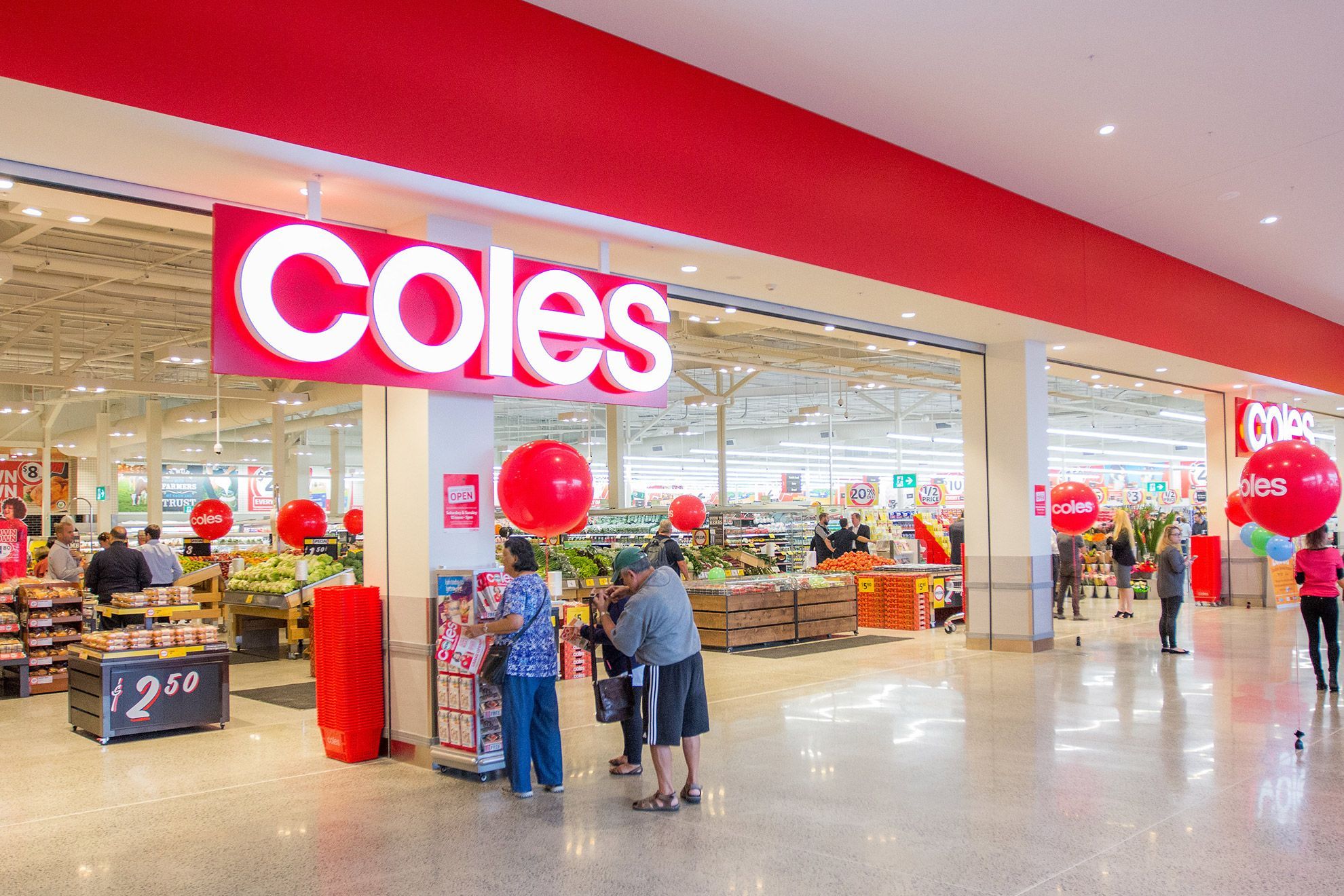
    Coles will terminate its software partnership with US technology firm Palantir. The platform will leave more than 840 Australian supermarkets when the three-year contract expires.

    The system processed more than 10 billion rows of operational data. That load covered employee shifts, bakery production schedules and store-level inventory allocations.

    Operational Data and Customer Backlash

    Signed in February 2024, the agreement deployed Palantir’s Foundry operating system and artificial intelligence tools for workforce planning and supply-chain logistics. The supermarket chain confirmed the platform will exit its stores beyond 2027. Public pushback over Palantir’s government surveillance and defence contracts drove the decision.

    Advocacy group GetUp mounted a billboard campaign near hundreds of stores in July, mimicking Coles branding to challenge its privacy practices. Coles rejected claims that shopper data was exposed to external access.

    “The software is deployed within Coles’ own environment and is operated and isolated under Coles controls,” a Coles spokesperson said.

    Supplier Scrutiny and Reputational Risk

    Retailers across the Asia-Pacific region face swift commercial fallout when back-end software vendors carry political or military profiles. Enterprise procurement once rested on technical capability and cost alone. That calculation has changed. Boards must now weigh vendor reputation alongside data isolation protocols.

    Ripping out an enterprise planning platform creates operational friction and heavy switching costs. Replacing tools that coordinate thousands of store rosters and perishable stock orders takes months of procurement, technical integration and staff retraining.

    The Shift in Retail Procurement

    Work began as a standard productivity initiative while grocery chains accelerated automation to curb operating costs. Palantir’s historical ties to intelligence agencies, US immigration enforcement and foreign defence contracts turned routine back-office optimization into an active brand problem.

    A replacement tender and full system migration across the 840 supermarkets must now wrap up before the contract concludes at the end of 2027.

  • Nearly 200 Coles Shareholders Urge Retailer to Act on Plastics

    Nearly 200 Coles Shareholders Urge Retailer to Act on Plastics

    Nearly 200 Coles shareholders urged the company to break its silence over plastic use in September 2026. The demand follows the supermarket chain’s decision to stop selling Antarctic krill oil supplements.

    Rival Woolworths followed suit days later, ending the sale of krill-derived products across its supermarkets.

    Supermarket Giants Drop Antarctic Krill Lines

    Coles confirmed the product exit after conservation group Sea Shepherd spotted several unavailable krill oil items on the grocer’s website. Woolworths then ended all krill supplement sales in its own stores.

    The simultaneous delisting strips high-margin marine dietary lines from both chains. Environmental groups have long scrutinised Antarctic krill harvesting for disrupting Southern Ocean food webs.

    Shareholders Target Packaging Policies

    Investors are now pressing Coles management to address packaging waste and match Woolworths’ commitments. The shareholder group wants firm disclosures on plastic volume metrics alongside specific reduction milestones.

    Coordinated pressure on both supermarket operators accelerates packaging redesign deadlines for regional brand and private-label suppliers. Those unable to cut secondary plastics or adopt circular materials face delisting risks.

    Sourcing Audits Across Australian Aisles

    The sudden krill exit shows how quickly activist campaigns alter Australian retail range planning. RetailNews Asia has tracked similar rapid category exits across fresh produce, seafood and packaging formats in recent trading periods.

    Coles faces its next test when investors look for binding packaging targets and plastic reduction timelines at the upcoming formal shareholder meeting.

  • Australian Retail Health Index Drops to Negative 1.07 as Insolvencies Rise

    Australian Retail Health Index Drops to Negative 1.07 as Insolvencies Rise

    Australian retail conditions worsened sharply in the three months ending June 2026, dragging KPMG’s Retail Health Index down to negative 1.07 from negative 0.37 in the previous quarter.

    A steep 11.4 per cent drop in consumer sentiment drove the decline, even as total household spending and producer prices recorded modest gains.

    Pressures on cash flow and demand led to 254 retail insolvencies during the three-month period. Employers pulled back hiring across store networks, cutting job vacancies by 15.3 per cent to leave 26,000 open roles across the country. The index measures spending, sentiment, turnover, pricing and underlying business performance to gauge sector viability.

    Value Hunting Alters Store Economics

    Shoppers across Australia have shifted their habits toward planned, price-sensitive purchases rather than halting expenditure entirely. Foot traffic and checkout totals increasingly concentrate around major promotional windows such as End of Financial Year sales, thinning margins for operators between events.

    For regional retail groups and brand distributors, this concentration creates sharp operational volatility. Inventory holding costs rise between discount periods, while staffing models must flex quickly to handle brief spikes in transaction volume without blowing out payroll costs.

    Digital Channels and Labour Adjustments

    Suppliers face renegotiations on wholesale terms as storefront operators fight to protect gross margins against higher input costs. Landlords in secondary shopping centres risk longer lease negotiations, particularly where specialty fashion and discretionary merchants struggle to sustain standard rent-to-sales ratios.

    The contraction follows a prolonged period of cautious buying that started when higher borrowing costs began constraining disposable income across major metropolitan centres. Earlier quarters had managed to absorb rising operational overheads through modest price adjustments, but consumer pushback against shelf prices has now limited further retail pass-through.

    Promotional Execution Takes Centre Stage

    Relief for the sector depends heavily on whether lower supply chain disruptions and sustained population growth can offset cautious household budgets. Retailers are directing investment into automated personalisation and inventory tracking systems to lift conversion rates ahead of high-volume seasonal trading.

    Merchant performance across the market now hinges on order execution during the upcoming Black Friday and Cyber Monday discounting calendar.

  • Virtue Mirage Launches 17-Tool Fashion Personalisation Platform

    Virtue Mirage Launches 17-Tool Fashion Personalisation Platform

    Australian entrepreneur Lukas Cervenan launched Virtue Mirage in September 2026, introducing a hyper-personalisation platform designed to reshape the online fashion shopping experience.

    The system offers 17 tools that create a digital twin of a shopper using photos or exact measurements, extending personalisation across entire online stores rather than limiting it to individual products.

    By replacing traditional model imagery across every product gallery, the platform allows shoppers to see garments on their real body sizes across participating stores running on services such as Shopify and BigCommerce.

    How the Network Functions

    Shoppers manage their profiles through a central dashboard that stores saved outfits, real-time stock availability, and tailored size advisories for specific garments. A semantic search engine pairs items across a merchant’s inventory directly onto the user’s avatar, rather than displaying isolated product grids. New inventory drops can be pre-rendered for registered customer profiles before users land on the store page.

    To our knowledge, we are the only platform in the world that is transforming entire websites. So a size-16 shopper is never looking at a professional size-6 model; she sees her real size, on her real body, in every image across a brand’s entire store.

    The Return Problem Across Regional Fashion

    Retail margins across Asia-Pacific e-commerce continue to erode under the weight of reverse logistics. Fit failures drive the bulk of fashion returns, worsened by bracket-buying habits where shoppers purchase several sizes of a single item with the intention of returning most of them. Eliminating the disconnect between model proportions and real customer bodies attacks reverse logistics costs at the point of discovery.

    Standalone virtual fitting widgets rarely alter overall conversion because they sit isolated on individual product detail pages. By transforming whole catalogues into personalised galleries, operators attempt to lift checkout completion while defending independent web stores against dominant regional marketplaces like Shein and Zalora. The primary technical hurdle remains rendering fidelity, as artificial intelligence tools frequently struggle with drape and textile weight across edge sizes.

    Decade of Commercial Imaging Preceded Launch

    The platform builds directly on Cervenan’s commercial imaging business, Virtue Creative Studios, which produced e-commerce and campaign photo shoots for more than 500 apparel brands over the past ten years. That production background informed the platform’s visual architecture, which formats store catalogs to allow external AI shopping agents and semantic web scrapers to parse inventory data directly.

    Participating merchants on Shopify and BigCommerce are now integrating the software into their live storefronts ahead of peak year-end trading cycles.