Tag: supply chain

  • Lumson Completes Two Packaging Acquisitions in the US and Asia

    Lumson Completes Two Packaging Acquisitions in the US and Asia

    Italian cosmetic packaging specialist Lumson has completed two acquisitions this week, buying US-based Lombardi Design and Manufacturing and 100 percent of Lombardi Design & MFG Limited in Asia.

    The dual acquisition gives the Capergnanica-based packaging group direct industrial operations across Europe, North America and Asia to support global beauty and personal care brands.

    Financing and leadership terms

    Lumson completed the transactions through its US subsidiary, financing the purchases through a pool of banks, while Carl Lombardi will remain CEO of Lombardi Design and Manufacturing to ensure management continuity.

    Lombardi Design and Manufacturing will keep its corporate name and brand identity. Carl Lombardi stays on as chief executive officer to run daily operations and oversee line integration into Lumson’s global network.

    Supply chain shift for regional beauty brands

    For beauty brand managers across Asia-Pacific, the consolidation narrows the gap between European design standards and Asian production tooling. Contract manufacturers and packaging suppliers in the region face direct competition from a single supplier capable of tooling, molding and assembling primary cosmetic containers on three continents simultaneously.

    Shipping lead times will drop for prestige beauty brands that formulate in North America or Europe but package high-volume lines out of Asian facilities. By owning both the American production hub and the Asian manufacturing platform outright, the combined group eliminates third-party licensing intermediaries across the supply chain.

    Competitive pressure in contract manufacturing

    Packaging consolidators have raced to secure regional capacity as multinational beauty houses demand localized manufacturing to hedge against trade disputes and transport bottlenecks. Asian packaging suppliers now face a competitor that links Milan’s design ecosystem directly with Asian production lines without joint venture partners.

    Suppliers without cross-border manufacturing assets risk losing global product runs from conglomerate clients such as L’Oreal and Unilever. Those buyers increasingly award multi-territory contracts only to packaging specialists that maintain audited facilities in each major consumer market.

    Earlier group consolidation steps

    From its headquarters in Capergnanica, Italy, Lumson built its primary market position supplying dispensing pumps, glass containers and airless packaging systems to European beauty brands before expanding export sales into the Americas and Asia.

    The purchase of both Lombardi entities represents the group’s first cross-continental manufacturing takeover. It converts regional sales offices into wholly owned production bases.

    Integration teams will align tooling standards and quality control protocols across Lombardi’s Asian plants and US facilities through the next reporting cycle.
  • Japan Home Centre Accepts Onions as Payment for up to 3 Items

    Japan Home Centre Accepts Onions as Payment for up to 3 Items

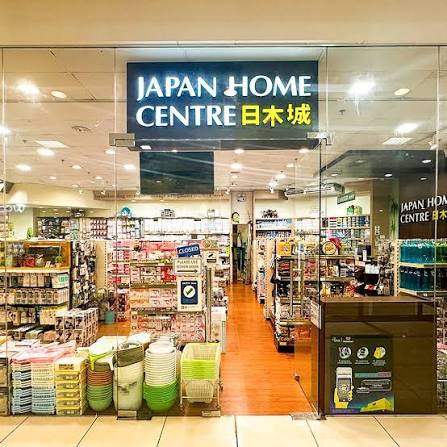
    Japan Home Centre held its “Pay with Sibuyas” campaign on Saturday, February 4, allowing customers to use onions as payment at its Panay Avenue branch in Quezon City.

    Under the one-day promotion, shoppers could swap one onion in exchange for a selected in-store product, with a maximum of three items allowed per purchase.

    How the barter checkout functioned

    The retail store accepted all kinds of onions for select merchandise, and Japan Home Centre stated that all collected onions would be given to a community pantry that provides free food for those in need.

    Management routed every bulb into a local community pantry network that distributes free food to low-income residents across Quezon City. The retailer absorbed the inventory cost directly as promotional expense and community assistance.

    The economics of grocery marketing gimmicks

    Barter promotions let general merchandise chains convert regional supply bottlenecks into customer foot traffic without cutting sticker prices across their wider assortment. Non-grocery discount stores step into the gap when everyday food staples turn into luxury commodities.

    Financial exposure stays low because the retailer caps redemptions at three units per shopper. The chain also limits eligible SKUs to high-margin, low-cost plastic ware and kitchen sundries. These stunts generate sudden foot-traffic spikes for mall landlords and retail neighbors, but conversion into cash-paying shoppers across regular aisles stays modest once promotional stock runs out.

    Wholesale price surges and infrastructure gaps

    Domestic retail prices for onions across Metro Manila wet markets and supermarkets reached 700 pesos per kilo in December 2022. That was roughly eight times higher than the global average of 1.54 dollars, or about 84.87 pesos, per kilo recorded across 89 tracked countries.

    Delayed import clearances and chronic storage deficits across agricultural provinces in Luzon triggered the domestic spike. Local farmers dumped bumper crops during harvest months without refrigerated warehouse capacity. That left urban retail distribution chains exposed to severe shortages and price spikes later in the crop cycle.

    Supply controls and import volumes to monitor

    Agricultural agencies have since scheduled off-season import shipments and started inspections of provincial cold storage facilities to stabilize retail distribution costs. Retail buyers across Metro Manila now watch whether wholesale farmgate prices drop back toward the baseline of 100 pesos per kilo before the next domestic harvest enters wholesale depots.

  • Pakistan Power Regulator Reviews Rs1.73 Electricity Tariff Hike for August

    Pakistan Power Regulator Reviews Rs1.73 Electricity Tariff Hike for August

    Pakistan’s power regulator is considering an electricity tariff increase of Rs1.73 per unit. The hike covers higher generation expenses incurred in August.

    The Central Power Purchasing Agency submitted the adjustment petition to the National Electric Power Regulatory Authority. It seeks to recover fuel expenses across state distribution companies and Karachi-based utility K-Electric.

    A public hearing is scheduled for September 29 to review the submission. If approved, the surcharge will apply to all standard consumer categories nationwide on upcoming billing cycles.

    Generation mix and fuel cost breakdown

    Data filed with the authority shows power producers supplied 14.464 billion units of electricity to distribution companies during August. Generation costs averaged Rs8.82 per unit across all energy sources.

    Hydropower remained the primary source, generating 37.84 per cent of total electricity. Coal also carried a heavy load. Imported coal accounted for 15.59 per cent of total output, while domestic coal delivered 10.88 per cent.

    Costly thermal generation pushed up the overall fuel basket despite low volumes. Imported liquefied natural gas supplied 8.48 per cent of power at Rs45.92 per unit. Furnace oil accounted for 2.15 per cent of supply at Rs45.25 per unit. Domestic natural gas provided 7.04 per cent of output.

    Operating margin pressures on commercial operators

    Continuous fuel cost adjustments push up utility overheads for store operators, cold-chain logistics providers, and shopping centre managers. Power is one of the largest non-payroll operating costs for commercial occupiers in urban retail hubs.

    Commercial tenants cannot absorb recurring adjustments without passing increases along supply chains or cutting floor energy use. Higher baseline tariffs squeeze margins. The pressure falls hardest on grocers running continuous refrigeration networks and department stores maintaining heavy air conditioning loads.

    Consumer purchasing power faces fresh headwinds

    Household budgets contract as higher utility bills reduce discretionary retail spending across major metropolitan centres. Rising power bills immediately drain middle-income disposable wages.

    Shoppers respond by delaying purchases of discretionary goods, apparel, and major home appliances. For mass-market brands in Pakistan, this pull-back reduces foot traffic and shrinks basket sizes during off-peak periods.

    Previous regulatory adjustments

    This petition follows a separate adjustment approved last month, which added Rs0.7503 per unit to August consumer bills for power consumed in June. That adjustment carried an aggregate financial impact of Rs9.8 billion nationwide.

    Regulators applied the June charges to K-Electric consumers and all distribution companies under the former Water and Power Development Authority framework. Lifeline customers, electric vehicle charging stations, and pre-paid meter accounts were excluded.

    Final surcharge rates for upcoming commercial and residential bills will be decided at the September 29 determination hearing.

  • ADB Lifts Southeast Asia Growth Outlook to 4.7% on Tech Exports

    ADB Lifts Southeast Asia Growth Outlook to 4.7% on Tech Exports

    The Asian Development Bank raised its 2026 economic growth forecast for developing Southeast Asia to 4.7 per cent on Wednesday, up from 4.6 per cent projected in July. Global shipments of semiconductor chips and data center components surged. That demand offset the drag from high energy prices and severe weather.

    Across the wider Asia-Pacific region, the Manila-based lender lifted its 2026 expansion target by 0.1 percentage point to 5.0 per cent. It held the 2027 projection at 5.1 per cent. The revised figures show a widening regional split. Electronics manufacturing hubs are pulling ahead while economies exposed to food inflation and power generation shortfalls lag behind.

    Hardware Demand Lifts Export Leaders

    Vietnam received the sharpest upgrade in the updated Asian Development Outlook. Growth there is now projected at 7.8 per cent for 2026, up from 7.2 per cent. The bank also increased Vietnam’s 2027 forecast to 7.6 per cent, citing strong foreign direct investment and state stimulus programs directed into industrial parks and logistics infrastructure.

    Malaysia gained an upward adjustment as well. The economy will expand 4.9 per cent in 2026, up from the 4.6 per cent estimated in July. Growth should moderate to 4.7 per cent in 2027. Both countries have secured substantial market share in chip packaging, testing, and component fabrication for cloud infrastructure operators.

    Net exports remained resilient, supported by demand for electronics and AI-related products.

    Thailand recorded a modest bump to 2.0 per cent for 2026 from 1.8 per cent, though ADB trimmed its 2027 outlook to 1.9 per cent. Indonesia held steady. Growth there is projected at 5.2 per cent across both years, underpinned by household consumption.

    Energy Costs and Drought Penalise Importers

    Prospects weakened in the Philippines. The lender lowered the country’s 2026 growth target to 3.3 per cent from 3.8 per cent. It also reduced the 2027 forecast to 5.1 per cent from 5.3 per cent. Power sector strains and dry spells continue to weigh on domestic output.

    Geopolitical friction in the Middle East and Eastern Europe has kept fuel import bills high for non-oil producers. In markets like Cambodia and the Philippines, higher utility tariffs flow directly into retail prices. That squeeze curbs discretionary consumer spending and raises cold-chain logistics expenses for supermarket operators.

    What the Divergence Changes for Retail and Supply Chains

    Consumer brands face a shifting landscape where capital expenditure yields the fastest returns. Rising wages in Vietnam and Malaysia bolster middle-income buying power for consumer tech and packaged goods. Mall operators and retail chains are accelerating store openings in secondary cities to match demand.

    Agricultural supply chains face heavier margin pressure across the western Pacific. Parched croplands and high diesel prices increase transport and ingredient costs for food manufacturers. Fast-moving consumer goods suppliers must now renegotiate wholesale contracts across archipelagic supply routes.

    Earlier Forecast Steps and Baseline Trajectory

    The latest revisions follow a July review where regional output held steady against tightening monetary conditions in Western export destinations. In April, the lender had modeled a broader regional recovery. Energy market volatility then intensified through the middle quarters of the year.

    Price pressures have eased across developing Asia, where headline inflation should settle at 2.8 per cent this year. That moderation gives central banks room to adjust interest rates once currency pressures ease against the US dollar.

    The Timeline for El Nino Disruption

    Weather risks represent the primary operational hazard through the coming quarters. ADB expects the current El Nino pattern to intensify through late 2026 and peak around November. That timeline threatens hydroelectric generation and irrigated rice cultivation.

    Agricultural disruptions register in headline economic data with a multi-month lag. The bank expects the sharpest drag from the climate cycle to hit during the first half of 2027. The next baseline revision to regional growth figures arrives in December.

  • BYD Seeks over 8,000 Workers at Xi’an Base as Production Ramps up

    BYD Seeks over 8,000 Workers at Xi’an Base as Production Ramps up

    BYD is hiring more than 8,000 workers across its Xi’an manufacturing complex in September 2026 after finishing assembly line overhauls at the site.

    The northwestern hub is the automaker’s largest production base. It spans four development phases with an annual capacity of 1.5 million vehicles.

    Recruitment notices from local human resource agencies and municipal bureaus show the push covers several divisions. Signing bonuses reach up to 6,000 yuan ($889), paired with monthly wages up to 10,000 yuan for technical staff. Roles in welding, painting and vehicle assembly make up most of the open positions.

    Incentives and Skilled Labor Demand

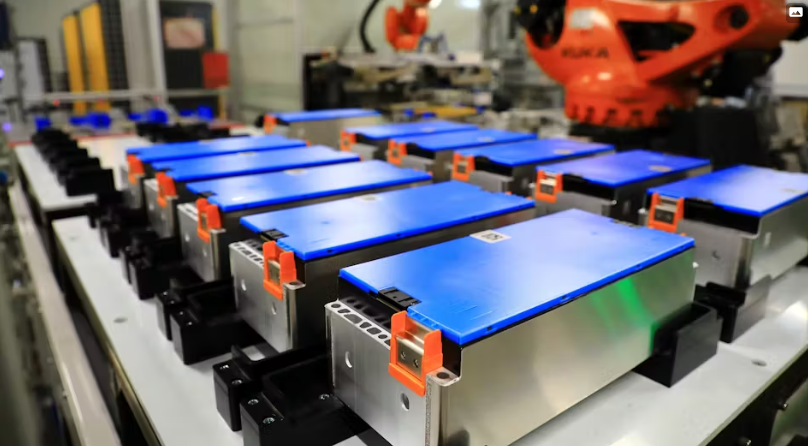
    Hiring ends temporary operating limits at the plant. Output slowed during the first half of the year as BYD reconfigured machinery for its second-generation Blade Battery and retooled chassis lines. During that tooling phase, the company transferred workers to facilities in Zhengzhou, Hefei and the Shenzhen-Shanwei cooperation zone.

    All four factory sites in Xi’an have returned to standard shifts. Filling technical roles quickly will prevent bottlenecks on final assembly lines. Those lines supply both finished cars and knocked-down kits to international transport corridors.

    The Line Rebuild and Factory Rebound

    Provincial industrial data reflects the factory overhaul. Vehicle output across Shaanxi province fell nearly 50 per cent year on year through the first seven months of 2026 during the plant retooling.

    Production rebounded once the lines reopened. Shaanxi auto output climbed to 138,900 units in August, up 55.4 per cent from July. That was 17.9 per cent higher than August last year, according to China’s National Bureau of Statistics.

    For regional suppliers, the Xi’an ramp-up secures component volumes for the core Dynasty and Ocean series. Component makers that lowered deliveries during spring retooling now face tighter lead times. Automakers competing with BYD across Southeast Asia and Latin America will face fresh pressure as export shipments normalize.

    Domestic Headwinds versus Export Surge

    Plant operations restart against a split in BYD’s customer base. Deliveries hit 440,293 new energy vehicles in August. That was a 17.8 per cent gain year on year and its best monthly volume of 2026.

    Export shipments drove the total. Overseas sales jumped 134.5 per cent year on year to 189,466 units in August, setting a monthly export record. Domestic retail deliveries fell 14.3 per cent over the period as showroom price wars deepened in China.

    That split puts utilization risks on domestic lines. Export variants run on full schedules. Lines built for the home market must defend share against aggressive local discounts.

    Global Assembly Footprint

    Xi’an reached peak output in 2024 when volume topped 1 million vehicles. Matching that mark depends on how fast overseas markets absorb inventory before foreign assembly hubs open.

    BYD continues to tweak its global manufacturing footprint. European advisers say the automaker will eventually need three vehicle assembly plants and one battery hub in Europe to meet quotas and handle tariffs.

    Factory managers in Xi’an are now pushing to clear order backlogs before fourth-quarter shipping deadlines arrive.

  • Philippines and Canada on Track to Conclude Free Trade Deal by Year-End

    Philippines and Canada on Track to Conclude Free Trade Deal by Year-End

    Manila and Ottawa have resolved major roadblocks to a landmark free trade agreement during their fourth round of negotiations, putting the deal on track for conclusion before year-end.

    In 2025, bilateral trade reached $2.15 billion, with Canada taking in $1.31 billion worth of Philippine goods, equivalent to 1.5 percent of total exports.

    Resolving Agricultural Access and Tariff Roadblocks

    Substantial progress was made during talks held in Toronto from Sept. 8 to Sept. 11, with Philippine Trade Undersecretary Allan Gepty confirming that negotiators will address remaining issues through smaller meetings and online exchanges rather than another full round.

    Agricultural tariffs represented the main point of contention during the Toronto talks, mirroring past Philippine trade negotiations with the European Union and Chile. Manila sought protection for domestic farming sectors while pushing for broader access for its food exporters across Canadian grocery shelves.

    Expanding North American Supply Lines

    For Philippine consumer brands and food manufacturers, a completed pact opens direct duty-free channels into Canada without navigating third-party transshipment hubs. Importers in Manila gain cheaper access to Canadian agri-food commodities, processed foods, and cold-chain inputs, which will lower sourcing costs for local supermarket operators.

    Canadian retailers and industrial suppliers also gain formal investment protections and clearer intellectual property rules across the Philippine market. The deal will serve as Manila’s first direct bilateral free trade treaty with a North American economy.

    Fast-Tracked Talks Across Asia-Pacific

    Official negotiations between both governments began in February 2026. Beyond tariffs on physical goods, the working texts cover service exports, business visa mobility, cross-border investments, digital commerce safeguards, and anti-corruption standards.

    Canadian International Trade Minister Maninder Sidhu arrived in Manila on Sept. 21 for two days of consultations with Association of Southeast Asian Nations economic ministers. Ottawa is running parallel regional trade talks with ASEAN alongside comprehensive partnership negotiations with India.

    Final Review Steps Before Year-End Ratification

    Legal teams from both sides will scrub the agreed treaty text through October before presenting the final document for executive signatures.

    Both governments target formal signing by December 2026, after which the treaty heads to the Philippine Senate and the Canadian Parliament for domestic ratification.

  • UOB Thailand Reaches 74.6 Billion Baht in Sustainable Financing

    UOB Thailand Reaches 74.6 Billion Baht in Sustainable Financing

    UOB Thailand extended 74.6 billion baht in cumulative sustainable financing through the end of 2025. The lender directed credit across contractors, corporate borrowers and commercial supply chains.

    That volume reflects a shift from broad environmental pledges to direct operational spending by local suppliers.

    Speaking at the Global Compact Network Thailand forum, UOB Thailand chief executive Richard Maloney said the bank is targeting practical industrial bottlenecks. Credit focuses on high electricity bills, aging factory boilers and chillers, vehicle fleet electrification and client-mandated carbon reporting.

    Targeting Supply Chains and Export Rules

    Thai suppliers face immediate operational pressure from export markets tightening compliance rules, including the European Union Packaging and Packaging Waste Regulation. To close those gaps, UOB has advised more than 1,800 local businesses through its Sustainability Compass advisory platform.

    Thamolwan Prougestaporn, senior vice president of ESG solutions at UOB, outlined a five-stage framework for small and medium-sized enterprises. Companies must understand sector-specific rules, measure current carbon baselines, set targets, execute factory changes and integrate sustainability into core operations.

    “A well-defined first project is easier to finance than an ambitious but vague five-year plan, and it builds the track that makes the next one, and the one after that, easier still,” said Maloney.

    Operational Hurdles for Factory Suppliers

    Capital access remains constrained by internal reporting limits across Thailand’s industrial base. Federation of Thai Industries representative Dr Saowanit Boonyasuwat noted that small enterprises often stall during loan underwriting. They run into complex compliance terminology, a lack of formal carbon audits, and an inability to turn energy audits into bankable loan applications.

    Industry bodies are now pairing with state-backed financing programs to standardize application channels. Thailand cannot hit its national net zero emissions targets without small manufacturing suppliers decarbonizing their shop floors.

    Data verification presents another test for regional exporters. Carbon analyst Soranee Achawanantakul pointed out that local firms need verifiable data records to prevent greenwashing claims. She advocated for transition credit frameworks modeled on Singapore, alongside bilateral government incentives to offset auditing costs.

    Financing Digital and Industrial Infrastructure

    Transition funding extends beyond factory equipment into heavy digital infrastructure. UOB arranged 7.3 billion baht in green credit for GSA Data Center 01, a joint venture between Gulf Development, Singtel and Advanced Info Service.

    The facility will run at 25.6 megawatts, engineered to LEED Gold green building standards. It serves as an operational template for commercial data centres running under severe power constraints across Southeast Asia.

    Longer-running bank programmes show similar measurable data. Since 2020, installations backed by the bank’s U-Solar programme in Thailand have cut more than 167,000 tonnes of carbon emissions across commercial and residential sites.

    The Compliance Test for Regional Trade

    Trade exposure will determine how quickly Thai manufacturers draw down transition lines. European supply chain audits and regional corporate procurement rules now mandate Scope 1 and Scope 2 emission disclosures from tier-two and tier-three component suppliers.

    For consumer brands and contract manufacturers across Bangkok’s industrial corridors, accessing low-cost capital requires audited energy baselines rather than high-level corporate pledges. The next test is how many mid-sized industrial borrowers convert initial energy efficiency loans into multi-year capital expenditure plans before regional carbon border rules take full effect.

  • US Recycler R3 Lithium to Enter Vietnam Battery Industry

    US Recycler R3 Lithium to Enter Vietnam Battery Industry

    American lithium recycling specialist R3 Lithium plans to enter Vietnam to process electric vehicle batteries, opening discussions with domestic automotive manufacturers and electronics assemblers.

    The Vietnamese government confirmed the talks this week as demand for recovered battery-grade metals climbs across Southeast Asian manufacturing hubs.

    Talks with domestic manufacturers

    R3 Lithium targets Vietnam to secure feedstock from spent electric vehicle packs and consumer electronics waste. The US-based processor aims to extract battery materials locally rather than shipping untreated black mass abroad.

    Government officials in Hanoi confirmed the discussions cover partnerships with both vehicle makers and consumer hardware producers operating factories across the country.

    Building regional supply security

    Securing domestic recycling capacity gives vehicle manufacturers an immediate channel to recover critical minerals without depending entirely on raw mineral imports. Battery producers across Southeast Asia face stricter local content rules and mounting scrap volume from early EV production runs.

    Setting up closed-loop recovery inside Vietnam shortens transit times for active materials. It also keeps valuable cathode raw materials inside the domestic supply chain.

    Shifting automotive supply chains

    Vietnam has accelerated the conversion of domestic transport fleets to battery power, creating a captive volume of end-of-life cells. Global electronics contract manufacturers in northern industrial corridors also produce substantial scrap volumes during cell assembly and pack integration.

    Processing that material domestically allows electronics and vehicle brands to meet cross-border scrap compliance rules while sourcing secondary raw materials directly on site.

    Next regulatory approvals

    Industrial licensing and site approvals represent the immediate hurdle before R3 Lithium can break ground on local recovery infrastructure. Environmental permits for hydrometallurgical processing will determine the operational schedule.

    Final partnership agreements between R3 Lithium and its prospective automotive manufacturing partners in Vietnam will set the initial processing capacity target.

  • Vietnam and US Near Deal on Reciprocal Trade Agreement

    Vietnam and US Near Deal on Reciprocal Trade Agreement

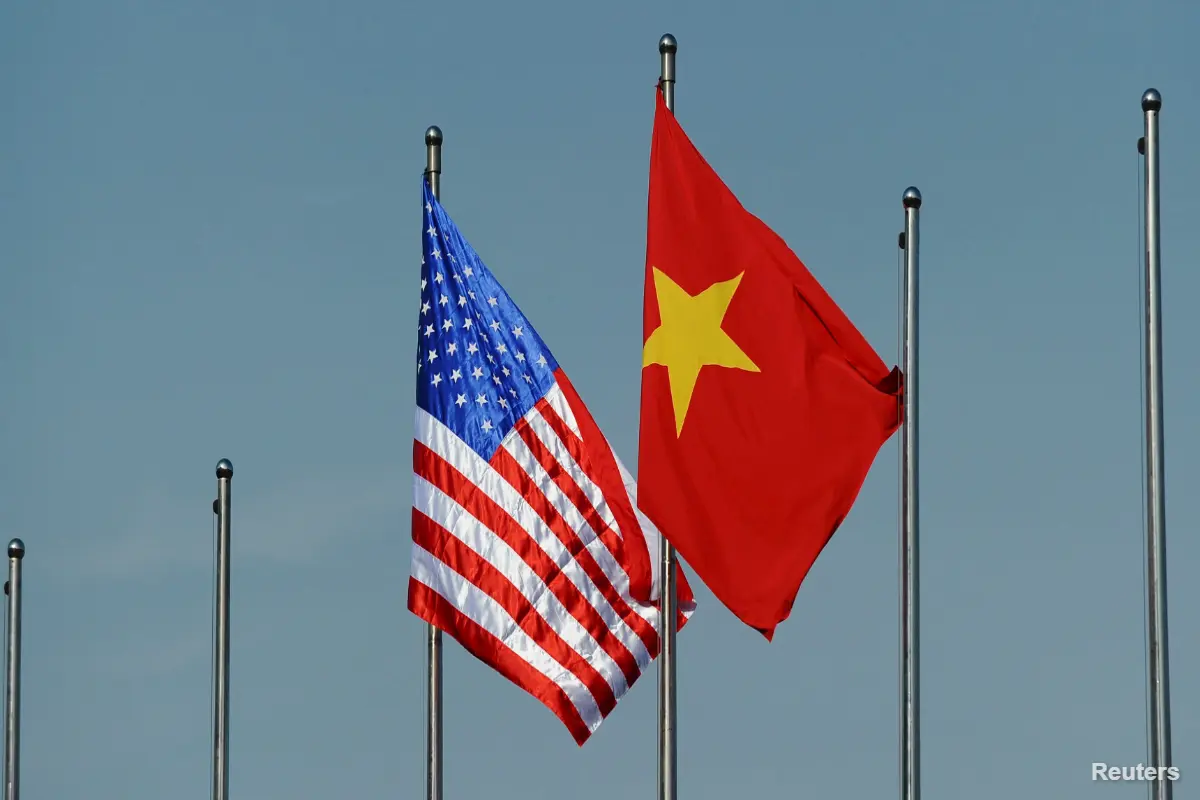
    Vietnam and the United States have reached the final stage of negotiations on a reciprocal trade agreement following high-level talks in New York on Monday morning.

    US Trade Representative Ambassador Jamieson Greer confirmed that bilateral negotiating teams have made significant progress and are very close to reaching a final outcome.

    High-Level Talks in New York

    Vietnam’s Party General Secretary and President To Lam met Greer during his visit to attend the 81st Session of the UN General Assembly, affirming Vietnam’s commitment to advance bilateral ties with President Donald Trump’s administration.

    Lam stated that trade and investment remain a central pillar of bilateral relations. Vietnam has increased its purchases of American goods in recent years to address trade imbalances, generate employment, and support industrial supply chains in both nations.

    Addressing Section 301 and Market Access

    Greer credited Vietnamese officials for actively working toward trade parity. Once concluded and ratified, the reciprocal trade deal will establish enforceable terms covering market access, tariff structures, and bilateral purchasing commitments.

    A critical point on the table remains the status of United States trade inquiries. Lam urged American negotiators to adopt a comprehensive stance on unresolved disputes, particularly trade investigations launched under Section 301 of the United States Trade Act of 1974.

    Supply Chain Realignment Across Southeast Asia

    For consumer brands and contract manufacturers across Southeast Asia, a finalized trade pact provides long-sought policy certainty. Sourcing managers shifted substantial electronics, apparel, and footwear production to Vietnamese industrial hubs over the past decade, creating large bilateral trade surpluses that drew regulatory scrutiny in Washington.

    Securing a reciprocal pact reduces tariff risks for export manufacturers in northern and southern Vietnam. It also creates clearer pathways for United States agricultural, energy, and machinery exporters looking to expand distribution into fast-growing consumer markets in Ho Chi Minh City and Hanoi.

    Next Steps on Agreement Timelines

    The bilateral economic dialogue builds on several years of diplomatic upgrades between Hanoi and Washington. Previous rounds focused on currency practices, timber sourcing reviews, and customs compliance.

    Negotiating teams from both countries are working through the remaining text of the agreement ahead of formal legal scrubbing. The final outcome hinges on settling the scope of the Section 301 trade provisions before leaders present the deal for executive signing.

  • Thailand to Enact New Postal Law by End of This Year

    Thailand to Enact New Postal Law by End of This Year

    The new postal law is expected to be enacted by the end of this year to address regulatory gaps and distortions in the rapidly expanding delivery and logistics market, according to Thailand Post president Dhanant Subhadrabandhu.

    The Digital Economy and Society (DES) Ministry, together with relevant state agencies, is revising the draft Postal Act nearly two years after drafting began to improve the regulatory structure and create an independent central regulator.

    Thailand Post is providing industry information and operational input to support the process, with Deputy Minister Nan Boonthidachai recently instructing officials to finish drafting the revised legislation within this year.

    Independent oversight for private carriers

    The core structural reform centres on establishing a neutral regulatory body to govern private and foreign-backed logistics companies. Thailand Post currently operates under specific state oversight while commercial rivals navigate fragmented rules without equivalent scrutiny. Creating a single regulator aims to align Thailand with standards used across European and Asian markets.

    Commercial carriers will compete under uniform licensing terms, service classifications, and pricing rules. The state postal operator will retain its baseline mandate to deliver universal social postal coverage nationwide, while private courier platforms handle merchant and consumer freight under the new commercial framework.

    Shifting dynamics across express delivery

    Price wars have destabilised Thailand’s parcel delivery ecosystem over recent years as venture-backed and regional express operators discounted shipping fees to secure volume from digital marketplaces. That aggressive discounting eroded transport margins across road freight networks. Establishing an independent watchdog creates a mechanism to penalise below-cost pricing and protect sector sustainability.

    For e-commerce platforms and merchant shippers, structured oversight will likely stabilise freight rates while raising operational compliance costs for discount couriers. Foreign-backed operators that scaled rapidly on lean administrative footprints will face formal licensing conditions, standardised reporting requirements, and clearer service liability rules.

    Two years of regulatory revisions

    Work on the postal legislation began nearly two years ago to replace an outdated legal framework that predated modern online shopping platforms. The amended bill completed public hearings under the previous administration before officials returned the draft for additional inter-agency review.

    Scrutiny during the review focused on three specific areas: the classification of express delivery categories, the composition and statutory powers of the regulatory committee, and the licensing structure for commercial operators. Deputy Minister Nan Boonthidachai instructed drafting officials to resolve those clauses to meet the year-end legislative schedule.

    Final terms before parliamentary review

    Final approval hinges on the working committee settling the formal scope of enforcement powers granted to the central postal regulator. Officials are scheduled to submit the finished draft of the Postal Act to the cabinet before December 2026, setting the stage for formal enactment across Thailand’s logistics market.

  • Pentagon Blacklist of Nearly 200 Chinese Companies Threatens Trump and Xi Talks

    Pentagon Blacklist of Nearly 200 Chinese Companies Threatens Trump and Xi Talks

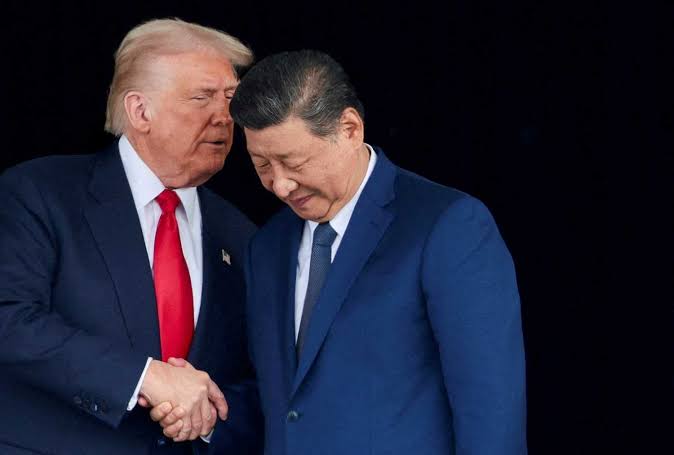
    President Donald Trump and Chinese counterpart Xi Jinping will address the Pentagon’s 1260H blacklist this week after the roster expanded to nearly 200 Chinese corporate champions.

    The register now includes e-commerce group Alibaba, search provider Baidu, and electric vehicle maker BYD, creating friction across consumer technology and automotive supply chains.

    Mandated by the US Congress, the 1260H designation penalizes companies accused of assisting the Chinese military. The listing restricts designated firms from securing US government contracts and cuts off access to Washington lobbying firms under rules that took effect on June 30. Companies on the list face heightened scrutiny from international supply chain partners, institutional shareholders, and trade compliance desks.

    Court Challenges and Boardroom Pushback

    Corporate targets are fighting the designations in federal court rather than waiting for diplomatic resolutions. Alibaba, autonomous driving sensor producer Hesai Group, biotechnology contractor WuXi AppTec, and drone maker DJI have secured interim procedural victories in US district courts over evidentiary standards used by defense officials. The legal wins provide temporary relief, though federal judges traditionally defer to executive discretion on national defense matters.

    Beijing retaliated following the June blacklist updates by enforcing export curbs and procurement reviews against selected American suppliers. Chinese trade officials are now including executives from designated companies, including battery giant Contemporary Amperex Technology and optical transceiver manufacturer Zhongji Innolight, in summit delegations to force direct negotiations.

    Supply Chain Exposure Across Asia

    For consumer tech and automotive operators across the Asia-Pacific region, the expansion of 1260H creates direct commercial risk. Suppliers integrating components from BYD or Hesai must navigate secondary compliance questions when selling assembled goods into North American distribution networks. Cloud software developers utilizing AI tools from Alibaba or Baidu face parallel questions regarding data provenance, as Washington claims Chinese platforms extracted training data from US labs.

    Asian retail and hardware brands cannot treat 1260H as a symbolic naming list. Institutional investors often mirror federal defense rosters in their internal risk matrices, constraining equity valuations and raising borrowing costs across Hong Kong and mainland bourses. The practical consequence is a sharp division in enterprise software and mobility hardware: vendors must either ring-fence their Western operations or absorb complete exclusion from public sector contracts.

    I would not be surprised if Beijing raises 1260H around the summit, particularly because several prominent Chinese companies now on the list are also being discussed as part of Xi’s business delegation.

    Legislative Escalation in Washington

    The latest dispute follows a nine-year diplomatic gap that paused when Trump visited Beijing in May. The Pentagon updated the blacklist weeks after that meeting, prompting the China Daily newspaper to publish a June 14 editorial arguing the enforcement contradicted efforts to stabilize bilateral commerce. Treasury Secretary Scott Bessent attempted to calm tensions on Sunday in New York during trade talks with Vice Premier He Lifeng, establishing a bilateral artificial intelligence working group.

    Capitol Hill is pushing in the opposite direction, with lawmakers introducing 64 separate bills referencing 1260H since last year. Proposals under review in the draft National Defense Authorization Act would widen the designation criteria to target any enterprise where the Chinese state holds even a single publicly traded share.

  • South Australia Launches $109 Million Wine Sector Rescue Package

    South Australia Launches $109 Million Wine Sector Rescue Package

    South Australia launched a A$109 million ($74 million) support package on September 21. The funding aims to restructure its wine industry and tackle persistent global oversupply.

    The state generates 80 per cent of Australia’s premium wine output and sustains 90,000 regional jobs. It also accounts for A$2.4 billion in annual economic value.

    Capital for Vineyard Transitions and Debt Relief

    At the core of the plan is a A$100 million government-backed loan scheme. It will help grape growers repurpose unviable vineyards into alternative commercial land uses. Eligible growers can apply for concessional loans of up to A$500,000. These facilities include a two-year holiday on both principal and interest repayments to give landholders immediate cash relief.

    Alongside the debt facility, the state allocated A$1 million over two years for independent farm business planning to guide growers through crop diversification. Another A$500,000 will fund industry-led programs to process or clear unsold bulk wine stocks that depress spot grape prices.

    Export Funding and Marketing Expansion

    International market recovery receives direct capital through a A$5 million two-year extension of the Global Wine Growth Program. That funding targets overseas distributor networks and retail shelf placement across key export destinations. An additional A$675,000 marketing campaign will promote South Australian wine and culinary tourism to domestic and international visitors.

    To support corporate producers and family operators managing vineyard removals, the government committed A$2 million to solve waste management challenges associated with copper chrome arsenate treated timber posts. The funding establishes regional collection and aggregation hubs across key growing districts.

    Supply Discipline and Export Realities

    For wine exporters and regional beverage conglomerates, the intervention tackles structural volume imbalances rather than offering temporary operating subsidies. Producers in volume-heavy zones like the Riverland have faced low grape prices as red wine inventories backed up. Trade disruptions and shifting global drinking patterns caused the glut. Treasury Wine Estates and rival brand owners have already shifted emphasis toward luxury tiers, leaving commercial-grade growers bearing the cost of excess acreage.

    Distributors across the Asia-Pacific region face risks around execution speed and grower uptake. If commercial growers use concessional loans merely to service existing debt rather than pulling vines, the domestic surplus will continue to weigh on retail margins. Pairing exit loans with planning deregulation offers a path to balance supply against actual export demand.

    Planning Reforms in Key Growing Zones

    Recommendations from an industry forum convened by the South Australian government helped shape the package to address falling farmgate returns. Planning authorities are introducing the Riverland Economic Recovery Joint Code Amendment. The change rezones selected agricultural parcels to unlock new housing and industrial employment uses across the Murray-Darling basin.

    A newly appointed Wine Industry Coordinator will oversee administrative delivery across state departments and industry groups. Regional winemakers also backed the structural focus of the intervention.

    “South Australia’s wine industry is built on generations of investment, innovation and regional expertise, and this support provides important confidence as the sector responds to changing global markets and consumer preferences,” said Kerrin Petty, Chief Supply Sustainability Officer at Treasury Wine Estates.

    State agencies will release operational guidelines and application dates for the A$100 million transition loan facility in the coming weeks.

  • Japan and ASEAN Agree to Review Economic Partnership Pact

    Japan and ASEAN Agree to Review Economic Partnership Pact

    Japan and the Association of Southeast Asian Nations agreed on Sunday at a meeting in Manila to work toward strengthening their economic partnership pact.

    The two sides will review the agreement, taking into consideration the risk of supply chain disruptions and the growing role of artificial intelligence.

    Addressing Supply Disruptions and Tech Rules

    Japan’s Economy, Trade and Industry Minister Ryosei Akazawa said at the opening of the meeting that it was time to join forces to turn challenges into opportunities under the pact, which first took effect in 2008.

    Philippine Trade Secretary Maria Cristina Roque said commercial cooperation across the bloc is growing more important as external trade pressures mount. Japan reaffirmed technical and financial support for oil stockpiles across ASEAN member nations. That aid aims to insulate regional transport networks from Middle East energy delivery bottlenecks.

    Impact on Cross-Border Trade and Logistics

    The formal review addresses mounting vulnerabilities across freight networks that carry goods for industrial operators, Japanese parts manufacturers, and consumer goods shippers. Trade lanes between Tokyo and ASEAN hubs face higher operating expenses from route diversions and fluctuating fuel surcharges. Safeguards under the pact will give multinational logistics firms more predictable clearance procedures during regional emergencies.

    New artificial intelligence provisions will establish commercial terms for digital trade, automated warehouse systems, and cross-border data routing. Retailers expanding automated fulfillment across Southeast Asia have struggled with fragmented national regulations on software compliance and automated transactions. A unified standard negotiated through the partnership reduces regulatory friction for Japanese electronics and automation vendors operating in Manila, Bangkok, and Jakarta.

    Origins of the Pact Revision

    The original ASEAN-Japan Comprehensive Economic Partnership took effect in 2008, focusing primarily on tariff elimination for manufactured goods and agricultural products. Member states expanded the treaty in 2019. That revision added updated chapters on trade in services, movement of business personnel, and direct investment protections.

    Bilateral discussions in May accelerated the current review after Philippine President Ferdinand Marcos Jr. And Japanese Prime Minister Sanae Takaichi agreed to widen the scope of the treaty. Negotiators will now draft specific treaty language covering digital governance and energy security ahead of the next ministerial session.

  • Pascual Urges Philippine Firms to Tap 15-Nation RCEP Trade Pact

    Pascual Urges Philippine Firms to Tap 15-Nation RCEP Trade Pact

    The Regional Comprehensive Economic Partnership connects 15 economies through trade, service, and investment rules, providing Philippine businesses with opportunities to expand regional market share.

    Speaking at the 1st RCEP Business and Investment Summit organized by the East Asia Business Council and the Management Association of the Philippines in Metro Manila on Sept. 9, 2026, Alfredo E. Pascual emphasized that local firms must actively convert trade advantages into commercial orders.

    Under the framework, Philippine manufacturers can source qualifying inputs from Japan, South Korea, and Association of Southeast Asian Nations partners to meet origin requirements for preferential tariffs, while comparing terms against existing bilateral agreements.

    Speed and customs facilitation

    Cross-border competition across the trade bloc relies heavily on trade facilitation provisions rather than tariff reductions alone. Perishable goods, including fresh fruit and seafood shipments, qualify for customs clearance within six hours of arrival provided documentation is complete.

    Regional competitors are already deploying these mechanisms. Thai exporters such as NC Coconut use rapid border processing to deliver fresh produce into Chinese retail channels, while Vietnamese agricultural traders such as Vinapro have expanded direct shipments of cashews, pepper, and cinnamon to northern buyers through regional trade networks.

    Small supplier integration

    Domestic consumer brands face steeper operational hurdles when scaling into regional markets. Social enterprises like ANTHILL Fabric Gallery, which links community weaving enterprises with international retail buyers, require specialized support in product certification, packaging, trade finance, and freight handling.

    Trade agencies and industry groups, including the Philippine Chamber of Commerce and Industry, are organizing direct advisory programs to connect smaller producers with larger export aggregators. Large manufacturers established in local industrial zones provide a practical entry point for domestic component makers seeking inclusion in broader export orders.

    Infrastructure and competitive pressures

    Attracting additional consumer goods manufacturing will require structural improvements beyond trade preferences. Industrial power rates, domestic logistics expenses, and regulatory predictability remain primary criteria for multinationals evaluating Southeast Asian production hubs.

    Regional peers offer identical tariff access to RCEP member markets. For operators in food processing, electronics, and light manufacturing, cost advantages will depend on the speed of digital customs integration and the elimination of physical paperwork between domestic regulatory bodies.

    The Philippines formally implemented RCEP in June 2023, three months after P&G commissioned its export-focused diaper production line in Laguna province. Business associations and the Department of Trade and Industry plan to track realized capacity through an aggregate scorecard measuring fulfilled purchase orders, active suppliers, and running factory lines ahead of the scheduled RCEP general review in 2027.

  • Krungsri Targets 350 Billion Baht in Sustainable Finance as SME Transition Accelerates

    Krungsri Targets 350 Billion Baht in Sustainable Finance as SME Transition Accelerates

    Bank of Ayudhya completed the latest cycle of its business transition programme in Bangkok on Sept 16. The lender committed 350 billion baht in sustainable financing through 2030.

    Operating as Krungsri, Thailand’s fifth-largest commercial bank by assets evaluated transition roadmaps from local suppliers. It awarded five mid-sized companies for practical decarbonisation and circular economy projects.

    Held at The Okura Prestige Bangkok, the Krungsri ESG Minute of Changes gathered corporate participants from the bank’s training academy and awards programme. Krungsri runs the scheme to push commercial borrowers past broad net-zero pledges. The programme focuses on operational carbon cuts, waste conversion, and verified supply chain upgrades.

    Transition Roadmaps for Supply Chains

    Five commercial enterprises earned top honours after the bank evaluated plans to cut emissions and recover daily operational waste. The winners spanned food processing, retail property, agriculture, healthcare, and industrial recycling.

    In retail and commercial property, market operator Supavee Tumwattana Co restructured waste management across Yingcharoen Market. The business separated food waste, coffee grounds, orange peels, and used cooking oil into raw materials for commercial repurposing. That cut haulage volumes and municipal disposal costs.

    Industrial materials maker Mailaivijit Co developed ReFoam, a composite product manufactured directly from sawdust and discarded foam scraps. In food processing, S. Ruamthai Co redirected seafood byproducts into new product lines. The shift captured secondary revenue streams and eliminated disposal overheads.

    Agricultural supplier Thai Quality Starch Co built an integrated procurement system and distributed disease-free cassava planting stock to protect raw supply against crop loss. Meanwhile, Panapan Healthcare Co deployed commercial solar arrays. The installations cut grid power consumption and lowered operational emissions.

    Cross-Sector Scrutiny and Evaluation

    Shortlisted companies submitted transition strategies to a live pitching session before a multi-sector panel. The review board examined implementation viability, commercial competitiveness, policy alignment, and measurable environmental impact.

    Panel representatives came from the Federation of Thai Industries, the Thai Chamber of Commerce and Board of Trade of Thailand, Social Enterprise Thailand, the Department of Business Development, the Thailand Greenhouse Gas Management Organisation, the Office of SMEs Promotion (OSMEP), and Thammasat University.

    Technical training relied on corporate and advisory partners, including the Stock Exchange of Thailand, KPMG Thailand, the Board of Investment, Onnex by SCG, Schneider Electric, and Alto Tech. These specialists supplied data tools, energy management frameworks, and compliance audits. The tools helped participants structure viable capital expenditure plans.

    Krungsri President and Chief Executive Kenichi Yamato said: “Advancing sustainability is not simply about setting ESG targets. It is about turning transition plans into action and delivering tangible results, which requires collaboration across sectors.”

    Credit Allocation and Transition Risks

    Thai commercial lenders are shifting their approach from broad sustainability pledges toward rigorous project-level verification. For years, financial institutions across Southeast Asia marketed green credit facilities that mid-sized operators struggled to tap. Rigid reporting rules and vague return profiles blocked access.

    By integrating technical consultants and trade federations into the vetting process, the bank pre-qualifies suppliers for dedicated loan tranches. Kasikornbank and Siam Commercial Bank run similar programmes. Both rivals have rolled out tailored decarbonisation loans for exporters facing strict overseas supply chain audits.

    Execution remains the primary commercial risk for smaller suppliers. Rising capital expenditure on solar arrays, waste-sorting machinery, and certified agricultural stock must deliver clear margin gains. Trade volatility, raw material inflation, and changing European import rules continue to squeeze operating cash flows.

    For manufacturers, failure to decarbonise risks outright exclusion from multinational supply contracts. For lenders, unsecured transition lending requires close technical monitoring. Capital spending must translate into verified carbon cuts rather than balance-sheet stress.

    The Path to 2030 Targets

    Since 2023, Krungsri has run its sustainability academy and awards format annually. Over the past three years, the platform expanded from classroom instruction into an operational incubator for commercial and industrial banking clients.

    This initiative forms a core part of the bank’s domestic systemic banking mandate in Thailand. As the country works toward its 2050 Net Zero target, heavy industries, transport networks, and commercial supply chains face tighter regulatory demands to document emissions cuts.

    Borrowers will now deploy the awarded transition blueprints as the lender works toward its 350 billion baht sustainable finance target for 2030.