Tag: supply chain

  • FedEx Transports Two Giant Pandas from China to the US

    FedEx Transports Two Giant Pandas from China to the US

    FedEx transported two giant pandas from Chengdu, China to Atlanta, Georgia in September 2026 aboard a Boeing 777 freighter known as the FedEx Panda Express.

    The airline partnered with Zoo Atlanta to move six-year-old male Ping Ping and five-year-old female Fu Shuang, donating the full transportation cost as part of its conservation efforts.

    Custom handling on the transpacific route

    Both bears departed Chengdu Shuangliu International Airport and landed nonstop at Hartsfield-Jackson Atlanta International Airport. Ping Ping and Fu Shuang traveled in custom-built travel crates under the care of Zoo Atlanta animal specialists as the sole cargo aboard the aircraft.

    Ground logistics teams in Atlanta managed the final truck transfer directly to the zoo’s veterinary facilities. FedEx provided the transport under its conservation charter program, which operates at zero cost to the receiving institution.

    Specialized charters and express capacity

    Specialized live-animal charters require dedicated aircraft allocation, temperature-controlled main deck space, and direct routings that bypass standard transshipment hubs. For global integrators with large transpacific networks, these single-mission flights show charter responsiveness. They also demonstrate cold-chain precision across long-haul Asian corridors.

    Animal transports pull main deck capacity out of commercial rotation on high-demand export lanes out of western China. Chengdu remains a primary air cargo gateway for electronics and industrial exports. Slot management and widebody availability are central to carrier yields in the region.

    Two decades of Chengdu animal transport

    This operation follows a series of conservation flights handled by the 86 billion dollar logistics operator over the past 24 years. The company first carried giant pandas out of China in 2000. It has since run multiple dedicated missions between Chinese breeding centers and international zoological facilities.

    We have had the privilege of transporting giant pandas for more than two decades, and every time the FedEx Panda Express is called into service, our entire team feels the significance of the mission.

    Quarantine and public debut schedule

    Ping Ping and Fu Shuang are now in mandatory quarantine at Zoo Atlanta. Veterinary staff are monitoring their adjustment to the facility. Zoo management plans to clear the pair for public exhibition later this year once routine health checks conclude.


  • Mitsubishi Heavy Plans $638M Commercial Shipyard Expansion

    Mitsubishi Heavy Plans $638M Commercial Shipyard Expansion

    Mitsubishi Heavy Industries will invest approximately 100 billion yen ($638 million) to expand commercial shipyard capacity by 25 percent by fiscal 2028. The capital outlay targets yards building commercial tonnage as global fleet replacement orders accelerate across Asian trade lanes.

    Operations at facilities including the Shimonoseki shipyard in western Japan focus on commercial vessels such as liquefied natural gas-fueled ferries and specialized freight carriers. Rising demand for lower-emission vessels and fleet renewals has tightened shipyard availability across Northeast Asia, pushing builders to add yard space and modernize fabrication lines.

    Expanding Berth Space for Freight Vessels

    The capital program will lift Mitsubishi Heavy’s commercial output capacity across its domestic yard footprint over the next four years. Commercial fleet operators face tightening delivery schedules through the late 2020s, with regional berths in Japan, South Korea, and China booked years ahead for container ships, gas carriers, and roll-on/roll-off cargo ferries.

    Expanding domestic yard capacity allows Japanese operators to secure construction slots closer to home rather than relying entirely on overseas yards. The investment focuses on high-value, specialized commercial ships that require complex engineering, including alternative-fuel propulsion systems.

    Competition Across Regional Yards

    Shipbuilders across East Asia are racing to lock in high-margin commercial contracts as freight networks retool for stricter marine emissions rules. Chinese and South Korean yards continue to dominate high-volume standard container vessel builds, forcing Japanese groups to specialize in advanced fuel technologies and specialized domestic freight tonnage.

    For regional supply chain operators, the expanded capacity provides additional construction throughput for coastal and regional trade vessels. The primary commercial risk rests on rising steel prices and chronic labor constraints in Japanese industrial manufacturing, which can erode project margins during multi-year build cycles.

    Policy Support for Domestic Shipyards

    The expansion aligns with broader Japanese industrial policy aimed at rebuilding domestic maritime manufacturing capacity. Tokyo has rolled out 1.4 billion dollars in support programs for shipbuilders, backing yard modernization, robotics, and the revival of domestic production for vessels such as liquefied natural gas carriers.

    Japanese builders are also constructing new large-scale docks for the first time since 2017 to handle larger hull designs. Mitsubishi Heavy and peer yards are pairing structural expansion with automated welding and digital yard management to counter skilled labor shortages in the sector.

    Timeline for Yard Delivery

    Work on the yard upgrades will roll out in phases toward the fiscal 2028 completion target. Cargo operators and logistics planners will monitor construction timetables and berth commissioning dates as Mitsubishi Heavy allocates new build slots over the coming financial quarters.

  • DHL Express Names Julian Neo Managing Director for Hong Kong and Macau

    DHL Express Names Julian Neo Managing Director for Hong Kong and Macau

    DHL Express appointed Julian Neo as managing director for Hong Kong and Macau on October 1. He brings 25 years of company experience to the regional role.

    Neo led operations across Malaysia and Brunei from 2019. Over that period, he delivered consecutive gains in revenue and operating earnings.

    His career across the logistics group spans commercial, sales and regional management roles in Singapore, Malaysia and the wider Asia-Pacific territory. Before running the Malaysian unit, Neo served as vice president for global multinational customers across the region. He succeeds Andy Chiang.

    Leadership change in Hong Kong and Macau

    Neo takes on the role with extensive commercial experience in Southeast Asia. Hong Kong serves as a primary air express gateway for the Pearl River Delta manufacturing region, handling high-value tech components, cross-border e-commerce parcels and time-critical trade documentation.

    Annual price adjustment from January 1, 2027

    DHL Express will raise average shipping rates in Hong Kong and Macau by 4.9 per cent on January 1, 2027. According to the company, it adjusts its prices annually to account for inflationary pressures, currency fluctuations and industry-specific cost developments.

    Investment in air freight capacity and security

    DHL Express has completed deliveries for its global order of 28 Boeing 777 dedicated freighters. The aircraft add long-range capacity while reducing fuel burn per ton-kilometer.

    The company also surpassed 500 Transported Asset Protection Association (TAPA) certified sites globally in 2026 and expanded deployment of its MyExpress cross-border shipping platform.

  • Metcash Expands Coveo AI Partnership for AskRoss Portal

    Metcash Expands Coveo AI Partnership for AskRoss Portal

    Wholesale distributor Metcash expanded its partnership with Coveo on September 29, 2026, to bring generative artificial intelligence conversational experiences to its AskRoss business-to-business customer communications portal.

    The expansion builds on Metcash’s existing deployment of Coveo alongside technology partner Publicis Sapient, with retail general manager Madeleine Fitzpatrick noting the system will allow partners to self-serve routine needs and access support.

    Upgrading the AskROSS Merchant Network

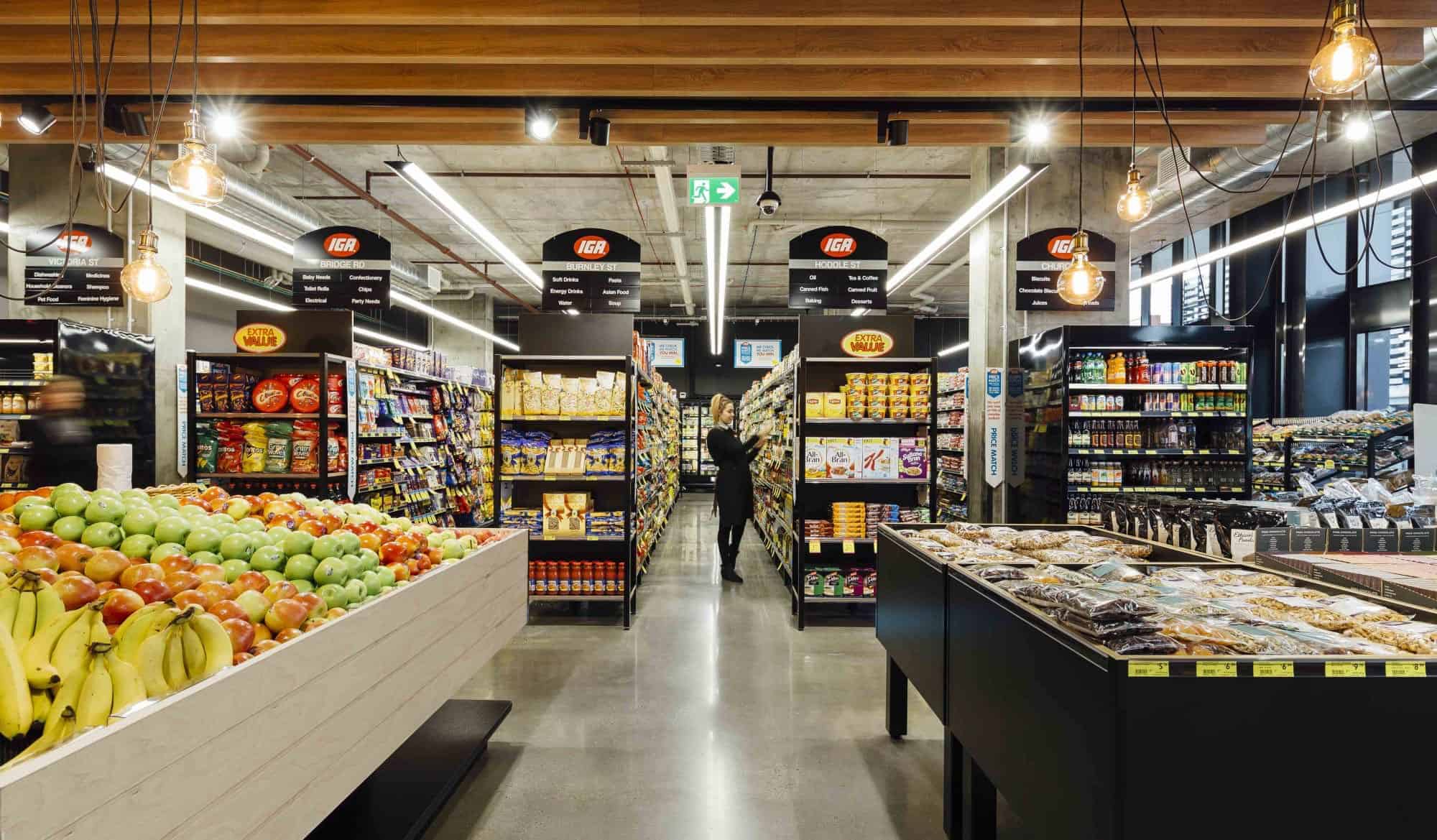
    Metcash runs supply chains that underpin thousands of independent Australian storefronts, including IGA supermarkets, Mitre 10 hardware outlets and Cellarbrations bottle shops. The updated AskROSS platform allows store owners to query inventory rules, stock availability and operational support in natural language instead of hunting through manual menus.

    Support personnel inside Metcash will receive identical conversational search tools within their internal agent interfaces. That setup gives both store owners and backend staff the same reference data during ordering disputes or stock inquiries.

    “Retailers can now ask questions in natural language and receive fast, trusted answers that help them make better decisions,” said Madeleine Fitzpatrick, general manager of retail at Metcash.

    The Wholesale Shift to Machine Search

    Wholesale distribution in Australia operates on thin margins and dense product catalogues. Independent grocers ordering through Metcash deal with tens of thousands of fast-moving consumer goods lines where supply snarls or incorrect pack sizes quickly erode shopkeeper profits.

    For independent operators, moving administrative queries from call desks to automated natural language search cuts administrative overhead during peak morning restocking hours. For Metcash, routing routine catalog queries into automated self-service frees internal account teams to focus on commercial contract disputes and wholesale supplier terms.

    Integration Across Sorted and Distribution Systems

    Publicis Sapient served as the systems integrator on the project, working with Metcash over two years to build the data foundation across the distributor’s commerce architecture. The AskROSS rollout follows an earlier integration of Coveo search tools across Metcash’s digital wholesale marketplace, Sorted.

    Competitors across Australasia are making parallel investments to automate merchant portals. Woolworths and Coles have both poured capital into automated supply interfaces and predictive fulfillment systems, forcing Metcash to upgrade its digital interfaces to retain independent supermarket owners who can switch wholesale agreements.

    Building Out Enterprise AI Portals

    Metcash first integrated Coveo indexing tools into its Sorted marketplace to streamline catalogue searches across thousands of supplier stock keeping units. Expanding that index into merchant communications deepens Metcash’s multi-year digital transformation program across its food and liquor divisions.

    The deployment moves next into Metcash’s central support agent network, where internal service desks are scheduled to adopt conversational search assistance across upcoming trading cycles.

  • Fonterra Annual Profit Jumps to NZ$2.6 Billion on Mainland Sale

    Fonterra Annual Profit Jumps to NZ$2.6 Billion on Mainland Sale

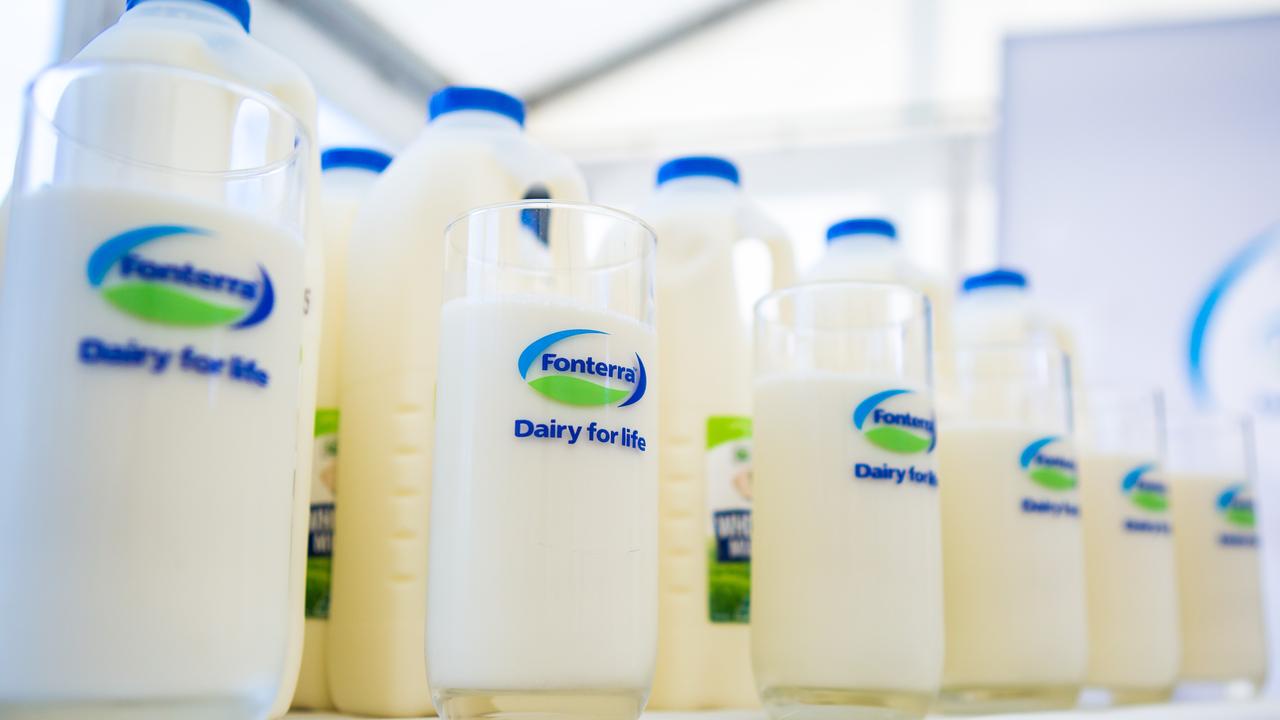
    Fonterra lifted its full-year net profit after tax by 142 per cent to NZ$2.6 billion ($1.6 billion) following the sale of its consumer arm.

    Operating profit jumped 97.6 per cent to NZ$3.4 billion for the fiscal year ended July 31. That figure included a NZ$1.2 billion gain from selling the Mainland Group consumer business.

    The Auckland-based dairy co-operative completed the Mainland sale in March, handing over brands including Anchor, Mainland, Perfect Italiano and Anmum. Stripping out the divestment, underlying operating profit rose 20 per cent to NZ$1.8 billion from NZ$1.5 billion a year earlier. Total cash distributions reached NZ$12.42 per fully shared-up farmer shareholder. That comprised a NZ$10.42 operating payout and a NZ$2.00 capital return from sale proceeds.

    Balance sheet overhaul and debt reduction

    Fonterra used the divestment proceeds and operating cash flow to cut adjusted net debt by NZ$967 million. Total debt fell to NZ$1.7 billion. Gearing dropped to 21 per cent from 24 per cent twelve months prior. Debt to earnings before interest, tax, depreciation and amortisation fell from 1.1 times to 0.7 times, giving the business headroom to absorb farmgate commodity swings.

    Underlying earnings per share rose 31 per cent to 71 New Zealand cents from 54 cents in FY25. Underlying return on capital reached 14.2 per cent. That result beat the co-operative’s target band of 10 to 12 per cent.

    Processing volumes counter farmgate price drop

    Milk collections reached 1,571 million kilograms of milk solids across the season, up 4.1 per cent year-on-year. That set a ten-year processing record for the group. Higher factory throughput spread fixed costs across a larger volume base and improved plant utilisation.

    Higher processing volumes helped shield earnings from softer commodity rates. The final Farmgate Milk Price settled at NZ$9.69 per kilogram of milk solids, down from NZ$10.16 in the previous season. Global milk supply recovered across Europe and the Americas during the period.

    Early recovery against post-sale targets

    The co-operative beat its internal recovery schedule by two years. Management had planned to take three years following the Mainland exit to rebuild underlying operating profit to NZ$1.7 billion. Higher product stream margins pushed the core business past that mark in year one.

    For food manufacturers and retail private-label buyers across Southeast Asia and Greater China, the restructured business now functions strictly as an ingredients and foodservice supplier. It no longer competes as a brand owner on retail shelves. The divestment removed channel conflict with Asian supermarket clients, though it concentrates group revenue on volatile global dairy trade benchmarks and industrial buyers.

    Earnings momentum into the next milk season

    Asset sales in South America and China farming hubs preceded this final exit from overseas retail consumer operations. Fonterra shares traded at NZ$8.30 in Wellington after the release. That put the stock near the upper limit of its 52-week trading range of NZ$6.14 to NZ$8.49.

    Chief Financial Officer Andrew Murray stated that holding product stream returns near FY26 levels would keep earnings on track through the next cycle. Investors and ingredient buyers now look to Fonterra’s opening farmgate forecast update in November to gauge early Southern Hemisphere spring production volumes.

  • Japan Factory Output Drops 1.7% as Vehicle Assembly Halts

    Japan Factory Output Drops 1.7% as Vehicle Assembly Halts

    Japan’s factory output shrank 1.7 per cent in August from July. Severe weather and seismic disruptions hit automotive assembly lines, reversing expectations of a rebound.

    A Reuters poll had pointed to a 1.7 per cent expansion. Instead, output missed median forecasts and fell for a second straight month.

    Disruptions Hit Automotive Assembly

    Vehicle production slumped 6.8 per cent month on month, according to Ministry of Economy data. Plant operations halted after an earthquake and a typhoon disrupted domestic logistics and assembly schedules in August.

    General-purpose and business machinery output fell 6 per cent over the same period. Those steep drops in vehicles and machinery wiped out modest gains across other manufacturing categories.

    Pressure on Regional Supply Chains

    Automakers across Asia depend on precision components and sub-assemblies exported directly from Japan. When domestic plants halt, regional supply chains feel the shock within weeks. That pinches vehicle availability for dealerships across Southeast Asia and Australia.

    Production volatility in Japan complicates inventory planning for regional parts suppliers and downstream car retailers. Dealership networks running lean stock models face delayed order fulfilments whenever Japanese assembly hubs stall.

    Central Bank Rate Calculations

    This two-month slide lands at a delicate moment for central bank policymakers. Bank of Japan officials continue to review economic indicators before deciding whether to raise interest rates in the near term.

    Slowing factory output complicates that plan. Raising borrowing costs during an industrial slump risks cooling domestic capital investment and consumer spending.

    Forecasts Point to Autumn Rebound

    Repeated natural disasters tested the industrial base throughout the summer, extending a volatile run for domestic goods producers.

    Manufacturers surveyed by the Ministry of Economy expect seasonally adjusted production to rebound 3.2 per cent in September and expand 3.1 per cent in October.

  • Vietnam Tea Exports to the US Jump 36% to $7.64 Million

    Vietnam Tea Exports to the US Jump 36% to $7.64 Million

    Vietnam shipped $7.64 million worth of tea to the United States in the first eight months of 2026. That is a 36.4 percent jump year-on-year.

    Volume climbed 22 percent over the period. At the same time, average prices gained 12 percent to $1,649 per ton, customs data shows.

    Value gains offset volume drop

    American demand outpaced Vietnam’s overall tea trade, which shrank by volume. Worldwide shipments totaled 77,256 tons worth $143.5 million through August. Volume dropped 9.8 percent. Even so, total export value fell just 1.5 percent because the global average price rose 4.5 percent to $1,778 per ton.

    Sales to Saudi Arabia jumped 27 percent, and exports to Russia rose 15 percent across the eight months. Pakistan went the other way. Shipments to the longtime buyer fell by more than half after it enforced strict halal certification rules.

    Premium blends drive export pricing

    Vietnam’s Export-Import Department linked the price resilience to a structural pivot away from bulk raw leaves. Foreign buyers now order more processed green tea, oolong, and flavored blends. These specialty products yield higher retail margins.

    Growers in production hubs like Lam Dong province are converting acreage to specialty teas. They want higher wholesale prices in premium consumer markets instead of chasing raw volume. The mix shift helps protect revenues when total shipments slow.

    Divergence across agricultural commodities

    Similar price dynamics played out across other Vietnamese agricultural sectors. Coffee exports brought in over $6 billion on nearly 1.7 million tons through August. Seafood shipments generated $3.3 billion, led by Chinese demand for shrimp.

    Perishable domestic crops faced steeper swings. Farm-gate dragon fruit prices in Lam Dong crashed 53 to 90 percent earlier in the season to between 2,000 and 7,000 dong per kilogram. Meanwhile, tight supply in Dak Lak lifted Monthong durian prices 20 to 30 percent to 105,000 dong per kilogram.

    Targeting the final quarter

    Government trade officials expect export volumes and pricing to stay strong through the fourth quarter of 2026. Holiday retail purchasing across North America, East Asia, and the Middle East should anchor year-end demand.

    Industry groups are now watching September data to see if steady North American sales can cover the volume lost in South Asia through year-end.

  • PepsiCo Backs Australia Foods Unit with $150 Million Produce Spend

    PepsiCo Backs Australia Foods Unit with $150 Million Produce Spend

    In September 2026, PepsiCo highlighted the scale of its Australian supermarket presence, supported by an annual spend of about $150 million on locally grown produce.

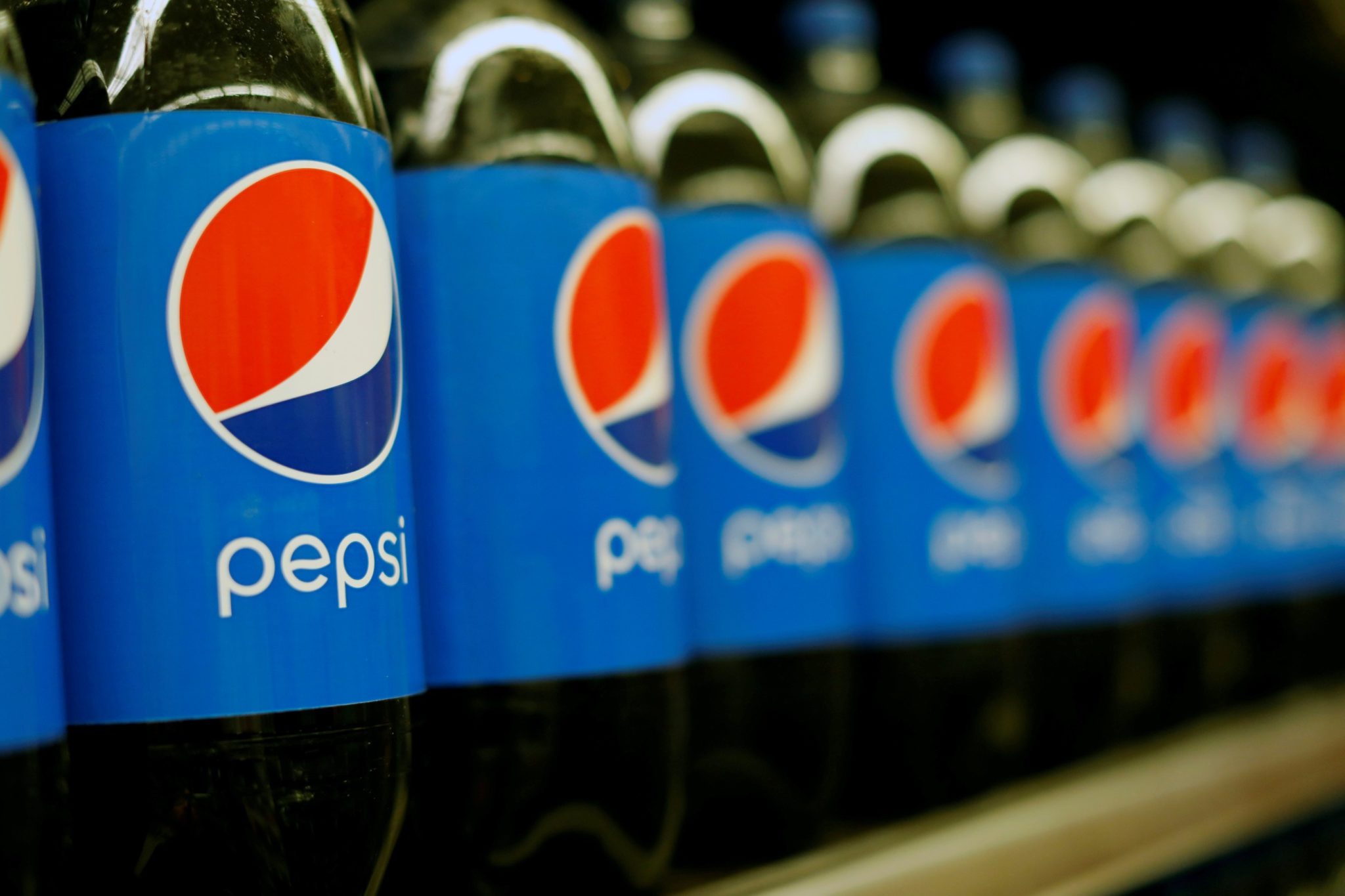
    The company’s domestic foods business spans household snack brands including Smith’s, Red Rock Deli and Doritos, backed by three manufacturing sites and more than 1,700 employees.

    For Alexia Horley, CEO of PepsiCo’s Australia and New Zealand foods business, a key focus is keeping its familiar brands relevant and visible across store shelves.

    Sourcing and Factory Operations

    Local agricultural supply chains form the backbone of the manufacturer’s domestic processing network. The company directs approximately 150 million Australian dollars each year into domestic farm produce, primarily processing potatoes and grains across three dedicated factories.

    Those production hubs include manufacturing facilities such as its Regency Park operations in South Australia. Plant operations run round-the-clock shift schedules covering bulk liquid intake, grain handling, automated frying, seasoning and high-density palletised distribution into national retail distribution centres.

    Rivalry in the Snack Aisle

    Competition in Australian grocery aisles is tightening as supermarket chains Coles and Woolworths push private-label alternatives against multinational branded goods. Discount retailers like Aldi continue to squeeze standard packet pricing across core chip segments.

    Branded manufacturers face pressure on margins from elevated ingredient input costs, transport tariffs and retail listing fees. To defend volume without discounting away brand equity, packaged goods suppliers must push established names into premium formats, alternative grain bases and cross-category pantry lines.

    Supply Chain Priorities

    Sustaining local manufacturing gives multinational consumer groups an operational hedge against international shipping volatility and foreign currency swings. Processing close to farm gates cuts transport lead times and secures direct supply agreements with domestic growers.

    The group has kept its regional manufacturing base intact while many consumer goods competitors outsourced production to lower-cost Southeast Asian packing hubs. That domestic manufacturing base allows fast product turnover and seasonal flavour runs tailored directly to Australian shoppers.

    Next Steps for Retail Distribution

    PepsiCo plans to roll out line extensions under its Smith’s and premium snack banners across supermarket networks over the coming retail quarters. Procurement teams are tracking raw material contracts across eastern state farming districts ahead of the next seasonal harvest cycles.

  • Costco Posts Stronger Sales as Fuel Savings Drive Membership Traffic

    Costco Posts Stronger Sales as Fuel Savings Drive Membership Traffic

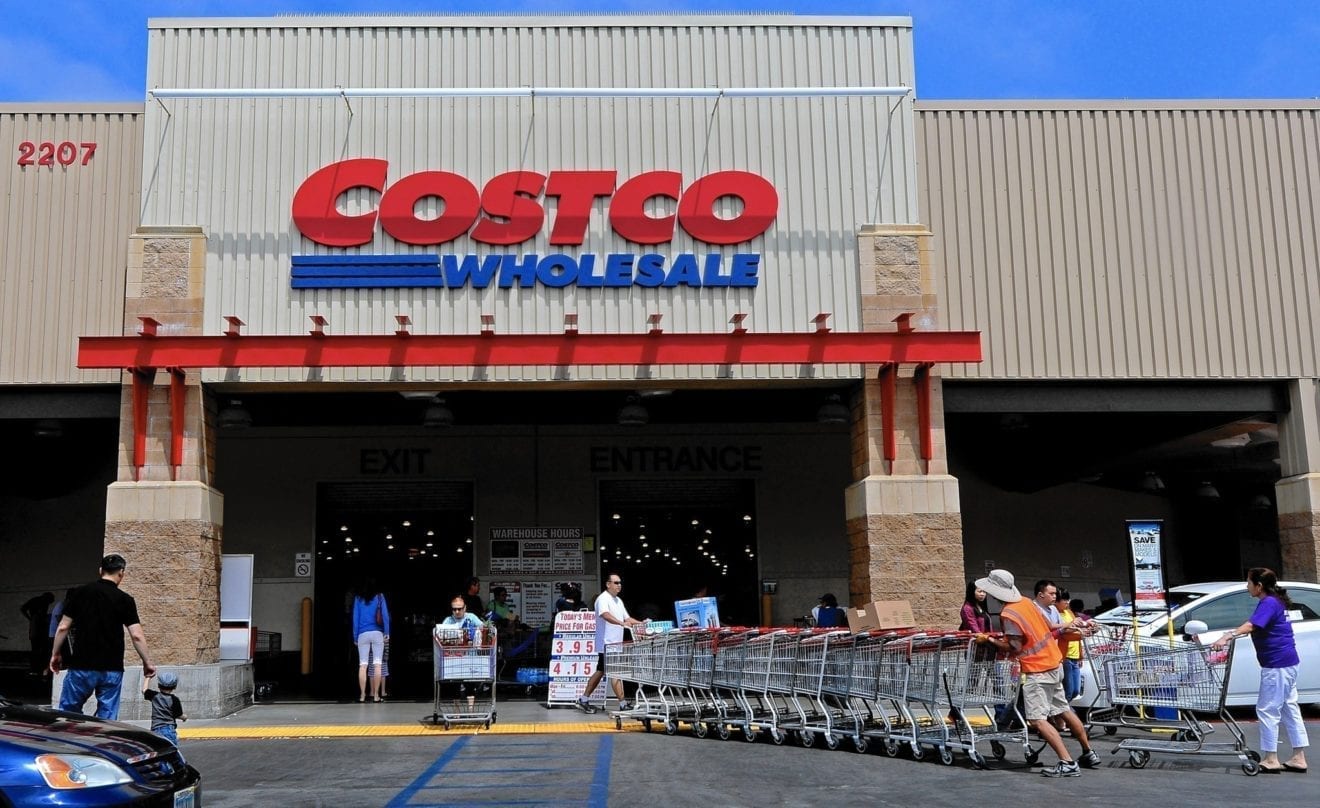
    Costco Wholesale beat earnings expectations for its fiscal fourth quarter. Cheap fuel prices drove customer traffic, lifting full-year petrol savings for members to US$3.2 billion.

    Higher pump prices across global markets inflated raw, unadjusted comparable warehouse sales by close to 270 basis points in the quarter ended August 31.

    Fuel traffic feeds warehouse volume

    Chief executive Ron Vachris told investors that lower forecourt pricing drove foot traffic across the international warehouse network all year. Costco undercut conventional service stations on fuel. That pulled motorists onto the property and straight into aisles for bulk groceries and merchandise.

    Fuel inflation added close to 2.7 percentage points to unadjusted comparable store sales between June and August alone. Shares in the warehouse club rose 2.93 per cent after the release as investors tracked steady renewal rates and volume gains.

    Inflation alters shopper spending

    Warehouse operators benefit when energy costs climb and household budgets tighten. Higher pump prices squeeze discretionary spending. Discount retailers with forecourts grab market share from traditional grocers by offering immediate relief on petrol bills.

    That forecourt pricing creates a hurdle for competing supermarket chains and suppliers. Rivals without petrol pumps struggle to match the footfall conversion wholesale clubs generate during spikes in energy costs.

    Energy markets shake wholesale margins

    International oil markets saw sharp swings alongside rising debt yields during the period. Benchmark crude climbed on regional supply tensions and export route threats. Prices then pared gains as diplomatic talks sought to protect shipping flows.

    Costco absorbed volatile commodity costs by leaning into high transaction volumes. It kept fuel margins thin while collecting predictable recurring revenue from core annual memberships.

    Monitoring the next renewal cycle

    Persistent input cost pressures continue as interest rates stay elevated across major economies. Results from the August quarter show membership loyalty holds firm when value pricing is visible at the pump.

    Attention now turns to whether fuel volume gains continue to translate into general merchandise sales across overseas networks. Investors will track membership renewal rates and comparable store sales in the filing for the first quarter of fiscal 2027.

  • H&M Shrinks Asian Footprint to 886 Stores as Regional Sales Edge up 4 per Cent

    H&M Shrinks Asian Footprint to 886 Stores as Regional Sales Edge up 4 per Cent

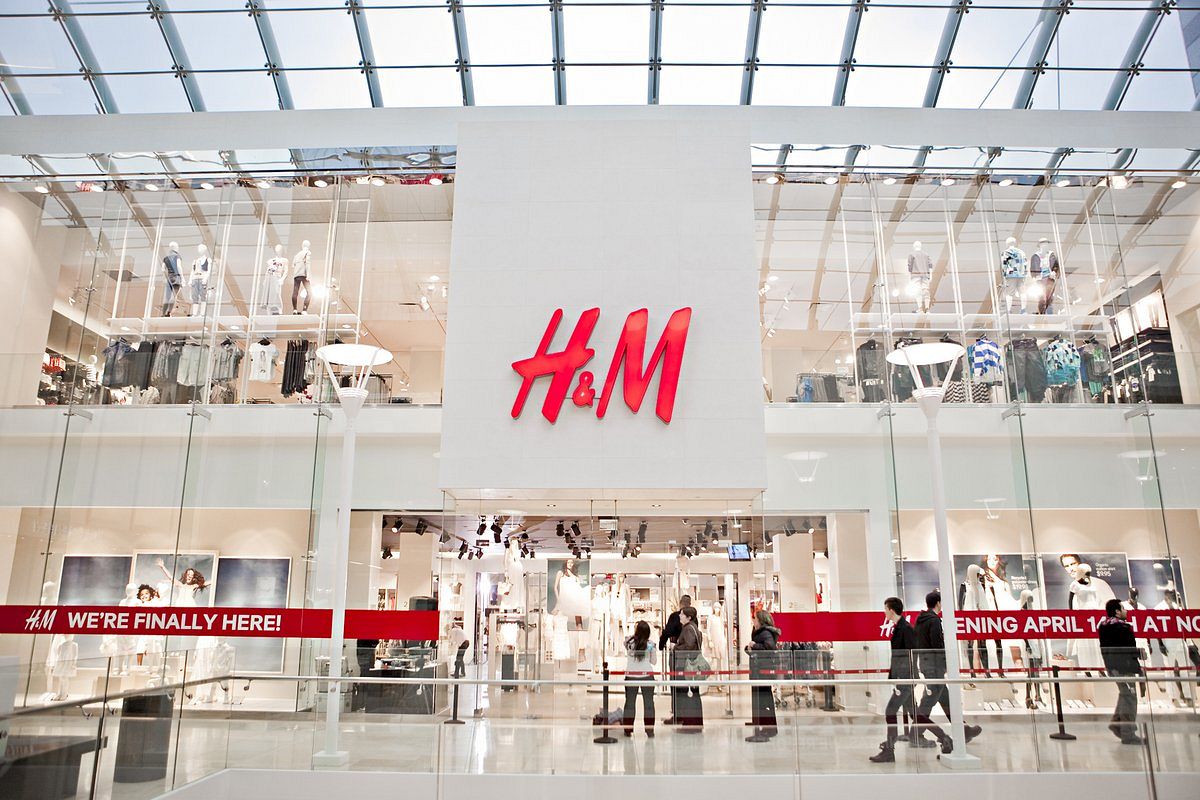
    H&M Group closed 54 stores across Asia, Oceania and Africa over nine months to August. That trimmed its regional footprint to 886 locations. Regional sales for the quarter still rose 4 per cent.

    Group-wide revenue for the three months to August 31 reached SEK 57.2 billion ($5.8 billion). That was an increase of just 1 per cent in local currencies, as a stronger Swedish krona erased top-line gains.

    Operating profit climbed 23 per cent to SEK 6.04 billion, beating market forecasts of SEK 5.14 billion. The operating margin widened to 10.6 per cent from 8.6 per cent a year earlier. One-off refunds from US tariff payments accounted for 1.6 percentage points of that margin increase. The company confirmed those credits will not repeat in coming quarters.

    Pruning the Asian Store Network

    Physical retail space continues to shrink across Asia, Oceania and Africa. The regional network stood at 940 locations in November 2025 before net closures reduced the tally to 886 by the end of the third fiscal quarter.

    Management has paired store closures with selective rollouts for higher-margin labels. The group introduced COS to India in October 2025. It is betting affluent urban shoppers will back premium concepts as core H&M outlets leave marginal shopping centres.

    “We are able to get product from having a first rough idea to the customer in six weeks, and when we talk about shortening the lead times, it is about increasing the share that we buy in that way,” said chief executive Daniel Erver.

    Online transactions now generate more than 30 per cent of total sales. That growth has accelerated the push to refit existing flagships. The company has modernised a fifth of its 4,000 global stores rather than adding floor space.

    Rival Pace and Regional Margins

    H&M faces pressure from both ends of the fashion market in Asia. Zara owner Inditex reported a 9 per cent sales increase in constant currency in August, outpacing H&M through rapid stock turnover.

    Discount competitor Shein continues to capture budget market share across Southeast Asia and East Asia, squeezing the middle price bracket where H&M operates. Landlords in tier-two Asian malls face falling footfall. That drop leaves retailers with less bargaining power over fixed leases unless their sales density improves.

    Shifting logistics hubs has added further friction. A warehouse closure in Belgium disrupted stock flows into international distribution channels earlier this year. Transport bottlenecks in the Middle East compounded those freight delays.

    Decarbonising the Manufacturing Base

    Supply chain costs remain exposed to rising energy expenses across South Asia. Fuel price hikes in Bangladesh, a major manufacturing centre for the group, prompted H&M to push suppliers toward renewable power.

    Direct suppliers must complete the phaseout of coal-fired boilers by the end of 2026. This energy shift targets long-term operational resilience as regional fossil fuel tariffs fluctuate.

    European logistics operations are also expanding through 2027 with new facilities. These hubs aim to shorten shipping cycles and improve product availability across digital channels.

    The Next Trading Targets

    Recent store closures follow a difficult 2025 fiscal year. H&M shuttered a net 105 stores across Asia, Oceania and Africa during that period, driving a 7 per cent reported revenue drop in Swedish krona terms.

    Early autumn trading shows little acceleration. September sales are projected to grow 1 per cent in local currencies, matching the flat trajectory of the third quarter.

    Investors and retail partners are watching the fourth-quarter gross margin to see if shorter lead times can protect full-price sales without discounting once temporary tariff credits vanish.

  • Cargill Commits $130 Million to Expand Asian Poultry Production

    Cargill Commits $130 Million to Expand Asian Poultry Production

    Cargill will spend more than $130 million over the next two years to expand its poultry processing and feed manufacturing operations in Thailand and the Philippines.

    The investment will lift the company’s cooked poultry output in Thailand to 160,000 metric tons annually. It targets THB 25 billion in yearly export revenue.

    Automation in Saraburi and Thai Storage Expansion

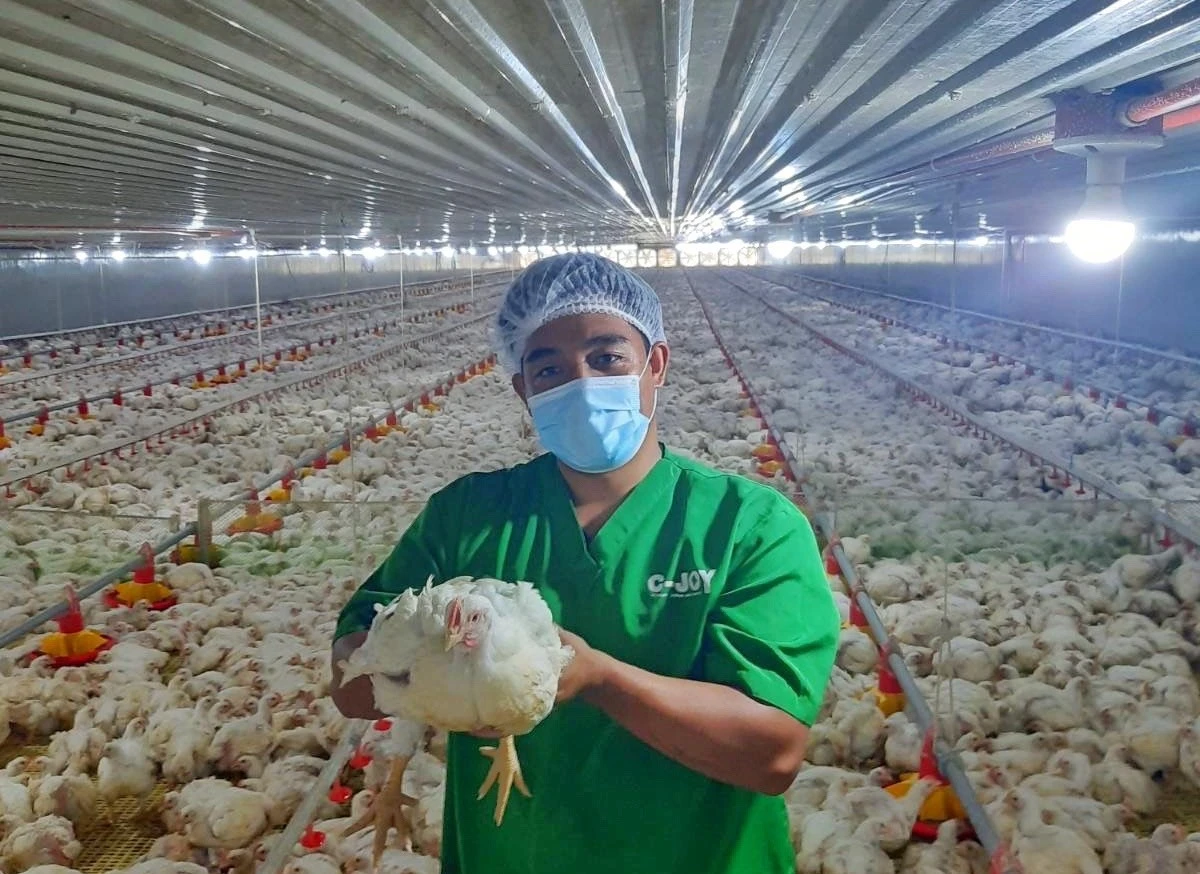
    At its central processing plant in Saraburi, Thailand, Cargill is installing an automated cooked chicken production line. The system uses robotic machinery and artificial intelligence to process real-time sorting and quality data. Work will run through 2028. It will create more than 300 manufacturing jobs in the province.

    Upstream feed operations in Thailand get direct support through a new 30,000 metric ton grain silo. Ground was broken on the facility this year, with commissioning planned for early 2027. The extra holding capacity lets the company buy grain outside standard harvest cycles. That buffers feed costs against seasonal price swings.

    Feed Milling and Retail Brands in the Philippines

    Across the Philippines, capital spending focuses on domestic feed supply and farm networks. An animal feed mill with an annual capacity of 190,000 metric tons is now under construction for late 2027 completion. It will employ over 100 workers and supply commercial producers nationwide.

    Beyond the mill, capacity is expanding across local hatcheries, breeder facilities and broiler farms. The extra volume supplies contracted foodservice buyers. It also stocks Tip-Top, Cargill’s retail chicken brand sold in Philippine supermarkets.

    Demand for high-quality protein continues to grow across global markets, and customers are looking for reliable innovation partners who can help them scale with confidence.

    Watcharapon Prasopkiatpoka, vice president and managing director for Cargill’s Asia-Pacific poultry business, oversees the program across both markets.

    Supply Chain Realignment for Export Markets

    Two distinct strategies define the regional split. Thailand serves as the primary export base, shipping cooked poultry to supermarkets and restaurants in Japan, Europe, North America and Asia. Automation at Saraburi addresses industrial labor shortages in central Thailand. It also enforces consistent portion control for strict overseas food safety audits.

    Philippine investments target domestic food security and price stability rather than exports. Local integrators face frequent raw material bottlenecks and volatile feed prices. Controlling the feed mill and hatchery network shields Cargill from spot-market disruptions. That gives its retail pack business a cost edge over smaller domestic processors.

    Earlier Footprint and Regional Competition

    Global agribusiness groups have spent recent years retooling Southeast Asian protein units around processed, cooked meat instead of raw commodities. Thailand became a processing hub through bilateral sanitary agreements with the European Union and Japan. That sparked heavy capital spending from regional competitors CP Foods and Betagro.

    Cargill previously focused regional spending on standalone feed mills and local joint ventures. This capital plan shifts that focus toward integrated infrastructure. It links grain storage directly to automated cooking lines.

    Work on the Thai grain silo wraps up in early 2027. The Philippine feed mill follows late that year, and the Saraburi processing line comes online in 2028.

  • Shein Second Quarter Profit Plunges 67 per Cent to US$228 Million

    Shein Second Quarter Profit Plunges 67 per Cent to US$228 Million

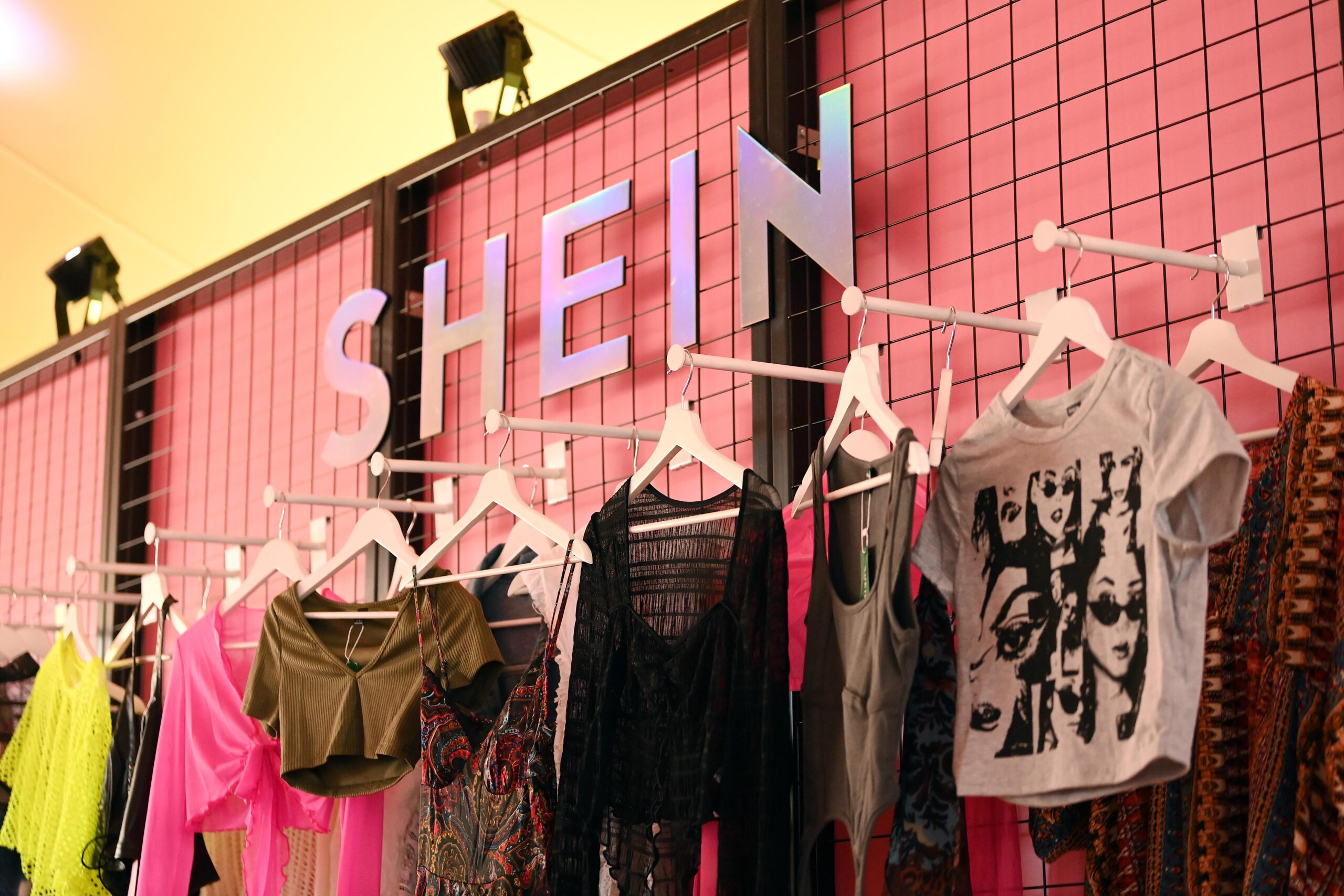
    Shein posted an adjusted net profit of US$228 million for the second quarter, down 67 per cent from a year earlier. Freight costs surged while sales across Europe fell.

    Net margin shrank to 2.1 per cent from 6.2 per cent a year ago. Flying low-cost parcels directly from Asian factories to consumers worldwide became far more expensive. Total revenue edged up 0.9 per cent to US$11.08 billion for the three months to June 30. Gains in Latin America counterbalanced declining receipts in Western markets.

    European sales dropped 13.9 per cent to US$3.77 billion during the quarter. The retailer raised prices and trimmed marketing budgets across the region ahead of July 1, when the European Union introduced a 3-euro customs charge on low-value parcels. United States revenue declined 6 per cent to US$2.5 billion. That drop continued a slide that began after American authorities ended duty-free treatment under de minimis rules last year.

    Air Freight and Customs Squeeze Margins

    Conflict in the Middle East disrupted aviation routes and pushed up jet fuel prices. That drove an 18.1 per cent increase in quarterly fulfillment costs. Shein’s direct-to-consumer model depends entirely on affordable air cargo capacity out of southern China. When air freight rates spike, the margin on five-dollar apparel vanishes.

    Shares in Hong Kong have fallen 27.3 per cent below their HK$48.56 offer price since the company went public on September 1. Institutional investors had already priced in regulatory scrutiny. Even so, the rapid deterioration in core operating earnings caught market analysts off guard.

    European Warehouses and On-the-Ground Logistics

    Shein is shifting inventory onto European soil to insulate operations from cross-border customs fees and volatile air cargo rates. The group opened a 740,000-square-metre logistics hub in Wroclaw, Poland, in December. It secured an additional 66,000 square metres of Polish warehouse space through developer CTP earlier this year.

    Holding stock locally cuts delivery transit times and skirts per-parcel import tariffs. Yet it also creates lease liabilities and inventory holding risks the platform once avoided. For suppliers in Guangdong province, bulk sea shipments to European distribution centres require longer production planning cycles. That slows down the ultra-fast test-and-reorder batches that built the brand.

    Pivot to Higher Price Points and Brand Acquisitions

    Executive leadership plans to adjust the product catalogue toward higher price tiers to rebuild profitability. Moving beyond ultra-cheap garments requires winning market share from established mid-market apparel groups. It also means managing higher marketing and acquisition costs.

    “As the product mix shifts towards brands at higher price points, the platform’s overall average selling price will rise accordingly,” Shein chief executive and chair Yangtian Xu said in a statement.

    Potential fast-fashion acquisition targets are under review as the company seeks to build a portfolio of distinct labels across different price tiers. Buying regional brands gives the group immediate recognition in overseas territories. It avoids relying purely on paid online advertising to acquire customers.

    Next Steps on Customs and Third Quarter Results

    Second-quarter figures reflect business conditions before the European Union’s 3-euro parcel levy took effect in July. Shein cautioned that the full financial hit could exceed the disruption caused by the end of American de minimis exemptions.

    Investors will watch third-quarter trading updates to see whether European warehouse operations can restore gross margins before the peak year-end holiday shopping rush.

  • Trump and Xi Summit in Washington Yields Limited Progress on Tariffs

    Trump and Xi Summit in Washington Yields Limited Progress on Tariffs

    President Donald Trump and Chinese leader Xi Jinping met in Washington last week for a summit that yielded limited progress on tariffs, leaving bilateral relations in what analysts describe as a managed stalemate.

    The limited outcomes showed how far apart Washington and Beijing remain on core economic issues, reinforcing analyst views that China sees little incentive to grant major political concessions ahead of November’s midterm elections.

    Limited Progress on Technology and Supply Chains

    Asia-Pacific supply chains face operations without clear visibility into 2027. Negotiators deferred binding settlements on critical trade disputes. These include China’s export limits on rare earth materials and US trade restrictions on advanced semiconductor shipments.

    Xi arrived in Washington seeking trade predictability as domestic retail spending softens in mainland China. Chinese factory exports have reached record levels globally. Still, falling residential property prices and persistent youth unemployment continue to depress household demand across tier-one and tier-two cities, where homeownership stands near 80 percent.

    Stalemate Over Tech Controls and Taiwan

    Artificial intelligence discussions ended without operational safeguards or a formal bilateral pact. Xi argued during the meetings that advanced computing systems must stay under direct human control. Meanwhile, the White House maintained its broader export controls on cutting-edge processors.

    Geopolitical friction also limited commercial progress. Xi reiterated that American arms sales to Taiwan cross a fundamental red line for Beijing, following a May warning that mishandling the territory could spark direct conflict. The US administration continues to hold a pending 14 billion dollar arms package for the island, using it during negotiations.

    What Operators and Exporters Face Next

    For consumer electronics makers, apparel brands and contract manufacturers across East Asia, the outcome changes little on the ground. Companies that accelerated factory shifts into Southeast Asia to dodge unilateral duties must continue carrying dual-supply chain overhead.

    Retailers sourcing consumer goods through southern Chinese hubs face an immediate cost risk early next year. The three-month extension merely pushes tariff uncertainty past the November US midterm elections without removing the threat of sudden duty hikes.

    January brings the next formal test for cross-border logistics and bilateral commerce, when the current tariff pause expires and working groups resume formal negotiations over market access and tech controls.

  • Vietnamese Brands Target Thai Supermarkets to Drive 25 Billion Dollar Trade Goal

    Vietnamese Brands Target Thai Supermarkets to Drive 25 Billion Dollar Trade Goal

    Vietnamese consumer brands wrapped up a Bangkok retail show on September 20, chasing shelf space across Thailand. Two-way trade between the nations hit a record 22.1 billion dollars.

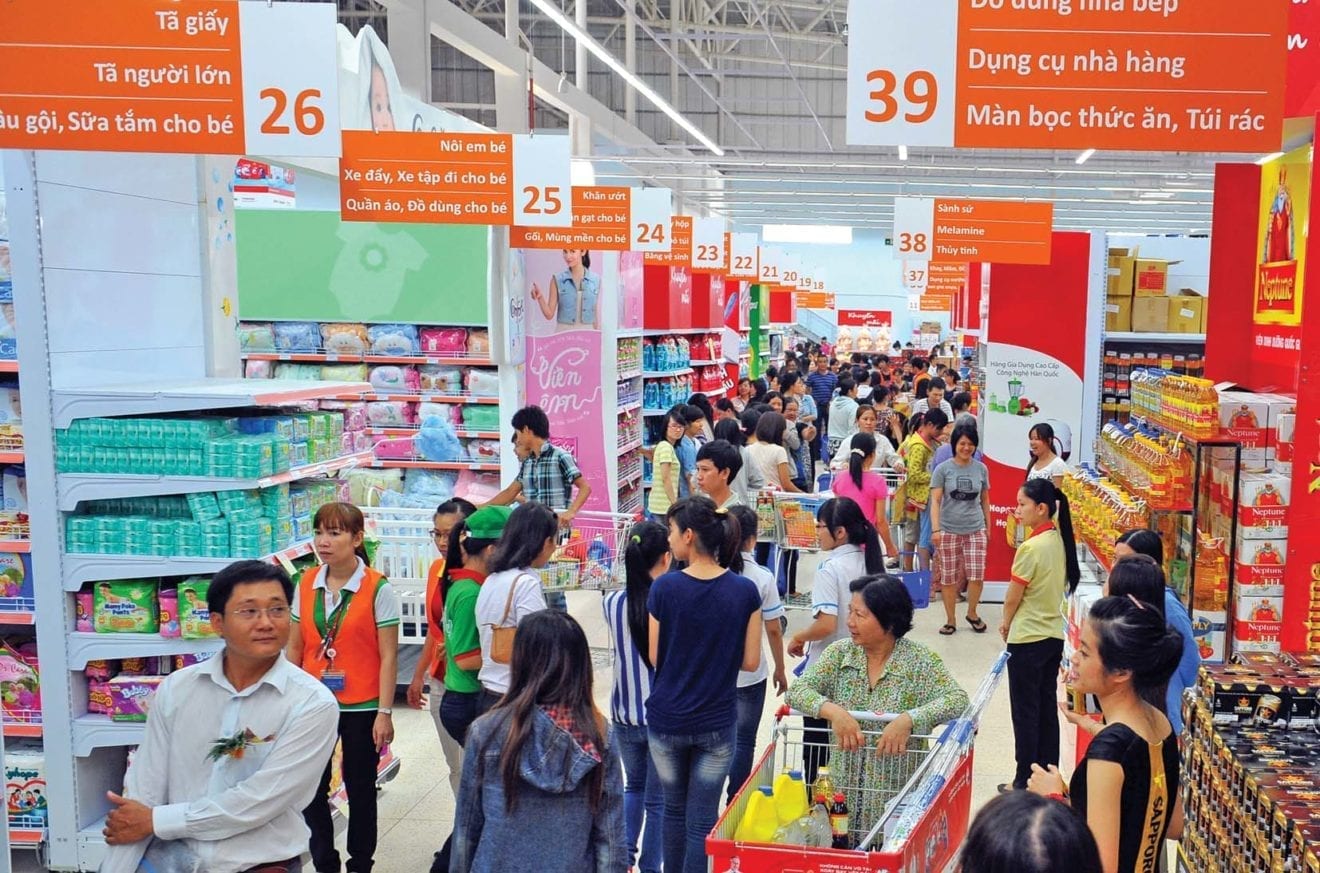
    Both governments want annual trade to reach 25 billion dollars. Hitting that target requires Vietnamese manufacturers to turn low-margin bulk crops into finished, branded goods for modern retail shelves.

    Thailand is Vietnam’s top trading partner in ASEAN, and Vietnam ranks second for Thailand. Proximity keeps shipping costs and transit times well below long-haul routes to Europe or North America. That makes Thai chains an accessible testing ground for regional packaged goods.

    Shifting from Bulk Crops to Packaged Goods

    Central Retail acts as the primary conduit through its Vietnamese Week exhibitions and sourcing networks. Central Retail vice president of Vietnam trade promotion Paul Le noted that suppliers are shifting away from basic raw crop exports. They are moving toward finished products with upgraded packaging, dedicated branding, and local regulatory certifications.

    Securing hypermarket shelf space does not guarantee sales velocity. Buyers demand that foreign suppliers fund their own on-ground marketing and understand price elasticity against established local brands. Suppliers must also align promotional calendars with regional holiday shopping cycles.

    “The handshake is only the first step. Businesses need to take responsibility for promoting their own products and making them visible in the target market. A product placed among thousands of others in a supermarket cannot attract consumers without proper marketing.”

    Provincial authorities in Vietnam are restructuring local supply chains around foreign supermarket specifications rather than domestic farm output. An Giang Province, an agricultural hub in the Mekong Delta, is aligning cooperatives with Central Retail. The goal is to establish consistent volume, commercial traceability, and international food safety standards before starting export runs.

    Local Adapters and Product Tailoring

    Trade officials in Da Nang curated specialized items for the Bangkok event, including packaged Ngoc Linh ginseng, instant Mi Quang noodle bowls, and roasted coffee. The city now subsidizes export-grade packaging design. This helps local processors meet Thai import rules on nutritional labelling and shelf life.

    Coffee roaster Ban Me Gold demonstrates how private labels manage regional segmentation. The company already ships to the United States and South Korea, and develops tailored variants for Japan, Dubai, and Malaysia. For Southeast Asian lines, it packages traditional metal drip filters with ground beans. It also tweaks roast profiles and packaging language for each market.

    Niche producers face a longer path through technical import barriers. Sinh Duoc Cooperative, a personal care maker based in Ninh Binh, spent a decade securing ASEAN cosmetic compliance, US FDA registration, and ISO 22000 food safety certifications. It finally presented herbal soap lines to Thai retail buyers this month.

    Cross-Border Distribution Realities

    Regional consumer goods flows are shifting structurally across Southeast Asia. Thai retail operators such as Central Retail and CP Group have spent billions acquiring store networks across Vietnam. That gives them bilateral use: they source Vietnamese specialty goods for Thai stores while filling Vietnamese aisles with Thai manufactured items.

    Suppliers relying solely on domestic distributors risk margin compression as modern retail expands into Tier 2 and Tier 3 Vietnamese cities. Partnering with cross-border supermarket chains provides volume scale. However, producers must absorb slotting fees, mandatory discounts, and strict return policies that eat into gross margins.

    Small-scale producers face real danger if they expand factory capacity without guaranteed re-orders. A seasonal promotion in Bangkok does not guarantee permanent listing status. Undercapitalized producers remain vulnerable if secondary sales lag behind local Thai incumbents.

    The Next Steps for Regional Trade

    Hanoi’s Ministry of Industry and Trade is steering its Go Global trade program toward digital marketplace integration and cross-border logistics partnerships. Bilateral discussions between Hanoi and Bangkok now focus on streamlining customs clearance and sanitary inspections for packaged food items to drive trade toward the 25 billion dollar milestone.

  • US and China Agree to $30 Billion Tariff Relief as Chinese EVs Eye Entry

    US and China Agree to $30 Billion Tariff Relief as Chinese EVs Eye Entry

    Chinese electric vehicle makers plan to enter the United States market despite bilateral trade talks in Washington on Thursday and Friday concluding without a breakthrough agreement on automotive import access.

    High vehicle prices and sustained inflation in the American domestic market keep Chinese automakers focused on entry routes even after negotiators limited bilateral tariff relief to 30 billion dollars of non-sensitive goods for each country.

    Export Volumes Drive Overseas Push

    Automakers in China are accelerating their export strategies as domestic competition reaches a consolidation point. BYD set a target of 2 million overseas sales in 2026, building on vehicle sales momentum across Brazil and Europe.

    Rising vehicle retail prices and fuel expenses in North America provide commercial incentives for Chinese manufacturers. Smaller players are also gaining global scale, with Zhejiang-based Leapmotor surpassing the global sales volumes of legacy Japanese automakers Subaru and Mitsubishi Motors.

    Competitive Shift Across Asian Automakers

    For Asian automotive supply chains, the push toward Western markets represents a permanent structural realignment. Japanese carmakers are already altering production schedules and supplier networks to counter Chinese pricing and manufacturing speed.

    Suzuki plans to halve vehicle development cycles to match Chinese design timetables, while Honda committed nearly 2.5 billion dollars to construct a dedicated hybrid vehicle assembly plant in the United States. Traditional tier-one components suppliers in Japan face margin pressure as Toyota expands extended-range electric vehicle production using Chinese facilities and local supply bases.

    Bilateral Talks and Tariff Boundaries

    The latest diplomatic meetings in Washington between United States and Chinese leaders established selective tariff relief covering 30 billion dollars of goods on each side. The bilateral framework excluded automotive imports, leaving existing trade barriers and tech scrutiny in place.

    Commercial transport startups are testing alternative international regulatory pathways in parallel. Autonomous delivery developer Neolix launched robovan trials in Belgium to build European commercial logistics operations ahead of broader international rollouts.

    Manufacturing Targets to Watch

    Market attention turns to full-year delivery reports to verify whether BYD can hit its 2 million export vehicle threshold by December 2026.