Tag: supply chain

  • Japan Veers from Rice Shortage to Glut as Farmers Suffer Whiplash

    Japan Veers from Rice Shortage to Glut as Farmers Suffer Whiplash

    Japan has swung from a severe rice shortage to an oversupply glut after releasing emergency grain stockpiles last year to curb soaring consumer prices.

    Although cheaper grain brings relief to shoppers, the rapid price drop is dealing a sharp blow to agricultural producers nationwide.

    Supply reversal squeezes farm margins

    In Chiba Prefecture, Hiroshi Asano, 59, who farms 38 hectares of rice fields, is among the commercial growers feeling the impact of the sudden surplus.

    Large commercial farms with tens of hectares can absorb cyclical downturns through equipment depreciation and land scale. Family operations and independent growers on small plots lack the capital buffers needed to survive prolonged wholesale discounting.

    Retail price shifts and supermarket supply

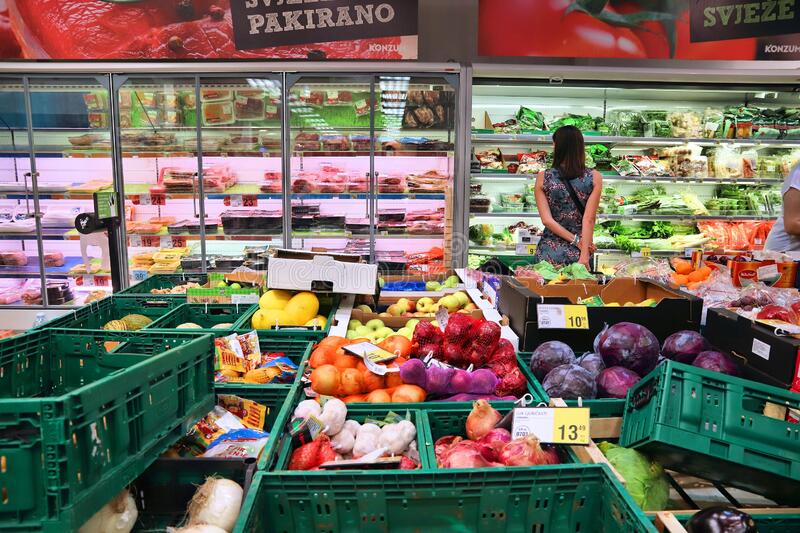
    Supermarket chains across Tokyo and surrounding prefectures had spent months rationing bags and passing wholesale surcharges onto consumers. Falling purchase costs allow food retailers to restore inventory volume and stabilize shelf pricing on private-label and branded rice products.

    Food manufacturers and restaurant chains also gain short-term margin relief from cheaper grain inputs. The price collapse creates procurement instability for buyers who rely on long-term supplier contracts with domestic farming cooperatives.

    Policy intervention and stockpile dynamics

    The supply swing stems partly from emergency market measures deployed during the previous pricing surge. Japanese authorities released state reserve stocks to quell consumer frustration over grain inflation and empty retail racks.

    That flood of public reserves, combined with incoming crop harvests, pushed commercial inventories beyond normal distribution capacity. State planners now face the reverse challenge of balancing consumer affordability against rural producer solvency.

    Structural risks for aging growers

    Japan’s agricultural sector already faces demographic pressures, with the average age of farm operators rising and abandoned arable acreage increasing nationwide. Sharp swings between scarcity and surplus accelerate the exit of independent operators from the staple crop sector.

    Distribution networks must now manage excess inventory flows through regional logistics hubs while wholesale auctions establish new baseline prices for the upcoming harvest cycle.


  • Cambodia Drafts Nationwide Rules on Plastic Packaging Waste

    Cambodia Drafts Nationwide Rules on Plastic Packaging Waste

    Cambodia has begun drafting 1 unified set of nationwide rules this week to curb plastic packaging waste, the Khmer Times reported. The policy targets non-biodegradable refuse generated across commercial distribution and consumer retail channels.

    The draft rules focus on packaging materials used by domestic manufacturers, importers, and retailers.

    Regulating commercial packaging

    Covered items include single-use plastics, protective wrappers, and commercial containers that dominate urban waste streams in major commercial centres. Regulators are designing compliance measures that force businesses to track the volume of plastic packaging they distribute to consumers.

    For retailers and fast-moving consumer goods suppliers, the framework demands operational shifts in inventory management. Supermarkets, convenience chains, and beverage brands must adjust procurement to meet tighter material standards as enforcement begins.

    Regional packaging shifts

    Governments across Southeast Asia are accelerating extended producer responsibility policies. These mandates push consumer brands to finance collection systems or replace virgin plastics with recycled alternatives. Cambodia is aligning its policy with regional neighbours that already tax single-use bags or mandate packaging recyclability targets.

    Supply chain compliance and cost absorption present the primary operational hurdles. Smaller vendors and independent grocers face higher procurement costs for alternative materials. Meanwhile, large multinationals must restructure local distribution contracts to meet standard packaging requirements.

    Policy timeline

    Environmental authorities previously tested localized bag fee schemes and voluntary recycling partnerships with modern trade operators in Phnom Penh and Siem Reap. Those pilot measures laid the groundwork for this nationwide framework.

    Ministries are now finalizing compliance thresholds, reporting guidelines, and implementation timetables for commercial enterprises nationwide.

  • Toyota and Honda Halt Thai Production as Floods Cause $38M in Losses

    Toyota and Honda Halt Thai Production as Floods Cause $38M in Losses

    Toyota Motor Thailand and Honda Automobile (Thailand) have temporarily suspended vehicle production at all their assembly plants in Thailand as severe flooding disrupts transport routes and parts deliveries.

    The disruption followed accumulated rainfall of more than 320mm in three days, leaving major transport corridors heavily flooded and preventing suppliers from reaching assembly lines.

    Honda Shuts Ayutthaya And Prachin Buri Lines

    Honda Automobile (Thailand) suspended vehicle production at its Prachin Buri and Ayutthaya plants from October 2 to 6 after suppliers in Chonburi and Rayong provinces were hit by flooding, cutting off component deliveries.

    Koji Iwanami, president and chief executive of Honda Automobile (Thailand), confirmed the target restart timetable while granting emergency leave to affected facility staff.

    “The company has temporarily suspended vehicle production at the Prachin Buri and Ayutthaya plants from Oct 2 to 6 because parts suppliers have been unable to deliver components required for vehicle production after being affected by flooding, particularly in Chonburi and Rayong provinces,” Iwanami said.

    Plant managers plan to introduce overtime shifts once lines restart to clear model order backlogs and recover lost output.

    Toyota Halts Four Thai Assembly Facilities

    Toyota Motor Thailand ceased work across its three primary manufacturing plants in Samut Prakan and Chachoengsao, alongside affiliate facility Toyota Auto Works. The company runs the Samrong facility in Samut Prakan together with the Ban Pho and Gateway plants in Chachoengsao.

    Submerged access routes broke the parts delivery cadences needed to support Toyota’s just-in-time production system. Plant managers are scouting alternate logistics bypasses and assessing inventory buffers to restart operations once floodwaters drain.

    Supply Chain Bottlenecks Expose Tight Logistics

    The manufacturing halts show how little inventory cushion exists in Southeast Asia’s primary automotive export hub. When arterial roads connecting the Eastern Economic Corridor’s parts cluster in Rayong and Chonburi get blocked, assembly lines outside Bangkok stall within hours regardless of plant floor safety.

    Car manufacturers in Thailand remain heavily exposed to single-route logistics risks. While suppliers upgraded localized drainage barriers after historic monsoon disasters in past cycles, external transport corridors between provinces remain vulnerable to acute flash flooding.

    Industrial Losses Mount Across Fifteen Provinces

    Federation of Thai Industries data show that flooding between September 24 and September 30 hit Bangkok and 14 surrounding provinces, affecting roughly 40 per cent of member operations in flooded districts. The group calculated preliminary losses of at least 1.018 billion baht ($38.7 million) across automotive assembly, parts suppliers, machinery damage, damaged vehicles and lost factory shifts.

    Industrial estates across Chonburi absorbed the bulk of direct supplier delays. Toyota and Honda are watching municipal drainage rates on key industrial arteries ahead of Honda’s scheduled production restart on October 7.

  • Global-e and DHL Urge Retailers to Address Four Key Cross-Border Buyer Demands

    Global-e and DHL Urge Retailers to Address Four Key Cross-Border Buyer Demands

    Australian retailers targeting overseas markets risk losing sales if they fail to provide upfront pricing and clear customs information, industry executives warned this week. Stewart Smith, MD of Asia Pacific at Global-e, said merchants must show full costs in local currency while customers browse.

    According to Smith, shoppers bring four practical questions to an international purchase: total cost, familiar payment options, delivery timeframes, and ease of returns. Presenting unexpected duties or foreign currency conversions at checkout undermines buyer confidence at the critical moment of purchase.

    Upfront Landed Cost Replaces Checkout Surprises

    Denise McGrouther, MD of DHL eCommerce Australia, noted that operational compliance and accurate dispatch data are equally vital to prevent customs delays and unexpected charges upon delivery.

    Smith noted that true market localisation requires more than surface translation or mechanical currency conversion. Merchants must tailor the entire transaction structure, including local payment methods and clear return protocols, to match the domestic standards of each target territory.

    A surprise charge upon delivery can feel like a broken promise, damaging customer trust and satisfaction

    Customs Compliance Dictates Delivery Success

    The operational friction of cross-border commerce extends directly into customs processing and logistics documentation. Denise McGrouther, managing director of DHL eCommerce Australia, said export data captured at checkout determines whether shipments clear borders or face impoundment.

    Customs agencies rely on electronic shipment manifests to evaluate duties, tax liabilities, and regulatory clearance. Inaccurate product descriptions or incorrect valuation data trigger physical inspections, delivery delays, and costly returns to origin warehouses.

    McGrouther explained that compliance functions serve as an active element of the customer experience rather than a post-sale back-office task. Correct product classification codes and accurate tariff calculations entered during order placement ensure packages move through international sorting hubs without manual holds.

    Tracking Visibility During Transit Delays

    Cross-border carriers require direct data integration with merchant storefronts to maintain parcel visibility across overseas distribution legs. When border authorities hold shipments for routine inspections, automated carrier tracking alerts prevent customer disputes by explaining transit pauses immediately.

    Unclear tracking status drives inbound customer service inquiries and chargebacks for cross-border operators. Providing milestone updates from dispatch through final customs clearance allows merchants to maintain buyer confidence even when international transit encounters unavoidable inspection delays.

    Operational Alignment Across Border Checkpoints

    Retailers scaling export volumes must coordinate checkout software calculations directly with freight carrier documentation pipelines. Discrepancies between the landed cost paid at checkout and the commercial invoice submitted at customs cause tax reassessments at destination ports.

    Aligning upfront catalog pricing with downstream logistics documentation protects brand equity in competitive international markets. Merchants that automate duty calculations and customs data filing eliminate clearance bottlenecks while establishing predictable delivery timeframes for overseas buyers.

  • Shein Net Revenue Rose 1 per Cent in First Report as Public Company

    Shein Net Revenue Rose 1 per Cent in First Report as Public Company

    Shein reported that its net revenue rose just 1 per cent year on year in its first earnings report as a public company, as rising shipping costs and changing customs rules squeezed profits.

    The fast-fashion retailer built its business on delivering cheap clothing to shoppers quickly, but the economics behind that promise have become harder to sustain while attempting to broaden its appeal without losing low prices.

    While orders and active customer numbers grew, retail advisor Deanna Andersen noted on October 1, 2026, that rules changed faster than Shein’s model could.

    Regional Sales Slump in Western Markets

    Western consumers pulled back sharply during the quarter as import rules tightened. Revenue across European markets dropped 13.9 per cent to $3.77 billion. In the United States, sales contracted 6 per cent to $2.5 billion. Growth across Latin America offset the Western downturn just enough to keep overall group revenue marginally above the prior year.

    Cross-border direct dispatch from Chinese factories made Shein a global retail power, but that direct-to-consumer logistics network is facing regulatory resistance. Customs authorities in North America, Europe and South Africa have tightened de minimis duty exemptions on small postal parcels. The introduction of handling fees and import duties immediately chips away at low-ticket transactions, forcing the company to decide between absorbing extra fees or hiking list prices.

    “The rules changed faster than Shein’s model could,” said advisor Deanna Andersen.

    The Limits of Centralised Air Freight

    For Asia-Pacific supply chains, the squeeze on Shein signals a forced restructuring of cross-border e-commerce. Chinese manufacturing networks configured solely for fast-turnaround, air-shipped parcels are losing their cost edge when border duties apply. Domestic apparel brands and established department store chains in regional markets are holding their ground against offshore competitors as price parity narrows.

    Rival platform Temu has also stepped up pressure by broadening its product catalogue beyond apparel into general merchandise and home goods. That rivalry has inflated digital advertising acquisition costs across search and social channels, compounding the margin decline for pure-play fashion sellers.

    Inventory Risk Shifts to Local Warehouses

    To bypass package-level border scrutiny and lower delivery times, cross-border sellers must move bulk inventory into regional warehouses closer to target consumers. Doing so breaks the core mechanism that made Shein profitable: producing tiny batches on demand with zero local inventory carrying cost.

    Bulk sea shipping and local distribution centres demand working capital and introduce markdown risk on unsold inventory. Passing higher freight and warehousing expenses onto shoppers risks alienating the core demographic that uses the app strictly for bargain pricing.

    Losses in Early 2026 Followed by Weak Rebound

    The margin contraction follows a difficult start to the financial year. Shein posted a net loss of $99 million in the first quarter of 2026, reversing a $395 million net profit recorded in the corresponding period of 2025. Although the business returned to positive net income in the second quarter, profitability remains far below historic performance.

    Investors now await third-quarter trade volume data and customs clearance metrics ahead of the peak year-end holiday shopping quarter.

  • Australian Retail Spending Climbs 7% as Stronger Dollar Eases Import Costs

    Australian Retail Spending Climbs 7% as Stronger Dollar Eases Import Costs

    Australian retail spending grew 7.0 per cent year on year in July, driven by consecutive monthly gains across all major discretionary merchandise categories.

    Monthly household expenditure expanded 1.1 per cent in July, marking a third straight monthly advance and providing merchant relief ahead of fourth-quarter trade.

    Official Australian Bureau of Statistics data showed apparel and footwear leading the monthly lift with a 1.6 per cent increase, while recreation and culture gained 1.5 per cent. Discretionary spending climbed 7.8 per cent compared to July 2025, even as higher price points accounted for part of the top-line dollar expansion.

    Currency Relief on Sourced Inventory

    Landed costs across consumer electronics, toys, apparel and homewares have eased as the Australian dollar moved above 70 US cents in late September. That contrasts with an average exchange rate near 64 US cents throughout 2025, lowering procurement expenses on goods invoiced in US currency.

    For regional supply chains and Asia-based manufacturers supplying Australian retail networks, a stronger local currency alters order timing and pricing use. Importers that locked in inventory during early 2026 faced compressed margins, whereas buyers placing late-year purchase orders now capture direct landed savings.

    GDP Expansion and Capital Investment

    Broader economic output expanded by 0.4 per cent during the June quarter, bringing annual gross domestic product growth to 2.1 per cent. Across the full 2025-26 financial year, the economy grew 2.4 per cent, outpacing performance recorded across the prior two fiscal periods.

    Capital allocations also widened during the period. Private business investment reached 12.7 per cent of gross domestic product, the highest level recorded in a decade, underpinned by capital outlays in data centres, renewable power installations and commercial aircraft fleets.

    Labour Market Resilience and Household Buffers

    Consumer cash reserves showed slight replenishment as the household saving ratio ticked up to 6.5 per cent in the June quarter from 6.4 per cent. Total employment expanded by approximately 39,000 positions in August, while the national participation rate stood at 67.1 per cent.

    Unemployment rose to 4.6 per cent as additional jobseekers entered the market, a level Reserve Bank of Australia Governor Michele Bullock noted sits within a range capable of cooling lingering price pressures. Headline inflation tracked at 3.5 per cent in July, with the trimmed mean indicator registering at 3.6 per cent.

    Interest Rate Pressures Heading into Peak Season

    Monetary policy remains the primary headwind for merchant balance sheets and household debt servicing. The central bank entered its late September policy review with the cash rate target at 4.35 per cent, having already executed three rate hikes earlier in 2026.

    Department store operator Myer flagged persistent market uncertainty, with executive chair Olivia Wirth noting consumer behaviour is likely to stay volatile across the coming 12 months. Australia’s four largest domestic commercial banks forecast a 25 basis point cash rate increase to 4.60 per cent at the next monetary policy determination.

  • Buy&Ship Joins Tokyo Stock Exchange Hub as First Hong Kong Scale-Up

    Buy&Ship Joins Tokyo Stock Exchange Hub as First Hong Kong Scale-Up

    Hong Kong cross-border e-commerce platform Buy&Ship has joined the TSE Asia Startup Hub, becoming the first scale-up from the city to enter the Tokyo Stock Exchange program.

    The initiative gives the logistics and shopping platform institutional backing in Japan. That support comes as Buy&Ship builds retail partnerships, deploys artificial intelligence tools and evaluates a potential Tokyo initial public offering after recently securing a 12 million US dollar first closing in Series C funding.

    Expanding Japanese Logistics and Retail Routes

    Buy&Ship runs parcel-forwarding and cross-border shopping services across Asia. The service lets consumers buy directly from overseas merchants. Japan is one of its central sourcing corridors, driven by consumer demand in Hong Kong and Southeast Asia for Japanese goods.

    To support that volume, the company recently relocated its Japanese processing warehouse to Chiba. Joining the exchange hub gives the operator direct access to Japanese consumer brands seeking export channels without building their own international distribution networks.

    The Exchange Strategy for Asian Tech

    Tokyo Stock Exchange created the Asia Startup Hub to attract growth-stage companies with existing commercial ties to Japan. It connects regional tech firms with domestic underwriters, commercial partners and institutional capital. Through the program, the exchange aims to position Tokyo as a primary listing venue for Asian tech scale-ups.

    For Buy&Ship, the relationship provides corporate introductions and regulatory guidance foreign operators rarely secure alone. Cross-border platforms often face customs clearance hurdles, carrier contract limits and seller recruitment bottlenecks in Japan without domestic partners.

    Funding and Regional Scaling

    Cross-border commerce across Asia has shifted away from basic freight forwarding. Platforms now handle payment, customs, localization and return logistics under one roof. Those securing direct tie-ups with domestic brand owners capture higher margins than pure parcel consolidators.

    Regional logistics networks and domestic marketplaces are battling hard for parcel volumes across East Asian freight corridors. Direct integration with Japanese merchants gives specialized platforms a defensible product inventory that general freight forwarders cannot match.

    Earlier Capital and US Market Expansion

    Buy&Ship entered the exchange hub after securing a first closing of 12 million US dollars in Series C funding. That capital is financing its international expansion, including its entry into the United States market and upgrades to its software stack.

    Next, the platform will expand merchant onboarding programs in Tokyo while working through the exchange hub’s advisory track ahead of a planned public listing.

  • Rajby Textiles Opens 500,000-Piece Denim Plant in Karachi

    Rajby Textiles Opens 500,000-Piece Denim Plant in Karachi

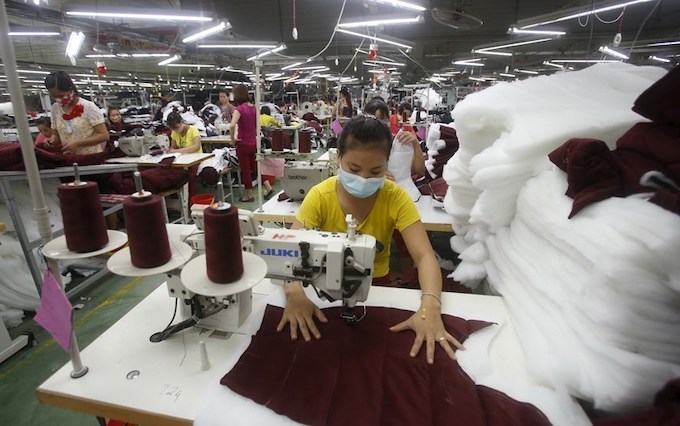
    Rajby Textiles Pvt. Ltd. Opened a garment manufacturing facility in Karachi, adding initial capacity for 500,000 finished denim pieces per month.

    A planned second phase will double output to 1 million pieces monthly, fed directly by the company’s existing mill that weaves 3.2 million meters of denim fabric each month.

    Automation on the Factory Floor

    The Karachi unit incorporates automated spreaders, pocket setters, automatic hemmers and loop attachers to accelerate assembly times and maintain stitch uniformity across bulk production runs. Finishing operations rely on Jeanologia ozone systems, laser distressing equipment and industrial washers engineered for lower resource consumption.

    Integrating garment assembly with on-site fabric milling removes transit delays between raw material production and cut-and-sew operations. The shift turns Rajby into a fully vertical supplier for international apparel labels seeking shorter order lead times in South Asia.

    “For over 50 years, [Rajby Textiles](https://wwd.com/sourcing-journal/sj-denim/adriano-goldschmied-relaunches-house-of-gold-rajby-textiles-filippo-donati-1238822229/) has built its reputation on manufacturing excellence, quality, and continuous innovation,” said Daniyal Saleem, CEO at Rajby Textiles. “With this new garment facility, we are bringing that same commitment to the finished product. By combining modern automation with sustainable technologies, we are offering our global brand partners an integrated, responsible, and agile supply chain.”

    Shifting Pressure to Vertical Hubs

    Global clothing retailers continue to consolidate their vendor rosters, favoring South Asian manufacturers that control spinning, weaving and sewing under a single corporate umbrella. Fragmented supply chains that ship yardage between disparate subcontractors face rising freight expenses and compliance penalties from European and North American buyers.

    Pakistani denim exporters are racing to match integrated rivals in Bangladesh and India by adding downstream stitching operations. The risk sits in execution: running high-speed garment lines demands tighter labor coordination and rapid turnaround on seasonal design changes than bulk fabric production ever required.

    Environmental Targets and Water Treatment

    To align the new sewing floor with brand sourcing rules, Rajby is upgrading its wastewater infrastructure. The company is retrofitting its effluent treatment plant with moving bed biofilm reactor biological and tertiary systems to meet the Zero Discharge of Hazardous Chemicals Progressive standard.

    Plant managers have scheduled installation of a wastewater recycling system designed to reclaim 30 per cent of process water by 2027. The company calculates that initial threshold will save volume equal to the daily water consumption of 17,280 people.

    Power Generation and Waste Milestones

    Rooftop solar generation will supply 800 kilowatt-hours of power directly to the apparel unit, cutting site-level emissions by 25 per cent. Management set an interim target to reduce total greenhouse gas emissions across the garment division by 50 per cent by 2030.

    The apparel plant builds on earlier energy systems installed at the fabric mill, which uses biomass boilers and waste heat recovery units to generate 95 per cent of its industrial steam from renewable inputs. The broader roadmap calls for achieving 100 per cent wastewater recycling and zero manufacturing waste sent to landfill across the Karachi complex by 2030.

  • Mini-Supermarkets Challenge Southeast Asia’s Large Food Formats

    Mini-Supermarkets Challenge Southeast Asia’s Large Food Formats

    In October 2026, neighbourhood convenience chains are driving deeper into provincial Southeast Asia, pulling daily food spending away from large-format hypermarkets as small-box networks expand across rural farming communities.

    The push into lower-tier population centres shows how compact grocery footprints now compete directly with destination retail hubs across markets such as Thailand.

    Rural Demand Shifts to Local Doors

    In farming hubs like Duan Yai in southern Sisaket province, where roughly 5,000 residents anchor the surrounding agricultural trade, consumer demand for modern retail is outstripping local physical supply. Shoppers in the district currently travel 10 kilometres west to Bu Sung, a town of 10,000 people, to access the nearest 7-Eleven branch.

    That distance illustrates the remaining runway for convenience operators. The appetite for modern trade in smaller towns creates immediate footfall whenever corporate operators consider new postcodes.

    Format Pressure on Destination Stores

    Large grocery formats built their business models on weekly car trips and high average basket sizes. Mini-supermarkets and convenience operators upend that calculation by positioning fresh staples and daily packaged goods within minutes of residential clusters.

    For regional operators, smaller floor plans lower upfront capital expenditure, shorten opening timelines and reduce exposure to mall lease cycles. The operational challenge shifts entirely to logistics density and cold-chain route efficiency across secondary highways.

    Supply Chains Adapt to Fragmented Stops

    Servicing fragmented rural stores requires automated replenishment schedules and higher delivery frequencies per route. Distributors that fail to match the delivery cadence of corporate convenience networks lose shelf space to direct operator contracts.

    Suppliers must also tailor packaging formats to smaller baskets, swapping bulk family packs for single-serve items and everyday portion sizes suitable for local farm workers and rural households.

    Network Density Decides Format Winners

    Convenience networks in Thailand have steadily filled urban corridors and are now systematically mapping tier-three administrative subdistricts. Each new branch in a secondary town cuts into the trade radius of the nearest regional commercial centre.

    Network expansion now hinges on whether store operators can maintain gross margins on rural logistics routes as store density spreads into districts with fewer than 10,000 residents.

  • Pakistan Lowers Petrol and Diesel Pump Prices for September 29

    Pakistan Lowers Petrol and Diesel Pump Prices for September 29

    Pakistan cut petrol prices by Rs2.27 per litre and high-speed diesel by Rs3.56 per litre on September 28, adjusting retail fuel rates for nationwide transport and retail supply chains.

    The revision sets the ex-depot price of petrol at Rs389.03 per litre and high-speed diesel at Rs404.97 per litre, with the updated rates taking effect on September 29.

    Tax burdens and daily pricing

    Official levies remain unchanged despite the downward revision. The federal government maintains Rs114 per litre in duties and taxes on petrol and Rs100 per litre on high-speed diesel, according to the Petroleum Division notification.

    Daily price adjustments now govern the pump rate under an arrangement handed to the Oil and Gas Regulatory Authority in July. Petroleum Minister Ali Pervaiz Malik introduced daily revisions to track swings in imported cargo costs directly, replacing the previous weekly adjustment framework established in March.

    Operating hours and transport pressure

    For commercial store operators and logistics fleets, fuel costs remain a heavy overhead. Petrol and high-speed diesel drive nationwide freight and personal transit, with monthly consumption running between 700,000 and 800,000 tonnes each, compared with roughly 10,000 tonnes for kerosene.

    Physical retailers face operational curbs alongside pump price volatility. The government has enforced early market shutdowns at 9pm to conserve energy, while cutting fuel quotas for official vehicles by 50 per cent over a three-month window.

    Trajectory from April peaks

    Pump rates remain below the record highs set earlier in the year. High-speed diesel traded at a peak of Rs520.35 per litre on April 3, climbing from Rs281 per litre before international market disruptions escalated in late February.

    Petrol followed an identical track, starting from Rs266 in early March to reach a record Rs458.41 per litre in April. Targeted subsidies introduced by Prime Minister Shehbaz Sharif on September 13 attempt to shield two-wheelers, auto rickshaws and passenger vehicles up to 800cc from high base rates.

    Supply monitor

    Commercial transport operators continue to watch the daily regulatory adjustments from the Oil and Gas Regulatory Authority. Further price notifications depend on international crude benchmarks and the duration of the current retail operating curbs.

  • South Korea Retail Sales Fall 1.8% as Auto Output Plunges in August

    South Korea Retail Sales Fall 1.8% as Auto Output Plunges in August

    South Korean retail sales dropped 1.8 percent in August from the prior month, dragged down by sharp pullbacks in automobile deliveries and durable goods spending.

    Industrial production contracted 1.3 percent over the same period while facility investment tumbled 9.5 percent, marking the first simultaneous decline across all three economic measures since May.

    Data released by the Ministry of Data and Statistics showed mining and manufacturing output fell 4.8 percent, driven by a 24.8 percent slide in automotive production. The drop in vehicle manufacturing was the steepest single-month decline recorded since May 2020, when output collapsed 34.9 percent during early pandemic disruptions. Component suppliers absorbed direct hits, with rubber and plastic sector production dropping 11 percent as tire orders shrank.

    Auto production slide hits retail

    Auto assembly lines faced dual disruptions during the month from concentrated plant shutdowns and earlier labor actions. Assembly lines slowed after worker walkouts in July interrupted delivery schedules, while domestic automakers clustered annual plant maintenance and worker holidays into August rather than spreading them across two months.

    “In July, workers at some automakers staged strikes, which partly affected output in August. While summer vacations were previously spread across July and August, they were concentrated in August this year.”
    Lee Doo-won, Senior Statistics Official, Ministry of Data and Statistics

    The manufacturing shortfall moved straight through the supply chain into retail showrooms. Recreational vehicle shipments took the largest hit, leaving dealerships short on inventory and curbing consumer purchases of high-ticket items across the country.

    Durable goods lead consumer pullback

    Consumer spending across retail channels showed deep divergence by category. Durable goods sales, which include passenger cars and large household purchases, dropped 4.5 percent month on month. Non-durable goods, covering everyday consumer items such as cosmetics, fell 1.6 percent.

    Softlines provided limited relief against the wider consumer retreat. Sales of semi-durable goods, including apparel and footwear, rose 0.4 percent as seasonal autumn fashion collections entered stores. Total wholesale and retail trade output still finished down 0.7 percent for the month.

    Factory spending drops across sectors

    Capital expenditure among Korean businesses saw severe cutbacks led by fleet and transport orders. Facility investment dropped 9.5 percent in August, driven by a 32.8 percent contraction in transportation equipment procurement.

    General factory equipment investment showed modest resilience despite the broader slide. Machinery investment grew 1.6 percent, and machinery output rose 3.1 percent over the month, though the gains failed to offset the heavier drop across mobility hardware.

    Service sector provides isolated cushion

    Services output expanded 0.5 percent in August, preventing a steeper fall in headline gross output. Gains centered heavily in the information and communication sector, which expanded 4.7 percent to offset contractions in wholesale distribution channels.

    The August figures follow an uneven recovery cycle where strong technology and semiconductor demand masked softer domestic consumer sentiment. Automotive manufacturing normalization in September and third-quarter earnings from major carmakers will show whether the production slump was purely seasonal or reflects softer vehicle export orders.

  • SAS Cargo Names Allied Aviation GSSA for Five Weekly India Flights

    SAS Cargo Names Allied Aviation GSSA for Five Weekly India Flights

    SAS Cargo appointed Allied Aviation as its general sales and services agent in India on 1 October to fill bellyhold capacity across five weekly flights between Mumbai and Copenhagen.

    The scheduled widebody service runs on Airbus A330 passenger aircraft, opening direct air freight corridors between western India and Scandinavian distribution hubs.

    Under the agreement, Allied Aviation handles local cargo sales, ground supervision, and revenue management across the country. The sales push targets five primary export sectors: pharmaceuticals, temperature-controlled perishables, garments, engineering machinery, and cross-border e-commerce parcels.

    Network coverage across major manufacturing hubs

    Allied Aviation will market the Scandinavian capacity through its established regional branch network. That footprint spans nine major export and logistics centres: Mumbai, Ahmedabad, Hyderabad, Kolkata, Delhi, Chennai, Bengaluru, Kochi, and Thiruvananthapuram.

    Exporters based in automotive and textile clusters across southern and western India gain direct routing into northern Europe without transiting through Gulf hubs. That eliminates one transfer point and reduces transit times for time-sensitive cargo.

    “This is an important addition to our airline portfolio, giving Indian exporters direct capacity into Copenhagen and access to SAS Cargo’s wider network across Scandinavia and beyond,” said Kritika Seth, executive director, Allied Aviation.

    Shifting trade flows and airline representation

    Competition among general sales agents in India has intensified as foreign carriers rebuild long-haul networks into South Asia. WestJet Cargo appointed AVIAREPS as its Indian cargo sales agent in mid-September, highlighting how North American and European carriers rely on local agencies rather than dedicated sales forces to manage regional freight demand.

    For retailers and industrial suppliers, dedicated Scandinavian lift provides direct access to Nordic consumer markets. The commercial risk sits squarely on yield management, where agents must secure high-paying pharmaceutical and electronics contracts to balance lower-yielding garment and general freight volumes.

    Fleet deployment and scheduled operations

    Deploying the Airbus A330 on the Copenhagen-Mumbai city pair gives SAS Cargo predictable lower-deck container capacity on every flight. Long-haul bellyhold operations depend on rapid turnaround times and tight coordination with freight forwarders in tier-one and tier-two industrial corridors.

    The carrier previously focused its Asian cargo footprint primarily on East Asian manufacturing gateways. Adding five weekly frequencies into Mumbai connects Nordic industrial supply chains directly to Indian contract manufacturers.

    Next commercial steps in Miami

    Allied Aviation will take its expanded carrier representation portfolio to international forwarders at the TIACA Air Cargo Forum in Miami, scheduled for 26 to 29 October. The agency plans to finalise winter booking allocations and forwarder block space agreements at the event.

  • Cambodia Sets Retail Fuel Caps at 5,150 Riel for Gasoline and 5,650 Riel for Diesel

    Cambodia Sets Retail Fuel Caps at 5,150 Riel for Gasoline and 5,650 Riel for Diesel

    Cambodia’s Ministry of Commerce set new retail fuel caps on October 1. The ceiling fixes regular gasoline at 5,150 riel per litre and diesel at 5,650 riel.

    Stations nationwide implemented the schedule at 1:00 PM. The rates run through October 11.

    Breakdown of the price schedule

    The adjustment covers Gasoline 92 alongside Gasoil 10ppm. State authorities calculate the figures using a formula tied to regional energy trading averages, updating domestic pump rates every ten days to reflect wholesale oil shifts.

    Subsidies remain in place to cushion consumers and commercial operators from international swings. The Ministry of Commerce said state support helps stabilise transport overheads while allowing retail networks to align station prices with global trends.

    Cost pressure across logistics and distribution

    Diesel at 5,650 riel per litre sets the baseline operating expense for freight hauliers, agricultural distribution networks, and inter-provincial bus operators. Heavy goods vehicles rely exclusively on gasoil. Any upward revision in the ten-day cycle feeds directly into wholesale delivery charges for packaged goods, fresh produce, and construction materials moving along national highways.

    Urban delivery platforms and motorcycle couriers bear the cost of 5,150 riel regular gasoline. In Phnom Penh and secondary urban hubs, last-mile couriers operating two-wheelers absorb these fuel expenses directly. That squeezes net margins across fast-food delivery and e-commerce fulfillment services.

    Supply chain impact for retail networks

    Fuel retailers operate within tight fixed margins under the mandatory price ceilings. Forecourt chains and independent operators must recalibrate point-of-sale software and physical pump displays across the country at every adjustment window. This prevents price gouging while stations manage terminal inventory bought at earlier wholesale rates.

    Importers and bulk storage operators face continuous cash-flow planning under the ten-day review mechanism. Rapid swings between cycles leave bulk distributors exposed to inventory holding risks whenever wholesale prices soften faster than retail ceilings update.

    Earlier pricing adjustments

    Officials carried out previous scheduled price revisions on September 11, August 11, and August 4. Those followed a drop in pump prices recorded in April after geopolitical tensions eased across international oil markets.

    Energy planners monitor international crude benchmarks ahead of the next window on October 11. The Ministry of Commerce will issue its subsequent ten-day fuel notification on that date.

  • Petronas and PTT Venture Temporarily Shuts Songkhla Export Pipeline

    Petronas and PTT Venture Temporarily Shuts Songkhla Export Pipeline

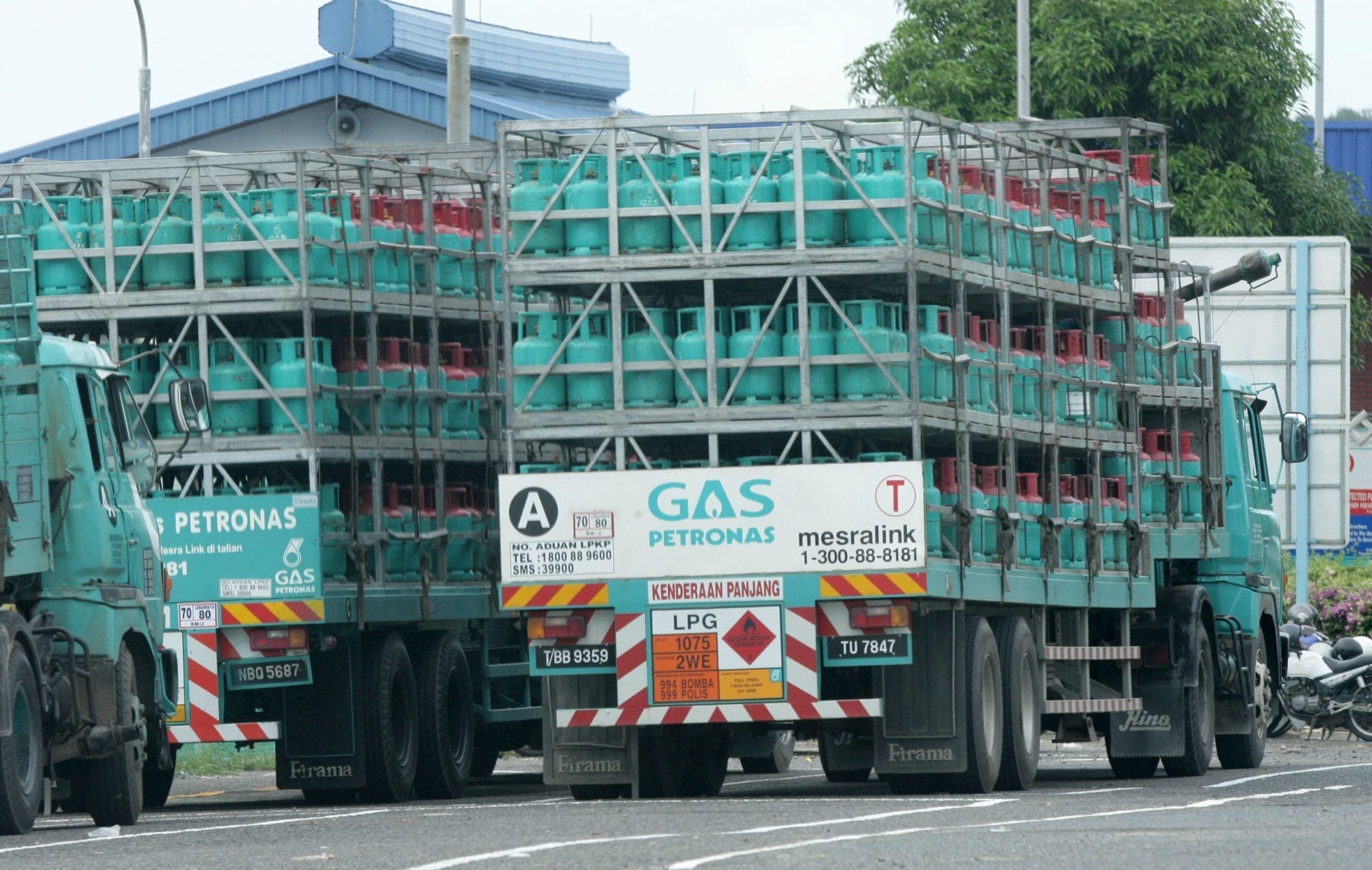
    Malaysian state energy firm Petronas announced on Thursday, Oct 1, that the Songkhla Export Pipeline had been temporarily shut down after an issue was identified during a routine inspection.

    The closure was enacted as a precautionary measure to protect pipeline integrity and ensure safe operations.

    Inspection Halts Regional Flow

    The conduit is operated by Trans Thai-Malaysia (Thailand), a joint venture between Petroliam Nasional Berhad and Thailand’s PTT, and will resume operations only after it is confirmed safe.

    Petronas confirmed that the closure serves as a protective measure to ensure safe operations across the grid. The Songkhla Export Pipeline forms a core segment of the wider Trans Thailand-Malaysia gas system. It channels offshore output from the Gulf of Thailand into processing plants and commercial fuel networks across both nations.

    Cross-Border Supply Links

    Energy deliveries between the two Southeast Asian neighbors depend heavily on shared offshore infrastructure. The Gulf of Thailand grid supplies feedstock to power generation facilities, industrial estates, and manufacturing hubs across northern Peninsular Malaysia and southern Thailand.

    Industrial consumers and utility operators in both markets monitor pipeline uptime closely to manage baseline power generation costs. Unplanned disruptions force grid operators to balance regional fuel loads or tap costlier alternative energy sources during repair intervals.

    Operating Precautionary Protocols

    Joint venture operators across the Gulf of Thailand maintain strict inspection routines to prevent offshore containment failures. Subsea pressure variations and environmental exposure demand immediate intervention when anomalies appear on these regional assets.

    Both Petronas and PTT operate several shared production and midstream assets in the joint development area. Cross-border energy agreements between Kuala Lumpur and Bangkok govern these shared infrastructure assets to guarantee symmetric supply obligations.

    Resumption Timeline Pending Assessment

    Commercial flows along the Songkhla Export Pipeline will stay offline until maintenance teams complete safety verifications, Petronas confirmed.

    Engineers from Trans Thai-Malaysia are conducting technical reviews on site, with pipeline operations scheduled to restart once safety clearances receive final approval.

  • Lazada Maps Carbon Footprint and Claims 1.1 Million Ecosystem Roles

    Lazada Maps Carbon Footprint and Claims 1.1 Million Ecosystem Roles

    Lazada Group logged 1.1 million economic roles across its Southeast Asian e-commerce network. The tally appeared in its inaugural sustainability report alongside its first operational greenhouse gas baseline.

    This benchmark inventory covers operations in Indonesia, Malaysia, the Philippines, Singapore, Thailand and Vietnam. It forms the foundation for a wider decarbonization plan.

    Carbon accounting and logistics operations

    Prepared against the Global Reporting Initiative Standards 2021, the FY2022 review details the group’s first group-wide carbon inventory. The baseline identifies primary emission sources across fulfillment hubs and transport networks. That data will help steer fleet contracts toward third-party logistics operators using electric vehicles.

    Packaging reduction programs ran alongside the emissions audit. In the Philippines, the LazGoGreen initiative recorded sales of 70,000 alternative material pouches in March 2020. Thirty-five sellers switched entirely away from conventional plastics. By the end of that year, 18 national plastic collection hubs were operational.

    Merchant enforcement and counterfeit screening

    On compliance, a dedicated Intellectual Property Rights team introduced automated detection tools in March 2020. That system removed 98 percent of flagged counterfeit listings in 2021 before shoppers completed a transaction.

    Information security across the six regional markets secured certification under the ISO 27001:2013 standard. Local business units also ran joint consumer data protection campaigns with state agencies. Partners included the Department of Trade and Industry and the National Privacy Commission in Manila.

    Workforce programs and regional read-across

    Merchant training ran through Lazada University alongside the Lazada Learning Festival 2022 for small businesses. Separately, a specialized technical scholarship with For The Women placed 70 percent of its female data science graduates into formal technology positions.

    Emissions tracking gives institutional investors standard data points, but implementation across independent fleets remains uneven. Company-owned sorting centers can enforce strict packing rules. Even so, tens of thousands of third-party merchants still use standard plastic mailers because sustainable alternatives cost more per unit.

    Rival platforms face identical packaging friction across Southeast Asia. Low average order values make merchants resistant to packaging surcharges. Marketplaces that mandate compliance without absorbing packaging overhead risk driving small vendors toward competing platforms.

    Corporate footprint across Southeast Asia

    Founded in 2012, Lazada became the Southeast Asian flagship platform for Alibaba Group in 2016. Over the following decade, the marketplace built proprietary logistics and payments infrastructure across six core territories. It now runs localized operations in each market.

    Operations across the region are geared toward a target of serving 300 million consumers by 2030.