Tag: supply chain

  • Toyota Thailand Extends Suspensions at 3 Plants to Oct 19

    Toyota Thailand Extends Suspensions at 3 Plants to Oct 19

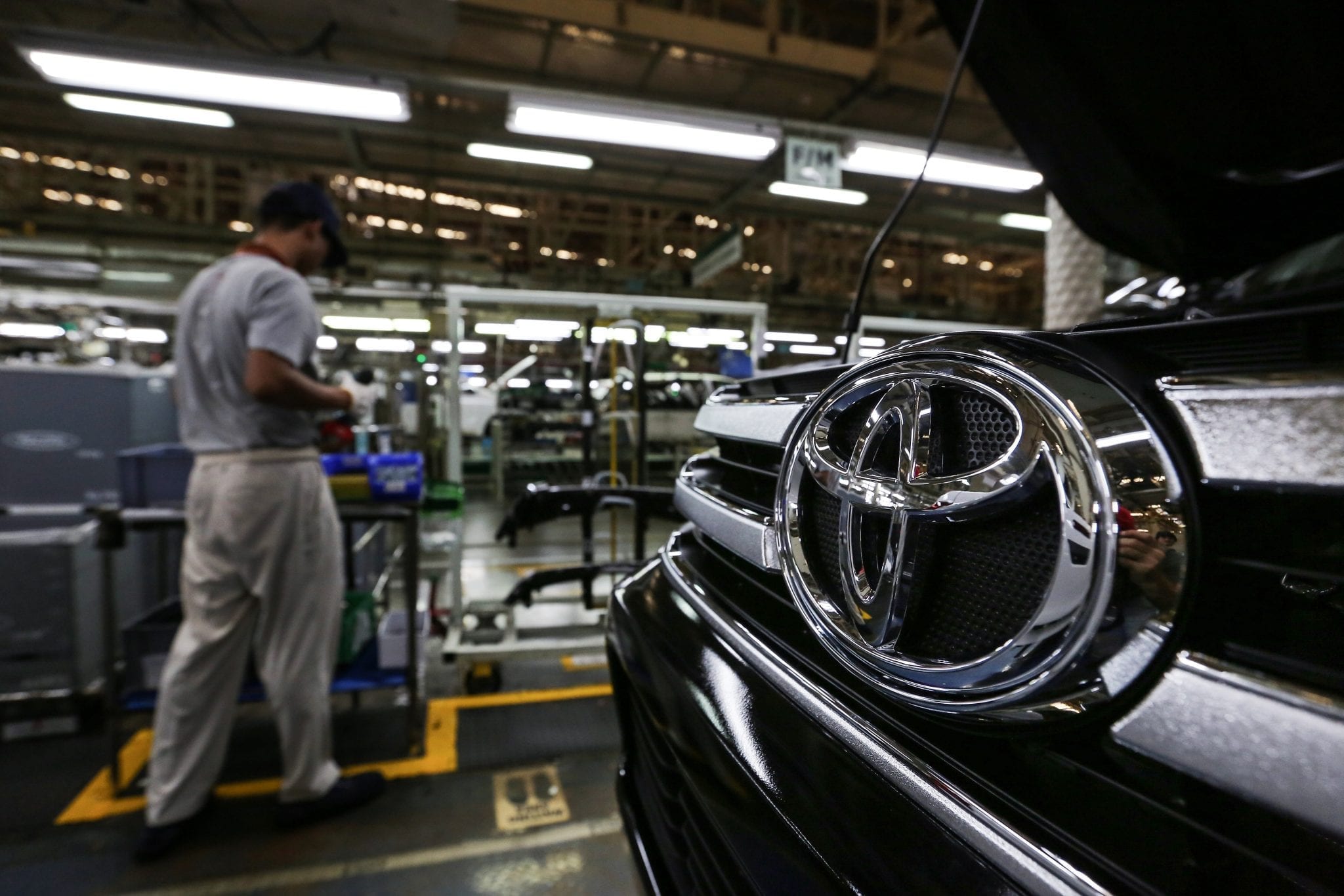
    Toyota Motor Thailand has extended production suspensions at its Samrong, Ban Pho and Gateway plants, with operations now expected to resume between Oct 14 and 19 as flooding continues to disrupt parts deliveries.

    The company initially suspended output at the three facilities from Oct 5 to 10 after flooding affected deliveries across Samut Prakan, Chachoengsao and Chon Buri provinces.

    Staggered restarts across manufacturing hubs

    In a statement released on Friday, the carmaker said production at the Samrong plant was projected to resume on Oct 14, followed by Gateway on Oct 16 and Ban Pho on Oct 19.

    Under the revised schedule, the Samrong plant will attempt to restart operations on October 14. Gateway follows on October 16. Ban Pho remains closed until October 19.

    Every restart date depends on water levels receding and parts vendors restoring shipments, Toyota stated. Dealerships have begun notifying retail buyers about delayed vehicle handovers.

    Supplier gridlock hits automotive corridor

    Disruptions tested Thailand’s tightly integrated just-in-time automotive supply chain. Heavy rains inundated central industrial clusters in late September, submerging transit corridors rather than destroying plant machinery outright.

    Roughly 10 component manufacturers across the country halted production after rising waters blocked workers from commuting. Other vendors avoided direct flooding but could not move finished inventory over submerged provincial highways.

    Total industrial damage from the floods reached 6 billion baht, or roughly 178 million dollars, according to the Federation of Thai Industries. While major vehicle plants held enough safety inventory to assemble cars through October 12, those buffer stocks have run dry.

    Supply chain strain across regional rivals

    Toyota is not the only assembler managing parts shortfalls in the corridor. Rival manufacturers including Isuzu, Honda, Ford and Nissan faced delivery delays as regional logistics networks seized up.

    The country serves as the primary export base for Japanese carmakers supplying Southeast Asia, Australia and the Middle East. Prolonged plant closures risk pinching vehicle inventory across regional dealership networks heading into the fourth quarter.

    If tier-one suppliers cannot restore operations once roads clear, assemblers will face steep air-freight bills. They must fly replacement components in from Japan to keep assembly lines running.

    Monsoon pressures on industrial infrastructure

    Monsoon rainfall dumped nearly 300 millimetres of water over Bangkok in three days during late September, matching the capital’s typical monthly rainfall. Authorities declared disaster zones across 28 provinces as floodwaters spread southward through central manufacturing provinces.

    Government officials stepped in to inspect industrial parks, with Commerce Minister Suphajee Suthumpun visiting Toyota’s Samrong plant in Samut Prakan on October 7 to assess damage to transport links.

    Plant managers and suppliers now focus on clearing logistical bottlenecks before Samrong’s targeted October 14 restart date.

  • Aptar Beauty Adds All-Plastic Pump to Personal Care Packaging Line

    Aptar Beauty Adds All-Plastic Pump to Personal Care Packaging Line

    Aptar Beauty launched the Novus Advance all-plastic pump on October 5, widening its polyolefin dispensing line into high-volume hair and body care formats. The unit dispenses fixed doses of 350 and 500 microlitres without metal springs or mixed-material components that disrupt commercial recycling sorting lines.

    The launch extends the Advance platform the supplier introduced in 2025, which began with the GSA Advance lotion pump and PZ Advance fine mist spray. By eliminating polyoxymethylene and internal metal springs, the company targets brands facing stricter extended producer responsibility rules across international export markets.

    All-Polyolefin Engineering and Formulation Fit

    Novus Advance runs on a full-polyolefin cartridge combining polypropylene and polyethylene. When paired with high-density polyethylene, polypropylene or PET containers, the entire bottle and closure assembly passes through standard recycling streams without requiring disassembly by consumers or sorting facilities.

    Internal mechanics rely on an exterior bellows system positioned outside the dosage chamber. Keeping the mechanical spring mechanism separated from the liquid path broadens formula compatibility, allowing personal care brands to run viscous creams, oils, hair serums and short-chain alkane formulations without chemical degradation or clogging.

    The component also integrates post-consumer recycled resin options. A twist-to-lock head eliminates the need for an overcap, reducing total plastic weight per stock-keeping unit.

    Meeting E-Commerce Transit Requirements

    Online retail compliance has become a baseline requirement for mass beauty brands selling across digital marketplaces in Asia. Aptar verified the closure under ISTA-6 protocol testing to prevent leaking during air freight, parcel sorting and direct-to-consumer delivery.

    Packaging suppliers are racing to re-engineer closures that withstand pressure drops and rough handling in parcel networks without adding secondary tape, shrink wrap or outer bags. Passing ISTA-6 standards allows personal care groups to bypass secondary outer boxing, reducing packaging costs in cross-border fulfillment.

    “Novus Advance is another step in our continued focus on ensuring our products continue to support circular economy efforts. We plan to expand this innovative full-polyolefin collection to other dosages and applications to facilitate this sustainable transition for brands,” says Luigi Garofalo, Global Category Director Personal Care & Home Care, Aptar Beauty.

    Shifting Dynamics in Personal Care Packaging

    Rival packaging suppliers are pursuing similar mono-material and refill designs as fast-moving consumer goods giants cut non-recyclable components from core lineups. Silgan Dispensing rolled out its Melodie Pirouette SNI 13 pump in late September 2026, pairing a screw-neck closure with moulded glass bottles for portable refill formats in partnership with Groupe Pochet.

    For consumer goods operators across Asia-Pacific, packaging shifts carry operational trade-offs on manufacturing lines. Transitioning from conventional metal-spring dispensers to polyolefin bellows often requires retooling capping machinery and verifying seal integrity across varying liquid viscosities and factory temperatures.

    Brands face commercial risks if all-plastic pumps fail to match the tactile feel or priming speed of traditional metal springs. Contract packagers and private-label manufacturers must balance higher initial tooling costs against long-term savings on plastic packaging taxes in major consumer territories.

    Building Out the Mono-Material Portfolio

    Aptar Beauty developed the Advance line over several product cycles, shifting flagship dispensing designs to mono-material resin architectures. The rollout follows earlier iterations in fragrance and facial skincare, where the group adapted its best-selling fine mist and lotion formats to meet European and North American circular packaging mandates.

    Brand owners are accelerating procurement reviews as regional packaging regulations penalise mixed plastics. The company will expand the polyolefin cartridge platform into additional dosage volumes and closure diameters in 2027.

  • MSC Restores Direct Karachi Service to Seven European Ports

    MSC Restores Direct Karachi Service to Seven European Ports

    Mediterranean Shipping Company has reinstated its direct weekly container service linking Karachi to seven major European ports, Federal Maritime Affairs Minister Muhammad Junaid Anwar Chaudhry announced in Islamabad on Thursday.

    The return of the weekly calls at Karachi Gateway Terminal International gives apparel and textile producers a direct sea link to Felixstowe, Rotterdam, Hamburg, Bremerhaven, Antwerp, Le Havre and London Gateway via Colombo.

    Weekly Rotations on the Restored Route

    MSC reinstated the PREMIUM IPAK service after Pakistani export houses petitioned the maritime ministry for dedicated capacity to Europe. Red Sea shipping reroutings around Africa had stretched voyage times, inflated container freight rates and disrupted delivery schedules for overseas retail buyers.

    Vessels will berth weekly at Karachi Gateway Terminal International, taking aboard export cargo destined for European and British retail distribution hubs while handling regional transshipment flows through Colombo. The maritime ministry confirmed that Karachi Port will handle full-swing transshipment volume under the restored service rotation.

    Relief for Textile and Apparel Exporters

    Pakistani textile manufacturers, who generate the bulk of the country’s outbound containerised freight, faced severe margin compression throughout 2024 as longer transit times compromised order delivery dates for European fashion brands. Factory operators had informed the ministry that diverted vessels and round-Africa voyages were eroding their pricing competitiveness against regional textile exporters in South Asia.

    Restoring dedicated European sailings cuts intermediate handling delays for factory shipments leaving Karachi. Fast and predictable transit schedules allow apparel vendors to commit to seasonal delivery windows across Britain and continental Europe without building excess safety stock into supply chains.

    Port Operations and Night Clearance Upgrades

    Sustaining the restored shipping link requires faster turnaround times on the quay. At a meeting of the Working Group on Shipping Connectivity and Optimisation held at the Karachi Port Trust head office, the KPT chairman proposed standardising 24/7 electronic delivery orders alongside risk-based container inspections, joint sampling and non-intrusive scanning.

    Terminal operators at Karachi confirmed they are prepared to conduct night inspections to clear vessel backlogs quickly. Pakistan Customs has been asked to operate round-the-clock clearance shifts to match the terminal schedule and eliminate physical cargo bottlenecks before vessels dock.

    “The restored service will improve connectivity with major European ports and provide exporters with greater options for planning and moving their shipments,” he said.

    Supply Chain Pressures on Global Trade

    Chaudhry cautioned that while the dedicated carrier service restores direct capacity from Karachi, it does not resolve the wider security disruptions across international maritime lanes. Ocean carriers worldwide continue to navigate elevated operating costs and longer sailing itineraries on voyages between Asia and the West.

    The maritime ministry plans to maintain discussions with international ocean lines and domestic export lobbies to defend trade route connectivity. Customs clearance authorities in Karachi are now reviewing procedural steps to implement the round-the-clock electronic cargo inspection system.

  • Australia’s Grape House Group Goes into Liquidation Owing $43.6 Million

    Australia’s Grape House Group Goes into Liquidation Owing $43.6 Million

    Australian table grape producer The Grape House Group has entered liquidation with debts totaling $43.6 million. Regulatory notices published by the Australian Securities and Investments Commission confirmed the filing.

    The collapse ends more than seven decades of operation for the Euston-based grower. It had exported fresh fruit across international markets since its founding in 1952.

    Creditors Face Unsecured Debts

    Company members met on October 2 to vote in favor of winding up the enterprise and its related entities. The liquidation filing covers Grape House and several trading vehicles tied to the Costa family, who controlled the farm across two generations.

    Operations centered on table grape production in regional New South Wales, directing volume into export channels across Asia and other overseas markets. Liquidators must now assess plant, vineyard property, and outstanding accounts to service the $43.6 million shortfall.

    Post-Penalty Capital Strain

    This wind-up follows regulatory enforcement against the business. In 2025, the New South Wales District Court imposed a $1 million fine on the company after formal legal action.

    That financial penalty added immediate cash pressure to an operation already carrying heavy borrowing. Packaging, cold storage, and freight charges require constant working capital in export networks. The court sanctions left little margin for operational recovery.

    Export Supply Chain Exposure

    For wholesale fruit importers and retail buyers across the Asia-Pacific region, the closure removes an established supplier ahead of the southern hemisphere harvest cycle. Competing growers in the Sunraysia and Murray Valley corridors will absorb open export allocations. Still, logistics providers and local suppliers face direct exposure to the outstanding debt pool.

    Agricultural supply chains across eastern Australia continue to face tighter bank covenants and rising input costs. These pressures are accelerating insolvencies among mid-tier family operations that expanded through debt.

    Asset Realization Process

    Liquidators will now formally convene the first statutory meetings of creditors. They will present a verified schedule of assets, secured lender positions, and employee entitlements.

  • Nissan to Roll Out China-Made Frontier Pro Pickup in Mexico

    Nissan to Roll Out China-Made Frontier Pro Pickup in Mexico

    Nissan Motor announced in October 2026 that it will launch the Frontier Pro pickup truck in Mexico this month, marking the 1st vehicle engineered and produced by its Chinese joint venture that the automaker will export. The model is scheduled to go on sale later in Southeast Asia and Australia.

    Engineers at Nissan’s joint venture in China developed and produced the pickup truck. The launch represents the company’s first export corridor for vehicles assembled by its manufacturing operations in China.

    Exporting From Chinese Assembly Lines

    Auto manufacturers in Japan face intense price competition and slowing retail momentum in China, where local electric vehicle makers continue to capture market share. Redirecting excess manufacturing capacity in China toward export destinations allows legacy brands to defend overall plant utilization.

    Shipping finished vehicles from Chinese joint ventures to markets in the Americas and Asia-Pacific lowers build costs compared to exporting directly from Japanese or North American factories. Mexico serves as the initial test market for the model before Nissan introduces the vehicle to buyers across right-hand-drive and left-hand-drive territories in the Asia-Pacific region.

    Expanding to Southeast Asia and Australia

    Dealerships across Southeast Asia and Australia will receive the Frontier Pro following the Latin American debut. Both regions represent established pickup truck markets where Japanese brands have long competed against American and emerging Chinese utility vehicles.

    Distributors in Australia and Southeast Asian markets face growing consumer interest in cost-competitive commercial and lifestyle trucks. Supplying those showrooms directly from China gives Nissan an established product line at price points engineered to counter recent inroads by Chinese commercial vehicle exporters.

    Managing Platform Strategy Across Markets

    Japanese carmakers are adjusting their global production footprints to counter trade barriers and shifting regional demand. Nissan is raising local production targets in North America while simultaneously using Chinese factory lines to feed price-sensitive export markets across the Pacific basin.

    The strategy places vehicle assembly in lower-cost manufacturing hubs without requiring greenfield capital expenditures in each destination country. Fleet operators and commercial vehicle buyers in target markets will see product lines sourced from joint-venture platforms originally built for the Chinese domestic segment.

    The Timeline for Regional Rollouts

    Deliveries in Mexico commence this month through Nissan’s existing commercial network. The export program tests consumer reception to Chinese-built Nissan nameplates ahead of wider distribution.

    Showroom arrival dates and market-specific trim specifications for Southeast Asia and Australia will follow the initial Mexican release schedule as export shipments ramp up from the Chinese production facility.

  • Rapidus Partners with 17 Design Firms to Secure 2Nm Chip Buyers

    Rapidus Partners with 17 Design Firms to Secure 2Nm Chip Buyers

    Japan’s state-backed chipmaker Rapidus has partnered with 17 design firms to secure buyers for its planned two-nanometre foundry. The venture holds 15 billion dollars in government funding.

    Executives must book production orders before commercial fabrication starts in the second half of the next fiscal year.

    Partners include American design software provider Synopsys and Indian technology services group Infosys. These alliances allow Rapidus to offer external customers design support alongside wafer fabrication. Early software integration resolves bottlenecks before physical manufacturing starts in Chitose, Hokkaido. Rapidus is developing its two-nanometre process with IBM and has already begun pilot line operations.

    Chasing Market Share in Advanced Silicon

    Landing customer commitments remains the primary operational hurdle. Taiwan Semiconductor Manufacturing Co dominates cutting-edge contract manufacturing. South Korea’s Samsung Electronics started producing two-nanometre chips last year, and Intel continues its own foundry expansion. Rapidus is pitching its capacity to consumer electronics and enterprise hardware designers shut out of production queues at TSMC.

    Switching supplier allocations to an untested foundry carries heavy risks for device makers. Global tech brands operate on strict product refresh cycles. Fabrication delays or yield faults quickly derail device launches across retail channels. Hardware brands want supply chain alternatives to hedge geopolitical tension around the Taiwan Strait. Still, migrating proprietary chip designs away from established foundries carries significant financial exposure.

    Rebuilding Japan’s Semiconductor Base

    National market share in global semiconductor manufacturing has fallen from roughly 50 per cent in the 1980s to below 10 per cent today. Prime Minister Sanae Takaichi is relying on Rapidus to anchor a broader industrial revival. That effort links directly to domestic artificial intelligence initiatives like the Noetra robotics project.

    Local suppliers of silicon wafers, precision chemicals and lithography equipment also gain direct demand if Rapidus succeeds. Commercial production in Hokkaido will shorten procurement cycles for regional device makers. Those firms currently export raw materials to Taiwan and South Korea for fabrication before importing finished silicon packages.

    Foundry Economics and Operational Challenges

    Fab viability depends on nonstop machine utilisation and high production yields. Even well-funded incumbents face margin compression when wafer defect rates spike during early-stage node transitions.

    Running a chip fab around the clock, maintaining stable, consistent yields and continuing production in a way that makes the business viable is extremely difficult

    Said Kazuyoshi Saito, an analyst at IwaiCosmo Securities.

    Capital recovery will take years before operations turn cash-positive. Rapidus management has set an initial public offering target for around the fiscal year ending March 2032 to open private equity participation and reduce reliance on state funding.

    Milestones Ahead of Commercial Ramp

    Engineering teams must now convert preliminary design consultations with the 17 partners into signed volume supply contracts. Pilot yields from the Hokkaido facility will face customer evaluation throughout 2027 before volume tool installations begin for commercial wafer output.

  • Pesticide Action Australia Tests 78 Supermarket Produce Samples Across Five Cities

    Pesticide Action Australia Tests 78 Supermarket Produce Samples Across Five Cities

    Pesticide Action Australia tested 78 fruit and vegetable samples from Aldi, Coles and Woolworths across five cities. The group examined chemical residue levels across major grocery supply chains.

    Fresh produce sold by Australia’s three dominant supermarket operators was targeted to review compliance standards across the commercial food network.

    Independent testing across major grocers

    Pesticide Action Australia bought the 78 fresh produce samples in June and submitted them to an accredited laboratory for residue screening. Everyday produce lines were sourced directly from retail shelves in five metropolitan markets to compare items across corporate supermarket networks.

    The assessment tracks how national retail supply chains monitor chemical usage from farm gate to supermarket shelf. It examines the performance of growers, commercial compliance auditors, statutory regulators and retail category buyers responsible for inventory safety.

    Scrutiny on supermarket fresh supply chains

    Supermarket chains in Australia handle most domestic fresh produce distribution through direct grower contracts and central distribution hubs. Coles and Woolworths control the bulk of national grocery volume. Aldi maintains a network of contracted fresh suppliers.

    Quality assurance programs across these chains rely on third-party certifications and vendor declarations. Independent testing that finds variances between supplier paperwork and product chemistry forces retailers to tighten inbound audit protocols at distribution centres.

    Commercial pressures on growers and retailers

    Fresh produce procurement operates on narrow gross margins, tight delivery windows and strict visual presentation benchmarks. Retail buyers set rigorous specifications for appearance and shelf life. This puts pressure on farms to manage pests and spoilage aggressively throughout the growing cycle.

    Retailers carry the brand risk when chemical residue questions enter the public domain. Primary producers manage crop spraying schedules and withholding periods, but consumer-facing grocers face reputational exposure if auditing frameworks fail to verify compliance before stock reaches store displays.

    Auditing frameworks across Asia-Pacific

    Regulatory scrutiny over food safety standards has intensified across Asia-Pacific supply chains. Institutional procurement teams demand transparent farm-level tracking. Retailers across the region have expanded farm-gate testing requirements and reduced reliance on self-certified grower declarations.

    Grocers in developed markets increasingly require contracted growers to register chemical applications through digital compliance systems. These platforms track chemical volumes, application dates and mandatory pre-harvest intervals to ensure finished produce meets statutory maximum residue limits prior to distribution.

    Next compliance checkpoints

    Supermarket quality assurance teams are reviewing supplier audit data ahead of the peak summer fresh produce harvest. Retail compliance divisions continue evaluating independent residue findings alongside state food authority monitoring programs across national supply networks.

  • Germany Blocks COSCO Buy as Chinese Logistics Firms Face EU Scrutiny

    Germany Blocks COSCO Buy as Chinese Logistics Firms Face EU Scrutiny

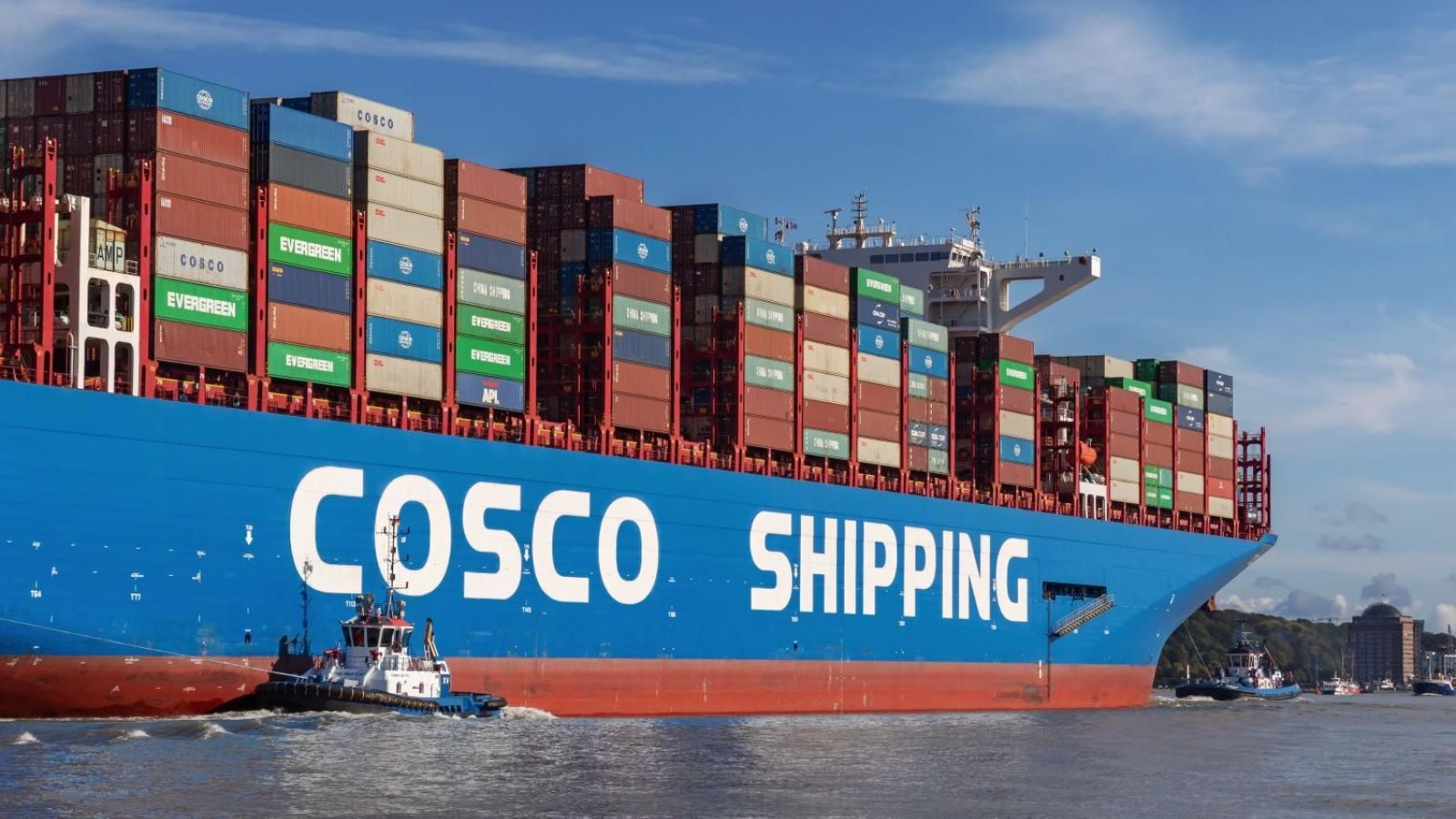
    Germany this week blocked Chinese state-owned shipping giant COSCO from acquiring one local business over national security concerns. The regulatory veto arrives as European authorities tighten oversight across transport networks and critical infrastructure assets connected to mainland firms.

    The decision immediately complicates European expansion plans for other Chinese logistics providers, including startup Speedaf. That company is working to establish a delivery hub in Switzerland and expand services into Ireland.

    Security reviews across European freight hubs

    European Union authorities have intensified investment screening across transport corridors and data-heavy distribution networks. Berlin’s intervention against COSCO sets a stricter regulatory precedent for cross-border logistics deals involving Chinese capital. Emerging operators seeking European footholds now face heightened compliance hurdles before securing warehouse assets or operational permits.

    Speedaf built its initial delivery model across developing trade lanes before targeting European distribution nodes. Establishing transport links through Switzerland and Ireland requires local clearance, which European regulators increasingly assess through the lens of strategic asset protection.

    Shifting trade dynamics between Brussels and Beijing

    Logistics operators from Asia now face higher regulatory friction when deploying direct capital into European domestic supply chains. For e-commerce platforms and Asian cross-border merchants relying on Chinese logistics operators, tighter European scrutiny raises the cost of building dedicated last-mile capacity across the bloc. Investors in cross-border logistics will need to weigh the likelihood of extended regulatory reviews or forced restructuring of planned European acquisitions.

    Trade friction between the European Union and China extends beyond freight infrastructure into high-value manufacturing. European trade officials recently held talks in Beijing addressing electric vehicle tariffs and a widening bilateral trade deficit, signaling broader economic disputes.

    Scrutiny turns to private logistics networks

    Chinese state-backed port operators have spent years purchasing stakes in European maritime terminals, drawing steady pushback from national security regulators. Berlin previously reviewed COSCO’s investment in Hamburg port infrastructure, setting the stage for wider screening across logistics assets.

    Speedaf’s planned expansion in Ireland and delivery network rollout in Switzerland now face review under these expanded European screening frameworks.

  • China-US Container Rates Peak After 344 Percent Surge Driven by Hormuz Crisis

    China-US Container Rates Peak After 344 Percent Surge Driven by Hormuz Crisis

    Spot container freight rates from China to the United States have reached their peak after surging more than 330 percent since late February. Benchmark data from Xeneta shows the market is leveling off as alternative logistics routes absorb disrupted Persian Gulf flows.

    East Coast spot rates climbed 335 percent to $11,523 per 40-foot container, while shipments to the West Coast rose 344 percent to $8,346. The spread between the two destinations widened to $3,177 per box, up from $772 before the conflict began.

    The Price of Moving Asian Cargo

    Pricing pressure across transpacific corridors expanded rapidly over the past eight months. Base ocean freight increases were compounded by emergency surcharges and equipment repositioning fees across East Asian export hubs.

    Carrier networks redirected vessels to avoid regional choke points, lengthening transit times for Asia-Europe and US-bound cargo. The UAE National Association of Freight and Logistics reported that the total landed cost of moving freight into the Gulf is running three to five times above baseline levels, driven by land transport fees and rerouting penalties rather than standard tariff schedules.

    Freight benchmarking platform Xeneta projected that East Coast spot prices will fall into the $6,000 to $7,000 range over the next three months. West Coast rates are expected to retreat to between $4,500 and $5,500 per 40-foot container over the same timeframe.

    Transits Plunge as Tanker Strikes Mount

    Commercial vessel traffic through the Strait of Hormuz remains severely depressed. Maritime intelligence firm Windward recorded 11 tanker and cargo crossings in the 24 hours through Tuesday, down from the pre-war norm of roughly 125 daily transits.

    Physical attacks on commercial shipping rose sharply during the first week of October. Maritime security sources reported at least 12 strikes on oil, liquefied natural gas and liquefied petroleum gas tankers between Sept. 28 and Oct. 5, while the International Maritime Organization verified nine separate incidents.

    A projectile struck the Panama-flagged tanker On Peace on Tuesday, injuring 12 crew members according to India’s Ministry of External Affairs. Two other vessels, an inbound LPG carrier and the product tanker Lipsi, sustained damage on Sunday.

    Alternative Routes and Gulf Bypass Volumes

    Energy and commodity exports have continued through overland detours and offshore transfers despite low strait passage counts. Total Hormuz clearance averaged 11.5 million barrels per day on a seven-day basis, down from the pre-war baseline of 17.1 million barrels per day according to cargo tracking group Kpler.

    Regional export volumes reached 21.7 million barrels per day, just 7 percent below historical averages. About 40 percent of those shipments bypassed the strait entirely by loading at the UAE Port of Fujairah or using ship-to-ship transfers in the Gulf of Oman.

    Brent crude traded near $101 per barrel on Wednesday, supported by strikes on Saudi airport infrastructure earlier in the week. West Texas Intermediate held between $89 and $90 per barrel, restrained by steady bypass flows and G7 emergency crude releases.

    What Shippers Face in the Fourth Quarter

    Asian exporters and retail supply chain managers face structurally higher logistics budgets heading into the year-end peak season. While the extreme spikes of early 2026 have passed, vessel capacity remains tight across major Pacific routes.

    RetailNews Asia notes that consumer goods importers in North America and Southeast Asia are bearing the brunt of the coastal rate divergence. Importers diverting cargo away from Gulf-adjacent lanes have tied up container capacity in secondary Asian feeder ports, keeping equipment turnaround times slow.

    Contract negotiations for annual 2027 shipping tenders will open against spot rates that remain roughly double their pre-disruption baselines. Shippers are watching whether Gulf bypass pipelines at Fujairah can sustain daily volumes above 20 million barrels without facing regional bottlenecks.

  • EU Prepares Hybrid Quotas as Chinese Imports Surge to 50,000 Units

    EU Prepares Hybrid Quotas as Chinese Imports Surge to 50,000 Units

    The European Commission is preparing import restrictions on Chinese hybrid vehicles after monthly shipments surged from 3,800 units in October 2024 to around 50,000 units by July 2026.

    Brussels moved toward safeguard procedures after China rejected requests for voluntary export curbs, as Chinese automakers including BYD and MG Motor increasingly pivot toward hybrid models in Europe.

    Safeguard Quotas Replace Pure Tariffs

    Under the proposed framework, Chinese hybrid models will enter the European Union under the standard 10 per cent automotive tariff up to an agreed volume ceiling. Any shipments exceeding that quota will face an additional special duty.

    Safeguard instruments apply to whole product categories rather than individual manufacturers, unlike the anti-subsidy duties on battery electric vehicles. European authorities can deploy them rapidly if sudden import surges threaten material injury to domestic car plants.

    China’s Ministry of Commerce rejected earlier requests for voluntary limits. The ministry stated that “so-called voluntary export restrictions seriously violate WTO rules and run counter to market principles and fair competition”.

    Hybrid Surge Bypasses Battery EV Duties

    Chinese automakers shifted their export focus toward plug-in and full hybrids after the European Union enacted anti-subsidy duties of up to 35.3 per cent on pure electric models in October 2024. That regulatory gap left hybrid powertrains exposed only to standard baseline import duties.

    Volume surged immediately. BYD registered 11,291 units of its Seal U DM-i plug-in hybrid in Germany alone between January and September, while SAIC Motor’s MG brand expanded its European presence through full-hybrid drivetrains.

    Total hybrid arrivals from China climbed from 3,800 vehicles in October 2024 to roughly 50,000 units by July 2026. For EU policymakers, the influx sustained price pressure on domestic carmakers while increasing fleet emissions contrary to regional climate targets.

    Local Assembly Accelerates Across Europe

    Trade barriers on fully built imports are driving Chinese investment into European production hubs. BYD begins series production at its new manufacturing plant in Szeged, Hungary, before the end of the year.

    Chery is assembling vehicles alongside Ebro at a joint facility in Barcelona. Xpeng has established semi-knocked-down assembly operations with Magna Steyr in Graz, Austria. These footprints mirror agreements Japanese manufacturers struck with European authorities four decades ago, trading import caps for regional factory investments.

    For Asian supply chains, the pivot from finished vehicle shipping to local assembly shifts freight demand toward battery cells, sub-assemblies, and specialized automotive components.

    Talks Underway in Beijing

    European Union Trade Commissioner Maroš Šefčovič opened direct negotiations in Beijing with Chinese Commerce Minister Wang Wentao. The two sides are discussing export caps and minimum price undertakings across both electric and hybrid categories.

    EU trade officials want an enforceable ceiling that shields domestic manufacturing while local factories ramp up competitive electrified powertrains. Bernd Lange, Chairman of the European Parliament’s Trade Committee, stated: “The goal is to flatten the import curve and give the European automotive industry time to do its homework.”

    Negotiators must now settle terms before the European Commission formally launches the safeguard procedure. Import volumes through the final quarter will determine the quota baseline.

  • Estée Lauder Hits 98 Percent Regional Sourcing for Core Lines as R&D Speeds up

    Estée Lauder Hits 98 Percent Regional Sourcing for Core Lines as R&D Speeds up

    The Estée Lauder Cos. Has shifted 98 per cent of production and sourcing for its core foundation franchise to local regional hubs. The change cuts product development cycles by half.

    That setup covers high-volume lines including the Double Wear franchise. Following a reformulation, it ranked as the top makeup launch in the United States during the first half of 2026.

    Supply chain and research teams now operate across five innovation centers in Shanghai, Long Island, Toronto, Paris and Blaine, Minnesota. They work alongside nine manufacturing plants in the United States, Switzerland, England, Belgium and other markets. By shifting from a sequential stage-gate model to parallel workflows, development time for premium skincare lines like the Re-Nutriv Ultimate Diamond face oil essence fell from 30 months to 15 months. Factory floors now run on a proprietary generative artificial intelligence assistant called ELLA. The system provides historical data so line operators can reconfigure machinery without halting production runs.

    Parallel Development Across Global Hubs

    This overhaul links early ingredient discovery directly to plant-level tooling trials. Traditional cosmetics manufacturing separated research, packaging design and factory scaling into discrete stages. Estée Lauder now runs formulation and industrial scaling concurrently across its research centers and production facilities.

    In hybrid skincare and makeup categories, the group transferred oil-control technology from its skincare laboratories into foundation lines, extending wear time to 36 hours. Brand teams at MAC and The Ordinary used similar acceleration methods. Both rolled out stick formats and high-concentration serums within months of emerging ingredient trends.

    Regionalising Supply to Shield Margins

    Trade barriers and cross-border transport costs forced the group to abandon centralized production for mass-volume product lines. Sourcing and manufacturing now sit directly within the consumer markets where inventory is sold.

    For retailers and department store operators across Asia and the West, localized manufacturing reduces out-of-stock risks during demand spikes. It also cushions wholesale margins against currency swings. However, localized sourcing concentrates inventory risk in individual regional hubs, requiring precision forecasting to prevent gluts.

    Independent beauty labels in South Korea and China continue to cycle new formulations to store shelves in under six months. Established prestige operators moving research hubs closer to regional factories are attempting to match that speed without sacrificing clinical testing standards.

    Expanding Fragrance and Cross-Category Formulations

    To support higher-margin categories, the company added dedicated infrastructure, opening a fragrance atelier called La Maison des Parfums in Paris in 2025. The site develops exclusive scents for Jo Malone London, Le Labo and Kilian Paris. Formulation teams pair proprietary botanical extractions with synthetic molecules to prevent direct imitation by fast-beauty competitors.

    Brand extensions have also branched into adjacent premium consumer categories. These include pet care grooming products developed through third-party specialist partnerships.

    Parallel working means we’re going faster in identifying ingredients, in having the right lead times; in [conducting] line trials at the factories…we’re accelerating these activities by doing them in parallel.

    Tracking Output Across Nine Manufacturing Plants

    Years of tariff disputes and logistical bottlenecks triggered this operational pivot. Earlier distribution networks relied heavily on centralized production facilities in Europe and North America before shipping finished goods overseas.

    Plant managers now face the task of maintaining factory uptime as ELLA and algorithmic formulation tools expand into all nine manufacturing sites ahead of the next financial reporting cycle.

  • China BCI Cotton Prices Fall 0.96%

    China BCI Cotton Prices Fall 0.96%

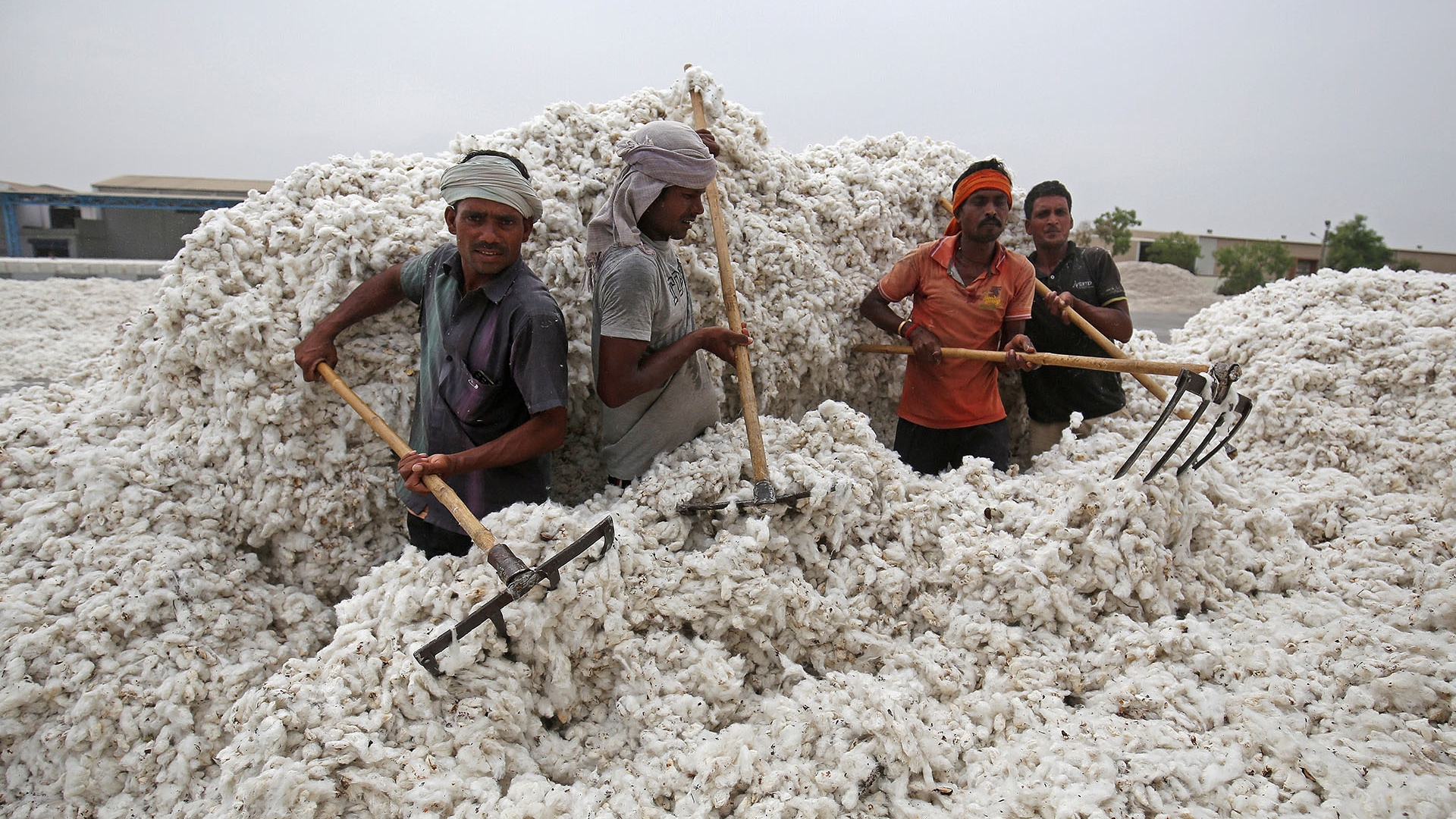
    China Better Cotton Initiative certified cotton prices fell 0.96 per cent this week. The drop brings immediate relief to regional textile mills and apparel makers sourcing sustainable fibre across Asian supply networks.

    Factory operators face strict sustainable sourcing quotas set by international brands. Cheaper raw fibre helps spinning mills and garment producers meet those targets without extra cost pressure.

    Input Costs for Asian Spinning Mills

    Downstream yarn producers feel the price shift first. Mills in major regional processing hubs track Chinese BCI benchmarks closely as they plan procurement strategies for upcoming production runs.

    Export clients demand verified traceability. Lower fibre prices allow spinning facilities to protect operating margins while keeping those standards intact.

    Pressure on Apparel Export Margins

    Asian garment exporters face persistent cost competition in North America and Europe. Raw cotton accounts for a major share of fabric production costs, so fractional price shifts matter to volume suppliers.

    Global apparel labels are negotiating seasonal contracts right now. Suppliers that locked in higher procurement rates in recent weeks face tighter pricing pressure during these talks.

    Sourcing Adjustments Across Asian Hubs

    Regional manufacturers balance local buying against imported certified fibre, weighing freight rates and tariff differences. Cheaper Chinese cotton gives domestic mills a brief edge over competitors relying on imported bales.

    Procurement teams are adjusting forward contracts. They must avoid inventory depreciation while still securing required volumes of verified sustainable stock.

    Market Metrics to Track

    Traders now watch raw fibre auction clearance rates in Chinese hubs. Those figures will show whether the 0.96 per cent drop extends into deeper price cuts.

    Spinning mills will track order intake from garment exporters over the coming weeks to determine if raw material price adjustments trigger wider contract renegotiations.

  • Coles and Woolworths Commit $4 Billion to Automated Warehouse Networks

    Coles and Woolworths Commit $4 Billion to Automated Warehouse Networks

    Coles and Woolworths are each investing roughly $2 billion in supply chain infrastructure, automation and warehouse technology through 2030.

    That combined $4 billion outlay targets Australia’s FMCG distribution networks. Supermarkets face higher labour expenses, rising online fulfilment volumes and tighter delivery windows.

    Contrasting national distribution networks

    Australia’s top two grocers are taking opposite paths to handle volume growth. Woolworths built a central national distribution centre in Sydney to funnel selected stock across the country. It also runs secondary state-based distribution hubs for regional replenishment. Coles relies on a decentralised model. It stocks nearly every product line inside regional distribution centres in each state.

    Both approaches use automated systems to accelerate stock handling inside distribution hubs. Automated pallet-building creates denser loads that increase trailer capacity and cut unloading times at supermarket docks. Moving stock faster also trims balance-sheet inventory needed to avoid out-of-stock notices.

    Tighter operational pressure on suppliers

    Speed inside supermarket networks pushes new demands onto packaged goods manufacturers. Food and beverage producers running multi-facility transport routes across Queensland and New South Wales must align truck dispatches with exact dock schedules. Late arrivals or incorrectly built pallets trigger immediate bottlenecks at automated intake systems.

    Smaller suppliers face harsher commercial risks. Lacking the capital to build automated facilities, smaller brands rely on local third-party logistics providers with systems still in early development. To protect shelf space against multinational manufacturers, suppliers must maintain consistent fulfilment rates while defending margins against automated price comparisons.

    Integration delays and capital risks

    Major automation projects carry severe execution risks that inflate operating costs if integration falters. One Australian retailer spent nearly three years linking warehouse management software with multiple hardware vendors. Those delays forced the company to pick online grocery orders directly from store aisles for 12 months. That approach pushed fulfillment costs per order to nearly double the expense of automated distribution.

    Swings in consumer demand and interest rates also threaten capital allocation models. Retailers expanding warehouse footprints during e-commerce spikes risk carrying expensive, unused capacity if shopping volumes soften. Online apparel seller Asos ran into that problem after adding North American distribution sites during earlier e-commerce surges. Holding billions of dollars in debt-financed logistics assets leaves retailers exposed when financing costs climb.

    System integration targets ahead of 2030

    Grocers are testing new hardware iterations and warehouse software across their existing state facilities. Supply chain directors must stress-test intake throughput against volume projections 50 per cent above base targets. They must also ensure operations remain viable if demand drops to half of long-term forecasts.

    The performance split between these two logistics designs will widen as Coles and Woolworths bring additional automated facilities online ahead of their 2030 capital deployment deadlines.

  • Australian Fashion Label Suboo Collapses into Liquidation with $655,000 in Debt

    Australian Fashion Label Suboo Collapses into Liquidation with $655,000 in Debt

    Bondi-founded women’s fashion label Suboo has collapsed into liquidation owing approximately $655,000 to logistics providers, e-commerce vendors and apparel manufacturers.

    Christopher Darin of insolvency firm Worrells was appointed as sole liquidator to wind up the business following a formal creditors meeting on October 1, according to regulatory filings with the Australian Securities and Investments Commission.

    Founder Sue Di Chio started the label in 2008, expanding the brand from Australian coastal apparel into an international boutique network. Suboo distributed garments through more than 300 wholesale stockists across 17 countries, including multi-brand luxury channels such as Farfetch, Saks and Bloomingdales.

    Breakdown of the Unpaid Debts

    Documents show the bulk of the unpaid balances is concentrated among digital infrastructure providers, revenue-based financiers and global logistics carriers. E-commerce platform Shopify is listed as the largest single creditor with an outstanding balance of $140,232.89.

    Revenue-based merchant financier Wayflyer is owed $105,162.50. Shipping operators DHL and FedEx hold unpaid claims of $60,909.41 and $58,299.49 respectively, reflecting the costs of moving inventory across cross-border wholesale channels.

    Supply-chain liabilities extend into international apparel manufacturing, with Dongguan P&J Clothing Co listed for $18,253.25, alongside a debt of $51,840.66 owed to Swell Ltd. Operations ceased as the company entered winding-up proceedings, and the brand website was replaced with a temporary maintenance notice.

    Wholesale Reach and Platform Exposure

    Suboo relied heavily on influencer visibility and high-profile endorsements, dressing personalities including Gigi Hadid, Kendall Jenner, Matilda Djerf and Tash Oakley to drive consumer interest. That marketing reach helped secure presence in major department store groups across North America and Europe alongside its domestic boutique stockists.

    The creditor list illustrates the operational structure of direct-to-consumer fashion brands founded in the late 2000s. High platform fees, financing arrangements tied to projected sales, and rising international courier rates left the business exposed when top-line consumer spending contracted.

    Pressures Across Independent Fashion

    Independent fashion labels across Australia and the wider Asia-Pacific region are confronting tighter discretionary budgets, rising input costs and freight rate increases. When mid-market labels face slowing wholesale orders from overseas department stores, cash flow disruptions quickly transmit down to local suppliers and overseas garment factories.

    For offshore suppliers in hubs like Dongguan, small fashion label failures produce immediate write-downs on completed production runs. Financiers and logistics providers are increasingly taking collateral positions or requiring shorter payment terms from mid-tier apparel exporters navigating volatile consumer demand.

    Liquidator Assessment and Next Steps

    Suboo issued a statement attributing its insolvency to broader market headwinds, stating that

    Many of these factors have been outside our control and are being felt across the industry more broadly

    . The company stated that all pre-existing retail customer orders were fulfilled before operations halted.

    The liquidator is now assessing the remaining company assets, intellectual property rights and debtor books to determine the potential return to unsecured creditors. Creditors will receive a formal statutory report from Worrells detailing asset realizations and potential dividend prospects in the coming weeks.

  • McDonald’s Supplier HyFun Plans USD 208 Million India IPO

    McDonald’s Supplier HyFun Plans USD 208 Million India IPO

    Indian food processor HyFun now plans to raise USD 208 million through an initial public offering in Mumbai. The company supplies french fries and potato products to fast-food chains, including McDonald’s, across domestic and regional markets.

    The listing targets fresh capital to expand processing plants and cold-chain capacity across Indian agricultural hubs. Procurement volumes are climbing. Multinational quick-service operators continue to fuel demand through higher restaurant footfall and rapid menu expansion.

    Capital for food processing scale

    HyFun links contract farming directly with industrial food manufacturing. Supplying high-volume quick-service restaurant networks requires dedicated cold-storage facilities, temperature-controlled logistics, and strict agricultural quality controls. These operations demand heavy upfront capital.

    Equity funding allows food processors to lower borrowing costs while building specialized production lines. Raising public capital also creates a balance-sheet cushion. That financial buffer helps suppliers manage raw material price swings and farm-level supply disruptions.

    Fast-food supply chain pressures

    Quick-service operators in India have accelerated store openings across regional hubs and suburban retail corridors. Chains like McDonald’s depend on local processing partners to protect margins against import tariffs and currency swings.

    A well-funded domestic supplier eliminates procurement bottlenecks and stabilizes ingredient pricing for restaurant chains. It also raises the competitive bar for rival food manufacturers. Unlisted processors now face pressure to secure private equity backing or consolidate operations.

    Shifting risk for food investors

    Raw potato price volatility and agricultural yields remain the primary operating risks. Both depend heavily on seasonal monsoon patterns and regional climate shifts. When harvests falter, processors locked into long-term supply contracts with fast-food brands must absorb the cost spikes.

    Institutional appetite for consumer-facing food supply businesses remains strong in Mumbai. Funds continue to back agricultural supply chain companies that hold multi-year delivery agreements with global restaurant brands.

    Next steps for the listing

    HyFun built its business supplying frozen french fries and potato snacks to quick-service chains, grocery retailers, and export markets. Plant expansions in Gujarat now support international buyers across Southeast Asia and the Middle East alongside domestic accounts.

    Draft red herring prospectus filings with the Securities and Exchange Board of India will detail the final issue size, primary share sales, and secondary promoter stake sales. Market participants will watch the formal filing date and the split between fresh capital expenditure and existing shareholder exits.