Tag: supply chain

  • Pakistan Raises Petrol and Diesel Prices Under Daily Mechanism

    Pakistan Raises Petrol and Diesel Prices Under Daily Mechanism

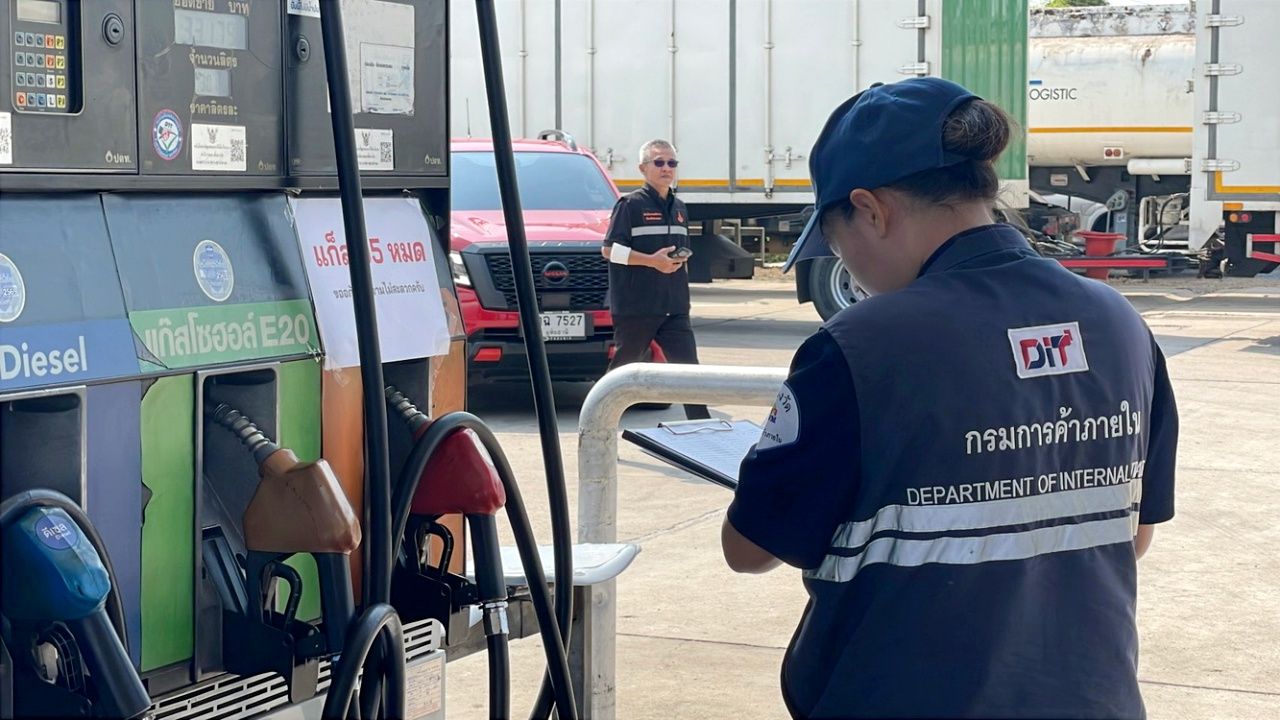
    Pakistan raised the ex-depot price of petrol by Rs 1.12 and high-speed diesel by Rs 1.11 per litre, effective August 26, 2026.

    The adjustments lift petrol to Rs 343.10 per litre and diesel to Rs 371.80 per litre, according to notifications issued by the Oil and Gas Regulatory Authority and the Petroleum Division of the Ministry of Energy.

    Daily Pricing Adjustments

    Official pricing records show the revision extends the daily pricing mechanism introduced on July 21, when petrol stood at Rs 315.80 and diesel at Rs 367.58 per litre. Rates had held steady at Rs 341.59 for petrol and Rs 368.29 for diesel between August 22 and August 24 before rising slightly on August 25 to Rs 341.98 and Rs 370.69 respectively.

    Fuel rates remain substantially below their record peaks set on April 3, 2026, when petrol hit Rs 458.41 and diesel reached Rs 520.35 during the Strait of Hormuz supply disruption. Current rates, however, stay well above the pre-crisis baseline of Rs 266.17 for petrol and Rs 280.86 for diesel recorded on February 28.

    Transport and Retail Supply Chains

    For fleet operators and retail distribution networks across South Asia, frequent pump revisions complicate freight budgeting and last-mile consumer delivery margins. The shift from fortnightly reviews to daily pricing transfers global crude volatility directly to local commercial transport, forcing fast-moving consumer goods distributors to update their delivery surcharge formulas in real time.

    Market participants are now tracking whether daily adjustments will hold prices around current levels or push transport diesel closer to the Rs 400 threshold as regional energy markets stabilize.

  • Pakistan Hires Wood Mackenzie to Study Strategic Fuel Reserves

    Pakistan Hires Wood Mackenzie to Study Strategic Fuel Reserves

    Pakistan launched a feasibility study with energy consultancy Wood Mackenzie in Islamabad on August 25 to develop the country’s first strategic petroleum reserves. The UK-based advisory firm won the mandate against three competing bids to evaluate options for crude and refined product storage across the country.

    Petroleum Minister Ali Pervaiz Malik chaired the kick-off meeting with Wood Mackenzie executives, including Vice President Christopher Darry and Senior Vice President Aamir Malik. Representatives from Attock Refinery Limited, Pakistan LNG Limited, Government Holdings (Private) Limited, the Ministry of Maritime Affairs, and the Pakistan Institute of Development Economics also joined the session.

    Scope of the storage plan

    Wood Mackenzie will assess existing industrial infrastructure, logistics networks, and potential sites for dedicated storage facilities. The assignment covers technical integrity, safety standards, regional benchmarks, and capital expenditure estimates for a phased rollout.

    Consultants will also map legal, financial, and regulatory frameworks, evaluating public-private partnership models to fund construction. The advisory team noted that shifting global energy dynamics make this the right moment for Islamabad to secure long-term physical fuel buffers.

    Supply risks and bonded terminals

    Pakistan currently holds no strategic crude reserves, leaving domestic transport networks and industrial supply chains vulnerable to tanker traffic disruptions through the Strait of Hormuz. Prime Minister Shehbaz Sharif instructed petroleum authorities in July to expedite reserve capacity alongside updates to the national oil refining policy.

    For consumer goods distributors, freight fleets, and retailers across South Asia, fuel availability dictates baseline operating margins. Unhedged supply bottlenecks in emerging markets quickly translate into freight surcharges and shelf-price inflation when international shipping lanes face sudden friction.

    The government recently approved rules allowing international fuel traders to construct bonded storage facilities at their own expense for domestic distribution and re-export. Malik directed state bodies to share operational data with Wood Mackenzie, while a newly formed steering committee will monitor study milestones ahead of final policy submissions.

  • CelcomDigi Debuts Sophia AI to Automate SME Workflows in Malaysia

    CelcomDigi Debuts Sophia AI to Automate SME Workflows in Malaysia

    CelcomDigi rolled out an agentic artificial intelligence platform called Sophia AI in Malaysia, targeting operational bottlenecks across retail, supply chain, and small-business operations. The carrier developed the tool after testing more than 400 internal automations across its own corporate workflows.

    Unlike simple conversational bots, agentic AI operates autonomously across connected business systems. The platform executes multi-step tasks, flags processing exceptions, and updates enterprise software without requiring manual intervention from staff.

    Automating Retail and Supply Chains

    For retail and wholesale distribution networks, the platform takes over the invoice-to-payment cycle. Sophia AI reads supplier invoices, validates billing data against purchase orders, routes payment approvals, and updates accounting records across multi-store operations.

    CelcomDigi also designed the architecture to handle procurement and inventory tracking in manufacturing, appointment scheduling and claims processing in healthcare, and document verification for public sector agencies. Businesses can adjust the tool to match their existing infrastructure rather than overhauling internal software systems.

    “Our focus now is helping other organizations, particularly SMEs, achieve the same benefits,” said T. Kugan, chief enterprise business officer at CelcomDigi. “With our agentic AI solution, we can successfully eliminate repetitive administrative tasks while empowering employees to devote time on higher-value work.”

    Closing the Enterprise Adoption Gap

    Regional telecom operators are pitching automation software directly to commercial clients to grow enterprise revenue beyond standard mobile connectivity. Similar rollouts by Singtel in Singapore and HKT in Hong Kong show carriers bundling proprietary software with 5G data pipelines and cloud hosting.

    Adoption among smaller merchants remains uneven. Findings from Malaysia’s Ministry of Finance Economic Outlook 2026 report show SMEs struggle with artificial intelligence deployments because of unclear returns on investment and software tools built only for large corporations. CelcomDigi is pairing Sophia AI with its enterprise data, cloud, and cybersecurity bundles to lower onboarding friction for smaller accounts.

    Commercial rollouts for Malaysian enterprise clients begin immediately through CelcomDigi’s business division.

  • JD.com and Sino Land Win $2.1B Northern Metropolis Hub in Hong Kong

    JD.com and Sino Land Win $2.1B Northern Metropolis Hub in Hong Kong

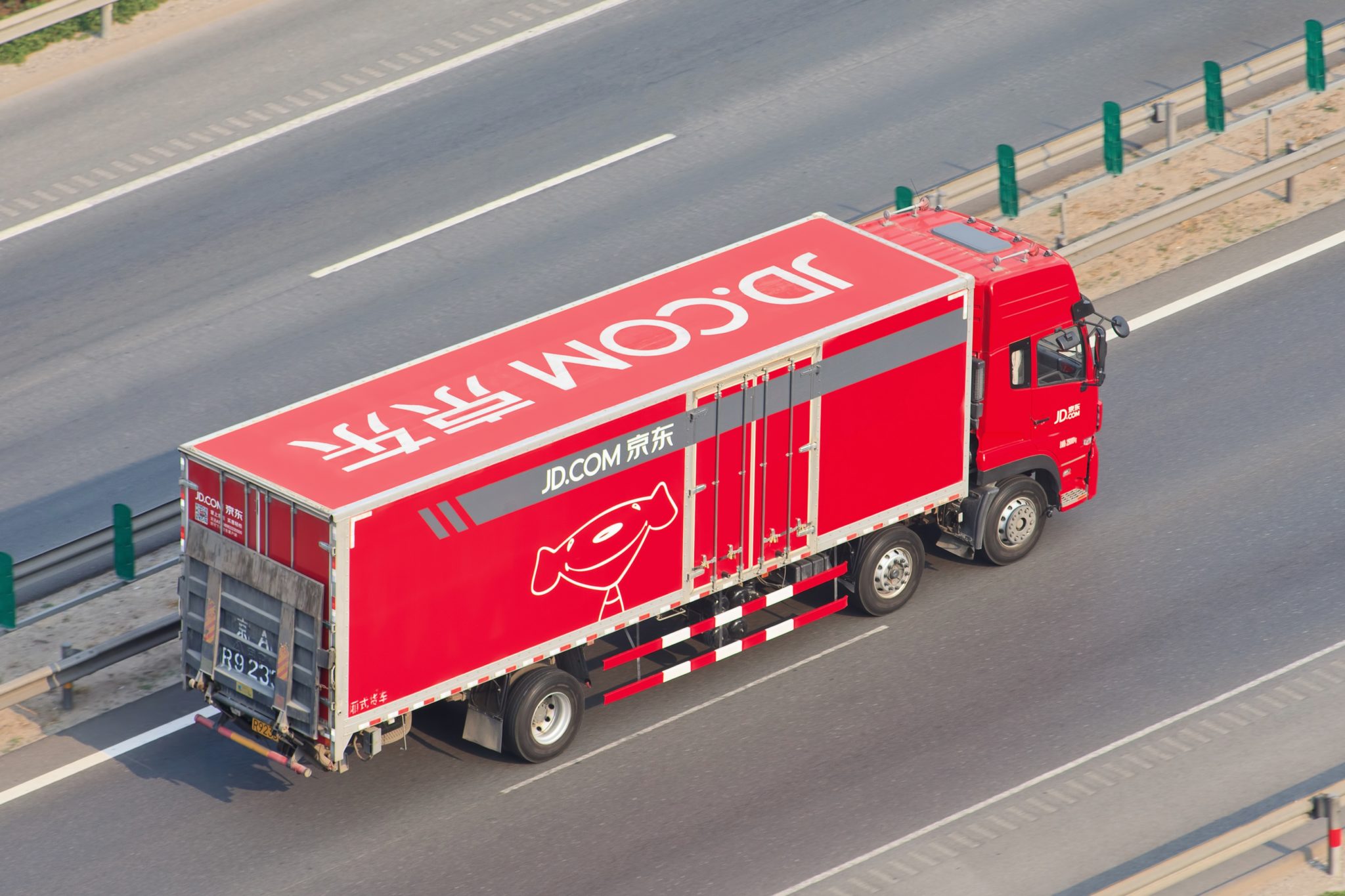
    A consortium led by JD.com and Sino Land won the tender for an 11-hectare Northern Metropolis development site in Hong Kong with expected total investment of HK$16.8 billion ($2.1 billion). The group beat Henderson Land Development with a HK$1.03 billion land bid evaluated under a two-envelope system.

    Hong Kong authorities awarded the 50-year grant for three residential parcels and a dedicated technology park site in the Hung Shui Kiu-Ha Tsuen New Development Area. The residential plots will yield more than 3,000 homes, while the tech site provides 50,950 square metres of gross floor area.

    Logistics hub and residential split

    Four mainland developers joined JD.com and Sino Land in the winning group: China Overseas Land & Investment, China Merchants Land, China Resources Land (Overseas) and CTG Investment. The government weighted non-price technical criteria at 70 percent and price at 30 percent, assessing anchor tenant commitments, development speed and employment generation.

    Sino Land and its partners will construct an intelligent logistics centre on the commercial parcel, with JD serving as the anchor tenant. The tender conditions require the consortium to bring at least 15,300 square metres of gross floor area into operation within 55 months. The group must also complete site formation works for three government plots intended for public facilities.

    Expanding footprint across Hong Kong

    The land tender cements a fast physical build-out by Beijing-based JD across Hong Kong assets. The group bought grocery chain Kai Bo Food Supermarket last August to gain direct neighbourhood retail access. In December, it agreed to buy a 50 percent stake in Central’s China Construction Bank Tower from Lai Sun for HK$3.5 billion to house its local headquarters, followed by a HK$750 million purchase of the Silka Seaview Hotel in Kowloon for student accommodation.

    By securing industrial land directly adjacent to the mainland border, Chinese e-commerce operators are shifting from leasing third-party warehouses in the territory to developing dedicated automated cross-border fulfilment infrastructure. The project now enters detailed planning, with the 55-month countdown starting for delivery of the first automated supply chain space.

  • South Korea Tightens Regulatory Requirements for Foreign Food Facility Imports

    South Korea Tightens Regulatory Requirements for Foreign Food Facility Imports

    South Korea has strengthened its regulatory framework for food imports, imposing tighter requirements on overseas facilities that manufacture and process products bound for the domestic market.

    The updated measures target foreign food manufacturing plants and export facilities, increasing scrutiny on safety standards and compliance records before shipments clear customs.

    Stricter oversight for overseas facilities

    Under the enhanced framework, overseas food production sites supplying South Korean buyers must meet updated registration and safety verification rules. Importers and foreign operators must maintain verified documentation confirming compliance with national safety standards, reducing contamination risks across cross-border supply chains.

    Border authorities retain the mandate to audit and inspect overseas facilities directly when risk factors or compliance discrepancies arise during entry processing.

    Regional trade and compliance demands

    Regulators across East Asia continue to raise the bar for food safety governance, aligning import protocols with domestic manufacturing standards to protect consumers. Stricter facility requirements place heavier administrative obligations on international food brands and regional suppliers exporting packaged food, raw ingredients, and agricultural commodities to South Korea.

    Foreign suppliers and domestic importers must complete required registrations and facility filings ahead of scheduled shipping cycles to prevent port delays and product rejections.

  • Mid-Market Retailers Risk Logistics Stalls as Growth Outpaces Warehouses

    Mid-Market Retailers Risk Logistics Stalls as Growth Outpaces Warehouses

    Fast-growing retailers risk capping their own expansion when warehouse operations and inventory models fail to adapt to higher order volumes, according to supply chain advisory firm Prological Consulting.

    Operational breakdowns typically surface when mid-market businesses reach national scale, creating sudden spikes in freight bills, warehouse labour hours, and fulfilment errors.

    Peter Jones, managing director and founder of Prological Consulting, said businesses frequently rely on informal employee knowledge and manual workarounds during early growth phases. While nimble setups support early trade, those same methods turn into severe constraints once product catalogues and sales channels multiply across regions.

    Warning signs in warehouse operations

    Operational friction usually appears first in financial metrics monitored by chief financial officers and operations heads. Unbudgeted transport charges, rising import costs, and climbing warehouse labour hours signal that existing facilities can no longer handle inventory flow efficiently.

    Fulfilment disruptions follow quickly. Split shipments, inaccurate stock counts, and delayed customer deliveries indicate that facility layouts and tracking methods have reached capacity limits.

    Jones cited a Sydney-headquartered retailer that expanded from a startup into a national store network and online business generating 45 million Australian dollars in annual turnover. The company operated out of an overcrowded warehouse where pallets blocked internal transit paths and inbound import processing slowed due to heavy reliance on a handful of veteran workers.

    The business resolved the bottleneck by shifting into a larger facility within six months. The transition allowed the retailer to surpass its revenue forecasts and restore reliability across its e-commerce fulfilment operation.

    Balancing automation and inventory compromises

    Competing effectively against automated logistics networks requires retailers to integrate machinery and digital tracking into their supply chain plans. Manual operations face higher unit handling costs and slower turnaround times compared to rivals using automated storage and retrieval systems.

    Across the Asia-Pacific region, mid-tier consumer brands encounter similar friction when transitioning from local store footprints to omni-channel distribution. Operators that delay warehouse redesigns often see fulfilment expenses consume operating margins before corrective capital investments are made.

    Retailers must evaluate trade-offs between inventory holding costs, distribution points, and lead times rather than pursuing unattainable logistics perfection. Merchandising teams, store networks, digital storefronts, and third-party logistics partners need coordinated forecasting to prevent misplaced stock across regional hubs.

    Prological expects automated picking systems and predictive replenishment tools to dictate cost competitiveness as regional freight and warehouse labour expenses remain elevated.

  • Shein Heads to Hong Kong Listing as Dual-Class Shares Draw Scrutiny

    Shein Heads to Hong Kong Listing as Dual-Class Shares Draw Scrutiny

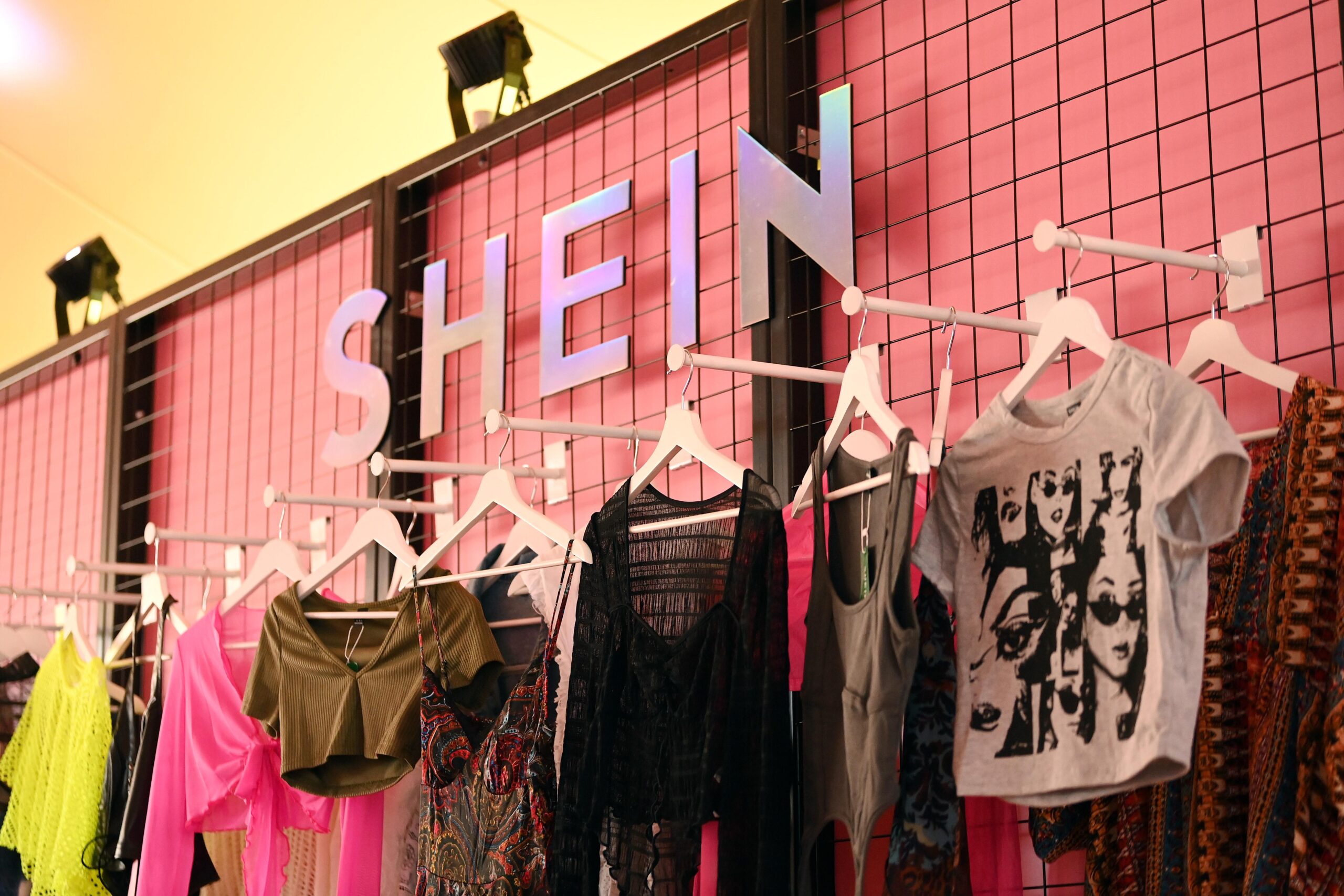
    Shein is preparing to list its shares in Hong Kong next month, five years after beginning its initial public offering push across Western exchanges.

    The online fast-fashion giant generated $41.8 billion in annual sales last year, but its listing filing shows four co-founders will retain 90 per cent of voting power through a dual-class share structure.

    Under that arrangement, class A shares carry 10 votes each compared to a single vote for class B shares. The founders hold 59.6 per cent of total equity without a fixed expiry on their voting control. Shein also combines the positions of chief executive and chairman, with its four founders occupying board seats while only three of seven directors are independent.

    Emissions and Supply Chain Audits

    Regulators in Europe and the United States continue active investigations into the retailer. The European Commission and the US Federal Trade Commission are examining its operations following prior penalties in France over discount pricing and in Italy over environmental marketing claims.

    Shein expanded its annual sustainability report to 118 pages last year, up from 28 pages in 2021, and formed an external advisory board to address oversight concerns. Audits graded 53 per cent of its suppliers in the top tier in 2025, an increase from 47 per cent in 2024.

    Environmental data filed by the company showed greenhouse gas emissions roughly double those of Zara parent Inditex in 2025. Inditex posted revenue of €39.9 billion ($46.54 billion) during the same period, while Shein churned out 4,700 new styles per day across a catalogue topping 2 million garments.

    Cross-Border Scrutiny Mounts

    Cross-border e-commerce platforms operating out of Asia face stiffening enforcement in Western markets. The European Commission recently levied fines of €550 million on Alibaba unit AliExpress and €200 million on PDD Holdings unit Temu over product compliance.

    For retailers across the region, Shein’s listing marks a shift away from New York and London toward Asian capital markets after political pushback. Yet the heavy concentration of founder control tests how institutional investors value ultra-fast supply chains against governance standards.

    The retailer now heads into investor roadshows ahead of the Hong Kong trading debut scheduled for next month.

  • Australian Retailers Face Margin Squeeze as 59% of Shoppers Shun Full Price

    Australian Retailers Face Margin Squeeze as 59% of Shoppers Shun Full Price

    Australian retailers must overhaul operational discipline as 59 per cent of shoppers now refuse to pay full price, according to Grant Thornton Australia’s 2026 Retail Dealtracker analysis.

    Data from Australia Post’s FY26 fourth-quarter e-commerce update shows 46 per cent of consumers will switch stores for a discount, while 32 per cent report increased price sensitivity.

    The advisory firm identified five interconnected capabilities required to protect margins: customer proposition, earnings quality, operating model, technology, and organizational capability. Mounting pressure on household budgets means customer retention, repeat visits, full-price sales ratios, and customer lifetime value now carry far more commercial weight than raw top-line revenue growth.

    Protecting Margins Beyond Top-Line Sales

    Converting sales into profit requires tighter control over inventory, customer acquisition costs, returns, and shrinkage. Tam Goldin, financial advisory partner at Grant Thornton Australia, noted that many merchants need to strengthen fundamental disciplines, including clearer pricing and operating models that scale without adding unnecessary overhead.

    Shrinkage remains a critical operational drain for large physical store networks, while changing wage settings require closer management of store labor deployment. Retailers must track where value is lost across working capital rather than relying solely on headline profit and loss statements.

    Restructuring Operations and Supply Chains

    Scaling businesses frequently outgrow founder-led workflows, creating operational bottlenecks across supply chains and merchandising. Kirsten Ridgway, management consulting partner and head of retail at Grant Thornton Australia, pointed out that the largest opportunities emerge when companies simplify decision-making and align capital spending with actual customer demand.

    Supply chain models require flexible sourcing and inventory visibility to handle fluctuating lead times and freight expenses. Technology investments must resolve specific operational problems, starting with foundational systems such as point-of-sale platforms, integrated inventory tracking, and clean customer data before deploying artificial intelligence for demand forecasting and pricing.

    Across Asia-Pacific markets, rising labor costs and deal-seeking consumer behavior have forced merchants to pivot away from rapid floor-space expansion toward customer lifetime value and strict loss prevention. Retailers now face the next reporting cycle with shrinkage rates, full-price sales percentages, and inventory turns serving as the decisive operational numbers to track.

  • DragonSea Deploys 37 Farizon Electric Vans to Expand UK Removals Fleet

    DragonSea Deploys 37 Farizon Electric Vans to Expand UK Removals Fleet

    Chinese logistics specialist DragonSea took delivery of 37 Farizon SV electric vans to handle door-to-door residential moves across the United Kingdom.

    The two-year lease deal equips the operator with battery-powered commercial vehicles tailored for cargo arriving from China. Broker Driveway Vehicle Solutions structured the transaction, with Pentagon Farizon Derby supplying the vehicles directly.

    Payload specs and route range

    Each SV L1H1 van runs on a 93 kWh battery pack delivering an operating range of up to 234 miles (377 kilometres) under WLTP testing. Cargo capacity reaches 6.95 cubic metres alongside a maximum payload rating of 1,265 kilograms and a 550-millimetre loading height.

    Those specifications allowed DragonSea to switch heavy household freight to electric traction without sacrificing daily operating radius on domestic transfer routes. Farizon Auto UK head of sales Zoe Tonks noted the model combines cargo volume with driver assist functions suited for dense urban removals.

    Chinese commercial EVs target European fleets

    Chinese commercial vehicle manufacturers are pushing rapidly into western European fleet networks, using competitive battery capacities and pricing to displace legacy diesel models. For cross-border logistics providers managing Asian trade flows, deploying Chinese-built electric vans in overseas destination markets creates fleet consistency across both ends of the supply chain.

    Farizon expanded its British lineup earlier this year by introducing the V7E medium electric van in Birmingham, alongside refreshed Core trim packages for the SV platform. Fleet operators will watch real-world battery degradation and second-hand residual values as these two-year lease terms approach renewal in 2028.

  • Coles Lifts Underlying Profit to $1.26 Billion as Supermarket Sales Surge

    Coles Lifts Underlying Profit to $1.26 Billion as Supermarket Sales Surge

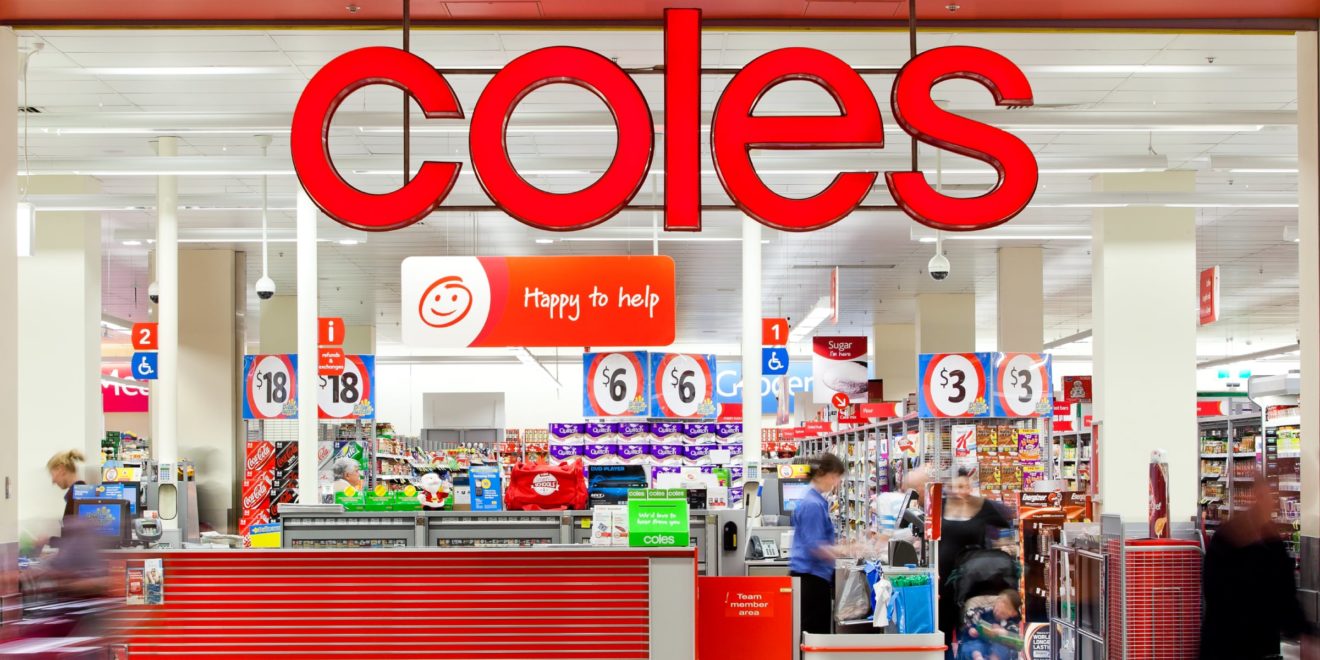
    Coles Group lifted underlying annual profit 13.7 per cent to A$1.26 billion in Melbourne, powered by grocery volume and fast-expanding digital channels.

    Group sales revenue advanced 2.8 per cent to A$45.58 billion across the 2026 financial year. Reported net profit came in lower at A$1.09 billion after the grocer set aside A$235 million to cover remediation costs and penalties from a Federal Court staff underpayment judgment.

    Supermarkets drove the operating momentum. Core grocery revenue rose 3.7 per cent to A$41.47 billion, while division earnings before interest and tax increased 12.2 per cent to A$2.37 billion as the retailer took market share. Supermarket e-commerce sales jumped 26.4 per cent to A$5.6 billion, pushing the group’s automated customer fulfilment centres into positive earnings in their second full year of operation.

    Shoppers pinched by living costs continued to trade down to private labels and loyalty discounts while eating more meals at home. That grocery strength insulated Coles from regional retail headwinds, contrasting with discretionary Asian department store and hypermarket chains that continue to struggle against softer household demand.

    Liquor Slump and In-Store Shrink

    The liquor arm proved the main drag on the group balance sheet. Liquor sales slipped 3.3 per cent to A$3.55 billion, and division operating earnings plunged 47.8 per cent to A$59 million. Management responded with a multi-year restructuring plan that includes shutting standalone shops, co-locating bottle shops alongside supermarkets, and bundling food and beverage offerings.

    Security issues also weighed on store operations. Victoria recorded an 85 per cent surge in threatening incidents against staff over two years, pushing Coles to trial facial recognition systems, though management has not committed to a full network rollout.

    Restructuring Corporate Roles Under Accenture Deal

    Coles will cut hundreds of corporate jobs in the 2027 financial year as part of an expanded technology partnership with Accenture. The retailer plans to spend about A$190 million during the year on restructuring and redundancy costs to establish a dedicated capability centre.

    Store and customer-facing teams will remain exempt from the staff reductions, with the company offering reskilling pathways for affected corporate workers. Capital expenditure will increase in parallel, with Coles allocating an extra A$300 million across FY27 and FY28 to fund technology upgrades, store refurbishments, and 45 new supermarket openings.

  • Chinese EV Makers Face Rising Component Costs as AI Drains Supply

    Chinese EV Makers Face Rising Component Costs as AI Drains Supply

    Chinese smart electric vehicle manufacturers are battling component deficits of up to 30 per cent, driving steep price surges across circuit boards and basic electronic parts.

    Prices for printed circuit boards and multilayer ceramic capacitors have more than tripled over the past twelve months as global semiconductor makers reallocate production capacity to artificial intelligence data centres.

    Surging Hardware Prices

    Printed circuit boards now cost roughly 330 yuan ($49) per sheet, up threefold in a year according to data from the India Printed Circuit Association. Multilayer ceramic capacitors, essential for regulating electrical currents across vehicle power systems, jumped from 10 yuan per 1,000 units to 40 yuan in early 2026.

    Memory chips needed for autonomous driving features are delivering the heaviest financial blow. Nio chief executive William Li reported that rising raw material expenses, led by memory chips, added 20,000 yuan to the build cost of every single vehicle.

    Carmakers cost pressure mainly comes from memory chips. But a lack of PCBs and MLCCs disrupts production and prevents assemblies from running smoothly.

    Supply Chain Squeeze

    Component makers in manufacturing hubs like Zhejiang province are giving order priority to AI data centre operators over automotive assemblers because computing chips yield higher margins. Carmakers must now pay hefty premiums to keep assembly lines running.

    Geely Auto, China’s second-largest automaker, confirmed that while small passive components represent a modest fraction of total expenditure, physical shortages threaten assembly continuity. The bottleneck across global component production lines will take at least twelve months to resolve.

    The margin squeeze arrives just as Chinese carmakers rely on software and autonomous driving capabilities to win buyers in an increasingly crowded domestic auto market. Nio and Geely are renegotiating vendor contracts to lock in deliveries for the second half of 2026.

  • India Unveils 62500 Crore Rupee Scheme to Lure Apple and Google Hardware

    India Unveils 62500 Crore Rupee Scheme to Lure Apple and Google Hardware

    India has notified a 62,500-crore rupee smartphone manufacturing scheme. The policy aims to push Apple beyond iPhones and shift Google device exports away from China.

    Replacing the earlier production-linked incentive programme, the scheme runs through the 2030-31 financial year to deepen local component sourcing.

    Electronics and IT minister Ashwini Vaishnaw said New Delhi expects Apple to expand into other product categories using its existing iPhone assembly base. Google will also route a major share of export-oriented device production away from Chinese facilities into Indian factories.

    Manufacturers can claim incentives between 2.25 per cent and 5 per cent on eligible sales under the framework. An extra payout of up to 1.5 per cent applies to firms sourcing parts locally, including display modules, camera assemblies, enclosures, batteries and USB cables.

    Incentives for domestic brands and design

    Domestic brands get a dedicated track. Indian smartphone makers qualify for a 5 per cent sales incentive, alongside a 3 per cent reward for local research, development and product design. The government is working with three domestic companies to launch high-volume device designs within 10 to 14 months.

    Official data shows mobile phones delivered 61 per cent of India’s electronics exports last year, up from 4 per cent in the 2014-15 fiscal year, according to Electronics and IT secretary S Krishnan. Mobile device output now accounts for 48 per cent of total domestic electronics production, up from 10 per cent a decade ago. Overall phone exports grew 166-fold between 2014 and 2025 at a compound annual rate of about 59 per cent. India is now the world’s second-largest phone maker by volume.

    Moving from assembly to component integration

    Global electronics brands across Asia face fresh pressure to localise sub-assemblies rather than snap imported kits together in final assembly plants. Competitors in Vietnam and China will face sharper export competition as Indian suppliers scale up module fabrication.

    Attention now shifts to the 10-to-14 month delivery window for the three state-backed Indian phone designs, alongside Apple’s first confirmed hardware assembly lines outside the iPhone family.

  • Levi’s Expands India Store Footprint and Women’s Wear to Chase Global Sales Target

    Levi’s Expands India Store Footprint and Women’s Wear to Chase Global Sales Target

    Levi Strauss & Co. Is expanding retail floor space across major Indian cities, targeting higher-margin women’s apparel and non-denim categories to fuel regional revenue growth.

    The apparel maker recently crossed 500 stores in India, which now ranks among its top six markets globally. Rather than simply adding shop fronts, the company is increasing the square footage of existing and new locations in metros including Mumbai, Bengaluru, and Delhi, alongside secondary hubs such as Chandigarh, Pune, Ahmedabad, and Chennai.

    Direct-to-consumer sales through its larger ICON store format now generate approximately 20 per cent of the brand’s India DTC revenue. Hiren Gor, managing director for South Asia, Middle East, and Africa at Levi Strauss & Co., noted that adding retail space in high-performing locations delivers equivalent commercial returns to opening separate doors.

    Category Shift Toward Women and Tops

    Consumer buying habits in India are diverging sharply from global denim baselines. Indian shoppers purchase more than one top for every bottom, compared to a global average of one top for every three bottoms sold.

    Demand patterns reflect that split. While both denim and non-denim lines are expanding at mid-double-digit rates, women’s apparel is advancing at high double digits. The company’s upscale casual line, Red Loop, now accounts for roughly 15 per cent of its Indian menswear sales, also expanding at a high double-digit pace.

    Supply chain localization underpins the category push. More than 95 per cent of the products Levi’s sells in India are manufactured domestically, supported by an in-house design team of 10 that creates 85 per cent of its product range specifically for the local market.

    Direct Retailing and Regional Reach

    International fashion labels in South Asia have routinely faced floor space constraints when attempting to sell complete lifestyle collections rather than single staple items. Shifting capital expenditure into large-format direct retail allows multinational brands to show complete lines, capture higher basket values, and protect margin against wholesale discount cycles.

    Parent group Levi Strauss & Co. Recorded $6.3 billion in global revenue for fiscal year 2025. The company is leaning on higher square footage and expanded apparel assortments in India to close the gap toward its stated $10 billion global revenue target.

  • Uzbekistan Commits $100 Million to Subsidise AI Across 10,000 Businesses

    Uzbekistan Commits $100 Million to Subsidise AI Across 10,000 Businesses

    Uzbekistan will spend at least $100 million to subsidise artificial intelligence adoption across 10,000 enterprises, covering half the cost of software implementation for commercial operators. The state-backed program targets manufacturing and consumer supply sectors, extending automation subsidies from the textile trade into food processing, electrical engineering, and construction materials.

    President Shavkat Mirziyoyev announced the funding following consultations with business owners in the Khorezm region. Government data presented at the meeting showed that 54 per cent of domestic companies using modern management and AI systems saw product demand increase. A quarter of those businesses lowered production costs, while higher sales allowed 40 per cent to raise worker wages by more than 10 per cent.

    Subsidies for Factory Automation

    Under the initiative, the state will reimburse 50 per cent of what companies spend to introduce automated management systems and machine learning tools. Participating enterprises will also receive access to pre-built, open-platform software designed to eliminate the cost of developing proprietary applications from scratch.

    Hardware support will run through the Center for Digital Government Project Management, where authorities recently brought online Uzbekistan’s first supercomputer cluster. Companies building AI models for commercial products can process workloads on the facility without charge, with research and development bills settled directly by the state budget. Computing capacity at the cluster will triple next year.

    The push reflects how Central Asian governments are attempting to modernize domestic supply chains and bypass legacy enterprise systems. While Southeast Asian manufacturing hubs rely heavily on private capital and foreign software vendors to automate shop floors, Tashkent is using direct treasury subsidies to pull mid-tier producers into modern data workflows.

    Supercomputing and Regional Education

    Administrative processes are seeing similar investments. The Ministry of Digital Technologies signed an agreement with South Korea’s National Information Society Agency and UZINFOCOM to build an AI system that processes and manages citizen appeals to state bodies, starting with a feasibility study and pilot rollout.

    Across the border, Kazakhstan is focusing resources on technical labor. First Vice Minister of Artificial Intelligence and Digital Development Rostislav Konyashkin confirmed the establishment of Qazaq AI Research University under orders from President Kassym-Jomart Tokayev. The institution will embed machine learning coursework into outside degree programs and build research links with partner centers in China, Finland, and the United Arab Emirates.

    Uzbek authorities will open the enterprise application window in stages, with initial disbursements prioritized for food processors and light industrial plants preparing export shipments.

  • Chinese Robot Makers Unveil 150 Humanoids for Warehouse and Factory Work

    Chinese Robot Makers Unveil 150 Humanoids for Warehouse and Factory Work

    Chinese robotics developers demonstrated humanoid machines sorting logistics parcels and assembling mobile handsets in Beijing this month, pushing to convert promotional technology into commercial factory installations. More than 300 mostly domestic companies participated in the World Robot Conference, presenting over 2,000 exhibits and launching upwards of 150 products.

    The presentations focused on physical industrial utility rather than scripted stage routines. Machines showed off fine motor tasks that included packing consumer electronics and sorting freight for delivery networks, alongside domestic maintenance functions.

    Deployment targets supply chains

    Warehouse operators and electronics manufacturers across East Asia face tightening labor availability and rising wage floors. Humanoid form factors aim to slot directly into facilities designed for human staff, avoiding the expensive structural retooling required by fixed automation systems.

    Retail supply chains in China handle hundreds of millions of parcels daily. Deploying dexterous bipedal and wheeled units into sorting hubs allows logistics operators to scale throughput during promotional peaks without adding headcount.

    Hardware shifts toward commercial scale

    Investor capital across the region has shifted heavily toward general-purpose robotics ventures. Chinese manufacturers rely on dense domestic component supply chains for actuators, sensors and gearboxes to lower unit production costs below Western competitors.

    Commercial viability now hinges on software reliability and battery runtime during continuous multi-hour warehouse shifts. Factory pilots scheduled across domestic consumer electronics assembly plants through the end of the year will test whether unit economics beat dedicated automated guided vehicles.