Tag: supply chain

  • Shein Budgets $15M for Product Safety in 2025 Compliance Push

    Shein Budgets $15M for Product Safety in 2025 Compliance Push

    Shein will spend $15m in 2025 to tighten product safety and regulatory compliance across its global marketplace.

    That budget will fund 2.5 million individual product tests this year, a 25 per cent increase from the testing volume completed in 2024.

    Tighter Rules for Childrenswear and Electronics

    The Singapore-headquartered platform is expanding working agreements with 15 commercial inspection groups, including SGS, Intertek, and Bureau Veritas. The checks target baseline safety benchmarks such as the US Consumer Product Safety Act and the European Union’s General Product Safety Regulation. Suppliers and third-party marketplace merchants must now clear internal standards set out in Shein’s Restricted Substances List.

    Under the new rules, the retailer limits garment production to an approved materials library of certified fabrics, trims, and hardware. Starting April 2025, every fabric used in Shein-branded children’s clothing must clear mandatory chemical and flammability screening before listing. Similar requirements apply to all decorative trims and fasteners.

    A second enforcement phase begins in May 2025, focusing on high-risk third-party merchandise such as consumer electronics, toys, cosmetics, and personal protective equipment. Sellers in these categories must supply verified certifications, including RoHS compliance and FCC documentation, before their listings go live.

    Enforcing Penalties on Third-Party Merchants

    Cross-border retail platforms operating out of Asia face mounting scrutiny from Western regulators over illicit chemical residues and untested electrical goods shipped directly to consumer doorsteps. Direct-to-consumer marketplaces built on rapid-turnaround contract manufacturing must prove they can police hundreds of independent workshops without slowing delivery cycles.

    Shein has already removed more than 540 non-compliant sellers from its marketplace since introducing third-party vendor onboarding. Merchant accounts now undergo recurring audits based on random laboratory screenings and shopper complaints. Vendors that fail testing thresholds face product delistings, financial penalties, or permanent account termination, with Shein committing to notify government regulators of severe safety violations.

    Marketplace teams will track merchant compliance rates closely as the documentation mandate takes effect for electronics and cosmetics vendors in May 2025.

  • China and India Lead Global Quick Commerce with Adoption Past 80 per Cent

    China and India Lead Global Quick Commerce with Adoption Past 80 per Cent

    Quick commerce adoption in China reached 83 per cent and 82 per cent in India, creating a multi-trillion-yuan grocery delivery market that outpaces Western peers. The channel is on track to surpass 1 trillion yuan in China this year, backed by a logistics network that handled 199 billion parcels in 2025.

    Data compiled by consumer intelligence firm NIQ shows ultra-fast delivery has become standard consumer behavior across major Asian economies. The global average adoption rate sits at 48 per cent, dragged down by Western markets where 34 per cent of European shoppers and only 3 per cent of North American consumers use quick commerce platforms.

    India Builds Dark Store Networks

    India represents the fastest-accelerating market for ultra-fast delivery. The sector grew 68 per cent year over year in the fourth quarter of 2025, powered by operators expanding an urban dark-store network projected to exceed 5,000 facilities. Individual micro-fulfillment hubs in the country now process up to 1,800 transactions per day.

    Shoppers in India are also changing how they use the apps. Instead of relying on 10-minute delivery purely for emergency top-ups and late-night snacks, consumers are migrating toward full grocery baskets, driving higher repeat purchase frequencies and larger ticket sizes.

    The structural divergence between Asia and the West comes down to city density, cheap local couriers, and deeply entrenched super-app ecosystems. In China and India, retail platforms solved local delivery economics early by pairing dark stores with dense residential zoning, whereas Western operators struggled with high labor overheads and sprawling suburban delivery routes that broke unit economics after 2022.

    Profitability Lags Channel Expansion

    Surging transaction volumes do not guarantee profitable sales for consumer brands selling through rapid channels. While brand manufacturers allocate an average of 27.4 per cent of their marketing spend to social commerce and related rapid channels, 58 per cent still report a return on investment of less than $1 per dollar spent.

    Growth is accelerating, but sustainable value will come from understanding which consumer missions truly benefit from immediacy.

    Suppliers are now overhauling their inventory allocations to defend margins. The key metric to watch across Asian platforms this year is whether operators can push average order values high enough to offset rising fulfillment costs as dark store networks reach saturation in tier-one cities.

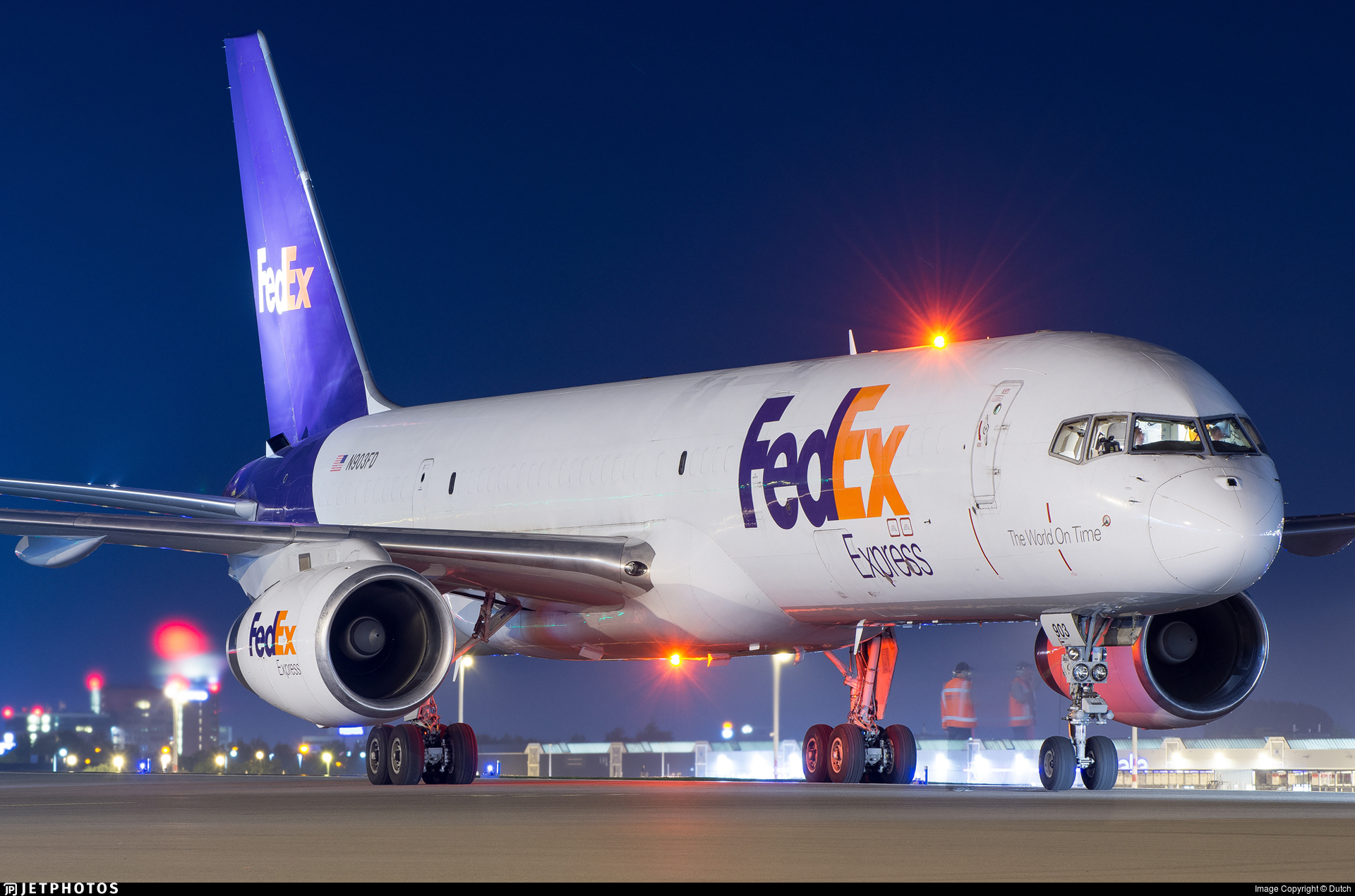
  • FedEx Commits $150 Million to Build Automated Air Cargo Hub at Delhi Airport

    FedEx Commits $150 Million to Build Automated Air Cargo Hub at Delhi Airport

    FedEx will spend $150 million to build and equip a dedicated air freight terminal at Delhi international airport, expanding its international cargo processing capacity across northern India. The planned 230,000-square-foot facility will lift the carrier’s sorting rate at the airport from 600 packages an hour to 5,000.

    The investment will consolidate FedEx’s scattered pickup and delivery operations around the airport into a single base. It includes high-speed automated conveyor lines and computer vision scanners powered by artificial intelligence to route international parcels through customs and sorting lanes.

    Consolidation at GMR Cargo Campus

    Airport operator GMR Airports Ltd is developing the broader cargo zone to house airlines, freight forwarders, and logistics providers. Phase 1 will cover roughly one million square feet, with construction starting shortly. A planned second phase could add between 500,000 and one million square feet of space.

    FedEx is leasing the warehouse structure from GMR and financing all internal sorting systems, scanning hardware, and IT infrastructure. The site design allows for modular physical expansion as freight volumes increase.

    “India is a critical market in our global network, with North and East India playing an important role in the country’s growing trade and economic opportunity,” said Kami Viswanathan, president of FedEx Middle East, Indian Subcontinent and Africa. Viswanathan noted that the expanded presence aims to give regional exporters faster links to overseas buyers as annual Indian merchandise trade exceeds $1.2 trillion.

    Expanding the Indian Triangle

    The Delhi project is the third major air cargo site FedEx has funded in India over the past nine months. In February, the Memphis-based logistics group committed $250 million for an on-airport freight facility at Navi Mumbai International Airport, an Adani Group project targeting 500,000 metric tons of cargo capacity in its initial phase. FedEx will run that site alongside its existing operations at Mumbai’s legacy airport.

    Before that, in December, the company opened a 60,000-square-foot hub at Kempegowda International Airport in Bengaluru, processing up to 4,000 packages an hour across pharmaceutical, industrial, and technology export lines.

    Connecting Delhi, Mumbai, and Bengaluru gives FedEx dedicated airport-side sorting hubs across India’s three largest manufacturing and technology corridors. Construction on the Delhi cargo park begins in the coming weeks, with GMR preparing the phase one site for tenant fit-outs.

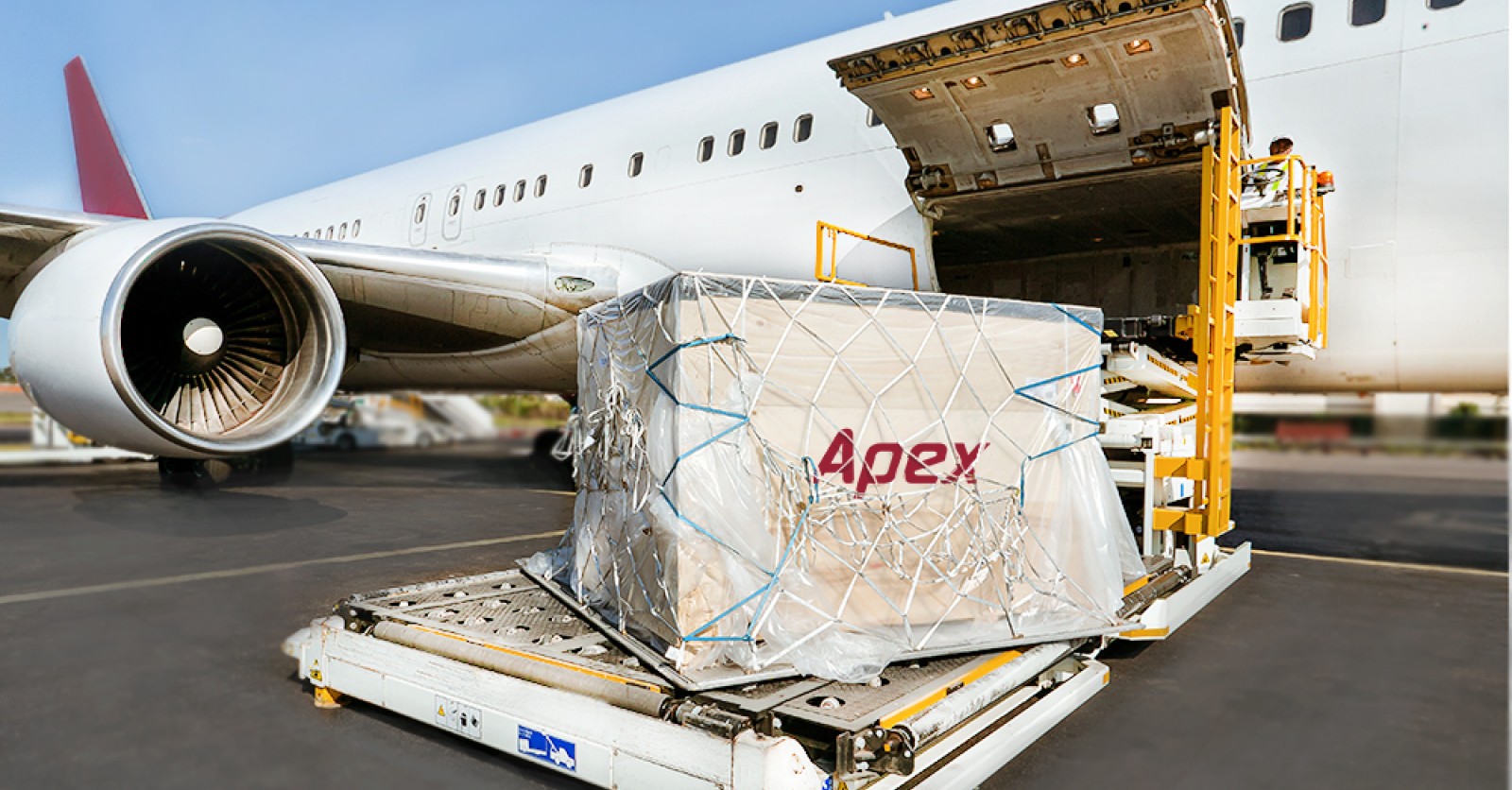
  • Apex Logistics Faces US Probe over Alleged Nvidia Chip Transshipment to China

    Apex Logistics Faces US Probe over Alleged Nvidia Chip Transshipment to China

    US authorities are investigating Singapore-headquartered Apex Logistics over the suspected diversion of Nvidia-powered artificial intelligence servers to mainland China through Southeast Asian transshipment hubs. The inquiry focuses on cargo handled in 2024 and could mark the first US enforcement action against a commercial freight company for illicit semiconductor trade.

    Swiss logistics group Kuehne+Nagel, which bought a majority stake in Apex in May 2021 and acquired the remaining shares in October 2025, confirmed the subsidiary is assisting the investigation. Kuehne+Nagel stated it has not been contacted directly by US investigators, describing the probe as an isolated issue concerning specific past shipments.

    How the Taiwan to Hong Kong routing worked

    Investigators are examining a supply line that moved Nvidia-powered server hardware from Taiwan to the United States, dispatched it to a destination in Southeast Asia, and then forwarded it to Hong Kong. From Hong Kong, ground carriers transported the hardware across the border into mainland China. The US inquiry centers on the leg between American ports and Southeast Asian distribution points.

    Apex acknowledged US scrutiny regarding a limited batch of cargo moved during 2024 that reached prohibited destinations. The company stated it is cooperating with investigators and maintains compliance protocols across its network. Apex was founded in Shanghai in 2001 and registered its corporate entity in Singapore in February 2016.

    The servers under review were assembled by California-based Super Micro Computer. Super Micro maintains no direct contract with Apex, as the freight forwarder was hired directly by third-party buyers purchasing the hardware.

    Scrutiny on Southeast Asian hubs

    Washington has restricted direct sales of advanced AI processors to China since 2022, expanding those curbs to include custom chips such as the H20 over national security and military computing concerns. As export controls tightened, enforcement agencies increased audits on cross-border logistics firms that handle transshipment routes across Asia.

    Freight forwarders across Singapore and Malaysia face heightened compliance checks from Western trade officials seeking to close multi-leg shipping channels. Singapore Prime Minister Lawrence Wong stated on August 23 that the country will not permit illicit trade through its facilities, while noting ports cannot audit the full manufacturing chain of every container in transit. The US Commerce Department is reviewing freight documentation from the 2024 shipments to determine if formal export violation penalties apply.

  • Bogg Moves Production to Vietnam Following 10 Million Dollar Tariff Hit

    Bogg Moves Production to Vietnam Following 10 Million Dollar Tariff Hit

    American bag maker Bogg has begun shifting its manufacturing footprint to Vietnam after absorbing a $10 million tariff penalty on its China-based production lines.

    The move lands as the foam-tote brand surpassed $100 million in annual revenue and crossed $400 million in cumulative lifetime sales. Founder and chief executive Kim Vaccarella built the business around washable EVA foam bags, relying on Chinese factories for more than a decade before import duties forced a supply-chain overhaul.

    Supply chain retooling and raw material costs

    Concentrating production in China left the company exposed when cross-border tariffs surged over the past year. Vaccarella said Bogg started shifting manufacturing orders into Vietnam to reduce that tariff drag, while managing swings in the price of raw EVA polymer across global markets.

    The supply revamp coincided with a broader retail push. Bogg added six retail partners and entered roughly 200 new storefronts across the United States, placing inventory into fashion chains including Anthropologie and Urban Outfitters as well as specialty sellers like The Container Store. Wholesale accounts now generate about 40 per cent of total sales, with direct-to-consumer digital channels and Amazon supplying the balance.

    The factory shift across Southeast Asia

    Bogg is following a path well worn by international footwear and apparel brands that have spent the past five years building secondary production hubs in Southeast Asia. For mid-sized consumer labels, diversifying out of coastal China protects operating margins, but it also creates fresh logistical friction as Vietnamese factories face tighter capacity and fluctuating feedstock costs.

    Vaccarella turned down a nine-figure buyout offer to keep Bogg independent, and the company is now preparing its first proprietary retail stores alongside an eventual international expansion.

  • Japan Warns Natural Disasters Threaten Automotive and Chip Supply Chains

    Japan Warns Natural Disasters Threaten Automotive and Chip Supply Chains

    Japan flagged supply chain risks from recent natural disasters on Thursday, even as the government maintained its assessment that the broader economy continues a moderate recovery.

    The Cabinet Office added the warning to its August report following a magnitude 7.1 earthquake in Kumamoto Prefecture on July 28 and torrential rain across Chiba Prefecture on Aug. 13. Kumamoto forms a major manufacturing hub for semiconductor and automotive components across East Asia. While plants have begun restarting production lines, disruptions to component flow still pose risks to industrial output.

    Supply Chain Knots and Farming Losses

    Kumamoto’s cluster of chip and automotive parts plants feeds assembly networks across Japan and regional export channels. Factory operators resumed output in stages throughout August, but the government warned that bottleneck risks persist. Heavy rain in Chiba damaged regional farming operations, threatening short-term supply for agriculture, forestry, and fisheries.

    Capital expenditure showed resilience despite the disruptions. Corporate investment picked up steadily across the technology sector, driven by data infrastructure spending and demand for artificial intelligence hardware.

    Spending Holds as Rental Housing Stabilises

    Private consumption showed movements of picking up, leaving the official assessment unchanged for the month. Retailers and consumer brands continue to benefit from stable domestic demand, though high material costs kept new builds for owner-occupied houses and condominiums subdued. Stronger demand for rental properties helped lift the overall housing assessment from sluggish to generally flat.

    Corporate earnings delivered solid numbers for the April to June quarter, prompting the Cabinet Office to upgrade its stance on business profits to improving. Wholesale inflation showed signs of cooling, with corporate goods price growth slowing as petroleum-related input costs eased.

    Manufacturers and retail networks now face the test of third-quarter earnings to show whether component delays in Kyushu and agricultural losses in Chiba hit operating margins.

  • Shippit Targets Grocery Fleets with NowGo Dispatch Software

    Shippit Targets Grocery Fleets with NowGo Dispatch Software

    Shippit rolled out its NowGo fleet software to fast-moving consumer goods suppliers in Australia, aiming to automate dynamic re-routing across supermarket delivery networks. The Sydney-based logistics provider claims the system lifted vehicle utilisation by 15 per cent and expanded completed drops by 12 per cent.

    Built on historical Australian and New Zealand transport data, the platform manages temperature-controlled loads, fixed dock booking windows, and delivery-in-full, on-time performance targets. The software combines owned vehicle fleets and third-party transport operators into a single dispatch dashboard. Dispatchers reassign delivery stops and adjust routes instantly when vehicles break down or store receiving slots shift, replacing manual spreadsheet adjustments.

    Dynamic Dispatch and FMCG Time Slots

    Supermarket supply chains across Australia enforce strict delivery windows and immediate penalties for missed dock bookings. When a chilled vehicle fails or a store moves a delivery window forward, manual rescheduling across legacy software often forces suppliers to dispatch costly emergency backup vehicles.

    NowGo allows operators to adjust live runs without pulling drivers off the road, according to Helen Studley, Senior Product Manager at NowGo. The platform also includes scenario-modelling tools designed to test fleet capacity ahead of seasonal volume spikes.

    Fleet Pressures Across Regional Supply Chains

    Across Asia-Pacific grocery networks, suppliers face continuous margin pressure from elevated fuel prices, driver shortages, and tighter supermarket service agreements. While regional logistics giants have historically built bespoke tracking tools or relied on fragmented transport management systems, software providers are pushing modular dispatch algorithms to mid-tier suppliers.

    Fleet operators now face the challenge of integrating real-time routing data across mixed subcontractor networks ahead of peak end-of-year trading volumes.

  • Indonesian Retailers Urge Easing of Import Rules to Hit 6% Target

    Indonesian Retailers Urge Easing of Import Rules to Hit 6% Target

    Indonesian store operators are lobbying the government to ease import barriers, arguing regulatory bottlenecks threaten national retail consumption and the state’s 6 per cent economic growth target.

    Household spending drives more than half of Southeast Asia’s largest economy, yet complex technical permits and shifting product approvals continue to choke supply lines for global brands.

    Speaking at the Indonesia Retail Summit in Jakarta, Indonesia Retail and Tenant Association Chairman Budihardjo Iduansjah pushed for administrative relief on compliant merchandise. He argued that businesses paying duties and taxes should not face arbitrary import caps on goods with no domestic substitutes.

    Diverging fortunes across store formats

    The supply friction hits different store models unevenly. While hypermarkets face sliding footfall and operational contraction, convenience stores and minimarkets continue to add locations.

    Demand across food and beverage, cosmetics, and mobile electronics expanded by more than 10 per cent this year. Chains are using warehouse automation and price promotions to protect margins against rising overheads.

    Retailers across Southeast Asia face similar dilemmas when domestic trade protection policies collide with consumer appetite for international product ranges. In Jakarta, the friction has prompted warnings from policymakers that depleted domestic shelves will simply push middle-class shoppers abroad.

    Stemming outbound tourist spending

    Chief Economic Affairs Minister Airlangga Hartarto acknowledged that thin store inventories push shoppers to spend outside the country. Indonesian citizens spend roughly $6.7 billion annually on overseas travel services.

    Government planners want to retain that cash by developing domestic shopping tourism and expanding inventory depth in major commercial hubs.

    Whether trade regulators shorten import licensing timelines will determine if mall operators can secure sufficient stock ahead of the next fiscal review.

  • Taiwan Indicts Eight over Smuggling 74 Nvidia AI Servers to China

    Taiwan Indicts Eight over Smuggling 74 Nvidia AI Servers to China

    Prosecutors in Taiwan indicted eight corporate managers on Monday over an illicit scheme that exported 74 advanced Nvidia artificial intelligence servers to Chinese buyers. The transactions generated more than $21.2 million in illegal proceeds through diverted shipments of Supermicro servers powered by Nvidia B300 graphics processing units.

    The Keelung District Prosecutors’ Office filed charges of breach of trust and forgery against distribution and sales managers from Taiwan units of Nvidia and Supermicro Computer Inc., as well as executives at distributor Albatron Technology and local server vendor Flying Tiger Technology. Strict manufacturer rules require buyers of advanced B300 hardware to hold whitelist approval, certify end users, and undergo on-site inspections for orders larger than eight units. Flying Tiger secured whitelist status through undisclosed methods in February 2025 before faking facility checks with data center operator Chief Telecom to clear an initial order of 130 servers.

    Routes through third markets

    When the original buyer failed to fund the purchase, conspirators rerouted the hardware across Asia to bypass export barriers. The group moved two servers from the first order and 50 servers from a second batch of 64 units directly to Chinese buyers through Indonesia. A third batch sent eight units through Japan and Hong Kong before Taiwanese customs halted the remaining 56 units on the island.

    Trading firm Long Wins and customs broker Chance See International handled logistics and false documentation to mask the destination of the cargo. In a related transaction, executives routed NT$39.16 million ($1.2 million) in Albatron assets through four bogus invoices issued by Quintai Electronics, triggering additional charges under Taiwan’s Securities and Exchange Act.

    Supply chain crackdowns in Asia

    The case shows how cross-border merchant networks continue to build transit routes through Southeast and East Asian hubs to feed mainland demand for restricted computing power. Washington has barred direct shipments of cutting-edge AI silicon to China since 2022, yet enterprise hardware continues to slip through regional third-party distributors that exploit weak verification loops between system builders and end facilities.

    Taiwan authorities are pursuing the fugitive head of Flying Tiger Technology, who collected the $21.2 million in export revenue, while the eight indicted managers await trial dates in Keelung.

  • Ella Baché Deploys AI Across Retail Operations and Supply Chain

    Ella Baché Deploys AI Across Retail Operations and Supply Chain

    Australian skincare brand and salon operator Ella Baché is rolling out artificial intelligence across its buying, inventory forecasting, and customer management systems. The rollout follows a network-wide shift to omnichannel retail.

    Tracing its origins to 1936, the Sydney-headquartered company operates roughly 150 Australian salon locations alongside its digital retail channels.

    Supply Chain and Digital Pivot

    Chief executive Pippa Hallas said the deployment focuses on practical operational tasks. Automated tools now handle routine data analysis in order planning and customer service. That rollout builds on an operational reset that began when pandemic lockdowns forced the temporary closure of the entire 150-store salon network.

    To survive that disruption, the group built 150 digital storefronts for its therapists and franchise partners. That shift converted the legacy salon chain into a blended digital operator. A dedicated research, manufacturing, and distribution facility in Sydney supports the network.

    Local Manufacturing and Category Pressure

    Local manufacturing relies on domestic ingredients to meet consumer demand for traceable Australian skincare. This integrated setup gives the business direct control over formulations and packaging lines without relying on offshore contract packagers.

    Across the Asia-Pacific personal care sector, heritage skincare brands face competition from fast-turnaround cosmetics labels and expanding invasive aesthetic clinics. Newer rivals chase viral social media trends and quick procedures. Ella Baché is instead leaning into proprietary formulation and non-invasive salon treatments to protect its margin profile.

    Work is now underway to integrate these artificial intelligence tools into internal staff training modules and product development workflows ahead of scheduled product releases.

  • Thai Exports Jump 21.6% in July on Surging Global Tech Demand

    Thai Exports Jump 21.6% in July on Surging Global Tech Demand

    Thai exports jumped 21.6 percent year on year in July, powered by surging international demand for artificial intelligence and technology hardware. Outbound shipments beat analyst expectations of a 17.75 percent increase, extending momentum from a 20.8 percent rise recorded in June.

    Data from the Ministry of Commerce showed imports surged even faster, climbing 36.7 percent during the month. That gap left Thailand with a monthly trade deficit of $3.61 billion, pushing the cumulative shortfall for the first seven months of 2026 to a record $34.35 billion.

    Tech demand fuels outbound shipments

    Shipments to the United States, Thailand’s largest export destination, increased 45.3 percent in July compared with the same month last year. Deliveries to China rose 15.2 percent. Across the first seven months of 2026, total exports gained 18.2 percent, following an overall expansion of 12.9 percent across 2025.

    Stronger tech orders prompted the Ministry of Commerce to raise its full-year export growth projection to more than 11 percent, up from an earlier target of 8 percent.

    Transshipment scrutiny and factory output

    The persistent gap between inbound and outbound volumes adds friction to Bangkok’s trade relationship with Washington. United States officials continue to monitor Thailand over transshipment risks, examining whether goods originating in China pass through Thai logistics channels to circumvent trade barriers. For regional supply chain operators, the expanding import volume shows how heavily Thai electronics and export assembly lines rely on foreign components.

    Domestic industrial activity showed modest recovery alongside trade flows. Thailand’s manufacturing production index rose 0.46 percent year on year in July, beating market expectations of a 1.0 percent drop and reversing a revised 2.4 percent decline in June.

    Factory output is now projected by the Ministry of Industry to expand 0.25 percent across 2026, trimmed from an earlier forecast range of 1.0 to 2.0 percent.

  • Over Half of Southeast Asian Retailers Remain Stuck in AI Pilots

    Over Half of Southeast Asian Retailers Remain Stuck in AI Pilots

    More than 56 percent of consumer goods and retail companies across Southeast Asia remain trapped in continuous testing, unable to scale artificial intelligence into commercial production.

    While 8 percent of enterprises in the region have fully deployed AI initiatives compared to a 6 percent global average, retail operators lag behind banking and technology peers.

    Why Models Fail at the Border

    Across global retail, nearly 75 percent of AI projects fail to reach production deployment. Poor data quality accounts for roughly 85 percent of those collapses, compounded by the region’s mix of modern supermarkets, social commerce platforms, and traditional corner stores.

    A demand forecasting algorithm tuned on clean transaction records in Singapore often breaks down when deployed across Indonesian point-of-sale systems or Vietnamese wholesale networks. Without standardized data definitions across borders, multi-market rollouts stall before delivering operational cost cuts.

    Another 73 percent of failed retail AI programs lacked quantifiable performance metrics before launch. Broad mandates to improve customer personalization frequently dissolve without hard targets, such as cutting category stockouts by 4.5 percent across secondary regional logistics hubs.

    Regulatory Divergence and Vendor Risks

    Multi-market operators now run AI workloads across separate cloud platforms to mitigate operational outages. More than a third of large enterprises deploy five or more models in production, driven by concerns that single-vendor disruptions could halt real-time pricing and automated purchase orders across physical storefronts.

    Singapore and Vietnam have introduced comprehensive risk-based AI regulatory frameworks, while neighboring markets develop separate data residency rules. Retailers operating across Jakarta, Bangkok, and Manila face distinct local sovereignty laws that penalize centralized data models.

    For regional retail groups that expanded through rapid store acquisitions over the past decade, technical fragmentation creates the same operational drag that previously hobbled centralized enterprise resource planning rollouts. Successful operators are shifting away from standalone software pilots, requiring field managers to redesign replenishment and supply workflows around automated tools before approving cross-border rollouts.

    Regulatory compliance deadlines in Singapore and expanding data sovereignty enforcement in Jakarta will test whether multi-market retailers can maintain cross-border automated pricing and inventory pipelines through 2027.

  • Hyundai Targets 9 per Cent Margin and Adds 1.27 Million Units of Capacity

    Hyundai Targets 9 per Cent Margin and Adds 1.27 Million Units of Capacity

    Hyundai Motor will add 1.27 million units of global vehicle production capacity by 2030 as it lifts its operating profit margin target above 9 per cent.

    The South Korean group plans to refresh or introduce more than 100 models over the next four years, directing more than half of those releases to North America. The product roadmap includes the Santa Fe extended-range electric vehicle (EREV), which the company will manufacture at its assembly plant in Alabama, alongside a new luxury hybrid vehicle.

    Management raised the group’s 2030 consolidated operating margin guidance from an earlier band of 8 per cent to 9 per cent. It left its 2026 operating margin forecast unchanged at 6.3 per cent to 7.3 per cent, while reaffirming an annual target of 5.55 million vehicle sales by 2030, representing roughly 6 per cent global market share. Electrified vehicles are projected to make up 60 per cent of those deliveries by the end of the decade, up from 23 per cent in 2025.

    Hybrids and US Production Footprint

    Surging fuel prices tied to geopolitical conflicts have steered American consumers back toward hybrid powertrains. Cox Automotive survey data shows 56 per cent of prospective US car buyers are more inclined to choose a hybrid due to high pump prices, while research group Omdia tracked a 19 per cent rise in overall hybrid sales across the first half of 2026. Hyundai reported its own quarterly hybrid volume surged 71 per cent in the second quarter.

    Trade policy remains a major operational hurdle for the Seoul-based manufacturer. The pending review of the United States-Mexico-Canada Agreement has introduced friction into North American parts logistics, as US trade officials resist automatic treaty extensions in favor of tighter annual oversight across cross-border automotive supply chains.

    Factory Automation and AI Compute

    Beyond vehicle assembly lines, the carmaker is pushing capital into industrial robotics and autonomous driving platforms. Commercial deliveries of IONIQ 5 electric crossovers to Alphabet’s autonomous fleet unit Waymo begin in the fourth quarter of 2026, while driverless passenger operations run by Hyundai’s Motional joint venture start in Las Vegas later this year.

    Robotics manufacturing will begin in the US in 2028 with a planned annual run rate of 30,000 units. The company will deploy Boston Dynamics’ Atlas humanoid robots at its Georgia Metaplant facility in 2028 after completing factory floor simulation testing. Supporting its software-defined vehicle pipeline, Hyundai will also bring a 100-megawatt artificial intelligence data center online in 2029 equipped with more than 50,000 graphics processing units.

    For Asian automotive majors balancing choppy electric vehicle demand, shifting output toward high-margin hybrid platforms and domestic US manufacturing has become the primary playbook to protect operating cash flow.

    Investors reacted cautiously to the capital expenditure plans, sending Hyundai Motor shares down 3.3 per cent in Seoul against a 1.3 per cent gain on the benchmark KOSPI index. The company will cancel 789 billion won ($570 million) worth of treasury shares while maintaining a minimum 35 per cent shareholder payout ratio.

  • Australian Retailers Face Margin Squeeze as 59% of Shoppers Shun Full Price

    Australian Retailers Face Margin Squeeze as 59% of Shoppers Shun Full Price

    Australian retailers must overhaul operational discipline as 59 per cent of shoppers now refuse to pay full price, according to Grant Thornton Australia’s 2026 Retail Dealtracker analysis.

    Data from Australia Post’s FY26 fourth-quarter e-commerce update shows 46 per cent of consumers will switch stores for a discount, while 32 per cent report increased price sensitivity.

    The advisory firm identified five interconnected capabilities required to protect margins: customer proposition, earnings quality, operating model, technology, and organizational capability. Mounting pressure on household budgets means customer retention, repeat visits, full-price sales ratios, and customer lifetime value now carry far more commercial weight than raw top-line revenue growth.

    Protecting Margins Beyond Top-Line Sales

    Converting sales into profit requires tighter control over inventory, customer acquisition costs, returns, and shrinkage. Tam Goldin, financial advisory partner at Grant Thornton Australia, noted that many merchants need to strengthen fundamental disciplines, including clearer pricing and operating models that scale without adding unnecessary overhead.

    Shrinkage remains a critical operational drain for large physical store networks, while changing wage settings require closer management of store labor deployment. Retailers must track where value is lost across working capital rather than relying solely on headline profit and loss statements.

    Restructuring Operations and Supply Chains

    Scaling businesses frequently outgrow founder-led workflows, creating operational bottlenecks across supply chains and merchandising. Kirsten Ridgway, management consulting partner and head of retail at Grant Thornton Australia, pointed out that the largest opportunities emerge when companies simplify decision-making and align capital spending with actual customer demand.

    Supply chain models require flexible sourcing and inventory visibility to handle fluctuating lead times and freight expenses. Technology investments must resolve specific operational problems, starting with foundational systems such as point-of-sale platforms, integrated inventory tracking, and clean customer data before deploying artificial intelligence for demand forecasting and pricing.

    Across Asia-Pacific markets, rising labor costs and deal-seeking consumer behavior have forced merchants to pivot away from rapid floor-space expansion toward customer lifetime value and strict loss prevention. Retailers now face the next reporting cycle with shrinkage rates, full-price sales percentages, and inventory turns serving as the decisive operational numbers to track.

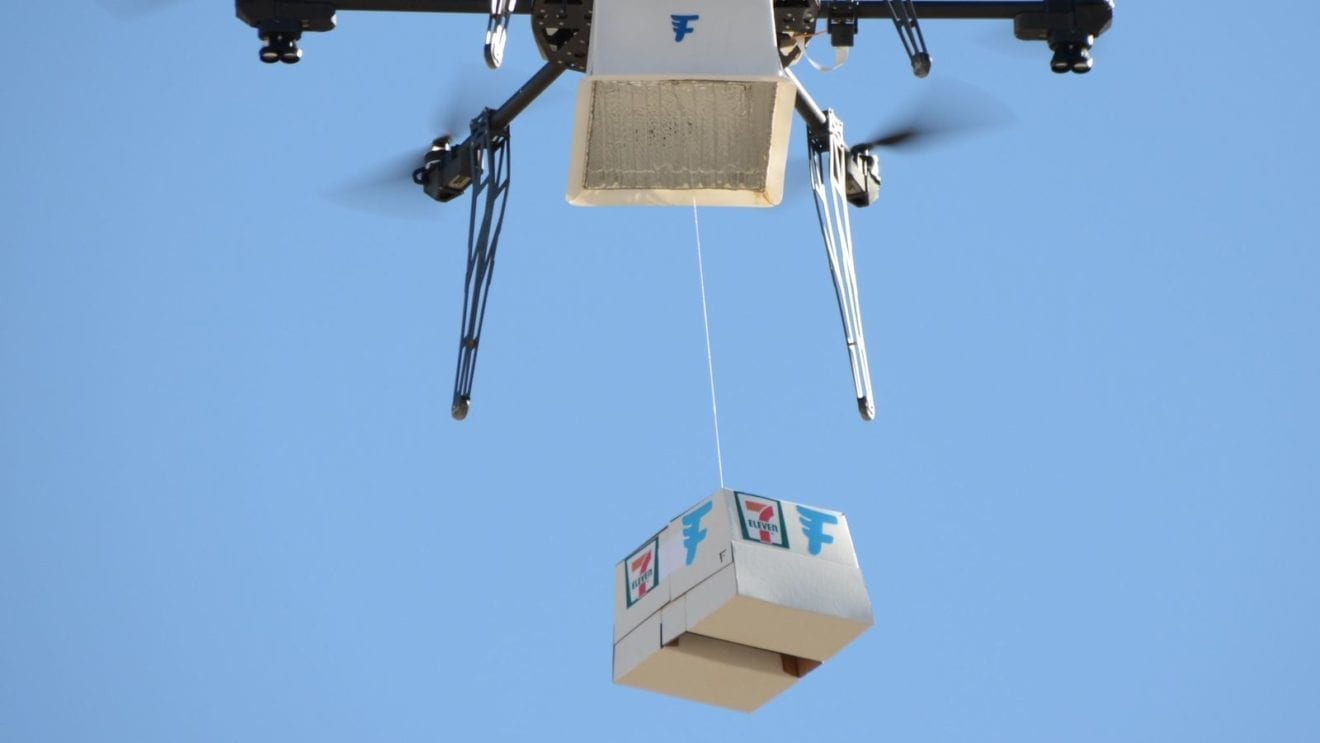
  • Asia-Pacific Delivery Drone Market to Expand 33.7% Annually Through 2031

    Asia-Pacific Delivery Drone Market to Expand 33.7% Annually Through 2031

    The Asia-Pacific delivery drone market will expand at a compound annual rate of 33.68 per cent through 2031 as retailers and carriers shift from pilot trials to commercial flight networks.

    Global market revenue reached 1.47 billion dollars in 2026 and is projected to hit 6.74 billion dollars by 2031. The expansion relies heavily on dense urban on-demand delivery alongside rural distribution corridors across Asia.

    Economics and Airspace Pressures

    Operating costs explain the push into commercial airspace. At sufficient route density, autonomous drone delivery can drop to approximately 2 dollars per parcel, compared with roughly 13.50 dollars for traditional truck-based last-mile transport. That cost gap is accelerating investments from e-commerce platforms seeking two-hour order fulfillment from urban micro-hubs.

    Technical hurdles continue to cap immediate capacity. Rotary-wing aircraft captured 72.56 per cent of shipments in 2025 because they can hover and access tight landing spots in crowded cities. However, payloads under 5 kilograms made up 65.71 per cent of all deliveries, limiting most operations to prepared meals, pharmaceuticals, and small consumer packages.

    Unmanned traffic management systems around metropolitan airports also remain incomplete. Regulators require geofencing and collision-avoidance systems, yet aviation authorities still lack the digital infrastructure needed to coordinate thousands of simultaneous commercial flights over dense residential blocks.

    Payload Limits and Regional Flight Paths

    Asian operators are tackling geography by deploying different airframes for different terrains. In China, JD Logistics now flies fixed-wing drones across approximately 200 rural routes, using the platform’s longer range to bridge transport gaps where road links add hours to delivery times.

    Government policy is shaping fleet deployment across the rest of the region. India has carved out dedicated corridors for medical supplies under its Drone Rules while offering incentives for domestic airframe manufacturing. Japan has cleared multi-prefecture autonomous flight operations, and logistics providers in Indonesia and the Philippines are testing island-to-island freight runs.

    For retailers across the region, aerial logistics is ceasing to be an experimental marketing exercise. While western operators like Walmart and Wing Aviation scale across suburban markets in the United States, Asian carriers are building high-frequency routes where physical geography makes ground transport uncompetitive.

    The next metric to track is the commercial rollout of hybrid vertical-takeoff aircraft and 5-to-10-kilogram payload capacity, which operators plan to clear with regional civil aviation bodies before 2028.