Tag: supply chain

  • Factory Fires Hit Apparel Suppliers in Cambodia and Bangladesh

    Factory Fires Hit Apparel Suppliers in Cambodia and Bangladesh

    A fire ripped through a fabric storage facility at YTC Corporation’s garment factory in Cambodia’s Kampong Speu province, destroying the building and 150 sewing machines. The site shipped apparel to multinational retailers including Gap Inc as recently as January.

    Emergency crews deployed 10 fire engines, 107 personnel and 61 truckloads of water over five hours to stop the flames from spreading across the industrial compound. No injuries were reported, though the primary storage building was lost.

    Disruption Hits Cambodian Apparel Hub

    The facility in Kampong Speu forms part of Cambodia’s export network for womenswear and children’s garments. Fabric stock and primary assembly hardware suffered heavy damage before municipal teams contained the blaze.

    Worker safety is the ministry’s top priority. Senior ministry officials, together with representatives of the provincial labor department and the National Social Security Fund, arrived at the scene immediately and coordinated with local authorities to facilitate workers’ evacuation from the factory and their safe return home, Sun Mesa, spokesman for the Ministry of Labour and Vocational Training, told local media. Police have not determined the cause of the ignition.

    Warehouse Fires in Gazipur

    Industrial disruptions extended to South Asia over the same weekend. In Bangladesh, fires struck two export operations in the manufacturing hub of Gazipur.

    Flames gutted a carton storage facility belonging to Supreme Stitch Limited, also operating as Supreme Garments. The blaze spread to a yarn warehouse owned by DBL Garments before nine firefighting units controlled the incident after three hours. The fire caused structural collapses in tin-shed units, though managers reported zero worker casualties.

    Supply Chain Volatility for Global Buyers

    The incidents hit suppliers at a time when apparel brands demand faster turnarounds and tighter audit compliance across Southeast and South Asia. For brands sourcing basic apparel across Phnom Penh and Dhaka, unexpected facility shutdowns trigger shipment delays and force immediate production reallocations.

    Replacement costs for machinery and lost textile inputs fall directly on local contract manufacturers already managing margin pressure. Factory operators face heightened scrutiny from regional safety inspectors and international audit teams assessing fire safety equipment and evacuation standards.

    Labor and Environmental Headwinds

    Operating conditions across Asian garment corridors face concurrent regulatory and environmental strains. In India, police in East Delhi arrested nine factory owners after freeing 19 minors working extended shifts in unlicensed garment and jewelry workshops in Gandhi Nagar.

    Climate pressures compound these workplace compliance challenges. International Labour Organization projections show heat stress risks stripping 145,000 full-time jobs in Sri Lanka even under a low-emissions pathway, and up to 6,100 positions in the Maldives under severe warming scenarios. In Kampong Speu, municipal investigators continue their inspection of the YTC Corporation site to clear debris and assess whether structural damage extends to adjacent production lines.

  • Johor-Singapore Economic Zone Master Plan Launch Could Coincide with December Retreat

    Johor-Singapore Economic Zone Master Plan Launch Could Coincide with December Retreat

    The launch of the master plan for the Johor-Singapore Special Economic Zone could coincide with the two countries’ bilateral Annual Leaders’ Retreat scheduled for December 4. Malaysian Prime Minister Anwar Ibrahim and Singaporean Prime Minister Lawrence Wong have committed to witness the unveiling directly, while officials evaluate whether to hold the ceremony in Ipoh, Perak.

    The joint framework aims to bind Singaporean capital and logistics networks to southern Malaysia’s industrial land, labour pool, and consumer infrastructure. Malaysia’s Economy Minister Akmal Nasrullah Mohd Nasir discussed the arrangements following community events in Johor Bahru, noting that logistical plans for the retreat are currently under review.

    Bilateral Ministerial Committee Convenes

    Before the December summit, delegations from both countries will meet in Singapore on Monday. The session represents the first formal gathering under the new Johor-Singapore Cooperation Ministerial Committee structure.

    Akmal Nasrullah leads the Malaysian delegation alongside Johor Menteri Besar Onn Hafiz Ghazi. Singapore’s delegation is headed by National Development Minister Chee Hong Tat. The discussions will review progress on operational guidelines, customs protocols, and regulatory coordination across the border corridor.

    Implications for Cross-Border Commerce

    For retailers, logistics operators, and commercial developers, the formalisation of the economic zone reduces friction across the world’s busiest land border crossing. Speeding up the movement of goods and personnel alters warehousing strategy for consumer brands operating across Southeast Asia. Singapore-based distribution centres can decentralise fulfillment and inventory staging into Johor’s industrial parks without confronting previous administrative bottlenecks.

    Commercial real estate operators face immediate operational shifts. Cross-border commercial traffic will alter retail catchments in southern Johor, drawing Singaporean household expenditure while encouraging multinational brands to treat both territories as an integrated consumer market. The principal operational risk sits with customs integration and administrative execution, where differences in regulatory clearance speeds often delay freight flows.

    Regional Framework and Preceding Agreements

    The upcoming launch follows a preliminary memorandum of understanding signed earlier to align customs, immigration, and investment incentives across the boundary. Banking institutions and trade bodies have already begun positioning capital, including formal partnerships struck by regional lenders with Singaporean manufacturing federations to fund mid-tier cross-border expansion.

    Industrial clusters in locations such as Sedenak have also begun zoning parcels to accommodate data centres, advanced manufacturing, and regional supply chain hubs. These private sector agreements anticipate the concrete policy incentives expected in the December release.

    Key Dates to Watch

    Focus shifts immediately to the outcome of Monday’s bilateral ministerial talks in Singapore. Those discussions will determine the specific administrative provisions submitted to Anwar and Wong ahead of the December 4 summit in Perak.

  • Six Brazilian Ingredient Makers Join In-cosmetics Asia in Bangkok

    Six Brazilian Ingredient Makers Join In-cosmetics Asia in Bangkok

    Six Brazilian beauty and personal care ingredient companies will participate in the 2026 edition of the in-cosmetics Asia trade show in Bangkok, Thailand, from November 3 to 5.

    Beautycare Brazil, an internationalization program developed by the Brazilian Association of the Personal Hygiene, Perfumery and Cosmetics Industry (ABIHPEC) alongside the Brazilian Trade and Investment Promotion Agency (ApexBrasil), coordinated the group.

    The delegation features 100% Amazonia Ingredientes, Bielus Ingredientes, Granatum Ingredients, Kaapi, NanoScoping and Plantus Indústria, with the suppliers seeking to expand business connections across the Asia-Pacific region.

    Targeting Southeast Asian formulators

    The Bangkok event serves as the primary regional sourcing hub for personal care chemicals, raw materials and lab services. The Brazilian trade delegation wants to recruit local distributors across Southeast Asia and sell directly to regional brand owners that manufacture skin and haircare lines.

    Competition across Southeast Asian contract manufacturing is intensifying as local brands seek differentiation through botanical actives and proprietary formulations. Brazilian exporters face established European and Japanese specialty chemical houses that already run local technical application centers in Thailand.

    “Returning to in-cosmetics Asia is an important step in our internationalization strategy. Southeast Asia stands out as a dynamic region with significant growth prospects in the CT&F sector, driven by demand for innovation, high-performance ingredients and natural and sustainable solutions. The 2026 edition offers an opportunity to expand business connections, access new markets and strengthen the positioning of Brazil’s ingredients industry among manufacturers, formulators and buyers across the Asia-Pacific region.”

    Supply chain friction and freight costs

    Securing shelf space in Asian manufacturing facilities requires more than certified bio-actives. Long shipping routes between South America and Southeast Asian ports leave ingredient buyers vulnerable to inventory bottlenecks and currency swings.

    Importers in Thailand and neighboring markets generally favor suppliers that can maintain localized buffer stock. To win recurring contracts against Asian domestic producers, these Brazilian suppliers must prove consistent batch quality and reliable shipping timelines.

    The push into Asia-Pacific markets

    Brazilian cosmetics trade groups previously concentrated export development on other regions, where demand for Amazonian botanicals first took root. Slower volume growth in Western markets pushed trade organizers to allocate budget toward Asian distribution networks.

    Regional formulators convene in Bangkok on November 3, when the six suppliers begin scheduled meetings with commercial distributors and contract manufacturing chemists.

  • Pakistan Orders 9 Tyre Manufacturers to Install Digital Monitoring by Nov 30

    Pakistan Orders 9 Tyre Manufacturers to Install Digital Monitoring by Nov 30

    Pakistan’s Federal Board of Revenue ordered registered tyre manufacturers on Friday to install electronic production monitoring systems by Nov 30, linking factory machinery directly to state revenue servers to track output in real time.

    The mandate aims to help bridge a national sales tax gap estimated at Rs3.7 trillion between current collections and actual revenue potential.

    Under Sales Tax General Order No. 32 of 2026, initial compliance targets nine companies: Ghandhara Tyre and Rubber Company Ltd, Service Long March Tyres Ltd, Service Tyres (Private) Ltd, Panther Tyres Ltd, Diamond Tyres Ltd, Service Industries Ltd, Ghauri Tyre and Tube (Pvt) Ltd, Crown Tyres Ltd, and United Rubber (Pvt) Ltd. Tyre makers must fit approved tracking hardware and software across every curing press, takeaway conveyor, and finishing line. The equipment counts cured tyres, screens out uncured units, and separates genuine production runs from maintenance, warm-ups, and dry runs. It records each product by diameter, width, tread design, and weight using certified stock keeping unit data.

    Single Vendor System and Factory Rules

    The Federal Board of Revenue selected ISSM Labelling Solutions (Pvt) Ltd as the sole authorised provider to install and run the tracking platform across plants. The system streams production events directly into the central tax control room, automatically flagging unexpected stoppages, machinery breakdowns, interruptions, and any physical or software tampering.

    Manufacturers cannot transport finished tyres off factory grounds unless the output passes through the electronic inspection network. Companies must supply the underlying information technology infrastructure, reliable power, and network connectivity at their own cost, while also paying service fees to the authorised vendor.

    Initial Hit List for Industrial Compliance

    Regulators singled out nine major tyre producers for the initial rollout: Ghandhara Tyre and Rubber Company Ltd, Service Long March Tyres Ltd, Service Tyres (Private) Ltd, Panther Tyres Ltd, Diamond Tyres Ltd, Service Industries Ltd, Ghauri Tyre and Tube (Pvt) Ltd, Crown Tyres Ltd, and United Rubber (Pvt) Ltd. Tax officials noted the list is not final and will expand to every licensed producer in the country.

    For supply chain operators and vehicle assembly partners across South Asia, the measure removes unrecorded factory off-takes that frequently leak into local wholesale distribution. Tyre suppliers operating in Pakistan face immediate capital outlays for hardware integration, alongside tighter inventory audits that leave zero room for off-the-books stock.

    The policy tilts the operating balance toward fully documented parts suppliers while forcing mid-tier producers to absorb compliance costs. Distributors and replacement retailers buying from these plants will see tighter paper trails on all commercial invoices, shrinking informal discounting across aftermarket supply routes.

    Expanding Digital Tax Control

    The tyre sector is the latest consumer goods segment brought under automated plant surveillance. Tax authorities previously placed packaged tea, household electronics, paper and paperboard, edible oils, leather, textile spinning, tiles, packaged milk, fruit juices, bottled water, and carbonated beverages under similar digital recording orders.

    Inland Revenue chief commissioners are now appointing dedicated regional focal persons to inspect factory lines and monitor vendor installations alongside company managers. Regional field formations hold orders to add unlisted tyre factories to the registry and submit formal compliance reports to headquarters.

  • Pakistan Accelerates Alibaba Projects Under $1 Billion AI Strategy

    Pakistan Accelerates Alibaba Projects Under $1 Billion AI Strategy

    Prime Minister Shehbaz Sharif on Wednesday directed federal ministries to accelerate joint projects with Alibaba Group to drive agricultural exports and digital trade, tying the initiative to the country’s plan to invest $1 billion in artificial intelligence by 2030.

    Chairing a progress review in Islamabad, Sharif instructed relevant ministries to complete all necessary measures by November following a memorandum of understanding signed at Alibaba’s Hangzhou headquarters in May.

    Under the trade measures, the Small and Medium Enterprises Development Authority is rolling out a two-year programme with Alibaba to grant local businesses access to international buyers and training. Trade documentation is now handled through the operational Pakistan Single Window digital verification system, alongside a dedicated Pakistan pavilion established on Alibaba’s platform to market domestic products internationally.

    Automating Fresh Produce Shipments

    For fresh produce exporters, the collaboration introduces artificial intelligence tools designed to monitor crop quality and streamline clearance. State bodies are rolling out digital export platforms specifically for citrus fruits and olives. The system uses automated track-and-trace technology alongside crop modeling, aiming to cut border clearance delays that frequently spoil perishable shipments.

    Automation is also extending into domestic commodity oversight. The Oil and Gas Regulatory Authority received Alibaba analytics tools to monitor the movement of petroleum products, while tobacco supply chains are adopting similar tracking systems to curb undocumented trade.

    Alibaba’s Frontier Market Play

    Alibaba’s deepening presence in South Asia demonstrates how the Chinese marketplace operator uses sovereign agreements to secure wholesale merchant bases. Rather than competing directly in localized consumer app delivery, the Hangzhou company is anchoring its cloud and trade rails directly into national export architecture. This mirrors business-to-business models Alibaba deployed across Southeast Asia, locking regional manufacturing and farming cohorts onto its international marketplaces.

    For local exporters and suppliers, the state-backed setup reduces the costs of entering overseas marketplaces. The real vulnerability rests on compliance and infrastructure readiness inside Pakistan. Previous government e-commerce portals struggled with shipment delays, clearing snags, and fragmented digital banking channels that deter foreign wholesale purchasers.

    Hangzhou Pacts Take Concrete Shape

    The operational review follows a memorandum of understanding signed during Prime Minister Shehbaz Sharif’s four-day visit to China in May. That agreement pledged closer cooperation across artificial intelligence, enterprise software, and international commerce, coinciding with Pakistan’s backing of the World Artificial Intelligence Cooperation Organisation. Deputy Prime Minister Ishaq Dar signed the formal charter establishing that multilateral body in Shanghai in July.

    Ministries face a November deadline to submit verifiable progress reports to the Prime Minister’s Office detailing SME enrolments, pipeline analytics deployments, and farm export shipments moving through the new trade corridor.

  • Aarong Plants over 100,000 Trees Across 42 Districts from Bag Sales

    Aarong Plants over 100,000 Trees Across 42 Districts from Bag Sales

    Aarong has planted more than 100,000 trees across 42 districts in Bangladesh, funding the initiative entirely through retail proceeds generated from its store bag campaign.

    The lifestyle retailer reduced customer paper bag consumption by more than 4.68 million units between September 2025 and March 2026 compared to the same period a year earlier.

    Paper bag sales during the seven-month period generated Tk 2.9 crore across the brand’s store network. Aarong channeled the entire sum into direct environmental planting and rural community support, working with parent organization BRAC and environmental group Mission Green Bangladesh.

    Cashback incentives and store-level mechanics

    The reduction in packaging volume stems directly from Aarong’s Bring Your Own Bag initiative. Customers who carry their own shopping bags to checkout receive a Tk 15 cashback rebate against their purchase.

    Shoppers who opt to take single-use paper bags pay for them at the till, creating the ring-fenced fund used for nationwide ecological work. The company estimated that avoiding 4.68 million paper bags over the period spared approximately 6,000 trees from industrial pulping.

    “Bring Your Own Bag began with a simple change in habit: carrying and reusing what we already have,” said Tamara Hasan Abed, managing director of BRAC Enterprises.

    Household distribution and urban mini-forests

    The capital expenditure from bag charges was split into two separate forestry models. The larger share backed direct distribution to rural low-income families through BRAC’s Ultra-Poor Graduation programme.

    Under that programme, Aarong funded 95,382 saplings comprising fruit, timber, and medicinal varieties. Teams distributed the stock across 210 upazilas in 42 districts, delivering planting bundles to 40,001 individual households to generate supplemental household income and fruit production.

    The secondary allocation focused on dense urban vegetation. Partnering with Mission Green Bangladesh, the retailer financed Miyawaki-style micro-forests, which use tightly packed native plant species to accelerate biological canopy growth on small urban parcels. Aarong staged a public planting drive with shoppers and media representatives at its Rupganj Miyawaki forest site.

    Retail implications across South Asian store fleets

    Packaging levies in emerging South Asian retail markets frequently face stiff consumer friction, especially inside apparel and department stores where premium shopping bags double as status signifiers. Most chains that charge for carriers retain the cash within operational store overheads or margin defense.

    Aarong’s decision to combine a hard rebate of Tk 15 with full revenue surrender alters that dynamic. By publishing exact unit drops and assigning retail takings to traceable planting, the business removes customer suspicion that packaging charges are disguised margin extraction.

    For competing South Asian apparel operators, the programme sets an uncomfortable precedent on disclosure. When a market leader proves that bag consumption dropped by 4.68 million units within seven months while funding 100,000 saplings, retail landlords and municipal waste regulators gain a clear benchmark to demand mandatory bag fees from other department stores.

    Tracing the supply chain transition

    The bag initiative links into broader supply-chain pivots at Aarong, which operates as the commercial social enterprise wing of BRAC. Sourcing textiles, home decor, and jewellery from tens of thousands of independent village craftspeople, the enterprise links everyday shopping habits with broader community and environmental support.

    Moving customer behaviour from complimentary packaging to reusable totes mirrors earlier efforts by regional grocery players to curb checkout plastics. Aarong is now attempting the same shift inside department store fashion and lifestyle retail.

    The company continues to run the Tk 15 bag rebate at all Aarong cash registers, with local operations tracking whether bag opt-out rates hold as checkout volumes rise into seasonal peak trade.

  • Maruti Suzuki Exports Rose 59.3% in October Despite Shipping Strain

    Maruti Suzuki Exports Rose 59.3% in October Despite Shipping Strain

    Maruti Suzuki exported 49,872 vehicles in October, rising 59.3 per cent from a year earlier despite worsening shipping disruptions across maritime corridors in West Asia.

    India’s largest carmaker, Maruti Suzuki India Ltd., accounts for more than half of the country’s passenger vehicle exports, maintaining shipments even as secondary transport links come under pressure.

    Transit routes through West Asia serve as a vital corridor to Europe and North Africa. Trade lanes around the Strait of Hormuz have suffered recurring delays since conflict broke out in late February following a joint US and Israel operation in Iran.

    Alternate Routes Face Congestion

    Vessels bypassing disrupted passages now face escalating delays as alternative maritime corridors run out of spare capacity. Rahul Bharti, senior executive officer for corporate affairs at Maruti Suzuki, confirmed the logistical friction at a press briefing on Sunday.

    “The Middle East situation has actually slightly worsened. We were using an alternate route, even that alternate route has a bit of a problem,” Bharti said.

    Export demand in destination markets remains stable. That customer appetite is forcing carmakers to absorb complex freight rerouting rather than trimming assembly line targets in India.

    Margins Squeezed Across Automakers

    Higher transit times and elevated commodity prices linked to the conflict took a direct toll on earnings during the September quarter. Maruti Suzuki posted a 26 per cent drop in net profit to 2,466 crore rupees, while rival exporter Hyundai Motor India recorded a 24 per cent decline to 1,196 crore rupees.

    Other vehicle exporters face the same pinch. Two-wheeler manufacturers Bajaj Auto, TVS Motor and Hero MotoCorp have reported higher freight expenses on outbound deliveries to overseas markets, while carmakers including Volkswagen and Nissan manage identical distribution headwinds out of Indian assembly hubs.

    The margin squeeze illustrates the structural vulnerability facing Indian automotive export operations. When maritime chokepoints close, the resulting freight surcharges and insurance premiums land squarely on operating margins, even when consumer order books remain filled.

    Tariffs and Electric Vehicle Strategy

    Maruti Suzuki distributes cars to roughly 120 export markets to avoid overreliance on individual territories. A sharp tariff increase in Mexico, where import duties jumped from 20 per cent to 50 per cent, dragged total volume in that market lower, offsetting gains elsewhere.

    The company is countering regional volatility by expanding electric vehicle distribution into developed markets. Outbound shipments of the electric e-Vitara to destinations such as Europe and Japan are designed to build a buffer against tariff hikes in the Americas and shipping friction across the Middle East.

    Tracking Shipping Costs and Deliveries

    Sustained freight disruptions now test whether expanding overseas sales can remain profitable without prolonged supply chain normalization.

    Automakers will monitor freight rates through the final calendar quarter as Maruti Suzuki prepares additional batches of the e-Vitara for Japanese and European showrooms.

  • Singapore and Australia Pull Bomberry Chocolates over Metal Contamination

    Singapore and Australia Pull Bomberry Chocolates over Metal Contamination

    Food safety authorities in Singapore and Australia ordered the withdrawal of four Bomberry chocolate fruit lines across supermarkets and specialty stores due to potential metal contamination.

    The alert targets 150g packages carrying best-before dates up to and including 20 January 2028, pulling inventory off shelves across both markets simultaneously.

    The affected products include Bomberry Natural Blueberries coated in dark chocolate as well as white and milk chocolate, alongside Natural Raspberries coated in white and dark chocolate and white and milk chocolate. Australian manufacturer Atomic Changes trades under the Bomberry brand name, producing the entire affected batch lineup domestically before distribution.

    Cross-Border Distribution Network

    In Australia, the recalled confectionery cleared through national supermarket networks including Woolworths as well as digital retail channels. The cross-border exposure surfaced when the Singapore Food Agency directed gourmet grocer and distributor Little Farms to pull matching Australian stock from its retail stores and warehouse inventory.

    Retail buyers stocking imported specialty confectionery operate on tight turns and long product shelf lives. A best-before window stretching to January 2028 indicates these products entered supply chains recently, meaning unsold stock sits directly on store gondolas rather than deep inside institutional cold storage.

    For boutique retail operators like Little Farms, premium imported confectionery builds basket size. Foreign contamination recalls cut straight into supplier trust, triggering mandatory reverse logistics where retailers bear the initial cost of clearing display floor stock and processing consumer returns at point of sale.

    Regulatory Enforcement and Line Traceability

    The Singapore regulator initiated its domestic recall as a precautionary action following an alert from Food Standards Australia New Zealand. Both agencies instructed shoppers who bought the confectionery to avoid consuming it and to seek medical assessment if already ingested.

    Industrial metal contamination in coated confectionery typically points to mechanical failure during enrobing, panning, or bulk fruit sorting upstream. Food processors relying on automated continuous-flow lines face extensive clean-downs and sensor recalibrations once foreign matter slips past packaging metal detectors.

    Food Standards Australia New Zealand posted the primary national notice before Southeast Asian import inspection channels picked up the manifest details. Singapore frequently acts as the primary regional landing hub for Australian packaged consumer goods, making local agency intervention standard protocol when Australasian recalls escalate.

    Supply Pipeline Exposure

    The immediate operational burden now rests on inventory auditing across physical grocery aisles and third-party delivery hubs. Woolworths and Little Farms must verify warehouse isolation while retail point-of-sale systems lock barcodes to prevent accidental consumer checkout.

    Atomic Changes faces supplier credit adjustments and disposal documentation mandates across every market that received shipments. Retailers handling premium imported snacks will reassess batch acceptance protocols for dry ambient goods arriving through Southern Ocean shipping corridors.

    The recall remains active across all retail endpoints in Australia and Singapore as distributors complete stock reconciliations for the 20 January 2028 production run.

  • Sanku Maots’Ai Invests RMB 200 Million in Smart Factory

    Sanku Maots’Ai Invests RMB 200 Million in Smart Factory

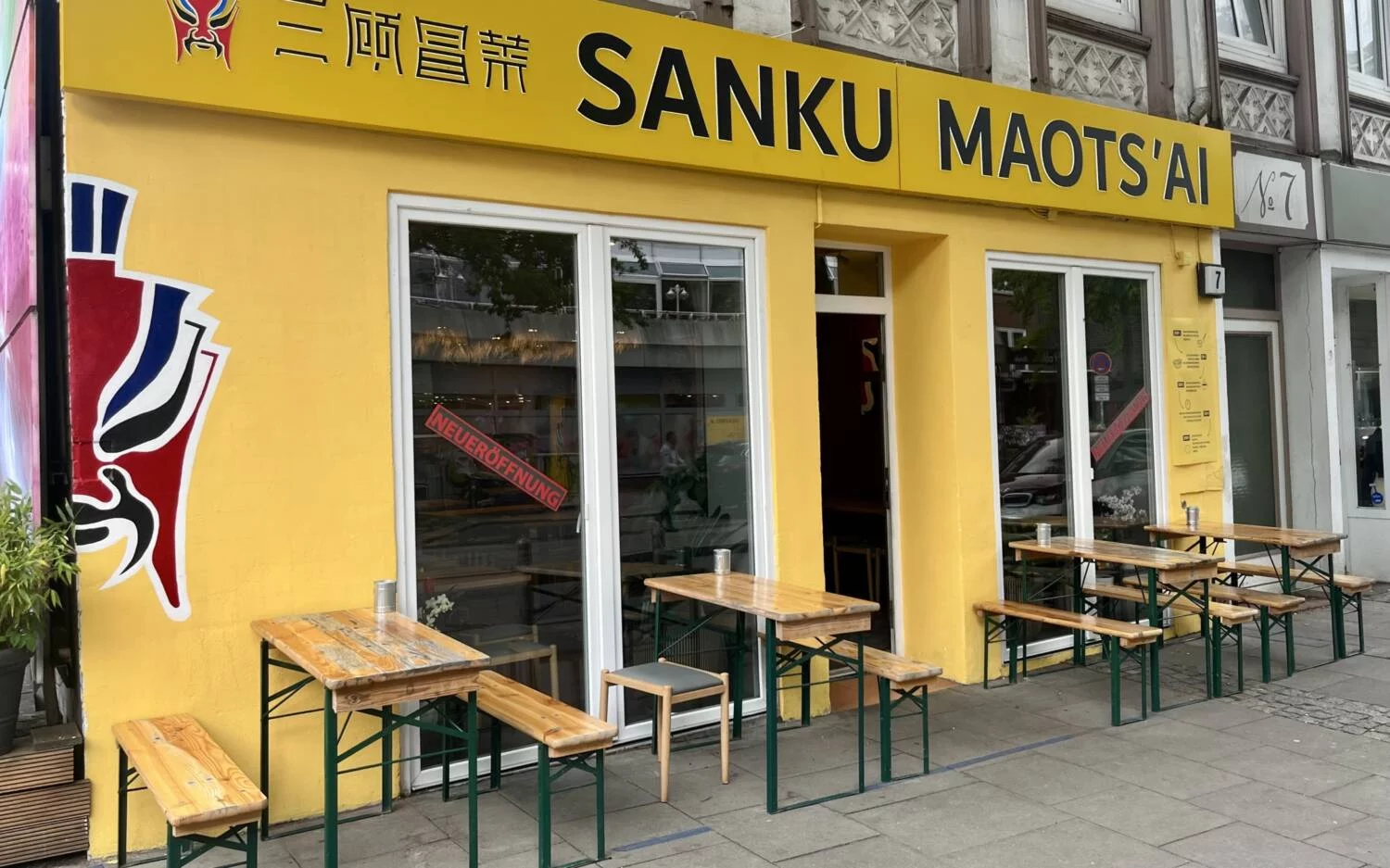
    Sichuan Sanku Maots’ai Brand Management spent RMB 200 million on a 22,000-square-meter automated plant to support international store expansion across more than 20 countries.

    The investment delivers an annual production capacity exceeding 40,000 tons of specialized broths and seasoning bases, anchoring a store network that spans 300 cities.

    Announced this week in October 2026, the industrial manufacturing setup underpins the chain’s move to scale standardized Sichuan maocai across China and global markets.

    Centralized bases replace skilled kitchen labour

    The company strips complex cooking tasks out of franchised outlets by manufacturing core seasonings centrally. Stores receive shelf-stable or cold-chain flavor packs, including traditional beef-fat hot pot bases, ginger-lemon broths and tomato profiles, eliminating the need to employ specialized chefs on site.

    Kitchen staff complete operational training in six days. Headquarters supplies pre-portioned seasoning packets while local franchisees manage raw ingredients, basic assembly and front-of-house service under strict workflow templates.

    Digital systems link store-level ordering directly to central warehouse inventory, standardizing recipes across disparate markets where culinary skills vary widely. Cold-chain freight agreements and pre-cleared customs documentation handle international replenishment.

    The fast-casual race to cut store payrolls

    Fast-casual Chinese dining chains are racing to strip out back-of-house labor costs to survive tight retail margins and rapid store rollout schedules.

    For shopping mall landlords and commercial operators, chef-free formats sharply lower exhaust ducting and grease-trap buildout expenses. Operators can open in smaller footprints with cheaper utility loads, compressing payback periods even in high-wage overseas hubs.

    The operational risk sits squarely in the cross-border supply channel. When an overseas franchise relies entirely on proprietary soup bases shipped from Sichuan, any regional customs hold-up or cold-chain disruption halts dining room service immediately, leaving zero room for local ingredient improvisation.

    Building out from regional Sichuan roots

    Founded in 2008, Sanku Maots’Ai built its initial domestic footprint on quick-service maocai, a single-portion Sichuan stew closely related to traditional hot pot. Domestic operations expanded through low-cost franchise packages across lower-tier Chinese cities before the company restructured its back-end infrastructure.

    The RMB 200 million plant commitment marks a formal shift from basic regional franchising to an industrial supply model engineered for export compliance and container-load distribution.

    Franchise teams are now adapting baseline menus for individual overseas territories, balancing standardized Sichuan spice levels against local dietary rules while keeping core factory deliveries unchanged.

  • Luxury Goods Market to Reach $610.4 Billion by 2032 as Asia-Pacific Leads Growth

    Luxury Goods Market to Reach $610.4 Billion by 2032 as Asia-Pacific Leads Growth

    Asia-Pacific luxury goods spending will expand at a compound annual rate of 5.2 percent between 2027 and 2032, outpacing every other global region as total market value heads toward USD 610.4 billion.

    Europe retained 51.82 percent of worldwide luxury turnover in 2026, but Asian demand is shifting the commercial priorities of major European fashion conglomerates. Global luxury sales stood at USD 484.2 billion in 2026, climbing to USD 505.1 billion in 2027. While mature Western markets cope with cautious shoppers, regional retail networks across China, Japan, and Southeast Asia are taking a larger share of capital expenditure.

    Clothing and apparel anchored the sector with a 36.93 percent market share in 2026. Hard luxury, led by specialist watchmakers, is projected to deliver the quickest category expansion at 4.2 percent through 2032. Women drove 55.93 percent of total luxury revenue in 2026, though menswear is advancing at a 4.25 percent annual rate. Single-brand boutiques controlled 38.16 percent of retail sales in 2026, but dedicated online channels are forecast to expand at 4.75 percent annually through 2032.

    Prada and Hermès Expand Regional Footprints

    Prada Group generated a 15 percent jump in Asia-Pacific retail sales during the first half of 2026 compared with the first half of 2025. Stripping out the acquisition of Versace, organic regional retail turnover grew 6 percent at constant exchange rates. The flagship Prada label maintained positive momentum through the second quarter, while Miu Miu recorded steady volume gains across the half.

    Rival Hermès logged EUR 4.53 billion, or USD 5.11 billion, in 2025 revenue from its combined ready-to-wear and accessories division, a 6 percent gain at constant currency. Leather goods and saddlery sales rose 13 percent, supported by added workshop capacity. Chanel followed a parallel path by opening more than 40 standalone boutiques in 2025, directing a substantial portion of those doors into Mainland China, Japan, and the Middle East.

    Compagnie Financière Richemont saw its specialist watchmaker division post an 8 percent revenue gain at constant exchange rates in the three months to June 2026, led by sales in Japan and the Americas. The group’s jewellery division, housing Cartier and Van Cleef & Arpels, generated a 14 percent sales increase during the fiscal year ended March 31, 2026.

    Direct Store Ownership Shifts Margin Control

    The operational divide between company-owned flagships and third-party wholesale accounts is hardening across Asian shopping districts. LVMH Moët Hennessy Louis Vuitton operated approximately 2,300 dedicated fashion and leather goods boutiques worldwide at the close of 2025. Direct store ownership shields retail margins from intermediary markdowns and maintains rigid presentation standards in premier Asian malls.

    Wholesale distribution carries severe legal boundaries when brands attempt to dictate shelf pricing. The European Commission fined Kering’s Gucci, Richemont’s Chloé, and Loewe in October 2025 for illegal resale-price restrictions imposed on independent distributors across Europe. Those distribution curbs ran until April 2023, barring stockists from discounting apparel, shoes, and leather goods. Luxury houses operating in Asia face a clear operational tradeoff: independent retail partners deliver fast geographic distribution, but houses sacrifice pricing authority over the final consumer ticket.

    Digital channels are simultaneously consolidating around high-spending clients rather than broad web traffic. Online platform Mytheresa increased net sales by 11.5 percent at constant exchange rates in fiscal 2026, while expanding its top-tier customer base by 18 percent during the fourth quarter. Direct consumer relationships allow brands to defend price points without depending on wholesale clearance mechanisms.

    Regulatory Pressures and Supply Checks Tighten

    Supply chain scrutiny is forcing luxury groups to alter how they produce and verify garments sold in Asian commercial hubs. LVMH instituted supplier audits, work-in-progress monitoring, and on-site factory visits in 2025 following public scrutiny over labor practices within Italian manufacturing hubs. Across its operations, recycled materials reached 41 percent of product and packaging inputs in 2025, including circular cashmere projects at Loro Piana.

    Apparel importers into Mainland China face tightened quality-safety rules and mandatory merchant inspections under standard GB 18401-2010, alongside expanded fiber measures starting July 1, 2026. Chinese authorities require sellers to inspect incoming inventory and store compliance documentation for at least two years. The regulatory duty contrasts with the United States, where the Federal Trade Commission permits invoice-level fiber disclosures without requiring dedicated per-unit verification checks.

    Anti-counterfeit enforcement remains a constant operational friction point for Asian distribution networks. The European Anti-Fraud Office concluded an enforcement operation in May 2025 that netted 1.8 million counterfeit garments, footwear pieces, and leather accessories hidden within legitimate textile shipments. Illicit goods mixed into lawful trade flows drain brand equity while complicating customs clearance for verified fashion houses.

    Divergence Across Global Spending Hubs

    The acceleration of luxury demand in Asia contrasts sharply with contractions in the Middle East. Military operations involving the United States, Israel, and Iran in early 2026 reduced the Gulf luxury consumer base by 15 to 25 percent. Richemont saw sales in the Middle East and Africa slide 3 percent at constant currency during the quarter ended March 31, 2026, hurt by suppressed tourist traffic and cautious domestic spending.

    Consumer demand is dividing by income tier. A survey of aspirational luxury clients conducted across 11 key markets in 2026 revealed that every respondent classified as an infrequent, price-sensitive buyer planned to trim personal spending over the subsequent 12 months. An additional 22 percent of regular luxury shoppers planned to reduce transaction ticket sizes, trading down within product collections.

    Luxury brands are directing product development toward ultra-affluent shoppers who remain insulated from inflationary pressures. Global personal wealth grew 10.8 percent in dollar terms during 2025, adding 440,000 millionaires in the United States alone. Capturing these shoppers requires extensive boutique investments in prime metropolitan locations rather than broad distribution through department store counters.

    The next test for luxury retail performance arrives on July 19, 2026, when the European Union’s statutory ban on destroying unsold garments and footwear takes effect for large corporations, directly reshaping how fashion houses clear seasonal stock across their international supply chains.
  • Singapore Wholesale Sea Freight Prices Jump 25.4 per Cent

    Singapore Wholesale Sea Freight Prices Jump 25.4 per Cent

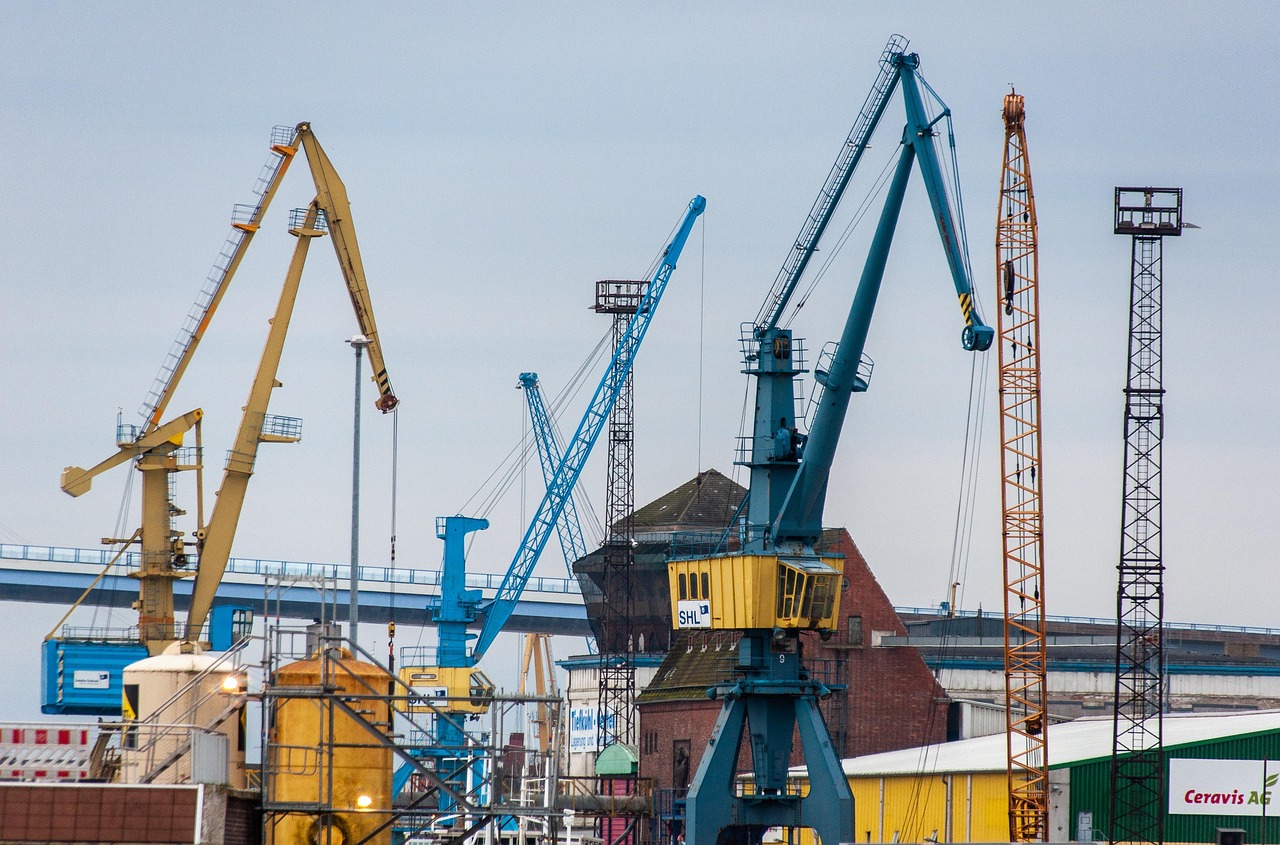
    Singapore transport and storage operators pushed wholesale charges higher in the second quarter, led by a 25.4 per cent quarterly surge in sea freight rates.

    Official producer price figures from the Department of Statistics released on Oct 28 confirm that wholesale freight forwarding costs rose 10.2 per cent over the same period, while postal and courier services climbed 7.1 per cent.

    The price increases hit wholesale markets after an index tracking imported fuels, lubricants and related materials spiked by nearly 79 per cent month-on-month in March. That energy shock followed the outbreak of the Iran war on Feb 28 and the effective closure of the Strait of Hormuz, an export channel that handled roughly 20 per cent of global oil and gas output. Although fuel import metrics eased later in the year, they settled well above their baseline levels.

    Uneven Impact Across Shipping Modes

    Liquid bulk and gas transport absorbed the steepest increases because of their structural dependence on Middle East transit lanes. Crude oil and liquefied natural gas carriers faced direct rerouting requirements, while container shipping lines operating predominantly outside the Persian Gulf recorded milder cost adjustments. Container operators still absorbed indirect pressure through pricier bunker fuel and schedule disruption across regional transshipment hubs.

    Air freight forwarding registered the sharpest immediate shock within forwarding segments. Air cargo handlers dealt with route deviations, constricted capacity and jet fuel premiums. Sea freight forwarders absorbed a combination of higher carrier spot rates, emergency bunker additions and war risk insurance surcharges, whereas domestic land freight forwarding pricing held steady through the period.

    Courier Adjustments and Domestic Storage

    International parcel delivery networks responded by adjusting their baseline tariffs. The 7.1 per cent increase in postal and courier indices stemmed entirely from cross-border traffic, while domestic Singapore delivery tariffs softened over the quarter. Global integrators operating regional sorting hubs in the city-state have passed energy expenses directly to corporate shippers.

    DHL Express has scheduled a general rate increase for January 2027, citing global energy costs and local operating conditions. Upstream handling fees in Singapore also crept higher during the second quarter, with cargo handling charges rising 2.7 per cent month-on-month and warehouse storage fees gaining 0.6 per cent.

    Pressure Mounts on Regional Supply Chains

    For consumer brands and cross-border merchants, wholesale transport cost hikes squeeze gross margins at the inbound inventory stage. Retail businesses often absorb wholesale freight spikes during the initial shipping cycle to defend unit volumes, but prolonged upstream inflation forces retail price tags higher once existing inventory depletes.

    Importers across Southeast Asia face two distinct operational choices. They can absorb degraded margins during upcoming peak sales quarters or pass freight surcharges into final shelf prices. E-commerce platforms that rely on international air parcels face the immediate prospect of higher threshold requirements for free shipping programs.

    The Pipeline of Upstream Costs

    Before the conflict escalated in February, liquid bulk freight tariffs fluctuated within narrow bands and container rates trended lower across major Pacific routes. That period of pricing relief ended abruptly once bunker fuel benchmarks tracked global crude upward. By Oct 23, Brent crude touched more than US$117 a barrel, its highest point since April, after strikes hit commercial tankers near the Strait of Hormuz.

    Commercial shippers now look to the third-quarter producer price indices and DHL Express’s scheduled tariff revision in January 2027 to gauge whether logistics operators will levy fresh baseline increases.

  • SGX RegCo Queries Agribusinesses over Links to 10 Haze-Hit Firms

    SGX RegCo Queries Agribusinesses over Links to 10 Haze-Hit Firms

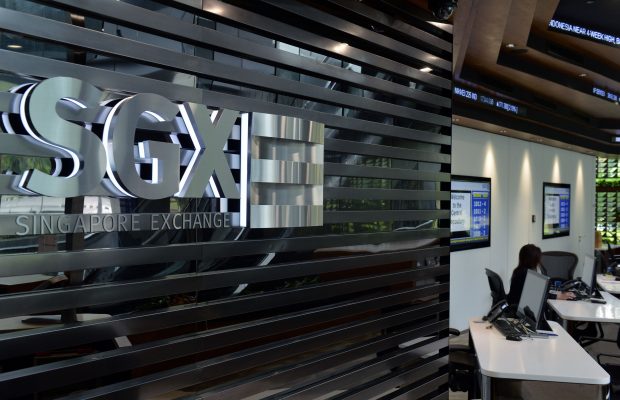
    Singapore Exchange Regulation issued a fresh round of queries on Oct 28 to listed companies with agricultural operations and plantations in Indonesia, seeking clarity on links to 10 Indonesian companies issued legal notices under Singapore’s haze law.

    SGX RegCo instructed boards to disclose policies and measures implemented to monitor, prevent, and respond to the fires, along with their assessments of whether the fires have a material impact on their businesses.

    The move follows earlier queries sent to eight listed groups, including Wilmar International, Golden Agri-Resources, First Resources, Bumitama Agri, Indofood Agri Resources, Kencana Agri, TSH Resources, and Olam Group, all of which maintained they did not use fire to clear land.

    Tracing Concession Links Across Sumatra and Kalimantan

    The regulatory review targets connections to ten entities singled out by Singapore’s National Environment Agency under the Transboundary Haze Pollution Act 2014. The statutory agency issued preventive measure notices to seven Sumatran forestry operations on Oct 16, followed by three Kalimantan concessionaires on Oct 19.

    Named recipients include pulpwood and palm operators Bumi Andalas Permai, Bumi Mekar Hijau, Paramitra Mulia Langgeng, Sumatera Alam Anugerah, Sebangun Bumi Andalas Wood Industries, Hutan Lestari Raya, Bangakanesia, Buana Megatama Jaya, Mananjung Hayak, and Baratama Putra Perkasa.

    Listed commodity groups must state plainly whether they hold direct equity, joint ventures, or procurement arrangements with any of the sanctioned entities. The directive forces listed boards to look past direct concession boundaries into external supply networks.

    Board Scrutiny Hits Food Commodity Heavyweights

    The regulatory step follows initial inquiries sent on Oct 16 to primary producers and agricultural processors including Wilmar International, Golden Agri-Resources, First Resources, Bumitama Agri, Indofood Agri Resources, Kencana Agri, TSH Resources, and Olam Group.

    Every respondent in that group denied using fire for land clearance, pointing to formal zero-burn standards, internal firefighting crews, and satellite monitoring networks. The market regulator now requires listed boards to document whether those preventative protocols function adequately in practice.

    Corporate boards must also provide formal confirmation on whether foreign or local agencies in Indonesia, Singapore, or elsewhere have launched investigations into their concession sites.

    Supply Chain Risks for Consumer Brands and Processors

    For consumer goods manufacturers and edible oil buyers across Southeast Asia, the regulatory pressure pushes plantation oversight into direct legal exposure. Palm oil and timber products entering consumer supply chains face scrutiny under cross-border clean air statutes that carry civil and criminal liabilities in Singapore courts.

    Institutional investors in regional agribusinesses now face elevated compliance liabilities if listed suppliers purchase raw materials from concession holders named in transboundary enforcement notices. Operational risk shifts from reputational sustainability commitments to formal regulatory non-compliance on the Singapore exchange floor.

    Enforcement Escalates Beyond Voluntary Pledges

    The regulatory exchange notices coincide with parallel enforcement steps by Singapore’s environmental authorities against domestic holding firms. The National Environment Agency served notices on Oct 23 to ten Singapore-registered companies, demanding full concession maps and fire prevention records for Indonesian operations.

    Those separate actions target corporate structures registered in Singapore that retain operational control over Indonesian land parcels. The simultaneous moves by the market regulator and environmental agencies eliminate standard corporate firewalls between offshore holding units and operational plantation sites.

    Agribusiness boards face a tight window to lodge formal written disclosures on the exchange detailing active investigations, concession relationships, and verified impact statements on current crop cycles.

  • Malaysia Seizes 30 AI Chip Servers Worth $12 Million at Kuala Lumpur Airport

    Malaysia Seizes 30 AI Chip Servers Worth $12 Million at Kuala Lumpur Airport

    Malaysian customs officers intercepted 30 server units carrying advanced artificial intelligence chips valued at 49.5 million ringgit ($12.11 million) at Kuala Lumpur International Airport this month. The hardware was falsely labelled as basic electronic parts to skirt international transit rules.

    Authorities discovered the cargo on October 15 during an inspection inside the airport’s free trade zone. The shipment began in an unnamed Asian country and was destined for re-export to another nation in the region without the mandatory trade clearances.

    Inspection at the Free Trade Zone

    Customs officials confirmed that the shipment needed formal regulatory clearance under statutory cross-border rules before transit. Airport customs director Aspalila Ag Tuah said the paper declarations concealed the true nature of the server units.

    “The servers were falsely declared as electronic components… and shipped through Malaysia to ensure there would be no restrictions imposed while being exported to the next destination,” Aspalila said.

    A domestic logistics firm that facilitated the shipment has been summoned to assist investigators with shipping paperwork and chain-of-custody logs. The enforcement arm is tracing the freight forwarders who booked the cargo bays.

    Syndicate Routes Across Regional Hubs

    Investigators suspect the seized hardware connects to an established electronics smuggling operation operating across regional air terminals. Aspalila noted the cargo matched patterns observed in an earlier interception executed at the same airport in June.

    Enforcement records now tie at least five separate cases to this specific network. Total hardware confiscations linked to the syndicate exceed 100 million ringgit across multiple warehouse raids and transit stops.

    The pattern reveals how intermediary air hubs are being tested by clandestine brokers attempting to circumvent semiconductor oversight. Transit points in Southeast Asia face intense pressure to track high-specification gear routed under general electronics descriptions.

    Export Controls and Supply Chain Oversight

    Malaysia imposed explicit export controls last year on the shipment of advanced AI chips originating from the United States, following measures aimed at halting unauthorized semiconductor transfers into China. Those regulations mandate strict transit permits for restricted computational units traversing domestic export processing zones.

    For regional freight operators and warehouse managers, the seizure increases compliance liability on standard electronics manifests. Cargo handlers face heavier penalties if freight declarations fail to specify exact processing capabilities and hardware types.

    Transshipment hubs like Kuala Lumpur rely on fast clearance cycles to maintain air cargo competitiveness. Routine physical inspections of server racks inevitably slow turnaround times for legitimate enterprise hardware distributors.

    Enforcement Track Record

    The October intervention follows a similar raid in June, when customs officials seized roughly $13 million worth of high-end processor units passing through the same airport facility. That earlier operation exposed the operational blueprint of shell forwarders using regional transshipment corridors.

    Enforcement teams are reviewing electronic freight waybills across all five connected cases to identify common corporate handlers. Customs officials have declined to reveal the origin or end destinations while investigations remain active.

    Investigators are now cross-referencing company filings of the local forwarding intermediary against export manifests filed earlier this quarter. Customs authorities are preparing formal charges as forensic analysis of the seized 30 server racks continues.

  • Arrvel Introduces Rugged Android Barcode Scanner and RFID Lineup

    Arrvel Introduces Rugged Android Barcode Scanner and RFID Lineup

    Shenzhen-based Arrvel introduced an expanded portfolio of rugged Android handheld barcode scanners and RFID terminals on October 23, 2026, targeting distribution hubs and retail floors across international markets.

    The lineup spans entry-level keypad units through to a Qualcomm-powered enterprise computer running Android 16, backed by Shenzhen-listed parent Emdoor Information.

    Hardware Specifications for Retail Floors and Racks

    Arrvel built the base of the lineup around two everyday enterprise units, the F1 and F2. Both run on MediaTek MT6765 processors using Android 15 with Google Mobile Services certification. Both integrate Zebra SE4710 scan engines calibrated to read damaged or low-contrast labels.

    The F1 relies on a 4-inch display paired with a physical 16-plus-7 numeric keypad. Arrvel spaced the keys widely so workers in cold-storage units and outdoor depots can input figures while wearing thick industrial gloves. The device carries up to 4GB of RAM, 64GB of storage, a 5,000mAh battery rated for 12 hours of continuous work, and a scan engine tilted at 25 degrees. Ingress protection reaches IP67, alongside drop testing certified to 4.92 feet.

    For touchscreen workflows, the F2 mounts a 6-inch Full HD display inside a 16-millimetre frame. It retains the IP67 sealing, the 4.92-foot drop rating, and the MediaTek chip, pairing them with a 5,050mAh cell and an optional pistol trigger for long scanning shifts. Both handhelds feature 13-megapixel rear cameras, 5-megapixel front lenses, 4G LTE modems, dual-band Wi-Fi, Bluetooth, and near-field communication.

    High-Capacity Processing and Long-Range RFID

    Heavier distribution workflows receive the MC51S, Arrvel’s flagship terminal running on Qualcomm’s octa-core QCM6225P chip clocked up to 2.8 GHz. The unit configures with up to 8GB of RAM and 256GB of UFS flash memory. It ships with Android 16 under Google’s Android Enterprise Recommended tier to guarantee long-term security patching.

    The MC51S display uses 6-inch Gorilla Glass 3 panels. The chassis meets MIL-STD-810H standards with drop survivability tested to 1.5 metres alongside IP67 water and dust resistance.

    Beyond optical barcodes, Arrvel introduced ultra-high-frequency RFID readers designed for yard logistics and large retail stockrooms. Units fitted with circular polarized antennas read tags up to 20 metres away in clear conditions, scanning 200 tags per second to capture 2,000 items in roughly 10 seconds. Modular versions support close-range RFID, fingerprint readers, and custom expansion slots tailored for apparel ticketing and inventory audits.

    The Enterprise Hardware Squeeze

    For warehouse operators and store chains, replacing aging proprietary terminals with Android Enterprise hardware cuts software deployment times through zero-touch enrollment. It also lowers replacement equipment costs.

    The commercial risk sits squarely in software support and hardware durability. Tier-one warehouse operators demand five-to-seven-year component availability and immediate field service, areas where direct-to-consumer and Amazon-focused brands typically struggle against entrenched commercial distribution networks.

    Parent Company Footprint

    Arrvel operates as an enterprise brand under Shenzhen-listed Emdoor Information, which trades under ticker 001314 on the Shenzhen Stock Exchange. Emdoor spent eighteen years building original design manufacturing capacity for rugged computing before pushing proprietary label printers and commercial handhelds into overseas channels.

    Earlier in October 2026, Arrvel expanded its thermal label printer range for small merchants, following vehicle-mount computers released under sister brand ONERugged for agriculture and mining operations.

    Enterprise buyers will track whether Arrvel can back the MC51S and F-series with enterprise service level agreements as deployments scale beyond initial online storefront channels.

  • Jindal Stainless Deploys 10 Heavy-Duty Electric Trucks for Finished Goods

    Jindal Stainless Deploys 10 Heavy-Duty Electric Trucks for Finished Goods

    Jindal Stainless added ten heavy-duty electric trucks to its outbound transport fleet, shifting finished steel onto battery power for the first time.

    The company deployed the 55-tonne vehicles across a corridor of over 350 kilometres linking its manufacturing complex in Jajpur, Odisha, with distribution destinations in Kharagpur and Kolkata in West Bengal.

    Sourced from Blue Energy Motors, all ten units rely on the manufacturer’s 5548e platform. Moving steel from Jajpur to Kharagpur requires roughly 227 kilometres, followed by approximately 131 kilometres to Kolkata.

    Hardware and Corridor Specs

    Blue Energy offers the 5548e line with battery packs ranging from 282 kWh to 423 kWh. The base 282 kWh setup uses a module-to-bracket lithium iron phosphate pack paired with a 480-horsepower permanent magnet synchronous motor and a four-speed automated manual transmission.

    That entry configuration provides up to 200 kilometres of driving range on a single charge and manages road grades of up to 24 per cent. Recharging from 20 to 80 per cent state of charge takes 45 minutes on a direct-current fast charger, while full battery swaps take five minutes at designated stations.

    “The deployment of electric trucks marks an important milestone in our efforts to decarbonise logistics and integrate lower-emission transportation solutions into our operations. Our approach is focused on adopting practical, scalable solutions that reduce our environmental footprint while maintaining operational efficiency.”

    Fleet Mix and Monthly Volume

    The ten battery units form an initial slice of a broader low-carbon fleet operating across Jindal Stainless’s supply network. The wider lineup contains 80 liquefied natural gas trucks, 60 compressed natural gas passenger buses, and a fleet of CNG freight haulers.

    Management calculates the blended gas and electric vehicle fleet will eliminate about 71 tonnes of carbon dioxide each month, a 26 per cent cut across targeted routes. That estimate assumes monthly finished steel dispatches of 8,000 to 9,000 tonnes and roughly 240,000 kilometres of aggregate road travel.

    Heavy Freight Economics

    Industrial supply chains across India face steep operational hurdles when trading diesel for electric powertrains on runs exceeding 200 kilometres. Because the 5548e platform runs out of juice before completing the 350-kilometre transit between Jajpur and Kolkata, Jindal Stainless must establish reliable charging or pack-swapping stops along the route.

    Fleet operators bear the capital exposure when building proprietary charging depots before national highway infrastructure catches up. If turnaround times drag at midway points, turnaround cycles for finished steel deliveries stretch, chewing into the operating cost savings promised by electric traction.

    Building Out the Transition

    The entry into pure battery electric freight follows an earlier rollout of LNG tractors for long-haul routes and CNG vehicles for local transit. By layering heavy electric haulers on top of existing gas assets, the company aims to trim transport emissions without staking its entire outbound distribution on an unproven charging corridor.

    Watch the turnaround times at intermediate recharging points along the Odisha-West Bengal link as monthly tonnage scales toward the 9,000-tonne target.