Tag: supply chain

  • Singapore Logistics Group PAL Line Targets 30 per Cent Energy Cut by 2026

    Singapore Logistics Group PAL Line Targets 30 per Cent Energy Cut by 2026

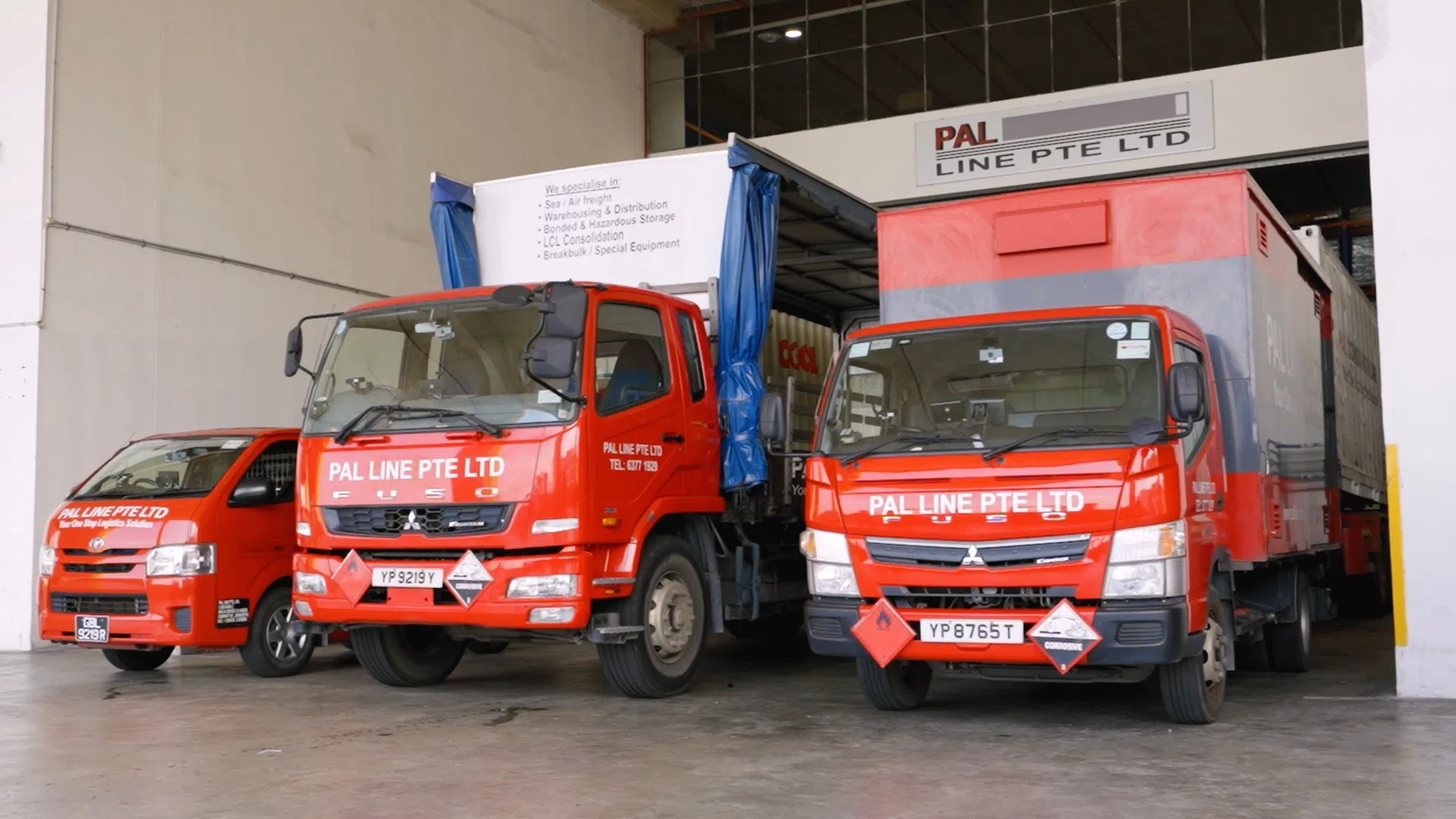
    Singapore freight forwarder PAL Line is converting 70 per cent of its warehouse fleet to electric power while targeting a 30 per cent cut in facility energy use by 2026.

    The company operates across five Asian markets and manages more than 50,000 square feet of climate-controlled warehousing linked to an automated sorting platform for regional e-commerce shipments.

    Automating regional fulfillment

    PAL Line runs warehouse facilities equipped with real-time inventory tracking, climate controls and automated sorting machinery handling cargo from consumer electronics to heavy industrial equipment. The centralized system connects inbound receiving directly to outbound linehaul trucking and freight operations across Southeast Asia.

    Live tracking dashboards feed stock data directly to corporate shippers, allowing inventory managers to alter replenishment schedules while shipments move through the hub. Automated sorting has cut unit handling costs and reduced dispatch errors for cross-border merchants selling into regional markets.

    Electrification and network routing

    Ground operations inside the company’s hubs now rely on electric forklifts for 70 per cent of daily load transfers. Transport routes outside the gates run on GPS telematics designed to cut idling time and lower overall diesel burn.

    Facility retrofits completed since 2021 include low-draw LED systems and recycled packaging standards across all active regional sites. Management aims to lower baseline electricity consumption across its real estate footprint by 10 to 30 per cent before the end of 2026.

    The regional mid-tier squeeze

    Mid-sized logistics operators across Southeast Asia face intense pressure to match the technological scale of global forwarders without matching their capital budgets. By building proprietary digital tracking into mid-sized facilities, regional specialists can retain mid-market retailers that require specialized customs handling and flexible storage without paying tier-one enterprise rates.

    Risk remains concentrated in cross-border execution. Expanding physical routes between Singapore, Thailand, Malaysia, Myanmar and mainland China exposes forwarders to shifting customs enforcement, variable border wait times and uneven road infrastructure that can disrupt automated delivery promises.

    Cross-border footprint since 2008

    PAL Line started as a basic freight forwarding operation in Singapore in 2008 before rolling out customs brokerage, contract logistics and trucking services. Regional expansion began in 2013 with market entries into Malaysia, Thailand, Myanmar and China.

    A major overhaul in 2016 introduced the group’s centralized warehouse management software, shifting the firm from manual forwarding to digital contract logistics. The company secured a place on Singapore’s Enterprise 50 list in 2024 following its cross-border warehouse expansion.

    The key milestone to watch is the delivery of the 2026 warehouse audit, which will measure whether PAL Line meets its 30 per cent energy reduction target across its Southeast Asian facilities.

  • Bangkok Declares Disaster Zones Across All 50 Districts as Eastern Roads Submerge

    Bangkok Declares Disaster Zones Across All 50 Districts as Eastern Roads Submerge

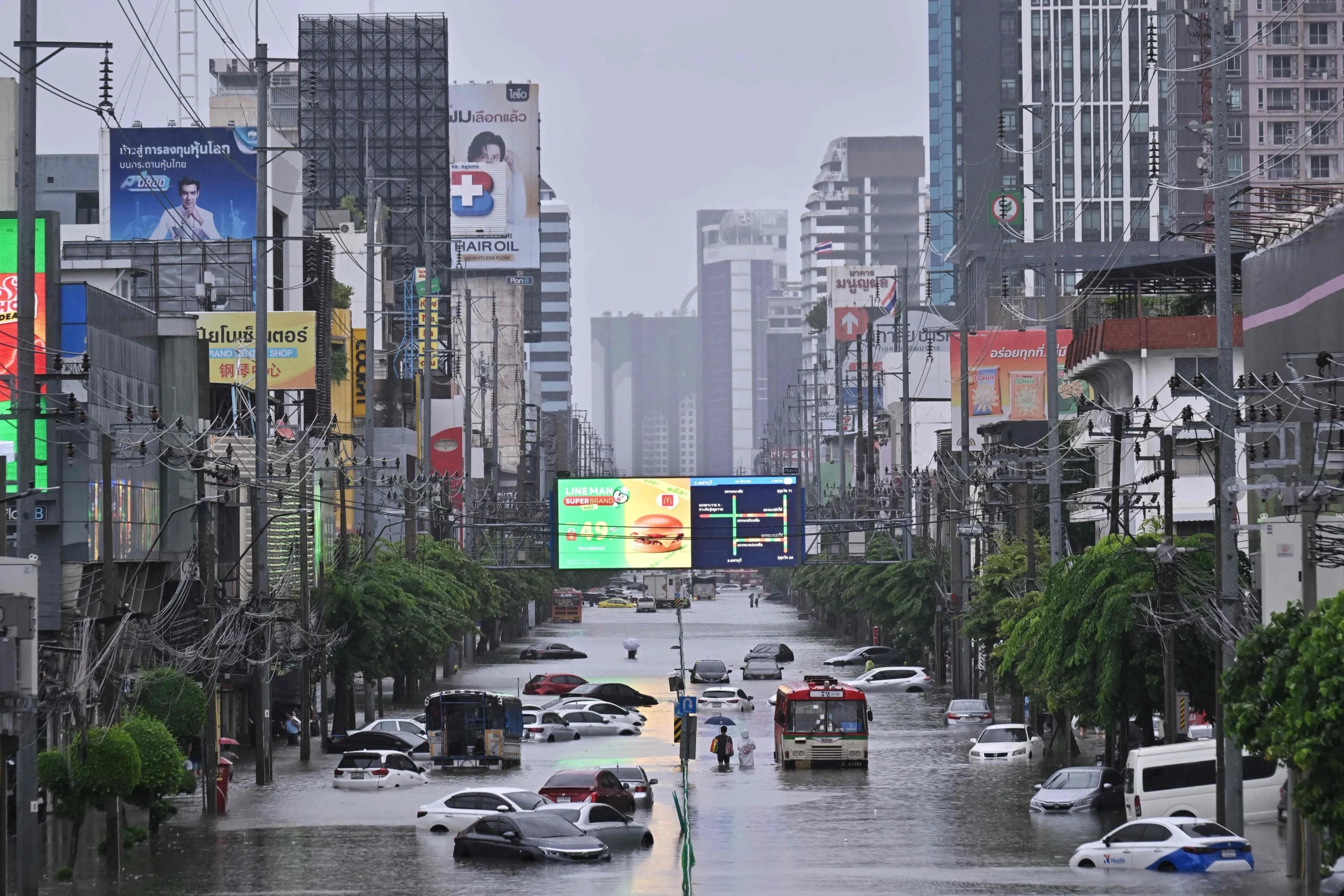
    Bangkok declared disaster zones across all 50 municipal districts after downpours dumped nearly 300 millimetres of rain on the eastern rim of the capital. The deluge flooded 15 major roadways.

    The declaration frees emergency city funding to clear transport blockages. These blockages have stalled commercial delivery routes and cut access to major retail corridors across eastern Bangkok.

    Rain began on Thursday afternoon and accelerated into the weekend. It overwhelmed drainage networks in Min Buri, Klong Sam Wa and Saphan Sung. Water levels reached waist depth at key junctions, including the Bang Kapi intersection near the Saen Saep canal. Runoff flowing south from neighboring Nonthaburi and Pathum Thani provinces worsened backlogs in primary drainage channels.

    Canal Networks Reach Capacity

    Bangkok Governor Chadchart Sittipunt confirmed that key canals in the eastern grid reached full capacity, including Saen Saep, Prawet Burirom, Lat Phrao and Prem Prachakorn. Overflow backed up into commercial side streets and market zones like Prachaniwet 1 in Chatuchak.

    In Lat Krabang district alone, more than 30,000 residents and business properties suffered direct flood damage. Street water reached 59 centimetres on Soi Senanikhom Road in Chatuchak, according to Drainage and Sewerage Department monitors. Lat Phrao 122 saw 54 centimetres, while Ngam Wong Wan Road at the Phong Phet intersection recorded 53 centimetres.

    We are trying to cope by pumping out floodwater, but all canals in eastern Bangkok are now full. People living near canals are at risk.

    Transport Gridlock Stalls Distribution

    Inundations hit critical logistics corridors linking central retail clusters to Suvarnabhumi airport and eastern manufacturing zones. Lat Krabang Road, Srinagarindra Road, Pattanakan Road and sections of Sukhumvit Road between Bang Na and Udom Suk saw prolonged traffic standstills. Water levels reached up to 46.6 centimetres at key intersections.

    Fleet operations halted on last-mile routes, forcing public transport operators to adapt. Commuter transit faced rolling delays. Commuter rail links including the Red Line suspended select services because of track submersion. To help drivers secure vehicles away from low-lying roads, major shopping complexes and transit stations opened elevated parking structures.

    For retailers and supply chain managers, the eastern Bangkok canal bottleneck is the primary operational vulnerability during the monsoon peak. Western Bangkok across the Chao Phraya River avoided major inundations. Eastern districts, however, hold a high concentration of suburban hypermarkets, distribution depots and residential consumer nodes.

    Logistics networks across the capital face persistent operational friction whenever rainfall exceeds 100 millimetres in a 24-hour cycle. Retailers with distribution hubs along Suwinthawong and Srinagarindra roads face recurring delivery rerouting costs whenever regional canals back up.

    Drainage Timeline and Recovery

    The Bangkok Metropolitan Administration mobilized heavy-duty pumps across affected districts and distributed sandbags from local municipal offices. Officials stated that standing water on major roads could drain within six hours once rainfall pauses. Mechanical pump faults along the Saen Saep canal slowed recovery efforts over the weekend.

    City Hall continues monitoring runoff coming down from central provinces. Municipal engineers are working to lower water levels in the Prawet Burirom canal network before the next weather front hits.

  • Singapore Expands Drug Regulatory Alliances Across Malaysia, Middle East and Africa

    Singapore Expands Drug Regulatory Alliances Across Malaysia, Middle East and Africa

    Singapore’s Health Sciences Authority signed cross-border regulatory pacts with counterparts in Saudi Arabia and Africa. At the same time, Malaysia began piloting Singaporean medicine assessments to speed up commercial drug clearances.

    The pilot with Malaysia’s National Pharmaceutical Regulatory Agency started on 1 September 2026. It establishes a formal reliance framework to eliminate duplicate clinical reviews across both markets.

    Under the bilateral trial, Malaysia’s agency is evaluating whether referencing evaluations by Singapore’s Health Sciences Authority can shorten review timelines without lowering safety or efficacy benchmarks. A successful trial will prompt Malaysia to designate Singapore as an official reference agency. That step would give drugmakers with Singaporean clearances an accelerated registration route in Kuala Lumpur.

    Faster approvals across ASEAN

    For pharmaceutical distributors, biotechs, and consumer healthcare brands, duplicative licensing remains a costly barrier to scaling products across Southeast Asia. Fragmented national registries across ASEAN historically forced manufacturers to submit separate dossiers. Companies then had to wait out multi-year evaluation cycles in each domestic market.

    Singapore’s push to become an international evaluation hub shifts that dynamic for regional supply chains. Under mutual reliance models, regional health agencies replace independent full-scale assessments with shared technical oversight. This cuts administrative overhead for suppliers and speeds up treatment rollouts in retail pharmacies and hospitals.

    Bilateral deals with Riyadh and the African Union

    Beyond Southeast Asia, HSA signed two agreements between 14 and 16 September 2026. The agency inked a memorandum of understanding with the Saudi Food and Drug Authority to exchange pre-market and post-market safety data. The deal also builds regulatory pathways for biotechnology and artificial intelligence applications in healthcare.

    The second agreement, signed with the African Medicines Agency, creates a cooperative framework covering regulatory science, capacity development, and technical reviews. Under the pact, African regulators can use Singaporean approvals as technical benchmarks for national decisions across member states.

    “A medicine or medical device should not have to wait because trusted regulators are repeating the same high-quality work,” HSA CEO Raymond Chua said. “By enabling partners to draw on HSA’s assessments, we can reduce duplication, support more timely access to safe and effective health products, and help innovators reach patients across more markets.”

    Expanding European lab standards

    Ties with European and British authorities also expanded. Following a joint audit, the European Directorate for the Quality of Medicines and HealthCare extended Singapore’s associate membership in the General European Official Medicines Control Laboratory Network to include the city-state’s National Biologics Testing Laboratory.

    The European accreditation allows Singapore to participate in global testing programs for complex biological drugs. At the same time, Singapore and the UK Medicines and Healthcare products Regulatory Agency reaffirmed their Regulatory Innovation Corridor. Opened in December 2025, the initiative gives developers of novel drugs early, iterative regulatory guidance across both jurisdictions.

    The timeline for regulatory convergence

    During its 2026 chairmanship of the International Medical Device Regulators Forum, Singapore delivered an operational playbook for regulatory reliance. It also released technical frameworks for artificial intelligence in medical devices and product cybersecurity. In addition, HSA deployed a large language model tool built with GovTech Singapore to map medical device adverse event reports directly to global classification standards.

    Regulators in Kuala Lumpur will track data from the reference pilot over the coming quarters. Their findings will determine whether to formalize Singapore’s status as a permanent reference agency for Malaysian drug registrations.

  • Gucci Shifts Sneaker Manufacturing to China in Break with Tradition

    Gucci Shifts Sneaker Manufacturing to China in Break with Tradition

    Gucci has begun manufacturing new sneaker models in China this season, departing from its longstanding practice of producing all footwear within Italy.

    The move by parent group Kering marks the first time the luxury house has placed assembly of select athletic footwear lines directly into Chinese manufacturing hubs, targeting supply chain efficiency and regional technical capabilities.

    Shifting the European Production Model

    European luxury houses have historically defended the ‘Made in Italy’ label as a core pricing pillar. Gucci’s pivot to Chinese production lines reflects the technical dominance Asian facilities hold over complex athletic shoe construction. Technical footwear demands specialised tooling, bonding agents, and synthetic mesh engineering that Italian artisan workshops rarely handle at volume.

    Kering, Gucci’s parent group, faces pressure to improve margins while defending market share in mainland China. Producing sneakers closer to Asian supply networks cuts shipping times and lowers unit assembly costs on high-turnover casual lines.

    Brand Equity and Consumer Perception

    Consumer reaction across Asia will test how rigid luxury buyers remain regarding country-of-origin labels. Chinese luxury consumers increasingly prioritise product quality, technical execution, and brand relevance over traditional European manufacturing stamps. Younger buyers who purchase luxury streetwear sneakers evaluate comfort and silhouette ahead of heritage claims.

    Other luxury competitors will watch the rollout closely. If Gucci maintains its retail price points without consumer backlash, rival houses will accelerate their own offshore manufacturing plans for technical categories. If shoppers resist, Gucci risks diluting the prestige that supports its footwear margins.

    Supply Chain Realignment

    Sourcing sneaker production in China shortens logistics cycles between Asian factories and regional flagship stores. Direct domestic distribution lowers tariffs and inventory lead times across key East Asian markets.

    Italy will retain production for Gucci’s formal leather shoes, handbags, and core ready-to-wear collections. Segmenting technical streetwear from traditional leather goods allows the brand to split its manufacturing strategy without abandoning its Tuscan heritage entirely.

    The Road Ahead for Footwear Lines

    Gucci plans to distribute the first Chinese-assembled sneaker models across global wholesale and retail channels over the coming season. Sell-through rates across department stores and flagship boutiques will dictate whether Kering expands Asian production into additional accessory categories.

  • HSBC Targets Thailand-Japan Corridor as FDI Stock Hits $104 Billion

    HSBC Targets Thailand-Japan Corridor as FDI Stock Hits $104 Billion

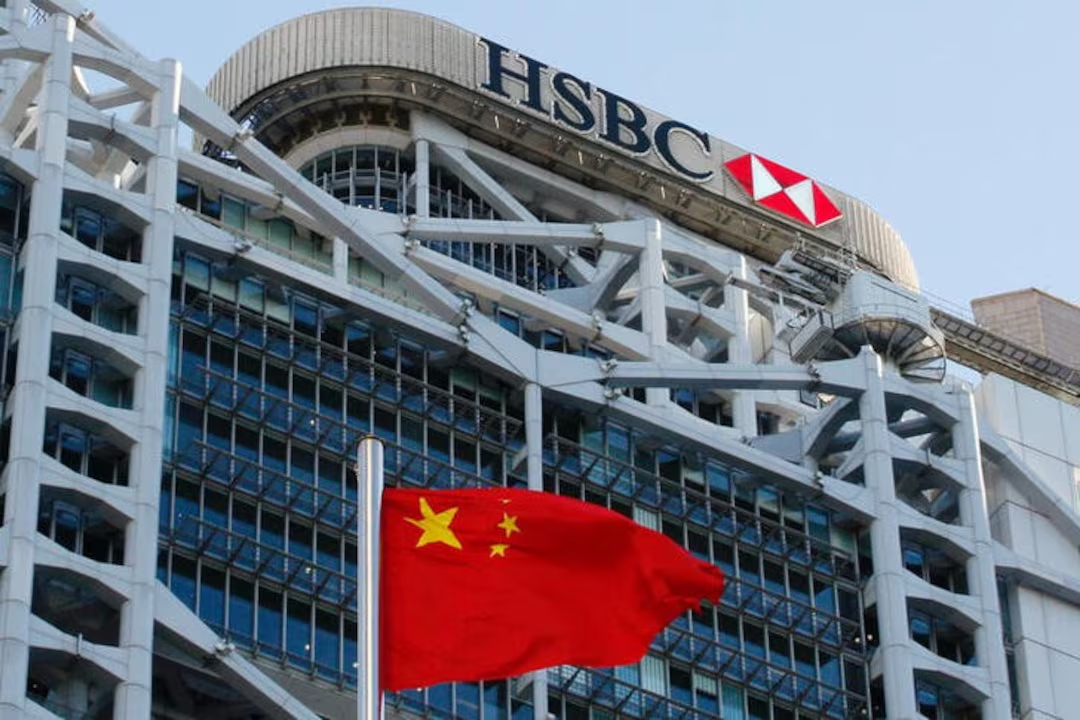
    HSBC expanded banking services across the Thailand-Japan corridor as Japanese foreign direct investment stock in the Southeast Asian economy reached $104 billion.

    Japanese capital represents more than a quarter of Thailand’s total foreign direct investment base, backed by more than 6,000 Japanese companies operating across the country.

    The push comes as Japanese corporations allocate fresh capital to Southeast Asian supply chains. Japanese firms invested $1.2 billion in Thailand in 2025 and committed another $1.1 billion through June 2026, targeting operations that serve both regional and global supply chains. Takeo Kaneko, chief executive and head of banking at HSBC Group Japan, visited Bangkok to meet commercial clients alongside Giorgio Gamba, chief executive and head of banking at HSBC Thailand.

    Shifting Capital Beyond Traditional Manufacturing

    Bilateral commerce between the two nations reached substantial volumes in 2025. Japan took $23.6 billion of Thai exports as Bangkok’s third-largest export destination and delivered $29.7 billion in goods as its second-largest source of imports. Trade between the two countries has more than tripled since 1998.

    Corporate investments are shifting away from basic assembly lines toward higher-value manufacturing and technology. Capital flows increasingly target electric vehicles, advanced electronics, smart appliances, digital infrastructure, and renewable energy transition projects. Both markets are pushing domestic industrial bases up the value chain to protect margins against rising labour costs elsewhere in Asia.

    For consumer brands and component suppliers, this migration changes factory floor requirements and vendor networks. Japanese automotive and electronics manufacturers in Thailand are retooling facilities for battery electric platforms and energy-efficient appliances, forcing local component vendors to meet stricter technological standards or risk displacement by regional competitors.

    Regional Networks and Multi-Market Expansion

    Kaneko’s Bangkok stop formed part of a regional tour covering Indonesia, Malaysia, Singapore, and Thailand. Japanese multinationals are no longer treating Thailand as a single standalone production outpost. Instead, corporate treasurers are linking Thai manufacturing hubs with logistics networks in Malaysia and regional treasury headquarters in Singapore.

    Managing operations across multiple Southeast Asian jurisdictions creates specific balance-sheet demands for corporate treasurers. Companies require cross-border cash pooling, trade finance, foreign exchange risk mitigation, and supply chain liquidity that function across multiple regulatory regimes simultaneously.

    What we are seeing now is a more complex expansion agenda: regional supply chains are being redesigned, technology and sustainability are reshaping production models, and companies are looking for partners who can support them across multiple markets, not just one.

    Long-Standing Ties and Industrial Reorganisation

    Decades of bilateral industrial integration laid the groundwork for the current investment volumes. Japanese automotive assemblers and consumer electronics groups began establishing Thai production clusters in the 1980s, turning the country into an export base for the broader Association of Southeast Asian Nations. HSBC has operated in both Japan and Thailand for more than 135 years.

    Commercial ties are expanding ahead of the 140th anniversary of formal Thailand-Japan diplomatic relations in 2027. Corporate treasurers and lenders are now tracking whether the $1.1 billion in commitments recorded in the first half of 2026 converts into completed factory retooling projects before year-end.

  • Suzuki Aims to Halve Vehicle Development Time by 2030

    Suzuki Aims to Halve Vehicle Development Time by 2030

    Suzuki Motor will cut its new vehicle development time in half by around 2030 from fiscal 2020 levels, speeding up model rollouts across Asian markets.

    The Japanese carmaker is targeting a 30 per cent improvement in development efficiency alongside a 50 per cent boost to production efficiency over the same period.

    Faster turnaround for key markets

    Shrinking development cycles will allow the manufacturer to refresh its compact passenger car lineup faster. Shorter lead times reduce capital tied up in vehicle design programs while giving engineering teams quicker responses to shifting regional safety standards, emissions regulations, and consumer preferences.

    Automakers across the region face sharper competition from domestic and regional rivals capable of bringing new platforms to market on compressed schedules. By targeting a 30 per cent gain in engineering efficiency, Suzuki intends to defend its volume positions in key Asian passenger car segments without inflating research overhead.

    Expanding Indian manufacturing capacity

    India serves as the central pillar of the group’s manufacturing footprint and retail sales volume. Suzuki confirmed plans to expand its annual production capacity in the country to between 4 million and 4.99 million vehicles by the 2030 financial year or later.

    Scaling output in India to nearly 5 million units yearly requires severe factory floor optimization. The targeted 50 per cent increase in production efficiency is designed to extract higher unit volume from existing and planned assembly lines, controlling per-unit manufacturing costs as output scales.

    Operational shifts across assembly plants

    Reaching these targets requires overhaul across tooling, component sourcing, and plant automation. Improving assembly efficiency by half within the decade means standardizing modular architectures and trimming build hours per chassis across global sites.

    Suppliers in Suzuki’s tier-one network will need to align with tighter delivery cycles and faster part validation schedules. Compressing vehicle gestation from fiscal 2020 baselines transfers operational pressure directly down the supply chain, requiring parts vendors to validate components on shorter development tracks.

    Market response in Tokyo

    Shares in Suzuki Motor rose 0.9 per cent on Friday following the announcement in Tokyo. The benchmark Nikkei index finished the session 1.1 per cent higher.

    Investor attention now turns to the capital expenditure plan required to lift Indian capacity to the 4.99 million vehicle threshold by fiscal 2030.

  • India Consumer Durables Market Eyes 50,000 Crore Rupee Localisation Prize

    India Consumer Durables Market Eyes 50,000 Crore Rupee Localisation Prize

    Indian appliance makers face a 50,000 crore rupee domestic component opportunity as the national consumer durables market heads toward 3.25 lakh crore rupees by 2030. Annual retail demand across white goods is expanding at 8 to 10 per cent. Boston Consulting Group and the Confederation of Indian Industry outline the shift in a joint sector assessment, showing that captured domestic value addition can lift from 50 to 55 per cent today up to 70 per cent within four years.

    Failure to deepen supply networks will leave billions of dollars in component procurement exposed to overseas vendor bases. Localisation rates currently show wide divergence across product lines, running between 25 per cent and 70 per cent depending on technical complexity. Televisions and air conditioners sit at the bottom of domestic component sourcing, while refrigerators and washing machines source higher proportions within national borders.

    The Component Choke Point

    Assembly lines in India have multiplied rapidly, but critical sub-assemblies remain reliant on foreign suppliers. Display panels for flat screens, inverter compressors for split air conditioners, specialised insulation chemicals for refrigeration and precision motors for laundry equipment require heavy upfront capital. Manufacturers struggle to bridge gaps in proprietary technology access and production volume needed to match East Asian factory gate costs.

    Suppliers building domestic capacity require clear volume commitments from major appliance brands before installing expensive tooling. Without guaranteed off-take agreements, domestic tier-one and tier-two suppliers face margin erosion against subsidised imported parts. RetailNews Asia sees this bottleneck directly impacting product pricing on showroom floors across major metropolitan retail chains.

    Closing the Regional Penetration Gap

    Indian household ownership of large appliances sits between 20 and 90 percentage points below regional Asian averages. Urbanisation, electrification and smaller nuclear family setups continue to fuel baseline purchases across tier-two and tier-three cities. Broadened consumer credit and non-banking finance options have turned discretionary appliance purchases into monthly instalment payments for entry-level buyers.

    Premiumisation trends are also lifting average selling prices in major retail outlets. Consumers replacing decade-old cooling and refrigeration equipment increasingly opt for connected, energy-efficient units. That structural upgrade cycle creates steady floor demand for durable goods retailers, insulating retail networks from short-term inflationary dips.

    Export Limits and Global Trade Shares

    India accounts for less than 1 per cent of global consumer durables trade, according to the BCG-CII findings. Outbound shipments remain restricted to immediate regional buyers across SAARC territories and parts of the United Arab Emirates. Expanding beyond regional hubs requires meeting tougher international energy efficiency norms and reliability metrics.

    Competitiveness on the export stage hinges on port logistics speed and comprehensive domestic testing laboratories. Component suppliers that establish scale exclusively for the domestic market will struggle against global contract manufacturing conglomerates. Integrating local assembly directly with global distribution channels represents the primary operational hurdle for Indian original equipment manufacturers.

    Ecosystem Infrastructure and Technology Scaling

    Capturing the targeted value shift requires advanced testing infrastructure alongside long-term corporate research partnerships. The joint study calls for broader application of artificial intelligence across plant floors to sharpen manufacturing yield rates and streamline component logistics across fragmented domestic transport corridors.

    “Capturing that opportunity will require a globally competitive ecosystem,” said BCG Managing Director and Partner Mehak Dhir, pointing to deeper component manufacturing and scale requirements. State programmes and capital expenditure cycles over the next 24 months will reveal whether domestic component makers secure the orders needed to substitute major imported assemblies by 2030.

  • Thailand Targets $80 Billion in Semiconductor Investment by 2050

    Thailand Targets $80 Billion in Semiconductor Investment by 2050

    Thailand wants $80 billion in semiconductor investment by 2050 to build a domestic chip manufacturing sector, the Board of Investment announced on Thursday.

    Under the national roadmap, officials aim to generate $150 billion in annual revenue. The plan targets 230,000 technical jobs over the next quarter-century.

    Finance Minister Ekniti Nitithanprapas said the government will offer tax incentives, regulatory reforms, workforce training, infrastructure upgrades, and direct research funding to draw foreign chipmakers. The programme rolls out in stages. It starts with packaging and testing before advancing into wafer fabrication and integrated circuit design.

    Targeting Three Priority Technologies

    Bangkok designated photonics, power semiconductors, and sensors as priority subsectors. These categories feed into automotive electronics, industrial machinery, and artificial intelligence hardware. Thailand already maintains substantial export volume in these sectors.

    Local factories currently handle back-end assembly and testing, the lowest-margin link in the value chain. Moving upstream requires heavy capital expenditure. Industrial estates must now build cleanroom utilities from scratch.

    Supply Chain Realities for Southeast Asian Electronics

    For regional manufacturers and automotive supply chains, the roadmap alters the sourcing map across Southeast Asia. Car assemblers in the Eastern Economic Corridor have spent two years dealing with supply bottlenecks for specialised power management chips. Domestic fabrication plants would reduce component lead times for electric vehicle assembly lines and consumer tech exporters operating across ASEAN.

    Competition across the region is stiff. Malaysia holds an established lead in back-end packaging and advanced testing, while Singapore dominates regional wafer fabrication and Vietnam captures substantial front-end assembly investments. Thai officials bet that combining high tax breaks with domestic automotive demand will persuade global foundries to commit billions to local fabrication lines.

    Geopolitical Alignments and Investment Realities

    This policy push follows Prime Minister Anutin Charnvirakul’s July 2026 visit to China. Trade officials there discussed deepening bilateral industrial integration across electric vehicles and electronic hardware. Chinese state-backed industrial groups have expanded rapidly into Thai manufacturing estates, bringing price advantages and technical capacity while raising questions about supply chain concentration.

    The Board of Investment briefly withdrew its initial strategy statement on Thursday morning. It reissued the text without alterations to its headline capital and employment targets. Planners had faced scrutiny over whether the state budget could sustain long-term research subsidies alongside multi-year corporate tax holidays.

    The Timeline for Early Approvals

    State agencies will draft specific tax concession packages and workforce development grants for review by the cabinet. Next quarter, the Board of Investment plans to publish detailed application guidelines for advanced packaging and power semiconductor projects, establishing threshold capital requirements for incoming investors.

  • Vietnam Fuel Retailers Raise RON95 Gasoline to VND27,080 per Liter

    Vietnam Fuel Retailers Raise RON95 Gasoline to VND27,080 per Liter

    Vietnam raised retail fuel prices on Thursday afternoon, pushing the cost of popular RON95 gasoline up 5.67 per cent to VND27,080 ($1.04) per liter.

    The price adjustment by the Ministry of Industry and Trade and the Ministry of Finance also lifted E5 RON92 biofuel by 5.01 per cent to VND26,390 per liter.

    Diesel gained 1.84 per cent to settle at VND30,490 per liter, according to the joint ministerial pricing schedule.

    Global Market Pressures on Import Costs

    State regulators linked the domestic price adjustments to shifting international crude benchmarks and regional refined petroleum costs. Global RON95 gasoline traded up 0.7 per cent to $147.2 per barrel over the pricing window, while diesel refined products dropped 5.1 per cent to $173.3 per barrel.

    Geopolitical turbulence in the Middle East drove crude market volatility. Market pricing absorbed Iranian statements outlining conditions for resuming diplomatic talks with the United States, alongside escalating regional friction involving Houthi forces and Saudi Arabia.

    Refined fuel imports into Southeast Asian distribution networks reacted immediately to these shifts. Vietnam remains structurally dependent on imported refined fuels and raw petroleum components to cover domestic refinery shortfalls.

    Operating Costs for Retailers and Transport Fleets

    Higher fuel expenses flow directly into delivery and retail operating margins across Hanoi and Ho Chi Minh City. Last-mile motorcycle couriers, cold-chain trucks, and regional distribution networks face immediate cost increases as transport overhead expands.

    Fleet operators typically attempt to pass fuel surcharges along to commercial shippers. In a competitive retail consumer market where household budgets face food and energy inflation, absorbable price headroom remains narrow.

    Urban convenience store operators and supermarket chains must balance logistics surcharges against consumer basket sensitivity. Distribution networks that expanded fleet investments earlier in the year face higher baseline operational expenses this quarter.

    Supply Pressures and Pricing Cycles

    Vietnam regulates domestic pump prices through coordinated weekly reviews to align state-guided ceilings with Singapore market benchmarks. Prior to this adjustment, domestic fuel levels tracked lower than several neighboring Southeast Asian markets despite rising crude import costs.

    Global energy disruptions have sustained price pressure across international distribution channels throughout 2026. Domestic supply lines rely on continuous equilibrium between state-regulated retail margins and global cargo procurement pricing to prevent inventory drawdowns at independent filling stations.

    Regional power and industrial demand continue to absorb energy supplies across the wider ASEAN corridor, keeping refined fuel crack spreads firm. The next joint pricing determination from the Ministry of Industry and Trade and the Ministry of Finance will benchmark import costs entering October.

  • Saudi Aramco Can Restore Disrupted Operations Within Days

    Saudi Aramco Can Restore Disrupted Operations Within Days

    Saudi Aramco can restore disrupted operations within days, President and CEO Amin Nasser said during an interview in Tokyo on Sept. 24. The company is actively exploring alternative export routes as it faces growing threats linked to the Iran war.

    Drone strikes damaged three pumping stations on the kingdom’s East-West pipeline. The attack forced an immediate operational shutdown.

    Pipeline closures disrupted crude loadings at the Red Sea port of Yanbu. The state producer also cancelled scheduled deliveries to at least two European refining clients. To bypass blocked channels and maintain physical flow, Aramco ramped up crude shipments through the Gulf by running ship-to-ship transfers off the port of Sohar in Oman. The producer plans to bring the East-West line back to partial service within days. Full capacity will take six weeks.

    Rerouting Supply Chains Around Regional Chokepoints

    Redundant logistics corridors have become an urgent operational requirement rather than a long-term contingency. Attacks near Red Sea shipping lanes and the Strait of Hormuz drove crude prices up roughly 20 per cent within a single month. Shipping operators face surging insurance premiums and extended transit schedules around Africa. That raises raw material and transport costs for manufacturers and retailers across Asia.

    Offshore transfer operations off Oman offer short-term volume stability for Asian industrial buyers relying on Middle Eastern crude. But relying on marine transfers creates bottlenecks at regional hubs. Turnaround times and freight overheads are rising as a result. Energy importers in Japan, South Korea, and China will carry the price risk as long as transit corridors through the Red Sea remain vulnerable.

    Refiners Seek Secondary Sourcing

    Downstream processors are turning to alternative producers to replace cancelled deliveries. Poland’s PKN Orlen secured North Sea crude contracts immediately after Saudi delivery notices were revised. Asian energy groups are making similar inquiries across Southeast Asia and Australia. They are seeking LNG and regional crude to diversify away from Middle Eastern chokepoints.

    Shipyards in China logged a threefold increase in vessel orders as maritime operators scrambled for additional tanker and carrier capacity. As long as pipeline networks remain targets, oil producers must absorb higher operational costs. That means routing fuel through secondary marine hubs rather than direct coastal terminals.

    Government Intervention and Reserve Debates

    Supply disruptions prompted immediate political pushback in major consumer economies. French President Emmanuel Macron announced that France will convene an emergency Group of Seven meeting to examine collective energy security. The group will assess the potential release of strategic petroleum reserves. Macron confirmed that members will evaluate coordinated reserve drawdowns to stabilize wholesale fuel markets and protect household budgets from escalating pump prices.

    Aramco previously warned European refiners that monthly contractual allocations would not arrive as scheduled following the pumping station strikes. The current disruptions match patterns seen during previous attacks on Saudi energy infrastructure. Technical teams restored partial throughput quickly during those incidents, while secondary export terminals handled diverted volume.

    Technical crews now face a strict test to meet the six-week timeline and bring the East-West pipeline back to full operating capacity.

  • China Scraps 61.5 Gigawatts of Overseas Coal Power as Industrial Pipeline Shifts

    China Scraps 61.5 Gigawatts of Overseas Coal Power as Industrial Pipeline Shifts

    China cancelled 61.5 gigawatts of planned overseas coal-fired power capacity over the past five years. The drop eliminates two-thirds of its international pipeline following state restrictions on fossil fuel financing.

    The cutbacks averted an estimated 6.4 billion tonnes of lifetime carbon dioxide emissions across Asia and Africa. The figure comes from joint research by the Centre for Research on Energy and Clean Air and People of Asia for Climate Solutions.

    State-owned Chinese banks and construction groups withdrew from public utility projects worldwide. Host governments and developers cancelled 3.4 gigawatts in Zimbabwe, 1.7 gigawatts in Bangladesh, and 1.4 gigawatts in Indonesia in the twelve months leading to July. Total cancellations across all markets reached 7.1 gigawatts over the past year.

    Where the Cuts Landed

    Public developers accounted for nearly all the dropped capacity. Beijing ordered state-owned enterprises and state policy banks to halt outbound coal development. That directive stranded dozens of early-stage power purchase agreements negotiated during the prior decade.

    Indonesia remains the primary market for Chinese-backed thermal projects, hosting 17.1 gigawatts of operational, planned, or active construction capacity. Vietnam follows with 3.8 gigawatts. Pakistan retains 3.4 gigawatts of China-linked coal generation.

    Project momentum slowed over the last twelve months. While developers terminated 7.1 gigawatts of coal projects, another 3.3 gigawatts broke ground. A further 20.5 gigawatts remained active in planning stages across developing markets.

    The Indonesian Captive Power Loophole

    Private capital accounts for nearly the entire remaining construction pipeline. In Indonesia, private Chinese industrial groups continue to construct off-grid captive coal plants. These sites power remote mineral processing facilities and industrial estates.

    These captive stations supply nickel smelters, aluminum refineries, and manufacturing hubs on islands without access to the national electricity grid. Private developers finance them through commercial balance sheets rather than Chinese policy bank loans. The structure bypasses state utilities and sovereign debt guarantees entirely.

    Energy analysts warn that these captive industrial plants undermine regional decarbonization targets. CREA and PACS noted that expanding private coal infrastructure inside overseas enclaves risks violating the spirit of national carbon commitments.

    Renewables Step Into the Grid Void

    Commercial groups in China have redirected balance-sheet capital into overseas clean power generation. Backed ventures have brought 69.4 gigawatts of renewable energy and 3.3 gigawatts of nuclear power into commercial operation worldwide.

    Operational renewable capacity backed by Chinese capital now exceeds the volume of scrapped coal power in markets such as Brazil, Tanzania, and the United Arab Emirates. Equipment exports follow the same pattern. Solar module producers and wind turbine manufacturers continue to secure supply contracts across emerging markets.

    Factory operators and supply chain managers face a direct operational shift. Manufacturers in Southeast Asian export zones face rising pressure from multinational buyers to demonstrate clean power sourcing. That scrutiny makes coal-dependent industrial zones an operational liability for finished-goods exporters.

    Supply Chains and Capital Exposure

    Divergence between state utilities and private industrial estates creates distinct financial risks for factory tenants. Industrial tenants reliant on dedicated coal plants face future carbon border adjustments from European and North American trade partners.

    Landlords and regional sovereign wealth funds are pricing this transition directly into long-term lease terms. Industrial parks offering dedicated green microgrids command higher tenant premiums than legacy processing hubs tied to dedicated coal boilers.

    Beijing established the policy framework five years ago. President Xi Jinping announced at the United Nations General Assembly that China would halt new overseas coal construction and step up support for green energy. That decision followed a six-year expansion between 2014 and 2020 during which Chinese backers announced roughly 160 billion dollars in foreign coal-fired plants under the Belt and Road infrastructure initiative.

    Attention now turns to the 20.5 gigawatts of planned capacity remaining on project ledgers across Southeast Asia. Host governments in Jakarta and Hanoi must now decide whether to formalize regulatory bans on new captive thermal approvals before private developers secure final engineering permits.

  • Singapore Core Inflation Quickens to 2.2% in August

    Singapore Core Inflation Quickens to 2.2% in August

    Singapore core inflation accelerated to 2.2 percent in August from 2.0 percent in July, driven by higher costs for services, retail merchandise, and prepared food.

    The reading marks the fastest pace of core price growth for the city-state since September 2024, when the measure climbed 2.8 percent.

    Headline consumer price inflation also edged higher, rising to 2.3 percent year-on-year from 2.2 percent in the previous month, according to official data published by the Department of Statistics. The pickup in core prices, which excludes private road transport and accommodation, exceeded the 2.1 percent median expectation projected in market surveys.

    Retail and Food Drive Core Gains

    Retail goods registered one of the sharpest cost accelerations during the month. Inflation across retail and other manufactured products climbed from 1.4 percent in July to 1.8 percent in August, reflecting price adjustments across apparel, footwear, and personal care lines.

    Food inflation crept up to 2.3 percent year-on-year from 2.2 percent. Faster price increases in catering and commercial food services drove the category higher, offsetting a slight easing in the cost of raw, unprocessed groceries. Electricity and gas tariffs held flat at an elevated 8.7 percent, while housing cost growth remained steady at 0.8 percent.

    Transport Costs Show Divergent Paths

    Services inflation stepped up from 1.7 percent to 2.0 percent, propelled by rising airfares and higher charges for point-to-point transportation networks. Higher travel activity across the region added immediate pressure to commercial service pricing.

    Private road transport countered that trend. Private transport inflation moderated to 7.5 percent in August from 8.0 percent in July, chilled by slower increases in passenger car retail prices after months of rapid climb.

    Supply Pressures on Consumer Margins

    For consumer brands and retail operators across Singapore, the price data indicates that wholesale input costs continue to filter directly into point-of-sale pricing. Elevated commercial utilities and transport charges are eroding retail operating margins, forcing operators to pass costs to shoppers.

    Importers and foodservice groups face compounding hurdles as unpredictable weather patterns threaten agricultural yields across regional suppliers. With domestic economic growth projections for 2026 tracking between 4.5 percent and 5.5 percent, steady consumer spending continues to give merchants room to lift menu prices and shelf tags without immediately sacrificing volume.

    Import Costs and Policy Outlook

    In a joint assessment, the Monetary Authority of Singapore and the Ministry of Trade and Industry warned that persistent global energy costs continue to lift utility and freight expenses across the domestic supply chain. The authorities noted that imported goods and services face upward price pressure over the coming quarters as upstream supplier costs work through regional distribution routes.

    The central bank expects domestic core inflation to remain elevated into early next year. Retailers and consumer goods distributors are now watching wholesale import price indices and the scheduled fourth-quarter monetary policy review for adjustments to currency band parameters.

  • US and China Extend Trade Truce to Jan. 10 as Leaders Meet in Washington

    US and China Extend Trade Truce to Jan. 10 as Leaders Meet in Washington

    The United States and China have agreed to extend their bilateral trade truce through January 10, pushing back a deadline previously set for November 10 as heads of state opened their second summit of the year in Washington.

    US Treasury Secretary Scott Bessent confirmed he and Chinese Vice Premier He Lifeng agreed to the two-month extension, providing temporary relief as US President Donald Trump and Chinese President Xi Jinping hold talks amid lingering tensions over tariffs, rare earth materials and artificial intelligence.

    Carving Out Non-Strategic Goods

    Negotiators spent the run-up to the summit narrowing the range of products exposed to sudden tariff spikes. The Manhattan meetings produced an understanding to exempt nonsensitive consumer and industrial lines from future escalations, aiming to insulate everyday trade from broader geopolitical tensions.

    Bessent met with He Lifeng twice in four days to lock in the framework before official state ceremonies began at the White House. The Treasury stated that strategic stability between the two economies requires reciprocity, setting clear guardrails for subsequent negotiations covering specific import codes.

    Shifting Supply Chains and Agricultural Flows

    Prolonged tariff disputes have already redrawn key trade channels across the Pacific. American soybean shipments to China plunged from nearly $18 billion in 2022 to $3 billion in 2025, according to US Department of Agriculture data, reallocating massive bulk purchasing power to South American exporters.

    Brazil captured the bulk of that diverted demand, shipping a record 108.7 million metric tons of soybeans in 2025 with roughly 80 percent bound for Chinese processors. For Asian supply chain managers, the shift shows how quickly commodity and consumer product pipelines reroute when trade barriers persist beyond initial negotiation cycles.

    Manufacturing Strength Against Domestic Headwinds

    China enters the extended truce period holding a record trade surplus exceeding $1 trillion, maintaining its stronghold on global industrial exports despite years of Western tariff pressure. Factory output and technological adoption have accelerated across high-end manufacturing segments, expanding outward shipments to Southeast Asia and Latin America.

    Domestic retail conditions tell a different story. A protracted property downturn continues to constrain household spending across Chinese tier-one and tier-two cities, while youth unemployment stood at 18.9 percent in August. Retail operators in mainland hubs face cautious consumer sentiment, forcing domestic brands to look overseas for margin growth.

    Terms of the January Window

    Previous summit rounds in Beijing established the framework for dialogue, but commercial buyers spent recent months front-loading inventory to avoid scheduled tariff resets. Extending the deadline from November 10 to January 10 gives procurement teams a clear window to clear fourth-quarter holiday stock without sudden duty hikes.

    The next test comes as working teams draft the finalized list of nonsensitive product exemptions ahead of the January 10 expiry date. Importers, logistics carriers and retail buyers across Asia are tracking whether consumer tech accessories, apparel and packaged goods will make the permanent exemption schedule.

  • China Opens 72.7 Billion Yuan Pinglu Canal to Cut ASEAN Shipping Route

    China Opens 72.7 Billion Yuan Pinglu Canal to Cut ASEAN Shipping Route

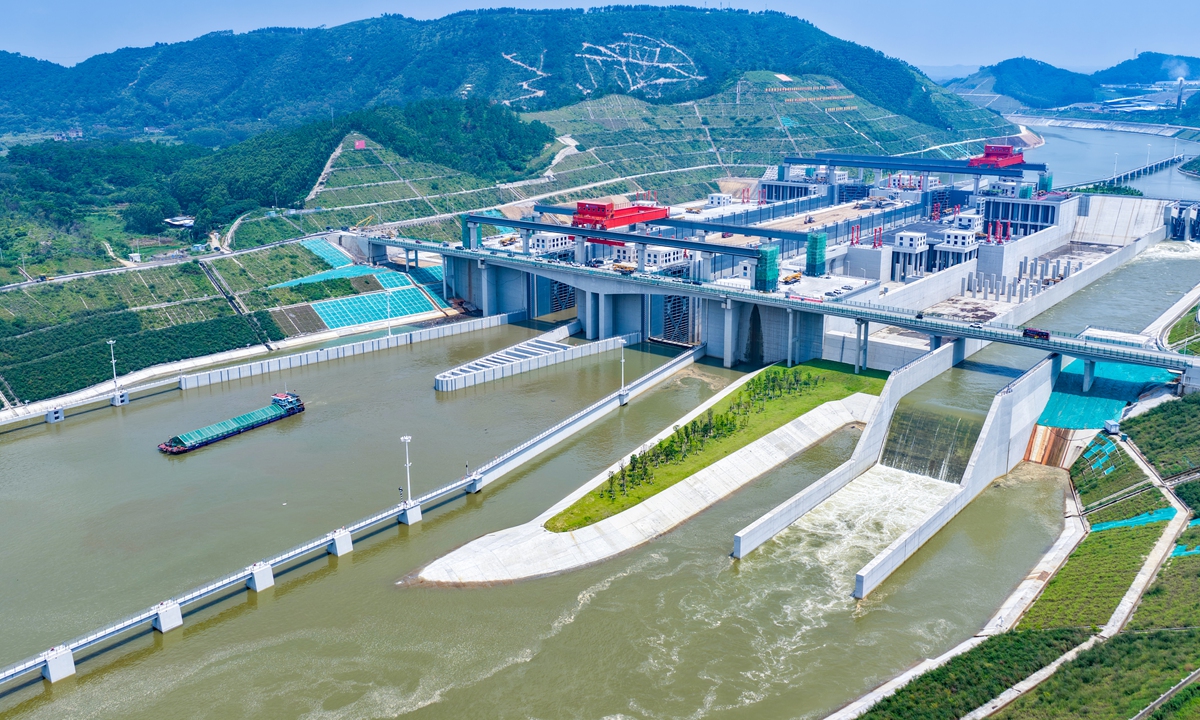
    China opened the 72.7 billion yuan Pinglu Canal in Guangxi in 2026. The new waterway cuts more than 560 kilometres off the inland freight route connecting southwestern industrial hubs to Southeast Asian markets.

    Vessels up to 5,000 tonnes can navigate the 134.2-kilometre river-to-sea channel, which runs directly from Hengzhou to the Beibu Gulf.

    State planners designed the route for bulk commodities, components, and consumer goods moving along the New International Land-Sea Trade Corridor, where Singapore-China Integrated Developments highlighted expanded global distribution access. Traffic bypassing congested Pearl River ports in Guangdong reduces transport expenses by 18 to 30 per cent, delivering an estimated 5 billion yuan in annual freight savings.

    Engineering the Beibu Gulf Link

    Crews spent four years widening river channels and cutting through mountainous terrain. Excavation work shifted roughly 315 million cubic metres of earth and rock. Workers reused over 98 per cent of that displaced material on site.

    Water levels drop 65 metres between inland river sections and the coast. Three navigation hubs with twin-line ship locks manage the elevation changes. Internal water-recycling systems also save more than 1 billion cubic metres of water annually.

    Environmental infrastructure runs alongside the canal. Features include a 480-metre fish passage and dedicated wildlife bridges.

    Sourcing Gains for Regional Exporters

    Inland manufacturers in Guizhou, Sichuan, and Yunnan have long faced steep overland penalties to reach the sea. Trucking industrial equipment or consumer hardware to coastal ports added 2,000 to 3,000 yuan per unit compared to shipping from Guangdong or Shanghai.

    Direct barge access to the Beibu Gulf narrows that margin. Southeast Asian retail buyers sourcing heavy goods, agricultural inputs, auto parts, and new-energy materials gain faster turnarounds. They will also secure lower landed costs at destination ports.

    Terminal capacity at coastal hubs presents the main operational test. Lower water freight costs will only yield net savings if Beibu Gulf ports match Pearl River Delta turnaround times and feeder sailing frequencies.

    Trade Corridor Expansion

    Opening the canal coincides with the start of China’s 15th Five-Year Plan, which prioritises inland links with ASEAN. Bilateral trade hit 744.41 billion dollars during the first seven months of 2026, expanding 24.7 per cent year on year. Total trade had crossed 1 trillion dollars for the first time in 2025.

    Southbound container traffic through regional transshipment hubs will climb. Singapore-China Integrated Developments noted that faster inland connections allow western factories to route cargo through Singaporean hubs for global distribution.

    Shippers will track lock throughput times and feeder vessel frequencies at Qinzhou as commercial operations scale up through late 2026.

  • Bangladesh Garment Factory Cooling Costs Recovered Within Four Years

    Bangladesh Garment Factory Cooling Costs Recovered Within Four Years

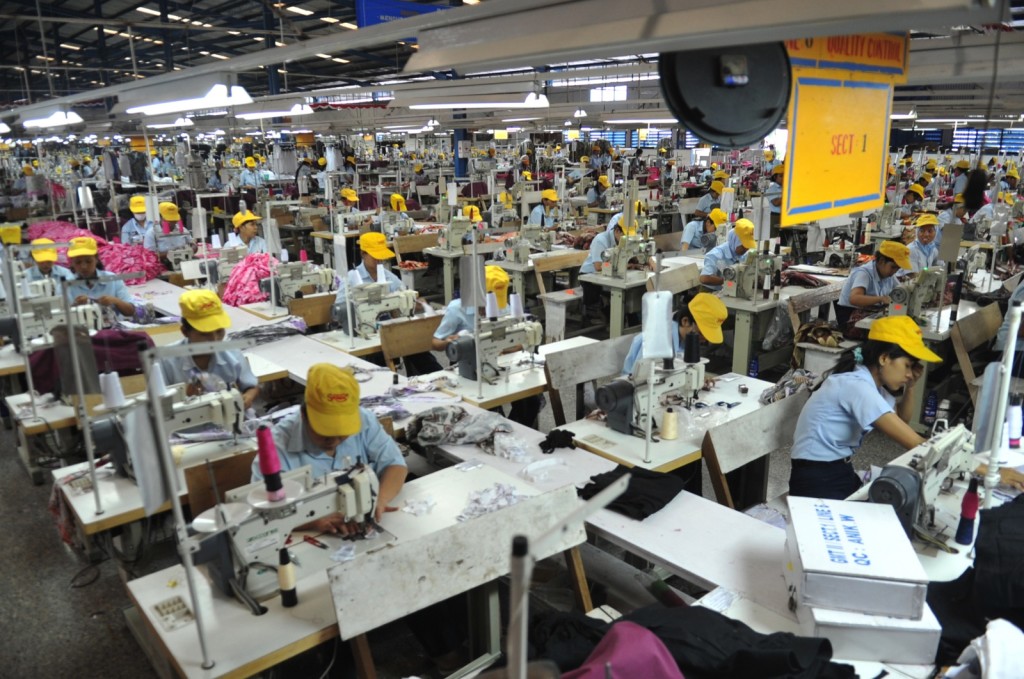
    Investments in cooling systems across Bangladesh garment factories pay back capital costs within four years, according to a study released on Sunday. Temperature data collected over a six-month period across eight manufacturing facilities in Dhaka showed that indoor heat stress erased an average of 4.1 per cent of annual factory revenue.

    Researchers at Cornell University’s Global Labor Institute found that physical modifications, including reflective roof paint, overhead insulation, and airflow ventilation, are commercially viable. Factory temperatures regularly climbed higher than outdoor readings, with the heaviest thermal load concentrated in pressing, ironing, and finishing lines.

    The Math on Shop Floor Cooling

    Jason Judd, executive director of the Global Labor Institute, noted that suppliers considering heat mitigation have struggled to weigh upfront spending against operational savings. Over the past year, apparel brands have sought verified payback timetables while discussing mitigation costs, emissions targets, and alternative energy sources with manufacturers.

    Apparel brands have spent years negotiating greenhouse gas targets and energy efficiency standards with suppliers. Adding physical climate adaptation to commercial contracts changes the financial equation. It shifts the focus from pure regulatory compliance to protecting factory throughput.

    Buyer Pricing and Cost Sharing

    Paying for factory retrofits creates friction between Asian garment manufacturers and Western fashion labels. Factory operators run on thin unit margins. They hesitate to fund facility upgrades without long-term order commitments or higher purchasing prices from international buyers.

    A heat resilience toolkit from the American Apparel and Footwear Association recommends that global brands co-fund factory modifications when direct commercial returns fall short of total setup costs. Nate Herman, executive vice president at the trade group, stated that brands must help protect workers across manufacturing networks as extreme heat events become frequent.

    Regional Export Exposure

    Earlier trade assessments showed severe climate risks across Asian manufacturing hubs. Heat stress and seasonal flooding threaten to wipe out $65 billion in combined apparel export earnings across Bangladesh, Cambodia, Pakistan, and Vietnam by 2030 if industrial zones fail to adapt physical infrastructure.

    Suppliers in Dhaka and regional production belts face a clear timeline to integrate cooling into capex plans. Retail buyers and factory operators will test the financial returns of these ventilation and insulation upgrades as contract pricing rounds open for upcoming production cycles.