Tag: supply chain

  • Fashion Brands Influence 30 Percent of Global Farmland, Oxford Study Finds

    Fashion Brands Influence 30 Percent of Global Farmland, Oxford Study Finds

    Global fashion brands hold purchasing influence across 1.45 billion hectares of agricultural land, representing 30.15 percent of the world’s farmland, according to a joint study by the University of Oxford and Dirt Charity.

    Livestock grazing for leather and wool accounts for almost 97 percent of that total footprint, linking apparel buyers directly to commercial livestock farming networks worldwide ahead of European Union due diligence enforcement starting Sept. 27.

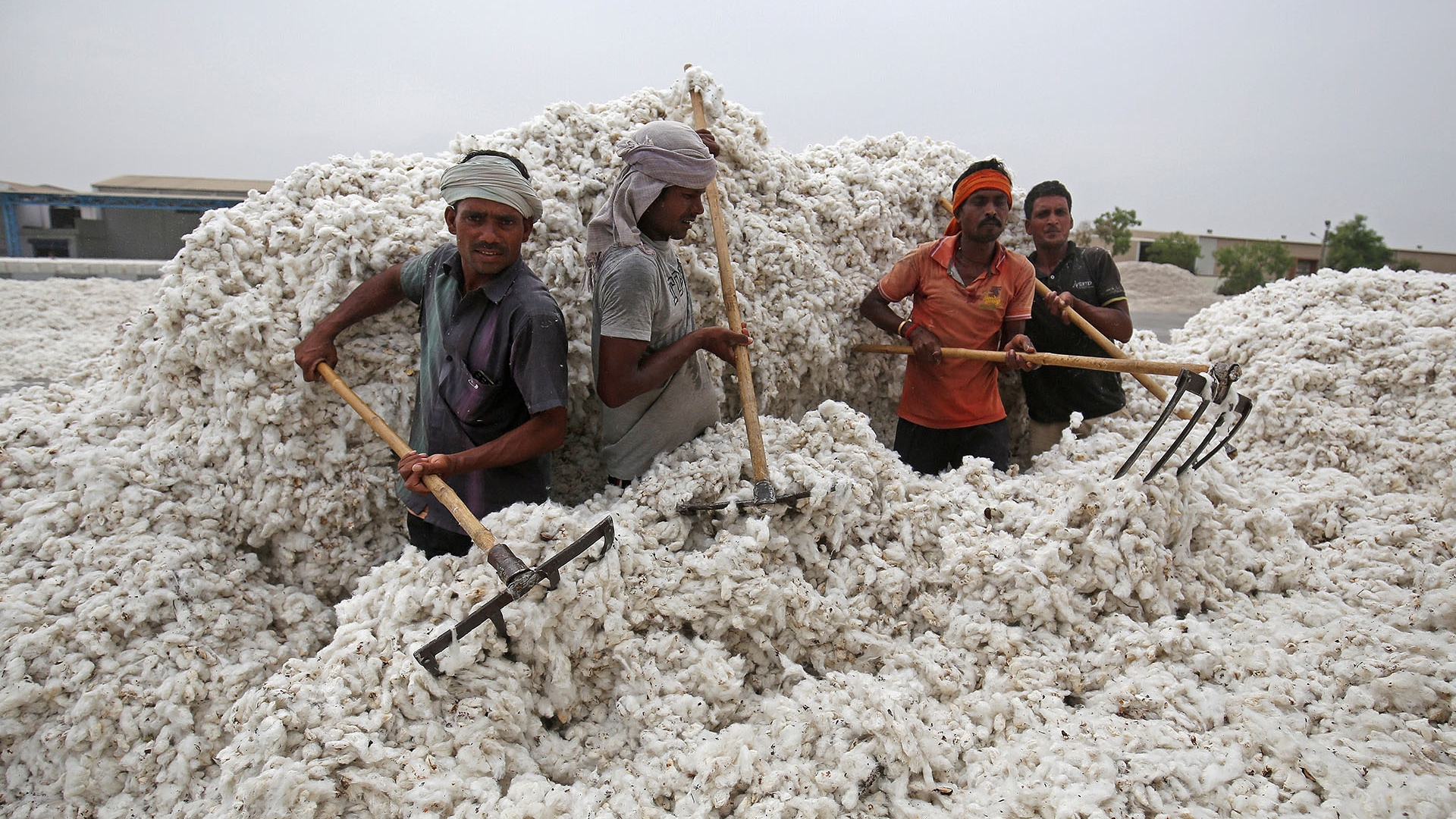
    Researchers at Oxford’s Smith School of Enterprise and the Environment and Dirt Charity analyzed five natural fiber categories to measure the full territory shaped by textile demand. Leather production ties into 876 million hectares of grazing land, while wool involves 528.4 million hectares. Cotton farming occupies 34.7 million hectares, linen and hemp cover 5.9 million hectares, and silk accounts for 2.3 million hectares.

    Allocating Land Across Shared Commodity Chains

    The calculation counts the entire agricultural area involved in growing crops or grazing animals rather than isolating the textile portion alone. Cotton lint makes up roughly 40 percent of harvested seed cotton, with the rest processed into cottonseed oil and animal feed, yet farm-level chemical inputs and soil practices apply to the entire crop. Because livestock systems serve meat, dairy, and leather markets simultaneously, the researchers treated the whole grazing area as subject to brand procurement requirements.

    Industrial leather processing reached more than 2.9 billion square meters globally in 2024. Footwear, apparel, and leather goods consumed 1.2 billion square meters of that output, while automotive interiors and furniture manufacturers bought the remaining volume.

    “We are not measuring blame. We are measuring power, and it turns out fashion has far more of it than anyone has been telling us.”

    Supply Chain Gaps Across Asian Sourcing Hubs

    For Asian garment hubs and raw material producers, the findings place commercial responsibility squarely on brand purchasing offices. Sourcing directors across Europe and North America often treat raw material agriculture as an unmanageable Tier-4 liability, leaving farm-level investments to local growers in India, China, and Pakistan. That separation is ending as buyers face mandatory supply chain due diligence rules in their home retail markets.

    Asian yarn spinners and fabric mills now face conflicting pressures from Western clients. Buyers demand verified low-impact cultivation methods such as organic or regenerative farming, but rarely offer long-term price premiums or multi-year purchasing volume guarantees. Without committed off-take contracts, smallholders across South Asian cotton belts bear the entire capital risk of switching soil management practices.

    Carbon Variations Outweigh Material Selection

    Production methods create wider environmental gaps within the same fiber category than the switch between alternative materials, the report found. Life cycle reviews cited in the study showed leather emissions ranging from 8.5 kilograms to 151.9 kilograms of carbon dioxide equivalent per square meter. Viscose emissions spanned 0.20 to 8.30 metric tons of carbon dioxide equivalent per metric ton of fiber, governed by feedstock origin and local electricity grids.

    Agricultural trials cited in the research show operational benefits from alternative soil methods. Long-term cotton trials running over 12 years in India demonstrated stronger soil microbial activity under biodynamic management systems. A five-year project at Egypt’s Sekem initiative cut chemical pesticide use to below 10 percent of previous levels, lifted cotton yields by almost 30 percent, and reduced soil salinity by 18 percent.

    European Compliance Deadlines Press Brand Filings

    The Oxford assessment builds on earlier NGO audits of fashion supply chains, which identified persistent traceability blind spots between Tier-1 assembly plants and upstream agricultural holdings. European retailers are now scrambling to document farm-level provenance as the European Union begins enforcement of its Empowering Consumers for the Green Transition Directive on Sept. 27.

    Dirt Charity and Biodynamic Federation Demeter International are finalizing the Demeter Textile Standard, a commercial framework covering 11 raw material categories across agricultural production, processing, and garment compostability. Apparel groups face mounting scrutiny to verify farm-level environmental claims before the next round of statutory sustainability disclosures opens in 2027.
  • Indian Logistics Firms Boost Hiring by 60 Percent for Festive Peak

    Indian Logistics Firms Boost Hiring by 60 Percent for Festive Peak

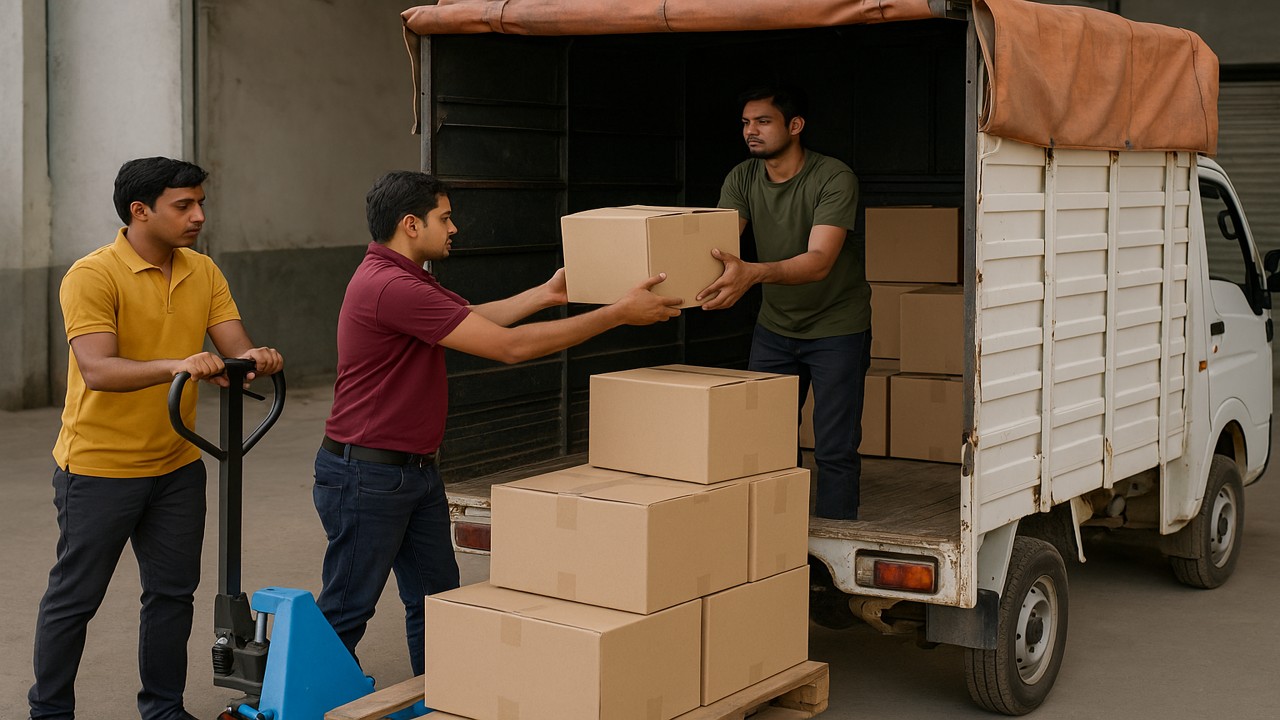
    Indian logistics providers are expanding temporary workforces by up to 60 per cent to handle an anticipated 20 per cent surge in festive parcel volumes across the country.

    E-commerce order growth and rapid adoption of quick commerce networks are pushing higher freight volumes and heavier package profiles through sorting hubs ahead of Diwali.

    Heavier Consignments Test Sorting Capacity

    Carriers report that shipment weight is increasing faster than raw parcel counts, forcing operators to adjust line-haul equipment and sorting floors. Express delivery firm DTDC expects consignments to rise 14 to 15 per cent by volume and 18 to 20 per cent by weight in the 15 days preceding Diwali compared with 2025.

    DTDC is increasing temporary staffing by 60 per cent to manage the processing loads. The company is managing higher labor costs across regional networks, with seasonal wages and performance incentives up 18 to 20 per cent in metropolitan hubs and 10 to 12 per cent in tier-two and tier-three markets.

    Blue Dart Doubles Consumer Volume Targets

    Blue Dart expects business-to-business shipments to increase 40 to 50 per cent during peak weeks, while business-to-consumer volumes will roughly double. Chief commercial officer Dipanjan Banerjee said the company is increasing front-end operational staffing by 30 to 50 per cent over standard operating levels, adding thousands of temporary roles across sorting and transport divisions.

    The company adjusted network planning and deployed automated sortation tools across primary hubs to absorb the load without bottlenecking line-haul schedules.

    Amazon Expands Storage Footprint

    Amazon added 20 fulfillment centres, six sorting centres and 150 last-mile delivery stations across India in preparation for peak quarter demand. The network additions expand Amazon’s Indian storage capacity by 50 per cent to 64 million cubic feet.

    The platform opened more than 160,000 seasonal positions spanning 400 Indian cities to support warehousing, sorting and doorstep distribution.

    “Festive demand is shaping up to be notably stronger than what we saw last year,” said Abhinav Singh, vice-president of operations at Amazon India, APAC, Middle East, Turkiye and Africa.

    Labor Cost Pressures on Margins

    Rising wages for warehouse workers and delivery riders place pressure on express margins during peak quarter operations. While platform volumes expand, carriers face tighter unit economics if sortation delays or vehicle turnaround bottlenecks trigger overtime costs.

    Operators that invested in automated conveyors and parcel sortation systems will capture better operating use than competitors reliant on purely manual labor. The critical test for Indian delivery networks arrives during the concentrated 15-day shipping window immediately preceding Diwali, when daily volumes across the sector reach their annual highs.

  • Pakistan Cotton Arrivals Rise 19 Percent to 2.39 Million Bales

    Pakistan Cotton Arrivals Rise 19 Percent to 2.39 Million Bales

    Cotton arrivals at Pakistani ginning factories reached 2.389 million bales by September 15. That volume is up 19 percent from 2.004 million bales during the same period last year.

    The early surge lifts industry projections for full-year national output above six million bales. Last season yielded roughly 5.5 million bales.

    Provincial receipts showed uneven growth across primary growing regions. Punjab deliveries jumped 24.73 percent to 860,942 bales, while Sindh processed 1.528 million bales, a rise of 16.25 percent. Active facilities totaled 205 ginning factories in Punjab and 207 in Sindh.

    Regional Splits and Factory Volumes

    Sindh led early harvesting through intensive picking in key southern districts. Sanghar district alone delivered 888,607 bales to local ginners by mid-September. That single district outpaced the combined intake of all ginning units in Punjab.

    Steady field conditions across Matiari, Tando Allahyar, Hyderabad, Mirpurkhas, Nawabshah and Naushahro Feroze supported the southern haul. In Punjab, picking concentrated across Bahawalpur, Bahawalnagar, Dera Ghazi Khan, Multan, Vehari, Rahim Yar Khan, Muzaffargarh and Rajanpur.

    Mill Demand and Price Competition

    Domestic spinning and textile mills secured the bulk of intake, buying 2.035 million bales by the reporting deadline. Raw cotton exporters booked 93,000 bales. Ginners were left holding an unsold inventory of approximately 261,000 bales.

    Spot prices dropped sharply across trading hubs despite steady buying by domestic spinners. Over seven days, lint prices fell by about Rs1,000 per maund. Rates settled near Rs18,600 in Punjab and Rs18,400 in Sindh.

    Lower import parity prices for Brazilian raw cotton prompted several Pakistani mills to place overseas orders, dampening local price support. Cheaper imported fiber caps production costs for downstream yarn and fabric makers. Domestic growers, however, face tighter margins at the farm gate.

    This price squeeze creates supply chain risks for regional fashion retailers who rely on Pakistani mills for yarn and finished garments. Falling domestic lint prices could erode farm profits. That risk threatens to reverse acreage recovery in future planting cycles and drive higher import dependency across the South Asian textile corridor.

    Data Gaps and Acreage Shifts

    Cotton acreage in Punjab faces land competition from sugarcane, which has expanded into traditional cotton tracts. That shift explains part of the volume gap between the two provinces.

    Official production figures also show large reporting discrepancies between agencies. The Pakistan Cotton Ginners Association recorded 860,942 bales in Punjab through September 15. The Punjab Crop Reporting Service estimated 1.483 million bales by September 17. That represents a 72 percent gap between factory receipts and provincial field estimates.

    Pest Control and Final Crop Risks

    Early arrivals do not guarantee an unbroken harvest, field specialists warn. Agronomists have identified pink bollworm infestations in both provinces. Whitefly, jassid and thrips also apply localized pressure.

    Pest management over the coming weeks will determine whether crop yields hold.

    “The next few weeks will be critical,” Mahmood said, stressing continuous monitoring of bolls, timely pest-control measures and picking to protect both yield and lint quality.

    Growers and ginners are tracking pest counts and late-season rainfall across southern Punjab and Sindh. The next fortnightly arrival report will confirm whether picking maintains the six-million-bale trajectory.

  • China Targets 25% Share of Global First-in-Class Drugs Market by 2030

    China Targets 25% Share of Global First-in-Class Drugs Market by 2030

    China has set its sights on capturing at least a quarter of the world’s first-in-class drugs market by 2030 under a new five-year plan to become a global biomedicine powerhouse.

    The plan requires large pharmaceutical enterprises to generate a combined revenue of no less than 3.5 trillion yuan (US$522 billion) driven by technological breakthroughs across critical fields.

    As authorities seek to build scale beyond market leaders like Sinopharm, which generated 575 billion yuan last year, the policy outlines 10 measurable targets, including producing at least 50 drugmakers with annual revenue exceeding 10 billion yuan each.

    Revenue Targets for Top Drugmakers

    Meeting the top-line target requires faster consolidation across state-backed and private drugmakers. Sinopharm, the country’s largest pharmaceutical distributor, generated 575 billion yuan in revenue last year. State planners want to replicate that scale across the manufacturing base.

    Reaching 3.5 trillion yuan across leading firms means turning mid-tier developers into commercial powerhouses. These firms must fund long clinical trials. Capital must also shift away from low-margin generics into novel compounds.

    Building Scale Across the Supply Chain

    Healthcare operators, hospital networks and procurement platforms will see supplier negotiations change. State purchasing programs have spent years cutting generic drug prices. That compressed distribution margins while freeing hospital budgets for innovative therapies.

    Institutional investors face a different risk profile across the sector. Backing early-stage discovery brings higher clinical failure rates than reformulating existing drugs. Capital will concentrate around the 50 major players capable of clearing the 10 billion yuan threshold.

    Shifting from Generics to Innovation

    Commercial drug distribution historically relied on large volumes of off-patent medications to support national healthcare coverage. Domestic intellectual property stayed tied to fast-follower treatments rather than novel biologics.

    Recent regulatory reforms sped up drug approvals and aligned domestic clinical trial standards with international norms. The new five-year plan builds directly on that operational base.

    The 2030 Benchmarks

    Execution hinges on domestic developers clearing late-stage international trials and licensing compounds overseas. Dealmakers are tracking the pace of mergers and pipeline acquisitions needed to build 50 ten-billion-yuan producers before 2030.

  • Coca-Cola Commits P157 Million to Aid 15,000 Philippine Micro-Retailers

    Coca-Cola Commits P157 Million to Aid 15,000 Philippine Micro-Retailers

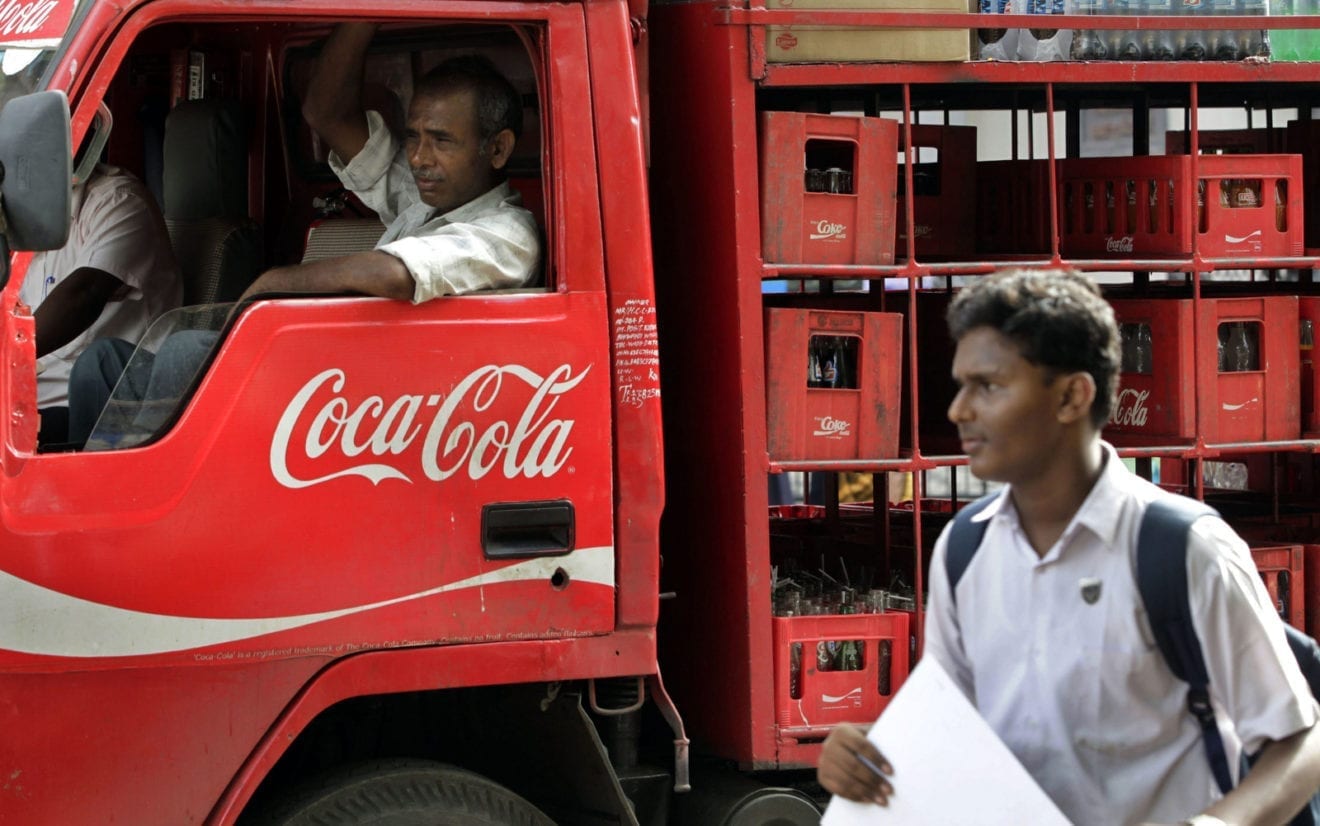
    Coca-Cola Philippines launched a 157 million peso support fund in 2020 to help more than 15,000 sari-sari store operators resume trading safely across the country. The capital injection targets micro-retailers hit by extended pandemic lockdowns and economic disruptions.

    Micro-retailers represent the commercial backbone of Philippine fast-moving consumer goods distribution, accounting for more than one million outlets nationwide. Industry survey data from the Philippine Association of Sari-Sari Store and Carinderia Owners showed that 42 per cent of sari-sari stores and 75 per cent of small eateries shut during peak lockdown periods, while surviving outlets scaled back inventory and operating capacity by up to 90 per cent.

    Restoring neighborhood retail channels

    The company rolled out the initiative, titled the Rebuilding Sari-Sari Stores Through Access to Resources and Trade (ReSTART) program, alongside the Department of Trade and Industry. Participating vendors receive cash assistance, digital training modules, and retail guidance designed to meet national health and safety compliance rules.

    Bottling arm Coca-Cola Beverages Philippines, Inc. Paired the state-backed scheme with direct balance-sheet relief for distributors. The bottler revised credit terms and payment schedules for route partners while working with the Philippine Disaster Resilience Foundation to deliver 10,000-peso starter inventory packs, including 3,000 pesos of beverage stock, to 400 vulnerable store owners.

    Distribution push for returning workers

    Beyond existing store networks, the group is recruiting displaced overseas workers into its wholesale logistics chain. More than 285,000 overseas Filipino workers faced sudden repatriation during global travel halts and regional economic contractions.

    Through the OFW RISE program, run with the Department of Labor and Employment and technical training body TESDA, the beverage maker offers business coaching and exclusive wholesale rights. The companion Balik Pinas initiative expands that commercial pipeline nationwide, establishing family-run beverage distributorships backed by brand credit lines.

    “This is why we have continued and intensified investments in the country and have launched initiatives like Balik Pinas for returning OFWs,” said Gareth McGeown, President and Chief Executive Officer of Coca-Cola Beverages Philippines, Inc.

    Supply chain defense in traditional trade

    Fast-moving consumer goods manufacturers in Southeast Asia face immediate revenue loss when informal retail stalls. Unlike modern supermarket chains with centralized warehouses, traditional trade in the Philippines relies on daily cash turns and high-frequency neighbourhood purchases. When micro-retailers lack working capital to restock beverage coolers, beverage volume drops instantly at the factory gate.

    Direct financial intervention protects downstream volume more effectively than conventional consumer marketing during a retail slump. Competitors in the packaged food and beverage categories face identical route bottlenecks, but deploying balance-sheet liquidity directly into vendor restock programs locks in shelf space before independent retailers switch working capital to dry goods or alternative suppliers. The credit risk sits with repayment rates among cash-strapped micro-entrepreneurs, yet writing off trade support costs less than rebuilding lost distribution reach.

    Targets for the nationwide network

    The micro-retail recovery packages build on continuous capital deployment across the bottler’s domestic infrastructure. CCBPI maintains 19 operational manufacturing plants across Luzon, the Visayas, and Mindanao, supported by a proprietary fleet logistics footprint.

    Execution milestones now rest on onboarding the targeted 15,000 micro-retailers into the ReSTART network while scaling wholesale recruitment for returning workers across provincial distribution hubs.

  • Tesla Audits Chinese Suppliers Ahead of Optimus Robot Launch

    Tesla Audits Chinese Suppliers Ahead of Optimus Robot Launch

    Tesla officials and engineers have begun auditing Chinese suppliers as Elon Musk’s company prepares to ramp up production of its Optimus humanoid robot ahead of its global release later this year.

    The audits target component manufacturers based in eastern China’s Zhejiang province, including heat-control maker Zhejiang Sanhua Intelligent Controls, auto parts supplier Ningbo Joyson Electronic, and chassis producer Tuopu Group, two corporate executives told the South China Morning Post.

    Most of the vendors being examined already supply automotive parts for Tesla’s electric vehicles, and the inspections come as the company plans to place additional orders before mass production begins at its plant in Fremont, California.

    Vendors selected for the audit round operate under strict non-disclosure agreements carrying breach penalties worth millions of dollars. The inspections examine whether high-volume auto manufacturing lines can pivot quickly to produce actuators, thermal sensors, and structural frames designed for humanoid robotics.

    Zhejiang Supply Hub

    Concentrating component qualification in Zhejiang exploits an established industrial supply cluster that already builds high-precision electric vehicle parts at scale. Actuator maker Tuopu Group saw its stock rise 2.8 per cent following news of the audits, while Sanhua and Joyson Electronic each advanced more than 1 per cent. Drawing from existing electric car component supply lines allows the manufacturer to bypass years of tooling development.

    Specialised Chinese component makers hold structural pricing power that Western suppliers struggle to match. As Chen Jinzhu, chief executive of Shanghai Mingliang Auto Service consultancy, observed: “They enjoy cost and technological advantages over their domestic and overseas rivals.”

    Factory Reallocation in Fremont

    Sourcing hardware from mainland China reveals how closely the company’s robotics ambitions mirror its early electric vehicle manufacturing strategy. While software development and final assembly remain in California, the physical bill of materials depends on Asian supply chains to achieve viable unit economics. Sourcing mechanical actuators and thermal hardware from Chinese suppliers reduces capital intensity, yet exposes output volumes to cross-border logistics lanes and geopolitical friction.

    For regional manufacturers, robotics supply contracts offer a crucial hedge against tightening margins in the domestic electric vehicle market. Intense price competition among Chinese automakers has squeezed Tier 1 suppliers, driving component producers to seek higher-margin hardware contracts in industrial automation and embodied artificial intelligence.

    Rival Makers Accelerate Schedules

    Chinese electric vehicle brands are moving on parallel tracks to commercialise bipedal machines for retail, logistics, and assembly work. Xpeng secured 900 million dollars in private funding to accelerate development of its Iron humanoid robot, backed by its own vehicle manufacturing network. Domestic competitors operate with direct access to local supply chains, eliminating transpacific shipping delays that affect US assembly lines.

    Tesla began reshaping its production footprint in January by halting assembly of Model S and Model X vehicles in Fremont to convert factory floor space for robotics manufacturing. That retooling followed statements in April from Tesla China president Allan Wang Hao, who confirmed the Shanghai Gigafactory retains the industrial capacity to manufacture complete humanoid robots once global rollout begins.

    Assembly Timelines

    Final component allocations depend on audit sign-offs scheduled across Zhejiang over the coming weeks. Factory engineers in Fremont require validated parts deliveries before the targeted commercial rollout date at the end of the year.

  • Apple Passes $10 Billion in India Sales as Made-In-India Pro Models Ship Worldwide

    Apple Passes $10 Billion in India Sales as Made-In-India Pro Models Ship Worldwide

    Apple crossed $10 billion in annual revenue in India in fiscal 2026 as local production lines began supplying flagship devices directly to overseas store shelves.

    Revenue rose at a double-digit rate from roughly $9 billion a year earlier, driven by premium handset upgrades and larger contributions from MacBooks and iPads.

    The milestone coincided with the retail rollout of the iPhone 18 Pro and Pro Max, which started selling on Friday from Rs 164,900 ($1,970) and Rs 179,900 respectively. Foxconn and Tata Electronics assembled the devices locally around the clock, exporting launch-day inventory to the United States and other international markets ahead of the retail debut. Last year, Indian factories assembled only the standard iPhone 17 variants for worldwide launch day, while Pro assembly followed months later.

    Value Gains Defy Falling Shipment Volumes

    Consumer demand in India continues to tilt toward higher price brackets even as overall unit volume contracts. Handset shipments fell 4.1 per cent year-on-year to 31 million units in the first quarter of 2026, according to IDC data. Market value rose 5.8 per cent over the same period as average selling prices climbed 10.4 per cent to a record $302.

    Counterpoint Research data recorded premium devices accounting for 29 per cent of the total Indian smartphone market by volume during the first half of 2026. Apple captured 28 per cent of total market revenue in the first quarter despite accounting for only 9 per cent of unit volume, according to IDC. Samsung and Apple together took the vast majority of premium sales.

    Retailers across major metro markets reported steady traffic driven by structured financing, trade-in allowances, and multi-year credit card instalments that offset upfront list prices. Reliance Digital and Apple’s six company-owned flagship stores saw pre-dawn queues across Mumbai, Delhi, and Bengaluru as shoppers traded in older handsets.

    Contract Manufacturers Expand Pro Production

    For electronics manufacturers across Asia, the shift alters the operational playbook. Apple is no longer using Indian assembly plants solely to bypass local import tariffs or serve domestic buyers with older models. Placing day-one global manufacturing of flagship Pro hardware in Tamil Nadu and Karnataka shifts industrial weight away from mainland China’s assembly clusters.

    Suppliers face tighter technical requirements. Assembling top-tier hardware demands tighter tolerances, specialized cleanroom environments, and faster component turnaround times than entry-level lines require. Foxconn and Tata Electronics have absorbed those requirements, forcing second-tier domestic component suppliers to upgrade production quality or lose supply allocations to global tier-one vendors.

    Industrial Policy Drives Supply Chain Deepening

    The transition reflects years of targeted state incentives designed to build a domestic tech manufacturing base. Total mobile phone production in India climbed from Rs 18,900 crore in fiscal 2015 to Rs 6.27 lakh crore in fiscal 2026. Handset exports rose from Rs 1,566 crore to Rs 2.60 lakh crore over the same decade, making mobile phones the country’s largest single export category.

    Federal support through the Production Linked Incentive program drew more than Rs 20,600 crore in cumulative capital investment by March 31, 2026. Cumulative production under that program reached Rs 11.62 lakh crore, with exports topping Rs 6.53 lakh crore.

    New Delhi is now pushing beyond surface-mount assembly into core components through the Electronics Component Manufacturing Scheme. Ashwini Vaishnaw, the electronics and information technology minister, described the initiative as a deliberate step to build domestic supply lines for precision parts and raw materials. Regulators approved 106 component projects representing Rs 69,548 crore in pledged investment, with 38 factories operational as of August.

    Imported Foldable Tests Peak Price Ceilings

    Apple will test the upper limit of domestic purchasing power next month with the launch of its first foldable handset, the iPhone Duo. That model starts at Rs 299,900 for the 256GB version and rises to Rs 444,900 for the 2TB configuration. Unlike the Pro line, the foldable device will arrive as a fully imported unit assembled outside India.

    Retail networks will monitor inventory turnover for the ultra-premium foldable closely to assess whether local credit appetite can absorb handsets priced above Rs 300,000 without dedicated manufacturing subsidies.

  • China Crude Oil Imports Climb to 7.84 Million Barrels Daily as Stockpiles Fall

    China Crude Oil Imports Climb to 7.84 Million Barrels Daily as Stockpiles Fall

    China increased crude oil imports to 7.84 million barrels per day in September, up from 7.25 million in August as refiners slowed stock drawdowns.

    The intake marks the highest buying level in four months, reversing an aggressive inventory clearance that had sheltered domestic transport fleets from global price volatility.

    Customs figures show August imports rose 6.2 per cent month-on-month to 37.9 million tonnes. Buying remains more than 23 per cent below year-earlier volumes, when imports ran at 9.76 million barrels daily. Sourcing patterns shifted sharply this month: shipments from Iraq jumped past 1 million barrels per day from 177,000 in August, while deliveries from Saudi Arabia and Iran dropped.

    Refiners face margin squeeze under state price caps

    Commercial and state stockpiles shrank from 1.25 billion barrels in April to 1.14 billion barrels in September, according to trade intelligence firm Kpler. For five months, Chinese refiners met domestic fuel demand by burning through reserves rather than purchasing expensive seaborne cargoes, muting inflationary pressure across freight networks.

    That buffer is now wearing thin. With stockpiles down by 110 million barrels since spring, processors must step up spot purchases even as international benchmarks hover near 100 dollars a barrel. For freight operators and consumer goods distributors across mainland logistics corridors, higher landing costs for crude will filter directly into road haulage rates and plastic packaging feedstock.

    State retail pricing rules cap fuel price adjustments once international crude tops 80 dollars a barrel. When global prices trade higher, refiners absorb the difference directly on their balance sheets, squeezing operating cash flow at major petrochemical complexes.

    Higher crude prices are now eroding Chinese refining margins, as domestic product prices are regulated above US$80 per barrel.

    Electric fleets limit domestic fuel demand rebound

    Between April and August, Chinese crude purchases trailed 2025 volumes by roughly 3.2 million barrels daily. Beyond inventory drawdowns, structural consumption shifted: new-energy vehicles took more than 65 per cent of total passenger car sales over the summer, permanently removing a slice of urban petrol demand.

    Downstream transport operators in regional logistics hubs will see little relief on diesel prices despite the passenger transition. Beijing holds roughly four to six months of total oil cover across strategic and commercial sites, giving authorities room to restrict refined-product export quotas to protect domestic fuel supply.

    Supply disruptions force shifts to Iraqi crude

    The import pickup coincides with export disruptions across key trade corridors, including strikes on Saudi Arabia’s East-West pipeline and terminal damage at Russia’s Novorossiysk facility. These bottlenecks forced Chinese trading desks to secure alternate supplies quickly, driving the sudden surge in Iraqi crude fixtures.

    Refiners are now balancing fourth-quarter crude intake targets against quarterly product export quotas, with domestic processing runs expected to stay below pre-crisis highs through October.

  • China Tech Boom Fuels August Factory Output as Domestic Spending Stalls

    China Tech Boom Fuels August Factory Output as Domestic Spending Stalls

    China’s industrial sector showed renewed strength in August as an AI-driven tech boom fuelled factory output, according to data reported by Reuters this week.

    The readings highlighted deepening imbalances in the world’s second-largest economy, where resilient manufacturing and exports are sustaining growth even as sluggish consumption and a worsening investment slump weigh on domestic demand.

    Factory gains split from retail demand

    Industrial production accelerated through August on higher orders for computing equipment, semiconductors, and automated factory machinery. Tech supply chains absorbed high component volumes, keeping coastal industrial belts busy throughout the month.

    Consumer-facing businesses saw none of that momentum. Retail cash registers recorded sluggish turnover across apparel, home furnishings, and department stores, extending a pattern where consumers withhold discretionary spending while property values slide.

    Property drag hits consumer sentiment

    Household wealth remains tied up in residential real estate, where falling prices continue to deter family spending on non-essential goods. Shoppers in major metropolitan areas have shifted budgets toward essentials and discounted product lines rather than big-ticket purchases.

    For retail landlords and store operators across tier-one and tier-two cities, this split complicates leasing and store expansion plans. Brand owners face rising warehouse inventories because finished goods leave assembly lines faster than domestic retail networks can clear them.

    The export reliance risk

    The gap between manufacturing capability and domestic retail absorption leaves consumer goods makers dependent on overseas shipments to balance their books. That trade balance face headwinds if external import demand slows or overseas tariffs tighten on Chinese-made goods.

    Retailers across the country now look to third-quarter national retail sales totals and upcoming autumn trade figures to gauge whether household demand will stabilize before the year-end shopping season.

  • Hormuz Closure Threatens 99 Percent of Pakistan’s LNG Supply

    Hormuz Closure Threatens 99 Percent of Pakistan’s LNG Supply

    Pakistan is among the worst-hit nations by liquefied natural gas disruptions following the closure of the Strait of Hormuz, with the fuel accounting for about 30 percent of the country’s total gas supply.

    Qatar and the UAE supply about 99 percent of Pakistan’s LNG, primarily for power generation, fertiliser production, and industrial use, according to a report released by Gastech Conferences at its 54th annual event.

    Severe Exposure to Middle East Chokepoints

    The supply shock, triggered by Middle East conflict involving Israel, the United States, and Iran that began in February, has led Universal Gas Distribution Company Chief Executive Officer Ghiyas Abdullah Paracha to pursue gas storage and supply talks with international firms.

    To plug the immediate deficit, policymakers are reviewing plans to accelerate utility-scale solar installations, wind projects, and commercial rooftop panels paired with battery storage. Islamabad is also weighing domestic coal, hydropower, and nuclear facilities to keep base-load electricity running.

    Industrial Disruption and Grid Agility

    Higher fuel import costs mean immediate surges in operating overheads for factory operators and supply chains across South Asia. Power tariffs will climb as utilities scramble to buy alternative liquid fuels or burn costlier feedstocks. That pressure falls directly on industrial users, textile mills, and fertiliser producers that depend on stable pipeline pressure to maintain export schedules.

    Regional planners are now assessing measures to expand strategic fuel reserves for power plants and road transport networks. The crisis has also accelerated talks on regional power-sharing frameworks and cross-border electricity trading to cushion against sudden transit halts.

    “We have got understanding with some companies that have shown interest in building gas storage facilities in Pakistan. Some companies have shown keen interest in long-term LNG contracts with UGDC,” Paracha said.

    Private Sector Storage and Market Reforms

    Universal Gas Distribution Company Chief Executive Officer Ghiyas Abdullah Paracha met global infrastructure developers at the Bangkok summit to negotiate foreign-backed storage terminals. Pakistan lacks commercial gas storage capacity. That absence leaves the network vulnerable to day-to-day shipping schedules and vessel arrival delays.

    This push coincides with Islamabad’s broader deregulation, which opened the state-dominated transmission network to private gas distributors and direct terminal access. Private participation unbundles procurement from sovereign balance-sheet constraints. It allows industrial consortiums to contract their own import quotas directly.

    Shifting the Long-Term Generation Mix

    Military tensions involving Israel, the United States, and Iran disrupted Persian Gulf transit lanes starting in February. Pakistan had previously restructured sovereign purchase deals with Gulf suppliers to lower payment defaults. Physical route closures bypassed those commercial contracts entirely.

    Attention turns to whether Islamabad can secure formal financing commitments for planned LNG storage terminals and finalize supply arrangements before the winter peak-demand window opens.

  • South Korea Partners with Shin-Line on Food Cluster and 70 CU Stores

    South Korea Partners with Shin-Line on Food Cluster and 70 CU Stores

    South Korea’s food cluster agency signed a partnership on Tuesday with Kazakhstan’s Shin-Line Group to build an industrial food hub and expand bilateral market cooperation.

    The agreement opens a pathway for food producers from the National Food Cluster in Iksan to gain access to Central Asia’s largest ice cream manufacturer and its network of about 70 CU convenience stores.

    Advisory terms and network access

    Korea Food Industry Cluster Promotion Agency Chairperson Kim Deok-ho and Shin-Line Group Chairman Andrei Shin signed the memorandum of understanding at the Four Seasons Hotel in Seoul during the Korea-Kazakhstan Business Roundtable. Under the agreement, the Korean agency will consult on operating strategies, infrastructure planning, and enterprise support programs for the planned food cluster.

    Packaged goods made by tenants at South Korea’s National Food Cluster will flow directly into Shin-Line’s retail footprint. The company operates local production plants, cold-chain routes, and roughly 70 CU franchised convenience stores across Kazakhstan.

    Supply chains push into Central Asia

    For Korean packaged food manufacturers, the deal tackles their toughest operational bottleneck in Central Asia: shelf space and cold-chain logistics. Exporters entering Kazakhstan typically face fragmented wholesale channels and unpredictable refrigerated transport. Partnering with Shin-Line gives suppliers an immediate pipeline into modern convenience retail.

    Operational risk centers on product fit and price positioning. Central Asian consumers embrace Korean pop culture, but everyday convenience store spending remains sensitive to freight costs and local purchasing power. Shin-Line must balance higher-margin imported Korean inventory with high-turnover domestic staple foods. That balance keeps store traffic steady.

    Expanding the Iksan blueprint

    In North Jeolla Province, the Korean agency runs the National Food Cluster in Iksan, providing research, development, and pilot production support to domestic food processors. The Kazakhstan project exports that state-managed industrial model. It also secures captive export destinations for cluster tenants.

    This agreement provides an opportunity to expand food industry cooperation with Kazakhstan by drawing on our experience operating the National Food Cluster.

    Store counts and development timeline

    Teams from both sides will now set working schedules for technical consultations on the industrial park and outline vendor requirements for Korean exporters. The key early milestone is tracking how quickly National Food Cluster packaged lines reach shelves across Shin-Line’s 70 CU stores in Kazakhstan.

  • CEVA Logistics Pilots 2 Autonomous Vehicles in Singapore

    CEVA Logistics Pilots 2 Autonomous Vehicles in Singapore

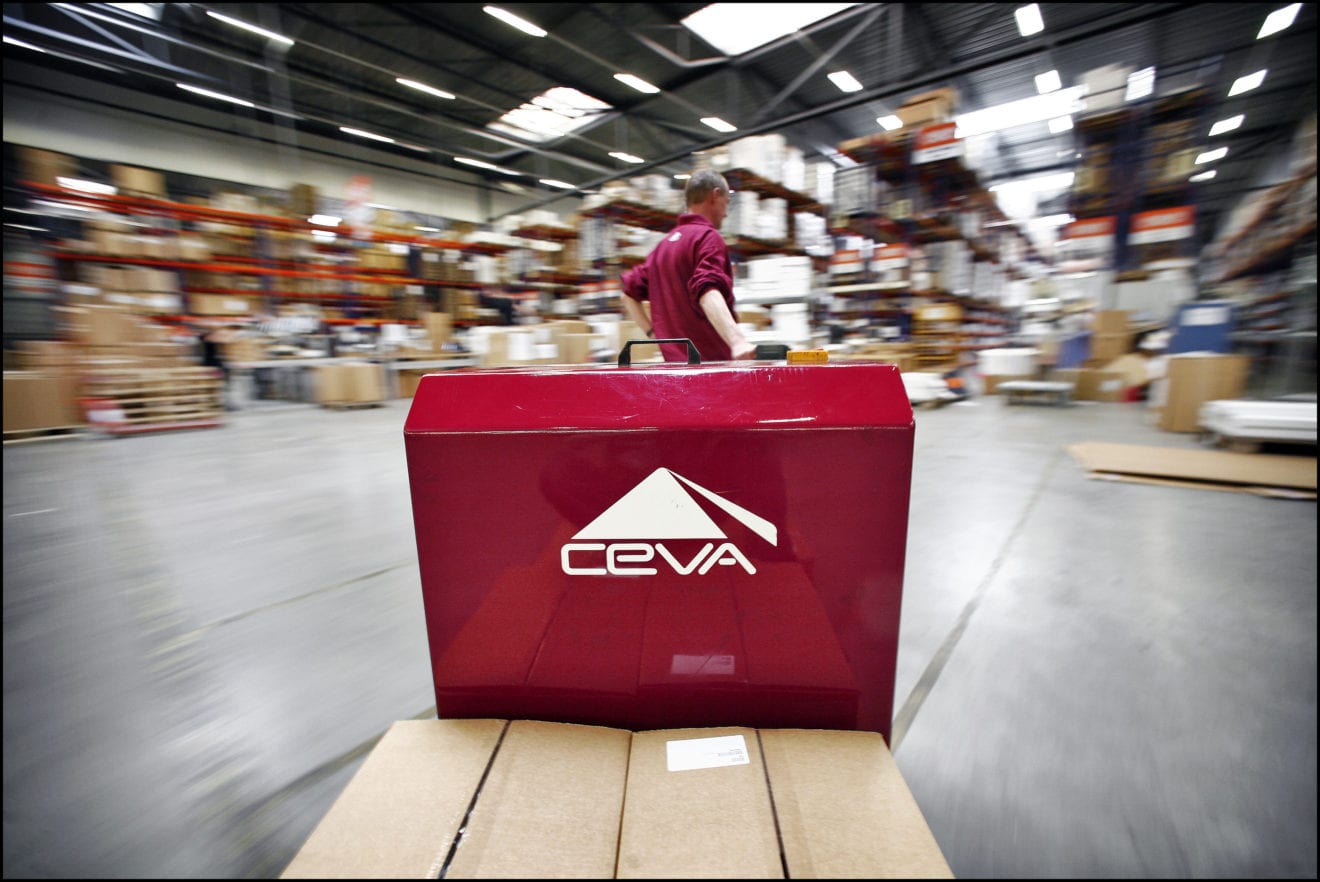
    CEVA Logistics launched a pilot program in September 2026 deploying two Zelostech Z10 autonomous electric vehicles at its Blue Hub facility in Singapore. The trial is expected to cut carbon dioxide emissions by at least 4,600 kilograms annually.

    Conducted at the 50,000-square-meter Blue Hub facility, the test replaces diesel truck trips between floors with automated transport for pallets and totes.

    Ramp Operations Go Driverless

    Two Zelostech Z10 autonomous electric vans now run directly on the building’s internal roadways. They navigate ramps across the eight-story complex independently without human drivers. That setup allows staff to schedule inventory transfers based on floor demand rather than driver availability.

    Operations at Blue Hub cover contract logistics for luxury brands, cosmetics lines, healthcare distributors and general retail accounts. The LEED Gold facility already runs goods-to-person picking systems, automated guided vehicles and robotic sorters.

    Contract Logistics and Autonomous Fleet Integration

    Vertical multi-tier warehouses present constant bottlenecks for third-party logistics operators in land-constrained Asian hubs. Diesel trucks burn fuel inside enclosed spaces. They also tie up labor on repetitive shuttle routes between storage bays and dispatch decks.

    Switching internal truck runs to level-four autonomous vans shifts operating costs from variable driver hours to fixed equipment maintenance. Fleet routing remains the primary operational risk. Map-free navigation software must handle dense traffic mixing with human-operated forklifts and dock workers without stalling warehouse flow.

    From Incubator Funding to Site Deployment

    ZEBOX, the venture accelerator run by CEVA parent firm CMA CGM, provided the springboard for the trial during its 2025 startup awards. Zelostech secured development funding through that competition to build a proof-of-concept logistics system for the French shipping group.

    Globally, Zelostech operates more than 25,000 autonomous delivery vehicles. Marseille-based CEVA recorded 18.3 billion dollars in 2025 revenue across 1,700 sites. The company will review data from the Singapore deployment to evaluate rolling out the Z10 autonomous fleet across its contract logistics facilities worldwide.

  • China Accounts for 97% of Global Humanoid Robot Shipments

    China Accounts for 97% of Global Humanoid Robot Shipments

    Chinese manufacturers now account for 97 per cent of global humanoid robot shipments, establishing near-total supply chain dominance over the emerging hardware category.

    The concentration reflects rapid assembly scaling across mainland manufacturing hubs after Beijing designated humanoid robotics an official priority sector in late 2023, even as commercial deployment remains heavily concentrated in domestic test environments and state-backed pilot facilities.

    Where the Hardware Goes

    Domestic electronics assembly plants, automotive factories, and automated fulfillment warehouses absorb the vast majority of current production. Factory operators deploy the bipedal units for repetitive handling, parts transfer, and precision testing tasks where fixed automation arms cannot easily maneuver.

    Hardware pricing runs from 15,000 to 50,000 dollars per unit depending on sensor arrays and dexterity capabilities. Chinese assemblers maintain a structural cost edge through local sourcing of actuators, harmonic reducers, and lithium power packs.

    Western competitors face higher component costs and longer assembly timelines. That gap mirrors earlier hardware buildouts in consumer drones and commercial service bots, where Chinese component density squeezed foreign assemblers out of entry-level price tiers.

    The Deployment Bottleneck

    Supply chain supremacy does not instantly create sustainable commercial demand. Most delivered units operate in controlled trial environments rather than fully automated commercial workflows.

    Retailers, logistics operators, and facility managers hesitate to replace standard wheeled automated guided vehicles with expensive bipedal robots. Wheeled units cost a fraction of the price and execute warehouse transport without balancing risks.

    Earlier Manufacturing Milestones

    Beijing designated humanoid robotics an official priority sector in late 2023, setting targets for mass production and supply chain independence by 2025. That policy push directed subsidies and venture capital into domestic component makers, accelerating prototype development into commercial runs.

    Commercial viability now depends on software reliability and real-world task completion rates rather than shipment volumes. Factory trials scheduled across Chinese automotive plants throughout the final quarter will determine whether large-scale enterprise purchase orders materialize.

  • Renault and Geely Invest More in Brazil for New Electric Vehicle

    Renault and Geely Invest More in Brazil for New Electric Vehicle

    Renault and China’s Geely have increased their investment in Brazil this week to produce a new electric vehicle. The cash broadens their shared manufacturing footprint in Latin America.

    Fresh funds will upgrade local assembly lines. The push targets regional demand for affordable electric passenger models.

    Expanding the Sino-French Production Alliance

    This decision deepens an industrial alliance between the French automaker and the Hangzhou-based automotive group. The two partners already pool engineering, hybrid architectures, and powertrain tech across multiple global markets to cut development costs.

    Local assembly in Brazil lets Geely and Renault reduce exposure to import tariffs on finished Chinese electric vehicles. The hub also creates a launchpad for vehicle distribution across South American trade corridors.

    Competitive Pressures in Latin America

    Chinese electric vehicle makers are accelerating overseas factory commitments. They want to bypass regional trade barriers and counter slowing domestic growth. Rivals including BYD and Great Wall Motor have already bought manufacturing assets in Brazil to anchor regional supply chains.

    Asian component suppliers must now establish secondary delivery routes and local sub-assembly units within South America. The spending shifts component sourcing risk onto local networks. Still, it locks in vehicle platforms designed in China and Europe.

    Platform Strategy and Next Steps

    Geely and Renault have steadily integrated their powertrain and vehicle architecture operations over recent quarters, creating dedicated joint venture platforms for hybrid and pure electric models. The Brazilian project serves as an operational extension of that platform-sharing agreement.

    Factory tooling schedules and regional rollout timelines will determine when the first units leave the Brazilian assembly floor for regional dealerships.

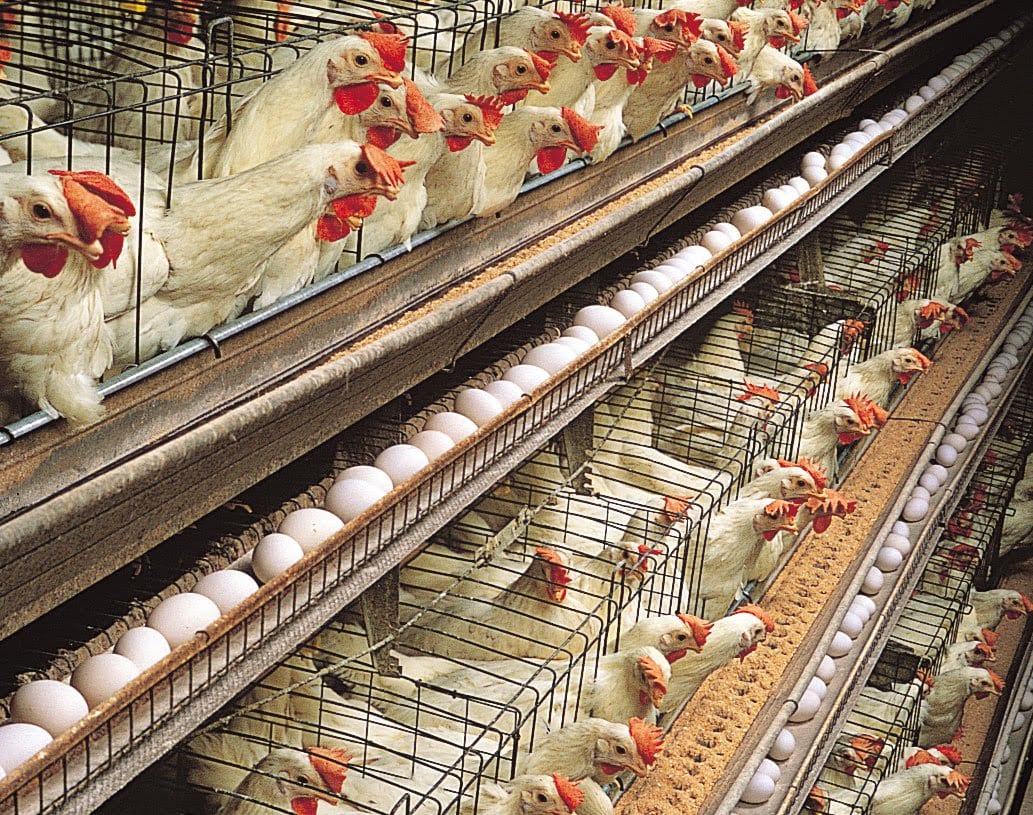
  • Baiada Opens Tamworth Plant to Process 1.5 Million Chickens Weekly

    Baiada Opens Tamworth Plant to Process 1.5 Million Chickens Weekly

    Australian poultry producer Baiada opened its processing facility in Tamworth on September 16. The site began operations with a weekly capacity of 1.5 million chickens.

    The plant ranks among Australia’s largest regional food manufacturing investments. It supplies fresh poultry directly to domestic supermarket chains and commercial food service operators.

    Automation and Weekly Processing Volume

    Managing Director Simon Camilleri and Chairman John Camilleri launched the site as an integrated manufacturing hub. It combines automated processing lines, updated environmental controls and expanded worker facilities. These systems handle high-volume throughput with fewer bottlenecks.

    Processing 1.5 million birds every seven days gives Baiada immediate scale in northern New South Wales. The company built the site to centralise slaughter, cut-up and packaging closer to regional farming networks. That proximity cuts transit times for live birds.

    Supply Chain Pressure and Regional Competition

    Supermarket retailers Woolworths and Coles rely on Baiada for private-label and branded fresh poultry lines. By lifting throughput in Tamworth, Baiada adds capacity to protect volume commitments against rival processors like Ingham’s during peak seasons.

    Concentrating volume in a single regional facility raises operational exposure. Automated meat plants require uninterrupted cold-chain logistics and steady local labour pools to maintain target line speeds. Local disruptions can quickly ripple into retail distribution centres across eastern Australia.

    Long-Term Capacity Targets

    Baiada planned the Tamworth project to replace aging regional infrastructure and meet steady domestic consumption gains across wholesale and grocery channels. Past supply constraints across New South Wales pushed processors to build facilities that cut unit electricity and water usage per processed bird.

    Attention now turns to whether Baiada ramps line capacity beyond its initial 1.5 million weekly baseline toward peak engineered volume over upcoming processing cycles.