Tag: Taiwan

  • Taiwan’s extravagant buffet restaurant “Harbour” now open at Iconsiam

    Taiwan’s extravagant buffet restaurant “Harbour” now open at Iconsiam

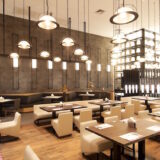
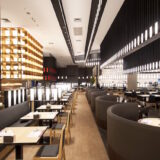
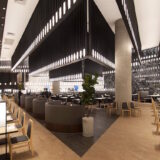
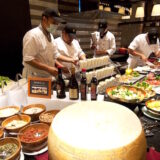
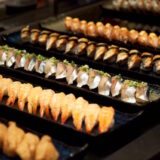
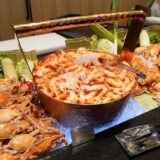
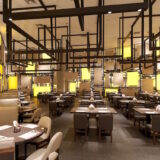
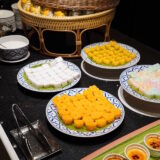
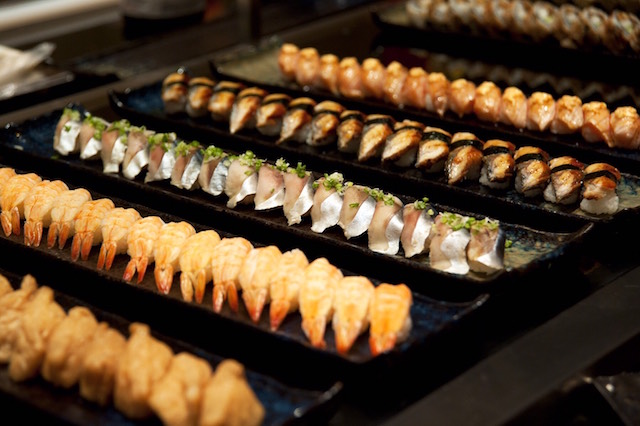
    Taiwan’s extravagant Harbour buffet restaurant has opened its first Thai restaurant at IconSiam. Charoen Pokphand Foods PLC (CPF) and Taiwan’s HiLai Group have jointly brought the famous international buffet restaurant to Thailand. The franchise has routinely seen diners in China and Taiwan waiting a month for a table. The 2000sqm IconSiam outlet is its 10th restaurant worldwide, pending Harbour’s unveiling in major global cities as part of CPF’s strategy to become “Kitchen of the World”.

    “Harbour has enjoyed overwhelming success in Taiwan and China”, said CPF’s COO-food business and co-president Sukhawat Dansermsuk. “We believe that we will be warmly welcomed by Thai consumers thanks to the restaurant’s strengths coupled with Thais’ eating-out lifestyle. And that’ll be the beginning of CPF’s success in the restaurant business.”


    According to Sukhawat, the restaurant was established as a joint venture with HiLai Group with THB130 million (US$4.16 million) in registered capital.

    CP HiLai Harbour CEO Liu Tzu-Ming said the venue is targeting THB240 million ($7.68 million) in first-year revenue and plans to introduce new restaurants at major Thai cities.

    The international buffet restaurant can accommodate 450 diners per round, or about 1000 diners per day.

    View the gallery below for more picture of the restaurant :

  • CLUSE opens its very first monobrand store in Taiwan

    CLUSE opens its very first monobrand store in Taiwan

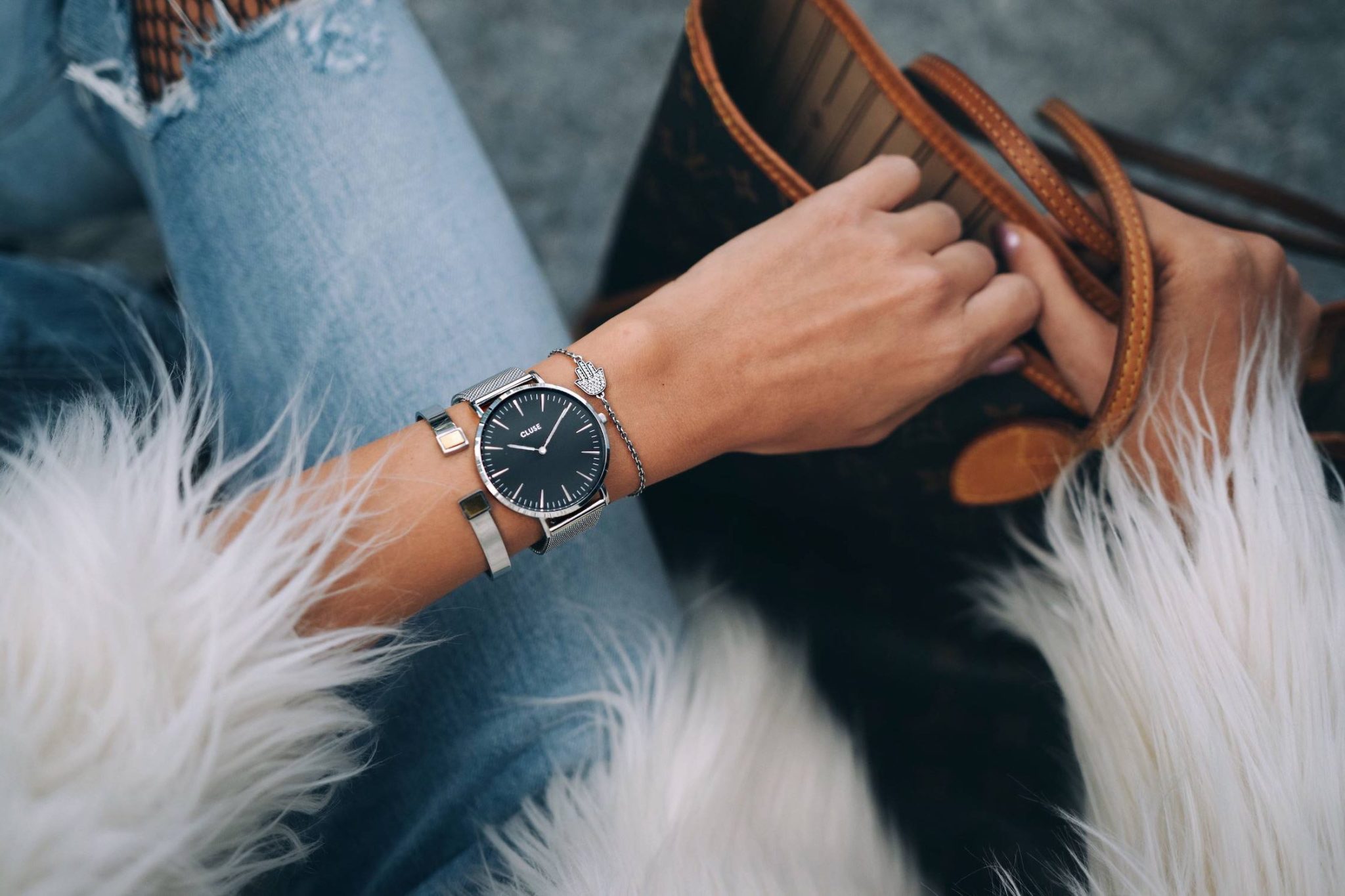
    The Amsterdam-based watch brand renowned for its timeless sophistication and strong focus on materials, quality, and style has just opened its first monobrand store in Taiwan in partnership with Bluebell. This CLUSE monobrand POS is a rotating pop-up in partnership with Eslite, which aims to attract visitors from different cities in Taiwan. This month the pop-up stops at the Eslite Taichung Parklane by CMP Store, 1F.

    CLUSE, created in Amsterdam in 2013 by a team of young and ambitious individuals, is a fast-growing watch brand for the modern and fashionable woman.

    Named after “Cluses”, one of the oldest watchmaking towns in France, CLUSE is able to combine a modern, minimalistic, and elegant design yet remaining faithful to its heritage by crafting authentic, quality analogue timepieces.

    CLUSE was discovered at an early stage by the fashion-loving crowd on social media, and among others, it has acquired worldwide fame on Instagram and Facebook, being recognized as a successful Facebook story for its effective digital marketing strategies.

    Thanks to the profound in-house knowledge of Social Media marketing, a data-driven approach and a clear customer profile based on campaign data, CLUSE has managed to grow to a staggering 1.6 million Facebook fans and 700K Instagram followers within 3 years.

    This success is boosted by CLUSE’s brand ambassadors who are recognized among the most influential kol worldwide like @sincerelyjules and @retroflame who live their life with the same philosophy of the brand.

    Drawing inspiration from minimalist fashion and subtle colours, CLUSE represents the mentality of simplicity of being grounded, empowered, sophisticated and true to oneself.

    CLUSE is designed not only to indicate time, but also to define the best moments in life.

    CLUSE is designed for dynamic and versatile women. One CLUSE watch allows infinite possibilities thanks to the mix&match easily interchangeable straps.

    CLUSE has soon become the most popular lifestyle watch brand in Europe and invested into a high-end network of distributors.

    After expanding in Europe, CLUSE has quickly conquered millennials in different countries, and it led to simultaneously launch in wholesale in Japan, Korea, Malaysia, and wholesale and mono-brand stores in Hong Kong, Singapore, and now Taiwan.

    The latest collection is La Tétragone (this new classic square shape design launched in SS18), and Triomphe (also launched in SS18).

    Following the success of CLUSE timepieces, the brand has started a new adventure into jewelry. Three collections have been created Essentielle, Idylle, and Amourette to translated unique personalities into unique pieces.

    CLUSE is definitely a brand to keep an eye on, strong brand identity,  effective digital marketing strategy, and an army of influencers boosting its brand image.

  • Kendall Jenner signed agreement with Penshoppe

    Kendall Jenner signed agreement with Penshoppe

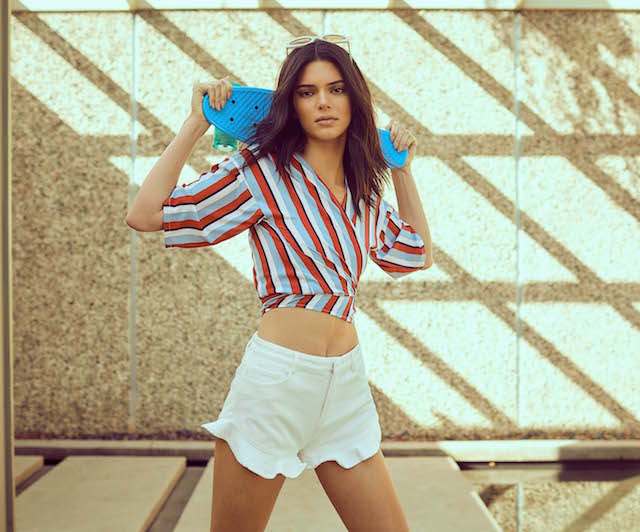
    Global fashion retail brand Penshoppe has unveiled the latest addition to its roster of international ambassadors – 23-year-old world’s highest-paid supermodel and one of the most followed celebrities on social media, Kendall Jenner. The model initially appeared on Penshoppe’s DenimLab campaign in 2015, and is now headlining the brand’s Spring Summer 2019 Campaign with Zayn Malik, Paris Jackson, Nam Joo Hyuk and Sandara Park.

    “As we move from strength to strength, we couldn’t think of a better addition to our growing list of global ambassadors”, said Golden ABC’s VP for brand management Jeff Bascon. “It’s good to have you back, Kendall!”


    Penshoppe has more than 400 locations across Bahrain, Cambodia, Indonesia, Saudi Arabia, Myanmar, Thailand, Vietnam and the Philippines. The brand is available online in Singapore, Malaysia, Hong Kong, Taiwan and Indonesia.

  • Korean export decline picks up speed in January

    Korean export decline picks up speed in January

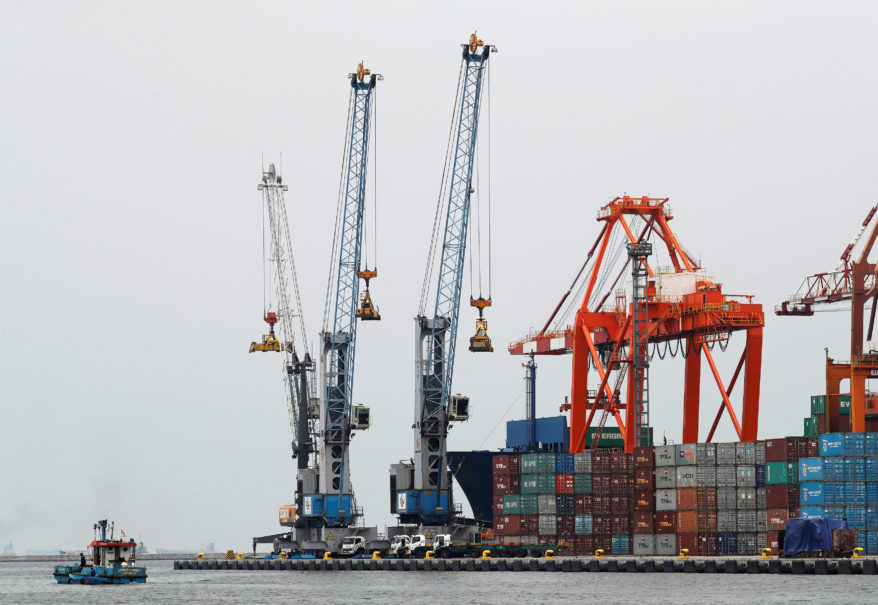
    Exports have continued to fall for a second month, but at a steeper rate, confirming concerns raised by Finance Minister Hong Nam-ki earlier this week. Although Korea succeeded in posting a trade surplus for the 84th consecutive month, a new record, exports in January fell 5.8 percent, sharper than the 1.2 percent drop recorded in December.

    This is the first time since September and October 2016, when exports fell for two consecutive months.

    According to the Ministry of Trade, Industry and Energy on Friday, Korea’s exports in January amounted to $46.4 billion.

    Imports also retreated, losing 1.7 percent to $45 billion. As a result, Korea’s trade surplus in January was $1.3 billion, which is one-third of the $3.4 billion surplus reported a year ago.

    The ministry, however, said the decline of Korea’s exports wasn’t exclusive to Korea as other countries have also been falling as well.

    In December, China’s exports retreated 4.5 percent while Japan was down 3.2 percent, Taiwan lost 3 percent and Singapore fell 4.1 percent.

    The ministry said the decline was largely the result of external factors including the trade dispute between the United States and China, uncertainties resulting from Brexit, falling prices of semiconductors and crude and the slowing growth of the Chinese economy.

    Semiconductors, which were the largest contributor to last year’s thriving exports, played the biggest role in pulling down the number in January and December. Exports fell 23 percent compared to a year ago to $7.42 billion. Semiconductors account for roughly 20 percent of all Korean exports. Semiconductor exports have been shrinking after reaching a high of $12.4 billion in September 2018. The figure fell below $10 billion in December for the first time since April last year.

    The ministry blamed the falling price of semiconductors as global IT companies have been delaying additional purchases since the second half of last year. The price of an 8 gigabyte DRAM chip nosedived 36.5 percent from $9.60 a year ago to $6.10. The price of a 128 gigabyte NAND memory has fallen 22.4 percent from $6.7 to $5.2.

    Falling crude prices was another factor that drove down exports. Petroleum product exports fell 4.8 percent to $3.47 billion, while petrochemical goods slipped 5.3 percent to $3.98 billion. International oil prices have been falling since October last year. Last month, the price of a barrel of oil was down 10.7 percent on year.

    But these weren’t the only export items that struggled.

    Mobile telecommunication goods exports, including smartphones, have fallen 29.9 percent while computers exports are down 28.2 percent. Exports of ships fell 17.8 percent and displays were down 7.5 percent.

    Mobile telecommunication exports to the United States fell 9.7 percent, while the figure for member countries of the Association of Southeast Asian Nations (Asean) saw a steeper drop of 21.9 percent.

    On the contrary, automotive exports, which struggled throughout 2018, appeared to recover, growing almost at the same rate as a year ago.

    Automobile exports in January were up 13.4 percent to $3.67 billion, largely thanks to growing demand in the United States, Europe and the Commonwealth of Independent States (CIS). Exports to the United States in the first 20 days of January were up 43.4 percent to $820 million, Europe grew 20.7 percent to $350 million and the CIS surged 104.1 percent to $150 million.

    Thanks to positive growth in automotive exports, automobile parts exports grew as well, increasing 12.8 percent.

    Steel was another export good that saw an increase thanks to rising prices. When compared to a year ago, it grew 3.3 percent to $2.8 billion.

    By country, China, which is Korea’s No. 1 export market, tumbled 19.1 percent. China, as of last year, accounts for 26.8 percent of Korea’s exports.

    While the majority of the goods exported to China all fell last month, semiconductors, petroleum and petrochemical goods were hit especially hard. Semiconductor exports plummeted 40 percent in the first 20 days of last month to $1.61 billion, while petroleum exports fell 36.4 percent. Petrochemical exports lost 13.7 percent. The three products account for 44 percent of exports to China.

    Exports to the United States rose 20.4 percent to $6.21 billion, largely thanks to import of Korean automobiles, particularly SUVs, which saw an uptick of 43.4 percent.

    EU exports also grew in the double digits at 11.9 percent to $5 billion.

    The ministry said the situation will likely turn around in the second half when semiconductors and crude prices go up. The ministry said that when excluding semiconductors, petroleum and petrochemical goods, Korea’s exports in January only dipped 0.7 percent to $31.5 billion.

    The ministry also noted that new growth engine products like rechargeable batteries are doing well.

    It said that rechargeable battery exports have been rising over the last three years and are now expected to surpass exports of electronic consumer goods, which amount to $7.22 billion.

    Last year, secondary battery exports amounted to $7.23 billion, up 21.5 percent.

    Last month, it grew 14.5 percent year on year to $660 million.

    Biohealth exports have been growing in double-digits for four consecutive years. Last year, they reached a record of $8.15 billion, up 13 percent. Last month, however, biohealth exports fell 1.6 percent to $560 million. The ministry said that it still expects exports of biohealth goods to rise over the course of the year.

    OLED panels and electric vehicles are also seeing an increase in exports. OLED panels last month grew 12.8 percent to $800 million, while electric cars saw a surge of 184.7 percent to $280 million.

    The finance minister said the government will be coming up with measures to help small- and medium-sized exporters that may struggle from the recent turnaround, while Trade, Industry and Energy Minister Sung Yun-mo on Friday emphasized that the government will do its best to revitalize all exports.

    “Our plan will not be concentrated on short-term measures, but committed to all 365 days so that we can achieve $600 billion of exports by the end of this year,” Sung said.

    Korea, last year, reached a new milestone with exports exceeding $600 billion. However, with the global economy expected to shrink, there have been concerns that, this year, Korea’s exports may fall back below that threshold.

    “In a Jan. 21 export strategy meeting, we initiated a pan-government and a private-government joint support system, and since Jan. 30, we started a program of consulting on export difficulties in 15 cities starting with Changwon in South Gyeongsang,” the minister added.
  • McDonald’s challenging US market mitigated by international sales

    McDonald’s challenging US market mitigated by international sales

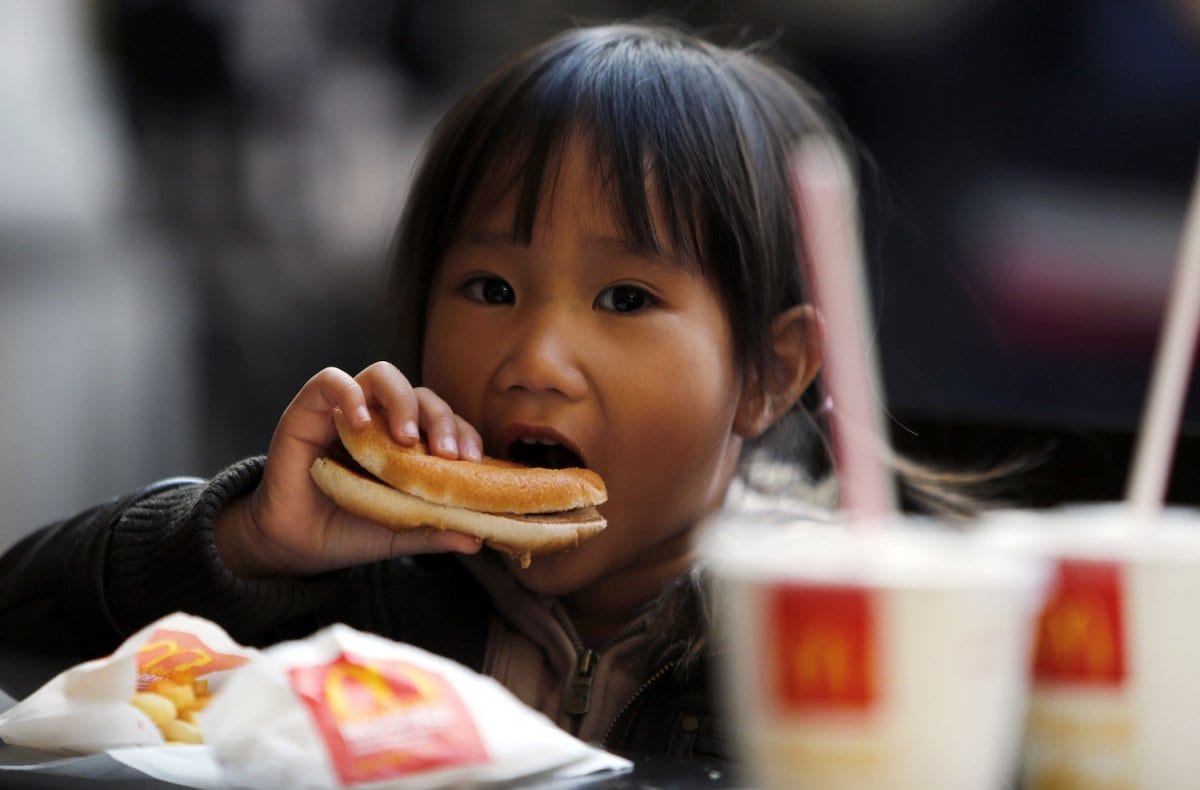
    Strong international sales ensured respectable McDonald’s results in the latest quarter as the fast-food giant encountered challenges in its core US market. Global sales slipped 3 per cent in the three months to December, to US$5.16 billion, although this was largely due to currency translations, without which sales would have been flat. While the company did not break out Asian performance, it said international same-store revenue rose 5.2 per cent.

    Same-store sales in the US rose 2.3 per cent, primarily due to increased prices, given foot traffic in stores fell by 2.2 per cent. Global visitor numbers crept up by a mere 0.2 per cent.

    Breakfast remains its most challenging category, with the chain struggling to attract diners in the mornings. While that mealtime accounts for about a quarter of its total sales, the breakfast market is experiencing fierce competition among rival chains.

    “We’re doing well with average check growth but we really want the customer to come back and more often,” CEO Steve Easterbrook said in an investor presentation about the McDonald’s results.

    He said McDonald’s is trying to recover breakfast customers by trialling different price promotions, launching localised advertising campaigns and improving the drive-through service.

    More stores, more kiosks

    Globally, McDonald’s plans to open a net 750 new stores this year. It will also speed up the rollout of its digital touchscreen ordering systems. Easterbrook says stores with self-ordering kiosks were achieving higher sales than those without.

    Commenting on the McDonald’s results, Neil Saunders, MD of GlobalData Retail, said the kiosks and order-by-app services need to be rolled out faster.

    “This isn’t just a case of installing and implementing the technology, it is about getting customers to actually use it. Consumers need to be given more incentives to use the new ways of ordering, especially mobile, as many still shun the technology,” said Saunders.

    “Longer term, more automation in the kitchen is also critical – something that will be particularly beneficial now McDonald’s menu options are more varied and complex.”

    Saunders described the latest McDonald’s results as “reasonable”. But he said a 6.7 per cent decline in operating income suggests that McDonald’s is having to work harder for much slimmer rewards.

    “In our view, this does not sit well with the increasing complexity and higher levels of capital expenditure the company is introducing into the business.”

    Saunders believes McDonald’s is on the right track. “However, this year will be a more challenging year than last and it will be a balancing act between keeping both customers and franchisees happy.”

  • Manolo Blahnik opens its first flagship store in Taiwan

    Manolo Blahnik opens its first flagship store in Taiwan

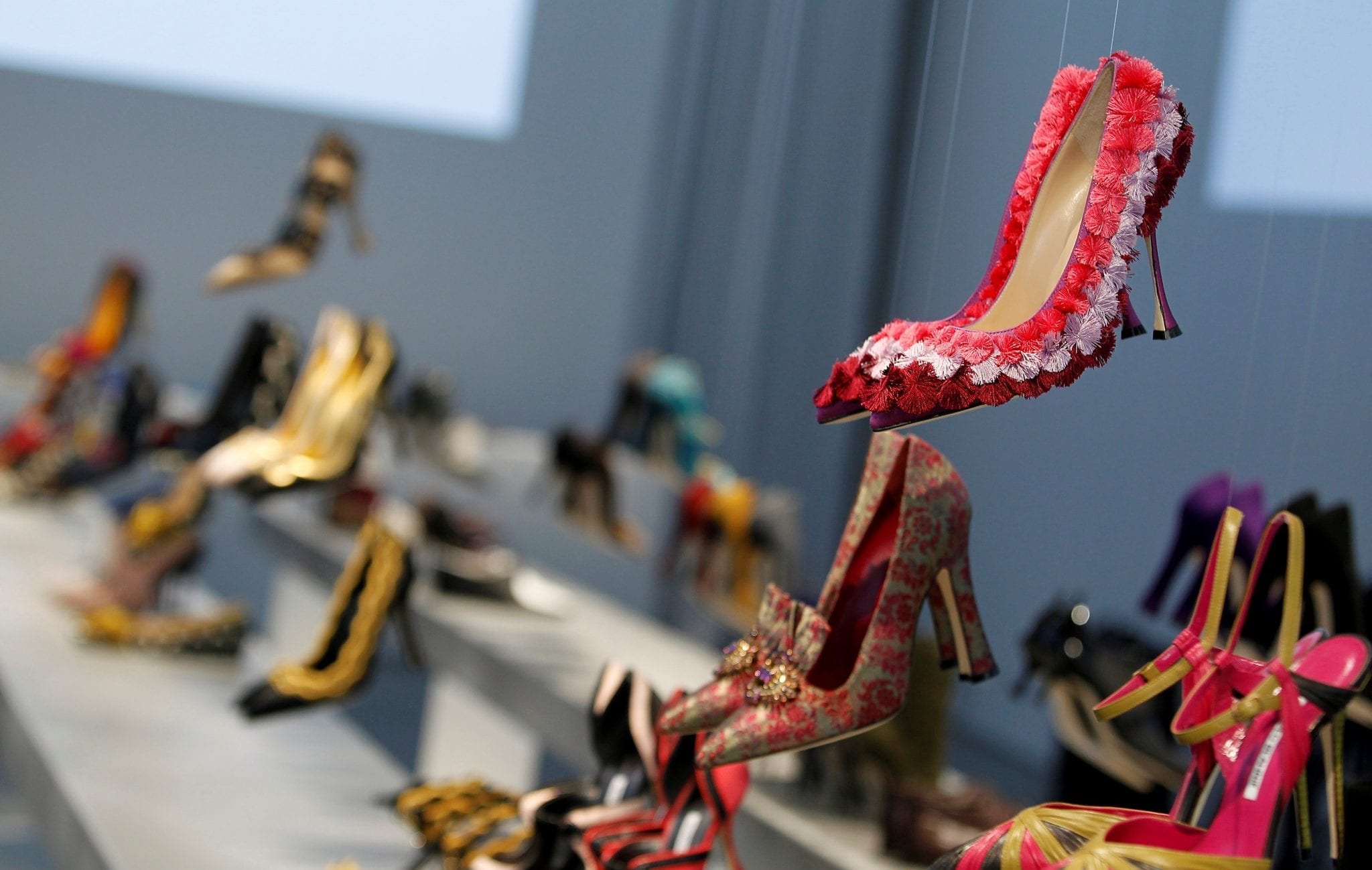
    In May 2018, Manolo Blahnik opened its doors to the public at the triple tower complex Marina Sands Bay in Singapore, strengthening its presence in Asia with Bluebell Group. In January 2019, Manolo Blahnik continues its expansion into Asia with the opening of its first flagship store in Taiwan. The brand is known for its original and creative flair as well as timeless classic styles, which loyal customers from film stars to leading editors, to women who just trust his perfectionism, come back to again and again.

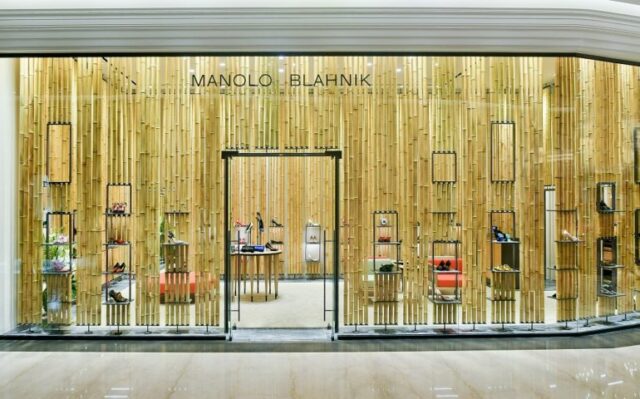
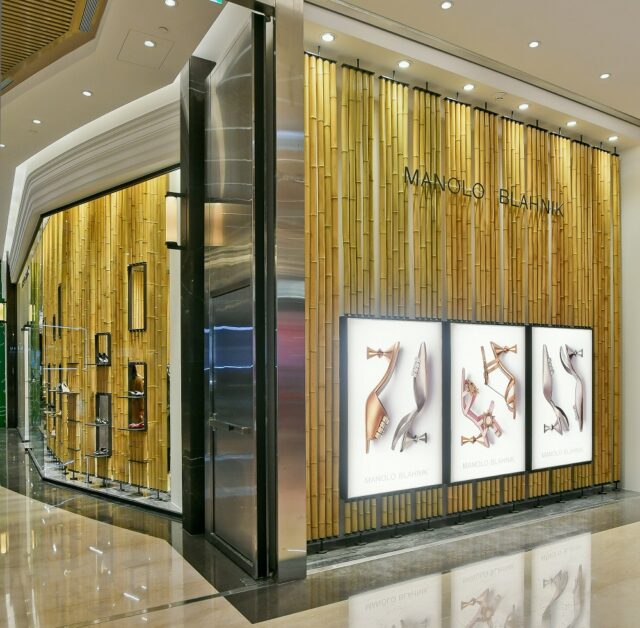
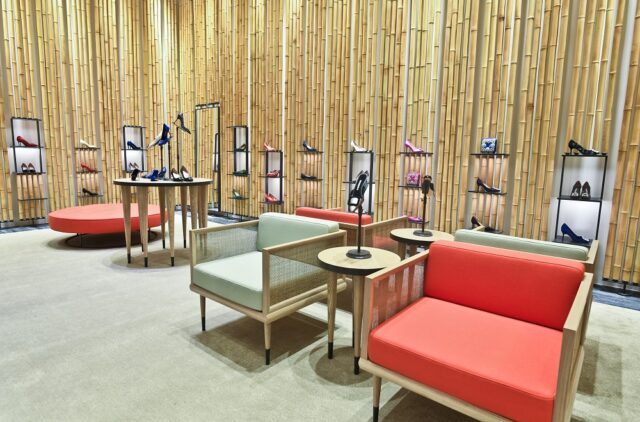
    The newly opened Manolo Blahnik store, a 65 square metre space with a privileged location within the Nanshan Plaza shopping centre, showcases the world-renowned shoes on the first floor of the new upscale retail destination.

    Nick Leith-Smith, the brand’s long-serving architect, said: “Taipei flagship celebrates a material play on Taiwan’s deep cultural and historical connection to bamboo – with a rotating bamboo forest as a central motif. At first, orderly, and geometric, yet with the dynamic movement introducing a curious playfulness to entice and enchant.”

    The new store is another step forward for the company in its expansion across  important markets; and another milestone achieved in the history of the family-owned business that has prevailed in the luxury shoe industry for nearly fifty years.

    The creative soul of the brand is still Mr. Blahnik who, with a career spanning over 40 years, has become one of the world’s most influential footwear designers. His shoes have spellbound an international set of adoring and loyal devotees across the globe.

    He was born in the Canary Islands to a Spanish mother and a Czech father, he studied languages and art in Geneva before moving to Paris in 1965 where he decided to become a set designer.

    On a visit to New York in 1970, he showed his theatre designs to Diana Vreeland, then editor-in-chief of American Vogue, who honed in on his shoes and encouraged him to concentrate on them. Blahnik learnt the art of making shoes by visiting factories, where he talked to machine operators, pattern cutters and technicians. By 1970, he was in London making shoes.

    A year later, Ossie Clark, then the most famous designer in London, used his shoes and from there his career blossomed.

    Manolo Blahnik was established in 1970 with the opening of the first boutique
    in Chelsea, London. It is still a privately owned and family run business with Mr. Blahnik as Creative Director and his sister Evangelina Blahnik led by the enthusiasm of  Kristina Blahnik.

    Kristina, CEO of the company since 2009,  is in charge of brand expansion and optimization of the business worldwide, and in Asia, their transformation is the the result of a long-term partnership with Bluebell Group, which stated in Japan, Malaysia, and Singapore, and Taiwan.

    Kristina, the walking embodiment of the woman her uncle, Manolo designs for, before the latest opening said: “I am thrilled at our new venture with the Bluebell group, they have already demonstrated to be an excellent partner in launching beautiful spaces in prestigious locations”.

  • Greater China helps ease Tod’s Group European challenge

    Greater China helps ease Tod’s Group European challenge

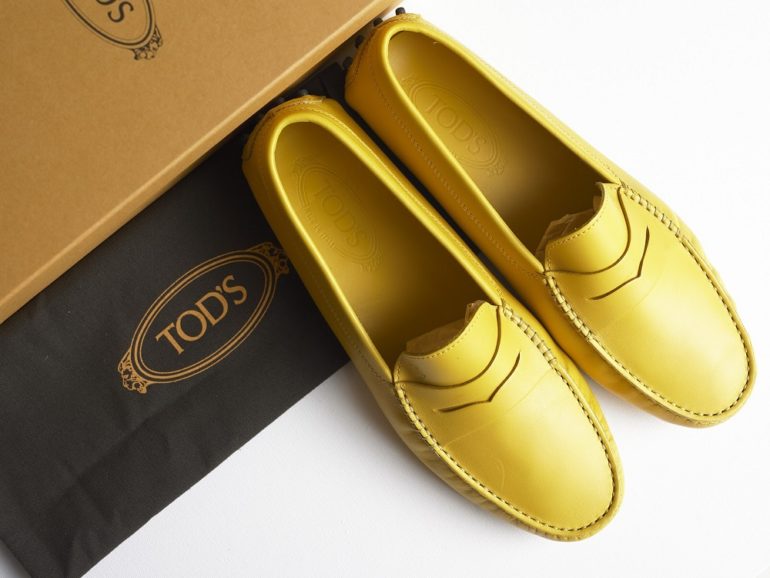
    Luxury fashion retailer Tod’s says Greater China sales rose 3.2 per cent last year, to reach €218.7 million. Releasing annual sales results, the Italian-based company said Greater China sales growth accelerated during the fourth quarter, especially on the mainland which now accounts for 60 per cent of its Asian turnover. Hong Kong and Macau also performed well, although the company did not disclose detailed figures for the two territories.

    Tod’s consolidated global sales reach €958.2 million at constant exchange rates, which was essentially the same as for 2017. Tod’s and Roger Vivier were affected by currency fluctuations.

    Retail sales reached €622.3 million, with wholesale revenue comprising the rest. However same-store sales fell by 3 per cent, due to declines across Europe which erased the China growth. In Italy, consumers were spooked by political and economic uncertainties and greater Europe by lower sales to tourists.

    “Last year’s sales results were substantially in line with our expectations, despite the growing international economic and political uncertainties,” said chairman and CEO Diego Della Valle.

    By label, Hogan sales rose 1.8 per cent, Tod’s and Roger Vivier held steady and Fay slipped 3.4 per cent.

  • ‘KAWS:HOLIDAY’ lands in Taipei

    ‘KAWS:HOLIDAY’ lands in Taipei

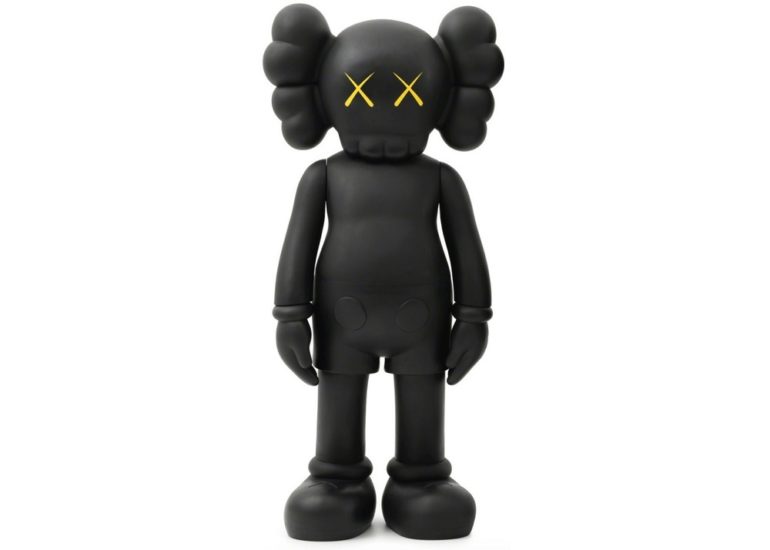
    After KAWS announced that a massive 36-meter-long COMPANION piece would be making its debut in Taipei, the collaborative project with creative studio AllRightsReserved has finally been revealed to the public. The largest sculptural work by the artist to date, KAWS:HOLIDAY depicts the recognizable COMPANION character in a seated position, overlooking Liberty Square in front of the famed Chiang Kai-shek Memorial Hall.

    Teaming up with Singaporean singer JJ Lin’s JFJ Productions, the exhibition kicked off with a grand opening event Friday evening, coupled with an exclusive merch release.

    The items include a range of vinyl figurines, ceramic plates, tees and tote bags that are available online and offline at the exhibition’s pop up shop.

  • Chun Yang Tea expands into Canada

    Chun Yang Tea expands into Canada

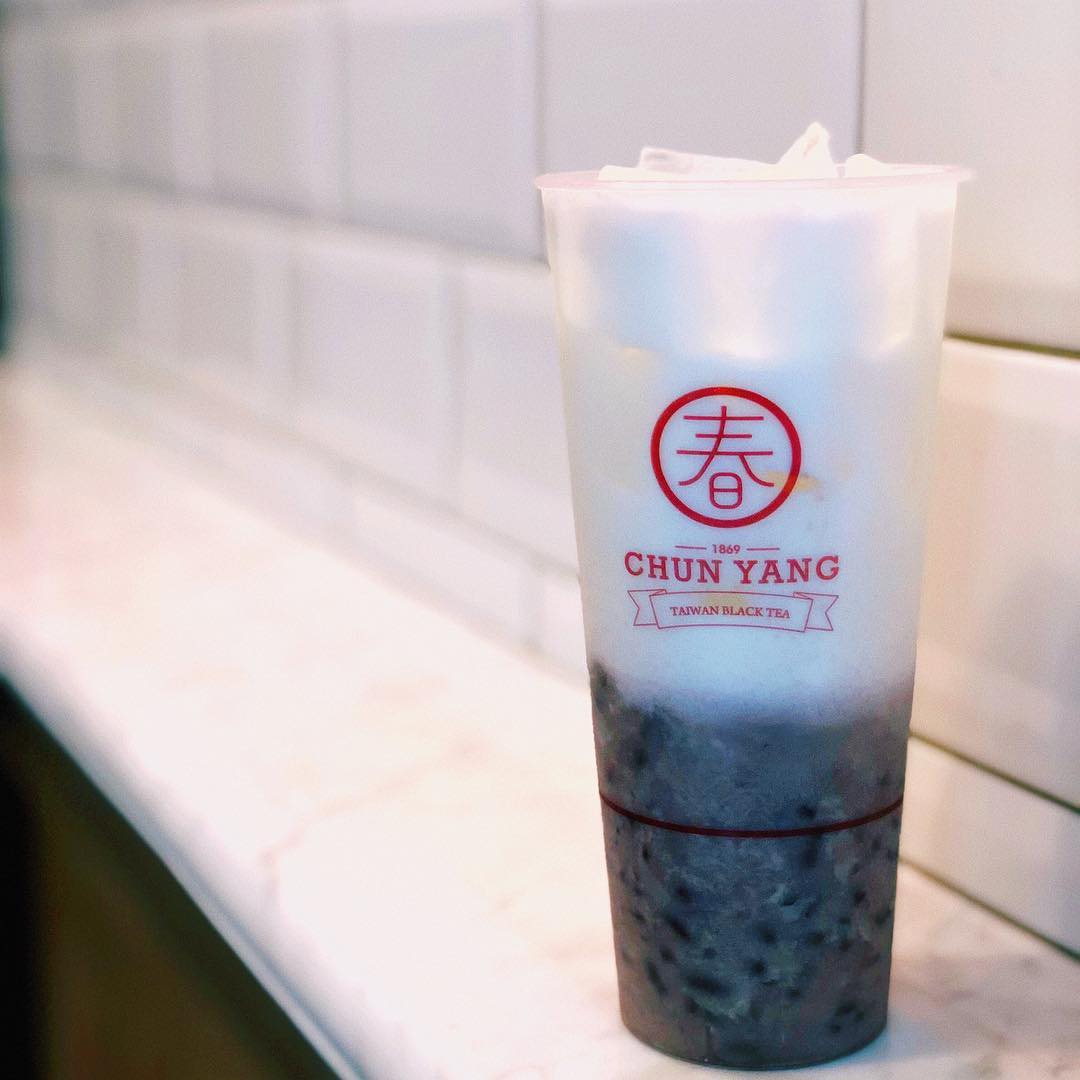
    Taiwanese bubble-tea brand Chun Yang Tea is launching its first store in Canada. With operations across Taiwan as well as in Mainland China, Hong Kong, Macau and Malaysia, the brand is now planning two new store locations in Toronto and one in Vancouver. While the Canadian market has been judged as saturated for bubble-tea retailers, Chun Yang claims its product is authentic and traditional, offering beverages made without any artificial milk powder to achieve a more natural taste.

    So far no information has been released as to exact launch dates, although the brand’s website claims the stores are “coming soon”.

  • Uniqlo sales performs well globally, not in hometown

    Uniqlo sales performs well globally, not in hometown

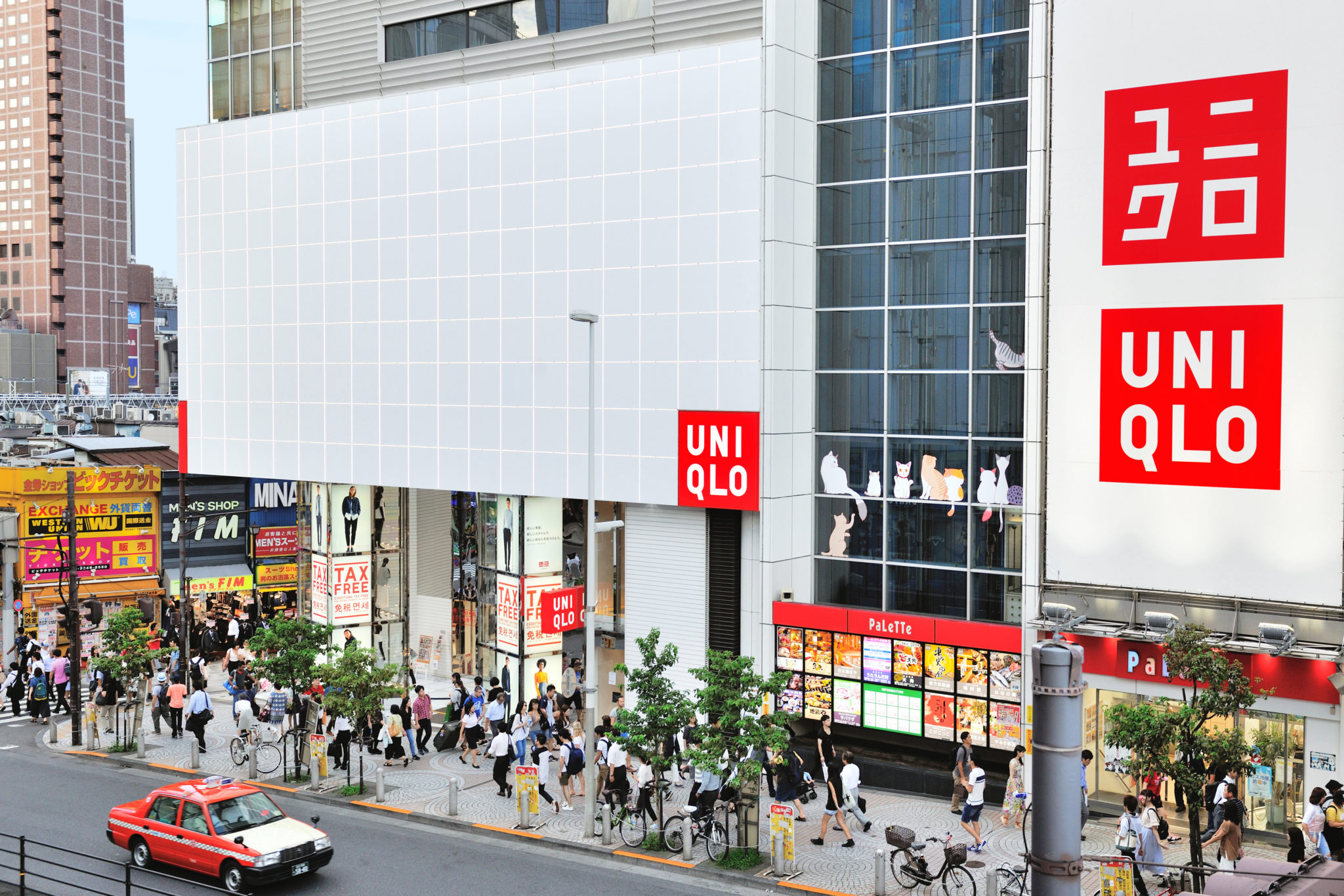
    Fast Retailing Group has reported a decline in revenues for Uniqlo Japan against broader successes internationally in its first quarter. A sharp profit decline on sluggish sales of seasonal ranges during a warm winter in Japan has given rise to disappointing results in the Uniqlo brand’s home territory. Uniqlo Japan posted revenues of ¥246.1 billion (US$2.27 billion), a decrease of 4.3 per cent year on year, with first-quarter profit before taxes of ¥111 billion ($1.03 billion), down 5.7 per cent; and profit attributable to owners of the parent firm of ¥73.4 billion ($678.4 million), down 6.4 per cent. Online sales expanded favourably in the market, however, showing an increase of 30.9 per cent.

    Uniqlo International saw an operating profit far exceeding that of Uniqlo Japan, with revenues at ¥291.3 billion (2.69 billion) up 12.8 per cent. Uniqlo Greater China and Uniqlo South Korea both reported higher sales and profits despite the dampening effect of the warm winter. Uniqlo Southeast Asia & Oceania continued to report significant revenue and profit gains.

    The report said Fast Retailing’s consolidated business estimates for the financial year ending August 31 remain unchanged from the initial forecasts released last October, predicting an 8 per cent expansion in revenue and 14.3 per cent increase in operating profits.

  • The Alley Taiwan debuts in Singapore

    The Alley Taiwan debuts in Singapore

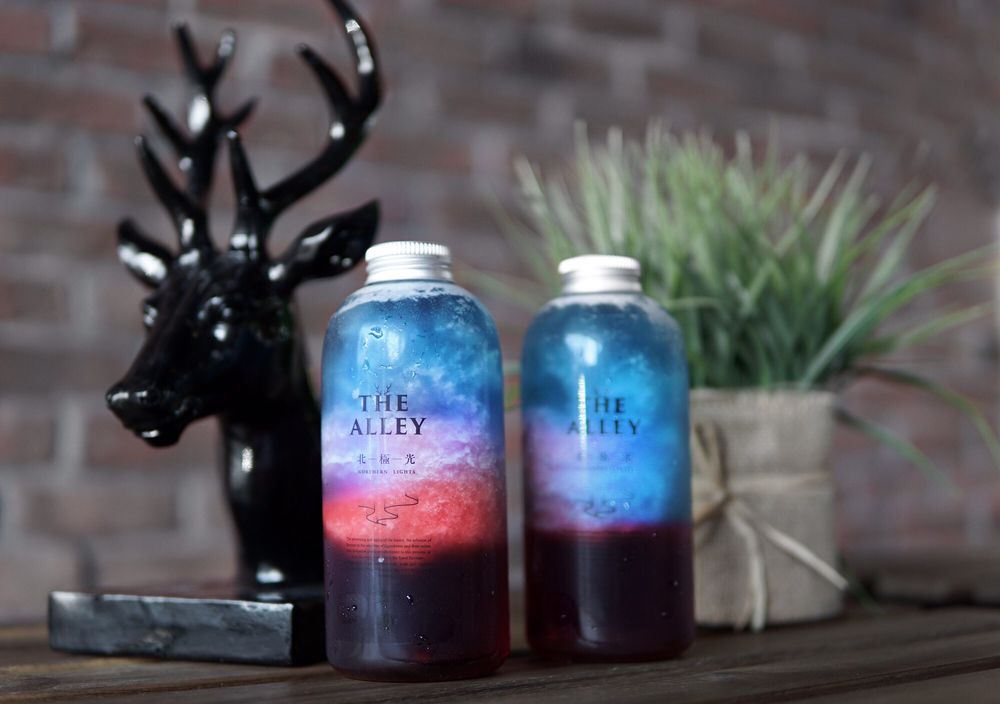
    Taiwanese bubble-tea chain The Alley is to open its first outlet in Singapore. Despite the undisclosed location, the brand has already got Singaporean bubble-tea fans excited with an announcement on its Instagram and Facebook pages. Established in 2013, The Alley is well-known for its brown sugar tapioca (Deerioca) milk tea served in cups with with round bases.

    The chain has outlets in Canada, US, France, Korea, Japan, China, Hong Kong, Thailand, the Philippines, Australia and New Zealand. The Alley entered Vietnam in November 2017, and now has 35 stores nationwide.

  • Kiki Tea Taiwan launches product created by Michelin Chef

    Kiki Tea Taiwan launches product created by Michelin Chef

    Hong Kong’s new Taiwanese tea and bubbles sensation KiKi Tea is welcoming the Year of Pig with the inaugural launch of ‘Chinese New Year Puddings’ by three Michelin starred chef Albert Au Kwok-Keung. Exclusive recipes with finest ingredients by the starred Chinese chef are on special offer at KiKi Tea’s debut Hong Kong restaurant, KiKi Tea@Sun’s Bazaar in Pacific Place, as well as KiKi Tea SOGO Causeway Bay Pop-up, and online at from 1 January 2019.

    Chef Au, the Chinese Executive Chef for luxury restaurant group Lai Sun Dining has crafted two of Hong Kong’s most exceptional Chinese New Year Puddings in an exclusive collaboration with KiKi Tea, as the Taiwanese brand continues the runaway success of its popular sun-dried, handmade and additive-free KiKi Noodles.

    The signature puddings offer a choice of both sweet and savoury, perfect for gifting and wishing relatives and friends a fruitful new year. KiKi Taiwan Dried Longan and Brown Sugar Pudding (HK$108), marries traditional dried longan from Zhuqi and Chiayi in Taiwan, produced by an ancient roasting technique that reduces 3kg of the fresh fruit to 1kg dried, and is believed to nourish and clean blood – with Taiwan dark brown sugar, considered healthier than traditional cane sugar, free of artificial colouring, preservatives and fructose.

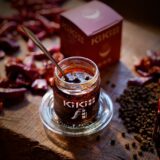
    The savoury KiKi Taiwan Dried Sakura Shrimp Turnip Pudding (HK$128) is crafted from a trio of prized Asian ingredients – delicate sun-dried sakura shrimp from Taiwan, turnip from Japan and preserved local lean Chinese sausage. For a spicy kick of Sichuan peppercorn and chilli, Chef Au recommends enjoying it with KiKi Sichuan Pepper Seasoning or KiKi Spicy Sauce.

    A set of both Chinese New Year Puddings is discounted to HK$228 from either KiKi Tea@Sun’s Bazaar, KiKi Tea SOGO Causeway Bay Pop-up or KiKi Fine Goods (Hong Kong) online at www.kikifg.com.hk during the two-month promotion from 1 January 2019 through Chinese New Year to 3 February 2019. With free delivery for ordering 21 puddings or more, the exclusive puddings are ideal for festive season gifting.

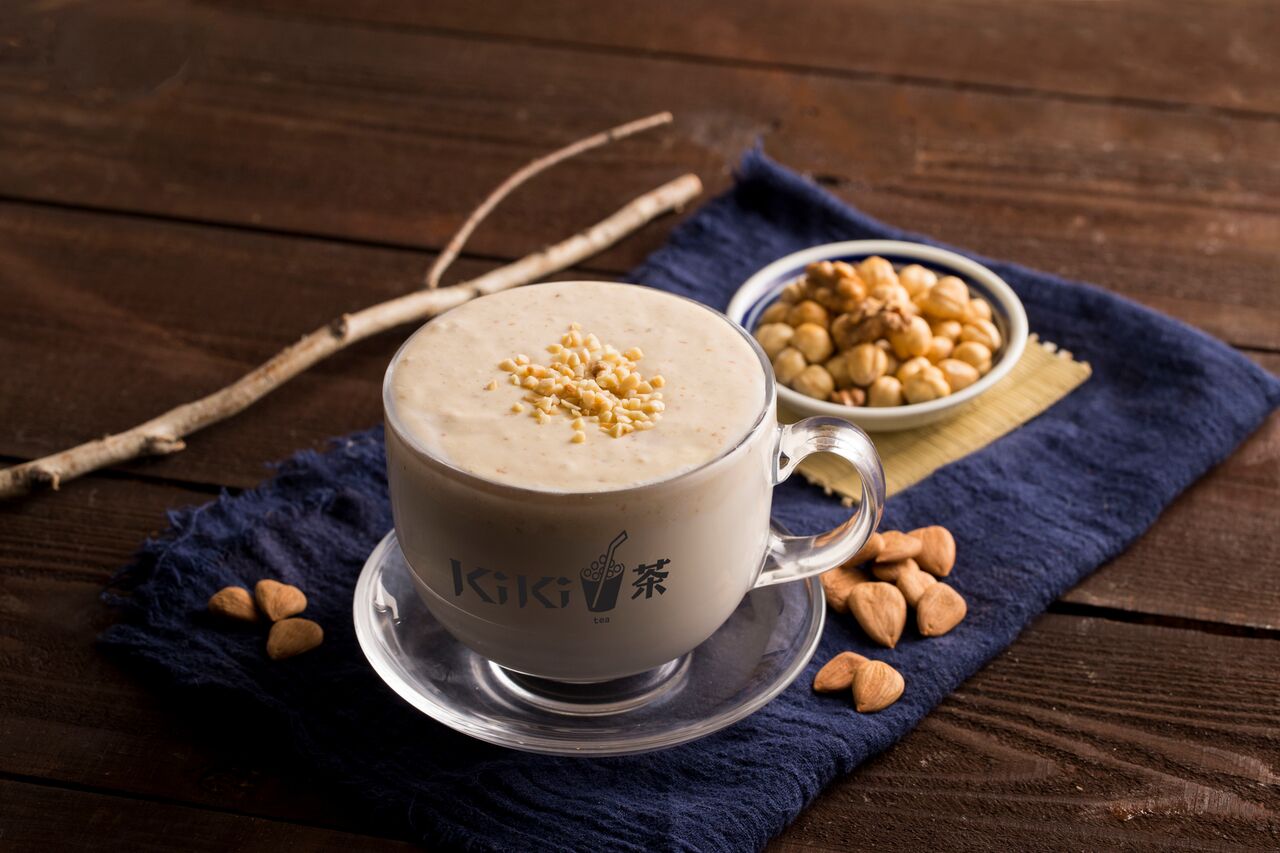
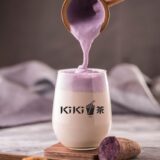
    A HK$5 KiKi Tea cash voucher is also complimentary, redeemable for a discount taste of the brand’s new bubbles, teas, desserts and Michelin-chef created KiKi Noodle dishes at KiKi Tea@Sun’s Bazaar or KiKi Tea SOGO Causeway Bay 2-month long pop-up – where popular favourites include SOGO special drink Brown Sugar Ginger Milk with Purple Sweet Potato Cream Mousse (HK$38), a smooth, flavourful and creamy mousse of steamed sweet potato puree using healthy, natural brown sugar from Taiwan with a warm and hearty ginger flavour. Moisturising drinks also include Almond Tea topped with Caramel & Nuts Cream Mousse (HK$35), Brown Sugar Ginger Tea with Red Dates (HK$34), Homemade Longan and Red Dates Tea (HK$32), and iced Almond Milk (HK$38).

    Chef Albert Au Kwok-Keung is celebrated as the world’s youngest three Michelin starred Chinese chef from helming The Eight restaurant in Macau, having launched his stellar career with his first Michelin star at Hong Kong’s ‘celebrity canteen’ Island Tang.

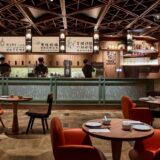
    Since launching in September 2018, KiKi Tea@Sun’s Bazaar has become an instant sensation, standing out from the  bubble craze crowd with Taiwanese tea and bubble specialties using quality, mostly natural ingredients including premium Taiwanese tea leaves, black sugar and cane sugar, along with authentic Taiwanese tea recipes – highlighting handmade pearls and pressed-to-order House Blend Teapresso. Specialties are brewed with top-of-the-range BKON technology for formulas producing unique tea and fruit infusions.


  • Yellow Tie Hospitality to bring Taiwan-based beverage brand Chachago in India

    Yellow Tie Hospitality to bring Taiwan-based beverage brand Chachago in India

    Karan Tanna led Yellow Tie Hospitality, the leading food and beverage franchise management company, has tied up with Taiwan based beverage brand, Chachago to launch its first outlet in Bengaluru in January 2019. Yellow Tie has acquired the master franchise rights for the brand in India as well as UAE, Turkey, Kuwait, Lebanon, Jordan, Israel, Oman, Syria, Turkey, Iran, Iraq, Qatar, Bahrain & Afghanistan and plans to launch100 outlets in India by 2021, with an overall investment of USD 6 million in brand expansion and development in India.

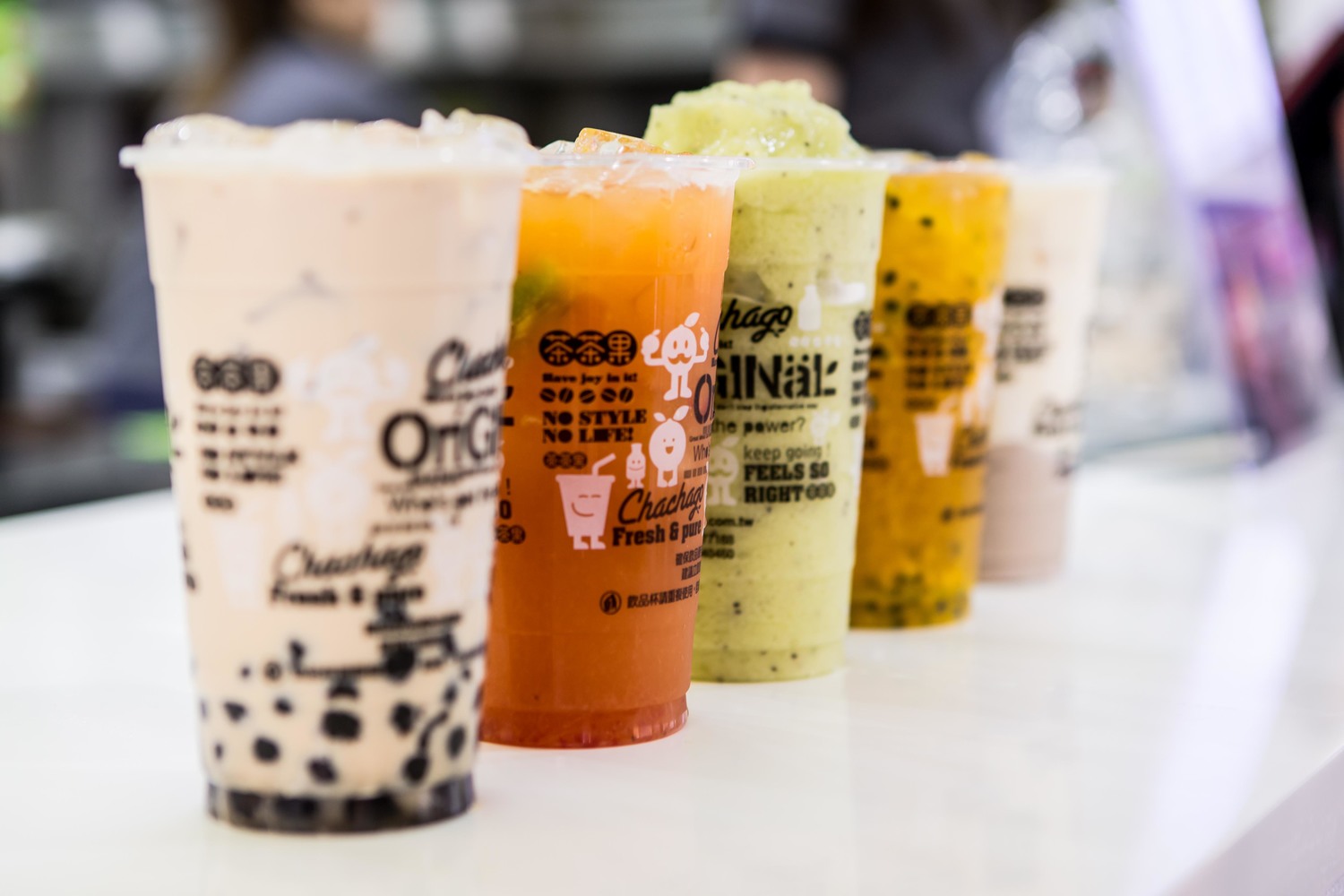
    Chachago is a Taiwanese beverage brand known for its aromatic and delicious varieties of Taiwanese milk tea, bubble teas, fruit-infused beverage, cheese-based beverages, milkshakes, and other specialty beverages and desserts. This is the first time the brand is entering India after having established its presence in countries like Taiwan, Canada, Australia, Hongkong, Vietnam, and Phillippines. A typical Chachago outlet will be in malls, high street, and educational institutions, and will spread over an area of 100 to 500 square feet and a capex of INR 20-40 lakh will be invested in building each outlet.

    Commenting on the launch Karan Tanna, Founder CEO of Yellow Tie Hospitality said: “Chachago is a specialty beverage brand originated in Taiwan, a country also known as the ‘House of Milk Tea’. We felt Indian consumers would connect with these specialty beverages, as there is a high demand for them in a tropical country like ours. It is a well-known fact that specialty beverages are a large and growing segment in the QSR category. As the market evolves, niche offerings are becoming more popular, giving us confidence that a brand like this will go down well with Indian consumers. Chachago is positioned very well with a gamut of products ranging in various teas, fruit infusions, and milkshakes. Chachago will be a one-stop-destination for premium beverages. We are very sure that the finest product development capability of Chachago in Taiwan combined with their experience of over three decades and optimized operation to give more throughput, will enable very quick growth for them in India”.

    He further added that there is a plan to turn Chachago into a 300 outlet chain by 2023 across the franchise geographies, “Going forward, the company is also looking for strong growth in countries outside India, by the second half of 2019; and by the year 2023, we are expecting the total outlets of Chachago to contribute approximate Rs 120 crore in annual revenue.”

    “We have tasted success in the very competitive Taiwanese market because of our own capability of using the most premium ingredients with optimized results. These ingredients are not only appreciated in Taiwan but also in other countries like Canada and Australia. We are very sure that with our experience and the expertise of Yellow Tie Hospitality, Chachago will be able to grow aggressively in a market which is the second highest competitive market in the world. We look forward to our presence in India”, said Hseih Yu Yin, Owner, Chachago.

    To further streamline the franchising process for Chachago, the company will go through a master franchise and multi-unit franchise route wherein franchise selection criteria will be based as per International brand standards. The potential franchise owner’s credibility will be audited by Yellow Tie Hospitality.

    Economic growth and social change on the Indian subcontinent are causing the beverage, dairy and liquid food industry to boom. Euromonitor International forecasted that all beverage sectors will grow at double-digit rates in the next four years, which Drink Technology India (DTI) will also benefit from.

  • JR East’s Atre to open first shopping mall outside Japan in Taiwan

    JR East’s Atre to open first shopping mall outside Japan in Taiwan

    The East Japan Railway is launching its first overseas shopping mall in Taiwan next month. The mall is opening under JR East’s station complex management subsidiary Atre, following an extended consideration of alternative international locations that included Thailand, Malaysia and the US. Taiwan was was chosen for its affinity with Japanese brands, which will occupy around 60 per cent of the mall’s 51 stores.

    The mall will open in Taipei Nan Shan Plaza’s Breeze Center on January 10.

    “We have no specific targets or plans at this point on how many shopping malls we want to develop outside Japan,” a spokesman for East Japan Railway said.

    The firm has 29 malls to date within Japan.

  • Arch Capital tops Taiwanese shopping mall acquisition

    Arch Capital tops Taiwanese shopping mall acquisition

    Arch Capital Property Advisors has bought a Taiwanese shopping mall for US$450 million on behalf of private investors. The deal marks the Hong Kong-based company’s first foray into Taiwan’s retail property business. After settlement, Arch Capital will assume management of the property.

    The target property – Taimall Shopping Center in Taoyuan – has been acquired on behalf of an unnamed institutional investor, which has partnered with Taiwanese investment trust Millerful REIT.

    The 100,000sqm mall is Taoyuan’s largest, home to more than 300 retail stores, a cinema and sports complex.

    Arch Capital Property MD James Chou said that his company saw “a rare opportunity to acquire an established premium retail asset offering stable income and sustained revenue growth potential over the longer term” in the Taiwan deal.

    Taiwan-listed Millerful largely focuses on the commercial sector, and reportedly has plans to buy more shopping centres, hotels and office buildings.