Tag: Taiwan

  • Mitsui Fudosan plan to open more store

    Mitsui Fudosan plan to open more store

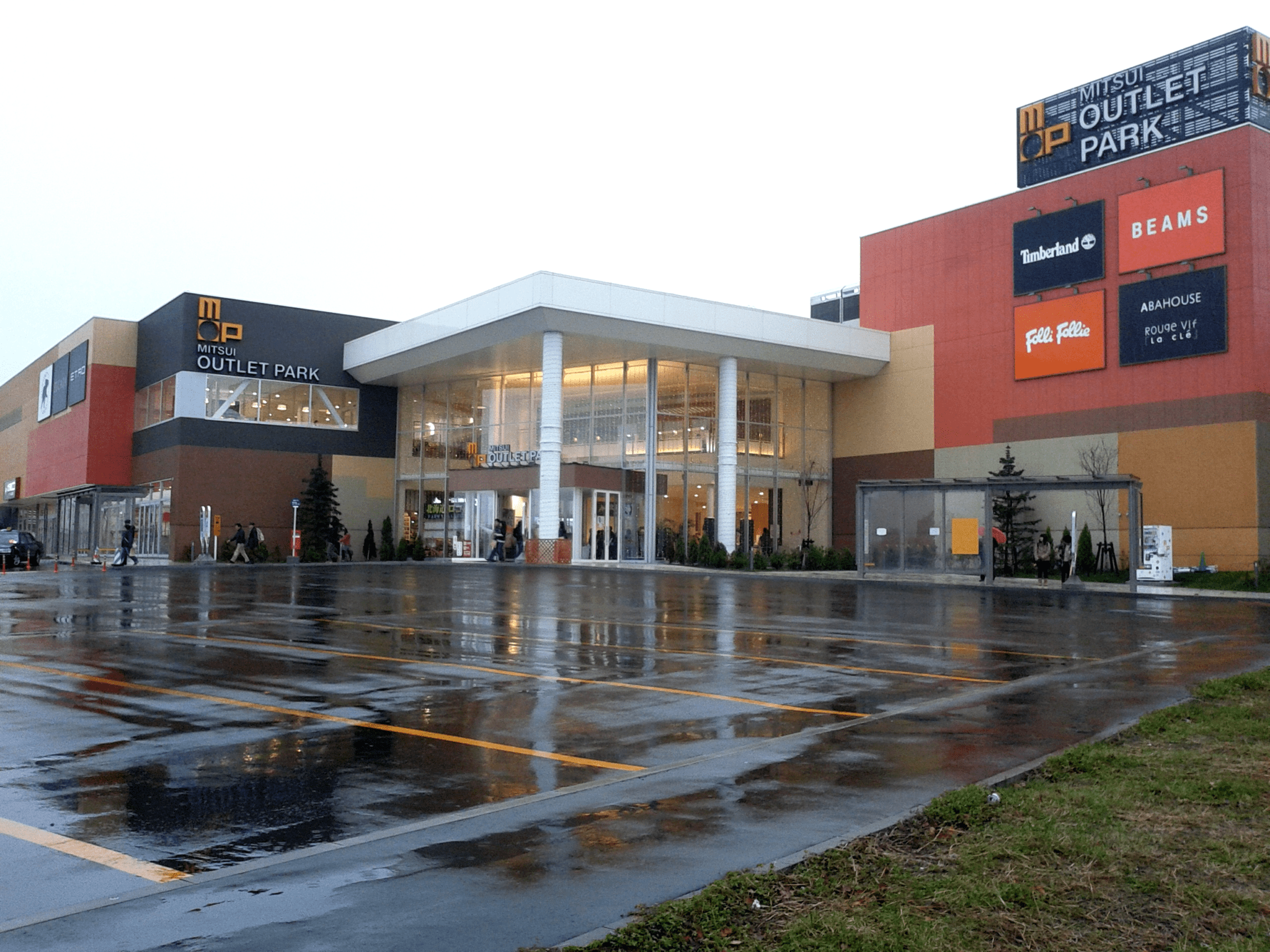
    Japan’s largest factory outlet operator is considering opening a similar park in Thailand.

    The firm, Mitsui Fudosan Retail Management, is the developer of Mitsui Outlet Park, which attracts increasing numbers of Thai visitors each year. 120,000 Thai nationals are expected to visit the park this year, compared to 80,000 last year and 60,000 in 2016.

    Kazuo Iida, the GM for the firm’s tourism sales promotion department, said, “We’re interested in opening the Mitsui Outlet Park in Thailand, but the plan is just in the consideration process.

    “The number of Thais who visit Mitsui Outlet Park ranks fourth after China, Hong Kong and Taiwan,” he explained. “The number of Thais who visit Mitsui Outlet Park will outpace Taiwanese visitors for third place in the near future.”

    With the outlet park set to open a third-stage expansion at the end of October, it is moving towards becoming the outlet mall with the most stores in Japan, according to Iida.

    The group operates 13 outlet malls in Japan and two branches in Taiwan and Malaysia.

  • 7-Eleven open second unstaffed X-store in Taiwan

    7-Eleven open second unstaffed X-store in Taiwan

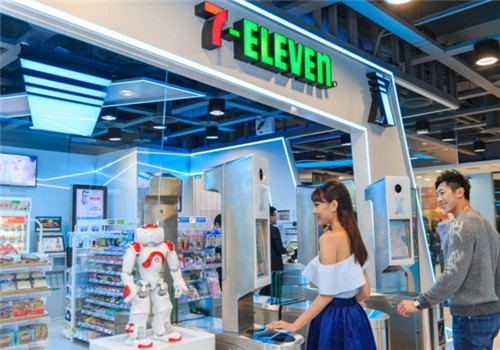
    7-Eleven Taiwan operator President Chain Store Corporation has opened its second unstaffed X-store in Taipei.

    Located in Xinyi District, the store recognises customers by facial-recognition card or iCash 2.0 card.

    There is also an intelligent ATM machine using fingerprint and facial recognition technologies, allowing customers to deposit small change and withdraw foreign currencies, project management department chief Hsu Yi-hsiung said.

    The first X-Store opened on the first floor of the company’s headquarters in January, targeting the large crowds of white-collar workers and students in the area.

    The number of customers at the first X-Store increased 50 per cent over six months, Hsu said.

    With the growing convergence of online and offline, automated shops such as the X-Store enhance customer expectations, while improving in-store service and automating supply chain and real-time inventory management.

  • Microsoft opens up a flagship store in Taiwan, the 9th in Asia

    Microsoft opens up a flagship store in Taiwan, the 9th in Asia

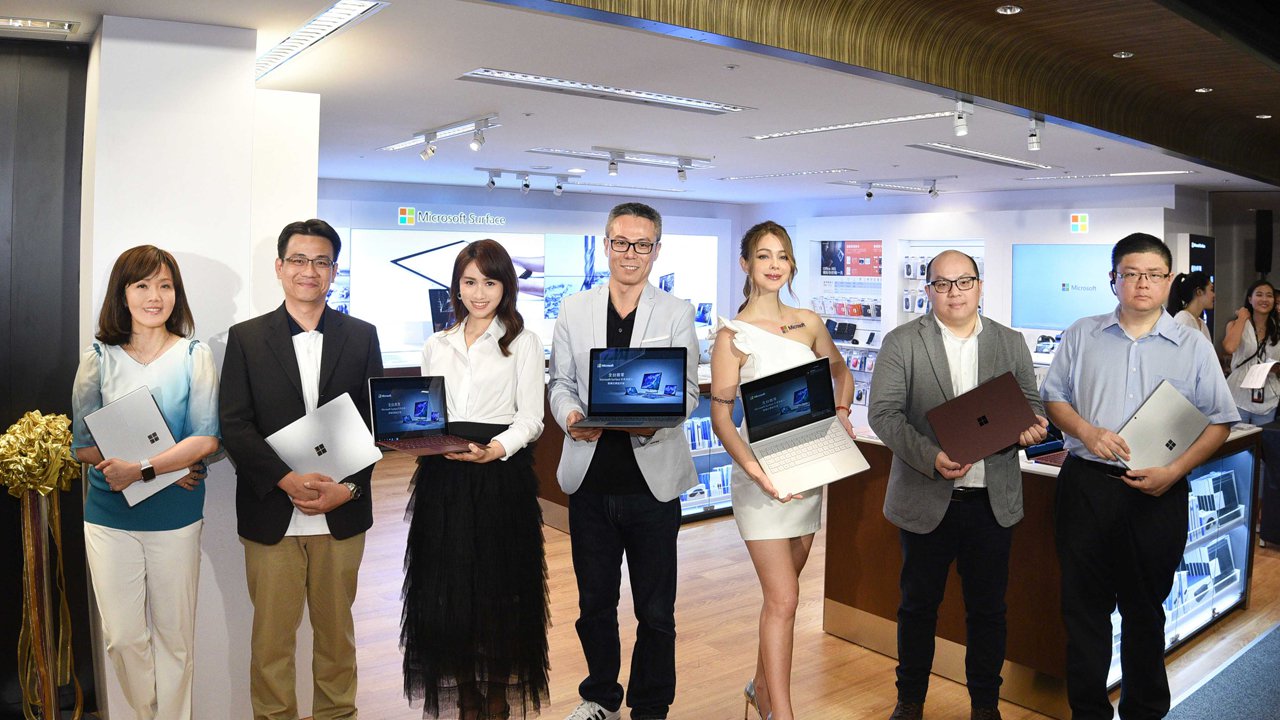
    Microsoft has opened its ninth Surface store in Asia, its first in Taiwan.

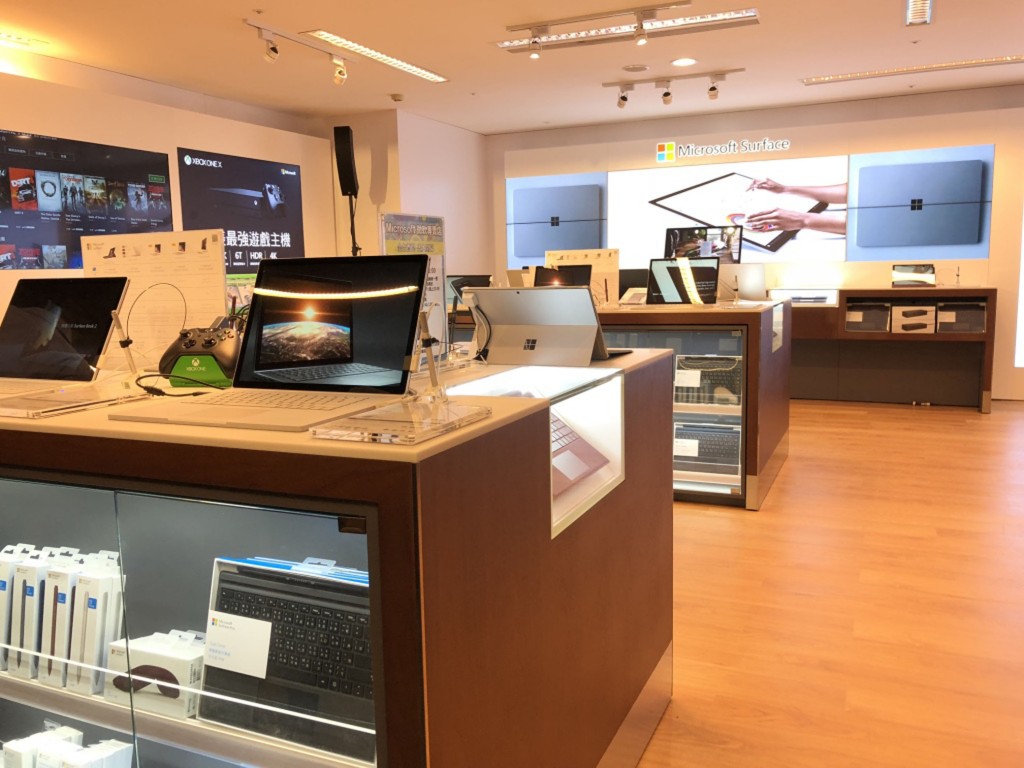
    The new outlet is located in the Xinyi District of Taipei, and like the others in the slowly growing international Surface store network, it ranges Microsoft’s touchscreen Surface PC series and peripherals along with Xbox gaming console and related software and peripherals.

    The 70sqm store is the 14th worldwide. In Asia-Pacific it follows five outlets in Japan and one each in Singapore, China and Australia.

    Microsoft says sales of its Surface range have been growing by between 10 and 20 per cent annually since it launched there five years ago and the opening of a dedicated Surface store underlines the value of the market to the US tech giant.

  • Daiso Taiwan to face second import ban

    Daiso Taiwan to face second import ban

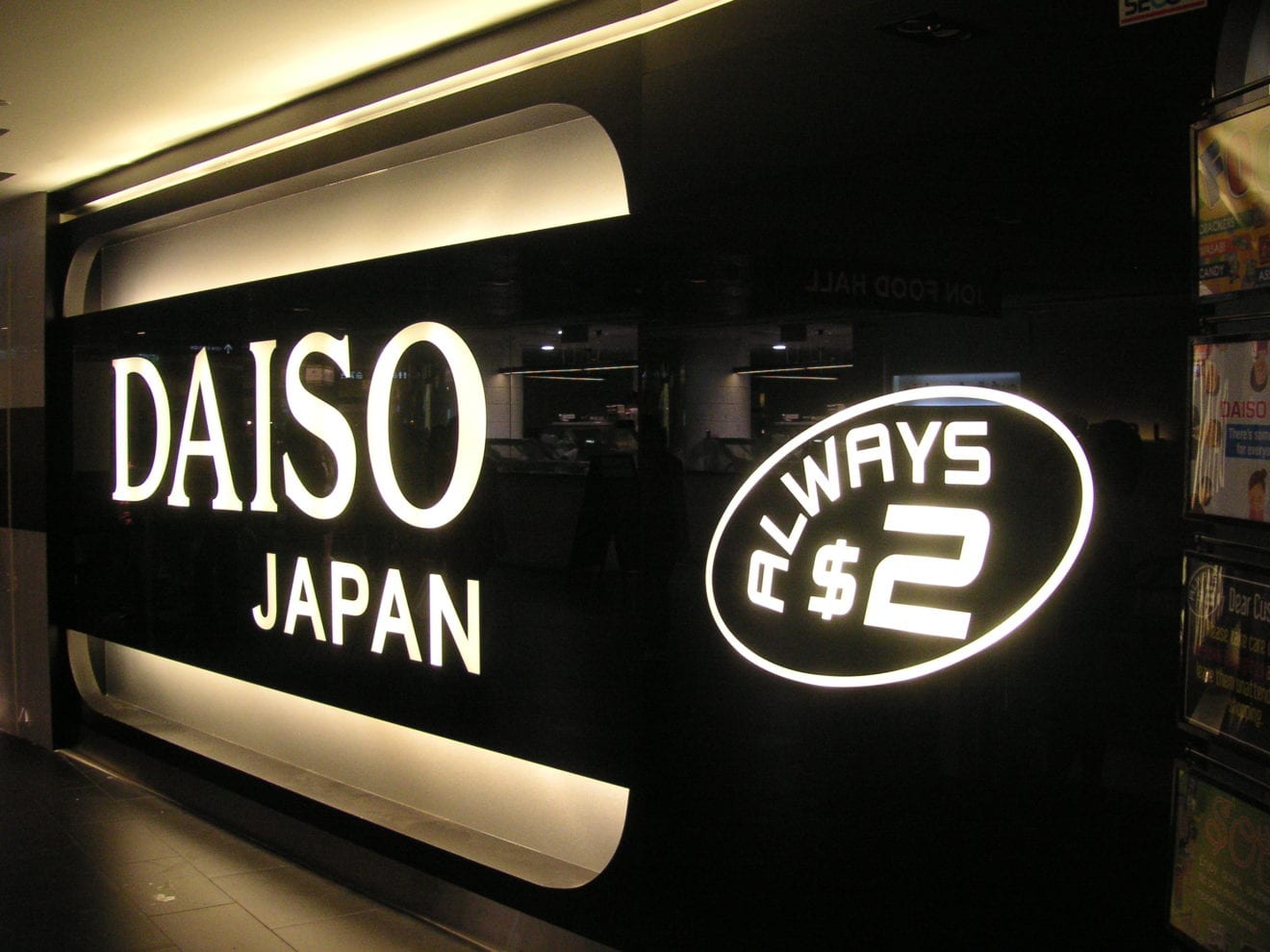
    Japanese retail chain Daiso Taiwan is expecting to face a second import ban.

    It was earlier slapped with a six-month ban for illegally importing food products from areas affected by the 2011 Fukushima nuclear disaster and selling them with falsified labels of origin in Taiwan in 2015.

    Known for selling food and discounted consumer products, Daiso was also fined NT$41.64 million (US$1.39 million) for falsifying transaction dates to obtain import permits, says Taiwan’s Ministry of Economic Affairs. A total of 694 import application documents were found to be fraudulent.

    Daiso Taiwan may also close its retail branch in Penghu, leaving it with 59 outlets.

    Regarding the new import ban, Daiso Taiwan said on its website it had improved its import procedures since the lapse in 2015.

  • Sumitomo to increase its stake in Simple Mart

    Sumitomo to increase its stake in Simple Mart

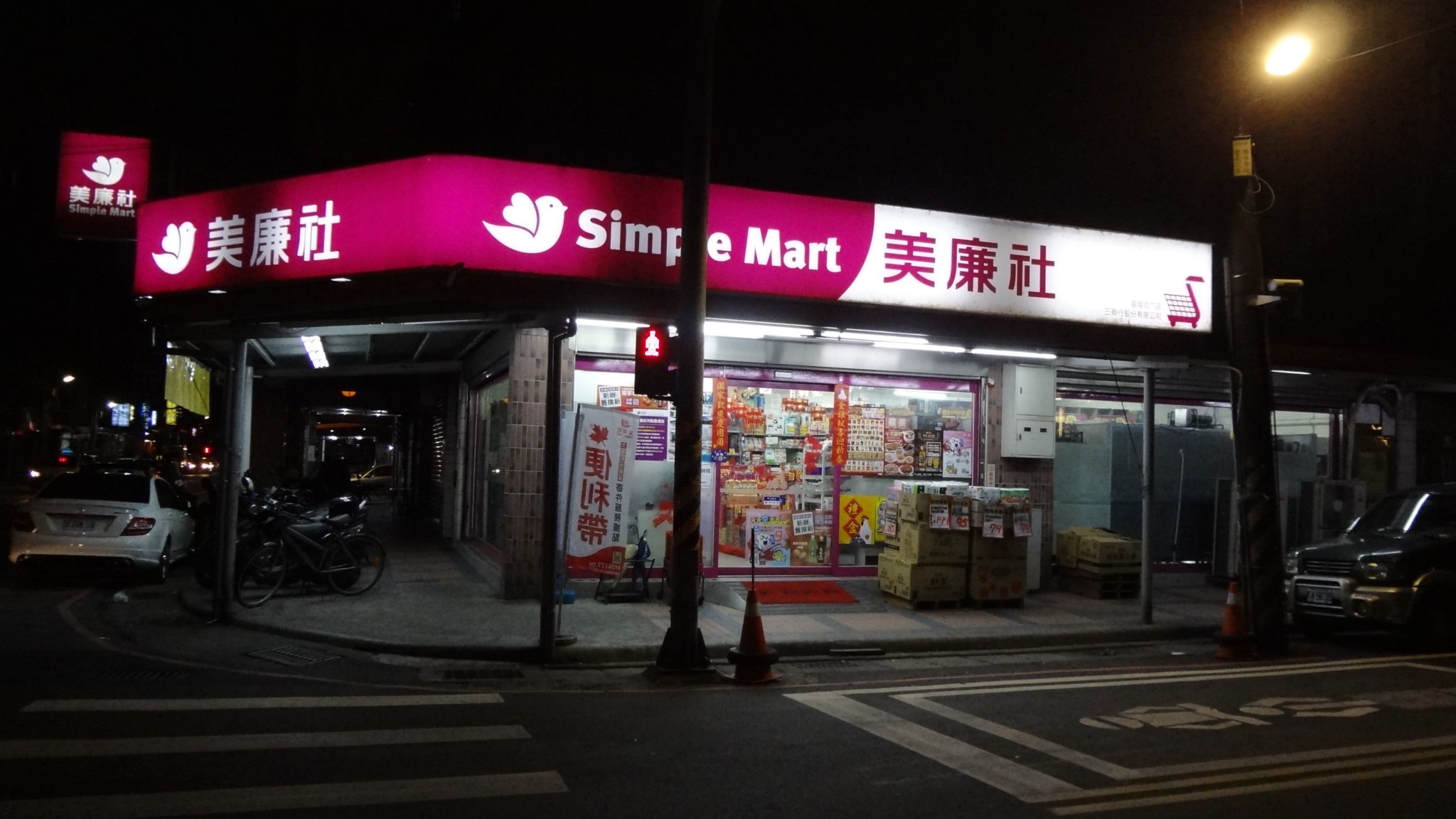
    Japan’s Sumitomo Corporation will buy a 22 per cent stake of Simple Mart, the second-largest supermarket company in Taiwan.

    The trading company will pay around ¥4.5 billion yen (US$41.1 million) for the stake in a transaction set for August, the two sides have agreed.

    Sumitomo has a partnership with Simple Mart’s parent, Taipei-based insurance and retail group Mercuries & Associates, in drugstore businesses in Taiwan. The Japanese investment will help Simple Mart double its store count by 2023.

    Founded in 2006, Simple Mart has more than 600 stores across Taiwan.

    Sumitomo will analyse data from Simple Mart’s online sales and rewards program to identify shopper favourites and improve store systems.

  • Shimamura going on line in Taiwan with an e-commerce platform

    Shimamura going on line in Taiwan with an e-commerce platform

    Japanese clothing retailer Shimamura will soon expand into online sales in Taiwan.

    Its local unit plans to open an e-commerce channel on Taiwan’s two major online shopping sites, Momo and Yahoo Jima, by June, following two decades of brick-and-mortar retail stores.

    Shimamura says its local arm will sell its Closshi brand online and also promote some products not available at existing shops.

    Based in the Saitama Prefecture, the chain opened its first outlet in Taiwan in 1998 and now has 45 branches. It also has 11 shops in China, entering the market in 2012, and started online sales there last year through Tmall.

    With a network of about 2000 stores in Japan, it will begin online sales in its home territory next month through e-commerce sites run by Rakuten and Amazon Japan KK.

  • Taiwan price war could impede 5G development

    Taiwan price war could impede 5G development

    An ongoing price war in the Taiwanese mobile industry could hamper the development of 5G in the market, regulator NCC has warned.

    The regulator has asserted that operators merely competing to lure each other’s subscribers rather than developing innovative business models would not be positive for the development of 5G in Taiwan.

    The NCC’s comments come in the wake of Chunghwa Telecom’s introduction of a TW$499 ($16.85) per month unlimited 4G mobile data and phone call plan, and the subsequent introduction of plans at the same price by rivals Taiwan Mobile, Far EasTone and APT.

    While the NCC insisted that it respects the free market, a race to the bottom n price does not make the admissible market bigger and will not sustain operators through to the commercial launch of 5G services.

    Offering unlimited data and call services at unreasonably low prices will hurt operators’ development in the long term, the regulator added. Operators are already grappling with declining revenue as a result of the price war, coupled with the continued decline in voice revenues.

    The report adds that the NCC does not believe that Taiwan’s operators will be able to follow the models their overseas counterparts have been pursuing to sustain growth – such as expanding overseas or diversifying into original media content – due to Taiwanese operators’ relatively small size and regulatory restrictions.

  • Chunghwa may need to change bands for ST-2 satellite

    Chunghwa may need to change bands for ST-2 satellite

    Taiwan’s Chunghwa Telecom could be required to the change frequencies it is using for its ST-2 satellite in order to accommodate the use of 5G on the 3.4-GHz to 3.6-GHz frequency range.

    Taiwanese regulator NCC plans to conduct experiments to see if the operator’s satellite system can coexist with 5G servicesv.

    If it is found that there are potential interference problems, the regulator may order Chunghwa Telecom to use different frequencies for its satellite service, which is used by a number of TV channels to transmit broadcast signals.

    The NCC believes that the order would not cause much disruption as it would affect only one transponder of the satellite system.

    The ST-2 contains 10 transponders in the frequency band in question – the C-band in satellite parlance, which uses 3.7-GHz to 4.2-GHz spectrum for downlink and 5.9-GHz to 6.4-GHz for uplink. It also has 41 transponders in the 12-GHz/14-GHz Ku-band.

    The report adds that the NCC may offer compensation to Chunghwa Telecom to cover the costs of the spectrum relocation.

    Meanwhile the Taiwanese government is expected to make its final decision over the use of spectrum in the 3.4-GHz to 3.6-GHz range for 5G by June, while the NCC has established a taskforce to draw up the rules for a 5G auction.

  • Castelbajac Taiwan planning its third store

    Castelbajac Taiwan planning its third store

    Korean golf-wear brand Castelbajac Taiwan plans to open its third store within the next two months.

    The brand also plans 20 more stores over the next five years.

    The company hopes to make Taiwan a springboard into other new markets across the region.

    “The Taiwanese market would serve as the gateway to expand further into the new countries including Hong Kong, Vietnam and China,” an official from the company said.

    In order to enhance its image as an upscale brand, Castelbajac will open stores only within department stores.

    Castelbajac entered Taiwan in March, with the first store at Taipei’s Pacific Sogo Department Store and the second at Hanshin Department Store in Kaohsiung.

  • Carrefour Taiwan performs well in sagging Asia market

    Carrefour Taiwan performs well in sagging Asia market

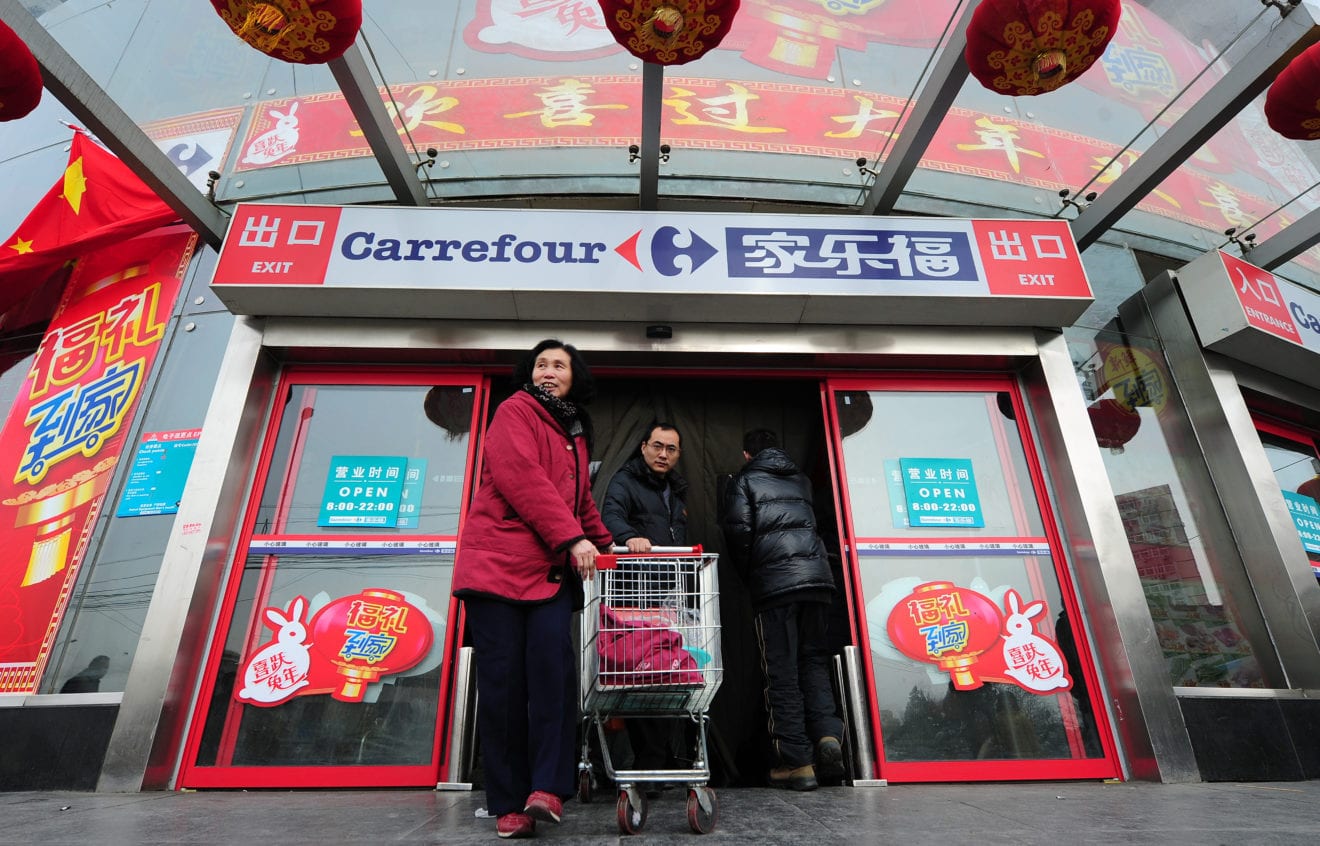
    Carrefour Taiwan showed growth for the 13th consecutive quarter while in the rest of Asia first-quarter sales sagged for the French hypermarket operator.

    Taiwan’s like-for-like sales rose by 3.3 per cent.

    A strategic partnership formed with Tencent in China rapidly materialised, says the group, including the launch of a WeChat app.

    However, like-for-like sales in China fell by 6.6 per cent in a competitive environment especially in e-commerce, notably during the Chinese New Year celebrations.

    Sales for Asia overall were down by 4.5 per cent at constant exchange rates and 3.9 per cent like-for-like, in line with trends in previous quarters.

    Overall, Carrefour’s first-quarter sales reached €20.7 billion (US$25.5 billion), up 2.6 per cent at constant exchange rates. On a like-for-like basis, the rise was only 0.4 per cent, impacted by less dynamic markets in Europe, continued deflation in Brazil, strong competitive pressure in the group’s main markets, and business disruptions in Belgium and France.

  • FamilyMart Taiwan launches digital prototype, including VR

    FamilyMart Taiwan launches digital prototype, including VR

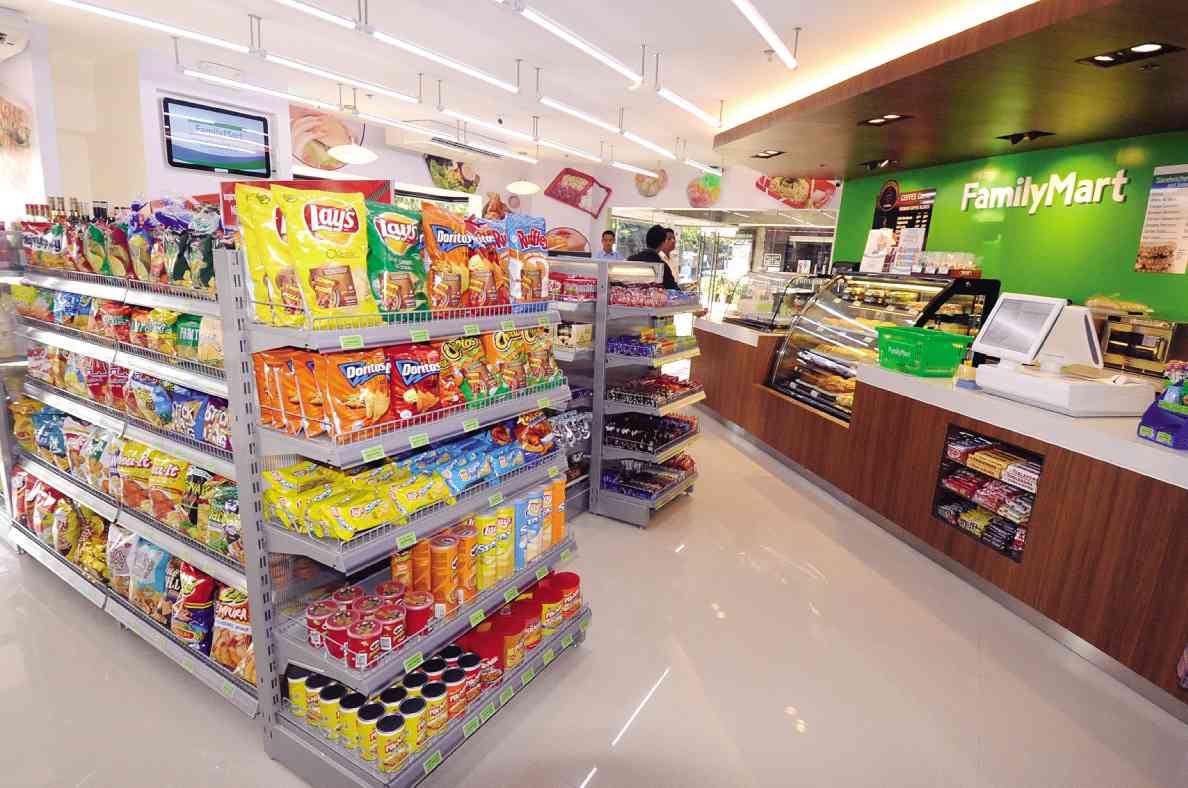
    FamilyMart Taiwan has launched a pilot convenience store concept that incorporates a range of digital technology including robots, VR interfaces, interactive projection screens, smart shelves and blockchain applications.

    A Fujitsu Robopin communication robot is stationed at the entrance to highlight offers and in-store events, while video content about products is projected on to the doors of freezer units.

    Electronic price tags interact with POS registers to update automatically, and product information is available through QR codes and NFC(5) technology built into the price tags.

    FamilyMart says it will study the results of the prototype store with a view to rolling out the technology to other stores.

    FamilyMart Taiwan chairman Yeh Jung-ting says convenience stores need to be modernised according to the world around them, as well in preparation for workforce shortages.

    He says Family Mart still wants locations to be personable, and while there will be fewer staff, the new stores will not be devoid of staff like some 7-Eleven outlets. The idea is to add efficiency to shopping for both customers and staff.

    One of the greatest advantages will be eliminating the time spent ordering stock. Previously ordering goods took around two hours, whereas smart shelves whittle down that time to seconds.

    Ultimately, there will be 17 technological upgrades made by possible by 15 new partnerships.

  • 50 more Chow Sang Sang stores to be launched this year

    50 more Chow Sang Sang stores to be launched this year

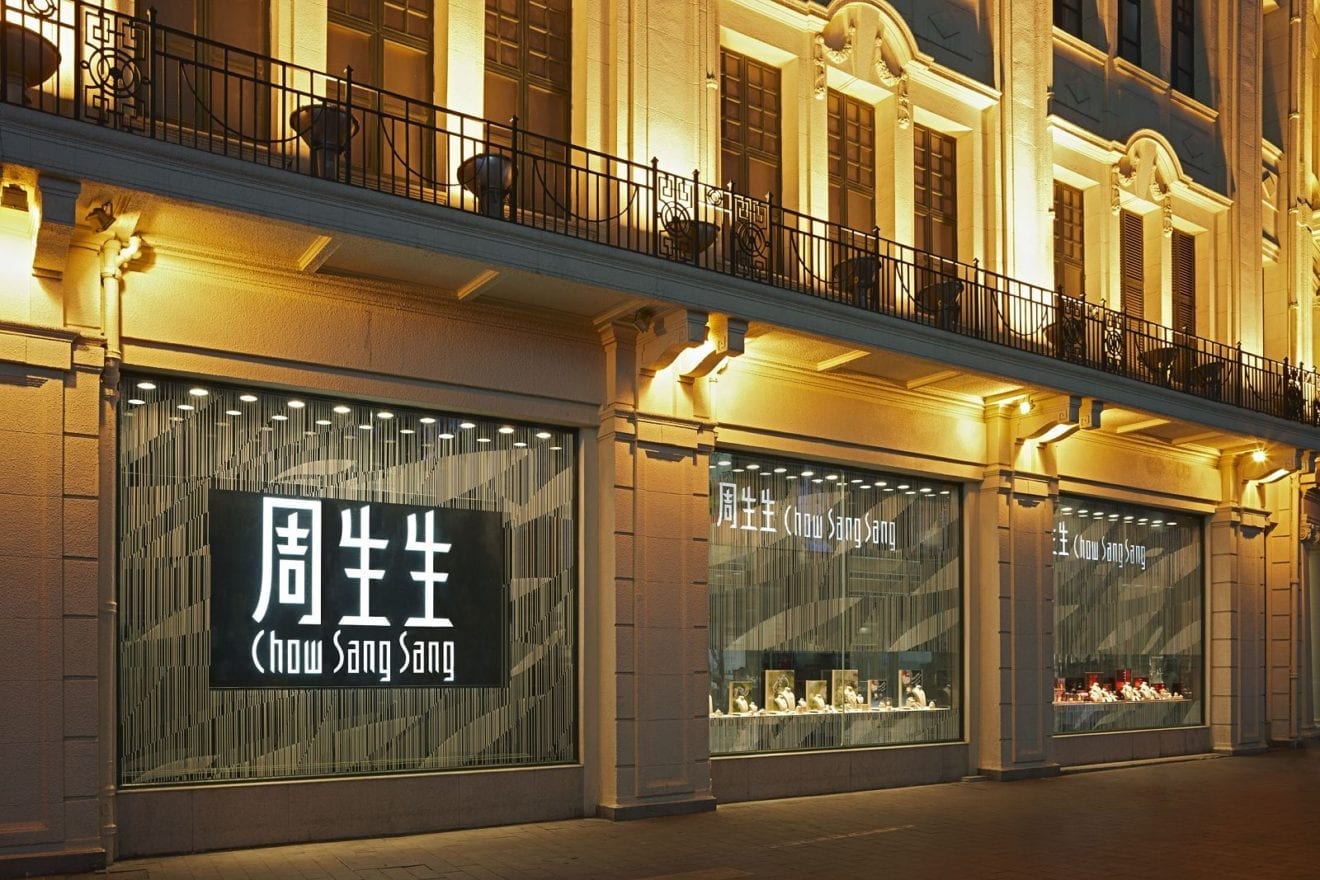
    With a focus on urban markets, Chow Sang Sang Holdings International plans to open around 50 stores this year.

    While consumer sentiment improved in the second half of last year for the jewellery retailer, it says a strong recovery is yet to be seen, especially in Hong Kong. Meanwhile, global markets are already anticipating an interest rate rise, and international trade disputes seem to be looming.

    In Hong Kong, the company will continue with the realignment of its network to match the change in consumer patterns and preferences. Overall, it expects to reduce the amount of floor space with no significant changes in the number of shops.

    “In China, increasing sophistication in consumer behaviour provides opportunity for growth via product and brand differentiation. As our online competition heats up, we are putting more effort into offering a seamless customer experience.”

    Turnover last year grew 3 per cent to HK$16.6 billion (US$2.1 billion). The disposal of a part of a long-term holding of shares in Hong Kong Exchanges and Clearing resulted in a gain of $114 million. Including this amount, the group’s overall profit attributable to equity holders increased by 18 per cent to $876 million.

    After dropping for three consecutive years, jewellery retail turnover returned to positive growth, rising 3 per cent. Jewellery retail accounted for 87 per cent of the group’s turnover.

    Operating profit fell by 5 per cent to $902 million, because of an extra gain of $176 million in 2016 resulting from a movement in the price of gold.

    Sales slipped per cent in Hong Kong and Macau, affected by shop closures. Same-store sales growth was down 2 per cent, mainly because of soft turnover of gold in the fourth quarter.

    Sales of gem-set jewellery improved in the second half, and in the last quarter reversed its downward trend since 2016.

    During the year, four Chow Sang Sang shops and one watch branch in the tourist district were closed. However, three new shops and one new watch branch were established in non-tourist districts.

    Despite Macau’s tourist traffic improving, shops in the shopping arcades performed worse than the main-street shop.

    Total turnover in Mainland China rose 9 per cent year-on-year to $8 billion. In RMB terms, this was 11 per cent growth, and same-store sales rose 5 per cent.

    Online sales continued to grow, accounting for about 14 per cent of China sales. Gold products dominated the sales mix.

    At the end of the year, the group had 422 shops in 119 cities. Of these 63 were new outlets, and there were 15 closings. Of the new stores, 28 were set up in shopping malls.
  • Strong sales growth posted by Hermès Asia

    Strong sales growth posted by Hermès Asia

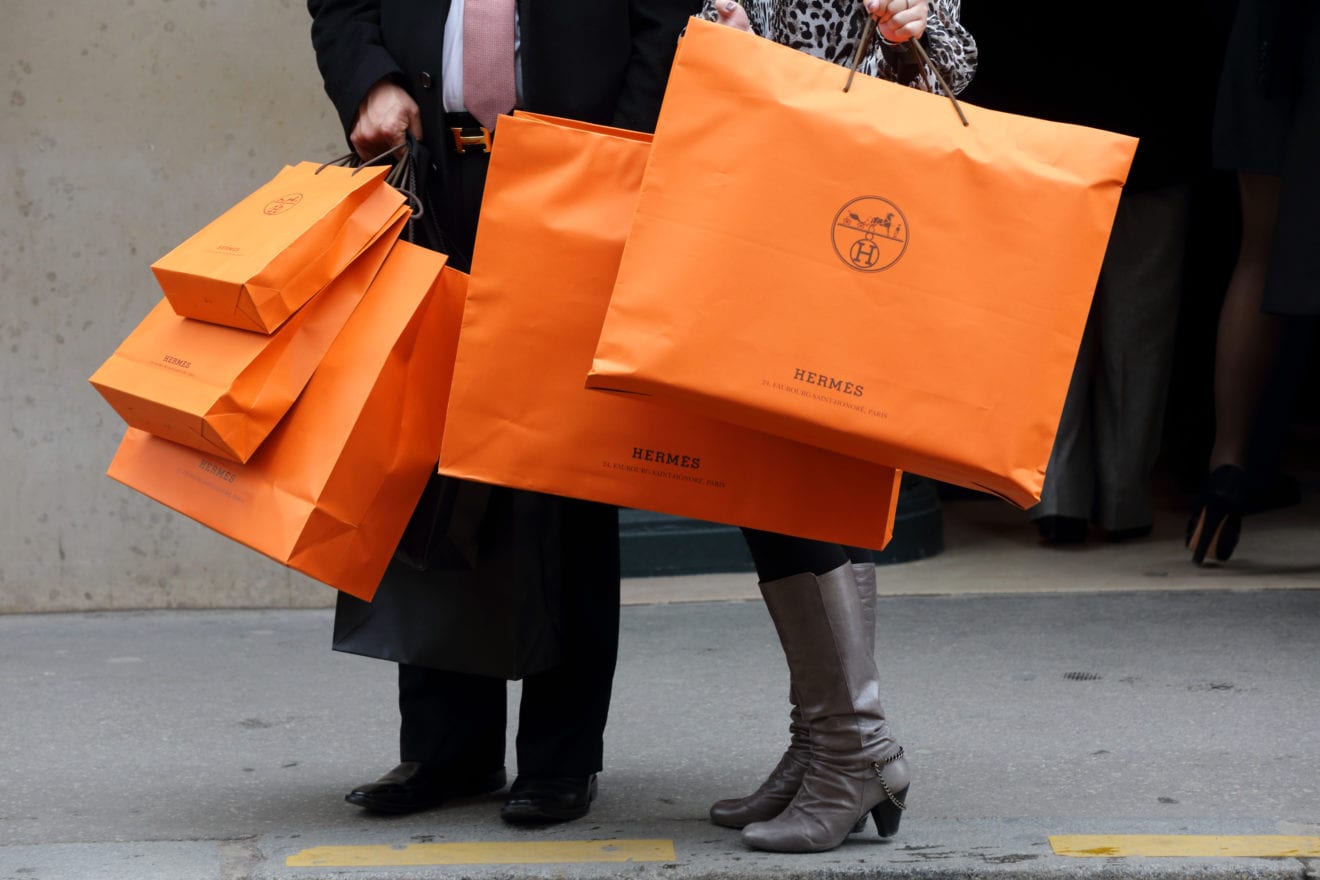
    Hermes Asia sales grew 11.3 per cent last year to €1.946 billion (US$2.4 billion) as the luxury retailer set a new record for gross retail margin.

    The company said the retail market was improving in Hong Kong and Macau, with the Asian market “pursuing its upward curve” and positive outlooks in Mainland China and South Asian countries.

    Growth was aided by store revamps at Sogo Fuxing in Taiwan, Elements mall in Hong Kong and at Kuala Lumpur.

    Sales in Japan (separated from Asia results) rose 4 per cent to €724.1 million, despite a high comparison figure from last year, which the company described as “a sustained increase” in what is a mature market, citing a selective distribution network.

    Group sales totalled €5.549 billion (US$6.863 billion), up 9 per cent at constant exchange rates. Operating income rose 13 per cent, to €1.922 billion, representing a record 34.6 per cent gross margin, while net profit rose 11 per cent to €1.221 billion.

    “Hermes achieved a new year of historic results, thanks to the quality of our know-how, the success of our creations and especially the incredible commitment of the women and men of Hermes,” said executive chairman Axel Dumas.

    Hermes will ramp up its online offer in the region this year, with a new website scheduled to go live in China at the end of this year.

    Meanwhile, the company said the sale of the Galleria building in Hong Kong’s Central district, which previously housed its flagship store, would likely generate a net capital gain of €50 million this year.

    Leather drives growth

    By category, Hermes’ leather goods proved the strongest performer last year, sales rising 10 per cent globally, reflecting increased production capacity as demand rose for its handbags.

    The ready-to-wear and accessories division grew 9 per cent, driven by the success of new collections, fashion accessories and particularly shoes.

    Sales of silk and textile products grew 6 per cent and of perfumes by 10 per cent, largely due to the successful launch of Twilly d’Hermes.

    Watch sales grew just 1 per cent with what Hermes described as “good sales” in company-owned stores. Other Hermes business lines- jewellery, Art of Living and Hermes Table Arts, grew sales by 11 per cent.

  • BreadTalk to take Taiwan’s Wu Pao Chun bakeries into China

    BreadTalk to take Taiwan’s Wu Pao Chun bakeries into China

    BreadTalk Singapore says it has formed JVs with a Taiwan company to run bakeries in China.

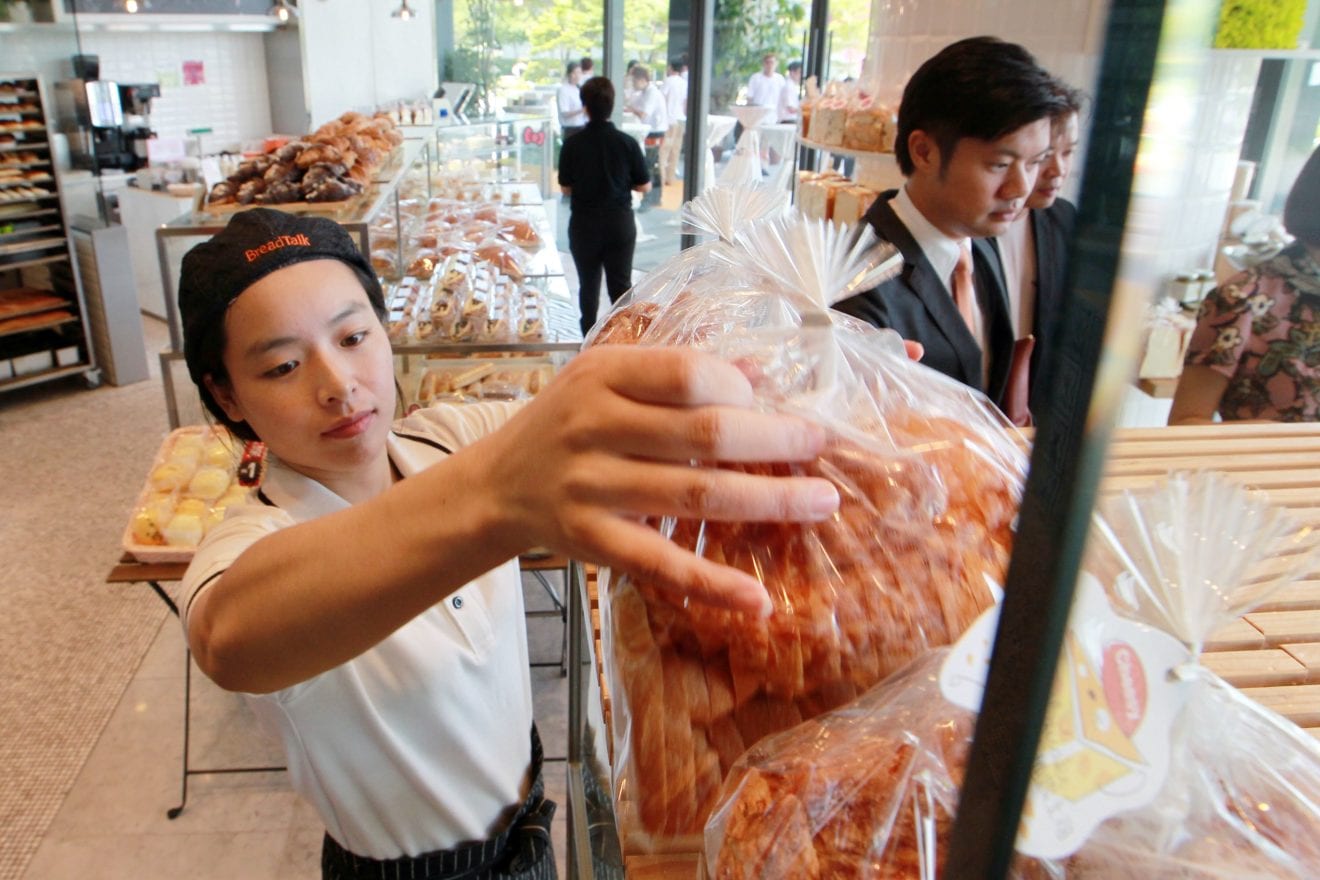
    BreadTalk subsidiary Shanghai Star Food F&B Management has partnered with Wu Pao Chun Food of Taiwan to run Wu Pao Chun outlets in Beijing, Shanghai, Shenzhen and Guangzhou. Shanghai Star will hold 80 per cent of the Shanghai JV and can own up to 40 per cent of the Beijing, Shenzhen and Guangzhou JVs.

    Both companies expect to form JVs for co-operation in Singapore and Hong Kong later.

    BreadTalk owns 1000 retail stores in Singapore, Mainland China, Hong Kong, Malaysia and Thailand.

  • Royal Dragon Vodka launches with Ever Rich Duty Free in Taiwan

    Royal Dragon Vodka launches with Ever Rich Duty Free in Taiwan

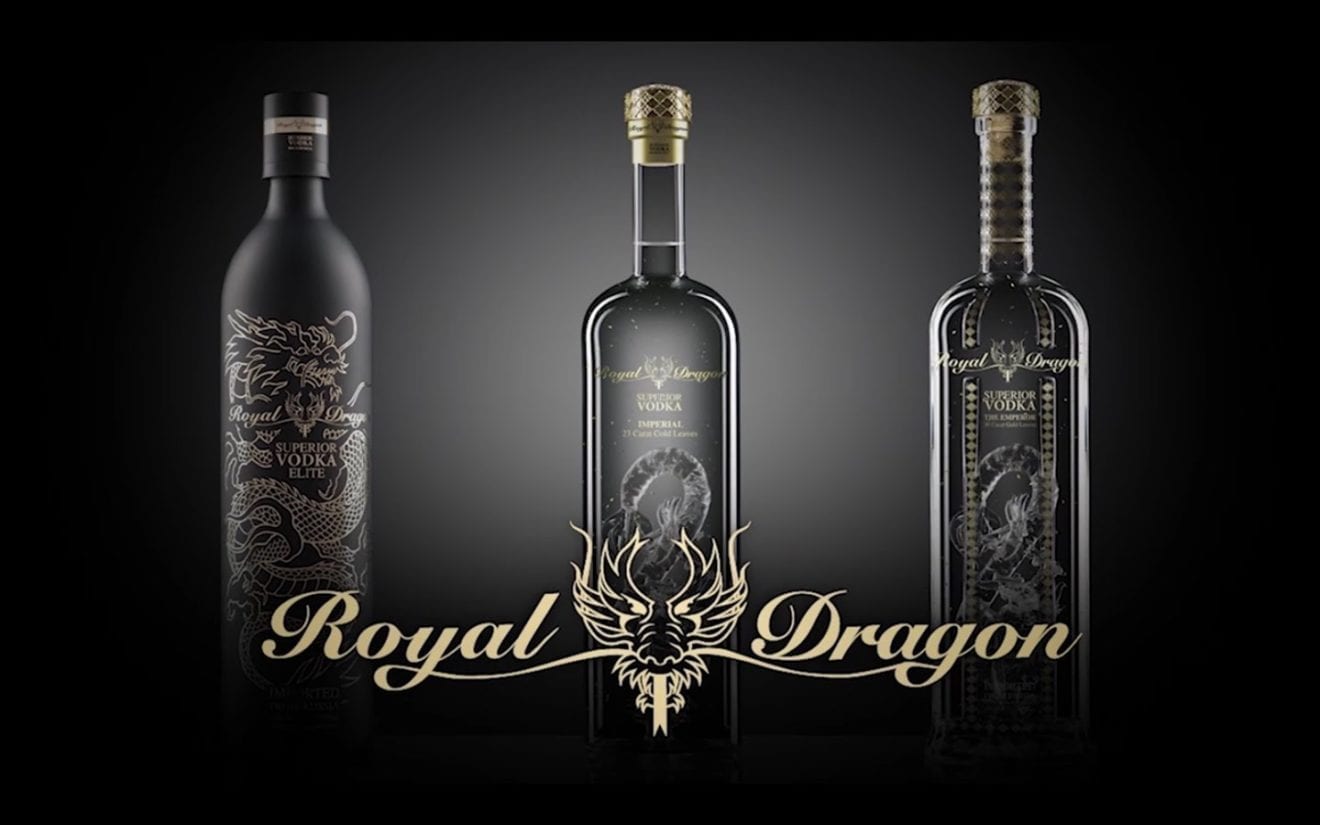
    The Imperial 1L, Good Luck Edition 1L and Luxury Gift Set are part of the Royal Dragon Vodka assortment available in arrivals and departures stores in Taoyuan, Kaohsiung, Taichung and Songshan International Airports.

    Yam Seng Sales and Marketing Director Jesreen Sidhu commented: “Expanding our presence to dynamic duty free markets such as Taiwan is an essential element of our continued success. Royal Dragon Vodka continues to gain strong traction in Asia and we are extremely pleased to partner with Ever Rich Duty Free, where we see great potential for the range.”

    Singapore-based Yam Seng Pte Ltd, a company owned by the Tuli family, was appointed regional TR agent for Royal Dragon Vodka last year. Sunil Tuli has worked in the global DF and TR industry since 1984.