Retail News CRM

Tag: Taiwan

  • Apple continues Asia expansion with its first retail store in Taiwan

    Apple continues Asia expansion with its first retail store in Taiwan

    Apple has continued to expand its retail footprint in Asia after the iPhone-maker opened its first store in Taiwan this weekend.

    The inaugural Apple Store is located in Taipei 101, a landmark skyscraper in Taipei, and it is staffed with an initial workforce of 130 employees, Apple said. Doors in Taiwan opened at 11am local time on Saturday, but eager fans had queued for as long as 68 hours in some cases.

    Beyond selling products and offering repairs, the Apple Taipei 101 store is aimed at being a place for community and learning. Apple said it will offer visitors access to its ‘Today at Apple’ programs that cover topics like photography and video, art, design, music and coding.

    Like in other parts of Asia, Apple customers in Taiwan had until now had to rely on Apple’s website or third-party resellers to buy products and handle repair options. That’s despite the fact that many of Apple’s key manufacturing partners, including Foxconn, are headquartered in Taiwan but operate their factories in China.

    Exact numbers aren’t clear, but Apple is consistently among the top five smartphone sellers in Taiwan with upwards of 15 percent marketshare, although that spikes significantly around new device launches.

    This Taiwan launch comes hot on the heels of the opening of Apple’s first retail store in Singapore, and the announcement of plans for an Apple Store in Korea. The company is also working to expand its stores to India. Apple, which has already begun assembling some devices in the country, said it recently held “constructive” dialogue with government officials on the topic.

  • Devialet is expanding in Asia

    Devialet is expanding in Asia

    Nowadays, new technologies and innovations enable consumers to improve their lifestyle. In the domain of audio, it allows music to be more accessible, while delivering a better quality of sound. It is through this vision that Devialet operates in the industry.

    Devialet is a French tech start up and innovator in breakthrough sound technology. The brand invented proprietary technologies to deliver the highest sound quality including ADH (Analog Digital Hybrid) Intelligence. This invention enables hybridization between the preciseness of analogue sound and the power of digital to produce a sound with the upmost clarity without any saturation or distortion. This innovation constitutes a major milestone in the history of the audio industry. Founded in 2007 by three French co-founders, Devialet quickly imposed itself in the audio market as a high-tech innovative brand. Indeed, its disruptive technology is combined with an iconic design to offer desirability and uniqueness.

    Two lines are available on the market at the moment. The Expert Pro range, introduced in 2010, features the best performance amplifier systems for audiophiles regardless of the price and size. In parallel, the Phantom – a high performance wireless speaker featuring Devialet’s proprietary technology has been available since 2015. Phantom is the pinnacle of high-end audio devices, delivering a revolutionary acoustical experience that has zero distortion, saturation or background noise. The Phantom is available in three different specifications: Phantom (750W, 99dB), Silver Phantom (3000W, 105dB) and Gold Phantom (4500W, 108dB).

    As Julien Bergère, General Manager of Devialet Asia Pacific tells us, it is hard to identify a specific profile of consumer. He justifies his opinion by stating that “music is universal” and customers need to “experience the power of Devialet sound for themselves”. To Julien, it’s “always interesting to welcome a customer whose intention is to purchase a Bluetooth audio system retailing at 300USD for example, who then ends up purchasing our Phantom which starts at just over 2,000USD”. In order to create such opportunities, Devialet is working on further developing its brand awareness and securing high visibility and high traffic premium retail locations. In this way, the brand can deliver an intense audio experience that potential customers will remember.

    In addition to its strategic locations, Devialet also places great emphasis on its store design to enhance the customer’s experience. All of the boutiques have at least one sealed listening room where customers can enjoy sound demos from the Phantom range. This original retail concept allows the brand to share the Devialet difference with potential customers and in the case of the Harbour City store with two listening rooms – multiple clients can enjoy a private demo at the same time. According to Julien Bergère, this is the “key to discovering the power of Devialet sound”. This concept was first introduced in Hong Kong in 2016. An immersive room (a Devialet pop-up concept) was installed in Pacific Place for local customers to experience the Phantom.

    Moreover, this pop-up triggered the beginning of Devialet’s retail expansion in Asia. The first flagship store opened in January 2017 in Hong Kong’s IFC mall, followed by the opening of a second store in Harbour City on June 22nd 2017. A Devialet immersive room will also open in Festival Walk in July. Elsewhere in Asia, a Devialet immersive room launched in Taipei on 1st June and the brand will open two stores in Singapore in July to accelerate its expansion in the region.

    This consequent growth comes with the Devialet’s will to innovate and share their passion. Julien Bergère mentions the importance of partnerships to enhance the brand’s experience further. As he says, “we are looking for partnerships that speak to our hearts as musicians”. In March of this year, Devialet launched a partnership with the French leather-maker Berluti to create a limited edition leather Cocoon (the Phantom travel bag), which is available in Hong Kong with extremely limited quantities. In parallel, Devialet announced a 10-year partnership with the Paris Opera, which will start in September with a series of collaborations. This includes a Sound Discovery Area inside the Paris Opera, a co-branded product line and an Opera “hors le murs” outside the walls project, offering new way to listen to and experience opera through live-streaming. Again, this illustrates the constant desire to innovate and improve consumer’s lifestyles and elevate the listening experience.

  • Taiwan cellcos switch off 2G networks

    Taiwan cellcos switch off 2G networks

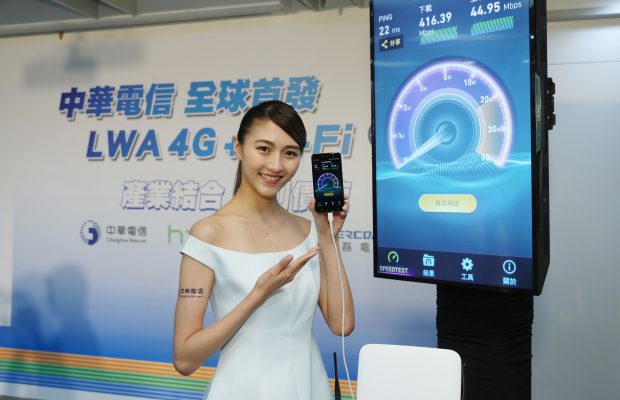
    Taiwan’s mobile operators have completed the switch-off of their respective 2G networks.

    The switch-off on Saturday has left the nation’s remaining 2G holdouts unable to place any calls except for emergency calls, or send or receive text messages or use data serices.

    At the time of the shutdown there were an estimated 60,000 2G holdouts on Chunghwa Telecom, 20,000 on Taiwan Mobile and 8,000 on Far EasTone, the report states.

    Remaining 2G customers’ numbers will be reserved until the end of December if they choose to upgrade to 4G.

    Taiwan Mobile is meanwhile redirecting customers attempting to place a call to a customer service center and will agree to temporary restart phone services if customers commit to upgrading to 4G. This redirection will last until July 7.

    With the move, Taiwan has become the latest APAC nation to transition away from 2G services to free up spectrum for 4G and other mobile services. The shutdown was prompted by the expiration of all existing 2G licenses.

  • UnaBiz secures IoT license in Taiwan

    UnaBiz secures IoT license in Taiwan

    IoT-dedicated network operator UnaBiz has secured a license to operate an IoT network in Taiwan from the National Communication Commission (NCC).

    As the first of its kind to receive an IoT network operator license from the NCC since Taiwan’s announcement of the use of the unlicensed spectrum, UnaBiz is on track to become a nationwide network operator in Taiwan.

    As a provider of a dedicated communications service for the IotT, the Sigfox low power wide-area network (LPWAN) is currently present in 32 countries worldwide and target to reach 60 countries by 2018. The roll out of the commercial grade global network is in line with Taiwan’s “Asian Silicon Valley” initiative, a vision to transform Taiwan from an ICT specialist to an IoT specialist.

    UnaBiz’s vision is to empower massive IoT in Asia. The network operator will actively engage and collaborate with industry partners, academic institutions and government agencies to help Taiwan address the global IoT market potential.

    “This is a milestone for UnaBiz but also for Taiwan industry which henceforth can boldly step into the Sigfox global IoT market and ecosystem,” UnaBiz MD and co-founder Philippe Chiu said.

    In 2017, UnaBiz will focus on deploying the IoT network in the six main municipalities – Taipei, New Taipei, Taoyuan, Taichung, Tainan and Kaohsiung – effectively bringing Sigfox service coverage to more than 80% of the population in Taiwan.

    The deployment will cover both urban and rural areas, and the LPWAN network will be extended to cover 95% of the population in Taiwan in 2018.

    Along with the fast-paced deployment of the network across Taiwan, the local IoT ecosystem and stakeholders can already evaluate and start developing products and solutions using the royalties-free Sigfox technology. This happens at an excellent timing for Taiwan’s industry looking for transformation and new business opportunities, especially at a global scale.

    The global IoT sensors market is expected to reach $17.81 billion by 2020, and although Taiwan is big in semiconductor manufacturing (60% of global market), it only accounts for 15% of the global sensor manufacturing. Given the predominant impact of Taiwan in the conception, production and integration of smart sensors into electronic hardware in the global IoT market, Taiwan joining the Sigfox ecosystem represents a significant milestone.

    Chiu notes, “To significantly build up the IoT industry, we need a sound ecosystem of highly-engaged players from semiconductors to device manufacturers and all the way up to cloud platforms. That is why, on top of providing Sigfox communication service, UnaBiz is also acting to catalyze IoT opportunities by establishing partnerships and providing keys to address the Sigfox global IoT market.”

    “According to studies, the explosion of the global IoT market will create the largest device market in the world,” UnaBiz CEO and co-founder Henri Bong said.

    “The number will double of that of the current market of personal PC, tablets and wearable technology combined. The growth of this ecosystem not only creates more jobs in Taiwan’s manufacturing industry but will eventually spur a paradigm shift in Taiwan’s entire workforce to that of a more innovative and creative economy, one that engages higher skilled and hence higher-paying workers.”

  • IoT standardization picks up pace in Taiwan

    IoT standardization picks up pace in Taiwan

    IoT interoperability and standardization has moved forward in Taiwan after oneM2M, the global standards initiative for M2M and the IoT, held its fourth interoperability testing event in Taipei.

    Interop 4 gave organizations implementing oneM2M standards the opportunity to check end-to-end functionality via oneM2M interfaces and validate interoperability, with a total of 13 companies taking part.

    A conference held the day before the event featured presentations from leading companies and members of oneM2M’s leadership team to promote oneM2M to Taiwanese businesses in the IoT sector.

    The event was held as the Asian Silicon Valley Development Agency (ASVDA) works to transform and upgrade Taiwan’s industrial infrastructure with IoT technology. The agency aims to have a 5% stake in the global IoT market by 2025.

    “Taiwan is looking to become a major player in the IoT and Interop 4 helped drive this goal by giving organisations in the country and the wider Asia region the opportunity to test and improve their deployments,” said JaeSeung Song, Associate Professor at Sejong University and Test Working Group Chair at oneM2M.

    “Interop 4 was our second interoperability event of the year and its success highlights the continuous growth of oneM2M’s standards.”

    Hosted by TTA and ETSI – two of oneM2M’s founding partners – along with the Taiwan-based Institute for Information Industry (III), Interop 4 allowed participants to take part in interoperability scenarios from TS-0013 – oneM2M’s testing specification.

    Testing at the event was based on oneM2M’s set of standards, Release 1 and Release 2 and covered functional architecture, service layer core protocol and Constrained Application Protocol (CoAP), HTTP, Message Queue Telemetry Transport (MQTT) and WebSocket protocol binding.

    The event allowed companies to check interoperability levels of their implementations and ensure they had interpreted oneM2M’s standards correctly. Conformance Testing to help debug products was also available.

    Organisations which participated in this event include: Spirent Technologies, Institute For Information Industry, NTT, TTA, Sporton, DEKRA, KETI, C-DOT, ETRI, Sejong University, Easy Global Market, nTels and Sensinov.

  • Apple To Open The First Retail Store Taiwan

    Apple To Open The First Retail Store Taiwan

    Apple has revealed that it will be opening its first store in Taiwan in the near future. The store will be located at the Taipei 101 skycraper and will take up space on both the basement level and the ground floor. The combined floor space will be approximately 1,322 square meters. Taipei 101 is the fourth tallest building in the world and is in the Xinyi District of Taiwan’s capital city.

    “Taiwan’s first Apple Store will soon open in Taipei! Apple Store – Taipei 101 will provide a space for people to experience Apple’s full range of products and services; At the same time, for people to come together to create, share and learn,”

    Authorized resellers

    While the specific opening date has not been set, a Taiwanese publication has speculated that it could happen as soon towards the end of this month. Currently, Apple sells its range of products such as iPhones, iPads, Apple Watch, Mac desktop and laptop computers via third-party resellers. Apple also sells to its Taiwanese customers directly online. Some of the Apple authorized resellers in Taiwan include iStore, Studio A and Youth.

    So far there are about 495 Apple stores spread across 17 countries around the globe. The United States takes the lion’s share of the stores having 270 of them while the remainder is distributed in the rest of the world. In the greater China area, Apple has more than 40 retail stores with five of them located in Hong Kong and about 41 retail stores located in Mainland China. Most of these stores are stationed in MixC and Galaxy shopping malls.

    Recruitment of employees

    Apple’s plans to open a retail store in Taiwan first came to the fore in 2016 when it posted ads for various positions include business leader, store leader, manager, expert and genius. This came at a time after Apple had raised in a bond offering approximately $1.38 billion in Taiwan. The absence of an Apple retail store in Taiwan has been ironic since majority of the key suppliers to Apple such as Foxconn are headquartered on the island.

  • Apple to open first Taiwan store in Taipei 101 mall

    Apple to open first Taiwan store in Taipei 101 mall

    Tech giant Apple  is reportedly eyeing Taipei 101 mall as the location for its first retail store in Taiwan, according to an industry insider, with no official opening date given by the source.

    Located on the first basement level of the mall, the debut Taiwanese store will be spread over 1,322 square meters. It is expected that the branch will be fitted out in Apple’s new retail design, which is already being rolled out across the US.

    Further consolidating Apple’s push into Taipei, Apple premium reseller Studio A will close its shop on April 17, Studio A president Cheng Ying-lung told local media.

    Cheng said the Studio A store in Taipei 101 has seen a decline in sales over the past three months, due mainly to a drop in tourist arrivals from China.

    Last July, Apple posted its first job listings for Taiwan, which were followed by a confirmation of its plans to set up a store in the country.

    However, Apple did not say when the shop would be opened or where in Taiwan it would be located.

    Apple boasts nearly 500 retail stores in 19 countries and online stores available in 39 countries.

    After the US, China is Apple’s biggest market. Apple’s latest store opening was in China’s Nanjing in early April, one day after a Beijing court ruled in favour of Apple pertaining to a patent feud the US smartphone maker is having with Shenzhen Baili Marketing Services Co.

    The local manufacturer claims Apple stole its exterior designs, which the court found not to be the case.

  • Egg prices drop over dioxin fear

    Egg prices drop over dioxin fear

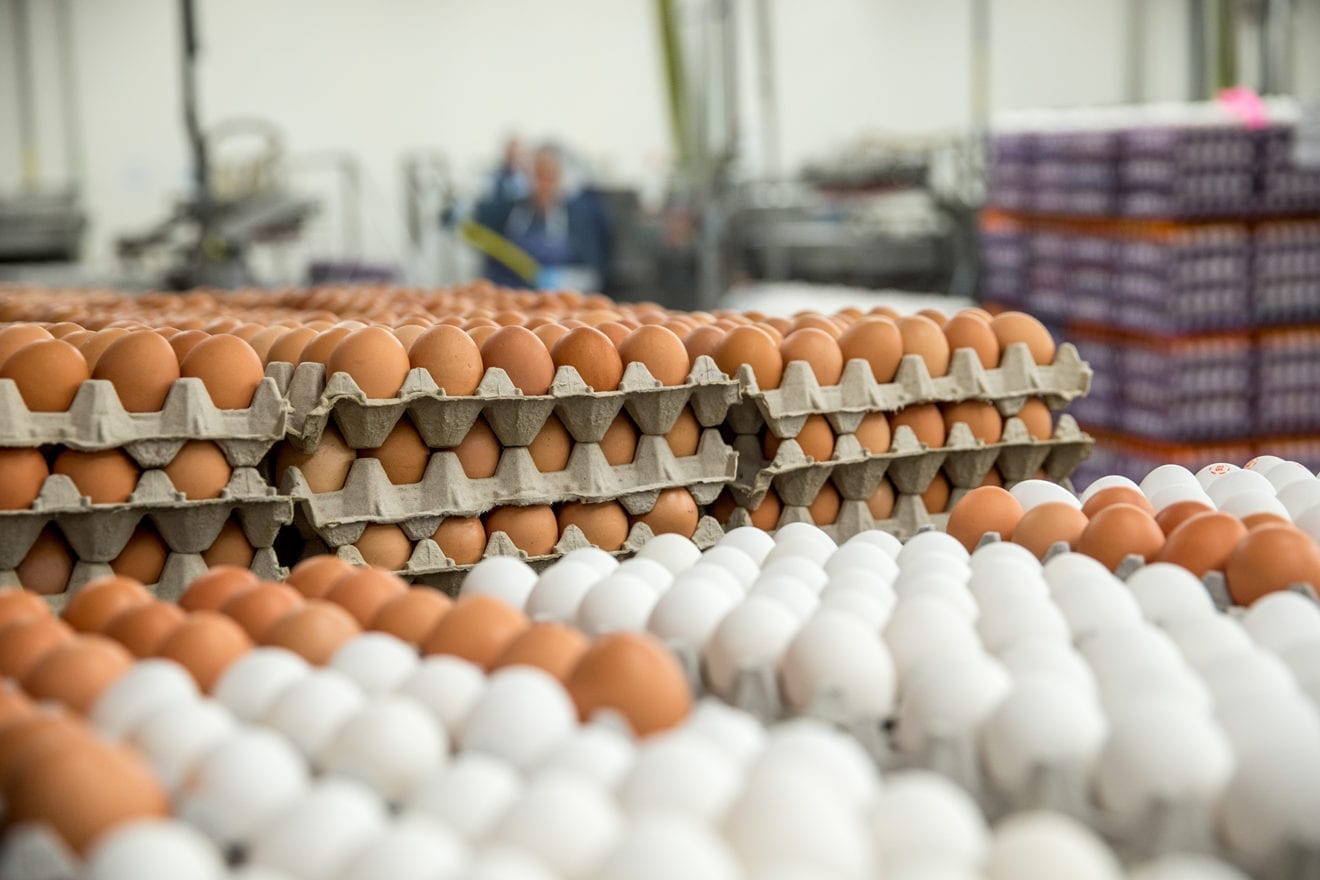
    Retail egg prices have dropped NT$3 per 600 grams, the Poultry Association of the Republic of China said on Monday, demanding that the government provide compensation for the “innocent” egg farmers.

    Deputy Director of the Council of Agriculture’s (COA) Livestock Department Wang Chung-shu (王忠恕) said that the COA is closely monitoring egg prices, and that if they were to drop out of a reasonable price range, the council will initiate measures to counteract the drop, for instance by making mass purchases, or by implementing strategic export controls.

    An egg containing more than twice the minimum allowable level of dioxin contamination was discovered at a retail store in Miaoli last week.

    Health authorities immediately sealed off three major egg farms that had supplied the retail shop, Ho-chen store (合成), over the past three months: Chun Yi (駿億), Hung Chang (鴻彰) and Tsai Yuan (財源).

    Approximately 6,785 kilograms of eggs wholesaled from the three farms have been confiscated so far.

    The Food and Drug Administration (FDA) discovered that aside from the three egg farms that were immediately sealed off in Changhua, a further six egg farms had supplied the retail shop in Miaoli, the administration’s Director General Wu Shou-mei (吳秀梅) said on Sunday.

    Investigators have begun a probe into the six egg farms, Wu said, but refused to reveal their names.

    Wu also defended the FDA on Sunday against a midstream egg wholesaler’s criticism that the administration’s decision to seal off the store before identifying the source of the contamination was “reckless, thoughtless, and even defamation.”

    Wu argued that the FDA acted in the public interest and to ensure public food safety, with all moves that were made following appropriate legal procedures.

    However, while the three major egg farms in Changhua have been sealed off for seven days starting last Friday, the six additional farms will not be sealed off because there are no official records showing that the they have supplied the Ho-chen retail store.

    Animal Feed in Question

    The FDA, the COA and the Environmental Protection Administration launched a joint investigation into the source of the dioxin contamination last week, the results of which should be available by this Friday.

    While authorities have yet to rule out water and air as possible causes of the pollution, animal feed has been widely considered as the most likely source of the contamination.

    According to Wang Chung-shu, the council collected samples from eight animal feed manufacturers used by the nine egg farms in question on Monday.

    Wang added that there are currently no laws limiting the legal amount of dioxin residue in animal feed and that the council will discuss establishing such regulations.


  • Korea looks elsewhere as Chinese shoppers vanish

    Korea looks elsewhere as Chinese shoppers vanish

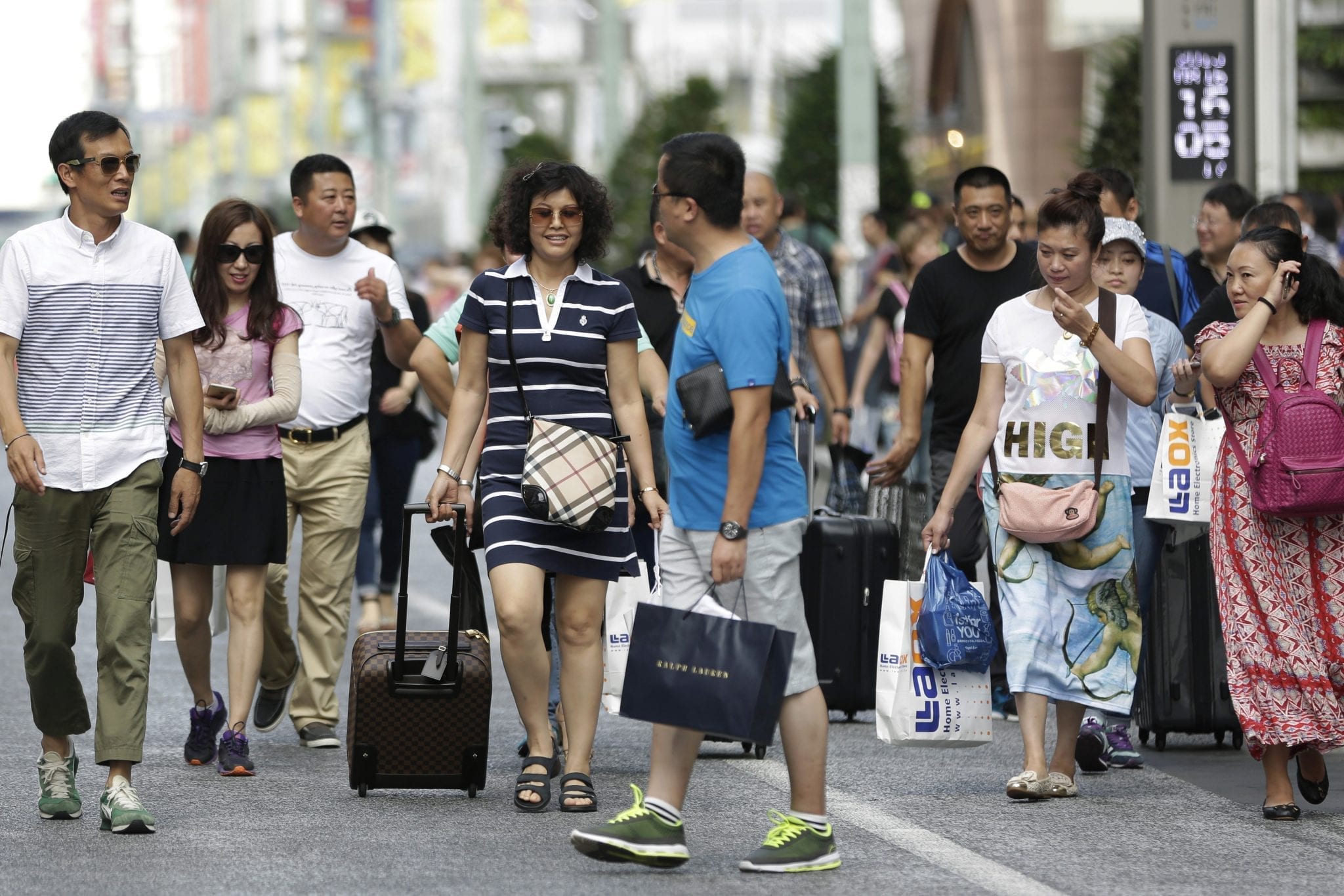
    South Korea has stepped up efforts to overhaul its dependence on Chinese shoppers by shifting the focus to other Asian countries.

    The country’s tourism sector – especially the duty-free retail industry – is bearing the brunt of the fallout triggered by the stationing of an advanced US missile defense system in Korea.

    In what appears to be acts of retaliation by Beijing against Seoul’s decision reached in July to host a Terminal High Altitude Area Defense (THAAD) battery, since Wednesday, all package trips from China to South Korea have been banned at the behest of authorities.

    China has vehemently objected to the missile move, saying THAAD’s high-power radar can be used to spy on its own military.

    This week, Chinese airlines have cut back on South Korea-bound flights and Chinese cruises are no longer making stopovers at local ports in popular tourist destinations.

    The slew of restrictions by Beijing has caused concerns among the local tourism and related sectors, such as the duty-free business, as they have heavily depended on Chinese visitors as sources of profit. Not only did they account for half of all foreign travellers last year, but they were big spenders who spent at least US$2000 per person buying things in Korea.

    In an effort to minimise the impact, Korea’s central and provincial governments are pushing to diversify foreign visitors to Southeast Asians and those from the Middle East, where Korean pop stars and TV drama series have gained huge popularity.

    Busan, South Korea’s largest port city, plans to bolster designing various tour programs that target Middle Eastern visitors, who are mostly big fans of Korean dramas, its city government said earlier.

    The city will also work with local businesses to develop medical and cruise tours for visitors from the Middle East, India, Mongolia and Russia.

    North Chungcheong Province, which has Cheongju International Airport, is pushing to increase flights to Taiwan, Vietnam, Russia and Japan.

    Related to such moves to diversify, the culture ministry said Thursday it plans to hold tourism exhibitions in Vietnam and Singapore next month to promote South Korea.

    Aside from state and provincial efforts, local firms, led by duty-free operators, are rushing to diversify their customer bases to tide over current difficulties. Hanwha Galleria, the duty-free unit of Hanwha Group, recently clinched deals with two travel agencies in the Middle East to secure foreign customers.

    It also plans to work with local hospitals to offer medical treatment services for Middle Eastern visitors as part of their tour programs.

    “The purchasing power of Middle Eastern customers on average is 30 per cent higher than people from China. We see (the THAAD issue) as a chance to boost our duty-free business through focusing more on individual tourists and VIP marketing,” Hanwha Galleria said.

  • Chunghwa Telecom Global launches SD-WAN

    Chunghwa Telecom Global launches SD-WAN

    CHT Global (Chunghwa Telecom Global) has launched its SD-WAN services on a global scale to help enterprises transition from traditional static hardware to software-based WAN.

    The company is partnering with VeloCloud Networks, a Cloud-Delivered SD-WAN company, to provide the underlying infrastructure for the service.

    CHT Global has one of the widest international cable line networks in the Pacific and beyond through its undersea submarine cables that direct global voice and data traffic.

    Its leverage in the Asia-Pacific in conjunction with its SD-WAN services will allow customers to ensure reliable wide-area network connections, whether they are DSL, cable, or LTE.

    “CHT Global SD-WAN will minimize the congestion that commonly occurs with traditional broadband Internet that would otherwise interfere with the delivery of time-sensitive applications and lower the QoE for end users,” CHT Global CEO and president Joe Yang said.

    “By pairing up VeloCloud’s technology and knowledge of managed services with CHT Global’s submarine cable network, businesses around the world can increase operational efficiency and maximize performance.”

  • Isetan Mitsukoshi replacing CEO

    Isetan Mitsukoshi replacing CEO

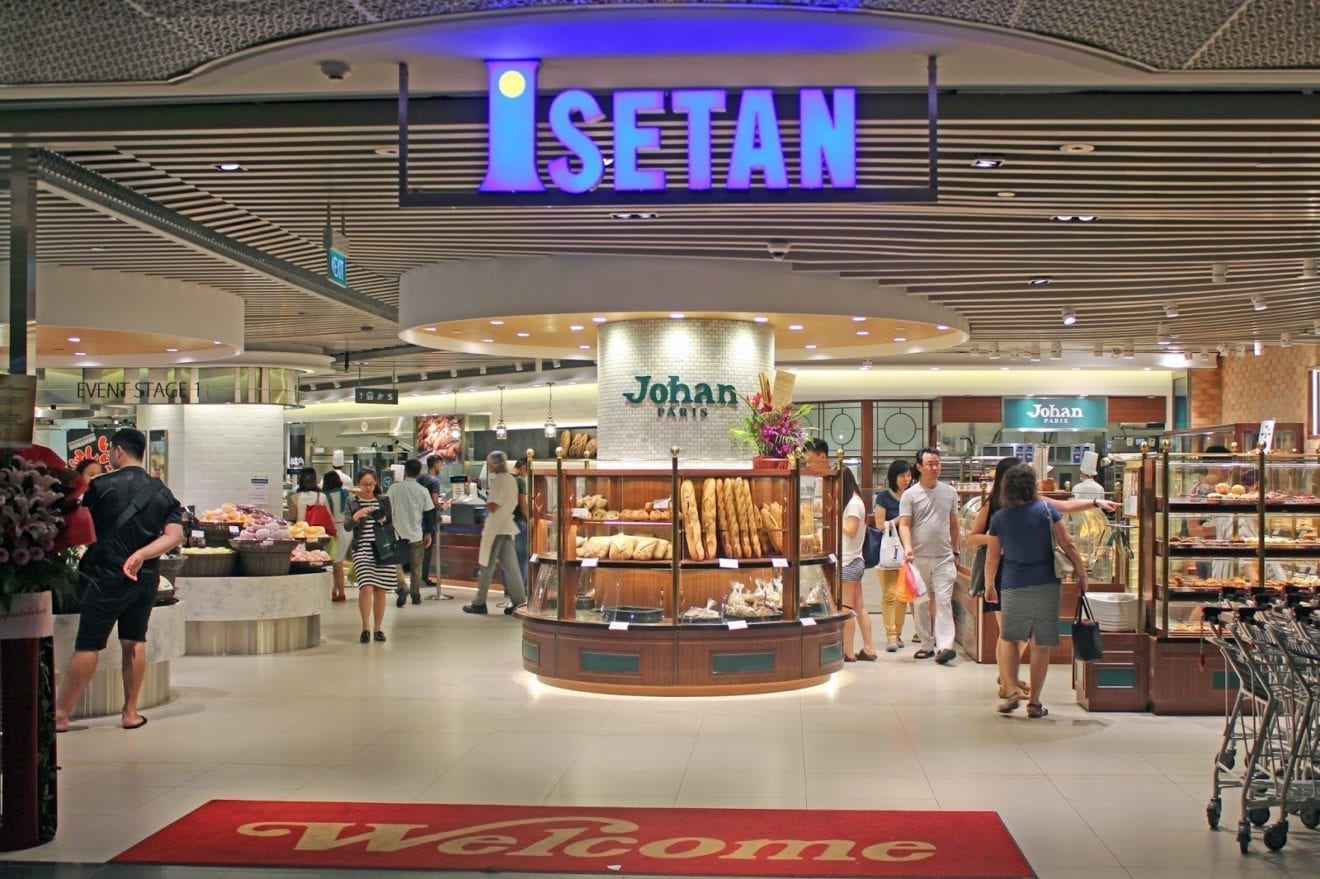
    Japanese department store chain Isetan Mitsukoshi Holdings has appointed a new CEO as retailers battle to recover from a sharp fall in shopping spend by tourists.

    In a filing with the Tokyo Stock Exchange, Isetan Mitsukoshi says senior managing executive officer Toshihiko Sugie will become CEO on April 1, replacing Hiroshi Ohnishi, who had been in the role since 2012.

    Isetan Mitsukoshi says it made the change “to further improve corporate value by installing fresh management”.

    Japanese department store sales fell to less than ¥6 trillion (US$52.70 billion) last year from a 1991 peak of ¥9.7 trillion, with retailers hit by weak economic growth, changing consumer tastes and e-commerce competition.

    There was a brief boom when tourists, especially Chinese, were buying expensive items such as jewellery and watches. This has come to an end despite tourism numbers growing by 21.8 per cent to a record 25 million last year, according to the Japan National Tourism Organization. More than 70 per cent of tourists came from China, Hong Kong, South Korea and Taiwan.

    Isetan Mitsukoshi says its duty-free sales fell 19 per cent to ¥36.7 billion over the nine months through December.

  • Atradius’ Ku appointed Country Manager for Hong Kong and Taiwan

    Atradius’ Ku appointed Country Manager for Hong Kong and Taiwan

    With immediate effect, Mr. Ku will take on the overall responsibility for the business operations and management of the Hong Kong and Taiwan team. The Hong Kong and Taiwan business showed growth of close to 10% in 2016 and Mr. Ku’s priority will be to further expand our business in the region and to maintain sound and closer relationships with our partners and customers.

    “I’m pleased to announce that Vincent Ku has been promoted to Country Manager Hong Kong and Taiwan. Mr. Ku joined Atradius as a Sales Manager in 2008 and has proven to be a strong addition to the Atradius family. Over the past years he has used his experience in the credit insurance market to continuously contribute to the profitable growth of our business in the Greater China region” says Eric den Boogert, Managing Director for Asia and the Middle East.

    In his previous position as a Regional Sales Manager, Mr. Ku was responsible for new business in China and was instrumental in returning the portfolio to profitability after the GFC.

  • Solid year for revitalised Dairy Farm International

    Solid year for revitalised Dairy Farm International

    Hong Kong-headquartered multi-format retailer Dairy Farm International has celebrated its 130th anniversary with a strong set of results, with food, home furnishings and restaurants delivering higher profits.

    Total sales, including those of associates and joint ventures, rose 14 per cent in US dollar terms and 17 per cent on a constant-currency basis to US$20.4 billion. Sales of wholly-owned subsidiaries rose 1 per cent to $11.2 billion.

    Underlying net profit rose by 7 per cent to $460 million, partly due to a 13 basis point net improvement in operating margins as well as increased contributions from Yonghui and Maxim’s. Operating profit rose 6 per cent.

    Supermarkets & hypermarkets solid

    Total food division sales, which include Wellcome and Giant, were flat in US dollar terms, although up 1 per cent on a constant currency basis.

    “In an environment of severe pressure on pricing, sales growth in Hong Kong supermarkets and in the convenience store businesses in Hong Kong, Mainland China and Singapore helped to offset declines in the group’s supermarkets and hypermarkets in Singapore and Indonesia and largely flat sales elsewhere,” explained CEO Graham Allan.

    “The closure of a number of unprofitable stores in Singapore and Indonesia also weighed on sales performance. However, specific actions, including strategic store closures, prudent management of costs and more targeted promotional activity, delivered improved operating margins.’

    Operating profit from the food division rose 13 per cent to $267 million, with the largest gains coming from Singapore and Indonesia.

    Sales of $6.2 billion from supermarkets and hypermarkets (excluding Yonghui) were in line with last year in constant currency while operating profit increased by 13 per cent to $194 million.

    Wellcome in Hong Kong drove higher sales through strengthening its fresh offer and an enhanced merchandise assortment. Operating profit was lower, principally due to a continued rise in rental costs and competitor promotional activities. In Macau, San Miu achieved sales and operating profit growth in its first full year in the group with range enhancement and increased fresh participation.

    In Taiwan, sales and operating profit were ahead of last year. A new ‘superstore’ concept was introduced for Wellcome with two net new stores opening during the year, while Jason’s continued its store expansion.

    “The retail landscape in Indonesia was challenging with limited recovery in consumer confidence and significant competition from the continued rollout of mini-market stores across the country, which impacted sales growth at supermarkets and hypermarkets,” said Allan.

    “Nevertheless, improved margins, from pricing and promotional activities, the closure of a number of underperforming stores and tighter cost control boosted profitability. Improving the fresh assortment and revitalising the upscale Hero brand remain key focus areas for the business.”

    In Malaysia, sales and operating profit were behind 2015 due to persistent low consumer confidence together with ongoing price controls following the introduction of GST, which continued to weigh on performance.

    The Philippines recorded a strong year with all banners reporting like-for-like sales growth and improved profitability. “A more appealing fresh assortment coupled with tactical pricing and successful marketing activities underpinned an encouraging increase in footfall,” said Allan.

    “Rustan’s benefited from increased sales of its imported and exclusive brands, while measures to improve cost efficiency were also implemented.”

    In Singapore, sales were down year-on-year due to poor consumer sentiment and the impact of store rationalisation. “Cold Storage achieved an encouraging operating profit increase, despite reduced sales following the closure of underperforming stores. Giant saw steady sales and positive profit growth, driven by increased margins and lower operating costs.

    “In the coming year, we aim to invest in the renewal of customer facing and back office technologies to improve our customer experience and internal efficiency whilst optimising ranges and supply chain productivity.”

    In Vietnam, Giant posted sound sales growth, from its single store, with increased customer traffic being the main driver and in Cambodia, the group saw “encouraging increases” in like-for-like sales and operating profit.

    Convenience sales reach $2 billion

    Convenience stores reported $2 billion in sales, an increase of 5 per cent year-on-year in constant-currency terms. Operating profit increased by 15 per cent to $73 million.

    In Hong Kong, 7-Eleven outpaced the competition and grew sales and operating profit despite soft consumer sentiment and difficult market conditions. Like-for-like sales strengthened during the year supported by promotions, range improvements and new products. A slight gross margin improvement led to a higher operating profit despite cost increases from labour and rent. In Macau, sales were flat and operating profit was lower due to slowing tourist numbers and a substantial cigarette tax increase in 2015.

    In Mainland China, 7-Eleven continued its solid growth and passed its 800th store milestone. During the year, sales and operating profit increased, with store network expansion and like- for-like sales growth. This was driven in part by an expanded ready-to-eat (RTE) product range.

    In Singapore, 7-Eleven achieved positive like-for-like sales growth arising from a store re-ranging project with a strong focus on RTE, including the successful introduction of new private label products sourced from 7-Eleven Japan.

    “Operating profit was significantly ahead of 2015 due to these initiatives and the rationalisation of loss-making stores,” said CEO Graham Allan. “The RTE range will be further expanded in 2017 and there will be increased focus on acquiring new profitable sites.”

    Health & beauty sales rise

    Dairy Farm’s health & beauty division achieved $2.6 billion in sales, up 4 per cent on a constant currency basis, however profit declined 5 per cent to $175 million due to margin pressure and higher rents in Hong Kong.

    “Gains in Hong Kong, Mainland China, Singapore, Indonesia and the Philippines, offset disappointing sales in Malaysia,” said Allan.

    In Hong Kong, Mannings’ sales increased in 2016 despite a smaller store network. “As mainland Chinese tourist arrivals continued to decline, promotional campaigns and loyalty programmes were launched throughout the year targeting local consumers,” said Allan. “Sales were flat in Macau as mainland Chinese tourist arrivals remained soft.

    On the mainland, Mannings “showed gradual improvement” with solid sales growth, particularly in baby care, beauty care and personal care, while the contribution from corporate brands increased.

    In Singapore, Guardian reported growth in sales, while operating profit also increased with higher gross margins and greater focus on cost and shrinkage management, partially offset by higher rental costs, but in Malaysia, Guardian experienced “a challenging year” with lower sales and operating profit due to subdued consumer sentiment, increased competition and weakness of the ringgit.

    In Indonesia, Guardian posted double-digit sales growth for the fifth year in a row, despite the net closure of 73 stores. Operating profit was higher than in 2015 with higher gross margins.

    In Vietnam, Guardian recorded another strong year of double-digit sales growth and improvement in gross margin. Corporate brand penetration increased significantly as brands such as Botaneco Garden proved popular with local consumers and in the new market of Cambodia, progress was made through range expansion and increased corporate brand penetration supporting strong like-for-like sales.

    In its second year in the group, Rose Pharmacy in the Philippines delivered performance improvement through sales growth, gross margin enhancement, better cost efficiency and the closure of a number of underperforming stores. Guardian brand products were launched with encouraging early signs of customer acceptance.

    Home furnishings solid

    Home Furnishings, essentially the Ikea business in Hong Kong, Taiwan and Indonesia, recorded a 12 per cent rise in operating profit to $71 million driven by increased sales of $597 million, 6 per cent ahead of 2015.

    “Sales and operating profit were higher than last year in all three markets. Like-for-like sales growth was particularly strong in Taiwan and Indonesia.”

    Hong Kong led the group in introducing new concepts to increase consumer access, launching online shopping in April 2016 and opening two pick-up points in Macau and on Hong Kong Island. Indonesia introduced online shopping in July. Taiwan opened a pick-up point in Hsinchu and launched online shopping in February 2017.

    “We continued to strengthen our low price image through ongoing price investment, and increased our focus on market specific products to enhance our local consumer appeal.

    “In the coming year, Home Furnishings plans both to continue its push in consumer accessibility and to drive forward its expansion plans, having identified a second Indonesia store location and opening a fourth store in Hong Kong in the second half of 2017,” said Allan.

    Solid growth for Starbucks, Maxim’s

    Sales in Dairy Farm International’s restaurants division rose 7 per cent year-on-year to $2 billion and profit rose 4 per cent.

    “The business delivered another year of record earnings in a difficult market environment while continuing to expand outside Hong Kong,” said Allan.

    The division expanded its reach by acquiring Cova, a premium chain of cake shops and restaurants, and by opening its first Treats food hall.

    In China, Maxim’s added 16 new stores across its brands, including the first Cheesecake Factory franchise at Shanghai Disney Town.

    The company now operates 20 Starbucks cafes in Vietnam and Cambodia and describes their performance as “encouraging”. The group launched its first Thai franchise in September – MX Cakes and Bakery, a joint venture with ThaiBev, which has opened three outlets in Bangkok.

    “Looking ahead, the group continues to see various exciting opportunities, including entry into the Beijing market with the opening of Jade Garden, Cafe Landmark and The Cheesecake Factory planned in 2017. Maxim’s will also continue to explore franchise and acquisition opportunities across the region.”

    Dairy Farm will “compete aggressively”

    Chairman Ben Keswick said Dairy Farm International is “transforming itself to compete aggressively in a changing retail landscape”.

    “Central to this are a strong focus on understanding changing consumer behaviour, growing market share, building digital engagement with customers and sharing know-how across the group. Investment is being sustained in supply chain, IT infrastructure and systems, and the skills and expertise of our people to support this transformation. Each business is committed to optimising the shopping experience of its customers and to serving their evolving needs as efficiently as possible.”

    Keswick said increasing convenience through expansion and enhancement of the store network remains a high priority, although when necessary, underperforming stores will be closed. Last year the entire group added a net 114 stores, despite a number of closures across its divisions.

    At December 31, Dairy Farm International had 6548 stores in operation in 11 countries and territories, including its interest in 487 Yonghui stores in Mainland China.

    “Despite the uncertain economic outlook for 2017, the group continues to strengthen its businesses,” said Keswick. “Investments are being made to enhance its competitive position, increase customer convenience and adapt to emerging consumer trends. These investments, coupled with the exposure of its market-leading retail brands to Asia’s growth markets, will support Dairy Farm’s long-term success.”

  • @Cosme hitting debut in Taiwan

    @Cosme hitting debut in Taiwan

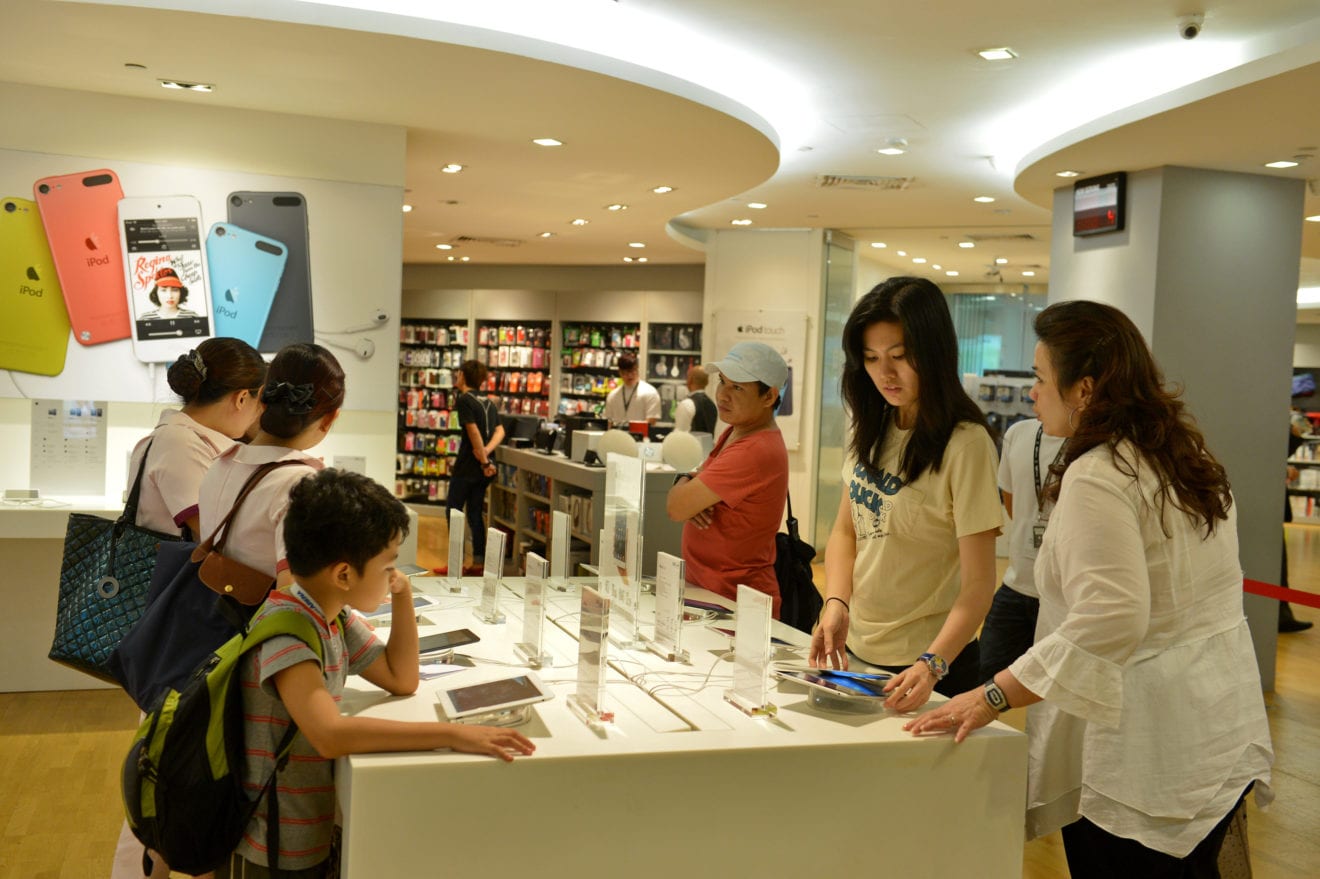
    Japanese online cosmetic store @Cosme is to open a brick-and-mortar store in Taiwan in May.

    It is the spearhead of a plan by its owner, Istyle, to open stores across Asia.

    Istyle began opening @cosme stores in Japan in 2007, bringing together drugstore and specialty store brands. The chain grew from a website that gained popularity by word of mouth, the stores making it easy for customers to find products that rank high on the site.

    However, Istyle’s business plan for the rest of Asia will follow the exact opposite path of its success in Japan: it will first open stores, then launch websites in the native language.

    “We will establish a foothold in foreign markets by first opening stores,” says Istyle president Tetsuro Yoshimatsu.

    The company plans to add three or more stores in Taiwan and Hong Kong this year.

    So far, most of Istyle’s overseas business dealings have been focussed on wholesaling cosmetics and crossborder e-commerce in China.

  • Japanese cosmetics brand Do-Best eyes Asian expansion

    Japanese cosmetics brand Do-Best eyes Asian expansion

    Japanese cosmetics brand Do-Best is looking at opportunities in the Philippines and broader Southeast Asian markets, including Indonesia.

    Do-Best CEO Daitaro Sugawara was in the Philippines for a group networking session organised by Security Bank and Japan’s Mitsubishi UFJ Financial Group. He was matched with executives from local retailers including Metro Retail and National Bookstore.

    Do-Best was founded 45 years ago to produce “high-quality, low-priced products” and is already exporting to Singapore, Hong Kong, Thailand and Taiwan.

    Sugawara says the company wants to tap into the fast-growing Asian markets with young consumers seeking low-cost cosmetics and beauty lines. Its products are already popular in Japan’s proliferation of 100 Yen shops and similar stores.

    “That’s why I was interested to have a meeting in the Philippines. My product is like my family, so I want Philippine distributors or retail stores to take care of our products.

    “I want to keep the original price as in Japan,” Sugawara said.

    Tadahiro Miyamoto, GM of BTMU’s Manila branch, says a lot of Japanese companies are now looking at the Philippine domestic market. “You should look at the shopping areas, you see a lot of Japanese products.”

    A large number of participants in the recent business-matching event were from the retail sector, agriculture and real estate.