Retail News CRM

Tag: Taiwan

  • Malaysian bubble-tea stoush now question of loyalty

    Malaysian bubble-tea stoush now question of loyalty

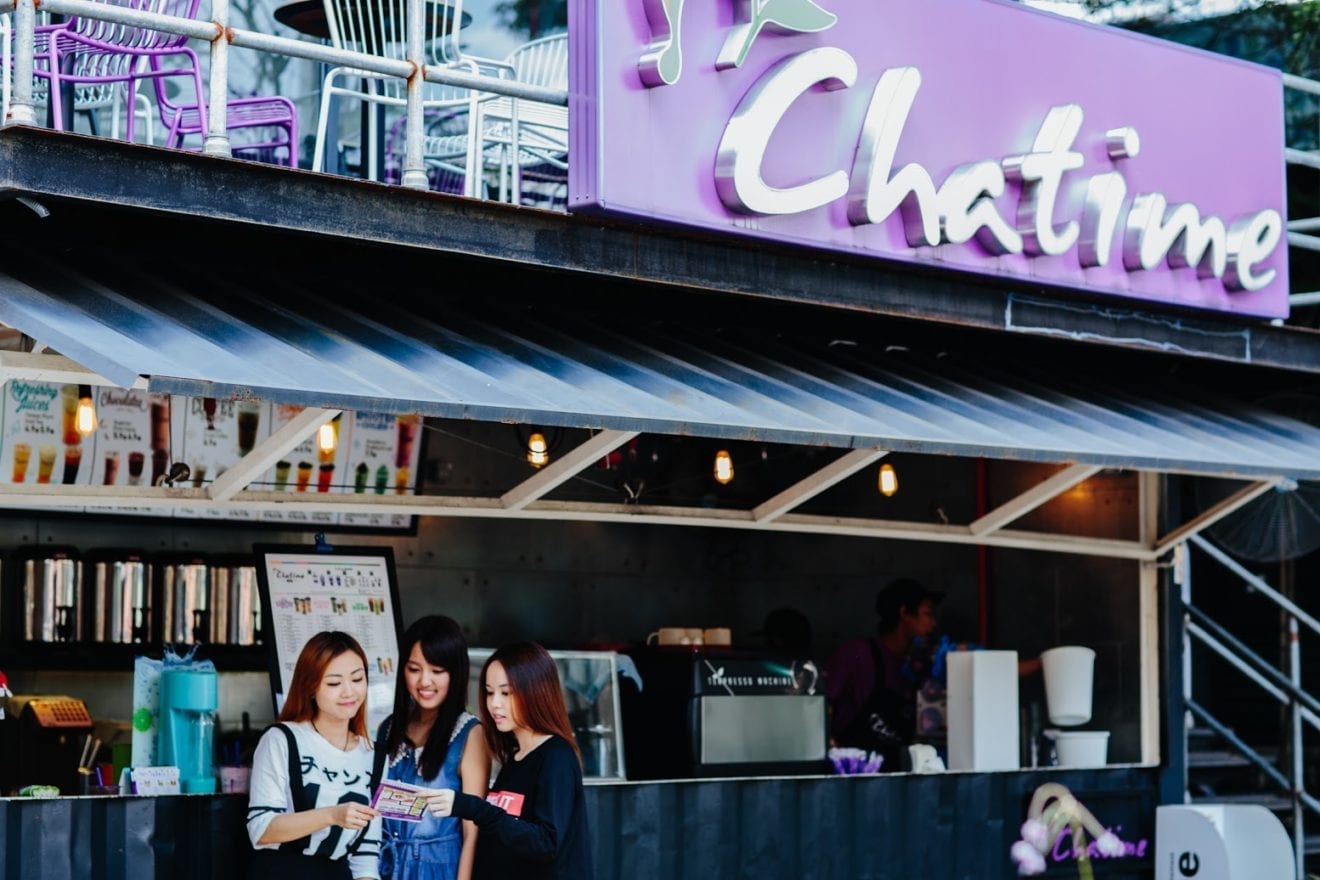
    Malaysia’s Chatime bubble-tea stoush continues, with a fresh argument regarding outlet loyalties.

    Taiwanese Chatime franchise owner La Kaffa International says nearly 50 outlets will stay with it, while former Malaysian master franchisee Loob Holdings claims that only four outlets have opted to keep the Chatime banner.

    Loob CEO Bryan Loo says more than 95 per cent of the total 165 Chatime outlets in Malaysia have decided to quit the brand and adopt Loob Holding’s new brand.

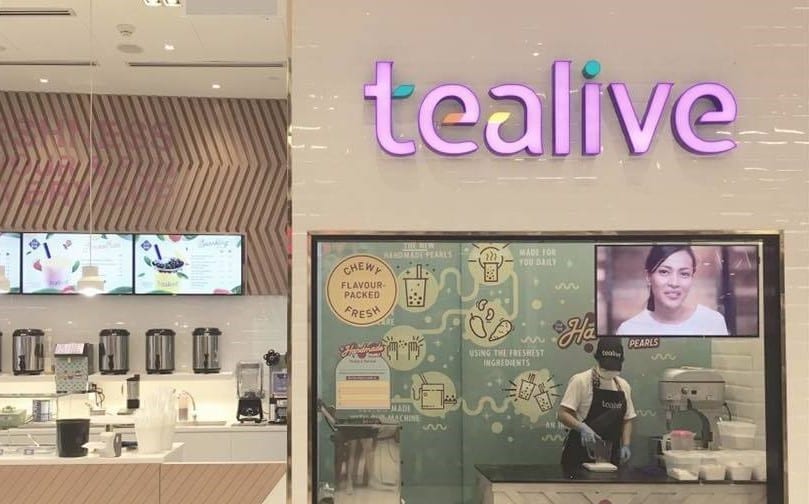
    “Only three franchisees, who run a total of four stalls, do not want to move on with us. They will be handed back to the franchise owner,” he told journalists at Kuala Lumpur’s Pavilion Shopping Mall after launching his new brand, Tealive.

    He did not name the franchisees or pinpoint their outlets.

    Loo says the new name was chosen to appeal not only to Malaysians, but across the other regions – and internationally.

    “So we felt like we had to find a very good name; and it had to be different from Chatime. We started with over 300 names and over three days, we shortlisted it down to 30 names and then the last one. In the end, we wanted a name that was simple and easy to digest no matter who you are.

    “While shortlisting, we felt that we exceptionally liked the names that had different pronunciations.

    People used to pronounce Chatime in so many different ways and it stirred conversation. So we wanted the same spirit; and that’s how we landed on the name Tealive (live pronounced similar to ‘a live show’). Some people could pronounce it tea-live (as in live at home) but the important thing is the underlying meaning to it – we want to bring a new life to tea.”

    Loo said in an interview that Tealive will be very different to other brands in the crowded bubble-tea market.

    “We want to be the brand that protects the weak and isn’t afraid of the strong; but also the brand that embraces changes. On the other side, with our hands untied, I believe that over the next quarters there is going to be a lot of innovation in terms of products, which we couldn’t do before.

    “When we used to collaborate with local brands, we were served warning letters; so moving forward that’s something we don’t have to worry about, so we can be innovative. I would also like to establish a regional R&D centre to come up with more creative drinks that will excite the market. Also, we’re looking to carry on with our aggressive expansion and move into other regions. We were already planning to do that with the previous brand, but now we get to do it with Tealive,” Loo said.

    La Kaffa contradicts claims

    At a press conference in a Kuala Lumpur hotel earlier this month, La Kaffa International executive VP Teresa Wang said the company was confident that nearly 50 franchisees would continue to collaborate with Chatime.

    At the same time, La Kaffa claimed Loob Holdings had stopped ordering the halal ingredients it supplied from Taiwan for Chatime’s Malaysia outlets. Loob Holdings has denied this, with Loo saying its products are certified by the Department of Islamic Development Malaysia (Jakim).

    The dispute bubbled to the surface in early December when the Taiwanese company terminated the master franchise agreement between the two parties, even though there was more than 20 years left on the deal.

    Loo has lodged a police report over the sudden termination, and both companies have taken the dispute to the Singapore International Arbitration Centre.

    Vietnam foray

    Meanwhile, Loo says Tealive will be opening its first overseas outlet in Vietnam before October.
    “We plan to deliver five outlets in Vietnam this year, and hope to increase that with another 20 outlets by the end of next year,” he says.

    Chatime is already in Vietnam with seven outlets in Hanoi, two in Ho Chi Minh City and one in Di An, Binh Duong province.

    Loo says Tealive will also venture into other Asean countries within the next few years.
  • Esprit Holdings moves out of the red

    Esprit Holdings moves out of the red

    Fashion group Esprit Holdings says it has made a “significant recovery”, turning around its HK$238 million (US$30.6 million) loss to record a net profit of HK$61 million for its first half.

    While the improvement was driven by retail sales, the group says two other major developments were a vital element of the growth in overall profitability for the half-year, to December 31:

    • The ongoing downsizing of the scale of the business, including the closure of unprofitable stores and low-performing wholesale locations.
    • Management moves increased the group’s gross profit margin, including fewer promotional activities, price markdowns and discounts for wholesale partners.

    As a result, the first-half unaudited figures show a 9.9 per cent drop in revenue to $8.323 billion. However, the measures produced the intended improvement in profitability, with gross profit margin increasing by 2 per cent .

    During the period, the group closed 9412 sqm of retail space, with coupled with the closure of 25,806 sqm in the previous six months represented a 11.1 per cent year-on-year reduction.

    Asia Pacific retail, excluding online sales, at HK$951 million, fell by 21.5 per cent. Retail space was reduced by 18.5 per cent.

    “It is important to note that in APAC we had the most drastic reduction of promotional activities and price markdowns,” says the company.

    Esprit’s Eshop brought in 24 per cent of total group revenue, generating HK$1.993 billion, down by 2.4 per cent. However, there was a 58.7 per cent leap in revenue for Eshop APAC to HK$119 million.

    China represented more than 80 per cent of the Eshop sales in the region. It recorded revenue growth of 54.9 per cent, fuelled by the integration of the Esprit Friends loyalty program, the strengthening of activities with Tmall, the expansion of its online presence through platforms such as WeChat and Weibo, and collaborations with celebrities and opinion leaders to enhance brand equity through social media.

  • Some bright future for Bossini International

    Some bright future for Bossini International

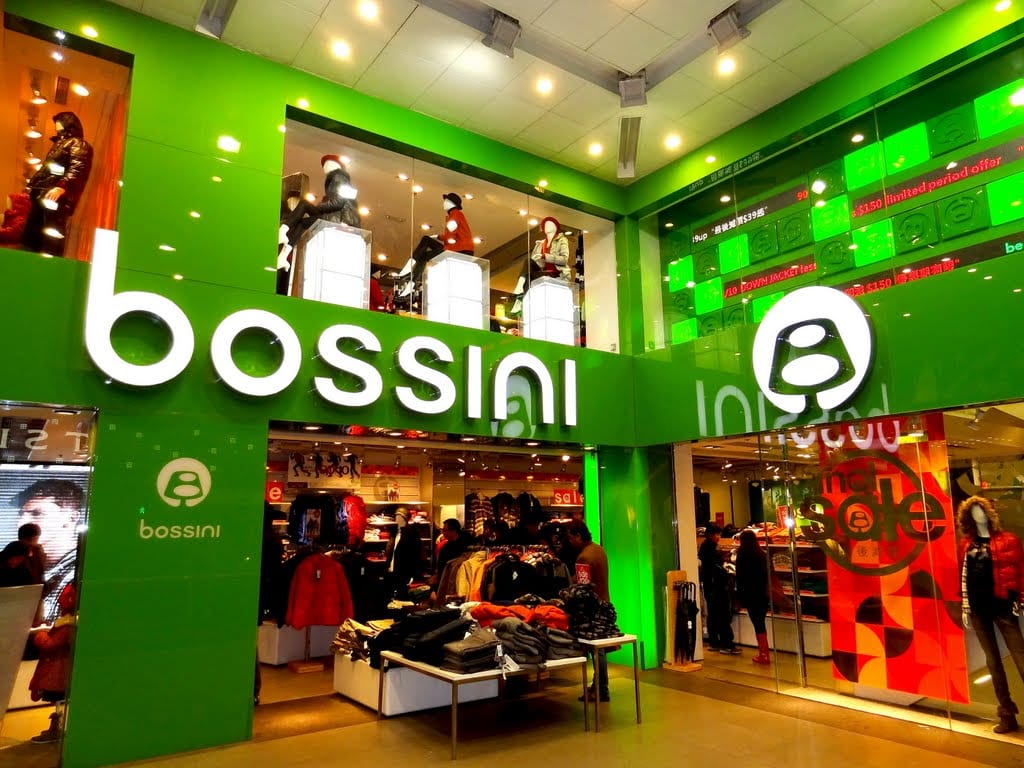
    Overall revenue fell 11 per cent for apparel retailer Bossini International during the first half of its financial year.

    However, its interim results to December 31, showed an improvement in gross margin – by four points to 51 per cent, attributed to more effective sales and marketing strategies. Profit for the period attributable to the owners increased by 20 per cent.

    The Hong Kong and Macau market, the Mainland China market and the Taiwan market showed signs of having bottomed out, says the company, with same-store gross profit level after a period of negative growth for more than a year.

    With a footprint across 28 countries, the group says it is still optimistic in the long run, adding 16 shops during the half-year.

    Its revenue for the six months was HK$1.022 billion (US$131.6 million), down 11 per cent from HK$1.146 billion in the same period a year earlier. Gross profit slipped 4 per cent to HK$519
    million.

    For directly managed stores, same-store sales in Hong Kong and Macau fell 6 per cent, a slight improvement, and Mainland China and Taiwan stores performed similarly, declining by 2 per cent. Same-store sales in Singapore dropped by 8 per cent compared to per cent in the previous first half. The group’s overall same-store sales slipped 6 per cent.

    At December 31, the Group had 952 stores, up five from six months earlier. Directly managed stores grew to 287 from 280, while franchised stores dropped by two to 665.

    The group continued its strategy of working with licensing partners to strengthen brand recognition and boost sales. Three licensing programs were launched in the first half of the financial year, working with Disney and Universal Studios.

  • Taiwan’s Quanta Computer taps Brocade for IP rollout

    Taiwan’s Quanta Computer taps Brocade for IP rollout

    Taiwan-based notebook manufacturer Quanta Computer has deployed Brocade-powered New IP networks at factories within its key manufacturing site.

    The deployment of Brocade IP networking technology at both the company’s network edge and its data center dramatically simplifies operations at the Quanta Shanghai Manufacturing City (QSMC) plants, Brocade said.

    The project also paves the way for the company to employ SDN as it diversifies into producing a broader range of digital products.

    Quanta Computer has grown to become a $ 31.5 billion business by delivering manufacturing excellence to major brands including Apple, Dell, Fujitsu, HP, and Sony.

    “Competition in the notebook market is relentless and so is the demand to improve manufacturing quality and efficiency,” said Dave Chen, AVP of Quanta Computer. “Our factories are highly automated and that makes them highly network-dependent with a network edge of more than 10,000 ports now deployed at Quanta Shanghai Manufacturing City, which is a big network administration challenge.”

    Chen said they deployed Brocade networking solutions at Quanta Shanghai Manufacturing City because they provide a radically simplified administration model, which reduces costs and improves network availability, and sets us up for further improvements and increased production line flexibility by leveraging SDN.

    Henry Zhu, Brocade country manager for China, the deployment opens the way for the development of software-defined production lines that are capable of virtual retooling on the fly to dramatically increase flexibility.

  • Hooters of Singapore leads Asia expansion

    Hooters of Singapore leads Asia expansion

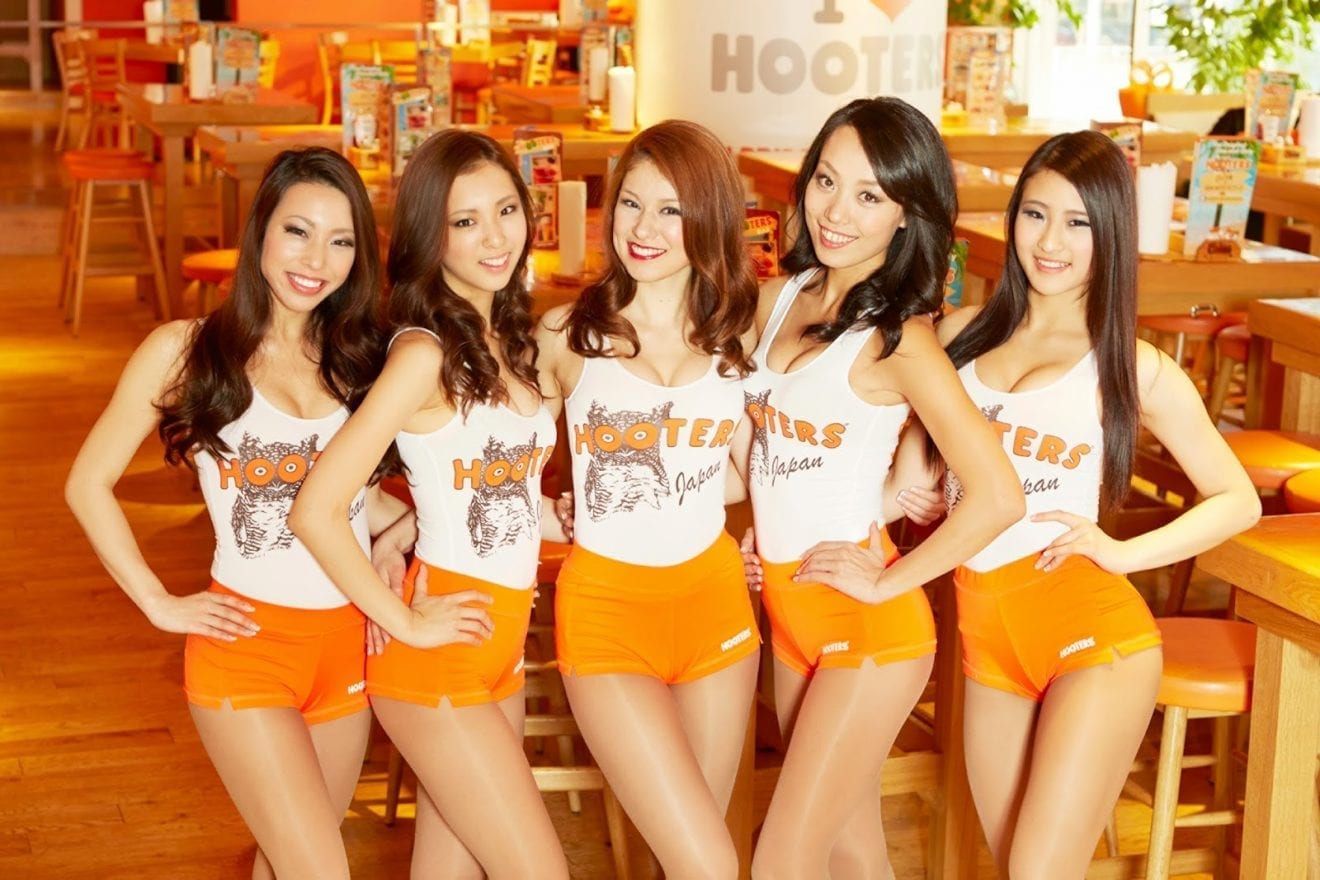
    Hooters of Singapore – Marina Bay has opened in Marina Boulevard, led by franchisee Destination Properties Group.

    Hooters Marina Bay - Singapore 3

    Covering 2336 sqft (217 sqm) and close to Marina Bay Sands and Marina Bay Financial Center, the restaurant features more than 22 large-screen televisions. The US chain is known for its hostesses, wings and live televised sports.

    “The growth of Hooters locations in Asia is continuing its momentum,” says Destination Properties Group CEO Gary Murray.

    Hooters Marina Bay - Singapore 4

    Hooters Marina Bay - Singapore 5

    Hooters Marina Bay - Singapore 6

    Hooters Marina Bay - Singapore 7


    Hooters Marina Bay - Singapore 9

    Hooters Marina Bay - Singapore 8

    The new venue is part of a 35-location Southeast Asia development agreement between Hooters and the Singapore-based international franchisee. There are now 24 outlets in Asia, with plans to open more this year in Phnom Penh, Samui, Jakarta, Singapore (Fusionopolis), Taipei and multiple locations in Manila.

    Meanwhile, the brand is seeking further restaurant sites in Bali, Bangkok, Ho Chi Minh City, Hong Kong and Kowloon, Jakarta, Krabi, Kuala Lumpur, Macau, Manila, Cebu and Davao, Siem Reap, Singapore, Taipei and Yangon.

    Hooters plans to open more than 30 restaurants globally this year.

    Hooters Marina Bay - Singapore 1

  • Chatime Malaysia outlets to rebrand

    Chatime Malaysia outlets to rebrand

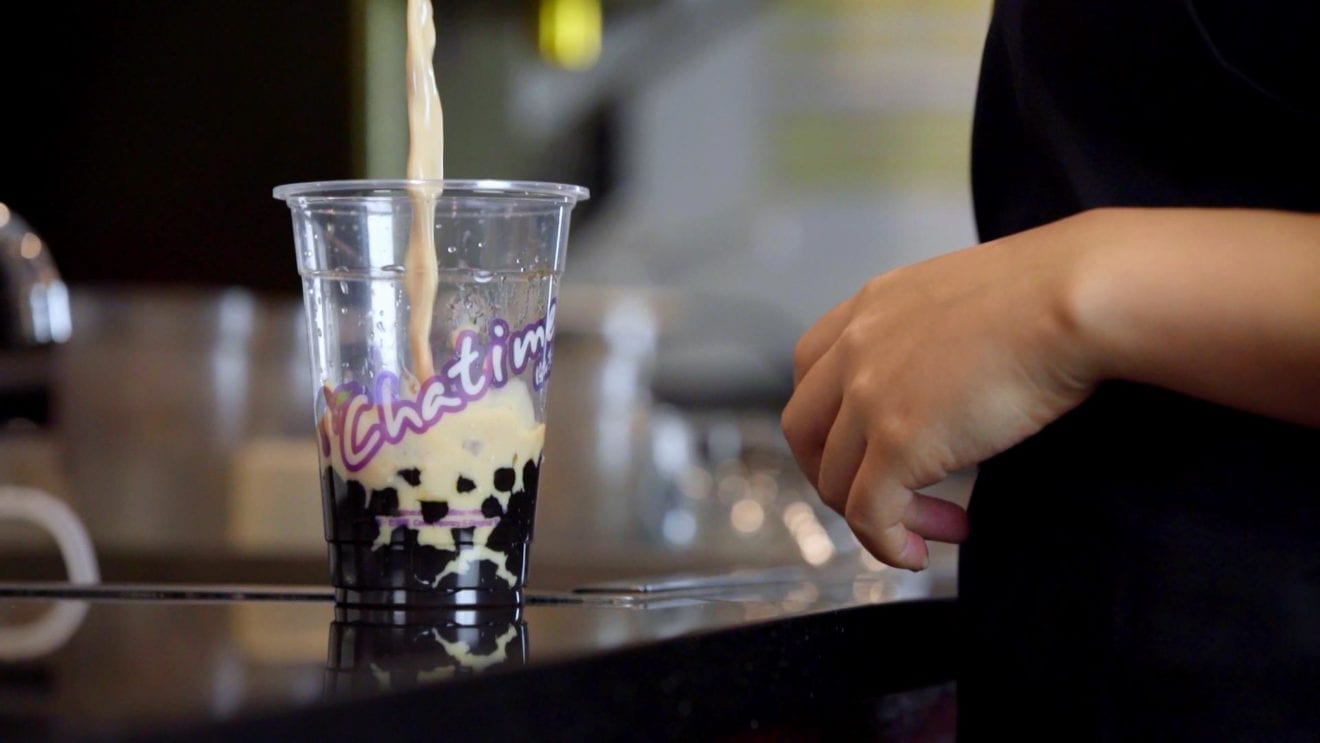
    Chatime Malaysia bubble-tea outlets will be rebranded following a dispute between franchisor La Kaffa International of Taiwan and Malaysia’s Loob Holdings.

    The move follows a termination of the franchise contract because of irreconcilable differences. Loob Holdings, which runs 165 Chatime outlets in Malaysia, contributes more than half of the turnover for the franchise company’s 800 outlets internationally.

    “We will surely come up with something better,” says CEO Bryan Loo, noting his company has nine other brands. He says it built the Taiwanese brand from scratch in Malaysia — “from zero to hero, and from no outlet to the current 165”.

    Loo says disagreements and disputes over business and operational matters had all been dealt with in accordance with the terms of the franchise agreement.

    “In 2011, there were a few dozen bubble-tea brands, and now there are only three. We are by far the market leader in our segment, and we are confident of holding this leadership with our own brand, which will be revealed when the time comes.”

    The dispute came to light when La Kaffa announced on January 6 that it had terminated the franchise and would immediately take over all the 165 Chatime outlets in Malaysia. However, Loo has clarified that Loob Holding and its sub-franchisees are still running all 165 outlets. According to the franchise agreement, the outlets will stop using the Chatime branding after 45 days.

  • Taiwan’s VAT On Online Retailers Becomes Law

    Taiwan’s VAT On Online Retailers Becomes Law

    On December 28, Taiwan’s President Tsai Ing-wen signed into law the amendment to the Value-Added and Non-Value-Added Business Tax Act to impose tax on foreign online sellers’ supplies to Taiwanese consumers.

    The amendment is intended to raise additional revenues and level the playing field for Taiwanese bricks-and-mortar retail and service businesses.

    The Ministry of Finance is to draw up the required tax regulations and procedures. In addition, it is to establish a website for simplified business registration and for filing VAT returns and paying VAT.

    Foreign online suppliers selling cross-border goods and electronic services to end consumers will have to register for tax in Taiwan through a permanent establishment, or appoint a VAT or non-VAT tax representative. The permanent establishment or agent will be required to file the necessary bimonthly tax returns. Significant penalties will be imposed for non-compliance.

  • Vietjet launches its 5th route to Taiwan linking Ho Chi Minh City with Taichung

    Vietjet launches its 5th route to Taiwan linking Ho Chi Minh City with Taichung

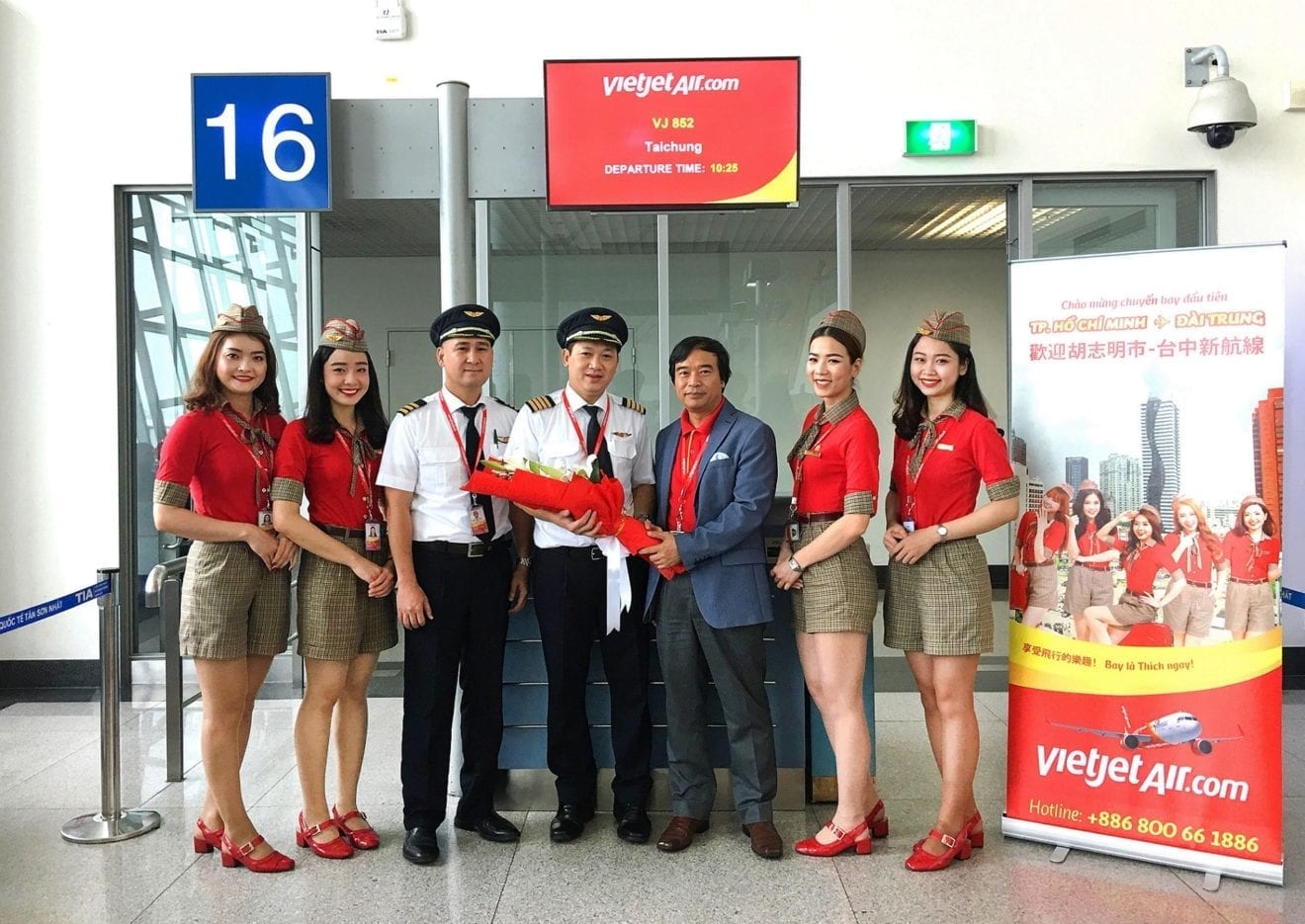
    This Month Vietjet has launched its 5th route to Taiwan connecting Ho Chi Minh City with Taichung (Taiwan), becoming the airline with the most routes between Vietnam and Taiwan. The new service is to meet the increasing travel demand of individuals, tourists and businessmen, looking to boost regional trade and integration. It follows last month’s launch of the Hong Kong – Ho Chi Minh City route serving as another important step forward for Vietjet in its on-going move to expand in the Asia Pacific region. 

    The Ho Chi Minh City (HCMC) – Taichung route is operated with four round trips per week, on Monday, Wednesday, Friday and Sunday with flight time per leg being 3 hours 30 minutes. The HCMC-Taichung flight takes off at 10:25 (local time) and lands at 14:45 (local time). The return flight from Taichung departs at 15:45 (local time) and arrives in HCMC at 18:00 (local time). All passengers onboard the inaugural flight have received lovely gifts from Vietjet.

    Promotional air tickets for this new route are also available for booking from 13:00 to 15:00 every day under Vietjet’s 5th Anniversary “Win a 1-kg gold airplane, Fly to a happy future” campaign from now till February 28. Vietjet offers up to 5 million promotional air tickets from only HKD8. Tickets can be booked at www.vietjetair.com. Payment can be easily made with debit and credit cards of Visa, MasterCard, JCB, KCP and American Express and ATM cards that have been registered with internet banking. All passengers who book tickets successfully can also enter a daily lucky draw for free return air ticket, a weekly lucky draw for 3.75-gram of gold, and a final lucky draw for a 1-kg gold aircraft model.

    Located in the west of central Taiwan, Taichung is Taiwan’s third largest city, widely known as a cultural and educational center with many heritages and historical sites. Thanks to its serene nature, nice weather and famous local cuisines and cultural events, the city is expected to become the tourism paradise. With the new route to Taichung, Vietjet’s flight network to Taiwan has been increased to five routes, helping travelers, tourists and businessmen fly affordably.

    Ho Chi Minh City on the other end is one of the most popular tourist destinations in Southeast Asia with its many cultural and historical attractions. From pagodas and museums to fine restaurants and scenic spots, the city offers travelers a truly memorable experience. 

    With its high-quality services, special low-fare tickets and diverse ticket classes, Vietjet offers its passengers enjoyable flights with dynamic and friendly flight crew, comfy seats, amazing hot meals and special surprises from the airline’s inflight activities. Vietjet’s Hong Kong and Ho Chi Minh City route which commenced on December 9, 2016, has been very popular with travelers with its daily service departing from Ho Chi Minh City at 14:35 (local time) and arrives at Hong Kong International Airport at 18:20. The return flight takes off at 19:20 (local time) and lands at 21:05. The flight time is 2 hours 45 minutes per leg.  

  • Tourists drive Sa Sa sales

    Tourists drive Sa Sa sales

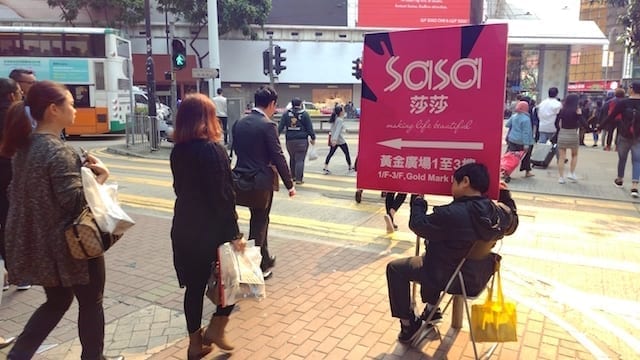
    Sales performance has improved marginally for cosmetics chain Sa Sa International Holdings for its third quarter, to the end of December.

    This was mainly a result of a rise in numbers of mainland customers driving a 5.4 per cent increase in the number of transactions in Hong Kong and Macau while local trade remained flat. However, the average sales per transaction of local customers increased by 0.2 per cent while for mainland customers there was a 3.6 per cent drop.

    Sa Sa sales growth is a result of the group’s ongoing efforts to adjust its product offerings to adapt to the market demand for trendy products, the company says. This also resulted in continued downward pressure on gross profit margin for the quarter.

    For the quarter, the group’s retail and wholesale turnover eased up by 0.9 per cent year-on-year, while the figures for other markets outside Hong Kong and Macau – including China, Malaysia, Singapore, Taiwan and online – were flat.

    Following the gradual tapering of year-on-year retail sales decline in the first and second quarters in Hong Kong and Macau, same-store Sa Sa sales in the third quarter fell by 2 per cent while retail sales rose by 1 per cent.

    Sa Sa had 290 outlets in total at the end of December, up from 283 as at September 30. For Hong Kong and Macau, there were 115 outlets, up by two; China had three more stores for a total of 56; Singapore lost two stores to finish the year with 21; Malaysia gained five outlets for 73; and Taiwan lost a store to end the year with 25.

  • Sharetea bubble tea arrives in Vietnam

    Sharetea bubble tea arrives in Vietnam

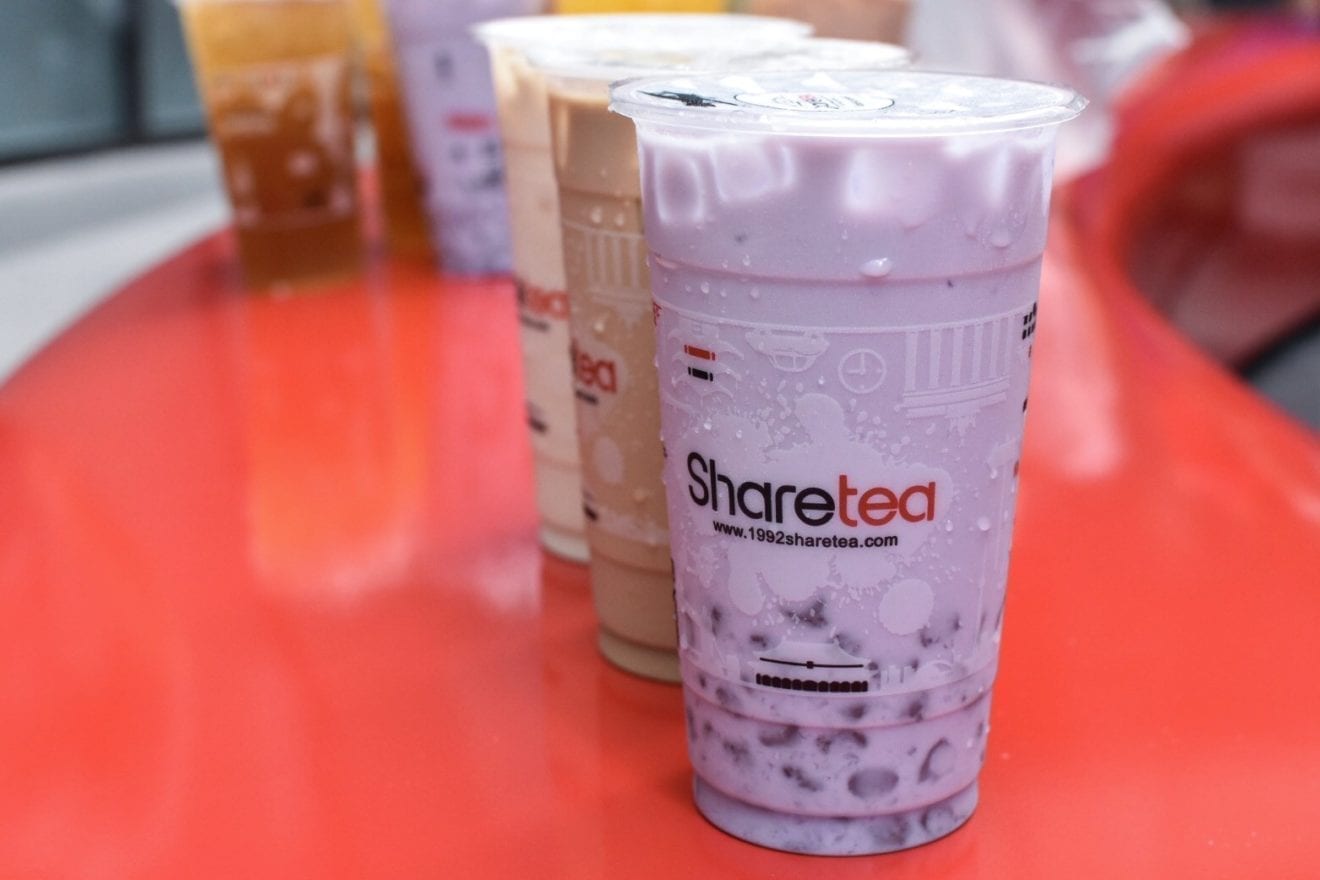
    Taiwanese bubble-tea brand Sharetea has launched into Vietnam with a store on the walking street of Nguyen Hue in central Ho Chi Minh City.

    Sharetea has more than 450 stores in more than 18 countries. Its drinks are made from tea leaves and ingredients shipped directly from Taiwan.

    It says its customers’ favourite drinks include coffee milk tea, kiwifruit tea, whole-lemon green tea and pearl black milk tea.

    Vietnam’s bubble-tea market has yet to reach its potential, say business owners in the sector. Sharetea is competing with other overseas brands like Chatime, Gong Cha and Koi.

  • Chatime Malaysia master franchisor axed

    Chatime Malaysia master franchisor axed

    Loob Holdings, which owns and runs the Chatime Malaysia outlets, says it will seek legal advice in response to news of a purported termination of the franchise agreement with La Kaffa International of Taiwan.

    Loob CEO Bryan Loo says that while the franchisor owns the brands, all Chatime outlets in Malaysia are owned and run by his company, either through direct ownership, sub-franchisees or joint ventures with sub-franchisees.

    While awaiting the legal process, he says all 165 Chatime outlets in Malaysia will be open as usual with Loob as master franchisee.

    Earlier, La Kaffa chairman Henry Wang announced the termination of Loob Holdings’ Chatime master franchisor contract, which it has held for six year, because of disagreements in the direction of business operations.

    Wang said La Kaffa would take over the Chatime business in Malaysia, assuring franchisees they would continue to receive support from the company.

  • Fatburger China plans big Beijing presence

    Fatburger China plans big Beijing presence

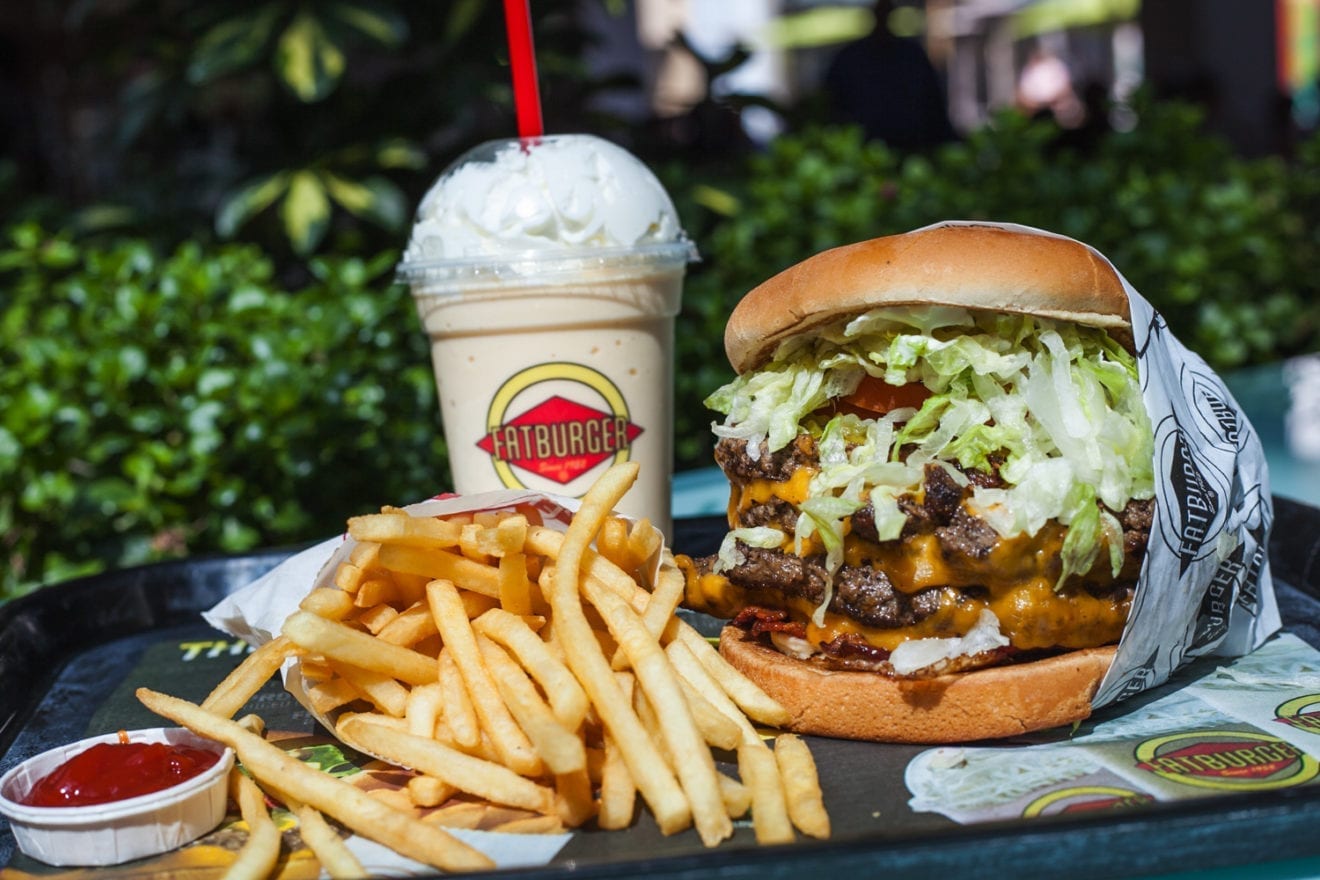
    Under a franchise deal, California chain Fatburger is about to establish a presence in Beijing.

    Known for its made-to-order burgers, shakes and fries, the brand has signed a franchise development contract with Beijing Haisiyamei Restaurant Management, which has committed to build more than 15 Fatburger China restaurants in Beijing.

    This follows the launch of the burger brand in Shanghai, at Sinan Mansions in Huangpu, about to be followed by outlets at BFC and Shanghai Tower.

    In the capital city, the first Fatburger China outlet will be at the Grand Summit Beijing, to be followed by another at Gemdale Plaza Beijing

    Fatburger is aiming to take its all-American dining experience to new territories worldwide, and has opened in 32 countries. It has just launched in the Philippines and has agreements in place for a further 350-plus locations internationally.

    “Sharing core values with key partners is crucial to the growth of the Fatburger brand throughout the world, and we are certain Beijing Haisiyamei Restaurant Management will successfully introduce our menu to new fans,” says Fatburger CEO Andy Wiederhorn.

    Fatburger is a fast-casual restaurant serving burgers crafted specifically for each customer. It started its foray in Asia with its parent, Fog Cutter Capital Group, signing a deal with Puji Capital in Shanghai with the aim of expanding across China, Taiwan and Singapore.

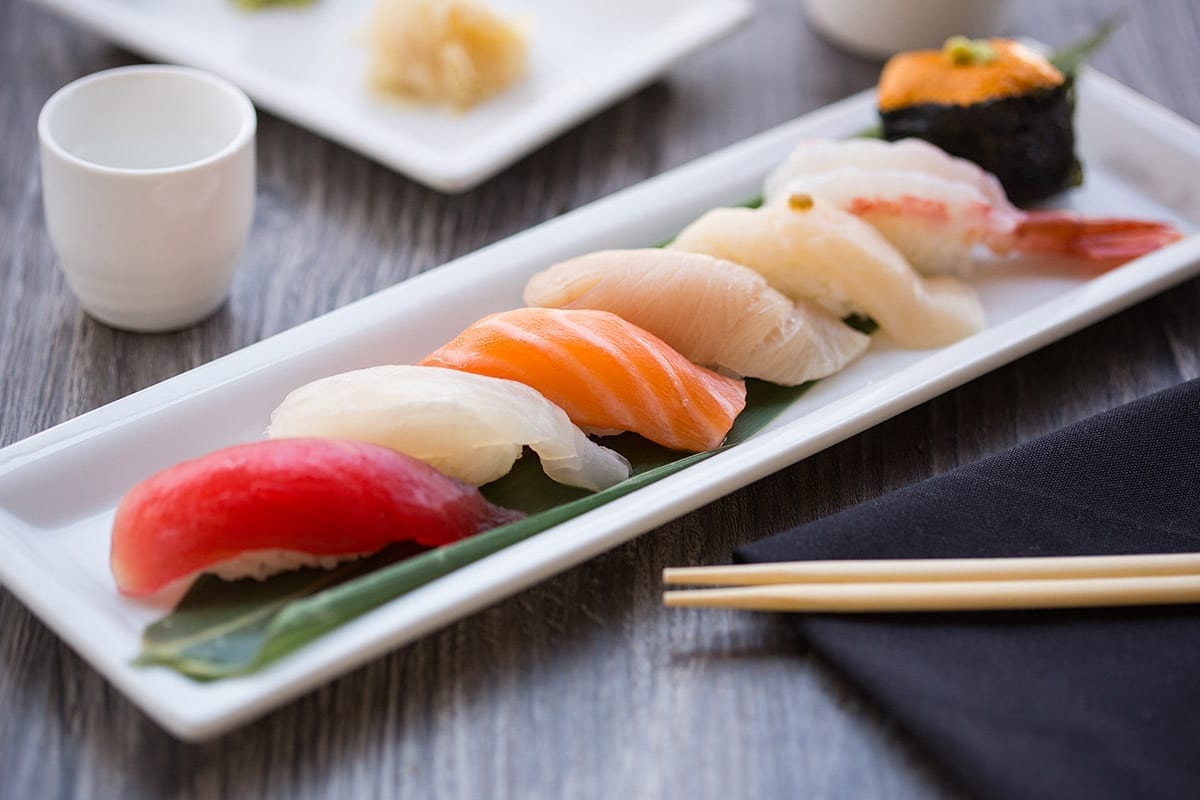
  • Kura Sushi going suburban in Taiwan

    Kura Sushi going suburban in Taiwan

    Japan’s Kura Corporation plans to octuple the number of its Kura Sushi conveyor-belt restaurants in Taiwan to 40 by 2024.

    Its present five sushi-train restaurants are mainly in urban areas, but it plans to move to the suburbs with outlets along busy streets. It plans to open five restaurants this year.

    Kura opened its first restaurant outside Japan in Taiwan in 2014. The five outlets in Taiwan are smaller than their Japanese counterparts, with up to 30 per cent fewer seats. Kura shops in Japan can seat an average of 200 diners. However, on a per-restaurant basis, the group’s Taiwan revenue almost matches that of the outlets in Japan.

    kura-sushi-taiwan

    Reservations can be made online up to two weeks in advance, with the Taiwan restaurants usually fully booked for lunch and dinner.

    With rents rising almost every year in Taiwan as land prices surge, Kura has decided to switch its expansion focus to the suburbs where long-term contracts are still possible. Kura Taiwan president Kentaro Nishikawa also says there are “many more benefits out there”.

    While the Taiwan division only broke even in its last fiscal year, it expects to turn a profit this year.

    Nishikawa says it is hard to manage restaurants that sell alcoholic beverages in Taiwan because Taiwanese usually spend little on dining out and do not drink much. He says many customers come in groups and stay for conversation long after finishing their meals.

    He says Kura will add curry rice using vinegared rice, plus other dishes to its menus in Taiwan. It will also differentiate the Taiwan restaurants from the Japan chain by offering fresh fish bought from local markets and cut in front of the customer.

    Kura also has restaurants in the US and is looking to spread to other countries.

  • Taiwan’s NCC urges 2G users to upgrade by June

    Taiwan’s NCC urges 2G users to upgrade by June

    Taiwan’s National Communications Commission has launched a new awareness campaign urging the nation’s remaining 2G subscribers to migrate to 3G or 4G before the 2G licenses expire on June 30.

    The regulator has produced two TV commercials to spread awareness of the advantages of 4G and the necessity of migrating.

    As of November there were around 430,000 remaining 2G subscribers, with 290,000 of these being Chunghwa Telecom customers and the remainder divided between Taiwan Mobile and Far EastTone.

    While all Taiwan’s 2G licenses are set to expire on June 30, triggering the sunsetting of the technology, the regulator has decided to provide a six-month grace period after this date. This will allow any remaining 2G hold-outs to migrate to the newer standards before losing services.

    The three operators are meanwhile offering low-price options to entice 2G users to upgrade.

    Chunghwa Telecom, for example, is offering a special rate of NT$88 ($2.73) per month for customers upgrading from 2G to 4G, which includes 1.5GB of data, 30 minutes of intra-network calls and 5 minutes of cross-network calls.

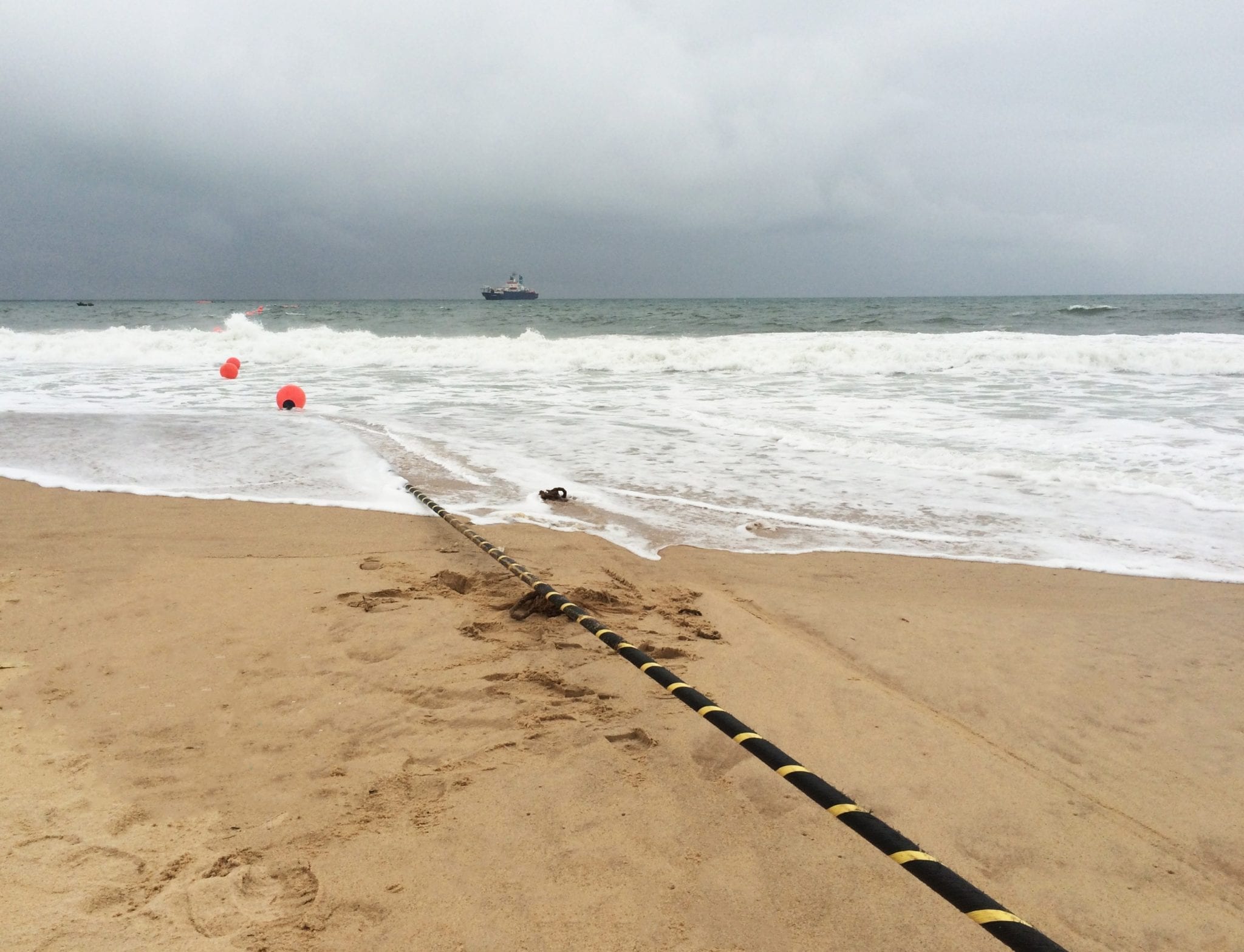
  • Submarine internet link completed

    Submarine internet link completed

    The Asia Pacific Gateway (APG) submarine fiber optic cable line has been put into operation after four years under construction.

    The APG, funded by VNPT, Viettel, FPT and CMC, aims to boost Vietnamese Internet speed.

    The operation of the network aims to reduce dependence on the Asia-America Gateway (AAG) as the AAG faced incidents three times last year, which affected not only individual users but also enterprises.

    The APG boasts a capacity of 54 Tbps, the highest of any network in Asia. With a total length of approximately 10,400km, the cable line connects mainland China, Hong Kong, Taiwan, Japan, the Republic of Korea, Malaysia, Singapore, Thailand and Việt Nam.

    Initiated in 2009, the APG is a partnership between Chunghwa Telecom (Taiwan-China), China Telecom (China), China Unicom (China), KT Corporation (RoK), NTT Communications (Japan), PLDT (the Philippines), Telekom Malaysia (Malaysia) and VNPT (Việt Nam).

    Viettel has also been investing in an Asia Africa Euro-1 (AAE-1) cable system, connecting countries in Asia, Africa and Europe. The cable line is expected to operate this year.