Retail News CRM

Tag: taxi

  • Uber to triple number of drivers, launch ‘UberPool’

    Uber to triple number of drivers, launch ‘UberPool’

    Uber is set to expand its pool of drivers and will launch “UberPool”, a carpooling service, in Bangkok next year.

    The private car company will increase the number of its drivers from 30,000 to 100,000 by next year as currently it can only serve around 85 percent of customers with an estimated wait time of 5.5 minutes. 

    Uber also plans to launch “UberPool”, a carpooling service on the Uber app that matches customers with fellow riders heading in the same directions to split costs, The Nation reported.

    About 2 million Bangkokians have taken an Uber ride since its launch last year. The company wants to cut its pick-up time to three minutes, said Chan Park, general manager for Southeast Asia.

    The areas with the highest demand for Uber are Ratchaprasong Junction, Sathorn road, and Suhkumvit road. 

    For the cheaper UberX, the business has grown 12-fold since its launch six months ago. 

    “Thailand is a huge potential market. The firm’s business focus will be consumer-centric so that it will create business opportunities in Thailand. It also has plans to expand to big cities,” said Barry Levy, acting managing director of Uber Thailand. 

  • Singapore’s taxi drivers unhappy with Uber, transport minister responds

    Singapore’s taxi drivers unhappy with Uber, transport minister responds

    It seems that taxi drivers in Singapore are fearful of Uber, which threatens their livelihood by using private drivers to pick up passengers.

    While they didn’t riot in the streets or overturn cars (Singapore clamps down hard on unruly behavior), they’ve privately complained to Khaw Boon Wan, the newly minted minister of transport, as he campaigned during the just-concluded general elections.

    All this was revealed in a blog post written by the minister. Khaw says his ministry is taking another look at rules governing such transportation apps.

    “Apparently, UberX signs on drivers to drive private hire cars to provide a booking type of transport service, and these drivers do not need a vocational licence unlike taxi drivers,” he says. “While taxi drivers welcome competition, they demand that the playing field be level. I think our taxi drivers have a point.”

    UberX is just one of Uber’s many services.

    It seems Khaw is taking a cautious and consultative approach, and that’s a good sign. He acknowledges that young people enjoy using services like Uber and Airbnb, and that the government must not resist innovation. He urges that “we must always be fair to players, whether incumbent or insurgents, and strike a balanced approach.”

  • Uber Says Special Interests Challenge Push Onto Indonesia Roads

    Uber Says Special Interests Challenge Push Onto Indonesia Roads

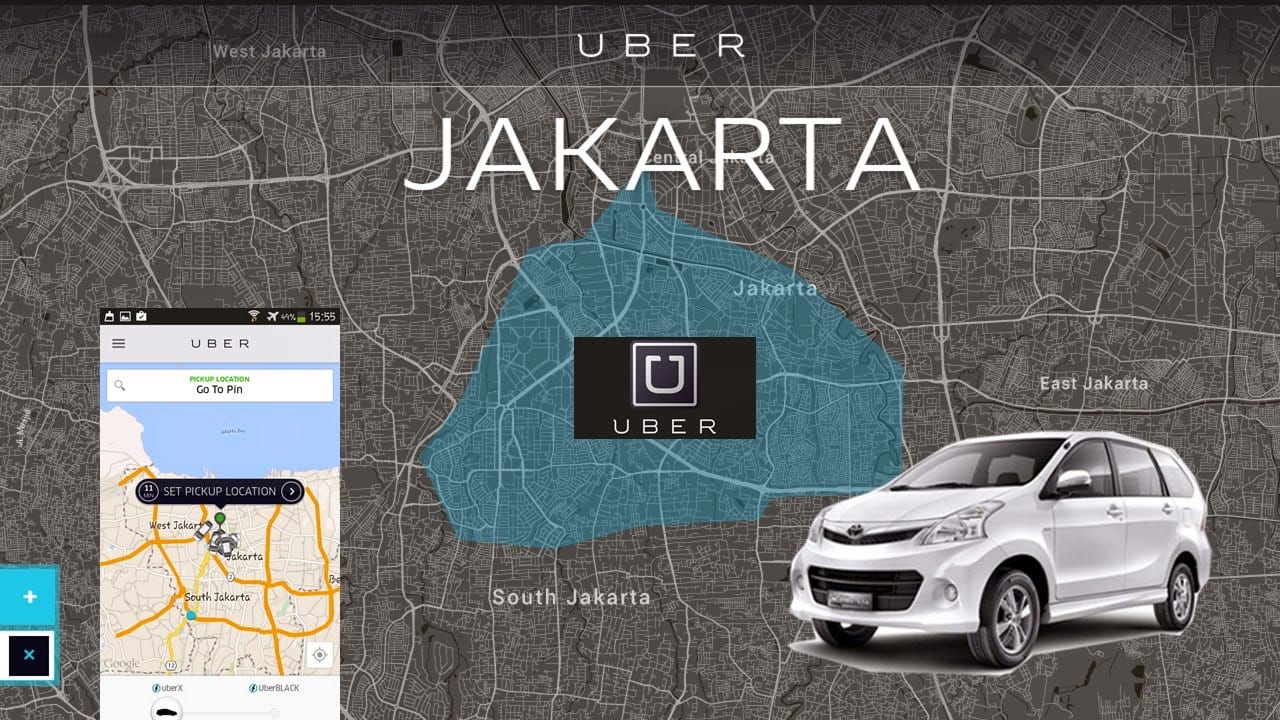
    Uber Technologies Inc. plans to set up an Indonesian entity to deal with challenges from authorities to its push into one of Asia’s largest markets.

    The ride-hailing company has had cars seized in Jakarta this month and drivers questioned by police, Michael Brown, Uber’s regional manager for Southeast Asia, said in an interview. The company needs to register to pay tax, Jakarta Governor Basuki Purnama said in a televised briefing on Friday, after saying it doesn’t have the right permits.

    Uber is in discussions to submit an application to become a registered onshore entity as asked by Jakarta authorities, Brown said on Monday. The company is obeying Indonesian law, is tax compliant and is working with the government to “get aligned” with everything it is asking for, he said.

    “We see some things here that are new and challenging,” Brown said, referring to “special interests” working against the San Francisco-based company that he declined to identify. “We don’t like that.”

    Indonesia’s President Joko Widodo is trying to attract investment and tackle corruption to spur an economy growing at its weakest pace since 2009, yet U-turns on policies from taxes to foreign worker permits have left investors confused. Foreign direct investment has stagnated and the rupiah is Asia’s second-worst performing currency this year.

    Cars Confiscated

    Some of Uber’s junior employees have been taken to police stations for hours of questioning, Brown said. Police confiscated 30 Uber cars but didn’t detain drivers, said Jakarta police spokesman Muhammad Iqbal.

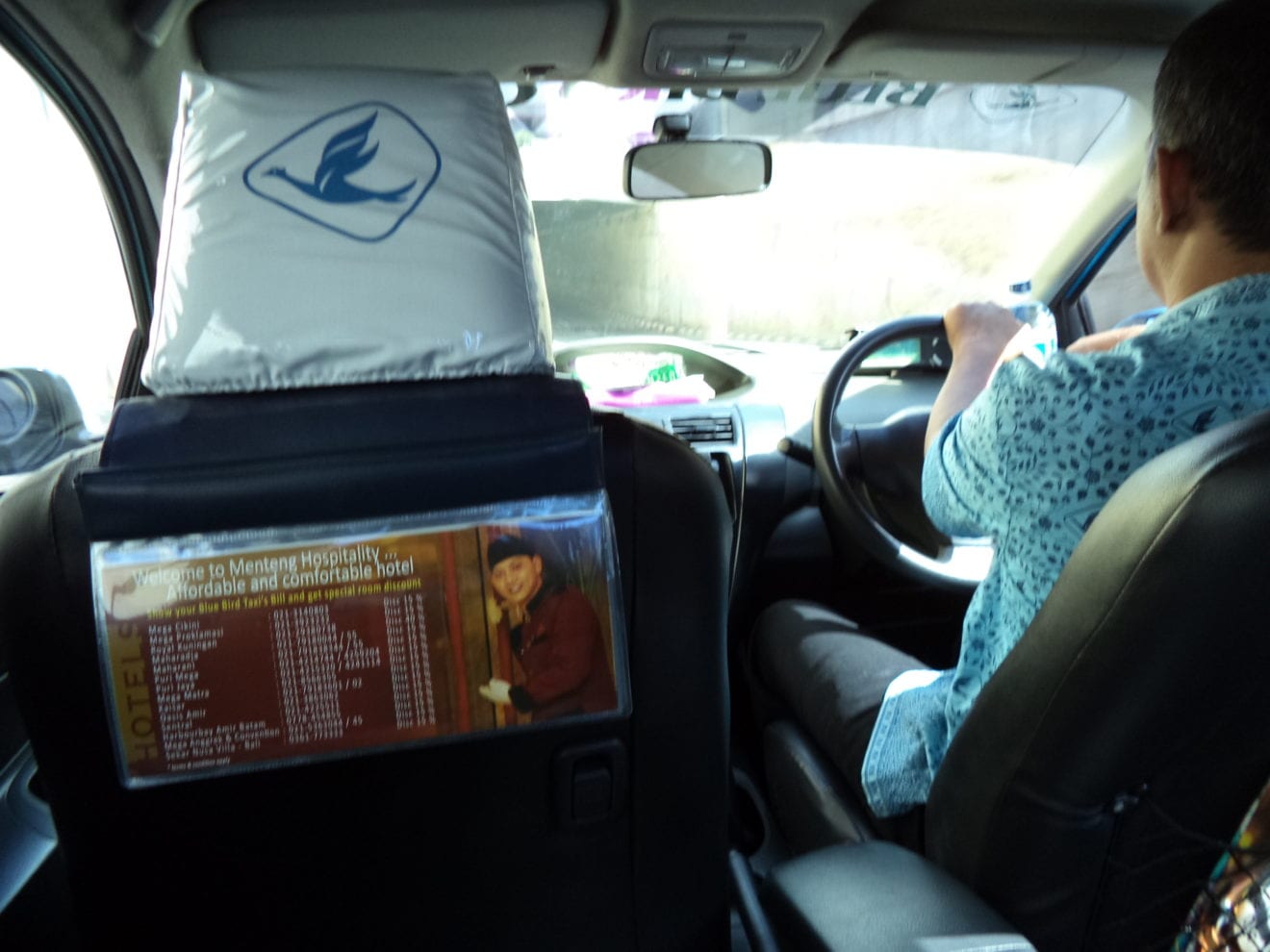
    The smartphone application allows users to order rides from private drivers. It is offering fares at discounts of as much as 50 percent compared to taxi operators in greater Jakarta, home to an estimated 30 million people and some of the world’s worst traffic. Its competition includes taxi companies such as PT Blue Bird and PT Express Transindo Utama.

    Uber has run into strident opposition from taxi drivers in the U.S. and abroad as it has expanded to build its business, valued at $50 billion.

    Uber has sent a message to customers in Jakarta, asking them to take to Twitter to tell the authorities why they need it.

    “Uber can say what it wants,” said Adrianto Djokosoetono, the head of the country’s land transport association and a director at Blue Bird, Indonesia’s largest provider of taxis, car rentals and chartered buses. “They are in a tricky situation having to follow the laws so they have to ask for public support.”

  • Indonesian motorcycle taxi startup Go-Jek is hiring 16,000 new drivers at a sports stadium

    Indonesian motorcycle taxi startup Go-Jek is hiring 16,000 new drivers at a sports stadium

    Go-Jek, an Indonesian on-demand motorcycle service, is in the process of creating 16,000 new jobs in four days.

    The startup booked a section of Jakarta’s Gelora Bung Karno sports stadium for a mass recruitment event, held from August 11 to 14, as part of a larger job fair. However, interest for Go-Jek’s sign up booths overshadowed others, local media reported.

    Go-Jek was founded in 2011 and operated at a relatively small scale for years. The service started to take off when it rolled out its mobile app in January of this year.

    The startup has faced some speed bumps in the form of competition from rival startup GrabBike, which is part of Malaysian on-demand transportation company GrabTaxi. It entered Jakarta in June.

    On-demand motorcycle taxis are also met with resistance from some traditional drivers, who are finding it hard to adapt to the modernization of their business.

    An army of personal assistants

    But Go-Jek is clearly on course for massive expansion. It’s rumored to have just secured a large round of funding; however, the startup has yet to confirm this news.

    With 16,000 new recruits, the number of Go-Jek drivers will swell up to almost 20,000 in the next few days. This makes its fleet bigger than that of Blue Bird, Indonesia’s largest automobile taxi company, which is still working toward the target of getting to 20,000 drivers in the greater Jakarta area by the end of 2015. The startup is becoming a major provider of job opportunities in the capital. While Go-Jek doesn’t formally employ its drivers, it claims to offer benefits like basic health insurance.

    Beyond shuttling people from A to B on their motorcycles, Go-Jek drivers can also take up additional tasks, like food deliveries and personal shopping. Go-Jek is, in essence, releasing an army of personal assistants onto Jakarta’s streets.

  • Blue Bird to use Honda Mobilio taxis

    Blue Bird to use Honda Mobilio taxis

    Taxi operator Blue Bird Group will add the Honda Mobilio multi-purpose vehicle to its fleet in September.

    Blue Bird public relations manager Teguh Wijayanto said the new taxis would charge the regular fare. “The fare will be the same as the regular taxis,” said Teguh as quoted by kompas.com, adding that the Honda Mobilio taxis would be part of its regular fleet, not for its Silver Bird executive service.

    Blue Bird did not reveal the number of Mobilios to be used as taxis as it was still testing the cars.

    Currently, Blue Bird uses five-seater sedans as taxis. The seven-seater Mobilio will be able to carry up to six passengers.

  • Uber Takes The eCommerce Route In Indonesia

    Uber Takes The eCommerce Route In Indonesia

    After being recently shut down in multiple countries over its controversial “tech company” status, Uber seems to have found a workaround at least in Indonesia.

    The company has announced plans to register itself as an eCommerce business so as to avoid taxes, and taxi-medallion regulations, which has brought troubles to its door in almost all of its major business markets.

    With the registration, the company plans to establish itself as a foreign-owned entity registered as an Internet portal, said Uber Indonesia’s Country Head Alan Jiang.

    “Indonesia is a super-key market for us,” he said.

    The ride-hailing company has been cutting corners in its everlasting struggles against local and national laws in all of its market, but in Indonesia the plans come after the local police in Jakarta arrested five Uber drivers as part of a wider investigation in a case filed by other taxi companies accusing Uber for challenging market rates with its predatory pricing scheme.

    For expanding its business in the country, Uber has not only been offering its service for 30 percent less than the main local taxicab companies, but has also not been charging commission on rides, Jiang said.

    “In the future we will take a service fee and when we do we will pay all the applicable taxes on that,” he said. “I don’t have a specific timeline for when.”

    As it struggles to keep its business open in several markets, the company has repeatedly justified its business model. “Uber is a technology company,” the company said. “We do not own, operate vehicles or employ drivers.”

  • Taxi services with apps  springing up like mushrooms

    Taxi services with apps springing up like mushrooms

    Taxi services equipped with booking applications are springing up like mushrooms in Indonesia as people are seeking more reliable means of transportation amid the country’s poor public transportation facilities.

    GrabTaxi, Uber or even the newly established ojek (motorcycle taxi) app Go-Jek are rapidly spreading in the country’s major cities.

    Nadiem Makarim, founder and CEO of the Go-Jek app, said that he came up with the idea to establish Go-Jek in 2011 out of his own need for fast and reliable transportation and also courier services in the capital city.

    The company, which was first established to serve Jakarta commuters, has quickly expanded its services and is now also available in Bandung, West Java; Denpasar, Bali; and Surabaya, East Java.

    “The expansion is based on the city’s traffic jam level, the supply of ojek drivers and the city’s economic level since our users are from the middle and upper-middle class,” he told The Jakarta Post. “We are planning to further expand our presence in other cities across the country, but we cannot mention the names of the cities just yet,” he continued.

    Since Go-Jek launched its mobile app in January this year, its number of ojek partners increased from 1,000 to 10,000 amid rising demand. The app itself has been downloaded 650,000 times since it was launched, Nadiem said.

    The marketing head of Malaysian company GrabTaxi’s Indonesian representative office, Kiki Rizki, similarly said that the company’s presence in Indonesia was aimed at tapping the rising demand for safe and reliable transportation in the country’s main cities.

    “We see a similar transportation problem in big cities across Southeast Asia. Residents basically need public transportation that can offer security, convenience and speed, which is what we offer at GrabTaxi,” Kiki told the Post.

    She said that the GrabTaxi service — which incorporates thousands of selected drivers from five leading taxi fleets in the country and assigns available taxis to nearby commuters using mapping and location-sharing technology — was now available not only in Jakarta but also in Surabaya and Padang in West Sumatra.

    The application displays the identity of the driver, the license plate of the taxi that will pick up the passenger and its estimated arrival time.

    “By using this application, customers don’t have to worry about being ripped off by taxi drivers, as they can monitor their journey and be informed of the driver’s identity,” she said.

    The company also decided to launch GrabBike, which is similar to the Go-Jek service, last month, and had since accommodated more than 1,000 ojek drivers, Kiki said.

    Similarly, one of its global competitors, Uber, also does not operate its own fleet. While GrabTaxi partners with official taxi drivers, Uber partners with licensed chauffeur-driven limousine or rental car companies. The operation has been, however, criticized by the city administration regarding its legality.

    According to the Castrol Stop-Start Index examining traffic conditions in 78 cities and regions around the globe, Jakarta ranked as the city with the highest number of stops and starts with an average of 33,240 per driver per year.

    East Java’s Surabaya was also included on the list, with the fourth-highest stop-start average, reaching 29,880 per year.

    Jakarta currently has one rail-based form of public transportation, a commuter train operated by PT KAI.

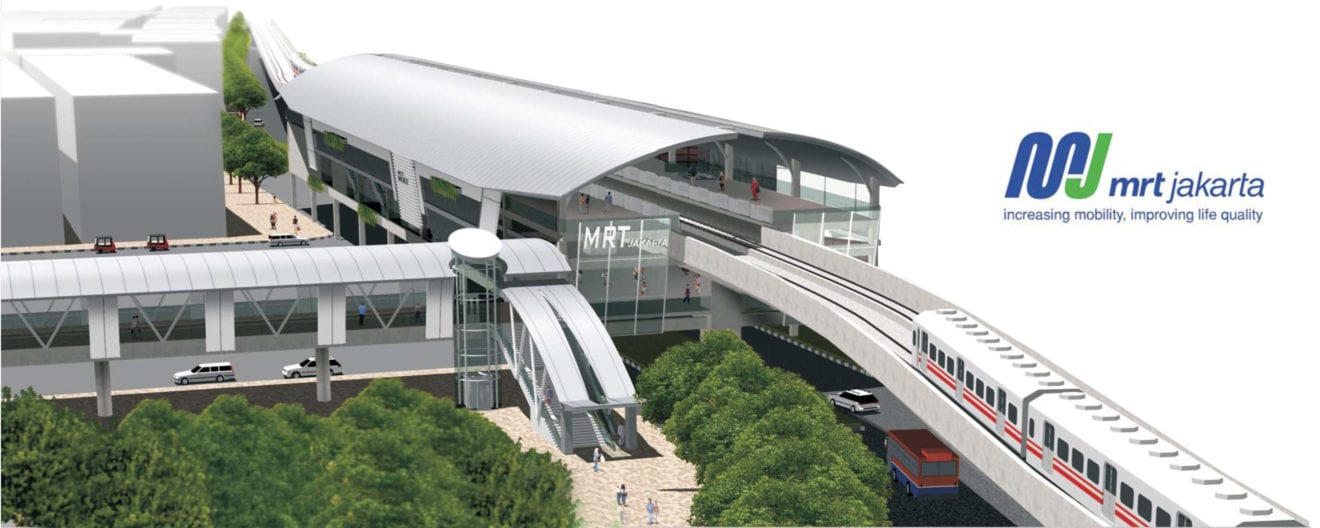
    While the government is currently constructing an MRT system in Jakarta and will soon start the construction of a tram system in Surabaya, little attention has been given to improving city bus management. Metromini and Kopaja minibuses in Jakarta, for instance, are currently owned and operated by private owners, without a united management system.

    Transportation Ministry spokesperson Julius Andravida Barata, however, said that the ministry would not legitimatize motorcycles as public transportation, saying that there were no safety requirements regulating motorcycles to serve as a means of public transportation.

    “The ministry will not regulate ojek because motorcycles don’t meet the standards for proper public transportation, but we also can’t deny that these mobile applications are emerging based on demand from the public,” Julius said.

    “The ministry, in cooperation with the city administration, will try its best to improve city transportation so the public can have reliable public transportation that meets safety standards,” he continued, citing that the management of public transportation, however, was the responsibility of the city
    administration.

    From the total Rp 64 trillion allocated for the ministry in the revised 2015 state budget, the ministry allocated less than 10 percent or Rp 6.07 trillion for the directorate general of land transportation.

    Julius said that the ministry would provide 1,000 buses for Damri and state-run city bus companies (PPD) across the archipelago this year, which, according to him, was part of the government’s support for city transportation.
  • Indonesia police launch Uber investigation

    Indonesia police launch Uber investigation

    Police in Jakarta have launched an investigation into Uber after local taxi companies filed a complaint against the ride-hailing app in the latest regulatory battles to blight the company’s expansion plans in Asia.

    Five of Uber’s drivers in the country were detained last week, as local competitors questioned the legality of its operations.

    Local authorities released the drivers this week, but the Organization of Land Transportation Owners (Organda), the Jakarta-based association behind the initial complaint, is pursuing the investigation.

    “What they do is create the apps, hire individual cars, and operate just like other public transportation — like other official taxis — but without the proper licence,” says Shafruhan Sinungan, chairman of the organisation.

    “Uber taxis compete in a wild way,” Mr Sinungan said. “Other regular taxi operators have to make big investments to establish a company, providing land for parking and garages, paying tax to the government and hiring workers.”

    Alan Jiang, acting head of Uber in the country, said it was “really just a misunderstanding of what Uber’s business model is”.

    He added that “there are some interest groups that want us to get a taxi licence”.

    In a statement following the detention of its drivers this week, Uber said it “is fully compliant with applicable transportation laws and accredited by the local government”.

    Indonesia is an increasingly important market for Uber, because of its population of 250m people, high smartphone penetration and a burgeoning middle-class.

    The company, one of the world’s most valuable private technology companies, has expanded rapidly in the country since it launched in August last year, growing tenfold over the past year, in terms of the maximum number of rides per week.

    Although the Indonesian market has traditionally been dominated by Blue Bird, the family-run operator that listed on the local stock exchange last year, competition is heating up.

    Southeast Asian taxi-hailing app, Grabtaxi, is also expanding quickly, while Gojek, a Jakarta-based start-up, has developed an app to connect riders with Indonesia’s motorcycle taxis, called ojeks, which are also used for food delivery.

    These new players are unlikely to be caught up in the regulatory wrangling, according to Agustinus Reza Kirana, an analyst at Bahana Securities, a local brokerage.

    “It’s a different business line — it’s not just about passengers but also couriers,” Mr Kirana explains.

    The company has been expanding aggressively across Asia in recent months, with plans to move into several new cities across India and invest $1bn this year in China alone.

    But Uber has faced resistance. Police raided its office in Guangzhou in April, and the app was temporarily banned in New Delhi, following the alleged rape of a passenger by an Uber driver.

  • Siam Paragon names and shames bad taxis

    Siam Paragon names and shames bad taxis

    The unprofessionality of Bangkok’s taxi drivers is notorious internationally.

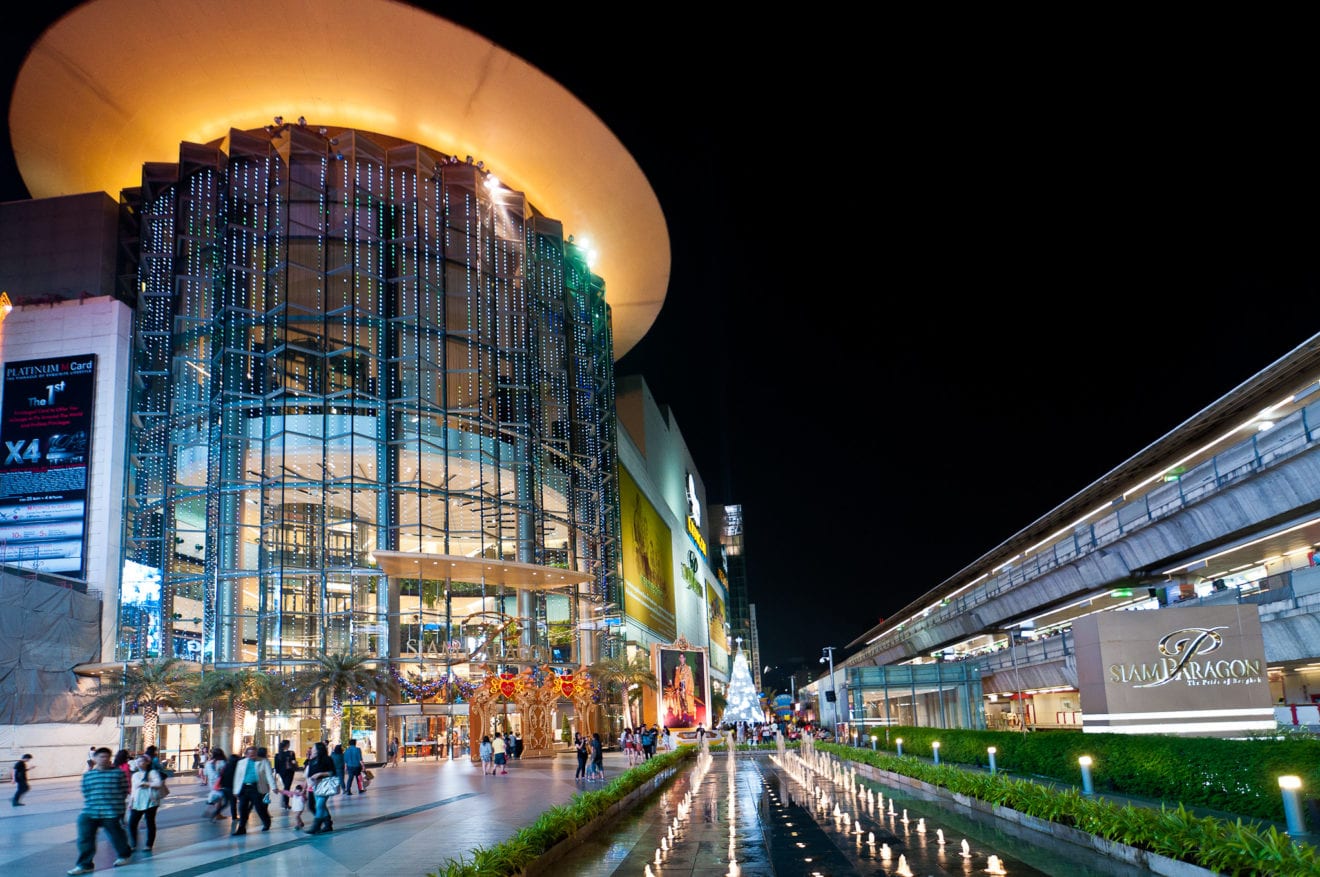
    Now a Bangkok shopping centre has teamed with the Department of Land Transport to name and shame bad drivers, in the hope they’ll reform or find fares elsewhere.

    Most residents of, or visitors to, Bangkok relying on taxis to transport them home or to their hotel after a day’s retail therapy have endured frustrating delays due to taxi drivers illegally refusing fares.

    Despite fines and threats of being reported to the hotline – itself overloaded, such is the extent of the problem – drivers try to pick and choose passengers which give them the best profits, leaving others stranded on the pavement.

    DLT has fined 31 of 54 drivers caught refusing fares at the Siam Paragon taxi rank and is hunting down a further 23, according to website Thai Rath Online.

    Meanwhile, the drivers’ taxi registration numbers, taxi co-ops and rental agents have been listed on a sign at the rank so potential passengers are warned, according to DLT director-general Teerapong Rodprasert. The drivers’ names were not listed because drivers often share cars.

    In a crackdown at the rank, DLT officials suspended the licences of two drivers for seven days because it was their second offence.

    Last week, Thai police conducted a blitz on Sukhumvit Rd, catching 34 drivers who refused fares late one night.

    Both locals and tourists report an epidemic of Thai taxi drivers refusing fares or refusing to use the meter and setting flat fees for hires, both illegal.

    A 24 hour hotline – 1584 – allows passengers to lodge complaints, by providing the taxi’s or driver’s registration numbers. There is also a free DLT Check smartphone app available.