Tag: taxi

  • Grab rides up Indonesia with $700M investment

    Grab rides up Indonesia with $700M investment

    Grab has announced plans to invest US$700 million in Indonesia over the next four years, as part of efforts to increase its footprint in a market where it has seen growth.

    The Southeast Asian ride-sharing operator said Thursday the new investment would support the Indonesian government’s ambition of becoming the region’s largest digital economy by 2020. It would include plans to set up a research and development (R&D) facility in the capital city of Jakarta, focused on developing technology innovations for the local market.

     Latest news on Asia

    A US$100 million funding initiative also would be introduced to support startups and entrepreneurs keen on driving “financial inclusion” in smaller communities.

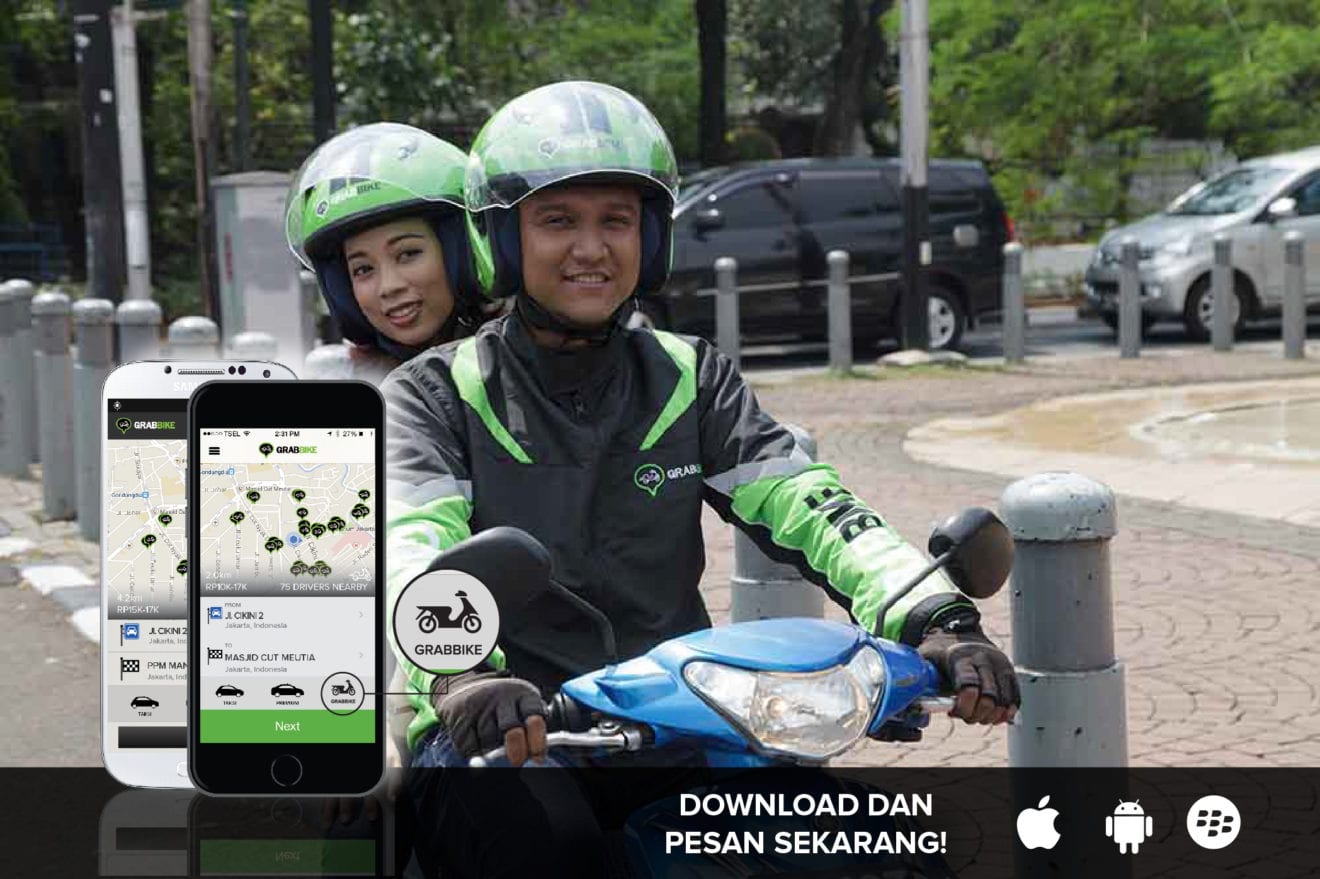
    Grab added that its investment followed “a strong year of growth” in the country, with its GrabCar and GrabBike businesses each clocking more than 600 percent growth in 2016. Its range of ride-sharing services were available in several Indonesian cities, including Bali, Bandung, Medan, and Surabaya.

    According to Grab, one in three of its customers in the country used more than one of its services. It said its drivers earned 40 to 70 percent more per hour than the average transport or delivery driver in Indonesia, where it helped generate more than US$260 million in income for its driver partners.

    Indonesia’s Minister of Communication and IT Rudiantara said: “We want all Indonesians to benefit from IT to improve their lives, develop new skills, and build the next wave of global leaders in technology. Grab’s investment to train and hire more ICT professionals and mentor young entrepreneurs will accelerate the growth of Indonesia’s digital economy. This kind of app has to be positioned as a tool to spur and empower people and the economy.”

    Coordinating Minister for Maritime Affairs Luhut Binsar Pandjaitan added that Indonesia’s growth would require the continued development of its infrastructure, including its public transport network. Stressing the role of technology, he said services that tapped data analytics would better enhance the efficiency and reliability of the national transportation infrastructure.

    According to Grab, the R&D facility in Jakarta would hire 150 engineers over the next two years and focus on developing localised services, including algorithms to support new road regulations as well as a bike-pooling service for nearly 1.4 million commuters in the city. Engineers also would be offered training in Grab’s other R&D centres in Singapore, Beijing, and Seattle.

    By pumping up to US$100 million into the investment fund, Grab said it hoped to nurture Indonesian startups and technopreneurs focused on mobile and financial services, with the aim to better serve smaller cities and communities that had yet to experience the digital economy.

    The ride-sharing operator also would be looking to launch mobile services to bolster access to mobile payments across Indonesia, expanding its own mobile payment services through GrabPay Credits.

    This would further build on its announcement last July to extend its partnership with Indonesian consumer services company, Lippo Group, and enable the payment of retail goods and services its mobile app. With more than 50 million customers between the two companies, the new e-payment platform would allow these consumers to tap their mobile phones or the Grab mobile app to pay for goods and services under Lippo’s retail network, which included department stores, hypermarts, cinemas, coffee shops, and e-commerce portals. Nobu Bank also was participating in this initiative.

    Grab currently operated a network of more than 630,000 drivers across the Southeast Asian region.
  • Southeast Asian ride-hailing firm Grab hires former Indonesian police chief

    Southeast Asian ride-hailing firm Grab hires former Indonesian police chief

    Southeast Asian ride-hailing firm Grab said on Monday (Jan 30) it has appointed Indonesia’s former national police chief to oversee corporate governance and long-term plans for its biggest market.

    Grab said it plans to expand to more cities in Indonesia, grow its transport services and invest in a mobile payments platform.

    Badrodin Haiti, who was Indonesia’s chief of the National Police from April 2015 to July 2016, “brings extensive experience working with government stakeholders and ensuring aligned interests among different stakeholders,” the company said in a statement.

    Grab and its competitors, Uber of the United States and homegrown company Go-Jek, have faced regulatory obstacles in Indonesia.

    The government has ordered ride-hailing service providers to pass vehicle safety tests and get local partners, among other conditions.

    “As the technology and ride-hailing sectors evolve in Indonesia, Mr. Haiti will play a guiding role to ensure Grab contributes constructively to the implementation of new transport regulations and safety guidelines,” Grab said.

  • Vietnam seeks to establish another airline for taxi, rescue services

    Vietnam seeks to establish another airline for taxi, rescue services

    The military-owned company will have to compete with four others in the general aviation service sector. Vietnam’s aviation authorities are seeking a license for fifth airline to offer chartered domestic and rescue flight services.

    The Civil Aviation Administration of Vietnam (CAAV) has formally petitioned the government to grant the military-owned Saigon Newport Corporation in Ho Chi Minh City an aviation business license.

    According to a business plan submitted to CAAV, the marine and port service company expects to establish a firm to operate two tourist aircraft in south-central Vietnam in 2018.

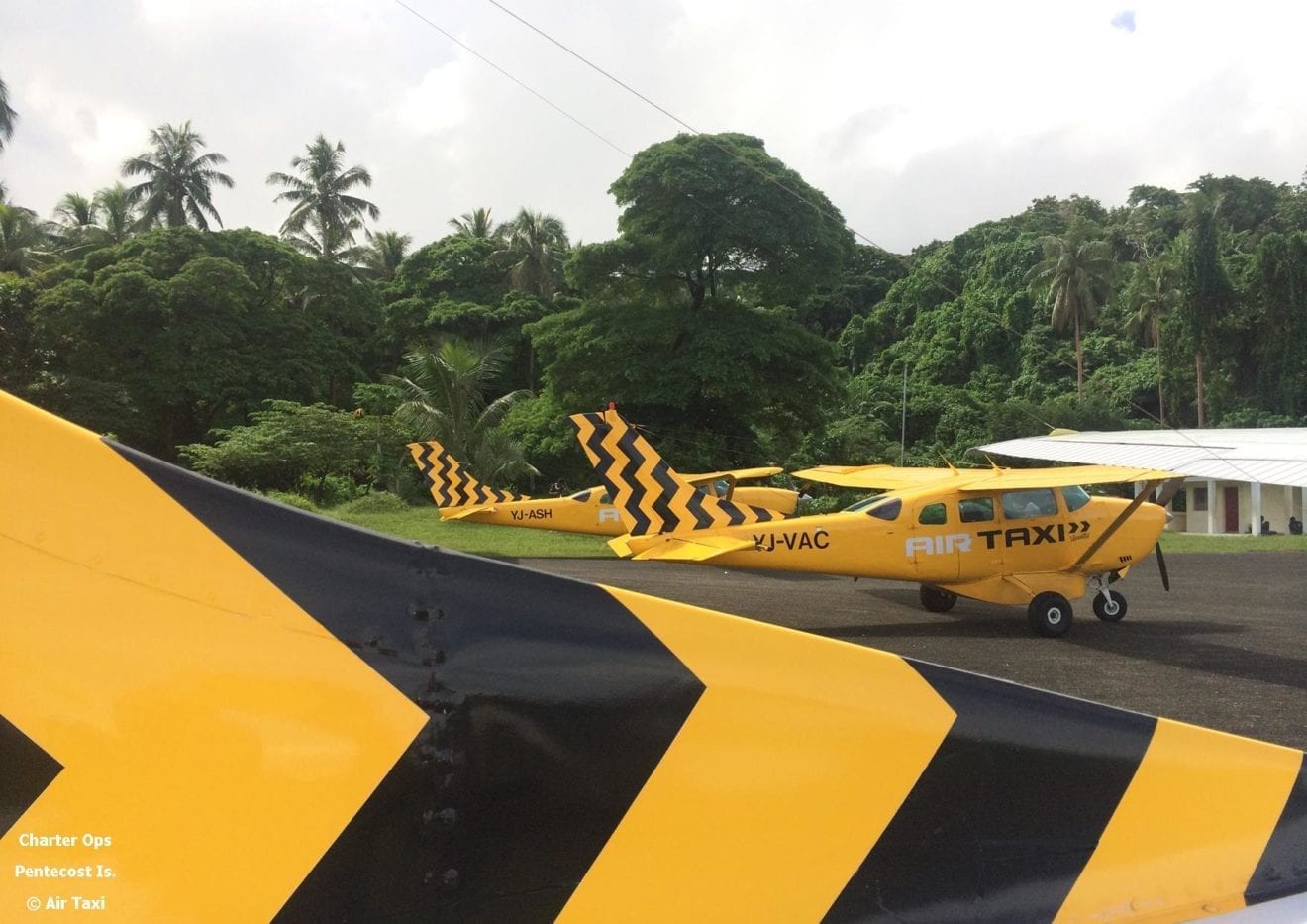
    In the long term, the company will provide air taxi services, geological surveillance, aerial filming and air ambulance services.

    If licensed, Tan Cang will have to compete with four other companies in the general aviation service sector, including state-owned Vietnam Air Service Company and Vietnam Helicopter Corporation.

    Vietnam defines “general aviation” activities as flying operations in the service of industry, agriculture, forestry, fishery or for the purpose of search and rescue, scientific research, flight training, and other civil ends.

    The operator would be permitted to offer various commercial and civil services, but cannot offer scheduled passenger flights.

  • Uber rival Grab raises $750M led by SoftBank at a $3B valuation

    Uber rival Grab raises $750M led by SoftBank at a $3B valuation

    Grab, the largest company rivaling Uber in Southeast Asia, has confirmed that it has raised $750 million in fresh capital.

    This is the company’s Series F round, and it was led by existing investor SoftBank with participation from undisclosed existing and new backers, Grab said. One of those is almost certain to be China’s Didi Kuaidi, which reportedly made a commitment to this round, but neither side is confirming that right now.

    A source close to the company confirmed that the round gives Grab a $3 billion post-money valuation. That’s consistent with our previous reporting, which pegged Grab’s pre-money valuation at $2.3 billion.

    Grab operates in six countries in Southeast Asia and its previous raise was $350 million in August 2015. This new financing has been sometime coming, and it was reported that Grab was raising upwards of $600 million in August, with some media suggesting the total could reach $1 billion. That hasn’t happened but Singapore-headquartered Grab did claim that it has over $1 billion on its balance sheet courtesy of this new raise.

    Grab said it 400,000 drivers on its platforms and it has seen over 21 million app downloads to date. In an announcement, the company added that it sees “up to 1.5 million daily bookings,” which a Grab spokesperson confirmed means ride requests not completed rides. Uber doesn’t provide business data for Southeast Asia so it is hard to compare them, but we previously reported that Uber is operationally profitable in parts of Southeast Asia and there seems to be little to choose between the two.

    An arsenal of capital is clearly necessary when you are taking on Uber, but Grab did sketch out some areas of priority that it will focus on.

    Indonesia, the world’s fourth most populous country and the largest economy in Southeast Asia, is top of its list. Grab CEO Anthony Tan said in a statement that he believes that Indonesia’s ride-hailing industry is worth $15 billion annually — that goes beyond taxi and cars and into motorbike taxis — which Grab offers there — and services such as food delivery, logistics, and more. Indonesia is no easy market and, alongside Uber, Grab is rivaled by GoJek, a motorbike taxi on-demand service that recently raised $550 million at a valuation of $1.3 billion.

    Beyond a push into services, Grab is also looking to expand its ecosystem into payments. This summer it announced plans to make its in-app payment system — GrabPay — available to third-party services, and this new funding will go towards making that happen. The GrabPay push will initially focus on Indonesia, where Grab has partnered with national bank Mandiri, but it will also be extended into the company’s other focus markets, too.

    Another more obvious area of focus is technology. Grab has R&D centers in Singapore, Beijing and Seattle and its priorities include refining its algorithm to help drivers become more efficient, building out its mapping data and technology, working on demand prediction and user targeting. Grab is also looking to add pooling to its existing vehicle categories, having launched its first pool option in Singapore nearly one year ago.

    There’s no word on autonomous vehicles, however, which Uber is testing in Pittsburgh with a view to rolling out more fully. Self-driving cars aren’t just for the U.S. market though. Nutonomy is running testing in Singapore so you could argue Grab is already playing catchup or might need to get its checkbook out if it wants to enter the race.

    “Grab has grown tremendously over the past year. This round of funding shows the confidence and optimism investors have in Grab’s market leadership and long-term potential in Southeast Asia,” Tan, Grab’s CEO, said in a statement.

    “We are blessed to have great partners like SoftBank, many of whom have unparalleled track records of investing in leading internet businesses in emerging markets, and seeing those companies through to become the core of internet ecosystems in each market,” he added.

    Despite much to be bullish about, Grab is up against a tough rival in Uber and in a market that shows little sign of profitability right now. We previously reported that the company was burning as much as $30 million per month in 2015. While Grab has consistently claimed that it has not touched its Series E round yet, it is looking at a long path to profitability in Southeast Asia. Likewise, Didi’s move to acquire Uber China — and, in doing so, take equity in Uber Global — throws questions on its global alliance with Uber’s other rival companies.

    Nonetheless, this new funding is a major milestone for Grab, and the largest raise for a tech startup in Southeast Asia to date.

  • Grab adopts Adyen for payment platform

    Grab adopts Adyen for payment platform

    Ride hailing platform Grab has adopted Adyen to extend the capabilities of its payment platform in Indonesia, Philippines, Thailand and Vietnam.

    The two companies aim to deliver a consistent, frictionless payment experience for customers traveling across markets regardless of device or payment method.

    Grab customers will be offered both traditional cards and, over time, country-specific payment methods, using Adyen’s expertise and data to expand payment options. Adyen supports around 250 payment methods globally.

    “As part of Grab’s drive to make ride-hailing even safer, easier and more accessible to everyone in Southeast Asia, providing trusted, seamless mobile payments is crucial for the overall customer experience. Grab wanted a partner who could support a variety of traditional and alternative payment methods to support our growth across the region,” Grab head of payments and commerce Joel Yarbrough said.

    Business travelers who work within the region can also easily tabulate their business ride spending with Grab through the Grab for Work portal, and companies can automatically pay for their employees’ rides through the use of corporate cards.

    “Southeast Asia is a diverse and highly fragmented region and there is no one preferred method of payment. However, mobile penetration in the region remains high and drives several key trends including the rise of mobile payments and platforms as a service,” Adyen president Warren Hayashi said.

    “Partnering with a fellow innovator and disruptor such as Grab, we are eager to empower commuters in Southeast Asia with the same convenience of hailing a ride seamlessly as paying for their Grab ride with equal ease.”

  • UberJEK Launched in Jakarta

    UberJEK Launched in Jakarta

    UberJek, an app-based transport service, has officially started operation on Sunday, May 15. Aris Wahyudi, UberJEK’s co-founder, claims cheaper tariffs compared to its competitors.

    “Our tariff is different from those of the competitors. Our tariff will continue to drop from the first kilometer,” Aris said after UberJEK launch at Euro Management Indonesia, Sunday, May 15, 2016.

    He illustrated that on kilometer 1-5, the tariff is Rp2,500 per kilometer; on kilometer 6-10, it’s Rp2,000; above 11 kilometers, customers will be charged for Rp1,500 per kilometer.

    He added, other benefit of using UberJEK is no minimum tariff set for short distance travels. Thus, customers wanting to travel within 1 kilometer can pay Rp2,500. “We do not set a minimum distance, unlike our competitors. The benefit of using UberJEK is in short distance travels.”

    To attract customers, in addition to cheaper tariffs, UberJEK also entices its customers with giveaways. It is part of the promotional strategy to introduce UberJEK to the market. UberJEk claims to have earmarked seven million smartphones as giveaways for customers.

    UberJEK was founded by Aris and three other Indonesian businessmen in late October 2015. Aris said UberJEK services can now be enjoyed in 30 cities in Indonesia with a total of 2,200 drivers.

  • Uber to Launch UberPOOL in Jakarta

    Uber to Launch UberPOOL in Jakarta

    PT Uber Teknologi Indonesia will launch uberPOOL service in Jakarta this week.

    President Director of PT Uber Teknologi Indonesia Mike Brown said that uberPOOL is a carpooling service in urban areas. According to him, it could result in a more economically efficient travel.

    “A saving of up to 50% of uberX tariff could be achieved and [it is] more economically efficient compared to regular taxis,” Brown said on Sunday, May 8, 2016, in Jakarta.

    He added that the service enables Uber partners to maximize the time at hand to travel. On the other hand, Jakarta will benefit from it through reduced congestion, pollution and less parking issue.

    Car or travel pooling exists among Indonesian people, he noted. Therefore, uberPOOL service will be launched in Jakarta and can be used in other cities in Indonesia.

    Brown claimed that UberPOOL has resulted in positive impacts to the cities where the service is available. According to him, people have been travelling with less number of cars.

    He made an example that Los Angeles has seen reduced mileage by 7.9 million miles of travel and reduced carbon dioxide emission by 1.4 metric tons.

    He believed that the carpooling service could reduce and even eliminate private car ownership.

    However, regulation could be a stumbling block for the service, Brown said. The service from Uber could operate if supported by the regulation, according to him. Regulation should be made to support a secure, comfortable, safe and humane transport, he said.

  • Indonesian taxi firm Blue Bird joins hands with ride-hailing app Go-Jek

    Indonesian taxi firm Blue Bird joins hands with ride-hailing app Go-Jek

    Indonesia’s largest taxi operator Blue Bird Group said on Monday (May 9) that it plans to form a partnership with the country’s biggest online ride hailing app Go-Jek.

    The collaboration is expected to cover the areas of technology, payments and promotions.

    In a joint statement, the two firms said the partnership would increase the quality of their customer service and that the initiatives would focus on enhancing the transportation experience through a convenient mobile solution. The partnership would “accelerate Indonesia’s digital revolution and empower consumers”, they said.

    Mr Yoga Adiwinarto, country director of the Institute for Transportation and Development Policy (ITDP), said Blue Bird needs to have more reliable apps and will probably ask Go-Jek to develop them.

    He added: “Go-Jek will probably handle the Blue Bird apps, perhaps even put Blue Bird on the Go-Jek platform. More reliable apps will help taxi passengers, an improvement from the poor Blue Bird apps right now.”

    The two companies said they would announce further details about the collaboration soon.

    Monday’s announcement came after a protest in March, where thousands of Indonesian drivers from various taxi companies took to the streets of Jakarta speak up against the ride-hailing app industry, which is often perceived as a threat to the traditional transportation industry.

  • Indonesian ride-hailing firm Go-Jek needs more funds in market fight-CEO

    Indonesian ride-hailing firm Go-Jek needs more funds in market fight-CEO

    Indonesian online ride-hailing service Go-Jek is in talks with potential investors to raise fresh funds to expand the business, as the heavy subsidies it gives to drivers to keep rates competitive are unsustainable in the long run, its chief executive said on Friday.

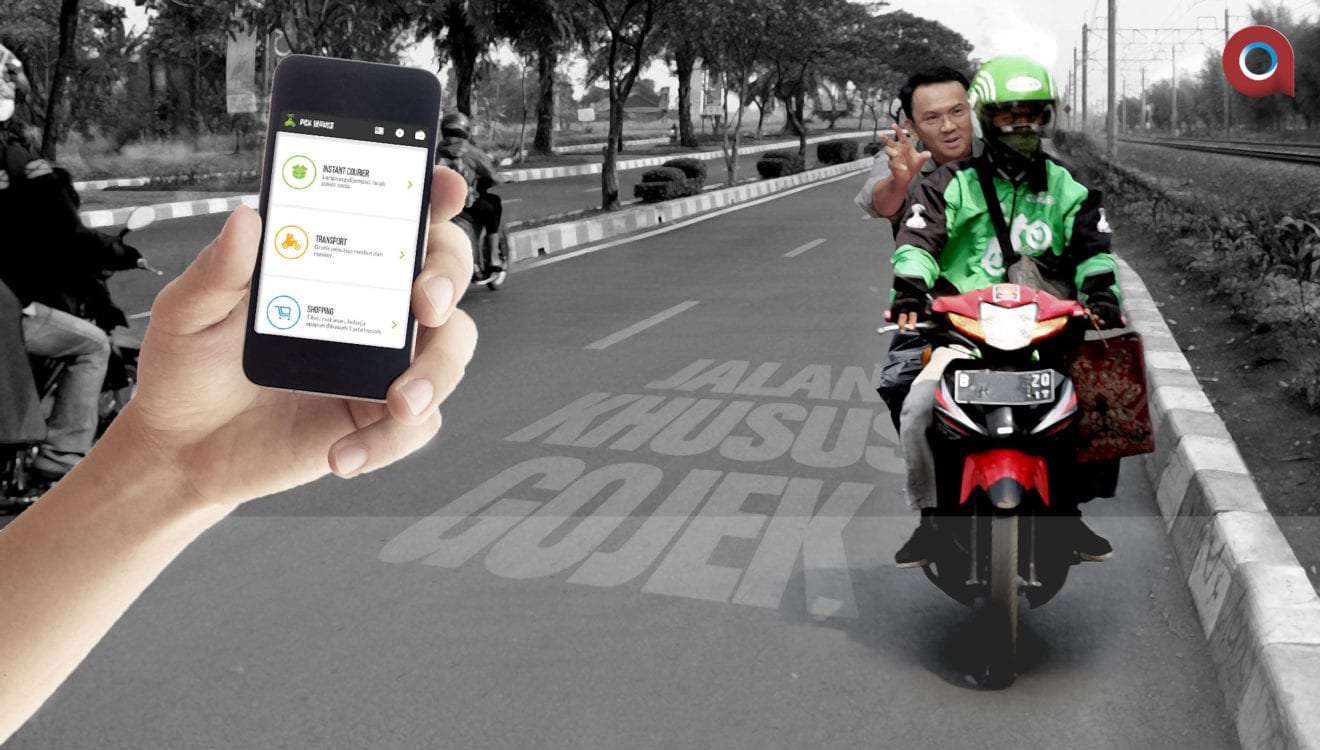
    Go-Jek, a play on the local word for motorbike taxis, has become popular among commuters on the traffic-clogged streets of Jakarta as its phone app removes much of the hassle of finding a driver and negotiating fares.

    Go-Jek, which has a network of more than 200,000 motorbike taxi drivers, is battling aggressively with other ride-hailing apps such as Grab and Uber [UBER.UL], driving rates lower to gain market share in the country of 250 million people.

    But Go-Jek cannot afford to continue relying on subsidies as “you end up where you run out of money”, Go-Jek founder Nadiem Makarim told on the sidelines of an e-commerce industry conference in Jakarta.

    Raising funds from investors to expand the business is part of the solution, the Harvard Business School graduate said, adding that several venture capital and private equity firms have expressed an interest in Go-Jek because of its size and potential.

    Founded in 2010, Go-Jek has since increased its services to food deliveries, cleaning and even massages. The company, which already operates in big Indonesian cities like Bandung and Surabaya, also plans to broaden its reach and add more drivers.

    Its ambition, however, has been met with regulatory obstacles and strong resistance from established taxi operators such as PT Blue Bird Tbk and PT Express Transindo Utama Tbk.

    Taxi drivers’ protests turned violent in the Indonesian capital last month, when they called for ride-hailing apps to be banned. Government ministers had also said the tech firms should be subject to the same regulatory and tax requirements as conventional public transportation companies.

    Yet Go-Jek’s Makarim told a packed conference that regulations and demonstrations were not his “biggest headaches”.

    “For me, the number-one challenge is building something to scale,” he said. “It’s the technology part that I think is the hardest, it’s what keeps me up at night.”

  • Indonesian charter operator orders 30 Bell Jetranger X

    Indonesian charter operator orders 30 Bell Jetranger X

    The aircraft will be used for air taxi operations throughout Indonesia and its more than 14,000 islands.

    PT Whitesky Aviation is a Jakarta based company specialising in non-scheduled (charter) flight. The company currently operates a fleet of six Bell Helicopter aircraft, including three Bell 429s and three Bell 407s.

    “This signing is testament to the growing demand for the Bell 505, especially in the corporate and VIP sectors,” said Matt Hasik, executive vice president of commercial business for Bell Helicopters. “There are now more than 380 letters of intent around the globe, and more than 130 Bell 505 LOIs in the Asia Pacific Region alone.”

    The Bell 505 is the company’s long mooted Bell Jetranger 206 entry-level replacement. With a cruise speed of 125 knots (232 km/h), range of 360 nautical miles (667 km) and useful load of 1,500 pounds (608 kg), the Bell 505 is designed to be safe and easy to fly while remaining affordably priced.

  • Uber starts motorbike taxi service in Indonesian capital

    Uber starts motorbike taxi service in Indonesian capital

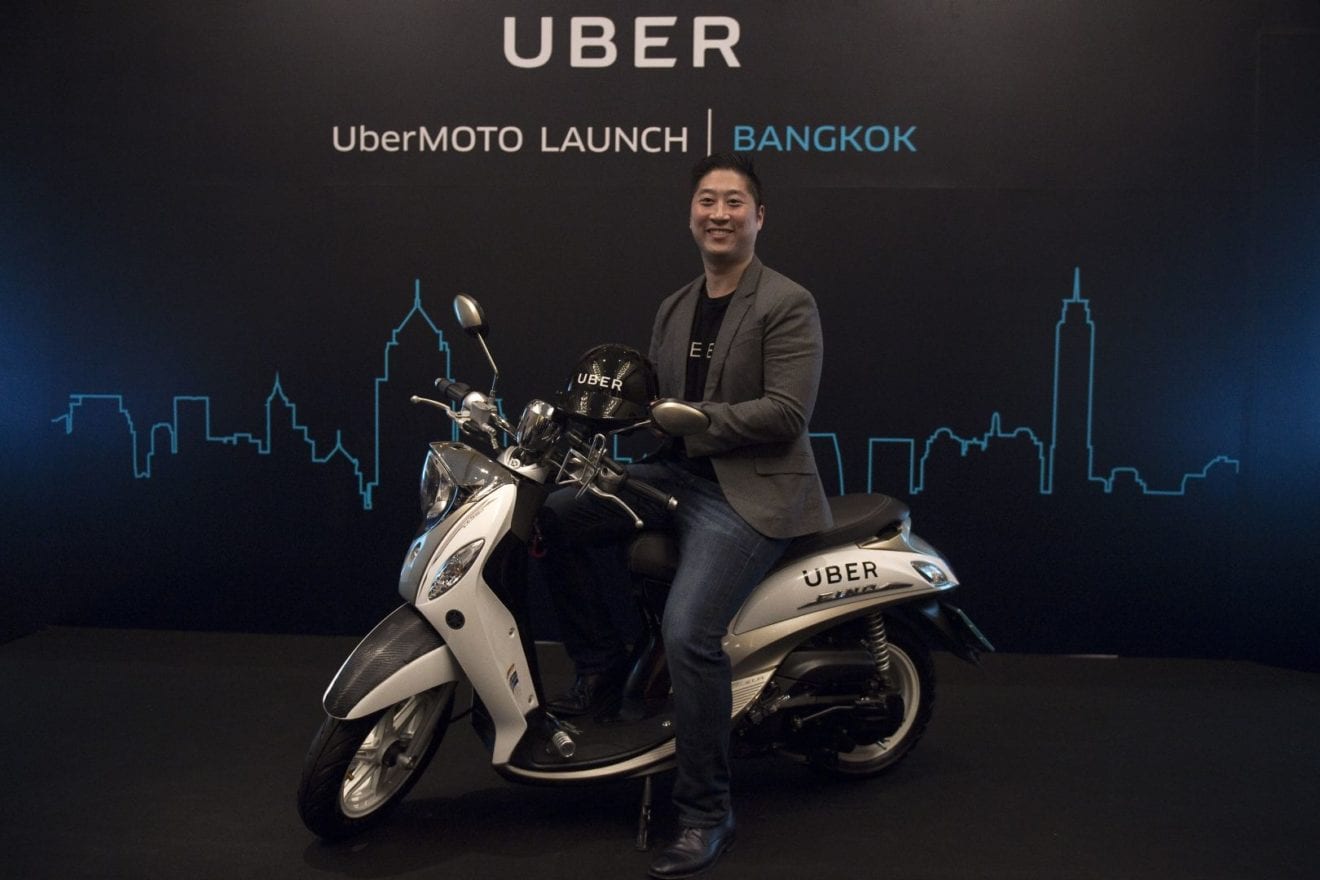
    Ride-hailing app Uber on Wednesday launched a motorbike taxi service in the Indonesian capital where Southeast Asian rivals Go-Jek and Grab are already battling for dominance.

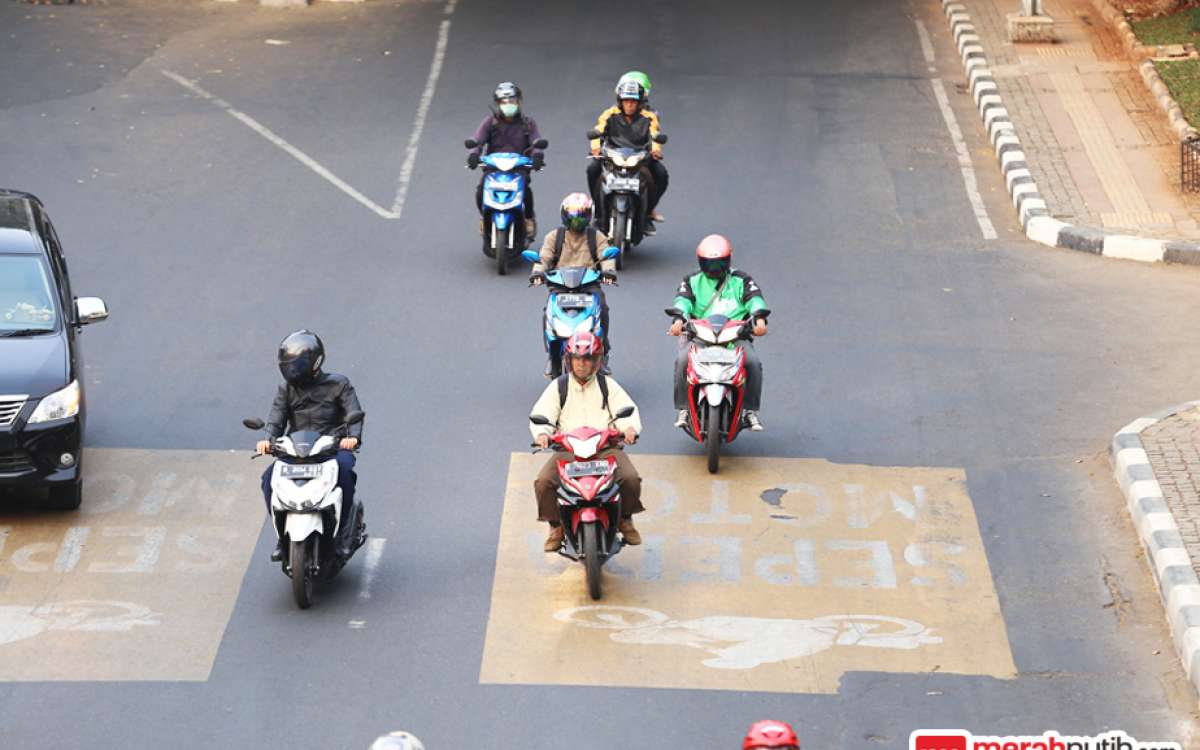
    Jakarta is one of the world’s most congested cities and motorbike taxis ordered from a smartphone app have exploded in popularity in the past 18 months as a way to beat snarled traffic.Uber said that its “UberMotor” service would provide cheap and reliable transportation for hundreds of thousands of people.The company used a local social media and YouTube star Arief Muhammad to launch its service, saying he was the first person in Jakarta to use an Uber motorcycle taxi.

    Both Go-Jek, an Indonesian startup, and Grab, which operates in several Southeast Asian countries, claim to be the biggest provider of motorbike taxi rides in Indonesia.The popularity of motorbikes and regular taxis ordered from a smartphone has provoked a backlash in the taxi industry.Thousands of taxi drivers caused traffic chaos in Jakarta last month in a violent protest against what they believe is unfair competition.

    Drivers say the apps, which are using funding from venture capitalists to offer heavily discounted fares, have severely reduced their income. The app companies say the transport industry should adapt to new technology.The Indonesian government is drawing up new regulations to govern transport apps but has so far resisted calls to ban Uber and similar services.Officials estimate Jakarta’s traffic jams cause economic losses of about $3 billion a year.

  • Uber Tests Cash Option For Bangkok

    Uber Tests Cash Option For Bangkok

    Thailand has become the latest country where Uber taxi drivers can take cash from a passenger instead of a credit card.

    Uber tested its cash payment scheme in Bangkok on Wednesday as an alternative to the credit card option.

    Passengers have to tell the firm before the ride about their cash option and pay the driver at the end of the trip, it said on the website.

    “Bangkok, as a global business, cultural and tourist hub with a sophisticated rider and driver base is the right environment to conduct this cash experiment,” it said.

    Thailand follows nine other countries where cash is a choice for its passengers, Uber spokesman Karun Arya said. The other countries are India, Kenya, Nigeria, Saudi Arabia, Egypt, Peru, Vietnam, the Philippines and Indonesia.

    The test run is being held only in Bangkok and does not cover all customers. But the firm said it planned to expand the option for more passengers in the future.

    Uber was launched in Thailand in 2014. Bangkok is regarded as one of the three fastest-growing cities in Southeast Asia for the firm.

  • Indonesia’s Muslim women hail female-only motorbike taxis

    Indonesia’s Muslim women hail female-only motorbike taxis

    Female motorbike taxi drivers in headscarves zig-zag through heavy traffic in the Indonesian capital Jakarta, the latest two-wheeled transport service for women making a dent in the male-dominated world of ride-hailing apps in the Muslim nation.

    A flurry of new motorbike taxi options have in the past year appeared in the metropolis of 10 million, led by popular service Go-Jek, giving Indonesia’s growing middle class a greater choice of transport to get through some of the world’s worst traffic jams.

    The services — many inspired by ride-sharing app Uber and accessible on smartphones — are a challenge to traditional motorbike taxis in Indonesia, known as “ojeks”, which are ubiquitous but have drawn criticism with their dishevelled, dangerous drivers and unpredictable pricing.

    Several services with women drivers entered the market in 2015 after years of growing piety in Indonesia, which has the world’s biggest Muslim population, and amid heightened safety concerns following reports of attacks on women by male motorbike taxi drivers.

    Popularly known by its nickname “Ojesy”, it is the service that aims most clearly at devout female passengers, requiring its drivers to be Muslim women wearing headscarves and loose-fitting clothes.

    Ojesy drivers can currently only be hailed by a phone call or through mobile messaging service WhatsApp, but the service is also developing an app that was being tested out this month.

    The service, which began in Indonesia’s second-biggest city Surabaya in March before expanding across the main island of Java, only accepts female passengers or children.

    Calls have been growing for heightened security after reports of women being stalked and harassed by male motorbike taxi drivers, while the rape of a young woman in India by an Uber driver last year also added to safety concerns about ride-hailing services.

  • Indonesia U-turn on taxi app ban after online fury

    Indonesia U-turn on taxi app ban after online fury

    Indonesian authorities backed down on Friday (Dec 18) from attempting to enforce a ban on ride-hailing apps and motorbike taxis after the move sparked online fury in a country where millions rely on the services.

    Transport Minister Ignasius Jonan announced on Thursday he had ordered police to properly implement an existing law that gives a narrow definition of public transport, meaning apps such as Uber and motorbike taxis known as “ojek” should be illegal.

    But as anger mounted on Friday, Jonan did a U-turn, announcing in a statement that motorbike taxis and app-based transport can continue operating “until there is decent and reliable public transport”.

    Uber and other services, including the popular motorbike taxi app Go-Jek, have been able to operate in Indonesia despite the law, becoming immensely popular in traffic-choked cities with little public transport.

    Jonan’s move, which followed pressure from traditional transport operators, triggered a flood of online anger, with #SaveGojek becoming a top trending topic on Twitter.

    He was also summoned by President Joko Widodo, who voiced his support for transport apps.

    “Hindering innovation and progress for the sake of bureaucratic red tape? Moronic,” said Twitter user Marhadiasha.

    “Our government is dumb!”, tweeted Indonesian film director Joko Anwar.

    Go-Jek has more than 200,000 drivers across the country, also providing courier, food delivery and even house-cleaning services. A flurry of other motorbike taxi-hailing apps have appeared following its success.

    Uber is also popular but has faced difficulties, with some of its cars seized in Jakarta.

    Public transport in Jakarta and other Indonesian cities is notoriously bad, with buses poorly maintained and trains old and often overcrowded.

  • Uber Introduces Helicopter Service in Indonesia

    Uber Introduces Helicopter Service in Indonesia

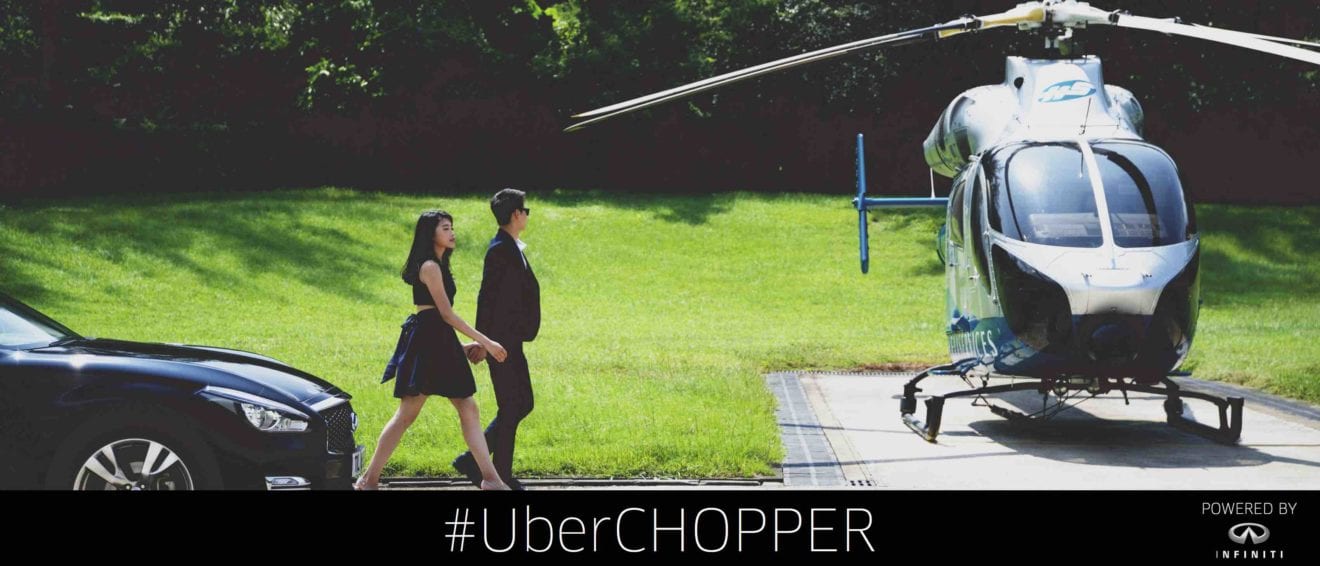
    California-based ride-sharing app Uber, in collaboration with local aviation service PremiAir, is introducing helicopter service in Indonesia on Friday, offering a new way to travel amid Jakarta’s heavy congestion.

    The service, which called UberCHOPPER, is the first helicopter charter service in Indonesia that is accessible for anyone through car-hailing app Uber application.

    “PremiAir is excited for UberCHOPPER, a collaboration between PremiAir and Uber apps. We introduce an alternative transportation, catering our market needs on flexibility and comforts travel between or within the city,” Tony D. Hadi, PremiAir managing director, said in a statement.

    UberCHOPPER has previously been available in New York, Austin, Cannes and Hong Kong.

    “Uber is all about bringing amazing experiences to people on-demand using the power of new technology – whether it’ a safe, reliable ride around Jakarta, opportunities to pitch ideas to venture capitalists or an aerial tour of the city,” Karun Arya, Uber spokesperson, said.

    UberCHOPPER is free of charge for today. The app users can order the service through the app then wait for Uber’s premium car to pick them up to helicopter pick-up points in Jakarta–which available in Grand Indonesia in Central Jakarta or Halim Perdanakusuma Airport in East Jakarta.

    “With UberChopper we aim to give a number of lucky riders the ability to experience a unique helicopter ride, touring Jakarta skies and witness the breathtaking views of the city at the push of a button.”

    Uber also invited some people, who considered influential, to try out Uber Chopper service. Artist such as Tarra Budiman, RAN, Kunto Aji, Rene Suhartono, Ernanda Son, Olivia Blue and fashion blogger Rachel Theresia were among the first to try the premium service. Especially for the influencers, Uber provides flight from Halim Airport to Grand Indonesia.