Tag: taxi

  • Go-Viet, Grab Vietnam to face tight competition

    Go-Viet, Grab Vietnam to face tight competition

    Vietnamese technology startup Be Group Corporation officially launched its ride-hailing platform Thursday, with beBike and beCar. The latest entrant to a market dominated by the likes of Grab and Go Viet has set an ambitious target of partnering with 10,000 drivers in a few weeks, by the end of 2018, and 100,000 drivers next year. Unlike the current ride-hailing firms, Be Group has registers its service as a transportation business.

    “We have gathered a lot of talent, and I personally have experience running start-ups for many years. With thousands of billions of dong ($1= VND23,287) mobilised, we are confident our platform can compete in this fierce market,” Be Group CEO Tran Thanh Hai said at the launch.

    Be Group apps will start operating in Hanoi and Ho Chi Minh City from December 17. The company has announced an initial 25-percent royalty for beBike and beCar drivers, while specific prices and discount schemes for customers have not been revealed.

    Be Group hopes to become a big player like Grab or Go Viet with a comprehensive super-app. In 2019, the company plans to roll out delivery and payment services. It aims to attract tens of millions of users in the next three years.

    Vietnam’s ride-hailing market has seen new entrants after Uber’s departure early this year, including Vietnamese firm FastGo, GoViet – a subsidiary of Indonesia’s Go-Jek, Aber and the latest Be Group.

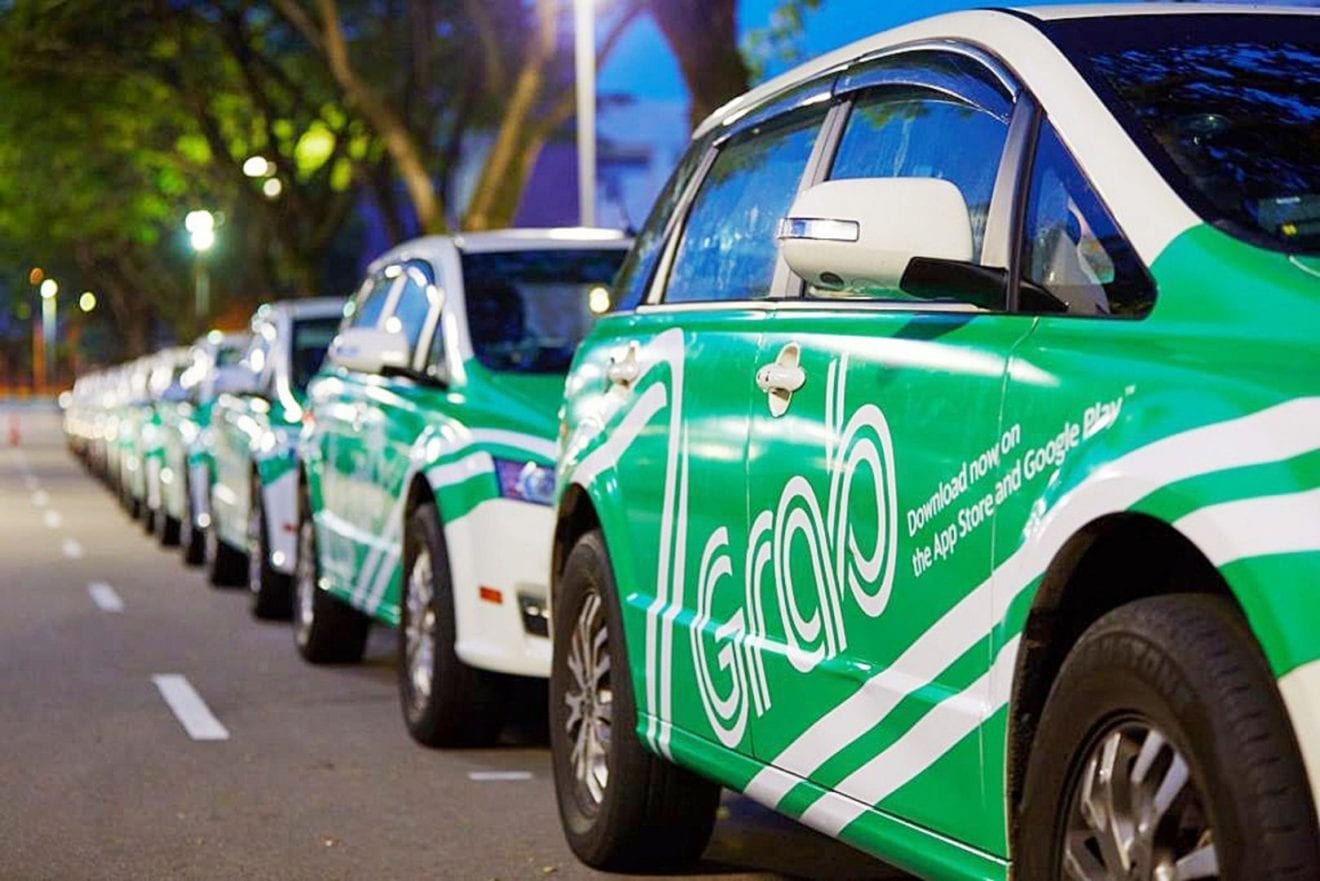
    Grab, which counts Chinese ride-hailing firm Didi Chuxing and Japan’s SoftBank Group Corp among its backers, had 175,000 drivers and bikers in Vietnam as of September and is the most prominent player in Vietnam after it pushed out Uber, according to Reuters.

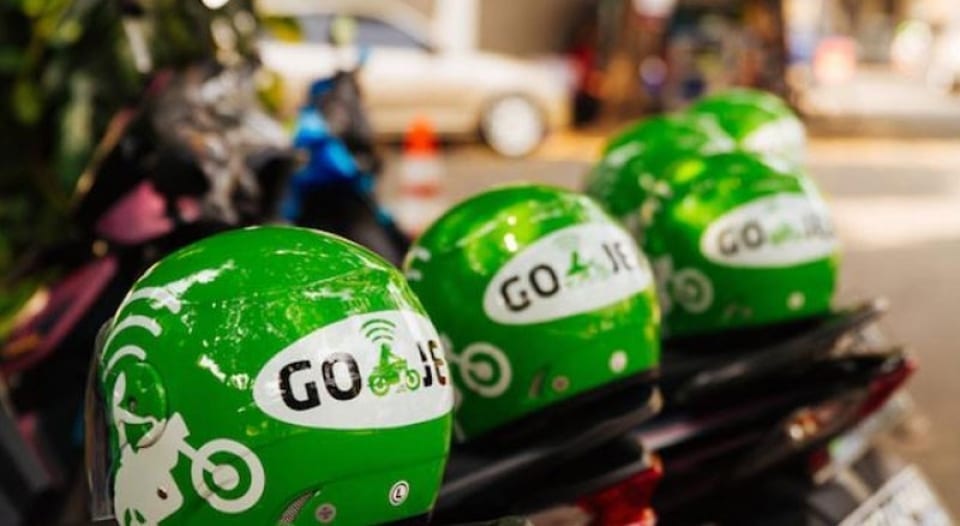
    Rival GoJek entered Vietnam in August eyeing to grab a share of the fast-growing market. Vietnam has 95 million people and many use smartphones.

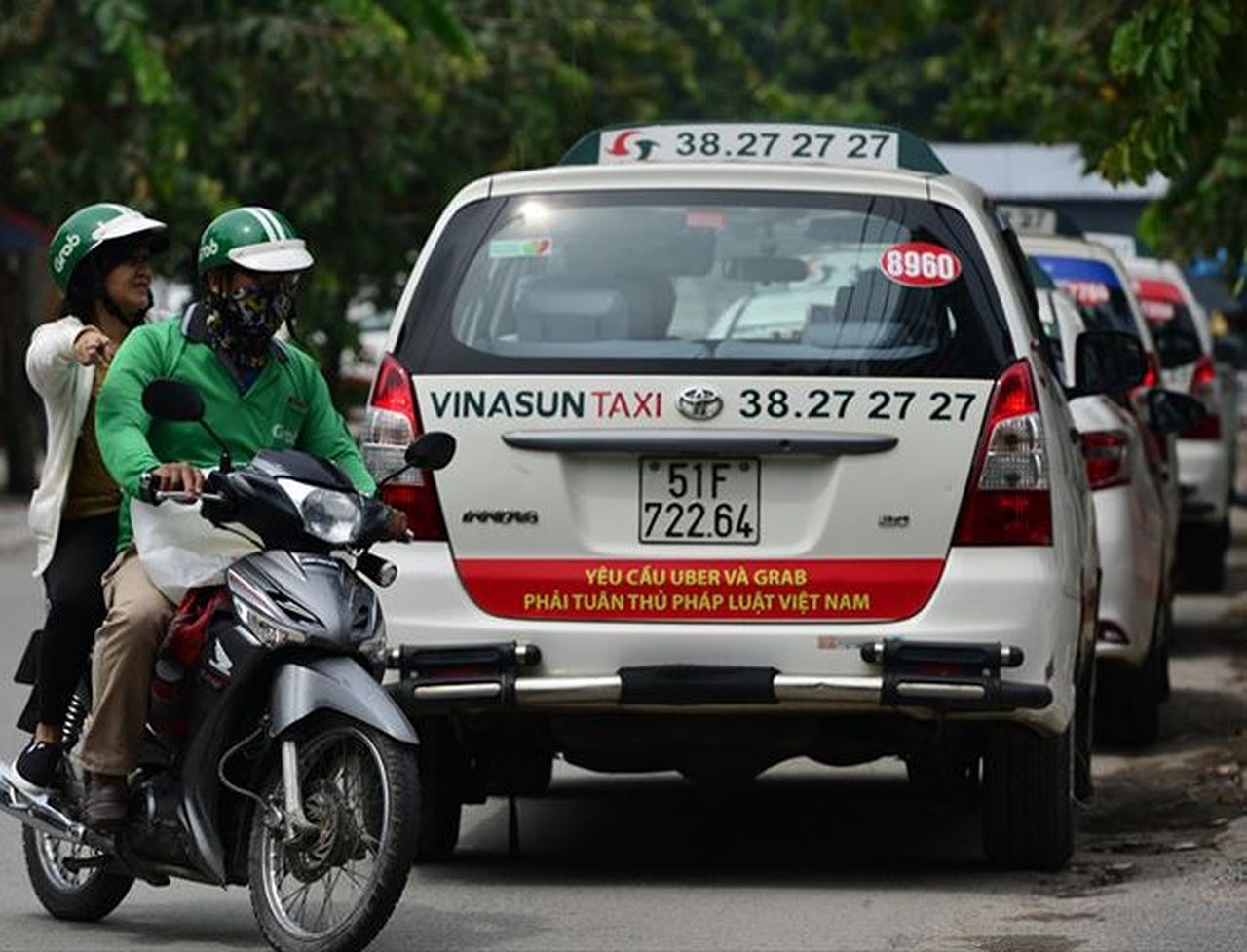
    A number of local taxi companies in Vietnam have come together to compete against ride-hailing firms, while Grab has been in a legal battle for more than a year with local taxi firm Vinasun Corp.

  • New Hanoi taxi merger to fight Grab on the streets

    New Hanoi taxi merger to fight Grab on the streets

    Three Hanoi operators have banded together to create the largest taxi business in the capital and compete with Grab. The union, named G7 Taxi, has been able to undercut the fares of Grab, at least over short distances, and it may be looking to bring still more players into its group.

    G7 was formed in October by Thanh Cong, Ba Sao, and Sao Hanoi. Together, they have about 3,000 cars, accounting for around 20 percent of taxis in the Hanoi area.

    The G7 base fare is VND9,900 (43 U.S. cents) for the first one km, while Grab charges VND20,000 (86 U.S. cents) for the first two km.

    The entrance of the new brand is expected to increase competition between traditional taxis and raid hailing firms like Grab.

    Earlier, Nguyen Cong Hung, chairman of the Hanoi Taxi Association, had said: “Traditional taxis, each with their own app, are now trying to compete with Grab. But we are divided, therefore we need to unite.”

    Before Thanh Cong, Ba Sao, and Sao Hanoi teamed up, annual sales at the three companies had declined by 10-15 percent on average over the past few years.

    The number of taxi companies in Hanoi has also fallen down to 70 taxi now, from 115 in 2010.

    Joining the fight

    The taxi trio is not alone in pushing back against the ride-hailing industry.

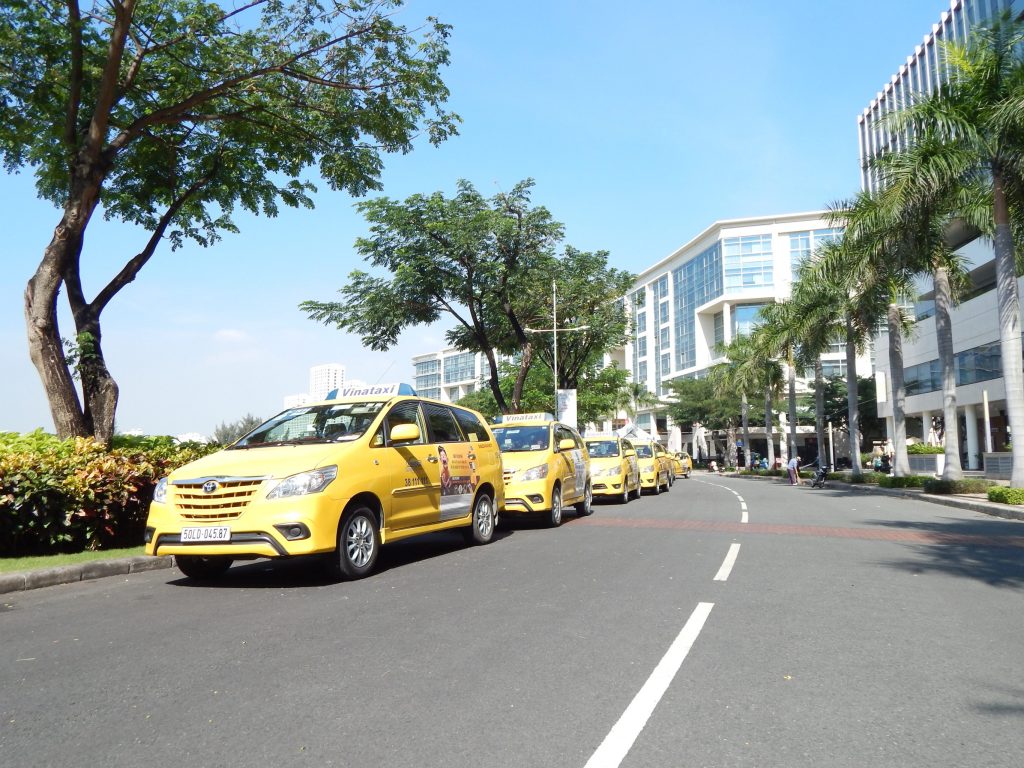
    In March, southern taxi firms ComfortDelgro Savico and Vinataxi had merged with the same purpose.

    Vinataxi, the third largest taxi firm in HCMC, was confident the merger would increase its growth six-fold this year.

    Mai Linh, Vietnam’s No. 1 taxi operator, has developed a smartphone app similar to that of Grab. Meanwhile, second-ranked Vinasun has launched a ride-hailing service using Facebook’s Messenger app, enabling customers to hail cars and make complaints and requests directly, much like Grab.

    But Grab, the dominant player in the ride-hailing business in Vietnam, is also working on strategies to compete better with local taxi firms.

    Several months ago, it introduced Grab for Business in Vietnam, a service that helps a company track the trips its employees make to limit unnecessary trips and control expenses.

    Grab is also deploying various policies to attract drivers by offering bonuses and opening stops with free wifi and coffee.

  • Indonesia’s Go-Jek Starts Trial Launch in Singapore, Challenges Grab

    Indonesia’s Go-Jek Starts Trial Launch in Singapore, Challenges Grab

    Indonesian ride-hailing firm Go-Jek kicked off a trial launch in parts of Singapore on Thursday and plans to roll out an array of services through its app in early 2019, challenging dominant player Grab in the small city-state. Both Go-Jek and Grab are raising billions of dollars and investing aggressively in the race to corner a bigger share of Southeast Asia, as more of the region’s 640 million consumers go online and use smartphones to shop, commute and make payments.

    Go-Jek, backed by the likes of Tencent Holdings, Alphabet Inc’s Google and Singapore state investor Temasek Holdings, is initially launching ride-hailing service in parts of Singapore after forming a partnership with DBS Group Holdings, the region’s biggest bank.

    “As this is a new product, we will obviously give promotions, but at the end of the day, it shouldn’t only be pricing that differentiates our services,” Go-Jek’s president, Andre Soelistyo said on Thursday.

    Grab, backed by Japan’s SoftBank and Chinese ride-hailing firm Didi Chuxing, bought Uber Technologies’ loss-making Southeast Asian business this year, marking the first big consolidation in the region.

    Following this, Singapore’s anti-trust watchdog slapped Grab and Uber with fines and imposed measures to open up the local market to competitors after concluding that their merger had driven up prices.

    Go-Jek’s executives declined to give any details on how many drivers it had signed up or a target for market share in Singapore but said payment services would be launched later.

    Started in 2011 in Jakarta, Go-Jek has evolved from a ride-hailing service to a one-stop app through which its customers can make online payments and order everything from food, groceries to massages.

  • Transport giant to withdraw capital from leading HCMC taxi firm

    Transport giant to withdraw capital from leading HCMC taxi firm

    In an apparent u-turn, transport giant Tracodi has approved divestment of its 30 percent stake in Vinataxi. Just months after saying it intends to increase its stake in Vinataxi, renew its fleet and install driver software, the Transport and Industry Development Investment Corporation (Tracodi) has decided to pull out.

    Tracodi has authorized Nguyen Thanh Hung, its general director and vice chairman, to seek investors and negotiate a transfer price not lower than the net present value of Vinataxi shares calculated according to book value.

    Vinataxi is a joint venture between Tracodi and electronic component distributor Tecobest Hong Kong, established in 1992. In 2003, Tecobest transferred capital management rights to ComfortDelGro, the leading public passenger transport operator in Singapore.

    According to the consolidated financial statement of the third quarter, Vinataxi occupied the third largest market share in Ho Chi Minh City with a chartered capital of VND113 billion ($4.84 million). Tracodi’s initial investment value was approximately VND34 billion ($1.46 million) in the joint venture.

    Tracodi’s capital withdrawal is in stark contrast to the plan announced by its board at its annual general meeting mid-June. Then, the corporation announced it wanted to negotiate raising its ownership ratio in Vinataxi to 49 percent, and coordinate with ComfortDelgro Savico Taxi, a joint venture between ComfortDelgro and Saigon General Service Corporation, to renew their fleets and install driver software.

    Tracodi’s management board estimates the firm will reap net profit of VND8 billion ($342,916) from its taxi business line this year with its combined fleet of over 300 cars.

    In 2017, revenues and after tax profit of Vinataxi reached over VND47 billion ($2.01 million) and VND1.2 billion ($51,431) respectively.

  • Grab: becoming a taxi company a step back from Industry 4.0

    Grab: becoming a taxi company a step back from Industry 4.0

    Ride-hailing firm Grab says giving in to traditional taxi companies’ demands is akin to bowing before “angry workers threatening to smash machinery.” Grab has written to Prime Minister Nguyen Xuan Phuc expressing concern over the latest draft of a decree prepared by the Ministry of Transport under which transport firms offering services with under 9-seater cars should be registered as taxi firms before they can apply ride-hailing technologies.

    This means that Grab and other ride-hailing firms would have to register their services again as taxi businesses and comply with corresponding legal responsibilities regarding their operating licenses, drivers’ profiles and tax duties.

    “The regulation not only goes against the policy and guidelines of the Government on the application of science and technology, and on reform of administrative procedures, but also completely denies the clear benefits achieved by the pilot scheme for ride-hailing services,” the company said.

    It said that the pilot scheme has sped up development of the transportation market, helped state agencies find effective management solutions using technology, and inspired the advance of Industry 4.0 in Vietnam.

    The company is providing an essential service to 20 percent of Vietnam’s population every day, providing work for 175,000 drivers and has contributed VND270 billion ($11.5 million) to the state exchequer in taxes in the first 9 months of this year.

    It said many taxi companies have “awakened” to the revolution and are currently cooperating very well with it, as well as other ride-haling firms.

    However, there remain “traditional taxi businesses who fear innovation, losing market dominance, and competition,” the company said.

    Bad precedent

    Grab said that this (treating ride-hailing firms as taxi firms) would set a bad precedent for the whole legal system and send discouraging signals to the start-up environment in Vietnam.

    “We have to emphasize that the approval of this draft, to appease the subjective will of some traditional taxi companies, would be to oppose the benefits and advances so important to society and the economy. This will be a step backwards from Industry 4.0, to bow before ‘angry workers threatening to smash machinery,” wrote Lim Yen Hock, CEO of Grab Co. Ltd.

    On Wednesday, a standing working group of the Government announced the results of the review of the draft submitted by the Ministry of Transport, saying that based on road traffic law, transport vehicles using ride-hailing technology like Grab or Uber are in essence taxis.

    These vehicles have to be subject to regulations as taxis, and cannot be classified as ‘electronic contract-based vehicles’ to circumvent the law, evade tax, avoid costs and receive incentives that do not apply to traditional taxis, the working group said.

    The debate over Grab’s status as transportation company is not new in Vietnam.

    Vietnam’s top taxi company Vinasun has sued Grab for $1.84 million in losses, citing “unhealthy competition.”

    The ride-hailing market in Vietnam has seen new entrants after the departure of Uber, which sold its Southeast Asia operations to Grab. The newcomers include Fastgo and GoViet, the last mentioned being an affiliate of Indonesia’s Gojek.

    Current market dominator Grab has expanded its services to include GrabFood, a food delivery service, and GrabCar Business, targeting the corporate sector.

    These moves pose further challenges for long-standing taxi firms like Mai Linh, Taxi Group and Vinasun.

  • Vietnamese taxi firm to get support in lawsuit against Grab

    Vietnamese taxi firm to get support in lawsuit against Grab

    Prosecutors have argued in a trial in HCMC that Grab must pay Vinasun compensation for losses it caused through “unhealthy competition.” At a hearing Tuesday the city People’s Procuracy rejected ride-hailing firm Grab’s argument that the court had no jurisdiction over the case, saying it does since it is a commercial dispute.

    Prosecutors also asked the judges to deny Grab’s request to summon representatives of Vietnam’s Ministry of Transport, other companies participating in the ministry’s pilot scheme for ride-hailing services and the company responsible for estimating Vinasun’s losses.

    As for Grab’s claim it is a tech firm and not a taxi company, they said since the firm directly assigns drivers, sets fares, sets regulations for drivers, and offers promotions, there is enough reason to dismiss this too.

    “Vinasun’s demand for compensation for reduced profits is well founded since Grab was dishonest in its business declaration and ran promotions in contravention of regulations, causing over 70 percent of Vinasun’s customers to switch to Grab due to lower fares.”

    Vinasun’s after-tax profit was nearly VND320 billion ($13.7 million) in 2015 and VND295 billion ($12.63 million) in 2016, but dropped to VND53 billion ($2.27 million) in the first half of 2017, by which time over 8,000 drivers had quit and hundreds of cars had stopped running due to a lack of drivers.

    Prosecutors asked the court to accept Vinasun’s petition for compensation of VND42 billion (nearly $1.8 million) in one payment.

    Grab continued to insist the case did not come under the court’s jurisdiction and that it is a tech firm.

    Dismissing the claim it had caused losses to Vinasun, Grab cited market research purporting Vinasun has been losing customers due to other reasons such as driver’s attitude, long waiting time and declining car quality.

    Vinasun filed the suit against Grab at the HCMC People’s Court in June last year accusing the Malaysia-based firm of abusing the Ministry of Transport’s pilot scheme and committing violations.

    Claiming Grab’s illegal activities had caused damages to it, Vinasun claimed to have suffered losses of nearly VND76 billion ($3.25 million) in 2016 and the first half of 2017, of which nearly VND42 billion (nearly $1.8 million) was caused by Grab.

    The trial began last February, but was first adjourned a month later due to the need for more evidence and again last month when Grab protested against the evaluation of Vinasun’s losses and refused to attend.

    The court is scheduled to hand down its verdict next Monday.

  • FastGo drives into provincial markets in Vietnam

    Vietnamese ride-hailing app FastGo has expanded its services to provinces in Vietnam like Dong Nai and Binh Duong, provinces neighboring HCMC. FastGo aims to cater to high travel demand within the southern provinces and for commutes between the provinces and Ho Chi Minh City

    Nguyen Huu Tuat, general director of FastGo Vietnam, said that Bien Hoa City in Dong Nai and Binh Duong were two municipalities next to HCM City with large traffic flows and number of commuters.

    The introduction of the app in these localities will make it more convenient for customers to travel, as well as reduce wasteful ‘empty miles’ for local cabs, he added.

    Currently, FastGo has about 1,000 drivers operating in these two cities.

    The company plans to expand its presence into Ha Long City in the north and Nha Trang City in the center early next month. By the end of the year, it will also introduce food delivery and “On Demand Shopping” services.

    Launched in June 2018, FastGo now operates in Hanoi, Ho Chi Minh City and Da Nang with more than 30,000 drivers. It has already completed “over one million kilometres of service.”

    At the end of August, the company received funding from VinaCapital, and is planning to mobilize up to $50 million for a second expansion phase that will target Indonesia and Myanmar.

    FastGo has three core services: Fast Car – a four-wheel drive app for private contractors wanting to make additional income; Fast Taxi – a service linked with existing taxi companies who can receive orders on the app; and Fast Luxury – a semi-luxury car service.

    FastGo last month said it has 15,000 taxi and motorbike partner drivers in Hanoi and Ho Chi Minh City, but they are still not a common sight on the streets, unlike the ubiquitous red and green uniforms of Go-Viet and Grab drivers.

    Tuat said he wants FastGo to become one of Southeast Asia’s top 3 ride-hailing apps in the future.

    A report quoted the company as saying it hopes to make its service available in 20 cities in Vietnam and five other Southeast Asian markets, including the Philippines, Cambodia and Thailand, by the end of next year.

    FastGo Vietnam Joint Stock Company was established in April 2018 with its headquarters in Hanoi. The company belongs to a wide network of services provided by Nexttech – a leading tech firm in Vietnam.

  • Alipay will be available in Seoul taxis via kakao pay beginning January 2019

    Alipay will be available in Seoul taxis via kakao pay beginning January 2019

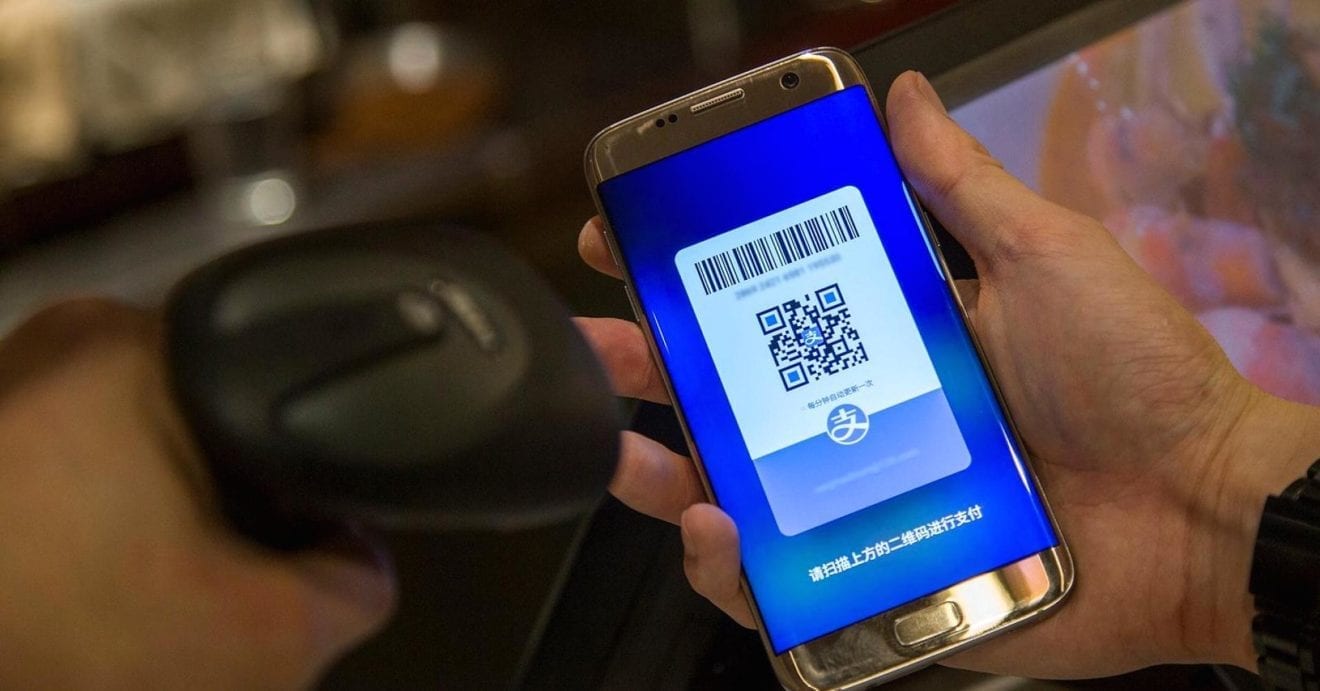
    Following the introduction of QR-code payment in more than 71,000 taxis in Seoul, all taxis in Seoul will accept Alipay beginning in January 2019. Alipay, the world’s largest online and mobile payment platform, operated by Ant Financial Services Group, can be used by Chinese tourists to pay for taxis in Seoul via its strategic partner kakaopay, which acts as system integrator. In the near future, local users will also be able to pay taxi fare via kakaopay.

    Alipay has been collaborating with kakaopay, a Korean mobile payment service, to further promote mobile payment services in the country. Last year, Ant Financial Services Group formed a strategic partnership with kakaopay. Since then, both Alipay and kakaopay have been working to integrate with all partner merchants in Korea. Earlier, Alipay enabled its payment service for taxis in the Pyeongchang and Gangneung areas where the Winter Olympics were hosted in February.

    Presently, Alipay is accepted by taxis in more than 15 countries and regions for Chinese users around the world, including China, Korea, Singapore, Malaysia, the U.S., Italy and Australia. Alipay is now available in more than 90% of taxis in primary and secondary cities in China. In addition, 75% of taxis in Singapore accept Alipay, providing a convenient payment method for Chinese tourists.

  • Taxi or not? Vietnam debate rages over Grab status

    Taxi or not? Vietnam debate rages over Grab status

    Transport authorities and taxi associations have reiterated that ride-hailing firm Grab should be treated as a taxi service, but experts disagree. Nguyen Cong Hung, vice chairman of the Vietnam Automobile Transportation Association (VATA), said at a recent meeting that it was incorrect to identify Grab as an electronic contract service firm.

    Hung said that legal experts have affirmed that Grab and other ride-hailing services are taxi services, and ordering a car service via a phone call or a phone app are only superficially different modalities.

    While some people believe that calling Grab a taxi service will hinder the development of technology, Hung disagreed.

    “Identifying a car service as traditional taxi or technology taxi will guarantee authorities management power and fairness in terms of their responsibilities. Whichever service applies technology will have higher profits,” he added.

    Echoing Hung, chairman of the Ho Chi Minh City Taxi Association, Ta Long Hy, said that any service which sets transport fees collects money and spends a large amount of money on discounts is a transportation service, and not merely a software company.

    Hy said that all car services that are 9-seaters or lower are taxi services in nature. “The Ministry of Transport should not create an exclusive playing field for a service that is basically a taxi service.”

    He proposed that 9-seater or lower car services, whether Grab or traditional taxis, be identified by a mark on their license plates or a larger registration label on the car’s windshield.

    Earlier this month, the Transport Ministry released the latest draft of a transportation management decree under which under 9-seater car services be registered as taxi firms before they can apply ride-hailing technologies.

    This means that Grab and other ride-hailing firms would have to register their services again as a taxi business and comply with corresponding legal responsibilities regarding their operating licenses, drivers’ profiles and tax duties.

    Should the decree be passed, Grab and other ride-hailing cars will have to put a sticker labeled “taxi” on their windshields and carry a taxi legend on the top.

    The draft goes against many experts’ requests to treat ride-healing services as a new business model that is different from traditional taxi service.

    Nguyen Dinh Cung, director of the Central Institute of Economic Management (CIEM), had said earlier that firms that primarily used software cannot be called a transportation business.

    Cung said that the government should encourage new investment forms or business models with an open and fair environment in keeping with Industry 4.0 trends.

    Lawyer Truong Thanh Duc said that the Ministry of Transport has been making changes with recent drafts without having a consistent viewpoint.

    The fact the ministry wants to identify ride-hailing services as taxi firms is against the government’s policy of prioritizing technology development in the Fourth Industrial Revolution, he said.

    Marketing expert Do Hoa said that Grab and other ride-hailing services should be managed under a new law specifically written for technological services.

    Traditional regulations related to taxi firms are not appropriate for Grab, as it is not a transport company, he said.

    The heated debates and struggles between ride-hailing cars and traditional taxis have not cooled after the exit of Uber from the Southeast Asian market in March. Taxi firms have continued to complain about the unfair competition they are facing.

    They have also joined hands to fight the market onslaught of ride-hailing firms.

    Grab has consistently been denying that it is a taxi firm, saying it only provides technological solutions to transport services.

    The debate over Grab’s status as transport company is hardly new in Vietnam. Vietnam’s top taxi company Vinasun sued Grab for $1.84 million in losses, citing “unhealthy competition”.

    In Vietnam, local cab firms like Mai Linh and Vinasun have to pay value added tax (VAT) of 10 percent and corporate income tax of 20 percent, while Grab only have to pay some 3 percent.

    The ride-hailing market in Vietnam has seen new entrants after Uber’s departure, including Fastgo and GoViet, which is an affiliate of Indonesia’s Gojek.

    Current market dominator Grab has expanded its services to include GrabFood, a food delivery service, and GrabCar Business, targeting the corporate sector.

    These moves pose further challenges for long-standing taxi firms like Mai Linh, Taxi Group and Vinasun.

  • Ooredoo demonstrates 5G aerial taxi

    Ooredoo demonstrates 5G aerial taxi

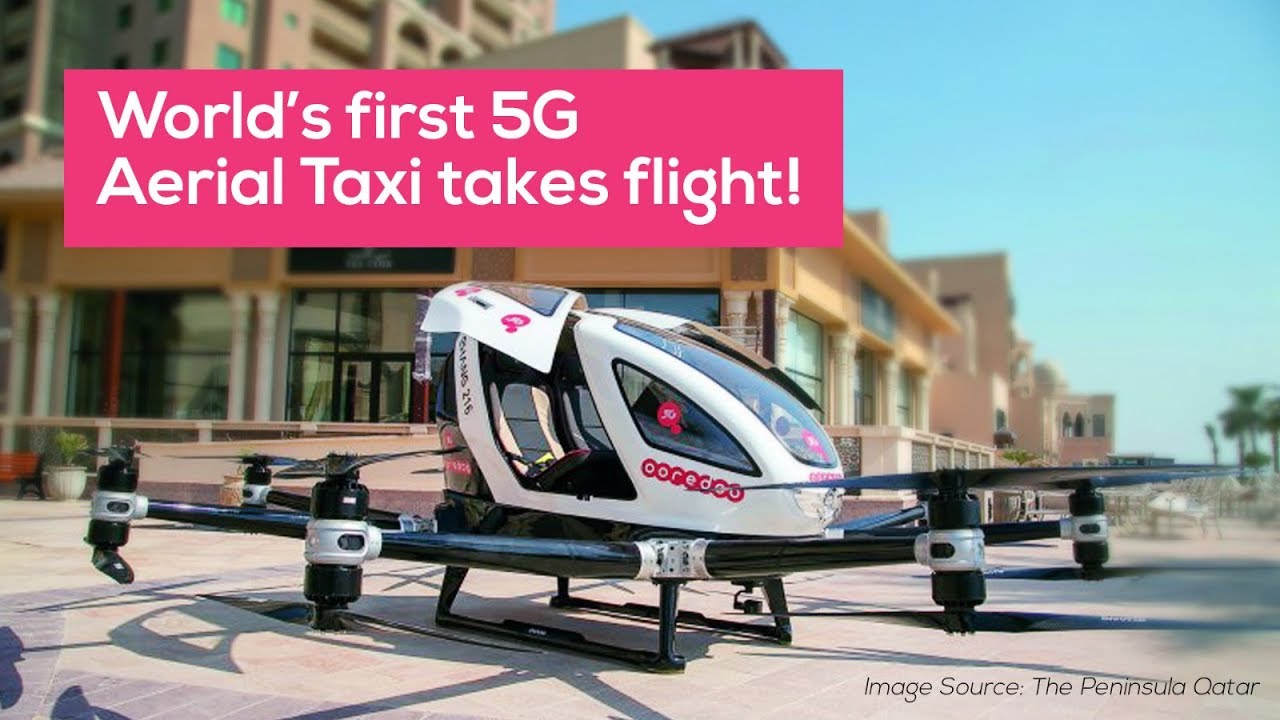
    Qatar-based Ooredoo has acted to showcase the power of 5G to enable smart city applications with a trial of the world’s first self-driving 5G connected autonomous aerial taxi.

    During an event at The Pearl artificial island in Doha, Ooredoo also showcased technologies including a 5G experience bus to allow visitors to experience the potential of 5G while commuting and a 5G house boat.

    The 5G connected aerial taxi is a large drone-like vehicle large enough to transport two people to a destination up to 20 minutes away at speeds of 130km/h. The autonomous vehicle runs on Ooredoo’s commercially-ready 5G network.

    Meanwhile Ooredoo’s 5G bus experience provided passengers with the ability to browse the internet with 5G speeds of up to 2.6Gbps while in transit.

    Finally the 5G house boat was equipped with 8K VR streaming gaming technology to demonstrate 5G’s potential to usher in the future of entertainment.

    “The Ooredoo 5G roll-out is growing daily, but as our customers cannot yet access the speeds and benefits of our ongoing investment, we wanted to demonstrate the true power of 5G and showcase what our technology will do for Qatar in the near future and in the years to come,” Ooredoo CEO Waleed Al Sayed said.

    “Ooredoo is leading global Internet of Things innovation thanks to our world-class 5G networks and we are the clear partner for Qatar’s growing Smart City technological needs. Thanks to our Supernet network and IoT solutions, Qatar will soon be able to offer the futuristic experiments shown today to everyone connected to Ooredoo 5G.”

  • Don’t treat ride-hailing firms as taxis, Vietnam government advised

    Don’t treat ride-hailing firms as taxis, Vietnam government advised

    Forcing ride-hailing cars to work like traditional taxis is a serious mistake revealing a non-innovative mindset, a leading economist says.

    Nguyen Dinh Cung, director of the Central Institute of Economic Management (CIEM), criticized state agencies for a “managing mindset” that “is not yet innovated”.

    Cung was referring to the latest draft decree on transportation management, which asks ride-hailing firms like Grab, Fastgo and Vietgo to comply with many conditions that are applied to normal transportation businesses like taxi companies.

    He said firms that primarily used software cannot be called a transportation business and said the new move was not consistent with the country’s stated aim of removing at least 50 percent of current business conditions.

    Cung told VnExpress that the state managers must also think in terms of the market from the perspective of facilitating new technologies and business models instead of using administrative procedures to intervene in their business.

    While the latest draft has cut many conditions for the ride-hailing business, such as logos, paint colors, board signs, an operating center, communication equipment and uniforms for drivers, Cung said there were still several negative conditions.

    For instance, the draft decree requires ride-hailing firms to send their transport contract information to the Transport Department before providing their service.

    It also requires that ride-hailing firms have a team to manage and monitor traffic safety issues.

    Cung said such conditions were meant to give authorities more room to intervene in the operations of the ride-hailing firms.

    He has recommended to the Government Office that the draft is not approved and instead, the state tries to encourage new investment forms or business models with an open and fair environment in keeping with Industry 4.0 trends.

    Even if they don’t want to encourage the new technology-based business yet, the laws should not do away with such business models with irrelevant, old conditions, he told VnExpress.

    Prepared by the Ministry of Transport to replace the Decree 86/2014 on managing automobile transportation businesses, the fifth edition of the draft has been released for public feedback.

    The tussle between ride-hailing cars and traditional taxis has not cooled after the exit of Uber from the Southeast Asian market in March. Taxi firms have continued to complain about the unfair competition they are facing.

    They have also joined hands to fight the market onslaught of ride-hailing firms.

    The ride-hailing market has seen new entrants after Uber’s departure, including Aber, Fastgo and GoViet, which is an affiliate of Indonesia’s Gojek.

    Current market dominator Grab has expanded its service to include GrabFood and GrabCar Business, the latter targeting the corporate sector. These moves pose further challenges for long-standing taxi firms like Mai Linh, Taxi Group and Vinasun.

  • Grabbing Grab’s share a tough question in Vietnam

    Grabbing Grab’s share a tough question in Vietnam

    Local ride-hailing firms lack deep pockets needed to out-incentivize market leader Grab. After Uber Technologies Inc sold its ride and food-delivery businesses in Southeast Asia to bigger regional rival Grab last March, Vietnamese firms have tried to chip away at Grab’s dominance.

    A number of ride-hailing apps have been introduced recently, like Aber, which was developed by a group of Vietnamese students studying in Europe; FastGo, an affiliate of NextTech Group; and MVLchain – a Singapore-based transportation startup; VATO; Didi; and MaiLinhBike.

    Besides competing in the bike- and car-hailing businesses with dominant player Grab, the new entrants also plan to offer good delivery, car rentals and long-haul ride services.

    But, for the moment, none of them have shown the ability to fill the gap left by Uber or to threaten Grab’s supremacy, because they have not differentiated themselves from the competition.

    Newcomers did look for some “killer features” that are absent from previous apps to lure customers. For instance, VATO allows users to bargain with the driver for the most competitive price and Mai Linh Bike says it will collect lower commissions from its drivers and will not increase ride prices during peak hours.

    But such measures are not enough because ride-hailing is a cash burn business and only those with strong financial resources can endure, experts say.

    EasyTaxi has probably learned how tough this fight is. The Brazil-based company came to Vietnam at the end of 2013, six months before Grab and Uber’s presence in this market. Despite being the first comer, it withdrew from the market just two years later. Money, or the lack of it, was the reason, industry insiders say.

    Cash burn strategy

    Even big players like Grab and Uber have reported heavy losses in Vietnam. According to the General Department of Taxation, Grab, with a total registered capital of only VND20 billion ($881,057), has incurred losses of nearly VND1 trillion in three years of operating in Vietnam.

    But this cash burn strategy is how Grab and Uber are eating up traditional taxi firms’ market share. In 2014-2015, they launched intense promotional programs including free rides and discounts to lure customers. They also expanded their driver networks by providing them with subsidies and big rewards based on performance.

    Limited funding limits the budding competitors’ ability to offer incentives the way the big players can, so the former are always playing catch up. They can’t offer discounts, and can’t expand their network of drivers in order to offer faster, better rides.

    In a price-driven market, customers are always looking to choose the cheapest possible ride. And they have complained that it is not easy to book a ride with the new apps even in downtown areas.

    Duc Huy, a senior student at the Academy of Journalism and Communication in Hanoi, told VnExpress that he found it difficult to get a ride on MaiLinhBike as there are not many drivers around North Tu Liem District where he lives.

    “I have to wait for 10 minutes to get on a MaiLinhBike ride because the river is 2-3 km away,” he said.

    Drivers too see Vietnamese ride-hailing platforms as backup options. They are not ready to switch despite Grab cutting back on drivers’ incentives.

    Taxi driver Duy Ngoc said he operates on both Grab and VATO apps, but gets just two or three rides booked on the VATO platform a day.

    “So, I mainly drive on the Grab platform to ensure my income,” he said.

    “New apps do not have a large customer base. Drivers just sign up to get incentives, so their main driving service remains the previous one (Grab),” said 25-year-old Grab motorcycle driver Quoc Anh.

    Market niches

    With Go-Jek about to set foot in Vietnam with its Go Viet app, competition is only get tougher for local firms. The Indonesian ride-hailing firm is a heavyweight competitor to Grab in the Southeast Asian region. Will local apps stand a chance? The answer is, unlikely, in a head-to-head fight.

    “Capital shortfall is a disadvantage for Vietnamese ride-hailing apps, so they should not enter the cash burn race,” said Dr Nguyen Duc Thanh, head of the Vietnam Institute for Economic and Policy Research.

    He said going head-to-head with bigger rivals is not the right path to follow. There are other ways to succeed, he added.

    “They can enter niche markets like good delivery, car rentals or long-distance ride services. Instead of trying to divide market share in the beginning, newcomers should think of a long-term strategy to build a solid foundation,” Thanh added.

    It was not a fluke that even a well funded Uber lost to a more localized opponent, he said.

  • Grab refuses to release details of Uber buy-out

    Grab refuses to release details of Uber buy-out

    The deal has left tax payments unresolved and questions remaining about a potential market monopoly. Tax authorities in Ho Chi Minh City have once again sent a request to Grab in Vietnam asking the company to provide details concerning its recent acquisition of rival Uber’s Southeast Asia business.

    The reason for the request is due to the fact that Grab is legally obliged to pay tax on the transfer of capital and business market share following the deal.

    Vietnam’s tax law states that all income generated by foreign companies operating in the country should be subject to tax, regardless of where they are based.

    Organizations and individuals that receive capital from foreign organizations are required to declare and pay tax on behalf of those foreign organization, tax authorities cited the law as saying.

    With details of the Uber- Grab deal remaining undisclosed, authorities are still unsure how to calculate how much the latter owes in tax.

    Uber also allegedly still owes Vietnam’s government $2.3 million in taxes required, but claims that according to Vietnam’s agreement on double taxation avoidance with the Netherlands, that figure is inflated.

    Grab has previously said that the $2.3 million is down to Uber, and has refused to pay the firm’s outstanding debt.

    Grab’s decision violates Vietnamese law and international practices, said lawyer Doan Van Hau, chairman of the Vietnam Lawyers’ Commercial Arbitration Center.

    Quoting Vietnamese law, Hau said that Grab was responsible for paying all of Uber’s back taxes.

    Ho Chi Minh’s tax department previously asked five local commercial banks to help it collect the outstanding sum from Uber, but failed to do so as the company did not have a bank account in Vietnam.

    Uber has since filed two lawsuits against Ho Chi Minh’s tax department.

    Grab is also under investigation by Vietnam’s Ministry of Industry and Trade for violating the Competition Law in its acquisition of Uber.

    Malaysia, the Philippines and Singapore are all requesting details of the acquisition.

  • Nissan, partner eye early 2020s robotaxi rollout

    Nissan, partner eye early 2020s robotaxi rollout

    Nissan is deepening collaboration with a Japanese mobile gaming and communications giant to develop self-driving taxis.

    Nissan wants the partnership to lift it ahead of its rivals in the nascent vehicle mobility services segment. But when it comes to realizing self-driving taxis that can pick up and drop off customers automatically on public roads without a glitch, the automaker acknowledges there is still a long way to go.

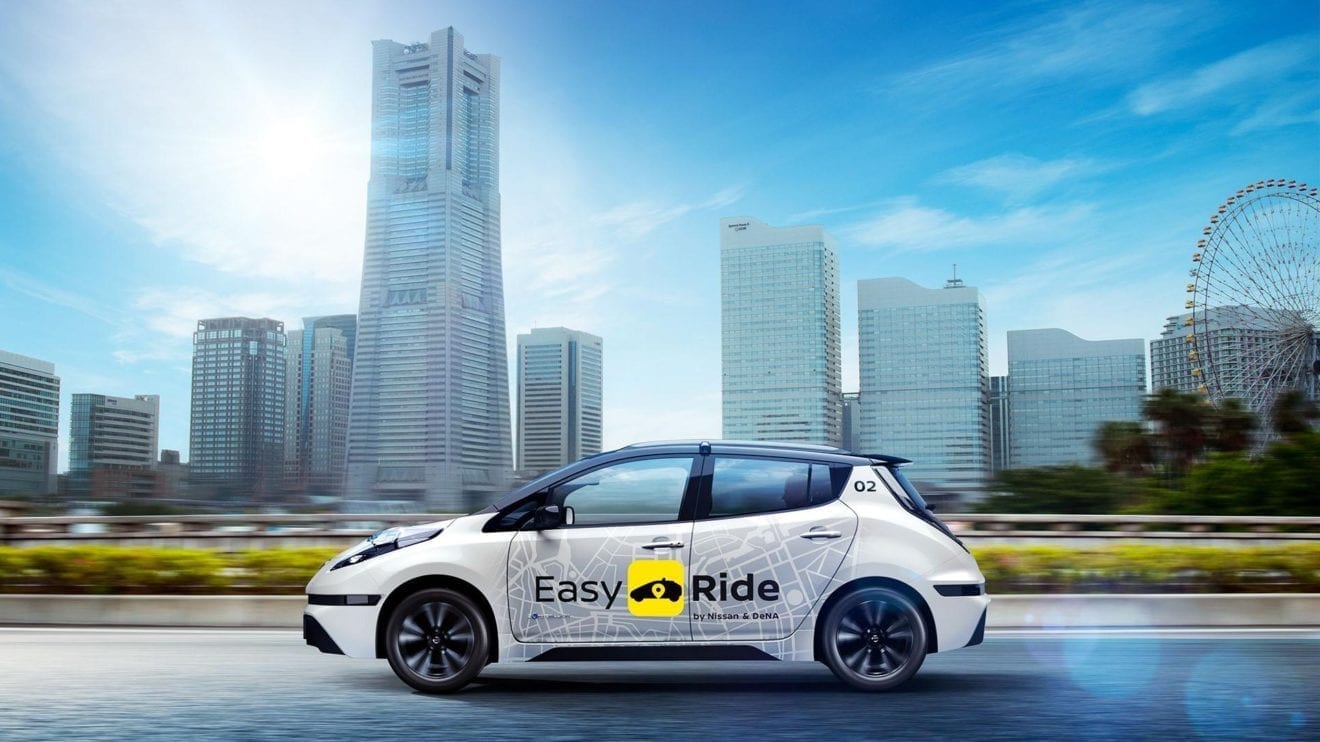
    Last month, Nissan Motor Co. and online tech company DeNA Co. field-tested Easy Ride robotaxis, involving some 300 participants.

    “This represents a big step toward enhancing self-driving cars and the mobility service operation system from the stage of just presenting a conceptual image,” Nissan CEO Hiroto Saikawa said during the launch. “This will help advance our business in offering a new mobility service for many customers in a variety of scenes.”

    The robotaxis are based on a modified Nissan Leaf electric vehicle. For their field testing, they traveled about two miles on a preset city route from Nissan’s headquarters in Yokohama to a nearby commercial facility.

    Collaborative effort

    Using a DeNA-designed smartphone app, users could hail a taxi by selecting a pickup time slot and specifying which of a list of preset destinations they wanted. A tablet computer installed inside the vehicle notified the passenger about recommended events in the area.

    Discount coupons for restaurants affiliated with Easy Ride were sent to the user’s smartphone.

    Such an online user experience could not have been possible without the help of DeNA, Nissan officials said.

    “Efficient and effective collaboration with partners who have expertise in their respective fields are the key to remaining competitive in the future,” Saikawa said. DeNA CEO Isao Moriyasu stressed that his company wants to bring innovation to the transportation system as a mobility service provider.

    The companies plan to introduce their robotaxi service commercially in the early 2020s. But they must resolve technical details before introducing a fully autonomous mobility service in a heavily congested urban environment.

    Easy Ride uses Seamless Autonomous Mobility, developed by Nissan from NASA technology, for its fleet operation system. That system allows vehicles to make decisions in unpredictable situations with the combined support of in-vehicle artificial intelligence and humans, according to Nissan. There will be a control center where people monitor Easy Ride fleets.

    Unexpected situations

    But technology challenges remain. Among them: perfecting the robotaxi’s ability to judge where it is most appropriate for loading and unloading passengers. Unexpected complications, such as road construction or a line of parked cars on the roadside, for example, wouldn’t faze a human driver. But altering behavior to accommodate unusual circumstances doesn’t come easily to an AI-powered, sensor-directed taxi without the aid of remote monitoring by humans at the control center.

    At a media test ride in mid-February, an Easy Ride vehicle unexpectedly stopped its self-driving mode just as it was about to get moving when a pedestrian walked in front of it. As a result, another test vehicle was brought in and the procedures had to be repeated.

    Nissan expected such glitches to occur during the field test, and is looking to incorporate the experiences into its development.

    Kazuhiro Doi, a global director of Nissan’s research division, admitted that the experiment was challenging, even in Yokohama’s waterfront area, with its wide streets and relatively light traffic.

    “Self-driving while trying to avoid so many parked cars is actually difficult,” Doi said of the research. “GPS signals are weak or cut off due to high-rise buildings. I thought it would be easy at first, but it has proven to be more challenging.”

  • Savico Vietnam shuts down taxi company

    Savico Vietnam shuts down taxi company

    Saigon General Service Corporation (Savico) announced to the State Security Commission of Việt Nam and HCM City Stock Exchange that its taxi brand – ComfortDelgro Savico Taxi – has been closed to preserve funds and reengineer its taxi-related business plans.

    ComfortDelgro Savico Taxi was opened in 2005 as a joint venture between Savico and ComfortDelGro Corporation Limited, a Singaporean multinational land transport company.

    Even though ComfortDelgro Savico Taxi has operated in HCM City for a long time, its market share has always been relatively modest, with a fleet of only around 400 cars, compared to Vinasun Taxi’s fleet of more than 6,000 cars.

    For the past few years the taxi company has incurred high costs due to constant improvement of its cars and service quality. However, tough competition from Grab and Uber has caused the company to struggle to make much profit from the investment.

    According to Savico’s 2017 report, ComfortDelgro Savico Taxi only made around VNĐ235 million (US$10,300) of profit, down from around VNĐ3.3 billion (US$145,000) in 2016 and nearly VNĐ7 billion (US$307,000) in 2015.

    On March 16, ComfortDelGro said that ComfortDelgro Savico Taxi has merged with Vinataxi (70 per cent of whose shares are owned by ComfortDelGro).

    According to statistics from the city’s Department of Transport, as of 2017, there were around 35,000 taxis in HCM City, including around 24,000 Grab and Uber taxis.

    Many of Việt Nam’s traditional taxi companies are struggling to compete with Grab and Uber.