Retail News CRM

Tag: taxi

  • Taxi firm Vinasun payroll increases again after 6 years

    Taxi firm Vinasun payroll increases again after 6 years

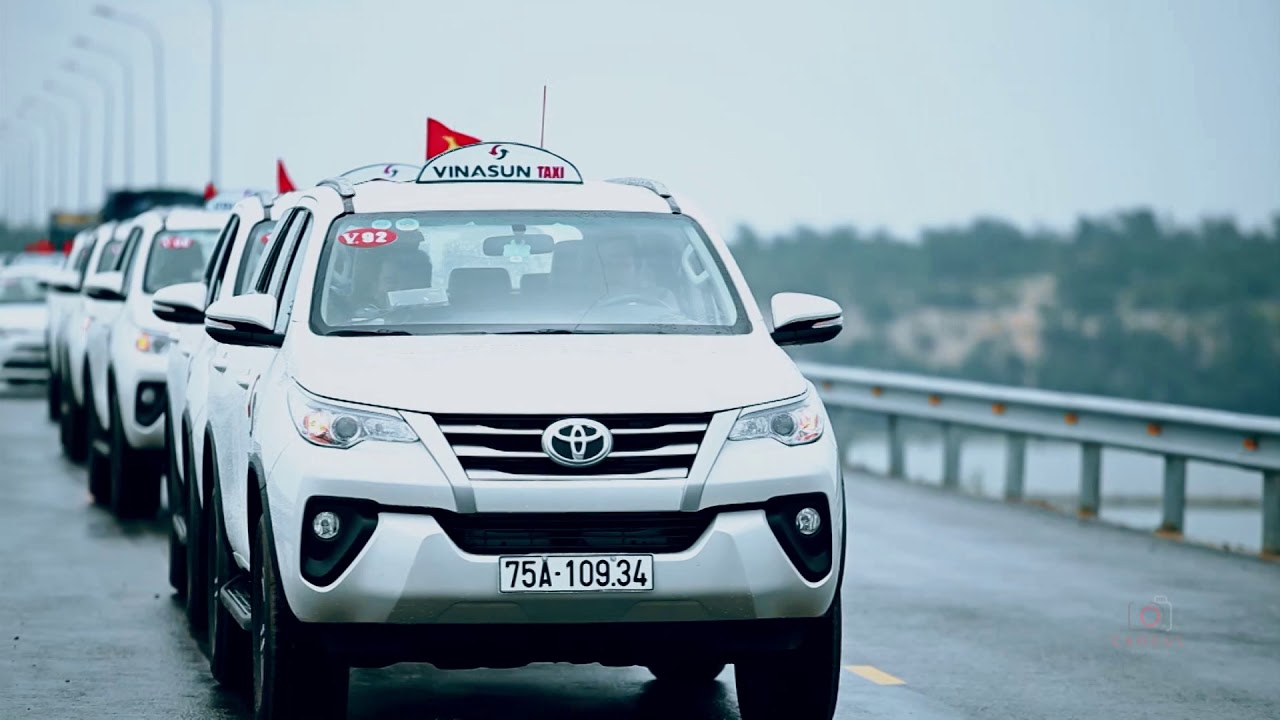
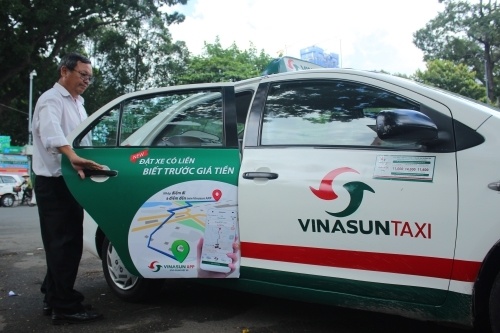
    Vinasun’s payroll increased by 10% last year, the first time since 2016 hires outnumbered layoffs.

    The leading taxi operator said it had 2,013 employees at the end of last year, 136 more than at the beginning of the year.

    General director Ta Long Hy said the figures do not fully reflect its recovery and expansion level because drivers who sign franchising contracts with the company are not counted as full-time employees.

    “In fact, between April and year-end last year, we recruited around 2,700 drivers,” he said.

    In 2016 Vinasun had the largest market share and payroll – 17,200 – in the taxi industry.

    A year later, when it switched to a franchising model and was affected by the boom in ride-hailing apps, the number fell to 7,100. Since then the number of employees kept decreasing.

    Hy said last year Vinasun adopted many new policies to attract drivers, bought 550 new cars, and launched a luxury service.

    “All of our taxis operated in the last two quarters of last year, while a year earlier half of them remained parked.”

    Last year, Vinasun earned revenues of VND1.1 trillion (US$46.6 million), double the 2021 figure and back to pre-pandemic levels, and pre-tax profits of VND187 billion.

    In 2021, it had incurred losses of VND277 billion.

    The Vinasun share has gained 35% since mid-November last year.
  • Taxi firms eye fare surge amid gasoline price hike

    Taxi firms eye fare surge amid gasoline price hike

    Taxi firms expect to increase their fares as gasoline prices hit an all-time high.

    Nguyen Cong Hung, Chairman of the Hanoi Taxi Association, said taxi firms planned to increase fares by 5-8 percent, or VND500-800 per kilometer ($1 ≈ VND22,800).

    The gasoline price surge has increased taxi firm fuel costs by 13.8 percent, he added.

    “Most taxi firms in Ho Chi Minh City will be forced to increase their fares” if gasoline prices stay at the current all-time high, Ta Long Hy, Chairman of the HCMC Taxi Association said.

    Vietnam gasoline prices hit a new peak Monday, after authorities adjusted them upward for the fifth time in a row. The price of popular gasoline RON 95 rose 3.79 percent to VND26,280, while that of biofuel E5 RON 92 rose 3.9 percent to VND25,530. To reduce gasoline prices, taxi companies, which have been badly hit by Covid-19, recommended the environmental tax be cut as soon as possible.

    Environmental tax comprises the highest taxes on gasoline, accounting for around 15 percent of the retail price.

    Currently, the environmental tax on RON 95 gasoline is VND4,000 per liter, while that of biofuel E5 RON 92 is VND3,800.

    Taxes and fees add up to 42-43 percent of gasoline retail prices.

    All-time high gasoline prices and Covid-19 woes have placed many taxi firms in a financial dire strait.

    At the end of 2021, taxi giant Vinasun reported a 52 percent decrease in revenue year-on-year, and a net loss of nearly VND274 billion. It had to lay off 2,500 employees, including 1,800 drivers last year, to reduce operating costs.

    Mai Linh, another taxi giant, has yet to publish its 2021 report. However, in 2020, the company reported a loss of VND173 billion, and a total accumulated loss of VND1.21 trillion.

  • Uber Forecasts Adjusted Earnings Of $5 Billion By Fiscal 2024

    Uber Forecasts Adjusted Earnings Of $5 Billion By Fiscal 2024

    Uber Inc’s Chief Financial Officer Nelson Chai on Thursday forecast $5 billion in a measure of adjusted earnings by fiscal 2024, with gross bookings expected to be between $165 billion and $175 billion.

    He was speaking at the company’s first investor day after it went public.

  • Taxi firm Vinasun lays off 2,500 employees

    Taxi firm Vinasun lays off 2,500 employees

    Taxi company Vinasun laid off more than 2,500 employees, including some 1,800 drivers last year with the Covid-19 pandemic causing the business to shrink significantly.

    According to its newly released financial report, Vinasun had 1,877 employees at the end of 2021, down more than 2,500 people against the beginning of the year. It laid off some 1,900 employees in the last quarter alone.

    The recovery of the transport market after the prolonged social distancing was not as fast as expected, resulting in low workload and a large number of cars idling in in parking lots, Vinasun deputy general director Ta Long Hy told VnExpress Saturday, explaining the downsizing,

    “Some people wanted to change jobs, return to their hometowns or were stranded in pandemic-hit areas, which was another contributing factor to the sharp increase in the people leaving their jobs,” he added.

    2021 is the third consecutive year Vinasun has drastically cut its staff. It had laid off approximately 1,000 and 1,400 people in 2019 and 2020, respectively.

    Vinasun recorded revenues of VND484 billion ($21 million) last year, down more than 50 percent against 2020, and made after-tax losses of VND280 billion, nearly four times its original estimate.

    The company has been making losses for two consecutive years and if the situation does not improve this year, its stock may be delisted on the Ho Chi Minh Stock Exchange.

  • Grab’s Ride-Hailing Services Disrupted In Southeast Asian Countries

    Grab’s Ride-Hailing Services Disrupted In Southeast Asian Countries

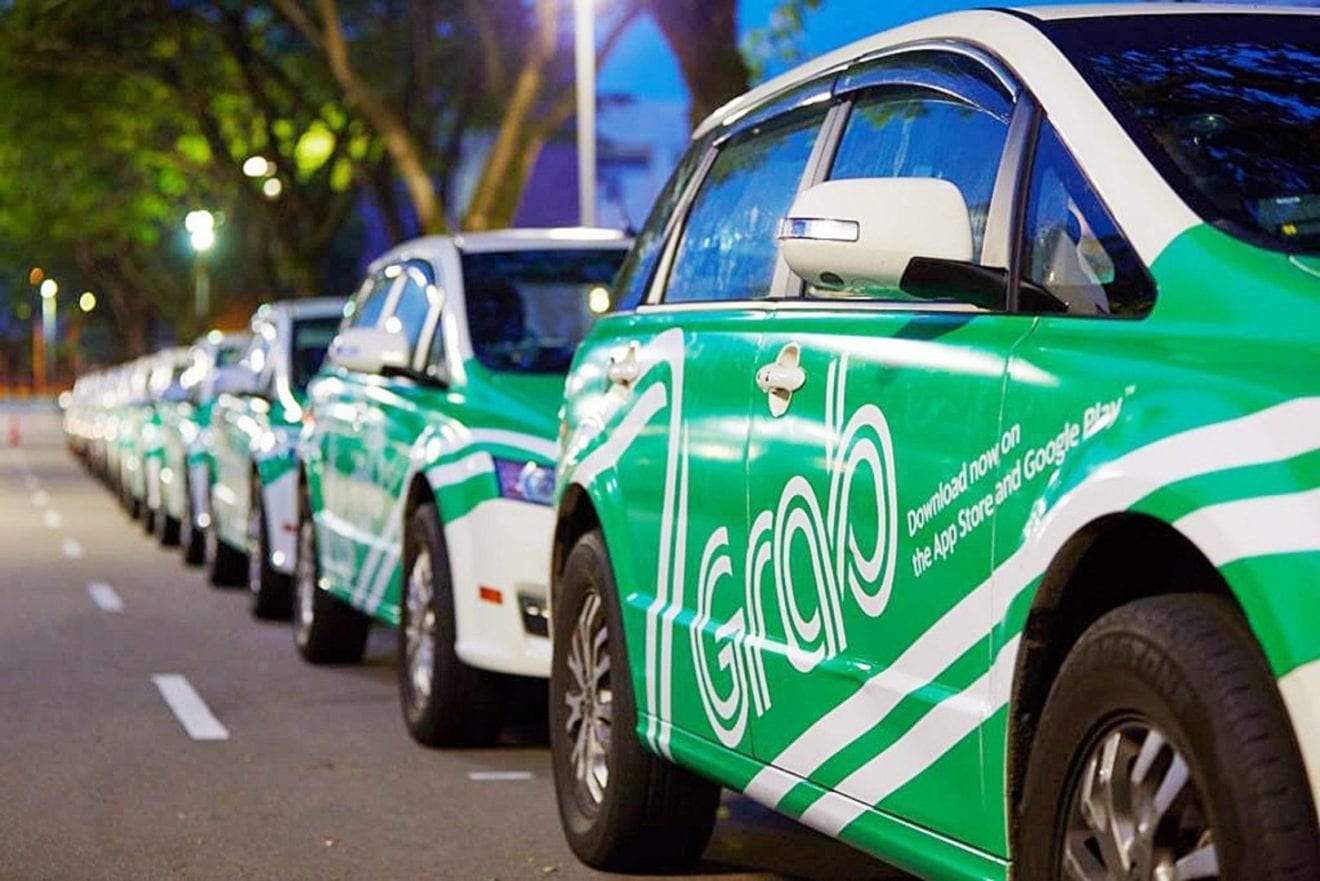
    Southeast Asia’s Grab on Tuesday said it was experiencing disruption to its services, with customers and drivers in Singapore, Indonesia, and Malaysia complaining that they were having trouble using the app’s ride-hailing functions.

    “Some of our services are not accessible at the moment,” Grab posted on its Facebook page.

    “We are looking into this and we will update when the app is back up and running.”

    Grab operates Southeast Asia’s most popular “super app”, which provides ride-hailing, food, and grocery delivery, and payments in over 400 locations in eight countries.

    “We are experiencing some technical difficulties with the app and our engineers are working to recover the issue,” Grab said.

  • Two more river bus routes proposed for HCMC

    Two more river bus routes proposed for HCMC

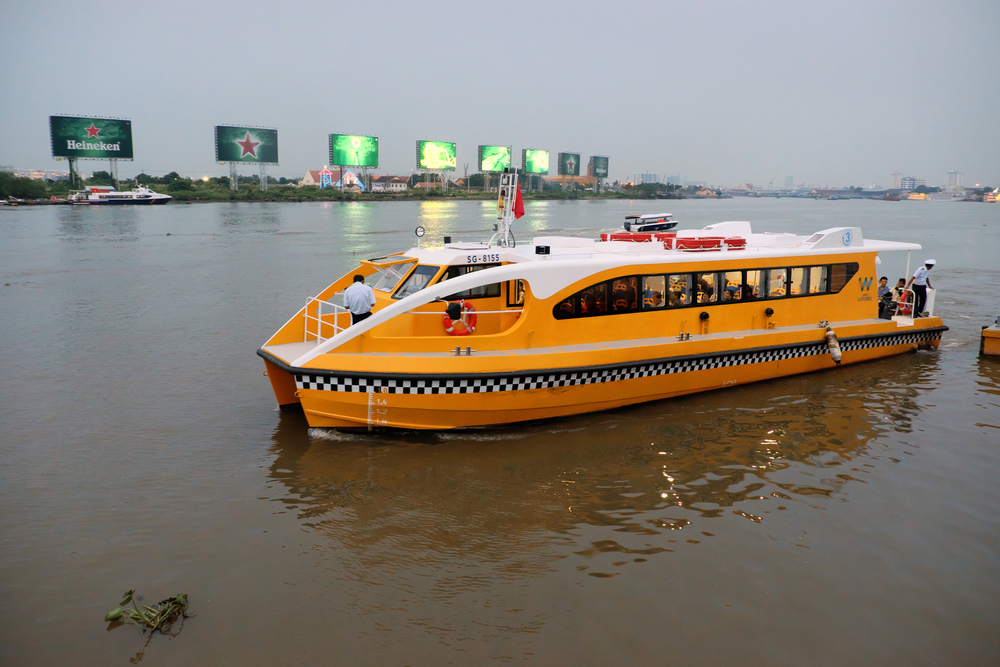
    Ho Chi Minh City’s District 7 has proposed to municipal authorities that two new river bus routes be established to connect it with downtown District 1.

    A private company will invest and operate the two routes on Saigon River for five years, with a total price tag of nearly VND260 billion ($11.5 million), District 7 authorities proposed.

    The No. 3 route will run 13 kilometers from Bach Dang Wharf to Mui Den Do with a total time of 56 minutes. There will be 11 stations. A boat will have 50 seats.

    The No. 4 route will run over 13 kilometers from Bach Dang Wharf to the Phu My Hung urban area. A boat will have 40 seats.

    Authorities of District 7 said both routes would help take advantage of the waterways as the city strives to recover its economy following the fourth Covid-19 wave, the proposal read.

    HCMC is operating the No. 1 route from District 1 to Thu Duc City. The No. 2 route from downtown to District 8 is pending operation.

    River buses are part of the city’s efforts to reduce traffic congestion.

    With 110 rivers and canals covering 1,000 kilometers, the city needs over VND21 trillion to develop this network in the next 30 years, according to its Department of Transport.

  • Taxi firms eye fare hikes amid rising fuel prices

    Taxi firms eye fare hikes amid rising fuel prices

    The opinion is divided among taxi companies about increasing fares after the recent fuel price hikes, with some wanting to do so and others fearing this will lose them, customers.

    After four hikes in recent months, the latest on Oct. 26, the price of E5 RON 92 petrol currently stands at VND23,110 ($1) per liter, VND4,600 higher than in late May.

    The price of RON 95 has reached a seven-year high of VND24,330, nearly VND5,000 up since May.

    According to Ho Quoc Huy, chairman of Mai Linh Group, fuel accounts for 35-40 percent of costs, and so when fuel prices increase by VND5,000 per liter, taxi fares should rise by VND500-600 per kilometer.

    Mai Linh and 70 other taxi firms in Hanoi have been discussing fare-related issues in the last two days, with many warnings they cannot keep fares unchanged, he said.

    If companies do hike fares, they would do so by only VND200-300 to retain customers, many of whom themselves face financial difficulties amid Covid-19, he said.

    Ta Long Hy, President of the HCMC Taxi Association, said: “If taxi fares increase, many people will not use taxi services because their purses are no longer full of money.”

  • Taxi firm Vinasun revenue plunges 10 times

    Taxi firm Vinasun revenue plunges 10 times

    Taxi firm Vinasun saw its revenue in the third quarter plunge 10 times to VND23 billion ($991,000) as the fourth Covid-19 wave wrecked the transport industry.

    The company posted a loss of VND91 billion, its seventh losing quarter in a row, increasing the chances of being delisted from the Ho Chi Minh Stock Exchange (HoSE).

    Months of strict social distancing in HCMC, where the company mostly operates, have caused revenue to plunge due to restrictions on public transport.

    In the first nine months, revenue fell by nearly half year-on-year to VND400 billion. It subsequently recorded a loss of VND188 billion.

    In the next 12 months, the company needs to pay nearly VND100 billion in loans.

  • Taxi firm Vinasun continues to remain in the red

    Taxi firm Vinasun continues to remain in the red

    Taxi operator Vinasun reported a loss of VND66 billion ($2.87 million) for the second quarter, its sixth consecutive quarterly loss as Covid-19 continued to wreck its business.

    Revenues were VND150 billion, the lowest since the company listed on the stock market in 2008.

    Before the fourth wave of Covid began at the end of April Vinasun had said its financial structure was “stable and healthy” and it hoped to increase market share in the recovering market by investing in 500 new cars to take its fleet size to 3,368 by the end of the year.

    It targeted revenues of VND1.05 trillion this year, up 4 percent from 2020, and expected to reduce its losses to VND79 billion from VND210 billion last year.

  • Toyota-Backed Self-Driving Startup Pony.ai Considers Going Public

    Toyota-Backed Self-Driving Startup Pony.ai Considers Going Public

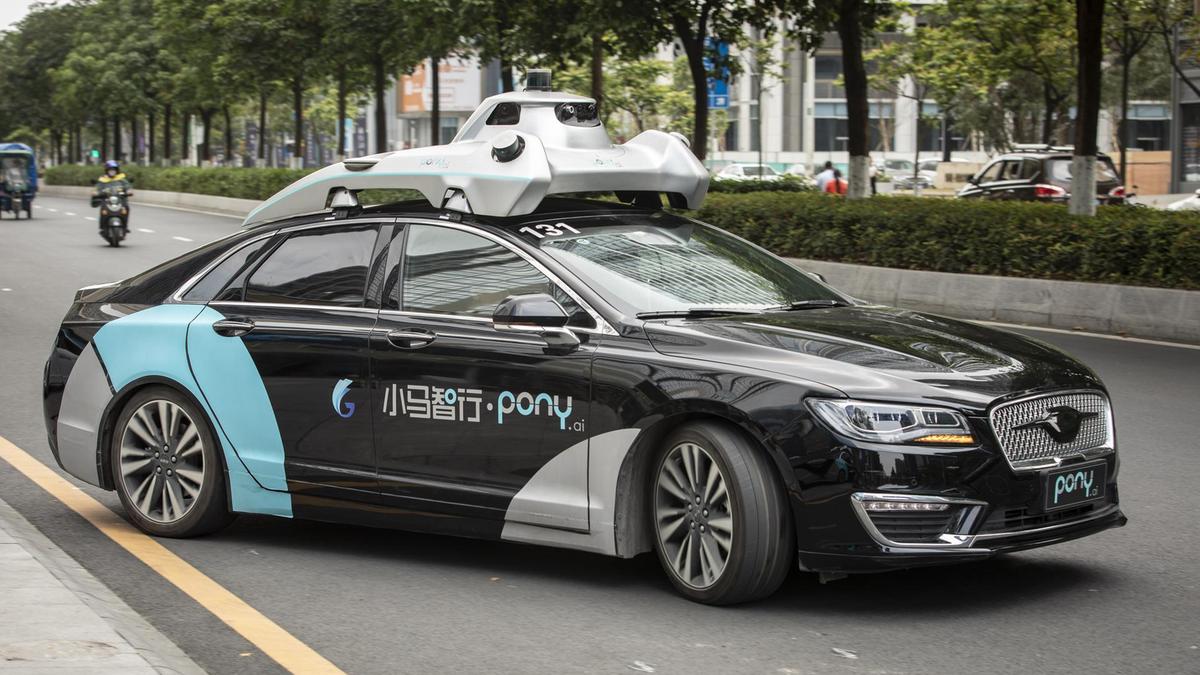
    Self-driving tech company Pony.ai, backed by Toyota Motor, is considering going public in the United States to help fund its goal of commercializing driverless ride-hailing services, its chief executive said. The startup, active in the United States and China, plans to install its technology in hundreds of vehicles next year, rising to tens of thousands in 2024-2025, he said.

    Self-driving startups such as Alphabet Inc’s Waymo and General Motors Co’s Cruise have been racing to raise capital as the industry prepares to scale up operations.

    Still, beyond the time taken to address technological challenges and the massive cost of producing self-driving cars, the industry still has to persuade global regulators as well as the public as to the safety of full automation.

    “For autonomous driving, it’s a big opportunity. But at the same time, it’s a long-term, big opportunity,” CEO James Peng said in an interview with Reuters.

    “So it requires a long lead way for spending. That means all the autonomous driving companies need to raise enough funding to support their operations,” he said.

    The comments come as Pony.ai on Friday said it had tapped Lawrence Steyn, vice chairman of investment banking at JPMorgan Chase & Co, as chief financial officer to help “accelerate its commercial growth and global deployment”.

    “We’re still debating and considering,” said Peng, when asked about the time frame for a public share sale.

    “It’s just a different way of raising funds.”

    Pony.ai, founded by former Google and Baidu Inc engineers Peng and Lou Tiancheng in 2016, has so far raised more than $1 billion, including $462 million from Toyota, valuing the startup at $5.3 billion as of late last year.

    Earlier this month, it said it had begun driverless testing on public roads in California’s Fremont and Milpitas ahead of the planned launch of a robotaxi service next year. It has also been testing driverless vehicles in Guangzhou, China.

    The firm has operated robotaxi services with safety drivers behind the wheel in some parts of China, as well as in Irvine, California. That has yielded diverse data which it could use to train its driver system and tap a talent pool in both countries, Peng said.

    He said the next big challenge is to reduce manufacturing costs for driverless vehicles while expanding into more cities and regions and ensuring safety in different environments.

  • Rapido, Zypp Electric Join Hands For Electric Bike Taxi Service

    Rapido, Zypp Electric Join Hands For Electric Bike Taxi Service

    Indian bike taxi platform Rapido, has joined hands with Zypp Electric to provide electric bike taxi service to its customers. Called Rapido EV, the new electric bike taxi is intended to reduce carbon footprint and encourage customers to use environment-friendly two-wheelers. More than 100 riders and electric two-wheelers will be onboarded on to the Rapido platform from Zypp as part of Rapido’s captain fleet. The service will be a pilot run for three months starting from March 2021 and will be tested for its demand and veracity in the Delhi-NCR area. Rapido is looking to on-board more such EV partners to further expand this business model across its Tier I market in the country, according to a press statement from the company.

    Announcing the launch of Rapido EV, Aravind Sanka, Co-Founder, Rapido, said, “While India is the largest two-wheeler market, only 1% of it is electric. With the launch of Rapido EV rides, we want to give a unique experience to our users along with contributing positively to the environment and reduce our carbon footprint. The recent World Air Quality report by Swiss technology company IQAir ranked Delhi as the world’s most polluted capital among 106 countries and we hope that this move helps contribute to the betterment of the air quality in the city.”

    On the partnership with Rapido, Akash Gupta, Co-Founder, Zypp Electric, said, “We at Zypp are becoming the de-facto EV layer when it comes to goods and people movement. The partnership with Rapido is part of highly focused EV utilization project where we wish to ensure that every segment is able to switch to EVs comfortably. With our robust battery-swapping network which will be tested with bike taxi services with Rapido, we’re here to bolster the EV proposition together with this partnership and would love to scale this nationally making people get pollution-free taxi rides too.”

    Rapido EV Rides will be available under the Ride section on the app and will be priced at the Rapido Ride rate with a minimal convenience fee. Customers have to download the app, log in to their account and book a Rapido Ride, through their iOS/Android phones. Rapido is a bike taxi service spread across all of India from Tier I to Tier III cities. The app allows customers to book bike taxis conveniently with very less wait time.

    Zypp Electric offers dedicated electric vehicles for delivery of essentials, goods, medicines and food packages. The company was started in 2017 to make last mile delivery carbon-free for local merchants to e-commerce giants. The company currently has more than 1,000 Zypp pilots (delivery executives) using IoT enabled electric scotoers for delivery services.

  • AirAsia making Plans for Flying Taxi business next year

    AirAsia making Plans for Flying Taxi business next year

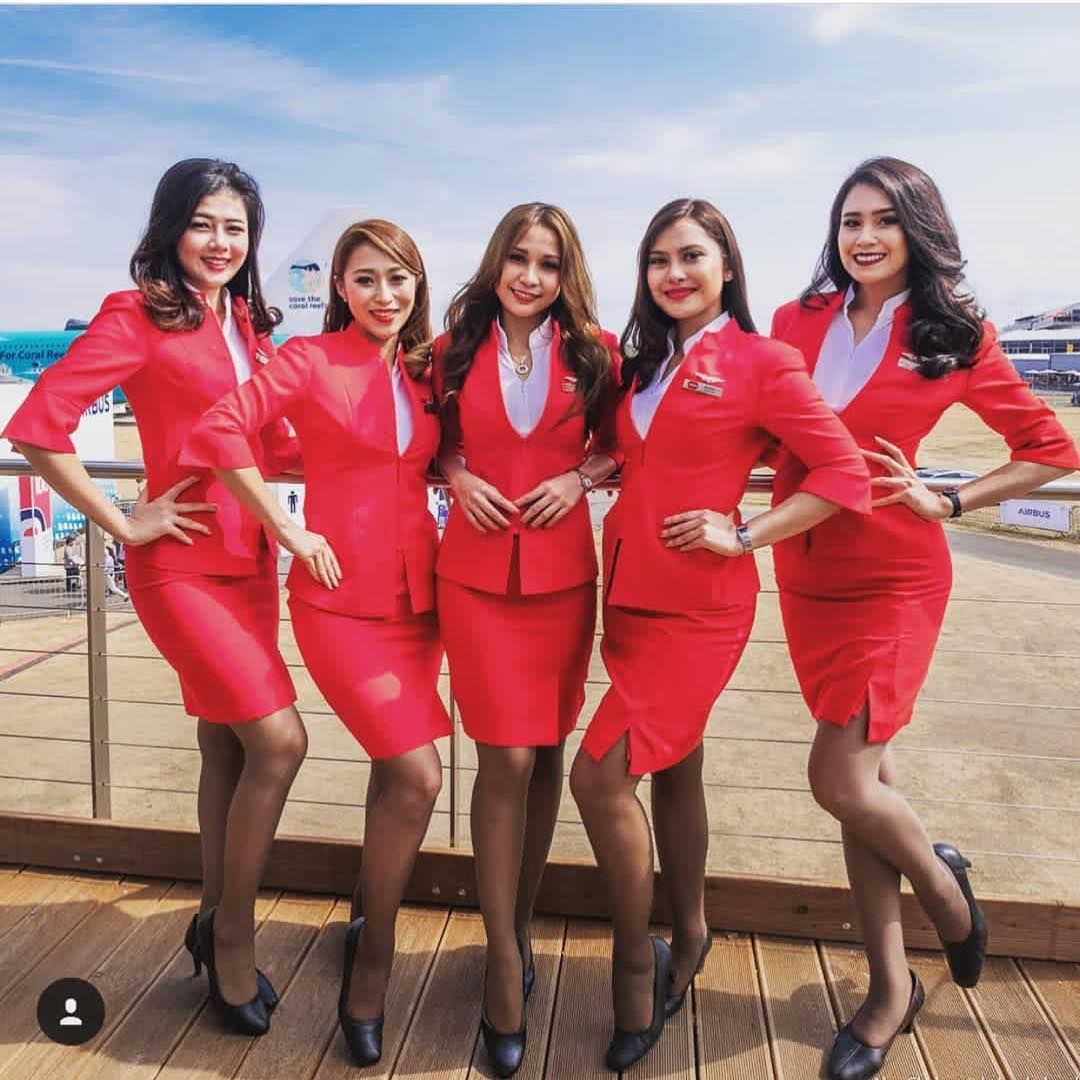
    Malaysian budget airline AirAsia Group on Saturday stated that plans are in the works to launch a flying-taxi business next year.

    Air Asia CEO Tony Fernandes on Saturday said that the company is working on the project, and it would take about a year and a half to launch it. He made these statements at an online discussion as part of the Youth Economic Forum.

    Fernandes further said that the flying taxis will be powered by a quadcopter, and it will have as many as four seats.

    With the COVID-19 pandemic proving to be detrimental to the aviation business, Air Asia has now branched into the digital space, launching a “super app” that offers services from travel and shopping to logistics and financial services, thus diversifying its revenue stream.

    Meanwhile, Tata Sons will enhance its shareholding in a low-cost carrier — AirAsia India — by buying a 32.67 percent equity stake of its JV partner AirAsia Group Berhad.

    The budget airline is a JV in which Tata Sons owns 51 percent stake, while 49 percent is held with AAIL.

    After the transaction, Tata’s shareholding will go up to 83.67 percent, while that of AAIL will come down to 16.33 percent.

    In a regulatory filing made to Bursa Malaysia, AirAsia Group Berhad said the transaction via a share purchase agreement with Tata Sons was agreed by AAIL’s Board.

    Headquartered in Bengaluru, AAI flies to 19 domestic destinations across India with 33 Airbus A320 aircraft.

  • Google’s Waymo Self Driving Car Unit Starts Robo-Taxis In San Francisco

    Google’s Waymo Self Driving Car Unit Starts Robo-Taxis In San Francisco

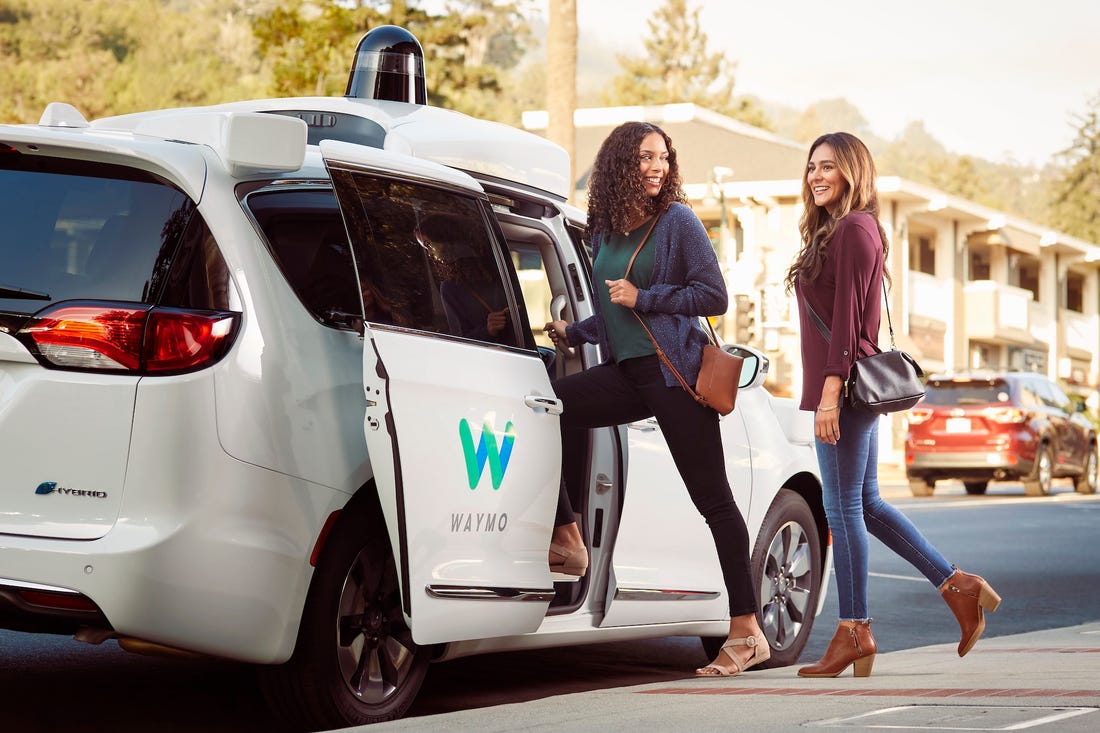
    Waymo is the pioneer of self-driving cars, but it has been beaten to the punch by Chinese rivals AutoX and Baidu to deploying robo-taxis. Well, this wasn’t going to stand for long as it has started tests of its robo-taxis in San Francisco.

    Waymo had deployed its ride-sharing service in Phoenix, Arizona earlier in 2020 called Waymo One. For the first time, it had also started testing the service without safety drivers in the area, but now a more full-fledged expansion is happening.

    Experts have predicted that the pandemic is accelerating the adoption of autonomous vehicles for transportation and delivery. Overall, global trust for autonomous vehicles has also grown by leaps and bounds in the last three years as the technology has progressed.

    Waymo has Chrysler Pacifica and Jaguar I-Pace electric SUVs which have driven over 20 billion autonomous miles through computer simulations and 20 million autonomous miles on public roads in 25 cities.

    Now Waymo employees in San Francisco will use the Waymo One app to hail rides. They will be prompted for pick-up and drop-off points before being given an ETA. This is similar to a typical ride-hailing app.

    Till 2019, Waymo had a fleet of 153 cars and 268 safety drivers in San Francisco alone, though its latest fleet size is unknown, though presumably, it has increased. These vehicles were deployed in San Francisco to deliver packages for non-profits after the pandemic induced halt in testing.

    “We’re beginning with a limited number of cars and riders and will scale over time. These rides are being offered with a single-vehicle operator,” a Waymo spokesperson said.

    “The initial program starts this week and will last for several, but we plan to grow it over time. We don’t have any specific timelines to share about when (or where) we’ll be offering a public service. It’s worth bearing in mind this is for early product testing and continuous improvement, and there are many further steps we’d need to go through … before we could deploy a service to the public,” Waymo added in a statement.

    Waymo has a permit from the public utility commission in California that’s part of the procedures to run an autonomous vehicle passenger service pilot. This is separate from the California Department of Motor Vehicles (DMV) under which 66 companies have permits.

    Waymo One currently delivers rides with a network of 600 autonomous cars from Phoenix 24 hours a day, seven days a week. It also has a partnership with LYFT to deploy 10 cars on the Waymo One platform.

    Currently, it is on track to having more than 60,000 Pacifica minivans from Chrysler and 20,000 i-pace electric SUVs from Jaguar. It also has a deal with Daimler for developing self-driving semis.

  • Leading taxi firm posts first ever annual loss

    Leading taxi firm posts first ever annual loss

    Vinasun, Vietnam’s second-largest taxi firm, reported its first-ever accumulated loss of VND211 billion ($9.15 million) last year.

    The figure far exceeded the firm’s earlier loss forecast for 2020 at VND115 billion. Vinasun leaders have blamed the loss on the long-lasting impacts of the Covid-19 pandemic.

    The company has already laid off over 1,300 employees and taken other earlier measures to reduce operating costs.

    Vietnam’s second-largest taxi firm after the Mai Linh Group, Vinasun reported that its revenues plunged 49 percent year-on-year to VND1 trillion last year.

    The company leadership had said at an annual general meeting in June that 2020 was the most challenging year for the company since its establishment.

    The company shut down most of its operations in April last year when the country began a social distancing campaign to curb the spread of the novel coronavirus.

    As of December 31, it had total assets of over VND2.05 trillion.

  • Amazon Unveils Zoox Self Driving Robotaxi

    Amazon Unveils Zoox Self Driving Robotaxi

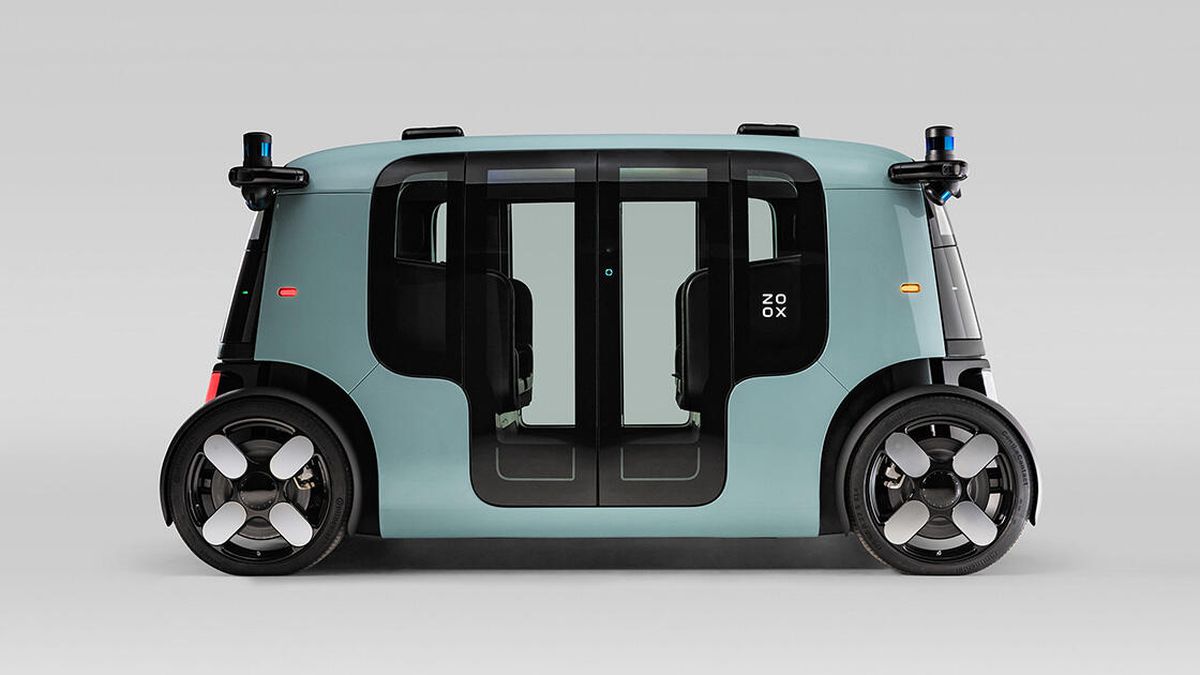
    Amazon could become the fourth major player to have a self-driving robotaxi service after Waymo, Cruise, and AutoX. Amazon’s Zoox comes out of stealth after releasing prototypes six years ago. The most striking thing about Zoox is that its car has a level of fit and finish that goes beyond what Waymo or Cruise have unveiled. And presumably, this will be the basis of a ride-hailing service that Amazon will launch to take on the likes of Uber, Waymo, and Cruise.

    The vehicle is quite different as it has a carriage-style four-wheel all-electric powertrain that can set up for people. It is just 3.63 meters long which makes it smaller than the Origin robotaxi by Cruise.

    Zoox is different because it can drive both forward and backward and side to side — in other words, it has bi-directional capabilities. This allows the car to handle tight curbside pickups” and tricky U-turns, something which AutoX has also shown off. It is also the fastest autonomous vehicle of its kind as it travels at 120 kilometers per hour — a Waymo robotaxi can only do 72 kilometers per hour.

    As far as the autonomous tech goes, this vehicle marries 6 LiDAR arrays as well as multiple radar sensors and cameras providing a 270-degree field of view, with the vehicle having no blindspots. It even has sensors for redundancies and can see objects up to 150 meters away.

    The interior is also unique. It gets really comfortable bench seats that face inward with the passengers surrounded in textured fabric. It also features a radical new system for airbags alongside cupholders and wireless charging mats. The ceiling draws inspiration from the Rolls-Royce Ghost with its starry sky pattern and each seat even gets a touchscreen for controlling music, AC, and their route plus ETA.

    It is also an EV that is powered by a 133 kWh battery and can have up to 16 hours of continuous use. This is in the league of Tesla battery packs which is very impressive.

    Amazon is the secretive player in the self-driving space. It has used for robotaxis and self-driving vehicles for the sake of its infrastructure and logistics business. But then it also holds a massive investment in Rivian and Aurora who just bought Uber’s ATG unit.

    The big news here is that Zoox is out of stealth and it has a very very impressive self-driving vehicle which seems more fleshed out than even Waymo.