Retail News CRM

Tag: taxi

  • Grab’s reign over Vietnam ride-hailing market continues

    Grab’s reign over Vietnam ride-hailing market continues

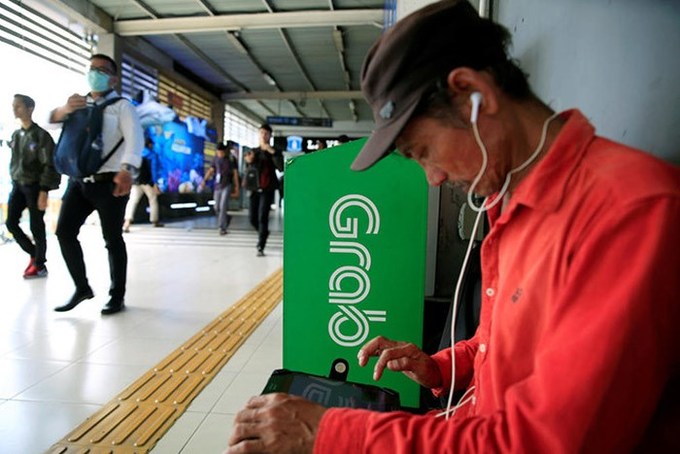
    Grab remains the dominant player in the Vietnamese ride-hailing market with close to a 75 percent share, and is widening the gap with competitors. Global market advisory firm ABI Research said Grab completed 62.5 million rides in the first six months of 2020, or 74.6 percent of the market, an increase from last year’s 73 percent.

    The market share of FastGo, a Vietnamese competitor, dropped to 0.7 percent from 1 percent.

    But, the Covid-19 pandemic came as a huge blow to the market as Grab’s figures showed. Its 62.5 million rides were a mere 20 percent of the 313 million it completed in the first half of last year.

    The overall market shrunk to 19.5 percent of last year’s 429.5 million rides.

    Two new Vietnamese apps, HCMC-based Viservice’s viApp, and GV Asia’s GV Taxi, made their debuts during the year. But analysts are skeptical about their prospects.

    With the ride-hailing field being extremely competitive, even strong players like Grab, Be and Gojek have turned to the food delivery market for profits.

    Vietnam was the fourth largest ride-hailing market in Southeast Asia last year behind Indonesia, Singapore and Thailand, according to a report by Google, Singaporean sovereign fund Temasek and U.S. management consultancy Bain.

    ABI Research estimated the market at US$1.1 billion last year and said it could rise to $4 billion by 2025.

  • Taxi associations complain to NA about Grab

    Taxi associations complain to NA about Grab

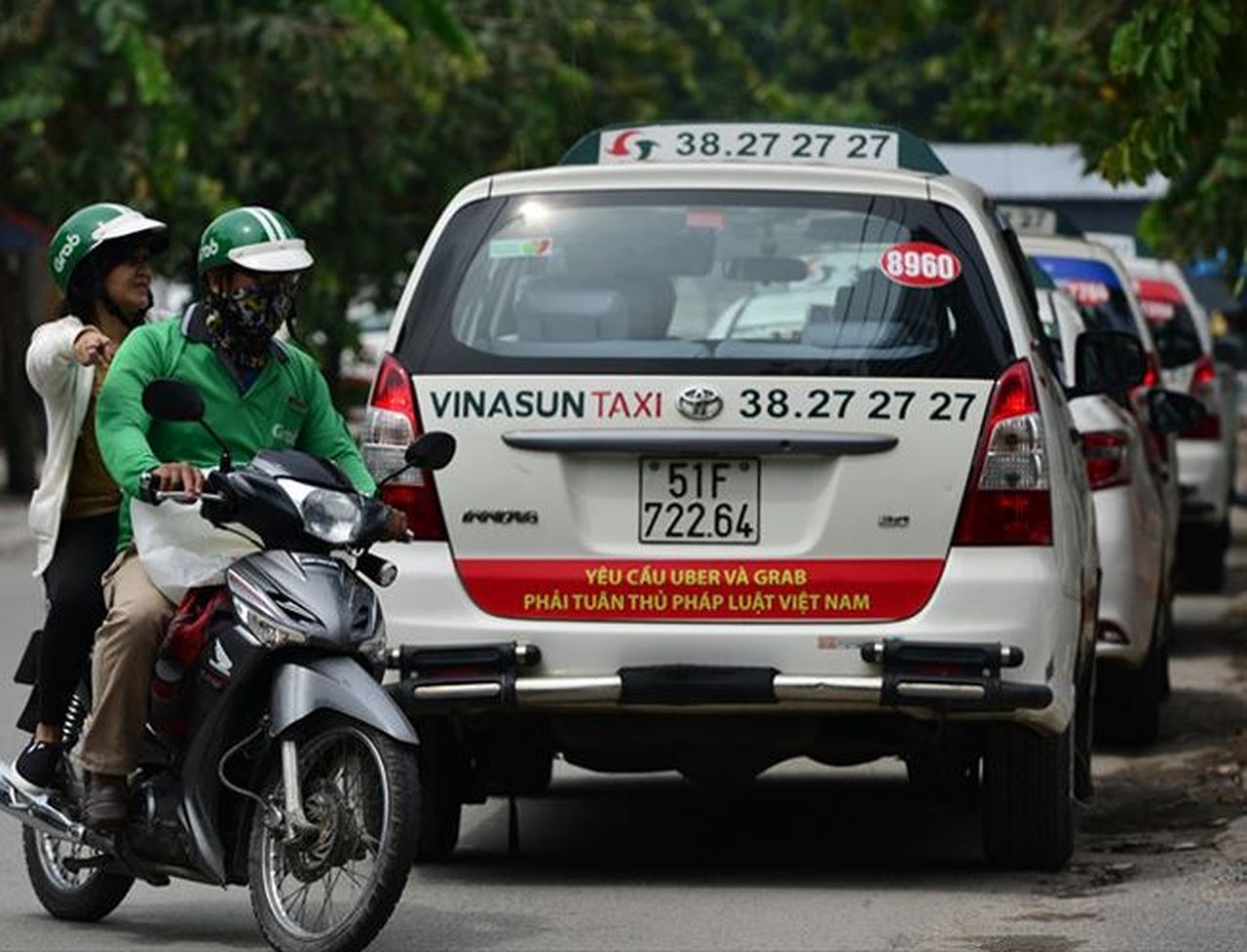
    Taxi associations in the country’s three biggest cities have taken their grievances against Grab to the National Assembly. According to the associations representing operators in Hanoi, Da Nang and Ho Chi Minh City, Grab’s current operating model allows it control over fares. It is only registered as a technology company in Vietnam, they said.

    Based on a decree on the transportation business, ride-hailing firm Grab should be designated as an auto transport business and only allowed to operate once licensed by the Department of Transport, they said.

    So it is now operating illegally since it does not have a license and is violating the decree, they added.

    They also pointed to Grab’s inadequate display of electronic contract information, lack of logo on its app interface and other shortcomings.

    While it operates in a similar manner to traditional taxis, it does not have to declare its fares, and could inflate them by 200-300 percent at certain times in the day, whereas they have to declare whenever their new fares whenever they adjust them following changes in fuel prices, they complained.

    Grab drivers only pay 3 percent value-added tax and 1.5 percent income tax as against 10 percent VAT and 20 percent income tax paid by other transport businesses, they said.

    They wanted the National Assembly chairman to inspect Grab’s entire operations to detect violations and inadequacies to ensure objectivity, fairness and transparency in the transport industry.

    This is not the first time that taxi associations are complaining to authorities about ride-hailing services.

    Grab said the decree has helped ride-hailing businesses like Grab offer better services to Vietnamese customers and optimize social resources. “Grab has been licensed in accordance with its registered form of service.”

    It always works closely with the Ministry of Transport and the Department of Transport in cities and provinces to ensure strict compliance with the decree’s provisions, it claimed.

  • Taxi giant lays off 1,300 employees

    Taxi giant lays off 1,300 employees

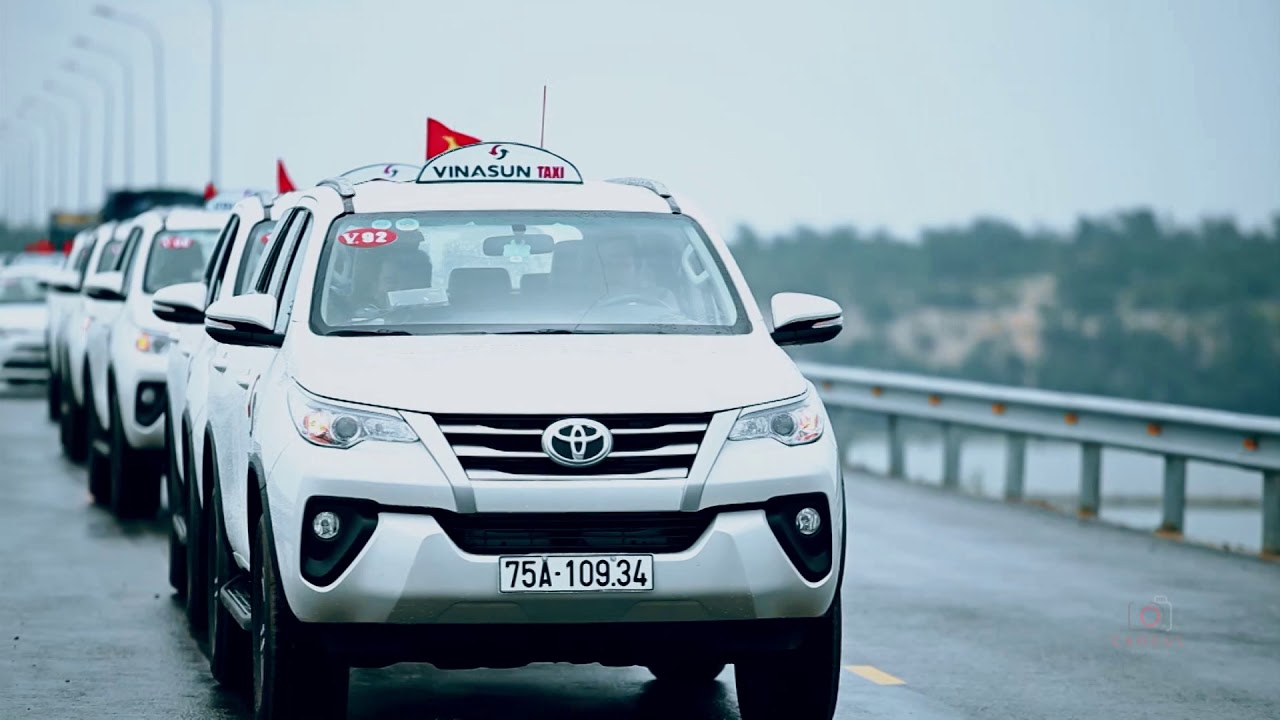
    Vinasun has cut its staff by 1,300 in the first nine months as it restructures to reduce costs amid the Covid-19 pandemic. The staff cut has lowered the company’s salary costs by 35.5 percent year-on-year to VND80 billion ($3.4 million), saving it VND4.9 billion each month. It now has 4,480 employees.

    However, lower salary costs have not been enough to offset Covid-19 impacts. The firm’s revenue in the first nine months plunged 52 percent year-on-year to VND734.7 billion, with business mostly frozen in April during the nationwide social distancing campaign.

    It has posted a loss of VND185 billion so far this year, compared to a post-tax profit of VND94 billion in the same period last year.

    It forecasts a post-tax loss of VND115 billion this year.

    Company leaders have said they expect the recovery process to be slow due to a lack of foreign visitors. After Vietnam closed its borders and stopped international flights in March, only a few routes have resumed operations

  • Uber Submits Appeal To Regain London Taxi License

    Uber Submits Appeal To Regain London Taxi License

    Uber submitted an appeal on Friday against a decision by London’s transport regulator to strip the taxi app of its right to operate in one its most important markets, setting up a potentially lengthy legal process during which it can continue to take rides. Last month, Transport for London (TfL) refused to grant the Silicon Valley-based company a new license due to what it called a “pattern of failures” on safety and security, the latest stage of a long-running battle with the authorities.

    Uber, which was also denied a license by TfL in 2017 before a judge restored it on a probationary basis, said it had changed its business model over the last two years and would go further, as it lodged its appeal at Westminster Magistrates’ Court.

    “We are committed to Londoners and are working closely with TfL to address their concerns and requests, as we have since 2017,” said the firm’s Northern and Eastern Europe boss Jamie Heywood. TfL director Helen Chapman said it would now be for a magistrate to decide.

    “We found Uber not fit and proper to hold a new private hire operator’s license on 25 November,” she said in a statement. “We note that Uber has submitted an appeal and it will now be for a magistrate to determine if they are fit and proper.”

    The firm’s roughly 45,000 drivers in London will still be able to take rides until the appeals process is exhausted, which could take months or even years.

    The regulator said in November that unauthorized drivers were able to upload their photos to other Uber accounts so that on at least 14,000 trips a driver other than the advertised one picked up passengers.The Silicon Valley company has run into regulatory barriers and a backlash in several markets, forcing it to withdraw completely from places such as Copenhagen and Hungary.

    In London, black cab drivers who see Uber as a threat to their livelihoods have blocked streets in protest, arguing that they are being unfairly undercut by an inferior service.

  • India To Order Taxi Aggregators Like Uber, Ola To Go Electric By 2026

    India To Order Taxi Aggregators Like Uber, Ola To Go Electric By 2026

    India plans to order taxi aggregators like Uber and Ola to convert 40% of their fleet of cars to electric by April 2026, according to a source and records of government meetings to discuss new rules for clean mobility. Uber and Ola, both backed by Softbank Group, would need to start converting their fleet as early as next year to achieve 2.5% electrification by 2021, 5% by 2022, 10% by 2023 before hiking it to 40%, according to the person and the records that have been reviewed by Reuters.

    Some taxi players, like Ola, have previously tried to operate electric cars in the country, but with little success given inadequate infrastructure and high costs.

    New Delhi, however, is looking to push the new policy to boost the adoption of electric vehicles (EVs) as it tries to bring down its oil imports and curb pollution so it can meet its commitment as part of the 2015 Paris climate change treaty.

    Indian think-tank Niti Aayog, chaired by Prime Minister Narendra Modi and which plays a crucial role in policymaking, is working with several ministries on the new policy.

    Neighbouring China, home to the world’s top auto market, is already leading the world in electrification by setting tough EV sales targets for car makers and offering incentives to taxi operators to increase their fleet of clean-fuel cars.

    EV sales in India grew three-fold to 3,600 in the year ended March but still account for about 0.1% of the 3.3 million diesel and gasoline cars sold in the country over the period, industry data showed. China’s electric car sales, meanwhile, rose 62% in 2018 to 1.3 million vehicles.

    In a meeting in New Delhi on May 28, Niti Aayog officials and the ministries of road transport, power, renewable energy and steel, as well as the departments of heavy industries and trade, were among those recommending taxi operators in India gradually convert to electric.

    Motorcycles and scooters sold for commercial purposes, like food delivery or for use by e-commerce companies, will also need to be electric from April 2023, the person added.

    India has seen a boom in food delivery apps like Zomato and Swiggy, which counts Naspers and Tencent as investors. Sales by e-commerce firms like Amazon.com and Walmart-owned Flipkart are also rising.

    The EV proposal comes weeks after the inter-ministerial committee recommended electrifying most motorbikes and scooters for private use and all three-wheeled autorickshaws within the next six to eight years.

    While there are several electric scooter manufacturers in the country including Ather Energy, Hero Electric and Okinawa, there are only two car makers that build and sell electric cars – Mahindra & Mahindra and Tata Motors.

    Some taxi operators have so far had little success operating electric cars in India. Ola launched a pilot project in the central Indian city of Nagpur in 2017 but a year later drivers, unhappy with long wait times at charging stations and high operating expenses, wanted to return to gasoline cars.

    Ola, however, is not giving up yet.

    Its Ola Electric Mobility unit in March raised 4 billion rupees ($58 million) from investors including venture capital fund Tiger Global and Matrix Partners.

    It also raised $300 million from Hyundai Motor and Kia Motors and formed a strategic partnership with the South Korean duo to help build India-specific EVs.

    Modi’s government in 2017 had set an ambitious target to electrify new cars and utility vehicles by 2030 but resistance from the industry forced it to scale back the plan.

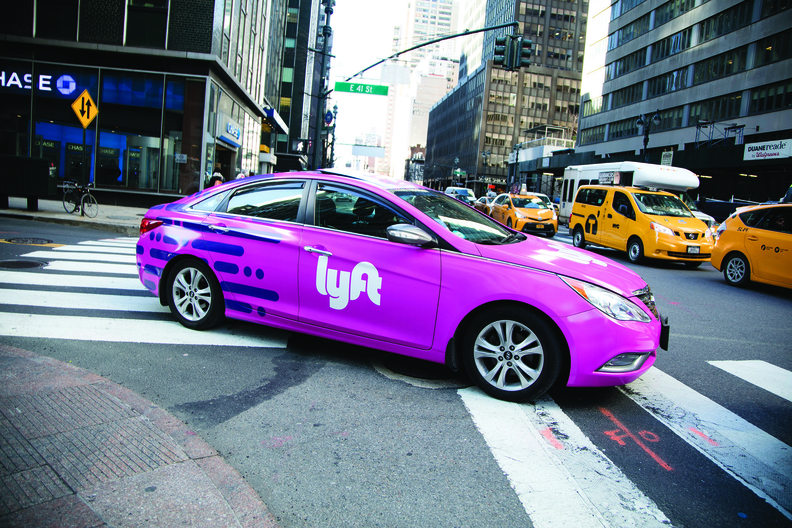
  • Lyft is vastly improving rider safety with in-app emergency assistance

    Lyft is vastly improving rider safety with in-app emergency assistance

    Ridesharing apps like Uber and Lyft can be incredibly convenient in this day and age, but unfortunately, using these services is not always 100 percent safe, as proven by multiple reports of sexual abuse in the past few years committed by improperly vetted drivers and even the shocking recent murder of a college student who got into the wrong car.

    Fortunately, both Uber and Lyft are ramping up their efforts to improve rider safety and peace of mind, at least when they’re not busy making it easy for people to tell drivers to keep their mouth shut. Lyft’s latest “investment in safety” includes several new features and programs designed to educate all members of this ridesharing “community”, as well as prevent vehicle mix-ups, and most importantly, help users in danger get quick emergency assistance.

    The latter goal will be achieved (hopefully) with an in-app option providing direct 911 access without actually having to type the numbers or exit Lyft. This emergency assistance, or panic, button should have long been a thing for riders, rolling out to the drivers app first last year. Uber has had the safety-enhancing feature for about a year too, so Lyft is a little late to the party with today’s announcement of a public launch in the “coming weeks.”

    Meanwhile, license plate visibility has already been increased in the Lyft app for “many riders”, with availability set to expand in the “coming months” to ensure that gruesome recent incident that indirectly brought Uber loads of negative publicity will not repeat itself on the rival platform.

    Aside from paying more attention to the license plate of your Lyft, you should really provide additional information and context for your bad driver ratings. To make sure that will be the case going forward, the company is implementing mandatory secondary feedback. In other words, you will no longer be allowed to rate your ride under 4 stars without also leaving a comment explaining your grade.

    Lastly, Lyft is planning to make sexual harassment prevention education available to all users sometime “this year” with an aim of ensuring a “welcoming, inclusive, comfortable, and safe” environment for everyone. That’s certainly a noble goal… unlikely to be achieved anytime soon.

  • Self-Driving Tesla Robotaxi Coming In 2020

    Self-Driving Tesla Robotaxi Coming In 2020

    Tesla CEO Elon Musk has said that the electric car maker is ready to fly autonomous robotaxis from 2020. Making a series of bold predictions during the Tesla Autonomy Day at the Palo Alto-based headquarters late on Monday, Musk said the company expects to get necessary approvals by 2020.

    “I feel very confident predicting that there will be autonomous robotaxis from Tesla next year — not in all jurisdictions because we won’t have regulatory approval everywhere,” reported Musk as saying.

    “In places where there aren’t enough people to share their cars, Tesla would provide a dedicated fleet of robotaxis,” the report added.

    Tesla Founder and CEO hoped that robotaxis would return home and automatically park and recharge.

    Tesla also unveiled a new Samsung-made microchip that, the company said, was being included in every new car.

    Musk said that by the middle of 2020, Tesla’s autonomous system will have improved to the point where drivers will not have to pay attention to the road.

    “We will have more than one million robotaxis on the road,” Musk said. “A year from now, we’ll have over a million cars with full self-driving, software… everything.”

    He said Tesla would soon develop cars that could last for at least one million miles with minimal maintenance.

    Taxi hailing company Uber is also planning the next generation of transportation – flying taxis.

    It has named Dallas and Los Angeles in the US as the first two cities for the commercial launch of its aerial taxi service by 2023 and has been on the lookout to select an international city as its third partner.

    Uber has shortlisted five countries — India, Japan, Australia, Brazil and France — and a city in one of them will become the first Uber Air City outside of the US.

  • Singaporean firm’s taxi joint venture in Vietnam suffers losses

    Singaporean firm’s taxi joint venture in Vietnam suffers losses

    ComfortDelgro Savico Taxi, a joint venture between a Singaporean transport corporation and Vietnamese motor vehicle dealer, lost $103,000 last year. This figure is mentioned in the latest financial statement published this month by local retail, motor vehicle and parts dealer Savico, the Vietnamese joint venture partner. ComfortDelgro Savico Taxi has been in constant trouble in the last few years. After nearly ten years of operation, the joint venture had to restructure and upgrade its fleet to maintain an exploitation rate of 90 percent, which meant heavy investments.

    However, just when it was becoming profitable enough to offset cumulative losses of the previous years, the joint venture met fierce competition from ride-hailing start-ups Grab and Uber.

    Savico decided to close the taxi firm’s operations last March to preserve its capital. At closure time it had 352 cars but only 140 drivers.

    Following the joint venture’s closure, ComfortDelGro’s revenue in Vietnam fell to $3.3 million in 2018 compared to $6.8 million the previous year, down by more than half.

    ComfortDelGro’s Vietnam earnings now account for less than 1 percent of its total revenue. The firm also has business in Singapore, the U.K., Australia, China and Malaysia.

    According to financial statements, ComforDelGro’s non-current asset value in Vietnam has also fallen from $12.8 million in January 2017 to only $4.8 million in 2018.

    Although the Singaporean transport firm’s management did not give a reason for the fall, experts have not ruled out the possibility that it has already liquidated all its long-term assets in the joint venture and is waiting to complete dissolution procedures.

    ComfortDelgro Savico Taxi, formerly known as Tourism Taxi Savico Enterprise, was established in March 2005 as a joint venture between Savico (40 percent) and ComfortDelGro (60 percent) – a leading public passenger transport operator in Singapore.

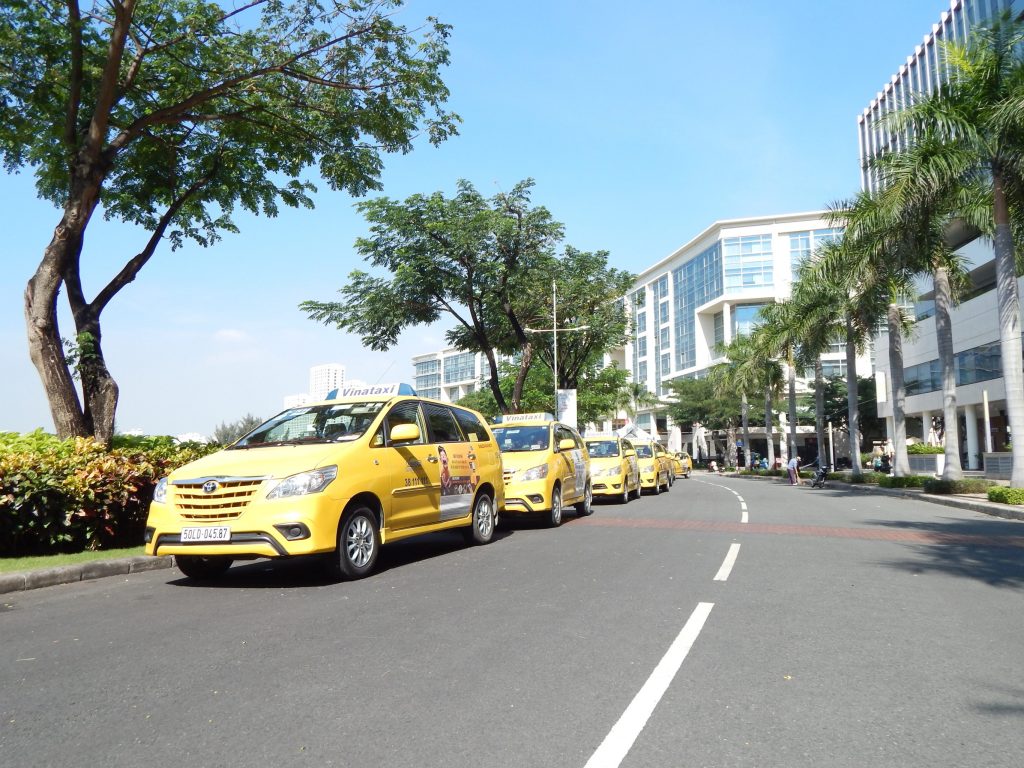
    ComfortDelGro still owns a 70 percent stake in another local taxi firm called VinaTaxi, which takes up the third largest market share in the HCMC taxi market.

    However, last November, its Vietnamese partner, the Transport and Industry Development Investment Corporation (Tracodi), withdrew its 30 percent stake from the joint venture, citing poor business performance.

  • Grab now has more rivals than ever before in Vietnam

    Grab now has more rivals than ever before in Vietnam

    From an e-hailing app, Grab has made great steps forward, providing many different services. Most recently, it started the payment service GrabPay and lending service Grab Financial.

    The consumer lending market in South East Asia is very large. As estimated by the World Bank, about 2 billion people in the world cannot access bank services, and most of them are in Asia Pacific.

    The non-cash payment market, according to Grab, is worth $500 billion in South East Asia.

    An analyst commented that Grab is wise taking a ‘roundabout’ approach to consumer lending (it conquered the transport market first before aiming for the consumer credit market).

    Consumer lending is a fertile business field for Chinese e-commerce firms. The firms offer online payment apps to users to ‘learn’ about their financial capability.

    Grab, as an app, quickly attracted users, especially investors. Just within six years, Grab became an unicorn company, i.e. an unlisted technology firm with valuation of $1 billion and higher, in South East Asia. Analysts estimate that Grab is valued at $6 billion.

    The total number of Grab downloads has reached 95 million all over South East Asia. This could serve as the launch pad for it to conquer the consumer lending market.

    The challenges 

    “GrabPay e-wallet will be used for both transport and food delivery services, two of the most used services in South East Asia,” said Jerry Lim, director of Grab Vietnam.

    However, the analyst said, by expanding its business, Grab would have to compete with more rivals who are ‘powers’ in their fields. In online payment, for example, it will have to compete not only with AirPay (Sea) and Alipay (Alibaba Group), but also with local firms such as ZaloPay (VNG) and MoMo.

    In Indonesia, Grab bought an e-commerce platform, Kudo, in April 2017. Grab believes that this is the factor which can help expand GrabPay. However, in Vietnam, Grab’s two big rivals – Sea and Alibaba — both have strong support from two popular e-commerce floors – Shopee Vietnam and Lazada Vietnam.

    Similarly, GrabFood has rivals in the food delivery sector, where Sea’s Now, which inherited the large custom from Foody, is the leader.

  • ​Vietnam’s FastGo eyes US, Brazil expansion

    ​Vietnam’s FastGo eyes US, Brazil expansion

    Vietnamese ride-hailing company FastGo plans to enter the U.S. and Brazil this year as it seeks to quickly expand overseas. Its CEO Nguyen Huu Tuat said that he is keen to compete with other ride-hailing apps in foreign countries. “Our investors are located in the U.S. and Brazil, that’s why we have chosen those places as the next markets,” he said without disclosing who they are.

    The announcement comes a month after it expanded into Myanmar. FastGo now has over 1,000 partner drivers in Yangon and Tuat wants to have 2 million users in Myanmar this year.

    But the company wants to expand even faster to other markets this year, with Indonesia, where ride-hailing Go-Jek is based, being the first location.

    “We plan to start operating in Jakarta in March, and will also expand to Singapore this year,” Tuat said.

    The investors want the company to “go global as soon as possible,” he said to explain the rapid expansion plans.

    The company hopes to raise $50 million in the second round by June this year possibly from investors in South Korea and the U.S., he said.

    “Grab and Uber might have deep pockets, but FastGo wants to grab market share by offering better options to customers.”

    FastGo does not collect commissions from drivers but instead charges them an amount of money if they earn a minimum amount per day. FastGo also claims to not increase fees during rush hour but allows users to tip drivers.

    It became Vietnam’s first home-grown ride-hailing app last June and now has 40,000 drivers in 12 cities and provinces.

    FastGo last August received $3 million from Vietnamese fund VinaCapital Ventures, according to reports.

  • Grab appeals $208,000 Vinasun compensation ruling

    Grab appeals $208,000 Vinasun compensation ruling

    Grab has appealed a verdict by a Vietnamese court to pay compensation to domestic taxi firm Vinasun for causing it losses. Arguing that the order to pay VND4.8 billion ($208,000) by the first instance court was unlawful, the Singapore-headquartered Grab has asked the appellate court to quash the case. It wants the court to quash the verdict on the ground that the HCMC People’s Court had seriously violated procedures and dismiss the case. The court had no jurisdiction to hear the case, handed a verdict that exceeded the scope of the lawsuit and did not summon the witnesses it had sought, the company said.

    The ride-hailing firm maintained it did not commit any wrong against Vinasun. If the appellate court is not willing to dismiss the case, it should at least amend the earlier ruling, ruling that Grab does not carry on a transportation business and has not violated any laws, and dismissing Vinasun’s claims.

    Grab said the court did not fully and objectively evaluate the facts and evidence of the case, but instead relied on biased information based on an inaccurate assessment of losses done by a court-appointed inspection company.

    “Vinasun could not prove its actual damages and/or the causal link between any of Grab’s alleged violations and Vinasun’s alleged damages,” Grab said in the statement.

    The court verdict came after an 18-month battle between Grab and Vinasun since last June when Vinasun filed a suit saying Grab’s illegal activities had caused it nearly VND42 billion ($1.8 million) in losses.

    The latest draft of a Ministry of Transport decree requires firms offering taxi services to register as taxi firms before they can apply ride-hailing technology.

    This means Grab and other ride-hailing firms have to register afresh as taxi businesses and comply with legal requirements related to operating licenses, drivers’ profiles and taxes.
  • Kakao T signs MOU with premium taxi service

    Kakao T signs MOU with premium taxi service

    Kakao Mobility is partnering with premium taxi provider Tago Solutions to improve customer service quality and drivers’ income levels. The move comes as tensions continue to boil over with much of the taxi industry fiercely protesting the company’s carpooling business. On Thursday, Kakao’s mobility subsidiary announced that it signed an MOU with Tago Solutions, a company co-established by some 50 taxi companies and 5,000 taxi drivers last September with the goal of offering distinguished and premium taxi services like pet-friendly options.

    Tago hit headlines last month for requesting the Seoul Metropolitan Government’s approval to offer Korea’s first women-only taxi services. The service, dubbed Waygo Lady, will only allow female drivers and customers.

    Kakao is expected to give customers the option to choose Tago’s services via the Kakao T taxi-hailing app.

    “We hope to create an environment where drivers are friendly and do not refuse customers,” Kakao added in a statement. One of Tago’s stated missions is to accept all customers regardless of destination. Though refusing customers is illegal in Korea, some drivers still do it if the requested destination is unprofitable.

    Kakao is also hoping to improve drivers’ working environment with Tago. The premium services, which are expected to come at a premium price, will improve drivers’ income levels while the services for women will provide new opportunities for female taxi drivers – a minority in Korea.

    The move comes as many other taxi drivers and unions are boycotting Kakao for its plan to launch a carpooling service that potentially threatens the taxi industry. A Kakao spokesman said the company and Tago are on good terms and have been working on the partnership for months.

    Ahead of launching the premium services, Kakao said it will focus on developing technology that will allow for the seamless matching of users to taxis, while Tago will focus on training and educating drivers to provide high quality services.


  • Vietnam court orders Grab to pay Vinasun $208,000

    Vietnam court orders Grab to pay Vinasun $208,000

    Grab should pay Vinasun VND4.8 billion ($208,000) for damage it has caused the top taxi firm, a court ruled Friday.

    The People’s Court of Ho Chi Minh City said in its verdict that Grab had committed many mistakes in its operations in Vietnam, tantamount to unfair competition, which damaged Vinasun’s business.

    Before 2016, Grab had registered almost 300 contract cars in Ho Chi Minh City, which increased to 23,000 by the end of last year. This led to a decrease in the number of active Vinasun cars, causing damage worth VND4.8 billion, the court found.

    By June 2017, Vinasun had provided 1.1 million trips to its customers, while Grab had over 2 million. This shows that the number of Grab cars has continuously increased causing many Vinasun cars to stay unused in parking lots, the court said.

    Grab’s entrance into the Vietnamese market has also lowered Vinasun’s market share, a damage of VND81 billion ($3.49 million).

    Although its entrance has negatively affected Vinasun, the taxi firm could not prove that Grab was the only company to cause this damage, the court said.

    For this reason, the court only required Grab to pay Vinasun the sum of VND4.8 billion for unused cars.

    Change Grab’s status

    The court also proposed that Vietnamese authorities start defining Grab as a transport business.

    Grab has said in many documents to Vietnamese authorities that it is only a technology company and not a transport company. It has also said it only provides electronic transactions and free technology for customers via electronic receipts, which has been approved by the Ministry of Transport.

    But the electronic contracts that Grab mentioned did not confirm to definitions under Vietnam’s Law of Electronic Transactions, the court said.

    It noted that Grab’s contracts did not say who the parties to them were and there were no dispute resolution terms.

    “Grab claims to be a company which provides technology and does not conduct a taxi business nor manage the drivers. But in fact, Grab does manage the drivers and charges transport fees,” the verdict said.

    “When customers order a ride, they transfer their money to Grab or pay via the driver a sum from which Grab takes a percentage. Grab also determines the bonus and punishment for drivers,” it added.

    Furthermore, Grab’s business activities do not follow the law, which requires an automobile transportation business to ensure the number of vehicles and service quality, the court said. The law also requires the business to provide employees with labor contracts, traffic safety training and social security.

    Grab does not follow these regulations and does not pay the taxes it should as a transport business, the court said.

    Since 2016, the Inspectorate of the HCMC Department of Transportation has listed 29 violations committed by Grab concerning not having a business registration certificate, list of transport contracts, and taxi signs, the court said.

    Grab has also ignored twice the Ministry of Transport’s documents asking the company to stop its service with contracted vehicles, it said.

    The ride hailing firm has also violated the law in how it gives out promotions and increase and decrease transport fees multiple times a day, the court added.

    Vinasun had filed the suit against Grab in June last year. It said Grab’s illegal activities were responsible for nearly VND42 billion ($1.8 million) of the VND76 billion ($3.25 million) in losses it had suffered in 2016 and the first half of 2017.

    The trial began in February, but was adjourned a month later to allow for more evidence to be gathered. Grab had protested the valuation of Vinasun’s losses.

    Last October, prosecutors asked the court to accept Vinasun’s petition for compensation of nearly VND42 billion, rejecting Grab’s claim it was a tech firm and not a taxi company.

    Grab responded by writing to Prime Minister Nguyen Xuan Phuc, saying that identifying it as a taxi firm would be “a step backward from Industry 4.0.”

    The latest draft of a Ministry of Transport decree requires firms offering taxi services to register as taxi firms before they can apply ride-hailing technology.

    This means that Grab and other ride-hailing firms have to register afresh as taxi businesses and comply with legal requirements related to operating licenses, drivers’ profiles and taxes.
  • Grab eyes stake in Vinasun, taxi company refuses to play ball

    Grab eyes stake in Vinasun, taxi company refuses to play ball

    Grab’s surprise offer to buy a $2.78-million stake in top taxi company Vinasun has failed, with the latter asking to end negotiations. The negotiations between the two firms began earlier this month for compensation claimed by Vinasun from the Malaysian ride-hailing firm after the People’s Court of Ho Chi Minh City yet again adjourned hearing of a suit Vinasun had filed last year.

    A Vinasun spokesperson told the court following the latest resumption of the trial Wednesday that his firm had declined the offer since Grab had not made an appropriate offer. “We don’t want to continue the negotiations.”

    But Grab does not want the lawsuit to continue.

    Its spokesperson said: “We have become very tired during the 17 months of this trial for damages we did not cause. We do not want Vinasun to waste its time on this meaningless lawsuit. We consider the proposal to buy Vinasun’s stake an investment activity, and we expect to cooperate with Vinasun to end the case in a good way.”

    Vinasun filed the suit against Grab in June last year, accusing it of abusing the Ministry of Transport’s pilot scheme and committing violations.

    It said Grab’s illegal activities were responsible for nearly VND42 billion (nearly $1.8 million) of the VND76 billion ($3.25 million) worth of losses it had suffered in 2016 and the first half of 2017.

    The trial began last February, but was adjourned a month later to allow for more evidence to be gathered. Grab had protested against the value of Vinasun’s losses.

    Last October prosecutors asked the court to accept Vinasun’s petition for compensation of nearly VND42 billion, rejecting Grab’s claim it was a tech firm and not a taxi company.

    Grab responded by writing to Prime Minister Nguyen Xuan Phuc to say that identifying it as a taxi firm would be “a step backward from Industry 4.0.”

    The latest draft of a transport ministry decree requires firms offering taxi services to register as taxi firms before they can apply ride-hailing technologies.

    This means that Grab and other ride-hailing firms have to register afresh as taxi businesses and comply with legal requirements related to operating licenses, drivers’ profiles and taxes.
  • Kakao postpones carpooling service

    Kakao postpones carpooling service

    Kakao Mobility announced las week that it would postpone the official launch of its carpooling service after a week of fierce protests from the local taxi industry. The Kakao affiliate started offering a beta version of the service last Friday that was made available to a randomly selected pool of users nationwide. On the same day, it declared that the official launch date of its carpooling service would be on Dec. 17.

    “After much consideration, we decided to postpone the official launch in order to listen and apply a wider range of opinions from taxi drivers, users and many others,” Kakao said in an official statement Thursday afternoon.

    But it did not specify when the official launch will be delayed until. The statement sparked rumors that this may be the start of Kakao indefinitely postponing the service’s official release, which the company denied.

    “What we know for now is that it’s not going to happen this year,” said a Kakao spokesperson. “But this doesn’t mean the delay is going to be an indefinite one. The exact date is still a matter of discussion.”

    The beta service will continue to be offered to random users selected regardless of age and region. Kakao explained that the beta service was being offered to a very limited pool of users, just enough to examine the technology and check the effect it may have on taxi drivers.

    The announcement comes six days after the beta service and the official launch date were released.

    The backlash from taxi drivers has been fierce, with widespread protests that culminated in a 57-year-old taxi driver setting himself on fire in front of the National Assembly in western Seoul on Monday.

    Two days later, a committee that consists of two taxi company associations and two taxi driver labor unions announced plans to stage a protest in Seoul on Dec. 20, with more than 100,000 people expected to attend. This would be the third protest targeted at putting a stop to carpooling services.

    Regardless of Kakao’s decision to postpone the launch, a source from the committee said there is no change to the plans for the protest.

    Taxi drivers also launched a sleep-in protest in front of the National Assembly starting from Wednesday, with members of the four organizations continuing their vigil in shifts through the night.

    Kakao, the local taxi industry and government officials have been in talks for more than half a year, but are still failing to agree on a solution to the carpooling service issue.

    Kakao wants to introduce a carpooling service during busy commuting hours, but drivers say that even if rides are limited to twice a day, they will still eat up around 59 percent of all taxi demand.