Retail News CRM

Tag: tea

  • Indonesia’s Legendary Tea Producer Declared Bankrupt

    Indonesia’s Legendary Tea Producer Declared Bankrupt

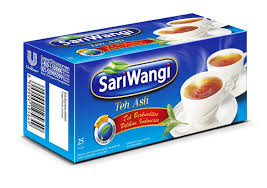
    When Indonesians enjoy a cup of hot black tea,  they are often reminded of one particular brand that seems to have been around forever: Sariwangi. The brand, established by Johan Alexander Supit in 1962 and introduced by the Sariwangi Agricultural Estate Agency in 1973, has been a household favorite for decades.

    The company based in Gunung Putri, a subdistrict of Bogor, West Java, started as tea trader, but soon diversified its business to become a tea producer. Its products were initially in sold in loose-leaf style under a different brand before the introduction of teabags, which changed the way Indonesians drink their tea.

    During the 1980s, the company also started exporting its products to other countries in the region and even as far afield as Eastern Europe, Australia and the Middle East.

    In 1989, the local unit of multinational consumer goods giant Unilever saw a business opportunity and acquired the brand, changing the styling of the name to SariWangi, and introducing several variants, including jasmine tea, green tea and circular teabags.

    The company was still expanding and selling up to 8 million tons of tea per year before it faced an unexpected downturn in 2015. This resulted in Sariwangi and its affiliate, Maskapai Perkebunan Indorub Sumber Wadung (Indorub), reportedly accumulating more than Rp 1 trillion ($66 million) in debt, owed to several lenders.

    In the same year, Bank ICBC Indonesia, HSBC Indonesia, Bank Panin Indonesia, Bank Rabobank Internasional and Commonwealth Bank took legal action against Sariwangi to recover the outstanding debt.

    This prompted Sariwangi to file a petition for a debt postponement in September 2015. In March the next year, the company filed for bankruptcy in the Central Jakarta District Court, but the court did not reach a verdict at the time.

    In August 2016, Bank ICBC Indonesia filed another lawsuit against Sariwangi and Indorub, claiming that the company and its affiliate did not have any intention to repay the Rp 322.7 billion they owed the lender.

    On Oct. 16, the court declared Sariwangi insolvent.

    Unilever Indonesia corporate secretary Sancoyo Antarikso said on Thursday last week that the consumer goods company was in no way affiliated with either Sariwangi or Indorub.

    Unilever said it once partnered with the original company to supply it with tea, but that the partnership had ended long ago.

  • Uji-En brings you to Japan

    Uji-En brings you to Japan

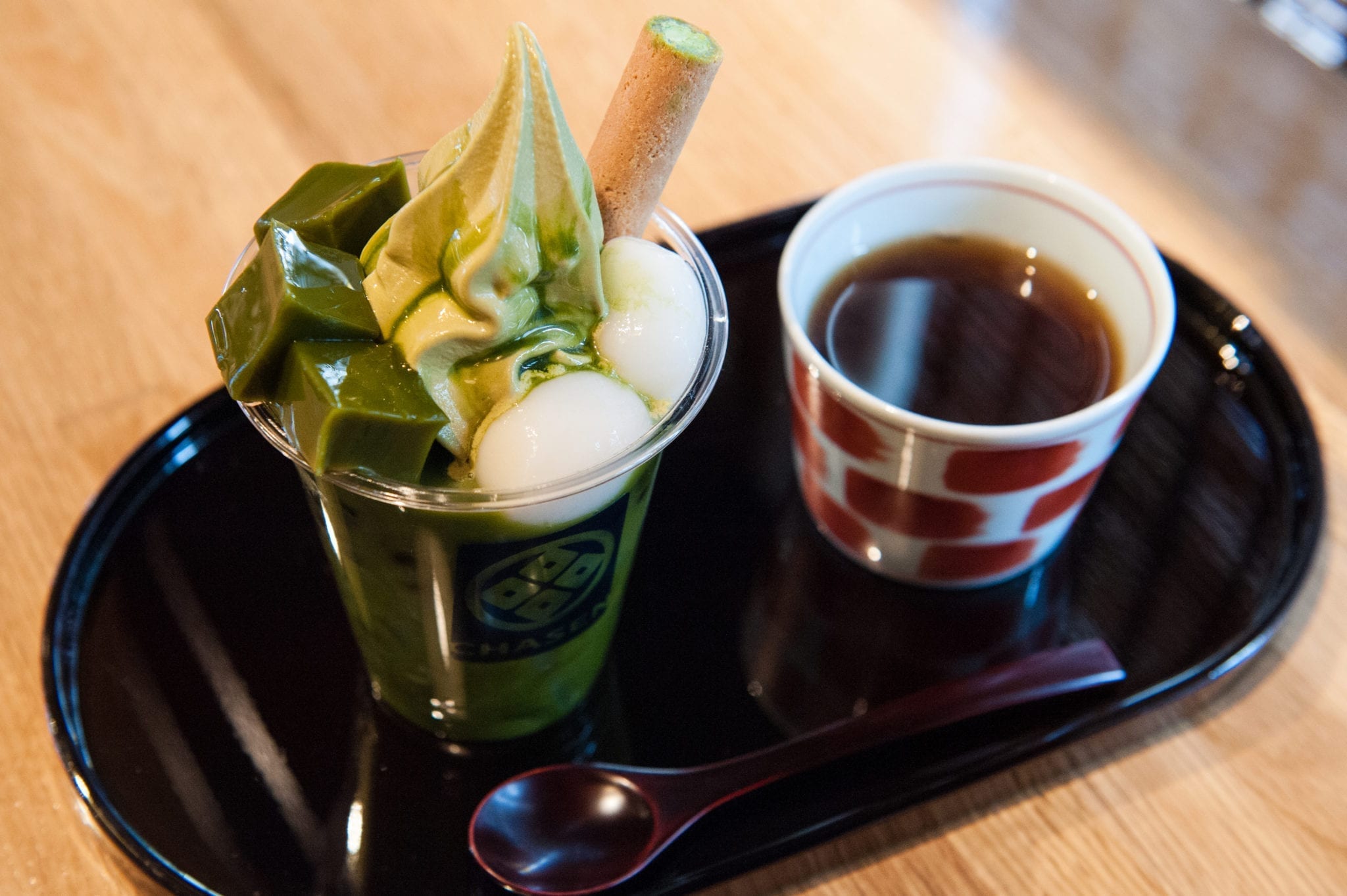
    Harbour City is home to the first international flagship of a Kyoto-founded tea brand that has set its eyes on international expansion. Uji-En is a Japanese green-tea brand with a history dating back nearly 150 years. It decided in the late 1990s to expand its packaged-tea business by opening cafes in its home market.

    More than 20 stores have been opened, including two in Mainland China. As they are trading well, the company decided last year to expand into Hong Kong as the next stepping stone in a grander global plan.

    Head Architecture and Design Limited was appointed by the Shigemura family, founders of Uji-En and their Hong Kong partner to create a younger feel for the brand’s first cafe in Hong Kong, which would also provide a template for further stores to be rolled out across greater China. That design has just won a Silver Award in the new retail concepts category of the ICSC China Shopping Centre and Retail Awards announced in Shanghai last week.

    The Kowloon retail space would merge a cafe, a takeaway area and a retail space stocked with teapots, cups, bowls and accessories along with brightly coloured packages of teas and snack foods for home use or gifting.

    “The brief was to evolve a typically traditional, conservative Japanese brand into something more youthful that would appeal to millennials and engage with people who enjoy green-tea and matcha products, but might not know of the Uji-En brand and its history,” says Head Architecture and Design co-founder Mike Atkin, who was lead designer on the project.

    Austerity and trust

    “So the finished design had to convey a sense of austerity and trust, yet appeal to a younger demographic seeking a modern, trendy destination for relaxing and dining.”

    Uji-En was founded in Kyoto in 1869, so it has a rich heritage and high brand recall in Japan. But abroad it is something of a hidden gem. Atkin’s challenge was to create a modern, appealing destination while still acknowledging the brand’s rich heritage.

    Members of the Head Architecture and Design team visited traditional Japanese tea houses in Osaka and Kyoto, and spent time observing tea-focused cafes closer to home.

    “We looked at cafes in Hong Kong shopping centres, looking to see which venues were typically busier than others, and which were the most successful in drawing shopper dwell-time. We knew the product was a strong offer, especially given the brand’s long success; our role was to create an environment that made that product hero and placed it firmly on the radar of contemporary consumers,” says Atkin

    “Our design was inspired by a traditional wood-framed Japanese tea house, using a mixture of light and dark timbers and liberal doses of matcha green. The resulting design is a bright, open, engaging retail space unlike anything in its category.”

    Footprint challenge

    Another challenge for Atkin was the store’s footprint – an L-shaped 1200sqft space bordering three sides of an atrium in the Harbour City shopping centre, bisected by an escalator well and with a partially open plan. The answer was to provide a Grab & Go counter and product display in the smaller space, with a 24-seat cafe and retail space occupying the rest of the area. This has the spinoff advantage of splitting the takeaway customers buying ice cream or drinks from those dining in, creating a more relaxed dining setting

    Built around an open void under a transparent glass ceiling, the space is filled with natural light during the daytime. A mixture of coloured and opaque glass separates the cafe interior from the mall corridor to provide a sense of privacy for diners, yet ensure natural light continues to flow through both spaces.

    Given the green-tea focus of the cafe concept, it is not surprising the design incorporates a lot of green.

    Emotional connection

    “The shades of green are designed to create an emotional connection between customer and the core green-tea product,” says Atkin. “And the contrast of the green with natural timber reflects the natural, clean properties of the brand and the teas.”

    To evoke the varied shades of drying tea and fields with gardens of trees and bamboo, Atkin’s team introduced vertical panels of mixed green glass, mimicking the zen Japanese model. Tea chests and matcha-green textured paint hark back to the history and core product of the company.

    “One strong element of the existing Japanese branding is the graphics, developed by Hirosuke Watanuki in the early 1990s. These are beautifully crafted, playful elements we wanted to integrate and build on in the new design. Tea, the core product of Uji-En, is represented by the female figure of Okame for matcha tea and Hyotokko (the fire man) for Hoji Cha tea.”

    While Uji-En does not reveal its trading figures, queues are often been seen outside the store at weekends. But the biggest testimony to the success of the store’s design is that many elements will feature in upcoming stores as they open in Hong Kong and on the mainland.

  • World Franchise Associates Signs Exclusive Agreement with T BUN Bun & Bubble Tea for International Expansion

    World Franchise Associates Signs Exclusive Agreement with T BUN Bun & Bubble Tea for International Expansion

    World Franchise Associates has announced the signing of an agreement to exclusively represent T BUN Bun & Bubble Tea for international development opportunities with a focus on Asia and the Middle East.

    T Bun is one of the fastest growing franchises in South Korea. The brand started in 2017, opening 8 shops in South Korea and 1 shop in Perth, Australia. T BUN is planning an aggressive rollout of 20-30 new stores in South Korea over the next 12 months along with 3 new stores in Australia. T BUN is also planning to expand its business to Southeast Asia, the Middle East North Africa (MENA) region, Canada, The United Kingdom and other international markets over the next 2 years.

    Jonathan Kwon, Managing Director of T BUN said, “With support from World Franchise Associates we are currently speaking to candidates about opportunities to become our exclusive master franchisees and area developers in many international markets. An exclusive T BUN master franchisee or area developer would be granted the rights for a specific country or territory and would be expected to develop a reasonable and competitive number of T BUN outlets in that country/territory over an initial 10-year development term, starting initially with company owned T BUN outlets and thereafter via sub-franchising.”

    T BUN offers both doughnuts and baked goods, and beverages. It’s signature beverage, authentic Taiwanese Milk Tea, also called bubble tea or boba tea, is a cold drink which originated from Taiwan in the early 80s. There are more than 300 kinds of milk tea sold in Taiwan.  The tea is noted as being good for health, and customers range from kids to old generations.

    Troy Franklin, Chief Operating Officer, World Franchise Associates – Southeast Asia, said, “We are excited about partnering with T BUN, a world-class concept and product.  As one of the fastest growing franchises in South Korea, T BUN represents an appealing investment for both kiosks and small cafes providing investors with attractive profit margins and dedicated support for international franchisees.”

    T BUN provides franchisees with wide-ranging training and support including:

    • Comprehensive training program, operations manual, performance monitoring tools and reporting templates.
    • Access to continuous innovation, research and development.
    • Access to high quality raw materials and ingredients.
    • Consultation and advice leading up to the market launch, during the initial opening and ongoing including in-market support.
  • TWG Tea celebrates with new e-commerce platform

    TWG Tea celebrates with new e-commerce platform

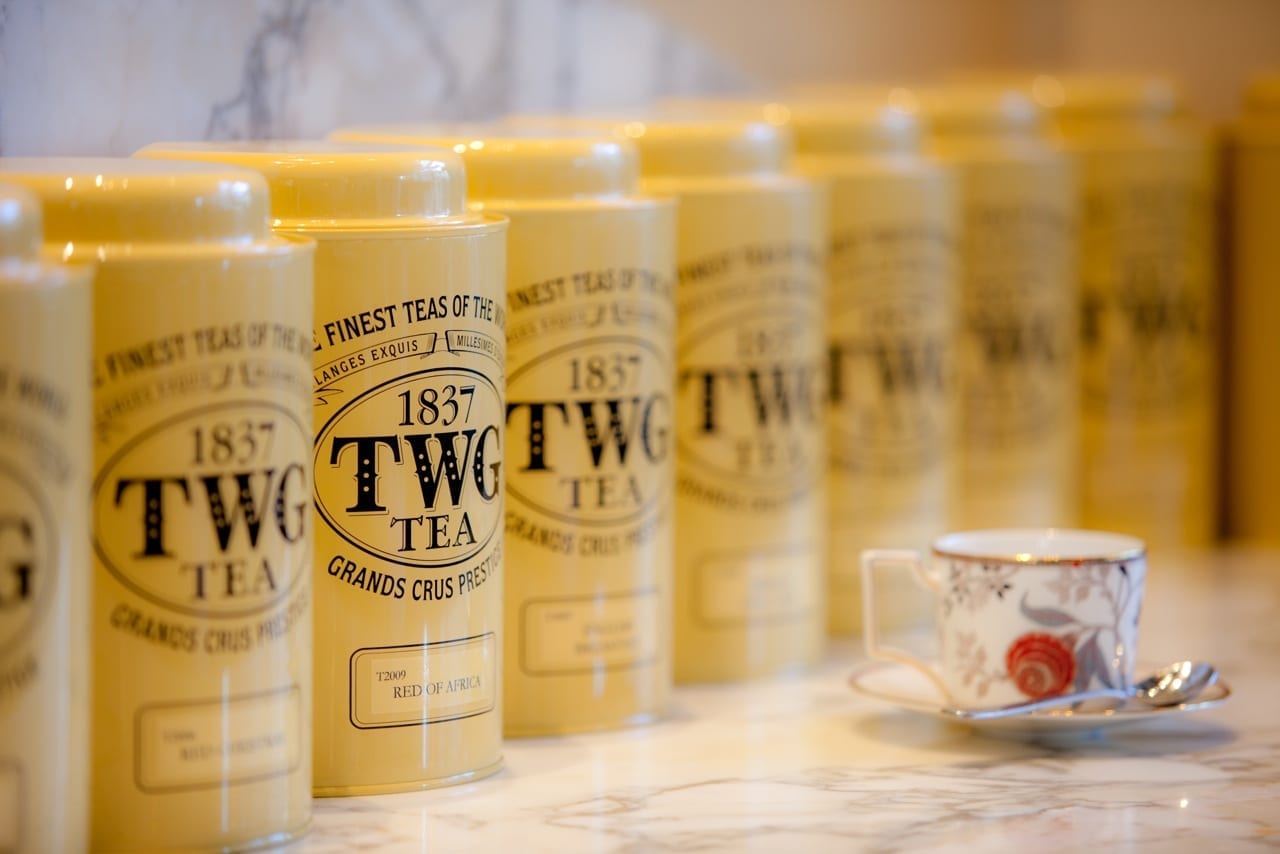
    To mark its 10th anniversary, TWG Tea has launched a global e-commerce website, with Singapore being the first nation to experience it (the company is based in Singapore).

    With a refurbished interface, the site now offers a suite of tools, such as a customised gifting guide and an interactive tea connoisseur service, which recommends a customer’s perfect tea based on a fun quiz.

    There is also richer content so consumers can learn about the brand’s harvests, handcrafted blends, tea merchandise and edible treats.

    With the consumer in mind, the reboot aims to complement and mirror the in-store experience.

    The brand also introduces a premium by-invitation-only membership, “MyTWG”, which offers tea-related rewards and benefits.

  • Phuc Long makes it debut in Danang

    Phuc Long makes it debut in Danang

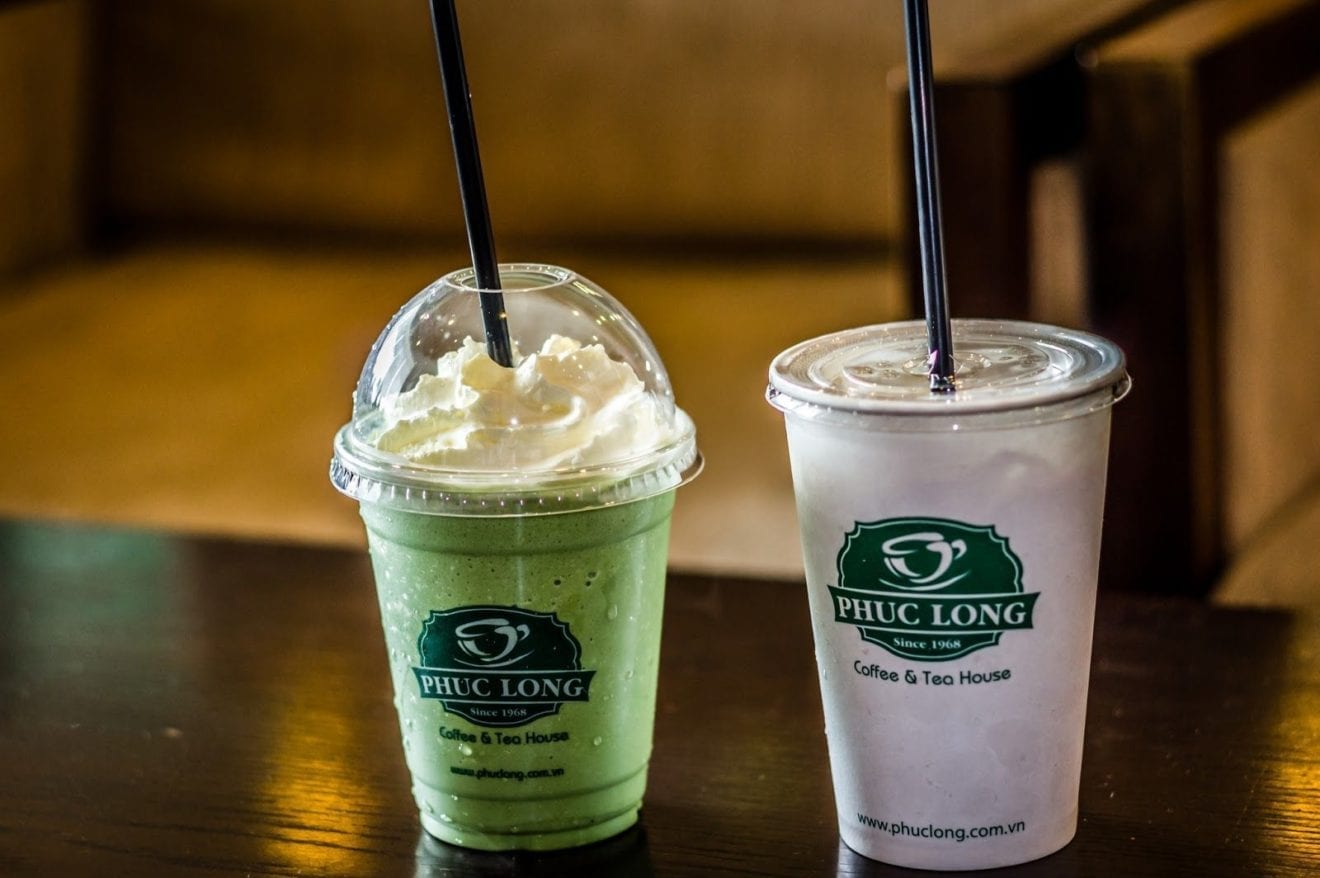
    Vietnamese coffee and tea chain Phuc Long has opened its first Danang outlet.

    Located on the second floor of Lotte Mart, the new Phuc Long Danang store drew long queues on opening day, as it offered three days of launch promotional activity. From today until Sunday, customers who come early and check-in on Facebook will get free vouchers and coffee mugs.

    Phuc Long has partnered with Grab to offer discount for rides to its store – for both GrabBike and GrabCar.

    The second Phuc Long Danang outlet will open soon on Nguyen Van Linh.

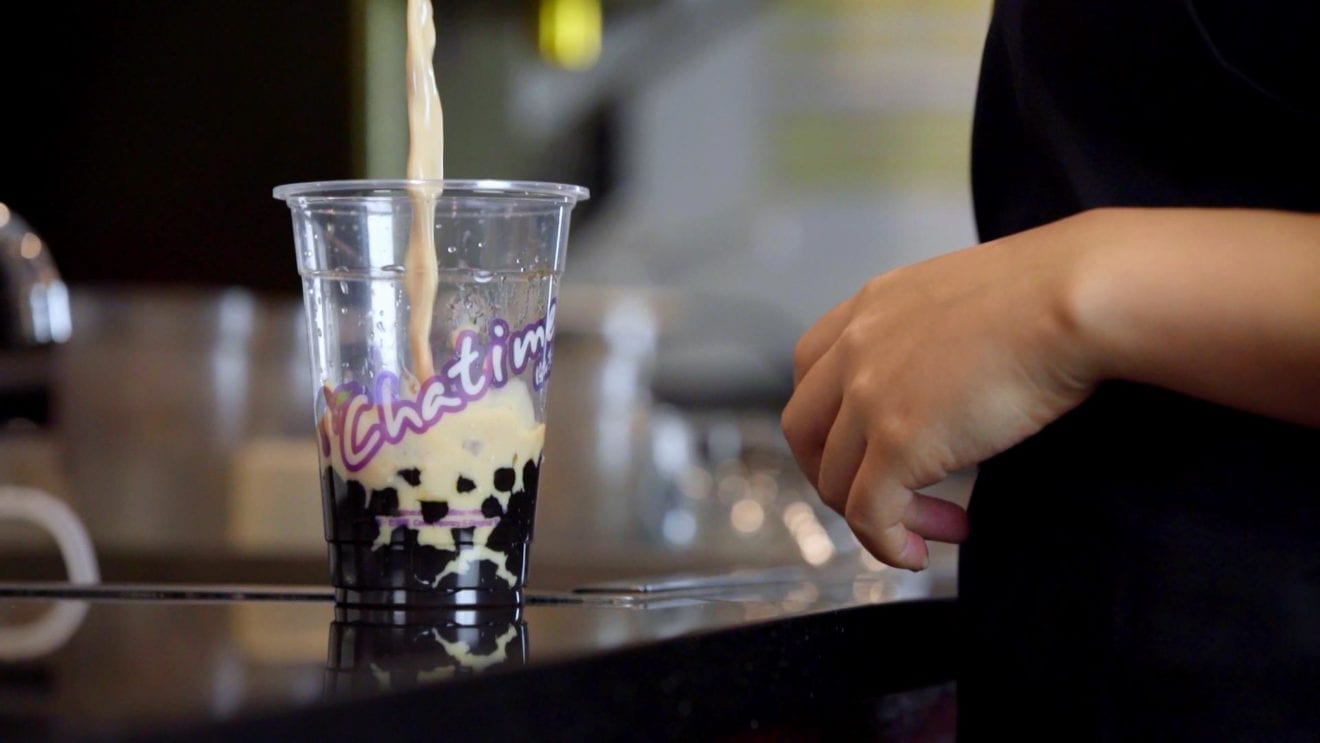
  • Chatime to open first Singapore store this year

    Chatime to open first Singapore store this year

    Malaysia’s Will Group is planning to open first Chatime Singapore outlet this year.

    The first two stores will be opened inside shopping malls, with a third scheduled for Jewel Changi Airport next year.

    The group is also negotiating to take over the Singapore master franchise for the tea brand from current franchisor La Kaffa International.

    Chatime also plans to expand into the Middle East, with outlets in Mecca and Medina this year, under a sub-franchise arrangement.

    Chatime Malaysia has obtained the halal food certification for its menu, paving its way for business expansion.

    Will Group has set a RM100 million (S$33.6 million) budget to open 150 outlets in Malaysia and internationally.

    Will Group became master franchisee for Chatime in Malaysia following a dispute between La Kaffa and ex-master franchisee Loob Holding.

  • Major International Bubble Tea Restaurant Opening in Mississauga

    Major International Bubble Tea Restaurant Opening in Mississauga

    Have you always wished for more bubble tea options in Mississauga? Of course you have—and now it looks like your wish is about to come true.

    If you’ve recently driven down Hurontario Street in the Cooksville area, you might have noticed some stylish signage indicating the upcoming arrival of Ding Tea. For those who are unaware, Taiwanese franchise Ding Tea was founded in 2004 and quickly spread throughout Asia and beyond.

    As of now, there are Ding Tea locations in Taiwan, China, Japan, Malaysia, Indonesia, Vietnam, the U.S.A. and Hong Kong. The only other Canadian location listed on the brand’s website is one in Victoria, B.C.—meaning Mississauga will be home to the brand’s first Ontario store.

    As far as the menu goes, the resto offers oolong milk tea, brown sugar milk tea, jasmine green milk tea, bubble milk tea, coconut jelly milk tea, pudding milk tea, taro milk tea and more.

    An exact opening date has not been revealed.

    We’ll keep you updated as more details emerge.

  • Bubble tea franchise set to expand throughout New Zealand

    Bubble tea franchise set to expand throughout New Zealand

    New Zealanders have a growing thirst for the popular Asian drink “bubble tea,” with more stores expanding around the country next year.

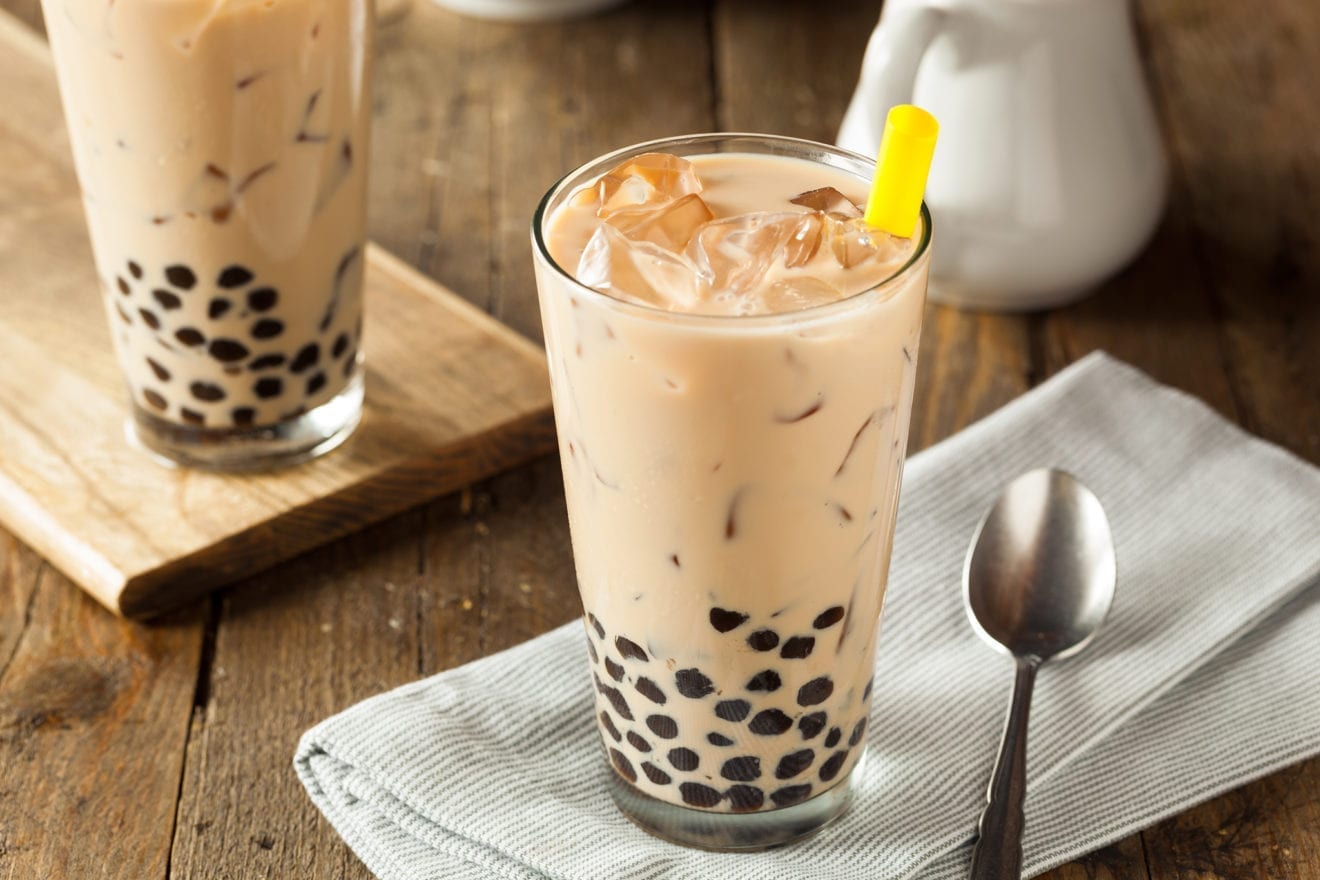
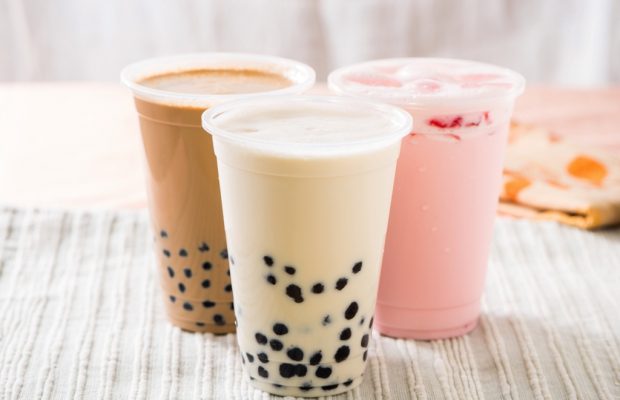
    Bubble tea or boba tea is made with soft tapioca balls called pearls and originated in Taiwan in the 1980.

    The drink has become popular around the world with global sales of tapioca pearls growing at 4 per cent a year.

    Bubble tea sales in New Zealand are growing around 20 per cent a year, according to Marcus Teh, New Zealand manager of Gong Cha, an international chain of bubble teahouses.

    Auckland’s large Asian student population initially drove its popularity, he said, but this year around 30 per cent of customers were Kiwis.

    The black balls at the bottom of the glass are tapioca pearls.

    “Marketing plays a part but the bubble tea culture and drinks are slowly being loved by Kiwis,” Teh said.

    “We already know our brand is loved by Asians so we are trying to attract more New Zealanders.”

    Retail licensing expert Katrina Hammon said bubble tea bars were the new juice bars.

    “It’s new, different and on trend globally. McDonald’s Germany even added bubble tea to the menu in 2012, so New Zealand is well behind this trend,” she said.

    One of the pull factors of tea was the experience, she said.

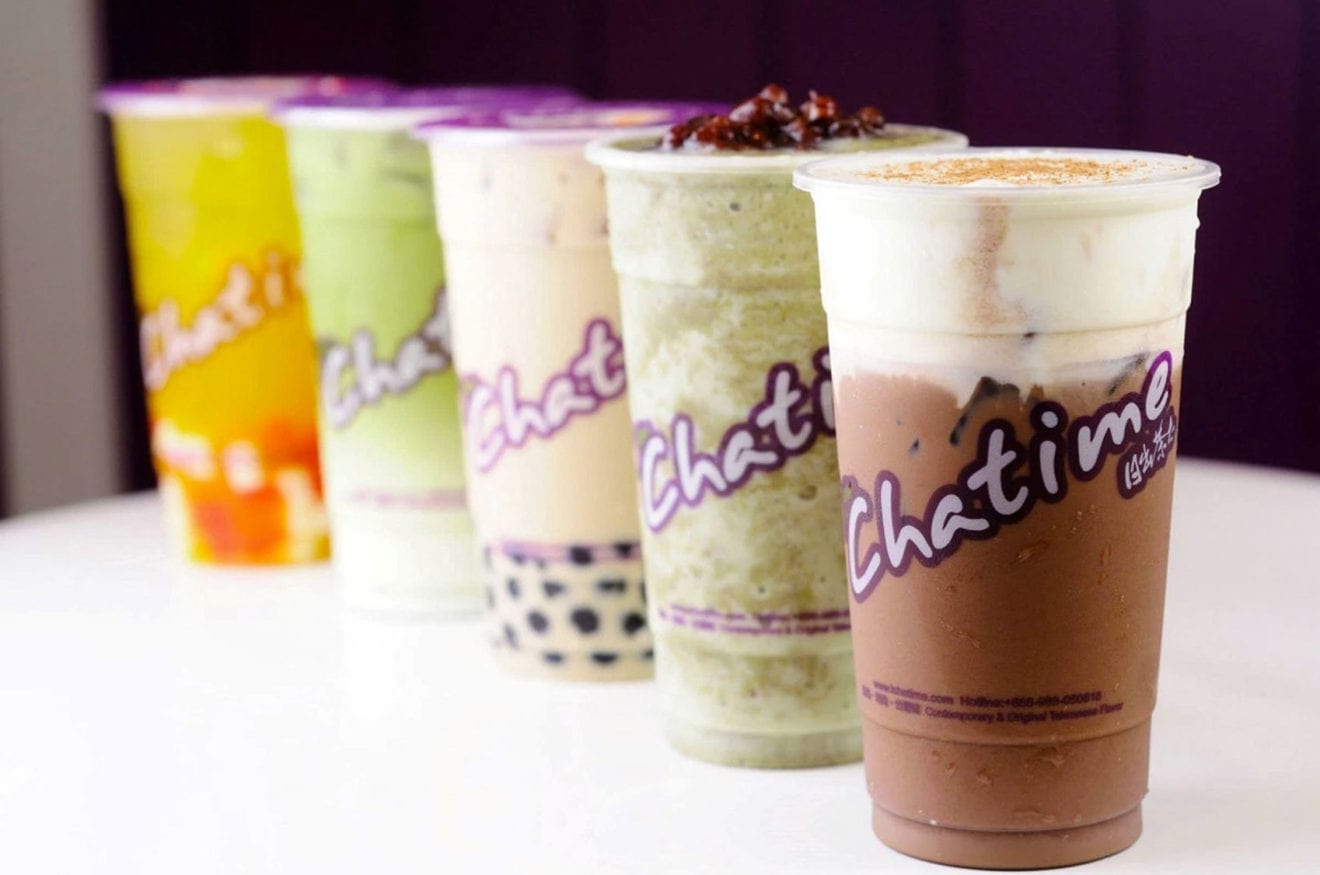
    “The Chatime Tea brand, another chain of teahouses has an unique fit out, consumers can see the product being made and add in pearls. There are also healthy options like sugar free options, chia seeds, aloe vera.”

    Gong Cha and Chatime each have more than 1000 stores worldwide and three stores in Auckland.

    A fourth Gong Cha is set to open at Sylvia Park in November.

    Teh said potential franchisees had been in contact asking him to open stores in the South Island. He plans on opening three more stores next year, including in Wellington and Christchurch.

    Gong Cha will hire 20 staff in addition to the team of 30 already working for the company.

    The company was recently voted the most popular food and beverage brand in Singapore, and was also named the most popular tea brand in Korea.

  • Tealive says “Hi” to Vietnam

    Tealive says “Hi” to Vietnam

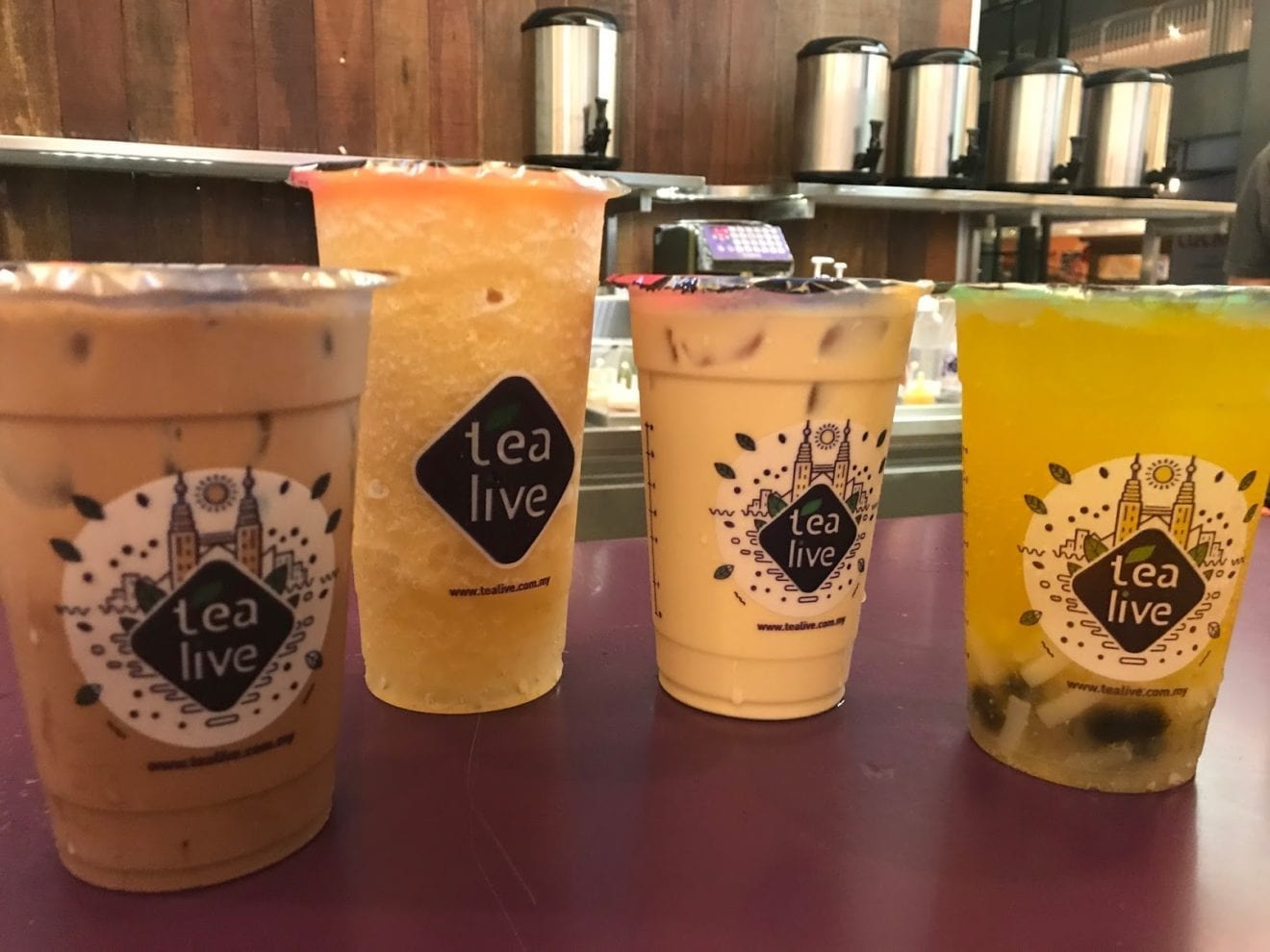
    Bubble-tea brand Tealive has made its debut in Vietnam with two stores in one month.

    The first one is located in Vincom shopping centre while the second one is a standalone store on Le Thanh Ton Street, near Ben Thanh market.

    To mark its debut in Vietnam, Tealive introduced five exclusive drinks.

    Bryan Loo, founder and CEO of Tealive, is confident the brand will win over local millennials.

    Tealive Vietnam plans to open three more stores before the end of this year, targeting 20 next year.

    Tealive, owned by Loob Holdings, rebranded from Chatime after a dispute with outlets.

  • Ten Ren milk tea comes to Vietnam via franchise

    Ten Ren milk tea comes to Vietnam via franchise

    Taiwanese milk tea brand Ten Ren to open first Vietnam store next month via a franchise agreement with The Coffee House.

    Nguyen Hai Ninh, co-founder and CEO of coffee chain, says Ten Ren will open 40 stores by the end of 2018.

    “At first, we will sell traditional packed tea, bottled drinks and anchored product – milk tea. Each year we will add more items according to customer demand,” Nguyen says.

    Nguyen believes Vietnam’s milk tea market still offers huge potential, citing Euromonitor data  showing the market was worth US$282 million in 2016 with a 20 per cent year-on-year growth rate.

    The latest entrants to Vietnam’s milk tea market include Yutang, and Vietnamese brand Tocotoco.

    Backed by Seedcom holding group, The Coffee House was founded in 2014, has 64 stores all over Vietnam,with plans to increase to 200 by 2020.

    Ten Ren Tea was founded in 1953, specialises in tea and ginseng products.

  • LiHo bubble tea says hello to Hong Kong

    LiHo bubble tea says hello to Hong Kong

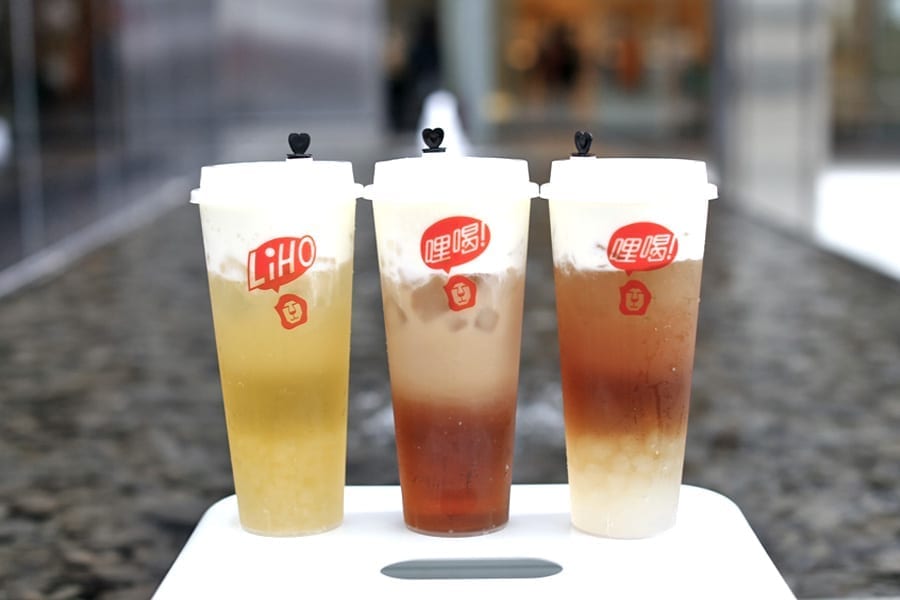
    Known for its cheese teas, Singapore bubble-tea brand LiHo has opened its first overseas outlet in Hong Kong.

    Its Yuen Long store will be followed by another in Kwun Tong on November 1, says the parent company RTG Holdings. Both outlets offer the full menu including smoothies and the new Avocado and Summer Passion beverages.

    RTG Holdings MD Rodney Tang says this is a first step in building LiHo into a global brand. It is partnering with Milky Way Synergy for the Hong Kong stores, and is looking at opening 20 more in the territory within the next five years.

    Tang says there has also been “preliminary interest” from potential partners in Japan, Korea and London.

    RTG ventured into the bubble-tea business with the Gong Cha brand in 2009. This year it replaced Singapore’s Gong Cha outlets with LiHo after Gong Cha’s parent company sold the business to Unison Capital, a Japanese private equity firm.

  • Khun Thai Tea heading for Singapore

    Khun Thai Tea heading for Singapore

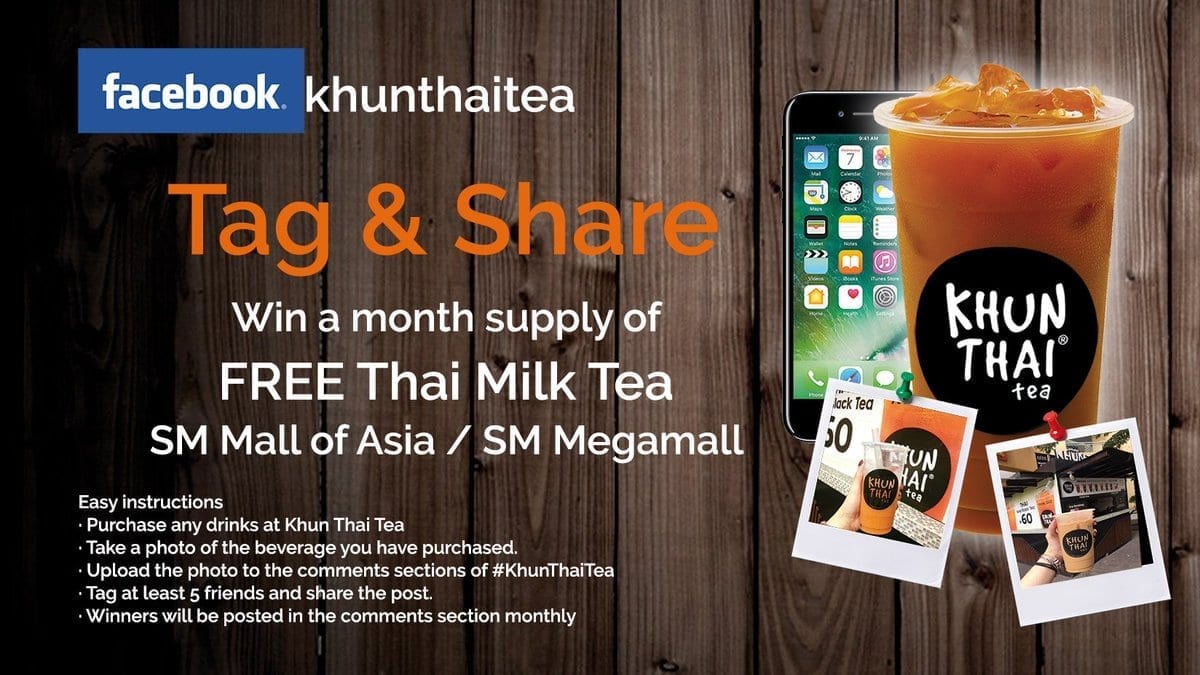
    Singapore’s Khun Thai Tea, the franchisor for the Thai iced black-tea brand that originated from a pushcart in Bangkok, is about to launch its first outlet in the city.

    This follows its establishment in the Philippines last year as its first step toward expansion in Asia.
    Elis Chai, who co-founded Khun Thai Tea along with fellow Bronze Media Singapore owner Jeremy Lee, says their company has retained global rights for the brand, based on a recipe created in 1955 by Auntie Marlee, the sole proprietor of a pushcart in Sukhumvit.

    “Her recipe for ‘cha-yen’ was restricted to her family members,” says Chai. “Her pushcart soon came to be Sukhumvit Soi 11’s best-held secret. Its popularity rose in tandem with the street’s fame, which was earning a well-deserved reputation as a dining and nightlife destination.”

    More recently, Auntie Marlee began searching for successors to continue and expand on her pushcart’s legacy, finally tying up with Filipino Nancy Padilla. This led to SM Mall of Asia in Manila becoming the first outlet outside of Bangkok to feature Auntie Marlee’s tea in June last year. Padilla owns and runs the Khun Thai Tea Shop (Philippines), including “khun” (Thai for “respect”) in the franchise name as tribute to Auntie Marlee.

    Two more Khun Thai Tea outlets followed: one at Star City Amusement Park in Manila, and another at MegaMall Manila in the Ortigas business district. Lee says more branches are set to open in Manila before the end of this year.
    With Khun Thai Tea established in Singapore as global franchisor, Lee says rapid expansion across Asia is planned. “We will strive to bring a Khun Thai Tea branch to every Asian shopping mall.”

    As well as the tea, the shops offer other Asian-influenced drinks as well as snacks. The drinks include the coffee and tea mix yuan yang, first brewed in Hong Kong, and ice bandung, inspired by a Malaysian recipe that combines rose syrup with milk. Taiwanese-style boba (small tapioca balls) are an optional extra.

    Snacks include Thai-influenced items such as crispy kangkong and tea toast.

  • Flamingo Bloom Tea Salon Launches All-Natural Tea This July

    Flamingo Bloom Tea Salon Launches All-Natural Tea This July

    Healthy and hydrating, tea is deeply rooted in Hong Kong culture. Over the centuries, tea has played many roles in traditional wellness practices and beauty regimes — not to mention the city’s social fabric. But despite its wide consumption, there are few contemporary options available for urbanites on the go.

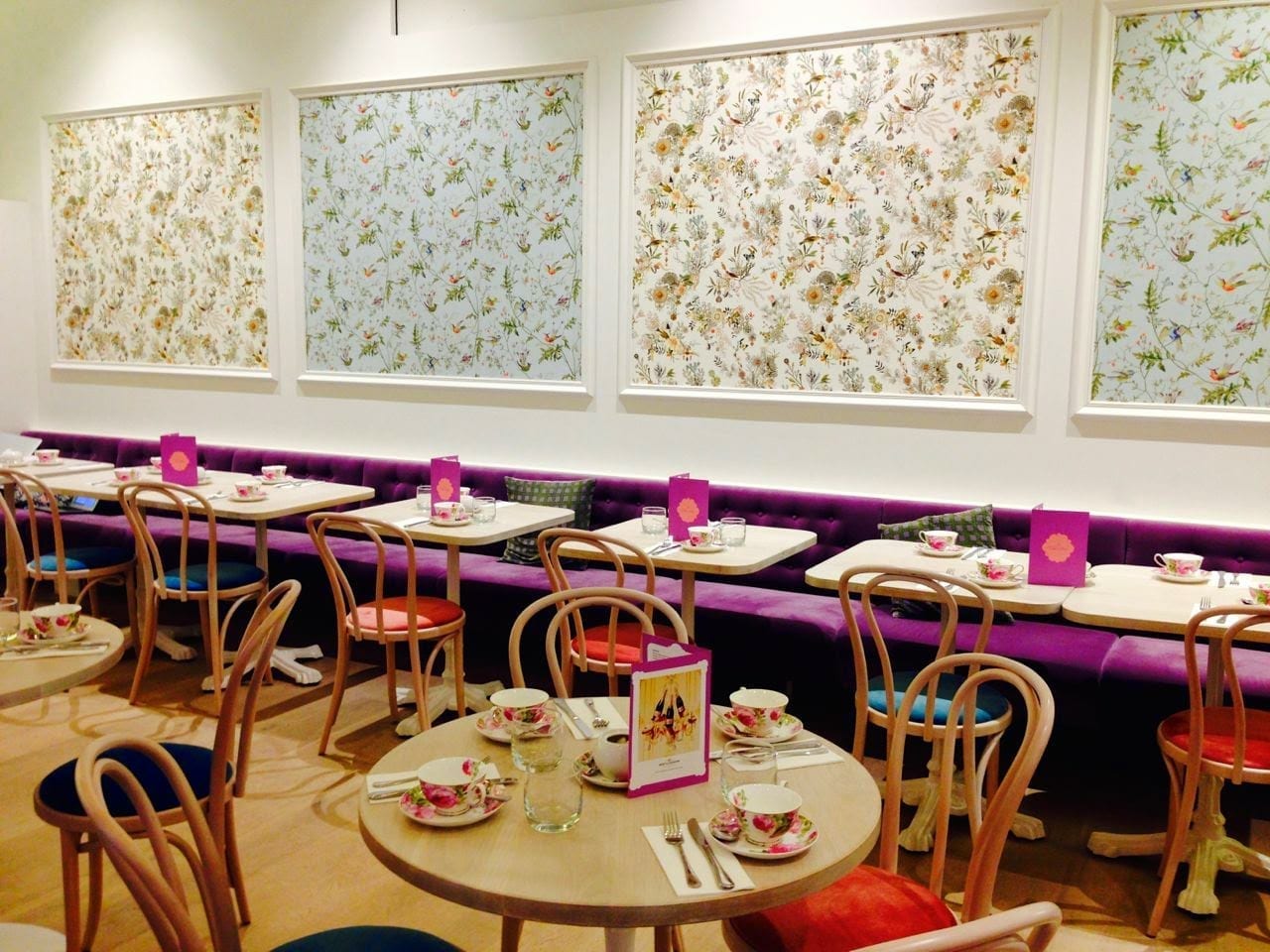
    That’s where Flamingo Bloom comes in. Just in time for the sweltering summer, Flamingo Bloom introduces its handcrafted floral teas on Stanley Street, where the chic tea salon will lure you in with its botanical decor and pops of colour. The commitment to quality continues into every Flamingo Bloom product, from Highland loose leaf teas, such as Honey Orchid Black, to fresh fruit and boba, cane sugar and double-purified water.

    Flamingo Bloom’s all-natural teas are made-to-order and contain no synthetic additives, ingredients or powders. Every tea has been carefully chosen from high altitude tea regions in China and Taiwan, where fewer pesticides are used in the cultivation process.

    “Despite the long tradition of tea drinking in Hong Kong, it can be struggle to find all-natural, high-quality and healthy takeout tea,” says founder Benjamin Ang, who is also behind award-winning restaurants Dragon Noodles Academy and Social Place. “As tea drinkers ourselves, Flamingo Bloom also values total transparency. To ensure every customer can see exactly what’s in their cup, Flamingo Bloom teas are crafted by talented tea-baristas at the open bar.”

    What’s on the menu? The experience begins by choosing one of four base teas: Jasmine Green Tips tea from Fujian; Highland Oolong from Taiwan; Chrysanthemum Pu’er from Yunnan; and Honey Orchid Black tea from Sichuan. A less mainstream tea, Honey Orchid Black is a soothing choice, featuring a nutty taste and delicious caramel aroma.

    Flamingo Bloom brews fresh batches of these base teas every four hours, using only whole tea leaves — never dust or powder — and double-purified water. Crafting these high-quality, loose-leaf teas is an art itself. The Jasmine Green tea, for example, is extremely delicate, requiring specific conditions to brew properly. If either the temperature or timing is off, even by a tad, then the resulting tea will taste bitter and lose its amazing aroma.

    After choosing a base, customers can enjoy their tea over ice, or dress it up with fresh fruit, boba, matcha, French rose, or a salted milk cap — a decadent crown of creamy milk and cheese that’s been whipped using a secret technique. Every cup is totally bespoke, even down to the amount of sugar cane content.

    In addition to custom choices, Flamingo Bloom offers a few signature combinations, including Intense Orange x Jasmine Tips Green; Boba Pearls x French Rose x Highland Oolong; Smashed Strawberries x Jasmine Tips Green; Fresh Fruits x Orchid Black Tea; Salted Milk Cap x Chrysanthemum Pu’er; and Boba Beetroot Milk. Every Flamingo Bloom tea finishes with a cocktail shake to create an airier, frothier and more fragrant brew.

  • International coffee, tea and confectionery showcase draws a record number of visitors

    International coffee, tea and confectionery showcase draws a record number of visitors

    Café Asia 2017, International Coffee & Tea Expo (ICT Expo) 2017 and Sweets & Bakes Asia 2017 captivated some 11,000 visitors with a multi-sensorial showcase of ‘Firsts’. The concurrent shows were declared opened by Guest-of-Honour, Mr Lee Yi Shyan, Member of Parliament of East Coast GRC, on March 2, 2017 at Marina Bay Sands Expo & Convention Centre, Hall E. 

    The highly successful Café Asia and ICT Expo series first launched in 2013 and the Sweets & Bakes series which was introduced a year later, together present the largest showcase dedicated to the team coffee and bakery industries in Singapore and the region. This dynamic B2B platform is sought after by key decision makers as a sourcing destination for their café needs and to explore new collaborations and opportunities in a country where the number of specialty coffee drinkers has increased over the years. 

    Spanning 5,000 square metres this year, Café Asia 2017, ICT Expo 2017 and Sweets & Bakes Asia hosted 168 exhibitors from all around the world namely, Australia, Brazil, China, France, Germany, India, Indonesia, Italy, Japan, Korea, Malaysia, Myanmar, Netherlands, Philippines, Rwanda, Singapore, Switzerland, Taiwan, Thailand, Timor-Leste and Vietnam.

    The 3-day exhibition raised the bar for three industries with innovations that offered solutions for new recipes, better tasting products and productivity. It introduced some of the latest innovations, developments and technologies at exclusive workshops, classes and demonstrations and on the exhibition floor by industry experts, on everything coffee, tea and baked goods. Visitors discovered new sources and a wide array of supplies and innovative and cutting-edge equipment for cafes and bakeries, from coffee beans from traditional and non-traditional coffee producing countries, tea leaves, taste elevating baking ingredients, new exciting brews like Expresso Martini by Justin Metcalf and delectable gelato flavours.

    Keen Competiton at Seven National Competitions

    Top baristas, tea masters and bakers converged at the shows to contend for national titles and to represent Singapore in the world-level championships. New this year is the inaugural Tea Masters Cup Singapore 2017 where Singapore crowned its first-ever Tea Master to compete at the prestigious Tea Masters Cup International 2017. 

    The National Coffee Championships rolled-out a new competition format, the Singapore Coffee in Good Spirits Championships 2017. The championship celebrates barista’s creativity in celebrating the synergy between coffee and alcohol through innovative beverage recipes. Also returning this year are the Singapore National Barista Championship, Singapore Latte Art Championship, Singapore National Brewers Cup Championship and Singapore Cup Tasters Championship.

    The Singapore Bakery & Confectionery Championship 2017 welcomed top bakers and confectioners who showcased their skills to create the most delicious and delightful breads and pastries. The bakers from some of the best hotels and bakeries here in Singapore kneaded, baked and worked magic with their creations, making them into stunning displays of edible art.

    The winners are:

    Championship

    Winners

    Tea Masters Cup Singapore 2017 – Tea Preparation

    Dave Lim of Sun Ray Café

    Tea Masters Cup Singapore 2017 – Tea Pairing

    Dave Lim of Sun Ray Café

    Tea Masters Cup Singapore 2017 – Tea Tasting

    Darren Chang of Smitten Specialty Coffee & Tea

    Singapore Bakery & Confectionery Championship 2017 – Bread Category Champion

    Jacker Tok Siu Hong of Carlton Hotel

    Singapore Bakery & Confectionery Championship 2017 – Cake Category Champion

    Phua Wei Si and Maryann Tan Rui En of Temasek Polytechnic

    Singapore National Barista Championship

    Terence Tan of Santino Coffee Specialists

    Singapore Latte Art Championship

    Jervis Tan of Kinsmen Coffee

    Singapore National Brewers Cup Championship

    Rodman Chan of A.R.C.

    Singapore Cup Tasters Championship

    Rodman Chan of A.R.C.

    Singapore Coffee in Good Spirits Championship

    Natasha Shariff of Bettr Barista

    Café Asia 2017, ICT 2017 and Sweets and Bakes 2017 are organized by Conference and Exhibitions Management Services (CEMS). Café Asia 2017 and the International Coffee & Tea Expo 2017 are hosted by Singapore Coffee Association and Sweets & Bakes Asia 2017 is hosted by Singapore Bakery and Confectionery Trade Association.

  • 20,000 farmers join in international standard tea production

    20,000 farmers join in international standard tea production

    Nearly 30 firms and 20,000 farmers will take part in producing 25,000 tonnes of tea of international standards in a project to promote the private-public partnership (PPP) model in tea production.

    The information was released at a conference to launch the second phase of the project “promoting tea farmers to join the sustainable and quality tea supply chain” in Hanoi on February 28.

    The project, jointly implemented by the sustainable trade initiative (IDH) organisation of the Netherlands, the Unilever group and the Ministry of Agriculture and Rural Development (MARD), aims to train and provide technical assistance for farmers to produce tea certified by the Rainforest Alliance (RA).

    Le Quang Chuyen, Deputy Director General of the My Lam Tea JSC in northern Tuyen Quang province said the PPP model has helped improve tea quality and productivity while saving production costs and labour. Their tea products meet food safety requirements of the EU and Japan.

    Tran Vu Hoai, Vice President of Unilever Vietnam, underlined tea quality improvements after three years of implementing the PPP model, saying that the group raised its import volume of Vietnam’s tea from 5,000 tonnes to 11,000 tonnes.

    He expressed his hope that with the model will continue improving Vietnam’s tea quality and the group can import up to 20,000 tonnes of tea from Vietnam.

    Under the second phase of the project, 15 factories and 6,500 households are expected to work together and produce 25,000 tonnes of tea, including 15,000 tonnes of RA certified tea, which are shipped overseas and supply for Unilever.

    So far, only eight firms have registered to join the project.

    Besides, the Vietnam Tea Association is implementing an IDH-funded project on the quality and sustainability of the tea industry. The project aims to enhance Vietnam’s tea quality to meet international standards.