Retail News CRM

Tag: tea

  • Happy Lemon teashop showcases Alibaba tech

    Happy Lemon teashop showcases Alibaba tech

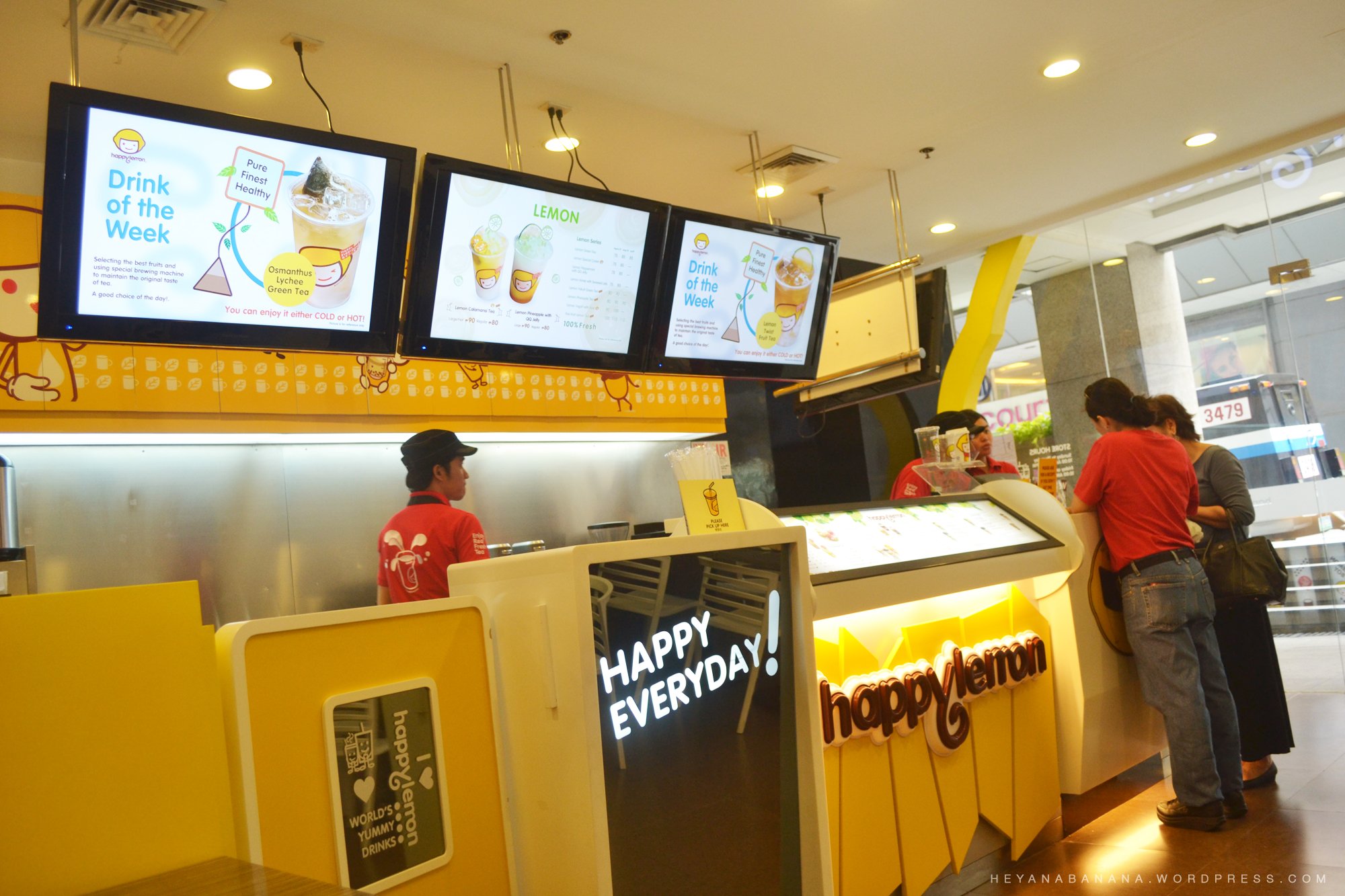
    Taiwanese bubble-tea chain Happy Lemon has teamed up with Koubei, Alibaba Group’s local-services app, to upgrade its in-store technology, including a new drink-making robot. At its pilot “smart store” in Shanghai, customers have the option of buying their drinks at a counter manned by employees or, for a fully automated experience, purchasing via their smartphones for service by the robot. Customers scan a QR code with the Koubei app, tick a few boxes to customise their drink, then wait for a text notification to pick up their tea at a smart locker, which opens when they tap a “pick-up” button on the app.

    The robot can make eight types of drinks with about 40 variations based on customer preferences for different amounts of ice and sugar – each taking about 90 seconds, Koubei said.

    “The smart-store initiative is part of our journey to bring New Retail to food and beverage merchants,” said Guo Haodang, head of Koubei’s smart-store program. “We bring advanced technologies, such as our QR codes, intelligent pick-up lockers and robotic tea mixers, to merchants’ brick-and-mortar stores, helping the sector rethink how they sell and engage with consumers.”

    Koubei and Happy Lemon’s tea-making robot can serve up drinks in 90 seconds.

    Koubei and Happy Lemon’s tea-making robot can serve up drinks in 90 seconds.

    Happy Lemon, which operates more than 1000 stores worldwide, including in the US, Canada, the UK and South Korea, is the latest company to join the smart-store program. Launched in 2017, there are now about 100 brands that have partnered with Koubei to upgrade their brick-and-mortar locations with in-store technology, such as features that allow consumers to pre-order by mobile app and skip queues. Other brands that have signed on include the century-old Chinese restaurant chain Wu Fang Zhai, Hong Kong traditional sweets maker Honeymoon Dessert and pastry chain Kengee.

    Daniel Lee, deputy GM of global marketing at Happy Lemon, said that high employee turnover can lead to drinks being made inconsistently. The robot, which knows right ingredients and amounts, is the perfect solution to that problem, he said.

    Happy Lemon is working with Koubei to replicate this model at more of its stores across China, according to a statement from the local-services app.

    A Happy Lemon customer uses the Koubei app to place his order.

    “Aside from hardware innovations like with the robotic tea mixer, what’s more important to us are the big-data applications behind it,” said Lee, adding that Koubei’s analytics had helped determine where to build the pilot smart store as well as provide AI-powered customisations to customers.

    Last year, the company leveraged Koubei’s consumer analytics to better reach its potential customers online and drive traffic to its physical stores. In 2016, Happy Lemon had joined Alibaba’s on-demand delivery arm, Ele.me. The brand said that 30 per cent of its orders come from delivery rather than in-store purchases, and it expects that ratio to grow further.

    Market research firm Mintel says demand for tea-shop drinks has grown remarkably in the last couple of years in China, reaching a total retail value of RMB 48.5 billion (US$7.2 billion) last year. While nearly all tea-shop consumers in China have bought their beverages in physical stores, just over two-thirds have ordered their drinks online, Mintel noted, which means online channels are a potential growth opportunity for tea chains.
  • KiKi Tea@Sun’s Bazaar Partnering Old Bazaar Kitchen  with Pop-up Spring Menu Inspired by Sister Brand KiKi Noodles

    KiKi Tea@Sun’s Bazaar Partnering Old Bazaar Kitchen with Pop-up Spring Menu Inspired by Sister Brand KiKi Noodles

    Pacific Place’s popular casual Asian dining concept KiKi Tea@Sun’s Bazaar has teamed-up with iconic Hong Kong restaurant Old Bazaar Kitchen for a new pop-up menu. Curated by renowned chef Billy Chung of Old Bazaar Kitchen, three Asian-inspired specialties incorporating KiKi Tea’s sister brand KiKi Noodles are served from now to 30 April 2019.

    Available from 3:00 p.m. o 10:30 p.m. on weekdays and whole day on weekends, Chef Billy’s signature style of Southeast Asian favourites are reinvented with a modern twist.

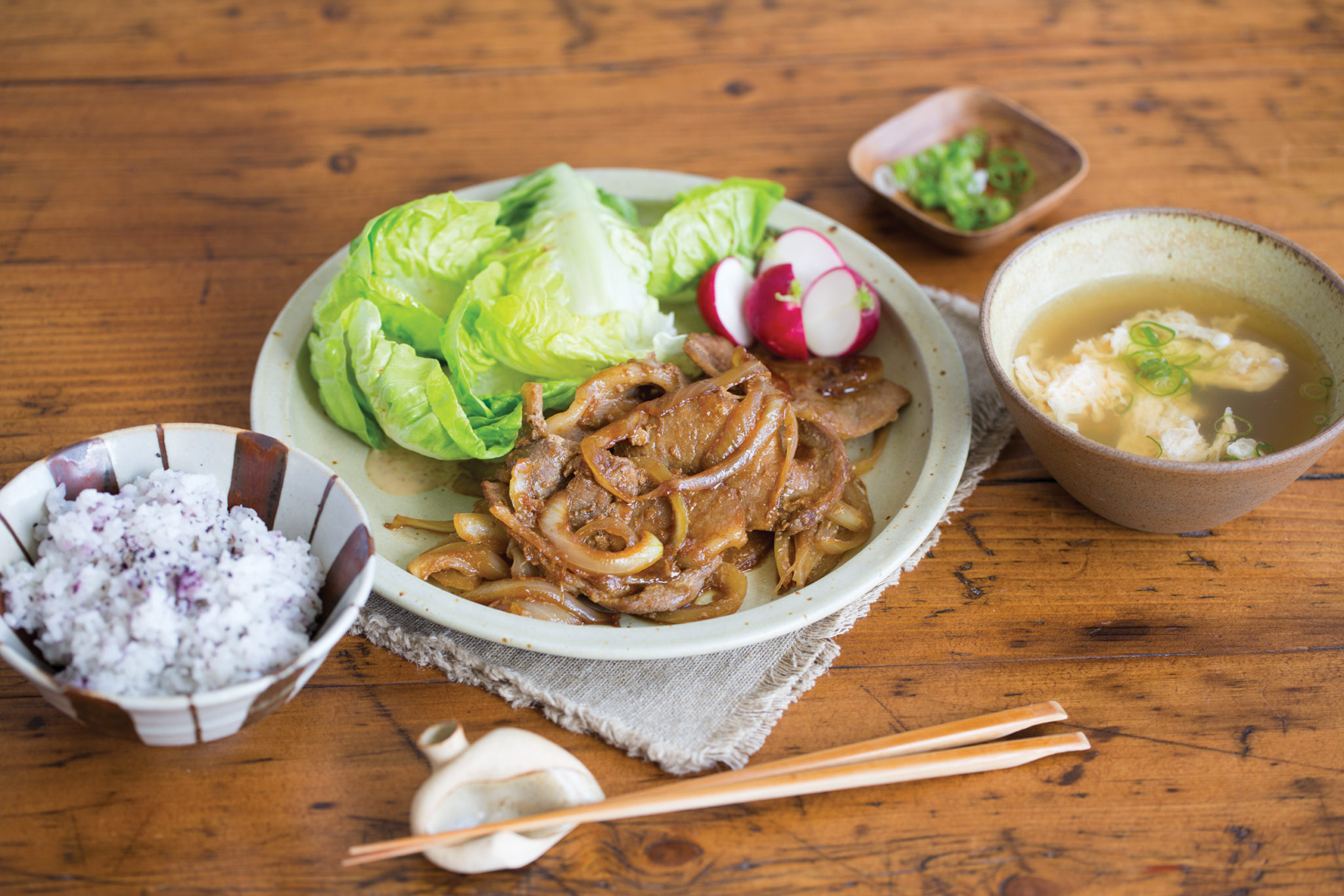
    Mixed KiKi Noodles in Thai Herbs, Minced Beef (HK$118) twins KiKi’s popular sun-dried noodles with colourful fresh spices and herbs for bold flavours; Singaporean Curry Soup KiKi Noodles, Shredded Chicken (HK$118) embraces the sun-dried noodles with rich coconut flavour and fresh seafood; and Mixed KiKi Noodles in Thai Tom Yum, Prawn reinvents the spicy Thai favourite with complex hot and sour flavours, priced HK$128.

    Kiki Tea has also styled two refreshing spring-themed concoctions to pair with Chef Billy’s three hearty noodle creations.  Inspired by classic Taiwanese favourite drinks, thirst quenching Winter Melon Tea, Butterfly Pea Flower, Lime, Aloe Vera (HK$35) also brings calming and natural anti-oxidant benefits, while aloe vera is high in fibre and low fat. Jasmine Tea, Orange Juice, Lime, Aiyu Jelly (HK$35) likewise balances the hearty, savoury cuisine, embracing refreshing orange juice and fresh lime with low fat Aiyu Jelly.

    Completing the pop-up promotion is a new dessert Chestnut Mont Blanc (HK$38), KiKi Tea’s re-interpretation of the classic French dessert of puréed, sweetened chestnuts topped with a dab of whipped cream. Enjoy it with Ms KiKi Premium Black Tea (HK$35) for a perfect afternoon tea experience.

    Old Bazaar Kitchen originated as an iconic private kitchen popular with locals, expats, tycoons and celebrities alike for showcasing Hong Kong’s ‘melting pot’ of Asian cuisines. With the backing of F&B powerhouse Lai Sun F&B Management, Chef Billy Chan cemented its glowing reputation C opening a fully-fledged Old Bazaar Kitchen restaurant at 32-38 Cross Lane in Wanchai.

    KiKi Tea@Sun’s Bazaar has become an instant hit at Pacific Place, twinning the brand’s premium Taiwanese teas and bubbles with affordable modern Asian favourites.  It stands out from the bubble tea crowd using quality natural ingredients including premium Taiwanese tea leaves, black sugar and cane sugar C along with authentic handmade pearls and pressed-to-order House Blend Teapresso.  Popular favourites include Pineapple Green Teapresso (HK$38), Winter Melon Tea, Sichuan Pepper Flavoured Pearls topped with Cream Mousse (HK$36), Jasmine Tea, Chinese Herbal Tea Pearls (HK$33), KiKi Roasted Tea topped with Caramel and Nuts Cream Mousse (HK$34), and Brown Sugar Milk with Pearls (HK$35).

    Different ‘bubbles’ (add HK$5) are also available: the most popular Brown Sugar Pearls; a favourite in Taiwan; Mini Taro Balls, Sichuan Pepper Flavoured Pearls with a spicy kick of ‘KiKi Sichuan Pepper Seasoning’ blended from natural peppercorns and premium chilli; and Chinese Herbal Tea Pearls with prunella ‘heal-all’ tea (xia ku cao) used in Chinese medicine, all beloved by celebrities including Shu Qi and Kimbee Chan.

  • Tiger Sugar to open first Korea store next month

    Tiger Sugar to open first Korea store next month

    Bubble milk tea brand Tiger Sugar Korea will open first branch in Hongdae, a bustling university town of Seoul.

    Located at a popular hang-out area for young people, the Hongdae store will offer the same taste as that in Taiwan and use premium ingredients to “become the hottest dessert drink this year”.

    In order to do that, Tiger Sugar Korea will be competing with another original Taiwanese chain Gong Cha, which is now popular among locals.

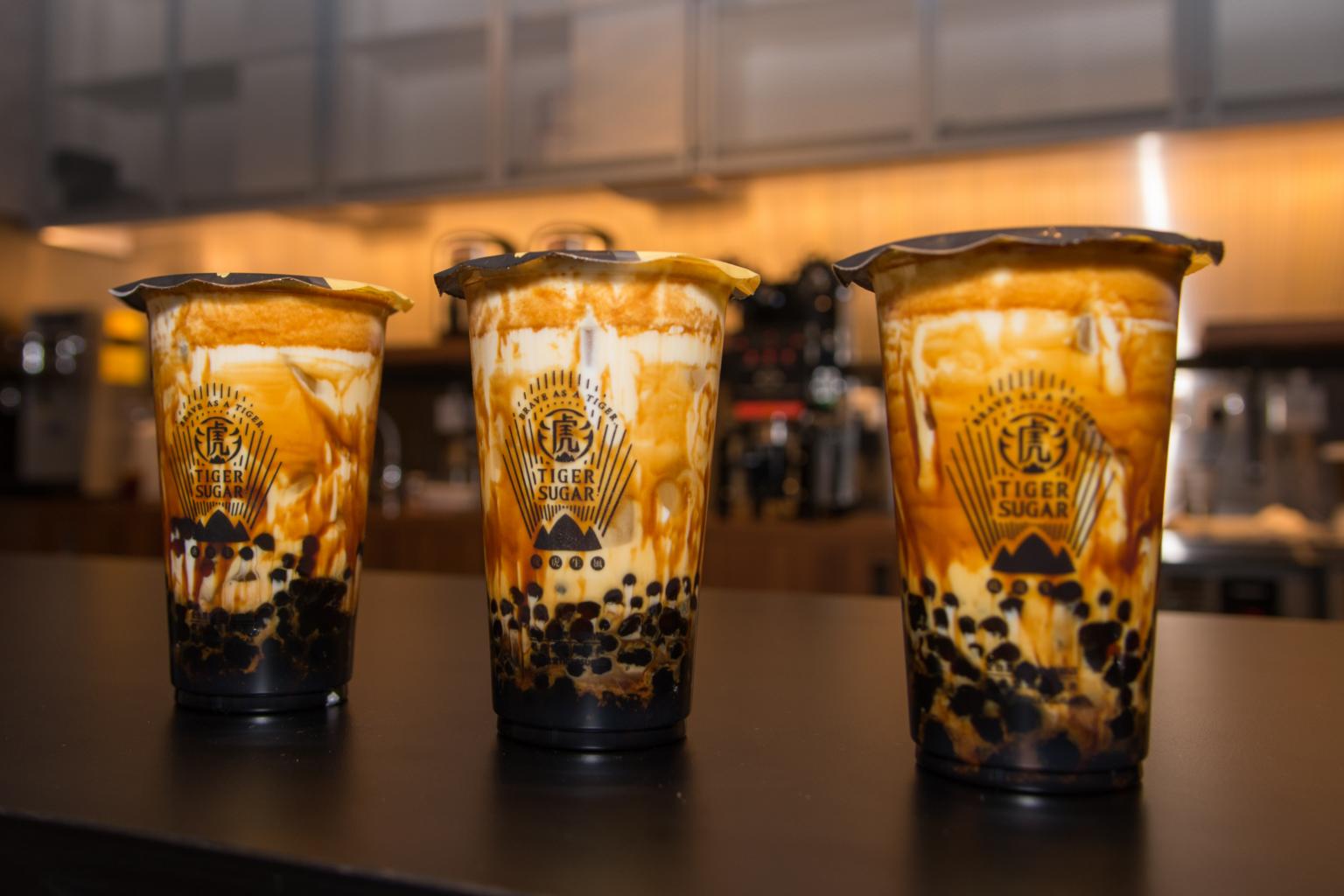
    First opened in Taiwan in 2017, Tiger Sugar is known for drinks with dark-brown sugar syrup inside. The chain now has branches in eight countries including Hong Kong, Singapore, and Korea.

    It also plans to open stores in the US and China.

  • Starbucks Reserve Roastery in Tokyo opens

    Starbucks Reserve Roastery in Tokyo opens

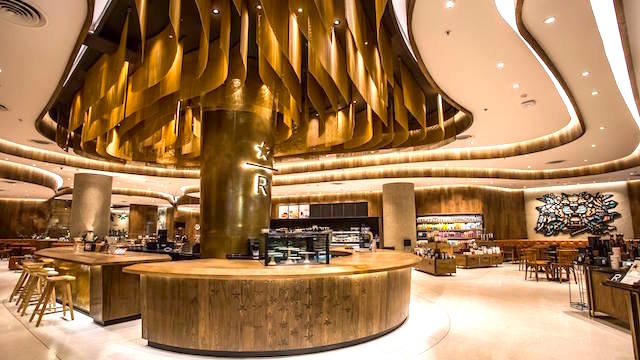
    Starbucks opens a four-story fully-immersive Starbucks Reserve Roastery in Tokyo today.

    Located in the Nakameguro neighborhood, the new venue offers more than 100 unique coffee and tea beverages and merchandise exclusively available in store. It will be the fifth Roastery globally, home to the largest Teavana Bar in the world and Japan’s first Princi Italian bakery.

    It also introduces Starbuck’s first Amu Inspiration Lounge, a full floor dedicated to community gathering – and is planned as Starbucks’ first Specialty Coffee Association certified training location in Japan in the near future.

    “As the first international market outside of North America, Starbucks Japan has contributed 23 years of innovation for the company globally,” said Starbucks CEO Kevin Johnson. “The opening of the Tokyo Roastery will further amplify what Starbucks Japan has done across all stores in the market for more than two decades – innovating and delivering the finest quality coffee one person, one cup and one neighbourhood at a time.”

    “The Roastery will amplify and inspire coffee passion across all Starbucks stores, and will serve as a catalyst for a new wave of growth centered on the customer experience and passion for coffee and service,” added Starbucks Japan CEO Takafumi Minaguchi. “Beginning with the ‘Make it Yours’ campaign that will commence at every store in Japan upon the opening of the Roastery, customers will be invited to experience the first Starbucks coffee roasted exclusively in Tokyo, for Japan, and available in a variety of coffee beverage styles.

    “The Roastery signifies our commitment to fostering moments of human connection over a cup of coffee and using these moments to create positive social impact in the communities we serve.”

    The Starbucks Reserve Roastery in Tokyo  is the only one designed in collaboration with a local architect from the ground up. Inspired by the famous cherry-blossom trees lining the Meguro River, the building’s glass walls and terraced floors fold into the fabric of the neighbourhood, bringing visitors eye-level with the cherry blossoms and the four seasons of the river to reflect the natural beauty and sense of harmony found across Japan.

    The coffee journey at the Starbucks Reserve Roastery in Tokyo is an immersive experience and education in coffee, and its process – from green bean to cup – which begins at the Main Bar on the first floor. The open floor plan draws customers into the immersive experience, introducing them to the art of roasting, brewing and hand-crafting beverages. The terraced third floor features Starbucks Japan’s first cocktail bar, Arriviamo.

    Japan is the fourth largest market in terms of store count for Starbucks globally – behind the US and China – and today has more than 1400 Starbucks stores.

  • Gong Cha bubble tea could fetch US$442 million

    Gong Cha bubble tea could fetch US$442 million

    South Korean private equity firm Unison Capital is selling its Gong Cha bubble tea franchise in a deal likely to fetch up to US$442 million.

    The company purchased the brand four years ago for KRW34 billion ($30 million), before taking over its global headquarters in Taiwan in a KRW40 billion ($35.45 million) deal in 2017. The brand’s HQ operates stores in 16 countries.

    The offer has attracted interest from major South Korean F&B players, considering the brand’s stable cash flows and EBITDA margin of 24–25 per cent, compared with Starbucks’ 21 per cent.

    The brand runs 448 outlets within South Korea, and derives 70 per cent of its sales from directly managed stores within Korea and Japan. The firm plans to expand its global store count from 900 to 1700 by 2021, expanding into 10 more countries during the period – with concrete plans to establish stores in the UK, Mexico, Thailand, Indonesia and Cambodia.

    Sales are forecast at KRW180 billion ($159.54 million) this year, compared to KRW134 billion ($118.77 million) last year.

  • Bo’s Coffee acquiring new Shops

    Bo’s Coffee acquiring new Shops

    ilipino cafe chain Bo’s Coffee plans to more than double its store network within four years and is also eyeing expansion into the Middle East.

    In an interview, founder Steve Benitez says the ambitious growth plan has been fuelled by strong local demand. With 103 cafes currently, Benitez is targeting between 200 and 250 by 2022.

    “Our job is to make sure that we are able to popularize coffee and be able to supply so much, not only in the Philippines but globally,” he said.

    In its home market, Bo’s Coffee, which was founded in 1996, will be targeting Luzon, especially given the brand has “only scratched the surface” there to date.

    In the Middle East, Bo’s Coffee plans to open a second store in Qatar shortly, followed by three more within two years. Other markets in the region are now in its sights.

    The expansion plans will be accelerated following an investment by Philippine-focused Navegar Fund which was attracted to Bo’s Coffee by its efforts to support local coffee-growing communities.

    “Seventy to 80 per cent of our coffee beans are sourced locally,” said Benitez. “We were trailblazers. We started featuring Philippine coffee and the other shops followed after.”

    Bo’s Coffee recently opened a 300sqm flagship store in Cebu which supports social enterprises by partnering with local micro-small entrepreneurs in their store interiors, products, and merchandise inside.

  • Starbucks India caught profiteering from tax cut

    Starbucks India caught profiteering from tax cut

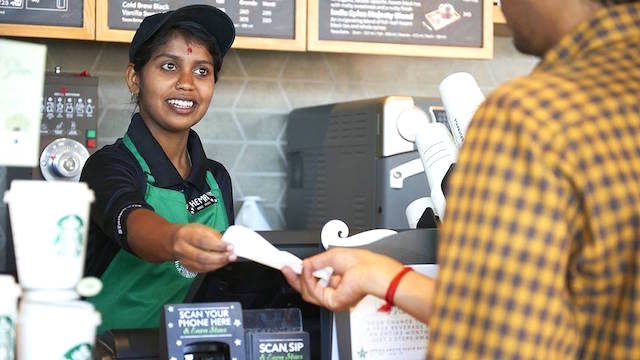
    Starbucks India could be fined after failing to pass on a hefty GST cut to its customers. India’s director general of anti-profiteering (DGAP) has found that Tata Starbucks profiteered by not reducing its prices when the government reduced the GST from 18 per cent to 5 per cent in November 2017. Starbucks India is a joint venture between Tata Group and Seattle-based Starbucks.

    The DGAP submitted its report to National Anti-Profiteering Authority (NAA) recently.

    “The company is found to have profiteered Rs 4-5 crore (US$564,000 to $705,000) as it did not pass on the benefit of GST rate cuts to its customers,” a source told the online publication. “The case is now being heard by the NAA for a final decision.”

    Last year, a regular latte at Starbucks India cost Rs 205, equivalent to US$2.89 plus 5 per cent GST. An overcharge of 13 per cent is equivalent to 38 cents on every cup sold. Starbucks may argue it increased its prices at the time coinciding with the cut to offset increased overheads.

    The probe was sparked by a customer complaint who was unhappy that the company did not reduce its prices when the tax rate fell by such a large margin.

    says that under India’s GST system, businesses have an obligation to compute and pass on the benefit of tax-rate cuts to consumers.

    “Any reduction in rate of tax on any supply of goods or services or the benefit of input tax credit (ITC) shall be passed on to the recipient by way of a commensurate reduction in prices,” rule 171 of the Central GST (CGST) Act, 2017, reads.

    A spokesman for Tata Starbucks emailed the publication saying the company “conducts its business ethically and complies with all the local laws and regulations”.

    A decision on the case will take up to three months. If the NAA rules against Starbucks India, the company can be forced to reimburse affected patrons. In the case of a coffee chain, it would be impossible to identify all the affected customers, in which case the NAA may order the overcharged sum to be deposited into a government-operated Consumer Welfare Fund. The authority may also impose a fine.

  • More bubble tea shops open in Vietnam

    More bubble tea shops open in Vietnam

    More and more Vietnamese entrepreneurs are banking confidently on the popularity of bubble tea among the nation’s youth.It was past 10 in the night, but the bubble tea shop was packed. “I opened this milk tea shop just a few months ago, but people have been pouring in every day. My six employees struggle to serve all customers, especially in the weekend,” 33-year-old Nguyen Quang Dung said.

    Located in northern Bac Ninh Province in an industrial area with some 10,000 young workers, Dung’s milk tea shop sells 150-200 cups every day, and he himself has to join his waiters in serving a large crowd.

    “It’s busy, but investing in milk tea shop is one of my best decisions. I have no regrets,” said Dung, who works fulltime as a manager at a nearby power plant.

    Dung is among many Vietnamese entrepreneurs who have been investing in the bubble tea industry in recent years, lured by good profit and high demand among the young population.

    The number of bubble tea stores in Vietnam reached 2,000 last year, with a new store opening every four days, according to the Vietnam Association of Small and Medium Enterprises.

    Even though bubble tea entered Vietnam in 2000, the surge in the number of outlets has only happened in recent years, mostly through franchising.

    Vietnamese brand TocoToco opened its first bubble tea outlet in 2013 and now has almost 200 across the country. Taiwanese brand Ding Tea also has around 200 outlets, while local brand Bobapop has over 100.

    About 30 major bubble tea brands are operating in Vietnam. They are all seeking to compete for a slice of the $282 million dollar market, according to British research firm Euromonitor International.

    Hoang Thi Hien, owner of bubble tea chain Pozaa Tea with outlets in Hanoi, Ho Chi Minh City and other localities, said that the number of outlets increased last year.

    “Many investors want to partner with us. In 2017 we had only eight shops, but the number has increased to almost 60 by the end of last year,” she said.

    She is confident that this figure will rise to 200 this year.

    Generation Z demand

    Visiting a bubble tea shop is among the most popular leisure activities among generation Z, people born between 1996 and 2015, according to a survey by market research firm Nielsen.

    The survey of 210 Gen Z people in Hanoi and Ho Chi Minh City last October found 81 percent of respondents saying bubble tea shops were their favorite hangouts.

    Vo Van Quang, a branding strategy consultant and marketing mentor, said: “Most 15-year-old girls don’t drink coffee, but they’ll gladly pay for a cup of bubble tea. Teenagers are a large customer group for tea-based drinks, hence the high demand for bubble tea.”

    High demand and high profits are irresistible lures for entrepreneurs.

    Nguyen Phi Van, a branding expert and board chairwoman of consulting firm Retail & Franchise Asia, said that an investor can earn up to 40 percent in profit on each cup of bubble tea, which sells for VND25,000-60,000 ($1-2.6).

    Therefore, entrepreneurs are willing to make big investments of up to VND1 billion ($43,000) for one store, including furnishing and brand franchising fees.

    “It takes less than a year for an investor to recover his capital, that’s why this business has been attracting so many,” Van said.

    Tran Thi Thuy Nga opened a bubble tea shop last September in the central Quang Ngai Province with an investment of almost VND800 million ($34,430).Many bubble tea entrepreneurs have other full time jobs and are using their savings to make more money. They can create their own brand or partner with a well-known brand.

    Even though Nga’s store is located in a very small town, students have been coming in every day with their friends and family. Nga often has to ask for help from her family members to join her eight employees in serving customers.

    “I haven’t recovered my capital yet, but so far I’m very happy with the revenue and demand,” Nga said, without revealing specific figures.

    She did reveal plans to open another shop soon.

    Dung, the bubble tea investor in Bac Ninh, has revenues of VND180 million a month ($7,760), and his profit is around half the amount. Dung estimates that he will recover his investment of VND700 million ($30,146) in just six months.

    He is also planning to open a second bubble tea store four kilometers away from the first one, which has been operating for only four months.

    “I’m confident that both stores will do very well.”

  • Heytea opens store in Hong Kong

    Heytea opens store in Hong Kong

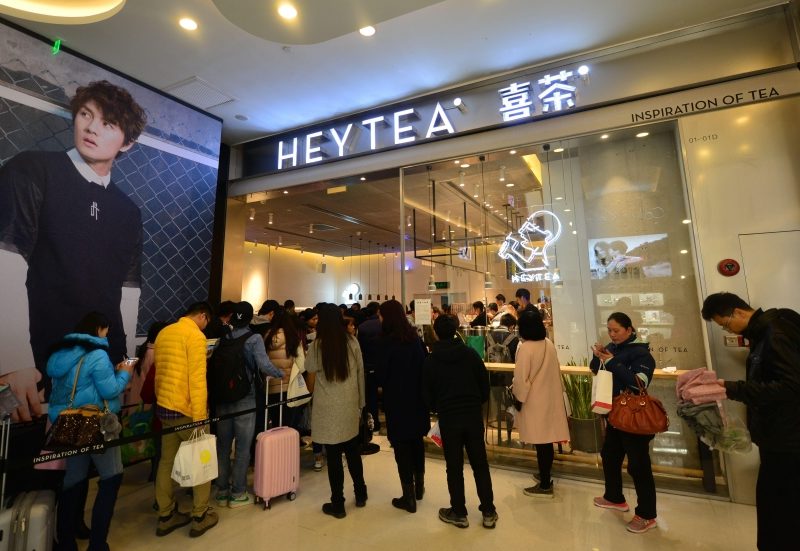
    On December, 24 Sha Tin New Town Plaza, in Hong Kong, welcomed Heytea. A huge crowd queuing up for more than 3 hours just to get a cup of Cheese Tea from the Chinese tea-drink brand Heytea was the protagonit that day. Due to the buy-one-get-one free promotion during the Christmas holidays, people started lining up as early as 6:00 am.

    Heytea officially announced that it had opened its first Hong Kong store only on january, 3. They chose to expand into Hong Kong’s market due to the city’s international status as well as its vibrant food and beverage scene. It helps to promote Heytea as a popular and innovative tea-drink brand among global consumers, especially younger generations.

    The store not only offers its signature cheese tea, but also a great variety of fruit tea and ice cream. The tea is imported from all over the world which aims to renew the traditional tea culture.

    Also, it introduces an exclusive product combined with Hong Kong local food culture, namely, the Eggette Roll Sundae, adding new vitality into the brand, according to its founder Nie Yunchen.

    He said “geographically, Hong Kong is adjacent to Guangdong Province and Shenzhen. Hong Kong people already know our brand and often buy our tea when they visit Shenzhen or other cities in Guangdong. In order to thank our supporters and cope with an increasing demand of our tea, we think it is the right time to extend our reach to the city.”

    Zhenglei, Development Director of Heytea, confirmed that Heytea opened its second Hong Kong store in Causeway Bay on 12 January 2019. “We are quite confident that our tea products will be very welcomed by our customers in Hong Kong.”

    In order to avoid a huge crowd like the last opening, Heytea planned to replace the traditional order and payment method by ordering through their mobile app.

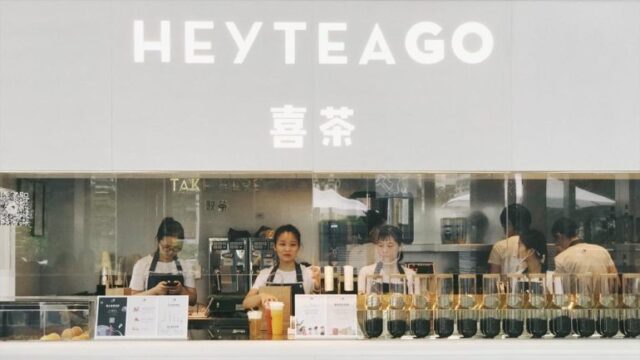
    The second shop of Heytea located in Causeway is named as “Heyteago”, their customer can order online in anytime, anywhere for a cup of tea-to-go. Therefore, cheese-tea lovers can save their time and no need to queue up for 3 hours outside Heytea again.

  • Liho Singapore opens first outlet in Brunei

    Liho Singapore opens first outlet in Brunei

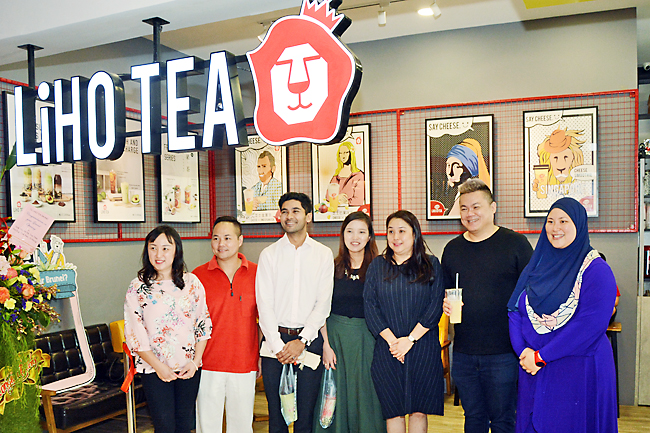
    Singaporean bubble tea brand Liho has launched in Brunei with its first outlet at Times Square Brunei Darussalam. The new Liho Brunei store is the result of a year’s preparation and is the first of 10 to 12 outlets planned across the country within the next year. The brand, popular for its brown sugar pearls, operates 93 locations across Singapore and already has a presence in Vietnam.

    “We are still growing and year to year outlook growth is around 20 per cent,” said Liho’s co-founder Rodney Tang. “As long as we understand the customers’ taste and needs, we can continue to grow. We intend to bring in more creative flavours to Brunei.”

  • KKR invests into lifestyle products

    KKR invests into lifestyle products

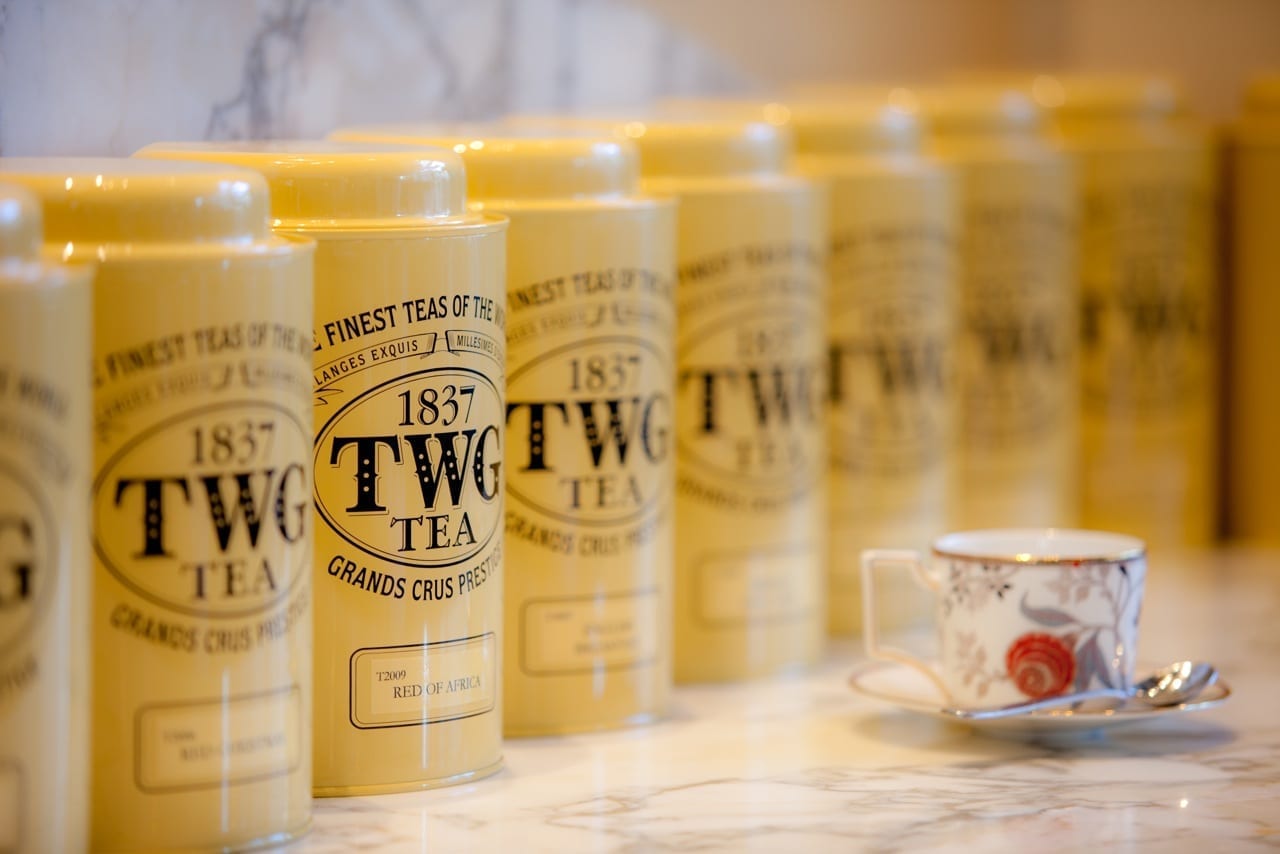
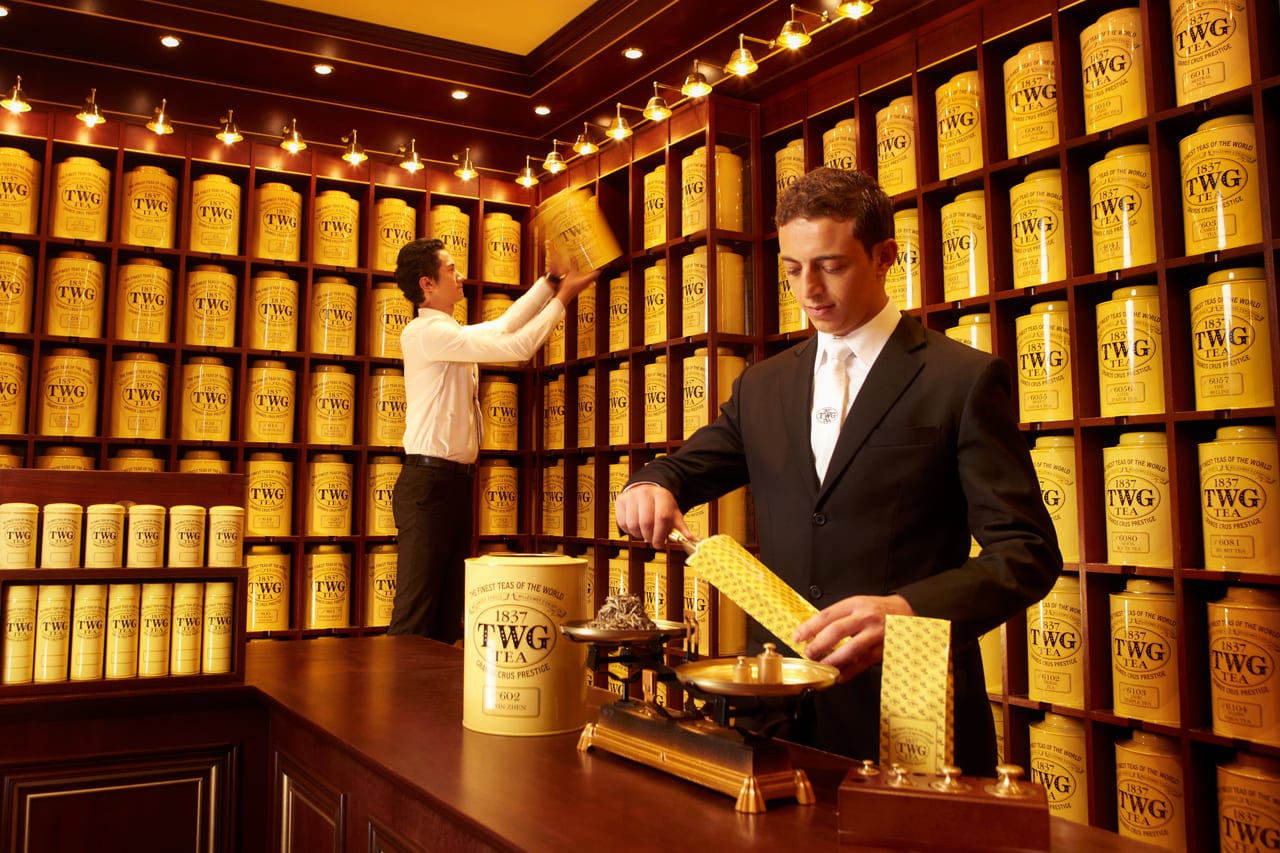
    Private Equity firm KKR has taken up a “significant stake” in massage chair and lifestyle products group V3, the owner of the OSIM and TWG Tea brands. KKR’s investment is up to S$500 million in V3, valuing V3 at an enterprise value of about S$1.7 billion. However,  Both parties declined to comment on the exact mix of equity and debt financing. KKR is making the investment from its Asian Fund III. What we know is that the investment by KKR represents more than 50 percent increase in enterprise value compared to when the group was taken private.

    Ron Sim remains the Chairman, Chief Executive and Controlling Shareholder of V3. He said: “I am extremely pleased to welcome KKR as a significant shareholder in V3. I am confident this investment will position the company for our next phase of growth, starting with the immediate expansion of TWG Tea in Japan and the US and of OSIM in China. We would also be looking into M&A opportunities that are earnings accretive.”

    KKR partner Jaka Prasetya said the investment underscores KKR’s strong belief in the continued growth of the region’s consumer sector: “We aim to provide support and capital to successful home-grown, regional companies like V3 in order to capture opportunities across Asia and beyond.”

    Headquartered in Singapore, V3 has a presence in over 100 cities in 26 countries around the world. The largest chunk of V3’s revenue comes from sales of OSIM massage chairs.

    V3’s annual revenue climbed back above the S$600 million mark last year, reversing the revenue decline owing to store closures in China in prior years. Profit also rose, Mr Sim said.

    The luxury lifestyle and wellness industry continues to be a sector of exciting growth in Asia, proliferated by rapidly rising consumer affluence throughout the region.

  • Vive cake boutique launches hot beverages this winter

    Vive cake boutique launches hot beverages this winter

    Embracing the joyous holiday season, celebrity-loved Vive Cake Boutique launches a selection of luscious winter drinks specially curated by Founder, Ms Vivien Lau, to pair with VIVE’s delectable sweet treats. A selection of premium organic teas sourced from Taiwan are also introduced to add to its repertoire of beverages.

    “The holiday season is one that inspires the sharing of love and joy between family and friends,” says Vivien Lau. “Our new hot drinks are ‘warm, comforting and the perfect thing to cozy up with as the weather gets colder. Pair them with our signature cakes; it is soul-warming.”

    The new non-alcoholic So Grape-ful (HK$68), is a sophisticated yet whimsical libation designed to emulate mulled wine. Made with grape juice, tangy orange and lemon zest, a dash of cinnamon, cloves, and star anise, this warm drink not only brings to mind a winter wonderland classic, but also inspires a sense of playfulness with its presentation in a classic Christmas bauble sitting in a Martini glass.

    Lovers of sweetness and tradition will enjoy the classic S’mores (HK$50) concoction. A classic hot chocolate topped with roasted marshmallows, featuring butter cake crumbs, the smooth and satisfying drink conjures the classic Christmas moment shared by family and friends in front of a fireplace.

    The chilly winter season need not only be a time exclusively for indulgences. VIVE introduces a repertoire of three organic premium teas personally sourced by Vivien Lau from Taiwan, unrivalled for its high quality teas.

    Each of these teas is recommended to be paired with VIVE’s repertoire of signature desserts. The long-lasting, mellow sweetness of the Golden Honey Black Tea (HK$42) which invokes a scent of honey, floral, fruity, and milky aroma is recommended to be paired with Berry Jolly (HK$58), a layered sponge cake with mascarpone mousse and strawberry fillings. The slight astringency of black tea will make that mascarpone mousse really sing.

    The sweet, floral, and honey-fragrant Oriental Beauty Tea (HK$42) with its unique flower and honey aroma is best paired with the Berry Almond Tart (HK$48), made with seasonal fruits set atop an almond cake base and a crisp, sweet tart shell.  The tea is light enough to not overpower the fruits, but flavorful enough to make this simple sweet treat shine.

    Tea lovers who fancy the classic clean and grassy aroma with a tinge of roast, will love the mellow and brisk taste of Alpine Roast Oolong Tea (HK$42), which leaves tea drinkers with a lingering sugar cane sweetness. This tea is best paired with Treasure Hunt (HK$58), a rich caramel glazed cake, layered with dark chocolate sponge, caramel & chocolate mousse, set on a crunchy base.  The fragrant florals of lightly oxidized oolongs will bring out the fruity and earthy flavors of dark chocolate.

    Tea-ophiles may also take these naturally grown, chemical-free teas home with them. Tea connoisseurs may enjoy Golden Honey Black Tea for a natural caffeine boost, Alpine Roast Oolong Tea, and Oriental Beauty Tea at the comforts of their own homes. The packaged tea box with priced HK$218, including 15 individual tea bags (each flavour of 5), is a perfect personal or corporate gift.

    Vive Cake Boutique has proved a roaring success story since being launched with online orders in 2014 by founder and creative director Vivien Lau, who discovered her passion and talent by chance, making her first cake for a friend’s birthday. Her signature ‘handmade with love’ cakes, cupcakes, macarons, cookies, confectioneries and tailor-made cakes for weddings and special occasions, are all made from scratch from finest ingredients sourced from all over the world.

    VIVE’s widespread acclaim includes Time Out’s listing among the “crème de la crème of Hong Kong’s bespoke dessert makers” – with a massive celebrity and socialite following including Aaron Kwok, Charlene Choi, Gillian Chung, Niki Chow, Sharon Chan, Miki Yeung, Ella Koon, Myolie Wu and more.

  • Cheese tea bakery cafe Nayuki launches debut store in Singapore

    Cheese tea bakery cafe Nayuki launches debut store in Singapore

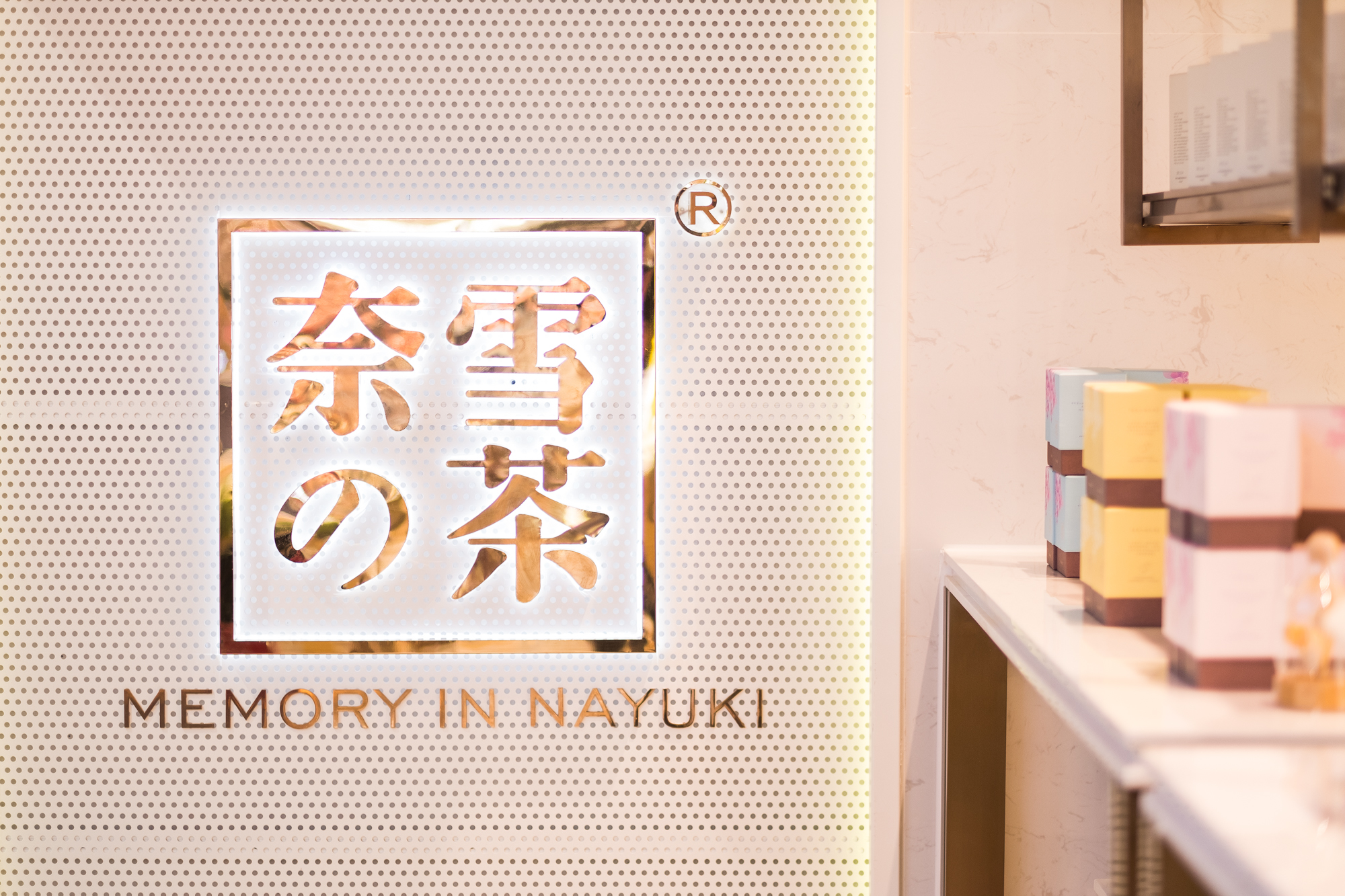
    Chinese tea bakery Cheese Tea Bakery Nayuki has launched its first overseas store at VivoCity. The popular brand, credited as a forerunner in pairing fruit teas with soft European-style bread items, is offering a one-for-one promotion to celebrate the opening. A wave of similar businesses has emerged within China and throughout the region following the brand’s business model.

    Cheese Tea Bakery Nayuki is entering the Singaporean market under a joint venture agreement with local bakery franchise BreadTalk Group.

  • KKR to acquire significant stake in V3, TWG Tea

    KKR to acquire significant stake in V3, TWG Tea

    Private equity company KKR is to invest as much as S$500 million (US$366 million) into V3, the parent of cafe chain TWG Tea and massage chair retailer Osim, to fund regional expansion. In a deal which mixes equity and financing, KKR will take an unspecified “significant stake” in V3, which is effectively valued at S$1.7 billion. V3 is the company which resulted from last year’s restructuring of once-listed Osim International after plans for an IPO were shelved.

    Keith Magnus, chairman of Evercore Asia, which advised V3 on the deal said that the investment by KKR represents a more than 50 per cent increase in enterprise value compared to when the group was taken private.

    “This is a phenomenal premium for [Ron] Sim,” said Magnus.

    Sim remains the chairman, chief executive and controlling shareholder of V3. Sim, who remains chairman, CEO and controlling shareholder of the business added in a statement: “I am extremely pleased to welcome KKR as a significant shareholder in V3. I am confident this investment will position the company for our next phase of growth, starting with the immediate expansion of TWG Tea in Japan and the US and of Osim in China.

    “We would also be looking into M&A opportunities that are earnings accretive.”

    V3 also owns the rights to retail GNC nutritional supplements in Singapore, Malaysia, the Philippines and Taiwan.

    Sim says V3’s revenue cleared S$600 million last year and profit was also up.

  • Chai Point to open 20 more outlets by FY 2019

    Chai Point to open 20 more outlets by FY 2019

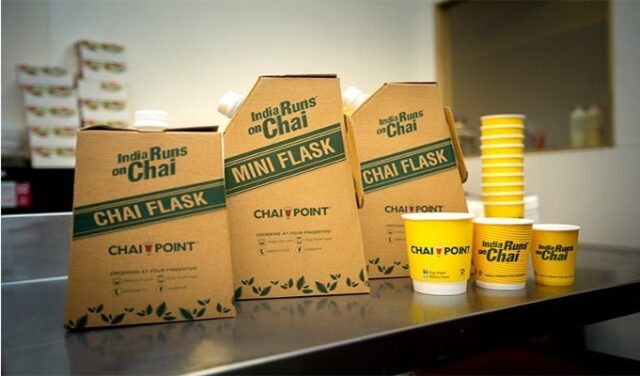
    Tea, which conquers 70 percent of the non-alcoholic beverage market in India, is unofficially the national beverage of the country. Tea lovers never shy away from enjoying a hot cuppa, be it any season or any time of the day. Even the social and emotional lives of Indians are linked with tea. In an effort to brew never-ending excitement around tea, Amuleek Singh Bijral took a plunge into the tea business around eight years ago and since then there has been no looking back.

    Talking about the retail mapping of the brand, Bijral says, “We are into an Omnichannel business and have close to 106 stores. Apart from this, we also have about 2,000 plus milk-based dispensers – boxC – installed at corporate houses and our own line of packaged
    products.”

    “Going forward, we want to build a globally relevant tea platform and we are doing this with the help of our cloud-based platform – SHARK, which allows us to manage all our channels in a comprehensive fashion, connects to a common supply chain and allows us to serve customers their various demands and ensures to offer similar customer experience across all the channels,” he states.

    Initial Challenges

    According to Bijral, the initial challenges were to find the prime real estate locations as builders and landlords were not convinced about why such a concept would succeed when tea is available in every nook and corner of the city.

    “However, this notion has now changed over a period of time and the credit goes to customers who have become hygiene conscious and no longer enjoy having their tea on the roadside.”

    Marketing Strategy

    The beverage-centric brand, which gets 25-30 percent contribution towards its revenue from food, has never felt the need to do aggressive ATL spends as stores are their core brand platform.

    According to Bijral, all the brand’s spends are BTL-centric and that is the strategy Chai Point will continue to evolve and adopt.

    “Apart from this, we are very aggressive on digital awareness as our audience is digitally-savvy. We are centred around white-collared corporates and that is an area where our spends can be categorised as ATL and are likely to get more sophisticated and aggressive over time,” he explains.

    Technology Rules

    Bijral, who hails from a technology background, believes technology is an important part of the business. The tea lover has amalgamated technology with tea to provide a frictionless experience to customers.

    Explaining this further, Bijral states, “When customers enter the store, they do not want to stand in the queue, they do not want to punch in numbers to give their loyalty code, they do not want to carry loyalty cards in their wallet, but they want to be served at the earliest possible, so how will the brand solve all these problems? The answer to this problem is facial recognition.”

    “We have successfully piloted facial recognition across five stores and now we are at a stage where we are confident enough of rolling it out across other stores,”says Bijral.

    Even the loyalty program of the brand – PrioriTea – bets big on technology by combining facial recognition with Artificial Intelligence to offer enhanced experience to customers.

    Future Plans

    Singh explains, “ There is an immense opportunity in the tea business. Iced Tea which is a huge market abroad has not even opened up in India.”

    The brand is planning to open 20 more outlets in the next three to four months. As of now, all the outlets are company-owned and company-operated and going further, Chai Point will continue with the same operating model.

    “The brand is still at a relatively nascent stage and we believe that we need to have our own store to cement the system, processes and more importantly aggressively redefine and improve customer experience,” asserts Bijral.

    “Stores remain core to our brand. Delivery and boxC are faster-growing segments, which support the store format,” he adds.

    At present, stores and delivery from stores contribute 56 percent to the total revenue, 4 percent comes from packaged food business and the remaining 40 percent from BoxC business.

    “We have been operating profitable for last six years. We are aiming to be EBITDA level 100 percent profitable by this fiscal-end, covering all the expenses that we have taken towards our Omnichannel growth,” reveals Bijral.

    On a run rate basis, the brand is targeting Rs 200 crore by the end of fiscal.