Retail News CRM

Tag: tech

  • Luxshare Skyrockets, Raking in $3bn from Hong Kong Listing for AI and Auto Tech Expansion

    Luxshare Skyrockets, Raking in $3bn from Hong Kong Listing for AI and Auto Tech Expansion

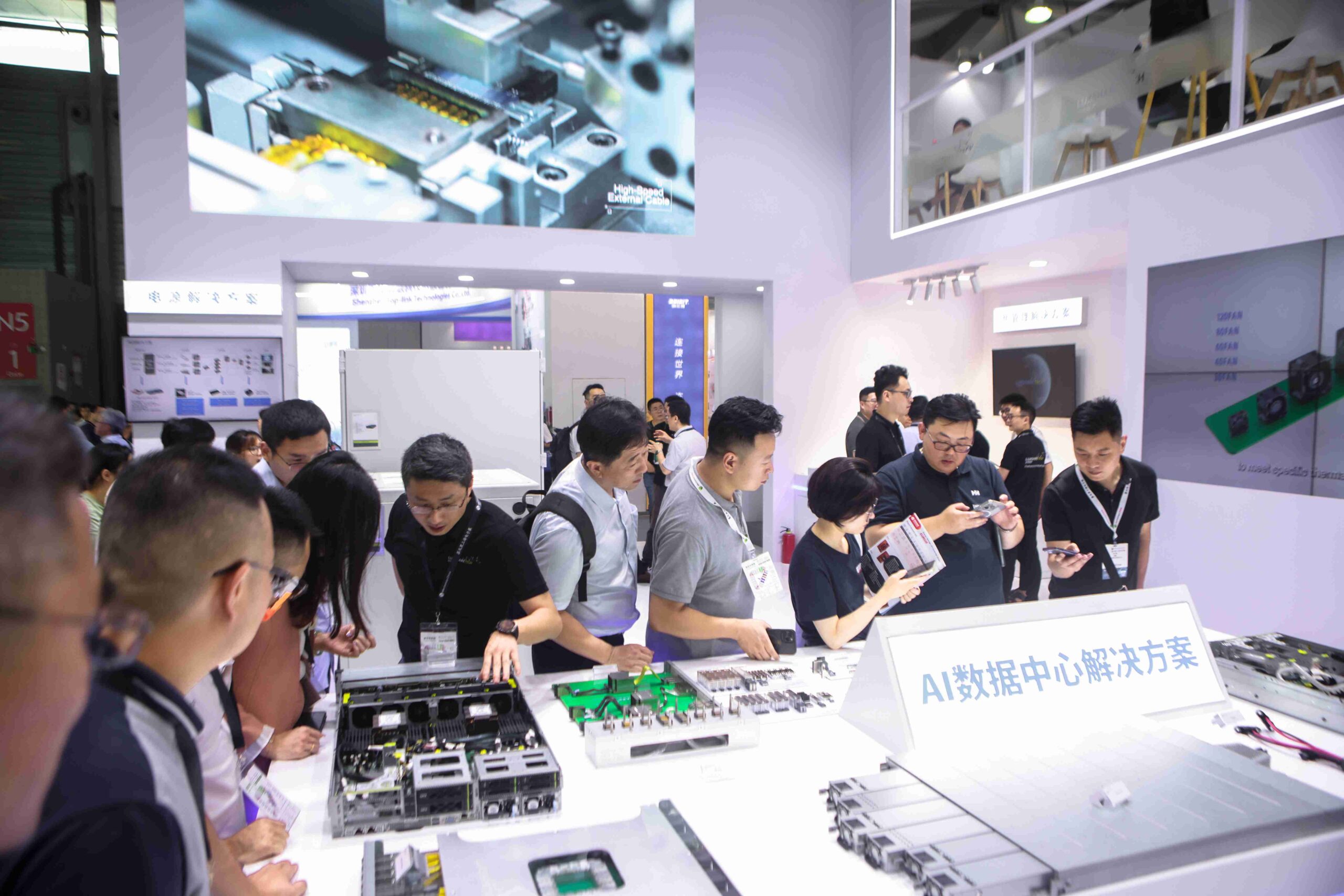
    Luxshare Precision Industry, headquartered in China, announced on Tuesday that its Hong Kong listing has been priced at the upper limit of its target range, resulting in the raising of approximately HK$24.27 billion (US$3.09 billion).

    The Apple supplier, listed in Shenzhen, revealed the offer price was set at HK$63.28 per H-share, resulting in the sale of 383.5 million shares.

    Luxshare plans to use the proceeds from the listing to enhance its manufacturing capacity within the automotive and consumer electronics sectors. The raised capital will also be used to fund artificial intelligence-powered factory upgrades, facilitate potential acquisitions, repay existing debt, and bolster the firm’s working capital.

    A significant part of the raised funds will be dedicated to the expansion of Luxshare’s automotive electronics business. This is indicative of the firm’s strategic move beyond consumer electronics and into the rapidly expanding field of intelligent vehicle supply chain.

    Luxshare revealed that it anticipates announcing the level of investor demand for its international offering, as well as the allocation results, on July 8. The company’s shares are expected to commence trading on the Hong Kong Stock Exchange at 9:00am local time on July 9.

    Luxshare was founded by Chinese billionaire Wang Laichun and is counted among Apple’s largest suppliers. The firm is responsible for the manufacturing of a range of electronic devices, comprising routers, wireless charging modules, and video conferencing equipment.

    Questions & Answers

    What does Luxshare Precision Industry plan to do with the proceeds from its Hong Kong listing?
    Luxshare plans to use the raised capital to expand its manufacturing capacity, fund factory upgrades, pursue acquisitions, repay debt, and support working capital.

    How is the company expanding its business?
    Luxshare is looking to move beyond the sphere of consumer electronics and delve deeper into the rapidly growing intelligent vehicle supply chain.

    When does Luxshare plan to begin trading its shares?
    Trading of Luxshare’s shares is expected to begin on the Hong Kong Stock Exchange at 9:00am local time on July 9.
  • Vietnam’s Textile Exports Soar to $22.2B in H1: Embracing Sustainability and Tech for Future Growth

    Vietnam’s Textile Exports Soar to $22.2B in H1: Embracing Sustainability and Tech for Future Growth

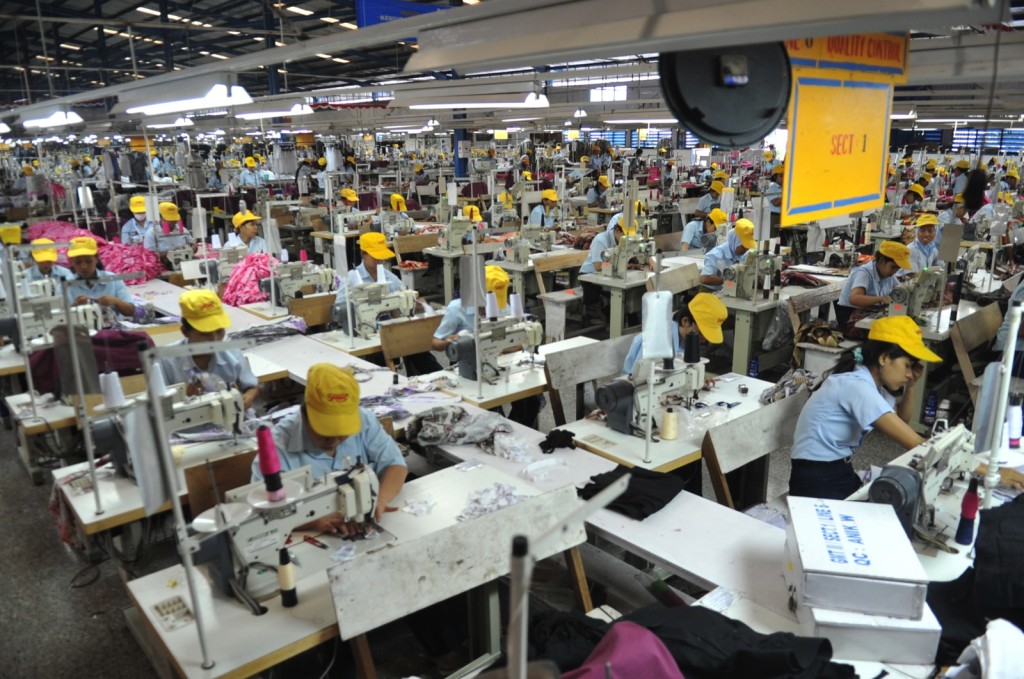
    Vietnam’s textile and garment industry saw a slight increase in exports for the first half of the year, reaching an estimated $22.2 billion, marking a 1.7% rise compared to the same period in the previous year. This information was released by the Vietnam Textile and Apparel Association (VITAS), which also noted that certain areas of the industry, including fibre, fabric, accessory, and nonwoven material exports, experienced a more substantial growth, with rates between 5.6% and 10.6%. However, the garment sector experienced a slight downturn, with exports decreasing by 0.4% due to weakened consumer demand in key markets.

    Export Markets and Trade Surplus

    In the first five months of the year, the U.S. continued to be the largest export market for Vietnam, with shipments amounting to $6.81 billion. This was a 1.3% increase, and represented approximately 45% of total exports. The E.U. market showed the strongest growth, with an increase of 8.8%, equating to $1.94 billion, whereas exports to Japan and the Republic of Korea dropped by 6.2% and 8.9% respectively. The industry was able to maintain a trade surplus of nearly $10 billion in the first half of the year.

    Challenges remain for the industry, despite the overall positive performance. VITAS outlined these obstacles, which include weak demand in key markets, high price competition, a heavy reliance on imported raw materials, increasing costs related to environmental, social and governance (ESG) standards and product traceability, and a growing uncertainty surrounding global trade policies.

    Future Focus and Strategy

    VITAS Chairman Vu Duc Giang spoke about the industry’s limited scope for expansion through solely increasing production volume. He expressed that the future growth of the industry hinges on enhancing productivity and creating higher-value products. This will be achieved by developing domestic sources of raw materials, diversifying export markets, and speeding up the digital and green transformations.

    To facilitate this shift, VITAS has given the green light for the establishment of four specialised committees during the 2025–2030 term. These committees will focus on fashion and domestic market development, international business and supply chains, sustainable development, and technology, innovation, and digital transformation. The committees are expected to commence their pilot operations in the third quarter of 2026.

    As the industry’s exports reached $22.2 billion in the first half of the year, the goal is to sustain an average monthly export revenue exceeding $4 billion in the remaining months. This will help to achieve the full-year target of roughly $48 billion. The industry’s key priorities in this endeavor include adapting to new purchasing strategies of global brands, expanding domestic supplies of raw materials, diversifying markets and products, preparing for potential legal and trade risks, and increasing investment in technology, automation, and digital transformation.

    Questions & Answers

    What growth did Vietnam’s textile and garment exports experience in the first half of the year?
    They experienced a slight increase of 1.7%, reaching an estimated $22.2 billion.

    What are the major challenges faced by Vietnam’s textile and garment industry?
    Major challenges include weakened demand in key markets, high price competition, reliance on imported raw materials, rising costs related to ESG standards and product traceability, and growing uncertainty regarding global trade policies.

    What strategies does the industry plan to implement for future growth?
    Strategies include enhancing productivity, creating high-value products, developing domestic raw material sources, diversifying export markets, and accelerating the digital and green transformations.

  • Samsung’s Lee Family Wraps Up $7.95B Inheritance Tax Payment: Paves Way for Tech Investment Boom

    Samsung’s Lee Family Wraps Up $7.95B Inheritance Tax Payment: Paves Way for Tech Investment Boom

    The family of the late Chairman of the Samsung Group, Lee Kun-hee, is nearing the completion of a sizeable inheritance tax payment. The amount, approximately 12 trillion won ($7.95 billion USD), is expected to be settled later this month.

    Final Installment

    The heirs, including the Chairman’s widow Hong Ra-hee and their children Lee Jae-yong, Lee Boo-jin, and Lee Seo-hyun, will be making the sixth and concluding payment this month. This plan was initiated in 2021 after the Chairman’s passing in 2020.

    Estate Valuation

    Lee Kun-hee’s estate was estimated to be worth around 26 trillion won, comprising stocks, real estate, and art collections. Hong Ra-hee is shouldering the most significant proportion of the tax, around 3.1 trillion won. The children follow closely behind, each paying between 2.4 to 2.9 trillion won.

    Payment Strategies

    The family members navigated the tax payment through various strategies. Hong and her daughters allegedly sold shares in key Samsung affiliates like Samsung Electronics, Samsung SDS, and Samsung C&T. Hong also entered into a trust agreement earlier this year to sell 15 million Samsung Electronics in an apparent move to cover her portion of the tax.

    In contrast, Samsung Electronics Chairman Lee Jae-yong financed his share of the tax through dividends and personal loans. This approach is perceived as an attempt to maintain his influence over the group’s ownership structure, primarily centered on Samsung C&T.

    Investment Plans

    Over the past five years, the family is estimated to have received about 4 trillion won in dividends from affiliates following Lee Kun-hee’s death, and more than 6 trillion won when considering earlier dividends.

    With the tax nearly settled, the group is predicted to channel more investment into sectors like semiconductors, artificial intelligence, and biopharmaceuticals. The completion of the inheritance tax payments is significant as it coincides with improved earnings at Samsung Electronics and the resolution of legal risks.

    Questions & Answers

    What was the total worth of Lee Kun-hee’s estate?
    The estate, which comprised stocks, real estate, and art collections, was estimated to be worth around 26 trillion won.

    How did the Lee family manage to pay off the inheritance tax?
    The family used various strategies to pay the tax. This included selling shares in key Samsung affiliates and gaining dividends. Lee Jae-yong also utilized personal loans.

    What is the expected future investment direction of the Samsung Group?
    With the tax nearly settled, the Samsung Group is expected to increase investment in sectors like semiconductors, artificial intelligence, and biopharmaceuticals.

  • TikTok’s $125M Digital Expansion: Chinese Giant to Bolster HCMC’s Tech Sector

    TikTok’s $125M Digital Expansion: Chinese Giant to Bolster HCMC’s Tech Sector

    TikTok, the renowned Chinese social media platform, has pledged an investment of $125 million in Ho Chi Minh City. The funds are intended to boost logistics services, digital commerce, and digital payment systems in the bustling Vietnamese metropolis.

    Pledged Investment

    According to an announcement published by the Ho Chi Minh City Department of Finance last Thursday, the commitment was made by TikTok’s investment arm based in Singapore. The department, however, did not provide any details regarding the expected timeline of the project.

    The decision followed several meetings between city officials and TikTok’s executive team, which took place at the end of last year. TikTok’s intention is to set up three business entities within the Ho Chi Minh City International Financial Center.

    Q1 Foreign Direct Investment Round-Up

    The Department of Finance stated that the city has attracted almost $2.9 billion in foreign direct investment (FDI) during the first quarter of this year, a significant increase of 220% compared to the same period last year.

    Among the prominent projects contributing to this FDI surge include a new manufacturing facility by Techtronic Industries Company based in Singapore, which will require an investment of $81 million. Other contributors include the Dutch firm MSD Animal Health ($80 million), Singapore’s SP Vietnam ($67 million), and Indonesia’s Momogi Group ($55 million).

    The Department credited this substantial uptick in investment to the confidence of foreign investors in the city’s business environment, despite the currently volatile global economy.

    Ho Chi Minh City’s strategic goal for this year is to attract $11 billion in FDI. The city’s primary focuses are high-tech, innovation-driven projects, data centers, logistics, and green growth initiatives.

    Questions & Answers

    What is the purpose of TikTok’s $125 million investment in Ho Chi Minh City?
    The social media giant aims to enhance logistics services, digital commerce, and digital payment systems in the city.

    What are some of the key projects contributing to Ho Chi Minh City’s Q1 foreign direct investment?
    Noteworthy projects include a new manufacturing facility by Techtronic Industries Company, expansions by MSD Animal Health, SP Vietnam, and Momogi Group.

    What are Ho Chi Minh City’s investment priorities for this year?
    The city plans to attract $11 billion in FDI, focusing on high-tech, innovation-driven projects, data centers, logistics, and green growth initiatives.

  • Ex-UBS Tech Whiz Werner Schlossmacher Joins Barclays as COO for Asia Private Banking

    Ex-UBS Tech Whiz Werner Schlossmacher Joins Barclays as COO for Asia Private Banking

    Former UBS technology executive, Werner Schlossmacher, has taken on the role of Chief Operating Officer (COO) for Barclays Private Bank Asia. Barclays has confirmed his appointment in a recent statement. Schlossmacher will be stationed in Singapore, from where he will directly report to Leo Müller, COO of Barclays Private Bank & Wealth Management.

    Schlossmacher brings along with him over three decades of experience in wealth management, spanning regions such as Singapore, Hong Kong, and Switzerland. His most recent tenure was at UBS, where he spearheaded significant digital transformations in wealth operations. This included reworking mobile and e-banking experiences and the incorporation of generative AI capabilities. Prior to UBS, he had a long stint at Credit Suisse where he held senior roles across digital platforms, front office applications, and APAC wealth management leadership.

    Müller has expressed high hopes for Schlossmacher’s impact on the firm, recognizing his deep-rooted experience across Asia and Europe. “Werner is an exceptional operator. His leadership will be instrumental as we continue to scale our business in Asia and prepare for the launch of our booking center in Singapore,” shared Müller. He believes that Schlossmacher’s proven track record in digital transformation and platform design equips him well to help deliver a more modern, intuitive and scalable operating environment for clients and advisors.

    Questions & Answers

    Who is the new COO for Barclays Private Bank Asia?
    Werner Schlossmacher has been appointed as the new COO of Barclays Private Bank Asia.

    What significant experience does Werner Schlossmacher bring to Barclays?
    Schlossmacher brings over 30 years of wealth management experience across Singapore, Hong Kong, and Switzerland. He has significant experience in leading digital transformations, including redesigning mobile and e-banking experiences and introducing generative AI capabilities.

    What is the significance of Werner Schlossmacher’s appointment according to Leo Müller?
    According to Leo Müller, Schlossmacher’s leadership will be instrumental in scaling Barclays’ business in Asia and preparing for the launch of their booking center in Singapore. His experience in digital transformation and platform design positions him perfectly to help deliver a more modern, intuitive, and scalable operating environment for clients and advisors.

  • McDonald’s Malaysia Invests $250M in Expansion: 100 New Franchises and Tech Upgrades Projected

    McDonald’s Malaysia Invests $250M in Expansion: 100 New Franchises and Tech Upgrades Projected

    McDonald’s Malaysia has announced its ambitious plans to invest RM1 billion (US$255 million) in the expansion and modernization of its operations over the coming years. This investment will encompass the opening of new stores, refurbishment of established outlets, and substantial technology enhancements.

    Investment Breakdown

    The company’s Managing Director and local operating partner, Datuk Azmir Jaafar, has provided a detailed breakdown of this substantial investment. Around RM600 million will be allocated to the establishment of new McDonald’s locations. A further RM200 million will be devoted to the refurbishment and modernization of existing stores. Finally, an equivalent amount of RM200 million will be spent on technological upgrades and digitalization efforts.

    New Beginnings

    Jaafar unveiled these future plans during a press conference held to mark the reopening of McDonald’s Titiwangsa Drive-Thru, located at Jalan Pahang. This location holds historical significance as the first McDonald’s drive-thru restaurant in Malaysia.

    Strategic Expansion

    Further outlining the operational strategy, Jaafar stated that the company aims to fortify its presence in Sabah and Sarawak, as well as across Peninsular Malaysia. Special emphasis will be placed on areas with high demand and those driven by the tourism industry.

    McDonald’s, as a quick-service restaurant operator, currently operates a network of over 370 restaurants nationwide. This includes 25 franchise outlets run by 11 franchisees.

    Goals for Growth

    Looking ahead, McDonald’s Malaysia aims to increase its number of franchise locations to between 70 and 100 in the next five to ten years. This expansion is forecasted to yield over 10,000 new employment opportunities, adhering to the company’s commitment of 100% local hiring.

    Jaafar also shed light on the franchise model, stating that franchising demands a significant investment in the range of RM5 million to RM7 million per restaurant. However, he also highlighted a promising return on investment as the payback period usually spans between three to five years.

    Questions & Answers

    What is McDonald’s Malaysia’s investment plan?
    Their plan involves an investment of RM1 billion (US$255 million) in opening new stores, refurbishing existing ones, and upgrading technology.

    Where does McDonald’s Malaysia plan to expand?
    The company intends to strengthen its presence in high-demand areas and tourism-driven locations across Sabah, Sarawak, and Peninsular Malaysia.

    What is the company’s franchising model?
    McDonald’s Malaysia’s franchising model requires a significant investment of about RM5 million to RM7 million per restaurant, with a typical payback period of three to five years.

  • L’Oréal Pledges $383M for Indian Beauty Tech Hub: A Leap into AI-Driven Innovation and Job Creation

    L’Oréal Pledges $383M for Indian Beauty Tech Hub: A Leap into AI-Driven Innovation and Job Creation

    L’Oréal, the French cosmetics powerhouse, announced on Wednesday plans to establish a beauty technology hub in Hyderabad, a major city in southern India, supported by an initial investment surpassing 35 billion rupees (approximately US$383.4 million).

    The planned tech hub is anticipated to serve as a global hotbed for AI‑driven beauty innovation. L’Oréal aims to generate 2000 tech employment opportunities by 2030 and expedite the deployment of advanced AI beauty solutions, according to a company statement.

    The agreement detailing this new venture was officially established at the World Economic Forum in Davos by Nicolas Hieronimus, L’Oréal’s CEO, and the state government of Telangana.

    Over recent years, Telangana has swiftly risen to prominence as a crucial investment and technological epicenter in southern India.

    Trade relations between India and France have been steadily strengthening, with bilateral trade reaching $15 billion in 2024. This warming relationship is further evidenced by ongoing discussions between Indian Prime Minister Narendra Modi and French President Emmanuel Macron.

    In addition, both nations have been cooperating since 2024 to revamp their tax treaty. The aim is to modernize the agreement by integrating global standards concerning tax transparency.

    Questions & Answers

    What is the purpose of L’Oréal’s planned tech hub in Hyderabad?
    The tech hub is intended to be a global platform for AI-driven beauty innovation. It is also expected to create 2000 tech jobs by 2030 and facilitate the introduction of advanced AI beauty solutions.

    Who formalized the agreement for this new project?
    The agreement was formalized by Nicolas Hieronimus, L’Oréal’s CEO, and the state government of Telangana at the World Economic Forum in Davos.

    What major economic changes are being pursued by India and France?
    India and France have been collaborating since 2024 to update their tax treaty. This revision aims to modernize the contract by incorporating global standards on tax transparency.

  • Viettel Spearheads Vietnam’s Tech Revolution with Groundbreaking Semiconductor Chip Fabrication Plant

    Viettel Spearheads Vietnam’s Tech Revolution with Groundbreaking Semiconductor Chip Fabrication Plant

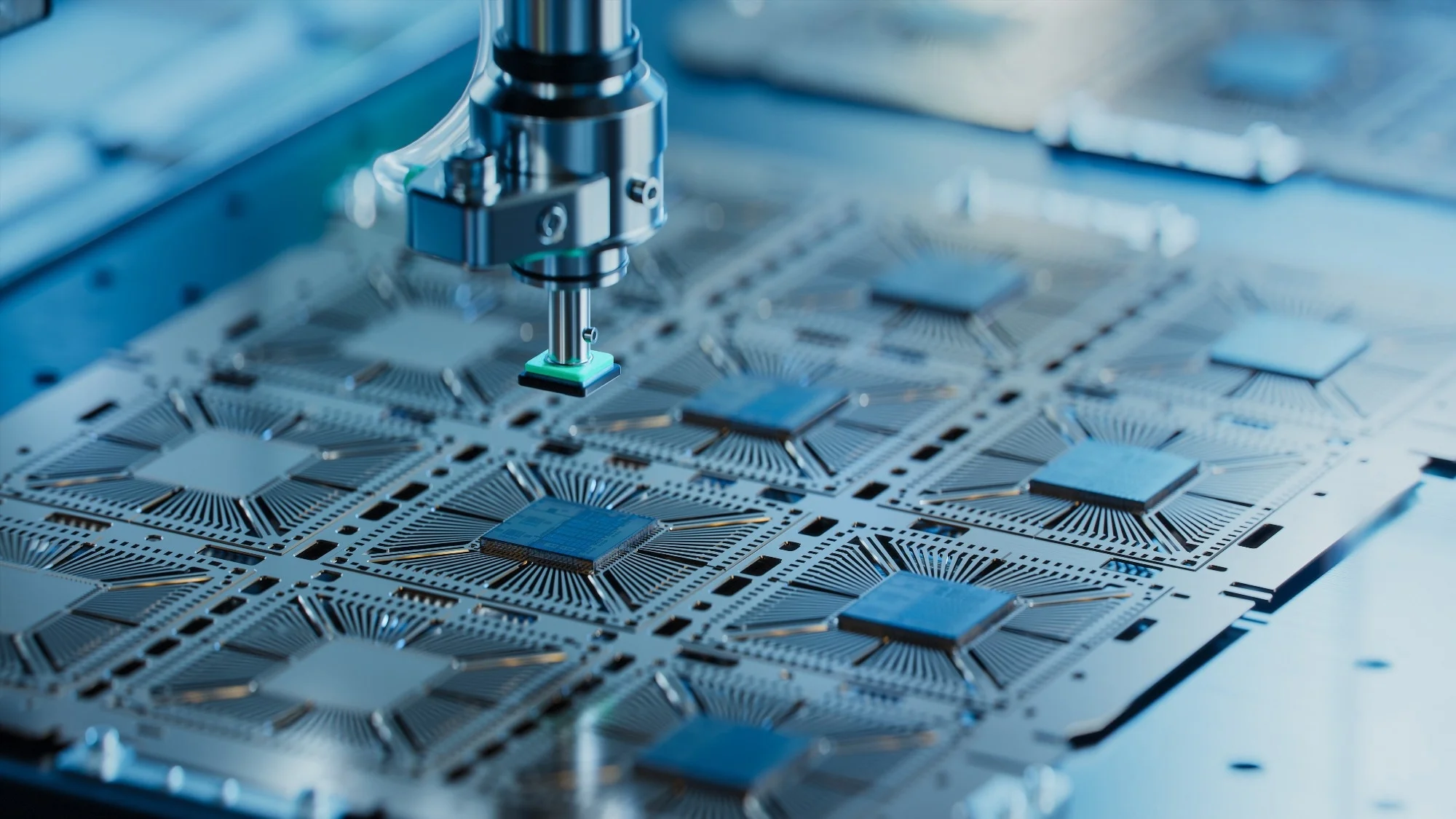
    Viettel Group, a Vietnamese multinational telecommunications corporation, has recently launched the initialization phase of building the country’s first semiconductor chip fabrication plant. This ambitious venture, endorsed by the Ministry of National Defense, is a part of a governmental initiative to indigenize chip production capabilities. The project is aimed at developing a comprehensive domestic ecosystem for semiconductor technologies.

    Plant Details and Its Impact

    The prospective plant will be based in Hanoi, within the Hoa Lac Hi-Tech Park, spread across an area of approximately 27 hectares. Its intended purpose is to serve as a national hub for a variety of processes including research, design, testing, and the actual production of semiconductor chips.

    Upon becoming operational, the plant is expected to bolster several national industries, including aerospace, telecommunications, the Internet of Things (IoT), automotive manufacturing, medical devices, and automation, among others.

    Filling the Gap in the Production Process

    The process of creating a fully functional semiconductor chip necessitates six primary stages: product definition, system design, detailed design, chip fabrication, packaging and testing, and integration and testing. To date, Vietnam has engaged in five of these steps, with chip fabrication—the most intricate and crucial stage—remaining unattained domestically. The establishment of the proposed semiconductor chip fabrication plant will enable Vietnam to close this gap, allowing it to complete the full spectrum of the semiconductor chip production process.

    The Prime Minister of Vietnam, Pham Minh Chinh, emphasized the significance of the project, stating that the groundbreaking of the country’s first high-tech semiconductor chip fabrication plant is a momentous event. It signifies a step towards achieving the national strategy for the development of the semiconductor industry and sets the foundation for Vietnam to integrate more deeply into the global value chain through advancements in science, technology, and innovation.

    Training and Workforce Development

    In addition, the plant is expected to function as a practical training center for the semiconductor workforce, merging training with an authentic production environment. As a part of the National Semiconductor Strategy, Vietnam is planning to train 50,000 chip design engineers by 2030, with an aim to cultivate a workforce of over 100,000 individuals in the semiconductor industry by 2040.

    The CEO of Viettel Group, Lieutenant General Tao Duc Thang, emphasized that the plant’s construction would be completed, technology transfer received, and pilot production initiated all by the end of 2027.

    Future Aspirations

    The fabrication plant project will unfold between 2026 and 2030, incorporating plant construction, technology transfer, process perfection, and improved operational efficiency. The project’s long-term vision includes the expansion of the Hoa Lac plant, which would provide a platform for Vietnam to gradually access more advanced semiconductor technologies.

    The launch of this high-tech semiconductor chip fabrication plant is a significant step in Vietnam’s journey towards building technological capabilities, contributing to the country’s objective of technological self-reliance and lasting sustainability.

    Questions & Answers

    What is the purpose of the semiconductor chip fabrication plant?
    The plant will serve as a national hub for research, design, testing, and production of semiconductor chips, supporting numerous national industries.

    What is the timeline for the plant’s construction and operation?
    The plant is expected to be constructed, receive technology transfer, and begin pilot production by the end of 2027. The period from 2028 to 2030 will focus on process optimization and efficiency improvements.

    How will the plant contribute to workforce development in Vietnam?
    The plant will also serve as a practical training center for the semiconductor workforce, attempting to train 50,000 chip design engineers by 2030, and aim for a workforce of over 100,000 in the industry by 2040.

  • Japan’s Tech Leap: Quadrupling Budget for Semiconductors and AI Amid Global Rivalry

    Japan’s Tech Leap: Quadrupling Budget for Semiconductors and AI Amid Global Rivalry

    The government of Japan is preparing to significantly increase its investment in the semiconductors and artificial intelligence sectors. In the forthcoming fiscal year, the governmental budgetary support for these sectors is predicted to be almost four times larger than in past years. This initiative is part of the country’s strategy to enhance its technological competitiveness in the midst of a growing global rivalry.

    Boost in Budgetary Support

    According to the government’s latest budget plan, the Ministry of Economy, Trade and Industry (METI) will allocate nearly JPY 1.23 trillion or USD 7.9 billion to advanced semiconductors and AI development in the new fiscal year commencing in April. This allocation marks a significant rise from past funding and is part of a wider expansion that increases METI’s overall budget by approximately 50% year-on-year to JPY 3.07 trillion. The draft budget has been approved by the cabinet of Prime Minister Sanae Takaichi, and parliamentary discussions will begin this year.

    Reason for the Surge in Funding

    The substantial increase in funding is indicative of Japan’s drive to reclaim its position in critical technologies, especially in the backdrop of escalating competition between the United States and China. As global supply chains face pressure and geopolitical risks start to influence technology policy, Tokyo aims to bolster domestic capabilities and reduce dependency on foreign suppliers.

    A significant change in the new budget is that the government plans to transition from ad-hoc supplementary funding to more predictable, regular budget allocations for the semiconductors and AI sectors. This strategy is expected to provide greater assurance for long-term investment and research planning.

    Budget Allocation Details

    The budgetary plan sets aside JPY 150 billion for Rapidus, a state-supported semiconductor venture charged with developing next-generation chip manufacturing capabilities. This allocation pushes the total governmental investment in the company to JPY 250 billion. In the AI sector, JPY 387.3 billion will be devoted to creating domestic foundation models, enhancing data infrastructure, and promoting “physical AI”, which involves integrating artificial intelligence into robotics and industrial machinery.

    Apart from digital technologies, the budget also earmarks JPY 5 billion for the procurement of critical minerals, such as rare earths, which are vital for advanced manufacturing. Another JPY 122 billion will be allocated towards decarbonization efforts, which includes the advancement of next-generation nuclear power technologies.

    Furthermore, the government intends to issue JPY 1.78 trillion in special bonds to reinforce the Nippon Export and Investment Insurance, facilitating Japanese corporate investment in the United States under bilateral trade arrangements.

    The increase in spending highlights Japan’s commitment to secure its place in next-generation technologies while managing the challenges of an increasingly fragmented global economy.

    Questions & Answers

    What is the aim of Japan’s increased investment in semiconductors and AI?
    The increased investment is a strategic move to strengthen the nation’s technological competitiveness amid escalating global competition.

    How is Japan’s funding strategy for semiconductors and AI changing?
    The government plans to transition from ad-hoc supplementary funding to more predictable, regular budget allocations for these sectors.

    What is the purpose of issuing special bonds worth JPY 1.78 trillion?
    The special bonds are intended to reinforce the Nippon Export and Investment Insurance, thereby facilitating Japanese corporate investment in the United States under bilateral trade arrangements.

  • Netcracker Boosts AIS’s Digital Transformation with Major Cloud Deployment & Revenue Management Upgrade

    Netcracker Boosts AIS’s Digital Transformation with Major Cloud Deployment & Revenue Management Upgrade

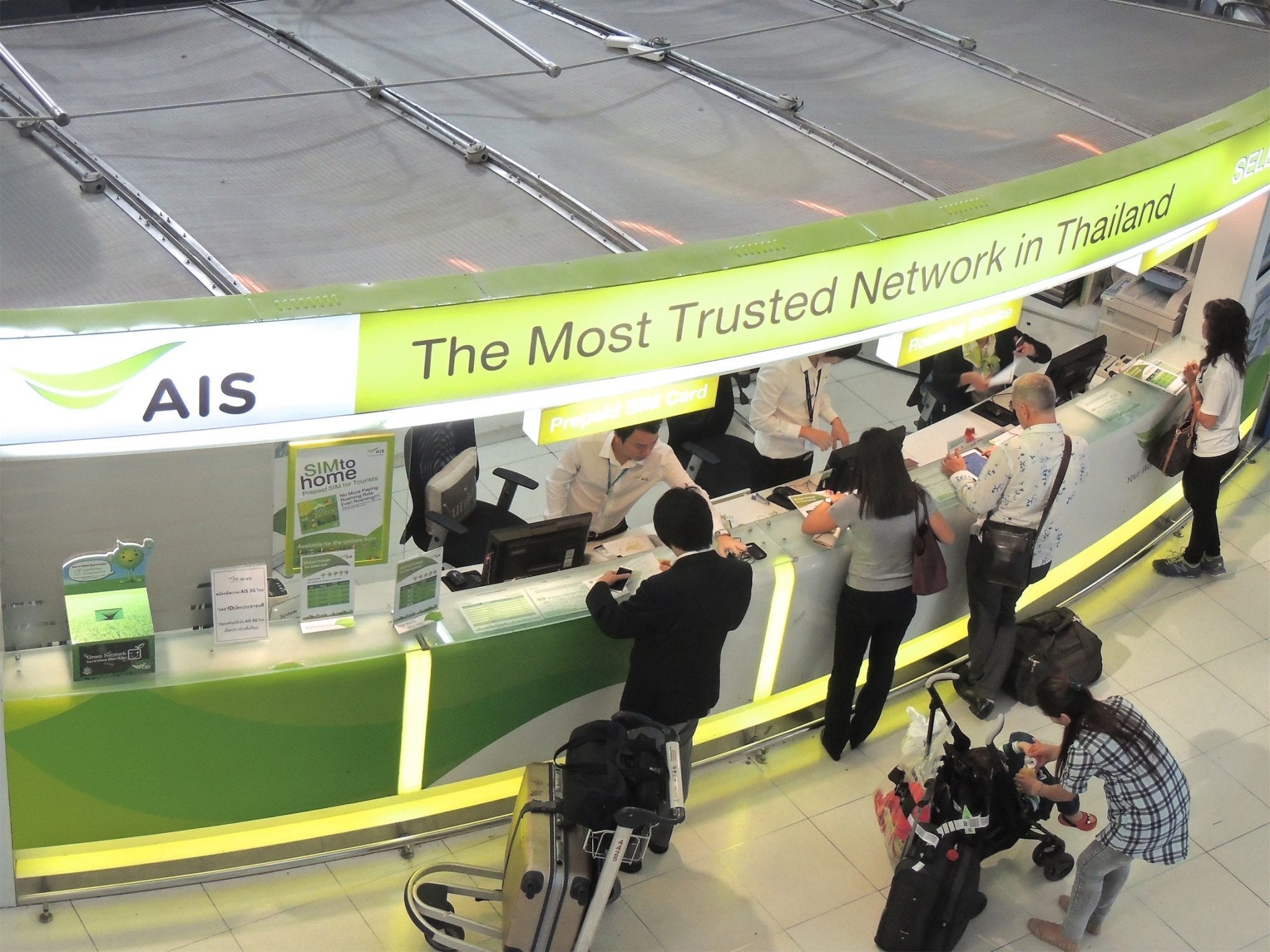
    Netcracker Technology recently completed a significant cloud-native revenue management upgrade for Advanced Info Service (AIS), establishing one of the most substantial cloud deployments in Thailand and the wider Asia-Pacific region. This update signifies a critical progression in AIS’s digital transformation strategy, as the telecom operator enhances its converged mobile and broadband services for its customer base of over 45 million.

    AIS Adopts Netcracker’s Revenue Management Platform

    AIS transitioned to Netcracker’s Cloud-Native Revenue Management platform, a component of the Netcracker Digital BSS suite, to better cater to both B2C and B2B quad-play users. The platform can facilitate flexible subscription billing on monthly, quarterly, and yearly intervals, bolstering customer preference and streamlining billing processes.

    Netcracker has indicated that the launch provides significant operational and commercial advantages, such as increased scalability, cost-effectiveness, and an expedited time-to-market for novel offerings. These features are predicted to bolster AIS’s expanding 5G aspirations, especially in the realms of enterprise 5G and IoT services, as AIS gears up for future market growth.

    Words from the Chief Information Officer and Chief Technology Officer

    AIS’s Chief Information Officer, Bharat Alva, announced that the successful full-circle delivery of the new cloud-native revenue management platform within strict timeframes has already demonstrated its stability and scalability by supporting significant launches and events, such as the most recent iPhone release, without interruption. As AIS continues to transfer customers to this new platform, it plans to capitalize on its momentum with Netcracker by introducing more features and improvements in the immediate future.

    Netcracker’s Chief Technology Officer, Bob Titus, expressed appreciation for their longstanding partnership with AIS, commending them as a genuinely advanced telecommunications operator in a region recognized for numerous innovations. He stated that this launch is the best endorsement of how their customers continue to benefit from their sustained investment in cloud and AI technologies.

    Questions & Answers

    What does the cloud-native revenue management platform do for AIS?
    The platform allows AIS to offer its customers flexible subscription billing on a monthly, quarterly, and yearly basis, enhancing customer choice and making the billing process more efficient.

    What are the benefits of this new deployment for AIS?
    The deployment offers several operational and commercial benefits, including increased scalability, cost optimization, and the ability to bring new offerings to the market at a faster pace.

    How will this upgrade support AIS’s future growth?
    The capabilities provided by this upgrade are expected to support AIS’s growing ambitions in enterprise 5G and IoT services, assisting the company in its preparations for future market expansion.

  • Microsoft Commits $17.5B to Boost India’s AI and Cloud Infrastructure: A Game-changer for Asia’s Tech Landscape

    Microsoft Commits $17.5B to Boost India’s AI and Cloud Infrastructure: A Game-changer for Asia’s Tech Landscape

    Microsoft has pledged to invest a staggering USD 17.5 billion in India’s cloud and artificial intelligence (AI) infrastructure, which is its most significant financial commitment in Asia thus far. The investment, scheduled across four years from 2026 to 2029, plans to boost hyperscale cloud capacity, extend data centers, support AI adoption, and introduce sovereign cloud solutions for industries regulated by the government.

    CEO Visit and Plans

    This landmark investment was unveiled during Satya Nadella’s visit to New Delhi, the CEO of Microsoft. Indian Prime Minister Narendra Modi, who met with Nadella, lauded the initiative as a powerful endorsement of India’s technology ecosystem and its proficient workforce.

    Microsoft aims to establish a new cloud region, called India South Central, in Hyderabad. The expected launch date is in mid-2026. Additionally, the tech giant plans to broaden its operations in Chennai, Hyderabad, and Pune. Microsoft also intends to provide sovereign public cloud and sovereign private cloud solutions to support secure, locally hosted workloads for enterprises and government institutions.

    Investment in Skills and Training

    Another part of Microsoft’s ambitious plan is to train 20 million individuals in AI and digital skills by 2030. This project will involve collaboration with educational institutions, startups, and government programs, aiming to cultivate a workforce ready for the future. The company also plans to integrate AI into public platforms, such as e-Shram and the National Career Service (NCS), to deliver predictive analytics, job-matching services, and multilingual access for millions of workers in the informal sector.

    This USD 17.5 billion commitment overshadows Microsoft’s previous announcement in 2025 to invest USD 3 billion to develop cloud and AI infrastructure, new data centers, and workforce skilling over the following two years. Industry experts believe the expanded investment highlights India’s strategic role in the global AI ecosystem and underscores the country’s appeal as a hub for next-generation technology.

    Questions & Answers

    What is the purpose of Microsoft’s investment in India?
    The investment aims to enhance India’s cloud and AI infrastructure, expand data centers, support AI adoption, and introduce sovereign cloud solutions for regulated industries.

    What is meant by ‘sovereign cloud solutions’?
    Sovereign cloud solutions refer to cloud computing services that are hosted within a country’s borders, providing improved security and data sovereignty for enterprises and government institutions.

    How will Microsoft’s investment impact India’s workforce?
    Microsoft plans to train 20 million people in AI and digital skills by 2030, preparing them for the future job market. They will also integrate AI into public platforms to provide job-matching services and multilingual access for millions of workers in the informal sector.

  • UBS Tech Revolution: COO-designate Takes the Reins as Dargan Exits, Setting Stage for AI-Driven Future

    UBS Tech Revolution: COO-designate Takes the Reins as Dargan Exits, Setting Stage for AI-Driven Future

    UBS, the leading global financial institution, is implementing a strategic restructuring of its executive team, aimed at enhancing oversight of its technology operations. This change comes as a critical phase of operational and technology development begins, with the Group Technology division now falling under the purview of the incoming Group Chief Operating Officer.

    Executive Changes on the Horizon

    Mike Dargan, the current Group Chief Operations and Technology Officer, will be leaving his position at UBS at the end of December 2025 to seize a new opportunity elsewhere. This departure has resulted in an immediate reshuffling of responsibilities within the firm’s operational and technology sectors.

    From the start of January 2026, the Group Technology division will report to Beatriz Martin as she steps into her new role as Group Chief Operating Officer. This shift will consolidate the operational responsibility and technology governance on a day-to-day basis under Martin’s leadership.

    Interim Leadership and Continuity

    In the interim, while a permanent successor is sought, Chris Gelvin will assume the role of acting Head of Group Technology. Gelvin, who currently serves as Chief Operating Officer of Group Technology, will maintain continuity and stability within the operation as UBS finalizes its long-term leadership structure.

    UBS has indicated that this expansion of the Group COO role is designed to support seamless operations from beginning to end, prioritizing technology and artificial intelligence initiatives. Furthermore, it is intended to facilitate the completion of the ongoing technology integration process.

    CEO’s Perspective: Growth, Resilience, and Digitization

    Sergio Ermotti, the Group CEO, has praised Dargan for his role in leveraging technology to enhance the company’s business performance. He stated that Dargan had played a pivotal role in positioning the company’s technology as a key factor in business growth and resilience, and in advancing the firm’s strategic shift towards artificial intelligence and digitization.

    It’s important to note that changes to the Group Executive Board are subject to regulatory approval. Revised reporting lines and interim arrangements are being implemented to ensure stable execution during this transition period.

    Questions & Answers

    Q: Who will assume the role of Group Chief Operating Officer at UBS?
    A: Beatriz Martin will take over as Group Chief Operating Officer from January 1, 2026.

    Q: What will be the role of Chris Gelvin during the transition?
    A: Chris Gelvin will serve as interim Head of Group Technology, maintaining continuity during the transition period until a permanent successor is found.

    Q: What is the main goal of these changes in UBS’s leadership?
    A: The main goal is to enhance oversight of technology operations, support seamless end-to-end operations, prioritize technology and artificial intelligence initiatives, and complete the ongoing technology integration process.

  • Taiwan Launches Ambitious $838M 6G Satellite Alliance, Positions as Indo-Pacific Tech Hub

    Taiwan Launches Ambitious $838M 6G Satellite Alliance, Positions as Indo-Pacific Tech Hub

    Taiwan has initiated a significant endeavour to advance next-generation communication technology through the establishment of the Taiwan NextGen Communications Alliance (TNGCA). This alliance comprises over 50 companies and is backed by a six-year national plan involving NTD 27 billion (USD 838 million).

    The Purpose of the Alliance

    The TNGCA is a newly-formed body aiming to bring together a variety of industry players, including telecom operators, satellite developers, chipmakers, system integrators, and AI technology providers. Over 30 technical experts have also become part of this initiative, according to the Taipei Computer Association (TCA).

    The alliance will be led by Chunghwa Telecom Chairman, Chien Chih-cheng. The collective’s primary focus will be to hasten the development of domestically manufactured satellite equipment and user terminals, with the objective of reducing Taiwan’s reliance on foreign suppliers. Currently, the majority of Taiwan’s satellite-related hardware is imported from the United States and South Korea.

    Structuring for Success

    To ensure coordinated advancement, the TNGCA has implemented four committees that will concentrate on policy alignment, technology development, and collaboration across sectors involving government, academia, and industry. This strategic approach is intended to unify resources across Taiwan’s entirety of the communications ecosystem, from upstream to downstream.

    According to Chien, this initiative will position Taiwan to seize significant global market opportunities. The alliance anticipates that the next-generation communications sector will generate an impressive NTD 1 trillion in production value between 2029 and 2030. This growth is expected to come as more domestically produced components achieve international standards and integrate into global supply chains.

    Initial Actions and Future Goals

    Immediately after its inception, the TNGCA embarked on its first international outreach effort. The alliance arranged one-on-one meetings between the Philippine Space Agency (PhilSA) and 10 Taiwanese companies specializing in satellite and communications technologies, with the aim of establishing potential future partnerships.

    The formation of the TNGCA signifies one of Taiwan’s most comprehensive national efforts to date to influence the evolving 6G and satellite communications industry. This move fortifies the island’s ambition to become a strategic technology hub in the Indo-Pacific region.

    Questions & Answers

    What is the Taiwan NextGen Communications Alliance (TNGCA)?
    The TNGCA is a coalition of over 50 companies established to advance next-generation communication technologies in Taiwan. The alliance includes telecom operators, satellite developers, chipmakers, system integrators, and AI technology providers.

    What are the main goals of the TNGCA?
    The TNGCA aims to reduce Taiwan’s dependence on foreign suppliers for satellite-related hardware, accelerate the development of locally made satellite equipment and user terminals, and capture global market opportunities in the next-generation communications sector.

    What are the initial actions of the TNGCA following its establishment?
    The TNGCA immediately initiated an international outreach effort after its launch. It arranged for one-on-one meetings between the Philippine Space Agency and 10 Taiwanese companies specializing in satellite and communications technologies to discuss potential future cooperation.

  • UBS Tech Shake-up: Outgoing CTO Paves Way for Incoming COO’s AI-Driven Vision

    UBS Tech Shake-up: Outgoing CTO Paves Way for Incoming COO’s AI-Driven Vision

    UBS Group has announced changes in its executive oversight, particularly in regard to technological advancements and operations. This comes as the company enters a significant phase in executing its operational and technological strategies. To spearhead this pivotal phase, UBS has moved its Group Technology department under the direct supervision of the soon-to-be Group Chief Operating Officer.

    Mike Dargan, the current Group Chief Operations and Technology Officer, is stepping down from his position at the end of December 2025. His departure has set into motion an immediate reshuffling of roles at the top echelons of the company’s operating and technology sections, as stated in a recent press release.

    Restructuring the Leadership

    As of 1st January 2026, the Group Technology department will be reporting to Beatriz Martin, who will be assuming the position of Group Chief Operating Officer. This move is designed to consolidate daily operational accountability with technological governance.

    In the meantime, Chris Gelvin will serve as the interim Head of Group Technology, while also retaining his current role as Chief Operating Officer of Group Technology. This arrangement will ensure continuity as UBS works on finalizing its long-term leadership structure.

    The expanded portfolio of the Group COO is expected to facilitate seamless end-to-end operations, prioritize technological and artificial intelligence initiatives, and aid in completing the remaining technology integration process.

    Emphasizing Growth, Resilience, and Digitization

    Sergio Ermotti, the Group CEO, has praised Dargan’s valuable contributions in positioning technology as a key driver for business growth and resilience. He particularly highlighted Dargan’s role in steering the company’s strategic shift towards AI and digitization.

    The changes to UBS’s Group Executive Board are contingent on regulatory approval. However, the revised reporting lines and interim arrangements have been designed to ensure consistent execution throughout the transition period.

    Questions & Answers

    What is the purpose of the recent changes in UBS’s executive oversight?
    The changes are intended to consolidate daily operational accountability with technological governance as the company enters a critical phase of executing its operational and technological strategies.

    Who will be assuming the role of Group Chief Operating Officer in UBS?
    Beatriz Martin will be assuming the role of Group Chief Operating Officer at UBS starting from 1st January 2026.

    What is the role of technology in UBS’s business strategy?
    Technology is seen as a key driver for business growth and resilience at UBS. The company is strategically shifting towards artificial intelligence and digitization.

  • Rosatom’s Advanced Nuclear Power Tech to Fuel Vietnam’s Energy Future: New Combined Efforts Revealed

    Rosatom’s Advanced Nuclear Power Tech to Fuel Vietnam’s Energy Future: New Combined Efforts Revealed

    Rosatom, Russia’s state-owned nuclear company, has proposed offering its cutting-edge technology to assist in the construction of Vietnam’s Ninh Thuan 1 nuclear power plant. In a recent phone call, Rosatom’s CEO, Alexey Likhachev, assured Vietnamese Prime Minister Pham Minh Chinh of the company’s commitment to reinforce collaboration and achieve the high-level agreements set between both countries.

    Rosatom’s Planned Delegation to Vietnam

    Rosatom has expressed interest in sending a delegation to Vietnam. The objective of this initiative is to discuss the potential transfer and development of nuclear technology for peaceful applications. Lately, Vietnam has been engaged in discussions with Russia about the Ninh Thuan 1 plant’s construction. This plant is one of two nuclear facilities planned to be developed within the country over the next five years.

    Strengthening Bilateral Relations

    Prime Minister Chinh has previously met with Russian President Vladimir Putin and PM Mikhail Mishustin to discuss the partnership. During his call with Rosatom, Chinh acknowledged Russia’s valuable contributions to the energy sector in Vietnam. This includes the peaceful use of nuclear energy, the education of scientists and experts, and the establishment of an essential foundation for Vietnam’s current nuclear energy sector.

    According to Chinh, Vietnam regards its Comprehensive Strategic Partnership with Russia highly and considers Russia as one of its key partners. The nation hopes to continue collaborating with Russia in all areas, including the peaceful utilization of nuclear energy. This collaboration is targeted not only for mutual benefit, but also to stimulate regional and global development.

    Requested Assistance from Rosatom

    Chinh has sought Rosatom’s assistance for strategic initiatives such as the Ninh Thuan 1 nuclear power plant and the Centre for Nuclear Science and Technology Research. Additionally, he has asked for assistance in overcoming challenges that may hinder the progress of both countries. He also requested Rosatom’s help in training human resources and fortifying the management of the nuclear industry. This includes developing other essential nuclear energy applications like nuclear medicine and irradiation.

    Vietnam is planning to construct two nuclear power plants in Khanh Hoa’s central province as part of its efforts to diversify energy sources. This revives the plan to develop nuclear energy, a plan that was initially discarded in 2016.

    Questions & Answers

    What is the role of Rosatom in Vietnam’s nuclear energy development?
    Rosatom, Russia’s state-owned nuclear company, has proposed to assist in the construction of the Ninh Thuan 1 nuclear power plant in Vietnam, offering its advanced technology and expertise.

    What are the key components of the partnership between Vietnam and Russia?
    The partnership includes the peaceful use and development of nuclear energy, training of scientists and experts, and strategic initiatives like the Ninh Thuan 1 nuclear power plant and the Centre for Nuclear Science and Technology Research.

    What is Vietnam’s future plan for nuclear energy?
    Vietnam plans to develop two nuclear power plants in the central province of Khanh Hoa. This is part of its strategy to diversify its energy sources and revive its previous plans for nuclear energy development.