Retail News CRM

Tag: tech

  • Tech advancements in SEA driving demand for IoT

    Tech advancements in SEA driving demand for IoT

    The rapid technological developments in Southeast Asia have led to great demands for Internet of Things (IoT) technologies, according to a recent survey from Asia IoT Business Platform.

    The survey indicates that more than 70% of local enterprises and organizations are currently in the process of exploring or finding possible IoT solutions to be deployed or implemented. However, only 7% of them report benefitting from any IoT implementation.

    Enterprises and organizations cite cost, legacy systems, and complexity as the top three concerns in adopting IoT.

    Following the great interest in IoT technologies but low benefits from implementation, Irza Suprapto, director at Asia IoT Business Platform, noted that it is now important to understand the challenges that enterprises face in trying to deploy IoT in their businesses.

    “The challenges that enterprises face in implementing IoT will determine how they view the benefits of IoT implementation and in turn, affects the demand for IoT technologies. Therefore, this year, we are inviting IT leaders of local enterprises and organizations to share more about their IoT projects or their digital transformation vision, as well as the challenges that they face in deploying IoT. This is to ensure that their concerns and challenges will be addressed and IoT adoption rates in the region will continue to grow, instead of being stunted,” Irza added.

    The Asia IoT Business Platform series will be returning to Southeast Asia for the fourth consecutive year. The programs, which are organized by Industry Platform Pte. Ltd, will take place in major cities across the region, including in Bangkok, Kuala Lumpur, Manila, and Jakarta, in July and August.

    The programs will continue to facilitate the digital transformation of enterprises and organizations in Southeast Asia. It will also have an additional focus on addressing challenges and issues that organizations face in adopting and implementing IoT technologies.

    The prestigious programs will involve government officials, senior business leaders in the IoT and Machine-to-Machine (M2M) sectors, as well as local enterprises that are looking to explore business growth and improved business efficiency with IoT.

    “We are excited to return to major cities in ASEAN this year, after many successful editions in the past couple of years. Since 2014, we have seen business partnerships among stakeholders being forged to drive the IoT adoption growth in the region. IoT developments are also apparent, especially in the different smart city initiatives, and the different IoT projects implemented by local enterprises. We are glad to witness these promising developments,” said Suprapto.

    The Asia IoT Business Platform series across ASEAN will feature a line-up of esteemed speakers comprising IT leaders from local enterprises such as Sampoerna Strategic (Indonesia), Garuda Indonesia, Bank of Thailand , Charoen Pokphand (Thailand), Petronas (Malaysia), Tenaga Nasional Berhad (Malaysia), Philippine Ports Authority, Metro Cebu Development and Coordinating Board


  • Metail signs partnership with South Korean tech giant

    Metail signs partnership with South Korean tech giant

    British fashion technology start-up Metail has signed a partnership agreement with Benit, the technology arm of South Korea’s fourth largest conglomerate Kolon.

    The deal means Metail’s technology, which allows consumers discover, shop and “try on” clothes online, will significantly increase its reach in the Asian market.

    The Kolon conglomerate has a presence throughout Asia and interests spanning multiple sectors, ranging from manufacturing to construction, trade, life sciences research, environment, retail and fashion. It is now setting its sights on the fast growing South-Korean fashion e-commerce market through its technology arm Benit.

    South Korea is the world’s 7th largest fashion market and APAC’s 3rd largest e-commerce market with 77% of all Koreans purchasing clothing items online in 2016. The South Korean fashion industry is expected to exceed $6.9bn this year and by 2021 it is predicted to hit $32bn. Benit’s clients alone account for $2.5bn of the market.

    Tom Adeyoola who founded London and Cambridge-based Metail said the deal would help the business achieve its mission “to digitise all of the world’s garments and people“. The Metail technology allows shoppers to create a bespoke 3D model of themselves, a Memodel, which they can use while shopping online to try on garments virtually. It rose to prominence in 2014 when it teamed up with Henry Holland’s House of Holland label to allow consumers to shop direct from the catwalk.

    “Following going viral in Korea with our mobile House of Holland offering for London Fashion Week in 2014 we’ve been looking for the right strategic partner to take advantage of what is clearly the most mobile-focused, tech-savvy and fashion-conscious market in the world,” Adeyoola said.

    “The Kolon group with their scale, fantastic stable of brands and market leading fashion focused IT services arm, Benit, quickly became the obvious choice. We’ve already placed a customer director on the ground and have built a strong working relationship with the consummate partner to help us perfect our offering for the Korean market and rapidly scale,” he said.

    Deputy general manager of Benit’s mobile convergence team Jaehoon Kang said it has been looking for “innovative and useful solutions to develop the South Korean market “and Metail’s solutions is the most valuable. We cannot try on clothes when buying clothes online. So often there are difficulties in sizing and styling; limitations which Metail help to overcome,” he said.

    “Through this agreement, fashion and distribution companies in the Korean market will be able to provide a useful and wonderful experience to customers. Benit is very excited to be adding such a great solution to its fashion-specific business portfolio,” he added.

    Metail was founded in 2008 and has gone on to develop an international customer base including House of Holland and Little Mistress in the UK as well as Abof in India and Princess Polly in Australia to name a few

    Yesterday luxury fashion etailer Mytheresa.com revealed a dedicated Korean language site for the South Korean market.

  • China’s Geely doubles earnings as Volvo tech boosts sales

    China’s Geely doubles earnings as Volvo tech boosts sales

    China’s Geely Automobile Holdings posted its biggest profit growth in eight years on Wednesday, as improved product design and engineering following its 2010 purchase of Sweden’s Volvo helped propel it to record sales.

    Geely, which also owns the maker of London’s black cabs, has already forecast a 31 percent jump in sales for the current year as affordable models introduced after the Volvo acquisition, such as its GC9 sedan and Boyue sport-utility vehicle, exceed initial estimates.

    Long seen as a no-frills brand, Geely has transformed itself into an automaker with up-market aspirations, using its Volvo research-and-development advantage to climb the sales table in the world’s largest auto market where it ranks around seventh.

    Come next year, Geely plans its next phase of expansion as it aims to become China’s first automaker to market its own brand – new Volvo collaboration Lynk & Co – in developed markets, beginning with Europe and the United States.

    Entering major markets with an unknown Chinese brand is an expensive risk, analysts say, but investors are unperturbed: Geely’s share price has trebled over the past 12 months.

    “It’s a total turnaround story,” said a fund manager at a Taiwan-based investment firm that bought a significant amount of Geely stock last year.

    “Before it was just a normal domestic brand, but after several new product launches it successfully elevated its brand image,” said the person who was not authorized to speak publicly on the firm’s investments and so declined to be identified.

    Geely’s China sales grew 50 percent last year to 766,000 vehicles, powered by the GC9 and Boyue, as well as small cars featuring Volvo technology. It aims to top 1 million this year, though could sell far more depending on market conditions, a Geely official with direct knowledge of the matter told Reuters.

    For 2016, net profit more than doubled to 5.1 billion yuan ($741 million), its strongest growth since 2008. The figure is set to rise 37 percent to 7 billion yuan in 2017, showed a Reuters poll of analyst estimates prior to Geely’s Wednesday filing.

    Geely shares were down 1.2 percent in early afternoon trading after the earnings release.

    OVERSEAS GAMBLE

    To be sure, growth has come at a cost. Geely and parent Zhejiang Geely Holding Group have spent 10 billion yuan on R&D in each of the past three to four years, or about 15 percent of current revenue, said spokesman Victor Yang.

    That compared with 2 billion yuan in 2015 at domestic rival BYD.

    But Geely’s domestic growth spurts could lessen as expansion in China’s overall passenger car market slows following the reduction of subsidies for small-engine vehicles, adding impetus to any international push.

    “The current focus of our work is firstly the pace of development in China and increasing our share of the Chinese auto market, then next we can focus our work abroad,” Geely Chairman Li Shufu told reporters in Beijing earlier this month.

    But entering markets where the brand is unknown is a gamble, and it could take years to gain traction, said James Chao, Asia-Pacific chief of consultancy IHS Markit Automotive.

    As there is plenty of room for growth in China, however, there is no need to be concerned about the move abroad, said fund managers at two investment firms that hold Geely stock.

    “If they do well abroad it’s a bonus, and if they don’t then it’s not a big reason to worry,” one of the managers said.

  • Apple to invest $1b in SoftBank tech fund

    Apple to invest $1b in SoftBank tech fund

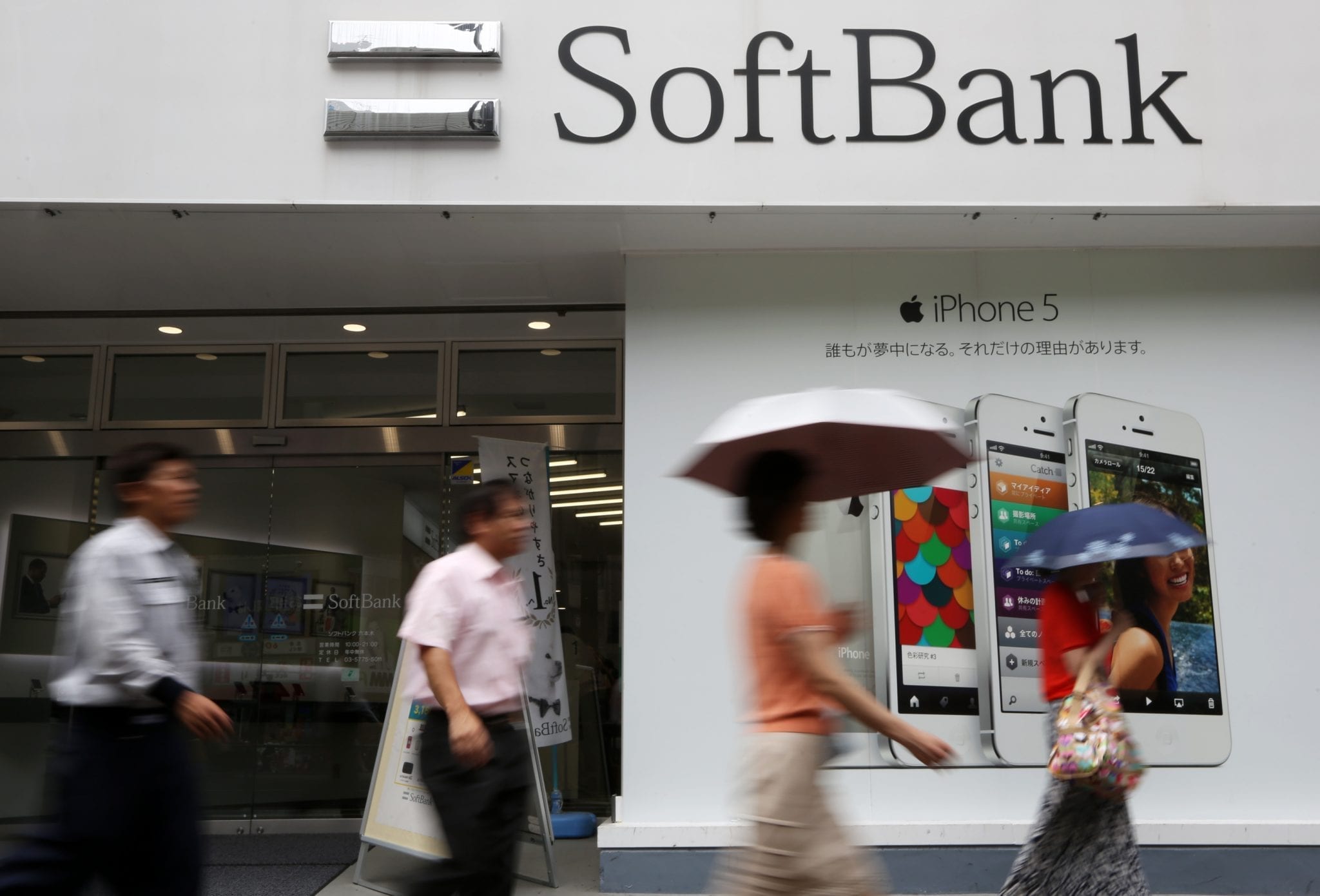
    Apple has revealed plans to invest $1 billion in Japanese telecom behemoth SoftBank’s $100 billion technology venture capital fund.

    Apple will join a list of investors that are also expected to include Foxconn Technology Group and Oracle chairman Larry Ellison. Companies including Qualcomm have already committed to the fund.

    The $100 billion SoftBank Vision Fund will invest in strategic technology areas such as the IoT and AI as part of efforts by SoftBank CEO Masayoshi Son to help the company capitalize on emerging opportunities.

    The report quotes a market analyst as stating that that the investment could be aimed at helping Apple’s core smartphone business stay competitive as the IoT market expands, and could also reflect the company’s increasing interest in partnering with other companies for growth.

    Apple does not have a track record of investing in venture capital funds, but the company has been changing its investment strategy recently to reflect evolving market dynamics.

    This change in strategy and growing interest in partnerships was reflected by the company’s $1 billion investment in China’s home-grown Uber alternative Didi Chuxing last year.

  • Tech boost for Asia’s rice sector

    Tech boost for Asia’s rice sector

    A new initiative to provide rice breeders across the Asia Pacific region with advanced technologies is expected to help improve crop yields, sustainability and profitability in the vital agricultural sector.

    ‘Rice Action Agenda,’ introduced by the The International Rice Research Institute (IRRI) for the 16-member countries of the Council for Partnership on Rice Research in Asia, calls on parties to share germplasm, collaborate on investments, and exchange rice-breeding techniques.

    Bruce Tolentino, deputy director-general of the Philippine-based IRRI, says the new agenda is “crucial to developing the rice sectors” of the participating countries. He says the new agenda was a response to concerns about diminishing rice stocks in India and Thailand — the two top global exporters.

    IRRI noted in February that the combined rice stocks of India and Thailand were set to decline by almost three-quarters by the third quarter of 2016 as compared to 2013 numbers, mostly due to environmental reasons such as droughts.

    “Fears of another rice crisis early this year was the impetus for the Rice Action Agenda,” Tolentino said.

    Under a 10-point action plan the agenda will introduce superior, higher yield rice varieties; upgrade rice research and breeding pipelines; increase research into global rice varieties; invest in rice education and increase the sustainability of rice cultivation systems.

    The plan also calls for reducing crop losses using mechanised technologies; reforming policies to increase production efficiency; increasing investments in agricultural infrastructure; strengthening food security for consumers and working to implement the ASEAN Rice Breeding Initiative.

    IRRI proposes that participants take advantage of three programmes — the CGIAR Research Programme on Rice, the Sustainable Rice Platform, and the ASEAN+3 Rice Genetics and Breeding Platform. The last includes a suite of tools for fast-tracking germplasm development, including genotyping and molecular markers, high-throughput phenotyping, and breeding informatics.

    Tolentino notes that participating countries are expected to carry out the new Rice Action Agenda using internal funding sources. “The goal is for each of the member countries to adopt the recommendations into each of their own national rice-sector strategies and fund implementation from their own fiscal budgets.”

    Rajeev Varshney, a geneticist at the International Crops Research Institute for the Semi-Arid Tropics, Patancheru, India, tells SciDev.Net that rice is the “most important crop for food as well as nutrition security in Asian countries.”

    According to Varshney, the agenda is a “great opportunity to bring the entire value chain of actors together.” By combining the various programmes proposed in the plan, participants should be able to “make the rice sector stronger.”

  • Brydge to expand channel reach in South East Asia

    Brydge to expand channel reach in South East Asia

    Brydge, an award-winning leader in premium and innovative tablet accessories, is participating at next month’s DISTREE APAC in Singapore, to meet and build business relationships with some of the region’s top consumer tech distributors and retailers. , said: “We are performing really well in the US market and we’re keen to replicate this success within Asia-Pacific, especially the markets of South East Asia.”

    “In APAC we have already experienced some success in Japan, Korea and Australia with consumers keen to purchase premium accessories for iPads,” he added. “We currently work with Ingram Micro in Australia and New Zealand, and are ready to recruit additional distributors and retail partners across South East Asia, which is one of the reasons why we are attending DISTREE APAC.”

    Smith continued: “We offer products that excel in their category, which have achieved strong channel sell through. We’re keen to increase our channel reach in Japan and Hong Kong and also want to build relationships with Apple Premium Resellers (APRs) across the region.”

    Brydge has strong consumer channel credentials, having just expanded its online partnership with Best Buy to a US-wide rollout in Best Buy retail locations. The company’s retail sales have soared tenfold year-on-year to date in calendar 2016.

    “We are selling through more than Best Buy stores now in the US and also have agreements with some key carriers and important APRs such as Simply Mac. We’re available in nearly 1,600 stores in the US market alone, as well as 2,000 more across the globe,” said Smith.

    Announcing the Best Buy partnership, Smith stated: “Brydge is dedicated to becoming the market leader in premium and innovative devices that deliver the ultimate experience in mobility and productivity, and this partnership [with Best Buy] is a further step towards that goal.”

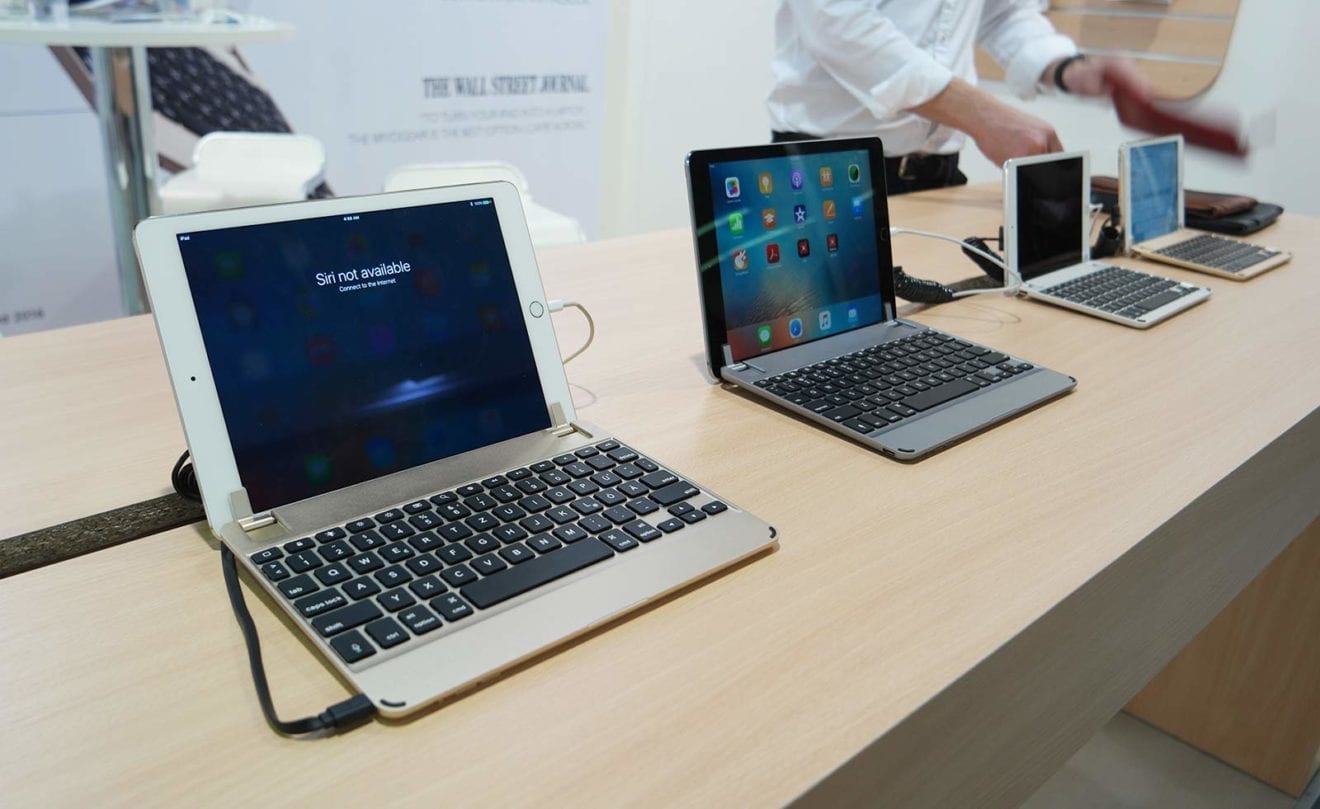
    Brydge iPad keyboards are precision-engineered to provide users an unrivalled experience that combines the convenience and functionality of the iPad with the productivity of a MacBook. All Brydge keyboards boast a sophisticated, minimalistic design that includes adjustable brightness backlit keys, Brydge’s patented 180-degree hinge system for premium viewing angles and adjustments, Bluetooth connectivity, and a powerful rechargeable battery that lasts up to three months.

    “We’re now looking to leverage our success in iPad keyboards and expand our portfolio into some new exciting areas, which we will be able to talk about with distributors and retailers at DISTREE APAC,” explained Smith.

    “We are in a crowded product category with hundreds of competing products, so we know we have to work hard to achieve differentiation in the market and ensure Brydge offers a compelling proposition to the consumer,” he added.

    This year Brydge has been included on the prestigious Inc. 5000 list as one of the ‘Fastest-Growing Private Companies in America’. Each year, business publication Inc. ranks the 5000 fastest-growing private companies in America by sales growth over a three-year period. Brydge was ranked 1542 overall and ninth in the computer hardware category.

    Brydge is receiving positive reviews in the press and is also looking beyond retail towards opportunities in the enterprise and education markets as well. Retailers and distributors attending DISTREE APAC 2016 can pre-schedule one-on-one meetings with the Brydge team through their web account.

  • SoftBank to establish tech investment fund

    SoftBank to establish tech investment fund

    SoftBank Group has announced plans to establish the SoftBank Vision Fund to make investments in the technology sector globally.

    The fund will be managed in the United Kingdom by a subsidiary of SoftBank and will deploy capital from SoftBank and investment partners. The fund will aim to be one of the world’s largest of its kind.

    SoftBank expects to invest at least $25 billion over the next five years. The company has concluded a non-binding memorandum of understanding (MoU) with the Public Investment Fund of the Kingdom of Saudi Arabia (PIF).

    Under the MoU, PIF will consider investing in the fund and becoming the lead investment partner, with the potential investment size of up to $45 billion over the next five years.

    In addition, a few large global investors are in active dialogue to join SoftBank and PIF to participate in this investment fund. The overall potential size of the fund can go up to $100 billion.

    SoftBank will use its operational expertise and network of portfolio companies in order to add value to the fund’s investments.

    Deputy Crown Prince Mohammed Bin Salman, chairman of PIF, said the PIF is focused on achieving attractive long-term financial returns from its investments at home and abroad, as well as supporting the Kingdom’s Vision 2030 strategy to develop a diversified economy.

    “With the establishment of the SoftBank Vision Fund, we will be able to step up investments in technology companies globally,” said Masayoshi Son, chairman and CEO of SoftBank Group.

    “Over the next decade, the SoftBank Vision Fund will be the biggest investor in the technology sector,” said Son. “We will further accelerate the Information Revolution by contributing to its development.”

    SoftBank Group’s head of strategic finance Rajeev Misra is leading the Fund. SoftBank has engaged former Deutsche banker Nizar Al-Bassam and ex-Goldman partner Dalinc Ariburnu for the project. PIF also had its own team of experts engaged.

  • Big data market to grow three times faster than tech overall

    Big data market to grow three times faster than tech overall

    Forrester’s latest forecast predicts that the big data technology market will grow at a 12.8% CAGR over the next five years.

    In the first forecast of its kind from Forrester, the market is segmented into six buckets — enterprise data warehouse, NoSQL, Hadoop, big data integration, data virtualization, and in-memory data fabric.

    Forrester data found that, in 2016, almost 40% of firms are implementing and expanding big data technology adoption. Another 30% are planning to adopt big data in the next 12 months.

    In-memory data fabric is taking off. In-memory data fabric will grow 29% annually over the forecast period, according to Forrester data.

    Interest in non-relational databases (NoSQL and Hadoop) is increasing. NoSQL will grow 25%, and Hadoop will grow 33% annually over the forecast period.

    Among respondents, 41% have implemented and are expanding use of NoSQL, and another 20% plan to implement NoSQL in the next 12 months.

    Also, 30% of respondents implemented Hadoop in 2016 versus only 26% in 2015. The increase in unstructured data stored in the cloud using Hadoop increased from 29% in 2015 to 35% in 2016.

    Further, market growth varies by industry. In the next five years, the pharmaceutical, transportation, and primary production industries will see the highest adoption of big data technology. Currently the professional services, telecoms, government, and financial service sectors are the largest users.

  • VW’s Audi steps up collaboration with Chinese tech groups

    VW’s Audi steps up collaboration with Chinese tech groups

    Volkswagen’s luxury car unit Audi has agreed to deepen collaboration with Chinese internet technology groups to offer more digital services in the world’s largest car market.

    Audi and FAW-Volkswagen, VW’s joint venture with FAW Car Co Ltd (000800.SZ), have signed letters of intent with Alibaba (BABA.N), Baidu (BIDU.O) and Tencent (0700.HK), Audi said on Sunday. Financial terms were not disclosed.

    Parent Volkswagen has been hobbled by a scandal over the rigging of emissions tests, distracting it in a race with global carmakers to develop computer-aided services for drivers.

    VW’s CEO told a newspaper on Sunday that it has to remain in control of its relationship with car users, which is why it stopped talks with U.S. ride-hailing service Uber and technology giants Google (GOOGL.O) and Apple (AAPL.O).

    Under the agreement with online search company Baidu, Audi aims to improve the use of smartphone apps in its cars.

    Its projects with social network and online gaming group Tencent include helping drivers to make better use of the WeChat communication app.

    The alliance with Alibaba aims to develop more real-time traffic news services and 3D maps.

    VW in May took a $300 million stake in smaller ride-sharing company Gett.