Tag: Technology

  • Hong Kong Bar uses ‘Drink Exchange’ to set beer prices

    Hong Kong Bar uses ‘Drink Exchange’ to set beer prices

    Patrons of Hong Kong’s Rude Bar and Lounge can now experience the rush of Wall Street in a unique experience where demand sets market price for their beers.

    The Rude Bar Stock Exchange – or RBSX for short – lets customers looking for a drink engage in over-the-bar trading.

    The RBSX was created thanks to a software program known as the Drink Exchange, which simulates the experience of a stock market in a bar or restaurant setting. For example, when a certain drink becomes popular among patrons, the software will raise the price of the brew automatically. On the other hand, if a certain brand or drink is unpopular, then the software will reduce the price. The television screens of Rude Bar and Lounge display current brew prices as well as daily highs and lows. This allows the customers to gauge how prices may fluctuate throughout the evening.

    Amanda Folcarelli, marketing manager of Rude Bar and Lounge, is enthusiastic about the new software.

    “We wanted to defy the norm and offer our clientele something new,” Folcarelli said.

    “Something exciting. Something they’d never seen in Hong Kong before. Some of our  regulars had seen the concept in place in New York and Barcelona, and they were massively excited to see it here.”

    A bar that uses the Drink Exchange software can offer promotions in a very unique manner. They can simulate a market crash, where the prices of all drinks drop dramatically. Bar owners can link drinks to each other, so that when one goes up, the prices of others fall automatically. Suppliers can offer new products to the bar and have price parameters set low to test its popularity.

    And as is true with the real stock market, the RBSX allows for patrons to use certain strategies to stay ahead of the market and avoid price spikes or even anticipate a fall in drink costs.

    “Unlike the regular stock market, we actually encourage insider trading,” Folcarelli said. “If a group orders a specific drink, then yes, the price will go up, but rest assured that the other drinks will go down in price. At the moment, we only offer beer on the RBSX, but we’re definitely going to expand on that list in the future.

    “The RBSX has definitely added to the community spirit that we have. When our rugby and football teams come in after their Saturday matches, there are players who drink only Asahi, or only Estrella, or only Magners’ all night, so the prices end up staying fairly steady so everyone is happy. And, of course, if someone is looking for something new, or the price is counting down to the next update, or we’re hinting at a market crash, our staff is happy to tease them a little.”

    Rude Bar and Lounge is located in the Upper Basement of 79 Wyndham St, with doors opening to the top of Pottinger St.
  • FamilyMart Taiwan accepts bitcoins

    FamilyMart Taiwan accepts bitcoins

    FamilyMart Taiwan says a growing number of customers are paying by bitcoin since it struck a deal with local wallet provider BitoEX.

    The convenience retailer started accepting the cryptocurrency at its 3000 stores across Taiwan on October 24 and has recorded more than 500 transactions since then.

    Most customers are using bitcoin to buy coupons dispensed by FamiPort terminals which Taiwanese use to pay for a variety of things including utility bills, cinema tickets, parking fines or train tickets.

    FamilyMart PR manager Chen Chia-Chi told the Taiwanese news agency United Daily News that the bitcoin acceptance is aimed at travellers to Taiwan and a growing domestic bitcoin userbase.

    BitoEX, meanwhile, claims to have more than 40,000 web wallet users, a customer base growing 30 per cent annually.

    “There are more and more users of our bitcoin wallet now, but the market in Taiwan is still small, and it’s still growing,” said Rica Chiang, deputy GM of BitoEX.

    Last year, BitoEX struck a deal with FamilyMart to sell bitcoins. That relationship raised the retailer’s awareness of the currency’s acceptance and consumer interest, leading to October’s payment introduction.

    “Since last year [FamilyMart] saw a growing number of bitcoin sales. That’s why they were cautiously thinking about accepting bitcoin to see if it there’s a bigger market out there,” said Chiang.

    Among the local users of the service are gamers who take a break to grab a refreshment at a familyMart store – and pick up some bitcoins on the way to use online.

    “We noticed a lot of transactions taking place in the middle of the night, so we were curious. We found out they were gamers,” said Chiang.

    “Sometimes they say, ‘Please give me bitcoin, I’m in a hurry – I’m in the middle of a game!’.”

    BitoEX says people using bitcoin for remittances, investors and speculators are its next largest customer groups.

  • Apple Pay China launch slated for February

    Apple Pay China launch slated for February

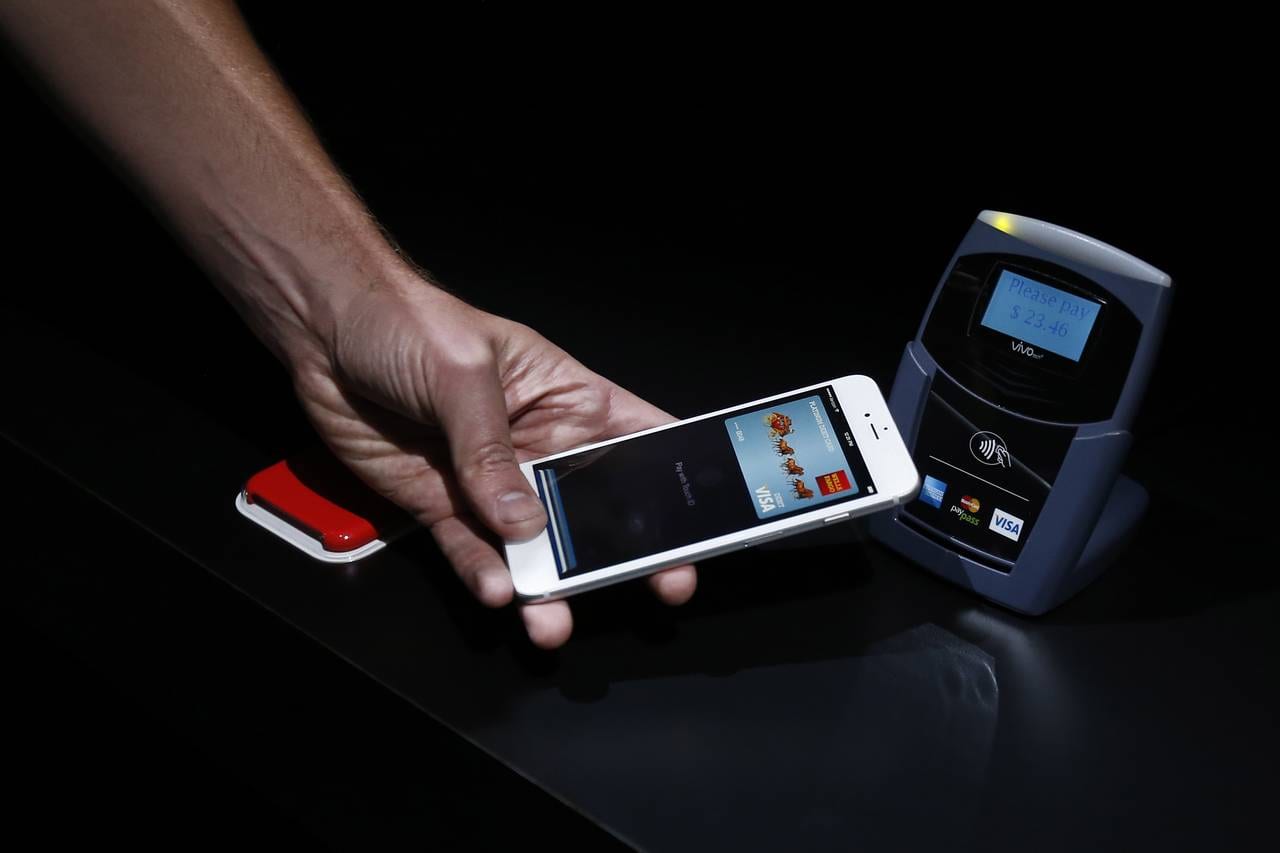
    Tech giant Apple will launch its mobile payment system Apple Pay in China by early February, according to a report in the Wall Street Journal.

    Citing people familiar with the discussions, the newspaper says Apple has reached agreement with China’s four state-run banks to clear the way for the payment system to be used via its iPhone smartphones.

    The move will place it in direct competition with local online payment platform Alipay, run by Alibaba Group, and its affiliated company Ant Financial, and UnionPay, the state run monopoly credit card system.

    But while the banks are on board, the Wall Street Journal claims Apple may yet face more hurdles before it can launch the service, with banking and eCommerce regulations overseen by a number of government agencies.

  • Alibaba launches Taiwan, Hong Kong venture funds

    Alibaba launches Taiwan, Hong Kong venture funds

    China’s Alibaba has announced two venture funds to help entrepreneurs with projects who can leverage the resources of Alibaba’s ecosystem.

    A HK$1 billion (US$130 million) venture fund – named Entrepreneurs Fund for Hong Kong – will be managed by venture capital firm Gobi Partners.

    A second – Entrepreneurs Fund for Taiwan – will have initial capital of NT$10 billion (US$316 million) and be managed by CDB Capital, a division of China Development Industrial Bank (CDIB).

    As well as cash, the two new funds will offer 200 internship opportunities annually for graduates and final year students of local tertiary educational institutions. Successful applicants will be able to work for between six and 12 months at Alibaba Group companies in Mainland China.

    Andrew Lee, the former CFO of EnTie Bank will act as executive director of the Taiwan fund, with directors including Charles Yen, co-founder and principal of the AAMA Taipei cradle program and Joseph Tsai, senior EVP of Cathay Financial.

    The fund will be headed by Cindy Chow as executive director. Other directors include Dr Allan Zeman, founder and chairman of the Lan Kwai Fong Group, and Savio Kwan, an independent business consultant who served as president and COO of Alibaba from 2001 to 2003.

    The funds are intended to help entrepreneurs and position Hong Kong and Taiwan as business hubs engaged regionally and globally, with a mandate to invest in qualifying companies in the startup, growth and expansion phases. Selected ventures will be able to leverage the platforms in the Alibaba ecosystem to offer products and services to mainland China and globally, given that Alibaba operates in eCommerce, logistics, mobile platforms, cloud computing and financial services.

    Said Joseph Tsai, executive vice chairman of Alibaba Group: “At Alibaba, our mission is to make it easy to do business anywhere. We are passionate about fostering entrepreneurial spirit and hope the resources provided by the fund will help unleash potential for innovation and entrepreneurship.”

  • Starbucks Korea to launch ‘Startup cafe’

    Starbucks Korea to launch ‘Startup cafe’

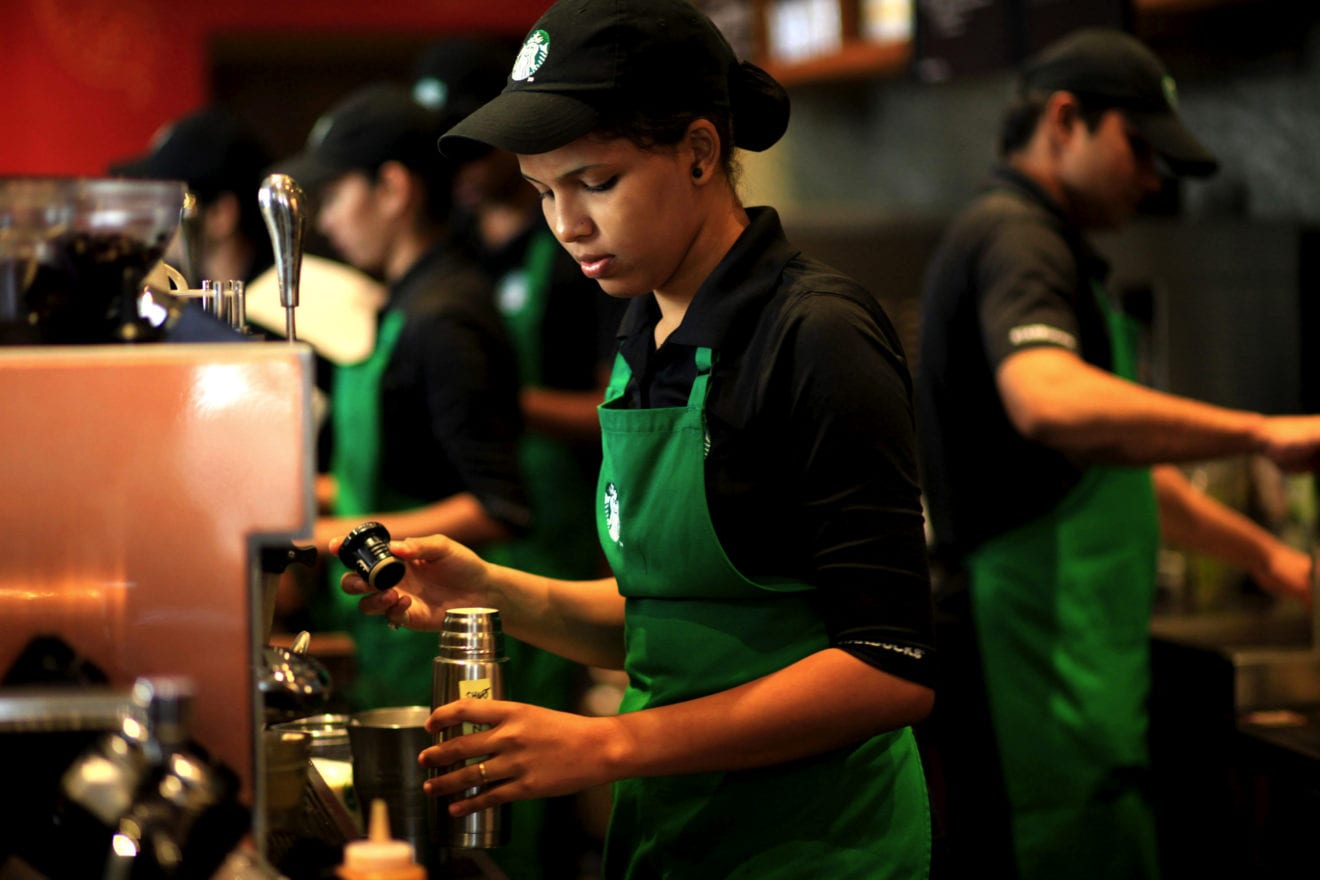
    Starbucks Korea is to launch a ‘startup cafe,’ in partnership with the country’s government, to stimulate innovation.

    The South Korean arm of the world-famous coffee chain Starbucks and the country’s ICT ministry said Tuesday the “startup cafe” will be a place where visitors can share experiences and ideas on starting a new company.

    Starbucks and the Ministry of Science, ICT and Future Planning said they will host venture-related programs, including lectures at one of its stores in central Seoul, in their latest effort to beef up local startups.

    The ministry said around 46,000 startups kicked off in the first half of 2015 in South Korea, adding it is vital to establish an ecosystem where new companies can share their know-how and experiences to keep the trend sustainable.

    The accessibility and openness of cafes are suitable places for startups to gather, the ministry added.

    Starbucks will provide the venue, as well as drinks and food, for participants. It also plans to roll out joint programs, such as a tumbler design competition.

    The Starbucks-supported startup cafes will expand to areas outside Seoul starting next year.

  • Fossil and wearable tech business

    Fossil and wearable tech business

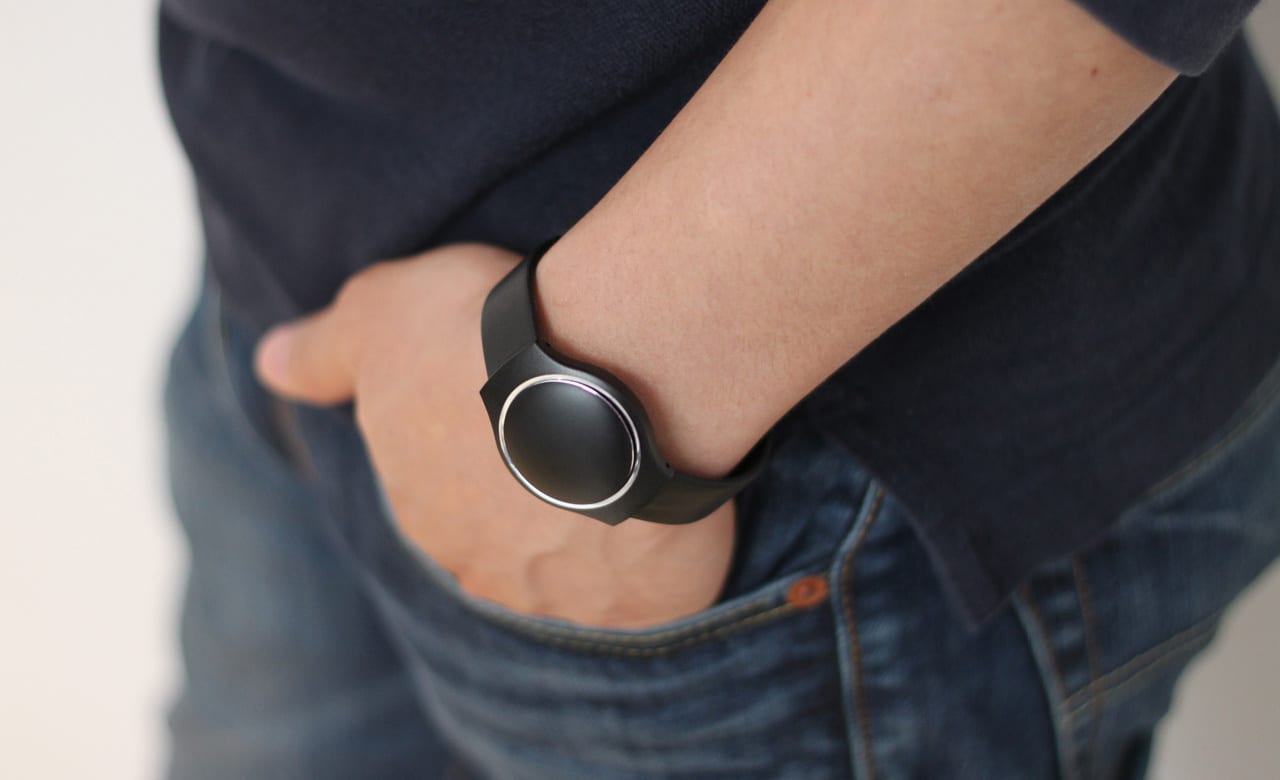
    Fossil Group is to buy Misfit, an innovator in wearable technology and connected devices.

    The $260 million acquisition will enable Fossil to expand its addressable market, offering consumers both traditional timepieces and fashionable connected accessories. Misfit brings to Fossil a scalable cloud and app platform, a world-class software and hardware engineering team, a native wearable technology brand and a pipeline of innovative products.

    “We have a significant opportunity to add technology and connectivity across our platform of watches and accessories,” said Kosta Kartsotis, Fossil CEO.

    “With the acquisition of Misfit, Fossil Group will be uniquely positioned to lead the convergence of style and technology and to become the fashion gateway to the high-growth wearable technology and connected device markets.”

    Fossil Group is a global design, marketing and distribution company that specialises in consumer lifestyle and fashion accessories, including men’s and women’s fashion watches and jewellery, handbags, small leather goods and accessories, sold under 16 brands including Skagen. It sells through department stores, specialty retail stores and specialty stores in 150 countries, and has 600 of its own stores.

    Fossil says Misfit has already solved many of the biggest challenges with wearable accessories, including battery life.

    The deal will enable Fossil to expand its wearable market with new distribution channels, new products, new brands and new enterprise partnerships, including music, fitness, healthcare and digital entities.

    Misfit founder, Sonny Vu, said the two companies will now be able to introduce products that “blend Misfit’s seamless, intuitive technology and user experience with the design, style and branding that is the hallmark of Fossil Group”.

    Vu will serve as president and chief technology officer of connected devices for Fossil Group and will become a member of the company’s executive leadership team.

    Misfit was cofounded in 2011 by Vu and John Sculley, former CEO of Apple and Pepsi, and Sridhar Iyengar, co-founder and former CTO of AgaMatrix.

  • Virtual wardrobe tech comes to Singapore

    Virtual wardrobe tech comes to Singapore

    Technology from Metail, a United Kingdom fashion technology company is set to arrive in Singapore tomorrow as part of the company’s first Asian collaboration with new Indian fashion retailer abof.com. The new launch is understood to be in partnership with Singapore Press Holding’s e-commerce portal Shop.SheShops.

    According to Metail, 25% are put off online shopping because they are confused with sizing, with 44% returning clothes due to sizing issues. As it is, a majority of customers (62%) wish that images online would be more reflective of their own body shape.

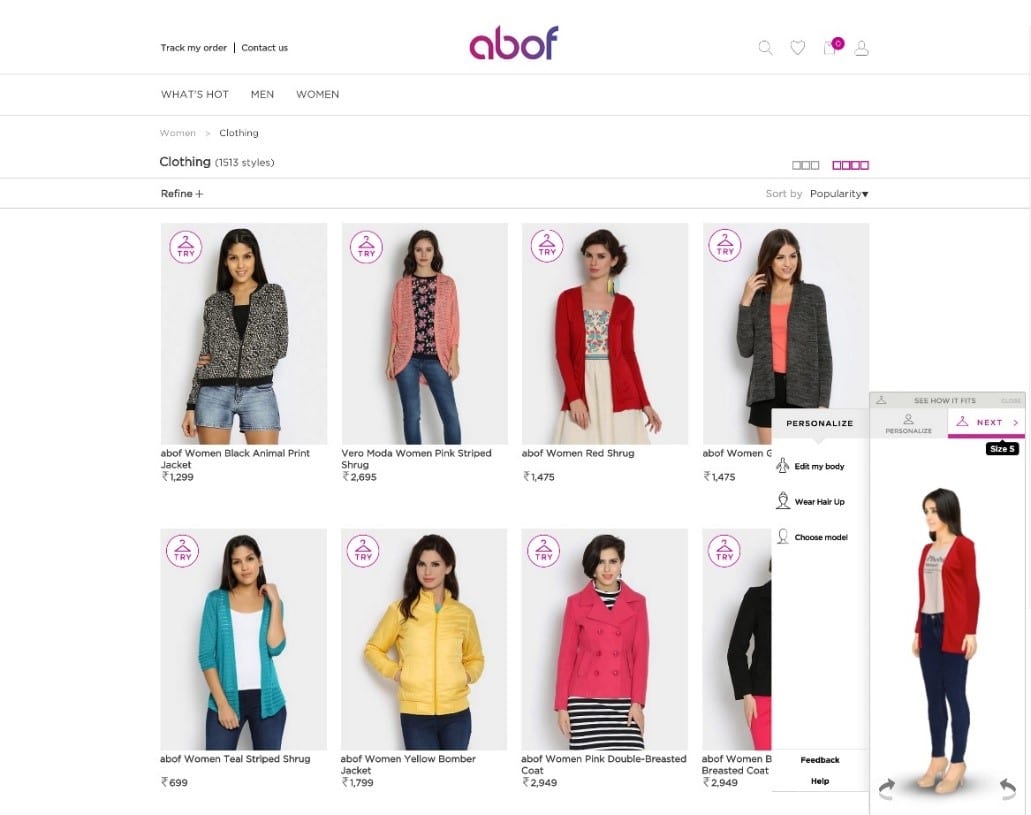
    The technology from Metail is an attempt to solve – or at least alleviate – these issues by allowing users to try out their clothes virtually. This is done by generating customized body avatars dubbed as “MeModels” sporting users’ vital statistics. According to Metail, the MeModel avatar is up to 92% accurate of the customer’s own body shape.

    The objective is to allow customers to better visualize an outfit prior to making the purchase. When browsing through clothing options, shoppers can see the avatar donning selected clothes in a small docked window at the side. This only works with clothing items tagged with a “Try it on” sign though.

    CMO Innovation gave the Metail demo a spin, and the site asks shoppers for vital statistics pertaining to their weight, height and bust. This is used to estimate waist and hips measurements, which can be tweaked if desired. A handful of models can be used as the base template for the avatar, while the hair type can also be tweaked slightly. Male MeModels are not available at the moment.

    It will be interesting to see how well the technology fares with fashion brands in the region, especially in costly retail locations such as Singapore and Hong Kong. Is the technology too nascent or too hard to implement on a wide scale for brands here? Or is it arriving at just the right time to address the growing propensity for online shopping by Millennials, or Gen Y customers.

    Inline image: Metail avatar donning a Halloween-themed Poison Ivy Dress

  • Solar-powered Apple Store to debut in Singapore

    Apple is poised to become the first company to open a fully solar-powered store in Singapore as part of its ongoing efforts to go green with renewable energy source.

    The Cupertino-based tech giant has signed a partnership deal with solar energy developer Sunseap Group for acquiring 100% renewable electricity, once the project goes live.

    Reuters reports that Apple plans to create 200 megawatt solar energy projects in China and work with the local suppliers to obtain more renewable energy. In addition, the company is committed to purchase more power from a California solar farm for its new Silicon Valley campus, which will use rooftops to harness power from the sun.

    Apple’s new retail store and neighbouring public-owned buildings in Singapore will use rooftop solar panels on 800 buildings to generate 50 megawatts (MW) of total renewable energy that can power up to 9,000 homes. The company’s new facility will burn around 33MW of the project’s capacity.

    There is still no word on the actual location and the launch date for the upcoming retail Apple Store in Singapore. However, Sunseap managing director Frank Phuan has sounded positive about globalising sustainable energy practices as more and more companies start embracing the new technology.


  • Singapore government backs self-service technology

    Singapore government backs self-service technology

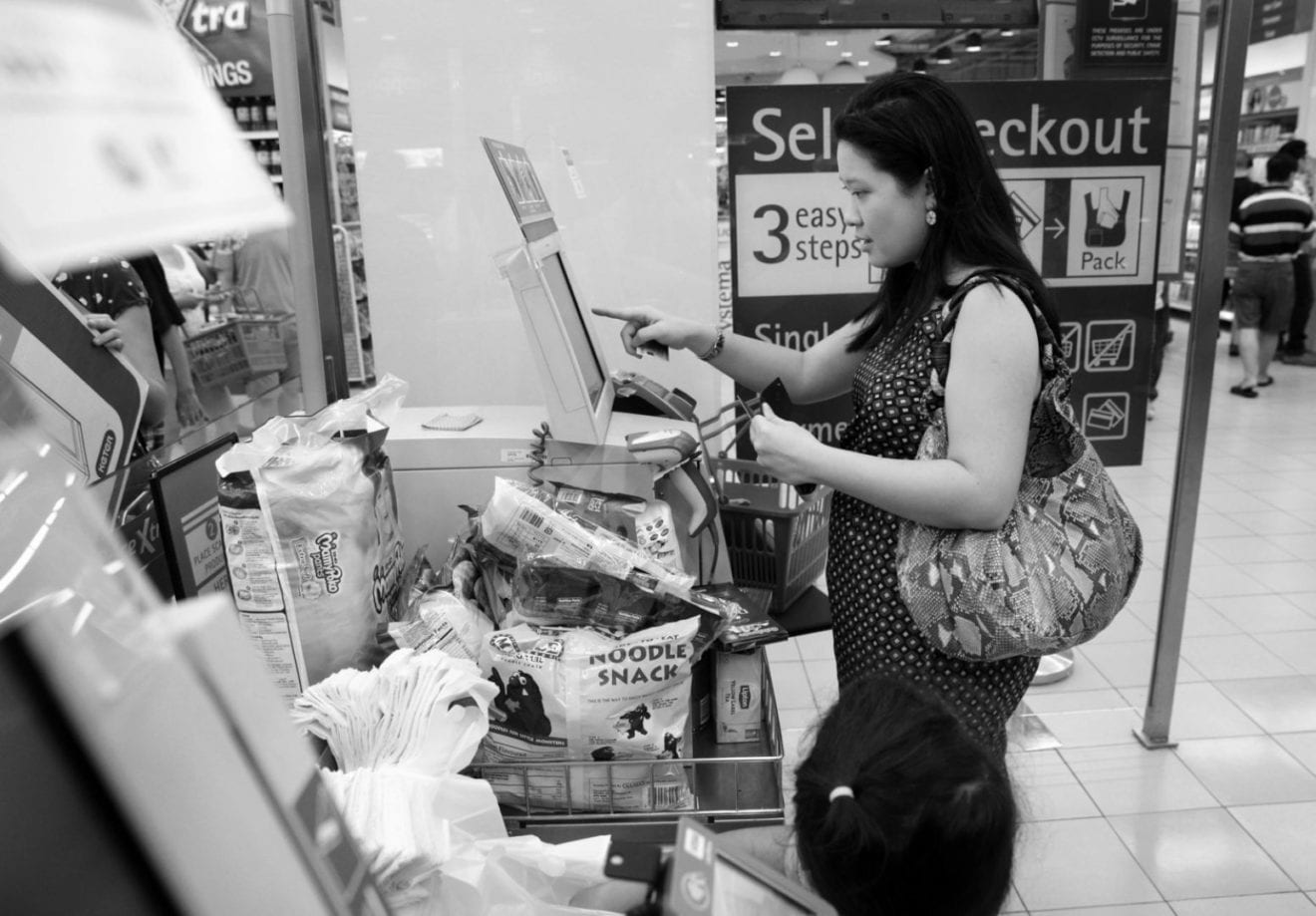
    The Singapore government is backing a push to urge shoppers to use self-service technology more in a campaign titled “We Are InDIYpendent”.

    Several supermarket chains, including the nation’s largest – NTUC FairPrice – have swung behind the initiative which was launched by the National Productivity Council (NPC).

    In a bid to galvanise more Singaporeans into using self-service counters, the supermarkets and other large retailers will be rolling out various promotions and discounts in coming weeks.

    A key driver of the initiative is to help ease the labour crunch by having consumers serve themselves.

    The NPC says the campaign “celebrates the advantages of using self-service facilities” and encourages businesses to adopt self-service models more aggressively.

    At the project’s official launch at an NTUC FairPrice store, Minister for Manpower, Lim Swee Say and Parliamentary Secretary for Trade and Industry, Low Yen Ling teamed up with celebrities Michelle Chong and Suhami Yusof in a self-service challenge which pitted them against each other to get as many shoppers as possible to use the self-checkouts.

    “Self-checkout (SCO) is a game-changing initiative for our local retailers,” explains the NPC.

    “With a tight manpower situation and increasingly competitive business environment, retail companies need to adopt technologies that require less manpower to improve their productivity.”

    The government is providing companies with grants and assistance schemes to help them implement self-service options.

    “Consumers can play their part by embracing such options to create an impetus for more businesses to adopt these models in their operations in a more aggressive manner.”

    The We Are InDIYpendent campaign seeks to encourage consumers to use self-service facilities. The campaign also aims to feature three key benefits of using self-service facilities – ease of use, speed and flexibility.

    Other highlights of the campaign include mystery spotting activities to incentivise consumers to use DIY options in more areas of their daily lives, videos offering interesting insights on DIY culture, as well as print and out-of-home (OOH) ads featuring different forms of self-service.

  • Smart mirror checks your bust size in-store

    Smart mirror checks your bust size in-store

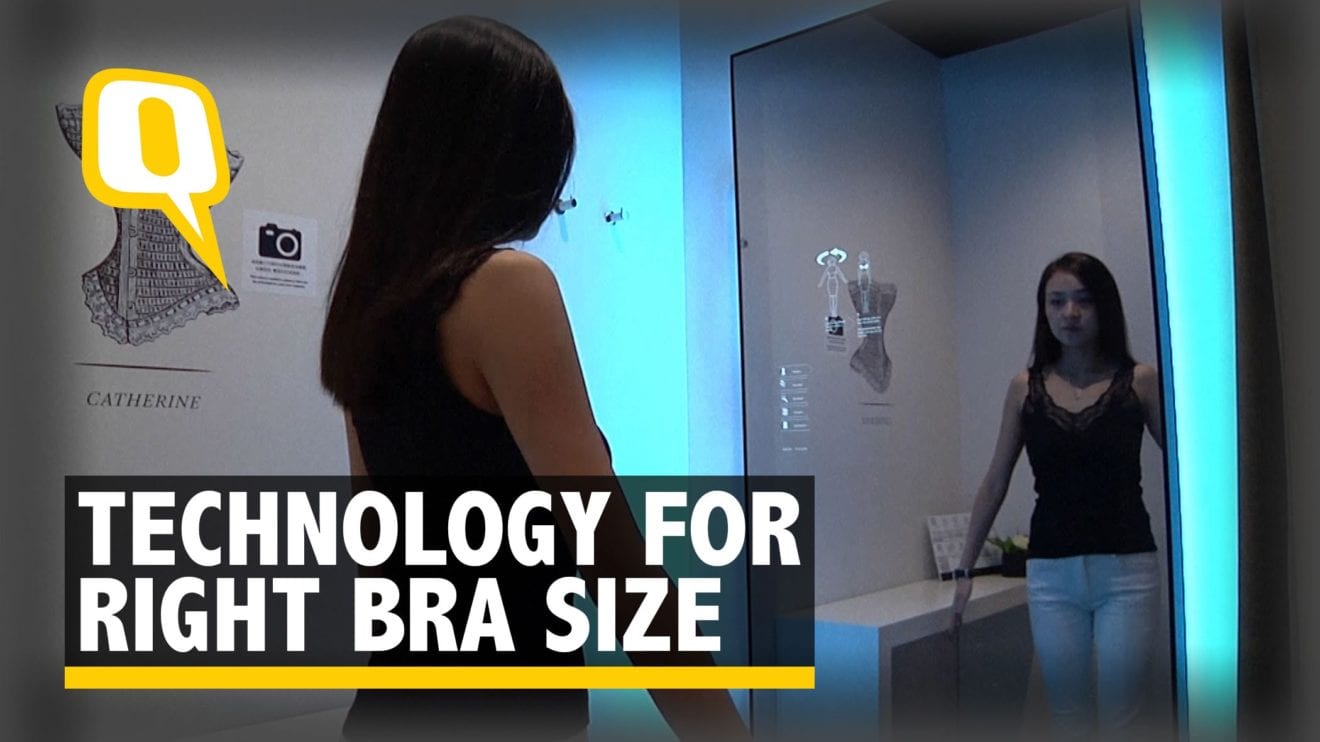
    The Hong Kong branch of Rigby and Peller is using a smart fitting room mirror to help customers work out their ideal bra size.

    For many women, especially young ones, being fitted for a bra is an embarrassing experience that they seek to avoid, often resolving to buying ill-fitted lingerie instead.

    Now, lingerie store Rigby and Peller is offering a high-tech alternative via a smart mirror, which scans the customer in the fitting room and calculates their ideal bra size.

    Rigby and Peller smart fitting room

    To begin, customers stand front of the changing room mirror and hold their arms out. Then, they rotate slowly, turning 360 degrees, while the inbuilt camera takes 140 body measurements.

    The technology then calculates the customer’s ideal bra size, giving them a unique shape ID.


  • 5 cutting-edge retail technology trends

    5 cutting-edge retail technology trends

    You may not think of your local department store as a hub of innovation. But technology drives almost every step of the retail experience. Here are five ways some companies are tapping emerging to provide ever more value to their customers.

    retail ecomm thinkstock

    As retailers rev up for their busiest shopping season, they know some things never change: Holiday deal-seekers will race like mad through store aisles for the best Black Friday deals. Last-minute shoppers will wait until December 24 to make their purchases. Crowds will swarm stores the day after Christmas in a whirlwind of gift returns.

    The shopping experience itself, however, has undergone massive changes over the past two decades, especially as ecommerce has won over consumers and smartphones have become the must-have accessory. These days, retailers work around the clock to navigate a digital world that continues to evolve at a dizzying pace, while tech-savvy consumers have increased their demands for seamless experiences and personalized touches, wherever and however they shop.

    “In today’s increasingly connected world, brands and retailers are struggling to find ways to appeal to omnichannel shoppers,” says Mike Paley, executive vice president of shopper marketing at agency The Marketing Arm. “Technology advances have created an environment in which the line between brick-and-mortar and e-commerce is blurred and fading fast.”

    Here are five cutting-edge technology trends taking retail to the next level:

    1. Beacons

    With millions of shoppers toting smartphones in their pocket or purse, it’s no surprise that proximity marketing, through the use of location-based technologies such as Bluetooth-connected beacons, is becoming more than a flash-in-the-pan – as retailers look for ways to provide more personalized, real-time messages, offers and promotions. Macy’s, for example, recently rolled out beacons to 4,000 stores using Shopkick’s offering, and Swirl’s platform and hardware is being used by clients including Lord & Taylor and Urban Outfitters. According to Business Insider, beacons will directly influence over $4 billion in U.S. retail sales this year and climb 10 times that next year.

    “Beacons were a novelty 15 months ago, but this year retailers are starting to take them more seriously,” says Scott Bauer, U.S. Retail & Consumer Partner at consulting firm PwC. “There’s more experimentation about how to treat users in their stores with mobile phones.” The question is how to use them, he cautions, “so it doesn’t seem creepy or annoy customers.”

    2. Biometrics

    Biometrics, which uses technologies like fingerprint systems, facial recognition, iris scanning and voice identification, seems like a natural fit for retailers. Brands and banks that want to improve targeted marketing efforts and boost security. Biometrics Research Group predicts the global biometrics market to soar to $15 billion this year, up from an estimated $7 just three years ago. And, technology consulting firm Frost & Sullivan forecast that nearly a half-billion people will be using a smartphone equipped with biometric technology by 2017.

  • Internet of Things China gains momentum

    Internet of Things China gains momentum

    The Chinese are appearing quick to embrace the Internet of Things, in turn driving demand from businesses and app developers for enabling technology.

    Jasper, a global Internet of Things (IoT) platform leader, says three months after it made its enabling software available in China, more than 500 enterprises have activated trial accounts on the China Unicom Control Center IoT platform.

    The enterprises, serving a growing demand for Internet of Things China services, included retail, connected cars, theft prevention and wearables.

    A large number have already converted their trial accounts into paid accounts enabling them to deploy their IoT services to customers across China.

    “We see significant appetite across China to capitalise on the Internet of Things,” said Cindy Patterson, chief customer officer at Jasper.

    “The response and market adoption illustrate the demand for an IoT platform that can help enterprises rapidly and cost-effectively launch, manage and monetise their IoT services throughout China and globally.

    “Forward thinking companies across industries have been quick to adopt the Control Center IoT platform. These innovators are seizing the opportunity to transform their businesses with IoT services in ways that add value for their customers while growing their revenues,” she said.

    “The diversity of industries represented by these companies is remarkable and it is exciting to see this level of activity in such a short time period.”

    The combination of China Unicom’s mobile network and Jasper’s IoT service platform enable fast time-to-market for businesses, and provides a flexible, turnkey solution that can be configured to meet the specialised needs of businesses across any industry. For example:

    • Several major retailers have selected the IoT service platform from China Unicom and Jasper to deliver wireless POS and mobile payment services.
    • Jasper’s Control Center is being used to connect aftermarket theft detection devices to enable more robust theft prevention services nationwide.
    • Two of China’s 10 largest auto manufacturers are now using Control Center to cost-effectively deliver connected services in cars. One manufacturer is using Control Center to enable a new line of budget-friendly vehicles, giving more people access to value-added connected services in their cars.
    • A large provider of consumer hotspots, which wanted powerful nationwide connectivity and mobile service management, provisioning and real-time diagnostics, chose to deploy on Control Center to ensure the best service for its customers.
    • Several aftermarket telematics service providers have selected Control Center to deliver connected IoT services to vehicles in China.
    • Personal health device manufacturers are leveraging Control Center to transform their hardware-based businesses to service businesses.

    China Unicom is the only operator in China using the same 3G and 4G technologies as the majority of mobile operators worldwide, enabling seamless entry into the Chinese market for multinational enterprises. Jasper partners with 27 mobile operator groups worldwide, representing over 100 mobile operator networks – enabling enterprises to configure their services on Jasper’s platform once and easily turn on services on other operators worldwide.

    Jasper describes itself as a global Internet of Things (IoT) platform leader. It has designed a cloud-based IoT platform to enable companies of all sizes to rapidly and cost-effectively launch, manage and monetise IoT services on a global scale.

  • Wearable power supplies: the next new retail category

    Wearable power supplies: the next new retail category

    What’s the next new retail category in electronics? Wearable power supplies, judging by product innovations just revealed in Korea.

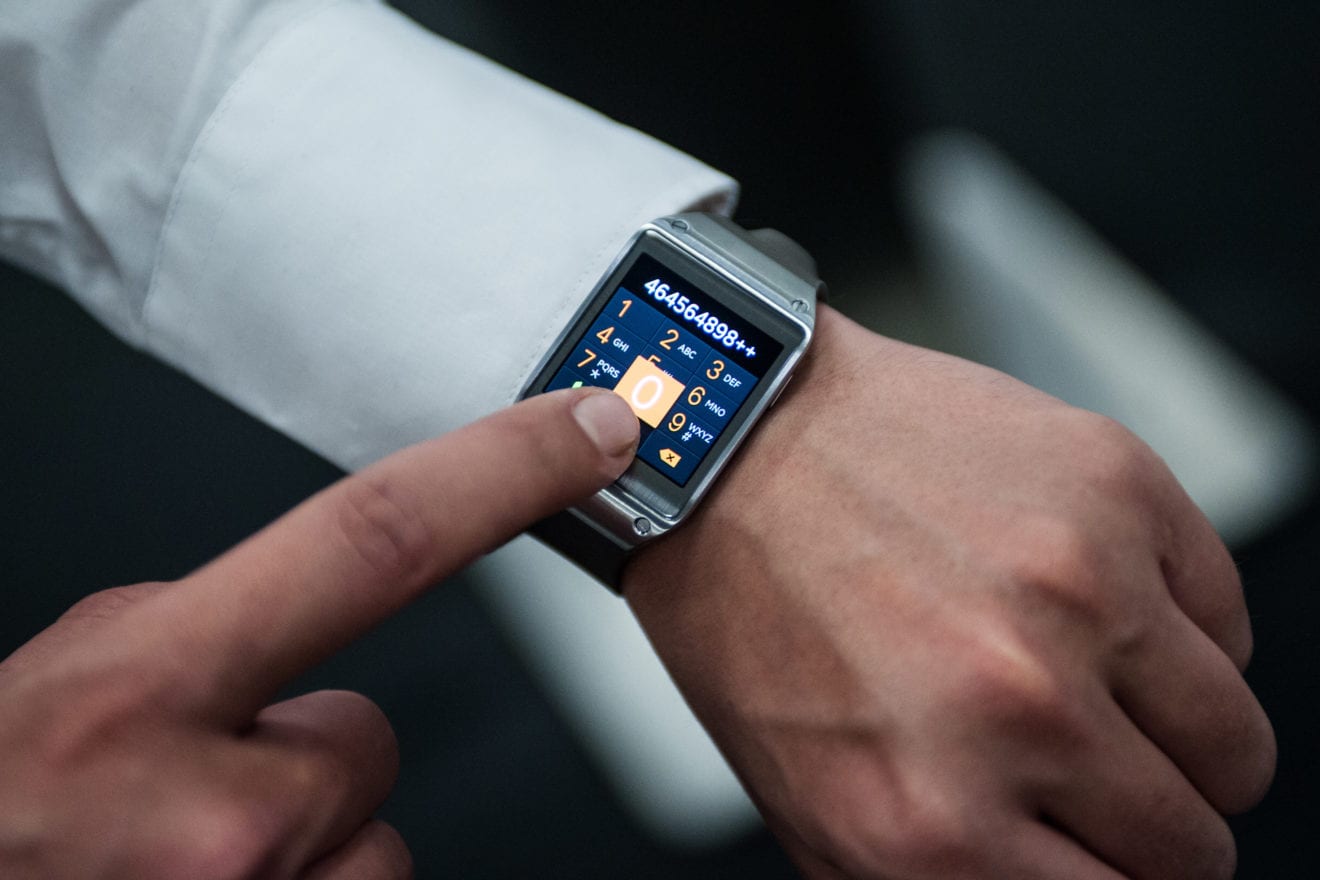
    Samsung SDI Co and LG Chem Co, South Korea’s two major battery makers, are expanding their product portfolios into flexible cells for wearable devices, a move seen to meet increasing global demand for bendable gadgets such as smartwatches.

    The two battery-making units of Samsung Group and LG Group showcased their latest flexible battery lineups at an exhibition in Seoul.

    Samsung SDI unveiled two types of flexible batteries – a stripe and band-type — that are designed to be applied for use in various wearable devices as necklaces and hair bands, the company said.

    The ultra-slim, 0.3mm-thin stripe battery, showcased for the first time, is a next-generation battery made with fibre which enables far greater flexibility than existing bendable cells, the company said.

    The band-type battery is designed to be used in smartwatches and is proven to resist over 50,000 bendings and enhance a gadget’s capacity by up to 50 per cent, it added.

    The Samsung unit supplies the bulk of its batteries to its bigger affiliate Samsung Electronics Co, the world’s top smartphone maker. Recently there have been market speculations that Samsung’s next flagship smartphone, the Galaxy S7, will come in a bendable form. The smartphone is forecast to be released early next year.

    LG Chem also put on display a wristband-type battery called “wire battery” that can be folded into half. The company developed a wire-type battery in 2013 for the first time in the world, before it came up with the world’s first hexagonal-shape battery in June.

    LG Chem said the band-type and hexagonal batteries will likely double the battery capacity for smartwatches.

    According to global market tracker Gartner, smartwatches are forecast to account for 40 per cent of wrist-wearing devices in the world by 2016, with its global shipments to surpass 100 million in 2020.

  • Pepsi smartphone planned for China

    Pepsi smartphone planned for China

    PepsiCo will market a range of mobile phones and accessories in China later this year.

    The US beverage giant will licence its brand to a manufacturing partner with the Pepsi smartphone just one of a range of planned licensed products which will also include apparel.

    “Available in China only, this effort is similar to recent globally licensed Pepsi products which include apparel and accessories,” a Pepsi spokeswoman told Reuters by email.

    No further details were released about the phone’s specifications – or the manufacturing partner.

    It won’t be the first technology product born of a partnership between Pepsi and an electronics brand. Last year it teamed up with Danish avant garde audiovisual manufacturer Bang & Olufsen to create Pepsi-branded products to support the soft drink brand’s soccer campaign.

  • McDonald’s China to accept Alipay

    McDonald’s China to accept Alipay

    Alibaba’s AliPay has received a major boost in its quest to become a generally accepted payment system in the mainland.

    McDonald’s China has announced it will accept Alipay in more than 2100 restaurants.

    The launch will commence in Shanghai this month and spread across all the fast food chain;’s locations in China by March 2016.

    “McDonald’s will work together with Ant Financial and Alipay to upgrade its services by integrating data technologies,” Ant Financial sais in a statement.

    “All restaurants in China are undergoing system upgrade and the set-up will be complete to accept Alipay as its new payment method by March, 2016.

    “It will take customers only two seconds to pay their meals at McDonald’s after introducing Alipay to its outlets by scanning the QR code in users’ Alipay. It will be more convenient and efficient for both customers and cashiers.”

    Another venture set up between Alibaba and Ant Financial – Koubei – allows consumers to pay for goods using their smartphones. Koubei is expected to be accepted by McDonald’s China also.

    Alipay’s McDonald’s China deal follows another announced last week with hotel chain Marriott as Alipay gains growing momentum in gaining market share from more traditional systems like UnionPay and even cash. Walmart starting accepting Alipay in May and KFC announced a partnership in June.

    “Alipay is now accepted in over 200,000 offline retailers and eateries across China and another 30,000 shops in Seoul, Korea, Hong Kong, Singapore, Japan and Germany,” Ant Financial.