Retail News CRM

Tag: Technology

  • Samsung Pay hits $30m in first month

    Samsung Pay hits $30m in first month

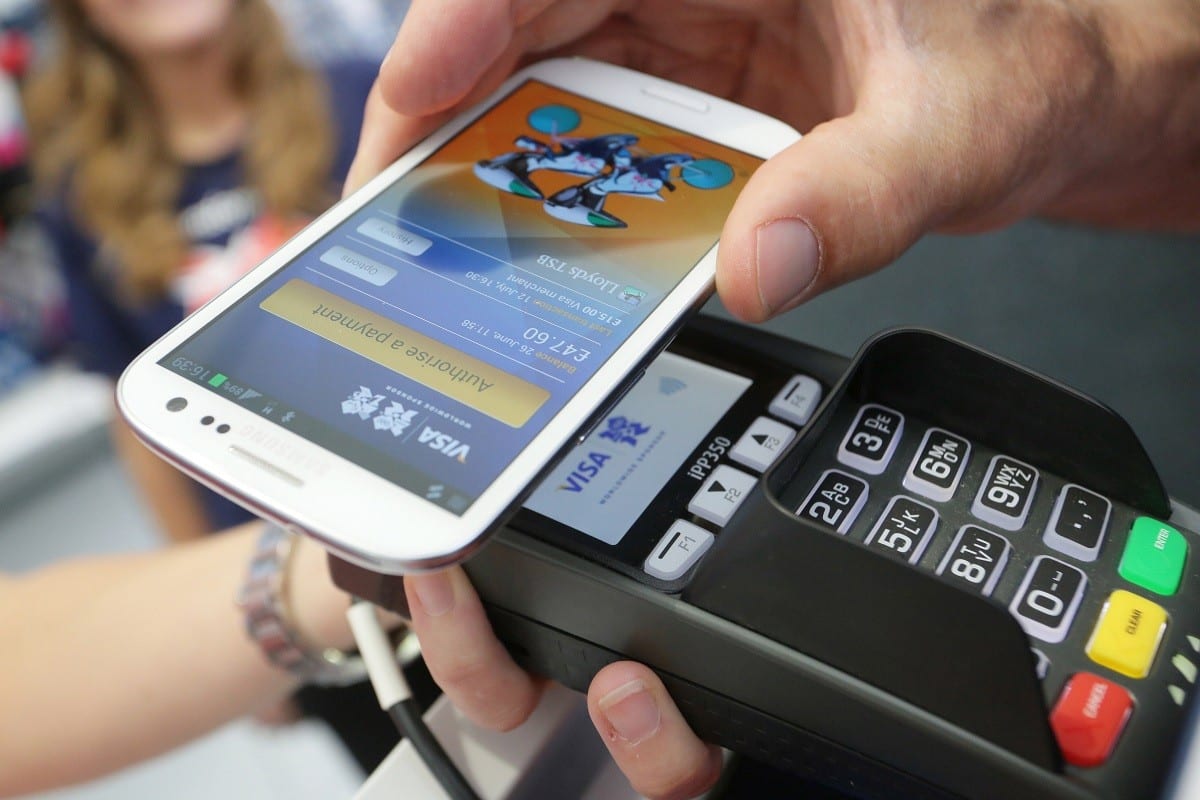
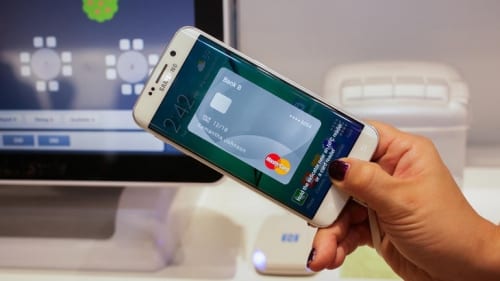
    Samsung Electronics said Thursday its mobile payment solution has processed tractions totaling US$30 million in the month after its debut in South Korea.

    The company officially released Samsung Pay in South Korea on August 20.

    The platform, available for Samsung’s high-end smartphones, including the Galaxy S6 and the Galaxy Note 5, supports magnetic secure transmission (MST) technology that works on traditional credit card machines.

    Like rivals Apple Pay and Android Pay, it also supports near field communication (NFC) that requires a separate transaction device.

    Over the one-month period, Samsung said around 1.5 million transactions have been made, with 60 per cent of them being from the Galaxy Note 5 phablet, a cross between a smartphone and a tablet PC showcased in August. Samsung Pay is also accepted at some 1000 ATMs operated by local bank Woori Bank across the nation.

    “Although the details on Samsung Pay usage are constantly being updated, the response we’ve received so far has been beyond our expectations,” said Rhee In-jong, Samsung Electronics VP.

    “We knew Samsung Pay would be a game changer in the mobile payment industry, and now with the user data, we are seeing the greater impact it is having on consumer behavior and on the lifestyles of our customers,” Rhee added.

    Samsung Pay is set to officially launch in the United States on Monday. Samsung added it will also reach Britain, Spain and China soon.

  • The Apple-IBM MobileFirst Program Set to Launch in China

    The Apple-IBM MobileFirst Program Set to Launch in China

    In July 2014 the Apple and IBM global partnership was formed to transform enterprise mobility via the iPhone and iPad. The alliance formed MobileFirst. By mid-November the MobileFirst website was launched and began promoting the new apps that were being custom designed for key segments of business including Banking/Finance, Travel/Transportation, Retail, Telco, Insurance and Government. It has since expanded to Healthcare, Industrial Products, Law Enforcement, Energy/Utilities and Social Programs.

    It’s being reported today by Guanzhou’s 21st Century Business Herald that the Apple-IBM MobileFirst Enterprise program will be officially coming to China in the coming weeks. The program will reportedly begin with 10 apps aimed at the retail, insurance, financial, telecom and aviation sectors, as well as the government, and events will be held in Beijing and Shanghai to showcase the new products.

    The goal of the Apple-IBM MobileFirst was to have 100 apps finished by the end of this year. Thus far 32 of them are completed with more on the way. Guo Jijun, president for strategy at IBM Greater China, who is also in charge of MobileFirst in the country, noted that “IBM has also formed partnerships with companies, including Twitter, Tencent, SAP, Facebook and China Telecom, so the MobileFirst platform can integrate the strength of these businesses.

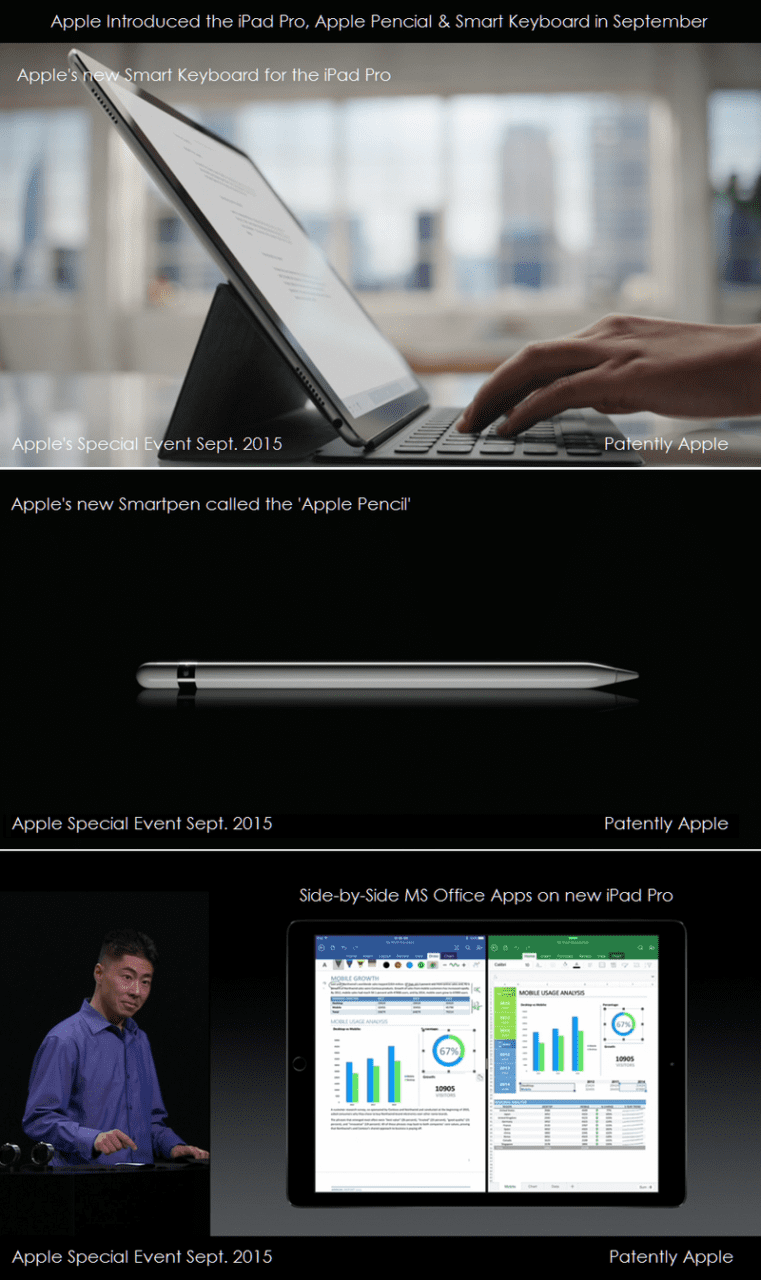
    Apple introduced the new iPad Pro on September 9 that now adds the ability to work with a new Smart Keyboard and a digital smartpen called the Apple Pencil to support  professional markets.

    2AF 55 APPLE IPAD PRO, APPLE PENCIL, SMART KEYBOARD

  • Korea more active than Japan in Southeast Asian tech

    Korea more active than Japan in Southeast Asian tech

    In a region where masses of users are newly armed with smartphones and more spending power, Southeast Asia is a new gold mine for tech enterprises.

    China’s quickly saturating market for all things tech has pushed Asia-bound start-ups to seek new territory, and global companies like Rakuten, eBay and Rocket Internet are vying over Southeast Asia with no clear winner ― meaning plenty of opportunities still abound for new players.

    Those conditions drew Korean-Japanese entrepreneur Tesong Kim, who led e-commerce at Japanese investor Rakuten’s offices in Tokyo and Jakarta, to launch his own discount retail start-up VIP Plaza for fashion goods in Indonesia, Southeast Asia’s biggest market, in 2014, and recently expand to Malaysia.

    And Korea’s start-ups are joining the rush, he says.

    They seem to be making bigger waves there than in Japan. He cannot list any Korean start-ups with a big presence in the country, a closed, conservative market that is a nut nearly impossible for foreign companies to crack. But in expanding to Southeast Asian markets like Singapore, Indonesia and Malaysia, he says they are far more active than their Japanese rivals.

    “Korea is quite aggressive in Southeast Asia, I think more aggressive than Japan in terms of e-commerce start-ups,” he told The Korea Herald in an interview on the sidelines of tech start-up conference Tech in Asia Tokyo 2015 last week.

    “Korea is very crowded. The population is very small, geographically the landscape is very small, and there’s a lot of start-ups. So it’s quite packed, but I think Japanese investors think Korean start-ups can go global more than Japanese start-ups.”

    Indeed, SK Planet’s e-commerce retailer 11st is seen harnessing the region’s demand for Korean fashion and beauty products, while couples messenger Between and crowdsourcing translation app Flitto are also gaining traction in markets like Indonesia, Taiwan and Thailand.

    Meanwhile, Kim says Japanese start-ups are trapped at home, falling hard when they try to copy and paste their successful domestic strategies into new markets.

    But competition in Southeast Asia is heating up fast. Kim believes Korea’s KakaoTalk lost the messenger app war in the region to rivals like BlackBerry, WhatsApp, LINE ― one successful Japanese exception in the region ― and WeChat because it entered too late.

    That’s why it has pivoted to commercial services such as e-commerce when targeting markets like Indonesia, he said.

    Not that e-commerce is any easier, as Kim knows from his experience with Rakuten’s Indonesian e-commerce venture and starting his own online discount retailer. Handling logistics, acquiring products and dealing with fragmented, cash-based payment systems takes immense effort.

    But due to the region’s overall cheaper costs, he believes Korean and Japanese start-ups underestimate the investments they need to gain ground ― a mistake that will get them steamrolled in the market. “They think that with $1 million-$2 million, they can go to Indonesia, try to develop ― with that kind of mindset, they will never succeed,” he says. “All the very aggressive companies are investing into Southeast Asia with a very big amount of money.”

    Even for Korea’s prized e-retailer Coupang, which received a $1 billion boost from Japan’s SoftBank Ventures this year, it might already be too late to test the region’s waters, he said.

    “What they have is a know-how of how to sell things, of impulse buying. They have a system and good talents, but they are not localizing the region,” he said. “If they tackle some new country now, they need to invest in everything ― the products, warehouse, marketing and user acquisition.”

    But the market is already crowded by Lazada, Elivenia and Rakuten, not to mention 11st and Kim’s own start-up VIP Plaza. “I think it’s already too late in terms of social commerce,” he said. “The better strategy is buying out some local players. It’s not only easier, but much cheaper.”

    Still, Japan’s massive opportunities can’t be ignored, he says. Its app market is the biggest in the world, and gaming companies are seizing opportunities. “So in that sense, I think the market is still very big.”

     

  • Shop from a magazine page

    Read, snap buy: See something you like in a magazine? Now you can shop from a magazine with new Singapore technology being trialled in Thailand.

    iQNect is a Singapore company described by Enterprise Innovation as a “visual search startup”. It has partnered with a Thai creative agency C True to merge image recognition technology with an mCommerce application to allow readers of two Thai magazines to literally shop from a photo.

    Two popular Thai magazines are involved in the trial – fashion publication Image and IN – along with four international titles, Her World, Maxim, Madame Figaro and Attitude.

    As Enterprise Innovation explains “iQNect’s visual search app enables magazine readers to access interactive digital content simply by taking a picture of any page’s images with their smartphone. This instantly brings up content like videos, invitations, exclusive digital offers or coupons and the option to  buy the item photographed without having to go to a website or store.”

    “We challenge the belief that print is a dying medium,” Niamh Byrne, iQNect COO told the website.

    “Visual search acts as a bridge between the sumptuous tactility of print media and the instant responsiveness of mCommerce.”

    iQNect’s full mCommerce platform will be publicly available from mid-November.

    Read more about the technology on Enterprise Innovation.

  • Apple underwhelms with ‘catch-up’ iPhone 6

    Apple underwhelms with ‘catch-up’ iPhone 6

    Apple CEO Tim Cook said the new iPhone 6 models unveiled overnight might look the same, but the difference is under the cover.

    He’ll be hoping Apple fans take the hint – because on the face of it, the new model released is underwhelming. There was none of the groundbreaking innovation of previous model launches, such as the introduction of Siri, the virtual assistant you can talk to, or anything especially visual, such as new look screens or shape design.

    The new model – as widely predicted – includes a multi-touch interface which senses the pressure with which it is being touched to create different responses.

    The phones feature Retina displays covered in the “strongest glass on any smartphone” and a new generation aluminium case using “the same alloy used in the aerospace industry” and in different colours, which now include rose gold.

    The camera has been “upgraded” to 12 megapixels, which is still a specification considerably less than handsets from rival manufacturers which sell for a fraction of the cost of an iPhone.

    Inside the case is a new “Apple-designed A9 chip described as “the most advanced chip ever in a smartphone, delivering faster performance and great battery life”.

    “The only thing that has changed with iPhone 6s and iPhone 6s Plus is everything — 3D Touch lets users interact with iPhone in entirely new and fun ways, and the innovative Live Photos brings your pictures to life,” said Philip Schiller, Apple’s senior VP of worldwide marketing. “These are the most advanced iPhones ever, with 7000 series aluminum, ion-strengthened glass, the new 64-bit A9 chip, 12-megapixel iSight and 5-megapixel FaceTime HD cameras, faster Touch ID, LTE and Wi-Fi. Customers are going to love them.”

    We’ll await the verdicts from reviewers in coming weeks. In the meantime, the superficial statistics, such as camera and processor, appear very much to be catching up to rival handsets like the latest Samsung Galaxy and HTC One models – rather than a leapfrog in technology or performance.

    In Asia-Pacific, the new models will be available in Australia, China, Hong Kong, Japan, New Zealand and Singapore from September 25.

  • Shoppers seeking “transformation” of retail experience

    Shoppers seeking “transformation” of retail experience

    Shoppers globally are demanding their retail experience is “transformed”, a study by MasterCard has revealed on the eve of this year’s World Retail Congress.

    And one of their top priorities: “simpler and more innovative ways to pay” according to the world’s first retail focussed ‘social listening study’.

    The MasterCard Retail Social Listening Study, in partnership with Prime Research, analysed 1.6 million unprompted online conversations around shopping and retail during the last 12 months across 61 international markets in order to understand consumer experience.

    Key findings from the study indicated retailers are experiencing a shift in consumer expectations, requiring “new and richer experiences”, says MasterCard, which will enable consumers around the world to shop at the ‘speed of life’.

    Key findings include:

    • Convenience through technology innovations: Convenience was the most positively discussed aspect of new digital payment methods in shopping and retail related conversations (77 per cent), with the travel sector leading the way in terms of the highest share of coverage. Consumers specifically highlighted their preference for not necessarily needing to take their wallet on every trip and being able to use mobile payments when they travel.
    • Being rewarded: Rewards and benefits for the consumer was the most vociferously and positively discussed topic across social media when it came to shopping and retail (38 per cent share of coverage of the six aspects measured). Entertainment was the sector leading the way, where rewards and benefits was most discussed. Consumers expressed eagerness for further acceptance of NFC payments allowing them to receive rewards for using them regularly.
    • Demand for increased acceptance: After rewards and benefits, consumer discussion of which retailers do and do not accept newer forms of payment was the second most discussed topic according to the study (21 per cent share of coverage of the six aspects measured). Consumers discussed extensively their desire for retailers to integrate new payment systems, with conversations about fashion being most prominent in terms of sector. Fashion focussed shoppers were the most keen to shout about retailers who accept new methods of payment, such as contactless acceptance and mobile payment capabilities.

    Asia Pacific respondents had the highest percentage of favourable tone on the topic of Contactless Payments.

    In addition, Twitter was highlighted as the most frequently used social media platform globally when it came to online conversations about retail and shopping.

    Carlos Menendez, executive director for international markets at MasterCard said the wave of social engagement seen every time new payment innovations are rolled out truly reflects the demand and desire for new and more convenient ways to pay.

    “It also shows that payments have really moved into the heart of the shopping experience – causing frustration when not accepted and engagement when fast, easy and personal.”

  • Rocket Internet promises major Asian roll out

    Rocket Internet promises major Asian roll out

    Fast-expanding German startup Rocket Internet is promising its new joint venture spinoff will launch one new company per quarter in Asia.

    Rocket has partnered with Qatari telco Ooreedo to launch an Asia-Pacific spinoff venture APACIG to launch new companies. This despite it already operating some 20 companies, including online food delivery business Foodpanda and eCommerce portal Zalora.

    The fast-paced roll-out has already begun with the launch of Vaniday, an online marketplace for beauty and wellness professionals, to Australia. Vaniday was already operating in five nations outside of Asia after first starting in Brazil.

    Vaniday will soon expand across Southeast Asia, the company said today. It’s similar to Vanitee and Lookbooker in Singapore.

    The news comes as some of Rocket Internet’s other ventures, such as Easy Taxi, are struggling badly in Asia. The ride-hailing app, which focuses on licensed city cabs rather than Uber-esque regular cars, pulled out of Hong Kong, Indonesia, and India at the end of last year and seems to be having a rough ride in other Asian markets up against fast-growing homegrown challenger GrabTaxi.

    Easy Taxi is also a part of APACIG. Other APACIG ventures include Carmudi, Lamudi, Everjobs, and Helpling.

    “We are operating in highly diverse markets – from very developed ones such as Singapore and Australia to rising stars such as Myanmar and Pakistan,” said Hanno Stegmann, CEO of APACIG, in a statement.

    “Our portfolio of companies fits the macroeconomic trends of different regions and the demand for new online businesses.”

  • Future fashion: Clothes which think

    Future fashion: Clothes which think

    Clothes which change shape; change temperature – and even colour. Welcome to future fashion.

    To celebrate the launch of its new smartwatch, Huawei Consumer Business Group has teamed up with ‘fashion futurologist’ and professor of fashion and technology, Dr Sabine Seymour, to reveal how the integration of technology will transform our wardrobe in the coming decades.

    According Seymour, the transformation in garments will start with our underwear, which will have in-built sensors to track personal data, such as heart rate and body temperature.

    The changes won’t end there, with personalisation in every aspect of our wardrobes. In years to come, we will be able to change the pattern, colour and even the shape and style of our garments.

    “The next development for wearables is going to see technology integrated seamlessly into clothing,” Seymour predicts.

    Her vision of the future of fashion with technology aligns perfectly with Huawei’s point of view on wearables: The Huawei watch embodies this vision, combining classic design with smart technology.

    In the future, we may find there is much more space in our wardrobes, as garments will be able to alter in form, extending and contracting in length, and changing shape and design as required. Therefore, there may only be a need for one dress or shirt and the wearer will be able to download the latest designs.

    Getting hot on public transport or carrying a spare sweater in case of colder weather could also become a thing of the past, as garments will be able to adjust to your body temperature.

    With the rise of 3D printing techniques and on-demand manufacturing, we will see the introduction of the digital cobbler, who can create shoes that fit your feet perfectly, and for the rest of your life.

    Garments will become gesture and touch-sensitive, just like phones, tablets or gaming systems are today, but with a sense of style and a true design aesthetic, explains Seymour.

    Fashion_embracing_technology__-_all_features

    “By connecting your garments to other elements of your life, we will see a move from networked devices to networked people and networked spaces. In future, it will be possible for smart garments to connect to your car, which will adjust your seat according to personal preferences.”

    A major barrier to the networked self is the current limitation of battery life. Using alternative energy sources, such as capturing the kinetic energy of a person as they walk, we will be able to create a new form of sustainable fashion.

  • Intel announces availability of 6th Gen Intel Core processor in Singapore

    Intel announces availability of 6th Gen Intel Core processor in Singapore

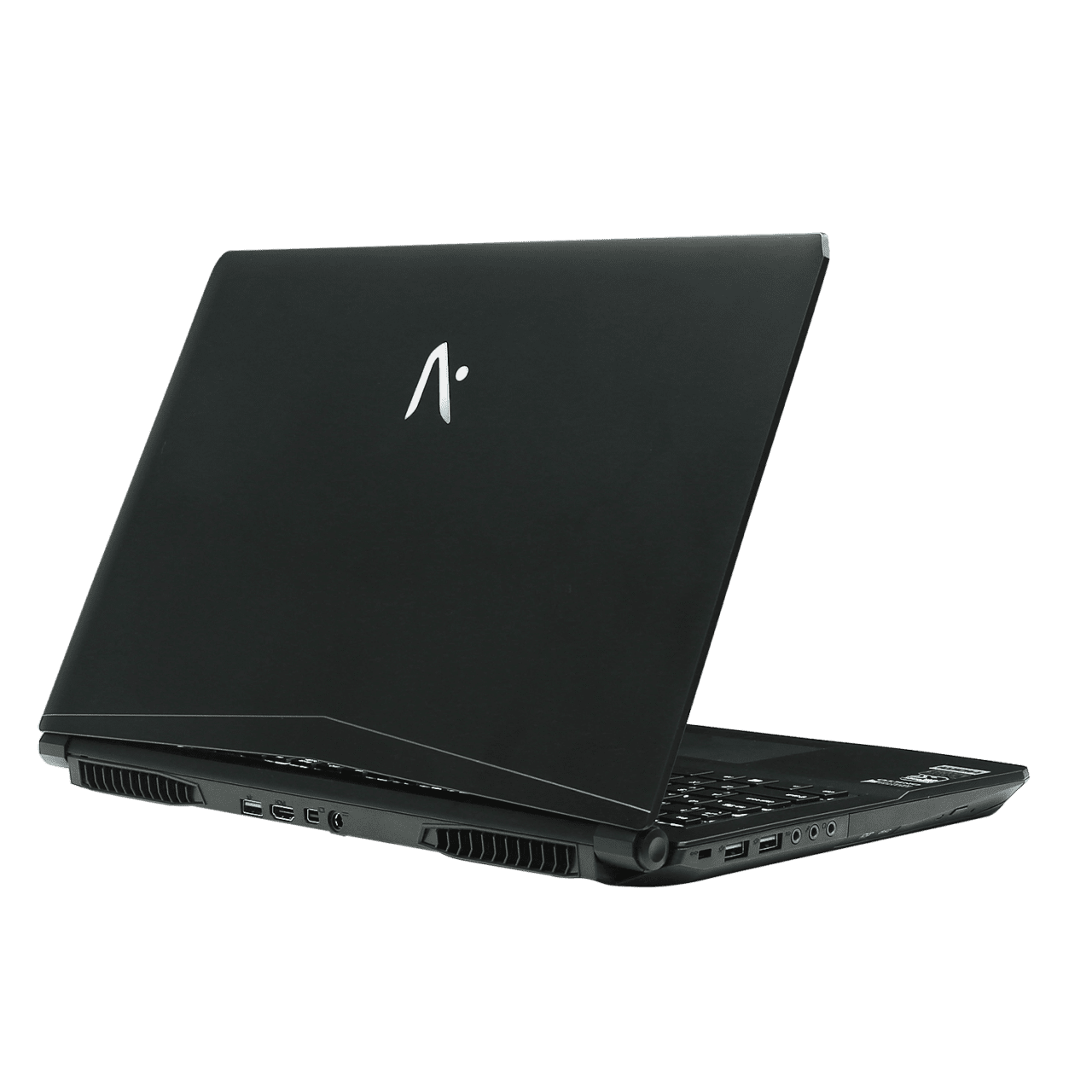
    Intel Singapore has announced the local retail availability of its new 6th Gen Intel Core processor brought to market in partnership with PC manufacturers, including Singapore-based Aftershock PC.

    Co-founded in 2012 by two Singaporean brothers, Aftershock PC is one of the fastest growing gaming PC makers in Asia, and will be introducing new devices powered by the 6th generation Intel Core processors. Customers will immediately be able to experience and purchase Aftershock PC’s latest line-up of desktop and laptop gaming PCs at the IT fair COMEX this weekend, taking place between September 3 and September 6, 2015.

    In gaming, even a split second of lag may mean the difference between winning and losing a match. The 6th Gen Intel Core processor feature capabilities that smoothen gameplay and help gamers sharpen their competitive edge.

    Compared to a 5 year old PC1, the 6th generation Intel Core processor offers up to 2.5x faster performance; up to 30x graphics improvement; up to 3x longer battery life; and is optimized for Windows 10.

    The new Aftershock PC range of gaming powerhouses kicks the gears up a notch by combining the unbridled power of the 6th generation Intel Core processors with other high-end components, including NVIDIA’s latest discrete graphics cards with support for G-SYNC display technology, speedy solid state drives (SSDs), premium full HD displays, and blazing fast Intel Dual Band Wireless-AC 7265.

    “The new 6th generation Intel Core CPUs will enable our machines to not only run fast and cool, but with great battery performance. We are very excited to see the consumer response to our new line-up,” said Marcus Wee, Managing Director, Aftershock PC.

    Sumner Lemon, Country Manager, Intel Malaysia and Singapore, said, “Intel’s collaborations and deep engagement with local PC makers, such as Aftershock PC, help us to bring exciting products to market. We look forward to working more closely with Aftershock PC to empower them for further growth and success with our best-in-class processors.”

  • Online security ‘paramount’ for shoppers

    Online security ‘paramount’ for shoppers

    A sense of security is paramount for nearly one quarter of shoppers when evaluating whether to purchase goods from a retailer online, according to a new survey from Worldpay, a payments provider.

    Assuring customers they are in safe hands throughout the entire payment experience should be a priority for retailers, according to 3500 online shoppers polled globally.

    Similarly, for one in four online shoppers, seeing payment authentication and digital certificate logos displayed prominently on a retail site’s homepage is the single most reassuring element in the purchasing process. Forty-six per cent of consumers globally admit this would help address their concerns.

    Transparency around online security is particularly important in China, where 70 per cent of shoppers said they feel more secure shopping when payment authentication and certificate logos are clearly displayed, indicating that this simple measure will go a long way in addressing the misgivings of online customers.

    Shoppers also want security transparency when retailers store personal and payment details. Thirty-one per cent of shoppers worldwide say they don’t want a retail website to store their payment details, and South Koreans and Australians are most averse to the idea with over 50 per cent saying they don’t want this information stored online. In China and Japan, 65 per cent of shoppers expect reassurance that their details will be kept safe by the retailer and want a clear explanation of how this will be done.

    Stuart Thornton, VP of business development in APAC with Worldpay, said: “Nagging doubts about the security of their payment details can add up over the multiple stages of the purchasing journey for shoppers and stop them from ever clicking ‘buy’, even if they really want a product. When selling online, retailers need to step in and reassure customers that their information is in safe hands, from the second they start browsing a site to the moment they receive an email confirming their purchase”.

    At checkout, shoppers expect the ability to use their preferred payment method and want the process to be simple and intuitive. Sixty-five per cent globally have abandoned their purchase at the checkout stage as a result of not being able to pay how they wish.

    Nearly 60 per cent of shoppers worldwide would drop out of a purchase if their preferred payment method was displayed on a retail site’s homepage but wasn’t available at checkout. Forty per cent of shoppers globally admit they would not take the time to look for their preferred payment method at checkout if it was not easy to find. This figure is even higher in Japan, where 62 per cent of shoppers say they wouldn’t search for their preferred payment method if it wasn’t already clearly indicated on the website.

    Retailers must also manage consumer expectations by clearly indicating what they can expect at each stage of the payments journey, particularly when redirecting them to a third-party website. Ninety-four per cent of shoppers globally say this is important, and one-fifth would instantly drop a transaction if ushered to a third-party site without warning. In Japan, nearly 30 per cent of shoppers would drop out if unexpectedly redirected to a third-party site to enter additional details.

    “Purchasing products online demands a certain level of trust between retailers and shoppers, and making the process simple and transparent is absolutely essential,” said Thornton.

    “Retailers will struggle to inspire confidence in their customers if they cannot deliver on shoppers’ expectations and give them peace of mind throughout the online shopping journey”.

    The need for retailers to act as a source of reassurance for shoppers is equally strong when it comes to handling errors or providing customer support. Nearly two-thirds of online shoppers (64 per cent) want a clear and immediate explanation of exactly what went wrong. When it comes to additional support, 27 per cent want to be able to call customer support, while 24 per cent want the option to email a support representative.

    Clear error messages also head off any potential confusion as to whether a transaction has been processed. Ninety-six per cent of shoppers say it is important they receive an email confirming that their order has been processed and their payment accepted.

    Adds Thornton: “If there is one thing to take away from these findings it is that the online payments journey is inextricably linked to the user experience. If retailers cannot reassure customers that their transaction will be quick, secure, and managed to the highest standard of professionalism throughout the payment journey they will struggle to keep shoppers engaged”.

    The research was carried out in partnership with KAE Marketing Intelligence, which conducted a desktop analysis of 350 top retail sites and surveyed 3500 online shoppers in 14 countries across North America, South America, EMEA, and APAC.

  • Samsung Electronics unveils ‘future of shopping’

    Samsung Electronics unveils ‘future of shopping’

    The future is here. Pause to window shop and read information about the products displayed on the other side of a transparent OLED “window”.

    Try on outfits through virtual reality, and see how they look from all directions.

    Samsung Electronics will reveal new products using smart signage that will realize futuristic smart shopping at the IFA (Internationale Funkausstellung) 2015, in Berlin in a special space set up so visitors can experience ‘smart shopping’ through smart signage solutions such as transparent OLED and smart LED signage.

    Samsung’s transparent OLED will be revealed for the first time at the IFA. It boasts a penetration ratio of 45 per cent, which is the highest in the world, and full HD resolution.Through smart signage embedded with touch functions, virtual fitting solutions that can be used at apparel stores will also be exhibited. Customers can make a model in the screen try on the clothes instead, and see what they would look like through virtual reality. Information related to accessories that match the outfit can be provided for convenience.

    A mirror display that suggests beauty tips and information on makeup according to the user’s schedule, skin type and weather will also be revealed. The most unique part of the mirror display is that it reflects the user just like a mirror through the use of hi-tech reflecting panels.

    In addition, a smart LED signage solution with higher definition will be exhibited. The product has a high resolution with a pixel pitch (that’s the space between pixels) of 1.5mm and 2.5mm. It can be set up indoors, making it possible to be used in the lobbies of shopping malls or large scale displays.

    Samsung is also planning to show various LED signage products. “

    We are planning to suggest ideas of various usages of our signage products at the IFA. By introducing Europe to LED smart signage, we are determined to push into the global digital signage market,” said a spokesman.

  • Pay by watch in Singapore NFC trial

    Pay by watch in Singapore NFC trial

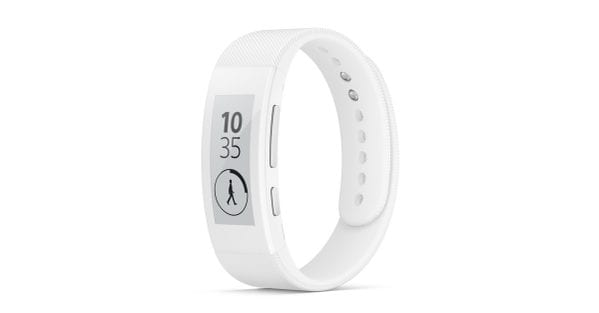
    Sony, Singtel and the Land Transport Authority have teamed up in a Singapore NFC technology trial allowing commuters to ‘pay by watch’ on public transport.

    Commuters wearing Sony SG50 SmartBands with Near Field Communication (NFC) technology will be able to make mobile payments on public transport in the future if the trial goes to plan.

    The trial involves EZ-Link, NETS and TransitLink – and the LTA says it’s part of an on-going effort to leverage technology to bring greater convenience to commuters through new, innovative and convenient ways to pay for travel.

    In addition to public transit, some 200 commuters in the trial will be able to use their SG50 SmartBand at a myriad of retail and merchant outlets including food and beverage outlets and libraries. They can also track their daily activities and sleep quality, and synchronise the measurements into their smartphones via Bluetooth for visual tracking and display.

    LTA CEO Chew Men Leong said the combination of wearable technology that enables faster, easier and more convenient transit transactions, with mobile retail payment services and lifestyle/wellness tracking, is an exciting development for commuters.

    “Insights provided by the trial will help LTA assess the performance of fare transactions using the smart band and gather feedback in assessing the potential use of wearable technology in public transit.”

    Some 200 commuters will participate in the trial which ends on February 29 next year. During the trial, participants will wear the Sony SG50 SmartBand encoded with a digital CEPAS card designed for fast, convenient and reliable contactless payments on public transit.

    The participants will only need to hold up their wrists to the fare card reader on buses and at MRT/LRT stations to pay for their journeys, making the travel experience faster and more convenient. To top-up the stored value in the band, participants simply need to place the band on the card reader of a top-up device, just as they would a transit card. For greater convenience, they can also opt to register for automatic top-up services.

    For greater mobility, participants can establish a Bluetooth connection with the Singtel mWallet app to check their band’s stored value balance and transactions while on the move. In future, the wearable may also be topped up through the app, at a later stage.

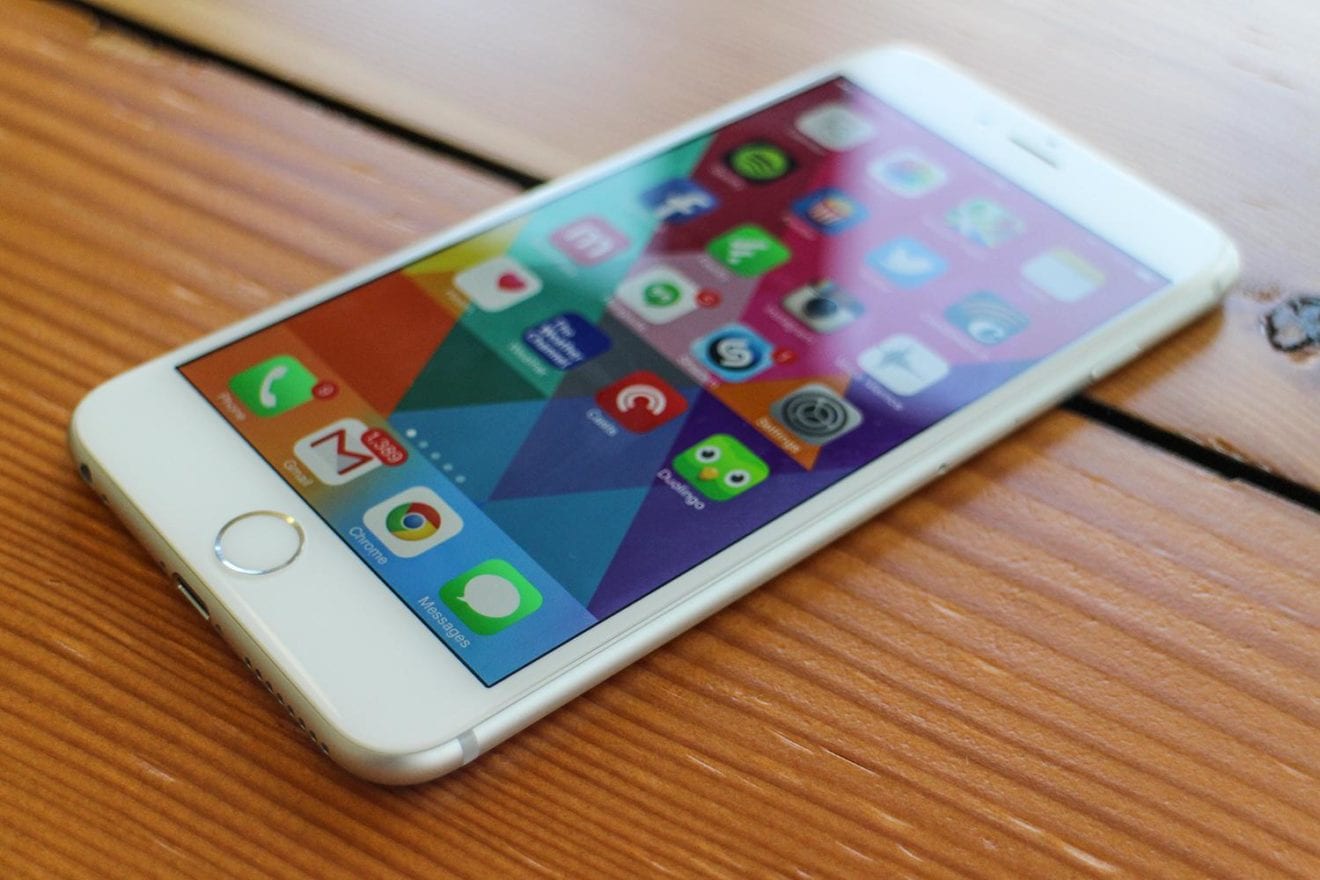
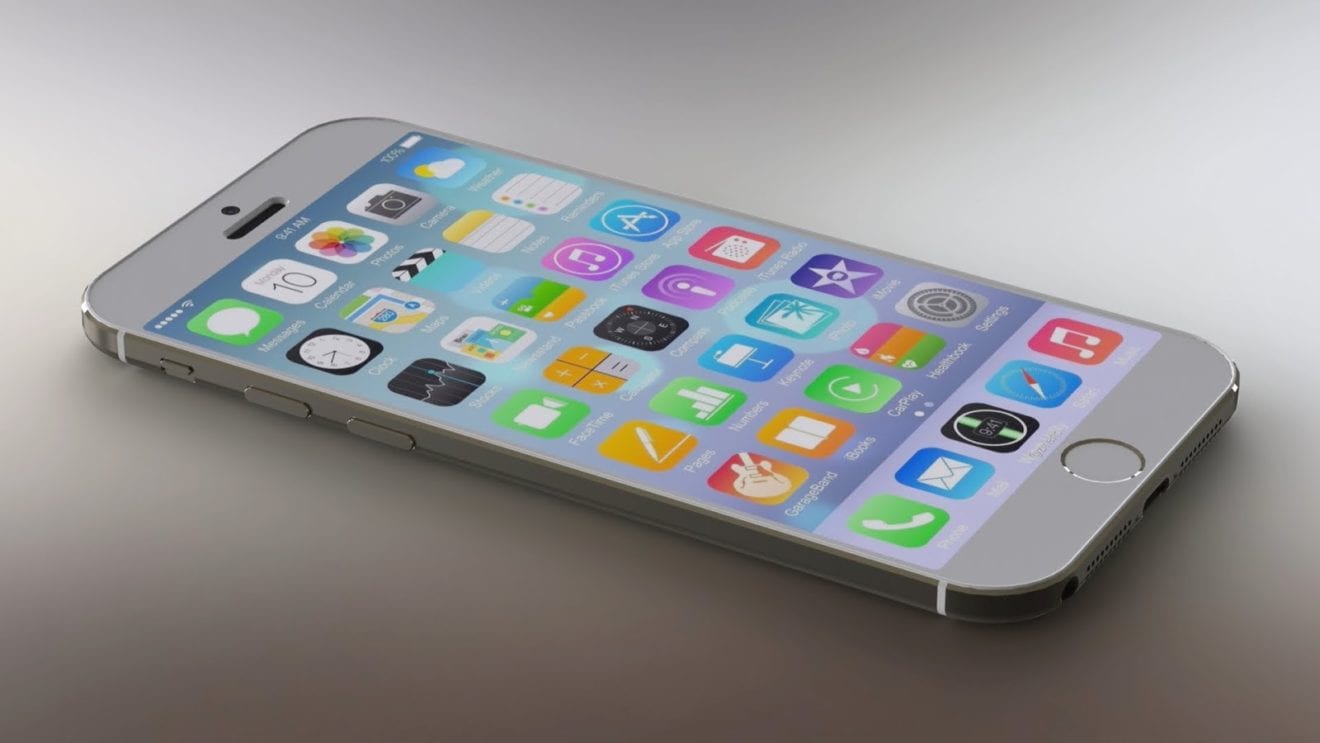
  • Apple iPhone 6S to be revealed next week

    Apple iPhone 6S to be revealed next week

    It seems like just yesterday Apple unveiled the iPhone 6 and 6 Plus. Now, the industry has shifted focus from the iPhone 6 models to the inevitable sequels. If history is any indication, the consumers will soon follow. We expect the masses to clamor for the latest from Cupertino.

    According to Dutch site Techtastic, the iPhone 6S and 6S Plus pricing will be about the same as last year’s iPhones. Based on the site’s sources, it seems that Apple will continue to sell iPhones with 16, 64, and 128GB of storage.

    Seeing as these European prices match last year’s prices, it seems likely that the American price will not change, either. Techtastic also estimates that the new iPhones will go on sale on September 25. Of course, since Apple staggers release dates around the world, it’s possible the U.S. sale date could be the previous Friday, September 18. These are just rumors, so we’ll keep you posted on the final prices once Apple announces them.

    Seeing as these European prices match last year’s prices, it seems likely that the American price will not change, either. Techtastic also estimates that the new iPhones will go on sale on September 25. Of course, since Apple staggers release dates around the world, it’s possible the U.S. sale date could be the previous Friday, September 18. These are just rumors.

    On August 27, Apple confirmed that it will hold an event on September 9 at 10 a.m. PST in San Francisco’s Bill Graham Civic Auditorium. Obviously, it’s widely expected that the iPhone 6S and 6S Plus will launch at the event, though Apple could introduce some other products as well. The only teaser on the invite is the tagline, “Hey Siri, give us a hint!” The Siri reference could be referring to iOS 9’s new Proactive predictive feature, HomeKit controls, or both.

    Previous rumors mostly agreed that a September 9 launch date was planned. Multiple sources referred to a September 9 event, and now 9to5Mac has found some evidence that supports the launch date and hints at a possible in-store sale date for the iPhone 6S and 6S Plus. The publication’s sources state that BestBuy and Apple have agreed to sell Apple Care warranties at the retail store on September 14.

  • Genki Sushi takes sushi train high-tech

    Genki Sushi takes sushi train high-tech

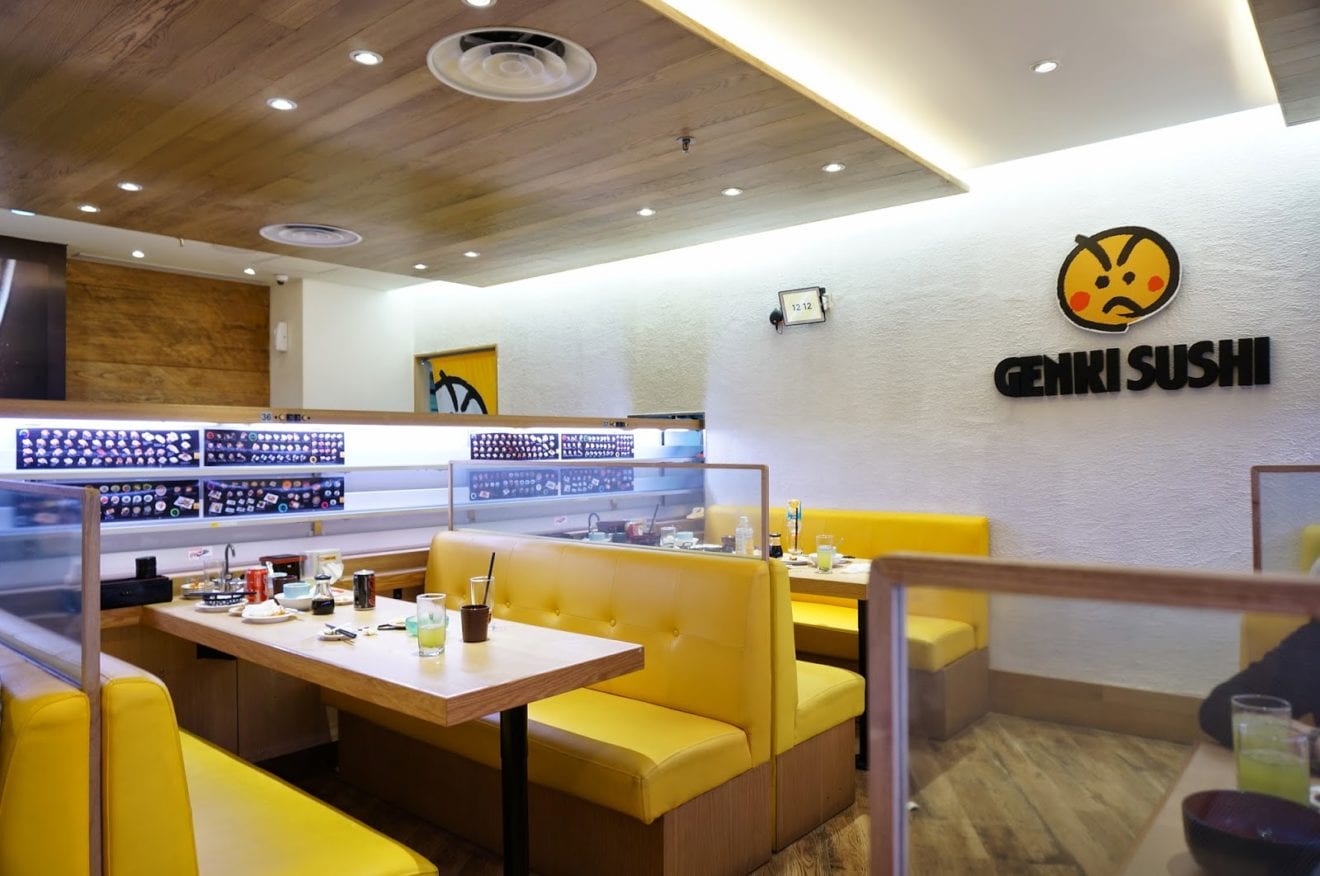
    Hong Kong is home to the world’s first fully-automated sushi restaurant: Genki Sushi uses bullet trains to deliver fresh food to diners’ tables..

    Genki Sushi pioneered the sushi train concept back in 1968, inventing the conveyor belt system to have dishes circulating around diners – a buffet concept where the food comes to you rather than vice versa.

    The model quickly took hold around the world and Genki Sushi was listed on the Tokyo Stock Exchange in 1991 before beginning an international expansion which included Hong Kong in 1995.

    Its newest store – in Tsuen Wan Plaza – features a major technological advance of the 1968 conveyor concept: a three tier kousoku (speed train) where trains shaped like models of the famous Japanese Bullet train zip back and forth from kitchen to tables, delivering food ordered on an iPad.

    The automated system knows how to deliver the food to the right seat thanks to RFID chips embedded underneath the plates.

    There are 24 lines installed in the store and the system can simultaneously serve to to 158 people.

    There is also a takeaway facility where customers can order food on a tablet, pay by Octopus card or PayWave and have their meals delivered on rails to the store entrance.

    Genki Sushi, with 40 stores, the largest sushi train restaurant chain in Hong Kong, plans more automated stores in both the business district and suburbs.

    No word yet on whether the automated eateries will be launched in the company’s other Asian markets, including Singapore, Malaysia and Taiwan.

  • Korean banks back Samsung Pay

    Korean banks back Samsung Pay

    South Korean tech giant Samsung Electronics says the country’s 10 credit card companies have agreed to support its new mobile payment system, slated for launch today, Thursday.

    Korea will be the first market in which the Samsung Pay service is launched. It supports not only the near field communication (NFC) technology like its rivals but also magnetic secure transmission (MST) and bar code technologies.

    The MST technology is significant as it is compatible with conventional credit card devices, and therefore, it can be used in a larger number of shops compared with Apple Pay. Samsung’s progress was made possible as it had bought US mobile technology firm LoopPay, which has patent rights related to MST.

    Samsung Pay is available through the Galaxy Note 5 and the Galaxy S6 Edge+ that were showcased last week, and software upgrades will be provided to the users of the two smartphones.

    The service will officially reach the United States on September 28.