Tag: telco

  • Tata Communications posts 14.9% YoY PAT

    Tata Communications posts 14.9% YoY PAT

    Tata Communications has announced its financial results for the quarter ended 30 June 2021. Consolidated revenue came in at INR 4,103 Crore (USD 556 Mn), growing 0.7% quarter-on-quarter (QoQ), and decreasing 6.8% year-on-year (YoY). This YoY contraction is primarily due to reduction in Voice business and moderation of Collaboration traffic in the Data segment.

    Consolidated EBITDA stood at INR 986 Crore (USD 134 Mn); a reduction of 5.3% YoY. This quarter, EBITDA has been impacted by a provision of INR 33 Crore on account of license fee on revenue from pure internet services which was allowed as deduction in the definition of Adjusted Gross Revenue (AGR) earlier. Despite this impact EBITDA margin has expanded by 40 BPs YoY. CAPEX for this quarter grew to INR 381 Crore as compared to INR 372 Crore in Q1 FY21.

    Data business revenue came in at INR 3,104 Crore witnessing a growth of 0.6% QoQ and a 2.2% YoY reduction. Data business continues to be affected by COVID related slowdown. Enterprise decisions have been slow due to macroeconomic headwinds leading to longer lead time for deal wins. Service delivery was affected by lockdowns during the 2nd Wave of COVID-19 pandemic. EBITDA for the segment stood at INR 932 Crore; up 0.4% QoQ and decline of 2.4% YoY. EBITDA was affected by provision of license fee made during the quarter and despite this impact EBITDA margin is maintained at 30%.

    In Core Connectivity, there is healthy growth in revenue by 1.7% YoY, and EBITDA increased by 0.3% YoY with margins at 42.6%. Digital Platforms and Services were affected by the moderation of Collaboration traffic which was at its peak in Q1 FY21. Revenue strengthened by 2.9% QoQ but reduced by 12.8% YoY. There are early signs of recovery and an uptake of usage-based services in geographies where economies have opened.

    “In a challenging quarter impacted by the second wave of COVID-19, we have delivered a robust performance,” said A S Lakshminarayanan, Managing Director and CEO, Tata Communications. “The global markets are slowly opening up and we are witnessing greenshoots of demand recovery.”

    He added, “Our focus is to continue investing in developing innovative digital ecosystem solutions driven by customers’ needs. Early demand for our recent launches for live sports on our Media Edge Cloud and IZO™ Financial Cloud is testament that we are moving in the right direction.”

    Commenting on the results, Kabir Ahmed Shakir, Chief Financial Officer, Tata Communications, said, “Our focus on growth and profitability continues to deliver results. A healthy profit and free cash flow is empowering us to innovate and accelerate growth while streamlining processes and bringing in further efficiencies. We are well-poised to enable enterprises make the shift with digitalization playing a pivotal role enabling businesses derive positive growth.”

  • ZTE receives 2021 Global Server Product Innovation Award by Frost & Sullivan

    ZTE receives 2021 Global Server Product Innovation Award by Frost & Sullivan

    ZTE Corporation has been presented with 2021 Global Server Product Innovation Award by Frost & Sullivan, based on the investigation and analysis of 2021 global server product market, as well as the research and evaluation on mainstream server competitors within the industry.

    This award is to honor ZTE Corporation’s continuous innovation and progress in the global server product market, its technology leadership position in the industry, and its contribution to the overall development of the server industry.The reform of IT infrastructure is the engine of the digital transformation of enterprises. Regarding the rapid increase in data traffic in the era of the digital economy, enterprises’ IT infrastructure requires stronger computing power to deal with the massive data. Meanwhile, due to differences in products and services and different application scenarios, each type of industry has also formed diversified and customized needs.

    Under this background, the opportunities and challenges coexist for the server vendors. In terms of computing power, simply expanding data centers might help in dealing with data, but it also makes the data centers’ structure more complicated and harder to conduct operations and maintenance. Regarding this difficulty, companies and organizations require not only powerful data processing capabilities, but they also want more intelligent operations and maintenance, and simpler deployment methods of IT equipment.

    In terms of differentiated demands, servers, the infrastructure platform for enterprises’ IT systems, are required to respond to a large number of service requests and process services. In addition, companies and organizations in related industries have also proposed more differentiated requirements on performance, reliability, adaptability, and flexibility of servers.

    For instance, the financial enterprises rely on servers, storage and cloud operating systems to build a stable and reliable financial cloud platform; the telecom enterprises need to effectively assist customers in the reform of “network moving with the cloud” and “cloud and network integration”. The power enterprises require to ensure the power market safety and under control, and provide a stable and smooth operation environment for the national grid information system, etc. Products or services that can better meet the differentiated needs of various industries will stand out under the change.

    In the new era of servers becoming high performance, high reliability and diverse computing power, coupled with companies in related industries put forward higher requirements on the server performance, reliability, adaptability and flexibility. ZTE keeps up with the trends, constantly innovating technology and launching new products to meet new requirements:

    In the aspect of data processing, The G4X server newly introduced by ZTE uses 2 Intel Xeon third-generation extensible processors (Ice Lake) with a single processor up to 40 cores. Its performance is at the top level of the industry, providing an efficient engine for enterprises in the process of digital transformation.

    In the aspect of meeting the needs of multiple industries, ZTE G4X server boasts four to eight built-in heterogeneous and intelligent computing acceleration engines, which can satisfy the requirements of various scenarios of artificial intelligence, image processing and industrial control, etc.

    In the aspect of server reliability, ZTE G4X server can effectively meet the server reliability requirements of government, finance, railway, power grid and other enterprises. For instance, all ZTE servers are designed and produced based on telecom equipment standards. The reliability of the products is also verified by telecom product requirements, and can be efficiently adapted to the business environment of enterprises.

    In the aspect of environmental adaptation, ZTE adopts stringent standards for verification from R&D and design to producing and manufacturing. For example, to verify and improve ZTE G4X server’s reliability under high-stress environmental conditions, the server is tested at high and low temperatures ranging from 0 to 50 degrees. Moreover, to improve the protection capability of ZTE’s products in complex environments, ZTE uses a higher level of 6-8kV test standards. Furthermore, to identify extreme working conditions of products and continuously improve the product design, ZTE also conducts a HALT (High Accelerated Life Test) test.

    In the aspect of flexibility, ZTE G4X server realizes a flexible combination of “1 product, 2 chassis and 7 models” through modular design, effectively reducing O&M costs and deployment time for enterprise customers. It even refreshes world records of SPEC CPU performance tests, setting new world records in floating-point calculation and integer calculation performance tests.

    Overall, ZTE G4X server features ultimate performance, flexible expansion, high reliability and efficient O&M, providing new momentum for the digital transformation of various industries.

    Frost & Sullivan Best Practices awards recognize companies in a variety of regional and global markets for demonstrating outstanding achievement and superior performance in areas such as product revenue, technological innovation, customer service and strategic product development. Industry analysts compare market participants and measure performance through in-depth interviews, analysis, and extensive secondary research to identify best practices in the industry.

    Frost & Sullivan’s analysts and consultants continuously research a wide range of markets across multiple sectors and geographies. As part of this ongoing research, it identifies companies that have successfully introduced new and innovative products into their markets, with emphasis on product innovation and customer value. This involves extensive primary and secondary research across the entire value chain of specific products. Against the backdrop of this research, Frost & Sullivan is pleased to recognize ZTE Corporation for 2021 Global Server Product Innovation Award.

  • Nokia secures first 5G contract in China

    Nokia secures first 5G contract in China

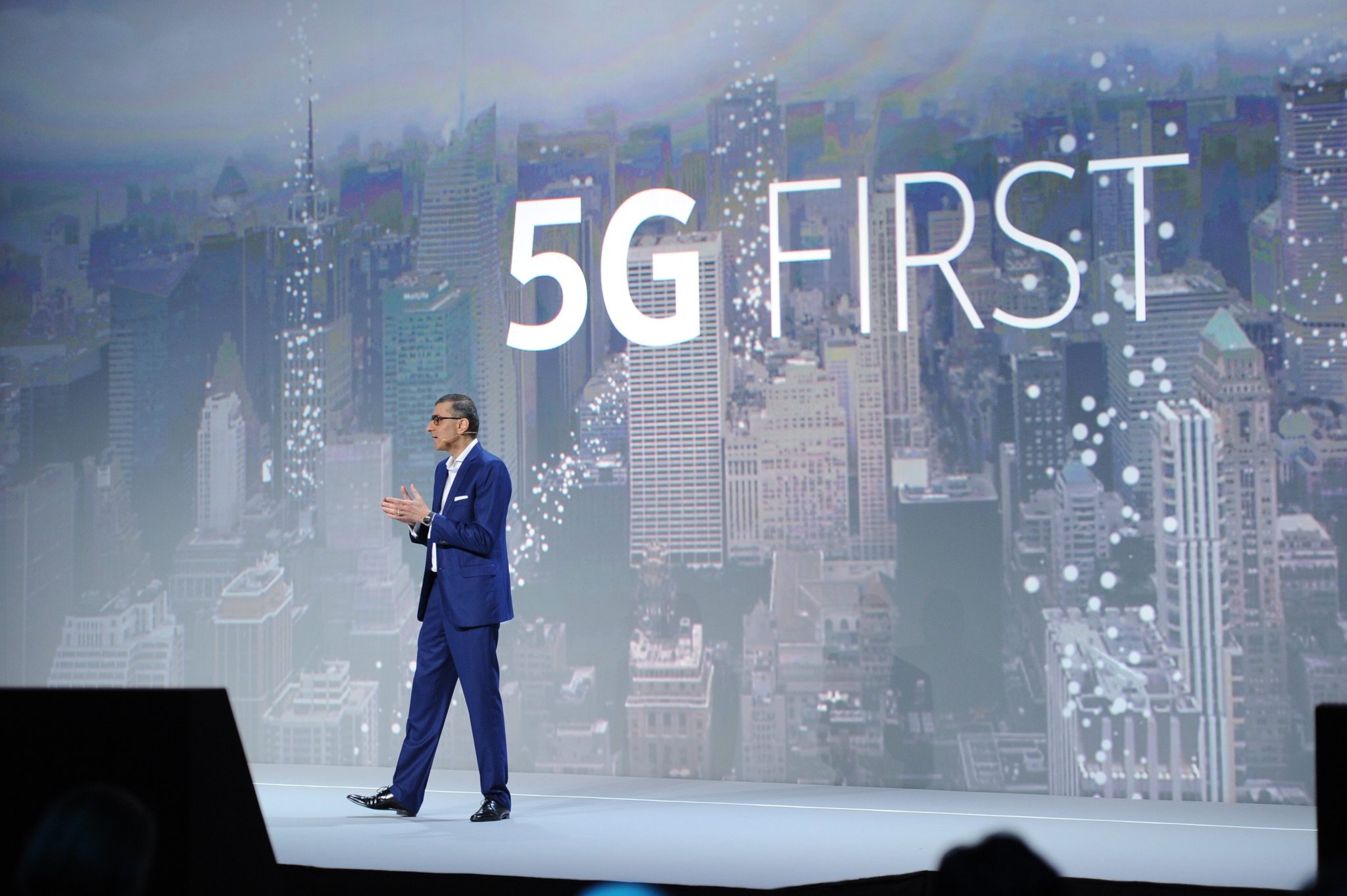
    Nokia secured a 5G RAN contract for China Mobile on Monday, making this the company’s first 5G contract in the country.

    Nokia was awarded a 10% share in one of three contracts tendered by China Mobile, while Ericsson obtained 9.6% of another contract. The total tender for all three contracts reached about $6 billion, with Nokia being awarded 4% of the overall tender. Comparatively, Ericsson was awarded 2%, dropping from about 11% last year.

    Together, Huawei and ZTE won the majority share in all three contracts to build 5G 700 MHz base stations for China Mobile and China Broadcasting Network. This is followed by a smaller local company Datang Corporation.

    China Telecom and China Unicom will also be disclosing awards of their respective 5G contracts.

    Currently, China is ahead of other countries in 5G deployments. According to data from the Ministry of Industry and Information Technology, China had deployed 820,000 5G base stations by the end of March.

  • India’s software market revenue projected to reach US$7.6 billion by year end

    India’s software market revenue projected to reach US$7.6 billion by year end

    According to the International Data Corporation (IDC) Worldwide Semiannual Software Tracker 2H20 (July–December), the India software market is estimated to reach US$7.6 billion by the end of 2021. The India software market was pegged at US$7.0 billion in 2020, registering a growth of 13.4% year-over-year (YoY) compared with that in 2019. India accounted for 17.5% share of the overall Asia/Pacific (excluding Japan and China) (APEJC) region software market in 2020. Microsoft, Oracle, and SAP maintained their leadership positions in the India market during the same year. 

    Shweta Baidya, Senior Research Manager for Software and IT Services at IDC India says, “Although the pandemic had a minor impact on the overall growth of the India software market, it acted as a catalyst for strong growth across some of the software segments as enterprises reevaluated their IT strategies and took concrete steps to move toward digital business models. Digitally matured enterprises were able to smoothly navigate through the crisis and maintain business continuity and operational resilience. However, enterprises with traditional business models charted out new strategies to leverage cloud and digital to stay relevant and consistent. Investment in collaborative platforms, network transformation, and security re-architecture witnessed a spike during the last few quarters.”

    IDC classifies the software market into three primary categories: applications, application development and deployment (AD&D), and systems infrastructure (SI) software. Applications contributed 60.4% to the overall market revenue, followed by AD&D and SI software with shares of 21.6% and 18.0%, respectively, in 2020.

    As per IDC’s current estimates, engineering applications, collaborative applications, customer relationship management (CRM) applications, enterprise resource management (ERM) applications, and content workflow and management applications are the leading software segments in terms of revenue. The collaborative applications market witnessed the highest growth of 36.7% in 2020, followed by artificial intelligence (AI) platforms and system and service management software at 30.9% and 24.8%, respectively.

    India Market Forecast

    IDC estimates India’s overall software market to grow at a compound annual growth rate (CAGR) of 11.6% from 2020 to 2025. India enterprises will continue to invest in technologies that will help them spur innovation to improve operational efficiency and employee productivity, and in turn, maintain business momentum. IDC expects acceleration in demand for technologies, such as robotic process automation (RPA) software, conferencing and collaborative applications, AI platforms, digital commerce applications, and IT service management (ITSM) software, among others. Additionally, cloud is also becoming one of the critical elements of enterprises’ digital strategy. IDC expects the contribution of platform-as-a-service (PaaS) and software-as-a-service (SaaS) markets to the overall software market to increase from 36.8% in 2020 to 57.1% in 2025.

    “In spite of the adverse impact of the pandemic, India continued to be one of the most resilient markets across the APEJC region. India software market registered a growth of 13.4%, which was the highest in the region. Enterprise sentiments improved during the second half of the year and investments were ramped up quickly on digital work models to enable smooth transition to a remote work environment. IT budgets were re-apportioned and allocated in accordance with the increased spending on emerging technologies. Software vendors have been aggressively acquiring customers by supporting them in the digital journey with flexible and scalable options,” adds Baidya.

  • Inmarsat joins effort for telecommunications and navigation systems for lunar missions

    Inmarsat joins effort for telecommunications and navigation systems for lunar missions

    Inmarsat, the world leader in global, mobile satellite communications, will be a key member of a new consortium led by Telespazio to study the development of a satellite navigation and communications network that supports future missions to the Moon. Funded by the European Space Agency (ESA), this project will explore creating a single system that would serve all lunar missions, drastically reducing the cost of each trip that would no longer need its own infrastructure to be developed. The system would provide connectivity and navigation to both crewed and uncrewed missions.

    Project Moonlight is ESA’s program to explore, with industry, how to develop telecommunications and navigation systems to support future planned lunar missions. An industry consortium will study how a future Lunar Communications and Navigation Satellite (LCNS) constellation could work. This study will research demand from potential users and build a business case for future development of the system. The study will also provide a technical concept for the LCNS that fits within this overall business case.

    Within the consortium, Inmarsat will be responsible for researching and collating the requirements from potential users of the system, in both the public and private sectors, who have lunar ambitions. In addition, Inmarsat will design the LCNS ground segment.

    “Providing communication and navigation capabilities around the Moon is a major challenge, both technically and commercially,” said Yasrine Ibnyahya, Senior Director, Advanced Concepts and Technologies at Inmarsat. “But I strongly believe that the expertise and assets from Inmarsat and our partners can solve this challenge in the most efficient and cost-effective way. Communications and navigation are both core capabilities of Inmarsat’s Earth operations in orbit and on the ground, so it is only natural that we expand our reach and leverage our know-how beyond our planet to the Moon.

    “This lunar project is only the first step to unlock future opportunities. It can become the hub to facilitate human space exploration, further technology developments and perhaps access to new resources.”

    Because missions could rely on this dedicated telecommunications and navigation service, they would also be lighter. This would create space to allow more scientific instruments or other cargo to be carried.

    Science Minister Amanda Solloway said: “People all over the world will be hugely excited by the upcoming missions to the Moon – and I’m proud that it is UK space companies who are leading the way in making these become a reality. Britain’s expertise in navigation and telecommunications is second to none and this first of its kind commercial service – spearheaded by some of the UK’s most innovative businesses – demonstrates our ambition for the UK to become a world- leading space nation.”

    An accurate and reliable telecommunications and navigation service would also enable missions to land anywhere on the Moon. Rovers and other lunar installations could be operated from Earth. Radio astronomers could set up observatories on the far side of the Moon.

    Nick Shave, Vice President of Strategic Programmes for Inmarsat Global Government, said: “Project Moonlight opens up multiple possibilities to accelerate and diversify lunar exploration. It’s not inconceivable that, alongside vital operational uses, this satellite network could also provide a critical welfare service, such as allowing astronauts to relax by sending WhatsApp messages home from the Moon or even catching up on Netflix in orbit. The Inmarsat team is very excited to get to work engaging with potential users of the system, to use their insights and our expertise to deliver a strong recommendation to ESA so that this once in a lifetime opportunity can be delivered for all humankind.”

    ESA has awarded funding to the consortium to cover the next stage of project development over 17 months and industry has also contributed to the project.

    Large mission integrator Telespazio is the prime for this project with TAS the nominated satellite manufacturer.

    Inmarsat participated in the initial phase 0 of this project in 2018 and 2019, performing a preliminary feasibility analysis of a Lunar Communication and Navigation System with ESA and partners. The company is now involved in the deeper analysis as part of the Moonlight initiative.

    Upon completion of this 17 month study phase, ESA will then review the study to inform how to implement the next stage, including satellite and ground segment procurement, in late 2022.

  • The role of telecoms in a growing big data analytics market

    The role of telecoms in a growing big data analytics market

    In today’s data-driven world, more organizations are investing in big data analytics to improve business performance and build business resiliency as the world experiences unprecedented digitalization.

    According to IDC, big data and analytics (BDA) spending in the Asia-Pacific region, has been on the rise. In 2020, revenue for BDA solutions reached US$22.6 billion, representing a growth of 12% from the preceding year. IDC predicts that this revenue will grow with a five-year CAGR of 15.6% for the period from 2019 to 2024.

    Banking is the top vertical leading the overall BDA market, followed by the telecommunications sector, where big data analytics has been applied to predictive customer churn analysis, for instance.

    Since telecom operators handle billions of records every day, the use of big data converts raw data into meaningful insights that are valuable to enterprises and the government.

    In the region, China accounts for the largest share of the BDA solutions market, driven by banking and state and local government. Even Chinese factories have turned to big data to focus on the domestic market when exports were disrupted last year. When overseas demand dropped and China was at the height of the pandemic, factories turned to e-commerce giants like Alibaba and JD.com to track consumer behaviors. Within just three months, Alibaba successfully helped 300,000 Chinese export factories to focus on local consumers.

    To secure tech supremacy, China is investing heavily in emerging innovations. Last month, China’s state media announced a US$3 billion plan to build a supercomputing center to analyze data obtained from space by the end of the year. The center will provide big data services for industries such as the aerospace and marine sectors as early as next year.

    Taking cues from the central government, companies are also investing in big data. Last month, tech giant Tencent and venture capital firm Sequoia China led a US$25 million funding round in a Chinese big data startup to capitalize on global digitalization efforts.

    In Malaysia, where big data analysis is still in its early stages, IDC has forecasted that the BDA market will grow from US$1.1 billion in 2021 to US$1.9 billion in 2025. In this research commissioned by Malaysia Digital Economy Corporation (MDEC), findings show that the services sector will dominate the BDA market, contributing 64% of total spending, followed by banking and telecommunications, with both contributing to a third.

    Malaysia has plans to become a regional data hub leader, with capabilities such as big data, IoT and AI. Last month, Microsoft announced that it is establishing its first data center in Malaysia’s Greater Kuala Lumpur area. Estimated to cost US$1 billion, this investment is expected to create 19,000 jobs and generate US$4.6 billion in revenue for Malaysia.

    New revenue sources across sectors
    Amid big data growth and advances in big data analytics, global telecom operators are well-positioned to take advantage to compete. Apart from transforming customer experiences within to reduce customer churn and improve operational efficiency, the telecommunications industry is in a unique position to mine the sheer volume of data for other sectors as data becomes a key differentiator to stand out among the competition.

    Insights into big data present telecom operators’ monetization opportunities when offered to organizations across increasing industries that are recognizing its perks. Such industries include logistics and shipping, as well as the retail industry.

    In the logistics industry, for instance, historic data and pattern analysis that take into consideration seasons and cycles can be used for predictive analytics. Insights from data can be used to predict future volumes, route planning using real-time analytics on weather and traffic conditions for route optimization, and more efficient dispatch of transportation vehicles to prevent delays. Predictive analysis also enables robotic systems to scale inventory management in warehouses as needed. Essentially, big data analytics offers visibility and transparency throughout the supply chain so that firms can better respond to immediate real-time information for smoother operations.

    Big data also promotes client segmentation and target marketing to attract and retain existing clients in the retail sector. For example, telecom operators can run analytics on consumer data that are sought after by retailers to enhance existing targeted marketing campaigns. More specifically, behavior analytics carried out by telecom operators can help retailers connect with their buyers both online and offline and decide if it is worthwhile opening a store or franchise in a particular precinct.

    Given that the telecommunications industry is inextricably linked to organizations in today’s digital age, data-driven insights are an important driver for the continued relevance and prosperity of organizations across diverse sectors. The onus is on telecommunications operators to tap on this growth area.

  • Growth plateaued for global telecommunications market in 2020

    Growth plateaued for global telecommunications market in 2020

    Worldwide Telecommunications Services and Pay TV Services revenues totaled $1.53 trillion in 2020, representing flat year-over-year growth, according to the International Data Corporation (IDC) Worldwide Semiannual Telecom Services Tracker.

    Services revenue for the Asia-Pacific region totaled at $482 billion in 2020, equalling the amount in 2019. IDC expects worldwide spending to increase by 0.7% in 2021 reaching a total of $1.54 trillion.

    The COVID-19 pandemic was unquestionably the most important factor influencing the telco market in 2020. In the first six months of the year, the pandemic brought a notable decline to the market in the form of decreased subscriber numbers and lower services spending. This was caused by the strict lockdowns imposed by governments as well as the widespread pessimism and anxiety that forced people to cut spending on nonessential products and services. In the second half of the year, the demand recovered, fueled by economic stimulus measures and the progress in vaccine development. The renewed optimism helped the global and regional markets to cover the losses recorded in the first half of the year and come close to equaling the prior year’s results.

    Although the revenue outcome in 2020 was neutral, the pandemic drastically changed the trends that have shaped the global telco market for a long time. Consumer fixed data services have suddenly become the most important type of connectivity, enabling home-bound people to work and entertain. Business fixed data services have temporarily lost momentum due to the migration of traffic to the consumer segment, but most of these connections were preserved as they were protected by long-term contracts. Fixed voice services saw a slight increase in dropout rates because some companies within the small business segments went bankrupt and more residential clients gave up their connections for cost-cutting purposes. Mobile services spending also declined slightly due to slower renewal of contract agreements, reduction of out-of-bundle spending, and a sharp decrease in roaming revenues due to travel restrictions. In the Pay TV segment, the migration from traditional Pay TV to Over the Top (OTT) services accelerated during the COVID-19 crisis, driven by increased consumption of video content and new OTT service launches.

    IDC believes that connectivity will become an even more critical asset for households and businesses after the pandemic, as some of the habits adopted during the crisis (remote working, collaboration, online media consumption) are expected to become part of everyday life. The migration toward FttP access is expected to accelerate in most of the country markets, while the business fixed data market will recover in the longer term as the economic recovery drives increased investments in the cloudification of enterprise business activities. Revenue growth in the mobile services space will be buoyed to a degree by 5G adoption, which will invite users to deploy more advanced data capabilities and uptake the content and services dependent on high-speed data connectivity.

    The global telco market was put to a serious test in 2020 and it successfully passed. IDC believes that the lessons learned last year will help the industry to secure stable growth in the coming period. “The COVID-19 pandemic demonstrates the resilience and value of the telecoms industry,” said Chris Barnard, vice president, European Infrastructure and Telecoms. “New ways of working will persist beyond the pandemic, shaping future revenue opportunities, while the network-centricity of consumers will drive bandwidth requirements in that segment as well.”

  • eSIM and its impact in an hyperconnected world

    eSIM and its impact in an hyperconnected world

    Powered by 5G, eSIM or embedded subscriber identity module is a rising technology that is threatening to replace traditional SIM cards. With 5G revolutionizing connectivity, eSIM emerges as a seamless way to harness greater connectivity between a future of billions of IoT devices. Instead of relying on physical SIM cards, eSIM is the embedded alternative that uses remote SIM provisioning (RSP) to download a user’s profile onto a device, to provide users full control of connectivity management and the ability to switch networks as desired.

    Last year, eSIM adoption grew in the wake of the pandemic. In the coming years, this trend will continue to persist. According to recent findings from Juniper Research, the number of eSIMs embedded in connected devices will more than double from 1.2 billion this year to 3.4 billion in 2025. Of which, 94% of global eSIM installations in 2025 can be attributed to the consumer sector.

    In the consumer market, eSIM is deployed in tablets, smartphones, laptops, and wearables. Some smartphones from Apple, Google, Huawei, and Samsung are already supporting eSIM, though they continue to allow for physical SIM. Last year, Motorola released the world’s first eSIM-only smartphone.

    With IoT on the rise, connectivity is one of the important considerations when developing future-proof tech solutions. Across industries, automotive is one of the areas that fuel eSIM deployment. For instance, Tesla’s electric vehicles use eSIM to power in-car connectivity. Juniper Research predicts that other industries such as oil and gas, manufacturing, and logistics industries will also experience a hike in eSIM adoption to power connectivity, with eSIM installations growing from 28 million to 116 million by 2025.

    For many, it is becoming clear that eSIM is the future for IoT connectivity as it offers a level of flexibility not provided by traditional SIM. Since all IoT subscriptions and connectivity can be carried out through a single embedded source, this significantly simplifies SIM management for as many devices across geographies. For enterprises or governments, eSIMs can also be used for asset tracking, with each IoT device being remotely and automatically provisioned to an optimal carrier profile.

    For consumers, eSIM is the seamless management of subscriptions whereby they no longer need multiple SIM cards for different connections. In this pandemic, eSIM offers the advantage of subscribing to a connectivity service without having to physically purchase a SIM.

    For MVNOs, tech giants, and device manufacturers, eSIM is the ideal avenue to generate new revenue streams. For device manufacturers, for instance, it means the ability to create smaller products without a SIM card and an opportunity to optimize supply chain processes.

    Of course, more entrants into the mobile market is unsettling for network operators that fear disruption and stiffer competition in addition to having to build costly cellphone towers to support 5G networks. At the same time, telecom operators cannot ignore the fact that future IoT devices will be better served with eSIMs. With brands like Apple and Google, which have massive followings offering eSIM, operators are pressured to catch onto the eSIM fad to avoid being displaced.

    According to GSMA, about 175 mobile operators launched eSIM for smartphones across 69 countries by the end of last year. Amongst these operators, Vodafone Group leads in eSIM roll-out.

    In Asia, Singtel and China Unicom launched an eSIM network swap service last December to allow devices equipped with China Unicom eSIM to automatically switch profiles to Singtel’s in Singapore. In India, the three largest telecom operators Airtel, Jio, and Vi have started to offer eSIM functionality for supported devices. For operators, eSIM roll-out achieves customer churn, creating opportunities for up-selling and cross-selling services and packages.

    To stay ahead, Tata Communications is going beyond connectivity to expand competency in mobility and IoT. Last October, Tata Communications partnered with Micron for a cloud-based eSIM business. In December, the company acquired a majority equity stake in a France-headquartered eSIM technology provider. The acquisition was motivated by enterprises’ heavy reliance on mobile devices to operate and access data in the cloud and an upward trend in machine-to-machine (M2M) connections worldwide.

    According to Ecosystem, Asia-Pacific is poised to lead in IoT by 2023. With connectivity becoming more pervasive in our everyday lives, there is no doubt that eSIM will play a pivotal role in ushering in a new era in consumer and enterprise applications.

  • One day we might use wireless 5G signals to provide power to electronic devices

    One day we might use wireless 5G signals to provide power to electronic devices

    We know that mmWave 5G spectrum delivers the fastest download data speed despite some drawbacks; these signals do not travel far, nor are they able to easily penetrate buildings. But what they can do is create energy that one day could replace batteries and other sources of power.

    Researchers at Georgia Tech have created a concept wireless power grid that runs on 5G mmWave frequencies. This is done via the use of a sticker-type device that captures the electromagnetic energy created by 5G base stations. Currently, this energy is being used to transfer data.

    Manos Tentzeris, Ph.D. is a professor of flexible electronics at Georgia Tech and he led the schools’ research team which created a specialized lens to capture the power generated by mmWave 5G signals. The Rotman lens “rectenna” is a small device that collects the energy sent out by 5G wireless networks. But one thing that is characteristic to 5G signals makes it perfect for powering an electricity grid and that is the ability to focus power.

    Georgia Tech alum Jimmy Hester is serving as a senior lab advisor to the group working on this development. Hester says that 5G base stations operate at high frequencies allowing them to “focalize power.” In other words, “What we’re talking about is more of an intentional energization of the devices, themselves, by focalizing the beam towards the device in order to turn it on and power it.”

    The key to this whole project is the Rotman lens, a flexible lens that helps collects energy from multiple directions. It is the same technology used in military surveillance systems that can identify targets in various directions without having to move the antennas. Aline Eid, a Ph.D. student and senior researcher says, “The same way the lens in your camera collects all of the light waves from any direction and combines it to one point…to create an image, that’s exactly how this lens works. The lens is like a tarantula … because a tarantula has six eyes, and our system can also look in six different directions.”

    With the Rotman lens, the field of view for the energy collecting “sticker” device increases from a 20-degree “pencil beam” to 120 degrees. This makes it easier to collect mmWave energy in the 28GHz band. Eid states that if you placed a sticker device on a drone, you would be able to collect energy from 5G base stations all over a city.

    Still, this system is in its early days and right now the rectenna stickers can collect only 6 microwatts of energy, enough to power up small IoT devices from a range of 180 meters (590.55 feet) away. In lab tests, the device has been able to collect 21 times that amount.

    Tentzeris says that his team is looking for funding and is especially interested in working with wireless carriers. This way the wireless providers can place the stickers throughout cities at the same time that they’re building out their 5G networks. Manos adds, “In the beginning of the 2000s, companies moved from voice to data. Now, using this technology, they can add power to data/communication as well.”

    Looking at the future, the rectenna sticker could end up embedded inside a wearable or stitched into clothing. As far as the financial aspects of producing the stickers is concerned, Tentzeris states that each unit costs only a few cents which means that money might not prevent this from becoming a legitimate method for delivering power.

    The Georgia Tech professor says, “Scalability was very important, you’re talking about billions of devices. You could have a great prototype working in the lab, but when somebody asks, ‘Can everybody use it?’ you need to be able to say yes.”

    Perhaps someday in the future, 5G signals will provide your phone with the power it needs to run all day-every day in addition to the connectivity these signals deliver.

  • India’s mobile data service revenue to record 14.7% CAGR over next five years

    India’s mobile data service revenue to record 14.7% CAGR over next five years

    Mobile data service revenue in India is expected to rise from US$6.3bn in 2020 to US$12.5bn in 2025 at a compound annual growth rate (CAGR) of 14.7% driven by the continued rise in smartphone subscriptions and the subsequent surge in mobile data consumption, according to GlobalData, a leading data and analytics company.

    GlobalData’s India Mobile Broadband Forecast reveals that mobile Internet subscription penetration will increase from an estimated 47.3% in 2020 to 81.4% by the end of 2025 owing to heavy investment in telecom network development across remote areas in the country.

    The average monthly data usage is forecast to increase from 9.2 GB in 2020 to about 14.7 GB in 2025 accelerated by the increase in the consumption of bandwidth-heavy services like mobile video and social media on the mobile networks.

    Kantipudi Pradeepthi, Research Analyst of Telecoms Market Data & Intelligence at GlobalData, comments: “4G will remain the leading technology in terms of subscriptions in India through the forecast period while 2G will see its subscription share fall from 36.5% in 2020 to 3.5% by year-end 2025. Moreover, Airtel & Vodafone Idea plan to shut down 3G services and use the infrastructure to improve 4G connectivity.

    “Reliance Jio led the mobile services market in India in terms of mobile subscriptions in 2020, followed by Airtel and Vodafone Idea. Reliance Jio will retain its leading position through 2025, driven by its continuous expansion of 4G network and promotional discount offers.”

  • Huawei launches intelligent components to set new industry standards for OEMs

    Huawei launches intelligent components to set new industry standards for OEMs

    On the eve of Auto Shanghai 2021, Huawei launched its next-generation intelligent components and solutions, including the 4D imaging radar, AR-HUD, and MDC 810 during its Huawei Inside (HI) product launch titled “Focused Innovation for Intelligent Vehicles”. These products are designed to help OEMs build advanced intelligent vehicles and enable the Chinese automotive industry to upgrade their technology and become a pioneer of new energy and autonomous driving.

    In October 2020, Huawei launched the HI brand. As a digital car-oriented provider of new components, Huawei has closely worked with OEMs to build premium intelligent vehicles under the innovative “Huawei Inside” initiative, which includes a brand-new digital architecture for intelligent vehicles, five intelligent solutions (Intelligent Driving, Intelligent Cockpit, mPower, Intelligent Connectivity, and Intelligent Vehicle Cloud), and over 30 intelligent components.

    “The ‘Huawei Inside’ initiative is designed to integrate Huawei’s technological strengths with the vehicle manufacturing capabilities of automakers to build high-end intelligent vehicles that provide a more enjoyable driving experience,” commented William Wang, President of Huawei’s Intelligent Automotive Solution Business Unit (IAS BU). “Facing an accelerated transformation of intelligent vehicles, Huawei is committed to lighting up the future of autonomous vehicles through innovation.”

    Intelligent cockpit delivers an upgraded driving experience

    The Huawei Intelligent Cockpit Solution adopts the self-developed computing platform and HarmonyOS (cockpit), featuring an extensive application, software, and hardware ecosystem that provides users with desired services and functions through open collaboration with OEMs, tier-1 vendors, and app partners. Huawei has developed cutting-edge technologies for the intelligent cockpit, to continuously enhance user experience. For example, the Kirin head unit (HU) modules feature an independent Neural Processing Unit (NPU) that performs complex device processing; the Cockpit Vision smart screen can restore color and enable smooth touch, delivering a pleasurable driving experience to users; the AR-HUD is more compact in size, able to provide a larger field of view and HD display.

    Based on its years of experience in the field of optical technology and its leading futuristic technology, Huawei has rolled out a high-performance AR-HUD. The 10 L AR-HUD can transform an ordinary windshield into a 70-inch HD screen and intelligently adjust the projection area by tracking users’ eye movements. It can display a viewing angle of 13° x 5°, allowing users to view detailed information on the windshield. Its powerful visual identification and AI capabilities deliver an immersive visual experience and driving assistance.

    High-resolution 4D imaging radar enables advanced autonomous driving

    Huawei’s high-resolution 4D imaging radar uses a 12T24R large antenna array (12 transmit channels and 24 receive channels), which offers a 24-fold improvement over the antenna configuration of a conventional mmWave radar (3T4R) and 50% more receive channels than industry imaging radars, making it an imaging radar with the largest antenna array available for mass production.

    The 4D imaging radar delivers a unique non-line-of-sight (NLOS) sensing strength that helps detect hidden objects while maintaining superior distance and velocity measurement capabilities of the traditional mmWave radar, allowing it to perform functionally regardless of ambient lighting and bad weather. On top of that, Huawei’s 4D imaging radar has a high resolution and is capable of confidently detecting objects with a larger detection range. It can produce a point cloud density on par with lidars, enabling abundant radar applications such as environment reconstruction, mapping, and localization. By converging point clouds of multiple radars, vehicles can enjoy a 360° surround view, thereby implementing full-coverage sensing of all objects in different scenarios under all weather conditions.

    Currently, the intelligent driving industry is gaining momentum, racing towards mass production. Huawei is dedicated to building an open and standardized MDC. Based on its solid experience and achievements in hardware, software, and security engineering, Huawei has built the most powerful computing platform for intelligent driving — MDC — accelerating the mass production of intelligent vehicles.

    The MDC 810 launched during Auto Shanghai 2021 is a mass-produced intelligent driving computing platform with the industry’s highest computing power. It provides dense computing power of up to 400 TOPS in compliance with the ASIL-D safety requirements. Equipped with the MDC Core (including the intelligent driving operating systems AOS and VOS) and a complete toolchain, the MDC 810 can enable high-level autonomous driving functions such as Traffic Jam Pilot (TJP), Highway Pilot (HWP), and Auto Valet Parking (AVP). The ARCFOX Alpha S sedan will be the first vehicle to feature HUAWEI MDC 810, and more vehicle models will be powered by HUAWEI MDC series in the near future.

    HUAWEI MDC is an open, standardized platform aiming to boost the growth of the intelligent driving industry. Huawei has been working closely with vendors of sensors, actuators, and application algorithms to build such technology ecosystems based on the MDC. Through the open computing platform, Huawei unites the efforts of eco-partners to accelerate construction of the intelligent driving ecosystem, stepping into the mass production phase of intelligent vehicles.

    HUAWEI Octopus

    HUAWEI Octopus leverages massive data, HD map, and advanced algorithms to build a data-driven, closed-loop platform for intelligent driving. Relying on its vehicle-cloud synergy, industry-leading annotation capacity, upgraded virtual simulation, and one-stop secure, compliant cloud services, HUAWEI Octopus is designed to help OEMs build autonomous driving development capabilities from scratch, lower development requirements, and improve development efficiency.

    Cloud is the only bridge between autonomous driving development and its commercialization. Vehicles in all regions must be connected to the local cloud to help resolve the coverage, security, and scalability issues that come with commercializing autonomous driving. By migrating data to cloud, developers no longer need to worry about expanding equipment rooms to accommodate larger volumes of data, allowing them to focus more on core algorithm development.

    HD maps are also a vital element for autonomous driving. In preparation for this, Huawei officially announced its latest HD map cloud service capability and roadmap at the product launch. Currently, Huawei has obtained grade-A surveying and mapping qualification to produce electronic navigation maps and developed comprehensive HD map data collection and mapping capabilities.

    HUAWEI TMS

    By adopting a simplified architecture and centralizing the components as well as control functions, Huawei TMS improves the operating temperature of heat pumps from –10°C to –18°C without compromising on comfort. As a result, the range of new energy vehicles (NEVs) is increased by 20%. In addition, HUAWEI TMS provides personalized applications, helping OEMs build a thermal system with optimal energy efficiency and superior experience.

    As the automobile industry shifts over to electric power, thermal management systems are growing in importance. Currently, most NEVs use the inefficient PTC heating solution, which reduces the range by 30% to 40% at lower temperatures. As a result, the heat pump system that features high energy efficiency (twice that of the PTC) will be the future of thermal management. It is estimated that heat pumps may enjoy a 3x faster penetration rate between 2020 and 2025. However, the conventional heat pump solution faces many challenges, namely, excessive pipes and parts, poor environmental adaptability (not functional below –10°C), and lack of intelligence (manual calibration), adversely affecting the efficiency and application of the heat pump system. After four years of research and development, Huawei has rolled out the most integrated, intelligent thermal management solution for vehicles. Through integrated design as well as centralized components and control functions, HUAWEI TMS has achieved 100% improvement in energy efficiency, 60% improvement in calibration efficiency, and improved user experience.

    Huawei considers intelligent automotive components as its long-term strategic opportunity. The company will continue to channel more investments into this field, particularly into the development of autonomous driving software, to build an advanced autonomous driving system. This year, Huawei will form a team of over 5000 people working in the R&D of intelligent automotive components, and its investment in this field will total US$1 billion. By nurturing high-end talent through R&D centers in Europe, Japan, and China, Huawei aims to strengthen its product competitiveness with a focus on innovation.
  • China is home to world’s largest 5G network

    China is home to world’s largest 5G network

    With 260 million 5G mobile connections, China boasts the world’s largest 5G mobile network, according to Liu Liehong, vice minister of China’s Ministry of Industry and Information Technology (MIIT) in a press conference this week.

    As of the end of February, China reported having 792,000 5G base stations, with 5G SA networks covering all prefecture-level cities, while 5G terminal connections reached 260 million.

    This year, China is planning to build more than 600,000 5G base stations to broaden the country’s 5G coverage and strengthen its digital competitiveness. 5G is viewed to be critical to the advancement of tech innovations and accelerating industry digitalization to boost the nation’s industrial capacity.

    In the country’s fourth session of the 13th National People’s Congress (NPC) held in early March, China emphasized on building up tech reliance through national policies and R&D spending.

  • Australia More Telecom acquires Powercom Pacific

    Australia More Telecom acquires Powercom Pacific

    More Telecom announced its acquisition of national internet and phone provider, Powercom Pacific, substantially increasing the company’s SME customer base. More Telecom is one of Australia’s most successful and longest-running NBN providers with a sister retail business, Tangerine Telecom.

    Powercom Pacific owns several brands including Powercom, Montimedia and QTelecom and all customers will be migrating to More Telecom.

    All Powercor Pacific staff will be moving with the business and maintain ongoing employment with More.

    More Telecom General Manager, Andrew Branson, said the acquisition strengthens the More business which is expanding in both customer numbers and product offers.

    “The More business consistently seeks exciting expansion opportunities and with Powercom, we identified a business with complementary cultural and business models.

    “The Powercom customer base consists of long term, loyal, small business owners who want excellent service and we are confident we can deliver on this front,” said Branson.

    More Telecom has also expanded its SME reach via the launch of other business services such as More Payments and More Bookkeeping.

    More Telecom has also invested in building a strong business offering a full white label solution to other telcos and IT firms and has become Australia’s top white label NBN provider.

    The More Telecom and Tangerine Telecom business model works on a B2B/B2C business model delivering more efficiency and faster speeds due to the balanced bandwidth loading between the business peak hours during the day and the consumer peak hours during the evening.

  • Nokia demonstrates record Optus’ 5G mmWave capabilities

    Nokia demonstrates record Optus’ 5G mmWave capabilities

    Nokia and Optus announced that they achieved a record-breaking aggregate site throughput of 10 Gbps during a downlink speed demonstration using 800 MHz of millimeter Wave (mmWave) spectrum at a live 5G site in Brisbane. Powered by Nokia AirScale Radio, the site demonstrates the huge potential of 5G as it is introduced across future spectrum bands. Once deployed, the speed and a capacity boost from the 5G mmWave layer will unleash lightning-fast speeds for consumers and enterprises alike to support a range of new low-latency, high-bandwidth services.

    The recent demonstration showcased the capabilities of Nokia’s 5G mmWave technology and the benefits of adding it on top of an existing 5G/4G site. The demonstration showed how Nokia’s 5G mmWave technology delivers on the promise of super-fast data rates by boosting the site capacity to 10 Gbps and beyond.

    Nokia’s 5G mmWave technology will allow Optus to focus on scalability, automation, and performance by supporting services that utilize the full capability of 5G. Leveraging Nokia’s solutions, Optus can also harness 5G mmWave to serve the enterprise market and explore new use cases in healthcare, mining, port operations, and smart manufacturing, among other industries.

    The decision to select this mixed commercial and industrial area of Brisbane was made keeping these new use cases in mind as they sought to showcase the many real-world benefits of mmWave to the enterprise; thereby gaining early insights into this new exciting technology before wider rollout in the future.

    This achievement further strengthens the long-standing and collaborative partnership between Nokia and Optus. In early 2019, Optus became the first operator globally to deploy Nokia’s FastMile 5G indoor gateway in a live 5G network. Recently, the two companies also successfully launched 5G services at the Optus Stadium in Perth, Australia.

    Lambo Kanagaratnam, Managing Director of Networks at Optus, said: “We’re committed to keeping Australia connected and at the forefront of 5G. By partnering with global technology leaders like Nokia, we’ve taken an exciting step towards unlocking the massive potential that 5G mmWave will bring to the consumers, enterprises and industries in Australia. Reaching 10 Gbps per site is a crucial step in our 5G development and validates the progress we’ve made with the technology together with Nokia.”

    Anna Wills, Head of Oceania at Nokia, said: “This is another milestone in the development of 5G services and demonstrates the confidence operators have in our 5G solutions. Today’s achievement with Optus shows the potential of mmWave deployments, particularly at a time when connectivity and capacity are so crucial. We’re proud of our long-standing relationship with Optus and the great strides we continue to make together in this new era of connectivity.”

  • Ooredoo Group Announces USD750 million Deal for Sale of More Than 4,200 Telecoms Towers in Indonesia

    Ooredoo Group Announces USD750 million Deal for Sale of More Than 4,200 Telecoms Towers in Indonesia

    Ooredoo  today announced that its Indonesian operating company, PT Indosat Tbk. (“Indosat Ooredoo”), has signed a sale and leaseback agreement with PT EPID Menara AssetCo (“Edge Point Indonesia”) for more than 4,200 telecommunications towers.

    PT EPID Menara AssetCo is an Indonesian subsidiary of Edge Point Singapore, which is wholly owned by Digital Colony, a leading global digital infrastructure investor with extensive experience owning and operating cellular towers.

    Indosat Ooredoo has agreed to sell this portfolio of towers in a transaction valued at USD 750 million, including a supplementary offer, making it one of the largest deals of its kind in Asia. The sale will unlock capital to create value for shareholders and continue to build Indosat Ooredoo’s strong growth momentum through improvements to network performance and the launch of innovative new digital solutions to enhance the customer experience.

    The sale is part of Ooredoo Group’s strategy to move to a more efficient and flexible asset light model and unlock the trapped value of its infrastructure portfolio. Prior to this deal, Ooredoo had a global portfolio of approximately 27,000 owned towers, representing an infrastructure portfolio of significant value for the Group. Monetising these assets to create more value for both shareholders and customers is a key focus of Ooredoo’s current strategy.

    Aziz Aluthman Fakhroo, Managing Director of Ooredoo Group, said: “Congratulations to Indosat Ooredoo on this sale and leaseback agreement with Edge Point Indonesia, which aligns perfectly with our new strategy and its focus on creating more value for shareholders and customers. This strategy incorporates a shift towards an asset-light model that will help us unlock significant capital and enable us to focus on our core mission of delivering outstanding digital and enterprise services to our customer base. I extend our gratitude to the Government of Indonesia for its progressive policies that leave a positive impact on the industry, its operators and its people.”

    Edge Point Indonesia was declared the winning bidder of a competitive tender process conducted by Indosat Ooredoo. The transaction is expected to close in Q2 2021 subject to customary conditions, including shareholder approval by Indosat Ooredoo at an EGM, which is planned to be held on May 6th. Indosat Ooredoo will lease back space on the towers for a period of 10-years to meet its ongoing requirements.

    President Director and Chief Executive Officer of Indosat Ooredoo, Ahmad Al Neama, added: “I am delighted that Indosat Ooredoo has agreed this deal, which furthers our strategy to create more value from our infrastructure assets. The deal marks the third and final sale of assets from our high-quality tower portfolio and continues our transition into a leading digital telecoms company. We are confident the leaseback agreement, with its attractive terms, will continue to meet our ongoing tower needs, while the capital that we have unlocked will provide further fuel to power our growth momentum. Indosat Ooredoo and Edge Point Indonesia will work closely together going forward and build a strong and long-lasting strategic partnership.”