Tag: telco

  • AIS Leads the Way in Southern Thailand with SEA COVERAGE Network

    AIS Leads the Way in Southern Thailand with SEA COVERAGE Network

    The network is equipped to handle the anticipated increase in usage during the year-end and peak tourism season in the south. It incorporates advanced technology to enhance its digital infrastructure and serve various sectors, including government, services, fisheries, tourism, hospitality, restaurants, and both local and international tourists.

    Kitti Ngarmchatetanarom, Chief Technology Officer at AIS, expressed, “Our goal is to establish a comprehensive digital infrastructure in the southern region that is extensive, advanced, and well-connected to the Ecosystem Economy in all aspects. This means that every area covered by the AIS signal network not only facilitates digital communication but also promotes the growth of the southern economy, including tourism, services, tour operators, hotels, ferry services, yacht and speedboat businesses, restaurants, and even the coastal and deep-sea fisheries industries.”

    Paiboon Rinsakun, Head of Regional Operations, South, AIS, added, “AIS has significantly enhanced service quality, network reliability, and SEA COVERAGE (both the Gulf of Thailand and Andaman coasts), encompassing coastal regions, islands, and sea routes—by land, sea, and air. We have developed our network structure to continuously expand coverage while integrating signal transmission systems, technological advancements, and renewable energy to tackle the unique challenges posed by geographical features from coastal areas to the open sea.”

    Currently, AIS’s 5G and 4G networks blanket more than 95% of southern Thailand, focusing on prominent tourist spots recognized globally, such as Ratchaprapa Dam in Surat Thani, Maya Bay in Krabi, and Surin Islands National Park in Phang Nga. These initiatives aim to meet the demands of tourists who want to capture photos, videos, and create content to share instantly on social media.

    “To accommodate both Thai and international tourists exploring the natural wonders of southern Thailand during the peak season, we assure that AIS SEA COVERAGE will ensure optimal performance. We are confident that AIS’s robust digital infrastructure will play a crucial role in supporting the recovery and expansion of the tourism sector and contribute to the sustainable development of the ocean economy,” Ngarmchatetanarom concluded.

  • Viettel Cyber Security’s Free Service Uncovers Risks for Philippine Businesses

    Viettel Cyber Security’s Free Service Uncovers Risks for Philippine Businesses

    In response to the growing need for enhanced cybersecurity, Viettel Cyber Security (VCS) has launched a free, innovative cyber threat check service specifically designed for businesses in the Philippines.

    The service provides real-time alerts on threats such as data breaches and compromised company accounts, along with personalized recommendations. Customers can access the service by simply entering their domain, allowing the system to conduct an automated scan.

    The VCS free cyber threat check quickly evaluates a company’s cybersecurity status. Within minutes, businesses receive a detailed report outlining vulnerabilities and risks, complete with metrics, severity scores based on asset value and threat intensity, and actionable recommendations from VCS. This real-time, no-cost service offers expert insights, helping companies of all sizes proactively protect their digital assets, prioritize critical risks, and strengthen their defenses—without the need for complex setup.

    The VCS free cyber threat check report offers essential insights into cybersecurity risks, helping businesses identify and address potential vulnerabilities. The report detects:

    • Compromised Accounts: Provides details on any compromised accounts associated with the organization.
    • Data Leaks: Supplies information on data breaches that may have exposed sensitive information.
    • Brand Phishing: Identifies fraudulent websites and phishing attempts that imitate the organization’s brand.
    • Impersonation Threats: Detects unauthorized entities attempting to impersonate the brand or business.
    • Unusual Open Ports: Highlights any open ports that could pose security risks.
    • Malware Infections: Identifies systems within the organization that may be infected with malicious software.
    • Web Security and Protocol Configuration: Assesses the security settings of the company’s web assets.

    After completing the scan, VCS compiles the findings and offers customized recommendations, including actionable solutions for each identified vulnerability. This detailed report helps businesses proactively enhance their cybersecurity measures and effectively manage risks.

  • GDS to Invest USD 1B in Thai Data Hub with Amata Partnership

    GDS to Invest USD 1B in Thai Data Hub with Amata Partnership

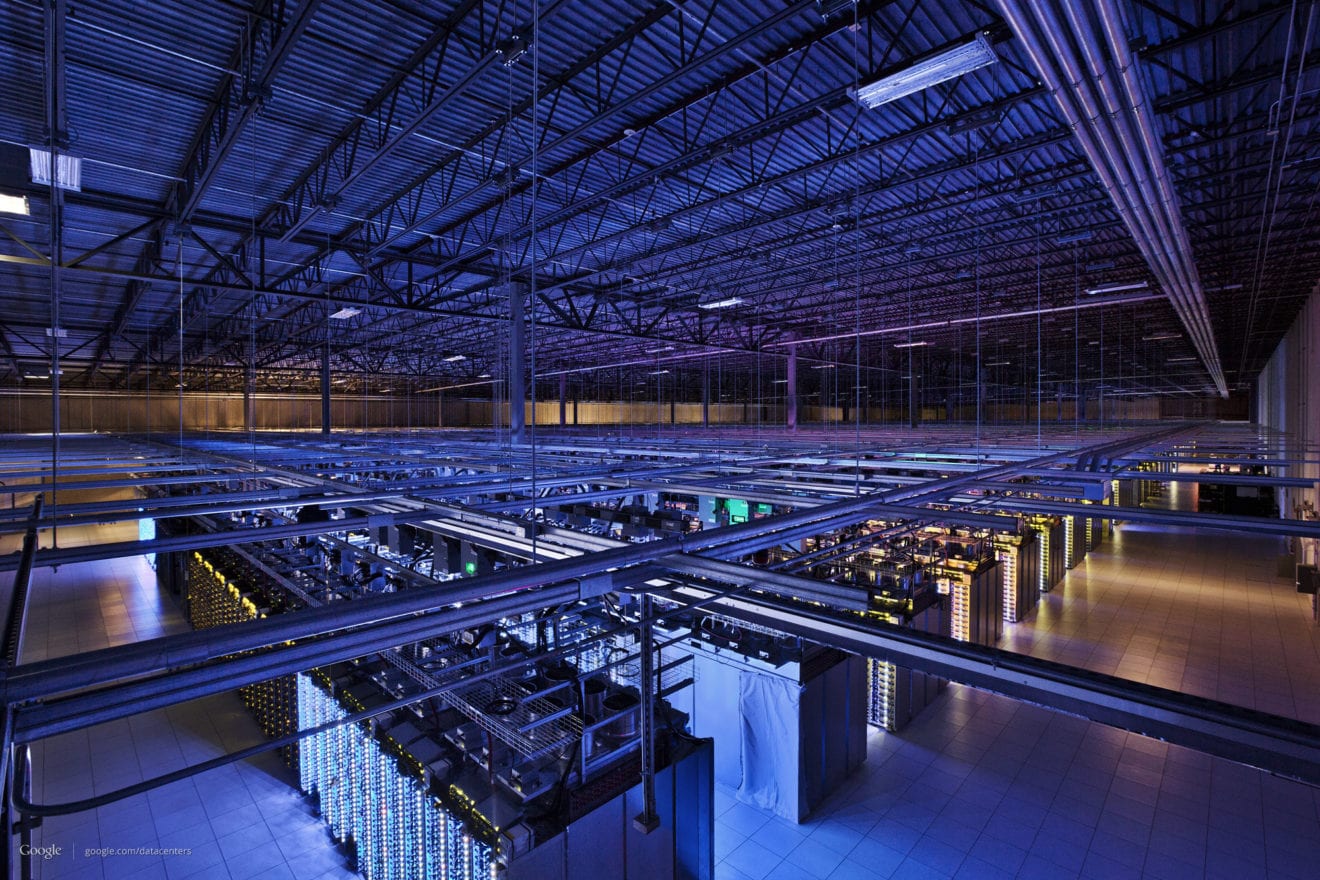
    GDS has announced that they will invest up to USD 1 billion over the next five years in data center projects in Chonburi, in partnership with real estate developer, Amata.

  • Nokia to Equip Viettel with Optical Transport Solution

    Nokia to Equip Viettel with Optical Transport Solution

    This initiative aims to meet the increasing demand for 5G, Data Center Interconnect (DCI), and cross-border connectivity. The collaboration follows a successful trial during which Nokia’s PSE-6s achieved a record transmission speed of 1.2 Tbps per wavelength in real-world conditions. The deployment, expected to be completed by 2025, will enhance connectivity between Viettel’s data centers in major cities, including Hanoi, Ho Chi Minh City, and Da Nang, improving capacity and energy efficiency.

    Nokia’s new optical solution, utilizing the PSE-6s technology, will enable Viettel to scale its network while maintaining high performance efficiently. The solution supports three 800GE or six 400GE services on a single line card, allowing Viettel to increase its total network capacity to 38.4 Tbps over the C-band. Additionally, this technology is expected to help Viettel reduce network power consumption by as much as 60%.

    Nguyen Van Yen, Head of Viettel Regional Transmission, said, “The smooth execution of the record-breaking trial convinced us that Nokia was the right partner for this crucial initiative. Now, we are delighted with the seamless deployment of Nokia’s innovative PSE-6 super-coherent optical engine, which will provide the required capacity for our existing and growing needs while making us ready for 5G and cloud-based use cases.”

    Vito Di Maria, Head of Optical Networks at Nokia Asia Pacific, emphasized the challenges service providers face due to rising data traffic, highlighting the importance of scalable optical networks. He noted that Nokia’s PSE-6s technology will enable Viettel to effectively meet increasing data demands while improving network reliability and energy efficiency.

  • Indosat Posts Double-Digit Growth, Boosts AI Investment to Drive Indonesia’s Digital Future

    Indosat Posts Double-Digit Growth, Boosts AI Investment to Drive Indonesia’s Digital Future

    The company reported double-digit revenue growth and continued to outperform the industry with substantial improvements, as evidenced by key financial indicators.

    During the first nine months of 2024 (9M24), Indosat generated total revenues of IDR 41,812 billion, marking an 11.6% Year-on-Year (YoY) increase. EBITDA also showed strong growth, rising by 15% YoY to IDR 20,000 billion, resulting in an EBITDA margin of 47.8% in 9M24.

    Profit for the Period Attributable to Owners of the Parent reached IDR 3,878 billion, indicating a 39.1% YoY increase, reflecting Indosat’s continued profitable quarters. The company’s cellular, MIDI, and fixed telecommunications businesses contributed 84.3%, 14.1%, and 1.6%, respectively, to overall revenue. While cellular services continued to dominate, growing 9.5% YoY due to increased data usage, the MIDI segment saw a significant 30.2% increase, driven by growth in fixed internet, fixed connectivity, and IT services. This shift towards AI and digital solutions positions MIDI as an increasingly important contributor to Indosat’s overall business.

    Vikram Sinha, President Director & CEO of Indosat Ooredoo Hutchison, stated, “These results reflect our ongoing efforts in operational excellence, strategic capital allocation, and leveraging AI-driven transformation. Our focus remains on delivering a great experience to all stakeholders and ensuring strong financial performance while adapting to the ever-changing telecommunications landscape.”

    These results demonstrate Indosat’s strategic focus on enhancing customer value and optimizing costs, leading to strong overall performance. The company’s strategic capital expenditure (CapEx) has been crucial to this success, with investments aimed at improving network infrastructure, especially in rural and eastern parts of Indonesia, and driving business expansion. Indosat increased its 4G BTS by 12.5% YoY to 193,562 sites, meeting the growing data demand while providing a great experience for its customers, positioning the company favorably for sustained long-term growth. This expansion led to a significant increase in data traffic, rising by 12.5% YoY to 12,050 Petabytes (PB) in the first nine months of 2024.

    Furthermore, Indosat’s focus on attracting high-quality customers has significantly contributed to an increase in Average Revenue Per User (ARPU) of IDR 37.7 thousand in the first nine months of 2024, marking an 8.7% rise compared to the same period in the previous year. Additionally, Indosat aims to enhance its infrastructure to ensure robust, reliable coverage nationwide. Central to this transformation is the integration of AI, which Indosat uses to optimize operations, drive innovation, and enhance customer experiences. This approach has helped improve operational efficiency and strengthen the company’s competitive position in the market.

    Indosat is forming strategic partnerships with global leaders like NVIDIA, Microsoft, Google, Mastercard, and Huawei to support these initiatives. Notable achievements include the launch of its AI Experience Center and the introduction of GPU Merdeka by Lintasarta, a subsidiary of Indosat, which offers an AI cloud service. These efforts contribute to aligning with the nation’s 2045 Golden Indonesia Vision.

    In line with its commitment to digital empowerment, Indosat continues to bridge the digital divide and promote digital inclusion. Through initiatives such as IDCamp and SheHacks, the company is actively expanding digital literacy and promoting gender equality. To date, IDCamp has trained over 270,000 students, equipping them with essential skills to thrive within Indonesia’s digital economy. Indosat is also advancing its Environmental, Social, and Governance (ESG) agenda by adopting sustainable practices, including renewable energy solutions; improving cybersecurity; and enhancing data privacy measures.

    These initiatives align with Indosat’s commitment to building a brighter, more inclusive digital future for Indonesia. “With a collaborative approach inspired by the spirit of Gotong Royong, we remain committed to our larger purpose of empowering Indonesia and ensuring that the country remains at the forefront of the regional digital economy,” Sinha concluded.

  • How India’s Telecommunications Sector is Driving Digital Literacy

    How India’s Telecommunications Sector is Driving Digital Literacy

    Digital literacy goes beyond basic computer skills; it involves the ability to access, evaluate, and use digital platforms effectively. With the rapid digitization of essential services like education, healthcare, and financial systems, digital literacy has become indispensable. However, for a vast and diverse country like India, the digital divide remains a significant challenge, especially in rural areas where access to technology is limited.

    According to the Oxfam India Inequality Report 2022, the digital divide in India remains a significant issue, with large portions of the population facing poor or no access to digital services. Approximately 50% of the population lacks access to devices, internet services, or the digital literacy necessary to navigate a digital environment. This divide exacerbates inequalities, as only 32% of households in India are considered digitally literate.

    The Digital Divide: A Problematic Element in Achieving Digital Literacy

    The first point of call for addressing digital literacy, is ensuring that users are adequality equipped with access to digital technologies. Bharti Airtel, Reliance Jio, and Vodafone Idea are leading this effort through strategic campaigns and collaborations.

    Bharti Airtel has undertaken several initiatives to reduce the digital divide, particularly in rural and underserved areas of India. Through its ‘Project Leap,’ the company has committed significant investments to expand network infrastructure, improving 4G and 5G access in remote regions. Airtel’s ‘Airtel Payments Bank’ also plays a key role in financial inclusion by providing digital banking services to people in rural areas, helping to bring them into the formal financial system. Additionally, its ‘Mera Pehla Smartphone’ initiative offers affordable smartphones and data plans, making digital services more accessible to first-time internet users. These efforts reflect Bharti Airtel’s commitment to bridging the digital divide.

    Reliance Jio’s ‘Jio Digital Life’ program has focused on providing affordable 4G data and voice services, significantly increasing internet penetration and enabling access to education, telemedicine, and government services. Reliance Jio’s introduction of low-cost data plans has been transformative in making mobile internet accessible across India, especially for educational purposes. Since its launch, Jio’s aggressive pricing strategies have made high-speed internet affordable, dramatically increasing internet penetration. Furthermore, the company’s ‘JioGigaFiber’ initiative aims to bring high-speed broadband to homes in smaller towns and rural communities, enhancing digital connectivity in previously underserved regions. These efforts are part of Reliance Jio’s mission to ensure widespread digital inclusion.

    Vodafone Idea has launched several initiatives aimed at reducing the digital divide across India, especially in rural and underserved regions. Its ‘GIGAnet’ initiative focuses on expanding 4G network coverage and enhancing data speed, ensuring that more people in remote areas have access to reliable internet.

    Telcos Addressing Digital Literacy

    Telecom companies in India are making significant strides in promoting digital literacy, especially in rural and underserved areas, through various targeted initiatives. Bharti Airtel’s ‘Mera Pehla Smartphone’ offers low-cost smartphones bundled with affordable data plans, helping first-time internet users get online. Reliance Jio’s ‘JioPhone’ initiative delivers affordable, 4G-enabled phones to first-time internet users, and its ‘Jio Digital Life’ program makes digital content and educational resources accessible, helping millions gain essential digital skills. Vodafone Idea’s ‘Jaadu Ginni Ka’ promotes digital financial literacy, and ‘Vodafone Idea Learning,’ alongside Vodafone, supports digital learning for school children in rural regions.

    Other telecom players like BSNL and MTNL are contributing through collaborations with government initiatives like Digital India and the National Digital Literacy Mission (NDLM), providing affordable internet and training in rural areas. BSNL’s digital literacy centers and MTNL’s outreach programs aim to train low-income communities in accessing digital services and e-governance. Collectively, these efforts are driving digital inclusion and fostering a more digitally literate society across India.

    India has made significant progress in digital literacy through a variety of government and private sector initiatives. The Pradhan Mantri Gramin Digital Saksharta Abhiyan (PMGDISHA) and the National Digital Literacy Mission (NDLM) are key government programs aiming to train millions in rural areas with essential digital skills, including internet use, e-governance services, and digital payments. Similarly, corporate initiatives like Intel’s ‘Unnati Program,’ Microsoft’s ‘Project Sangam,’ and Dell’s ‘Aarambh’ are expanding digital literacy in rural and educational sectors, offering training and access to technology that fosters digital inclusion.

    Private sector efforts have also been instrumental in targeting specific communities. Google’s ‘Internet Saathi’ focuses on empowering rural women with internet skills, while the Common Service Centers (CSCs) under the Digital India campaign serve as rural digital hubs, offering training and access to online services. The Infosys Foundation and NABARD’s ‘eShakti’ initiative are also working to increase digital literacy and financial inclusion in economically weaker sections of society.

    The Digital India initiative, launched by the Indian government, aims to transform the country into a digitally empowered society and knowledge economy. One of its key components is BharatNet, which is among the largest rural telecom infrastructure projects globally. BharatNet’s objective is to provide high-speed broadband connectivity to around 2.5 lakh Gram Panchayats (village councils), enabling the delivery of services like e-health, e-education, and e-governance to remote and rural areas.

    BharatNet is being implemented in multiple phases, with Phase I completed in December 2017, connecting over 1 lakh Gram Panchayats. Phase II, which began in 2017, employs a variety of models, including state-led, private sector, and CPSU models, to extend connectivity further into rural India. As of October 2024, BharatNet has connected 2,14,065 Gram Panchayats, laid over 6.9 lakh kilometers of optical fiber, and installed over 1 lakh Wi-Fi hotspots to ensure last-mile connectivity. This ambitious project, alongside Digital India’s broader goals, is helping to empower rural communities with access to information and services.

    Alongside this, Bharti Airtel has been awarded the cloud and content delivery network (CDN) mandate for the DIKSHA (Digital Infrastructure for Knowledge Sharing) initiative, which is part of the Digital India Corporation’s efforts to promote open education. The DIKSHA platform offers digital educational content to students and teachers across India, supporting school curricula with high-quality resources available online. Airtel’s robust cloud infrastructure and CDN services will ensure efficient and seamless delivery of educational content, enhancing the accessibility and reach of e-learning to rural and urban areas alike.

    According to the India Internet Report 2023 by Nielsen, rural India has surpassed urban regions in internet usage, boasting over 425 million internet users—44% more than urban India, which had approximately 295 million regular internet users. This striking contrast highlights the growing digital penetration in less populated areas, driven by advancements in infrastructure and government initiatives aimed at bridging the digital divide. Rural India, traditionally characterized by limited access to technology, has seen a rapid 30% growth in internet adoption, with nearly half of its population now online. This upward trajectory suggests that there is still substantial potential for further expansion in rural internet usage, as large portions of the population remain untapped.

    In comparison, urban India, while having a smaller user base in absolute numbers, continues to maintain robust internet activity with a more saturated market. The government’s definition of rural areas—regions with a population of fewer than 5,000 people and a population density of under 400 per square kilometer—underlines the challenge of expanding internet services in these sparsely populated areas. Yet, as of December 2022, India as a whole had reached 720 million internet users, showcasing the nation’s significant progress toward digital connectivity.

    However, despite the growing internet penetration, infrastructure limitations remain a key issue. Poor network coverage, inconsistent electricity supply, and lack of digital literacy hinder widespread internet adoption. The sparse population in rural areas, coupled with economic constraints, also makes it less commercially viable for telecom companies to invest in robust infrastructure. Many rural users still rely on basic mobile phones with limited data access, which restricts their ability to fully benefit from digital services.

    Urban India, on the other hand, faces the issue of digital saturation. While a significant portion of the urban population is online, access remains uneven, with disparities based on socioeconomic status. Although internet infrastructure in cities is generally more developed, issues such as affordability, data privacy concerns, and cybercrime are growing challenges. Moreover, urban areas are grappling with the digital divide within communities, where lower-income households may have limited access to high-speed internet and digital tools, further widening the gap in digital literacy and opportunities.

    In both regions, despite the overall growth in internet users, the challenge remains in ensuring that everyone has equal access to reliable, affordable, and secure internet services. Addressing these issues will be crucial to leverage the full potential of India’s growing digital ecosystem.

  • Rakuten Mobile Secures NICT Funding for Global Standardization of Advanced Edge Cloud

    Rakuten Mobile Secures NICT Funding for Global Standardization of Advanced Edge Cloud

    The project, partially funded by the NICT, aims to address the limitations of current international standards for network specifications that were established before the advent of cloud-native networks. These existing standards are inadequate for the increasing user numbers and communication volumes anticipated in the era beyond 5G. Rakuten Mobile seeks to incorporate flexible, efficient and scalable cloud-native networks into these specifications.

    Rakuten Mobile has already built a large-scale, fully-virtualized, cloud-native mobile network in Japan. Leveraging this expertise, the company will closely collaborate with organizations responsible for international standardization to drive the creation and adoption of unified international standards for cloud management, including edge cloud technologies essential to the era beyond 5G, thereby contributing to the widespread adoption of cloud-native networks.

    Furthermore, through its subsidiary, Rakuten Symphony, Rakuten Mobile aims to ensure that global cloud solutions such as Rakuten Cloud comply with international standards, as part of the company’s goal to deploy flexible and secure cloud services worldwide.

  • Airtel Brings 5G to Mumbai’s New Metro Line

    Airtel Brings 5G to Mumbai’s New Metro Line

    This underground infrastructure aims to enhance connectivity in the financial capital, linking the Bandra Kurla Complex (BKC) to Aarey and covering the vital Jogeshwari-Vikhroli Link Road (JVLR) section.

    Mumbai’s highly anticipated Aqua Line—the city’s first underground metro system—is set to transform urban transportation and mark a new era of efficient, high-tech travel in the bustling metropolis.

    Aditya Kankaria, CEO of Bharti Airtel in Mumbai, emphasized that the company’s strategic investments in enhancing and strengthening network infrastructure along the Aqua Line reflect their dedication to ensuring customers enjoy seamless, high-speed mobile connectivity while using the city’s public transit system.

    “This commitment is further underscored by our eagerness to support Mumbai’s first-ever underground metro line, ensuring that customers can enjoy reliable, blazing-fast internet connectivity as an integral part of their daily commute. As Mumbai embraces this new era of efficient, technologically-advanced public transportation, Airtel stands ready to elevate the commuting experience with high-speed 5G connectivity,”  Kankaria added.

    Stretching 33.5 kilometers, this advanced metro line will connect major transit points, including the renowned Terminal 2 (T2) airport and the lively Santacruz neighborhood.

    Throughout the entire route, Airtel has significantly upgraded its 5G infrastructure, allowing passengers to access high-speed mobile internet, clear voice calls, and seamless data transmission during their travels.

    Each of the ten underground stations is equipped with dedicated in-building solutions to ensure reliable, high-quality connectivity, enhancing the overall commuting experience.

  • Airtel Collaborates with Kia India to Boost Kia Connect 2.0

    Airtel Collaborates with Kia India to Boost Kia Connect 2.0

    As part of the collaboration, Kia will leverage Airtel Business’ IoT Hub, which provides tailored IoT solutions across multiple networks, including 5G, 4G, NB-IoT, 2G, and satellite.

    The IoT Hub is equipped with advanced analytics capabilities and real-time data insights sourced from connected devices.

    The Kia Connect 2.0 platform aims to equip Kia vehicles with advanced connected features, including vehicle management, AI-powered voice commands, and remote control capabilities. It also boasts safety, security, and navigation functions.

    Hardeep Singh Brar, Senior Vice President and Head of Sales and Marketing at Kia India, indicated that the automaker plans to introduce over-the-air (OTA) diagnostics as part of the transition to the Kia Connect 2.0 platform.

    He mentioned that this initiative is expected to unlock new possibilities for software-defined vehicles, with IoT technology becoming a fundamental aspect of Kia’s offerings.

    Airtel Business highlighted that its IoT platform offers comprehensive support for connected vehicle features, including connectivity, telematics, and infotainment. It also enables functionalities such as eSIMs, real-time remote monitoring, over-the-air (OTA) firmware updates, and safety features like SOS emergency calling and real-time connectivity during accidents or emergencies.

  • Reliance Jio Pushes for Satellite Spectrum Auction

    Reliance Jio Pushes for Satellite Spectrum Auction

    In a letter to Minister Scindia, Reliance Jio highlighted the Supreme Court’s ruling in the 2G case, warning that the TRAI’s omission of questions regarding a level playing field could result in potential legal disputes.

    The letter from Reliance Jio was prompted by the TRAI’s rejection of its request to include questions about the level playing field between terrestrial network providers, which use ground-based towers for mobile services and satellite communication service providers.

    The TRAI previously reported to have initiated a consultation process that aimed to determine the methodology and pricing for assigning spectrum to satellite companies, enabling them to offer calling, messaging, broadband, and other services in India.

    In its letter, Reliance Jio pointed out that several satellite communication companies, including Elon Musk’s Starlink, Amazon’s Kuiper, Bharti Group-backed OneWeb, Eutelsat, and the SES-Jio joint venture, have shown interest in offering their services in India. This development poses a direct challenge to land-based mobile networks. Consequently, Reliance Jio asserted that a fair and transparent auction system for satellite services is crucial to ensure equitable competition in the market.

    Reliance Jio noted that while the Department of Telecommunications (DoT) acknowledged the necessity for a level playing field in its reference to the TRAI, the consultation paper released by the TRAI seemed to neglect this important concern. Reliance Jio expressed that it believes the TRAI has prematurely closed the discussion without seeking input from stakeholders.

    The telecom operator further stated that the consultation paper did not pose relevant questions regarding the level playing field, preventing stakeholders from expressing their views.

    “Such a consultation exercise could result in recommendations that disregard this vital issue of level playing field. Although we have raised this issue with TRAI and asked that the consultation paper be revised to address the level playing field issues between satellite and terrestrial networks, our request has not been considered favorably,” Reliance Jio said.

    The government, under the Telecommunications Act 2023, has chosen to allocate spectrum for specific satellite services through an administrative process instead of using an auction.

    Reliance Jio emphasized that a comprehensive analysis of technological advancements, market demand and supply, and the economic feasibility of conducting spectrum auctions was not carried out by the DoT or the TRAI prior to the decision to allow administrative allocation for satellite phone services.

    Reliance Jio further stated that, in accordance with the clear legislative intent and the DoT’s acknowledgment of the need for a level playing field between satellite and terrestrial services, the TRAI should conduct a thorough assessment of technological advancements, market demand and supply, as well as the technical and economic feasibility of auctions for satellite services.

    Reliance Jio warned that failing to do so could render the TRAI’s consultation process and subsequent recommendations subject to legal scrutiny. The company highlighted that the Honorable Supreme Court of India, in various judgments, has underscored the importance of a transparent and fair mechanism for spectrum assignment, rejecting the ‘first-come-first-served’ method.

    “Any preferential treatment of satellite-based services, whether under the guise of emerging technologies or global precedents, should be firmly rejected. Spectrum assignment policies must align with established legal mandates, including the Supreme Court’s directive on adopting a fair, transparent and non-discriminatory approach,” Reliance Jio added.

  • Telkomsel Trials Facial Recognition for Prepaid SIM Registration

    Telkomsel Trials Facial Recognition for Prepaid SIM Registration

    This makes Telkomsel the second telecom company in the country to adopt this biometric technology.

    On Friday, Telkomsel announced that it is trialing facial recognition in its customer service portal, GraPARI Online, and the MyGraPARI app.

    The facial scan compares the individual’s features with government identity databases to confirm the customer’s identity. Facial recognition will be used alongside current validation methods like Population Identification Numbers (NIK) and Family Card Numbers (KK).

    Telkomsel’s MyGraPARI has been indirectly using facial recognition by supporting eKTP, the digital version of Indonesia’s ID card that includes biometric data. MyGraPARI also offers fingerprint scanning as an ID verification option.

    Telkomsel’s Sales Director, Adiwinahyu Basuki Sigit, mentioned that facial recognition will simplify and secure the process of registering and replacing prepaid cards, while also enhancing personal data protection.

    He stated, “This biometric technology not only streamlines the registration process but also supports the implementation of Know Your Customer (KYC) standards to ensure the accuracy of customer data and reduce the risk of fraud and identity theft in today’s digital age.”

    Telkomsel’s announcement follows XL Axiata’s launch of a new prepaid SIM card registration process using facial recognition after a successful trial last month.

    These developments signify that facial recognition technology is becoming more prevalent in Indonesia, especially among government agencies and companies. There is a notable focus on immigration checkpoints.

  • Washington tries to curb Huawei with eight more license revocations

    Washington tries to curb Huawei with eight more license revocations

    Someone’s been a busy little bee and has revoked eight licenses in 2024 that allowed some companies to export high-tech products to Chinese giant Huawei. This busy little bee is, of course, the Biden administration.

    The latest Reuters report shines a light on the matter and tells the story how Washington managed to cancel a total of eight licenses (so far in 2024) with the goal to increase pressure on the company, which has resurrected with the release of the Mate 60 Pro. You know, this 5G-capable phone shouldn’t have materialized in the first place, but in spite of the US sanctions did so last year.

    Huawei’s smartphone sales surged by 64% year-on-year in the first six weeks of 2024, according to various reports. Huawei’s smart car component business also contributed to its fastest revenue growth in four years in 2023.

    As I’ve said on previous occasions: good luck trying to contain technology. Yes, it may take some time, but, eventually, other companies will figure things out. You simply cannot contain it.

    In 2019, Huawei faced a significant setback. The United States said Huawei phones pose a thread (because of privacy issues) and imposed sanctions on the company. These sanctions restricted American firms from doing business with Huawei, particularly in supplying key technologies and software essential for its smartphones.

    One of the most critical impacts was the loss of access to Google Mobile Services (GMS), which includes popular apps like Gmail, Google Maps, and the Play Store, on Huawei’s new smartphones. This meant that Huawei phones released after the sanctions could no longer come pre-installed with these familiar Google apps, affecting their appeal to international consumers who rely on these services.

    The US government argued that Huawei’s close ties to the Chinese government posed a potential risk of espionage and unauthorized data access, particularly through Huawei’s telecommunications equipment. As a result, the U.S. placed restrictions on American companies supplying Huawei with critical components and technology necessary for building and expanding 5G networks.

  • Huawei opens a flashy store across the street from the Apple Store in this city

    Huawei opens a flashy store across the street from the Apple Store in this city

    You surely have seen a McDonald’s located next to a Burger King, or a Nike store near Adidas. Believe me, it’s not a coincidence.

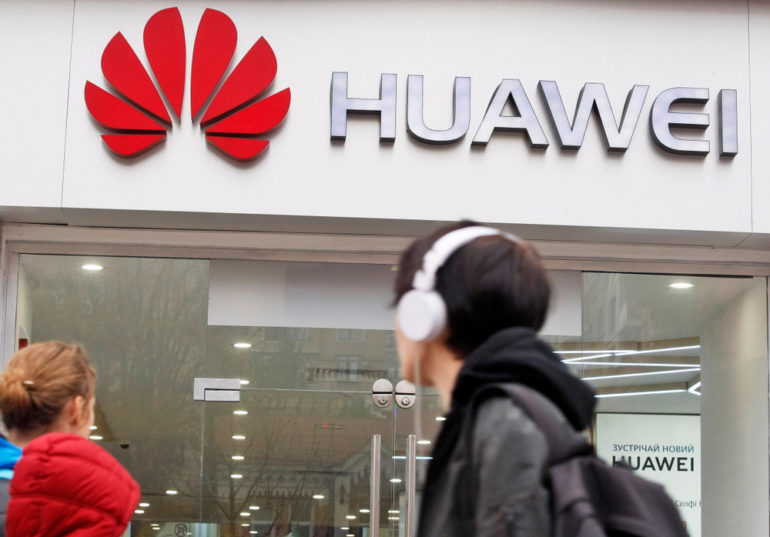
    Now, if you hop on the plane to Shanghai for the weekend, you’ll see Huawei’s new flagship store – it’s just across the street from Apple’s flagship shop. A Reuters report tells the story – Huawei, updating its retail strategy, is aggressively opening flagship stores in China.

    Many are “just a stone’s throw away from Apple shops”. How convenient.

    Huawei’s recently renovated Shanghai flagship store takes an enormous place – three floors of a famous heritage architecture building in the financial hub’s busy shopping district. It includes a coffee shop and a gym!

    Huawei opened four such flagship stores in major Chinese cities between December and February, shifting from licensed distributors after rebounding from 2019 U.S. sanctions. “The Huawei flagship store is very nice. It looks much brighter inside compared to the Apple Store across the street,” said Amy Chen, a 27-year-old physiotherapist.

    Huawei now has 11 flagship stores and plans to surpass 20, aiming to catch up to Apple’s 47 in China. Huawei’s new stores and premium products challenge Apple, which saw a 6.6% drop in iPhone sales in China in Q1 2023, while Huawei’s shipments increased by 110%.

    The Far East behemoth has developed its own chips and popular 5G products, aggressively recruiting dealers.

    “As Huawei now manages to ship in large quantities, given the good profit margin they could provide, (distributors) have become willing to purchase Huawei devices again,” said Ethan Qi, associate director at Counterpoint.

    Over 5,200 licensed stores opened in early 2023, mostly in smaller cities. This marketing push has significantly impacted Apple and other Chinese smartphone makers like Xiaomi, Oppo, and Vivo.

    Huawei’s flagship stores showcase premium products, competing directly with Apple. “Huawei now has a long product line,” Qi noted. Between 70-80% of Huawei’s sales come from physical stores, while Apple sees about 40% online.

    This comeback is felt beyond mainland China, with Hong Kong shops like Trinity Electronics stocking more Huawei devices. “People are willing to pay a lot of money for high-end Huawei,” said owner Simon Lam.

  • T-Mobile is making things worse for people struggling financially

    T-Mobile is making things worse for people struggling financially

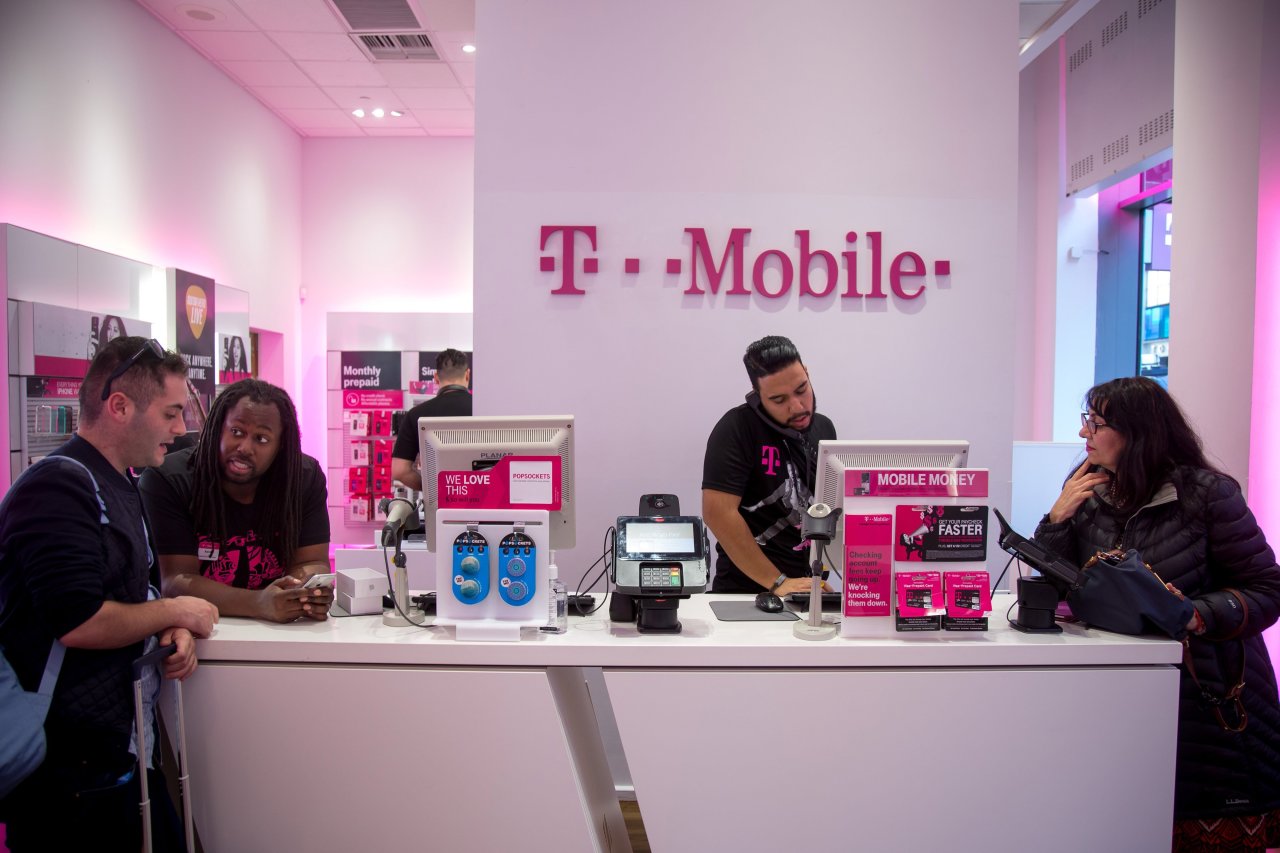
    Just when you think T-Mobile is done delivering bad news, something new comes along. Just today, it was reported that customers are having a meltdown at stores after learning about the new fee for offline payments and now the carrier has dropped two more bombs.
    The Mobile Report spotted a change to the company’s terms and conditions and found two potentially worrying things. One of the clauses says that “you may still incur charges while an account or service is suspended.” This means that the company has the right to charge you even when you are not using their services because of a non-payment suspension.

    And even though the website uses the word “may,” The Mobile Report has received a screenshot of an internal document that says that customers will be charged during account suspension.

    This went into effect on July 19 and employees have apparently been told that the charges are not prorated – meaning customers will be charged the full amount for the entire billing period – and they will not be credited.
    As is the case with the offline payment fiasco, employees will have to deal with disappointed customers and this time around, T-Mobile doesn’t even explain why it has made this change.
    Verizon is the only of the big three carriers that does not charge customers during non-payment suspensions.
    Besides that, T-Mobile also says it’s “not responsible for any… …information, goods, or services provided by third parties.” So if you do business with a third party and something goes wrong, you can raise a dispute but it would be up to T-Mobile if it wants to help and it can walk away scot-free.
    This means that customers will have to be a lot more careful about where they shop from as T-Mobile can simply refuse to help if something goes wrong with the device you were provided or you were misguided about a plan by an authorized retailer.
  • Verizon’s all-digital Visible unit has a deal on the Pixel Fold that starts on July 18th

    Verizon’s all-digital Visible unit has a deal on the Pixel Fold that starts on July 18th

    July is almost here already which means that from now through next Wednesday, July 5th, Verizon’s all-digital wireless unit Visible is still offering $5 a month off of its Visible plan for new subscribers. For $25 per month per line (taxes and fees included), you get unlimited talk, text, and data. This plan does support 5G and LTE connectivity, but keep in mind that the 5G service for this plan is limited to Verizon’s slower low-band 5G.
    The Visible plan includes unlimited calls and texts from the U.S. to Puerto Rico, the U.S. Virgin Islands, Guam, and Saipan. In times of heavy traffic for the Nationwide 5G and LTE networks, your data speed may get throttled. This plan also offers unlimited mobile hotspot capabilities for one device at speeds up to 5Mbps. During times of heavy traffic, your hotspot speed might get throttled. When you’re in the States, you can make unlimited calls and send unlimited messages to Canada and Mexico. And spam is blocked before it even gets to your phone. Again, this plan is $25 per month unless you wait until July 6th or later to subscribe when the price reverts back to $30 per month.
    If you want faster 5G data speeds, the Visible+ plan is $45 per month (fees and taxes included) and it uses both Verizon’s Nationwide 5G and its C-band Ultra Wideband signals. The latter delivers a download data speed up to 10 times faster (from personal experience) than Nationwide 5G. And yes, Visible+ has 4G LTE connectivity. With this plan, you can use your phone as a mobile hotspot with unlimited data speed of up to 5Mbps.
    This plan also offers $10 off on Verizon home internet, spam protection, and unlimited calls and texts to Canada and Mexico when you’re in the States. It also provides talk, text, and unlimited data when traveling in Mexico and Canada, plus the U.S. Virgin Islands and Puerto Rico. International calling is included from the U.S. to 30+ countries. You can call up to 500 minutes per month at no additional cost. With the Visible+ plan, you also can partake in unlimited texting internationally from the U.S. to over 200 countries & territories worldwide.
    Now here’s the big news. Starting on July 18th you can buy the Pixel Fold from Visible and receive a $200 gift card back. Here’s how it works. Join Visible and sign up for the Visible+ plan and create your account. Within 30 days of purchasing the Pixel Fold from Visible, transfer your number from an eligible carrier. Set up your SIM and activate the phone. After completing 3 full months of service payments on the Visible+ plan, you will receive an email with a code to redeem your virtual gift card.
    The Pixel Fold will be available in Obsidian with 256GB of storage and will be priced at $1,799; it can be financed through Affirm for 36 months ($49.97 per month).
    You can also test out the Visible network free for 15 days without having to produce a credit card number. You just need to have an unlocked iPhone XS/XR or later. The thing about Visible is that while it doesn’t have any physical retail stores, it does have a chat team that you can get in contact with 24 hours a day, seven days a week. And since Visible uses Verizon’s networks, its signals cover 99% of the U.S. population.
    Some say that wireless firms like Visible are the wave of the future since subscribers can take care of everything from the comfort of home without having to drive to a crowded store and be forced to deal with company reps. Still, not everyone is tech savvy which means that old-school retail stores are still necessary for now. But if you do know what you’re doing, an all-digital wireless provider might save you some money in the long run.