Retail News CRM

Tag: telecom

  • APTelecom Enhances India’s Future with Robust Subsea Infrastructure Development

    APTelecom Enhances India’s Future with Robust Subsea Infrastructure Development

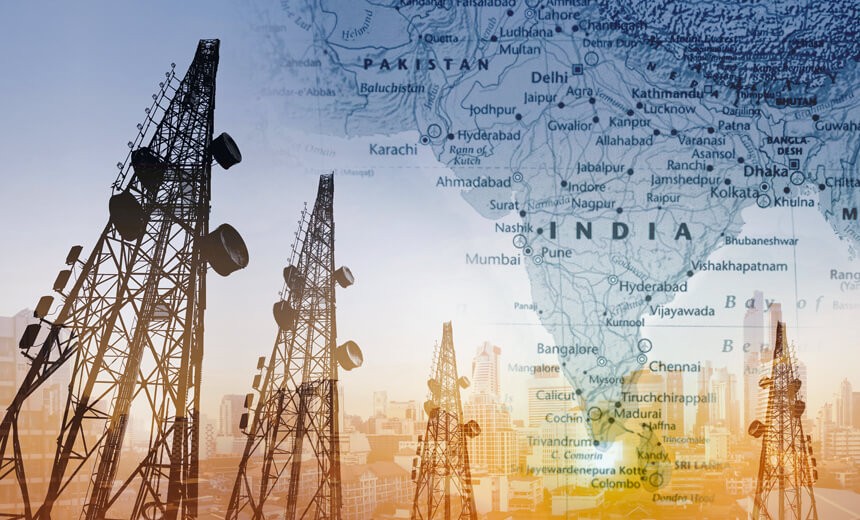
    India’s digital growth has become a tale of promise interwoven with significant challenges. As the country’s digital economy surges, the demand for low-latency, high-capacity connectivity has never been greater, with subsea cables emerging as vital conduits. At the forefront of this evolution is APTelecom, a company spearheading crucial projects and forging partnerships to enhance regional infrastructure.

    Bridging the Digital Divide: APTelecom’s Vision for India

    In a candid interview during the Submarine Networks World 2025, Anup Gupta, President for India and the SAARC region at APTelecom, discussed the transformative role the company is playing in India and the broader region. Gupta emphasized how APTelecom is not just contributing to infrastructure but is also reshaping the future of connectivity.

    Unlocking India’s Digital Potential through Subsea Systems

    With India as a major strategic focus, APTelecom recently hosted its inaugural submarine cable event, Wavelength, in New Delhi. This successful gathering illuminated the critical needs for India to advance its digital landscape. Among the pressing requirements outlined were the establishment of independent maintenance and repair capacities, open-access landing stations, redundancy beyond key hubs like Mumbai and Chennai, and the development of a domestic submarine cable system.

    “Our engagement with various stakeholders is pivotal,” Gupta explained. “We see India not just as a market, but as an essential partner in shaping the global digital future.”

    The Global Reach: APTelecom’s Expanding Network of Partnerships

    APTelecom’s scope extends far beyond India, as it plays a crucial role in projects across Asia and the Pacific. The company is currently working in regions like Indonesia, Vietnam, the Pacific Islands, Bangladesh, Australia, Malaysia, and Thailand, with many initiatives in the early stages or recently secured. As Gupta pointed out, “Every project we undertake aims to transform vision into reality.”

    The company’s involvement spans feasibility studies and vendor selection to full project management, all underpinned by a belief that subsea systems are not just about capacity—they are strategic digital assets of the future. “We ensure projects not only launch successfully but also scale sustainably, aligning with our long-term mission of fostering trusted connectivity in emerging markets,” he highlighted.

    Building Trust in Uncertain Waters

    In an environment where infrastructure investments can often be unpredictable, APTelecom focuses on nurturing long-term trust with stakeholders. “Whether operating in India or any other market, our credibility stems from expertise, local insight, and a hands-on approach,” Gupta stated.

    Rather than simply advising and stepping away, APTelecom commits to walking alongside its customers from strategy formulation to execution. “That consistency fosters the trust necessary for growth in complex investment landscapes,” he noted, affirming the company’s dedication to its partners.

    Pioneering the Future of Subsea Connectivity

    In the fast-evolving subsea market, APTelecom distinguishes itself not just by what it delivers but by how it navigates change. “We’re in a period of rapid evolution, marked by new technologies and emerging financial models,” Gupta remarked, hinting at the industry’s dynamic nature.

    By offering a comprehensive advisory model encompassing strategy, investment, and execution, APTelecom ensures its projects are both robust in design and viable in the marketplace. Their work transcends mere cables; it’s about forging partnerships that foster growth and resilience in a changing world.

    Questions & Answers

    What is APTelecom’s strategy for enhancing digital infrastructure in India?
    APTelecom focuses on developing resilient infrastructure that includes independent maintenance capabilities and open-access landing stations while engaging with multiple stakeholders to unlock India’s digital growth.

    How does APTelecom differentiate itself within the subsea cable market?
    APTelecom sets itself apart by combining strategic advisory services with hands-on project management, ensuring that their initiatives are not only technically sound but also commercially viable.

    What is APTelecom’s approach to building trust with its partners?
    By demonstrating credibility through expertise and local insight, APTelecom fosters long-term trust by remaining engaged with clients throughout the entire project lifecycle, rather than just offering guidance and moving on.

  • Why Subsea Cables Are Essential to the Future of the Digital Economy

    Why Subsea Cables Are Essential to the Future of the Digital Economy

    “In this digital age, data has become the world’s most valuable resource, and subsea cables are the arteries through which it flows,” said Najib Khan, Chief Business Services Officer at Ooredoo Group. This vivid characterization underscores the escalating significance of subsea connectivity in today’s fast-paced, data-dependent world.

    In a revealing interview with Telecom Review, Khan articulated the shift of subsea cables from obscure utilities to critical assets for national security and economic growth. He elaborated on how Ooredoo’s substantial investments are reconfiguring the Gulf’s digital landscape and its ambitions to establish the Middle East as a prominent global digital hub.

    Why Are Subsea Cables More Essential Than Ever?

    Subsea cables, which already carry over 95% of the world’s internet traffic, are no longer the unsung heroes of the digital economy; their importance is soaring alongside an unprecedented surge in data generation. Whether it’s artificial intelligence, cloud computing, fintech, or the Internet of Things, the deluge of traffic is pushing subsea systems to the forefront.

    Simultaneously, governments and businesses are racing towards digital transformation, necessitating low-latency, resilient, and secure connections linking data centers, hyperscalers, and end-users. Hyperscalers alone now represent over 60% of global investments in subsea infrastructure, highlighting the strategic shift towards these underwater lines not just as conduits of connectivity, but as vital components of innovation and sovereignty.

    Tackling Geopolitical Challenges with Ooredoo’s Fibre in the Gulf

    The world’s digital fabric currently leans heavily on the Red Sea-Suez route, with about 95% of Europe-Asia data traffic routed through Egypt. This dependency exposes vulnerabilities, as disruptions can ripple through global operations.

    Enter Ooredoo’s Fibre in the Gulf (FIG) system, designed to revolutionize this landscape. Working with Alcatel Submarine Networks, Ooredoo is building a comprehensive, high-capacity subsea network that will interconnect all seven Gulf Cooperation Council (GCC) countries—including Qatar, Oman, the UAE, Bahrain, Saudi Arabia, Kuwait, and Iraq. When realized, FIG will boast an astonishing capacity of 720 terabits per second across 24 fiber pairs—far surpassing the capabilities of existing and planned Gulf cables.

    Positioned to deliver low-latency and secure service, FIG promises to unlock new digital avenues for hyperscalers, businesses, and governments, while enhancing the region’s access to European markets.

    The Symbiotic Relationship Between Subsea Cables and Data Centers

    It’s difficult to envision one without the other; subsea cables act as the highways for digital traffic, while data centers serve as its repository and processing unit. For businesses and hyperscalers, proximity to landing stations is crucial, as it impacts efficiency and competitiveness.

    With this understanding, Ooredoo is strategically investing not only in the FIG subsea system but also in expanding its AI-ready data center capabilities. Together, these elements create a cohesive ecosystem where connectivity, cloud solutions, and edge computing converge, ultimately providing clients with seamless, low-latency services essential for driving innovations—and perhaps even the next viral video.

    Ooredoo’s Strategy to Become the Partner of Choice

    Ooredoo’s strategy centers on two pillars: trust and scale. The company’s extensive regional presence aligns perfectly with the needs of global players, allowing Ooredoo to leverage key partnerships that infuse the latest technology into local operations.

    This dual focus empowers Ooredoo to ensure that advanced technological capabilities not only meet international standards but also conform to local regulations, solidifying its position as a trusted partner in the industry.

    The Middle East’s Digital Renaissance

    Strategically located at the confluence of Asia, Europe, and Africa, the Middle East now stands before a unique opportunity—to transform from a technology consumer to a regional hub of innovation.

    The FIG project lies at the center of this vision. Paired with emerging data center infrastructures and cloud ecosystems, it lays the groundwork for economic diversification. The region’s increasing reliance on artificial intelligence and the processing of large data sets necessitates such robust infrastructural enhancements.

    While these cables may be hidden beneath the ocean waves, their impact is unmistakable—fostering job creation, economic diversification, and digital empowerment.

    Looking Ahead: The Future of Subsea Connectivity

    The trajectory for subsea connectivity is clear: the demand for data and digital infrastructure will only intensify. Future subsea systems are expected to accommodate unimaginable data loads while incorporating intelligence and sustainability at their core.

    However, the true essence lies not merely in the technology but in what it enables—whether it’s a start-up in Doha reaching a global audience, a hospital sharing medical expertise across borders, or an energy firm harnessing AI to anticipate operational failures. At Ooredoo, the goal is not only to ensure the Middle East is connected to this exciting future but actively shapes it. With innovative digital infrastructure, the region has the potential to turn connectivity into empowerment.

    Questions & Answers

    Why are subsea cables becoming critical now?
    With a growing demand for data from AI, cloud technology, and more, these cables are now seen as essential to national security and economic growth.

    What advantage does Ooredoo’s Fibre in the Gulf offer?
    It creates a robust interconnection among GCC countries with a high-capacity system, enhancing digital access and reducing vulnerabilities associated with existing routes.

    How does Ooredoo ensure it meets both global standards and local needs?
    By forging partnerships that integrate advanced technology while maintaining compliance with regional regulations, Ooredoo establishes itself as a dependable local partner for global players.

  • Indosat Joins Forces with Partners to Launch Innovative AI Application Collaboration Center

    Indosat Joins Forces with Partners to Launch Innovative AI Application Collaboration Center

    In a significant boost to Indonesia’s aspirations in the digital realm, Indosat Ooredoo Hutchison (Indosat), the Indonesia Technology Alliance (ITA), and the Tsinghua University Wuxi Research Institute of Applied Technologies have entered a Memorandum of Understanding (MoU) to establish an AI Application Cooperation Center in Indonesia. This landmark agreement, formalized at Tsinghua University and witnessed by Parulian George Andreas Silalahi, Deputy Ambassador of the Indonesian Embassy in China, signifies a pivotal step for Indonesia as it aims to take the lead in the artificial intelligence sector.

    Forging Stronger Ties in AI Innovation

    Announced at the 2025 China-ASEAN AI Ministerial Roundtable, the initiative sets the stage for enhanced cooperation between China and Indonesia in AI technologies. It’s designed to lay the foundations for a vibrant AI ecosystem within Indonesia—one that fosters innovation, cultivates top-tier talent, and bolsters the country’s influence in the digital economy.

    The newly established Application Cooperation Center will harness Tsinghua University’s technological prowess alongside ITA’s commitment to advancing Indonesia’s digital landscape. Indosat, as the country’s leading digital telecommunications provider, will leverage Indonesia’s first sovereign AI factory to bring AI implementations to crucial sectors like education, healthcare, and agriculture—essential areas for Indonesia’s long-term growth and digital inclusivity.

    AI—Catalyst for Indonesia’s Future Growth

    This collaboration couldn’t come at a more critical juncture. As Indonesia aspires to realize its Golden Indonesia 2045 vision, the role of AI emerges as a cornerstone for increasing productivity, enhancing public services, and shepherding growth through innovation. Tailoring AI solutions to the nation’s unique economic and social conditions will be paramount in elevating Indonesia’s competitiveness and ensuring broad access to its digital transformation. The collaboration may also pave the way for a strategic partnership between the National Development and Reform Commission of China and Indonesia’s Ministry of Communications and Digital Affairs, further solidifying AI capabilities in both countries.

    Nezar Patria, Vice Minister of Communications and Digital Affairs of Indonesia, underscored the importance of this collaboration, noting, “This marks an important step toward Indonesia’s new technology era. We sincerely appreciate the contributions of all parties involved. By uniting expertise and resources, we can quicken AI’s adoption in Indonesia, fueling technological advancements in the region and beyond.”

    Indosat: Bridging the Gap with AI

    Indosat’s pivotal role cannot be overstated. With an extensive mobile user base and nationwide infrastructure, the company is poised to translate intricate AI innovations into practical applications that impact millions of lives. This initiative aims to broaden access to crucial services in digital healthcare, education, and agriculture while simultaneously nurturing a new generation of local AI talent. Think of Indosat as the bridge connecting cutting-edge global research with the needs of Indonesian communities—like a digital Robin Hood, but without the cloak and bow.

    Vikram Sinha, President Director and CEO of Indosat Ooredoo Hutchison, elaborated on this vision: “AI can help bridge the resource gaps that limit equal opportunities for Indonesians, especially in healthcare, education, and agriculture. Collaborating with Tsinghua University and ITA, we aim to introduce localized, practical AI solutions, reinforcing our broader mission to empower the nation.”

    Global Knowledge Meets Local Needs

    Zhang Bo, Honorary Dean of the Institute for Artificial Intelligence at Tsinghua University, illuminated the long-standing commitment of his institution to AI research, which dates back to 1978. “Our collaboration with Indonesia will deepen exchanges between our nations in artificial intelligence,” he stated, underlining AI’s vast potential in education, healthcare, transportation, and finance to foster equity and distribute medical resources more fairly.

    The center is expected to commence operations early next year, becoming a hub for AI development tailored to Indonesian needs while bridging global expertise with local aspirations.

    Dr. Justisiari P. Kusumah, Chairman of ITA, added this perspective: “ITA is dedicated to collaborations that accelerate Indonesia’s digital transformation. This partnership exemplifies the synergy between government vision, industry capabilities, and scholarly research to drive meaningful AI applications, ensuring development is inclusive and impactful.”

    This partnership not only redefines the technological collaboration landscape between China and Indonesia but also acts as a reaffirmation of Indonesia’s commitment to fostering an inclusive and innovation-centric digital economy that benefits both its citizens and the broader Southeast Asian region.

    Questions & Answers

    How will the AI Application Cooperation Center impact Indonesia’s economy?
    The center aims to enhance productivity, improve public services, and introduce innovative AI solutions across vital sectors such as healthcare and education, ultimately strengthening Indonesia’s position in the digital economy.

    What are the key sectors that will benefit from the collaboration?
    The partnership will focus on sectors critical to Indonesia’s development, including education, healthcare, and agriculture, promoting digital inclusivity and addressing local needs.

    When is the AI Application Cooperation Center expected to be operational?
    The center is anticipated to start operations early next year, serving as a hub for developing customized AI solutions for Indonesia.

  • Viettel Expands Customer Experience with Nokia’s Cutting-Edge BNG-CUPS Solutions

    Viettel Expands Customer Experience with Nokia’s Cutting-Edge BNG-CUPS Solutions

    Nokia is set to transform Viettel’s fixed broadband network through the implementation of its Broadband Network Gateway-Control User Plane Separation (BNG-CUPS) solution in the Hanoi Metro area. This strategic move will see Viettel replace its aging legacy system, paving the way for more efficient operations and an enhanced experience for subscribers.

    Digital Landscape and Infrastructure Growth

    Vietnam’s digital economy is on a rapid growth trajectory, driven by the meteoric rise of e-commerce, fintech innovations, and cloud technology adoption. The government’s National Digital Transformation strategy aims for the digital economy to account for a staggering 30% of GDP by 2030. To support this ambitious goal, robust digital infrastructure—including reliable broadband connectivity—becomes essential.

    Viettel’s Commitment to Network Excellence

    Nguyen Tran Quynh, Deputy Director of Technical Global Center at Viettel, expressed enthusiasm for this groundbreaking initiative: “This initiative reiterates our commitment to continuously elevate network performance to deliver a best-in-class experience for our subscribers. We are excited to collaborate with Nokia to modernize the fixed broadband network while streamlining our daily operations. The solution will also help us enhance the energy efficiency of our networks. We are confident that Nokia’s solution will enable us to further strengthen network availability and reliability.”

    Nokia’s Integral Role in Telecommunications Innovation

    Kent Wong, Vice President and Head of IP Networks for Asia Pacific at Nokia, also weighed in on this significant project: “Nokia is at the forefront of developments in IP networks and we also led the specification and implementation of the BNG-CUPS architecture standard. This is a milestone project for us as it marks the first deployment of BNG-CUPS in Vietnam. We are delighted that our BNG-CUPS solution will enable Viettel to modernize its fixed broadband network to advance towards a more reliable, energy-efficient, and high-performing network.”

    This upgrade will be powered by Nokia’s 7750 Service Router, featuring the innovative FP5 chipset, designed to offer a remarkable 75% reduction in energy consumption. Furthermore, Nokia’s Network Services Platform will provide Viettel with the tools needed to simplify operations and rapidly adapt to fluctuating demands. The CUPS architecture allows for a separation of the control plane from the user plane, facilitating greater flexibility in scaling and edge deployments. After all, if the future of broadband isn’t green and efficient, we’re probably just borrowing it!

    Questions & Answers

    What specific technologies will Viettel implement in the upgrade?
    Viettel will deploy Nokia’s Broadband Network Gateway-Control User Plane Separation (BNG-CUPS) solution, utilizing the 7750 Service Router with the FP5 chipset.

    How does this upgrade support Vietnam’s digital economy goals?
    The upgrade will enhance broadband connectivity, crucial for achieving the government’s ambition for the digital economy to constitute 30% of GDP by 2030.

    What are the energy efficiency benefits of the new solution?
    Nokia’s 7750 Service Router is designed to reduce energy consumption by 75%, contributing to a more environmentally friendly network operation.

  • Haud CEO Shares Insights On Navigating Telecom Challenges, Boosting Revenue And Trust

    Haud CEO Shares Insights On Navigating Telecom Challenges, Boosting Revenue And Trust

    Mobile operators worldwide face an escalating array of threats, from grey routes and SIM box fraud to artificially inflated traffic (AIT) and sophisticated scams. Each of these challenges erodes revenue and customer trust, provoking a call for innovation amid a rapidly evolving digital landscape. Now more than ever, the telecom industry must ensure seamless authentication while preparing for emerging technologies like network APIs and silent network authentication (SNA).

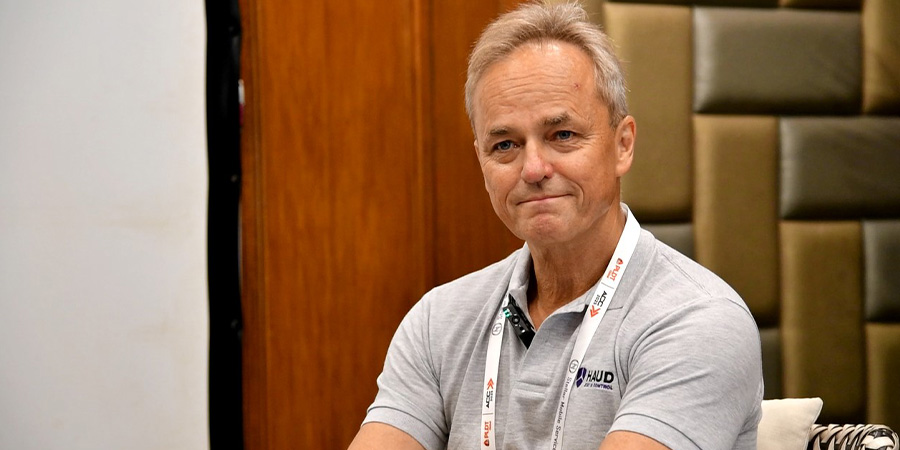
    Amid these challenges, Kristian Järnefelt, CEO of HAUD, shared insights during ACC 2025 about how telecoms can navigate today’s complex ecosystem and the role HAUD is poised to play in this transformation.

    Harnessing Strengths While Embracing Innovation

    HAUD has solidified its reputation in the A2P SMS landscape by excelling in the detection and prevention of grey routes, SIM boxes, and other unauthorized traffic mechanisms. “Our expertise enables mobile operators to monetize A2P SMS effectively,” Järnefelt stated, encapsulating HAUD’s core mission.

    The company is also expanding its offerings, focusing on cybersecurity by blocking malicious URLs and thwarting smishing attempts within SMS. Despite the rise of encrypted channels like WhatsApp and RCS, Järnefelt emphasized that SMS remains the most secure A2P channel due to operators’ ability to filter and sanitize incoming traffic. Ironically, it’s the encryption that allows fraudsters to slip under the radar, making their nefarious content undetectable and ensuring the scams reach their victims.

    As network APIs and silent network authentication gain traction, HAUD aims to help operators leverage the strengths of both SMS and SNA. While SMS continues to be the go-to method for one-time passwords (OTPs), SNA’s rise creates a dynamic synergy that presents multiple monetization opportunities for operators ready to embrace both methods.

    Building Trust in Digital Communications

    As digital identity becomes paramount, Järnefelt believes HAUD can forge a path to greater trust in digital communications. SMS OTP has served as a foundational tool for two-factor authentication (2FA), but building trust also requires a commitment to secure channels. “It’s all about clean pipes,” he stresses, advocating for rigorous content filtering to eliminate scams that compromise user confidence.

    Against a backdrop of rising scams and inflated traffic, driven by unrealistic A2P SMS exclusivity deals, Järnefelt argues operators must regain control. “Our monetization platform enables them to reclaim their pricing strategies and A2P approach,” he remarked, pinpointing how sustainable pricing aligns with trust in the A2P ecosystem.

    Network APIs like SNA not only streamline authentication but also ensure that messages reach their intended recipients accurately—an increasing necessity as the digital landscape evolves. HAUD is actively positioning itself to bridge the gap between A2P SMS and network APIs, advancing a unified framework for authentication platforms.

    Forging New Partnerships for the Future

    Looking to the horizon, HAUD’s recent collaborations in Asia, particularly in the Philippines with CTG and DITO, mark pivotal steps toward enhancing digital communication. Recent participation in BATIC in Indonesia showcased HAUD’s long-standing partnership with the Telkom Group. “We’re excited to announce more MNO partnerships soon, aiming to capitalize on opportunities that make messaging and authentication as ubiquitous as SMS,” he noted.

    Charting a Course for Secure Communications

    HAUD envisions a future where A2P SMS messaging remains efficient and secure, providing robust revenue streams for mobile network operators (MNOs) that are the backbone of digital communication. Järnefelt stated, “We are committed to creating a seamless authentication experience that integrates A2P SMS and API into a unified ecosystem.”

    However, he acknowledged the current limitations faced by MNOs in offering comprehensive coverage for solutions like SNA, requiring enterprises to collaborate with multiple operators for full-service authentication. “Imagine SMS being delivered only to networks using the same SMSC as the sender; it sounds absurd yet reflects today’s reality,” Järnefelt explained. Recognizing this gap, HAUD is dedicated to enabling MNOs to seize control over this opportunity instead of ceding it to CPaaS vendors and third-party services.

    Questions & Answers

    How does HAUD help mobile operators combat traffic fraud?
    HAUD specializes in detecting and blocking grey routes, SIM boxes, and other unauthorized traffic mechanisms, allowing operators to effectively monetize their A2P SMS services.

    What role does SMS play in the realm of digital security?
    SMS remains a trusted channel for two-factor authentication (2FA) and is critical in maintaining secure digital communications, especially in an era of increased cyber threats.

    What future partnerships is HAUD pursuing in Asia?
    HAUD is actively expanding its collaborations within the region, having recently engaged with firms like CTG and DITO in the Philippines and establishing a long-term partnership with the Telkom Group in Indonesia.

  • Jakarta’s Data Centre Market Sees Robust Growth: What’s Driving the Expansion?

    Jakarta’s Data Centre Market Sees Robust Growth: What’s Driving the Expansion?

    The Greater Jakarta data center market is witnessing significant expansion, with colocation inventory skyrocketing from 150 MW in 2021 to over 400 MW by the first half of 2025, according to a new report from JLL. This growth reflects the joint efforts of both established players and newcomers, including Equinix, which has launched its inaugural data center in Jakarta through a partnership with PT Astra International. Other notable entrants are Digital Realty Bersama and Digital Hyperspace, alongside ongoing expansions from DCI Indonesia.

    In this dynamic landscape, STT Telemedia Global Data Centres has not only topped out its second data center but has also broken ground on a third facility. This ambitious project forms part of a larger campus aimed at delivering an impressive 90 MW of power capacity.

    While eastern Greater Jakarta has long been the favored locale for hyperscalers, a notable shift in interest is occurring towards Jakarta’s CBD, where the majority of new construction projects are currently underway. Illustrating this trend further, LG Sinar Mas Joint Venture recently commenced construction on an AI-Optimized Data Centre in Jakarta, with expectations for it to be operational by 2026.

    Occupancy rates in existing colocation facilities hover around 70-80%, largely fueled by demand from cloud service providers, financial institutions, e-commerce giants, and over-the-top (OTT) platforms like gaming, streaming, and social media. While the specific demand for AI applications remains modest, the expanding landscape of cloud services and Indonesia’s ongoing digital transformation could catalyze future AI adoption across various sectors.

    Looking Ahead: Strategic Insights for Users and Providers

    As the digital economy flourishes alongside a burgeoning middle class, users can expect an accelerated uptake of cloud services. Financial institutions must brace for evolving data sovereignty regulations and compliance requirements, while e-commerce platforms will require enhanced capacities for managing increased transaction volumes and leveraging analytics.

    On the provider side, navigating infrastructure challenges will necessitate innovative solutions to ensure reliable power and connectivity. As activities in Jakarta’s CBD ramp up, strategic location selection will become paramount for providers. Additionally, as environmental regulations tighten, incorporating sustainability features into facilities will be crucial for competitive differentiation.

    Questions & Answers

    What factors are driving the expansion of colocation inventory in Greater Jakarta?
    The growth is primarily fueled by the increasing demand from cloud service providers, financial institutions, and e-commerce companies, which are all looking to expand their digital capabilities.

    How is the shift in location preference impacting the data center market?
    While eastern Greater Jakarta has traditionally been preferred, a growing interest in Jakarta’s CBD is influencing investment decisions, leading to more under-construction projects in this area.

    What future trends could shape the data center landscape in Indonesia?
    The ongoing digital transformation and increasing adoption of cloud services are likely to drive future growth, while sustainability considerations and regulatory compliance will play crucial roles in how the market evolves.

  • China Mobile International Showcases Global Infrastructure Insights at ACC 2025 Masterclass

    China Mobile International Showcases Global Infrastructure Insights at ACC 2025 Masterclass

    At the Asian Carriers Conference (ACC) 2025 held in the picturesque Cebu, Philippines, China Mobile International (CMI) unveiled the potential of its global infrastructure in an engaging masterclass. The session, aimed at equipping operators with tools to leverage CMI’s extensive network and AI+ Smart Solutions, emphasized the transformative potential these technologies offer for various industries.

    Revolutionizing Traditional Models

    The masterclass kicked off with an exploration of recurring challenges within the industry. CMI pointed out that numerous sectors still cling to outdated, manual processes, which stifle efficiency and lack real-time insights. The takeaway was clear: telecom operators can no longer afford to limit themselves to connectivity; they must diversify service offerings and embrace innovative business models that enhance the delivery of high-value digital services. Who knew technology could transform industries faster than you could say “5G”?

    Smart Solutions for a Brighter Energy Future

    In a compelling showcase for the energy sector, CMI introduced its AI+ Smart Energy Integrated Solution. Designed to boost safety, facilitate environmental monitoring, and improve operational efficiency, this solution is a game-changer for smart city energy response systems. By providing real-time operational data, it allows enterprises to make faster, more informed decisions, illuminating the path to a more sustainable future.

    Finance in the Fast Lane

    Addressing the pressing needs of the financial sector, CMI outlined its AI+ Smart Finance solutions. These tools are crafted to enhance reach, ensure operational efficiency, and bolster security while promoting compliance and innovation. The integration of risk control, anomaly detection, AI-driven marketing, asset management, and intelligent customer service builds a robust framework for financial institutions, anchored by CMI’s international cloud-network infrastructure.

    Pioneering the Future of Manufacturing and Automotive

    The session also dove into ‘AI+ Smart Manufacturing and Automotive’, where CMI demonstrated how 5G private networks can revolutionize smart campus management. The technology allows for digital twin visualization on production lines and enhances logistics with real-time monitoring. This segment highlighted the future of manufacturing as not just automated but also interconnected, suggesting that the next production line might just be run by an AI assistant sipping virtual coffee.

    Embracing Change for Competitive Advantage

    Wrapping up the session, CMI urged carriers to broaden their service portfolios and rethink business models. By leveraging CMI’s advanced global infrastructure, operators can introduce innovative, AI-driven solutions that not only enhance their offerings but also amplify the overall value of their networks. In a rapidly evolving market, the message was unmistakable: adapt or be left behind.

    Questions & Answers

    What was the focus of China Mobile International’s masterclass at ACC 2025?
    The masterclass focused on how telecom operators can utilize CMI’s global network and AI+ Smart Solutions to overcome industry challenges, expand portfolios, and create higher-value digital services.

    How does CMI’s AI+ Smart Energy Integrated Solution benefit the energy sector?
    The solution enhances safety, supports environmental monitoring, and improves operational efficiency, providing real-time data that helps enterprises make quicker, informed decisions.

    What innovations did CMI present for the finance sector?
    CMI introduced AI+ Smart Finance solutions that integrate risk control, anomaly detection, AI-driven marketing, asset management, and intelligent customer service, all backed by their global cloud-network infrastructure.

  • Fiji Boosts Connectivity: Vodafone, Digicel, and Telecom Fiji Awarded 5G Licenses

    Fiji Boosts Connectivity: Vodafone, Digicel, and Telecom Fiji Awarded 5G Licenses

    The Ministry of Trade, Co-operatives, Micro, Small and Medium Enterprises and Communications in Fiji has granted 5G spectrum licenses to Vodafone Fiji, Digicel Fiji, and Telecom Fiji, marking a significant milestone for the nation’s digital landscape. These licenses became effective yesterday, September 15, 2025, paving the way for a carefully staged rollout of next-generation mobile technology that promises to transform connectivity across the archipelago.

    Three Stages to a 5G Future

    The government’s ambitious plan for 5G deployment unfolds in three distinct phases, extending from 2025 to 2028. The initial phase focuses on establishing coverage in four key urban centers, including the vibrant capital, Suva, where existing infrastructure—such as fiber optics and power networks—can support advanced services. As we look ahead to 2026 and 2027, coverage will expand to additional regions, inviting both excitement and anticipation about the possibilities of ultra-fast mobile connectivity.

    Vodafone Fiji Leads the Charge

    Vodafone Fiji, the nation’s frontrunner in telecommunications with over 850,000 subscribers and an impressive 85% market share, is set to spearhead the deployment. The company has already conducted extensive testing, positioning itself as a crucial player in this technological leap. In close pursuit, Digicel Fiji, a member of the multinational Digicel Group, is preparing to join the fray, eager to enhance its service offerings across Fiji and beyond.

    Telecom Fiji’s Expanding Role

    As part of this vibrant ecosystem, Telecom Fiji is set to broaden its services in conjunction with the 5G rollout. Meanwhile, the government remains committed to upgrading rural and maritime areas to 4G, ensuring that no region is left behind in the digital revolution. It’s a collaborative effort that promises to stitch together the urban and rural divides in communication access. After all, who’d have thought that a tiny archipelago in the Pacific could become a tech powerhouse?

    A Vision for Digital Transformation

    Deputy Prime Minister and Minister for Communications, Hon. Manoa Kamikamica, highlighted the broader implications of this rollout, stating, “This rollout not only addresses local challenges but also positions Fiji as a regional leader in digital transformation.” With these licenses, Fiji is not only enhancing connectivity but also fueling innovation and bolstering its digital economy across the Pacific.

    Questions & Answers

    What are the key features of Fiji’s 5G rollout?
    Fiji’s 5G rollout will occur in three phases from 2025 to 2028, starting with major urban centers, including Suva, and expanding to additional areas in subsequent years.

    Which companies have been granted the 5G licenses?
    Vodafone Fiji, Digicel Fiji, and Telecom Fiji have received the 5G spectrum licenses, with Vodafone leading the initial deployment phase.

    How does the government plan to support rural areas in this rollout?
    The Fijian government is committed to upgrading rural and maritime networks to 4G, ensuring that all regions benefit from improved connectivity as the nation embraces digital transformation.

  • PLDT Home Achieves Strong Fiber Growth in First Half of 2023

    PLDT Home Achieves Strong Fiber Growth in First Half of 2023

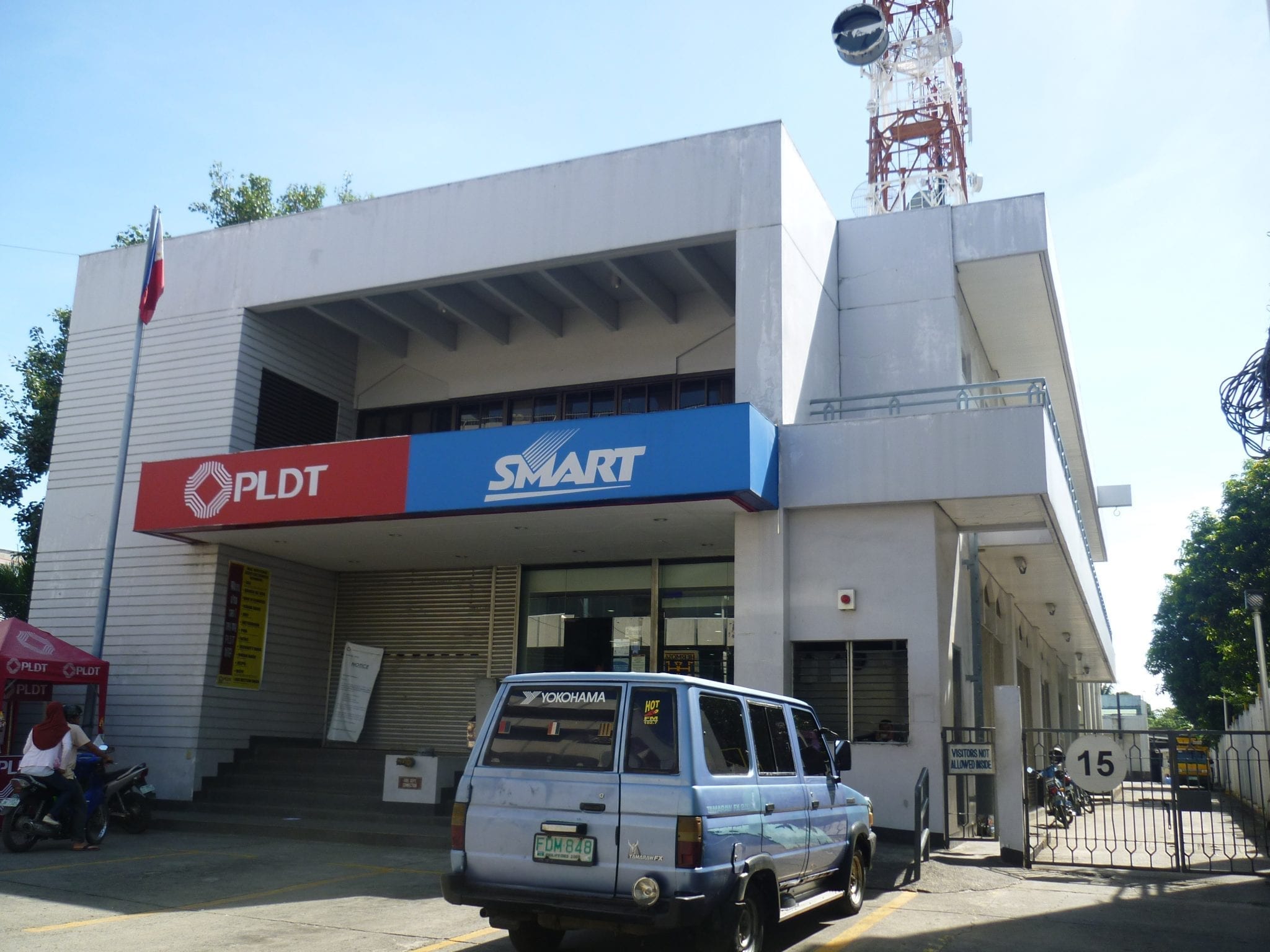
    PLDT Home has reported impressive growth in the first half of 2025, driven primarily by its fiber services, which saw revenues increase by 7% year-on-year, reaching PHP 29.5 billion. As fiber now accounts for a staggering 97% of home revenues, the company’s strategic pivot away from legacy technologies is evident. Overall, revenues for PLDT Home climbed 4% compared to the previous year, totaling PHP 30.4 billion, bolstered by a robust fiber rollout, appealing bundled services, and heightened customer interaction.

    Reflecting Growing Demand for Connectivity

    John Y. Palanca, Senior Vice President and Head of PLDT Home Business, emphasized that the growth reflects a surging demand for high-speed connectivity and richly integrated digital experiences. “We’re expanding our fiber footprint while delivering bundled services that meet evolving customer needs,” he remarked, underscoring the importance of adaptability in a fast-changing market.

    Subscriber Milestones Achieved

    In H1 2025, PLDT Home not only maintained its premium Average Revenue Per User (ARPU) but also reported a significant influx of new subscribers. The company welcomed 169,000 additional fiber subscribers—three times the net additions from the same period last year—bringing the total number of connections to an impressive 3.53 million. This surge showcases the brand’s reputation for reliability and value in a competitive landscape.

    Balance of Innovation and Service

    This growth is underpinned by both expanding their network and providing enticing bundled lifestyle services. Popular offerings such as Fiber Unli All and Fiber Plus Netflix bring together broadband, mobile, and content in packages that resonate with consumers. In Q2, over 80% of new subscribers opted for higher-value plans priced at PHP 1,299 and above, lifting PLDT Home’s industry-leading ARPU to PHP 1,485.

    Enhancements in customer service play a crucial role in this success. Improvements including faster installations, AI-powered support, and expedited repair times have significantly bolstered customer retention, resulting in a remarkably low churn rate of 1.93%. In a world where customers crave immediate gratification, it’s evident that PLDT Home is becoming the fast-food drive-thru of internet service.

    Capturing New Markets with Fiber Prepaid

    Furthermore, PLDT Home is tapping into new household segments through its Fiber Prepaid offerings, catering to families who prefer the flexibility of prepaid plans. Early reports indicate that this strategy is paying off, as ARPU levels remain consistent, signaling that growth is additive rather than detracting from postpaid subscribers.

    Connecting Communities Across the Philippines

    Beyond simply providing connectivity, PLDT Home positions itself as a vital enabler of digital inclusion. Its expanding fiber footprint improves access to high-speed internet across more regions of the Philippines. Currently, the PLDT Group boasts the nation’s most extensive fiber infrastructure, measuring around 1.2 million cable kilometers. The company has passed 19.01 million homes, effectively covering 74% of towns and 91% of provinces, making significant strides in bridging the digital divide.

    Questions & Answers

    How much did PLDT Home’s fiber revenues increase in Q1 2025?
    PLDT Home’s fiber revenues climbed 7% year-on-year, reaching PHP 29.5 billion in the first half of 2025.

    What is the churn rate reported by PLDT Home?
    The company boasts a remarkably low churn rate of 1.93%, indicating strong customer retention.

    How many new fiber subscribers did PLDT Home gain in H1 2025?
    PLDT Home gained 169,000 new fiber subscribers in the first half of 2025, marking three times the net additions from the previous year.

  • Thailand’s NBTC Unveils Plan to Provide Free Spectrum for Private 5G Networks in Factories

    Thailand’s NBTC Unveils Plan to Provide Free Spectrum for Private 5G Networks in Factories

    The National Broadcasting and Telecommunications Commission (NBTC) of Thailand is stepping up its game in the race towards Thailand 4.0 by announcing a groundbreaking allocation of free spectrum aimed at factories and enterprises. This initiative is set to supercharge the country’s ambitions for technological advancement within its manufacturing sector.

    Free Spectrum for Enhanced Operations

    In a bold move, the NBTC plans to release 100 MHz of bandwidth in the 4,800 MHz band under a private network operator (PNO) license. This means that factories and enterprises can apply for allocation at no cost, so long as they utilize it to enhance their internal operations—a win-win for industry players eager to innovate.

    Boosting Industrial Capabilities through Collaboration

    NBTC Commissioner Somphop Purivigraipong detailed the vision behind this initiative, emphasizing that the allocation is tailored for factories looking to optimize their operations. “Factories can collaborate with equipment vendors or telecom companies to deploy solutions for 5G private network operations,” he noted, heralding a new era of connectivity and automation within Thailand’s industrial landscape.

    A Push Towards Private 5G Adoption

    This forward-thinking initiative is expected to catalyze the adoption of private 5G networks throughout Thailand’s manufacturing and enterprise sectors, paving the way for enhanced automation, operational efficiency, and comprehensive digital transformation. Imagine a bustling factory floor where every machine is interlinked, sharing data in real time—those visions are closer to reality than ever before.

    A Competitive Bidding Process

    While the free allocation caters to non-profit operations, enterprises eyeing the potential of private 5G for commercial purposes will still need to bid at auction for access to the 4,800 MHz band. Telecom operators can join in if they intend to function as PNOs; however, there are crucial stipulations—the licensees won’t be allowed to offer consumer mobile services or link the band with existing 2,600 MHz services. This strategic limitation underscores the NBTC’s commitment to fostering dedicated private networks.

    Unlocking Advanced Applications

    Despite limited mass-market 5G usage across Thailand—primarily leveraged for video streaming and as an add-on to 4G—there’s still a strong belief within the NBTC that private 5G networks hold the key to unlocking advanced applications like industrial IoT (IIoT), robotics, and real-time analytics. By granting spectrum access, the NBTC aims to not just elevate Thailand’s manufacturing game but to position the country as a frontrunner in industrial 5G adoption in Asia.

    Questions & Answers

    What is the purpose of the 4,800 MHz spectrum allocation?
    The 4,800 MHz spectrum allocation is primarily aimed at assisting factories and enterprises in optimizing their internal operations through the deployment of private 5G networks.

    How does this initiative support Thailand’s industrial ambitions?
    By granting free spectrum access, the NBTC hopes to drive the adoption of private 5G technology, enhancing automation, efficiency, and digital transformation across the country’s manufacturing sector.

    What are the restrictions placed on the use of the allocated spectrum?
    Enterprises that wish to use the spectrum for commercial purposes must bid at auction, and telecom operators cannot provide consumer mobile services or integrate it with existing 2,600 MHz services, ensuring a focused approach to private network development.

  • Singtel and UTES Join Forces to Boost AI Upskilling Initiative Through Renewed MoU

    Singtel and UTES Join Forces to Boost AI Upskilling Initiative Through Renewed MoU

    The Singtel Group has reestablished its memorandum of understanding (MoU) with the Union of Telecoms Employees of Singapore (UTES) in a move that underscores their commitment to workforce transformation. This partnership aims to prepare employees with vital skills in artificial intelligence (AI), positioning AI as a cornerstone of the Group’s strategy to drive business growth and enhance customer experiences.

    Fostering Growth Through Learning

    The MoU was unveiled at the annual BIG Learning Fiesta, a month-long celebration featuring various workshops and talks specifically designed to foster the professional and personal development of Singtel’s workforce. This latest agreement builds on earlier collaborative efforts between the Singtel Group and UTES, highlighting the shared vision of advancing employee capabilities.

    Back in 2019, Singtel made a significant move by investing SGD 45 million over three years into a development framework known as the ACT initiative, aimed at boosting digital skills across its workforce. With this renewed MoU, the focus shifts towards accelerating training in AI, emerging technologies, sustainability, and essential skills. Employees will be empowered to design their own learning pathways, adopting a skills-first approach that aims to transform roles and cultivate a future-ready workforce.

    Staying Ahead in the Skills Race

    In a further commitment to employee development, Singtel announced in 2022 an annual investment increase of SGD 20 million dedicated to enhancing training programs. The launch of Singtel 8George—a learning academy for employees across experience levels—reflects the Group’s proactive response to rapid technological changes. This ongoing initiative supports the broader adoption and integration of AI across the organization. So far, around 13,000 employees in Singapore, or 95% of the workforce, have successfully completed a foundational AI training program that covers diverse topics like generative AI, data analytics, and responsible AI practices.

    Singtel is on a mission for all of its Singapore-based employees to undergo AI training, with plans to designate 3,000 as AI practitioners and 300 as specialists. This strategy aligns seamlessly with Singapore’s updated National AI Strategy, which aspires to train 15,000 AI practitioners to bolster the nation’s AI development and innovation.

    A Vision for the Future

    Singtel Group CEO, Mr. Yuen Kuan Moon, eloquently articulated the company’s forward-looking vision:

    “AI is transforming the way we live and work, and even redefining what jobs will look like in the future. That’s why we’re moving just as fast to prepare our people for this change. This MoU reflects our unwavering commitment to helping everyone at Singtel to learn, grow, and thrive in an age of accelerated change.”

    “To be truly AI-ready, we’re putting skills first, empowering our people to build the critical capabilities they need, with technology as their trusted co-pilot. By learning how to make the most of AI, our people will be able to seize new opportunities with confidence, make smarter decisions, and play a leading role in driving sustainable growth for the business and for themselves.”

    Singtel has laid out its AI strategy to encompass three essential roles: adopter, builder-provider, and enabler of AI through its connectivity, digital infrastructure, and digital services sectors. This structured plan is set to create diverse AI-related career paths within the Group, including fresh opportunities in data centers like Nxera, which recently celebrated its inaugural Sustainable AI Data Centre Career Day in collaboration with industry partners.

    Questions & Answers

    What is the purpose of Singtel’s renewed MoU with UTES?
    The renewed MoU aims to enhance workforce transformation by equipping Singtel employees with essential skills in artificial intelligence (AI), while fostering a culture of continuous learning.

    How many employees will undergo AI training at Singtel?
    Singtel plans to train all Singapore-based employees in AI, designating 3,000 as AI practitioners and 300 as AI specialists as part of its broader strategy to embrace AI.

    What significant investment did Singtel make for employee training in recent years?
    In 2022, Singtel increased its annual investment in training programs to SGD 20 million, further emphasizing its commitment to employee development amidst rapid technological changes.

  • U Mobile and EDOTCO Unveil Exciting ULTRA5G Experience at Mandarin Oriental!

    U Mobile and EDOTCO Unveil Exciting ULTRA5G Experience at Mandarin Oriental!

    U Mobile, Malaysia’s cutting-edge 5G network provider, has unveiled the ULTRA5G experience in partnership with EDOTCO, the country’s leading digital infrastructure partner. This launch took place at the prestigious Mandarin Oriental, Kuala Lumpur (MO) and signifies a pivotal move towards delivering extensive and reliable 5G connectivity across Malaysia.

    First Hotel in Malaysia with Comprehensive 5G Coverage

    This landmark achievement positions the Mandarin Oriental as the first hotel in Malaysia to offer complete 5G coverage on every floor. Guests who choose U Mobile’s connectivity plans can access a superior ULTRA5G experience, enjoying seamless high-speed internet in various locations within the hotel, including ballrooms, meeting rooms, event spaces, and common areas. These advancements are supported by innovative in-building coverage (IBC) solutions meticulously installed throughout the property.

    Redefining Guest Experiences with Advanced 5G Technology

    The ULTRA5G initiative enables sophisticated applications such as 4K livestreaming for conferences and immersive virtual meetings. With attributes like low latency, high capacity, and network slicing capabilities, the technology is set to redefine how business events are conducted.

    Woon Ooi Yuen, Chief Technology Officer of U Mobile, expressed enthusiasm about the initiative: “U Mobile is thrilled to offer our ULTRA5G experience at the Mandarin Oriental, supported by EDOTCO’s 5G in-building coverage infrastructure, ensuring uninterrupted 5G connectivity on every floor. This initiative will enable smart hotel applications, enhance efficiency, safety, and guest experiences, while also facilitating 4K conference livestreaming and immersive virtual meetings that will elevate the hotel and the MICE sector.”

    Expanding Connectivity Across Malaysia

    Yuen further emphasized that this is merely the onset of their 5G journey in collaboration with EDOTCO, as plans are in place to extend the ULTRA5G experience to more key locations such as airports, hospitals, and convention centers. This expansion aims to solidify U Mobile’s commitment to providing the widest and deepest 5G coverage in the country.

    EDOTCO’s Director of Malaysia Business, Gayan Koralage, underlined the significance of their partnership: “We are proud to be U Mobile’s first partner in implementing 5G in-building coverage. EDOTCO’s neutral-host model allows for quicker deployment, reduces redundant assets, and enhances digital experiences. By providing this platform, we ensure that building owners, operators, and technology providers connect seamlessly, improving digital experiences for Malaysians while contributing to the nation’s economic growth.”

    Welcoming 5G Innovations in the Heart of Kuala Lumpur

    KLCC Property Holdings Berhad (KLCCP), which oversees a portfolio of iconic properties in the Kuala Lumpur City Centre, has welcomed the connectivity enhancements at the Mandarin Oriental. Datuk Sr. Mohd Salem Kailany, Chief Executive Officer of KLCCP, noted, “The introduction of 5G at the Mandarin Oriental is a significant step in enhancing the guest experience and solidifying Kuala Lumpur City Centre’s status as a premier destination for hospitality, MICE, and tourism. This partnership between U Mobile and EDOTCO not only benefits our tenants and guests but also plays a vital role in Malaysia’s digital transformation, starting in the heart of the capital.”

    The launch of the ULTRA5G experience at MO follows U Mobile’s announcement at the Mobile World Congress in Barcelona earlier this year, where they recognized EDOTCO as one of their preferred IBC partners. The two companies will continue to join forces in expanding the ULTRA5G experience while exploring new opportunities for consumers, businesses, and industries, aiming for an ambitious 80% coverage of populated areas by the latter half of 2026.

    Questions & Answers

    What is the significance of the ULTRA5G experience at the Mandarin Oriental?
    The ULTRA5G experience makes the Mandarin Oriental the first hotel in Malaysia to feature complete 5G coverage on every floor, enhancing connectivity for guests across various spaces within the hotel.

    How does ULTRA5G impact business events held at the hotel?
    The ULTRA5G technology supports advanced applications like 4K livestreaming for conferences and immersive virtual meetings, promoting seamless communication and interaction during events.

    What future plans does U Mobile have for expanding 5G coverage?
    U Mobile aims to collaborate further with EDOTCO to extend the ULTRA5G experience to key locations such as airports and hospitals, with a goal of achieving 80% coverage of populated areas by mid-2026.

  • PLDT and Globe Launch Exciting Laser Internet Pilots, Connecting Remote Areas with Cable-Free Access

    PLDT and Globe Launch Exciting Laser Internet Pilots, Connecting Remote Areas with Cable-Free Access

    The Philippines is witnessing an exciting technological leap as leading telecommunications operators PLDT and Globe Telecom embark on trials and initial deployments of Taara, a cutting-edge laser internet system developed by Google’s ambitious X Moonshot Factory. Launched as an independent Alphabet company in March 2025, Taara leverages free-space optical communication (FSO) to transmit data using invisible light beams, bypassing the hefty costs and logistical hurdles associated with traditional underground fiber cables.

    Redefining Connectivity with Laser Internet

    Often dubbed “fiber without the cables,” laser internet employs concentrated beams of light as “light bridges” to relay data between terminals. Each terminal can connect over a distance of up to 20 kilometers, with extended links achievable by sequentially placing additional terminals. Taara’s innovative Lightbridge system incorporates mirrors, sensors, and precision optics, all governed by smart software that tracks and locks onto light paths. Once aligned, this technology can deliver impressive speeds of up to 20 Gbit/s—providing a fiber-like performance that turns the traditional challenges of installing cables across rivers and rugged terrains into a problem of the past. Of course, if it starts raining cats and dogs, users will have to wait a while for the connection to clear up.

    Strategic Deployments Across the Archipelago

    PLDT is leading the charge with the activation of three strategic Taara sites: Talim Island in Rizal, Dipaluda in Isabela, and Bagong Pag-asa in Quezon City. The link on Talim Island stretches an impressive 11.8 kilometers across the waters of Laguna de Bay, directly connecting the island to the mainland. In Isabela, the system covers a mountainous 13-km stretch, where conventional fiber installation would be prohibitively expensive. Meanwhile, the deployment in Quezon City aims to mitigate single-point-of-failure (SPOF) risks within its metro network, ensuring a more resilient connectivity infrastructure.

    Butch Jimenez, PLDT’s Chief Operating Officer and Head of Network, expressed the significance of the project: “This is a game changer for us in connecting remote areas. It simplifies the process of providing fiber-like internet to new locations. We’re excited for the residents of Talim Island and Dipaluda to experience the benefits of fiber-to-the-home connectivity.”

    Erick Santiago, who heads Network Strategy at PLDT-Smart, emphasized the company’s proactive stance: “We’ve evaluated this technology for over a year. I’m proud of our network team, who made it viable for us to launch it while others are still in the testing phase.”

    Pioneering Technology in Action

    On the other hand, Globe Telecom is also making strides through its subsidiary, Fiber Infrastructure and Network Services Inc. (FINSI). The company recently reported promising results from a pilot run of the Taara system over Laguna Lake. The trial spanned 11 kilometers, with approximately 80% of the connection floating across open water, achieving wireless optical connectivity of 10 Gbit/s. The trials adhered to the Enhanced RFC 2544 test suite for throughput, latency, jitter, and frame loss, alongside a rigorous 24-hour bit error rate test (BERT), all of which met Globe’s stringent technical standards. In short, the future of internet in the Philippines is looking abundantly bright, if not a little sparkly!

    Questions & Answers

    What is Taara and how does it work?
    Taara is a laser internet system that transmits data using invisible light beams, bypassing the need for traditional underground fiber cables. It uses “light bridges” to connect terminals over distances of up to 20 kilometers, delivering speeds comparable to fiber-optic systems.

    What areas in the Philippines are benefiting from Taara’s deployment?
    PLDT is activating Taara in Talim Island, Dipaluda, and Quezon City, targeting remote areas that struggle with conventional fiber internet installation.

    How has Globe Telecom tested the Taara system?
    Globe successfully completed a pilot run across Laguna Lake, covering 11 kilometers with 80% of that distance over open water, achieving connectivity speeds of 10 Gbit/s while meeting technical performance standards.

  • Viettel Amplifies Vietnam’s Digital Growth and Defense Strategy for a Bold Future

    Viettel Amplifies Vietnam’s Digital Growth and Defense Strategy for a Bold Future

    Viettel Group has made headlines with its ambitious investment of approximately USD 1 billion in two pivotal national projects: the An Khanh Data Center in Hanoi and the Viettel Research & Development (R&D) Center in Hoa Lac. This substantial commitment is part of a larger initiative celebrating the 80th anniversary of the August Revolution on August 19 and National Day on September 2, underscoring Viettel’s leadership in advancing strategic technologies per the Politburo’s Resolution 57-NQ/TW, which aims to establish a national network of research centers and high-tech labs.

    A Hub of Innovation Takes Shape

    Spanning 13 hectares in the Hoa Lac Hi-tech Park, the Viettel R&D Center represents a total investment of VND 10 trillion (USD 380 million). Designed to be a comprehensive innovation hub, this facility will feature six smart buildings and is slated for completion by 2030. The R&D Center will address the full innovation cycle, from research and design to prototyping and manufacturing, focusing on creating high-tech “Made in Vietnam” products. It will cater to both defense and civilian technology, prioritizing advancements in propulsion systems, unmanned aerial vehicles (UAVs), remote sensing satellites, radar systems, and cutting-edge civilian applications in big data, AI, and cloud computing. Built to international standards, the R&D hub will boast smart, green designs while emphasizing safety and cybersecurity. When fully operational, it is projected to attract 2,500 highly skilled professionals and significantly bolster Vietnam’s national defense modernization efforts.

    A Data Center to Power Digital Transformation

    In tandem, the An Khanh Data Center is set to become the largest facility of its kind in northern Vietnam, located on a 1.9-hectare site in Hanoi’s An Khanh commune. Equipped with an investment of VND 17.5 trillion (USD 664.9 million), the center will have a designed capacity of 60 MW, with Phase 1 expected to go live in the second quarter of 2026. Plans are in place to evolve this facility into Viettel’s second hyperscale data center by 2030. Adhering to Uptime Tier III standards, the data center will integrate Viettel’s proprietary AI for operations, a five-layer security framework, and cutting-edge cooling technologies. Its sustainable design aligns with Vietnam’s Net Zero emissions goal, and it is poised to play a crucial role in the nation’s digital transformation, serving governmental agencies, the Ministry of National Defense, major enterprises, and national-level AI initiatives.

    Expanding the Technological Landscape

    Currently operating 14 data centers across Hanoi, Da Nang, Ho Chi Minh City, and Binh Duong, Viettel has an aggressive expansion plan. The company is in the process of constructing 11 more centers, aiming to establish a total of 24 data centers with a combined capacity of 560 MW by 2030 — a strategic move designed to meet 40% of Vietnam’s projected data demand. Aside from these two flagship projects, Viettel is also ramping up the construction of additional critical tech infrastructure, including the Tan Phu Trung Data Center in Ho Chi Minh City and the Viettel Tower in Da Nang. As we navigate this exciting technological landscape, one can only wonder: how many more innovative spaces can one company create before they run out of land?

    Questions & Answers

    What are the main features of the Viettel R&D Center?
    The Viettel R&D Center will span 13 hectares and feature six smart buildings, focusing on the entire innovation cycle from research to manufacturing, particularly in high-tech defense and civilian applications.

    How will the An Khanh Data Center contribute to Vietnam’s digital transformation?
    The An Khanh Data Center, with a designed capacity of 60 MW, will serve government agencies and major enterprises, playing a key role in supporting national data needs and integrating advanced technologies like AI.

    What is Viettel’s long-term expansion plan for data centers in Vietnam?
    Viettel aims to establish 24 data centers by 2030 with a total capacity of 560 MW, targeting to meet 40% of Vietnam’s projected demand for data services.

  • Malaysia’s Open DC Revamps Data Centres to Power the Future of Banking and Finance

    Malaysia’s Open DC Revamps Data Centres to Power the Future of Banking and Finance

    Open DC, the data centre division of Malaysia’s Extreme Broadband (EBB), is taking a significant step towards modernising its AI data centres to bolster security and improve network performance. The company has entered into a strategic partnership with Nokia, a move that promises to reshape the landscape of data connectivity across Malaysia.

    Revolutionizing Connectivity Across Malaysia

    Through this collaboration, Open DC will implement Nokia’s cutting-edge IP network solution to connect its data centres, which are strategically located across six key sites, including CJ1 Cyberjaya, JB1 Menara MSC Cyberport, JB2 Menara Ansar in Johor Bahru, PE1 Menara Suntech, PE2 Bayan Lepas Industrial Park in Penang, and the future D8-1 facility in Kedah. With this infrastructure upgrade, the firm aims to meet the rigorous demands of the banking and financial services sector.

    Aligning with National Vision

    This initiative is not just about enhancing performance; it also aligns perfectly with Malaysia’s National Cloud Computing Policy and the government’s MYDIGITAL vision, advocating for a robust digital economy. Open DC will leverage Nokia’s comprehensive IP networking portfolio—featuring advanced tools like the data centre gateway, data centre fabric, and quantum-safe networks—to create a future-ready digital infrastructure.

    Prioritizing Energy Efficiency and Cybersecurity

    The deployment of Nokia’s 7250 and 7220 Interconnect Routers will significantly improve performance while simultaneously reducing energy consumption—a dual win for sustainability and operational efficiency. In an age where cyber threats loom large like an unexpected rainstorm, the upgraded infrastructure introduces automation and DDoS mitigation tools, reinforcing Open DC’s resilience against such challenges.

    A Joint Venture for Innovation

    In a further demonstration of their commitment to innovation, EBB and Nokia have signed a Memorandum of Understanding (MoU), setting the stage for collaborative development of next-gen data centre solutions and quantum-safe networks. This partnership will not only craft a joint go-to-market strategy focused on AI and data centre connectivity, but it will also encompass offerings like multi-cloud access, enterprise connectivity, and enhanced DDoS protection for clients.

    Empowering the Future of Enterprises

    Open DC’s Managing Director, Wong Weng Yew, expressed enthusiasm about the partnership, stating that Nokia’s solutions will enhance security, scalability, and sustainability while opening new avenues for revenue generation among enterprises. With this alliance, businesses may find their digital footprint expanding in ways they had only imagined.

    Questions & Answers

    What is the primary aim of Open DC’s partnership with Nokia?
    The collaboration focuses on modernising Open DC’s AI data centres to enhance security and improve network performance across multiple sites in Malaysia.

    How many data centres will be interconnected through this initiative?
    The partnership will interconnect data centres located at six sites, including facilities in Cyberjaya, Johor Bahru, Penang, and an upcoming site in Kedah.

    What technological solutions will Open DC implement from Nokia?
    Open DC will utilize Nokia’s IP networking portfolio, including advanced routers and automation tools designed for high performance, energy efficiency, and robust cybersecurity protections.