Tag: telecom

  • Indosat Teams Up with Google Cloud to Unveil Innovative AI Semantic Search Feature

    Indosat Teams Up with Google Cloud to Unveil Innovative AI Semantic Search Feature

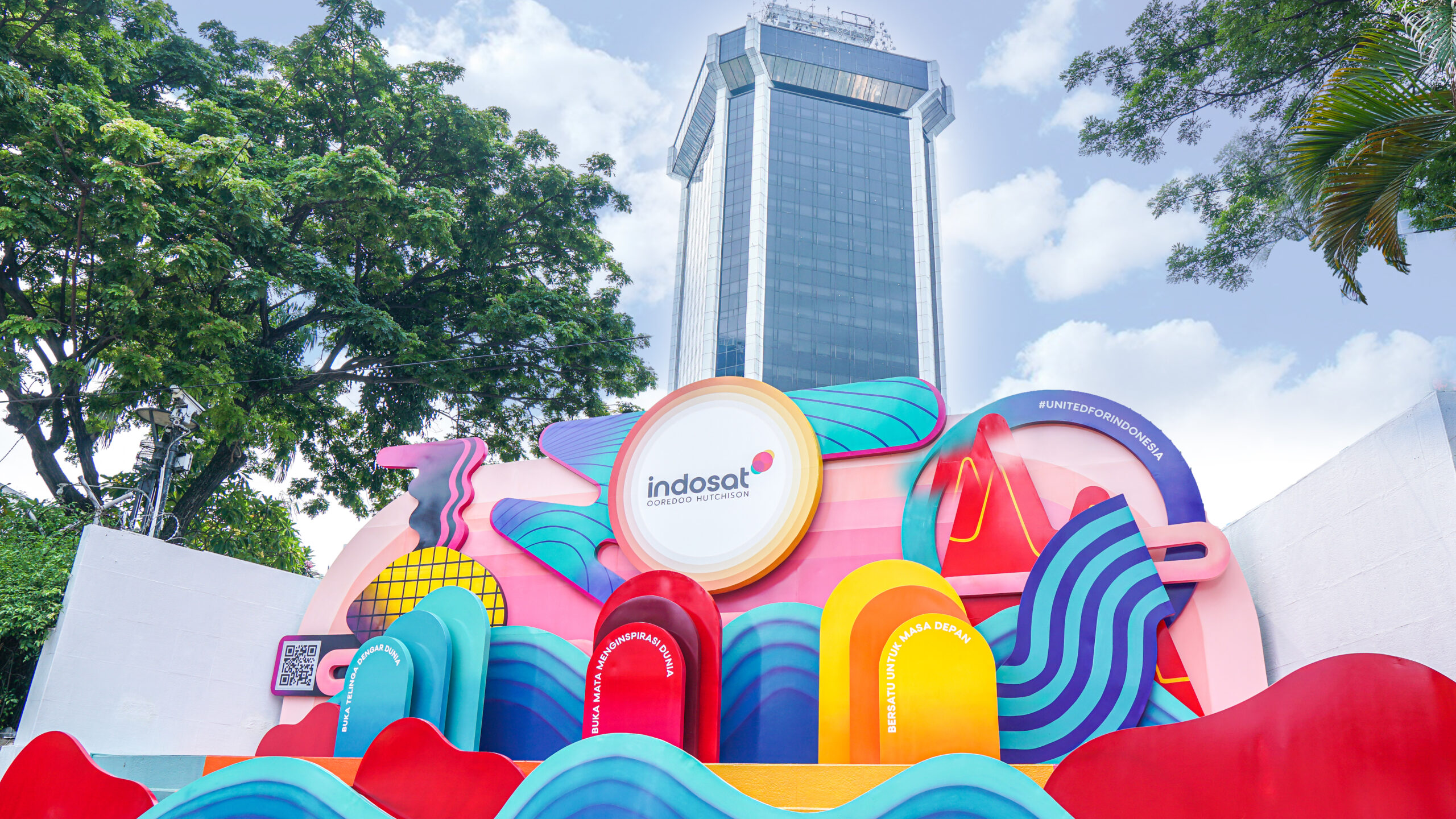
    Indosat Ooredoo Hutchison has unveiled a groundbreaking artificial intelligence-powered Semantic Search feature within its myIM3 and bima+ applications, a move that promises to transform the way customers engage with digital services. Developed in collaboration with Google Cloud, this feature enhances the relevance, personalization, and efficiency of users’ search experiences, helping them find products and services tailored to their needs with ease.

    The technology harnesses Google Cloud’s Vertex AI platform, enabling the system to glean valuable insights into customer behavior and preferences. As a result, searches for data packages, lifestyle features, loyalty programs like IMPoin and BonsTri, and more can now be customized to meet each individual’s specific desires. It’s like having a personal shopper in your pocket—one that actually listens!

    Innovative Partnership for a Smarter Future

    Bilal Kazmi, Director and Chief Commercial Officer at Indosat, explained the significance of this advancement.

    “With the support of Google Cloud, we are delivering a search system that is not only intelligent but also delivers tangible value, enhancing both user convenience and business performance. This collaboration represents a strategic step towards providing smarter, more personalized, and relevant digital experiences for our customers. At Indosat, we are committed to ensuring that technology makes life easier, brings services closer, and serves as a powerful tool to empower Indonesia in navigating the digital era.”

    Boosting Engagement Through Local Understanding

    Fanly Tanto, Country Director for Google Cloud in Indonesia, noted the impact of advanced AI in meeting diverse user needs.

    “As an industry leader through Google Cloud’s Indonesia BerdAIa program, Indosat is at the forefront of innovation using enterprise AI. Vertex AI Search’s ability to comprehend queries in both Bahasa and English, including semantic meanings and spelling variations, will help surface highly relevant digital service recommendations for millions of myIM3 and bima+ users. This deployment showcases how Google Cloud’s open platforms can seamlessly integrate with custom-built AI models to create smarter, more personalized digital experiences for customers.”

    Given the growing demand for personalization in retail, the new AI-driven search technology is poised to significantly enhance user experience. A recent McKinsey study indicated that 71% of consumers expect brands to personalize interactions, highlighting how essential this technology has become in modern retail.

    A Treasure Hunt for Users

    To celebrate this launch, Indosat will roll out an interactive campaign titled “30 Days of Treasure Hunt,” running from August 21 to September 19, 2025. This initiative seeks to further engage users in a fun and immersive way.

    Notably, this Semantic Search technology is enhanced by Sahabat-AI, an open-source large language model (LLM) tailored specifically for the Indonesian language. Sahabat-AI is adept at understanding diverse local contexts, including various regional languages and dialects, enabling more engaging and meaningful customer interactions across urban and rural landscapes alike.

    Questions & Answers

    What is the main feature introduced by Indosat Ooredoo Hutchison?
    The new feature is an AI-powered Semantic Search that enhances search relevance and personalization within the myIM3 and bima+ applications.

    How does the Semantic Search technology improve user experience?
    It utilizes Google Cloud’s Vertex AI to understand customer behavior and preferences, allowing for tailored searches and recommendations, thus making user interactions more efficient and relevant.

    What marketing campaign is Indosat launching alongside this feature?
    Indosat is introducing an interactive campaign called ’30 Days of Treasure Hunt,’ set to run from August 21 to September 19, 2025, designed to engage users in a fun way.

  • U Mobile Unveils ULTRA5G: A Game-Changer for Malaysia’s 5G Experience!

    U Mobile Unveils ULTRA5G: A Game-Changer for Malaysia’s 5G Experience!

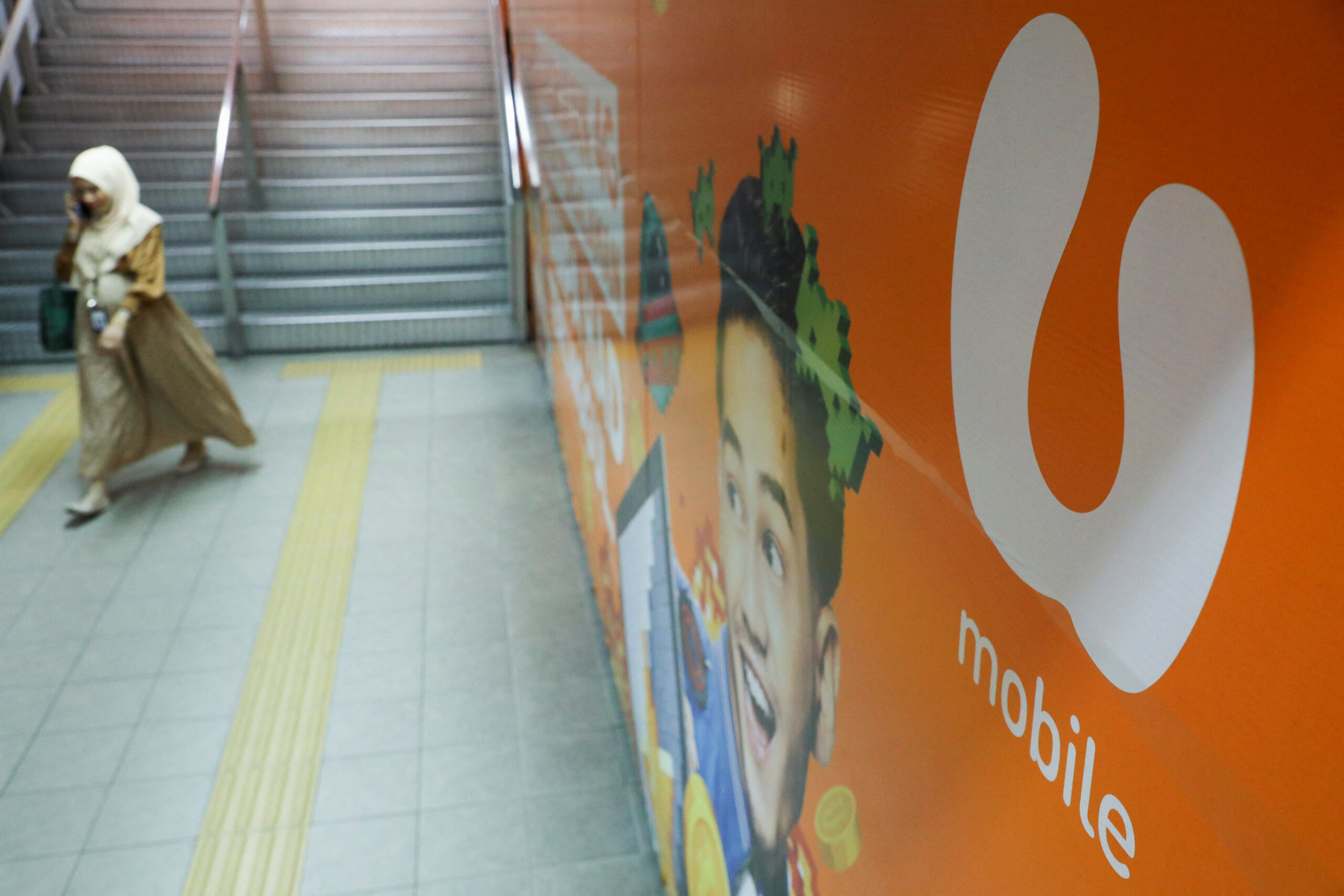
    U Mobile has officially unveiled ULTRA5G, the new moniker for its 5G service, during a launch event at its headquarters in Berjaya Times Square (BTS). This catchy name not only captures the essence of the ultra-fast speeds and extensive coverage that U Mobile aims to provide, but it also reassures users who will now see the ULTRA5G indicator lighting up their devices, a direct result of the company’s ambitious in-building coverage (IBC) initiative.

    Redefining Connectivity Through Advanced Technology

    This advancement marks a pivotal moment in U Mobile’s mission to deliver robust 5G access in both indoor and outdoor spaces across Malaysia. ULTRA5G relies on cutting-edge, enterprise-grade network technology, ready to adapt to the evolving digital landscape of the nation.

    A Roller Coaster of Experience

    To showcase ULTRA5G’s capabilities, U Mobile orchestrated groundbreaking events, including Malaysia’s first-ever 4K livestream of an 800-meter indoor roller coaster ride at Berjaya Times Square Theme Park—boasting the title of Asia’s longest multi-inverted indoor ride. As thrill-seekers zipped around at speeds of 70 km/h, ULTRA5G effortlessly maintained a seamless connection, making the livestream an exhilarating testament to the network’s extensive reliability.

    The excitement didn’t stop there. U Mobile also introduced an engaging mixed-reality experience alongside a demonstration of 5G network slicing, emphasizing both performance and diverse service offerings. If you thought roller coasters were just for an adrenaline rush, think again—this one was a high-speed communications race too.

    Empowering the Future with 5G

    Woon Ooi Yuen, Chief Technology Officer of U Mobile, expressed pride in the launch, stating, “U Mobile is proud to launch ULTRA5G, our brand new name for our 5G experience that is supported by our next-gen network. As the nation’s newest 5G network provider, U Mobile is focused on enabling digital transformation for consumers and businesses alike. ULTRA5G brings enhanced digital experiences, from ultra-reliable streaming and immersive gaming to high-quality video calls in crowded areas. For enterprises, ULTRA5G opens doors to advanced use cases like XR (extended reality), robotics, smart cities, and IR 4.0 automation. With deployment ahead of schedule, U Mobile is also doubling down on indoor coverage to ensure the widest and deepest 5G experience in Malaysia.”

    Aiming for Widespread Accessibility

    ULTRA5G isn’t confined to BTS; the 5G network has also made strides at Penang Bridge 1, utilizing just two towers to provide uninterrupted connectivity for daily commuters. This event signifies the much-anticipated rollout of U Mobile’s next-generation 5G network, with aspirations for 80% coverage of populated areas (CoPA) by the second half of 2026.

    U Mobile promises to keep the public informed about ULTRA5G’s expansion, which is set to quicken in critical locales such as airports, hospitals, convention centers, and other significant venues across the country. This initiative aligns perfectly with the company’s vision of establishing Malaysia’s most comprehensive and trustworthy 5G network.

    Questions & Answers

    What is ULTRA5G?
    ULTRA5G is U Mobile’s branding for its 5G service, emphasizing ultra-fast speeds, reliable connectivity, and extensive coverage.

    How did U Mobile demonstrate the capabilities of its ULTRA5G network?
    They showcased Malaysia’s first 4K livestream of an indoor roller coaster ride, ensuring a seamless connection throughout the ride’s duration at 70 km/h.

    What are U Mobile’s plans for ULTRA5G coverage?
    U Mobile aims to achieve 80% coverage of populated areas by the second half of 2026 and will focus on key locations such as airports and hospitals for rapid deployment.

  • Tech Giants Ramp Up Data Center Growth Across Southeast Asia

    Tech Giants Ramp Up Data Center Growth Across Southeast Asia

    Southeast Asia’s data center industry is on the cusp of a significant transformation, with projections indicating the market value will surge from USD 13.71 billion in 2024 to USD 30.47 billion by 2030, reflecting a robust 14.24% compound annual growth rate (CAGR). This impressive growth is powered by substantial investments from hyperscalers, an escalating demand for artificial intelligence (AI) workloads, and a strong shift toward sustainable infrastructure. Among the rising stars of this digital landscape, Malaysia, Indonesia, Thailand, and Vietnam are emerging as pivotal hubs, while Singapore continues to anchor the region.

    Malaysia: Southeast Asia’s Investment Powerhouse

    Malaysia is quickly becoming Southeast Asia’s primary destination for data center investments. The combination of competitive land and energy prices, along with its geographical proximity to Singapore, makes it an attractive location for hyperscalers and global data operators alike.

    In Johor, 42 data center projects with a total investment of MYR 164.45 billion have received approval as of Q2 2025. These ambitious developments are expected to create thousands of jobs, representing over 78% of the nation’s operational IT capacity. By 2030, Johor aims to account for 6% of Malaysia’s total data center capacity.

    Indonesia and Thailand Ignite Hyperscale Growth

    Indonesia is cementing its status as a crucial destination for hyperscale operations, currently home to over 14 cloud zones hosted by major providers like AWS, Google Cloud, Microsoft Azure, Alibaba Cloud, and Tencent Cloud. With a vibrant digital landscape and rapid e-commerce growth, demand for local computing resources is soaring. Although most developments are concentrated in Greater Jakarta, enhancements in energy infrastructure and connectivity are paving the way for new centers across Java and beyond.

    Thailand is also solidifying its position in the data center race, thanks to a prime location, a robust power grid, and favorable government policies. The government’s tax incentives, streamlined permitting processes, and renewable energy initiatives are attracting leading hyperscalers. Companies like NTT DATA, Amazon Web Services (AWS), and Equinix are expanding their presence in Bangkok, highlighting Thailand’s role both as a domestic hub and a gateway to the region.

    Vietnam’s Rapid Adaptation to AI Demands

    Though its data center capacity may be smaller, Vietnam is rapidly scaling up to meet the burgeoning needs of AI workloads. Key players like Viettel IDC are investing in high-efficiency facilities in both Hanoi and Ho Chi Minh City. The acceleration of cloud and AI adoption is particularly strong in sectors like manufacturing and finance, fueled by government programs aimed at fostering technology-driven investment. With a thriving digital economy and supportive policies, Vietnam is increasingly recognized as a rising star within the regional data center ecosystem.

    Harnessing Regional Synergies and Subsea Connections

    Despite facing land and power limitations, Singapore remains a central figure in the regional data center narrative. Its well-established connectivity ecosystem, bolstered by numerous subsea cable landings, offers unmatched interconnection capabilities. Neighboring hubs such as Johor, Batam, and Bangkok are reaping the benefits of this interconnectedness, providing more cost-effective and sustainable expansion alternatives while still leveraging Singapore’s global network reach.

    This clustering effect is creating a complementary ecosystem, where Singapore stands out as the interconnection hub, while surrounding markets absorb hyperscale capacity at scale. Experts believe this model is crucial for maintaining Southeast Asia’s long-term competitiveness.

    Sustainability Takes Center Stage

    In Southeast Asia, sustainability is transforming from a buzzword into a decisive factor in investment strategies. Malaysia is attracting hyperscalers by leveraging its abundant solar and hydropower resources for renewable energy sourcing. Thailand has introduced its Utility Green Tariff (UGT) to foster green power procurement as part of its commitment to achieving carbon neutrality by 2050.

    Tech giants are making bold commitments as well. Google and Microsoft have entered into long-term power purchase agreements to ensure their operations run on renewable energy. Microsoft’s 200-MWp solar PPA in Singapore indicates a strong appetite for substantial clean energy arrangements. Meanwhile, Equinix is exploring alternative energy solutions in the Philippines, amid rising tariffs, and Malaysian authorities are evaluating premium pricing for data centers that rely on conventional energy sources, highlighting how sustainability is reshaping the economic landscape.

    Advancements in Cooling and Efficiency

    To combat the rising power consumption associated with data centers, operators are pouring investments into innovative cooling solutions. Digital Realty has unveiled liquid-cooled servers at its SIN11 facility in Singapore, achieving energy savings of up to 29%. Keppel Data Centres’ IKDC 1 in Jakarta incorporates water-based cooling technology with N+1 redundancy, striking a balance between energy efficiency and operational reliability.

    Modular and high-density facility designs are now gaining traction, particularly as they cater to AI workloads that require substantial compute and power density. These developments signal a broader industry transition toward efficiency-driven competitiveness.

    Capital Investments Reshape the Future

    Hyperscale capital investments are thriving, with Microsoft committing USD 1.7 billion in Indonesia while expanding its footprint in Thailand. Google is directing over USD 1 billion toward Thailand, also eyeing Vietnam’s hyperscale potential. Meanwhile, NTT DATA plans to launch a USD 90-million facility in Bangkok by late 2025, and Equinix is ramping up its regional expansion through acquisitions in the Philippines.

    Private equity funds are increasingly becoming engaged, reflecting growing confidence in the long-term value of these investments. As demand for digital services rises, Southeast Asia is emerging as a safe haven for infrastructure investors seeking growth and resilience.

    Looking Ahead: Southeast Asia’s Growing Significance

    The region’s data center ecosystem is experiencing a fusion of factors including digital transformation, AI integration, government support, and a strong commitment to sustainable growth. Southeast Asia is positioning itself as a model for harmonizing rapid digital expansion with environmentally friendly practices—an approach that could redefine its role in the global data economy.

    During a recent interview, Raymond Policarpio, Vice President and Head of Strategy Management and Business Investments at Globe Business, emphasized the ongoing priority of investing in data centers to bolster this expanding digital ecosystem. From a Thai governance viewpoint, Narit Therdsteerasukdi, Secretary General of the Board of Investments, noted the critical need for digital infrastructure, including data centers, to align with both foreign investor demands and local business needs to maintain competitiveness in today’s digital economy.

    As the future unfolds, regional synergies—particularly between Singapore and its neighbors—will be vital in sustaining competitiveness.

    Questions & Answers

    What are the projected growth figures for Southeast Asia’s data center industry?
    The market value of Southeast Asia’s data center industry is expected to soar from USD 13.71 billion in 2024 to USD 30.47 billion by 2030, representing a compound annual growth rate (CAGR) of 14.24%.

    How is Malaysia positioning itself in the data center arena?
    Malaysia has emerged as a leading destination for data center investments, especially in Johor, which has seen 42 approved projects worth MYR 164.45 billion, expected to create thousands of jobs.

    What role do sustainability initiatives play in the region’s data center investments?
    Sustainability has become a key differentiator, with countries like Malaysia leveraging renewable energy sources and Thailand introducing green tariffs to attract investments and achieve carbon-neutral goals by 2050.

  • Vodafone Idea and IBM Unveil Exciting New AI Innovation Hub to Transform Retail Experience

    Vodafone Idea and IBM Unveil Exciting New AI Innovation Hub to Transform Retail Experience

    Vodafone Idea (Vi) is embarking on a transformative journey, partnering with IBM to streamline its operations and enhance customer experiences through cutting-edge technology. This strategic alliance aims to harness the power of artificial intelligence (AI) and a unified DevOps model, ultimately accelerating Vi’s digital initiatives.

    Navigating the Digital Landscape with an AI Innovation Hub

    At the heart of this initiative lies the newly established AI Innovation Hub, designed to continually modernize Vi’s IT and business processes. This hub will unite experts from both Vi and IBM Consulting, who will co-develop AI solutions, automation tools, and digital accelerators utilizing IBM’s state-of-the-art AI technologies. The collaboration will ensure seamless integration of AI into Vi’s development and operational frameworks, forging new pathways for efficiency.

    Commitment to Intelligent Innovation

    Jagbir Singh, Chief Technology Officer of Vodafone Idea Limited, expressed enthusiasm about the partnership, stating, “Our collaboration with IBM marks a pivotal milestone in Vi’s digital journey. It reflects our commitment to AI-led innovation and our ambition to drive accelerated growth through intelligent decision-making and automation. The AI Innovation Hub will play a critical role in modernizing our operations and expediting our go-to-market execution of critical business initiatives through faster software development cycles, setting new benchmarks for the telecom industry.”

    Enhancing Agility and Exploring New Horizons

    This alliance is not merely about technology; it’s also about envisioning smarter digital experiences and enhancing IT agility to tap into new revenue streams. By leveraging IBM’s extensive global partner ecosystem and industry expertise, Vi aims to reinforce its long-term digital resilience while driving ongoing innovation.

    IBM’s Role in India’s Telecom Evolution

    Juhi McClelland, Managing Partner at IBM Consulting for Asia Pacific, highlighted the significance of their collaboration with Vi, stating, “India’s telecom sector stands at the crossroads of surging data consumption, rapid digital transformation, and large-scale 5G deployments. Our collaboration with Vi allows IBM to serve as a strategic enabler to help modernize the organization’s IT ecosystem and fast-track their digital transformation.” The AI Innovation Hub exemplifies the potential of co-creation, as IBM consultants lend their expertise to build a future-ready digital foundation.

    Strengthening a Long-Standing Partnership

    Rishi Aurora, Managing Partner at IBM Consulting India & South Asia, noted that their partnership with Vi spans more than 17 years. “This recent collaboration marks a significant step in redefining how AI and automation can transform telecom operations at scale. With the AI Innovation Hub and unified DevOps execution, we’re bringing together the best of IBM’s global expertise to help Vi deliver superior customer experiences, drive innovation, and strengthen digital resilience for the future.”

    With these collaborative efforts, Vi is set to design and adopt rapid and seamless digital experiences, underscoring the pivotal role of AI in enhancing customer-focused service delivery. As this partnership unfolds, the telecom landscape in India may soon witness a blend of creativity and technology that could spark a revolution.

    Questions & Answers

    What is the main goal of Vi’s partnership with IBM?
    The partnership aims to optimize operations, enhance service reliability, improve customer experiences, and accelerate digital initiatives using AI and a unified DevOps model.

    How will the AI Innovation Hub benefit Vi?
    The AI Innovation Hub will modernize Vi’s IT and business processes by co-developing advanced AI solutions and automation tools with expertise from both Vi and IBM Consulting.

    What does this collaboration signify for the future of India’s telecom sector?
    This collaboration positions IBM as a strategic enabler for Vi, helping to modernize its IT ecosystem, enhance operational efficiencies, and fast-track digital transformation amidst rising data consumption and 5G deployments.

  • Maxis Teams Up with China Mobile International to Launch CMLink MVNO in Malaysia

    Maxis Teams Up with China Mobile International to Launch CMLink MVNO in Malaysia

    China Mobile International Limited (CMI) has made significant strides in the Asian telecommunications landscape with the launch of its first mobile virtual network operator (MVNO) service in Malaysia. This announcement was made during the China Mobile SEA Cooperation Conference held in Kuala Lumpur, marking a pivotal moment for CMI as it taps into the vibrant Malaysian market by partnering with Maxis’s mobile network.

    Operating under its CMLink brand, CMI plans to offer customers seamless 4G and 5G mobile services, enhancing connectivity and communication opportunities in the region. A mobile virtual network operator provides mobile services without owning the underlying network infrastructure, instead utilizing the capabilities of host operators like Maxis. CMI has previously established MVNO services in markets across the globe, including the UK, Singapore, Japan, Thailand, and Italy.

    Innovative Features Tailored for Global Citizens

    CMLink promises to cater specifically to the needs of students and professionals living in or traveling to Malaysia. Its standout features, such as “1CMN” (one card, multiple numbers) and China-Malaysia data sharing services, aim to ensure that users can remain effortlessly connected between China and Malaysia. There’s nothing quite like having your own “phone backpack” — that is, not just one number but multiple ones, all while enjoying seamless service!

    A Partnership Reinforced for Future Growth

    This new collaboration is a natural extension of the long-standing relationship between Maxis and CMI. Their partnership was further solidified by a Memorandum of Understanding (MoU) signed in August 2024, which aimed to propel 5G initiatives and drive forward digital innovation in the region.

    Questions & Answers

    What is the significance of CMI’s launch in Malaysia?
    This launch marks CMI’s first foray into the Malaysian market as an MVNO, providing enhanced mobile services to a growing demographic, particularly students and professionals bridging connection between China and Malaysia.

    What are the key services offered by CMLink?
    CMLink offers features like “1CMN” (one card, multiple numbers) and China-Malaysia data sharing services, allowing users to maintain seamless connectivity across borders.

    How does this collaboration between CMI and Maxis benefit both companies?
    The collaboration not only strengthens the existing partnership but also positions both CMI and Maxis to leverage 5G technology and enhance digital innovations, driving growth in the rapidly evolving telecommunications landscape.

  • Etix Boosts Bangkok Campus to 28MW with New Data Center Expansion!

    Etix Boosts Bangkok Campus to 28MW with New Data Center Expansion!

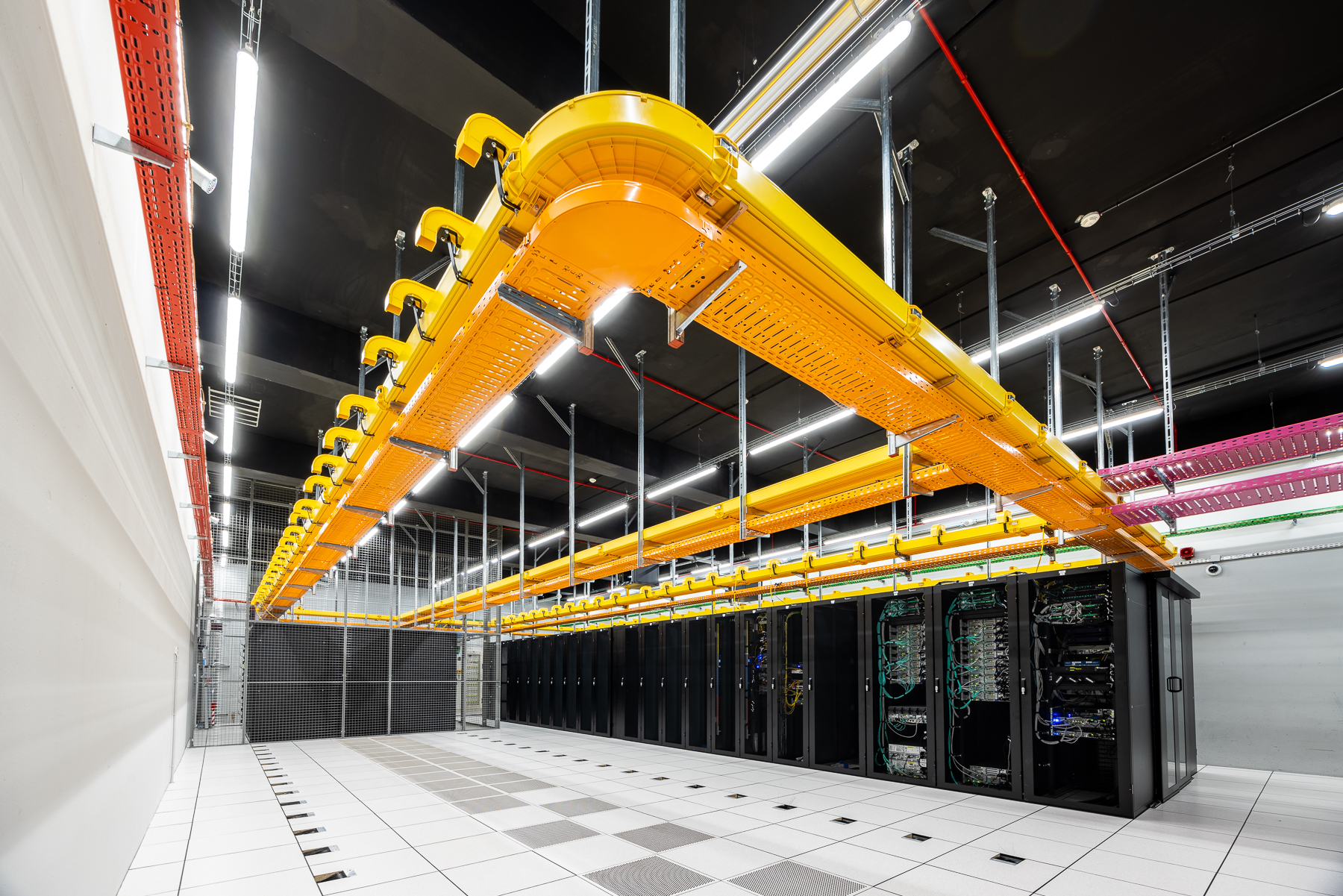
    In a significant development for the Asian tech landscape, France-based data center operator Etix Everywhere has inaugurated its latest facility, BKK#2, in Bangkok, Thailand. This new addition boasts a robust capacity of 23 megawatts (MW), positioning it as a vital player in the region’s growing demand for data infrastructure.

    A Strategic Expansion in Bangkok

    Situated adjacent to the existing Etix BKK#1, which operates at 5MW, the new 16,000 square meter facility ramps up the combined power of the company’s Bangkok campus to a striking 28MW. This expansion is particularly crucial as the region increasingly embraces AI technologies, with the campus designed to accommodate up to 150kW per rack. In an exciting twist, the BKK#2 facility offers a trifecta of cooling options: air, liquid, and immersion, ensuring that it meets the diverse needs of modern computing.

    Meeting the Demand for Modern IT Solutions

    “The development of Etix BKK#1 has multiplied our capacity sixfold in just three years,” expressed Pierre Patris, Etix Everywhere’s CEO for Asia. “With 2 MW of capacity immediately available and the timely launch of BKK#2, we are in a powerful position to meet our customers’ needs.” Patris emphasized the strategic advantage of both facilities being neighbors, allowing customers to seamlessly leverage the same telecom ecosystem and expand within the same operational area, as if they were utilizing a single building.

    Commitment to Sustainability

    Beyond its ambitious technical capabilities, the Etix Bangkok campus is setting benchmarks for sustainability in data center operations. Targeting a Power Usage Effectiveness (PUE) of below 1.4, the facility incorporates on-site renewable energy sources and Battery Energy Storage Systems (BESS), ensuring that it not only meets current needs but is prepared for the future. Furthermore, the use of green concrete and steel reflects a commitment to significantly reducing embodied carbon, making it a beacon of eco-conscious design in the industry.

    Questions & Answers

    What is the significance of BKK#2’s launch in Bangkok?
    The launch represents a strategic expansion for Etix Everywhere, significantly boosting their capacity to meet rising demands for data infrastructure, particularly in AI applications.

    How do the facilities BKK#1 and BKK#2 benefit customers?
    Having both facilities in close proximity allows customers to enjoy a shared telecom ecosystem, facilitating growth and operational efficiency as if they were in one building.

    What sustainability measures are incorporated in the campus design?
    The Etix Bangkok campus aims for a PUE below 1.4 and integrates renewable energy sources, Battery Energy Storage Systems, and eco-friendly materials, underscoring its commitment to sustainability.

  • M1-Simba Merger: A Groundbreaking Moment for Singapore’s Telco Landscape After Liberalization!

    M1-Simba Merger: A Groundbreaking Moment for Singapore’s Telco Landscape After Liberalization!

    Keppel Ltd. has embarked on a significant shift in Singapore’s telecommunications landscape by announcing its divestment of an 83.9% stake in M1 Ltd. to Simba Telecom. This landmark deal, valued at SGD 1.43 billion (USD 812 million), marks the first telecom consolidation in Singapore’s history. The arrangement involves Keppel selling its stake in M1 for approximately SGD 1.0 billion (USD 778 million) in cash while retaining the company’s ICT business. This move allows Keppel to sharpen its focus on high-growth connectivity sectors like data centers and subsea cables.

    A New Strategic Direction for Keppel

    As a founding shareholder of M1 since 1994, Keppel’s CEO, Loh Chin Hua, views this transaction as part of a broader strategy to transform the company into an asset-light global asset manager and operator. The merger will synergize M1 and Simba, currently positioned as the third and fourth largest telecom operators in Singapore, respectively, placing them in a better position to compete against giants Singtel and StarHub.

    Synergies Galore

    Loh emphasized the benefits of this strategic maneuver, stating that the partnership represents a “strategic path to sustainable growth” for Singapore’s telecom sector. He expressed confidence in the efficiencies the combined entities will achieve, saying:

    M1 and Simba are a highly synergistic combination. Together, they can scale more efficiently, optimize infrastructure, and accelerate 5G and digital investments, greatly enhancing service quality while contributing to a more resilient, future-ready telco industry.

    Competitive Edge and Growth Opportunities

    In a landscape where competition is fierce, Keppel cited Simba, owned by Australia’s Tuas Ltd., as having submitted the best all-cash offer among bidders, which underscores the attractive valuation for the acquisition. Interestingly, the two companies share minimal resource overlap, opening up avenues for new revenue streams and job creation within the industry.

    Enhancing the Consumer Experience

    According to Keppel’s statement, the upcoming transaction will bolster Singapore’s telco sector, delivering advantages to both industry players and consumers alike. The newly combined entity promises to accelerate investments in 5G and digital infrastructure, ultimately enhancing service quality. It’s a tale of merging to thrive, as the collaboration aims to create a resilient digital ecosystem rich in future technology investments, including cybersecurity, artificial intelligence (AI), and sustainability.

    Regulatory Approval in Process

    The Infocomm Media Development Authority (IMDA) has confirmed that both parties have signed the sale and purchase agreement (SPA) and will conduct a thorough assessment under the Telecom and Media Competition Code. This scrutiny is crucial to ensuring the transaction is advantageous for consumers, sustains market competition, and supports ongoing growth in the sector.

    Questions & Answers

    What does Keppel’s divestment of M1 represent for the telecommunications sector in Singapore?
    This divestment marks a historic consolidation in Singapore’s telecom landscape, allowing M1 and Simba to form a powerful entity to compete more effectively against market leaders like Singtel and StarHub.

    How does Keppel plan to benefit from this transaction?
    By restructuring its involvement with M1, Keppel aims to turn into an asset-light global asset manager, concentrating on high-growth sectors like data centers and subsea cables while still retaining a stake in M1’s ICT business.

    What are the potential benefits for consumers following this deal?
    Consumers could see enhanced service quality and a more resilient digital ecosystem, as the merged entity is expected to accelerate investments in 5G technologies and future innovations such as AI and cybersecurity.

  • Aptos Powers Vietnam’s Web3 Future with Strategic Investment in Emerging Innovators

    Aptos Powers Vietnam’s Web3 Future with Strategic Investment in Emerging Innovators

    The conclusion of the Vietnam Aptos Hackathon 2025 marks a pivotal moment in the nation’s burgeoning Web3 ecosystem. This high-profile event served as a dynamic platform for developers, startups, and tech enthusiasts, and was generously backed by the Aptos Foundation and Kyros Ventures. With more than US$400,000 allocated in cash and credits, the hackathon opened doors for young innovators in Vietnam to elevate their Web3 projects to the next level.

    A Showcase of Innovation

    The hackathon unfolded throughout July, culminating in a live final at GM Vietnam 2025 on August 2. The event attracted hundreds of participants from across the country, all eager to create decentralized applications (dApps) using Aptos, a cutting-edge Layer 1 blockchain developed in the U.S., while integrating cloud technology for future scalability — because who wouldn’t want their innovations to fly to the clouds, literally and figuratively?

    Navigating a Thriving Digital Economy

    Vietnam’s digital economy is on a remarkable growth trajectory, establishing itself as one of Southeast Asia’s fastest-evolving markets. Although startup activity, enterprise digitalization, and government tech initiatives are rapidly progressing, local developers require more than just robust infrastructure. They also seek reliable partners and global platforms to turn their ambitious ideas into reality.

    Creating Opportunities for Vietnam’s Future Builders

    In response to these needs, the Aptos Foundation has teamed up with Kyros Ventures, a prominent Web3 incubator, to cultivate long-term infrastructure, investment avenues, and educational initiatives aimed at empowering Vietnam’s next wave of innovators. This partnership is geared toward shaping a future where Vietnamese talent can leave an indelible mark on the global Web3 landscape.

    David Wolinsky, cofounder of Aptos and a former technical lead on Facebook’s Diem project, emphasized Vietnam’s vibrant tech community. “Our goal is to support developers in building tangible products—not just through funding but by offering developer tools, infrastructure, and global access for everyone from students to large enterprises,” Wolinsky remarked. “Our alliance with Kyros Ventures embodies our belief that sustainable progress springs from the confluence of world-class technology and local talent.”

    Celebrating Innovation at the Live Finals

    During the live finals, the top five teams showcased their innovative projects to a captivated audience composed of investors, venture capitalists, and industry experts. The winners were rewarded with funding from Aptos Build and Google Cloud—credits for eligible startups under the Google for Startups Cloud Program—as well as cash prizes that reached into the tens of thousands of dollars. They also earned spots in a three-month acceleration program, with the potential for direct investment from the Aptos Foundation and its global partners.

    These prizes are not just a pat on the back; they represent vital resources and ongoing support for teams looking to expand and scale their projects on an international stage.

    A Commitment Beyond Competition

    The Aptos Hackathon 2025 signifies more than just a competitive event; it’s a stepping stone towards a long-term commitment to collaborating with businesses in Vietnam’s digital transformation. The Aptos Foundation is dedicated to advancing Web3 and blockchain solutions in Vietnam, focusing on sustainable growth and global integration.

    “With the support of the Aptos Foundation and Kyros Ventures, we gain not just technological backing, but also collaborative opportunities for training, global networking, and empowering young innovators,” explained a representative from Aptos. “These initiatives are crucial for fostering a resilient and sustainable Web3 community in Vietnam.”

    Questions & Answers

    What was the primary aim of the Vietnam Aptos Hackathon 2025?
    The hackathon aimed to foster innovation within Vietnam’s Web3 ecosystem by providing developers, startups, and students a platform to build decentralized applications and compete for significant funding and support.

    How did the partnership between the Aptos Foundation and Kyros Ventures support participants?
    This partnership aimed to create long-term infrastructure, investment channels, and educational programs that empower young builders to influence the future of Web3, emphasizing the importance of reliable global partnerships.

    What were the rewards for the hackathon’s top teams?
    The top teams received cash prizes, funding from Aptos and Google Cloud, and access to a three-month acceleration program, along with the potential for direct investment from the Aptos Foundation and its international collaborators.

  • Indosat Launches Innovative AI Solution to Tackle Digital Fraud and Protect Consumers

    Indosat Launches Innovative AI Solution to Tackle Digital Fraud and Protect Consumers

    Indosat Ooredoo Hutchison, in an impressive collaborative effort with Indonesia’s Ministry of Communications and Digital Affairs, has unveiled an innovative AI-powered Anti-Spam and Anti-Scam solution, aimed at bolstering protection for Indonesians against the troubling rise of digital fraud. This initiative comes at a critical time as the recent Asia Scam Report 2024 from the Global Anti-Scam Alliance (GASA) reveals that a staggering 65% of Indonesians encounter scam attempts on a weekly basis, ranging from pesky phishing texts to misleading job offers and dubious investment schemes.

    A Commitment to Digital Protection

    Vikram Sinha, President Director and CEO of Indosat Ooredoo Hutchison, stated: “At Indosat, we believe digital protection is a fundamental right for every Indonesian. Our partnership with Tanla to deploy this AI-powered Anti-Spam and Anti-Scam solution illustrates how technology can safeguard daily digital lives. Built on Indosat’s own AI factory using state-of-the-art NVIDIA Blackwell GPUs, this solution enhances Indonesia’s ability to combat spam and scams in real time, thereby reinforcing public trust and national digital resilience.”

    The Technology Behind the Solution

    The system utilizes Indosat’s advanced AIvolusi5G framework to identify suspicious numbers and filter malicious activities as they occur. The brilliance of this solution lies in its on-network processing capability, which does not require high-tech devices or expensive connections—making it accessible to everyone, regardless of their location or device specifications. It’s as though advanced technology has decided to play nice with the everyday user.

    A Vision of Collaboration

    Developed in partnership with Tanla, along with support from global allies like Mastercard, GASA, and the GSMA, this initiative embodies the Indonesian principle of “gotong royong,” or mutual cooperation. By seamlessly blending public and private contributions, Indosat aims to establish a regional standard for telco-led digital safety initiatives.

    Government Support for a Safe Digital Landscape

    Nezar Patria, Vice Minister of Communications and Digital Affairs of Indonesia, praised Indosat’s efforts, emphasizing the importance of collaboration in creating a secure digital environment. He remarked, “AI should bring technology closer and open more opportunities for society to grow. Indonesia does not want to simply consume technology; instead, we aim to play a pivotal role in shaping AI that meets the real needs of our community.”

    A Step Towards Inclusivity

    Indosat views this innovation as a cornerstone of its transformation into an AI-centric company, committed to delivering secure and inclusive technology solutions. Through its ‘AI for All’ campaign, the company pledges that AI will be accessible to everyone, ensuring that no one is left behind in this digital revolution. This latest launch is a vital piece of Indosat’s larger mission to empower the nation and enhance the well-being of all Indonesians.

    Questions & Answers

    How does the AI-powered Anti-Spam and Anti-Scam solution work?
    The solution employs Indosat’s AIvolusi5G framework to detect suspicious numbers and filter out malicious activities in real time, ensuring efficiency and accessibility for all users.

    What motivated the development of this initiative?
    The increasing frequency of scam attempts reported in the Asia Scam Report 2024 highlighted the urgent need for effective digital protection tools in Indonesia.

    How does Indosat’s partnership with other organizations enhance this effort?
    The collaboration with Tanla and support from global entities such as Mastercard and GASA showcases a united front in combating digital fraud, emphasizing the collective responsibility to create a safe online environment for all Indonesians.

  • Indosat Launches Innovative AI Tool to Combat Digital Fraud and Protect Consumers from Scams

    Indosat Launches Innovative AI Tool to Combat Digital Fraud and Protect Consumers from Scams

    In a strategic move to combat the rising tide of digital fraud, Indosat Ooredoo Hutchison (Indosat) has unveiled a state-of-the-art artificial intelligence (AI)-powered Anti-Spam and Anti-Scam solution. This initiative, launched in collaboration with Indonesia’s Ministry of Communications and Digital Affairs (Komdigi), aims to safeguard Indonesians against the alarming surge in scam attempts that plague their digital lives.

    Scam Alerts Ringing Loudly

    The recent findings from the Asia Scam Report 2024, published by the Global Anti-Scam Alliance (GASA), paint a worrying picture: a staggering 65% of Indonesians are targeted by scam messages weekly, with tactics ranging from phishing texts to fraudulent job offers and investment schemes. It’s a digital wild west out there, and Indosat is taking a stand.

    Empowering Consumers with Cutting-Edge Technology

    Vikram Sinha, President Director and CEO of Indosat Ooredoo Hutchison, emphasized the necessity of digital security for every Indonesian citizen. “At Indosat, we believe digital protection is a fundamental right,” he stated. “Our partnership with Tanla to deploy the AI-powered Anti-Spam and Anti-Scam solution illustrates how technology can enhance daily life. By leveraging our sovereign AI factory equipped with advanced NVIDIA Blackwell GPUs, we are not just combatting spam and scams; we are fortifying Indonesia’s digital resilience and public trust.”

    The new system is built on Indosat’s advanced AIvolusi5G framework, designed to identify suspicious numbers and filter harmful activities in real-time. This robust solution operates on-network, making it accessible to all users regardless of their device specifications or connection quality. It’s a bold step towards digital equality and safety.

    A Collaborative Approach to Digital Safety

    Indosat’s initiative highlights a spirit of cooperation, termed “gotong royong,” a core principle of Indonesian culture that signifies collective effort. By partnering with industry leaders such as Tanla, Mastercard, GASA, and the GSMA, Indosat aspires to create a regional standard for telco-led digital security. Such alliances indicate a growing recognition of shared responsibility among public and private sectors to ensure a safer digital landscape.

    Government Support Paves the Way for Innovation

    Echoing this commitment, Nezar Patria, Vice Minister of Communication and Digital Affairs, expressed the government’s endorsement of this collaborative effort to foster a secure digital environment. “AI should bring technology closer and open more opportunities,” he remarked, expressing Indonesia’s ambition to not only consume technology but also to actively shape its deployment to meet societal needs.

    Indosat’s Vision for an AI-Driven Future

    Indosat sees this innovation as pivotal in its evolution into an AI tech company, dedicated to providing secure, modern, and inclusive solutions. As part of its ‘AI for All’ campaign, the company aims to ensure that everyone can access and benefit from these technological advancements, underscoring its commitment to empower the people of Indonesia.

    Questions & Answers

    What is the main purpose of Indosat’s new AI-powered solution?
    The new AI-powered Anti-Spam and Anti-Scam solution aims to protect Indonesians from the rising threat of digital fraud, addressing the alarming frequency of scam attempts reported in recent studies.

    How does Indosat ensure that its solution is accessible to all users?
    The system is designed to function on network capabilities, eliminating the need for high-end devices or premium connections, allowing users from all backgrounds to benefit.

    What cultural principle guides this collaboration between Indosat and the government?
    The principle of “gotong royong,” which emphasizes collective cooperation, underpins this partnership, highlighting the importance of joint efforts from public and private sectors to ensure digital safety.

  • Bharti Airtel Launches Exciting ‘Airtel Cloud’ in Collaboration with Singtel, Globe, and Airtel Africa

    Bharti Airtel Launches Exciting ‘Airtel Cloud’ in Collaboration with Singtel, Globe, and Airtel Africa

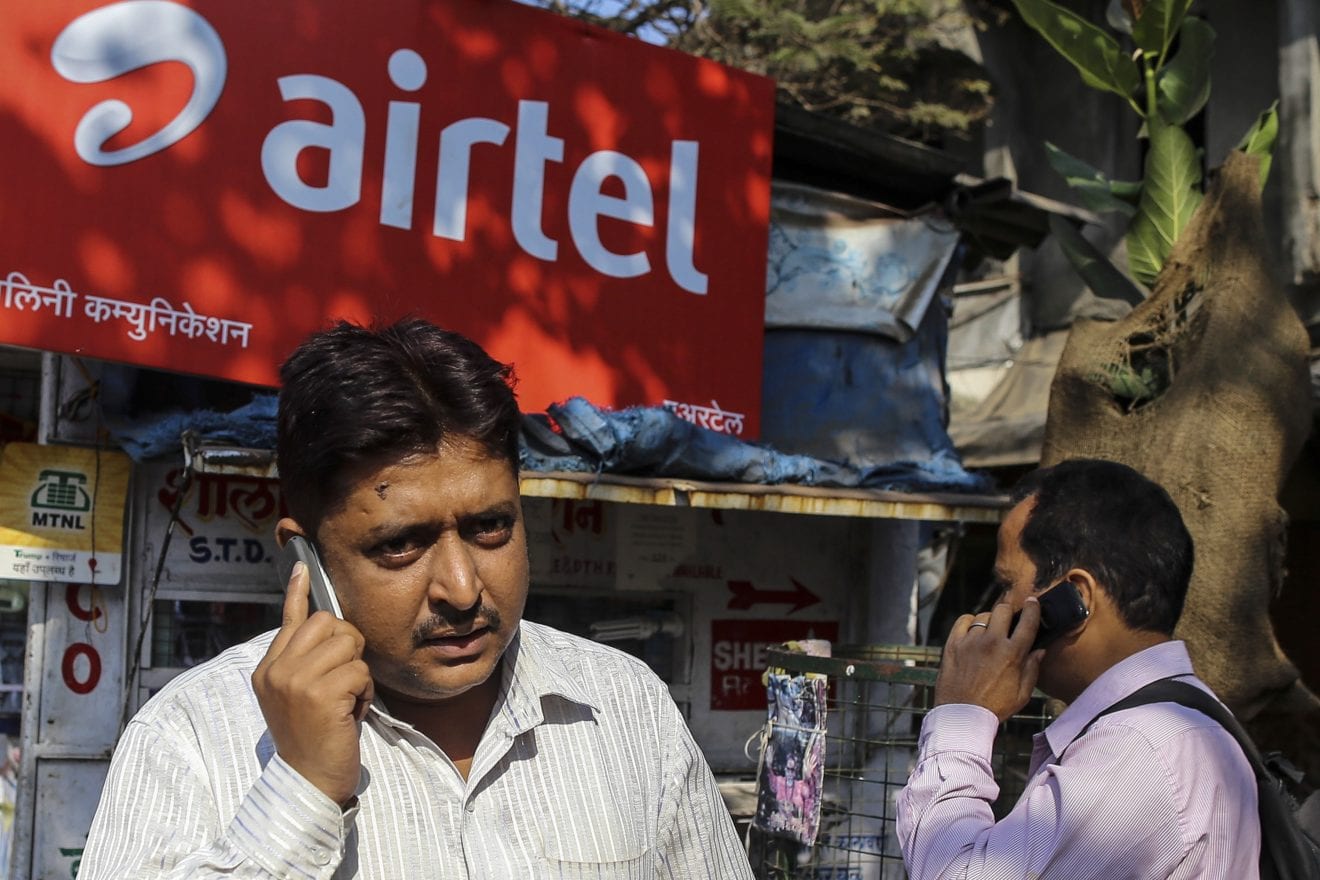
    Bharti Airtel has unveiled an innovative AI-powered cloud and software platform for enterprises, launching it through its wholly owned subsidiary, Xtelify. The platform, named ‘Airtel Cloud,’ is poised to accelerate digital transformation for Indian businesses and global telecom operators, delivering robust security, scalability, and intelligence on a large scale. In a marketplace where digital prowess is the new currency, Airtel has positioned itself as a formidable player.

    Transforming Airtel’s Offerings for the Global Market

    Xtelify represents a pivotal shift for Airtel, as the company expands its in-house digital platforms—which have previously supported its large-scale operations—into external markets. The Airtel Cloud platform is accessible to enterprises throughout India, capable of processing a staggering 140 crore transactions per minute. Backed by a team of 300 certified cloud experts, the platform is housed in next-generation sustainable data centers and utilizes generative artificial intelligence (GenAI) for provisioning. Its services include infrastructure-as-a-service (IaaS), platform-as-a-service (PaaS), and advanced connectivity, with secure migration and zero vendor lock-in being standout features.

    A Vision for Secure Digital Growth

    Gopal Vittal, Vice Chairman and Managing Director of Bharti Airtel, expressed enthusiasm for this development, stating, “Within Airtel, we have been actively harnessing digital innovations at unmatched scale to transform our services and enhance customer experience for many years. This involves powering over 590 million customer touchpoints and addressing some of the most intricate telecom challenges globally. All our applications run at a competitive cost on Airtel Cloud. Today, we’re excited to extend our telco-grade, sovereign-cloud platform, enabling Indian businesses to innovate faster, scale smarter, and remain secure in an ever-evolving digital landscape.” Vittal assured that all cloud controls will remain strictly within India, eliminating any risk of external access to sensitive data.

    Empowering Telecom Operations with AI

    Xtelify has also launched an AI-driven software suite designed to optimize telecom operations and enhance customer journeys, ultimately improving average revenue per user (ARPU). This comprehensive suite includes Xtelify Work for real-time workforce management, Xtelify Data Engine for operational intelligence, Xtelify IQ for customer experience analytics, and Xtelify Serve for personalized engagement and resolution. It’s as if the future of telecom is knocking on the door, demanding an innovative response.

    International Collaborations Amplify Global Reach

    In a noteworthy international initiative, Xtelify has formed partnerships with Singtel, Globe Telecom, and Airtel Africa. These agreements are set to implement various aspects of Xtelify’s offerings across multiple operations. Singtel will harness Xtelify Work for increased frontline efficiency, Globe Telecom plans to utilize Xtelify Serve to enhance customer service, and Airtel Africa will incorporate Xtelify Data Engine, Work, and IQ into its operations.

    Ng Tian Chong, CEO of Singtel Singapore, articulated the platform’s benefits, stating, “We are constantly seeking ways to better equip our field engineers to provide exceptional customer experiences. This platform allows us to reimagine our workflows with AI at the core, leading to improved efficiency and customer service.” The emphasis on optimizing dispatch and resource management not only expedites engineer response times but also contributes to lowering the carbon footprint—a win-win in today’s eco-conscious world.

    Jacques Barkhuizen, Group CIO of Airtel Africa, noted the transformative potential of this partnership, highlighting how it will enhance digital progress and uplift millions across Africa. Globe Telecom’s president and CEO, Carl Cruz, echoed this sentiment, explaining that integrating Xtelify’s AI-driven Case Management Platform reinforces their commitment to exceptional service from the initial customer contact to resolution. “We are proud to collaborate with Airtel and Xtelify,” Cruz added, “as we aim to elevate global customer experience standards.”

    Questions & Answers

    What is Airtel Cloud and what does it offer to enterprises?
    Airtel Cloud is an AI-powered cloud and software platform designed to facilitate digital transformation for Indian businesses and global telecom operators. It provides infrastructure-as-a-service (IaaS), platform-as-a-service (PaaS), and advanced connectivity while ensuring secure migration and zero vendor lock-in.

    How does Xtelify enhance telecom operations?
    Xtelify’s AI-driven suite optimizes telecom operations by improving workforce management, operational intelligence, customer experience analytics, and personalized engagement, ultimately boosting average revenue per user (ARPU).

    What international partnerships has Xtelify established?
    Xtelify has formed significant partnerships with Singtel, Globe Telecom, and Airtel Africa, enabling various implementations of Xtelify’s offerings to enhance operational efficiency and customer service across these companies.

  • Intracom Telecom Drives APAC Wireless Connectivity Forward with Cutting-Edge Innovations

    Intracom Telecom Drives APAC Wireless Connectivity Forward with Cutting-Edge Innovations

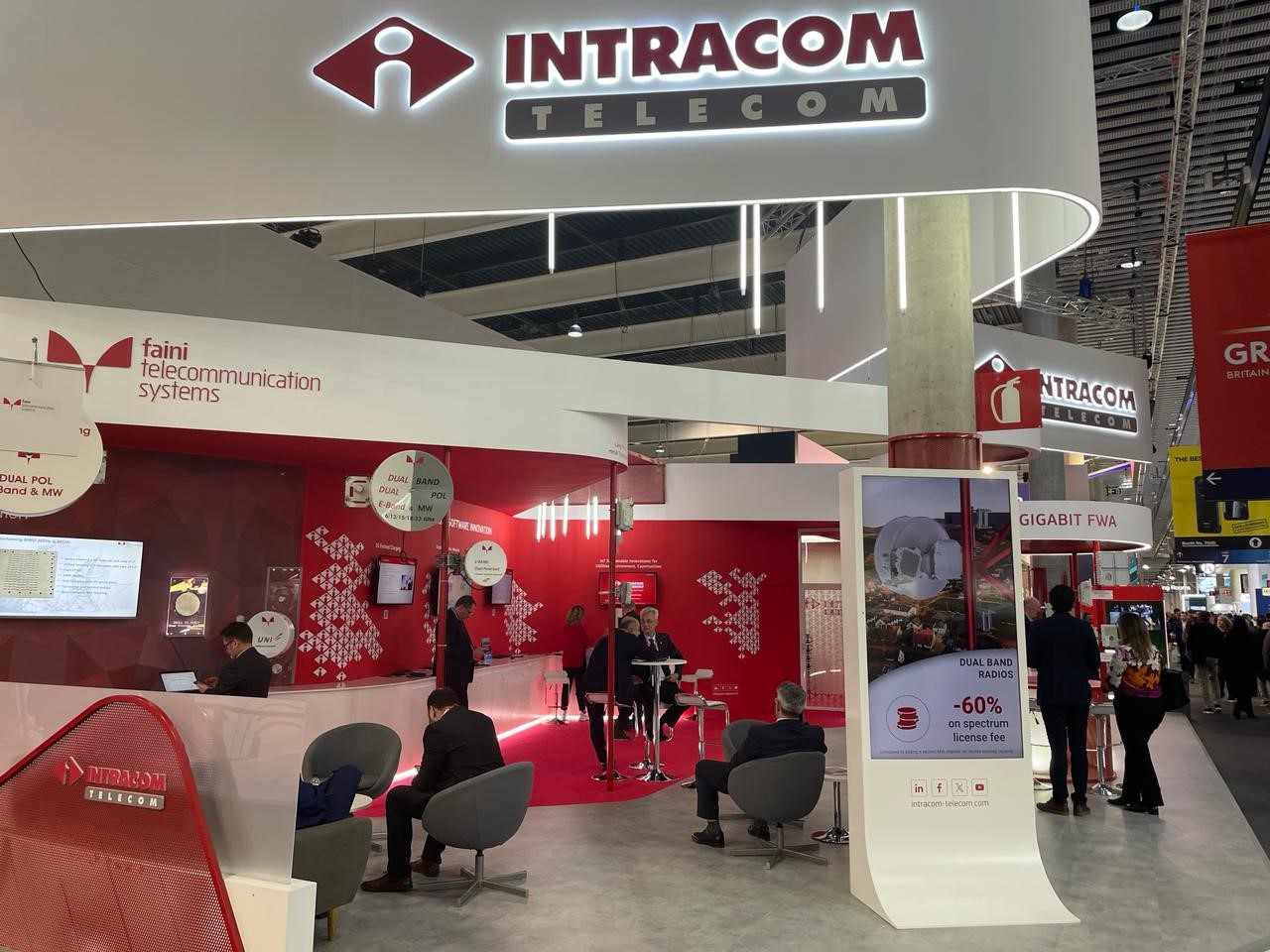
    In the midst of a digital revolution across Asia Pacific (APAC), the demand for robust and adaptable wireless infrastructure is surging. This need is especially critical in regions where traditional fiber optics are either too expensive or logistically challenging to deploy. From bustling cities to secluded islands, Intracom Telecom is stepping up, delivering innovative solutions designed to enhance connectivity and bridge coverage voids.

    Recently, Retail News engaged with Barinder Chhabra, Head of Business Development for APAC at Global Commercial within Intracom Telecom, to explore how his team’s innovative wireless technologies are reshaping the network landscape in the region.

    Revolutionizing Connectivity with Cutting-Edge Technology

    At Intracom Telecom, the focus is clear: enabling ultra-fast and reliable connectivity throughout APAC, particularly in areas where fiber installation isn’t feasible. Their WiBAS™ G5 platform, which operates within the 26–28 GHz millimeter wave band, is a game-changer for multi-dwelling units (MDUs) and small to medium enterprises (SMEs), offering multi-gigabit broadband service over distances exceeding 8 km. Recently, a significant trial in Indonesia with a major telecom provider underscored this capability, with ongoing discussions with other Tier I operators aimed at promoting millimeter wave technologies for fixed wireless access (FWA). Impressively, their WiBAS™ 10.5 GHz systems have been delivering reliable performance since 2014 for key players in Indonesia and across Southeast Asia, even in extreme weather conditions.

    On the forefront of 5G transport innovation, the company holds a strong position with its UltraLink E-Band radios. The UltraLink-GX80 platform, currently offering speeds of 10 Gbps, is set to advance further to 15 Gbps and eventually 40 Gbps, meeting the high-capacity requirements for both 5G backhaul and fronthaul. Additionally, with solutions like OmniBAS, designed for both short and long-haul needs, Intracom Telecom is particularly well-positioned to serve island nations like Indonesia, where fiber deployment can be a logistical challenge.

    Adapting to Diverse Geographies and Demands

    APAC’s varied geography—ranging from congested urban landscapes to far-flung islands—demands wireless solutions that are high-performing yet adaptable. To that end, the WiBAS™ G5 platform is evolving to support frequencies surpassing 28.5 GHz, enhancing its functionality in urban settings while simultaneously ensuring that the long-trusted 10.5 GHz solutions remain pivotal in rural and inclement weather applications through intelligent software enhancements that optimize subscriber density and maintain service stability.

    Long-range connectivity is crucial in island nations, making the OmniBAS™ Long Haul (6–11 GHz) solution indispensable. This technology delivers multi-gigabit capacity over extensive distances by leveraging multiple channels and advanced signal techniques, which extend connectivity into remote areas while facilitating transitions to internet protocol (IP)-based networks.

    All these capabilities are supported by dedicated engineering and testing facilities within the company, ensuring compliance with the highest carrier-grade standards.

    Building Connections through Strategic Partnerships

    Collaboration is central to Intracom Telecom’s growth strategy in the region. A notable partnership with Dialog Axiata in Sri Lanka has mobilized WiBAS™-based solutions to enhance broadband access in underserved rural areas. Meanwhile, their work alongside Lintasarta in Indonesia exemplifies how strategic alliances promote effective and efficient wireless connectivity for enterprises, both urban and remote.

    These collaborative efforts are not merely transactional; they involve deep co-development, aligning joint planning with market demands to ensure lasting impact. Global deployments underscore their reach, with over 20,000 point-to-multipoint network hubs and 600,000 terminals shipped worldwide, alongside substantial contributions of microwave and E-Band radios—making Intracom one of the largest vendors in carrier-grade point-to-point technologies. These initiatives are instrumental in closing the digital divide and fostering digital inclusion across the Asia-Pacific.

    Future-Proofing for 5G and Beyond

    As the landscape shifts with 5G and eyes move toward 6G, Intracom Telecom is unwavering in its commitment to futureproofing its technologies. Chhabra emphasizes the importance of flexibility and scalability in their designs, ensuring that platforms can evolve with the changing demands of traffic and subscriber loads.

    Research initiatives into ultra-high-frequency wireless technologies combined with AI-driven management tools are paving the way for 6G, emphasizing the importance of low-latency connections and adaptive spectrum use. Through these pioneering efforts, Intracom Telecom is not just preparing for the future— it’s helping to define it in the rapidly evolving world of connectivity.

    Questions & Answers

    What innovative solutions is Intracom Telecom implementing to enhance connectivity in APAC?
    Intracom Telecom is deploying its WiBAS™ G5 platform for high-speed broadband service in both urban and rural settings, along with advancing its UltraLink™ E-Band radios for the anticipated demands of 5G.

    How does the geography of APAC influence Intracom Telecom’s strategy?
    The diverse landscapes in APAC necessitate versatile wireless solutions, prompting Intracom Telecom to adapt its WiBAS™ systems for urban expansion and long-range connections ideal for island nations.

    What role do partnerships play in Intracom Telecom’s expansion efforts?
    Strategic alliances with companies like Dialog Axiata and Lintasarta are crucial, enabling tailored, community-focused broadband access that addresses the needs of underserved areas across the region.

  • Starlink Secures License to Launch Groundbreaking Satellite Broadband Services in India

    Starlink Secures License to Launch Groundbreaking Satellite Broadband Services in India

    Elon Musk’s Starlink has officially secured a Unified License to provide satellite internet services in India, as confirmed by Union Telecom Minister Jyotiraditya Scindia. This development ushers in a new era for digital connectivity in the nation, with Starlink poised to debut its offerings by late 2025 or early 2026. With a robust regulatory framework now established for spectrum allocation and satellite gateways, India is on track to narrow its rural connectivity gap through low-Earth orbit (LEO) satellite networks.

    The newfound license allows Starlink to operate in tandem with existing players such as Bharti Group-backed Eutelsat OneWeb and Jio’s partnership with SES, both of which are gearing up for their own satellite service launches. Starlink intends to roll out monthly internet packages priced around INR 3,000 and will offer hardware kits for about INR 33,000, targeting impressive speeds between 50 Mbps and 250 Mbps.

    Partnerships to Optimize User Experience

    To enhance distribution and customer service, Starlink is teaming up with prominent Indian telecom giants, Airtel and Reliance Jio. Globally, Starlink has already launched over 6,000 satellites and has ambitious plans to expand its fleet to 42,000 by 2027. This growth cements its position as the world’s largest LEO satellite network, and they say it’s not easy being this popular—after all, it takes a lot of satellite power to keep the world connected!

    This announcement coincides with the 30th anniversary of India’s first cellular call, a momentous occasion that underscores the country’s rapid digital evolution. Minister Scindia highlighted the remarkable progress achieved under Prime Minister Narendra Modi, noting that broadband users have skyrocketed from 60 million in 2014 to an astounding 944 million today. He also pointed to a staggering 96.6% decline in mobile data prices, positioning India as a global leader in accessible connectivity.

    5G Expansion and Telecom Revival

    The expansion of 5G technology in India is also gaining momentum, now reaching 99.6% of districts and serving 300 million users. The country leads in 5G data consumption, with an impressive average of 32 GB per user each month, and it ranks among the top six countries in 6G patent filings. Significantly, the resurgence of BSNL, marked by two consecutive years of net profits and the deployment of over 83,000 4G sites, illustrates the revitalization of the domestic telecom sector.

    Reflecting on the industry’s remarkable three-decade journey, Lt. Gen. Dr. S.P. Kochhar, Director General of the Cellular Operators Association of India (COAI), remarked, “Relentless efforts from the government and the industry have ensured digital connectivity reaches even those villages that once were off the grid. India’s world-leading 5G rollout has been transformative. Today, over 85% of the population and more than 99% of districts enjoy access to 5G services, fueling innovations from remote education to telemedicine and smart agriculture.”

    Questions & Answers

    What services will Starlink offer in India?
    Starlink plans to provide monthly internet packages priced around INR 3,000, targeting speeds between 50 Mbps and 250 Mbps, with hardware kits available for approximately INR 33,000.

    Who are Starlink’s primary competitors in the Indian market?
    Starlink will operate alongside Eutelsat OneWeb, backed by Bharti Group, and Jio’s partnership with SES, both of which are preparing to launch their satellite services.

    How is India’s digital landscape currently evolving?
    India has witnessed explosive growth in broadband users from 60 million in 2014 to 944 million today, with 5G now available in 99.6% of districts, marking significant advancements in digital connectivity and innovation.

  • True Unveils DSS Technology to Enhance 5G Experience on 2600 MHz Spectrum

    True Unveils DSS Technology to Enhance 5G Experience on 2600 MHz Spectrum

    True Corporation is stepping up the game in Thailand’s telecommunications landscape with the launch of dynamic spectrum sharing (DSS) technology on the 2600 MHz spectrum band. The rollout kicked off in the vibrant Thonglor district of Bangkok, setting the stage for a sweeping nationwide enhancement aimed at improving the 5G experience for millions.

    A Bold Move Towards Enhanced Connectivity

    This initiative is a cornerstone of True’s Network Modernization plan, which aspires to support over 14.2 million 5G subscribers by the first quarter of 2025. The upgrade promises to deliver heightened speed and performance for both TrueMove H and dtac customers, ushering in a new era of connectivity.

    DSS Technology: A Smart Solution for Spectrum Use

    Dynamic spectrum sharing represents a breakthrough in how spectrum is utilized. Unlike traditional fixed-allocation systems that segment parts of the spectrum for 5G and 4G, DSS allows for flexible, real-time management of bandwidth in high-demand areas. This adaptable approach ensures that both 5G and 4G users on the 2600 MHz band receive the optimal service they need.

    For example, if a sudden influx of 5G users appears in a bustling area, DSS can allocate the entire 2600 MHz band to boost 5G performance. Conversely, if 4G users surge, the system can pivot to ensure that they, too, enjoy quality service. It’s like having a versatile chef in a high-pressure kitchen—always ready to whip up what’s needed, when it’s needed!

    Expanding the Spectrum Portfolio

    True Corporation’s recent acquisition of 70 MHz of the 2300 MHz spectrum adds another layer to its strategy, providing the necessary mid-band for 4G services while enhancing the 2600 MHz band for 5G. This dual benefit ensures that users of both generations benefit from heightened network performance, effectively breaking through previous limitations.

    On the Ground Efforts to Ensure Success

    Mr. Sigve Brekke, Group CEO of True Corporation Public Company Limited, along with a skilled team of network engineers, recently visited Thonglor to oversee the implementation of this cutting-edge technology. This visit marks not just an investment in infrastructure but a commitment to elevating Thailand’s digital telecommunications framework through innovative technologies and maximized spectrum resources.

    Questions & Answers

    What is dynamic spectrum sharing (DSS), and why is it important?
    DSS technology optimizes how spectrum is managed, allowing flexible and real-time allocation between 5G and 4G users. This improves service delivery, especially in areas with high data demand, ensuring all users get the best experience possible.

    How many 5G subscribers does True Corporation aim to support by 2025?
    True Corporation is targeting to support over 14.2 million 5G subscribers across Thailand by the first quarter of 2025, significantly enhancing its network capacity and performance.

    What recent acquisition has True Corporation made to enhance its services?
    True Corporation has acquired 70 MHz of the 2300 MHz spectrum, which helps to provide mid-band for 4G services and enhance the existing 2600 MHz for 5G, ensuring a seamless connectivity experience for users of all generations.

  • India-UK Free Trade Agreement: A Game Changer for the Telecom Sector

    India-UK Free Trade Agreement: A Game Changer for the Telecom Sector

    India and the United Kingdom have reached a pivotal milestone with the signing of a landmark Free Trade Agreement (FTA), heralding a new era of collaboration in the telecom and emerging technology sectors. The historic deal was witnessed by Indian Prime Minister Narendra Modi and UK Prime Minister Keir Starmer, propelling bilateral economic relations to new heights.

    A Game-Changer for India-UK Relations

    “In a historic milestone, India and the UK have successfully concluded an ambitious and mutually beneficial Free Trade Agreement, along with a Double Contribution Convention (DCC),” Modi celebrated on social media platform X. “These landmark agreements will deepen our Comprehensive Strategic Partnership and catalyze trade, investment, growth, job creation, and innovation.” With this agreement, the two nations are aiming for growth that goes beyond just numbers—think of it as ‘telecom magic’ that’s set to unfold over the coming years.

    Streamlining Access for Telecom Giants

    The FTA provides UK telecom companies with guaranteed access to Indian facilities and services on fair, transparent, and non-discriminatory terms. Furthermore, it ensures the open allocation of essential resources, including spectrum and radio frequencies, vital for smoother market entry and fostering collaboration throughout the telecom value chain.

    Reducing Operational Hurdles

    In a strategic move to facilitate easier business operations, the agreement simplifies trade procedures for businesses operating between the two countries. Under the DCC, employees transitioning between India and the UK will be subjected to social security regulations in only one jurisdiction, effectively minimizing compliance challenges and reducing costs for companies with cross-border teams.

    A Mutual Growth Catalyst

    Vodafone has been a longstanding player in the Indian market, operating through its joint venture, Vodafone Idea. Meanwhile, Bharti Enterprises, a major Indian telecom group, holds significant stakes in BT Group and satellite operator Eutelsat OneWeb, a collaboration born from the merger of the UK’s OneWeb and France’s Eutelsat. Sunil Bharti Mittal, Founder and Chairman of Bharti Enterprises as well as Chair of the India-UK CEO Forum, praised the FTA, calling it the first substantial agreement between two economies of comparable stature. He noted that this deal not only opens doors for UK companies but also sets the stage for Indian enterprises to expand their reach in the UK.

    Empowering Innovation in the Telecom Sector

    Indian telecom manufacturer, HFCL, joined in the chorus of support for the agreement. “This FTA enables us to accelerate international growth, provide competitive technology solutions, and contribute to building next-generation digital infrastructures that will power AI-driven economies for both nations,” stated Mahendra Nahata, HFCL’s Managing Director, underscoring the promising possibilities ahead.

    Aligning with Long-term Visions

    Piyush Goyal, India’s Minister of Commerce and Industry, characterized the FTA as a strategic move in line with India’s upward trajectory. He remarked, “The India-UK FTA, along with a Double Contribution Convention, is a bold, future-ready step that will unlock growth, jobs, and innovation, accelerating our journey towards Viksit Bharat 2047.”

    The latest figures indicate that India and the UK enjoyed a bilateral trade volume of GBP 43 billion (USD 56 billion) in 2024, with a shared ambition to double this figure by 2030. This agreement not only lays the groundwork for enhanced cooperation in digital infrastructure but also opens doors to advance smart networks and emerging technologies such as AI, satellite broadband, and cloud services.

    Questions & Answers

    How does the FTA impact UK telecom companies in India?
    The FTA grants UK telecom firms guaranteed access to Indian facilities and services under fair terms, paving the way for greater collaboration and market entry within India’s extensive telecom landscape.

    What is the significance of the Double Contribution Convention?
    The DCC simplifies operational processes for businesses by ensuring that employees transferring between the UK and India will pay social security in just one jurisdiction, significantly reducing compliance costs and complexities.

    What are the future goals for India-UK bilateral trade?
    Both governments aim to double their current trade volume, which stands at GBP 43 billion, to GBP 86 billion by 2030, capitalizing on the FTA to drive deeper collaboration in various tech sectors.