Tag: tesla

  • Tesla Reports $702 Million Loss In The Last Quarter

    Tesla Reports $702 Million Loss In The Last Quarter

    Tesla said on Wednesday it would return to profit in the third quarter of 2019 after racking up two consecutive losses in the first half of the year, as it struggled to deliver cars to customers and launched a cheaper version of its Model 3 sedan. The company, which Wall Street suspects may soon have to raise more cash, said it ended the quarter with just $2.2 billion in cash, after paying off a $920 million convertible bond obligation in March.

    Tesla affirmed its outlook of delivering 360,000 to 400,000 vehicles in 2019 and said it may produce as many as 500,000 vehicles in the year if its Gigafactory in Shanghai reaches volume production in the fourth quarter. Tesla reported net loss attributable to common shareholders of $702.1 million, or $4.10 per share, in the first quarter ended March 31, compared with $709.6 million, or $4.19 per share, a year earlier.

    “As the impact of higher deliveries and cost reduction take full effect, we expect to return to profitability in Q3 and significantly reduce our loss in Q2,” Chief Executive Officer Elon Musk said in a letter to investors.

    The Silicon Valley company has weathered a challenging few months, marked by a sharp drop in the number of vehicles delivered to global customers during the quarter and a public spat between Musk and financial regulators.

  • Self-Driving Tesla Robotaxi Coming In 2020

    Self-Driving Tesla Robotaxi Coming In 2020

    Tesla CEO Elon Musk has said that the electric car maker is ready to fly autonomous robotaxis from 2020. Making a series of bold predictions during the Tesla Autonomy Day at the Palo Alto-based headquarters late on Monday, Musk said the company expects to get necessary approvals by 2020.

    “I feel very confident predicting that there will be autonomous robotaxis from Tesla next year — not in all jurisdictions because we won’t have regulatory approval everywhere,” reported Musk as saying.

    “In places where there aren’t enough people to share their cars, Tesla would provide a dedicated fleet of robotaxis,” the report added.

    Tesla Founder and CEO hoped that robotaxis would return home and automatically park and recharge.

    Tesla also unveiled a new Samsung-made microchip that, the company said, was being included in every new car.

    Musk said that by the middle of 2020, Tesla’s autonomous system will have improved to the point where drivers will not have to pay attention to the road.

    “We will have more than one million robotaxis on the road,” Musk said. “A year from now, we’ll have over a million cars with full self-driving, software… everything.”

    He said Tesla would soon develop cars that could last for at least one million miles with minimal maintenance.

    Taxi hailing company Uber is also planning the next generation of transportation – flying taxis.

    It has named Dallas and Los Angeles in the US as the first two cities for the commercial launch of its aerial taxi service by 2023 and has been on the lookout to select an international city as its third partner.

    Uber has shortlisted five countries — India, Japan, Australia, Brazil and France — and a city in one of them will become the first Uber Air City outside of the US.

  • Elon Musk Loses $1 Billion In Two Minutes

    Elon Musk Loses $1 Billion In Two Minutes

    Elon Musk saw $1.1 billion wiped from his net worth in the first two minutes of New York trading as Tesla Inc. shares sank as much as 11 percent.

    The fall cut his net worth to $22.3 billion on the Bloomberg Billionaires Index as of 9:32 a.m. The electric-car maker had reported a record decline in deliveries during the first quarter, down to 63,000 vehicles in the three months that ended in March, from 90,966 in the fourth quarter.

    About $10 billion of Musk’s fortune is derived from Tesla with approximately $13 billion coming from his stake in closely held rocket business Space Exploration Technologies Corp., according to calculations by the ranking.

  • Tesla Supplier Agrees To Buy GM’s South Korean Plant

    Tesla Supplier Agrees To Buy GM’s South Korean Plant

    A South Korean supplier of Tesla Inc said on Friday it had agreed to buy a shuttered auto factory from General Motors’ local unit to start contract manufacturing of electric vehicles. The deal comes after GM closed one of its four South Korean plants in late May and let go thousands of workers, as part of a global restructuring drive which culminated in a major financial support package from the South Korean government. GM did not disclose the sales price of the Gunsan factory, but auto parts maker Myongshin said it would buy the land and buildings of the GM facility for 113 billion won ($99.5 million)on June 28.

    Myongshin, also a Hyundai Motor supplier, is part of a consortium which would initially spend a total of 200 billion won on the factory to produce 50,000 EVs starting 2021 and 150,000 EVs in 2025, according to a statement by a provincial government.

    “We aim to close this deal as soon as possible to ensure that there will be ongoing economic activity,” GM Korea said in a statement.

    The consortium was in talks with an unidentified global automaker to manufacture electric vehicles at the facility, a source with direct knowledge of the matter earlier told Reuters, adding that it was not Tesla.The plant could take advantage of South Korea’s free trade deal with the United States and Europe, as well as the country’s electric car supply chain, he said.

    The electric car factory would create 900 jobs and another 2,000 at suppliers and other firms, the North Jeolla Province government said.

    GM’s loss-making South Korean operation used to be a key manufacturing base for the company in Asia but it has been hit hard by the U.S. automaker’s exit from Europe, a major export market. GM executives have also complained about labor costs and disputes.

  • Tesla Model 3 Outsells C-Class and 3 Series In Europe

    Tesla Model 3 Outsells C-Class and 3 Series In Europe

    February has not been a great month for carmakers in Europe as the market registered its sixth consecutive month of decline as 1.14 million vehicles were registered. This was largely because February marked a month of uncertainty for many of the bigger European markets, such as Spain and the Netherlands. However, according to a report by Jato, pure electric vehicles or BEVs showed a big growth in sales. Although their market share remained marginal at 1.9 per cent, their volume increased by a huge 92 per cent to 20,000 registrations.

    BEVs continued to gain traction in markets like Norway, where they counted for 40 per cent of overall registrations, and the Netherlands, where they counted for 7 per cent. Demand also increased by 81 per cent in Germany, which was the largest market for BEVs in February. This increase can be explained by the introduction of new models – most notably the Tesla Model 3. The hotly anticipated car excelled during its first full month on the European market and became the best-selling BEV. The Model 3 quickly outsold other big players like the Nissan Leaf and Renault Zoe, despite being more expensive and only available for a short amount of time.

    In fact it also was the top-selling premium midsize sedan in Europe – outperforming the popular Mercedes C-Class, Audi A4 and BMW 3-Series which speaks volumes about the success of the car. It’s also notable that most of the Model 3’s volume in February came from private registrations, which breaks the usual trend of a new vehicle’s volume being made up of business/fleet registrations.

  • Elon Musk Says Tesla Likely To Come To India This Year

    Elon Musk Says Tesla Likely To Come To India This Year

    It was at the end of last year that Elon Musk told the world that India is on the company’s radar for introducing models from the Tesla brand. In fact, the company even slated India to be one of the countries where the Model 3 would be available for booking. Sadly though, Tesla has not yet come to India. It was in 2015 that PM Modi tweeted how he was impressed by the power wall technology of Tesla Motors which stores electricity in a battery for long term. Musk gave a presentation to PM Modi on the revolutionary technologies being developed by Tesla, which is likely to change the face of the motor industry and have wider implications on developing countries like India on renewable energy.

    We were quite certain that the electric carmaker would make it to India by 2017 and now those plans have been pushed forward. However, there’s no denying that the company wants to make an entry into the Indian market. A tweet from Elon Musk now suggests that he would love to bring Tesla to India this year. If not this then definitely in 2020. We had earlier reported that Musk is likely to come to India this year and it’s probably then that the plans will see fruition.

    While we can’t wait for Tesla to come to India, we certainly hope to hear a concrete plan from the company for India.

  • Tesla Chief Elon Musk Unveils a $35,000 Model 3

    Tesla Chief Elon Musk Unveils a $35,000 Model 3

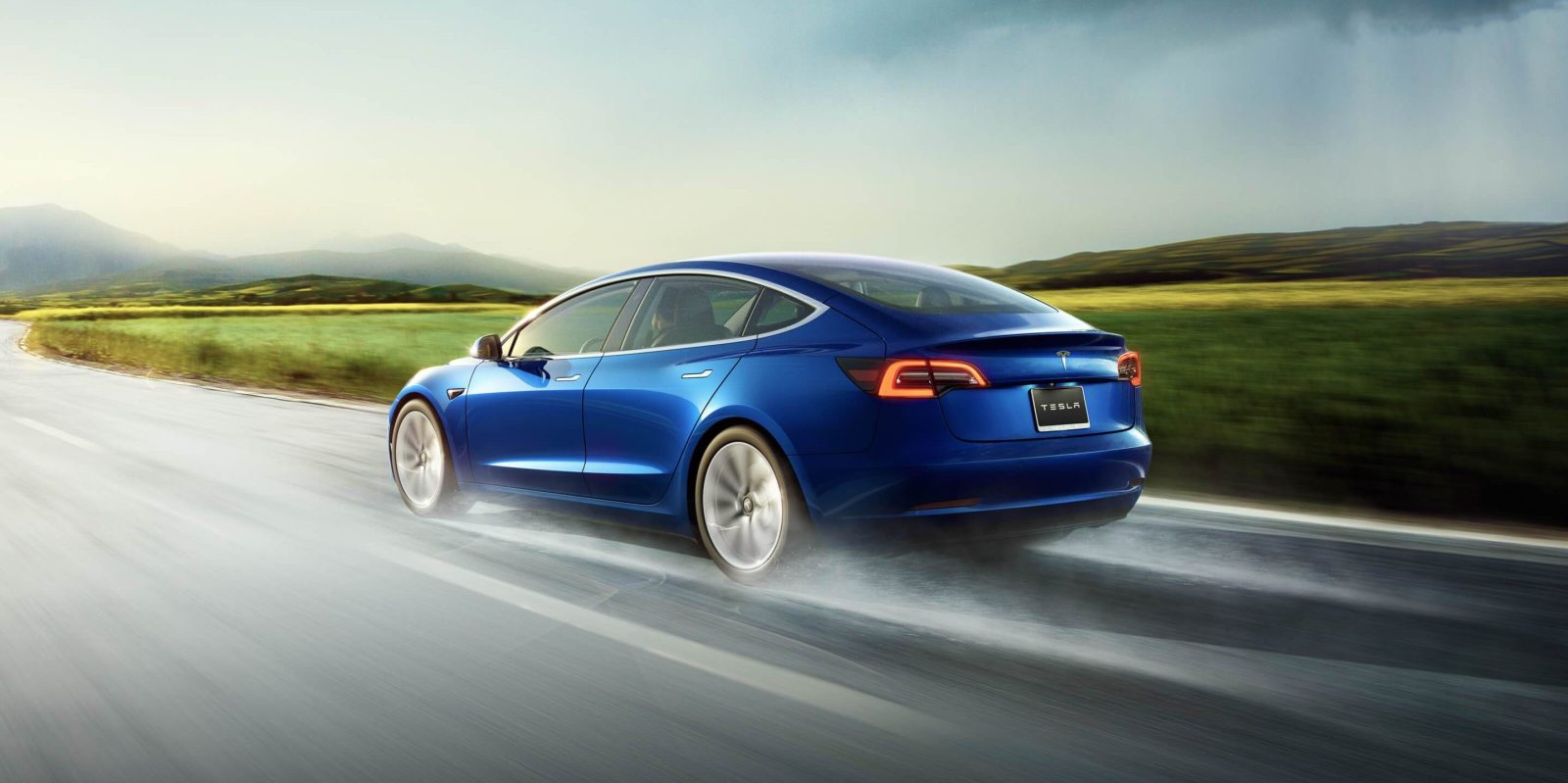
    Tesla chief Elon Musk said late Thursday that the automaker was preparing to sell the cheapest version yet of its newest electric car, the Model 3, signaling an attempt to get back to business after months of controversy. Musk said on Twitter that the sedan, with its “midrange” battery pack, would cost $35,000, bringing it in line with the mass-market model he had promised for years would revolutionize the availability of electric cars.

    But that price takes into account federal and state tax rebates. Before the discounts, it will sell for $45,000 – though the company says buyers should think of the car as far cheaper, because of the money they’ll save on gas.

    Musk sparked a frenzy of customer reservations in 2016 when he said the Model 3 would cost $35,000 before incentives, such as a $7,500 federal tax credit – a price point that would help Tesla expand beyond its traditional range of well-heeled buyers. That model, however, remains delayed until 2019, the company said Thursday.

    The surprise announcement, delivered via tweet to Musk’s 23 million followers, comes as Tesla seeks to steer attention away from a chaotic period in which Musk battled with critics, smoked marijuana during an interview and pledged that he had the money to take Tesla private – a promise for which he was sued by the Securities and Exchange Commission, and which he recently settled.

    Musk agreed as part of the settlement to step down as the company’s chairman for three years, opening a prominent void for which the company has yet to fill. But the announcement again highlights Musk’s enduring role as the company’s chief executive, designer and hype man.

    Musk said Thursday the car would be sold via Tesla’s “super simple new order page,” which estimated that delivery for its midrange model would take six to 10 weeks. That model, the company said, could go 260 miles on a single charge.

    The only available Model 3 for the last year has been a long-range version, offered mostly at luxury prices. But Musk said a “truer cost of ownership” for the midrange version would be about $31,000, his estimate for discounting the cost of gas.

    The move could ratchet up the pressure on Tesla’s already-straining California factory and its nationwide system built to deliver cars to customers, which Musk described last month as mired in “delivery logistics hell.”

    “As Model 3 production and sales continue to grow rapidly, we’ve achieved a steady volume in manufacturing capacity, allowing us to diversify our product offering to even more customers,” a Tesla spokesperson said in a statement.

    The move could frustrate Tesla fans who put down a $1,000 deposit two years ago for what they believed would be a sleek electric sedan costing about $27,500 after tax incentives.

    Tesla says the “standard battery” version will not be available for another 4 to 6 months. Musk has said the company, a cash-burning giant that faces billions of dollars in impending debts, must push out more profitable and expensive versions first: Shipping the cheapest “Model 3 right away (would) cause Tesla to lose money & die,” he tweeted in May.

  • Tesla’s Supercharger network is the Footprint for the hydrogen era

    Tesla’s Supercharger network is the Footprint for the hydrogen era

    Elon Musk has taken his share of hits in the media for his Twitter rants and behavior that is just plain weird for a CEO. We don’t know how Tesla Inc. is going to fare now that competition from Jaguar, Audi and Mercedes is here or soon will be. If Tesla doesn’t make it because of mismanagement and misbehavior by Musk, and if the company goes down in flames like DeLorean, Bricklin and Tucker, there is at least one Musk legacy that is undeniably brilliant: Tesla’s nationwide network of Supercharger charging stations. Tesla’s Supercharger network, I think, is the template for automakers gearing up to launch fuel cell vehicles. Toyota, Honda, Hyundai and General Motors are on the cutting edge of fuel cell technology, with some vehicles already available for lease and new, more efficient fuel cell stacks — the component that creates electricity from gaseous hydrogen — on the way.

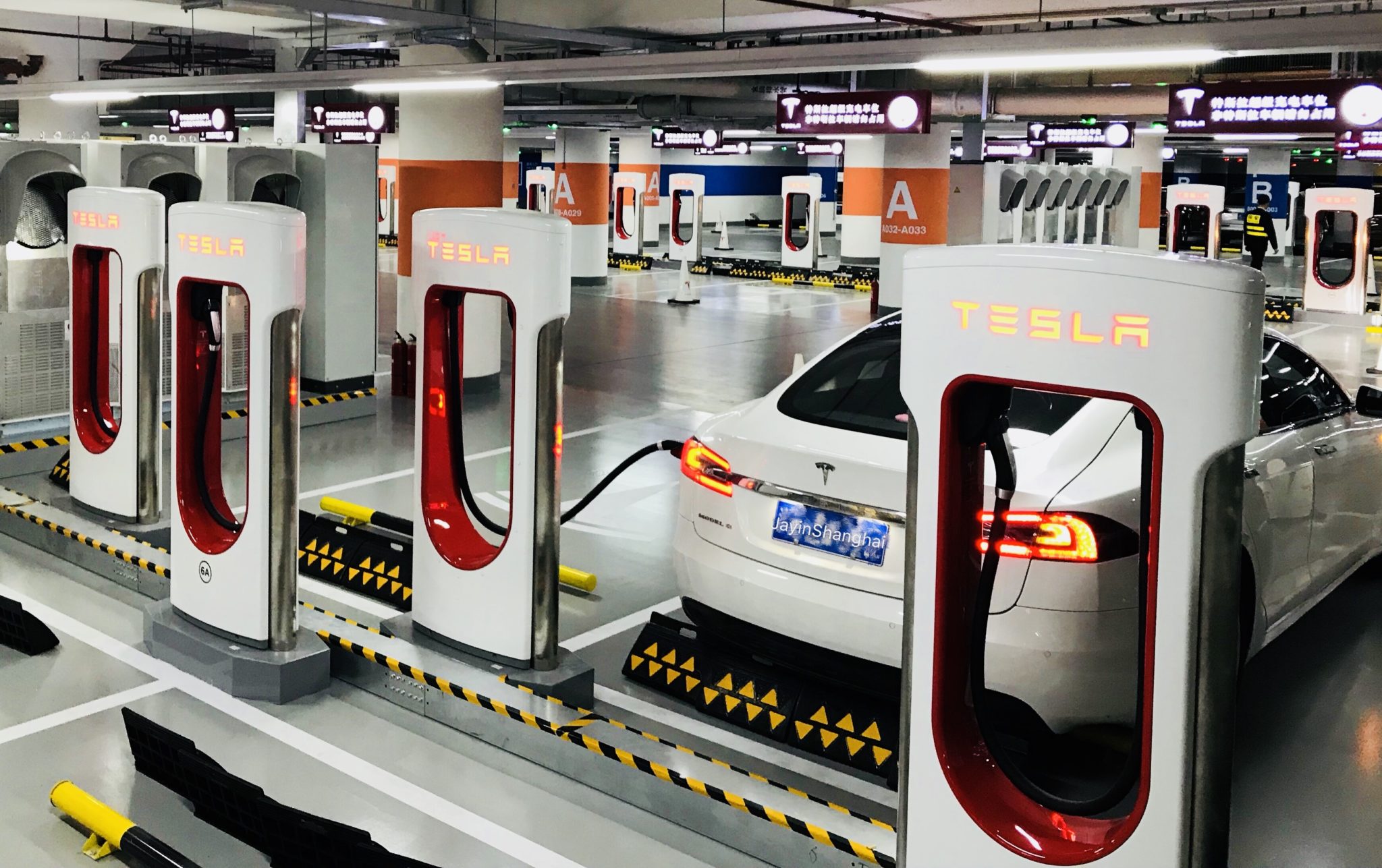
    Musk answered the chicken-and-egg question with electric vehicles by investing more than $1 billion in a nationwide charging network specifically for Tesla cars. He short-circuited drivers’ biggest fear of owning an EV: range anxiety.

    That same strategy will be necessary for fuel cell vehicles to have wide appeal. Fuel cells, you’ll recall, are EVs. But instead of storing electricity in a battery pack that weighs hundreds of pounds, electricity is produced from gaseous hydrogen stored on the vehicle under high pressure. A hydrogen fuel cell vehicle can be refilled in minutes, just like a gasoline- or diesel-powered vehicle — and the short time to refill the hydrogen tank is one of the key advantages fuel cell vehicles have over battery-powered EVs.

    California leads the nation in the number of fuel cell filling stations, many built by FirstElement Fuel Inc., a company headed by auto industry veteran Joel Ewanick. He agrees a Tesla-like nationwide network of hydrogen fueling stations could help reduce the time it will take for fuel cell vehicles to become economically viable to manufacture.

    “All the car companies are trying to find a path to [production of] 30,000 cars. That’s where you start to see real efficiencies in your production, parts and suppliers. Anything below that, it’s a challenge to make these cars at a reasonable price. We are getting to that tipping point in 2020 and 2021,” Ewanick said.

    Beijing city authority has allotted 11 more roads in Fangshan district for the testing of autonomous vehicles to push the speedy development of self-driving technology.

    But he also recognizes that automakers want to build cars, not the fueling infrastructure. And yet they may have no choice if they want to sell hydrogen fuel cell vehicles nationwide. Toyota and Honda have chipped in more than $20 million so far, helping FirstElement build 19 of 31 planned hydrogen fuel stations in California.

    Ewanick says costs are coming down — from between $2.2 million and $2.5 million per station — while the number of vehicles each station can handle is increasing. He sees the company eventually expanding beyond California, perhaps by building a hydrogen fuel filling station “bridge” across the country.

    “We don’t need the network that we have with gasoline stations,” he said. “We just need to make sure they (hydrogen filling stations) are in convenient locations to serve our customers.”

    The federal government under the Trump administration likely isn’t going to do much to help create a nationwide hydrogen fuel network, so it may be a project for automakers and refiners such as Shell — which is installing hydrogen pumps at some California stations — and GM.

    GM should take the lead here by creating an entity that brings together suppliers of hydrogen fueling equipment, companies such as FirstElement that build the stations, refiners that produce hydrogen and other car companies to fund and quickly roll out hydrogen stations in every major market.

    GM and Honda have reduced the size and cost of the fuel cell stack, and the electronics are proven. Hydrogen fuel cars will be part of the mix. The question now is what will automakers be willing to do to seed the technology and overcome customers’ doubt and fear over range. For that answer, all they need to do is look at Tesla’s Supercharger network. That’s how you introduce alternative fuel vehicles in a market.

    “As I have heard my entire career, automakers make cars and they don’t do infrastructure,” said Ewanick. “They don’t want to be in the business of building gas stations and roads and bridges. Their job is make cars and do a really good job of that.”

    If that doesn’t change, fuel cells might just remain in the tiniest of niches.
  • Tesla Buyers in China Are Early Casualties in Trade Wrestle

    Tesla Buyers in China Are Early Casualties in Trade Wrestle

    Tesla buyers in China will be among the first consumers to feel the pinch from the U.S.-China trade dispute.

    Price listings on Tesla’s Chinese website increased by nearly 20% this weekend. It came after the U.S. and China on Friday imposed tit-for-tat tariffs on $34 billion of each other’s goods, which affected U.S.-built cars exported to China including Teslas.

    The Silicon Valley electric-car maker had briefly cut prices by about 6% after the Chinese government reduced its tariffs on imported cars to 15% from 25% on July 1.

    But that cut proved short lived. The measures imposed Friday raised the tariff on Tesla to 40%.

    A basic Model S sedan now costs roughly $128,400, up from $107,300 last week, while a Model X sport-utility vehicle costs $140,100, compared with $117,100.

    A Tesla dealer in Beijing said there were still some cars in stock with lower price tags that were delivered before the new tariffs were imposed, but that inventory was very low.

    Tesla plans to build a plant in Shanghai to serve the local market, but for now it only produces vehicles in the U.S. Last year, it sold about 17,000 cars in China, its second-biggest market globally, generating more than $2 billion in revenue.

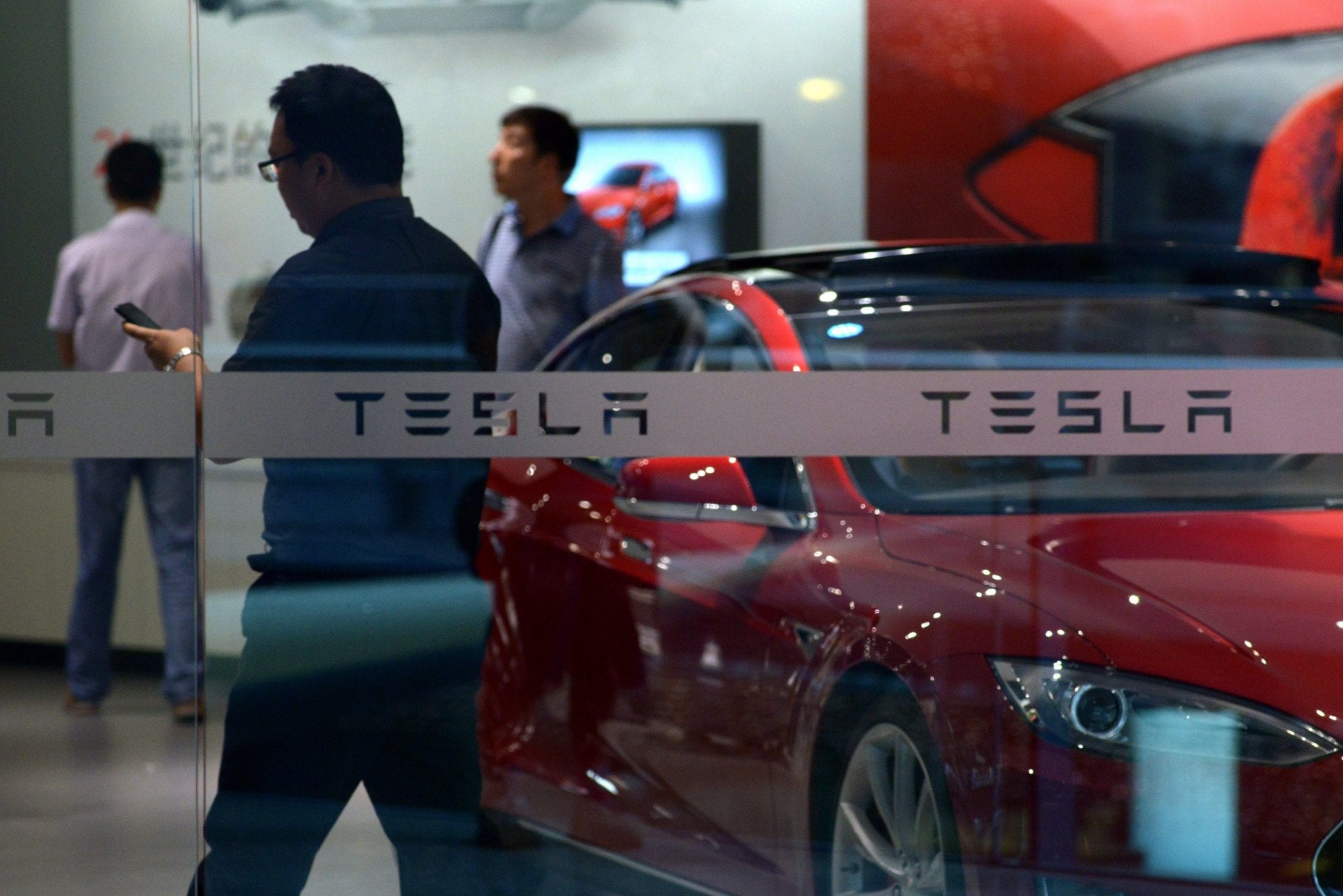
    Unlike most auto makers, Tesla sells its cars through company-owned stores instead of franchised dealerships, allowing it to set prices. It has 30 stores in China, according to its website.

    The tariffs the U.S. and China imposed on each other present companies with a dilemma: Risk a loss by absorbing the cost or risk market share by passing it on to consumers. Beijing has been looking for ways to shield its companies and consumers, for example by trying to direct purchases of soybeans to Brazil and other suppliers.

    China’s Commerce Ministry said Monday it would use the added revenue from the increased tariffs to provide relief for affected companies and workers. Also Monday, the executive office of the State Council, China’s cabinet, issued a notice Monday calling for an increase in imports while stabilizing exports to promote more balanced trade.

    Tesla isn’t the only auto maker that builds in the U.S. and ships to China: BMW AG , DaimlerAG and Ford Motor Co. all sell U.S. imports in significant volume here.

    Last week, Ford said it has no current plans to raise retail prices on its China imports in response to the tariff hike. Ford sold roughly 65,000 imported Lincoln vehicles in China last year, as well as nearly 19,000 Fords. Locally produced cars comprised more than 90% of its sales.

    Daimler said it didn’t plan to pass the entire cost of the tariff rise onto its customers.

    Sales of high-end imports such as Tesla’s are unlikely to be hit severely by the price increase, according to analysts, since buyers of luxury cars tend not to be price-conscious.

    But the pain will spread if the trade war continues, a saleswoman at an import-export company based in Shandong province predicted.

    The company imports U.S. auto parts that are subject to the new tariffs, which means higher prices for its Chinese buyers. They are negotiating with American suppliers on how to divide the higher costs, she said, but they will most likely be absorbed by her company, the saleswoman said.

    “In the short term, our vendors are still talking and discussing prices,” she said. “But in the long term, I think it will definitely have an impact on our business.”

  • Tesla plans 6-day stoppage at factory for assembly line fixes

    Tesla plans 6-day stoppage at factory for assembly line fixes

    Tesla will pause production at its California factory for six days at the end of the May to work on fixes to its assembly line for its new Model 3 sedan, sources inside the company told Reuters.

    The Silicon Valley luxury electric car maker previously warned of 10 days of temporary shutdowns this quarter as the company addresses manufacturing problems that have delayed volume production of the Model 3 sedan, which is seen as crucial to Tesla’s long-term profitability.

    Two sources confirmed to Reuters that the next stoppage on the general assembly line at the Fremont, Calif., plant was scheduled for May 26-31.

    A Tesla spokesperson declined to comment.

    Tesla has been struggling to find solutions to manufacturing bottlenecks on the new assembly line that produces the Model 3, a sedan intended for volume production. An over-reliance on robots has complicated that task, CEO Elon Musk has acknowledged.

    Musk, Tesla’s billionaire founder, told employees it was “quite likely” the company would reach a rate of 500 Model 3s per day this week, or 3,500 a week, automotive news website Electrek reported on Tuesday, citing an internal email. Musk also told staff to alert him of “any specific bottlenecks” on the production line.

    The company shut down the Fremont assembly line last month, and also in February, for a few days to rework. The April shutdown, combined with the upcoming one, would add up to the planned 10 days of stoppages.

    Musk has said the planned stoppages are intended to give the company time to perform upgrades that will help it reach a goal of building 6,000 vehicles per week by the end of June. Musk last month said the company was producing 2,000 Model 3 cars a week.

    In order to meet the goal, Musk said last month that all Model 3 production would begin working around the clock. Reuters learned that the teams working on general assembly have already switched to three shifts, a schedule that helps maximize capacity and flexibility.

    Teams working on the body of the vehicle — where the external shell of the car is assembled — are working in two 12-hour shifts.

  • Tesla made over $2 billion in China in 2017

    Tesla made over $2 billion in China in 2017

    Unlike most foreign automakers in China, Tesla has yet to establish local production and still solely relies on exporting its vehicles from California to the largest auto market in the world.

    Nonetheless, Tesla managed to double its sales in China last year as it is significantly expanding its presence in the country.

    Tesla was off to a tough start in China in 2014 and 2015, but things started to improve for them in the country in 2016 when they managed to triple their sales to over $1 billion during the year.

    The automaker wasn’t able to maintain the insane growth rate in 2017, but the company confirmed today that it still managed to double sales in China to over $2 billion in 2017.

    They don’t confirm the number of cars sold per market, but it has to represent over 20,000 vehicles based on their average sale price.

    Sales were helped in 2017 by China’s surprising demand for Tesla’s Model X. The vehicle has been extremely popular in the country. For example, look at the number of Model X SUVs at this Tesla owners meet-up in Shenzhen, China last month.

  • Single-brand retailers now easier to enter India

    Single-brand retailers now easier to enter India

    Indian Prime Minister Narendra Modi has removed the need for a federal approval of foreign single-brand retailers entering India.

    He has also relaxed the rule mandating 30 per cent local sourcing giving companies five years to reach the threshold.

    The surprise moves will speed the launch of at least 10 foreign brands believed to have applications in processing at present, including Uniqlo parent Fast Retailing and Tesla, according to a report in the Times of India. Fast Retailing had lodged an application to open Uniqlo stores last November, and Tesla has been in talks with government officials.

    “There are around 10 applications under single-brand retail trading and these will be positively impacted once the amendments in the FDI policy are notified,” Suresh Prabhu, Commerce and Industry Minister said without revealing brand names.

    Apple may be another foreign company to benefit from the about-face. The US tech giant had a previous application to enter the country via its own Apple stores declined because it could not meet local content requirements.

    Foreign brands have long been frustrated by Indian government restrictions on single-brand retailers, which were effectively designed to protect the ‘unorganised’ domestic retail sector, dominated by ma-and-pa retailers.

    Modi is trying to stimulate the Indian economy by relaxing foreign investment rules in a number of sectors, even allowing overseas companies to take a stake in the national carrier Air India.

  • BMW expects jump in electric car sales in 2018

    BMW expects jump in electric car sales in 2018

    BMW expects its sales of electric and hybrid vehicles to jump next year, its research and development chief said as the premium carmaker races to catch up with rivals such as U.S. electric car pioneer Tesla.

    Sales in 2018 will exceed a 2017 sales target of 100,000 vehicles by a medium double-digit percentage, Klaus Froehlich said at an event, without being more specific.

    In the first 10 months of 2017, BMW sold 78,100 electric cars and plug-in hybrids.

    BMW, which launched the i3 electric car in 2013, is gearing up to mass produce electric cars by 2020 and aims to have 12 different models by 2025.

    Chief Executive Harald Krueger said BMW aimed to keep its return on sales around 8 to 10 percent even with the added costs of developing electric cars.

    Carmakers are trying to lower the cost of electric vehicles by investing in the development of affordable but powerful batteries and through modular production systems.

    BMW’s Froehlich said he expected such modular systems to benefit the development of autonomous cars as well.

    BMW earlier this year teamed up with U.S. chipmaker Intel and Israel-based camera specialist Mobileye to develop autonomous driving technologies.

    Frohlich said another carmaker was to join them by the end of the year. He said the aim was to have partners from Europe, North America and Asia.

    So far, U.S.-based Fiat Chrysler and auto parts makers Delphi and Magna have joined the partnership, along with Germany’s Continental.

  • Tesla cranks up big battery in Australia

    Tesla cranks up big battery in Australia

    Tesla has completed construction of the world’s largest lithium ion battery in Australia, putting it on track to meet a 100-day deadline for switching the battery packs on, the South Australian government said on Thursday.

    Tesla won a bid in July to build the 129 megawatt hour battery for South Australia, the country’s most wind power-dependent state, with a vow from Chief Executive Elon Musk to install it within 100 days of signing a grid connection agreement or give it to the state for free.

    When the grid connection deal was signed on Sept 29, Tesla was already half way through installing the battery packs.

    The Tesla Powerpacks have now been fully installed at a wind farm run by France’s Neoen, and testing is set to begin to provide grid security services in South Australia.

    “While others are just talking, we are delivering our energy plan, making South Australia more self-sufficient, and providing back up power and more affordable energy for South Australians this summer,” state Premier Jay Weatherill said in a statement.

    The state has yet to say how much it would pay for the battery, which is part of a AUS$510 million (US$390 million) plan that includes diesel-fired generators to help keep the lights on following a string of blackouts over the past 18 months.

    Australia’s energy market operator has warned that power supply will be tight this summer, particularly in South Australia and neighboring Victoria, where one of the market’s biggest coal-fired power plants was shut in March.
  • Tesla to set up electric-car R&D hub in Beijing

    Tesla to set up electric-car R&D hub in Beijing

    U.S. electric-vehicle maker Tesla will set up an R&D center here as part of a Chinese expansion push that may also include local production.

    The automaker established in Beijing a company for research and development of “new energy” vehicles, a government filing shows. The new business, capitalized at $2 million, is wholly owned by a Hong Kong arm of Tesla, according to local media.

    Tesla sold an estimated 11,000 vehicles last year in China, its second-biggest market. Its cars are roughly 40% more expensive here than in the U.S., owing partly to a tariff on imported vehicles. Tesla is considering building cars in Shanghai to reduce prices, and it apparently decided that an R&D hub was needed as well in order to tailor its offerings to the Chinese market.

    The Beijing location is close to government agencies that handle standards and regulations for new-energy vehicles, in addition to being near the headquarters of a number of major companies.

    The Chinese government plans to relax ownership restrictions by June 2018 on joint ventures producing new-energy vehicles, letting foreign companies hold majority stakes in ventures based in free trade zones. The change — announced after U.S. President Donald Trump’s meeting this month with Chinese counterpart Xi Jinping — likely encouraged Tesla to expand its Chinese operations.