Tag: Thailand

  • Budget flights launched from Thailand to Europe

    Budget flights launched from Thailand to Europe

    Budget travelers can now hop on a cheap flight to Europe as low-cost German carrier Eurowings launches flights to Bangkok and Phuket this week.

    Its first flight from Cologne to Phuket leaves on Friday, while its first flight from Cologne to Suvarnabhumi departs next Monday.

    Flights from Bangkok to Cologne or Bonn will take off at 6.25am every Monday and 9.20am every Thursday, while flights from Phuket will leave at 2.05pm every Tuesday and 6.35am every Saturday.

    Travelers can then connect to the UK, Austria, Croatia, Czech Republic, Hungary, Italy, Spain, Sweden, and Switzerland.

    “We are very pleased to be introducing the low cost long-haul concept to Thailand this December. The Eurowings strategy is to strengthen our position in point-to-point traffic and offers affordable ticket prices and attractive route network,” said Christian Hein, Eurowings senior vice-president, sales. 

    He added that air travel in the region would continue to grow as the number of international travelers increases

  • Bangkok retail rents hold firm despite competition

    Bangkok retail rents hold firm despite competition

    Bangkok’s retail market is now “the most competitive it has ever been” – yet there is another 1.1 million sqm of retail space under construction.

    When complete, by the end of 2017, that will bring the total completed supply of mall space in the Thai capital to nearly 8 million sqm – all in a market currently characterised by weak consumer sentiment and slow retail sales growth.

    But despite the intense competition, a leading property expert says Bangkok retail rents – in malls, anyway – are holding firm.

    In a column (which you can read in full here) written for the Bangkok Post Spectrum magazine CBRE Thailand MD Aliwassa Pathnadabutr, says the proliferation of new brands setting up shop in Bangkok, and the expansion of existing branded chains is fuelling unprecedented competition in the city.

    “In the upcoming festive season, we expect to see major retail developers competing with heavy promotions and retail events in a bid draw consumers and capture their holiday spending,” Pathnadabutr asserted.

    “The expansion by retail developers in the CBD and suburban areas, entry of new local and international retailers, combined with a challenging economic outlook and weak consumer sentiment is all adding up to the mix.”

    Pathnadabutr says the recent openings of EmQuartier and Central Embassy have intensified competition for existing CBD malls like the high-end Gaysorn, and the giant CentralWorld and Paragon centres.

    “As the major retail centres are chasing after the same group of consumers, retail events and promotions have become ubiquitous leading to a cut-throat competition and heightened promotion campaigns, particularly gearing up to the festive season where consumer spending typically peaks.”

    Expansion and development of suburban centres – like the Future Park Rangsit expansion which marked its soft opening in the last fortnight – may draw customers away from the CBD malls, although Pathnadabutr expects their impact to be limited and growing tourist base will keep the numbers up in the larger centres.

    Despite the competition, retail rents have held their own in Bangkok, according to Pathnadabutr.

    “It is often difficult to measure retail rents as there is a big range even within a single development. Prime retail rents in Grade-A downtown shopping centres range from THB1800 to 4500 (US$50 – $125) per sqm per month for ground floor spaces and THB1200 to 2380 (US$33 – $66) per sqm per month for suburban malls.

    “This level has been maintained throughout 2015 despite the growing competition.”

  • Thailand’s farmers left high and dry

    Thailand’s farmers left high and dry

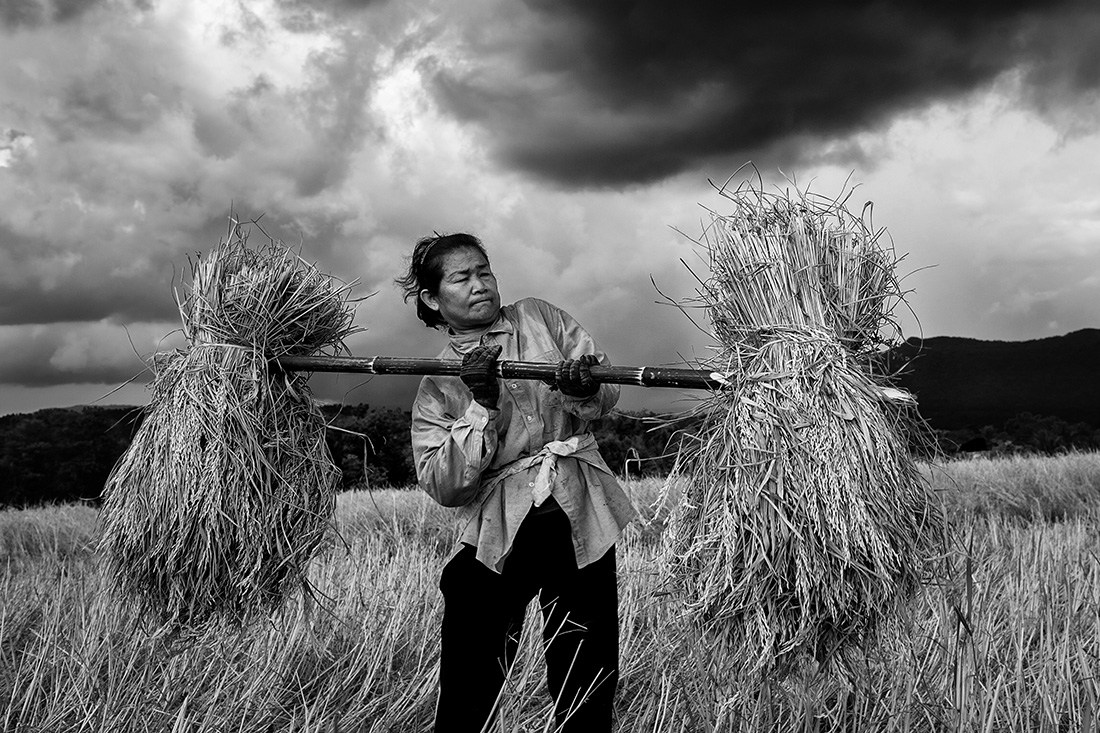
    One would not think it from the holiday bustle in Bangkok’s glittering shopping malls, but the rest of Thailand is bracing itself for a lean year.

    A rainfall deficit has left a series of reservoirs that are crucial sources of Thailand’s dry-season water at between a third and half of their capacities.

    Experts say the capital itself may run short of tap water.

    The countryside is already suffering as many people need water for their livelihoods. And the pinch is being felt more widely as spending shrinks because there is no cash available.

    Big C, Thailand’s second-biggest hypermart chain and a major retailer in smaller towns, saw total third-quarter revenues decrease by 4.6 per cent over the same period last year.

    Early last month, Siam Commercial Bank said disappointing retail industry figures were a “reality check” and that “consumers, particularly low-income consumers, have been under fiscal strain”.

    Big C’s revenue decrease was “driven by a retail sales decline”, wrote Ms Warunee Kitjaroenpoonsin, director of corporate affairs at Big C Supercenter PCL, in an e-mail. “The third quarter was also impacted by slow private consumption, high household debt levels and a slow global economic recovery.”

    Rural Thailand accounts for half of the population. From rubber to rice, embattled farmers are facing a perfect storm of water shortage, low commodity prices and an economy which, hit by domestic political uncertainty, is forecast to grow just 2.9 per cent this year.

    Thailand’s ratio of household debt to gross domestic product, at 84.2 per cent last year, was 45 per cent higher than in 2003.

    The National Economic and Social Development Board believes the figure may reach 87 to 88 per cent by the end of this year.

    The farmers are the deepest in debt. It is also the poorest farmers who have the highest debt, said Dr Nipon Poapongsakorn, a distinguished fellow of the Thailand Development Research Institute Foundation.

    “Most of the debt is from the formal sector – buying of fridges and television sets on instalment, for instance,” he explained.

    “The government has had several loan schemes so they (the farmers) are heavily indebted. And the 20 per cent poorest farm households owe 124 per cent of their income.”

    The ongoing El Nino-induced rainfall deficit and drought projected to continue into next summer will reinforce the problem of ballooning household debt, which analysts have been warning of for some years, said Dr Nipon.

    Thailand’s farmers must rely on non-farm income – trading or odd jobs or remittances from working members of the family, perhaps in Bangkok – to meet their debts.

    As much as 60 per cent of the average rural family’s income is from non-farm sources, Dr Nipon said. While that has helped, it has made the farmers vulnerable to slowdowns in the larger economy – which is what is happening now.

    Ms Meena Chaimongkol, a 46-year-old single mother, owns 2.5ha of land in Huay Khaokam, a village near Phayao in the lower north that is part of the 22 provinces affected by the water deficit.

    She said she has lost 70 per cent of the family’s padi crop this year because of erratic water supply.

    She has resorted to going to Bangkok once a month to buy used clothes to mend and sell locally. But that exposes her to an economy that is not doing much better.

    “Most farmers are able to pay debt from non-farm income,” Dr Nipon said. “But then, when the economy slows down, they have no money.”

  • Animate Japan to open in Bangkok

    Animate Japan to open in Bangkok

    Japanese retail initiative Animate Co will open a store in Bangkok’s MBK shopping centre in the second quarter of next year, part of a program to help spread anime and manga culture throughout Southeast Asia.

    According to Japanese news media, the store will be run by Animate JMA, a Japan Manga Alliance subsidiary formed in September to promote manga and anime businesses outside Japan. It provides officially released products and aims to eradicate copyright thieves, pinpointing Thailand as a market with increasing copyright issues.

    Animate was joined in the JMA’s creation by publishers Kadokawa Corp, Kodansha, Shueisha and Shogakukan.

    The JMA Animate store at MBK will take up a massive 561 sqm space in the 89,000 sqm, eight storey mall.

    The store will stock manga and anime titles, character goods, video software, figurines and other products. It will also provide spaces for live concerts featuring anime singers and concept shops.

    JMA says if the initiative proves a success in Thailand it will open stores in other Southeast Asian markets.

  • Ikea to ramp up SEA expansion

    Ikea to ramp up SEA expansion

    Swedish furniture and homewares retailer Ikea wants to ramp up its Southeast Asian store rollout.

    The next two markets in its sights are the Philippines and Vietnam.

    But in some key markets, finding suitable locations for its large format stores is proving a challenge, especially in Vietnam where it wants to launch in Ho Chi Minh City, the country’s commercial capital with a catchment of 8 million consumers.

    Speaking to The Nation newspaper after opening its first pickup point (PUP) in the Thai resort city of Phuket, Mike King, retail manager of Ikea Singapore, Malaysia and Thailand, said the company wants to have three large format stores in Bangkok and five or six PUPs in Thailand within five years.

    In July, the company announced it had located site for its second Bangkok store – adjacent to the new CentralPlaza Westgate shopping mall under construction in Bangyai, in Nonthaburi province in Bangkok’s west. Another site has been earmarked in the city’s north, near the recently expandedFuture Park Rangsit shopping centre.

    Ikea is already actively seeking local partners in Vietnam and the Philippines. Typically when Ikea enters a new market, it locates its initial stores in the most populated cities – for example in Indonesia where it has a joint venture with Hong Kong’s Dairy Farm International, it has opened its first store in Jakarta, and in Malaysia it has two in greater Kuala Lumpur. In the Philippines it will focus on Manila with a population catchment of about 24 million.

    “The two new branches [in Ho Chi Minh City and Manila] will possibly be erected within five years,” King told The Nation.

    Ikea plans to open at least one store a year in Southeast Asia from now on – typically about 40,00 sqm in size.

    Meanwhile, the 2651 sqm Phuket PUP is expected to increase the Bangkok store’s sales by 10 per cent annually. Customers can order online, or in the store and have the products shipped to the PUP for collection.

    It is the first PUP store in Asia, although others operate in Spain, the UAE, Turkey, Norway, Finland and Greece, among other places.

  • Inside expanded Future Park Rangsit

    Inside expanded Future Park Rangsit

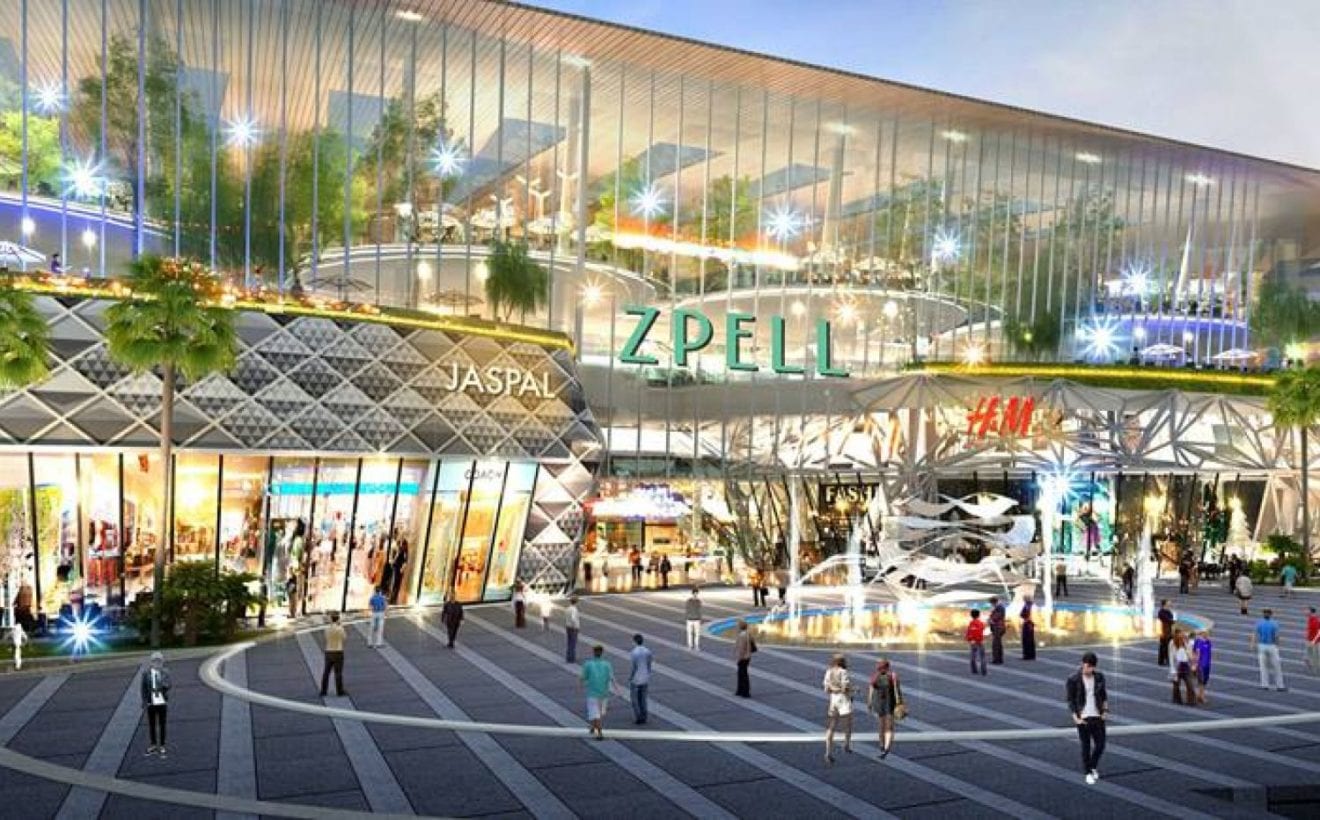
    Bangkok’s Future Park Rangsit mall opened its much-anticipated extension Zpell on Friday.

    But disappointingly, despite its opening a large number of tenancies are still incomplete.

    zpell-indoor2

    zpell-indoor

    zpell-indoor3

    Mall management told Inside Retail Asia a more formal opening is planned when the project is finished – most likely in January.

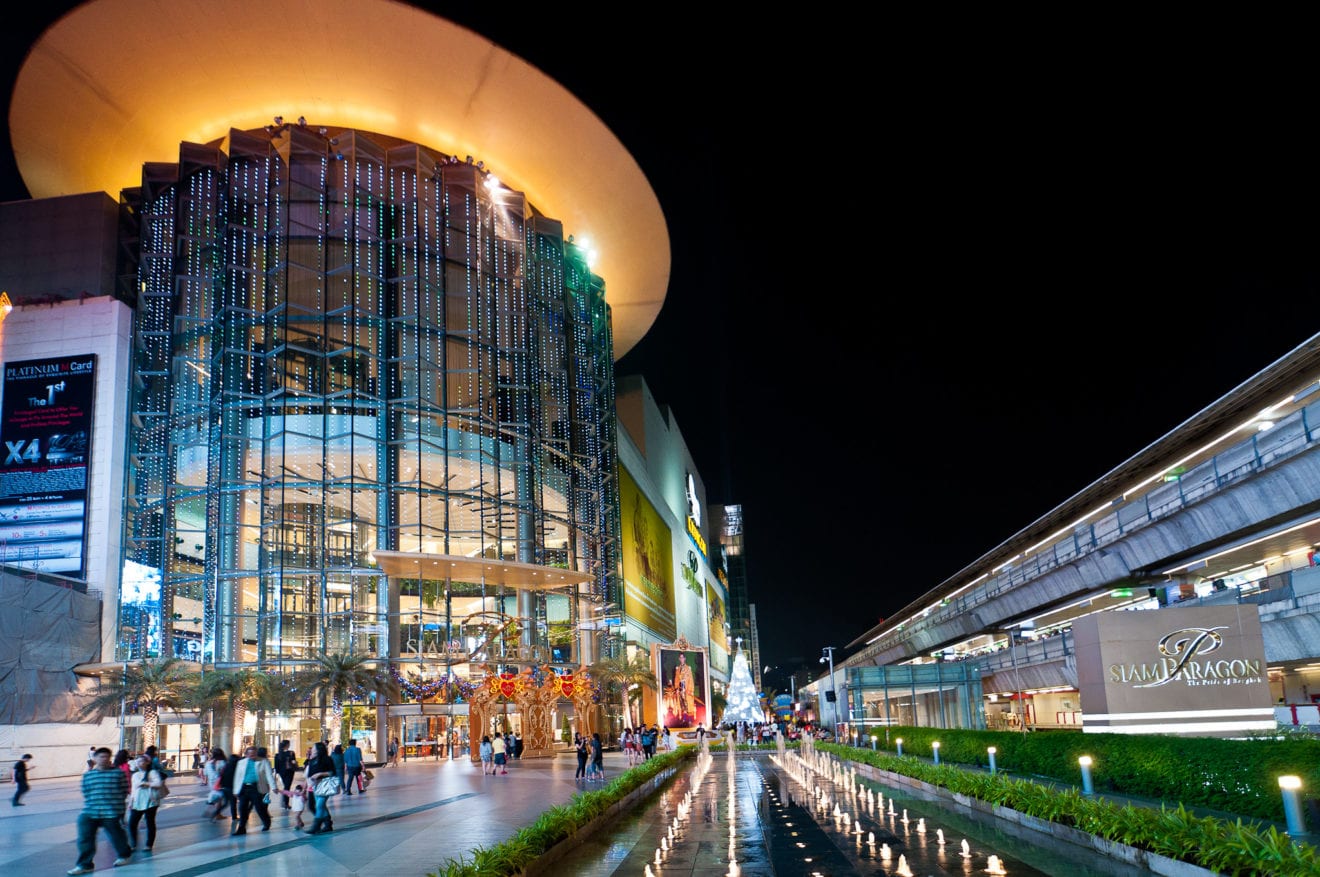
    At 600,000 sqm the expanded Future Park Rangsit is a full 20 per cent larger than the Siam Paragon in downtown Bangkok, which checks in at 500,000 sqm, and 50,000 sqm larger than CentralWorld.

    zpell-central

    At this stage, only about 60 per cent of the new food and beverage tenancies are trading.

    zpell-indoor4

    The expanded Future Park Rangsit mall is expected to host 200,000 shoppers daily – almost entirely locals as Rangsit is a long way from any area of Bangkok frequented by tourists and has only a limited number of expatriates in its catchment area. It currently attracts about 157,000 a day.

    Future Park Rangsit Mall was built 20 years ago. Besides offering shopping, eating and entertaining, the expanded destination will now feature futsal courts, an ice-skating rink, indoor ski park and art installations.

    zpell-ski

    We’ll publish a full review of the centre when it is complete. In the meantime, our photos show some of the tenancies complete and the common areas to give a taste of what shoppers can expect now – and in January.

    zpell-indoor5

    When complete, the new building will feature 200 tenants including lifestyle fashion brands such as Cath Kidston, H&M, MNG and Top Shop along with food offers from Coffee Bean by Dao, Akiyoshi, After you and Muteki By Mugendai.

    zpell

  • Bangkok retail market to increase more than 1 million sq.m.

    Bangkok retail market to increase more than 1 million sq.m.

    The entry of new local and international retailers, combined with a challenging economic outlook and weak consumer sentiment is all adding up to the mix.
    Despite a slowdown in retail sales, there is currently 1.1 million sq.m. of retail space under construction in Bangkok, which will bring the total completed supply in 2017 close to 8 million sq.m.
    Within the CBD, the latest major retail developments to open are EmQuartier and Central Embassy, intensifying competition for existing malls such as Siam Paragon, Gaysorn and CentralWorld.

    In addition, big developers continue to renovate their downtown retail centres such as Siam Discovery and MBK.

    Bangkok retail market, EmQuatier
    As the major retail centres are chasing after the same group of consumers, retail events and promotions have become ubiquitous

    As the major retail centres are chasing after the same group of consumers, retail events and promotions have  become ubiquitous leading to a cut-throat competition and heighted promotion campaigns, particularly gearing up to the festive season where consumer spending typically peaks.

    The expansion by major retail developers to suburban areas may also in part draw consumers away from CBD malls, although the impact may be limited.

    Bangkok’s suburban areas today are well served by quality retail centres, reducing the need for consumers to travel into the CBD.

    To the North, Zpell@Future Park has just opened on 27th November. Opened on the same day in Eastern Bangkok on Ekamai-Ram Intra is Central EastVille, adding competition to existing malls in the area such as Crystal Park and Crystal Design Centre.

    The Mall Group is also currently planning The Bangkok Mall on Bangna-Trad which is expected to be completed in 2017. To the West, CentralPlaza WestGate recently opened in August in the Bang Yai area, adding a major retail centre to an area where there have been limited retail developments.

    The Riverside will also get its own luxury shopping complex in 2017 with the opening of IconSiam which will comprise a 500,000 sq.m. retail and entertainment complex, part of which includes a 36,000 sq.m. 7-floor Takashimaya department store from Japan which will be Thailand’s first.Amidst this competition, the segment that will find most challenging is community malls.

    Community malls will be forced to adjust their strategies and have clear unique selling points and propositions to draw in consumers; otherwise they are likely to be overshadowed by major retail developments that have a bigger events and promotions budget.

    It is essential for community mall developers to understand their target consumers’ needs and retain anchor tenants in order to compete in the long-term.

    The plus side of the retail expansion is that it will create room for both domestic and international retailers to expand to suburban areas.

    International fashion brands such as H&M, Uniqlo, Aldo and Charles & Keith have already expanded to CentralPlaza WestGate.

  • Lazada sees opportunities in upcountry expansion

    Lazada sees opportunities in upcountry expansion

    Lazada, Southeast Asia’s largest online shopping website, is pushing its business development in Thailand in a drive to capitalise on the lucrative and rapidly growing e-commerce market.

    The company has set up two subsidiaries: Lazada Express, the logistics arm; and helloPay, the mobile payment arm.

    Having logistics and mobile payment services will help Lazada facilitate its customers and boost sales.

    In June, Lazada relocated its local representative office to a new facility to support its existing 800 employees here. The company has 6,000 employees located in Southeast Asia.

    “Thailand and Indonesia are the two largest e-commerce markets in terms of sales for Lazada in Southeast Asia,” said Alessandro Piscini, chief executive of Lazada Thailand.

    Lazada has an online footprint in six countries in the region.

    However, Mr Piscini said Thailand’s online retail industry remains tiny, accounting for less than 1% of the total retail market, compared with 10% each in China, Japan, South Korea and France.

    “We believe Thailand will soon grow at the same pace as other developed markets, helped by an expected surge in mobile data users because of the arrival of 4G commercial service nationwide,” he said.

    Lazada sees a strong opportunity for online shopping upcountry because the number of retail stores there remains small, Mr Piscini said.

    As of Nov 30, Lazada’s sales from the provinces accounted for 60% of its annual gross merchandise value (GMV), worth 10 billion baht.

    “Thailand’s sales represented 25% of Lazada’s total sales in Southeast Asia,” he said.

    Lazada recorded GMV of US$1.1 billion from the six Southeast Asian countries, with a combined 8 million buyers.

    Lazada Thailand provides more than 2 million product items from 7,000 online merchants on its website. The top three best-selling categories are health, beauty, and home and living.

    Mr Piscini said Lazada had expanded its warehouse operation by 60% to support the business growth.

    Lazada and a group of partners announced the Online Festival yesterday, to be held from Dec 10-12. The company will offer discounts of up to 90% across 14 product categories.

  • Royal Enfield to enter the Thailand motorcycle market

    Royal Enfield to enter the Thailand motorcycle market

    Royal Enfield, when not posting stupendous growth figures in the Indian two-wheeler market, continues to rapidly add to its small but expanding export presence. The Chennai based brand presented its products at the Bangkok Motorcycle Show and announced plans to aggressively enter the Thai market in mid-size motorcycles. Royal Enfield defines the mid-size motorcycle as bikes between 250 and 750cc in displacement. Royal Enfield showed off its entire range at the Thailand International Motor Expo in Bangkok including the Bullet 500, Classic 500, Classic Chrome and the Continental GT. Royal Enfield also showed off its new range of gear and accessories for the Thai market.

    Royal Enfield Continental GT Black

    Arun Gopal, head of international business for Royal Enfield said, “We have pioneered and grown the mid-size motorcycle category in India. With over 50 per cent year-on-year growth in the last five years, our ambition today is to lead and grow the underserved middle weight segment globally and this growth will largely come from markets like India such as Latin America and South East Asia, given their size and comparable commuting trends. Thailand with its already established leisure motorcycling culture and presence of several riding communities and enthusiasts, blends perfectly with Royal Enfield motorcycles that has exploration and adventure at its core. Thailand is among the largest two-wheeler markets in the world and a very important one for Royal Enfield. With highly evolved consumers, Thailand is the most evolved country in South East Asia for leisure motorcycling. With a large commuter base, this market has enormous potential to upgrade to the next level of motorcycles, if there are enough attractive product choices. With our modern classic bikes, Royal Enfield is well poised to fill this gap and catalyze the shift to mid-size motorcycles in Thailand.”

    General Auto Supply Co. Ltd (GA) will be their dealer in Thailand and it will start retail operations in Thonglor, Bangkok shortly. GA will also work on expanding the aftermarket abilities of the brand in the Thai market.

    Royal Enfield has been exporting motorcycles for a long time but the push to expand both volumes and markets is a recent move. The company exported roughly 2 per cent of its production last year but that is set to change as the company goes towards its goal of becoming the world’s largest mid-size motorcycle maker.

  • New Banking Fees May Turn Thailand into a Cashless Society

    New Banking Fees May Turn Thailand into a Cashless Society

    Bank fees will undergo changes in the near future to better reflect the actual costs of banking, and may pave the way for Thailand becoming a cashless society.

    According to Veerathai Santiprabhob, Bank of Thailand governor, the current bank fee structure is distorted. He noted that paper-based transactions are cheap compared to actual costs, and banks are subsidizing these costs with fees on electronic transactions. In other words, a check fee may only be Bt15, but the actual cost is far higher. Currently, customers can withdraw money from ATMs, but banks incur huge costs for managing cash at ATMs.

    A new project is helping to reduce cash usage in the country through the introduction of more point-of-sale throughout Thailand. There are currently less than 100,000 points of sale, which is much lower than the 2 million recommended by the Bank of Thailand.

    To maintain retail customers, banks will be expected to reach out to merchants to create their own points of sales. Smaller merchants will also be required to have mobile point-of-sale to support small customers.

    Under the project, companies who are registered with the Commerce Ministry will also be prohibited from denying e-payments.

    The creation of a central system that will oversee cross bank transactions through the Internet, ATM cards and debit cards will help move Thailand to a cashless society. Adoption of the Any ID e-payment model will further help the country make this transition.

  • City Chain to close stores

    City Chain to close stores

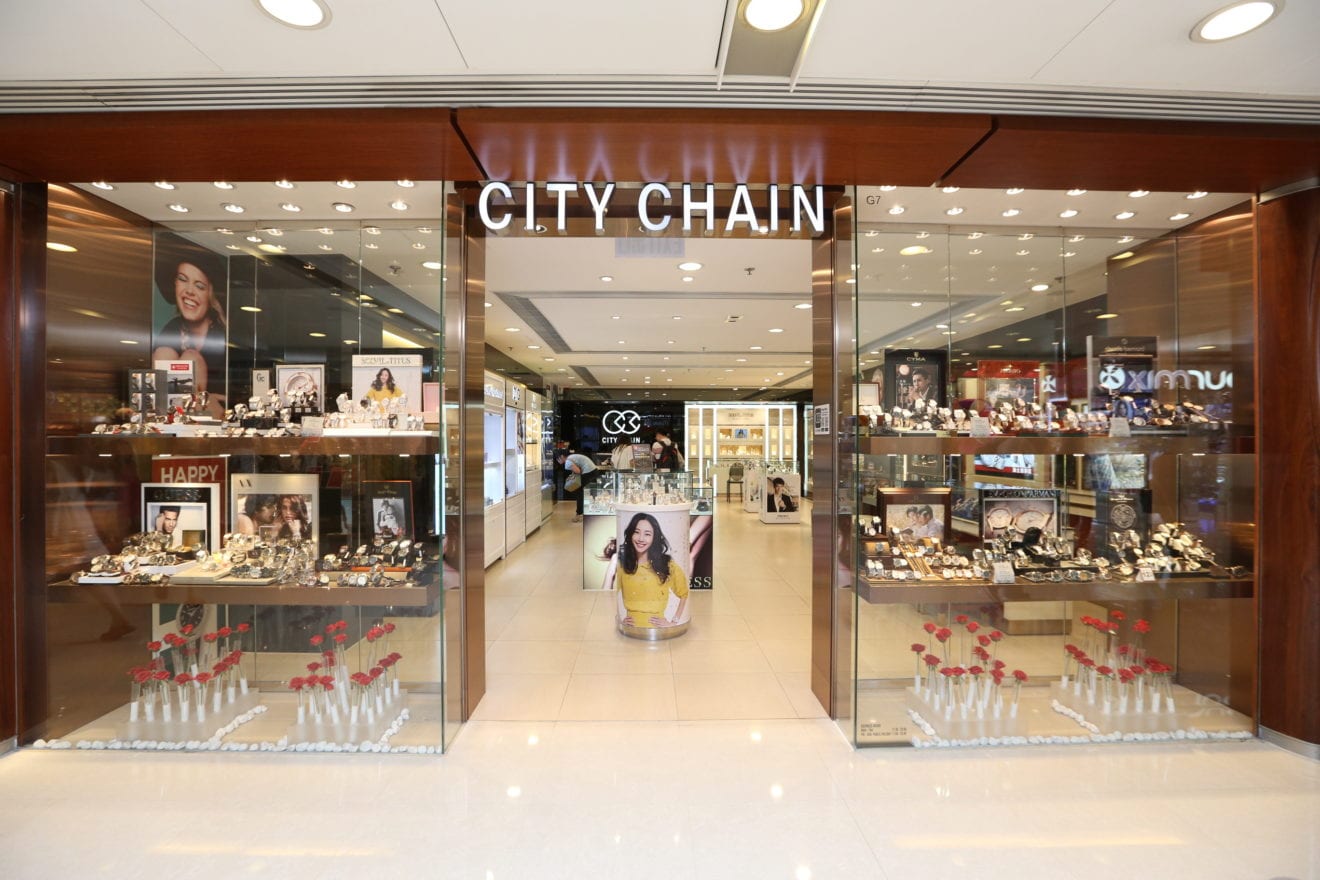
    Hong Kong headquartered watch retailer City Chain plans to close more stores as sales slid 12.1 per cent and profits crashed by 86.4 per cent in the first half year to just HK$15.7 million.

    Parent Stelux says turnover was “sluggish” in Hong Kong, Macau and Southeast Asia, with a narrowed gross margin. But inventory reduced by 16 per cent compared with the end of March.

    The City Chain Group operates stores in Hong Kong, Macau, Mainland China, Singapore, Thailand and Malaysia together with online stores at City Chain Tmall and Titus Tmall. Turnover for the six months to September 30 was $957.9 million.

    “We are rationalising our store portfolio based on shop profitability when considering shop renewal or relocation to achieve lower rental to turnover ratios,” the company said, without providing any indication of how many stores are likely to be culled.

    Already stores have been closed in Singapore and Thailand.

    Sales in Hong Kong and Macau fell 14.2 per cent to $646.6 million due to reduced tourist spending, shop consolidation measures and a high comparable base last year, when the group achieved record breaking monthly sales. That triggered a 56.5 per cent drop in pre-tax earnings to $67.9 million.

    “A combination of factors, namely, a decrease in turnover, narrowed gross profit margin due to stock rationalisation and the time lag in containing operating costs such as shop rentals led to the decline. Operating costs other than shop rentals decreased by around eight per cent despite inflationary pressure. The group continues to tighten operating expenses to adapt to existing turnover levels to improve performance,” Stelux said in its earnings statement.

    It was a rosier picture in Mainland China, now considered “a key market” for the group, which is pursuing a long term growth strategy there.

    First half sales rose 11.2 per cent to $113.2 million despite the slowing economy, driven mostly by positive same store sales growth especially in the Eastern (around 27 per cent) and Southwest regions (around 40 per cent).

    “Due to aggressive price cuts by competitors and a change in stock management strategy, gross profit margins came under pressure. Stock clearance initiatives have proven successful and we are on track towards maintaining a healthier and more competitive inventory balance. Losses, standing at $28.6 million, remained similar to that of last year since most of the uplift in sales was offset by the drop in gross profit margin. Notably, the loss posted by existing operations in Northern China fell by around 57 per cent compared to the same period last year due to restructuring efforts taken in Quarter 2,” the company said.

    “We expect to accelerate network expansion, increasing penetration in regions where we have a presence, and also setting up in multiple second and third tier cities where we do not yet have a presence to achieve economies of scale.”

    Southeast Asian first half sales were adversely affected by weakening economic fundamentals, with poor consumer sentiment and weak local currencies. Turnover dropped by 15.7 per cent to $198.1 million. But in local currency terms, turnover dropped by just four per cent.

    The Southeast Asian operations recorded a loss of $23.6 million, but a large part of that was attributed to the sharp depreciation of the Malaysian ringgit. On an exchange neutral basis the loss would have been $13.2 million, compared with $12.5 million during the same period last year.

    “The retail sector in Malaysia was severely affected by the introduction of GST in April 2015 and the depreciation of Malaysian ringgit. Despite this, turnover in local currency terms remained stable due to successful restructuring and re-merchandising measures adopted.

    “In Singapore, store consolidation and productivity enhancement measures have been very successful and we have seen sales per shop month improving significantly by 22.5 per cent and at the same time operating costs have fallen by 19.6 per cent. This has helped to narrow the loss by 33.6 per cent to $8.3 million.

    “The unstable political situation in Thailand and high household debt ratio has resulted in very low consumer confidence which has continued to fall since January 2015. Due to this, our Thai operations, posted a 24.2 per cent (FX neutral: 18.8 per cent) decline in turnover. We have implemented aggressive store consolidation measures with over 10 non-performing stores closed, and these store consolidation efforts will continue in the second half. Cost control measures were also implemented reducing our operating costs by 22 per cent.”

  • Inside the new Valentino Bangkok boutique

    Inside the new Valentino Bangkok boutique

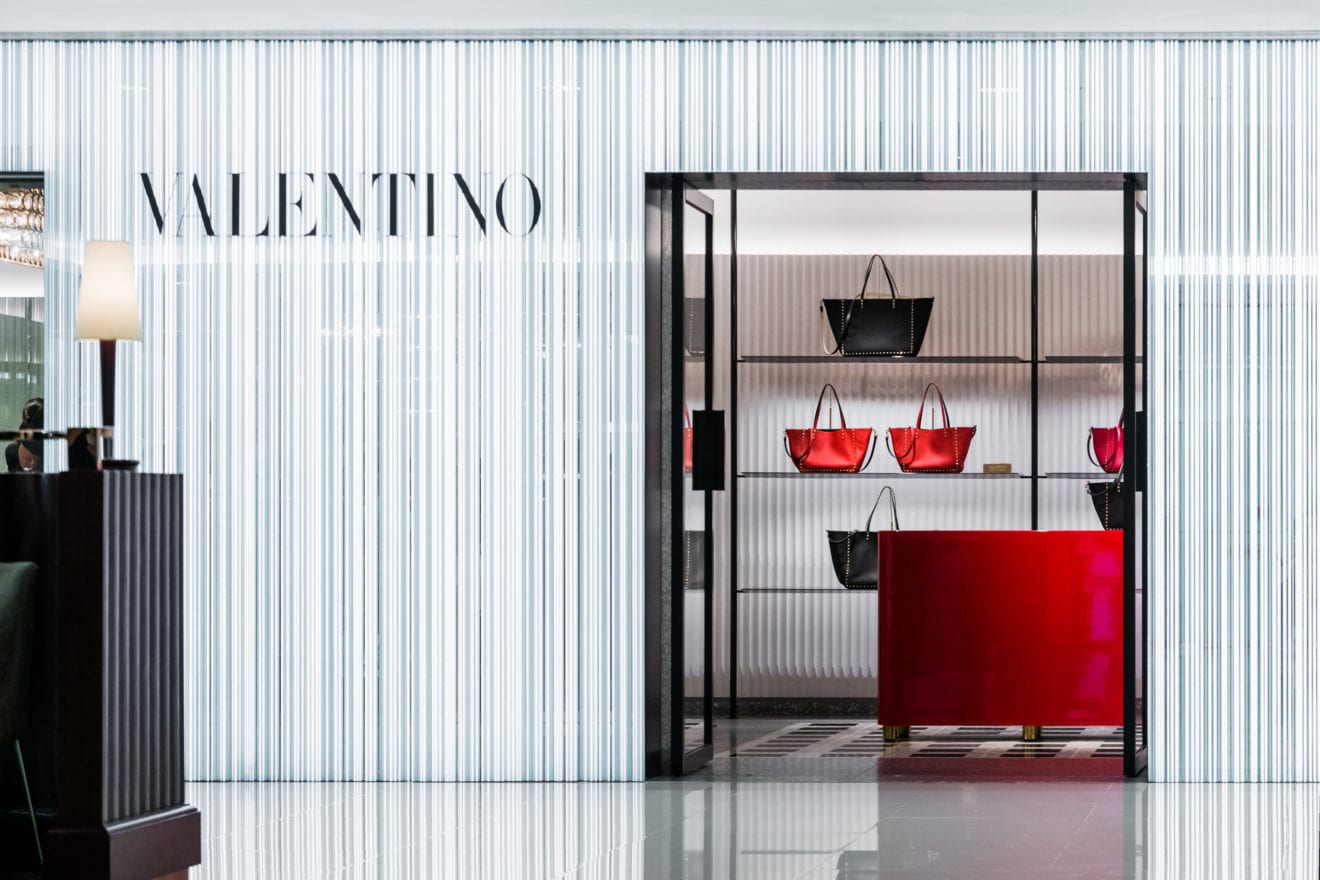
    A new Valentino Bangkok boutique has opened in the upmarket Emquartier shopping centre on Sukhumvit.

    Valentino Emquartier  Bangkok 3

    The store has 380 sqm of floor space in what the fashion brand describes as “a one-of-a-kind brand experience” which “caters to an elite clientele, serving both its male and female clients in a single location”.

    Valentino Emquartier  Bangkok 2

    As the photos show, the design is contemporary and minimalist, creating a sense of space with matching stone textured walls and floors and simple wooden display cabinets.


    Valentino, founded in 1960, is headquartered in Milan, Italy.

    Valentino Emquartier  Bangkok 1

  • Thailand among top 10 investors in Vietnam

    Thailand among top 10 investors in Vietnam

    The new face from Thailand on the Vietnam stock market is Ton Poh Thai Fund – an investment fund that purchases shares through transactions on the bourse.

    As of October 31, Ton Poh Thai Fund had net assets of about $135 million. Last year, the profitability ratio of this fund reached 25% and 20% on average during the past 10 years.

    Ton Poh currently owns 2.5 million shares of Cotec Construction JSC (5.79%); 1.2 million shares of Kien Giang – Superdong Speedboat JSC (5.02%) and 11.37 million shares of Hoang Huy Services Investment JSC (4.88% of capital).

    The number of shares held by Ton Poh is not large, but the fund has potential and is expected to continue disbursing capital on Vietnam’s stock market in the coming time.

    Thai businessman Chatikavanij established this fund in 2005, expecting to capture investment opportunities following the 1997-1998 financial crisis in Thailand. The fund with over $130 million has invested in 10 to 15 types of shares for the medium- and long-term.

    If Ton Poh is getting “acquainted” with investment in Vietnam, many Thai corporations have targeted Vietnamese businesses through direct and indirect investment forms.

    In the retail sector, Berli Jucker of Thaibev, which is owned by the second richest man in Thailand, billionaire Charoen Sirivadhanabhakdi, now takes a controlling share in Vietnamese firm Thai An, thereby controlling 99% stake in Phu Thai Group.

    BJC Thailand has bought Metro Vietnam while Central Group through Power Buy bought 49% shares of NTK, the owner of Nguyen Kim Trading Company, a big name in electronic product distribution in Vietnam.

    In the food industry, Thaibev has obtained ownership of Fraser & Neave (F & N) – the largest drink group in Singapore, which currently holds 11% stake in Vinamilk, Vietnam’s largest dairy product producer. CP Group has set a firm foothold in the Vietnamese livestock market.

    In the industrial sector, Thailand’s SCG has acquired Prime Corporation, through The Nawaplastic Industries. SCG also owns more than 20.4% of the shares in Binh Minh Plastics JSC and 23.84% stake in Tien Phong Plastic JSC.

    PTT, Thailand’s oil and gas corporation, has recently expressed its intention to invest in Nhon Hoi petrochemical project in Binh Dinh province.

    In the field of logistics, Kan Air of Thailand is now part of a joint venture with Vietjet Air of Vietnam that will establish ThaiVietjet Airlines with 51% of capital from Air Kan and 49% from Vietjet Air.

    This joint venture was licensed in late 2014 and began operating on March 29, 2015. Thai Vietjet will operate domestic flights in Thailand as well as international routes from Thailand to destinations in the region like Myanmar, Laos and Cambodia, to expand the flight network from Vietnam exploited by Vietjet Air.

    Later this year, the ASEAN Economic Community (AEC) will be formally established. AEC will become a single market. Accordingly, goods, services, investment, capital and skilled labor will flow freely between countries in the bloc. Thai capital flow into Vietnam will skyrocket.

  • Thai e-commerce poised to touch $58b in 2015; rise in online shopping, 4G services to push growth

    Thai e-commerce poised to touch $58b in 2015; rise in online shopping, 4G services to push growth

    The ETDA’s survey cites that top three verticals that account for the highest income from e-commerce in 2015 are accommodation and food services worth 658.9 billion baht ($18.39 billion), followed by manufacturing 350.29 billion baht ($9.78 billion) and retail and wholesale 325.08 billion baht ($9.07 billion).

    The B2C e-commerce in 2015 will rise 15.29 per cent from 410 billion baht ($11.44 billion) in 2014, and the B2G will surge 3.96 per cent from 390 billion baht ($10.88 billion) last year. However, the B2B e-commerce is expected to slightly shrink by 0.34 per cent from 1.23 trillion baht ($34.33 billion) in 2014.

    “Thai e-commerce market remains highly attractive as more people open up to online shopping. Also, 4G will drive the growth of the e-commerce market in Thailand,” ETDA’s chief executive officer Surangkana Wayuparb said.

    In early November, Ascend Group announced to invest 5.3 billion baht ($147.92 million) to expand its e-commerce businesses, ‘iTrueMart’ and ‘Weloveshopping’, into ASEAN countries.

    It plans to invest in warehouses, logistics and marketing activities in the Philippines this year, followed by six other countries – Indonesia, Malaysia, Vietnam, Singapore, Myanmar and Cambodia – in 2016.

    “We aim to be the e-commerce market leader in ASEAN by 2018,” Punnamas Vichikulwongsa, president of Ascend Group, told local media.

    A report by Euromonitor International states that the B2C e-commerce market for retail in the AEC will surge by 20 per cent per year from nearly $5 billion this year to $7 billion in the next two years.

    Considering Thailand as a centre of the ASEAN, foreign investors have eyed on the opportunities to use Thai e-commerce market as a springboard to other countries.

    Japan’s e-commerce solution provider Transcomos, for example, recently made a joint venture with Ookbee, a Thailand-based leading e-bookstore platform, to tap into the e-commerce business under Ookbee Mall.

    Even the world’s top e-commerce site Alibaba is in talks with Thailand’s Crown Tech Advance to co-invest in both logistics and e-commerce in Thailand. However, both companies have not finalised the deal yet.

  • Nestle confirms labor abuse among its Thai seafood suppliers

    Nestle confirms labor abuse among its Thai seafood suppliers

    Nestle SA, among the biggest food companies in the world, launched the investigation in December 2014, after reports from news outlets and nongovernmental organizations tied brutal and largely unregulated working conditions to their shrimp, prawns and Purina brand pet foods. Its findings echo those of The Associated Press in reports this year on slavery in the seafood industry that have resulted in the rescue of more than 2,000 fishermen.

    The laborers come from Thailand’s much poorer neighbors, Myanmar and Cambodia. Brokers illegally charge them fees to get jobs, trapping them into working on fishing vessels and at ports, mills and seafood farms in Thailand to pay back more money than they can ever earn.

    “Sometimes, the net is too heavy and workers get pulled into the water and just disappear. When someone dies, he gets thrown into the water,” one Burmese worker told the nonprofit organization Verite commissioned by Nestle.

    “I have been working on this boat for 10 years. I have no savings. I am barely surviving,” said another. “Life is very difficult here.”

    Nestle said it would post the reports online — as well as a detailed yearlong solution strategy throughout 2016 — as part of ongoing efforts to protect workers. It has promised to impose new requirements on all potential suppliers and train boat owners and captains about human rights, possibly with a demonstration vessel and rewards for altering their practices. It also plans to bring in outside auditors and assign a high-level Nestle manager to make sure change is underway.

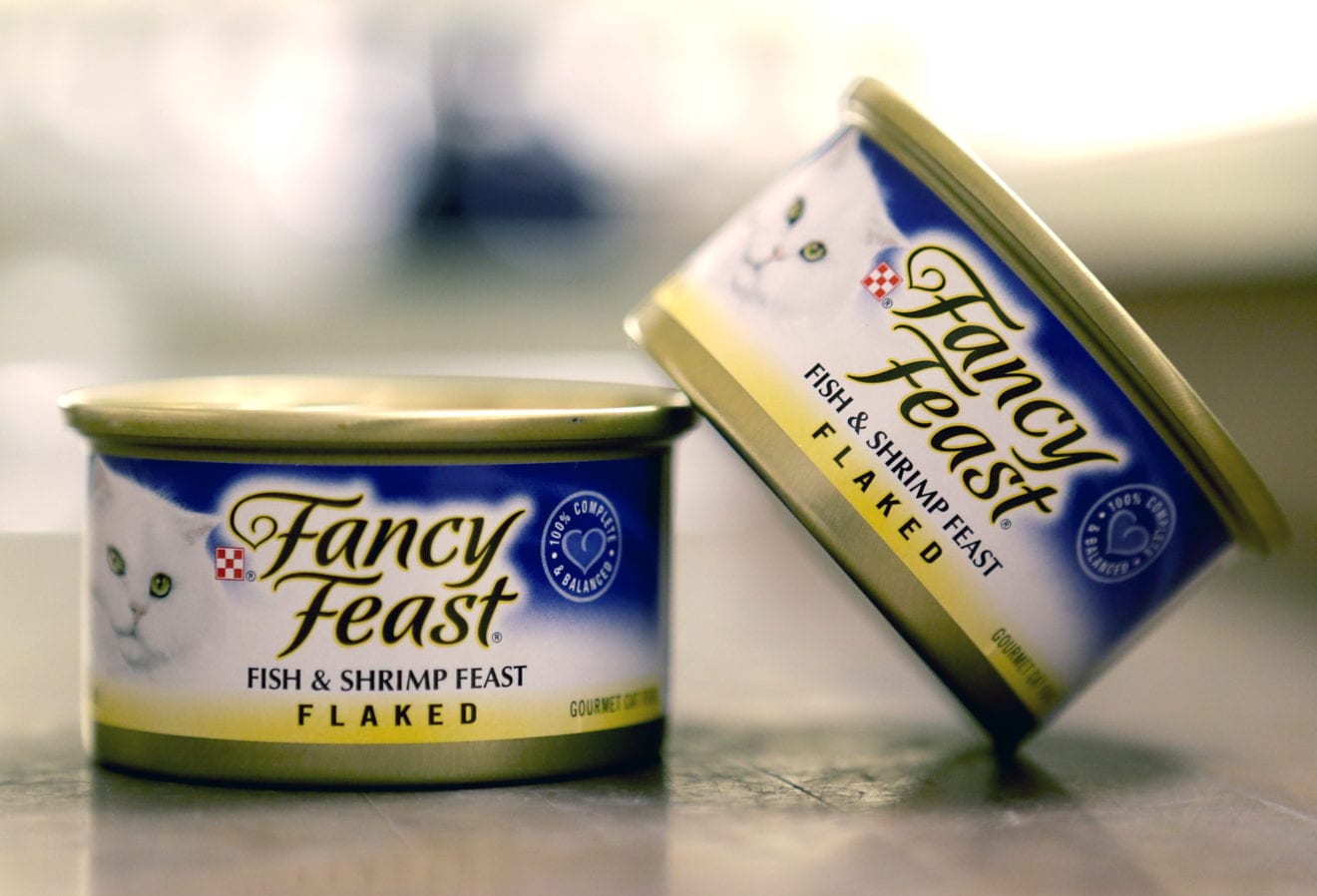
    “As we’ve said consistently, forced labor and human rights abuses have no place in our supply chain,” Magdi Batato, Nestle’s executive vice president in charge of operations, said in a written statement. “Nestle believes that by working with suppliers we can make a positive difference to the sourcing of ingredients.”Nestle is not a major purchaser of seafood in Southeast Asia but does some business in Thailand, primarily for its Purina brand Fancy Feast cat food.

    For its study, Verite interviewed more than 100 people, including about 80 workers from Myanmar and Cambodia, as well as boat owners, shrimp farm owners, site supervisors and representatives of Nestle’s suppliers. They visited fish ports and fishmeal packing plants, shrimp farms and docked fishing boats, all in Thailand.

    Boat captains and managers, along with workers, confirmed violence and danger in the Thai seafood sector, a booming industry which exports $7 billion of products a year, although managers said workers sometimes got hurt because they were drunk and fighting. Boat captains rarely checked ages of workers, and Verite found underage workers forced to fish. Workers said they labor without rest, their food and water are minimal, outside contact is cut off, and they are given fake identities to hide that they are working illegally.

    Generally, the workers studied by Verite were catching and processing fish into fishmeal fed to shrimp and prawns. But the Amherst, Massachusetts-based group said many of the problems they observed are systemic and not unique to Nestle; migrant workers throughout Thailand’s seafood sector are vulnerable to abuses as they are recruited, hired and employed, said Verite.

    Monday’s disclosure is rare. While multinational companies in industries from garments to electronics say they investigate allegations of abuse in their supply chains, they rarely share negative findings.

    “It’s unusual and exemplary,” said Mark Lagon, president of the nonprofit Freedom House, a Washington-based anti-trafficking organization. “The propensity of the PR and legal departments of companies is not to ‘fess up, not to even say they are carefully looking into a problem for fear that they will get hit with lawsuits,” he said.

    In fact, Nestle is already being sued: In August, pet food buyers filed a class-action lawsuit alleging Fancy Feast cat food was the product of slave labor associated with Thai Union Frozen Products, a major distributor. It’s one of several lawsuits filed in recent months against major U.S. retailers importing seafood from Thailand.

    Some of the litigation cites the reports from the AP, which tracked slave-caught fish to the supply chains of giant food sellers, such as Wal-Mart, Sysco and Kroger, and popular brands of canned pet food, such as Fancy Feast, Meow Mix and Iams. It can turn up as calamari at fine restaurants, as imitation crab in a sushi roll or as packages of frozen snapper relabeled with store brands that land on dinner tables. The U.S. companies have all said they strongly condemn labor abuse and are taking steps to prevent it.