Tag: Thailand

  • ‘Maintenance Fee’ for All Foreign Tourists Proposed by Tourism Governor

    ‘Maintenance Fee’ for All Foreign Tourists Proposed by Tourism Governor

    A plan to charge foreign tourists 360 baht each time they enter the kingdom as a fee to maintain and improve tourist attractions has been proposed by the head of the tourism authority.

    Yuthasak Supasorn, governor of the Tourism Authority of Thailand, suggested in an interview that money collected from the fees could be reinvested in the tourism throughout the kingdom, but almost as soon as the idea was suggested, it was played down by his own organization.

    In an interview with Voice TV, Yuthasak said foreign tourists would be charged USD$10 (360 baht) each time they enter Thailand, whether by air, land or sea. Among its uses, he said, would be enhancing security measures.

    “It will be collected under the name of a tourist attraction administration fee,” Yuthasak said. “We will use the money to maintain and improve security systems of tourist attractions across the country, in order to support the tourism sector, which has been growing steadily.” 

    He also did the math for its potential windfall. 

    “If there are 30 million tourists, Thailand will earn 10.8 billion baht per year from this fee, and it will help each province earn around 142 million baht to improve its tourism,” he said.

    The plan’s prospects were unclear, however. Hours after the Voice TV published the interview, an official at the tourism authority said the idea was only Yuthasak’s personal idea.

    “This is not an official policy. It still needs additional study,” said authority spokeswoman Sunantha Montri. “It’s only an idea.”

    She said Yuthasak is attending a summit in the Philippines and not available for comment.

    In the Voice TV article, Yuthasak dismissed any concern the fee would adversely affect tourism, saying many countries already had similar policies.

    “I believe it won’t affect tourism that much, because at the present time many countries already collect this fee in subtle ways,” he said without elaborating. 

  • Tesco Thailand wins record market share

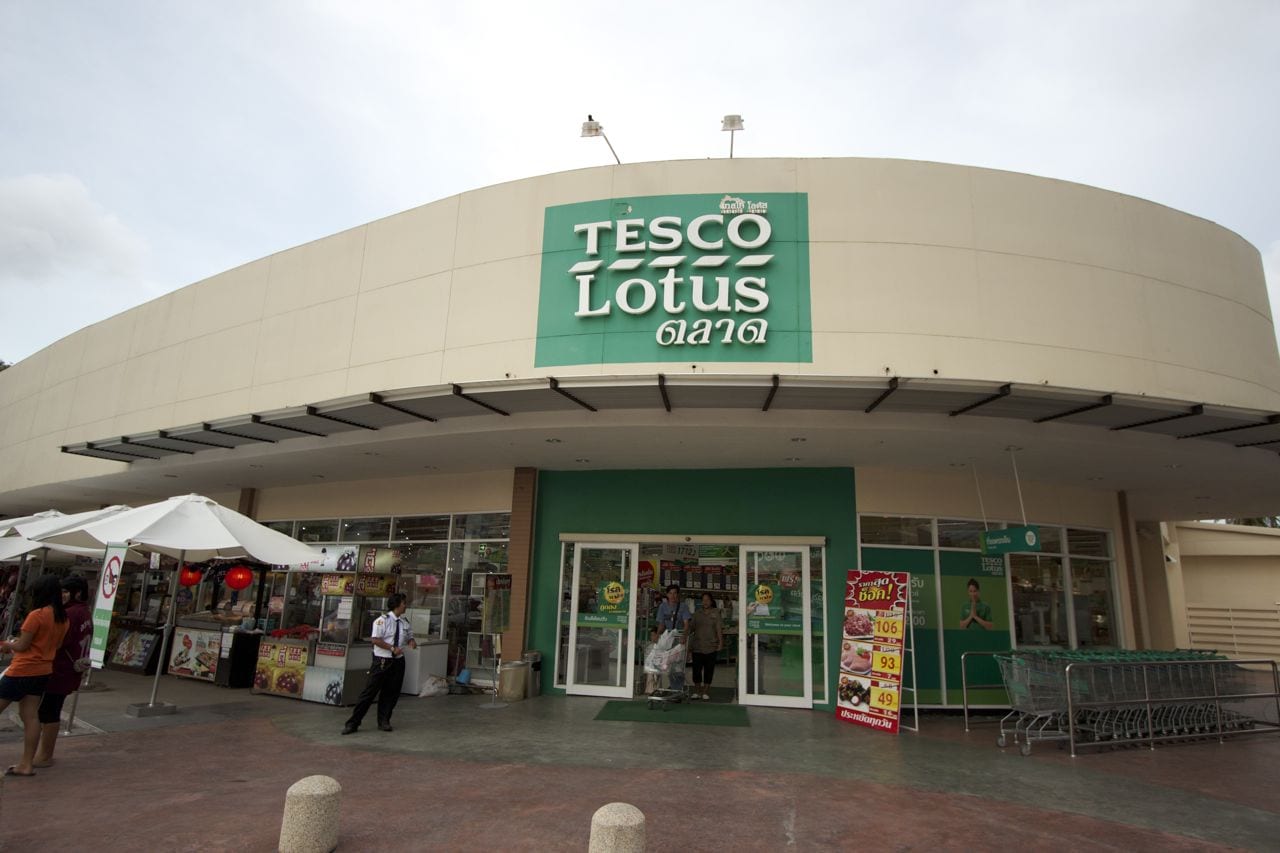
    Tesco Thailand wins record market share

    Embattled Tesco achieved a record market share in Thailand in the latest quarter – as Asia shined in a mixed set of financials.

    Analysts appeared in agreement that the UK’s largest supermarket operator delivered patchy results overnight, despite the solid Asian performance.

    “Foreign adventuring hasn’t been all bad,” observed David Gray, retail analyst at Planet Retail.

    “Asian expansion did deliver a big windfall last autumn with a sale raising some £4 billion,” he said, referring to the divestment of the Korean business

    “And Tesco still holds valuable assets in Asia – the Tesco Thailand business (which has long-term growth potential), plus Malaysia (though potential here is less obvious), while India (though not valuable at the moment) is set to receive more attention,” Gray concluded.

    Conlumino senior consultant George Scott added: “In Asia, improvement in its food offer helped Tesco achieved positive like for likes across the region.”

    But the majority of Tesco’s business is still the UK, where its market share is under attack by super discounters Aldi and Lidl from Germany. Like-for-like sales in the UK slipped 1.5 per cent, despite a 1.3 per cent increase in the Christmas period.

    “Tesco showed signs of a fightback against discounters Aldi and Lidl over the festive period, delivering a UK Christmas like-for-like performance well ahead of market expectations and comfortably beating the comparable trading of rivals Morrisons (+0.2 per cent) and Waitrose (down 1.4 per cent),” said Scott.

    Planet Retail said it saw the third quarter domestic decline as indicative of the wider challenges hitting the UK grocery market.

    “With growth of Aldi/Lidl at the value end, M&S Food lording over the premium segment and Sainsbury’s holding its own in the mid-market, this comes as little surprise,” said Gray.

    “As anticipated, Tesco’s Q3 domestic recovery has slowed, with like-for-like declines widening on Q2, even if the shorter Christmas period delivered a more positive number,” said Gray

    “This was to be expected considering Dave Lewis has always said recovery would be choppy. Even so, a slowdown is a slowdown. The difficulty for Tesco is that, by being the UK’s largest retailer, it has most to lose from wider food price deflation and structural shifts.

    “With Aldi/Lidl gaining share at the value end, M&S Food ruling premium and Sainsbury’s holding the middle ground, Tesco is stuck between a rock and a hard place,” Gray concluded.

    Scott says despite the patchy figures, Tesco has shown a marked improvement in putting the customer back at the heart of its proposition, particularly over Christmas.

    “To this end, a further shift away from give-away promotions to deeper investment in base price cuts and its brand match, coupled with improved availability were particularly key. The introduction of 4000 additional ‘Here to Help’ in-store colleagues, will have undoubtedly boosted in-store standards. Elsewhere, demand for online grocery home grocery shopping led to a record number of orders on December 22, which was certainly helped by an improved price and service reputation.”

    Tesco CEO Dave Lewis was upbeat about the figures, especially for the festive trading season.

    “Our Christmas performance was strong, benefiting from lower prices on an outstanding range of products. Our customer service improved materially and our colleagues went the extra mile.  Put simply, we put customers at the heart of everything we did and they responded by buying more of what they needed at Tesco.”

    Lewis said Tesco would continue to focus its efforts to serve its customers “a little better every day”.

    “There is plenty more to do, but we are making good progress and are trading in line with profit expectations for the full year.”  

  • Thailand industry auto sales seen down 10pc in 2016

    Thailand industry auto sales seen down 10pc in 2016

    Thailand’s total domestic car sales are expected at 720,000 in 2016, down 10 percent from 2015, Toyota Motor Corp’s Thai unit said on Thursday.

    Toyota, which commands about a third of the Thai market, sees a 9.8 percent fall from 2015 in its annual automotive sales in the Southeast Asian nation to 240,000 in 2016, it said at a news conference.

    Kyoichi Tanada, president of the Toyota Thai unit, said the reason for the fall in both domestic car sales and Toyota’s own car sales were a weak global economy and a new Thai excise tax which would increase the retail prices of vehicles in 2016.

  • Divestment of Big C stake to shake up retail industry

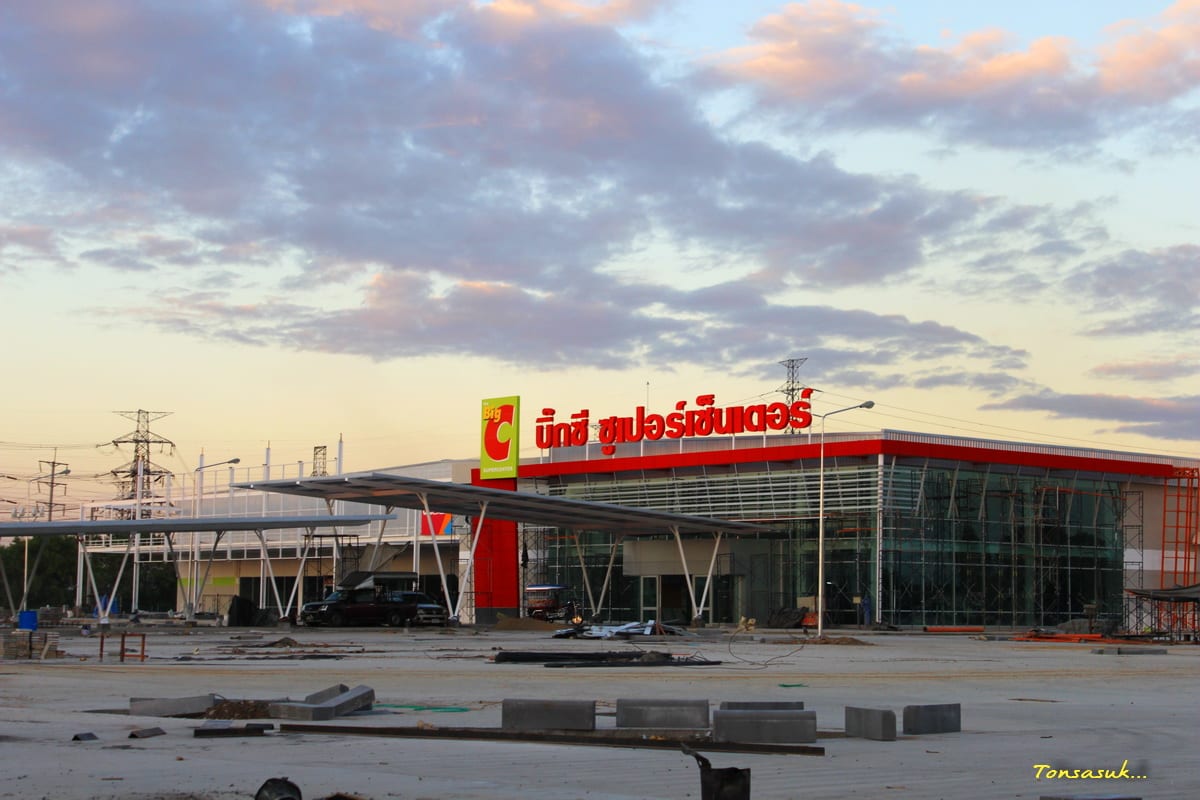
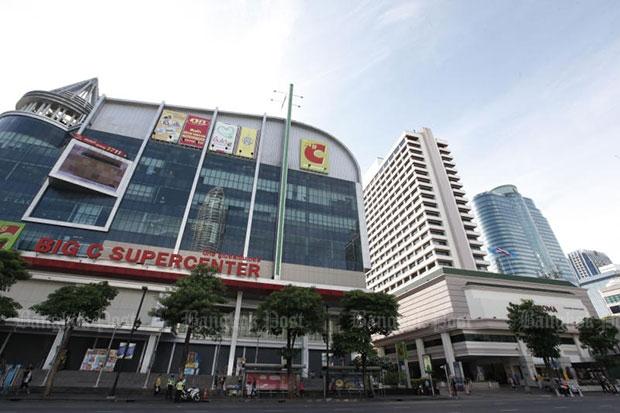
    Divestment of Big C stake to shake up retail industry

    Big C was at the centre of the previous shake-up when it bought the Thai arm of Carrefour, another French retailer, in 2011. Carrefour Thailand’s network of 42 stores helped make Big C the No 2 player in the hypermarket segment, second only to Tesco Lotus.

    This time, Big C is also at the centre, as the target of big names like the Chirathivat family, Charoen Pokphand Group and Berli Jucker – a business unit owned majority by the Sirivadhanabhakdi family.

    The Chirathivat family seems to be the most likely suitor. Big C was established as a joint venture of that family and Casino Group. But the family sold its stake in Big C to Casino Group after the 1997 financial crisis.

    The family’s operations in the retail industry would be complete with the inclusion of the hypermarket format.

    Another suitor is CP Group. Sitting on piles of cash and rich in experience in retail business, it is the founder of Ek-Chai Distribution System, which operates Tesco Lotus. Also owning Siam Makro, its control in the market would be strengthened.

    However, CP Group’s bid to buy back shares in Ek-Chai Distribution from embattled UK retailer Tesco has reportedly been rejected. Tesco last year sold the assets in South Korea for 4 billion pounds (Bt208 billion). In September, it assured shareholders that it would not sell other overseas assets, including in Thailand. In October, it instead sold 14 land plots for 250 million pounds.

    Berli Jucker has recently expanded into the retail industry. After acquiring the retail chain Family Mart (renamed B’s Mart) in Vietnam in mid-2014, it acquired Metro Cash & Carry Vietnam from its German owners. It is not beyond imagination that it would want to make its presence felt in the Thai retailing industry.

    Among the three, whoever turns out to be the winner of this race may need to pay would surely need not to concern with financial matters.

    Yesterday, Big C’s share price ended at Bt226, gaining Bt28.50 or 14.43 per cent from the previous closing. If the transaction is executed at that price, the buyer will need to pay at least Bt109 billion for the 483.45 million shares or a 58.6-per-cent stake currently owned by Casino.

    The price is about 23 times its prospective earnings. More than 1 million shares were traded yesterday, the highest in recent months when the number of shares changing hands on a daily basis ranged widely from below 20,000 to more than 900,000.

    On December 15, Casino Group announced a plan to strengthen its balance sheet and enhance its financial flexibility with by deleveraging more than 2 billion euros (Bt79 billion) through real-estate transactions and disposal of non-core assets.

    It was confident that the proceeds from the deleveraging plan would reduce its consolidated debt. More than half of the total proceeds of the plan are expected to be generated by the disposal of assets fully owned by Casino. It also announced that in the last 10 years, Casino had always achieved its deleveraging plans.

    In a statement dated January 14 concerning the sale of Big C in Thailand, Casino Group said: “In the context of the ongoing process for the sale of its operations in Vietnam, Casino Group has received expressions of interest for its publicly listed subsidiary Big C in Thailand. The group is taking steps towards the sale of this asset, which will be implemented in the best interest of the company and its shareholders.”

    Big C is now waiting for the new shareholder, while proceeding with business plans. Among them, it plans to open six hypermarkets this year.

    “As Casino is receiving a number of expressions of interest to acquire its shares of Big C Thailand, it clearly demonstrates the great company that Big C is and the strong relationships between customers and Big C itself,” said Warunee Kitjaroenpoonsin, director of corporate affairs at Big C.

  • Central Group eyes Casino’s units in Thailand, Vietnam

    Central Group eyes Casino’s units in Thailand, Vietnam

    Thailand’s largest retail conglomerate Central Group is keen to bid for Casino Group’s Thai and Vietnam operations, a company executive said.

    Casino owns 58.6% of Big C Supercenter Plc, which has a total a market value of $5.5 billion. Casino said last week it was keen to sell this stake after announcing it would sell its Vietnam unit in the first quarter.

    “We are interested in both Big C in Thailand and Vietnam,” Prin Chirathivat, deputy chief executive officer.

    “If the prices are not too expensive, we will be keen to bid,” Mr Prin said adding his family, the Chirathivats, has a combined 25% stake in Big C.

    Central has been actively looking to buy assets overseas as it wants to expand into Southeast Asia and Europe.

  • Thailand cracking down on foreign-controlled firms using locals as nominees

    Thailand cracking down on foreign-controlled firms using locals as nominees

    The Commerce Ministry’s Business Development Department will this year expand its investigation into the use of Thai nationals as nominees for foreign-controlled companies in nine provinces where it suspects the illegal practice is widespread.

    This year, three additional provinces will be monitored – Krabi, Trat (Koh Chang), and Chiang Rai. Last year, six provinces were focused on – Bangkok, Chon Buri, Surat Thani, Prachuap Khiri Khan, Chiang Mai, and Phuket – and 13 firms were suspected of breaching the Foreign Business Act (FBA) through the use of Thai nominees.

    Pongpun Gearaviriyapun, director-general of the department, said it would tackle this practice vigorously this year through stringent law enforcement in a bid to prevent problems occurring under the FBA.

    She said the department would extend its investigation of nominee cases to 10 business sectors – food and beverages, tourism, property rental, the property trade, car rentals, spas, handicraft and souvenir retail, Internet retailing, direct sales, and education consultants.

    She said those sectors would be targeted because it was believed that a high proportion of their businesses were foreign controlled through the use of Thai nominees.

    She said the department would stringently investigate those businesses in an effort to prevent enterprises and consumers being affected negatively as some foreign-owned businesses were engaged in unscrupulous activities to lure consumers.

    The inspections will focus on a business’ share structure, investment capital, and technology transfer.

    Last year, the department investigated six sectors – food and beverages, tourism, car rentals, property rental, property sales, and spas.

    Meanwhile, to facilitate foreign enterprises doing business in the country, the department is considering relaxing its regulations under the FBA. This would involve them not having to get the FBA board’s permission to operate under the act.

    Businesses that would benefit from the move include representative offices, companies that are state-owned contractors, and subsidiary firms.

    In addition, the department will focus on supporting the starting up of new enterprises and strengthening local business growth under the ASEAN seamless market.

    The department will also develop its electronic services, such as e-registration, e-filing, and e-service applications, to help enterprises register, submit account balances, and update information online so they can save costs and time.

  • Freak accident injures Siam Paragon patrons

    Freak accident injures Siam Paragon patrons

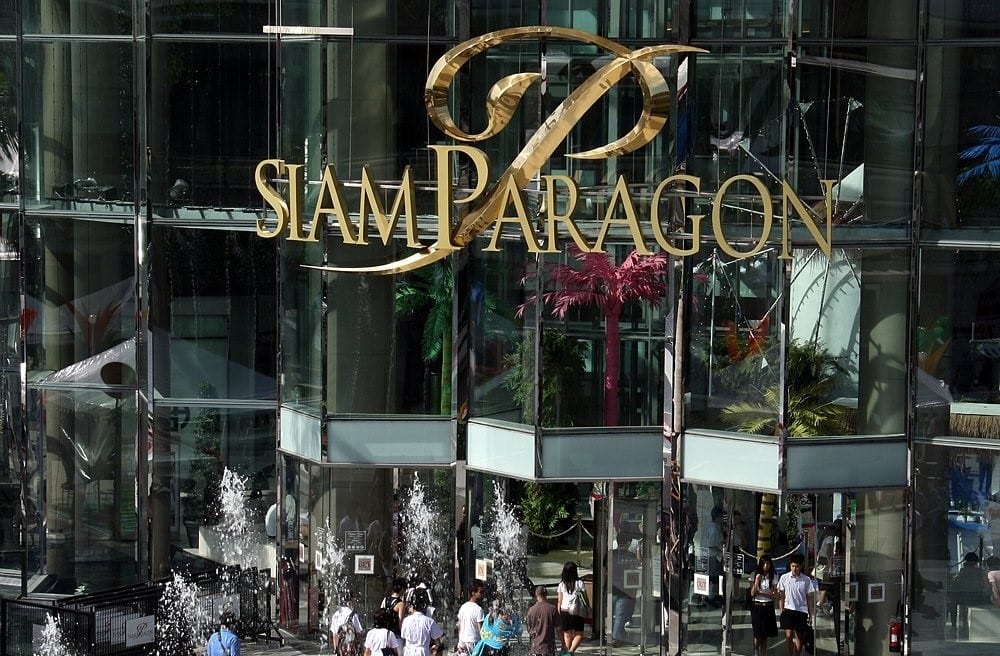
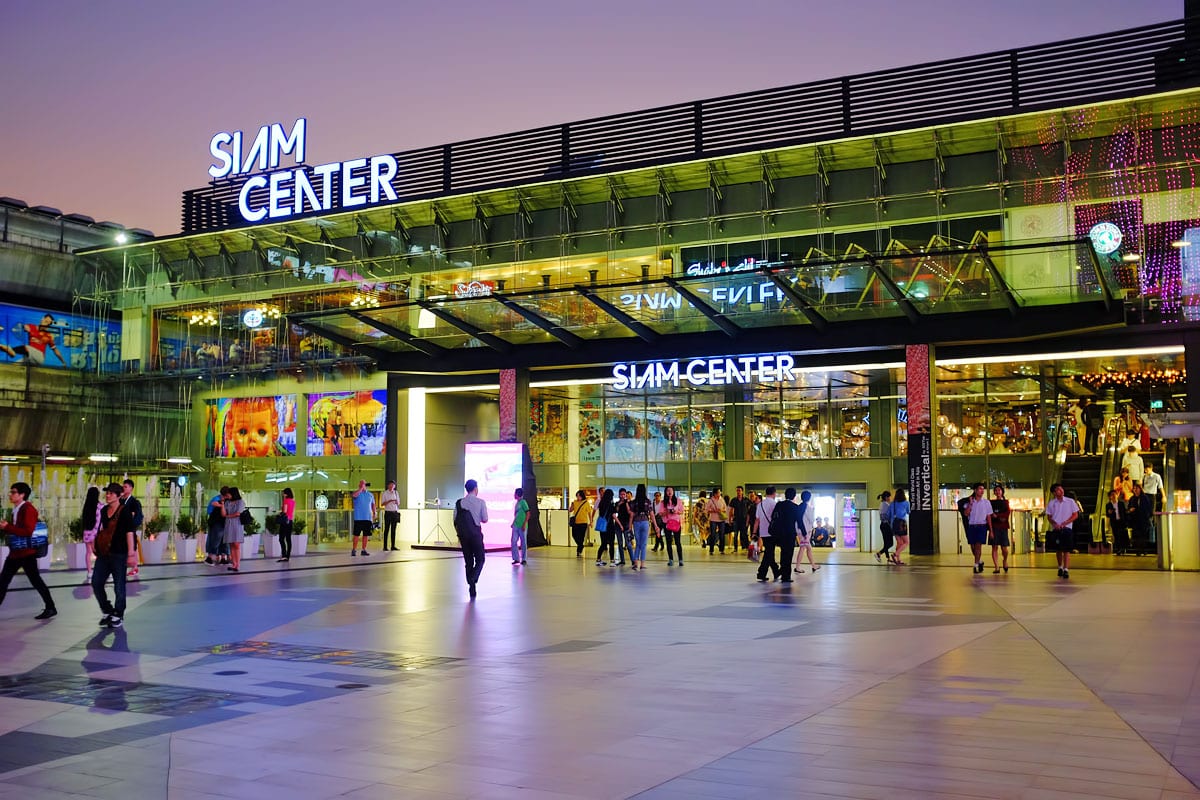
    Sixteen people, mainly children, were injured when a tent at an outdoor event crashed down on them at a Bangkok shopping mall on Saturday.

    Strong winds are blamed for the tent collapsing at Siam Paragon shopping mall, according to acting police chief Lt. Gen. Sanit Mahathaworn.

    He says the tent flew up about a metre in the air and wooden signs attached to the back of the tent flew off and injured nearby people. Among the injured were at least 12 children between about six and nine years old. They were among dozens of people at a “Pokemon Day” dance party as part of Thailand’s Children’s Day celebrations.

    One mother was trying to protect her child, but both received broken legs. They were taken to a nearby hospital along with the other victims. Only two persons were kept in hospital.

    In a statement, Siam Paragon said it “regretfully apologised” for the accident on behalf of the event organisers, which included other Thai companies.

    Mahathaworn said police would press criminal negligence charges against the owners of the company that installed the tent. They could face up to three years’ prison and a fine of 6000 baht ($165).

  • Thailand set to lure shoppers from Singapore

    Thailand set to lure shoppers from Singapore

    Thailand luxury goods import duties may be cut in a move to make the nation a more attractive shopping destination for foreigners, a direct challenge to Singapore.

    Such a move would put Bangkok, already a fast-growing regional retail destination, in direct competition with Singapore and Hong Kong for regional tourist spending. Both Singapore and Hong Kong have long since culled such duties.

    Thailand’s Customs Department believes removing the 30 per cent tax on luxury goods would make the country the leading tourist destination for luxury goods shopping in Asia, potentially boosting tourist spending on shopping by 15 to 20 per cent.

    The argument in favour of the cut is that if Thailand’s luxury goods tax was no different from those in Hong Kong and Singapore, Thailand could become the preferred destination, because the country overall offers more attractions at a lower cost.

    The cut might also encourage Thais to shop at home instead of abroad.

    Foreign tourists in Thailand spend about US$33 a day on average on shopping – just half the figure tourists in Singapore spend and a quarter that spent in Hong Kong (it is not clear if those figures were calculated before the current downturn which has impacted on Chinese Mainlanders’ spending in Hong Kong).

    While Thailand retail prices overall are regionally competitive, import duties on so-called luxury items and a seven per cent sales tax make luxury branded goods, and items like fragrances, are more expensive than elsewhere.

    Thailand Customs Department director Kulit Sombatsiri says the department is studying the implications of the move to ensure it will not affect local businesses, and might limit the reduction to selected products that Thailand does not make.

  • Thai import duties may be cut

    Thai import duties may be cut

    Thailand import duties may be cut in a move to make the nation a more attractive shopping destination for foreigners.

    The Thailand Customs Department is mulling a reduction of import duties on luxury items like clothing and accessories. While Thai retail prices overall are regionally competitive, import duties on so-called luxury items and a seven per cent sales tax make luxury branded goods, and items like fragrances, more expensive than elsewhere.

    Thailand Customs Department director Kulit Sombatsiri says the department is studying the implications of the move to ensure it will not affect local businesses, and might limit the reduction to selected products that Thailand does not make.

    This move follows a proposal from the private sector that claims the reduction would boost tourist spending, the Post Today reported. Import duties are 30 per cent for most luxury items.

    Other major Asian shopping hubs such as Hong Kong and Singapore do not impose import duties on luxury items.

  • Aeon plans B6bn Bangkok complex

    Aeon plans B6bn Bangkok complex

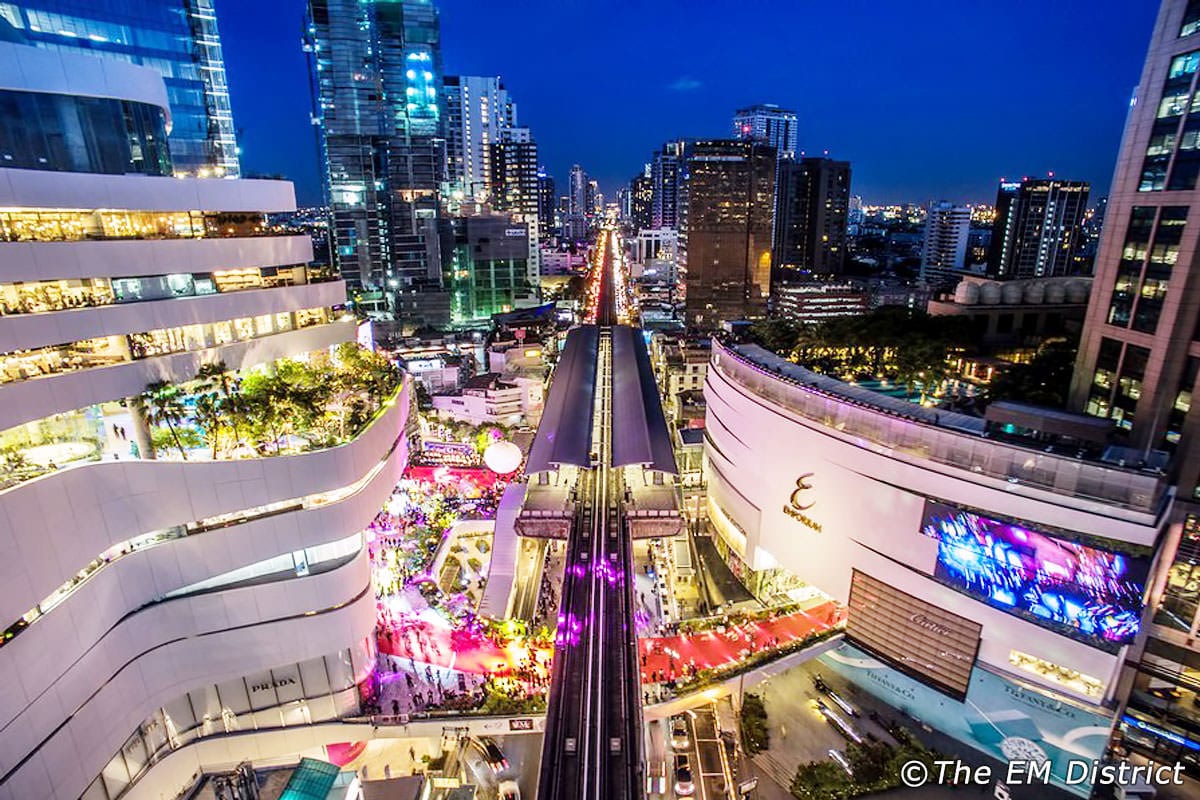
    Aeon expects its planned Bangkok mega shopping complex will compete with Siam Paragon, CentralWorld and The Emporium, says managing director Masamitsu Ikuta.

    Aeon (Thailand) is set to compete head on with Central Group and The Mall Group, vowing to develop its first megaproject in central Bangkok as part of a 10-billion-baht investment over the next five years.

    Managing director Masamitsu Ikuta said the company would allocate 10 billion baht for new retail development from 2016-20.

    Most of it will be used for developing three major retail models in central Bangkok — MaxValu supermarkets, a megaproject and speciality stores.

    Aeon will open 10 MaxValu stores in each of the next five years, taking the number of MaxValu stores in all formats to 130 by 2020.

    It will open three MaxValu supermarkets this year with an investment of 50 million baht, while it will spend about 10 million baht to open five MaxValu Tanjai stores.

    The company will build its megaproject in Bangkok in the next few years to cash in on the Asean Economic Community, which will draw more foreign tourists to Thailand.

    The project will have retail space of 200,000 to 300,000 square metres and require an investment of 6 billion baht.

    “The new retail megaproject will have the same image as Aeon in Japan,” Mr Ikuta said.

    “We want this shopping complex to be able to complete with inner-city retail megaprojects such as Siam Paragon, CentralWorld and The Emporium.”

    The project is expected to open in 2018. Aeon is looking for a suitable plot of land. It plans to develop about 20 mega shopping complexes in the next 15 years.

    The move towards huge projects in Thailand comes after its Japanese parent company recently set a plan to expand its retail business in Asean aggressively between now and 2020.

    Aeon plans to open speciality stores for drugs, bicycles, cosmetics and pet food in Thailand. Two speciality store brands will be launched next year.

    Three or four branches will be opened for each brand. If it receives a positive response from Thai consumers, the company will open about 20 branches per brand each year.

    Some funds for business expansion will come from listing the company on the Stock Exchange of Thailand in 2020.

    For its MaxValu supermarkets, the company plans to add more TopValu items, its house brand, to its range to differentiate its stores from other supermarket chains.

    TopValu products include shampoo, soap, toothbrushes and canned fish produced by original-equipment manufacturers in Thailand to serve MaxValu stores in this country and for export to Aeon stores in Japan.

    The Japanese parent recently chose Thailand as its production base for house brands of T-shirts and socks to serve Thailand and Aeon networks in Cambodia and other Asean members.

    Sales from house brands in Thailand are worth 3.45 billion baht, with 150 million generated in Thailand and 3.3 billion from exports.

    Mr Ikuta said house brands accounted for up to 3% of the company’s sales but would contribute 15% by 2020.

    Sales of TopValu brands worldwide are forecast to total ¥5 trillion (1.52 trillion baht) in 2020, up from ¥80 billion annually now.

    With its aggressive plans in Thailand, the company expects supermarket sales of Aeon in this country will reach 20 billion baht in 2020, nearly triple last year’s sales of 7 billion.

  • Thai retailers call for more tax breaks

    Thai retailers call for more tax breaks

    The government should continue endorsing tax breaks for consumers and open more duty-free shops to attract foreign tourists and boost the retail business, according to the Thai Retailers Association (TRA).

    “The tax measure endorsed for the last seven days of last year has helped the whole retail sector to grow by 3.1 per cent in 2015, up from 2.8 per cent in an earlier forecast.

    “It would be great if the government could extend this scheme to cover foreign tourists in order to encourage more spending while they stay in the country,” Jariya Chirathivat, president of the TRA, said yesterday.

    For domestic tourism, the government should continue the tax-deduction measure and implement it twice annually, in the first and second halves of the year. This would increase spending by local people, particularly for tourism, during the low and back-to-school seasons.

    The government should allow more operators to open duty-free shops in major towns and tourist destinations. It is hoped this would reduce the prices of luxury products and other goods, and encourage tourists to spend more.

    “The government should give the green light to more operators to run duty-free shops at major airports and in downtown areas. Currently, there is only one duty-free operator in Thailand.

    “The government should support this by having pick-up counters at major airports for tourists buying duty-free products in downtown shops. This would benefit the tourism industry,” Jariya said.

    The average daily spending per visitor is about Bt5,000, he said. Nearly one-third of that, or about Bt1,400, is for shopping. However, the average tourist shopping expenditure in Thailand is half that in Singapore and a quarter of the outlay in Hong Kong.

    “The problem is tourists don’t come to Thailand mainly for shopping, because most luxury goods here are more expensive than in Singapore or Hong Kong,” she said.

    To strengthen the retail business in 2016, the TRA has offered more proposals to the government for consideration, including speeding up investment in infrastructure projects to create jobs and increase incomes.

    Other ideas are imposing some measures to boost local consumption by focusing on middle-to-high-income earners, restoring shoppers’ confidence, and putting consumers in a shopping mood by running some campaigns during the low season.

    Reducing duties on luxury brand-name imports to attract more shopping from foreign tourists is also needed. According to the Global Blue survey for 2012-13, Thais were ranked sixth in claiming tax refunds on overseas shopping.

    The TRA said the 2015 special tax break was one of the government’s New Year gifts for Thais. All retailers and product makers are registered in the value-added-tax system.

    The measure, which offered tax deductions of up to Bt15,000, augmented consumer purchasing power. Earlier, the government imposed another measure to allow deductions of up to Bt15,000 for individual taxpayers who bought hotel accommodations and other services from tourism operators. Both tax breaks will together allow individual taxpayers to deduct up to Bt30,000 on their personal income tax.

    It was predicted that the shopping spree during the New Year celebrations rose 20 per cent or Bt25 billion and pumped Bt125 billion into the economy in the final month of 2015.

    According to the World Bank, Thailand’s tax collections should reach 21.35 per cent of gross domestic product, but only 16.02 per cent has been collected over the last few years.

    A study of the tax structure found only 327,127 companies and partnerships registered with the corporate-income-tax system, or only 12 per cent of the 2.7 million entities registered with the Commerce Ministry’s Business Development Department.

  • TPP and RCEP ‘will be good for Thailand’

    TPP and RCEP ‘will be good for Thailand’

    In an interview with regional media, he said Thailand should benefit from joining both trade blocs as the RCEP’s centre points are China, Japan and India, while the TPP is spearheaded by the US and Japan, with Thailand’s automotive industry among the potential gainers for exports to the huge TPP markets.

    The RCEP is the extended trade bloc of the AEC, with a combined economy worth US$2.6 trillion (Bt83.8 trillion).

    Incalcaterra said the AEC, which ushered in a new era at the start of this year, would lead to more effective flows of capital and trade in services, in addition to the freer flow of goods.

    However, he said trade in services was more difficult due to non-tariff barriers, but the situation should now continue to improve as member countries hope to achieve their liberalisation goal in 2025.

    Within the AEC area, he said, the “single window” facility for cross-border trade had lowered transaction costs, while global supply chains had benefited from cost savings in the area’s single production base.

    However, the economist said Asean countries needed more political will to further integrate the member states and boost foreign direct investment from outside the region, while implementing structural reforms to boost auto and other industries, as well as infrastructure investment projects using the public-private partnership model.

    Regarding the TPP, he said, the 12-nation trade bloc should complement the RCEP of the Asean countries plus their partners – China, India, Japan, South Korea, Australia and New Zealand – as more free trade was better for the region.

    “In the AEC, Thailand is among those at the forefront with a head start due to its large consumer market, big auto industry, et cetera, hence many Thai firms can take advantage [of the opportunities],” he said, adding the country’s political challenge has, however, hindered the economy in the past one or two years.

    In addition to Thailand, he said, other Asean countries such as the Philippines and Indonesia were moving towards joining the TPP trade bloc over the next two years.

    In the case of Thailand, there are clear benefits in joining the TPP in addition to the RCEP, he added.

    At present, Singapore, Vietnam, and Malaysia are already members of both the RCEP and the TPP.

    For this year, Incalcaterra said Thailand’s economic growth rate would likely remain the lowest among Asean countries, with HSBC projecting 3.3-per-cent expansion.

    China’s slowdown will affect Thailand and Malaysia significantly, due to the two countries’ large share of exports to China, where growth this year is projected to be less at 6.7 per cent, against 7.1 per cent in 2015, he said.

    On the US Federal Reserve’s interest-rate hike – the first in nine years – the economist said the move would create short-term volatility, but the gradual cycle of rate adjustments would not lead to a major disruption.

    Meanwhile, Hai Pham, HSBC’s chief executive officer in Vietnam, said there was plenty of room for intra-trade growth among Asean economies, which currently represented only 20 per cent of their total trade, compared to more than 60 per cent among members of the European Union.

    He said cross-border investment was another high-growth area for Asean companies, citing Thailand’s Berli Jucker and other firms as examples of Asean firms investing in Vietnam’s retail and electronic-goods sectors.

    For Vietnam, GDP growth is projected to be around 6-7 per cent this year, but the challenge is for local businesses to step up their efforts to meet the challenges presented by the AEC, as many are still not ready to take on increased competition.

    The CEO also expects more consolidation of companies in Vietnam in 2016, due to the coming into effect of the AEC.

  • After Indonesia, dating app Spotted eyes Malaysia and Thailand

    After Indonesia, dating app Spotted eyes Malaysia and Thailand

    The German dating app Spotted is out to woo Southeast Asian users. Dating apps have become relatively widespread in Indonesia, with Germany’s Spotted merely the latest aiming to carve out a piece of the pie.

    Having entered Indonesia in October 2015, Spotted is now eyeing Malaysia and Thailand as its next two Southeast Asian markets, its optimistic outlook fuelled by its US$14.5-million (RM62.6 million) Series A round in August 2015.

    That investment round, which involved Media Ventures, Wolfman Holdings, and a Deutsche Balaton affiliate based in Heidelberg, Germany, brought Spotted’s total funding to US$15.3 million to date.

    “Once we get the funds from our investors, we want to expand to Asia and other parts of the world,” its business development head Andre Sierek told via email.

    “However, at this moment our focus is first on Southeast Asia, especially Indonesia, as well as Malaysia and Thailand in 2016,” he added.

    After its founding in 2013, Spotted initially targeted German-speaking countries such as Austria, Switzerland and North Africa, describing its product not so much as a dating app but a “social discovery” app.

    The hyper-local app helps users meet again with others they have met before. For instance, if you met someone in a café and are interested in them, Spotted will help you meet up with them again.

    According to Sierek, Spotted currently has one million users across the world, with its app being downloaded 10,000 times daily.

    To increase its user base, it realised it could not depend on just the European market – which explains its Southeast Asian foray, and Indonesia being established as its launchpad.

    Sierek said Spotted’s internal research found that people in Southeast Asia were enthusiastic users of social and dating apps.

    Two months after launching in Indonesia, the app had been downloaded by 15,000 users.

    “Our users in Indonesia really like our app, and they mostly like our ‘anonymous love notes’ feature,” said Sierek.

    Content localisation

    Moving from a German-only market to the diverse Southeast Asian region has not been easy, Sierek admitted. It had to tweak its content to cater to the local market and local language.

    “Our main challenge would be building the local user base, as well addressing the different needs of each market in the region,” he said.

    Although it has not established an office in Indonesia yet, Spotted has formed a partnership with a local company, mainly to localise its content and conduct online promotions.

    “We will use the same approach for the Malaysian and Thai markets — that is, cooperating with local companies,” said Sierek.

    He said the company does intend to open an office in Southeast Asia, as well as one in San Francisco, sometime this year, although he did not elaborate on which Southeast Asian country would house this office.

    Not a ‘booty call’ app

    Spotted was founded by Nik Myftari, Nicolas Amann, Christian Kapp, Alexander Pelz, and Tung Nguyen, who met as students at the University of Heidelberg in Germany.

    Its goal is “revolutionise” the way people connect to others, by giving them a second chance to form a relationship.

    “Spotted is not a dating app that brings random people together,” said Sierek.

    “The concept is more like a time machine – it brings together people who have actually met before, but did not have the time or opportunity then to follow up on a relationship.

    “Our approach is unique, and focuses on establishing serious relationships and finding true love,” he declared.

    The app’s main function, called “Deja-Vu,” allows the user to “see” people who once crossed his or path – say, at a restaurant or while travelling. The user can use the “Wink” function to hail that other person, and if that person is interested, he or she can send a “Wink” back in response.

    From there, they can go on to private online chatting or messaging.

    Users can also send anonymous love letters or notes if they are looking for potential partners – but only with people they have met before and not random partners, Sierek emphasised.

    Users must turn on the location-based feature on their smartphones so that Spotted can accurately record the location and date where users might have met their potential partners.

    “The more users, the more opportunities to record people who have crossed our paths,” he added.

     

  • Study reveals Asian dining spending trends

    Study reveals Asian dining spending trends

    One in three millennials in Asia are eating at fine dining restaurants at least once a month – more often than those aged over 30.

    The surprise finding is one of a list of revelations uncovered by a MasterCard survey of Asian dining trends away from home. It featured consumers in 17 Asia Pacific markets: Australia, Bangladesh, China, Hong Kong, India, Indonesia, Japan, Malaysia, Myanmar, New Zealand, Philippines, Singapore, South Korea, Sri Lanka, Taiwan, Thailand and Vietnam.

    The most frequent fine-diners in Asia Pacific are millennials (18-29 year olds) from China – on average they visit more expensive establishments two or three times a month. This is higher than the average for millennials across the region and higher than any other age group.

    When choosing where to eat, consumers in Asia Pacific still prefer to rely on word of mouth and recommendations from friends and family (50 per cent). This was applicable for all consumers, regardless of age group, with even millennials trusting word of mouth recommendations (52 per cent) more than online reviews (38 per cent).

    This is despite the fact that more than a third of millennials (36 per cent) post comments and reviews of their dining experiences online. This is especially true of Chinese (61 per cent) and Thai (52 per cent) millennials, where more than half of the young people polled regularly post reviews after a meal.

    Beyond millennials, people in Thailand (39 per cent) and China (30 per cent) are also the most likely to spend more on dining over the next six months with around one in three indicating they plan to eat at more expensive establishments.

    But while consumers may be enjoying fine dining, they are still cost conscious. Sixty-four per cent of consumers in Asia Pacific regularly check for discounts or dining deals from coupon websites, mobile applications or credit card promotions. Sixty-eight per cent of millennials regularly look out for deals before choosing a place to eat.

    Eric Schneider, regional head, Asia Pacific, with MasterCard Advisors, said Asia has always had a strong dining out culture and so it is not surprising that affluent millennials in the region are ‘foodies,’ with many sharing their dining experiences on social media and posting reviews online.

    “While the survey has shown that people are increasingly moving from the hawker centres and into restaurants, young people are still cost conscious, taking a practical and savvy approach by looking for discounts and deals. Young people also still rely on word of mouth recommendations, despite many posting online reviews of dining spots. As Asia’s economies continue to grow, and with technology and social media revolutionizing the dining experience, people will increasingly demand top quality experiences when dining out,” he said.

    Other findings from the survey included:

    • Overall, consumers in Asia Pacific are not looking to make any significant changes to their dining out plans with 61 per cent of all consumers indicating they will look to eat out at the same frequency in the next six months. Twenty per cent plan to eat out more and 19 per cent plan to eat out less in the next six months.
    • The most popular dining option for consumers in Asia Pacific are mid-range restaurants and cafes, followed by fast food outlets and then hawker centres and food courts.
    • Consumers in the Philippines (44 per cent) are looking to tighten their belts with close to one in two planning to eat at less expensive venues in the next six months. Forty-nine per cent also plan to eat out less regularly.
    • A significant proportion of older consumers are going online to check for dining discounts whether on coupon websites/applications or credit card promotions. More than one-third of consumers aged 55 years old and above (36 per cent) indicated they regularly do so before deciding on a dining option.
    • Consumers in China (58 per cent), Taiwan (44 per cent) and Thailand (44 per cent) are the most likely to book dining deals on coupon sites or coupon applications; while consumers in Bangladesh (1 per cent) and Indonesia (11 per cent) were least likely to do so.
    • Diners in Thailand (60 per cent) and China (57 per cent) are most likely to post comments or reviews on social networking sites like Facebook and Twitter with about one in two respondents in these markets reporting that they regularly post comments online following their dining experience.

    The results are based on interviews with 8698 individuals aged 18 to 64 years-old.

  • Thai Government Raises Age to Purchase Cigarettes From 18 to 20

    Thai Government Raises Age to Purchase Cigarettes From 18 to 20

    Deputy Prime Minister YongyutnYuthawong reported on Wednesday that cabinet approved the tobacco draft act which will prohibit the sale of cigarettes to those under 20 years of age and raises the level of punishment for offenders.

    Deputy Prime Minister YongyutnYuthawong said the draft act increased the minimum legal age for cigarette purchases from 18 to 20 years and prohibits the sale of individual cigarettes. The draft act also prohibits cigarette sales in some public places such as temples, public health facilities, schools and public parks, the deputy PM added.

    The draft act bans cigarette companies from advertising their products as sponsors of contests and competitions. Cigarette advertising is banned in print and online media, TV and movies.The penalty of imprisonment for those who sell cigarettes to people under 20 years of age is increased from one month to one year and the fine for smokers in non-smoking areas is raised from 2,000 to 5,000 baht.