Tag: Thailand

  • Premium SMS Scam in Thailand by Foreign Content Providers

    Premium SMS Scam in Thailand by Foreign Content Providers

    Scammers create SMS competitions or trivia scams to trick you into paying extremely high call or text rates when replying to an unsolicited text message on your mobile or smart phone. Over the last few months mobile operators in Thailand managed to close some sms gateways from frauduleus foreign content providers like Mexcomm.

    A Malaysian company, with offices in Thailand who’s tricking mobile users offering free gifts and promises to win numerous prizes. All fake. True Move together with AIS and DTAC are doing everything they can and even created mobile scam teams to reveal the companies behind these marketing techniques. Shortcode 4741777 was used by one of them, to trick unwilling clients and let them pay high mobile fees. Mobile operators have shut down the companies shortcode and is on the look for other companies who’r running similar marketing campaigns.

    According to their website, Mexcomm has won several mobile content prizes. You can question this, as most of the events were sponsored direct or indirectly by the company over the last decade.

    How this scam works

    An unsolicited text message may invite you to enter a competition for a great prize—for example, a smart phone or tablet or gift vouchers for a well-known retailer. You will be required to send a text message back. You may also receive an email or encounter a pop-up window online asking you to enter your mobile number in order to claim a prize you’ve supposedly won. Sometimes these come in the guise of a ‘customer survey’ in which you are prompted to provide your mobile number.

    Alternatively the message may invite you to take part in a trivia contest with a great prize on offer if you answer a certain number of questions correctly. The first lot of questions will be very easy – scammers do this intentionally to encourage you to keep playing. However, the last one or two questions that you need to answer to claim your ‘prize’ could be very difficult or impossible to answer correctly and may even require you to guess a random number.

    The scammers make money by charging extremely high rates for the text messages you send, and any further messages they send to you. These charges will not be made clear to you, and could be as high as $4 for each message sent and/or received. You may also be automatically subscribed to ongoing charges. You will not discover these charges until you see your next itemised phone bill.

    Warning signs

    • You receive a text message, which may look like an advertisement, offering you the chance to win a great prize by sending a return text to enter a competition.
    • A text message tells you that you could win a great prize by participating in a trivia competition over SMS. The first message may even contain a very easy question to tempt you.
    • The text message (or advertisement) does not contain all the terms and conditions, or an ‘opt out’ to stop receiving more messages.

    Protect yourself

    • Do not respond to text messages or missed calls that come from numbers you don’t recognise.
    • Look out for SMS and MMS numbers that start with 19 or phone numbers beginning with 190. These are charged at a premium rate, even sometimes for receiving a message, and can be very expensive.
    • Contact your mobile phone service provider to ask about the number—they will know if it comes from a premium rate service. Ask your telephone company to put a bar on premium rate services (190 numbers) to and from your phone.
    • If you did not want to participate and you receive more messages, contact your mobile phone service provider and explain that the charges are being made without your permission.
    • Do not provide your mobile number to websites or in response to unsolicited emails claiming you can win a prize without very carefully checking the terms and conditions. If there are no terms and conditions or they seem to be hidden from plain view, don’t risk it.
    • Read all terms and conditions of any offer very carefully. Claims of ‘free’ or ‘very cheap’ offers often have hidden costs. Before you sign up to a subscription service check that there is an option to ‘unsubscribe’.

    Retail News will hold a close watch and will monitor this more the next few weeks and months.
  • Stelux sales slide in third quarter

    Stelux sales slide in third quarter

    Stelux Holdings International has reported a 12.7 per cent slide in sales in the three months to December 31.

    A large component of the decline was the exchange rate – on a fiscally neutral basis, sales fell a more modest 8.8 per cent, the company has reported to the Hong Kong stock exchange.

    Turnover totalled HK$850.8 million for the quarter, down from the $974.6 million of the same period last year.

    “Our Mainland Optical 88 operations saw turnover growth of around 8 per cent in local currency terms, and the growth momentum from our eGG business in Greater China was sustained, but other business units within the group generally saw turnover decline,” the company reported.

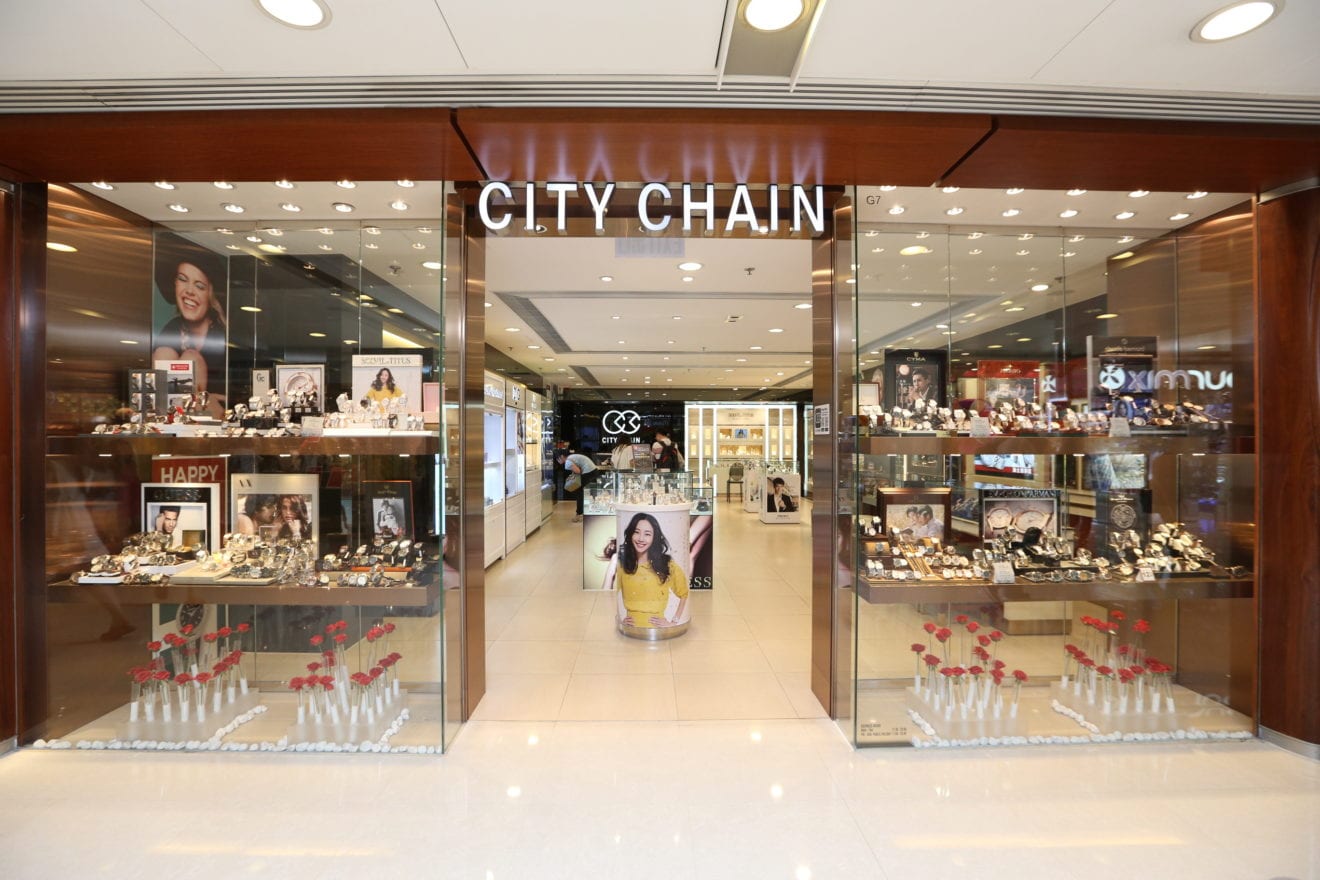
    The main contributor of the decline would appear to be the City Chain jewellery and watch operation which has been hit by changing tourist spending patterns in Hong Kong and weak consumer sentiment in Malaysia, Singapore and Thailand. Stelux did not release figures for that subsidiary.

    The unaudited consolidated turnover of the Group for the nine months to December 31 was HK$2.637 billion, a decrease of 11.4 per cent, or 8 per cent on a foreign exchange neutral basis.

    “The group maintains stable liquidity with reduction of inventory by around 7 per cent and 15 per cent against that as at the end of September 2015 and March 2015 respectively,” the statement concluded.

  • DHL eCommerce Eyes Thailand’s Fast-Growing Online Retail Sector

    DHL eCommerce Eyes Thailand’s Fast-Growing Online Retail Sector

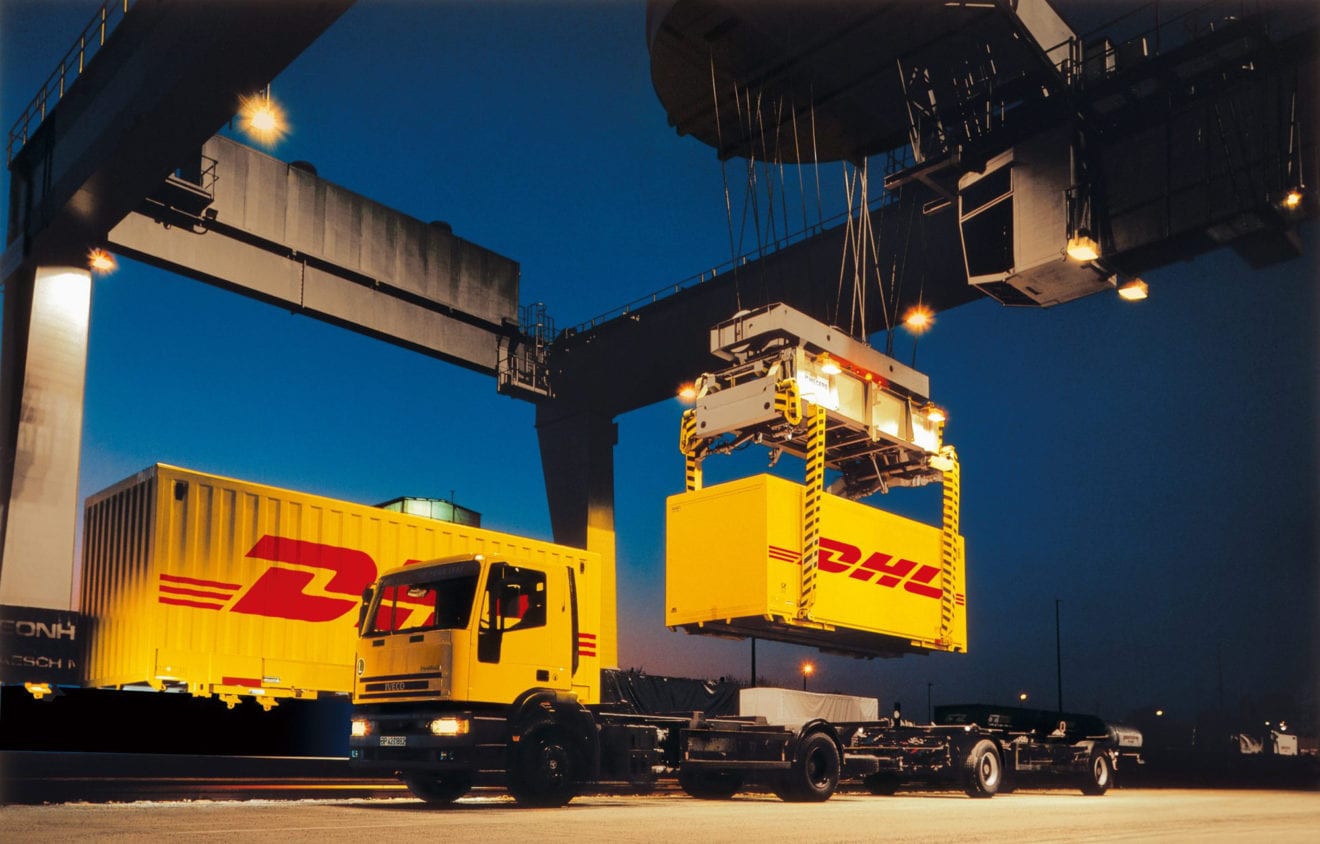
    DHL eCommerce, a division of the world’s leading logistics company, Deutsche Post DHL Group, has expanded its operations into Thailand and is offering end-to-end domestic delivery service for Thai e-commerce merchants. With its new service, DHL eCommerce is offering a range of unique service options that caters to Thailand’s burgeoning e-commerce market.

    Understanding that a strong backbone for e-commerce growth lies in a good logistics system, DHL eCommerce aims to enable a better e-commerce experience for both consumers and merchants through efficient logistics and a seamless online shopping experience. Major additions will be made to DHL’s delivery infrastructure in the country, including a 3,000 sqm central distribution center in Bangkok and a network of over 20 depots located throughout Thailand ensuring full coverage across the entire country. To meet increasing business demands, DHL plans to more than double the number of depots in Thailand by 2017 and expand its fleet primarily in two-wheel vehicles that can operate more efficiently in the traffic situations in Thailand’s major cities.

    As part of its service offerings, DHL eCommerce’s fleet of two- and four-wheel vehicles will provide next-day delivery to all urban areas, and a 2-3 day delivery to all other locations. All merchants have access to Cash on Delivery (COD) with daily remittance and access to a multilingual call center.

    DHL eCommerce launches in Thailand

    The launch of DHL eCommerce in Thailand is a great showcase for Strategy 2020, the corporate strategy of Deutsche Post DHL Group, which has seen a rename of its Mail division to “Post – eCommerce – Parcel” to better reflect the focus on products and services offered for the high-growth e-commerce market. DHL has been operating in Thailand since 1973, through its other business units – DHL Express, DHL Global Forwarding and DHL Supply Chain.

    “Thailand, with its tremendous growth potential, fast e-commerce adoption and high smartphone penetration rates, has been identified as the first Southeast Asian country to launch DHL eCommerce’s domestic delivery service in line with our group’s Strategy 2020,” said Thomas Kipp, CEO, DHL eCommerce. “The Thai e-commerce market is expected to more than triple in size to EUR 3.6 billion between now and 2020[1] and with this investment, we are well positioned to support the growth of e-commerce businesses in Thailand.” 

    “We see major strategic opportunities for e-commerce growth in Thailand, particularly with the Asean Economic Community which is expected to increase the movement of goods within the region. Despite e-commerce already being a billion-dollar sector with extremely rapid adoption, Thailand’s e-commerce share of the retail market is still relatively low compared to other high-growth economies. Only 1.7% of total sales in Thailand are obtained from e-commerce, compared to more than 10% in China,” said Malcolm Monteiro, CEO, Asia Pacific, DHL eCommerce. “Thailand is ranked as one of our top priority markets in Southeast Asia: its expected annual market growth of more than 20% (from 2014 to 2020) is likely to be largely driven by significant numbers of SMEs beginning to extend their business models into online marketplaces.”[2]

    “In order to fulfill Thai consumers’ expectations of seamless and simple e-commerce, businesses need logistics services that keep up with extremely rapid changes in consumers’ expectations while providing high operational excellence,” said Kiattichai Pitpreecha, Managing Director, DHL eCommerce Thailand. “This makes the need for a tailored e-commerce delivery service greater than ever before – so that merchants, especially SMEs, can focus on their core business and grow faster based on a high performing logistical backbone.”

    “Our successful offerings in India and China have proven that exceptional customer service bolstered by robust and scalable end-to-end delivery networks are the two essential ingredients needed to win e-commerce market share. That applies to all players, from small businesses to multinational retail conglomerates,” added Malcolm Monteiro, CEO, Asia Pacific, DHL eCommerce. “As Thai consumers continue to come online and join the region’s appetite for e-commerce, we are confident that our services will give customers both a first-mover advantage and a unique competitive edge.”

  • Siam Piwat mounts “The Siam Prosperous Chinese New Year 2016”

    Siam Piwat mounts “The Siam Prosperous Chinese New Year 2016”

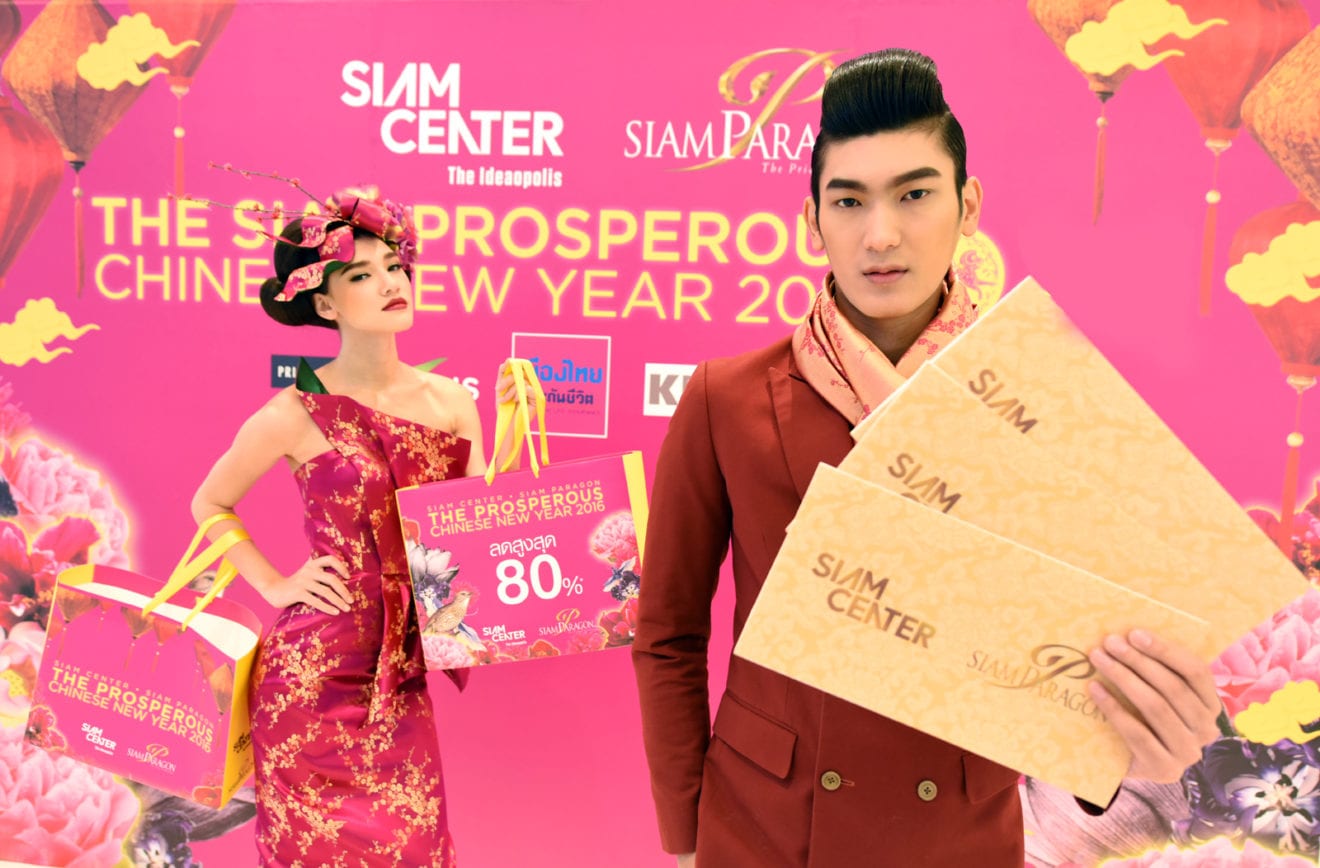
    Siam Piwat Company Limited—the operator of Siam Paragon and Siam Center—together with Muang Thai Life Assurance Public Company Limited, Kasikornbank, and Advanced Info Service Public Company Limited, sends happiness during Chinese New Year to welcome the lucky year by launching a special campaign “The Siam Prosperous Chinese New Year 2016” to boost spending during the festival and to attract local shoppers and international tourists to the shopping centers where they enjoy shopping for propitious items as well as fashion and lifestyle ones from leading brands in Siam Paragon and Siam Center. Moreover, the two shopping centers are offering a blow-out sale with up to 80% discount while giving customers a chance to win Siam Ang Pao (red envelope) and many other prizes totaling over 7.5 million baht.

    These special promotions are available from 3 February to 13 March 2016. Siam Paragon also holds a special activity “Siam Paragon The Prosperous Chinese New Year 2016”, allowing its visitors to witness the magnificence of a Hong Kong-based rare-to-see performance “The Magic of Seven Animals of the Gods” by “Lok Chee Fu”—the old performance troupe renowned for over eighty years. The official opening of the event is schedule on Thursday, 4 February 2016 at 17.30 hrs at Parc Paragon. The performance is open to the public with free of charge from 5 to 8 this February, one session a day at Parc Paragon from 17.00 hrs onward.

    Miss Chanisa Kaewruen, Deputy Managing Director for Marketing Events and Business Relations, Siam Piwat Co., Ltd., says, “Every year during the Chinese New Year festival sees a big increase in spending. Siam Piwat has been investing in activities and promotions in order to boost sales in the first quarter. As seen previously, we are constantly holding activities to celebrate many occasions from the New Year festival to Children’s Day and upcoming Chinese New Year and Valentine’s Day. Each of the previous activities attracted the attention of many Thai shoppers and foreigners, allowing the lively economic atmosphere and boosting sales.”

    Chanisa Kaewruen, Deputy Managing Director for Marketing Events and Business Relations, Siam Piwat (center) and models

    Chanisa continues, “The Chinese New Year festival marks the celebrations of Chinese New Year and the ASEAN Economic Community (AEC). Siam Paragon and Siam Center consequently mount “The Siam Prosperous Chinese New Year 2016”, the first campaign with a budget of over 7.5 million baht to have special activities and promotions. This is to create atmosphere which will then persuade consumers, both Thai shoppers and foreign tourists into spending more—making the economy flow—on fashion products, clothes, accessories, gold jewelry, IT products, food products to name but a few. The Chinese New Year festival is the festival which has the biggest spending of the year, allowing an immense amount of money spent each year. This festival manages to attract more tourists—especially the ones from China, Hong Kong, Taiwan, Singapore and South Korea—to the shopping centers than ever. These tourists of Chinese descent are almost 50 percent of the number of foreign tourists who enjoy visiting the two shopping centers. At the same time, this Chinese New Year marks the first year when the ASEAN Economic Community has been officially effective. More Asian people of Chinese descent from different countries joining in the AEC are expected to travel and spend in Thailand.”

    The promotional campaign to welcome this Chinese New Year includes a parade of full-on promotions that feature a chance to win grand prizes. Simply spend every 2,000 baht in the two shopping centers, get one lucky-draw coupon to have a chance to win several special prizes worth over 7.5 million baht. The biggest prizes include gold bullion worth 1 million baht with a quota of one, Royal Barge Suphannahong’s propitious piece of craftsmanship made of 99.9% yellow gold by Prima Art, with a quota of two, as well as eight propitious trees made of 99.9% yellow gold by Prima Art with a quota of twenty. Customers with top spending of the week instantly win The Scarlett Clinic’s Golden Ratio Body Contouring course worth 100,000 baht with a quota of twenty four. Plus many privileges from the participating credit cards.

    Last but not least, the campaign allows customers to go on shopping thanks to “Siam Chinese New Year Sale”—the sale which offers up to 80% discount on items from leading brands from 3 to 14 February 2016. Special Siam Ang Pao, aka Siam red envelopes, are also given away to win many prizes such as gift vouchers from shops, discount cards and complimentary vouchers from service shops in the two shopping centers. These Ang Pao are available from 6 to 8 February 2016 for any customer who shops in Siam Paragon and Siam Center. Very special to Siam Paragon’s customers only on 8 February, spending of 300,000 baht instantly gets TWG Hamper Set worth 10,000 baht with a quota of ten.

    Enjoy shopping with the promotion “The Siam Prosperous Chinese New Year 2016” in celebration of Chinese New Year from 3 February to 13 March 2016 in Siam Paragon and Siam Center.


  • Charoen said to also compete for Big C in Thailand, Vietnam

    Charoen said to also compete for Big C in Thailand, Vietnam

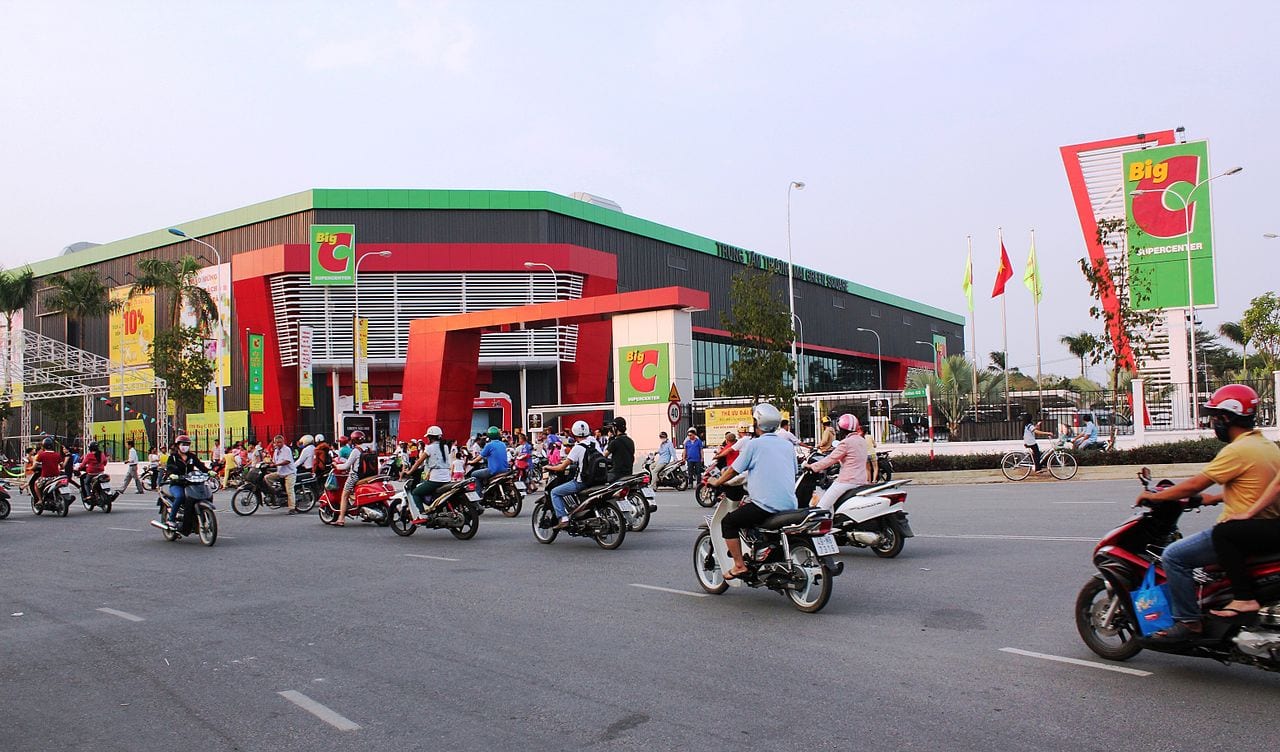
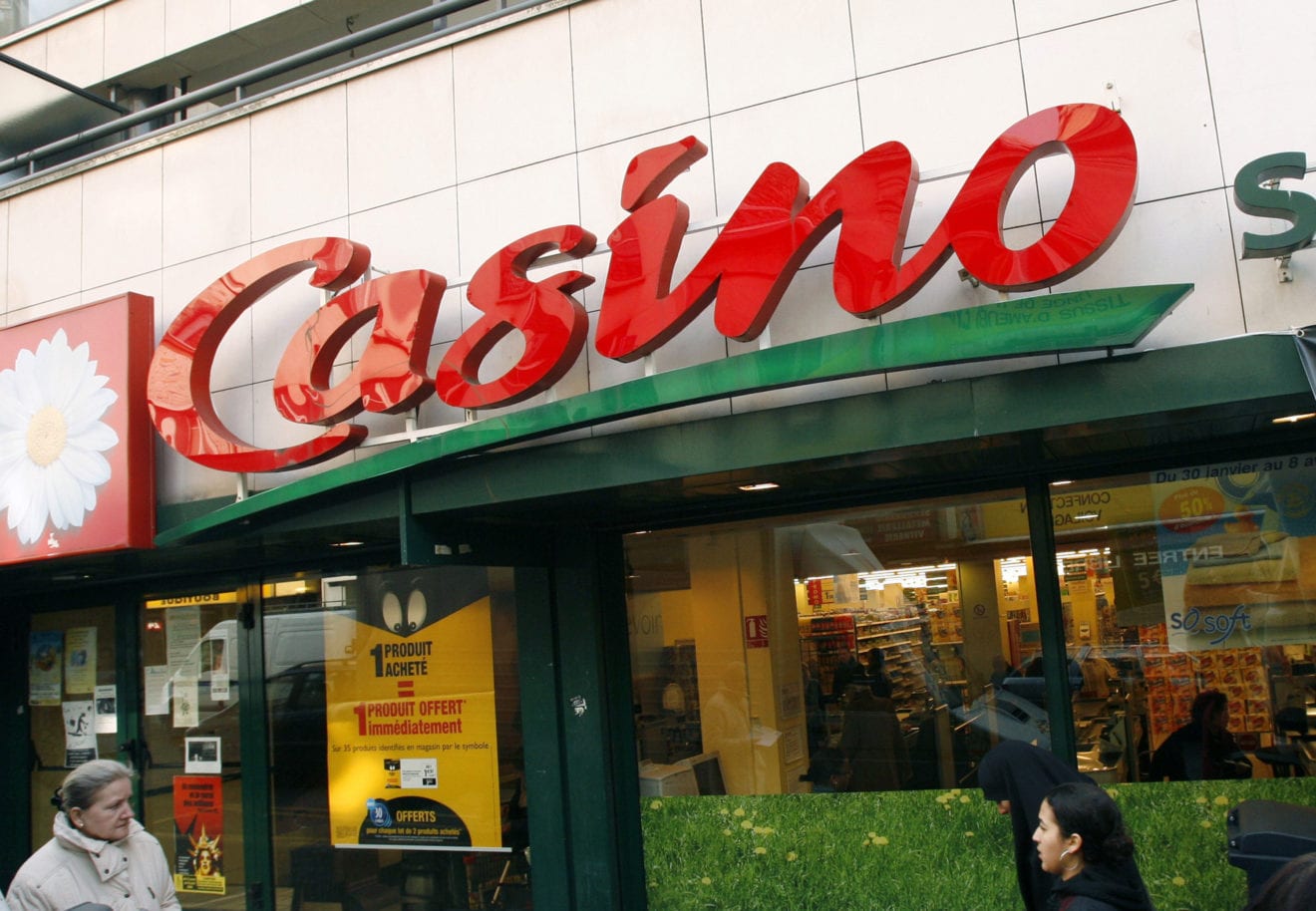
    Some of Thailand’s richest families are preparing to compete for the Southeast Asian operations of French supermarket operator Casino Guichard-Perrachon SA, according to people with knowledge of the matter.

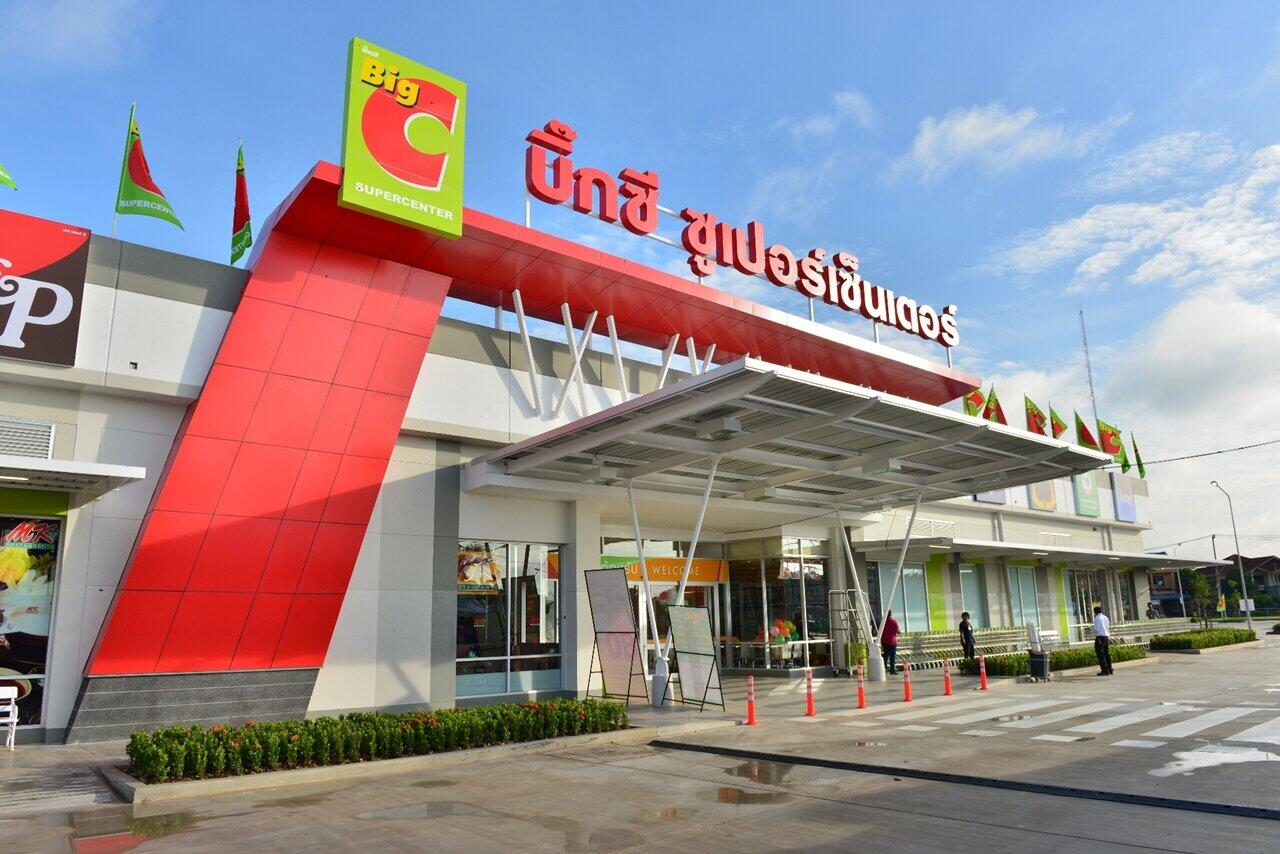
    Billionaire Charoen Sirivadhanabhakdi’s TCC Holding Co and the Chirathivat family’s Central Group are weighing first-round bids for the Big C Supercenter chains in Thailand and Vietnam, which are due Feb 5, the people said.

    The companies have been speaking with banks about advisory roles and financing options, according to the people, who asked not to be named as the process is private.

    Casino’s controlling stake in Bangkok-listed unit Big C Supercenter Plc could fetch more than $3 billion (108.4 billion baht), while a sale of its Vietnam business could raise as much as $800 million, the people said. The Vietnamese operations have also drawn interest from Tokyo-based retailer Aeon Co, two of the people said.

    A deal would add to the $54.9-billion of acquisitions in Southeast Asia over the past 12 months, data compiled by Bloomberg show. The proposed disposals are part of Casino’s plan to cut debt by more than €4 billion ($4.3 billion) this year, after its share price slumped more than 50% in the past 12 months.

    Casino may sell its businesses in the two countries together or separately, depending on the offers it receives, the people said. The French company owns 58.6% of SET-listed Big C Supercenter.

    A person who answered the phone at Mr Charoen’s office in Bangkok said he wasn’t available for comment. Spokesmen for Aeon and Big C Supercenter declined to comment, while representatives for Casino, Central Group and TCC didn’t answer phone calls seeking comment. An investor-relations official for Berli Jucker Plc, the Bangkok-listed consumer goods distributor controlled by TCC, also didn’t answer a phone call seeking comment.

    Central Group is among Thailand’s biggest conglomerates, employing over 70,000 people in businesses from retail to real estate, according to its website. It bought Italian luxury department store La Rinascente in 2011 and Danish department store Illum in 2013.

    TCC, led by Thailand’s richest man, agreed last year to buy Metro AG’s Cash & Carry wholesale business in Vietnam for €655 million. The conglomerate acquired control of Singapore food and beverage maker Fraser & Neave Ltd in 2013.

    Big C Supercenter, founded by the Chirathivat family, opened its first store in Bangkok in 1994, according to its website. Casino took control of the Thai-listed company five years later.

    Shares of Big C Supercenter have gained 15% this year, giving it a market value of 191.4 billion baht ($5.3 billion). The company has 580 stores in Thailand at the end of March 2014, ranging from hypermarkets to convenience stores, according to its website.

  • Toyota Thailand industry auto sales seen down 10 pct in 2016

    Toyota Thailand industry auto sales seen down 10 pct in 2016

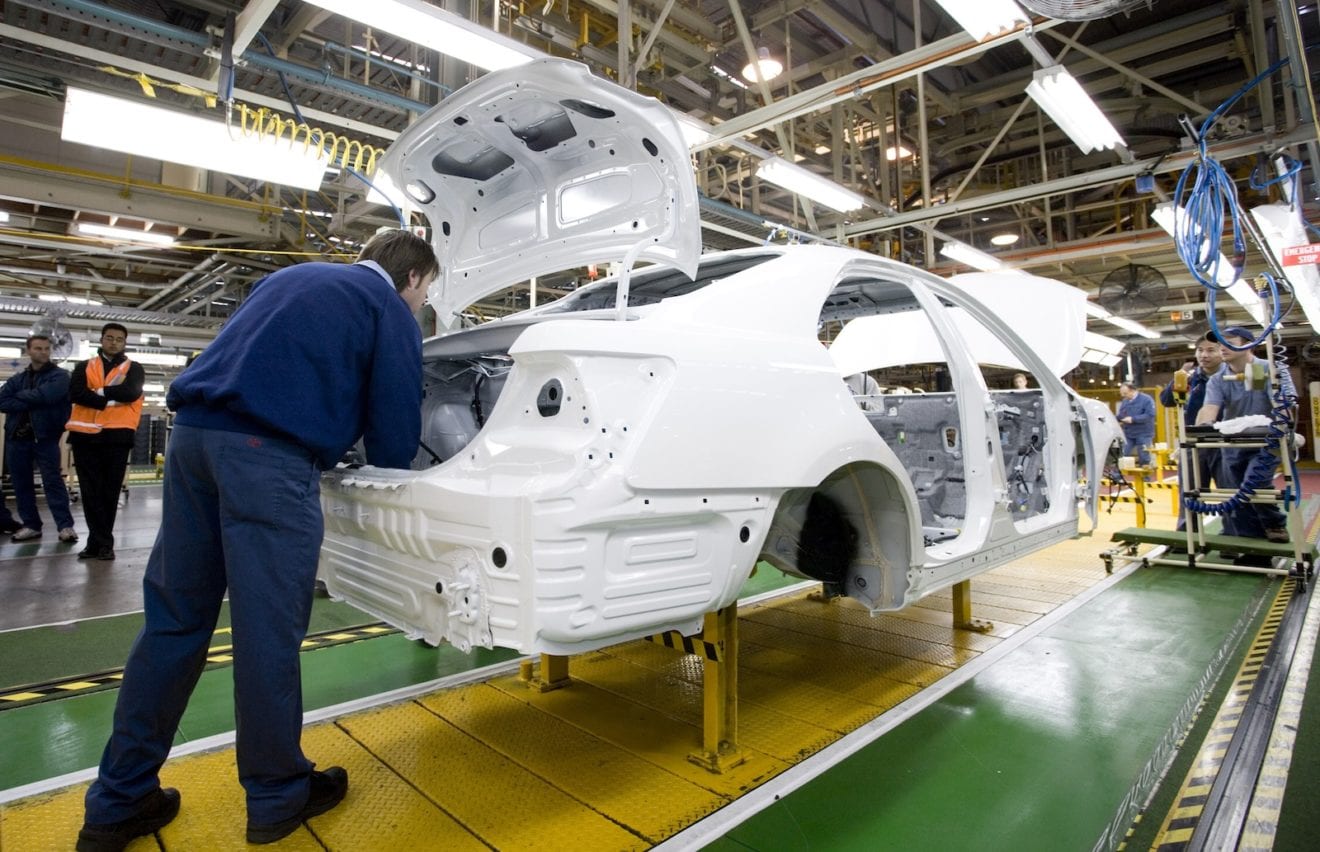
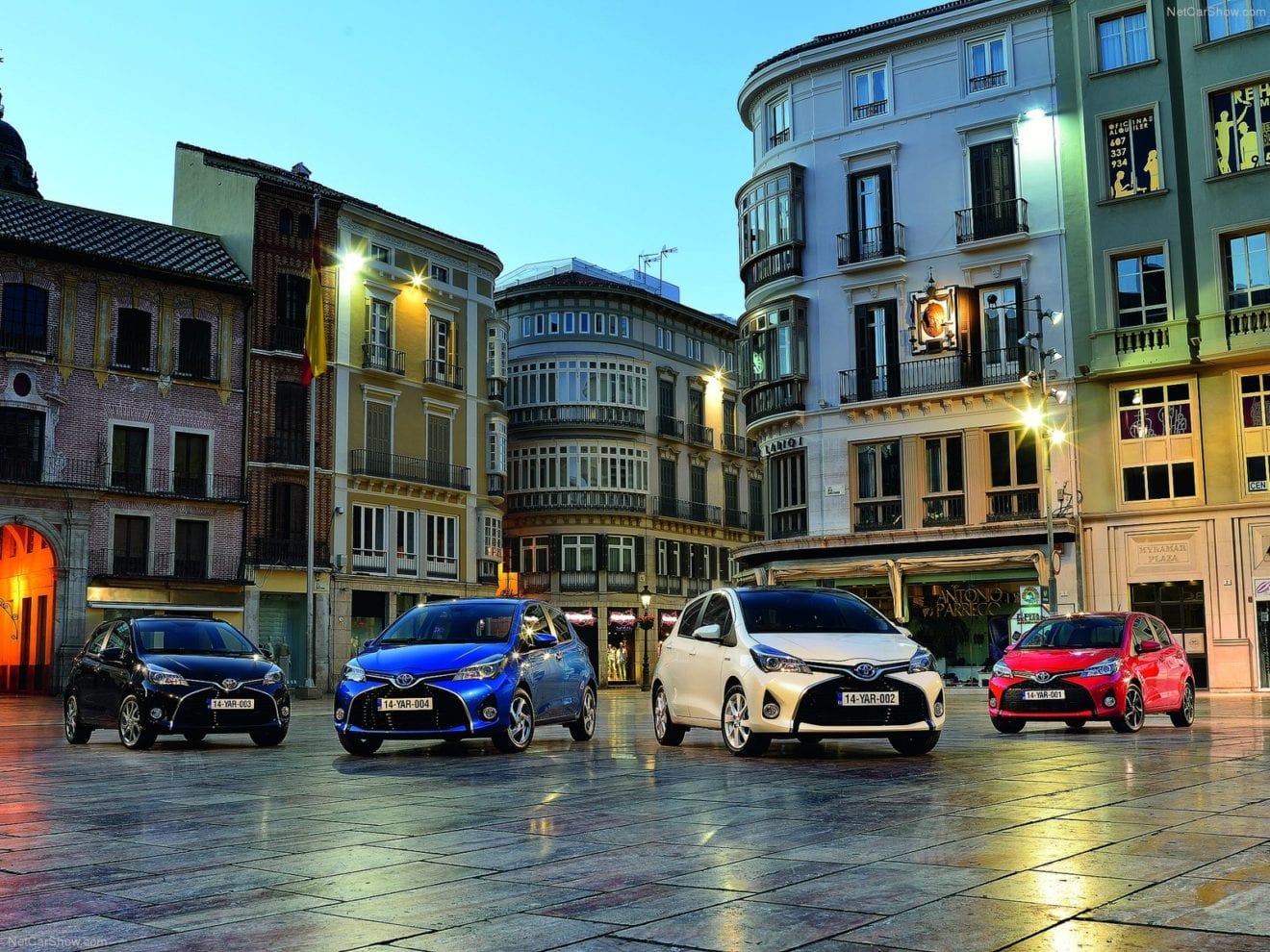
    Thailand’s total domestic car sales are expected at 720,000 in 2016, down 10 percent from 2015, Toyota Motor Corp’s Thai unit said on Thursday.

    Toyota, which commands about a third of the Thai market, sees a 9.8 percent fall from 2015 in its annual automotive sales in the Southeast Asian nation to 240,000 in 2016, it said at a news conference.

    Kyoichi Tanada, president of the Toyota Thai unit, said the reason for the fall in both domestic car sales and Toyota’s own car sales were a weak global economy and a new Thai excise tax which would increase the retail prices of vehicles in 2016.


  • Thailand Plans to Boost Northeastern Economy

    Thailand Plans to Boost Northeastern Economy

    Thailand’s northeastern economy, among the poorest in the country, is looking to expand trade with neighboring Laos and business in the Greater Mekong Subregion (GMS) as it recovers from a two-year recession.

    The downturn was triggered by an end of populist programs heralded by the former government of Yingluck Shinawatra. The May 2014 coup ended her almost three year administration and brought an end to programs led by a rice price pledging scheme.

    Under the program, farmers were paid at rates some 50 percent above the global market before the effort collapsed, costing Thai taxpayers more than $14 billion and leaving farmers across the region deeply in debt.

    While the good times lasted, funds triggered a boom in retail and commercial investment and spending. Major department stores sprang up in towns such as Ubon Ratchathani and Udon Thani.

    A rice farmer collects snails and cleans the rice field near Udon Thani, Thailand, Sep. 15, 2015.

    A rice farmer collects snails and cleans the rice field near Udon Thani, Thailand, Sep. 15, 2015.

    But now retailers report sluggish sales and the Thai central bank warns of growing indebtedness among farmers as rice prices fall to their lowest in six years.

    Agriculture accounts for some 20 percent of the region’s economy, followed by trade. Household incomes in the Northeast are the lowest in Thailand, at close to $550 a month, well short of the nearly $1,200 earned per month in the Bangkok region.

    Border trade

    But Athikarn Ringcharoen, president of the Chamber of Commerce in Amnat Charoen province, bordering Laos, said the local economy was starting to pick up although still below levels of two years ago.

    Athikarn said government policy support and increased cross border trade with Laos, was helping the recovery. He added that despite the poor state of the global economy, the provincial outlook was “OK”.

    Infrastructure spending is also set to come to the aid of the region.

    Athikarn said plans to upgrade a Royal Thai Airforce airstrip to a regional airport less than 30 kilometers from Amnat Charoen town were also welcome.

    Long term infrastructure set to benefit the region includes the $10 billion China-Thai 870 kilometer rail-line from Nong Khai, bordering with Laos, to Bangkok. On the horizon is the Japan-Thailand rail-line from Tak province, bordering Myanmar, to Mukdahan, bordering Laos.

    Ubon Ratchathani University political scientist, Titipol Phakdeewanich, said cross border trade ties have helped eased the downturn.

    “Many businesses are now more open to customers from Laos. If you go to different malls – they have signs in Lao [language] and when the market is more connected – to some extent – it helps to provide a cushion to the local economy. So the local economy in the area I don’t think it’s entirely dependent on the global market,” said Phakdeewanich.

    Government spending

    The military government’s economic czar, Deputy Prime Minister Somkid Jatusripitak, has announced spending of over $970 million in projects directed to 70,000 villages nationwide.

    Analysts say the program mirrors similar initiatives under previous governments of so-called “village funds” to boost rural consumption.

    The Federation of Thai Industries, while welcoming the programs, say more measures are needed to ensure growth is sustained.

    The Federation warns the rural sector remains vulnerable to falling commodity prices that may impact some 30 million people in the farm sector – almost half the national population.

  • Thailand Lingerie Sales Rise As Temperatures Fall

    Thailand Lingerie Sales Rise As Temperatures Fall

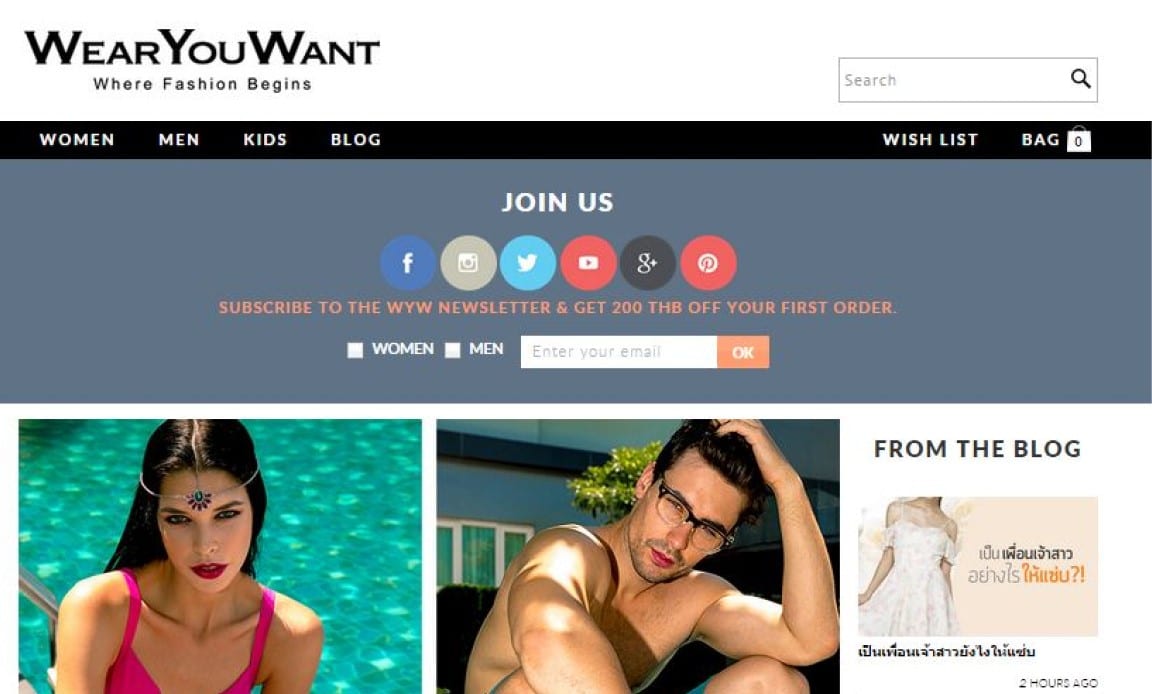
    WearYouWant, Thailand’s leading online fashion marketplace and beauty platform reports that far from adding on extra layers to guard against the sudden chilly weather, Thais could be doing the opposite – staying indoors more and wearing less!  With temperatures dropping the site has seen a sudden rise in lingerie traffic and sale in Thailand.

    It seems that instead of digging out an old sweater or cardigan, the cold weather is inspiring more cuddle-time with couples. Of course Thailand’s/Bangkok’s fashion conscious want to look great whether they are stepping out and about or snuggling up with a loved one at home…in their underwear.

    WearYouWant recorded a 70% increase in the sales of lingerie since the temperature plunged early this week.

    There are no doubt many who are hoping that the cold-blast continues for a little longer yet.  Many others are also now realizing that their undergarments need an upgrade and are logging on to WearYouWant to get their lingerie delivered straight to their door so they do not have to go out in the cold!

    WearYouWant’s CEO, Julien Chalté, finds the development amusing.

    “We cannot state whether this is related to the weather or not, but it is not difficult to imagine that the chilly temperatures may encourage certain indoor activities for which the lingerie would certainly be useful,” says the CEO with a smile.

  • Imported salted fish flooding Sukabumi market

    Imported salted fish flooding Sukabumi market

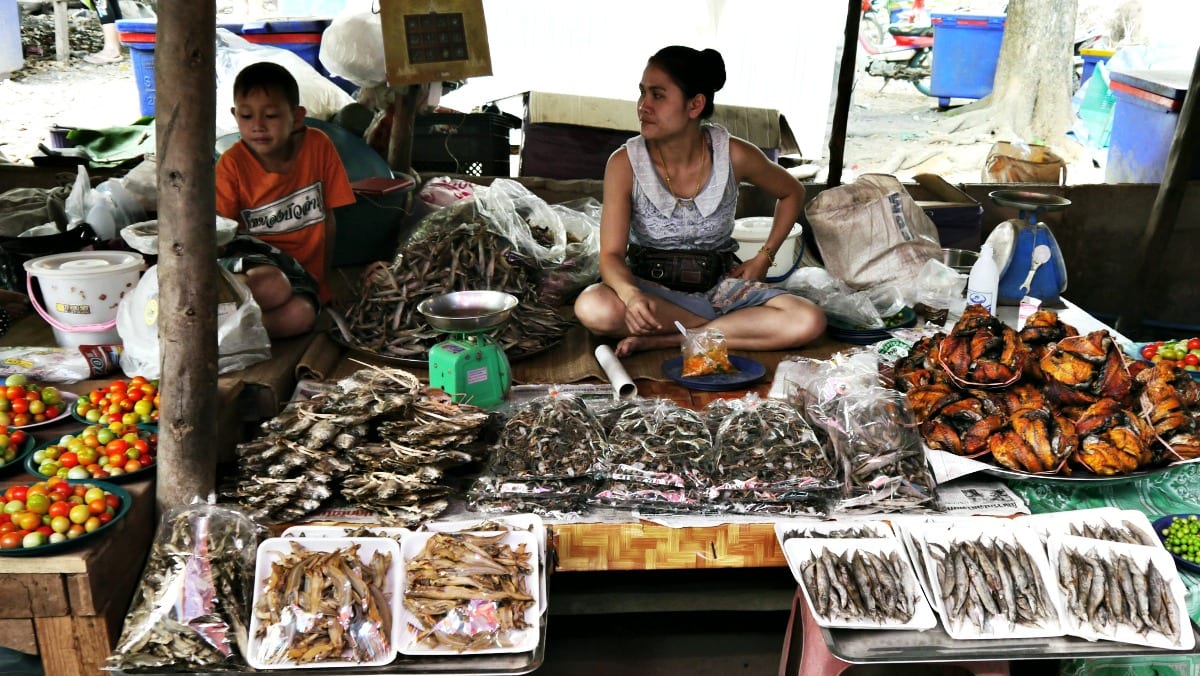
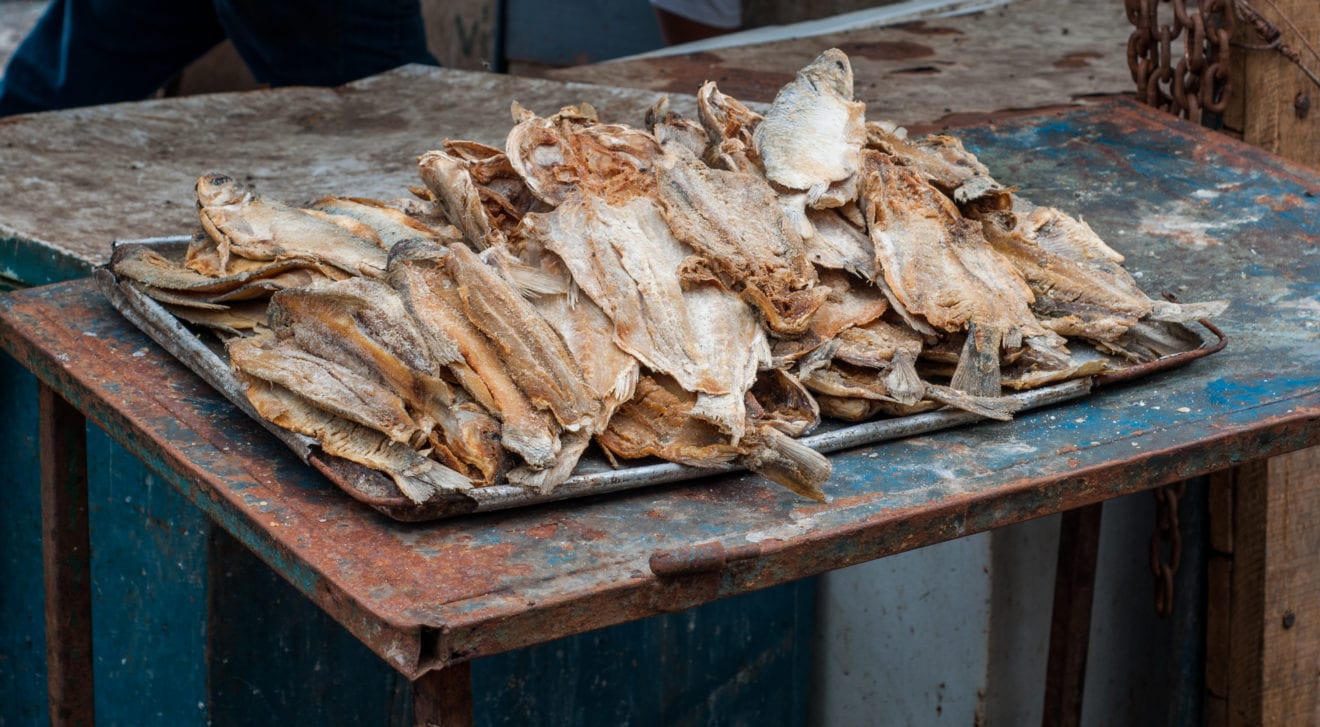
    Imported salted fish products have flooded the traditional markets and attracted consumers in Sukabumi, West Java, because of its low pricing.

    “Imported fish products, including from Thailand and Taiwan, dominated salted fish stalls in Sukabumi,” trader Dani Supriyadi said at Cisaat Market, Sukabumi, on Monday.

    According to him, the imported salted fish products remained the main attraction at the local traditional market due to scarcity of local fish supplies.

    Traders opted for imported products to meet the market demand for salted fish, and stocked them. Another reason for the popularity of the imported salted fish is its low price, compared to the fish produced domestically.

    Sadly, domestic salted fish has been difficult to find lately, because of its limited stock.

    The quality of local salted fish products in the country is better than the imported stock, yet it cannot last long because it is processed traditionally. It does not use chemical preservatives.

    “The local salted fish products should dominate the domestic markets because Indonesia has access to vast water resources in the form of Indian Ocean and Pacific Ocean, in comparison to Taiwan and Thailand which have rare Sepat fish species and anchovies,” he added.

    Meanwhile, Chairman of Palabuhan Ratu Community Collectors and Fish Processing Palabuhanratu, Telly Supriatna said too little catch of anchovies ios now found in Indonesia due to inappropriate weather. It is believed that since December 2015 and till April this year, the supply will continue to decrease.

    When entering the rainy season, salted fish processing declines due to the fact that drying process takes a long time. As a result, next April, fish production will decrease and supply will fall as well.

    “Salted fish processing in Indonesia is mostly done traditionally, relying on nature for its drying process. Compared to imported products that are already using modern tools, our products become less competitive in the market,” he said.

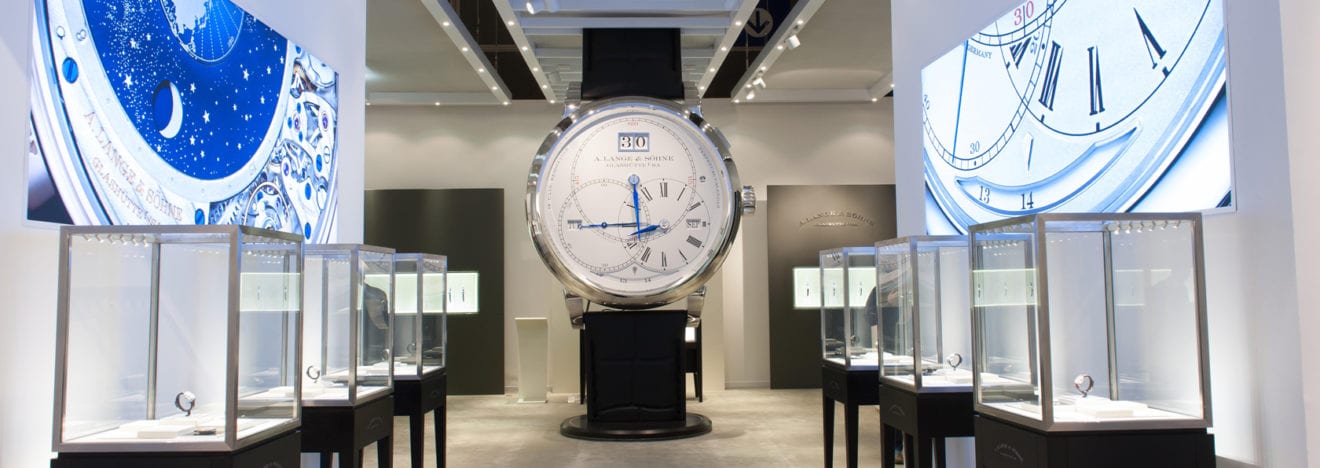
  • Tight market hits Watches & Wonders

    Tight market hits Watches & Wonders

    With sales slipping in the industry’s largest market, the annual Watches & Wonders exhibition in Hong Kong may be cut back to every two years.

    High-end watchmakers are looking at a shift in strategy in Hong Kong in the face of the most severe downturn the industry has faced since the 2008-09 financial crisis, reports Reuters.

    Branching out from the two biggest trade shows in Switzerland, the Salon International de la Haute Horlogerie (SIHH) in Geneva and Baselworld, Watches & Wonders was launched in 2013 by theFondation de la Haute Horlogerie, which is now talking with exhibitors about the show’s future format, according to Richard Mille, CEO of independent watchmaker Richard Mille.

    Watches & Wonders mainly showcases Richemont-owned brands like Cartier, Montblanc and Vacheron Constantin, as well as some independents, reports Bloomberg.

    “Some brands have been fighting to get out, completely out, to stop Watches & Wonders,” Mille said at this week’s SIHH in Geneva, the industry’s first event of the year.

    “Some of the brands want to do it every two years, some say every year. It’s a negotiation.”

    A decision will be made after this week’s show, according to foundation chairwoman Fabienne Lupo.

    The event also competes with the annual Hong Kong Watch & Clock Fair, which had nearly 800 exhibitors last year.

    China’s crackdown on extravagant spending plus currency fluctuations have hit the demand for expensive timepieces in Hong Kong, with Swiss watch exports to the island city plunging 23 per cent in the first 11 months of 2015, and facing the first annual decline since 2009. TAG Heuer closed one of its Hong Kong stores in August.

    Mille, whose watches sell from about 70,000 Swiss francs ($70,000) upward, says the objective of exhibiting in Watches & Wonders is to make contact with clients who are unable to attend the boutique shows. “It’s not cheap, but it’s worthwhile.”

    Meanwhile, high-end watchmakers are considering expanding their range of more affordable products. Executives at the Geneva event say the industry is having to adapt to a market with fewer Chinese, Middle Eastern and Russian buyers than a year ago, an outcome of record low oil prices and signs of economic weakness in China.

    Cartier, Richemont’s leading brand and main source of profit, is presenting more models than ever at more accessible prices at this week’s SIHH. Among them is Cartier’s new Drive model, a steel-cased men’s watch priced at a little more than 5000 euros ($5430). Previously, Cartier would offer only new models in gold and leather, with prices starting at more than 10,000 euros.

    Sister brand Piaget, generally starting no lower than 10,000 euros, has re-launched a women’s line starting at about 7000 euros, while Richemont stablemate Montblanc has introduced a wide range of lower-priced models.

    Montblanc CEO Jerome Lambert says that whatever happens, his company will stay active in Hong Kong with major exhibitions.

    “There is a different price awareness among customers now… and less price elasticity,” Piaget chief executive Philippe Leopold-Metzger told Reuters at the fair. “Times are difficult.”

    Several watchmakers have cut staff numbers in recent months, including Kering‘s newly acquired Ulysse Nardin and privately owned Parimigiani and Christophe Claret. Piaget closed a boutique in Shanghai last month, and Parmigiani plants to cut back its global outlets to about 250 from around 300 by the end of the year.

    Van Cleef & Arpels, one of the fastest-growing brands within the Richemont group, has also seen a slowdown in Hong Kong, Macao and the US. It is looking at new growth opportunities in such markets as Australia, Canada and Thailand, where it has just opened a store.

  • Thai Central says keen to bid for Casino’s units in Thailand, Vietnam

    Thai Central says keen to bid for Casino’s units in Thailand, Vietnam

    Thailand’s largest retail conglomerate Central Group is keen to bid for Casino Group’s Thai and Vietnam operations, a company executive said.

    Casino owns 58.6 percent of Big C Supercenter Pcl, which has a total a market value of $5.5 billion. Casino said last week it was keen to sell this stake after announcing it would sell its Vietnam unit in the first quarter.

    “We are interested in both Big C in Thailand and Vietnam,” Prin Chirathivat, deputy chief executive officer told Reuters.

    “If the prices are not too expensive, we will be keen to bid,” Prin said adding his family, the Chirathivats, has a combined 25 percent stake in Big C. Central has been actively looking to buy assets overseas as it wants to expand into Southeast Asia and Europe.


  • Auto market flooded with imports from Thailand, Indonesia

    Auto market flooded with imports from Thailand, Indonesia

    A report of the General Statistics Office (GSO) showed a high car import growth rate in the last year. Vietnam imported $6 billion worth of cars in 2015, an increase of 59 percent in comparison with 2014.

    These include 125,000 CBU cars (complete built unit) worth $3 billion, an increase of 77 percent in quantity and 88 percent in value in comparison with the year before.

    Of the imports, transport vehicles were worth $1.2 billion, less-than-9-seater cars $507 million and large-size cars $34 million.

    Analysts noted that of the 10 largest markets from which Vietnam imports cars, including China, Japan, South Korea, Germany, the UK, France and India, imports from Thailand and Indonesia have seen sharp increase in the last months of the year.

    According to the General Department of Customs (GDC), in the first 11 months of 2015, Vietnam imported 23,516 CBU cars from Thailand, worth $406.1 million. The figures were much higher than 14,416 cars and $243 million in the same period of the year before.Both of them are ASEAN members.

    The car imports from Indonesia were lower than from Thailand, but have also seen a high growth rate. In 2014, Vietnam imported 1,686 cars from the market with the value of $16.9 million. Meanwhile, in 2015, the figure rose to 3.277 and $32.6 million.

    Analysts pointed out that Vietnam also imports vehicles in a large quantity from China, but the imports from the market are mostly trucks and specialized vehicles, while the imports from Thailand and Indonesia are mostly those with less than nine seaters.

    Vietnam not only imports CBU cars from Thailand and Indonesia, but car components as well, $542 million and $105 million, respectively, in 2015, which were even higher than the CBU import turnover.

    Analysts commented that large imports from two ASEAN countries are predictable, especially since the car price decreased by 40-42 percent recently.

    They believe that the imports from ASEAN would dominate the domestic market thanks to their more reasonable prices, compared with imports from developed countries and domestically made products.

    According to the Strategy Research Institute, the car price in Vietnam is much higher than Indonesia because taxes and fees make up 40-50 percent of the cars’ value.

    Toyota Camry in Vietnam, for example, is priced at $50,000, while it is just $40,000 in Indonesia. Similarly, the price of Honda CR-V is $45,000 in Vietnam and $29,000 in Indonesia.

    The Ministry of Finance estimated that from 2019 when the import tariff and luxury tax are cut, cars with cylinder capacity of less than 1,000 cm3 would see prices drop by 42 percent.

    Car owners complain about regulations on equipping their cars with fire extinguisher

    • Renault eyes Vietnam expansion
    • Vietnam buys many Chinese goods, from onions to cars
  • BMW Thailand bully for big-bike boom

    BMW Thailand bully for big-bike boom

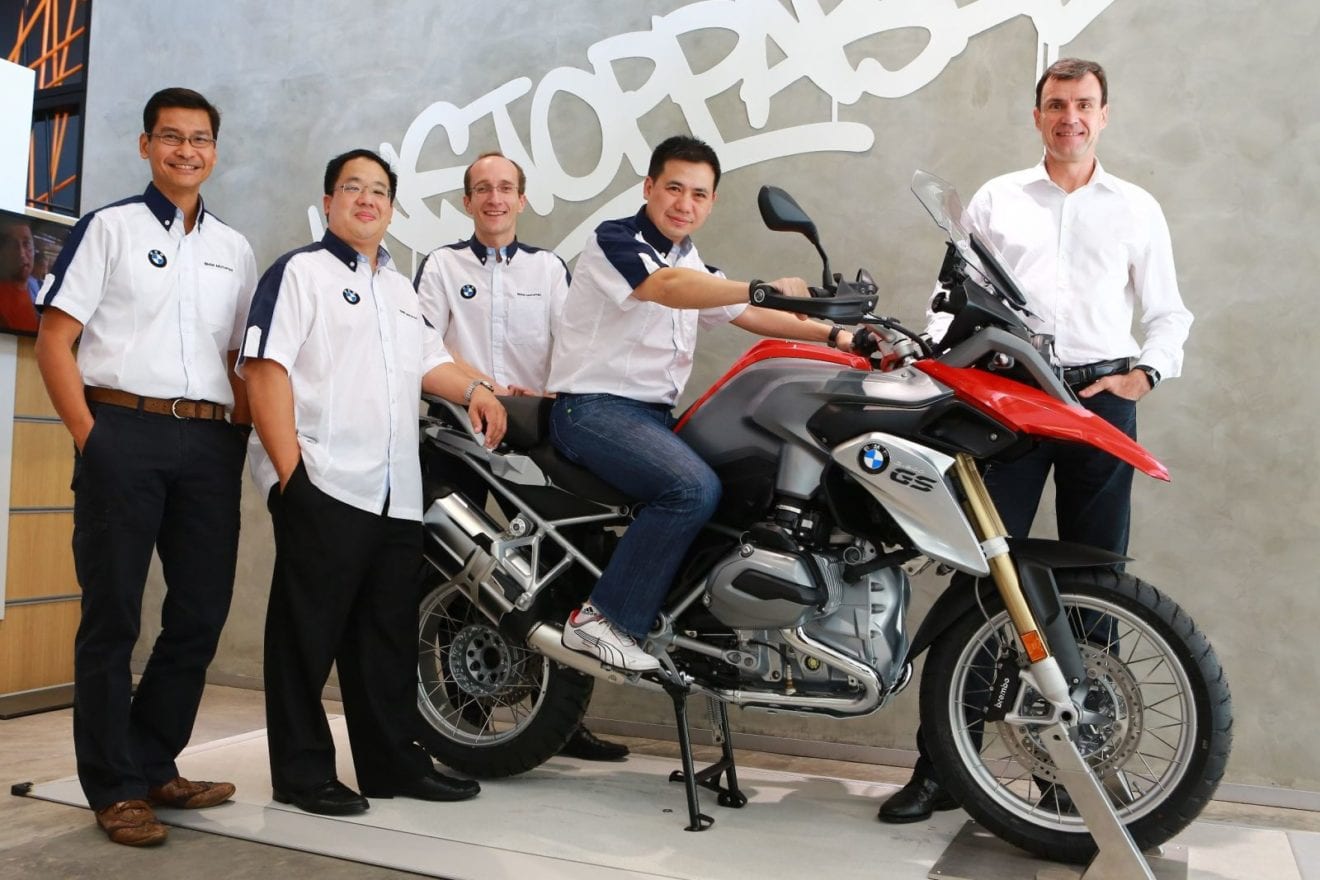
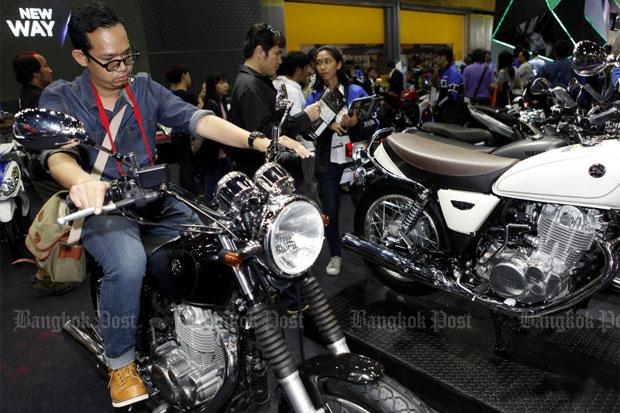
    German luxury car maker BMW Group Thailand is bullish about the prospects of the big-bike market, expecting double-digit growth this year.

    Markus Glaeser, head of BMW Motorrad Thailand, said the market had developed over several years, with many brands and manufacturers making the Thai big-bike market more interesting.

    “As most Thai bikers want to own a second motorcycle, the market will remain very attractive and continue growing going forward,” he said.

    Some 18,000 motorcycles above 500cc were sold here last year, up by 20% from 2014, bucking the bearish overall market, where sales fell by 3.67% to 1.64 million units.

    BMW Motorrad Thailand sold a record 1,280 motorcycles last year, up by 83%, in the top three for sales worldwide last year along with China and Malaysia.

    The group is keen on the local big-bike market because it localised its assembly production at Rayong’s Amata City Industrial Estate in 2014, making BMW Motorrad’s retail prices 30-40% cheaper than imported models.

    Last year, the company spent 1.1 billion baht to double annual production of BMW and Mini models to 20,000 cars and raise production of BMW motorcycles to 10,000 a year from 1,000. New production is due to start this year.

    The Rayong facility makes eight models for BMW and one for Mini, while the eight for BMW Motorrad are the F700GS, F800R, F800GS, F800GT, S1000R, S1000RR, R1200GS and R1200GS Adventure. This is the only site in BMW’s global network with full operations for all three brands.

    Mr Glaeser said BMW Motorrad produced 2,700 motorcycles at its Rayong factory last year, with 1,000 shipped to China and Malaysia. The group is studying the feasibility of exporting more motorcycles to Asian markets this year, as these markets are growing quickly.

    In Thailand the company will introduce the mid-sized G310R motorcycle in the first quarter but has not said whether it would be built locally or imported from India. Mr Glaeser said the mid-sized market was very attractive, with 20,000 sales last year for 250-500cc engines.

  • Online sellers turn Southeast Asia retail industry upside down

    Online sellers turn Southeast Asia retail industry upside down

    Here’s how bad it is in Southeast Asia’s retail industry for sellers. 

    They are paying more to borrow money to keep their business going than consumers do to keep buying from them.

    Courts Asia Ltd., which offers shoppers zero percent long-term credit on higher-end products, has seen its Singapore dollar bond yields rise 28 basis points to 4.34 percent in the past six months and is trying to refinance the note ahead of its May repayment, Bloomberg reports.

    The yield on US currency bonds of Parkson Retail Group Ltd., part of a Malaysian retailer which operates across Southeast Asia, has soared 320 basis points to 10.21 percent.

    Sagging global growth and rising household debt is knocking consumer demand across Southeast Asia, with Indonesian phone seller PT Trikomsel Oke in November becoming the first company to default on Singapore dollar bonds since 2009.

    Retailers that borrowed to finance growth are also losing ground to online market places like Alibaba Group Holding Ltd.

    The median debt load of the region’s retailers rose to 1.75 times operating profit in latest filings compared with 1.3 at the end of fiscal 2014.

    “I have been very careful about some local currency corporate bonds,” said Singapore-based Desmond Soon, co-head of investment management for Asia at Western Asset Management Co., which had US$446 billion under management at Sept. 30 and held Courts Asia bonds as of Nov. 30.

    “Bricks and mortar retailers do have an issue,” Soon said.

    Retail store sales in Singapore dropped for a third month in November, falling 2 percent from a year earlier, Department of Statistics data show.

    Meanwhile, online transactions in the region are growing.

    Singapore Post Ltd.’s domestic e-commerce orders in Southeast Asia and Australia rose 384 percent in the 12 months through November, according to a company presentation.

    Courts Asia, which sells goods from electronics to home furniture in Singapore, Malaysia and Indonesia, began meeting investors last week ahead of its scheduled S$125 million (US$87.1 million) repayment of notes in May. It’s looking to raise funds to help refinance and repay the bond, Courts’s Singapore-based spokeswoman Tammy Teo said.


  • Thai Tycoons Said to Compete for Casino’s Southeast Asia Units

    Thai Tycoons Said to Compete for Casino’s Southeast Asia Units

    Some of Thailand’s richest families are preparing to compete for the Southeast Asian operations of French supermarket operator Casino Guichard-Perrachon SA, according to people with knowledge of the matter.

    Billionaire Charoen Sirivadhanabhakdi’s TCC Holding Co. and the Chirathivat family’s Central Group are weighing first-round bids for the Big C Supercenter chains in Thailand and Vietnam, which are due Feb. 5, the people said. The companies have been speaking with banks about advisory roles and financing options, according to the people, who asked not to be named as the process is private.

    The prospect of a competitive auction for the assets spurred Casino shares Friday, lifting the stock as much as 7.5 percent in Paris. Casino’s controlling stake in Bangkok-listed unit Big C Supercenter Pcl could fetch more than $3 billion, while a sale of its Vietnam business could raise as much as $800 million, the people said. The Vietnamese operations have also drawn interest from Tokyo-based retailer Aeon Co., two of the people said.

    A deal would add to the $54.9 billion of acquisitions in Southeast Asia over the past 12 months, data compiled by Bloomberg show. The proposed disposals are part of Casino’s plan to cut debt by more than 4 billion euros ($4.3 billion) this year, after its share price slumped 45 percent in 2015. Attacks on the grocer’s accounting by short-seller Carson Block’s Muddy Waters LLC have accelerated that drop in the past month.

    Department Stores

    Casino may sell its businesses in the two countries together or separately, depending on the offers it receives, the people said. The French company owns 58.6 percent of Bangkok-listed Big C Supercenter.

    A person who answered the phone at Charoen’s office in Bangkok said he wasn’t available for comment. Spokesmen for Aeon and Big C Supercenter declined to comment, while representatives for Casino, Central Group and TCC didn’t answer phone calls seeking comment. An investor-relations official for Berli Jucker Pcl, the Bangkok-listed consumer goods distributor controlled by TCC, also didn’t answer a phone call seeking comment.

    Central Group is among Thailand’s biggest conglomerates, employing over 70,000 people in businesses from retail to real estate, according to its website. It bought Italian luxury department store La Rinascente in 2011 and Danish department store Illum in 2013.

    Richest Man

    TCC, led by Thailand’s richest man, agreed last year to buy Metro AG’s Cash & Carry wholesale business in Vietnam for 655 million euros. The conglomerate acquired control of Singapore food and beverage maker Fraser & Neave Ltd. in 2013.

    Big C Supercenter, founded by the Chirathivat family, opened its first store in Bangkok in 1994. Casino took control of the Thai-listed company five years later.

    Shares of Big C Supercenter have gained 15 percent this year, giving it a market value of 191.4 billion baht ($5.3 billion). The company had 580 stores in Thailand at the end of March 2014, ranging from hypermarkets to convenience stores, according to its website.