Tag: Thailand

  • Fashion and beauty ecommerce WearYouWant Attracts Middle East Oil Funder

    Fashion and beauty ecommerce WearYouWant Attracts Middle East Oil Funder

    WearYouWant, Thailand’s leading online fashion marketplace has secured its final round of Series B funding from what might be considered an unlikely source – business-savvy venture capitalists with a history of developing oil & gas in the Middle East. The investment is a real boost to Thailand’s growing reputation as an e-commerce hub and an impressive acknowledgement of WearYouWant as a leading online platform within that industry.

    Sebrina Holdings, based in Singapore, is a multi-asset class family office with a legacy that has mainly focused on oil & gas assets in Asia and the Middle East. The holding company also invests in. “extraordinary entrepreneurs and breakthrough ideas”. The WearYouWant investment concludes the fashion platform’s Series B funding round with an undisclosed sum. WearYouWant will utilize the cash injection to add onto ongoing Series B-funded initiatives.

    According to Julien Chalté, Co-Founder & Co-CEO of WearYouWant.com the holding company investment represents a positive step forward.

    Julien Chalte_WYW (1)

    “The funding from Sebrina Holdings is testament to the solid reputation of WearYouWant as an established e-commerce business with great potential and a welcome investment following the company’s success in 2015. As a result, we will continue our efforts in securing a greater foothold in vertical markets, strengthening our fashion community brand’s assets in the marketplace, with potential for expansion on a regional level, as well as developing our WearYouWant native app.”

    Director of Assets Group, Sebrina Holdings, Raouf Kizilbash sees real business potential in the WearYouWant investment based on the Thai e-commerce fashion marketplace company’s past success and future plans. “Joining WearYouWant is a good opportunity for us. WearYouWant has shown steep growth in 2015 and the projections for 2016 are promising. We are looking very much forward to working with WearYouWant in the coming years.”

    The Sebrina Holdings investment follows two previous series of funding . WYW secured Series A, amounting to USD 1.5 million in 2014 by Digital Media Partners, OPT SEA, IMJ Investment Partners and Julien Chalté, one of WearYouWant’s co-founders. The following year, they secured Series B investment  funding  for an undisclosed amount from leading Japanese digital fashion marketplace, Start Today, which operates Japan’s largest fashion e-commerce portal, Zozotown.

  • Pranda Group expands in Vietnam

    Pranda Group expands in Vietnam

    Thai jewellery retailer Pranda Group reports a year of expansion in neighbouring Vietnam, plus consolidation in Indonesia.

    In Vietnam, Pranda opened two branches, at Lotte Center and Vincom Center Nguyen Chi Thanh in Hanoi, and expanded distribution channels. The group now has eight shopping mall outlets, five in Ho Chi Minh City and three in the capital.

    This year, the company plans to open a 57 sqm flagship store at Saigon Center in Ho Chi Minh City.

    Meanwhile, Pranda Marketing Indonesia plans to increase outlets. A new branch managed by central Thailand in co-operation with PT Grand Indonesia was opened in Central Grand Indonesia. Pranda Marketing Indonesia aims to push the Prima Gold and Julia brands. Prima Gold has three stores, Julia 19 stores, and Lovelinks eight. Four more Prima Gold outlets are planned for this year, as well as 20 more Julia stores.

    Pranda Group plans further expansion in the Asian Economic Community with its population of more than 600 million people.

  • Thailand gains DHL eCommerce

    Thailand gains DHL eCommerce

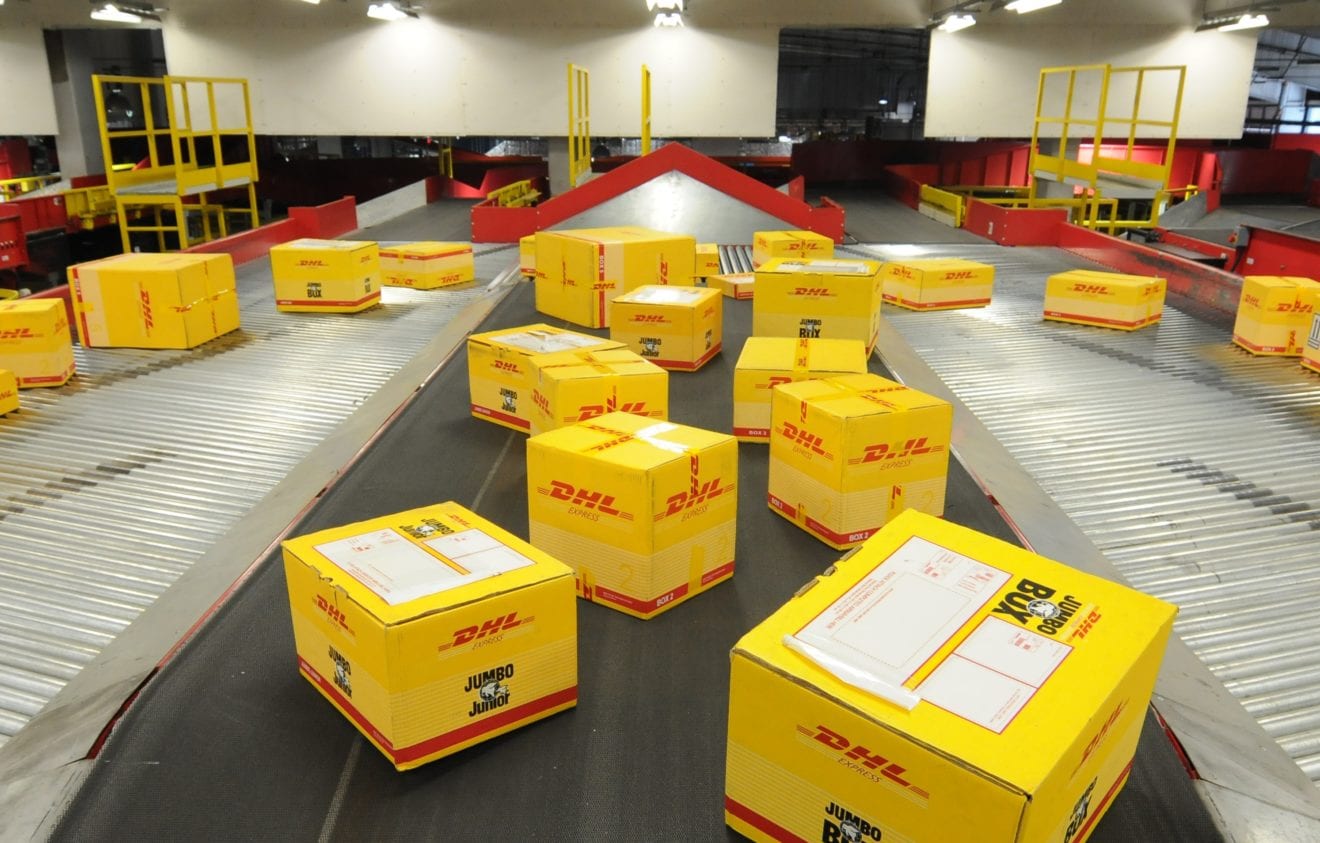
    Thailand has been identified as a key market in Southeast Asia for the launch of the DHL eCommerce domestic delivery service.

    The end-to-end service for Thai eCommerce merchants offers next-day delivery to key urban centres with an easy-to-use portal for preparing shipments and full tracking visibility for consumers. It has been introduced as Thailand’s eCommerce market gathers strength.

    DHL eCommerce, a division of global logistics company Deutsche Post DHL Group, says it aims to enable a better eCommerce experience for both consumers and merchants through efficient logistics and a seamless online shopping experience.

    Major additions will be made to DHL’s delivery infrastructure in the country, including a 3000 sqm central distribution centre in Bangkok and a network of more than 20 depots throughout the nation to ensure full coverage.

    DHL plans to more than double the number of depots in Thailand by next year, and expand its fleet, primarily using two-wheel vehicles to deal with the traffic in major cities.

    DHL eCommerce’s fleet of vehicles will provide next-day delivery to all urban areas, and a two- to three-day delivery to other locations. All merchants have access to cash on delivery (COD) with daily remittance and access to a multilingual call centre.

    Launching in Thailand is seen by the company as a showcase for Strategy 2020, the corporate strategy of Deutsche Post DHL Group, which has renamed its mail division as “Post – eCommerce – Parcel”. DHL has been in Thailand since 1973 with its other business units – DHL Express, DHL Global Forwarding and DHL Supply Chain.

    “The Thai eCommerce market is expected to more than triple in size to EUR 3.6 billion ($3.94 billion) between now and 2020, and with this investment we are well positioned to support the growth of eCommerce businesses in Thailand,” says DHL eCommerce CEO Thomas Kipp.

    “We see major strategic opportunities for eCommerce growth in Thailand, particularly with the ASEAN Economic Community, which is expected to increase the movement of goods within the region.

    “Despite eCommerce already being a billion-dollar sector with extremely rapid adoption, Thailand’s share of the market is still relatively low compared to other high-growth economies,” says DHL eCommerce Asia Pacific CEO Malcolm Monteiro. “Only 1.7 per cent of total sales in Thailand are from eCommerce, compared to more than 10 per cent in China.

    “Thailand is ranked as one of our top-priority markets in South-east Asia: its expected annual market growth of more than 20 per cent (from 2014 to 2020) is likely to be largely driven by significant numbers of SMEs beginning to extend their business models into online marketplaces.”

    DHL eCommerce Thailand MD Kiattichai Pitpreecha says businesses need logistics services that keep up with extremely rapid changes in consumer expectations.

    “This makes the need for a tailored eCommerce delivery service greater than ever before so merchants, especially SMEs, can focus on their core business and grow faster.”

    Monteiro says the company’s success in India and China have proven that customer service bolstered by robust and scalable end-to-end delivery networks are essential for winning eCommerce market share.

  • Orders soar for iTrueMart parent

    Orders soar for iTrueMart parent

    “Exceptional” growth has been reported by eCommerce provider Ascend Commerce in its latest fourth-quarter, as it seeks to draw on its winning strategy in Thailand to expand into new markets.

    Part of the Ascend Group, it comprises online stores iTrueMart and WeLoveShopping, which reported 65 per cent more orders for the final quarter of last year.

    While seeking to attract new customers through brand partnerships, Ascend Commerce reported an average of 14,000 orders a day, with a peak of 30,000 orders in a single day. There were also repeat sales among as much as 50 per cent of its customer base.

    “With our category-by-category approach proven in Thailand, we are now expanding throughout Southeast Asia,” says Ascend Group CEO Punnamas Vichitkulwongsa. “Based on the strength of the customer response so far, we are confident we will be able to provide access to the same shopping experience that people in urban areas enjoy to improve the standard of living for the millions who live in rural areas.”

    While iTrueMart is a business-to-consumer retailer, WeLoveShopping is an online marketplace for small business, entrepreneurs and consumers. Both businesses originally launched in Thailand.

    Ascend Commerce invested in its own fulfillment centres last year as a way to retain control over the whole process, from purchase to delivery. Punnamas cites this investment as key to giving customers an excellent experience, resulting in repeat purchases.

    At the same time, iTrueMart has been successful in terms of speedy delivery, with 98 per cent of orders being delivered the next day in Bangkok, or within two days for rural addresses.

    During the year, iTrueMart also launched in The Philippines.

    WeLoveShopping’s orders grew nearly 300 per cent in Q4, with the number of new sellers rising by 1300. The outlet also signed agreements with new brands, helping drive new business.

    “In the first days of 2015, we launched with just a few hundred orders per day and we have grown 700 per cent to achieve great results by the end of the year,” says Ascend Commerce GM Seubsakol Sakolsatayadorn.

    “We will continue with our strategy of winning on a category-by-category basis. We will introduce a new category only when we are sure of the strength of the product offering.”

  • Uber strategy that will change retail face

    Uber strategy that will change retail face

    Isn’t it fascinating that the world’s largest accommodation provider doesn’t own a room, or that the world’s largest retailer doesn’t own a shop (for the time being) and here we have the world largest taxi company that doesn’t own a taxi.

    So what might some of the lessons of Uber show us as retailers? The past five years have seen the logistics and transport app, Uber, grow from a start up with big ambitions based out of San Francisco into a global disruptive business operating in more than 350 cities, 64 countries and over six continents. Such rapid unheralded growth, underpinned by technology disruption and adaptation and above all challenging the normal or established models and just being disruptive, yet focussed on one central competency.

    As a natural-born disruptor of the transport sector, of course Uber has naturally asked how do we build at transporting people? After all, Uber is not narrowly interested in transportation; instead, the company is building a logistics platform that captures and predicts supply & demand so well that it can be applied to many other commercial domains. However at the heart of the Uber offer is one common foundation offer – one great “glue” that transcends and links all their offers globally.

    We live in an on-demand economy, where consumer’s ‘need it now’ tendencies dictate the retail strategies of retailers around the world. Smart or “fit” businesses are partnering their offers in collaborative models as distinct from attempting to “be all things and to simply attempt to acquire”

    The horizontal integration model, in a world increasing without boundaries is becoming yesterday’s approach. Today’s Uber-like approach is to disrupt and collaborate with other specialists enabling global growth and far greater efficiencies in all forms of the business operations.

    So where does Uber sit in the future of the retail sector in Australia and how is partner collaboration showing the way forward?

    Last October Uber launched Uber Rush in Chicago, New York and San Francisco. An on-demand delivery service for retailers, and while it’s launch coincided with partnerships with some big name retailers such as Rent The Runway and Nordstrom, the potential this service offers to small retail businesses is huge.

    Entering this on-demand delivery market aligns Uber alongside logistics giant Amazon.com and in particular Amazon’s program Flex, which pays independent drivers to deliver orders locally.

    However it also aligns independent brick and mortar retailers alongside the big e-commerce giants. While in the past it may have seen like a long lost dream to small independent retailers to be able to compete on the same level as the e-commerce giants who own their own complex logistics models allowing for same day and next day delivery, Uber Rush makes this dream a reality at very little cost. Retailers signed up to Uber Rush are given their own merchant platform to book the cars or bike couriers live as the orders come in, and all they pay for is the trips they use.

    According to Jo Bertram, regional general manager for the UK, Ireland and Nordics at Uber at a WIRED retail conference in London last year, the goal of Uber Rush is to make getting anything in your city more convenient, affordable and reliable than picking it up yourself.

    UberRush is particularly exciting for small independent retailers, allowing them to cater to today’s consumer’s ‘need it now’ tendencies’, boost customer loyalty and satisfaction, and ultimately provide customers with the same cost effective and efficient shopping experience when shopping local that they would get online. This platform also provides the small retailers the opportunity to grow and scale by reaching customers further away than they may have been able to before.

    Research by Uber suggests 60 per cent of customers would pay more to get same day delivery. Add this to today’s consumer journey to a brand or retailer often beginning and ending on mobile, the potential growth and adoption of this service all around the world is huge.

    Retailers who understand this disruptive positioning coupled with smart partnering and who don’t define the market by geography, rather by customer catchments are trailblazing the new frontier of retail.

  • Thai shopping An e-commerce boom in the making

    Thai shopping An e-commerce boom in the making

    Thailand could be in for an online shopping boom. The country’s telecommunications infrastructure, payment settlement systems and logistics have long been somewhat underdeveloped. For years, the situation has discouraged mall operators and shoppers from jumping into e-commerce.

    Toshiya Matsuo, chief executive of Ookbee Mall (Thailand), center, announces the launch of Ookbee Mall, an online shopping site, in Bangkok in October 2015.

    Now that market is finally starting to grow.  Tokyo-based transcosmos, an e-commerce solutions provider, in October collaborated with Ookbee, a Thai e-book store operator, to create the Ookbee Mall website. Toshiya Matsuo, chief executive of Ookbee Mall (Thailand), is excited about the company’s better-than-expected sales. “Japanese cosmetics and fruit that are difficult to get here are selling particularly well,” he said.

    Ookbee Mall sells some 90,000 items and hopes to have 1 million customers by 2018. Matsuo said the company aims to set itself apart with a unique lineup of Japanese items, thereby sidestepping fierce competition in the Thai e-commerce space.

    Slow to take off

    In 2009, Rakuten, Japan’s big e-tail platform, bought TARAD Dot com, one of Thailand’s oldest online marketplace operators. The acquisition encouraged Thai communications conglomerate True Corp. and other parties to also get into online retailing in Thailand.Lazada of Germany landed in the country in 2012, and China’s Alibaba Group Holding came in 2014.

    START TODAY, the Japan-based operator of apparel retail website Zozotown, is a new contestant for Thailand’s Web shoppers. It recently formed a capital tie-up with Thai online clothing specialist WearYouWant Holdings.

    The market, however, has been slow to take off. Blame that on Thailand’s creaky mobile infrastructure and lack of reliable settlement services.

    To get things moving, Lazada at the end of last year established its own distribution centers.

    Watch your e-wallets

    In January, Deutsche Post DHL Group created a division to deal with domestic deliveries of online purchases at its Thai unit. The carrier has also built a distribution center in Bangkok. It plans to double the number of its Thailand delivery depos to more than 40 by 2017. The network offers next-day deliveries in Bangkok and surrounding areas. Elsewhere, it shoots for completing deliveries within three days.

    Another spur to online shopping is faster wireless communications. Political turmoil had halted the bidding process for fourth-generation mobile spectrum, but at the end of last year several auctions were held. A Thai mobile operator began offering 4G service in January.

    As Thailand’s cyberspace catches up with the times, online retailers are pouring money into new services. With 4G, sellers will be able to pitch their products with high-resolution video. DHL cited 4G as a key factor behind its e-commerce business in Thailand.

    According to Euromonitor International, a British market researcher, Thailand’s online retail market is expected to reach $3.21 billion by 2020, a 123% increase over 2015.

    As the market grows, Thais will have to guard their e-wallets from a wealth of online options.

  • Thai conglomerate buys Big C for $3.4bn

    Thai conglomerate buys Big C for $3.4bn

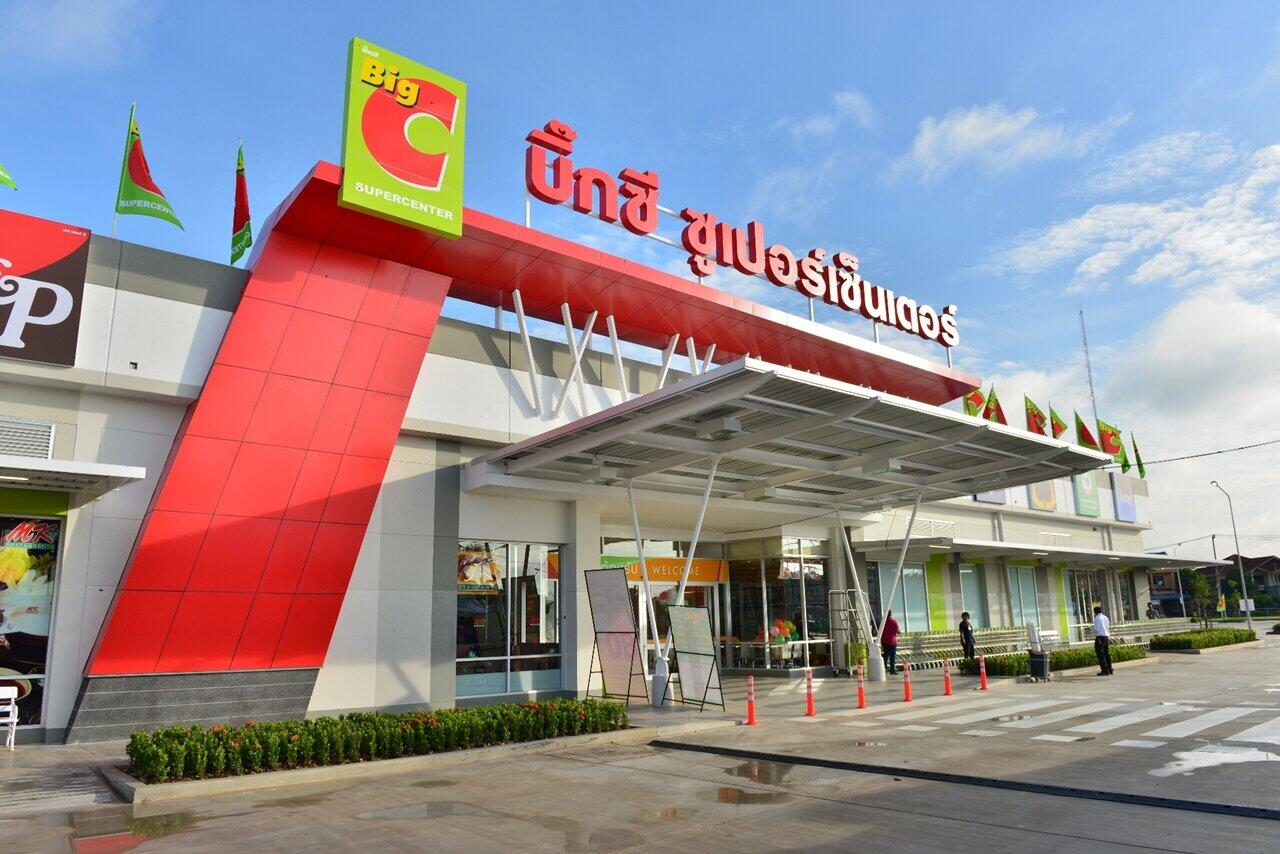
    BANGKOK — Marking its first full-fledged step into the retail market, Thai conglomerate Thai Charoen Corporation (TCC) Group, owned by alcohol tycoon Charoen Sirivadhanabhakdi, has agreed to buy a majority stake in supermarket operator Big C Supercenter for 3.1 billion euros ($3.4 billion), excluding debts, from France’s Casino Group.

    Big C operates roughly 700 supermarkets, including 125 hypermarkets, throughout Thailand and is the second largest supermarket operator after Tesco Lotus, owned by the U.K.’s Tesco.

    According to a Casino Group release, Big C shares are valued at 252.88 baht ($7.1) per share, a 28% premium to the share price on Jan. 14 when Casino Group initially announced the disposal of its 58.56% stake, currently held through two local subsidiaries. The deal is to be closed by the end of March.

    TCC Group is the parent company of Thai Beverage, the flagship alcohol and beverages company known for its Chang beers.

    Billionaire Charoen has been expanding his reach within the Association of Southeast Asian Nations, including the 2013 takeover of Singapore beverage company Fraser and Neave, but until now his retail operations have been relatively small. In January, the group completed its acquisition of German cash-and-carry chain Metro’s Vietnamese unit.

    The Big C acquisition in Thailand, where consumers have a higher purchasing power than neighboring countries, will likely boost the conglomerate’s retail operations. Big C is expected to become a channel for the promotion of products of other companies within the group, such as Thai Beverage, F&N and Berli Jucker.

    The 28% premium may seem a somewhat high, but analysts say that this was one of the few chances left for Charoen to make a move into the Thai retail sector.

    After Carrefour’s Thai business was acquired by Big C in 2011 and Siam Makro, another cash-and-carry chain under a Dutch trading company was purchased by Charoen Pokphand Group in 2013, Big C and Tesco were the only foreign-owned retailers whose stake holdings could be put up for sale.

    “All the big family conglomerates are eager to acquire these foreign holdings,” Anuwat Srikajornratkul, analyst with Asia Plus Securities, said. “The retail market is already saturated and the best way to expand is to acquire an existing brand instead of building new brands,” he explained.

    Agribusiness conglomerate Charoen Pokphand Group, which runs Thailand’s Seven Eleven stores, is reportedly seeking to acquire Tesco Lotus.

    Casino Group, meanwhile, is expecting to reduce its debt by 3.3 billion euros through the sale. As part of its restructuring plan, it is also considering the disposal of its stake in Big C’s Vietnamese unit. Analysts speculate that TCC Group will likely compete for that acquisition too.

    Following the announcement, Big C shares shot up by 10% to 251 baht, a one-year-high during Monday’s trading hours. Berli Jucker shares soared nearly 20% also closing in to a one-year-high. Thai Beverage had no trading Monday as it is listed on the Singapore bourse, which was closed for the Lunar New Year holiday.

    According to Thai regulations, TCC Group will have to conduct a tender offer for all the remaining Big C shares after the deal is closed.

    Local media had reported that Thailand’s largest retailer Central Group was also interested in purchasing the Big C stake. Central initially founded Big C in Thailand and opened its first store in 1994. However, in the wake of the Asia Financial Crisis, it sold most of its stake to Casino Group in 1999.

    Central is also reportedly interested in bidding for Big C Vietnam.

    Central owners the Chirathiwat family currently hold a minority stake in Big C Thailand. Analysts say that the family could sell off all its remaining stake through TCC’s tender offer.

  • South Korean home shopping channel to launch in Thai market

    South Korean home shopping channel to launch in Thai market

    South Korean High Shopping Co, a joint venture between InTouch Media and Hyundai Home Shopping, is set to become the third South Korean home shopping operator to enter the Thai market, with a launch in Vietnam slated for the second quarter of 2016.

    High Shopping’s goal is to be among the top three players in Thailand’s 20-billion-baht home shopping market by 2020, according to the Bangkok Post. “Thailand’s home shopping market has a lot of potential, with annual 20 percent growth to reach 20 billion baht in 2020, double the revenue last year,” explained Lee Hae-seung, High Shopping’s Chief Executive.

    Home Shopping currently represents just 0.5 percent of Thailand’s retail industry, compared to 4 percent in South Korea. High Shopping is predicting that, of the 2,500 products it will offer for sale by mid-2016, cosmetics and kitchenware will be the best-sellers.

    The inventory will initially be made up of premium Korean brands, with international brands once the channel is established. The shopping channel is hoping to achieve sales of THB4.5 billion by 2020, with a 25 percent market share.

    The company is planning to broadcast on satellite TV platforms initially before expanding to cable and mobile devices.

  • Retail LPG price drops 2 baht/kg to 20.29 baht/kg

    Retail LPG price drops 2 baht/kg to 20.29 baht/kg

    The board also decided to scrap the compensation for transportation costs for LPG to be delivered by PTT Plc to regional depots across the country. This measure will reduce the LPG prices in the countryside to different levels depending on the distance between the depots and PTT Plc main LPG terminal.

    However, Mr Thavarath Sutabutr, director of the Energy Policy and Planning Office, said that during the first three months the depot-gate prices of LPG in the countryside will be controlled at levels not exceeding the transportation costs.

    He pointed out that the LPG price in Lampang which is the farthest from PTT terminal will not be reduced as the compensation remains at 2 baht/kg.

    The new LPG retail price for Bangkok and the eastern region effective as of Thursday is 20.29 baht/kg.


  • Asian retail giants mull Big C bids

    Asian retail giants mull Big C bids

    At least three major Asian retailers are mulling bids for control of the Big C businesses in Thailand and Vietnam.

    But they all start as rank outsiders behind Thailand’s Central Group, which already has a 25 per cent share of the Thai Big C business.

    In a surprise move, France’s Casino group announced earlier this month it would sell its 58.6 per cent stake in the Thai hypermarket business in a bid to reduce debt. It had already put its struggling Vietnam business on the market in December.

    Reuters reports Hong Kong headquartered Dairy Farm International and Korea’s Lotte are in talks with their bankers about potential bids. Japan’s Aeon is also running the numbers.

    But as Reuters says, all three would need “punchy bids” to fight off frontrunner, Thailand’s Central Group.

    Casino Group will sell both businesses in an auction process – and has indicated it would prefer to sell the two operations to a single buyer.

    With a cornerstone stake in the Big C operation, Central would have to be frontrunner to secure Casino Group’s share. The company has already publicly declared its interest.

    “Whoever is going to buy this will have to pay a high price to get Central out or they will have to co-exist,” Reuters quoted an unnamed banking source “familiar with the matter”.

    The Thai stake is estimated to be worth about US$3.1 billion. The value of the Vietnam operation is less clear – bankers put it at between $800 million and $1 billion, although the business is not thought to be particularly profitable, despite recent media commentary to the contrary.

    Aeon, Lotte and Dairy Farm all declined to comment on the matter.

  • Index Living Mall plans ASEAN expansion

    Index Living Mall plans ASEAN expansion

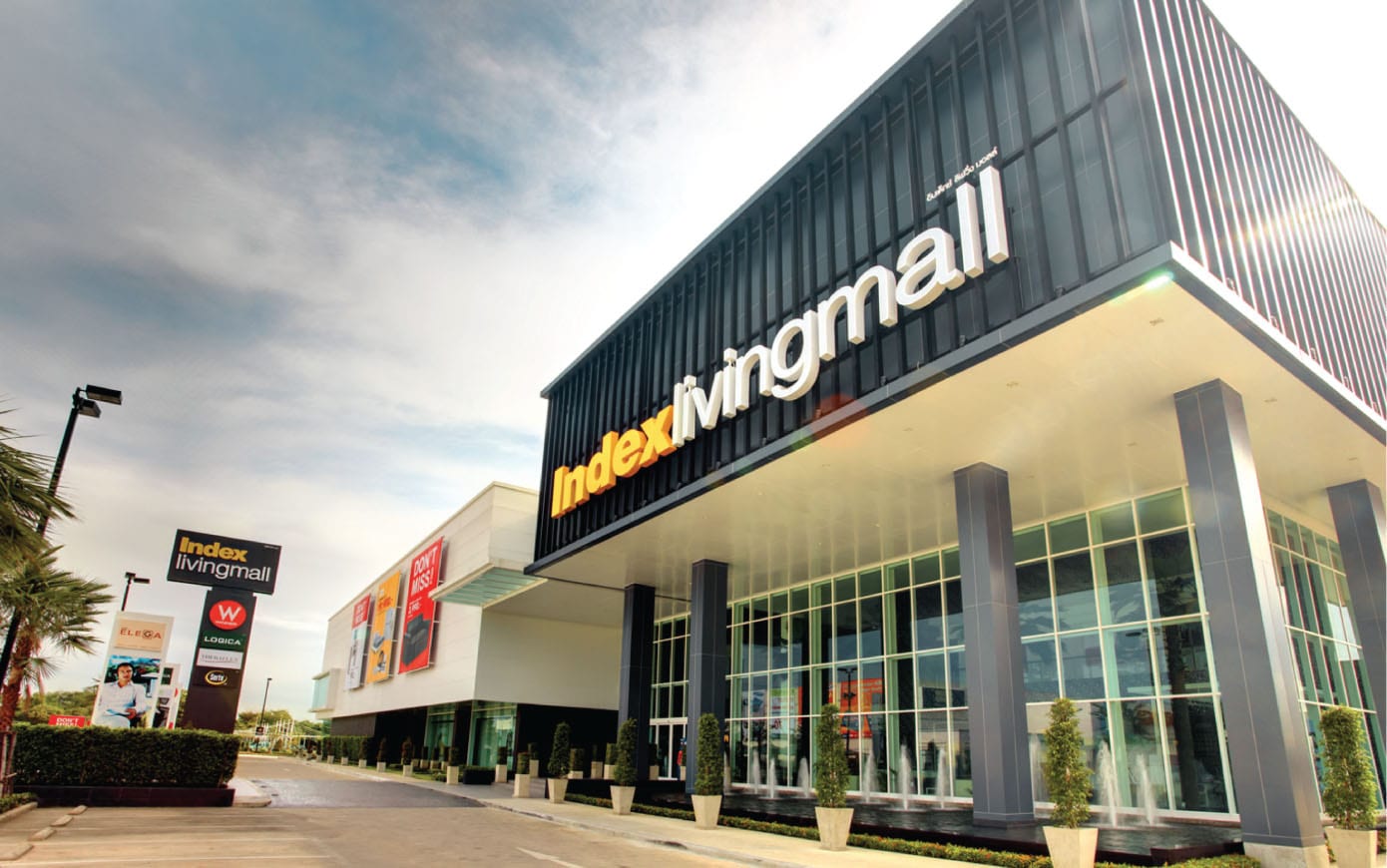
    Home-furnishing retailer Index Living Mall has announced its 2020 vision to continue its push beyond Thailand into other ASEAN countries.

    With franchised stores already trading in Malaysia, Thailand and Vietnam, the company believes the region’s urbanisation has shifted consumers toward a more modern lifestyle, including the way they buy and use home-furnishing products. It also notes a rise in the number of middle-income earners throughout the ASEAN Economic Community.

    MD Kridchanok Patamasatayasonthi says the company aims to double the present 5 per cent contribution to its total revenue from AEC markets by 2020. The company’s total revenue of Bt9.5 billion (US$264.8 million) last year was 5 per cent up on 2014.

    “Our market expansion through international franchisees is the result of growth in the home-furnishing and accessories sectors among ASEAN member countries,” says Kridchanok. “Other positive factors, including the bustling economic outlook, rising gross incomes and similar customer behaviour, helped accelerate our decision to look for investment opportunities in new markets.”

    She says the company has appointed VinDS, the retail investment arm of Vietnamese commercial property developer Vingroup, as its franchisee to tap into the home-furnishing and accessories retail market in that country. The first Index Living Mall under that partnership had a soft opening last month in Ho Chi Minh City, occupying 7000 sqm in Vincom Mega Mall Thao Dien. Costing more than Bt200 million, the store is expected to achieve Bt350 million in sales in its first year.

    Index Living Mall has had a store trading in Ho Chi Minh for more than four years, effectively testing the market. Now with VinDS it expects to open 10 more stores in major cities in Vietnam, including Ho Chi Minh, Hanoi and Da Nang, within five years.

    “Economic growth indicators show that the Vietnamese retail market is number two in Asia, after only China,” says Kridchanok.

    “During the first half of last year, the Vietnamese economy posted 6.28 per cent growth, the highest since 2008. With a population of 90 million, this will continue to grow, thanks to per capita income rising more than 10 per cent over the past decade.”

    Kridchanok says it is expected that the number of Vietnamese earning a median income of 15 million dong ($673) a month will grow to 33 million by 2020.

    Index Living Mall’s director for international business development Ekaridhi Patamasatayasonthi says the company’s venture into Vietnam highlights its marketing direction to tap into emerging CLMV (Cambodia, Laos, Myanmar and Vietnam) markets, aimed at strengthening its leadership position in the home-furnishings and accessories retail market in the ASEAN region.

    Ekaridhi says the company plans to open store in Manila in September via a joint venture with SM Retail, a Philippine business conglomerate involved in shopping mall, property development, banking and retailing. Index Living Mall has a 30 per cent stake in the venture.

    In Malaysia, Index Living Mall opened its first home-furnishing store in Putrajaya last year in a joint venture with AEON. Three more stores are planned for Malaysia this year – in Kuala Lumpur in March, Kota Bharu in April and Johor Bahru in the fourth quarter.

    Ekaridhi says there are six franchised stores in five countries – Malaysia, Russia, Maldives, Nepal and Vietnam – as well as dealers in Laos and Myanmar. In its home country, the company has 25 stores in 17 provinces, of which nine are in Bangkok. It plans to invest Bt470 million this year to open two stores, in Nakhon Pathom and Chachoengsao.

    Index Living Mall expects to post Bt10 billion in revenue this year and to grow its annual sales by 10 per cent over the next five years.

  • Siam Paragon innovative strategy to bait customer

    Siam Paragon innovative strategy to bait customer

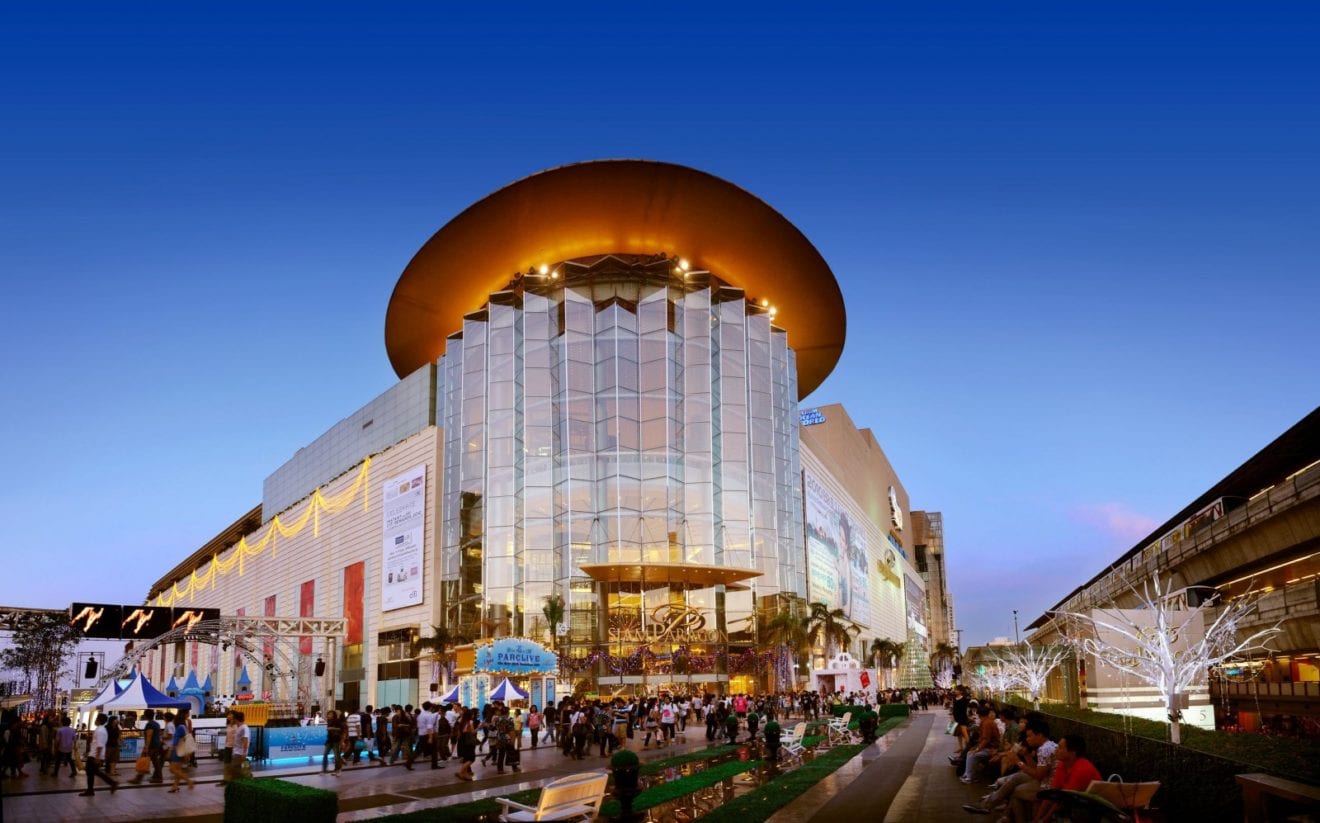
    Discounts of up to 80 per cent and a chance to win prizes – including gold bullion – are key elements in a Chinese New Year campaign at Siam Paragon and Siam Center in Bangkok.

    Running from February 3 to March 13, the Siam Prosperous Chinese New Year 2016 campaign is offering 7.5 million baht ($200,000) in prizes for lucky shoppers. The aim of the event is to attract both locals and international tourists to the two malls, which feature fashion and lifestyle brands.

    A feature of the campaign is a free daily performance of The Magic of Seven Animals of the Gods by Hong Kong performance troupe Lok Chee Fu, at the Parc Paragon events space, where the celebrations will be officially launched on February 4.

    Marketing executive Chanisa Kwewruen of Siam Piwat, which runs the two centres, says the annual festival attracts more tourists each year, especially from China, Hong Kong, Singapore, South Korea and Taiwan.

    Chanisa Kaewruen, Deputy Managin ... am Piwat (center) and model


    “Tourists of Chinese descent comprise nearly 50 per cent of the foreign tourists who visit the two shopping centres.

    “Also, this Chinese New Year marks the first time the ASEAN Economic Community is officially involved.”

    Shoppers will receive a lucky-draw coupon for every 2000 baht they spend. The main prizes at stake include gold bullion worth 1 million baht (one winner), a model of the Royal Barge Suphannahongmade of 99.9 per cent yellow gold by Prima Art (two winners) and eight propitious trees made of 99.9 per cent yellow gold by Prima Art (20 winners). The 24 top spenders of the week will each win a 100,000-baht treatment from The Scarlett Clinic.

    Privileges are also offered for holders of participating credit cards.

    Meanwhile, the Siam Chinese New Year Sale from February 3 to 14 offers discounts of up to 80 per cent on leading brands. Special Siam Ang Pao (also known as Siam red envelopes) are also given away to shoppers from February 6 to 8, enabling them to win gift vouchers and discount cards.

    Ten Siam Paragon customers who spend 300,000 baht on February 8 will each receive a TWG hamper worth 10,000 baht.

  • Celebrate Chinese New Year at the EM District with a giant flying dragon

    Celebrate Chinese New Year at the EM District with a giant flying dragon

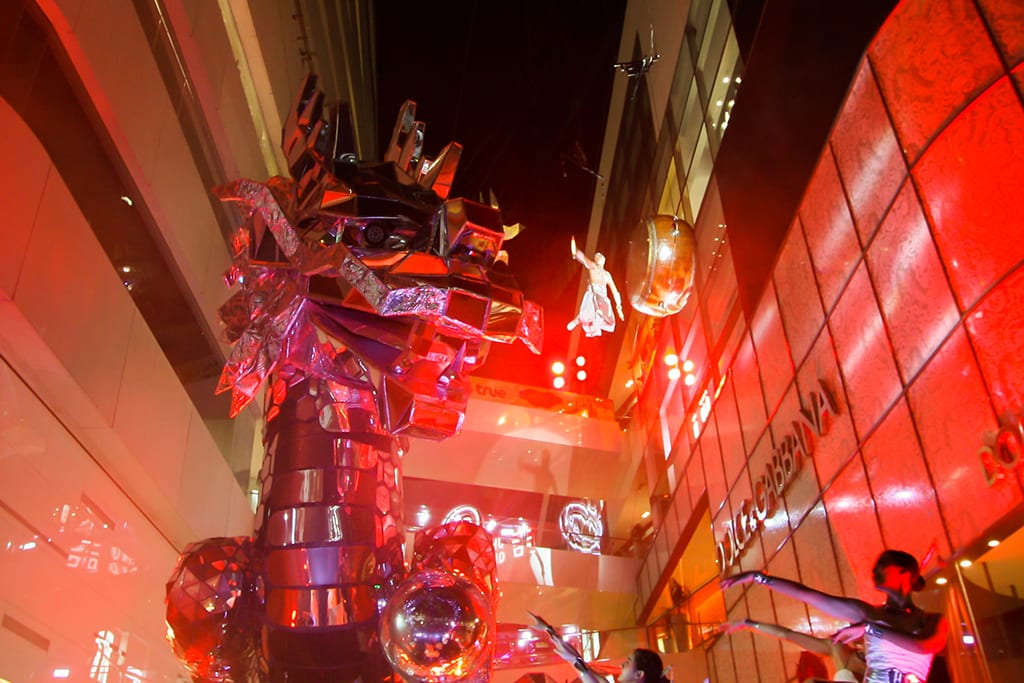
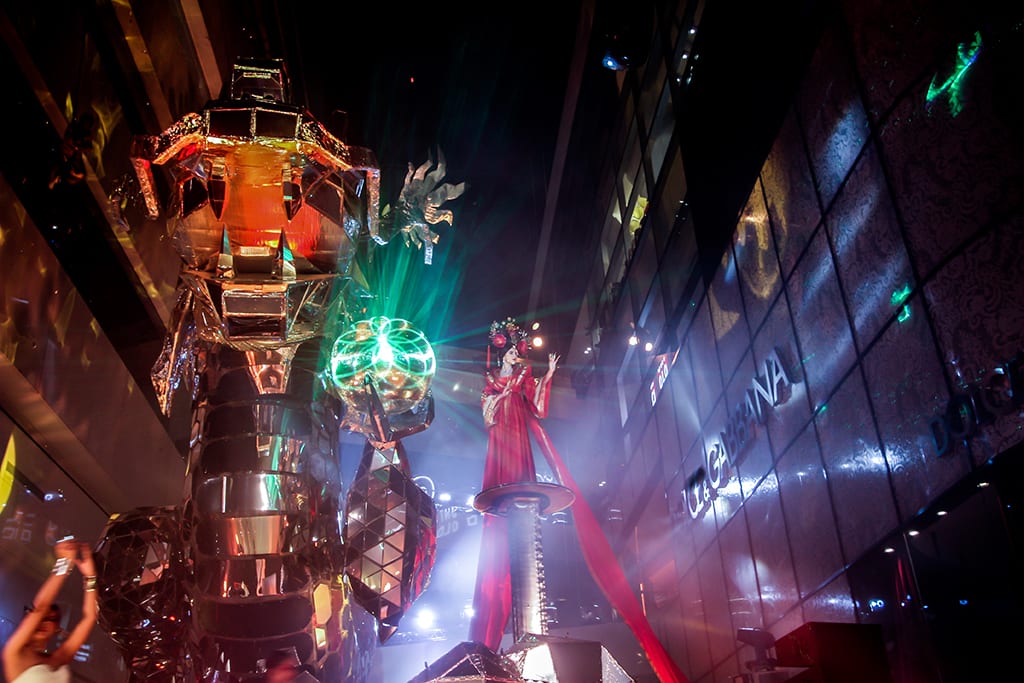
    Ever wondered what would happen if you combined Chinese New Year with Game of Thrones? The EM Disctrict did, and the result is the world’s first 40 meter long flying dragon hovering over EmQuartier. Come gasp at its 10 meter tall head. Go gape at its humongous mirrored body.

    The majestic dragon, along with a Thai Hanuman monkey god, comes to life in performances of light, color, music and sound every day at 7pm and 8pm from Friday February 5, 2016 to Monday February 8, 2016.

    Legend has it that whoever lays eyes on the dragon will have good luck. (Good luck, more money, more shopping.) And good luck will come in handy indeed with all the giveaways going on.

    img_2207

    Spend 2,000 THB at participating stores, or 1,000 THB at the Dining Hall, and you could win 1 kilogram of gold. There are 9 kilograms to be won worth a total of 1.2 million THB. And with a Platinum M Card and True You membership you have an even bigger chance of winning.

    Be one of the first 1,000 people to spend 1,000 THB at restaurants at Emporium and EmQuartier and you’ll receive a special Fortune Cookie and a chance to win even more cash and vouchers.

    Plus, each day, the first 30 people will be eligible for a special fortune telling session with the famous Ajarn Han and Ajarn Panupong.

    As part of the celebration, the ground floor of EmQuartier has been turned into a chic and bustling Chinese Outdoor Market. Here you’ll find delicious Chinese food and snacks and all the CNY merch you could ask for. Stock up on special dishes and Chinese goodies. And with the cold weather we’ve been having it will feel even more like an open-air market in Hong Kong of Shanghai.

    Be sure to take a lucky selfie and EmQuartier’s lucky waterfall while you’re there. Ok it’s just a normal waterfall but it’s a great selfie spot anyway.

    img_2302

    Feeling lucky yet? Head on over to experience the Chinese Chronicle 2016 at EmQuartier and Emporium during the entire month of February. Don’t miss the Flying Dragon performances though. The show starts at 7pm and 8pm and will only go until Monday February 8, 2016.

    For more information check out The Em Disctrict’s Facebook page.

  • TSS Revs up the Bangkok Auto Salon

    TSS Revs up the Bangkok Auto Salon

    Thailand Super Series (TSS) is thinking big these days so it was no surprise that its booth at the 3rd Bangkok International Auto Salon last week was packed out with ambition, menace and muscle. The biggest motorsport series in Thailand was right under the spotlights.

    Leading out the display was the monstrous Camaro GT3 of Vattana Motorsport, the big machine raced by Czech former F1 driver Tomáš Enge to double victory last December in Bangsaen. Next up was the unique ‘Australian V8 Supercar’ Holden that is raced by Craig Corliss. The New Zealander bagged a sensational win in the car (which was shipped to Australia at the end of last year for a total rebuild) at the season opener and he has his eye on the title.

    Then there was the Porsche 997 GT3 Cup of Sarun Sereethoranakul, the drift star turned circuit racer is the joint Super Car championship leader after the first round thanks to two consistent drives and he’s another aiming for the title. Not to be missed was the high-tech Audi R8 LMS Cup of Henk Kiks, the B-Quik Racing machine dazzling onlookers in its customary yellow and black colours, while the booth was wrapped up by the first car to be built for the series’ new ‘Racing Academy’ that aims to teach drivers the art of racing.

    ‘TCR Thailand’ promises to be one of the most exciting new categories to be introduced to Thai motorsport in recent years and the build up to the launch of the series in 2016 is well underway. In Buriram Khun David Sonenscher, CEO of Motorsport Asia, the promoter of TCR Asia Series, explained the exiting new concept in full detail during a well-attended Q&A session.

    Super Car Class 2-GTM regular Khun Paul Kanjanapas has officially launched his team for the 2015 championship with a new title sponsor and a new supporting crew during a prestigious mall ceremony and he has ambitions to keep improving as he undertakes a full season of top level racing.
    Finally, in amongst the many motorsport industry companies supporting the new breed of state-of-the-art racecars in TSS is MCS. Khun Jerome van Gool, President of Worldwide Operations, was in Buriram at the season opener to keep an eye on the Ferrari and Porsche entries from Singha Motorsport Team Thailand and A Motorsport, respectively.

    TSS in the spotlights at the Auto Salon

    TSS had an imposing presence at the 3rd Bangkok International Auto Salon, ASEAN’s biggest tuning and modified car show, which ran from Wednesday to Sunday last week at Muang Thong Thani’s Impact Exhibition Center.

    The strategically located official TSS booth packed a real punch with four stunning ‘Super Car’ machines on display, each one residing at the top the horsepower stakes – as well as at the business end of the racing grids. The TSS display was certainly one of the most popular with visitors to the show over the five days.

    VIP guest during the show’s official opening ceremony was TSS Vice President Khun Preeda Tantemsapya and he reckoned it was a natural ‘fit’ for the series to be seen at this glamorous event. “The reason for being here is that the Auto Salon is mainly about modification and all the cars in TSS are modified to a certain extent as far as the regulations allow them to,” he said.

    “We bring the cars to show so people who are interested in high performance cars and parts see that we exist in Thailand we have top racecars from all over the world in TSS,” Khun Preeda explained. “As we can see we have an Australian V8 Super Car on show all the way to Porsche and Camaro GT3 cars. We hope our display will encourage people to learn more about what we are and become interested in TSS.”

    Khun Preeda also reckoned that is was important for TSS to support this budding show, which is just three editions old but already growing rapidly in stature, not just here in Thailand, but right across the whole of South East Asia.

    Leading out the power packed display was the monstrous Chevrolet Camaro GT3, which is entered in Super Car Class 1-GT3 by Reiter Vattana Motorsport. Former F1 driver Khun Tomáš Enge raced to a superb double victory in the big black Reiter Engineering-built machine in Bangsaen last December and he was straight back onto the front running pace during the season opener in May. The Czech will be targeting more victories in the Camaro when TSS returns to Buriram for Round 3 & 4 at the end of this month.

    Next up was the unique ‘Australian V8 Supercar’ Holden Commodore VE that is raced by Craig Khun Corliss. The New Zealander bagged a sensational Super Car Class 2-GTM win in the big lurid-green car (which was in fact shipped to Australia after Bangsaen for a total rebuild in time for 2015) at the season opener and he’s another driver that has his eye on the title.

    Then there was the striking #55 Porsche 997 GT3 Cup of Khun Sarun Sereethoranakul. The ‘drifting’ star turned circuit racer is already the joint Super Car Class 2-GTM championship leader after the first rounds of the year thanks to two very consistent drives onto the podium and he’s another driver aiming for the title.
 
Then there was the high-tech #26 Audi R8 LMS Cup of Henk Kiks, the B-Quik Racing machine dazzling visitors to the booth in its customary standout yellow and black colours. The Dutchman had a tough start to the season in May but he’s ready to bounce back when racing resumes at the end of the month.

    The booth, laid out in the form of a ‘racing grid’, was completed by a Honda Jazz, the car that will form the backbone of the new TSS Racing Academy (TRA). That was one of a batch of eight examples that have already arrived at the school and which will initially operate from the Pathum Thani Speedway. More ‘learner’ racecars are following. The show was an ideal way to raise the Academy’s profile and plenty of interest followed the Jazz’s public debut.

    Khun Preeda reckoned the Auto Salon was the perfect event to use to bring the TRA to public attention for the first time. “We want people to learn about the TSS Racing Academy which we will launch [this coming weekend] with a soft opening,” he said. “So by having the car on our booth now we have a very good sense that the Academy exists although we won’t fully promote it yet but will wait until we have had a run in, got the concept full honed and then in a few months time we will officially launch it. By carefully honing it we should be able to create a good and solid foundation.”

    The presence of TSS racecars at the show didn’t stop with the official booth either; in fact there were machines from right across the series’ multiple categories on display throughout the Auto Salon. On the official Toyota booth, for example, was the Super Car Class 2-GTM ‘86’ of Khun Nattavude Charoensukhawatana. This car has a superb pedigree, winning the 2013 Drivers’ title while finishing runner up last year.
 
Next door on the Mazda booth the Innovation Motorsports-run cars from Super Production took pride of place. The new Mazda2 turbodiesel hatchback, which debuted at the season opener back in May, sat alongside the brand-new sedan version, which will be seen in TSS for the first time when the racing action resumes at the end of this month. Joining them was the sleek Mazda RX-8 that Khun Michael Freeman ran in Super Car Class 2-GTM at Bangsaen last December.

    Appearing in the big racing car display in the Challenger Hall was the Porsche 997 GT3 Cup of TSS President, Khun Sontaya Kunplome. He’s had a cracking start to the season and two strong results in Buriram in May have put him in command in the points’ standings in Super Car Class 3-GTC.

    H.Drive Racing hosted the new Porsche 991 GT3 Cup that Khun Pitsanu Sirimongkolkasem is using for his graduation year in Super Car. It’s the first of the new ‘991 generation’ to arrive on the racetrack in Thailand and is quite unmistakable as it’s wrapped in a striking gold livery. Alongside the #90 Porsche on the H.Drive stand was the Honda Civic FD that the same driver used to win Super 2000’s ultra-competitive Class B title last year; it was shown in the colours it ran in at Bangsaen last December where Khun Pitsanu wrapped up that title.

    The official Singha booth showcased a real line up of winners from Super Car and Super 2000. Leading the charge were the two Ferrari 458 Challenge machines of reigning Super Car Class 2-GTM champion Khun Voravud Bhirombhakdi and Singha Motorsport Team Thailand’s newest signing, hotshot youngster Khun Kantasak Kusiri.

    The two Prancing Horse machines were complimented by a trio of the team’s Honda Civic FDs, including the examples of Khun Kittipol Pramoj Na Ayudhya and Khun Thamrong Mahadumrongkul, two fast-emerging front-runners in the highly competitive world of Super 2000.

    Finally, the Ginetta G55 of Khun Naputt Assakul made a piece of history at the season opener when it gave the tiny British marque its first ever win in Thailand, the victory coming in Super Car Class 3-GTC. That noteworthy achievement was celebrated at the show as the black and gold car, with its long sweeping bonnet and its compact low-slung glasshouse, was on display in front of visitors.
  • Citi’s exec sees clear focus on target clients

    Citi’s exec sees clear focus on target clients

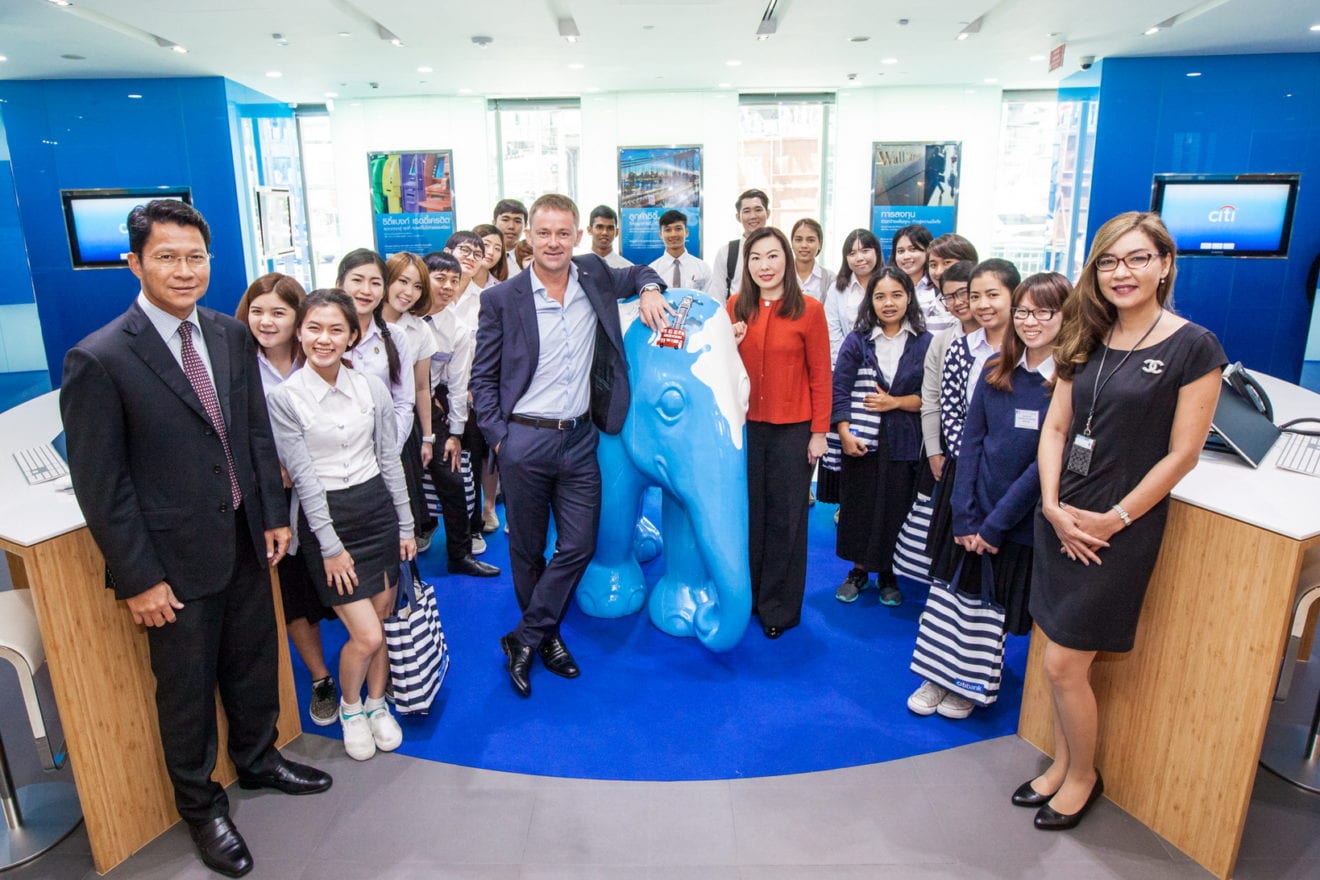
    Vira-anong Phutrakul was promoted to the post of consumer business manager in November, making her the first local executive to lead Citi Thailand’s consumer-banking business, overseeing functions including credit cards and loans, retail-banking wealth management, e-business and consumer lending.

    The bank has set itself a challenging growth target of 10-15 per cent in terms of customer numbers and revenue, given the prevailing economic conditions, she said.

    To achieve the high growth target, the strategy this year is to make Citi Thailand the bank for its main target segment, that is, people with a family, those doing business overseas and/or who are globally minded, she explained.

    In Thailand, Citi has a customer base of almost 1 million accounts, comprising credit-card holders, personal borrowers and wealth-management customers.

    Wealth-management clients have total assets under management of around US$1 billion (Bt35.7 billion).

    The executive said individual investment provided the main potential growth area for Citi Thailand, as credit cards were the mode of transaction payment for this type of business.

    As a global bank, Citi has the strength to serve globally minded consumers and the Bank of Thailand last year allowed individuals to invest in offshore markets, she said.

    The bank will be the first commercial bank in the Kingdom to offer an offshore-investment service to retail investors, with the facility set to become available this quarter.

    Citi Thailand will also launch a new mobile-banking service for retail customers, through which they can buy offshore mutual funds.

    “We and six fund managers globally will announce the service in the next two weeks, which will be offered to Citigold customers who have assets under management of Bt3 million,” she said.

    The bank has seen a growing trend of retail customers allocating investment to the offshore market, Vira-anong said, adding that the trend of borderless investment should be an opportunity for wealth-management at Citi this year.

    Wealth-management business is forecast to grow by 10-15 per cent after launching the offshore mutual-fund service.

    The bank will also upgrade all benefits offered via its existing products this year, in order to gain market share and ensure that growth in both credit cards and personal loans outpaces the industry, even though double-digit expansion in these areas might not be possible, she explained.

    The loan portfolio at Citi Thailand stood at around $2 billion at the end of last year.

    Meanwhile, Phatra Securities yesterday announced wealth-management services for “mass affluent” customers with the launch of Phatra Edge.

    “Over the last 15 years, Phatra has offered its expertise in wealth management for high-net-worth individuals and therefore has a good understanding of their needs,” said Kulnan Tsanthaiwo, managing director of the company’s Private Client Group.

    “The number of ‘mass affluent’ individuals [with at least Bt2 million in investable assets] in Thailand is growing continuously, and these persons tend to place great importance on financial planning,” she said, adding that these clients need to optimise their money by investing.

    “White-collar workers, employees paying income tax of 20 per cent or more, and people who invest in LTF/RMF [long-term equity fund/retirement mutual fund] products need help and advice with their investments, and Phatra Edge offers a complete range of features and services to help our clients achieve their life goals,” the managing director said.