Tag: Thailand

  • Government thanks retail stores for maintaining prices of goods

    Government thanks retail stores for maintaining prices of goods

    The Thai government has expressed its gratitude toward store owners for keeping prices of every item at an affordable level until November this year.

    Deputy Spokesperson to the Prime Minister’s Office, Major General Sansern Keawkamnerd has revealed that the Ministry of Commerce has received cooperation from 205 retail stores across Thailand in not raising the prices of household goods and fresh food before November.

    Many food vendors have also been asked to sell at least one ready to eat meal at a maximum price of 25 baht until September this year.

    The Deputy Spokesperson said this is to help shoulder the cost of living for Thai people. He also added that stable fuel prices at present would continue to help keep commodity prices at a reasonable level.

  • Thai products flood Vietnam market

    Thai products flood Vietnam market

    Thai products can be seen everywhere, gradually replacing cheap Chinese low-quality goods on supermarkets’ shelves and at pavement shops.

    “In the past, Chinese motorbike accessories flooded the domestic market, but 70-80 percent of the products available in the market are from Thailand,” said Hai, a distributor of Michelin tires, a Thai brand well known in Vietnam.

    Thai tycoons in recent years have been flocking to Vietnam, taking over a series of Vietnamese distribution chains. The move were described as a step to clear the way for Thai products to penetrate the home market.

    Thai BJC Group, for example, spent $876 million to take over Metro Cash & Carry Vietnam. Meanwhile, Thai Corporation International, a subsidiary of BJC, bought 51 percent of Phu Thai Group, which ran 42 Family Marts.

    Thai products, however, usually cost more than Chinese and Vietnamese products.

    “Thai goods fit Vietnamese tastes and they are not too expensive,” said Le Thi Thanh Lam, deputy general director of Saigon Food.

    The greatest success of Thai businessmen is that they are very professional in penetrating the Vietnamese market.

    Robert Tran from Robenny, a Canadian consultancy firm, noted that the cementing of firm positions in the market with the retail growth rate of 15 percent and Vietnam’s high population of 90 million can help Thai retail groups increase the number of shops in Vietnam.

    “This allows the companies to have an advantage in negotiating with manufacturers about commissions and prices,” he explained.

    Meanwhile, Pham Ngoc Hung, deputy chair of the HCM City Business Association, noted that Thai businesses followed sound business strategies.

    “The distributors develop their chains in a 5-10-year term plan, and do not do ‘hit-and-run’ business,” he said. “The larger the distribution networks expand, the more easily they can bring Thai products to Vietnam.”

    While Thai businessmen have conducted rapid-fire attacks at the Vietnamese market, domestic businesses remain ‘bewildered’.

    Tran said he was surprised about the way Vietnamese do business.

    “Vietnamese businesses say they can completely satisfy requirements set by foreign partners. However, they cannot show sample products,” he noted.

    “A large business even said it would only make an investment if the partner agreed to sign the contracts first,” he said.


  • Lawson to open 450 stores in Japan this year

    Lawson to open 450 stores in Japan this year

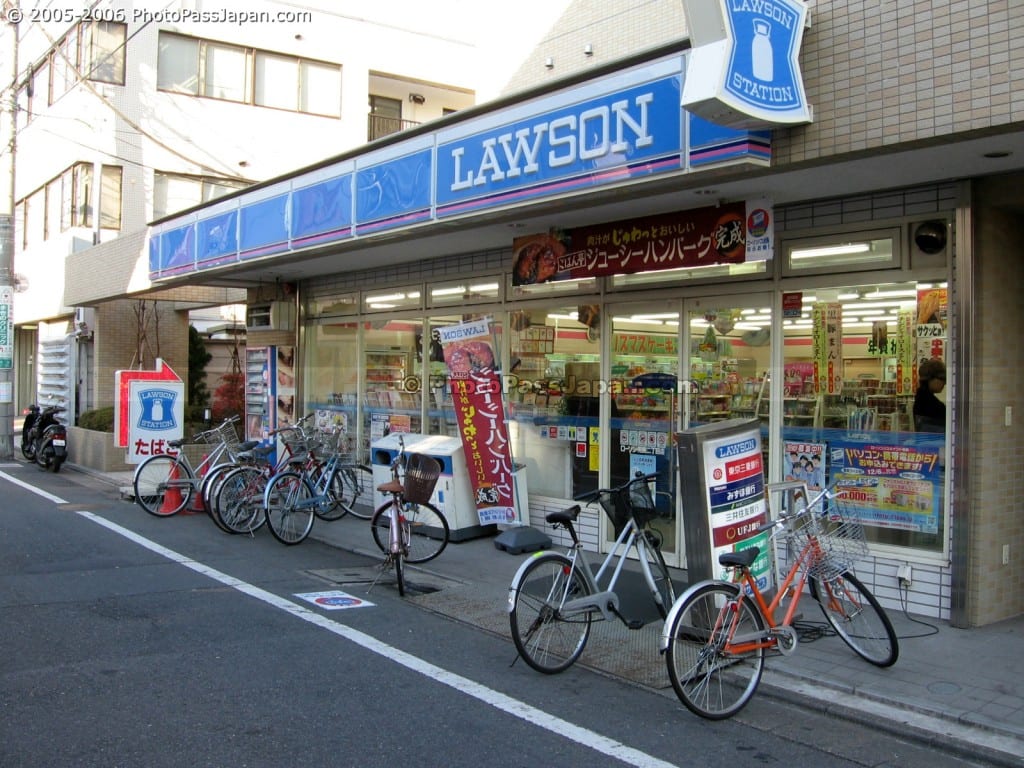
    Even though Japan’s convenience store sector faces numerous challenges, the country’s second-largest operator, Lawson, plans to open another 450 stores this year, the company’s CEO has revealed.

    Genichi Tamatsuka said there are 55,000 convenience stores in Japan but the market has not yet reached saturation point.

    He sees massive potential for growth because of demographic and other social changes that are altering consumers’ buying behaviour.

    “Whereas people used to go to a big supermarket and prepare meals for a family of four or five, now they’re busier, they’re older, and they prefer to buy in a small neighbourhood store,” he explained.

    Lawson currently runs a network of 12,000 stores – soon to be expanded – and, combined with its logistical muscle, Tamatsuka expressed confidence that it would be able to meet the needs of these “combini” neighbourhood stores.

    “With our scale of 12,000 stores, our supply chain and platform, we can supply food and necessities to these neighbourhoods,” he said.

    Expansion overseas is another source of potential growth, he indicated, considering the value placed on the high level of customer service provided by Japanese retailers.

    Lawson has 500 stores in China and has also started up operations in Thailand, Indonesia and the Philippines.

    Despite Tamatsuka’s confidence, research group Euromonitor earlier this year published a more downbeat assessment of Japan’s retail landscape.

    “Japanese grocery retailers are expected to face numerous challenges imposed by such factors as changing demographics and operational difficulties,” it warned.

    However, in what could be seen as endorsement of Tamatsuka’s expansion strategy, the report went on to say, “in order to fight against such negative circumstances, grocery retailers may attempt to expand in size and diversify business portfolios”.

  • Lotte to open Bangkok duty free store

    Lotte to open Bangkok duty free store

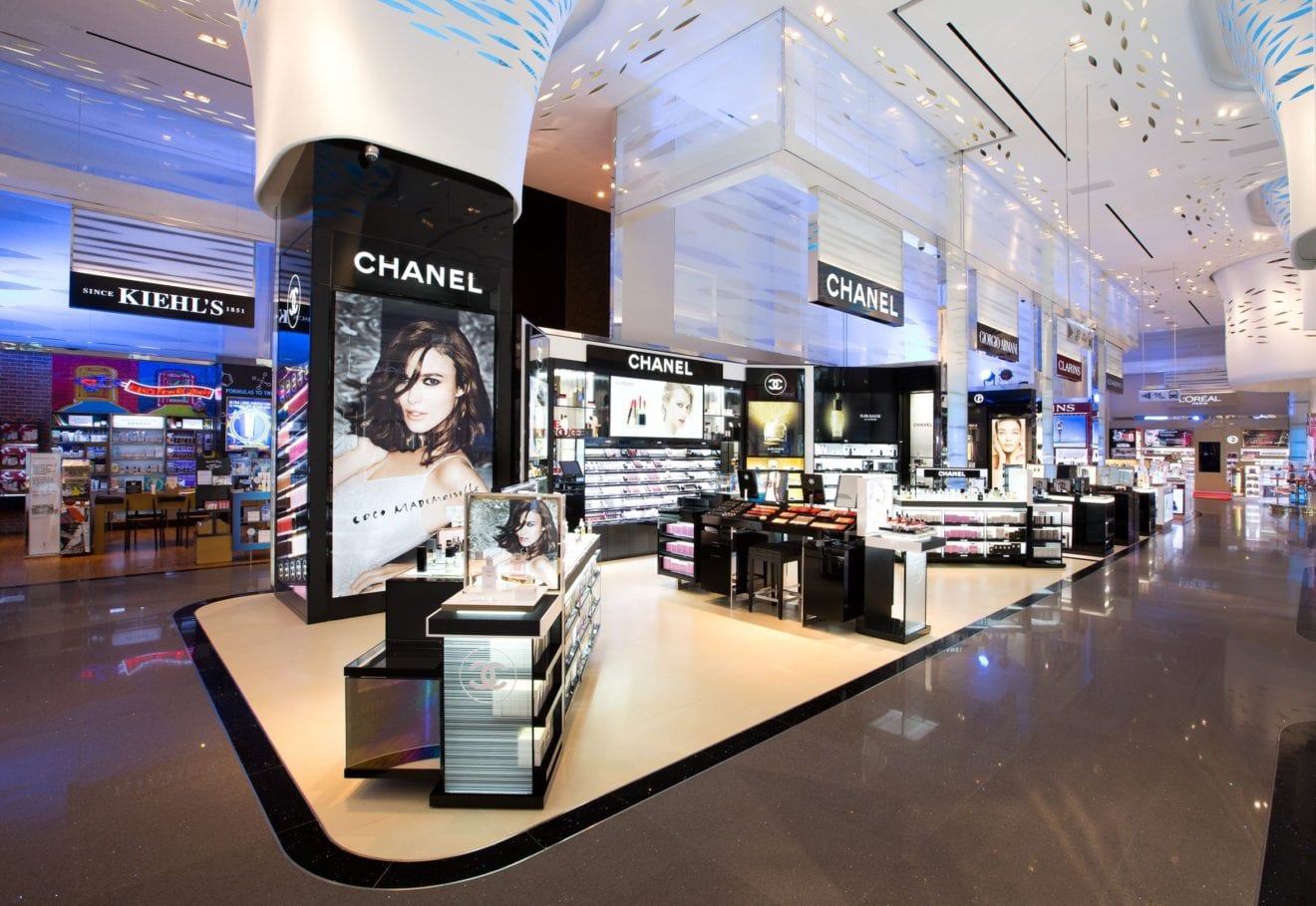
    South Korean conglomerate Lotte is to open a “major downtown duty free store” in Bangkok. Lotte has confirmed the new store will open in early 2016. The location has not yet been revealed.

    Retail News broke news of the plan last week, reporting the store would be a joint venture between Lotte Group and Lotte Holdings of Japan, with the Korean partner holding 80 per cent.

    “The opening in the Thai capital is part of an ambitious international strategy designed to bolster Lotte’s strong sector leadership in South Korea, the world’s biggest duty free market,”

    Lotte, the world’s third largest duty free retailer, is involved in a strident expansion program which has seen it open in Japan’s Kansai International Airport, at Guam, Singapore and Indonesia in recent years. It is targeting the fast growing legions of newly cashed up Asian consumers travelling regionally and spending increasing amounts on duty free goods at airports, and downtown department stores.

    Lotte is also planning to open its first downtown duty free store in Japan – located in the upmarket Ginza shopping district.

  • Thai retailers cut growth forecast

    Thai retailers cut growth forecast

    Thai retailers have cut their growth forecast for 2015 by nearly half, citing economic conditions and the drought.

    Last year’s Thailand’s retail growth was 6.3 per cent despite widespread protests, a military coup and curfews. But this year, with the nation running more normally at business level, the Thai Retailers Association is now expecting a growth rate of just 3.2 per cent.

    TRA president Jariya Chirathivat says the drought, growing household debt and slow government investment in infrastructure ‘mega projects’ is subduing consumer confidence and retail spending.

    In the first half of 2015, Thailand’s GDP rose by three per cent… but retail sales grew by a lacklustre 2.8 per cent, despite inbound tourism numbers beginning to grow again after 2014’s disruptions. Foreign tourist arrivals rose 27.4 per cent in the first six months of this year.

    By category, supermarket sales rose a strong 8.5 per cent – faster than hypermarkets and convenience stores which grew by 1.5 per cent and 2.8 per cent. Specialty store sales rose 2.7 per cent.

    Observes Jariya: “In my opinion, the retail business in the second half will not be bright, as many economic measures such as infrastructure investment may not achieve what the government

  • Fred Perry Newest Bangkok flagship

    Fred Perry Newest Bangkok flagship

    BuckleyGrayYeoman has designed a new store concept for Fred Perry in Asia.

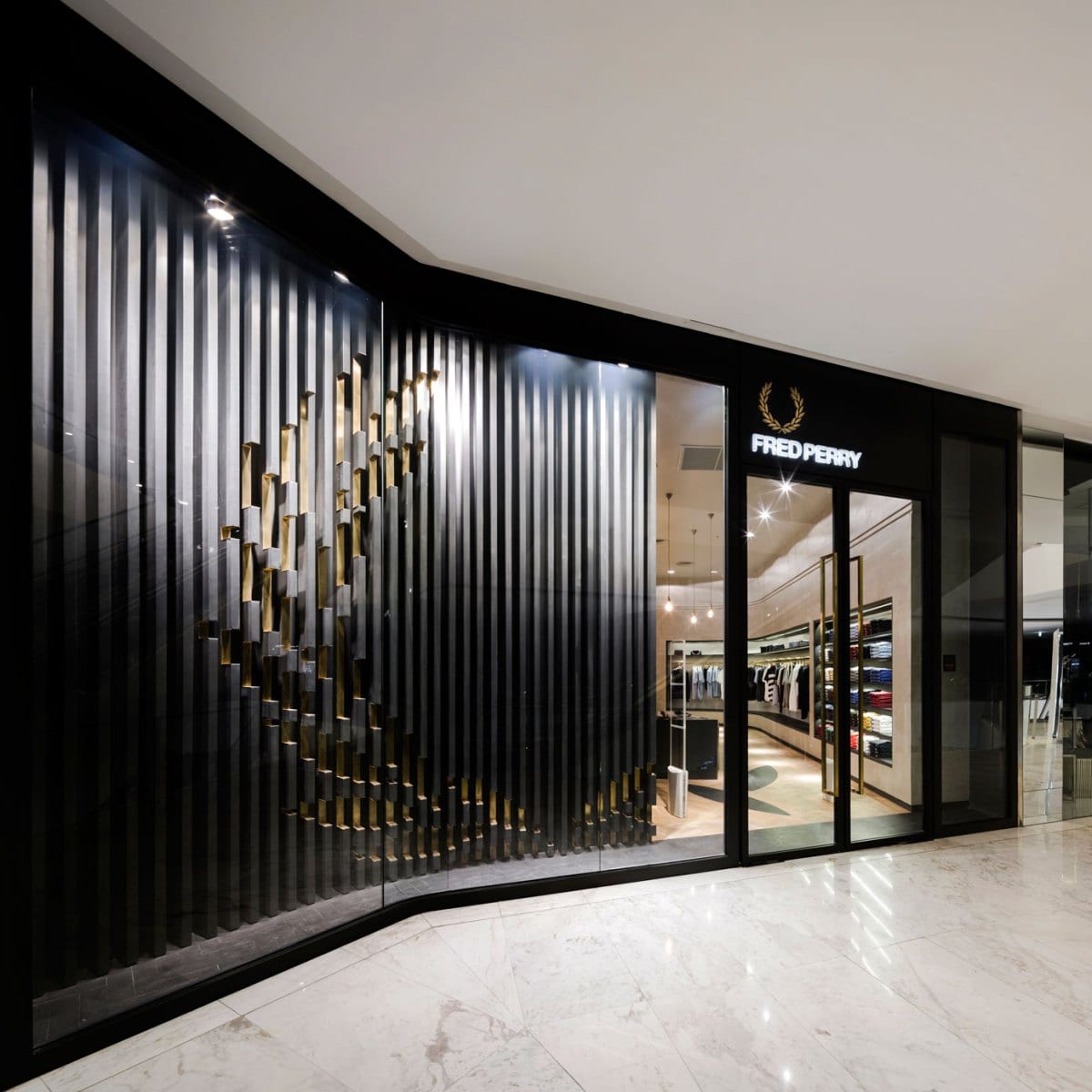
    The new Bangkok flagship is one of the star tenants of the newly opened EmQuartier shopping centre developed by The Mall Group.

    The store is the second BuckleyGrayYeoman designed in the Far East and the practice’s latest fitout in its tenure as Fred Perry’s Worldwide Retail Design Consultant.

    The Fred Perry Bangkok store in EmQuartier represents “a subtle development of the Fred Perry design language” developed by the architectural practice, which has resulted in “a contemporary and elegant boutique, designed to fit in with the selection of international luxury brands selected by the mall,” according to Paul White, director in charge of the project.

    “EmQuartier is an exciting new development for Bangkok that brings together a truly stellar collection of international retail brands. To match the tone of the development, we have successfully modified our core design strategy, creating a smart interior that aligns with the ethos of EmQuartier while retaining the definitive Fred Perry DNA,” said White.

    The store presents an open plan layout and sophisticated materials palette featuring concrete, black steel, timber and polished brass which contrasts with the wooden parquet flooring. A supersized signature Fred Perry laurel wreath logo has been drawn into the plan, influencing the shape and position of the seating and custom-made cabinets. In addition, BuckleyGrayYeoman  created a sense of luxury in the shopfront by using a striking ribbed black steel and brass strip wreath on a series of large scale artworks incorporating the Fred Perry laurel logo.

    Formed in 1997, BuckleyGrayYeoman is based in Shoreditch, London. Its past projects include Fashion Street in Shoreditch and 25 Soho Square in central London.

    BuckleyGrayYeoman has completed stores for Fred Perry in Cardiff, Westfield Stratford in London and now Munich.

  • GrabBike is officially launching in Bangkok

    GrabBike is officially launching in Bangkok

    GrabBike – a part of GrabTaxi – is an on-demand service for motorcycle taxis. GrabBike is officially launching in Bangkok on August 5th, which makes Thailand the third country on GrabBike’s expansion across Southeast Asia, after Vietnam and Indonesia. However the company itself, GrabTaxi, is no stranger to Thailand. Its regular taxi-hailing service has been around since October 2013.

    In Indonesia, GrabBike competes with a similar local service called Go-Jek., but as far as I know, GrabBike will be the first to offer app-based motorcycle hailing in Thailand. (Please correct me if I’m wrong.)

    GrabBike-Bangkok-launch

    Thailand vs. Indonesia

    There’s one key difference in the “motorcycle-taxi market” in Thailand vs. Indonesia:

    Most moto-taxis in Thailand are registered with the government, wear a yellow vest and have an ID card. I wonder if GrabBike will work in some form of partnership with them, and whether they got full government approval?

    In Indonesia, the legal status of services like GrabBike and Go-Jek is still debated. Motorcycle taxis have so far not been regulated in any way. And Go-Jek and GrabBike drivers are even getting bullied by motorcycle taxi drivers who prefer the old ways.

    We’ll report more on how the service is received in the “Big Mango” after the launch.


  • Tawandang eyes foreign expansion

    Tawandang eyes foreign expansion

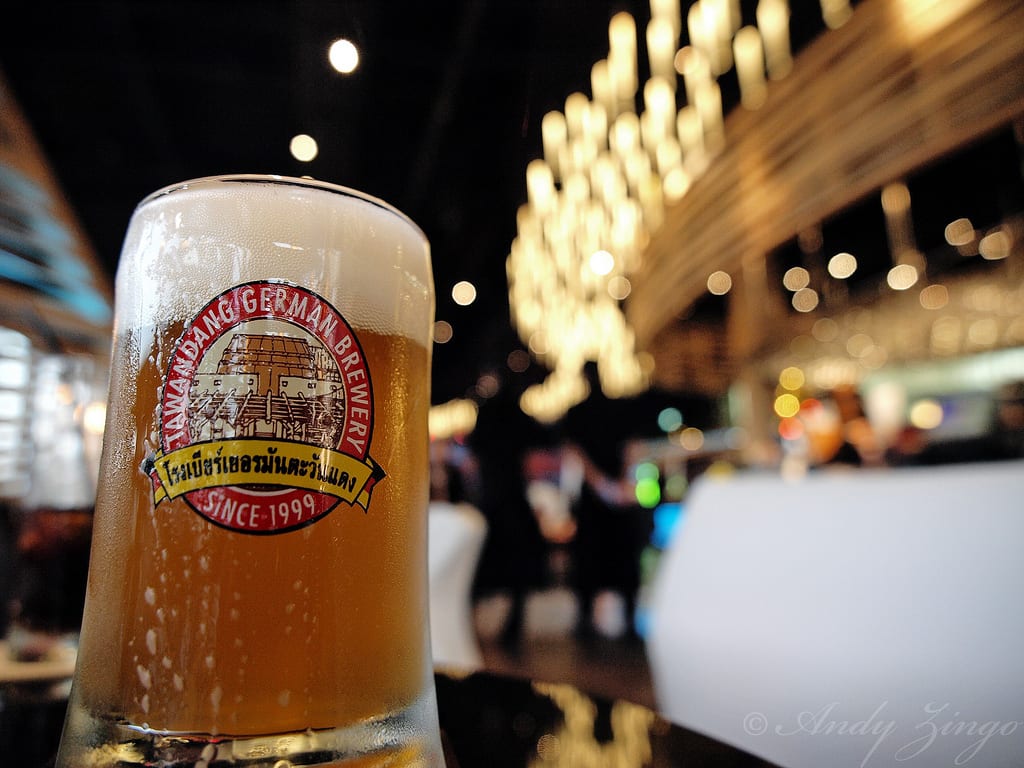
    Thai-based brewery restaurant chain Tawandang is planning further expansion at home and abroad as its concept gains favour with consumers.

    There are currently three Tawandang Germany brewery restaurants operating in Bangkok, with a third scheduled to open on August 7. The first two are located on Rama III and Ram Intra, and the third will open on Chaeng Watthana Rd.

    Tawandang also has breweries in Singapore and Cambodia and a restaurant in Australia.

    In an interview with the Bangkok Post newspaper, CEO Supote Teerawatanachai said the company is now considering expanding into Myanmar and the UK.

    Meanwhile, a further two outlets have been confirmed for Bangkok over the next five years- one at Srinakarin and the other at Bang Khae, each outlet to cost about 200 million THB (US$5.7 million)

    The new Chaeng Watthana Tawandang brewery restaurant features 5000 sqm of space and a dining hall which can seat 1200.

    “The brewery business has shown significant growth every year we have operated,” Supote told the bangkok Post.

    “Even though spending per head may be down because of the poor economy, we believe our sales this year will grow 15 per cent as expected from more new clients and a bigger customer base.”

  • Scope of e-commerce expanding rapidly

    Scope of e-commerce expanding rapidly

    Thailand’s e-commerce sector is expected to see continued strong growth, of 30-35 per cent this year.

    More and more players are getting into the e-commerce game, such as online merchants, payment-service providers, order-fulfilment providers, tech start-ups and telecoms, and foreign interests as well, encouraged by the government’s “digital economy” initiative.

    Thai E-Commerce Association president Pawoot Pongvitayapanu said e-commerce was a very tough and competitive sector.

    “This year there is tough competition for e-commerce in Thailand. Large players will spend a lot of money to gain a share [of the market]. We recommend that small and medium-sized e-commerce businesses should focus on segmented marketing targeted at their [particular market],” he said.

    He said the rapid increase in mobile Internet users had been helping e-commerce to grow actively this year.

    As of the first quarter of this year, True Mobile had 20.7 million users of its fourth- and third-generation wireless broadband services, Total Access Communication had 14.8 million data subscribers, and Advanced Info Service (AIS) had 20.6 million data subscribers.

    According to research by eMarketer, by 2018, Thailand is projected to have nearly 27 million smartphone users, with mobile-phone penetration reaching 71 per cent, giving the Kingdom the 19th-largest smartphone-user population worldwide, ahead of Australia and Vietnam.

    This rapid increase of smartphone penetration and mobile Internet users is the key factor driving rapid growth of online shopping in Thailand.

    This has obliged all stakeholders included retailers, e-commerce businesses, e-marketplaces, e-payment providers, and logistics companies to focus more on this sector. If they do not, they will lose customers to the other online shopping sites or miss business opportunities.

    Pawoot, who is also managing director of Rakuten Tarad.com, said the company would launch a new e-commerce service next quarter as part of its strategy to grow by 40-50 per cent this year. “This year, our growth comes from an increase in merchant numbers, adjusted internal processes, focusing on the mobile channel, and conducting marketing and promotion. We have a marketing budget of more than Bt10 million.”

    Telecom online stores

    Pratthana Leelapanang, executive vice president for marketing at AIS, said sales through AIS Online Store were growing by more than 200 per cent when compared with last year. All products are telecom-related including devices, accessories, SIM cards, and premium packages and content.

    The sales goal of AIS Online Store this year is to sell 600,000 mobile phones, while the marketing goal is to be a “top of mind” store.

    Convenient payment is one of the factors in the online shop’s success. Customers can pay cash on delivery or via credit or debit cards, automated teller machines, Internet banking, or over the counter at more than 400,000 outlets nationwide such as at Tesco Lotus, FamilyMart, mPay Station and Thai Post.

    “Online business in Thailand is rapidly increasing. According to the latest research by Google in June, a lot of people do online shopping via smartphone. Thailand has the highest ratio with 31 per cent of smartphone users doing mobile shopping. Therefore, there are huge opportunities for online business in Thailand,” Pratthana said.

    However, one of the disadvantages faced by online businesses in Thailand right now is price wars. Many players have absorbed losses after offering big discounts to attract customers to their online shops. Meanwhile, logistics costs in Thailand are still high.

    “Online shopping cannot [allow] customers to try and touch products before purchase. Credit-card use is still limited as people are concerned about security,” Pratthana said.

    Tim Verouden, senior vice president and head of digital services at DTAC, said online business was growing. DTAC’s e-commerce is not confined to its dtac.co.th online store, but is a whole ecosystem of digital commerce-related activities and platforms based on its customers’ understanding that it can make personalised and relevant offers.

    “We see our digital-channel footprint from a holistic perspective where all channels can benefit from each other. In terms of portfolio, we used to have the same portfolio of handsets, packages and offers as the other channels, but especially due to advanced customer understanding we can now offer more and more personalised products and services. And this portfolio will only continue to grow in the big-data age,” Verouden said.

    Revenue from DTAC’s online store alone grew rapidly in the first half of 2015, by more than 30 per cent year on year.

    “When you look at growth rates for e-commerce transactions we have just started, I think overall revenue through digital channels will double in the coming year, for the reasons mentioned earlier,” he said.

    “We also see that channel convergence and digital being just part of a customer journey is an important factor, and having this omni-channel mindset is essential to better understand and accommodate customer needs. We are in the top five [among] e-retailers in Thailand, which is quite remarkable for a telco company.”

    Line Pay

    Last week, Line Pay, a payment platform using the Line chat application, made its Thailand debut. Chase Chang, vice president for global business development at Line Pay, said the service would become a mobile payment platform for both online and offline with the aim to drive growth of online commerce in Thailand.

    Currently there are more than 205 million monthly active Line users worldwide. As of January, Thailand was Line’s second-largest country, following Japan’s 58 million, with more than 33 million users.

    “Line is very big and growing very fast. Line is set to be a ‘life platform’. We started from a communication [chat] platform, then we introduced vertical services such as Line TV, Line Music and others. Line Pay is the fundamental for supporting all of Line’s services as well as to support our partners,” Chang said.

    Line users can apply for Line Pay with ties to their credit or debit card for seamless payment for digital goods and services from Line Shop and other online markets.

    Next quarter, Line Thailand will launch the Line e-wallet, which is a Line Pay account that people can tie to their ATM or bank account. When they make a payment, they can choose between their credit/debit card or Line Pay e-wallet.

    Currently more than 100 merchants accept Line Pay. By the end of this year, Line Thailand aims to get that number above 300.

    Retailers go e-commerce

    E-commerce in Thailand is growing by 30-40 per cent per year, said Worawut Ounjai, chief executive officer of COL.

    Recently, COL redesigned its shopping site www.Central.co.th, which is set to be Central Group’s flagship online store. The group’s online sales account for a very small proportion of its overall annual sales of more than Bt150 billion but are expected to grow strongly, because a lot more people are turning to online shopping.

    E-commerce in Thailand currently accounts for about 0.5 per cent of the retail industry, while globally, it is more like 5.6 per cent. By 2020, it should pass 20 per cent.

    Central’s strategy is to harness its strengths, both online and offline, to increase the competitiveness of Central.co.th such as next-day delivery, flash deals, and click and collect. The company has prepared a 40,000-square-metre warehouse that can support online sales of up to Bt5 billion. For now, it offers online shopping via websites and mobile sites only.

    Recently, Central Group also announced it was opening distribution channels for small and medium-sized enterprises through Central.co.th, This is in line with the group’s policy of supporting SMEs to ensure strong and sustainable growth of the Thai economy.

    Central has partnered with Line Pay.

    “With consumers going online for shopping, merchants who are not part of the e-commerce trend will be out of the era and unable to reach a large number of customers,” Worawoot said. “At Central.co.th, customers can pay for shopping with Line Pay. By the end of this year, there will be 100,000 product items available.”

    Global e-commerce platforms

    Recently, the giant Taiwanese e-commerce company PC Home Online arrived in Thailand. It entered a joint venture with Cal-Comp Electronics (Thailand) to set up PC Home (Thailand) to provide an e-commerce platform for Thais.

    The company will launch a consumer-to-consumer (C2C) e-commerce platform in September and aims to have more than 5 million product listings within one year of operation.

    For the first three years, it will offer its service to sellers free of charge, and after that they will have to pay a fee of 1.5 per cent of a transaction value.

    Hung-Tze Jan, founder and CEO of PC Home Online and the chairman of the Taiwan Internet and E-Commerce Association, said Thailand was the best place to land in Southeast Asia because of its well-established infrastructure.

    Meanwhile Ekachai Rukachantarakul, eBay’s Southeast Asia head, said eBay was strongly committed to the evolution of commerce in Thailand, and continued to work with local SMEs. It aims to provide them with a platform through which they can deliver goods and services on an unparalleled global scale.

    Thailand, as the nation with the highest number of eBay retail exporters in Southeast Asia, with annual sales in excess of US$1 million (Bt34 million), is seeing an increasing number of success stories on eBay’s US, Australia, UK and other global marketplaces.

    An example of a successful Thai entrepreneur benefiting from eBay’s platform is Tuff. Wuttinum Sangon, owner of Tuff, uses eBay as an online marketplace to sell his Muay Thai products such as shorts, gloves and protective gear. He said eBay enabled SMEs to compete with larger companies in the global market.

    Similarly, the giant Chinese e-commerce Alibaba.com has focused on Thailand’s e-commerce market. Thailand is a really important and high-potential market for Alibaba.com, said Thomas Ho, Thailand country manager.

    Alibaba.com provides an e-commerce platform for businesses. As of March, the number of registered users in Thailand had increased by 42 per cent year on year. This was natural growth without having a local reseller, so it is possible to expect more growth in Thailand this year.

    Currently, Alibaba.com has around 570,000 registered users in Thailand, mostly buyers.

    Apart from Alibaba.com’s B2B e-commerce platform, Ho said, the company’s other businesses such as AliExpress and AliPay are under consideration for bringing to the Thai market in the future.

    Local e-marketplace

    The local e-marketplace Weloveshopping.com has adjusted its business with the aim of capturing the rapid growth of e-commerce in Thailand and in Southeast Asia and to become leader in e-marketplace segment.

    Sunsern Samaisut, chief commercial officer for the e-business group at Weloveshopping, said no one had yet dominated the e-commerce markets in Thailand and Southeast Asia, while the markets were growing rapidly. The company is confident of becoming the e-marketplace leader.

    This year, it aims to have 10,000 merchants on Weloveshopping.com, with a combined transaction value of Bt2 billion.

    The company refreshed its brand and changed its business model from earning revenue from rentals of online stores to earning commissions from transaction fees ranging from 2.9 to 13 per cent.

    “This year, we strengthened our position in Thailand with the new business model. Early next year, we plan to expand [into Southeast Asia] through two possible models, including to cooperation with local partners and takeovers of local companies,” Sunsern said.

    Fulfilment services

    Order fulfilment is crucial to the success of e-commerce businesses. Currently, there are many such services. The newest one is Thailand Post Distribution. It is a subsidiary of Thailand Post recently established to provide a total logistics solution in Thailand and Indochina with the aim to be the hub of logistics in the Indochina region by 2019.

    The service fulfils orders for medicines and medical supplies, banks and financial institutions, multinational companies, and border traders, said Warakan Srinualnad, CEO of Thailand Post Distribution.

    The company offers a total logistics solution including packing, warehousing, delivery, and payment services for both private

    companies and government organisations. It also utilises 10 of Thailand Post’s 16 warehouses and distribution centres throughout the country to enhance its logistical efficiency.

  • Bangkok malls hit their stride

    Bangkok malls hit their stride

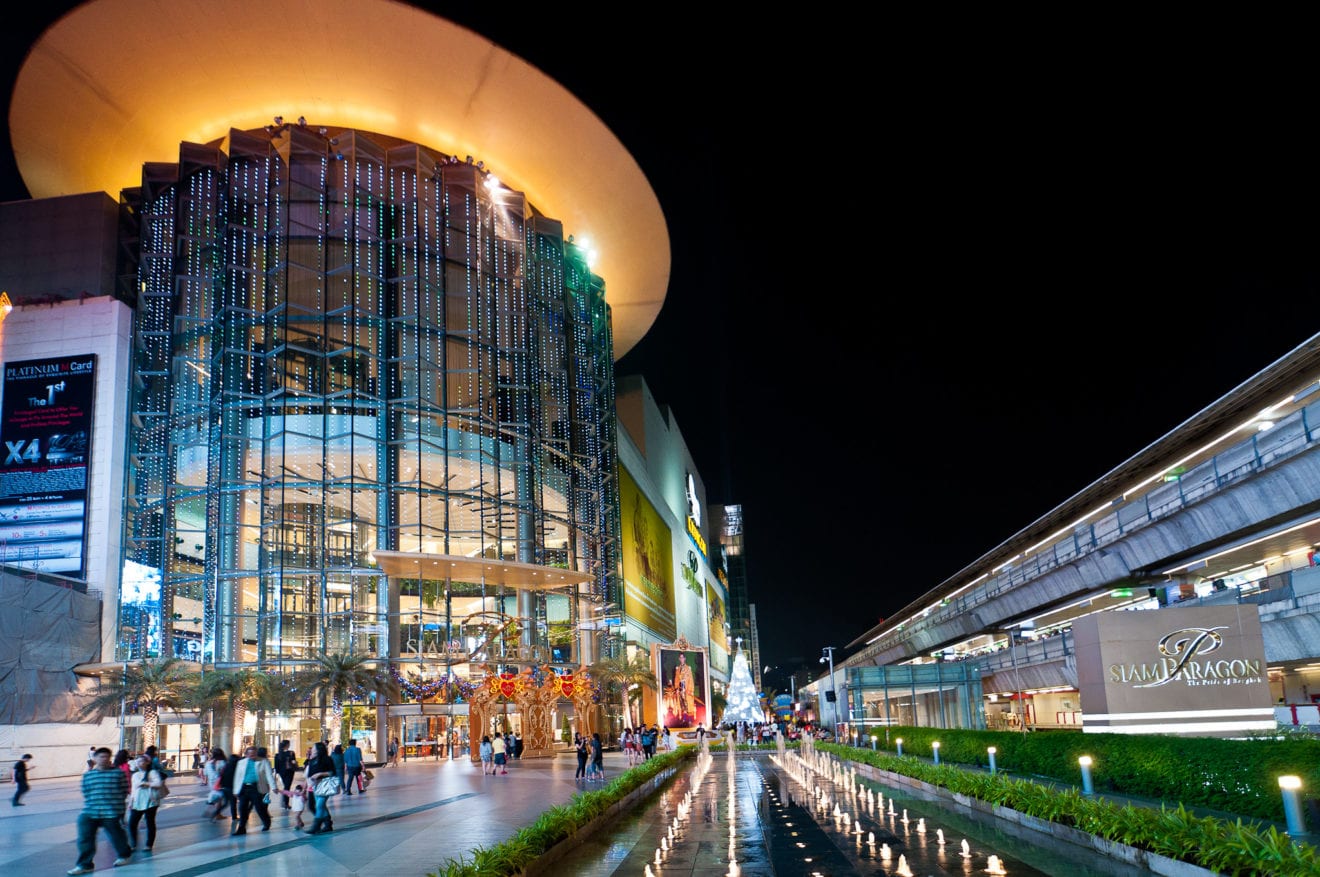
    Among the small circle of mall developers in Bangkok, the default motto has been “the more, the better”. In a city already teeming with over 120 malls, International property consultant CB Richard Ellis says one million square metres of retail space is expected to be completed here this year. Bangkok ranks eighth among the top retail target markets in Asia-Pacific, according to its report.

    As the malls take up vast swaths of land in prime areas, Bangkok risks losing its poignant charms to be just another city with high-rise buildings. Residents have taken up the cause with the Makassan Hope group petitioning the Bangkok Metropolitan Administration to refrain from selling huge plots of state land in the central district to developers.

    There has also been much buzz about the popular street food court on Sukhumvit Soi 38, which will soon make way for condominium blocks.

    Despite that sentiment, Supaluck Umpujh, one of three retail queens who oversaw the development of EmQuartier, says residents have much to gain from modern shopping malls built on the one-stop lifestyle centre model.

    Malls featuring cinemas, restaurants, stores and mini parks provide relief for urban dwellers living in crowded conditions in high-rises, she says.

    “Many people live in condos and they need a place to go out and enjoy social life. You can come to the mall to hang out, get a haircut, send your kid to a learning centre and watch a movie.

    “We are not just building a mall, we are building up a district, that’s our aim,” says the vice chairwoman of The Mall Group.

    EmQuartier is part of the master plan for Em District, which encompasses a 650,000m2 retail zone with three shopping complexes.

    Since its recent launch, the mall has come up with various marketing gimmicks including Pharrell Williams’s flash mob dance by its Gourmet Market staff and the latest #iFeel Instagram campaign.

    “A building can be elegant but cold inside. I want people to come to the mall feeling happy like it is their second home,” she says.

    It is inevitable that more malls will be built, as the older malls with outdated designs and inadequate facilities no longer appeal to shoppers, she says.

    Not just for Thais

    As more malls are opening up, it is a wonder Thais have enough spending power as household debt keeps mounting.

    However, Thailand’s reputation as a popular tourist destination provides a strong customer base.

    “Previously, tourists came to Thailand for sightseeing but did not spend much money shopping. The government has introduced campaigns such as the Amazing Thailand Grand Sale to promote the country as a shopping destination,” she says.

    The prices of luxury goods here may not be very competitive due to the high tax rate, but Bangkok offers cheaper accommodation than other cities like Hong Kong and Singapore.

    “Bangkok can be the Dubai of the East with the number of world-class malls that we have,” she says.

    The Chinese tourist boom and the launch of the Asean Economic Community later this year could further spur the growth of the retail industry in Thailand.

    “Right now, the percentage of Chinese tourists who visit Thailand is still relatively small. Looking at the one billion population in China, there is huge potential to be tapped if more Chinese tourists visit Thailand,” she says.

    Rise of the high-end culture

    As the developer of Emporium, the first upscale mall in Bangkok, which opened its doors during the height of the 1997 economic crisis, Supaluck has weathered her share of the ups-and-downs in the retail market.

    She is unperturbed when figures released by the Bank of Thailand show that retail sales fell from February to April compared to the same months last year.

    “It’s part of life, this is a cycle. Currently, there is a global economic slowdown, many countries have their own problems. Even if the baht drops, we can expect to draw in more tourists, as you can see that the falling euro attracts more tourists to Europe.

    “During the ’97 crisis, Thais travelled less to shop overseas and the lower baht attracted many tourists to Thailand. That was why we were able to do very well with Emporium,” she says.

    The high-end consumer culture too looks to be gaining strength, judging from the rush of international luxury brands to set up flagship stores in Thailand. Jeweller Tiffany & Co and premium confectioner Pierre Herme opened their first outlets in EmQuartier recently.

    “Thai society is status conscious and we are still a developing country. Everyone wants to dress well and look good,” says Supaluck, who first brought in Chanel and Hermes to Thailand.

    While she is driven by the pioneer streak in her to introduce new brands to the local retail scene, she says international brands do not need much convincing, given the strong track record of Siam Paragon and Emporium under her helm.

    “The brands also put much trust and confidence in Thailand as a tourist attraction. They are watching where the Chinese are going and see where is ‘the destination’.”


  • Duty free mall planned for Vientiane

    Duty free mall planned for Vientiane

    A consortium of Lao and Thai investors is building a shopping and hotel complex in Laos’ largest city, Vientiane as the two nations prepare for the new Asean Economic Community.

    The US$290 million project will be built on a 32 hectare site in downtown Vientiane. In the first stage a 37,000 sqm duty free mall will be built with tenancies for 200 brands.

    Stage two will include a larger shopping mall, a hotel, theme park and commercial buildings. A logistics and distribution centre is also planned.

    The first retail facility – to be called the Laos Duty Free Mall – is under construction already with an opening scheduled for February next year.

    Targeting Chinese, Thai and Lao shoppers, the centre is expected to draw about 10,000 customers a day.

    The project is being undertaken by BM Group, 51 per cent owned by Lao’s, including coffee and duty free business Dao-Heuang Group, and 49 per cent owned by Thai company Sayam International.

    BM Group is also planning four more duty free malls within four years in Laos: in Pakse, Vientiane, Savannakhet and Luang Prabang.

  • KBank, Aeon connect in Laos

    KBank, Aeon connect in Laos

    Both parties are also ready to jointly develop payment channels and other innovative services in a bid to assist Thai investors in Laos.

    Suwat Techawatanawana, KBank’s first senior vice president, said Aeon Leasing Service (Lao) had been granted kip-denominated loans by the bank’s Laotian unit to be used for its retail and motorcycle-loan businesses.

    Aeon Group is a successful financial conglomerate in Thailand, offering personal-loan and credit-card services. Given the promising trends in Laos, the group’s business expansion into this marketplace is expected to bring fruitful results.

    Aside from financial support, KBank will cooperate with Aeon to develop products and services such as innovative payment channels to facilitate its customers in Laos.

    Shiro Kitano, managing director of Aeon Leasing Service (Lao), said this cooperative effort with KBank would be supportive to the company’s business, making it more flexible in its operations.

    Aeon Group now centralises its business management of the Asean region in Thailand. After branching out into the Laotian market, the conglomerate may contact KBank. The one-stop service will help reduce the number of relevant procedures and time needed.

    The cooperative endeavour between the two companies to develop complete payment channels will not only provide greater convenience to customers in Laos, but also assist in modernising transactions in this market.

    Having its headquarters and first branch in Vientiane, Aeon Leasing Service (Lao) is now expanding its services in other major cities in that country.

    Amid slowing economic conditions, loans extended during the first half of 2015 accounted for 30 per cent of this year’s target of 50 billion Lao kip (Bt208 million).

    The company plans to launch more marketing activities to boost its business during the second half of the year, wherein the overall economy is expected to benefit from the advent of the Asean Economic Community.

    Suwat said KBank had operated its locally incorporated institution in Laos since last December, offering loans and financial-transaction services to both individual and corporate customers there, including Thai businesses that have invested in the country.

    Providing credit, KBank assesses their business potential in Laos, plus their company outlook in Thailand. Such risk assessment is conducted to evaluate the entire group prospect. Therefore, the bank can better underwrite credit and give other supporting services to the businesses.

    Amid Laos’ high economic-growth potential, some Thai operators may wish to cash in on growing business opportunities. KBank says it stands ready to support Thai businesses in advisory services, business matching activities and diverse financial services.

  • Teddy’s Bigger Burgers Thailand opens in Bangkok

    Teddy’s Bigger Burgers Thailand opens in Bangkok

    Teddy’s Bigger Burgers Thailand is to open its first outlet in Bangkok on July 16.

    Thailand marks the third Asian market for the Hawaii-based chain, which has appointed Go Go Restaurants as its local partner for an initial eight year term. Ten stores are planned within five years.

    Teddy’s Bigger Burgers currently has 20 outlets in the US, the Philippines and Japan. It has a five year plan to open 64, with 10 in each of its three Asian markets, 30 in the US and four in Dubai.

    Teddy’s Bigger Burgers Thailand’s first outlet will be in the Gateway Ekkamai mall, adjacent to the Ekkamai BTS station. A second will open in October in CentralPlaza Pinklao.

    Co-founder Richard Stula said in an interview with the Bangkok Post newspaper that his company sees “huge opportunities” for premium burgers in Thailand.

    “However, it’s very challenging to find good locations as retail malls have several fast-food burger brands already,” he said.

  • Thailand based TCC Land restructures its retail and leisure biz

    Thailand based TCC Land restructures its retail and leisure biz

    TCC Land will hold the entire stake in the two new firms – TCC Land Asset World Leisure for its hospitality business, and TCC Land Asset World Estate Co for its retail and office building businesses.

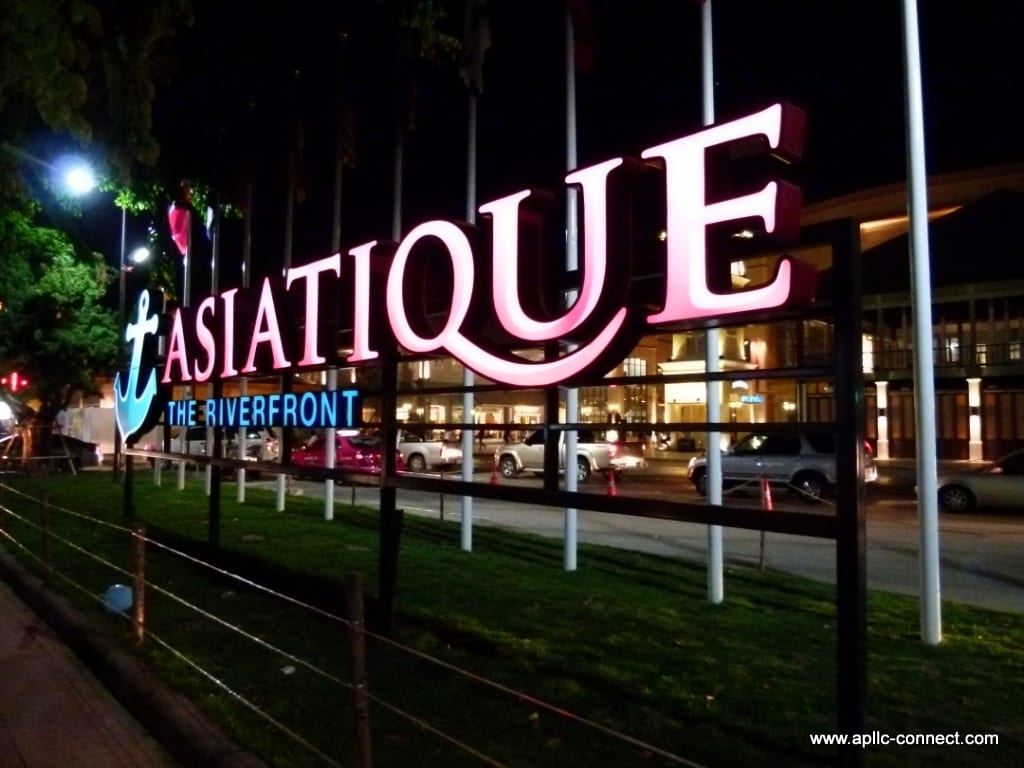
    Napat Charoenkul, managing director of retail business of TCC Land Estate World Co, who takes charge of six retail property brands, comprising Asiatique, Gateway, Center Point @Siam, OP Place, Pantip and Boxspace, said that this restructuring would make for more efficient management for each of the businesses.

    Also, the company plans on investing around 5-20 billion baht over the next five years and plans to increase the total retail space from the current 150,000 square meters to  200,000 square meters by 2019. The company aims to boost its revenue from 900 million baht this year to three billion baht by 2019, he revealed.

    This year, it will spend 650 million baht on renovating Gateway Ekamai, rebranding Digital Gateway Siam as Center Point of Siam Square and launching a new nightlife area Boxspace at Ratchayotin.

    However, the company plans to change three branches of Pantip to new digital center with an investment of of 460 million baht in 2016. It will also invest 1.2 billion baht in the second phrase of Asiatique and spend 1-4 billion baht on setting up a new hotel and Asiatique Prime Pattaya.

    Napat added that it was also considering the establishment of Asiatique as a lifestyle and shopping community, in Chiang Mai and Hua Hin. These two projects are scheduled to start in 2017-18.


  • AIS Partners with TNS to Strengthen ATM and Retail Network Offer

    AIS Partners with TNS to Strengthen ATM and Retail Network Offer

    Thailand’s leading mobile operator, Advanced Info Service (AIS), is partnering with Transaction Network Services (TNS) to enhance its product portfolio to address the specific PCI DSS needs of its merchant customers.

    The new ATM and retail store communications solution, called PCI DSS Certified Hybrid MPLS, is a fully managed service which uses AIS’ mobile 3G and fixed MPLS network, combined with TNSLink. In addition to connectivity to Thailand’s banks, AIS merchant customers will be able to utilise the TNSLink solution to reach more than 400 payments-specific endpoints, including the world’s major card schemes, banks, acquirers, processors and value added financial service suppliers, which are connected to TNS’ worldwide network.

    Weerachai Patcharopartwong, Senior Vice President Corporate Marketing and Sales at AIS said: “AIS’ vision is to create a digital service for customers and Thai people which helps them do more and live better, as well as creates new opportunities for corporate customers to use digital technology to support business operations.

    “We’re delighted to be partnering with TNS and offering its specialised TNSLink product portfolio to our customer base across Thailand. TNS’ long-standing PCI DSS credentials, feature-rich solution and reliable technology make it the premier payments solutions provider in Thailand and a natural choice for our business.

    “This agreement with TNS makes AIS the first and only mobile operator in Thailand to offer a solution providing a communication network with high standard PCI DSS system support and this demonstrates our determination to enhance customer data protection.”

    TNSLink is a fully managed, PCI DSS compliant solution that allows customer to reduce capital outlay, lower operating costs and increase revenue for ATMs and point-of-sale (POS) terminals. A near real-time web reporting portal, TNSOnline, ensures ATM and POS systems operate with maximum uptime. In March, TNS announced it had launched 4G LTE network support for its TNSLink suite of solutions.

    Lisa Shipley, Executive Vice President and Managing Director of TNS’ Payment Network Solutions, said: “Our agreement with AIS is an excellent example of how we partner with local market leaders, such as AIS, to empower their bank and retail customers with the highest level of security for ATM and branch network access. We look forward to helping AIS grow its business using its superior 3G coverage across Thailand.”

    TNS is a Level 1 PCI DSS certified service provider and its secure network is supported 24x7x365 by TNS’ Network Operating Centres around the world. With a strong payments heritage and more than 20 years of expertise, TNS now provides services in more than 60 countries across Europe, the Americas and the Asia Pacific region.

    ENDS

    About Transaction Network Services:

    Transaction Network Services (TNS) is a leading global provider of data communications and interoperability solutions. TNS offers a broad range of network and innovative value-added services that enable transactions and the exchange of information in diverse industries such as retail, banking, payment processing, telecommunications and the financial markets.

    Founded in 1990 in the United States, TNS has grown steadily and now provides services in over 60 countries across the Americas, Europe and the Asia Pacific region, with our reach extending to many more. TNS has designed and implemented multiple data networks that support a variety of widely accepted communications protocols and are designed to be scalable and accessible by multiple methods.