Tag: Thailand

  • New mall planned for Sukhumvit 101

    New mall planned for Sukhumvit 101

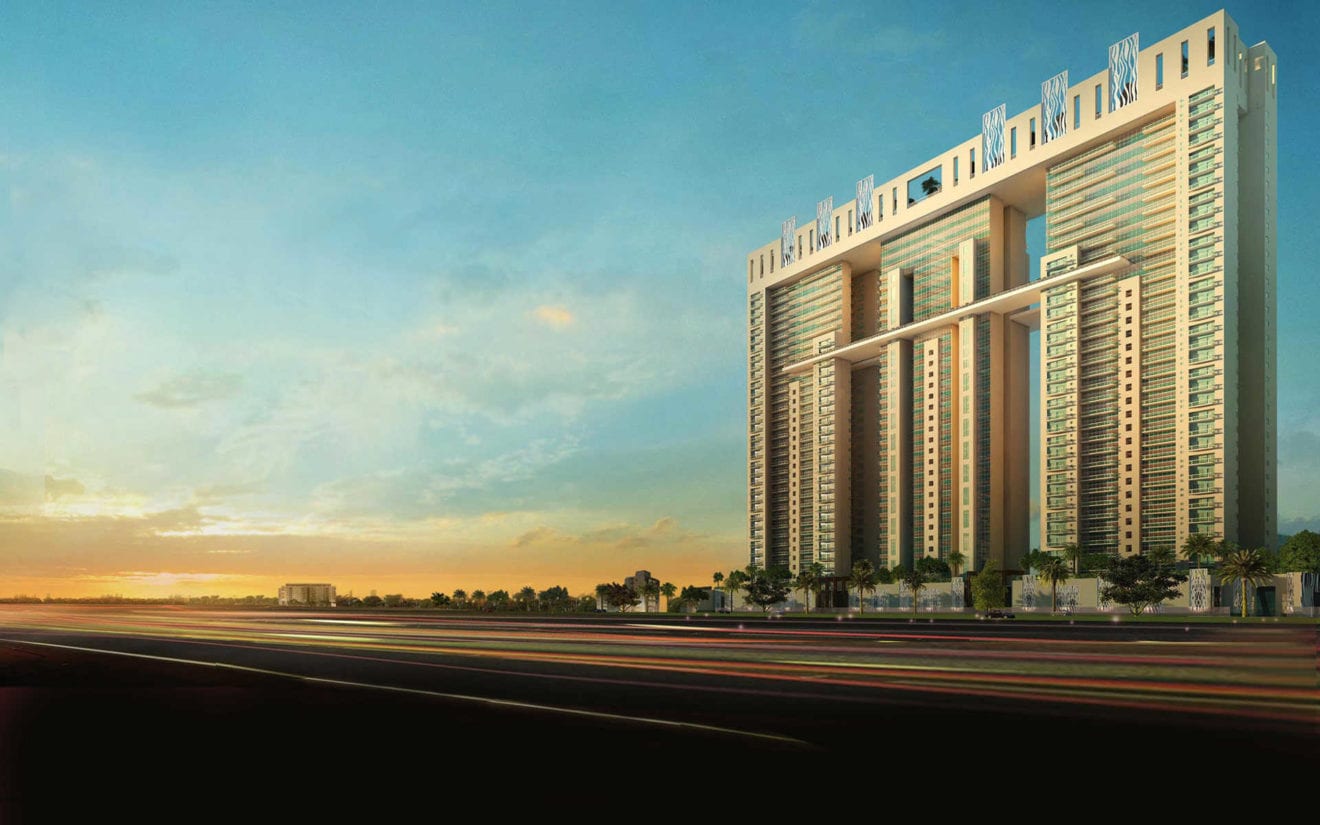
    Thai property developer Magnolia Quality Development Corporation has unveiled a stunning, futuristic mixed use development plan for Sukhumvit 101.

    Whizdom 101 is a massive 30 billion baht US$883 million project which when complete will comprise 340,000 sqm of space: a 20,000 sqm retail shopping centre, 30,000 sqm of office space, 10,000 sqm for a sports and wellness facilities. The balance of the space will house 1800 residential units in three high rise towers.

    The first tower – Whizdom Connect Sukhumvit – will house 600 apartments, 60 per cent of which have already been reserved since they were placed on the market a fortnight ago. Construction is scheduled to commence from october this year and be completed mid-2018.

    Suttha Ruengchaipaiboon, an executive vice president of Magnolia, said the company is targeting younger people from Thailand, China and Asean. A roadshow promoting the project will visit Hong Kong, Malaysia, Singapore and Indonesia during the second half of this year.

    Magnolia is a partner in the massive IconSiam mixed use project in partnership with Siam Piwat, under construction on the banks of the Chao Praya River.

  • Orion is out in bidding for Tesco’s Korea operations

    Orion is out in bidding for Tesco’s Korea operations

    Private-equity firms such as MBK Partners and the Carlyle Group are among the short-listed bidders for Homeplus, a local discount retailer owned by the U.K. grocery chain Tesco, according to people with knowledge of the matter.

    Affinity Equity Partners and Goldman Sachs’ private equity arm have also been short-listed, while the local snack maker Orion, which had submitted a bid, failed to move to the next round after a bid at the lower end of the bidders’ range. Orion’s bid was said to have been between 4 and 5 trillion won ($3.6 billion to $4.4 billion).

    Orion shares jumped 5.7 percent on Thursday after the news of its withdrawal. “Homeplus was probably too big of a prize for Orion to handle. Its failure has been expected,” a brokerage analyst said.

    Hyundai Department Store, which had earlier shown interest in bidding, decided not to, the retail company said. The chain is currently focused on getting a license for a duty-free business in Seoul.

    The Homeplus sale is expected to fetch around $6 billion for the troubled U.K. grocery chain Tesco, which is dealing globally with massive losses and huge outstanding debts. The sale of its Korean operations is part of its efforts to secure cash as it tries to stay afloat.

    Tesco entered the Korean retail market jointly with Samsung C&T in 1999, initially controlling 81 percent stake in Homeplus but gradually buying out Samsung’s stake.

    Homeplus operates 107 hypermarkets and 828 express stores across Korea, and is the third-largest discount retailer, after E-Mart and Lotte Mart, according to regulatory filings.

    Korea’s discount retailing market is estimated to be worth 34.9 trillion won as of the third quarter of 2014, down from 45.1 trillion won a year earlier. The sector has been hurt by an economic slump and government regulations that restrict operations during weekends to protect mom-and-pop stores.

    Homeplus saw a net loss of 299 billion won last year. Homeplus Tesco reported a net loss of 48.8 billion won and Homeplus Bakery contributed a net loss of 6.7 billion won.

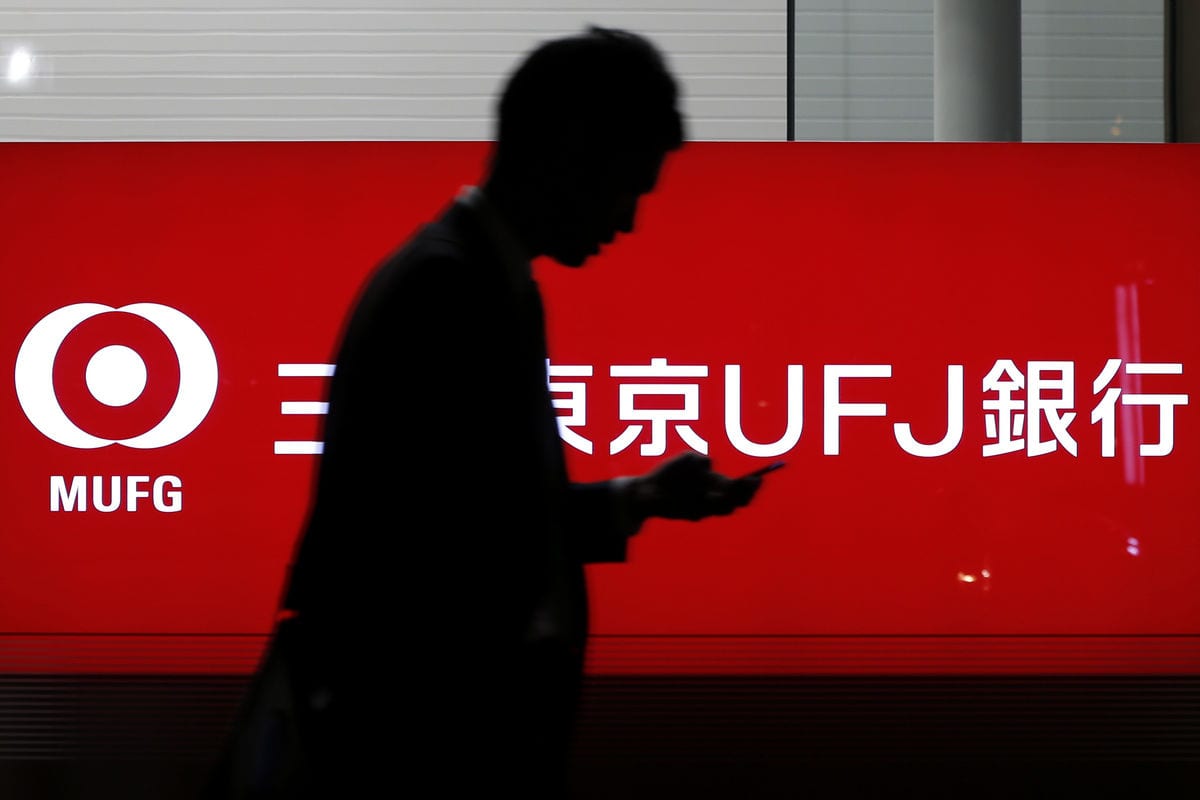
  • Mitsubishi UFJ considers buying Asian bank similar to Thai unit

    Mitsubishi UFJ considers buying Asian bank similar to Thai unit

    Go Watanabe, CEO, Asia-Oceania at Mitsubishi UFJ said that we’re looking for a bank that is very strong in both corporate and retail consumer finance akin to Bangkok-based Bank of Ayudhya Pcl. Photo: Bloomberg

    Singapore: Two years after spending about $5 billion buying a Thai bank, Mitsubishi UFJ Financial Group Inc. is looking for a similar Asian investment.

    Japan’s biggest lender is considering acquiring a bank in Indonesia, the Philippines or India that has expertise in consumer banking, said Go Watanabe, chief executive officer (CEO) of the main lending unit’s Asia-Oceania arm.

    “We’re looking for a bank that is very strong in both corporate and retail consumer finance” akin to Bangkok-based Bank of Ayudhya Pcl, Watanabe, 56, said in an interview on Monday in Singapore. The company ideally wants a majority stake in a “relatively big-sized bank,” he said.

    Mitsubishi UFJ has been the most aggressive of Japan’s banks in seeking to tap Asia’s consumers as sluggish growth and shrinking loan margins hamper prospects at home. Regulators in Indonesia, the Philippines and India are at various stages of easing rules on ownership of their banks by foreign lenders.

    “Doing business with corporates isn’t enough,” Watanabe said. “Having a retail business is something we want, to capture the high growth of the Asian economy.”

    Asia excluding Japan is poised to expand 6.2% this year, compared with 0.9% in Japan, according to economist estimates compiled by Bloomberg.

    That growth is reflected in Bank of Tokyo-Mitsubishi UFJ Ltd’s loan book. Average loans outstanding in Asia to non-Japanese borrowers climbed 10% from a year earlier to ¥7.6 trillion ($62 billion) in the six months ended March, company data show. That excludes Bank of Ayudhya’s loans.

    Ownership rules

    Loosening of bank ownership restrictions may favour Watanabe’s aspirations to obtain a majority stake in one of the target countries.

    India now allows overseas holdings of as much as 74%, up from 49% previously. Indonesian regulators in June allowed South Korea’s Shinhan Bank to buy two lenders and merge them, providing an exception to a 40% foreign-ownership limit. The Philippines eased its rules last year to let international companies fully own a domestic bank.

    While Watanabe has spoken to relevant authorities, he said there is no discussion of specific targets. The acquisition plan, while part of the bank’s three-year strategy, may materialize after the period, he said.

    Mitsubishi UFJ is among 12 firms that expressed interest in buying United Coconut Planters Bank from the Philippine government, which is seeking more than $350 million for its 74% stake, people with knowledge of the matter said in June. Watanabe declined to comment on the sale.

    Long-term commitment

    The Japanese company is investing in foreign banks for the long term, Watanabe said. In Thailand, it gave up its banking license and merged its local unit into Bank of Ayudhya, the nation’s fourth-biggest bank by market value, to gain the central bank’s endorsement.

    “We are already committed,” he said. “There is no return.”

    Bank of Tokyo-Mitsubishi UFJ now owns 77% of Bank of Ayudhya, whose net income grew 19% last fiscal year to THB14.2 billion ($420 million). It bought a 20% stake in state-owned Vietnamese lender VietinBank in 2013.

    Watanabe moved to Singapore in July 2013 to take up his current role, reflecting a strategic shift at the Japanese bank, which previously ran all its Asian units from Tokyo. Singapore is now the regional headquarters for the 12 countries under Watanabe’s supervision, from Australia to India.

    Bank of Tokyo-Mitsubishi UFJ now has 1,200 employees in Singapore, 200 of whom are Japanese, Watanabe said. While the company is unlikely to add headcount in the city-state, it’s seeking to boost the number of local hires to cater for an increasingly international client base, he said.

    “The growth is now with non-Japanese companies, like European and US multinational companies that are growing in Asia,” he said. “That’s the business we’d like to expand.”


  • First-half gross sales set to surge by 10% for The Mall Group

    First-half gross sales set to surge by 10% for The Mall Group

    Regardless of the shortage of clear indicators of a restoration in shopper spending, The Mall Group expects 10% retail gross sales progress within the first half of this yr.

    Government vice-president Chamnarn Maytaprechakul stated the group’s retail gross sales within the first six months have been projected to rise by 10% year-on-year, beating the general business forecast of lower than 5% progress. The retail sector has not been affected by political unrest because it was final yr. The development of tourism additionally helped drive its sharp gross sales rise.

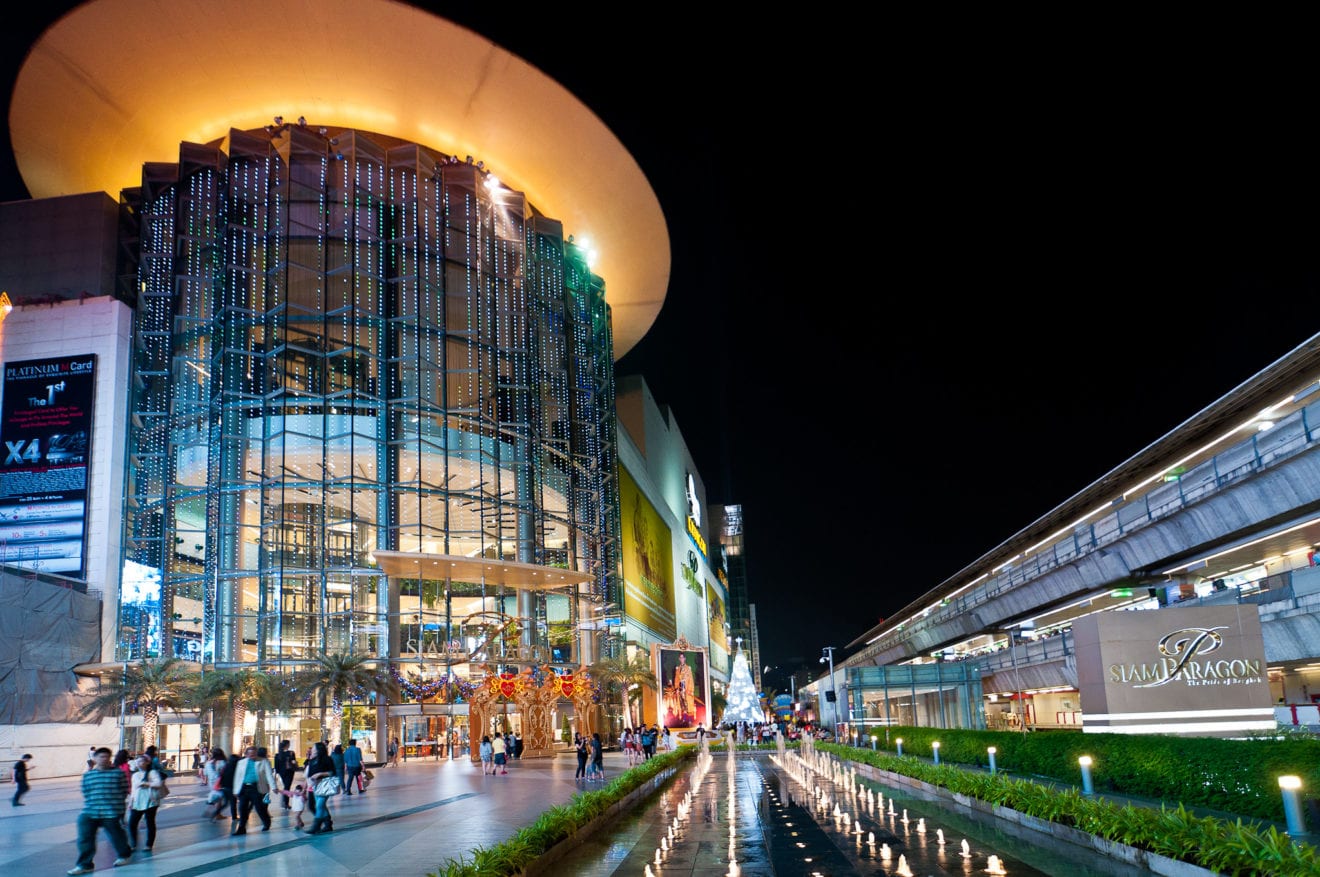
    “Siam Paragon acquired full profit from the rebound of the tourism business. It was certainly one of our key gross sales drivers within the first half,” Mr Chamnarn stated. As of April 18, about 9.three million overseas vacationers had visited Thailand, up 23% from the identical interval final yr, reflecting vacationer confidence within the nation’s political stability, in response to the Tourism Authority of Thailand.

    The group additionally efficiently opened its new shopping center, EmQuartier on Sukhumvit Street in Bangkok, a couple of months in the past. Mr Chamnarn stated the general retail business would develop by lower than 5% within the first half due to mounting family debt and decrease farm product costs. “The general financial system has not recovered, so we’ll do our advertising actions extra effectively to cowl all product classes in each main season,” he stated.

    The central financial institution on Monday warned that a sluggish financial restoration might harm the personal sector’s monetary place and debt-servicing potential. It’s predicted that weak home consumption will proceed within the second half. At The Mall, partnerships will probably be one other technique to let the group entry a much bigger buyer base.

    The group will spend about 100 million baht to launch three advertising campaigns from tomorrow till Aug 5 to spice up gross sales by three.5 billion baht. That is a part of its plan to drive gross sales to extend by 6-7% to 53 billion baht this yr. In the meantime, Zeer Property Co, operator of Zeer Rangsit purchasing complicated, will at this time open The Hub Rangsit costing three.5 billion baht subsequent door to Zeer Rangsit.

    The three-storey constructing has been developed on an 86-rai plot with 160,000 sq. metres of gross sales area. The venture has greater than 400 tenants promoting style, luggage, leather-based merchandise and equipment. About 80% of area has been reserved.

    Within the first 5 months, Tesco Lotus opened hypermarkets in Nakhon Si Thammarat and Surin, whereas Rayong acquired a brand new Robinson Division Retailer.

  • Lawson Thailand targets 1000 shops

    Lawson Thailand targets 1000 shops

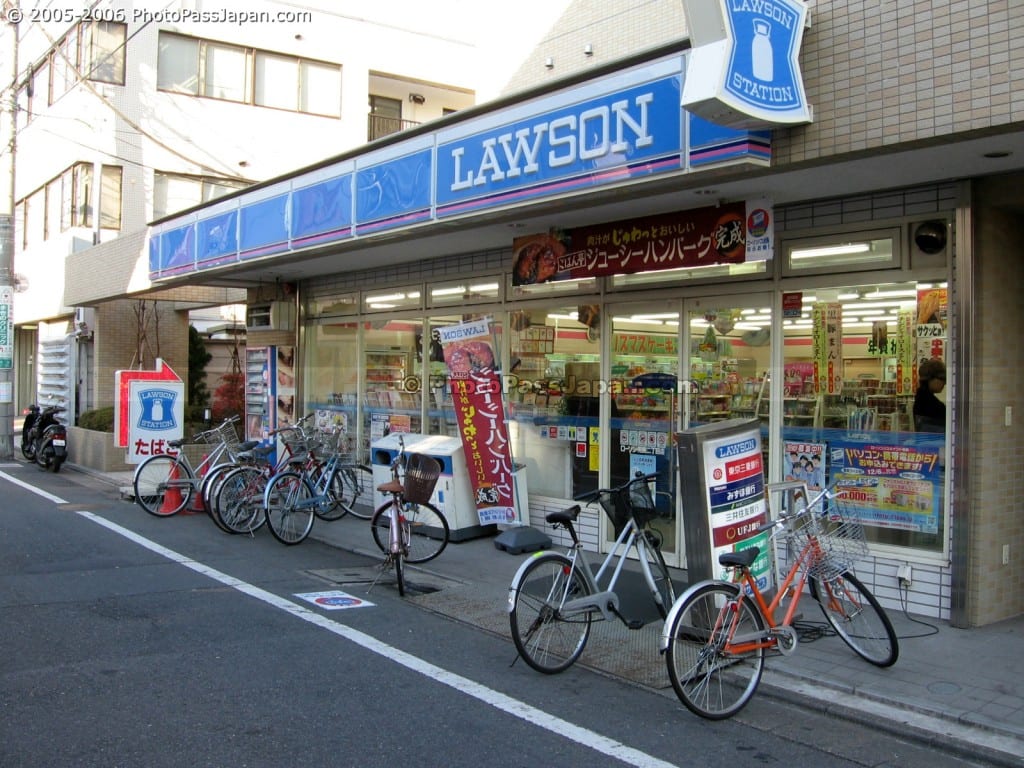
    Lawson Thailand, a three way partnership between the Japanese comfort retailer operator and an area Thai listed firm, says it plans to open 1000 shops throughout the nation.

    At present it has simply 40 buying and selling underneath the brandname Lawson 108, but it says it’s going to attain 1000 inside three years.

    Lawson Thailand is a three way partnership between Saha Pathanapibul Pcl and Lawson Inc of Japan.  Saha Pathanapibul is a subsidiary of Saha Group, Thailand’s largest shopper merchandise enterprise.

    The 2 corporations established a three way partnership in 2012 however progress up to now has been sluggish.

    Now they are saying they may concentrate on creating some extent of distinction between rival comfort retailer chains, such because the market dominant 7-Eleven, together with providing freshly cooked, able to eat meals.

    With 7-Eleven already working 8000 comfort shops in Thailand and Central Group’s Household Mart enterprise increasing, Lawson Thailand might face an uphill battle gaining market share, even with 1000 shops buying and selling.

  • Thailand heads eBay in SE Asia

    Thailand heads eBay in SE Asia

    Thailand has maintained in its position as eBay’s largest market in Southeast Asia thanks to the appreciation of the US dollar and the variety of Thai products, says the world’s largest e-marketplace.

    The California-based e-commerce operator is gearing up to encourage Thai small and medium-sized exporters to use its marketplace to expand export opportunities, said Ekachai Rukachantarakul, head of eBay Marketing (Thailand).

    The company is facing stiff competition from global e-commerce players such as China’s Alibaba.

    Mr Ekachai said Thailand was eBay’s largest online retailer in Southeast Asia in terms of sellers and trade value. It established a presence in Thailand in 2009.

    An internal report revealed that online shopping makes up just 1% of retail sales in Southeast Asia compared with 8% in China and more than 10% in the US and Britain.

    In addition, e-commerce in the Asean region accounts for less than 1% of the global market.

    However, Mr Ekachai said eBay expected Asean’s e-commerce to grow by 25% in the coming years, up from average growth of 15% in the past four years.

    A report by digital marketing research firm eMarketer estimated that the global business-to-consumer e-commerce market could increase from an expected US$1.7 trillion in 2015 to $2.3 trillion by 2018.

    Most of eBay’s 157 million active buyers are in the US, Australia, Britain and Germany.

    “Thailand also has the 10 best sellers or retail exporters with revenue of more than $1 million per year, the highest in the region,” Mr Ekachai said.

    The best-selling products from Thailand are jewellery and gemstones, auto parts, clothes and shoes.

    Mr Ekachai said eBay would join forces with successful retailers to encourage other companies to use its marketplace.

    “We found 13% of Thai retailers joining eBay’s marketplace could generate sales revenue of $10,000 a year,” he said.

    Globally, eBay.com has 25 million sellers. In the first quarter of 2015, its revenue reached $2.1 billion. Its gross merchandise value was $20 billion. It earns commission from transactions.

  • Saha group says Japan’s Lawson stores in Thailand to rise to 1000

    Saha group says Japan’s Lawson stores in Thailand to rise to 1000

    A joint venture of Thailand’s Saha Pathanapibul Pcl and Japan’s Lawson Inc aims to boost the number of ‘Lawson 108’ outlets in the Southeast Asian nation to 1,000 over the next three years from 40 now, a Saha executive said on Friday.

    Saha Pat, part of Saha Group, Thailand’s largest consumer products conglomerate, joined hands with Lawson, one of Japan’s top- three convenience store chains, to form joint venture Saha Lawson Co in 2012 to tap the Thai retail market.

    Saha Lawson will focus on fresh-cooked and ready to eat products, Saha Pat’s director Vathit Chokwatana told a conference. He did not reveal any investment numbers by the partners.

    Lawson is one of several Japanese retailers expanding business in Thailand, despite the Southeast Asian nation’s weak domestic consumption and slowing economy. Others include Tokyu Department Store and MaxValu supermarket, owned by AEON group.

    Lawson competes directly with CP All Pcl, Thailand’s largest convenience store chain with more than 8,000 7-Eleven outlets, and Family Mart, owned by Central Group, Thailand’s leading retailer.

  • Jamba Juice Indonesia to open subsequent yr

    Jamba Juice Indonesia to open subsequent yr

    PT Sari Gemilang Makmur has gained the franchise rights to Jamba Juice Indonesia.

    The US smoothie chain Jamba Juice has launched into an aggressive worldwide enlargement technique with some 600 new cafes now within the improvement pipeline in South Korea, Taiwan, Thailand, the Philippines, Mexico, UAE, Saudi Arabia, Bahrain, Oman, Kuwait, Qatar and Canada.

    Sari Gemilang Makmur is a subsidiary of PT Mitra Adiperkasa Tbk, which operates greater than 1800 retail shops beneath a variety of its personal and franchised manufacturers in 65 Indonesian cities.

    Jamba Indonesia plans to open 70 Jamba Juice cafes in Indonesia inside 10 years, beginning in Jakarta in mid 2016.

    Tom Madsen, senior VP & GM, international progress, with Jamba Juice within the US, stated the corporate selected PT Sari as its associate as a result of it  is a number one operator of way of life manufacturers in Indonesia, an anchor tenant in main malls, and has a confirmed monitor report of efficiently constructing its personal and franchised manufacturers.

    “In PT Sari, we now have discovered a terrific associate for Indonesia, with a robust ardour for Jamba Juice and a mission to deliver well being, happiness and fulfilling life to Indonesian shoppers.”

  • Huawei hails SE Asia success

    Huawei hails SE Asia success

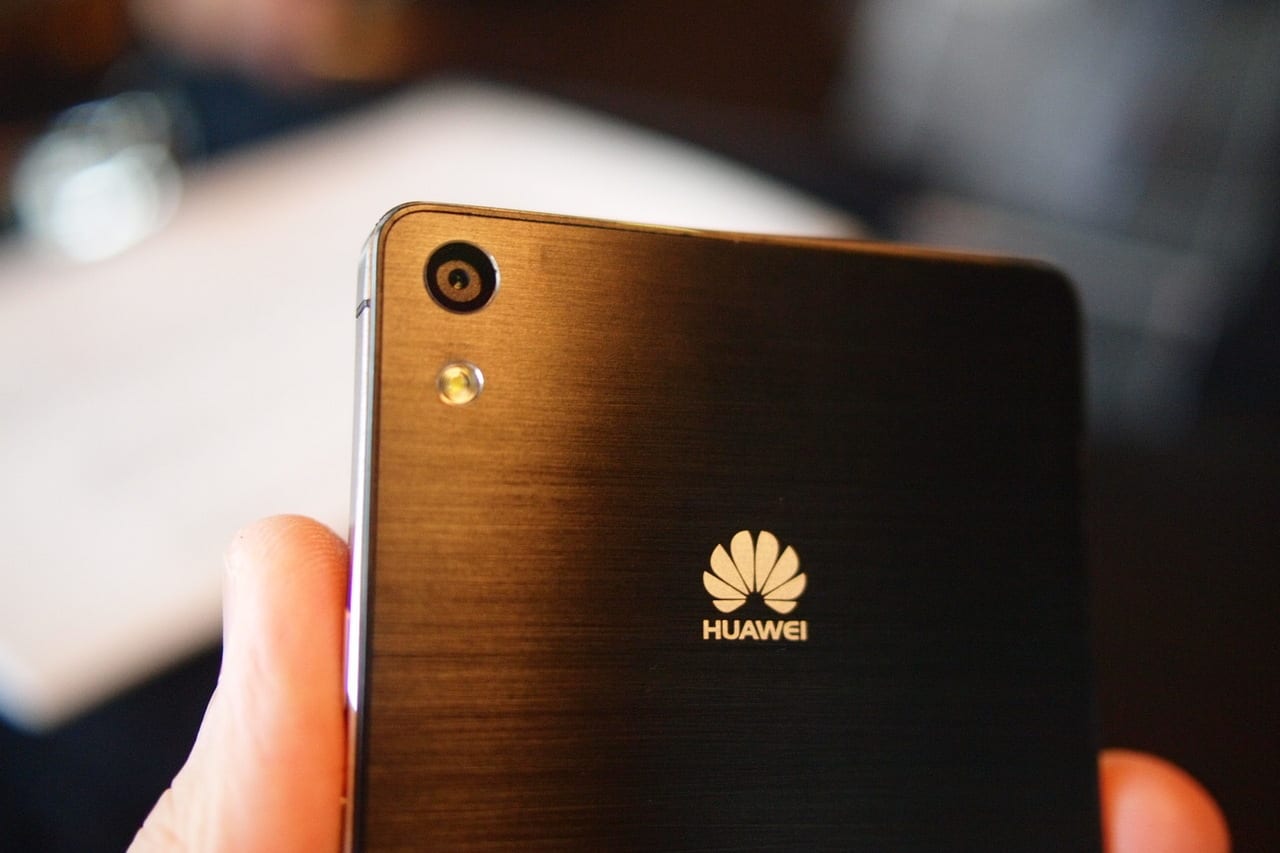
    Smartphone maker Huawei says its determination to concentrate on Southeast Asia is already bearing fruit.

    With the profitable Southeast Asia regional launch of the Huawei P8 and wearable units in Bangkok Thailand in late Might, Huawei is retaining the momentum going by introducing the P8, P8Max, P8Lite, Talkband B2 and AP007 energy financial institution to Myanmar, Laos, and Cambodia, Hong Kong, Taiwan and different Southeast Asia nations and areas.

    The corporate says it set a brand new gross sales document in Myanmar when it launched the P8 handset there on June 6.

    After two weeks of pre-orders of Huawei’s newest flagship merchandise, the primary batch of P8s turned obtainable in 28 outlets throughout Myanmar – all of them bought out by 10am.

    “The regional gross sales supervisor from one among telephone store famous that the P8 has set a brand new gross sales document and has turn into the best-selling handset of their store’s historical past and that they have been amazed by the variety of preorders,” stated Richard Yu, CEO of Huawei Shopper BG.

    says Southeast Asia is now one of many key markets for Huawei, and the corporate is optimistic concerning the potential within the area.

    “Southeast Asia is likely one of the most promising and high-potential financial entities on the earth, each now and sooner or later. It’s considered a strategic market and an engine driving the quick progress of Huawei’s Shopper Enterprise,” Yu stated.

    “In 2014, Huawei noticed over 10 million complete shipments on this area. With the launch of the P8, P8Max and P8Lite this yr, we anticipate complete shipments to succeed in eight million models, a 167 per cent improve.”

    The corporate has seen substantial progress in regional shipments within the area. Thomas Liu, president of Huawei Shopper Enterprise Group Southeast Asia, stated within the first quarter of 2015, smartphone shipments in Southeast Asia rose 120 per cent over final yr.

  • Massive light show marks Em District opening

    Massive light show marks Em District opening

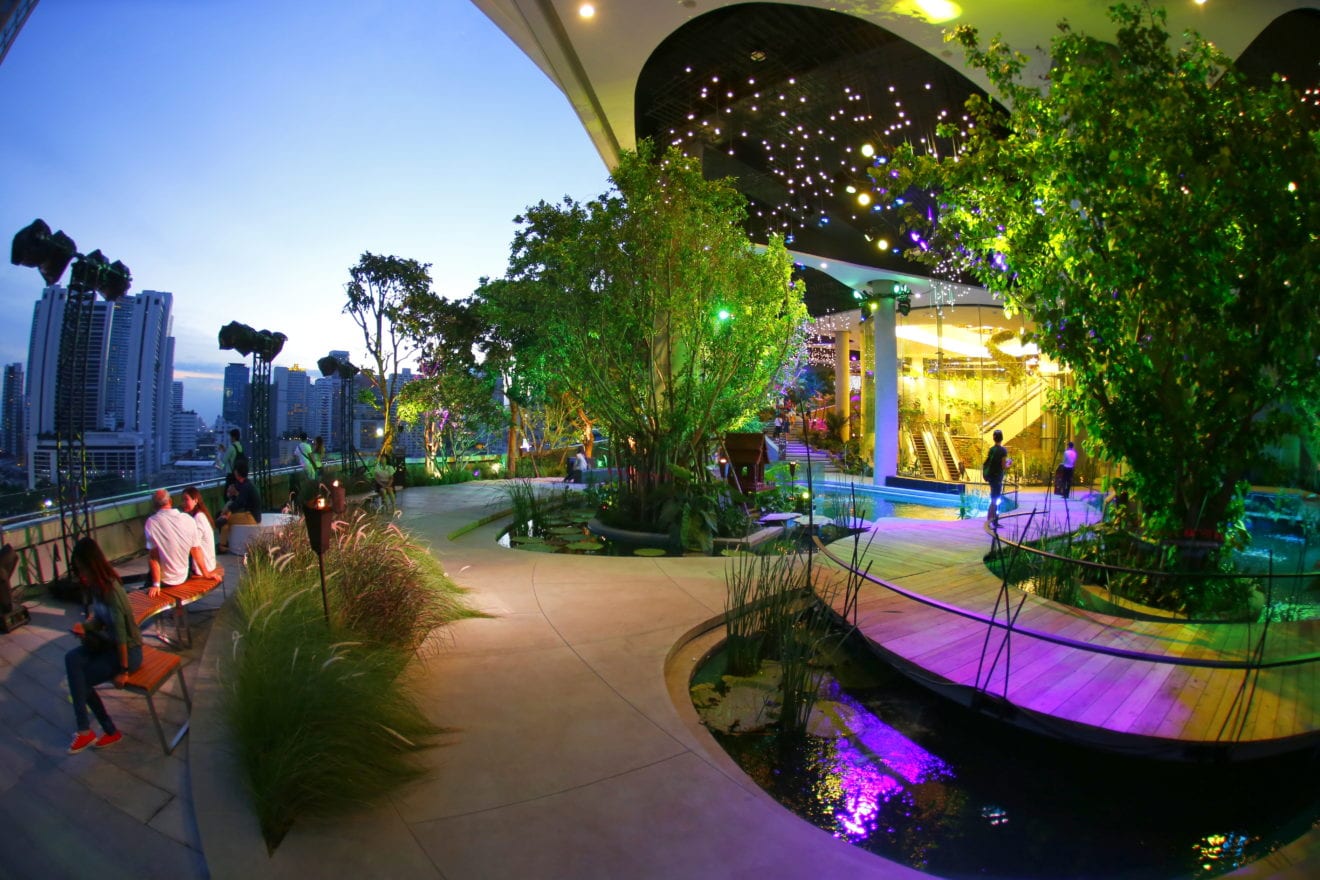
    Bangkok’s newest shopping showcase The Em District has commissioned a stunning 3D Mapping performance to mark its formal launch on Sukhumvit.

    The Emporium Group, managers of The Emporium and The EmQuartier, said the company invested 200 million baht  (nearly $US6 million)  to hold “The World Extraordinaire” under ‘The Grand Celebration That Bangkok Has Never Experience Before’ concept.

    The show made its debut at a World Extraordinaire launch party attended by thousands of invited guests.

    The new Em District retail precinct comprises the refurbished and expanded Emporium shopping centre and the newly constructed EmQuartier.

    Every day at 7pm the 3D Mapping Extraordinaire performance is repeated with images projected onto The Emporium and The EmQuartier’s facades.

    For the gala opening celebration, the light show was accompanied by a fireworks show accompanied by music from symphony orchestras.

    Slated as “the biggest World Mapping Showcase in Asia” it is held in collaboration with Advanced Info Service, Bangkok Bank, Bangkok Airways, Bangkok Dusit Medical Services, Muang Thai Life Assurance and Oishi Group.

    The 3D Mapping Extraordinaire was created by Moment Factory a new media and entertainment studio which has previously worked with Madonna, Justin Timberlake and Britney Spears, amongst others.

    The Em District is positioning itself as Thailand’s newest ‘one stop retail destination’ that attracts tourists and locals alike.

    To mark the opening, The Em District is holding a campaign ‘Shopping Extraordinaire’ which offers customers a chance to win one of four grand prizes worth a total of 30 million baht ($891,000) with every 2000 baht ($59) spent.  Prizes include an apartment (Condominium Park 24), Porsche Macan; Mercedes-Benz CLS 250, a Veranda Residence at Pattaya Condominium and holiday packages from Bangkok Airways and the Dusit Thani.

  • JMART in talk to acquire another retailer this year

    JMART in talk to acquire another retailer this year

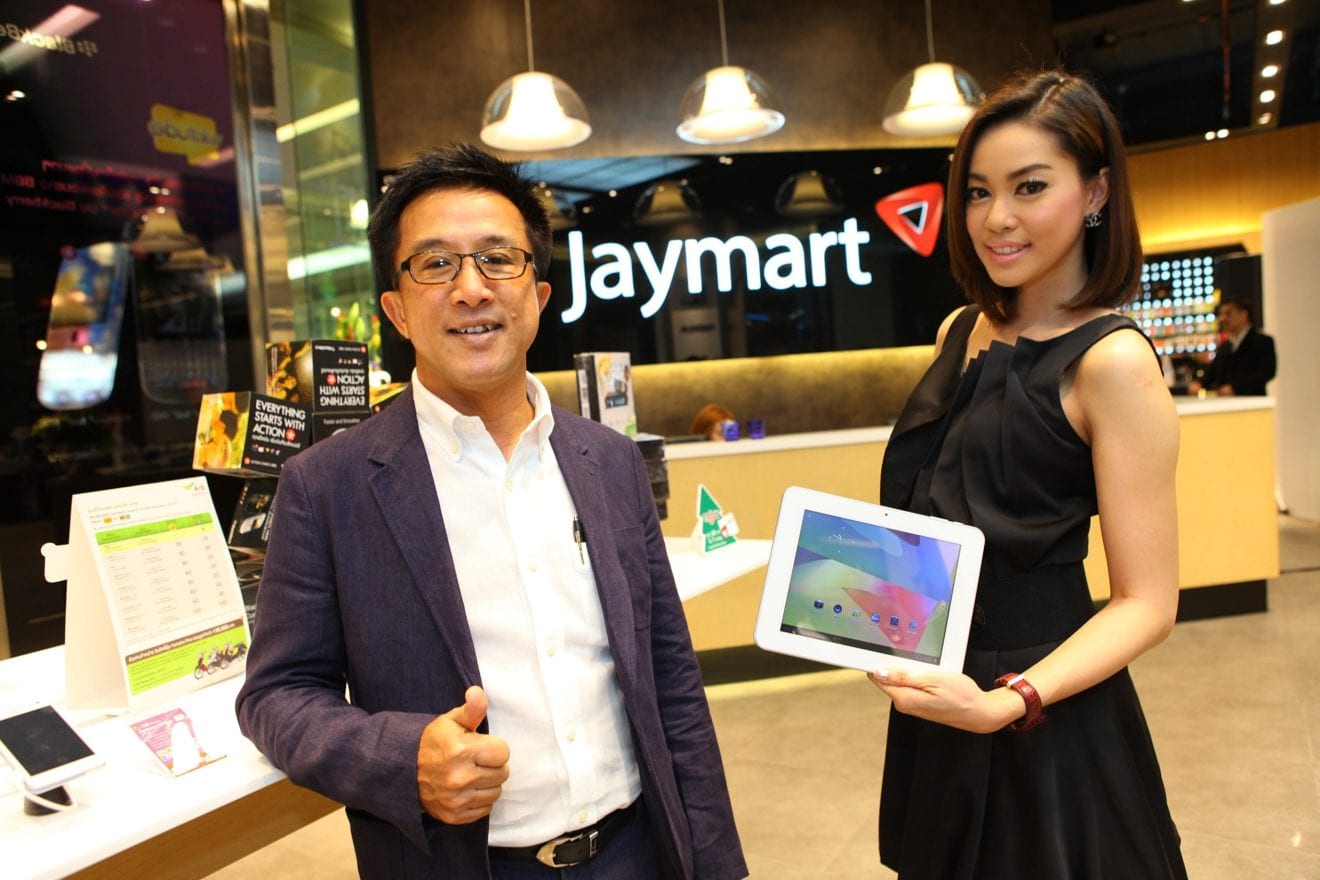
    After its recent acquisition of a minority stake in the home-appliances distributor SINGER (Thailand) PCL, Thailand’s mobile phone retailer JayMart PCL (JMART) is in negotiations to acquire one another retailer this year, and the company is working towards its goal of becoming the country’s retail leader, an executive with the firm said.

    “We would like to be the ‘King of Retail’ in Thailand. After we have invested in SINGER, our client base and distribution channel has more than doubled and our revenue should grow by 10 per cent this year. But that is not enough. We are in talk to acquire one more listed retail on Thai bourse, which should be finalised within this year,” said JMART’s chief executive Adisak Sukumwittaya.

    Last week Singer (Thailand) B.V. has sold out its entire stake in SINGER, of which 24.99 per cent was sold to JMART and the remaining 15 per cent to a group of investors including Thai NVDR Co, Saha Pathana Inter-Holding and Lombard Investments.

    JMART projects to have sales of 10 billion baht this year, excluding the revenue from SINGER. In the second half, it will place JMART’s products in 50 branches of SINGER nationwide, which is expected to generate the revenue of around 1 billion baht in 2016.

    “The investment in SINGER will have no significant impact on our revenue in 2015. We will start to see the synergy between JMART and SINGER from next year onward and we expect to reach breakeven for this acquisition within two or three years,” the chief executive added.

    The source of funds for buying stake in SINGER will be from its cash and financing. However, it may need to increase its capital to undertake the new deal.

  • Starbucks Asia ’s prime ‘restaurant’ model

    Starbucks Asia ’s prime ‘restaurant’ model

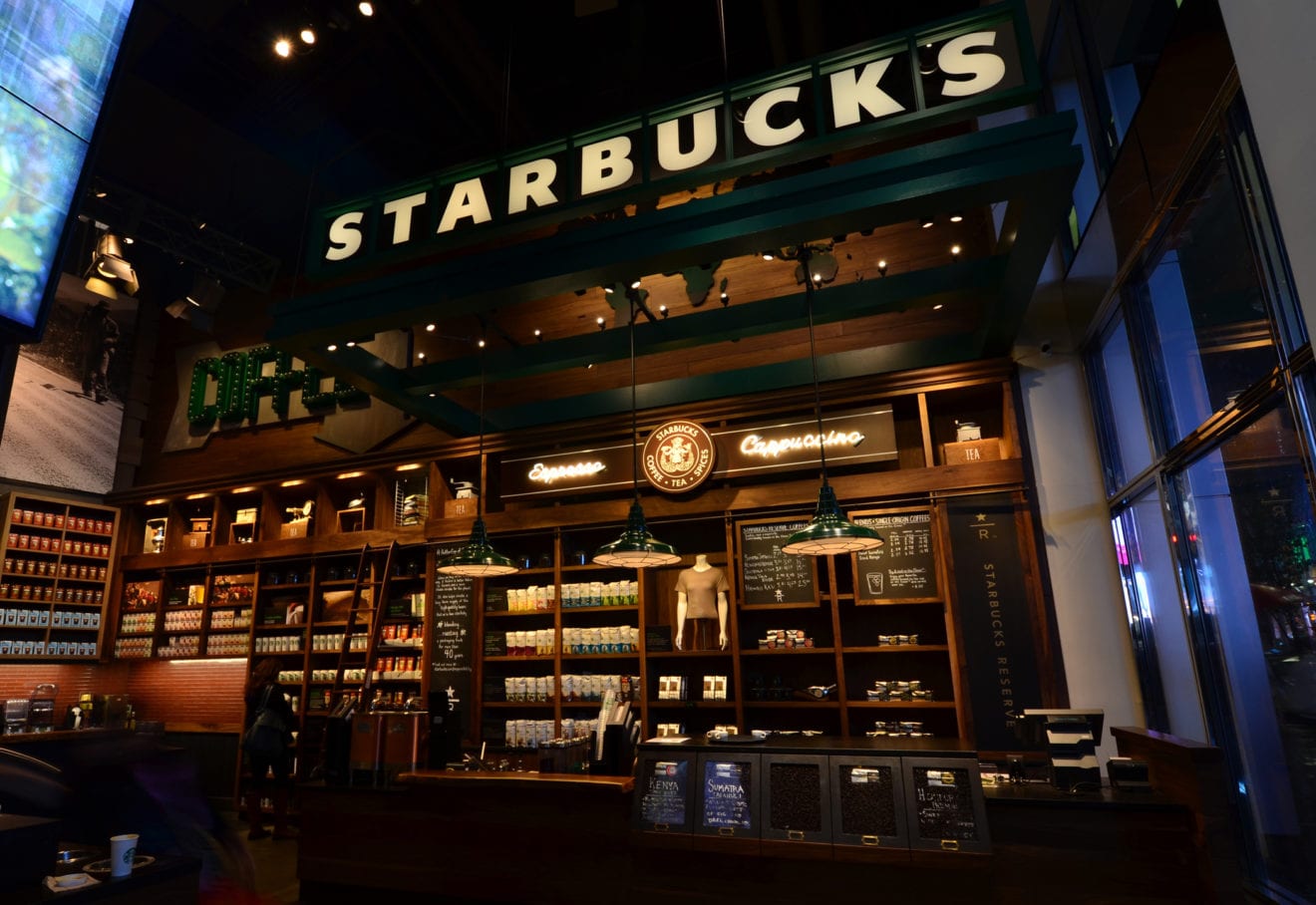
    Starbucks Asia has been ranked Asia’s 15th prime model – the very best rating of any quick meals retailer or restaurant.

    The highest 5 corporations on the record in Asia are Samsung, Sony, Nestle, Apple and Panasonic.

    Marketing campaign Asia-Pacific’s annual research of Asia’s Prime 1000 Manufacturers is predicated on a web-based survey developed by Marketing campaign Asia-Pacific and the Nielsen analysis firm. The survey requested clients to listing manufacturers by business sector they most trusted and felt had the perfect status. 4 hundred respondents have been polled in every market, apart from India and China, the place 800 and 1200 individuals have been polled respectively.

    Along with an general rating of probably the most favored manufacturers, the survey drills right down to the market degree with 13 country-specific rankings. Starbucks is the quantity 10 model in China, 12th in Hong Kong and Thailand, and 17th in Japan and Korea.

    “This necessary recognition is a mirrored image of our companions’ (staff) enthusiasm and keenness for delivering the Starbucks Expertise to clients throughout Asia,” stated John Culver, group president, Starbucks China and Asia Pacific, channel improvement and rising manufacturers.

    “We’re extraordinarily humbled by how our clients have embraced the Starbucks model, our top quality Arabica espresso and the genuine moments of connections we share.”

    Starbucks Asia expects that greater than half of its new retailer progress globally over the subsequent 5 years will come from the China Asia Pacific area, led by Japan and China. In 1996, Japan turned Starbucks first operational market outdoors of North America; Shanghai has extra Starbucks shops than some other metropolis on the earth.

  • Central Group reveals German deal

    Central Group reveals German deal

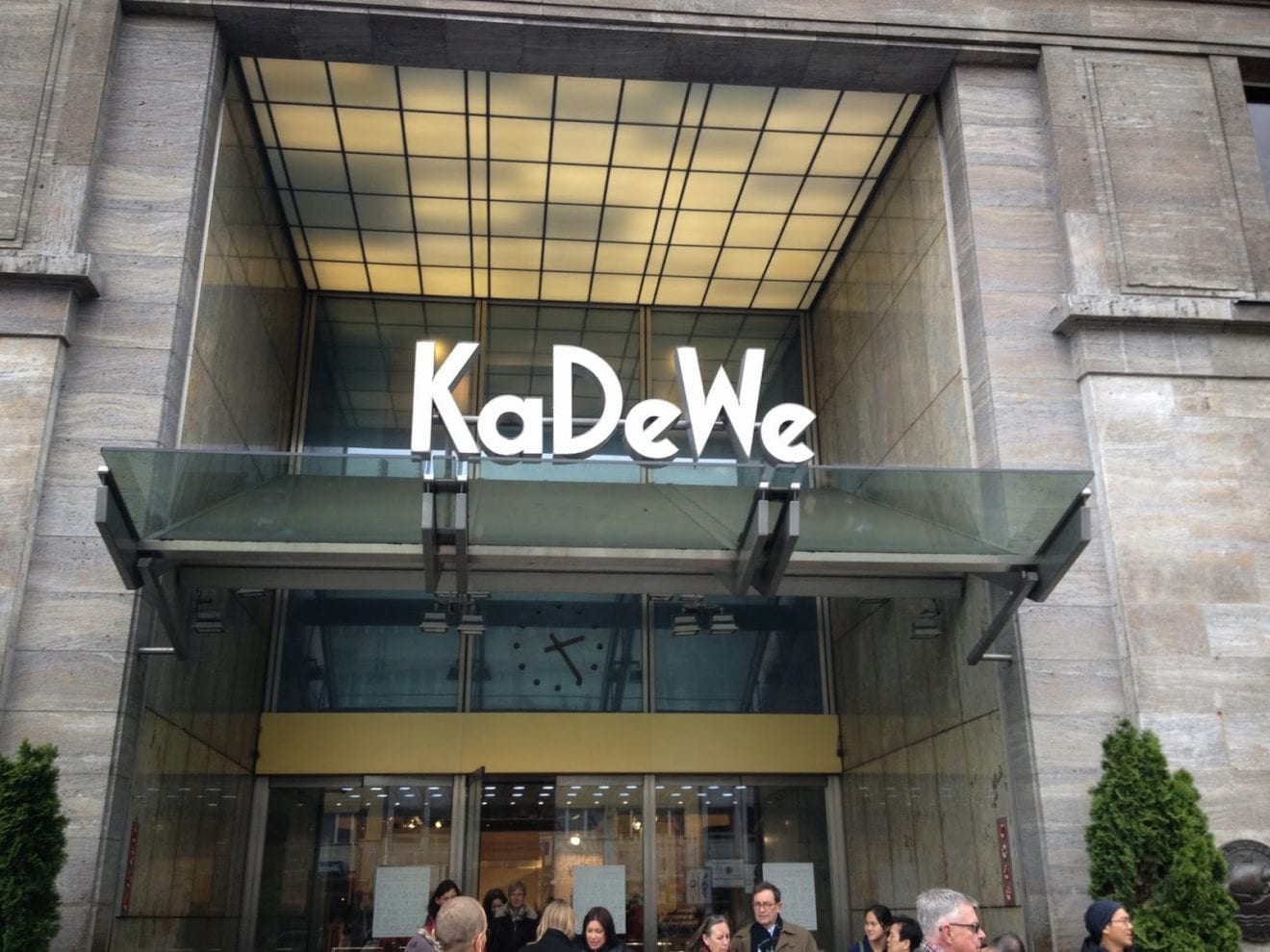
    Central Group, the Thai retail conglomerate, will purchase a majority stake in three German department shops – together with the nation’s largest, the historic KaDeWe in downtown Berlin.

    For a number of months, Central has been reporting it was in negotiations to buy a division retailer in Germany however didn’t reveal any additional particulars of the manufacturers.

    Now Central has confirmed it’s going to purchase a majority 50.1 per cent stake in The KaDeWe Group, which additionally owns the Oberpollinger and Alsterhaus shops in Munich and Hamburg. The present proprietor Signa, will retain the stability of the shareholding.

    The worth of the deal was not revealed however Central Group had earlier indicated it had a finances of US$300 million for acquisitions this yr.

    Central, which operates malls and branded retail networks in Thailand, already owns the La Rinascente Division Retailer community in Italy and the Danish division retailer Illum, and is increasing its Southeast Asian division retailer community in Vietnam, Indonesia and Malaysia.

    All three of the newly acquired shops have greater than 100 years of buying and selling historical past and are thought-about luxurious malls with a excessive normal of service, visible merchandising and product high quality.

    KaDeWe is Germany’s largest single division retailer within the coronary heart of the previous West Berlin retail precinct, with greater than 60,000 sqm of buying and selling area. It opened in 1907.

    The Oberpollinger in Munich opened in 1905 and the Alsterhaus is the oldest of the three, courting again to 1897.

    Final week, Central stated it deliberate to assemble a La Rinascente retailer in Turin, which might be that chain’s 13th when it opens in two years time.

  • Thailand Post ‘s logistics arm aims to be Indochina hub

    Thailand Post ‘s logistics arm aims to be Indochina hub

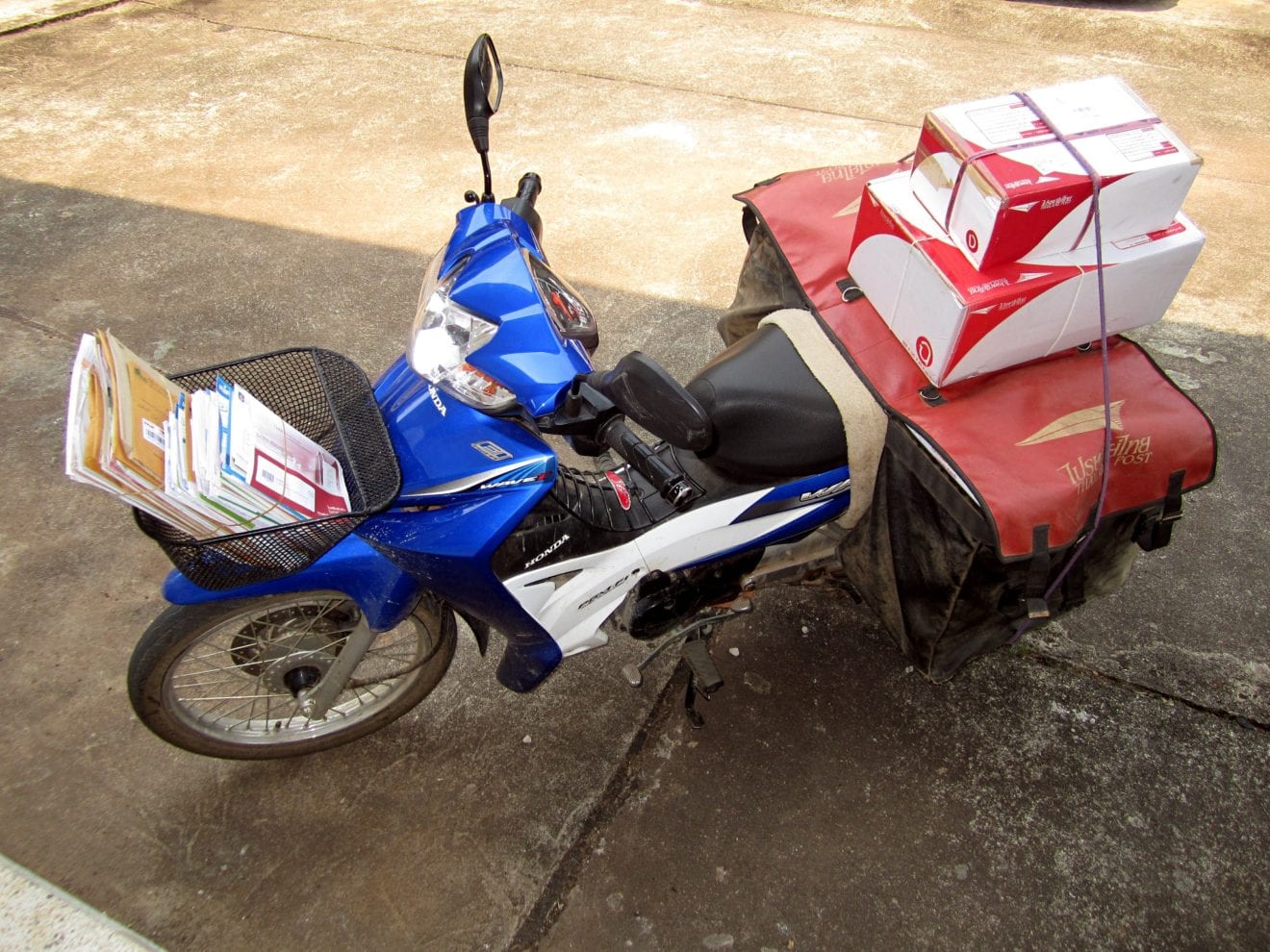
    Warakan Srinualnad, chief executive officer of Thailand Post Distribution, said yesterday that the company aimed for Bt400 million in revenue in 2015 and expected to keep growing at 10 per cent per year. The company will expand to cover the whole Indochina region by 2017.

    The main target customers include providers of medicines and medical supplies, e-commerce and home shopping, banks and financial institutions, multinational companies and border traders.

    “The company already has customers such as the Government Pharmaceutical Organisation, the National Security Health Office and a home shopping company. As of now, most of our customers are government organisations. Our services are available for business-to-business, government-to-government, and business-to-government,” Warakan said.

    Thailand Post Distribution, a wholly owned subsidiary of Thailand Post, was established last year with registered capital of Bt350 million. It offers total logistical solutions including packing, warehousing, delivery and payment services for both private companies and government organisations.

    Warakan said the company was combining the strengths of Thailand Post with those of strategic partners in both fleet management and warehouses.

    Currently, the company has about eight fleet-management partners, with combined transport fleets of 500. Its warehouse partners include WHA Corporation, while its parent company, Thailand Post, and technology partners provide warehouse and transport management systems.

    Thailand Post Distribution has established its 20,000-square-metre warehouse network under Good Storage Practice standards, setting aside around 11,000sqm for temperature-controlled areas for storage of such products as pharmaceuticals, cosmetics and cosmeceuticals.

    The company also uses 10 of Thailand Post’s 16 warehouses and distribution centres located throughout the country. Its transport and distribution services adhere to Good Distribution Practice standards.

    “The services of Thailand Post and Thailand Post Distribution are complementary to each other. We act as strategic partners to use each other’s infrastructure and resources. For example, we can use Thailand Post’s 5,000 outlets [post offices, postal centres, and regional postal centres] to fulfil our services,” Warakan said.

    The logistics market in Thailand accounts for around 15-17 per cent of gross domestic product, Warakan said. The market is also growing in emerging areas, especially e-commerce.

    Piyawat Mahapauraya, senior executive vice president and acting president of Thailand Post, said its four main businesses were communications, logistics, retail and financial services. Thailand Post Distribution is now responsible for logistics.

  • Hong Kong’s Golden Emperor opens first retail shop focusing on Thai property

    Hong Kong’s Golden Emperor opens first retail shop focusing on Thai property

    “We used to sell properties via exhibitions, but we noticed that the buying interest in overseas properties from the public was on the rise,” said Terence Chan Cheuk-ming, a partner at Golden Emperor. “These people do not prefer to go to property exhibitions, they enjoy visiting street shops and talking to agents, so we decided to open our first retail outlet.”

    The company was formed last year by Chan, who had been helping friends and investors to invest in overseas properties for five to six years, and Kingston Li, a former executive director at Morgan Stanley Hong Kong.

    The new shop, in Sheung Wan, offers properties in more than 30 projects, with 60 per cent from Thailand, thanks to a partnership with Sansiri, one of the largest real estate developers in the Southeast Asian country.

    The Thai developer will help manage clients’ properties and act as a leasing agent.

    Chan said the growing buying interest offshore was mainly triggered by higher rental yields.

    In Bangkok, net yield is about 5 per cent to 7 per cent, against 2 per cent to 3 per cent in Hong Kong.

    Hong Kong buyers were looking for Bangkok properties ranging from HK$1 million to HK$2 million for investment, Chan said, adding that the Sheung Wan shop catered to both locals and expatriates.

    “Retailers of dried seafood like abalone are very rich,” he said. “They are interested in buying overseas properties.”

    The firm also offers flats ranging from HK$10 million to HK$12 million in Australia and from HK$4 million to HK$5 million in Britain.

    Despite the higher yield, some local agents said it was not easy to resell assets in Thailand.

    “The market is not liquid compared with Hong Kong and China,” one agent said.

    Golden Emperor said Thai property prices had risen only about 24 per cent in the past 10 years – less than in key Asian markets such as Hong Kong and Singapore – and offered attractive investment values to long-term investors.

    This article appeared in the South China Morning Post print edition as Golden Emperor opens retail shop with Thai focus