Tag: Thailand

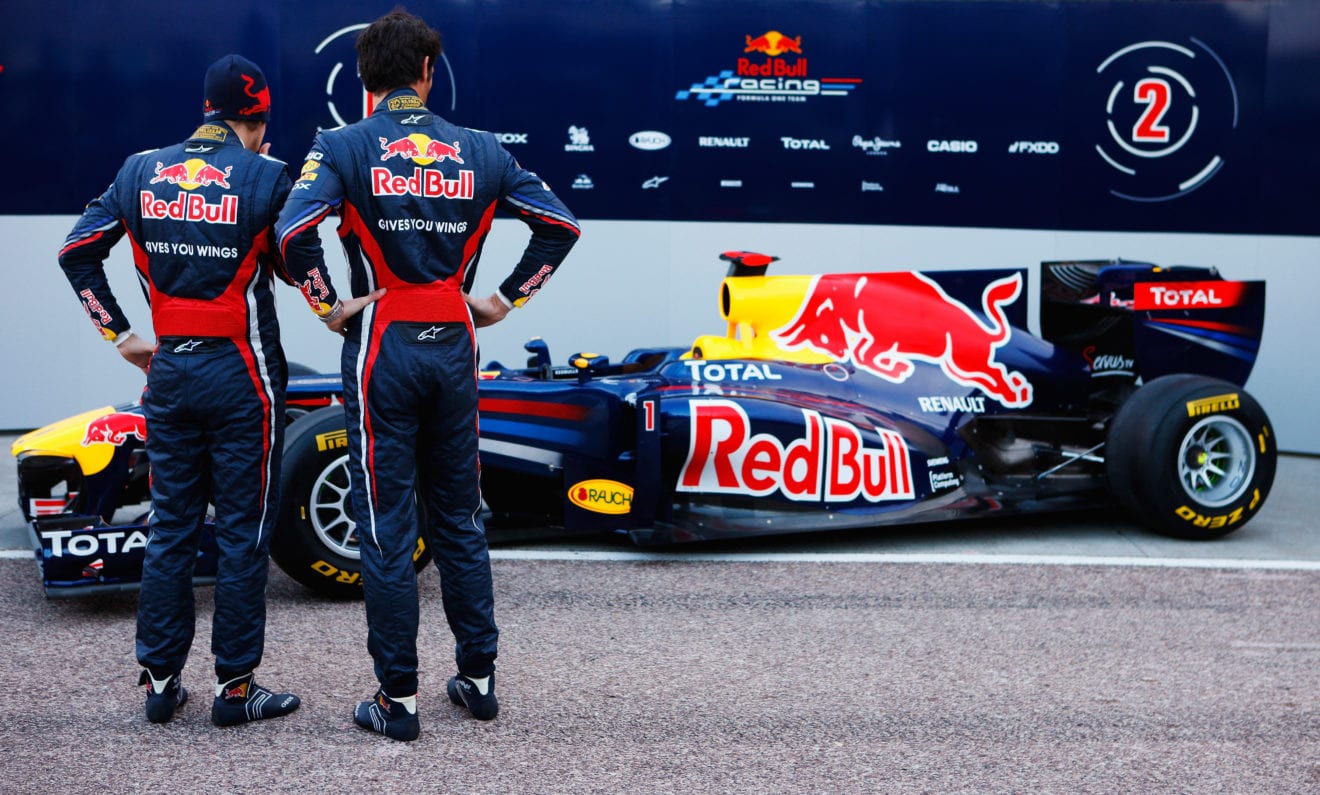
  • Red Bull leads Thai products in making Asia’s Top 1000 Brands

    Red Bull leads Thai products in making Asia’s Top 1000 Brands

    Red Bull, the energy drink launched by the Yoovidhya family, took the highest place at 118. In the beverages category, other Thai brands are Tipco (365) and Aura (448).

    Jason Wincuinas, managing editor of Campaign Asia-Pacific, said yesterday that the new listing shows a rise in stature for many local Asia brands, as nearly all luxury names fell.

    “This looks like the start of Asia’s brands growing from local heroes into regional giants and eventually onto multinational status,” he said.

    In its twelfth year, Asia’s Top 1,000 Brands aggregates data from an online survey. The report incorporates consumers in 13 key regional markets across the Asia-Pacific – Australia, China, Hong Kong, India, Indonesia, Japan, Malaysia, the Philippines, Singapore, South Korea, Taiwan, Thailand and Vietnam.

    It encompasses 14 major categories – alcohol, financial services, automobile, retail, restaurants, food, beverage, consumer electronics, computer hardware, computer software, courier services, media and telecommunications, travel and leisure, and household and personal care – and 73 subcategories. To win a place in the ranking, Thai brands have to compete against all international brands. Mama was the only Thai food brand represented, falling from 339 last year to 377. Nestle was first. In household products, there is only Me-O, the pet food brand, which shot up from 709 to 583.

    Both DTAC and AIS showed up in the media and telecommunications category, where Google claimed the top spot. DTAC dived 62 rungs to 496, while AIS gained 41 to 623.

    For travel and leisure, which has AirAsia at the top, three Thai brands are included – THAI, Nok Air and Dusit.

    Thai Airways International climbed seven places to 191, but Nok lost two spots to 463. Dusit International plunged from 890 to 945. Singapore Airlines also slumped 20 places to 83, although it still led the full-service airline subcategory.

    Included in retail were Big C (248), Bangchak (475) and PTT (494). PTT’s Cafe Amazon is the only Thai restaurant brand, sitting at 609 in 2015 against 751 in 2014.

    Three Thai banks are in the financial services category, which covers payment companies like Visa and international banks like Citibank.

    Bangkok Bank leaped 153 places to 721. Kasikornbank sank five to 768 and Siam Commercial Bank slumped 99 to 800.

    South Korea’s Samsung was the most popular brand in the region this year, able to maintain the crown it snatched from Sony in 2012. Others in the top 10 were Sony, Nestle, Apple, Panasonic, Nike, LG, Canon, Chanel and Adidas.

    “These are the brands the people all across Asia have told us are the best in their minds,” Wincuinas said.

  • Thailand’s Berli Jucker to acquire consumer-goods producer for $30m

    Thailand’s Berli Jucker to acquire consumer-goods producer for $30m

    Thailand’s listed retail and trading firm Berli Jucker PCL (BJC) expects to close one acquisition deal valued at 1 billion baht ($30 million approximately), in Thailand by the third quarter of this year. It is also negotiating to acquire a few companies both in the country and abroad.

    BJC’s investor relation officer Nuthathai Thanachaihirun said that the target company was the manufacturer of consumer products, however, she declined to give more information about the deal at the moment.

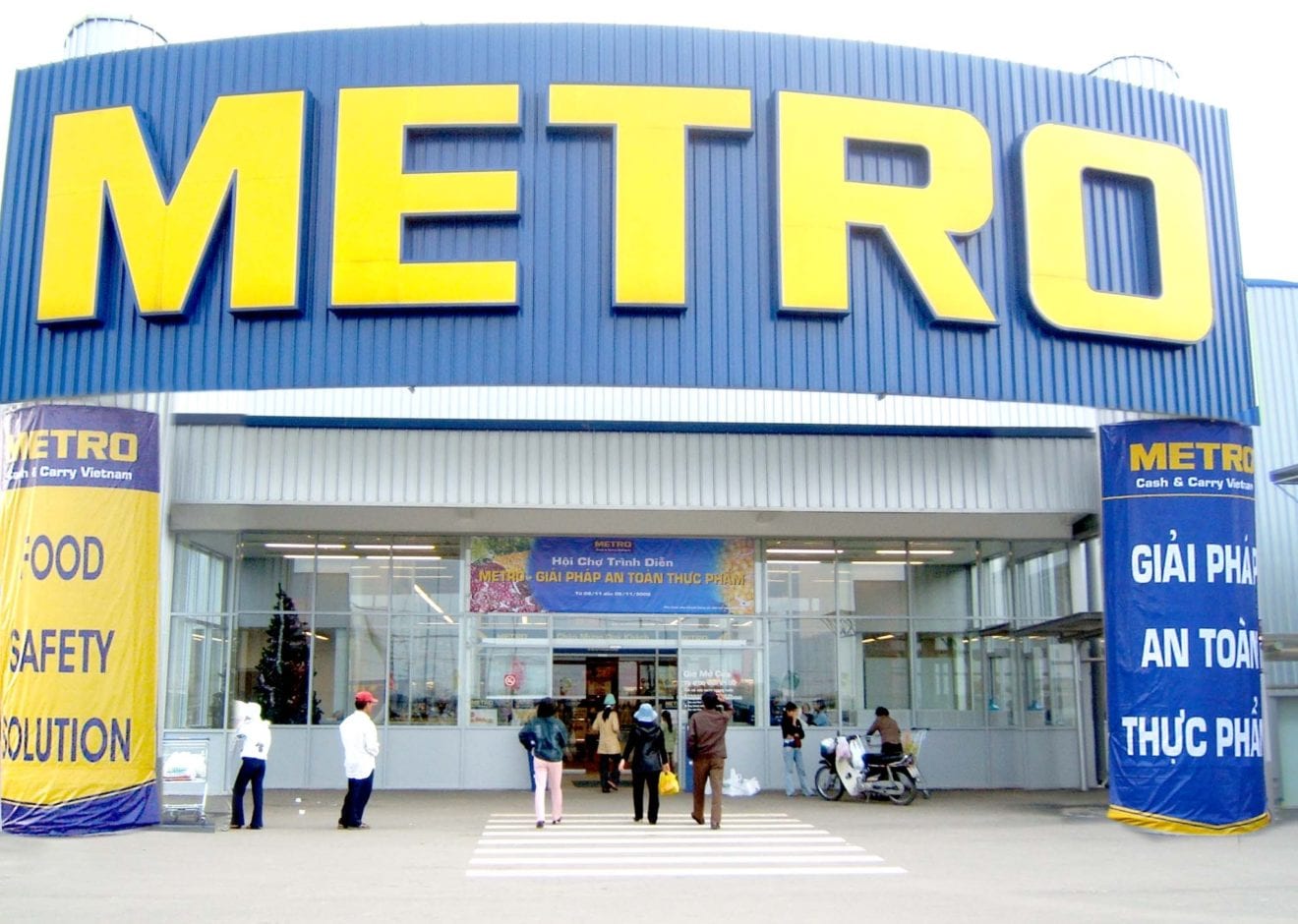
    Earlier, BJC had planned to buy Metro Cash & Carry Vietnam, but the shareholders rejected the proposed deal twice as they were concerned about the impact of such acquisition on the company’s financial.

    TCC Holding, the parent company of BJC, will continue the negotiation and expects to finalise the deal with Metro Vietnam within this year. “The Metro Vietnam’s deal has continued. The latest value of the deal we proposed to the shareholders was 655 million Euro. If we consider the deal at the current foreign exchange, it will decrease from 30 billion baht to 24 billion baht due to the weaker Euro currency,” she said.

    The company would like to get Metro Vietnam because it has a strong distribution network, including the warehouses and logistics, in Vietnam.

    BJC allocated the budget of 4 billion baht for investments this year. Of the total, it will spend around 500-600 million baht on boosting its production capacity of lids from 2 billion pieces to 3 billion pieces a year. About 500 million baht will be spent on expanding the capacity at its glass-manufacturing plant and the can-production plant in Vietnam, and the rest for acquiring attractive businesses.

    Nuthathai said that the revenue in 2015 should grow by 10 per cent from 44.1 billion baht in 2014 and the net profit should be higher than 1.67 billion baht in 2014, mainly due to the cost-reduction plan.

    “Although there is no sign of economic recovery in the first half of this year, we believe that business will pick up in the second half due mainly to the government’s policies to stimulate domestic consumption and investment,” she cited.

    The revenue in this quarter will not be much different from 10.6 billion baht in the first quarter, as the domestic spending power has not recovered yet. However, the net profit is expected to increase from 529.08 million baht in last quarter because of better cost management.

  • Central Group Thailand eyes Turin retailer

    Central Group Thailand eyes Turin retailer

    Thailand’s Central Group says it’s planning to open a brand new division retailer within the Italian metropolis of Turin inside the subsequent two years.

    Central Group Thailand is already engaged in a gentle worldwide enlargement plan, having final yr opened its first division retailer in Indonesia and this yr having confirmed it’s in negotiations to purchase an unidentified German division retailer.

    Tos Chirathivat, the group’s CEO, was quoted by the Bangkok Submit newspaper saying the corporate is negotiating the rental of 10,000sqm in an undisclosed Turin website the place it’s going to open a La Rinascente division retailer. Central owns 11 La Rinascente department shops in Italy and has a 12th underneath development in Rome, which might make Flip its 13th location.

    Central Group Thailand additionally owns the Illum retailer in Denmark, at present underneath renovation.

    Tos informed the Bangkok Submit La Rinascente gross sales grew 13 per cent to euro 600 million within the first quarter of this yr. About one third of the gross sales are to vacationers, largely Chinese language.

  • Thailand cost-effective destination for luxury brands

    Thailand cost-effective destination for luxury brands

    “During the last two years, more than 100 new global brands have entered Thailand. That has approximately doubled the number of stores [in this category] compared with 2012,” he said.

    The top brands are from Italy, Britain, Australia, Japan, Hong Kong, Singapore and Sweden.

    The cost of investment for luxury brands setting up in Hong Kong is about double that of Thailand, and Singapore costs 1.5 times as much. Costs here are also much lower than in many Western countries.

    Kriengsak said Thailand was also popular with international brands because of the size of the market, with a 70-million local population and tens of millions of tourists. “There are also more than 500 million people in the region. As such, top international brands are looking at expanding throughout the region from their stores in Thailand.”

    Another key reason for the fast growth in luxury brands’ presence here is the fact that tourism has recovered after suffering a huge drop last year during the political crisis. Meanwhile developers have new unique venues in place.

    Kriengsak said retail business would continue to grow during the rest of the year. However, he urged government to promote the country as a shopping destination as well as to assure foreigners that Thailand is a safe place to visit.

    “When The EM District, which is so far consists of The Emporium and EmQuartier, is fully opened, including the Bhiraj Tower, we expect 200,000 customers per day.”

    This year, it is forecast that visitors from other Asean countries will contribute Bt10 billion in sales, helping increase The Mall Group’s sales by Bt53 billion or 6 per cent from 2014.

    At EmQuartier, about 90 per cent of retailers have opened their doors. More world-class brands will open outlets soon: the first and only branch in Thailand of New York jewellery store Tiffany & Co; French jeweller Van Cleef & Arpels; separate Dior boutiques for women and men, Lady Dior and Dior Homme; Burberry; Emporio Armani; Issey Miyake; Tod’s; Canali; Patek Philippe; Rolex; and Hublot.

    The Mall Group plans to open a new shopping mall called Bluport in Hua Hin next year, followed by another Bluport in Phuket in 2018, and Emsphere in The EM District in 2019.

  • Bangkok retail lags in expansion

    Bangkok retail lags in expansion

    Space in core areas of Tokyo remained highly sought after despite the mixed signals in the economy and an increase in the sales-tax rate introduced in April, 2014.

    Singapore followed Tokyo with 58 new retail brands while Taipei came in fourth, climbing seven places from 2013’s new entrants’ rankings with 49 new brands last year compared with 29 the year before. Other cities in the region making up the top 15 markets included Hong Kong with 45 new entrants, Beijing with 34 and Manila with 24.

    London retained its position as the world’s most international shopping destination with 57.9 per cent of international retailers present there, which was closely followed by Dubai with 55.7 per cent of international retailers present and Shanghai with 53.4 per cent.

    James Pitchon, head of research and consulting at CBRE Thailand, said that in the first quarter of this year, the total Bangkok retail supply was 6.8 million square metres, increasing by 7.8 per cent year on year. The volume of occupied retail space increased by 4.8 per cent.

    The largest new retail development in the quarter was the 50,000sqm EmQuartier luxury shopping mall on Sukhumvit Road.

    Jonathan Hsu, head of occupier markets research for CBRE Asia Pacific, said the continued desire for expansion into new cities remained high for international brands.

    “We are seeing a great deal of expansion into Asia and in particular into Tokyo, Singapore and Taipei.”

  • Thailand To Tackle Tax Avoidance On Imported Cars

    Thailand To Tackle Tax Avoidance On Imported Cars

    Thailand’s Government has confirmed that it is planning to change the way excise tax is calculated on imported vehicles as part of a wider plan to modernize Thailand’s excise tax system and increase tax revenues.

    Somchai Poolsawasdi, Director General of the Excise Department, said recently that the upcoming changes are designed to stop importers from using understated cost, insurance, and freight (CIF) valuations to reduce excise tax payable.

    Under the proposed new excise tax system, excise tax rates would be cut, but the tax would be based on the retail price of the vehicle, rather that its CIF valuation.

    Plans to change the basis of excise taxes to retail prices, instead of ex-factory prices, were announced by the Excise Department last year as an addition to the military-led Government’s tax reform plans. The new excise tax calculation methodology is intended to improve transparency (as ex-factory prices could be understated by manufacturers), and bring Thailand’s excise taxes in line with global standards. The Government says that the amendment would have no effect on consumers, but will increase excise tax revenues by around THB6bn (USD178m) annually.

    The new excise tax bill was approved by the Cabinet last month but must be endorsed by the Legislative Assembly before it can become law.

  • 9 keys to reaching Asian shoppers

    Whether or not they’re searching on-line or shopping for in-store buyers have extra selection than ever, forcing retailers and malls to get artistic to draw their consideration.

    With the area’s center class predicted to double to 1.32 billion by 2020, Asian shoppers – and their expectations – are altering quickly.

    Adam Prepare dinner, retail undertaking and improvement providers lead with JLL Asia Pacific, explores a number of the rising developments altering the best way retailers are connecting with shoppers:

    1. The brand new digital buying actuality

    Know-how is now probably the most dynamic pressure within the retail business, opening up new channels and interesting new audiences whereas concurrently feeding new ranges of competitors. Digital Actuality (VR) could also be progressing slowly within the shopper area, however the tipping level of adoption in retail is quick approaching. The 2015 Way forward for Retail Research from Walker Sands discovered that round a 3rd of shoppers would store extra on-line if they might work together with merchandise nearly first. VR know-how is now permitting buyers to expertise a digital trend present, wander round a digital retailer and discover a digital mall with many different improvements to return as retailers experiment with the know-how. It’s poised to generate a completely new sale channel for retailers within the subsequent few years.

    1. Enhanced buyer relationship administration (CRM) know-how

    Because the battle for the buyer greenback intensifies, loyalty will develop into the brand new foreign money of commerce – with slightly assist from know-how. Digital cost strategies akin to Apple Pay and AliPay are getting used together with more and more refined location-based providers like iBeacon – Apple’s indoor positioning system – to provide new ranges of perception into shopping for behaviour. Retailers can now present buyers with real-time info based mostly on their consumer profiles and engagement historical past.

    ShopperTrak just lately introduced a partnership with Shopkick for a purchasing app permitting retailers to work together in real-time with clients whereas they’re buying. There are already 10 million customers on the Shopkick app and greater than 8000 shopBeacons deployed in retail shops. Insights assist retailers join with related shoppers at a precise location and in real-time, which in flip could be refined to take care of loyalty.

    1. Robots in disguise

    Whereas some manufacturers are experimenting with improvements comparable to drone supply, laws are more likely to floor most business drone concepts within the short-term. As an alternative we’ll see the continued rise of robots and humanoids in retail conditions. Already a function in lots of Japanese shops, robotic know-how is enhancing at a meteoric fee. And with rising labour prices, it isn’t onerous to think about a close to future when primary retail duties similar to making espresso or manning an experiential retailer is dealt with by a humanoid. Nippon Enterprise Capital just lately launched a $42 million fund in Japan by to speed up and commercialize humanoid know-how and neuroscience purposes, lots of that are being designed for the retail business.

    1. Cross-border purchasing

    Shoppers are flocking to digital retail markets which are more and more nation agnostic to hunt out the perfect product and one of the best offers. Asian shoppers already spend greater than the worldwide common on cross-border purchasing, and that is solely more likely to improve as a brand new era of shoppers look to spend their disposable revenue.

    1. Model extensions

    Experiential shops reminiscent of Google’s new (and thus far solely) buying expertise in London permit shoppers to play with merchandise earlier than shopping for them, often on-line. However this will typically have the unintended consequence of showing the restrictions of the model’s core merchandise. Thus, one other means for manufacturers to distinguish themselves is to increase their attain past their core providing. Meals extensions have turn into widespread just lately as retailers search to diversify and develop. Ideas such because the bar and cafe inside Alfred Dunhill outlets are a very good instance of clothes manufacturers shifting into the meals and beverage area. Anticipate this development to collect tempo because the battle to maximise dwell time and share of the buying basket heats up.

    1. Menswear

    Traditionally, males are extremely underserved within the style business – and there’s proof that their shopping for preferences are evolving. Bain & Firm estimates menswear progress has outpaced womenswear for the final six years, rising at between 9 and 13 per cent yearly – virtually double that of womenswear. As manufacturers search to take care of progress, we’ll see a re-focusing of the retail business to focus on males. Model partnerships, notably in athletic and sportswear, will proceed to develop and can develop into a key function of retail plans within the brief to medium-term.

    1. The rise of the Asian trend home

    European and American dominance in Asian excessive style has been the norm for a few years, and the overwhelming majority of luxurious manufacturers with robust Asian gross sales are owned by Western companies. Because the retail market continues to develop in Asia, we anticipate to see the rise of an Asian luxurious model -most in all probability within the style area – which can equal or exceed the recognition of Asian-American style icons comparable to Alexander Wang, Vera Wang and Philip Lim.

    With Western designers utterly absent from Shanghai’s Trend Week in 2014, trend critics targeted on rising Chinese language designers, and it’s doubtless that many of those manufacturers will develop loyal clients past China and meet the worldwide trend business by way of the important thing markets of Hong Kong, Tokyo and Seoul. Asian trend designers will quickly be on par with the likes of style homes resembling LVMH, Prada and Michael Kors, and can kick-start a brand new period of Asian retail innovation and management.

    1. The brand new flagship

    Intricately related to the emergence of the experiential development is the resurgence in retailers working flagship shops. Pushed by a want to reconnect with shoppers and the necessity to evolve from a static entity to an attractive expertise, the brand new flagship will re-imagine a retail retailer. It is going to be a press release, a model ambassador. More and more these areas will blur the road between retail and leisure, and develop into locations the place buyers are inspired to play and keep. This development is most noticeable in main markets like New York, Japan, and even Sydney the place single-brand luxurious and quick trend retailers are signing bigger leases and investing extra into the in-store surroundings.

    1. 3D Printers

    We’re on the tipping level of 3D printing and really quickly it’ll grow to be the norm in each facet of our lives. The primary 3D printed constructing was just lately unveiled in China and every thing from automobiles to weapons has adopted. For consumers on the lookout for a personalised expertise on their very own phrases, 3D printing gives an virtually limitless array of choices. Jewellers are already permitting clients to print their very own designs, whereas everybody from cooks to cycle outlets are experimenting with the know-how’s software within the retail area. That is genuinely game-changing know-how, and one that may definitely come to outline retail within the coming years.
  • Mister Donut Thailand plans 30 new shops

    Mister Donut Thailand plans 30 new shops

    Thailand’s Central Eating places Group says it plans to have Mister Donut retailers buying and selling in all 77 Thai provinces by the top of this yr.

    Central plans to open 30 new Mister Donut Thailand retailers this calendar yr, taking its community to 350. It plans as many as 500 shops in three to 4 years.

    It has put aside 210 million baht (US$6.2 million) to broaden the enterprise this yr – a rise of 30 per cent over final yr’s enlargement price range.

    Kantapol Srisuwan, Central Restaurant Group GM for Mister Donut, advised the Bangkok Submit newspaper that half of the brand new finances can be devoted to opening new retailers and the stability invested in advertising.

    “Mister Donut will be capable of promote its doughnuts in all 77 provinces by yr finish,” Kantapol stated.

    In a subdued financial system in 2014, donut consumption elevated by between 10 and 15 per cent in Thailand. Mister Donut accounted for 55 per cent of that, stated Kantapol.

    Central may even discover opening franchises of the Japanese model in different ASEAN nations – probably Malaysia, the Philippines and Indonesia.

  • Huawei plans main retail rollout

    Huawei plans main retail rollout

    Chinese language cell phone model Huawei is planning a serious Asian regional retail rollout.

    “Our model constructing finances might be doubled for the Southeast Asian markets since there’s a robust risk of progress in market share,” says Huawei Shopper Enterprise Group CEO Richard Yu.

    Huawei will add about 1500 customer support facilities worldwide – and greater than 100 of these will probably be in Thailand, which is Huawei’s regional hub for the Southeast Asian area.

    Yu stated Huawei recognises Southeast Asia as a high-potential market, and the corporate is planning to beef up its funding in model constructing actions on this area.

    “Our merchandise have good high quality, so we’ve little question that we’ll attain our goals,” he stated.

    For instance, Huawei’s market share in Myanmar is 50 per cent “as a result of the merchandise meet the calls for of the shoppers, and the gross sales improve by phrase of mouth”.

    Yu stated Thailand would be the focus of Huawei’s funding within the area. The corporate has chosen Bangkok because the venue for a regional press launch for its new Huawei P8 handset and its wearable units subsequent week, (Might 28).

    “Our income is excellent in Myanmar, India, the Philippines, and Malaysia. Thailand can also be an enormous market with plenty of potential, so we at the moment are specializing in it,” stated Yu. “Thailand is admittedly a sophisticated market, but in addition a gorgeous one, so Huawei is prepared to enter this market. Though it takes time, we’re decided to succeed right here. We’re prepared to take a position all yr spherical.”

    In accordance with an IPSOS International Analysis report masking 32 nations, Huawei’s model consciousness rose from 52 per cent in 2013 to 65 per cent in 2014, representing a year-on yr improve of 25 per cent.

    As an Asian model, Huawei’s model consciousness within the international market simply rivals different Western manufacturers. In Western Europe, Huawei recorded model consciousness of 61 per cent within the Netherlands, 60 per cent in Spain, 57 per cent in Germany and 54 per cent in Italy.

    Huawei has turn out to be the primary Chinese language firm to efficiently enter Interbrand’s Prime 100 International Manufacturers of 2014 record, taking 94th place.

    Huawei began out so small virtually 30 years in the past, and has grown right into a multinational telecommunication big at present. Based in 1987, the China-based firm is now generally known as the world’s third largest smartphone vendor, following Apple and Samsung. However in its China house market it’s already lagging behind quick rising current entrant Xiaomi which is the highest promoting model presently, forward of Apple and Samsung.

  • CIMB Thai Bank branching out into Laos

    CIMB Thai Bank branching out into Laos

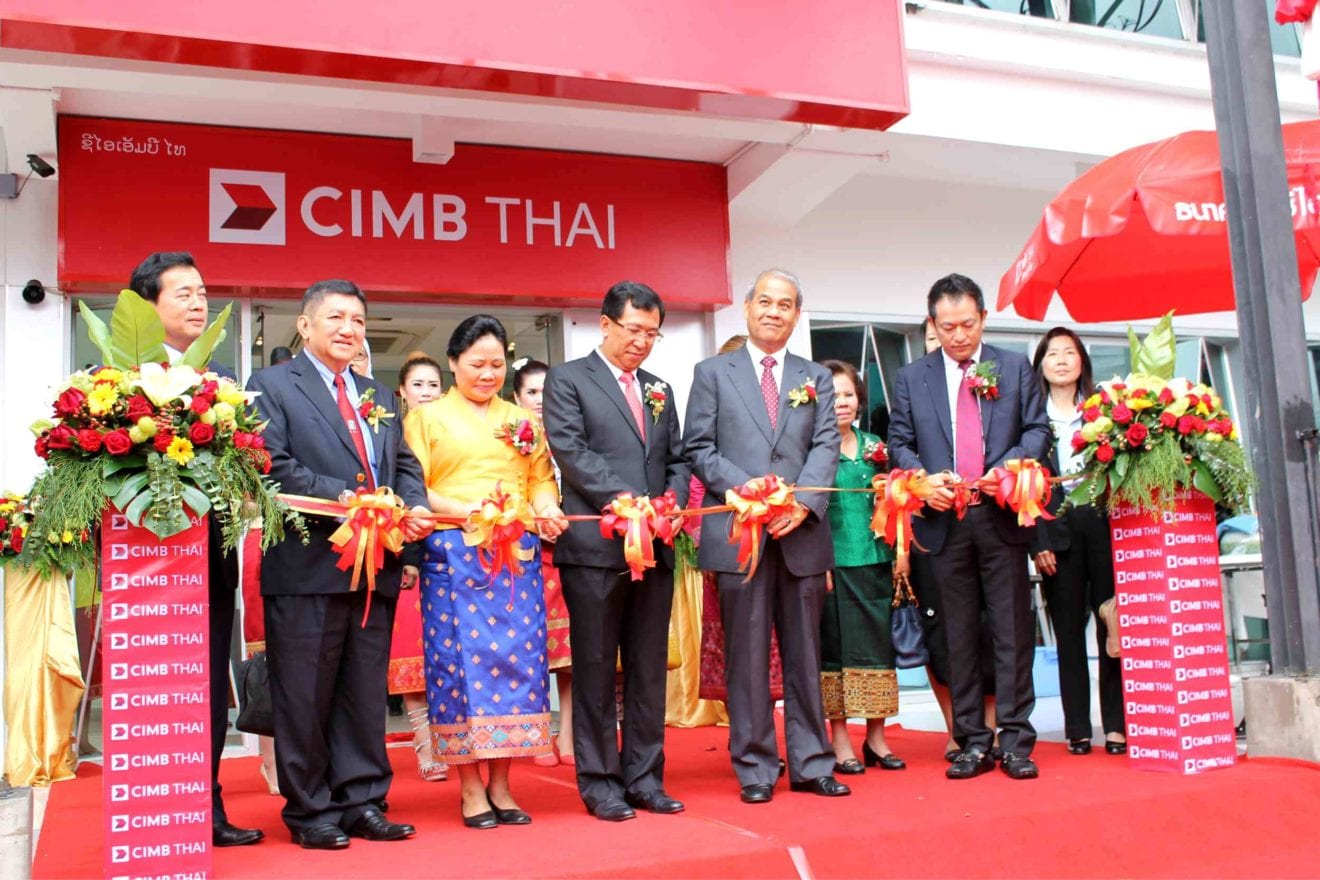
    CIMB Thai Bank will open its first overseas branch in Vientiane in the third quarter of the year to service trade and other business activities between Thailand and Laos.

    The new branch forms part of Malaysia-owned CIMB Group’s retail banking initiatives this year, Subhak Siwaraksa, president and chief executive officer of the Thai unit, said yesterday.

    After the upgrade of the retail banking platform system last year, CIMB Thai’s domestic performance is expected to show significant improvement.

    Subhak said CIMB Group wanted to see a rising return on equity from CIMB Thai, the target being a top-3 ranking in the Thai banking industry by 2015 with a return on equity of 16-18 per cent, against 10-13 per cent at present.He added that the ROE target would be challenging as the bank had to use its capital carefully because of Basel III requirements. It will, therefore, emphasise fee-based income from retail banking through to wholesale banking.

    Chief financial officer Narongchai Wongthanavimok said the Vientiane branch would have the capability to serve retail clients and offer cross-border products to corporate clients in Thailand and Laos.

    CIMB Group acknowledges that the Laos market should fall under CIMB Thai’s remit because of the tight relationship between the two countries and expanding bilateral trade value.

    According to the Lao PDR Trade Portal, in the first 10 months of last year, the value of bilateral trade was US$4 billion (Bt120 billion), representing a year-on-year rise of more than 30 per cent.

    The two governments have jointly set an annual trade target of $5.77 billion by 2015.

    Narongchai said that under Laotian law, the registered capital required for a bank branch was $12.5 million.

    However, given the unclear legal framework in Laos concerning consumer lending, CIMB Thai’s branch will focus on providing financial services to corporate customers and on wealth management, rather than on consumer loans, he said.

    The bank will not lend to Lao customers if they have no collateral base in Thailand, he said, adding that this would help reduce the risk from doing banking business in Laos.

    The bank will target Thai customers who have activities in Laos, as well as Laotian companies conducting business in Thailand, which are mostly small or medium-sized enterprises.

    Wealth management

    As well as their domestic operations, many Laotian companies have activities in border provinces in Thailand. As these companies are generally affluent customers, wealth management and deposits will be the priorities for CIMB Thai at the outset of offering financial services in the neighbouring country.

    “We can service three currencies for deposits: baht, kip and US dollars. Moreover, the branches in border provinces such as Nong Khai and Udon Thani will help support activities and transactions in Vientiane as well,” said the CFO.

    The Vientiane branch will have 10 staff, two or three of whom will be Thais, including the manager.

    CIMB Thai expects the branch to break even by 2016.

    Savannakhet and Pakse are other interesting locations for expanding the Laos network because of the potential opportunities they offer in terms of tourism and trading, Narongchai said.

    If the bank were to open more than three branches, the establishment of a local subsidiary would be a feasible option, he said.

    The registered capital required for setting up a commercial banking subsidiary in Laos is $30 million. – See more at: https://www.nationmultimedia.com/business/CIMB-Thai-Bank-branching-out-into-Laos-30201241.html#sthash.vYhTcDjX.dpuf

  • Jubilee of Siam opens big diamond boutique

    Jubilee of Siam opens big diamond boutique

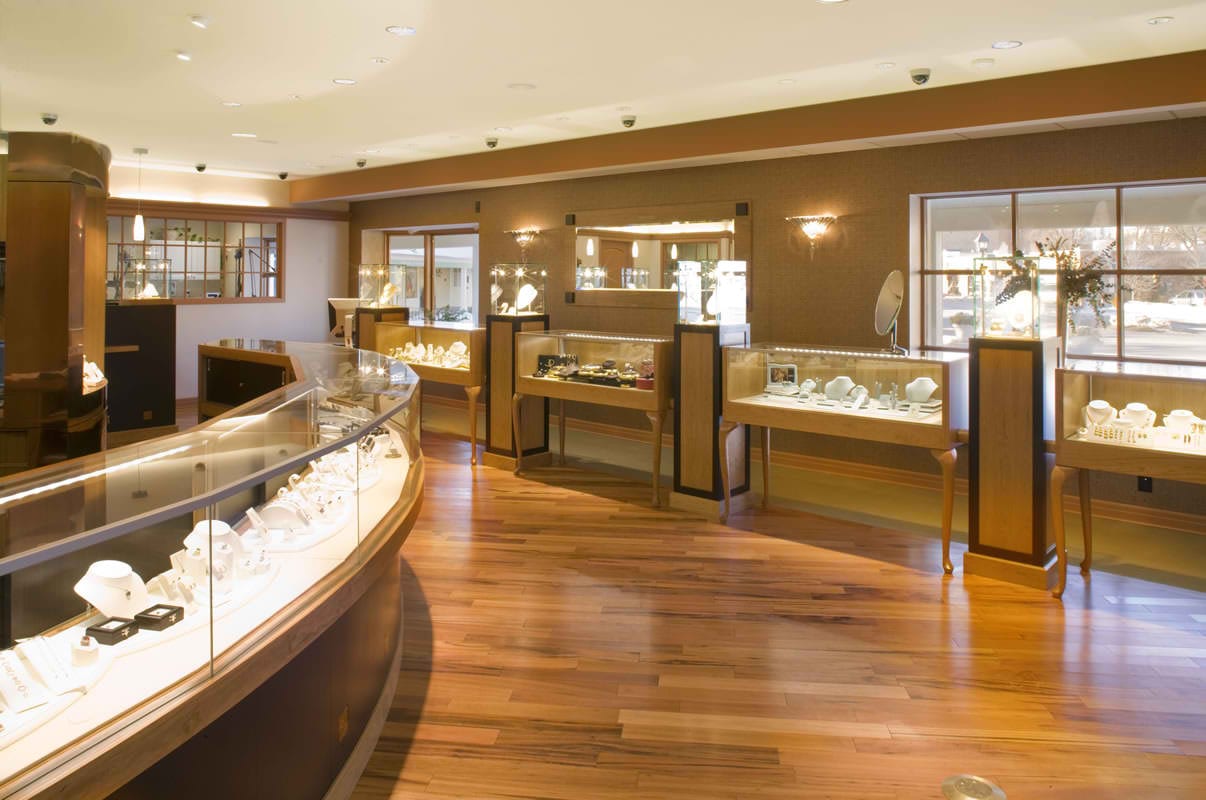
    Thai jeweller Jubilee of Siam claims its new retailer in Bangkok is Asia’s largest diamond boutique.

    The huge retailer – for a jeweller – includes 1500 sqm unfold over 4 flooring within the coronary heart of Bangkok’s Silom Rd retail precinct.

    Jubilee of Siam was based in 1993 and now has greater than 100 retail shops and concessions throughout Thailand.

    The corporate’s CFO, Unyarat Pornprak, described on the new flagship as “a phenomenon” for Thailand’s jewelry business.

    “We pioneered jewelry counters at department shops. Nationwide, we now have over 100 retail factors that make individuals accustomed to the Jubilee Diamond model.

    “Now with the flagship retailer, we will present clients a powerful retail expertise and repair,” stated Unyarat.

    Jubilee of Siam is the buying and selling identify of Jubilee Enterprise Public Co, described as Thailand’s main retailer of diamond jewelry and whcih claims to have launched the diamond counter retail format to the native retail market.

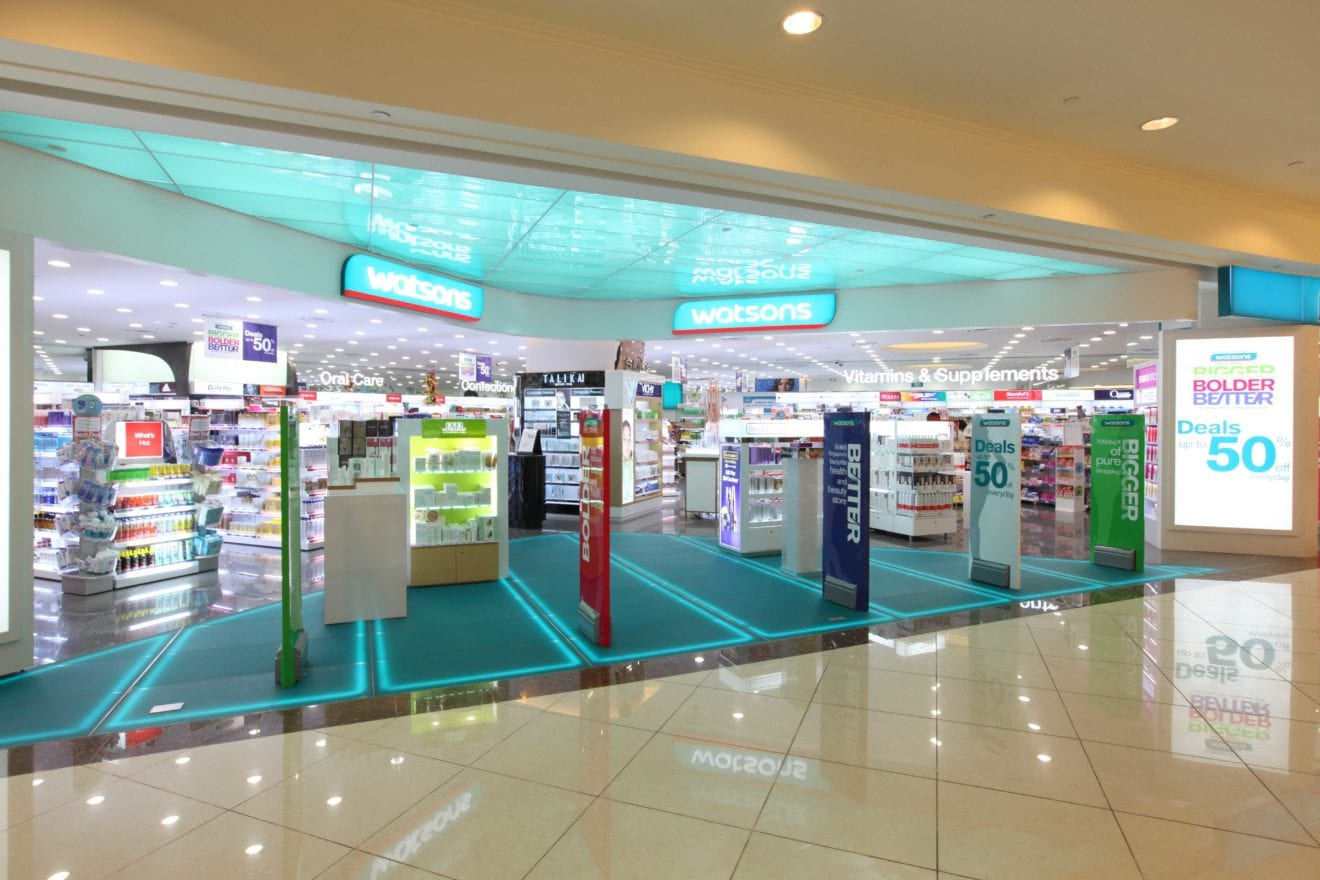
  • Watsons Thailand to open 50 new shops

    Watsons Thailand to open 50 new shops

    Central Watson, operator of the Watsons Thailand community, says it can open 50 extra shops by the top of this yr.

    The enlargement will take its community to 381, growing its dominance over rival Boots which on final rely had simply 230 shops.

    MD Rod Routley informed a briefing that the enlargement will value 400 million baht, round US$12 million, which represents a 15 per cent improve within the firm’s capital expenditure this calendar yr.

    Apart from the brand new openings, the corporate plans to renovate many present shops and broaden its promotional exercise to lure new clients.

    “Thailand is among the quickest rising markets when it comes to retailer enlargement within the Asean area,” Routley stated.

    Watsons Thailand is a three way partnership between the highly effective Thai Central Group and Hong Kong based mostly AS Watson, the model’s mother or father.

    This week, Watsons Thailand opened a web-based retailer providing about 1000 inventory models, together with some out there solely on-line and never in shops.

    A number of the new Watsons shops will comply with a brand new, bigger format unveiled in Siam Sq. in February. At 500 sqm, the shop is significantly bigger than the model’s earlier flagship and may show an expanded product vary.

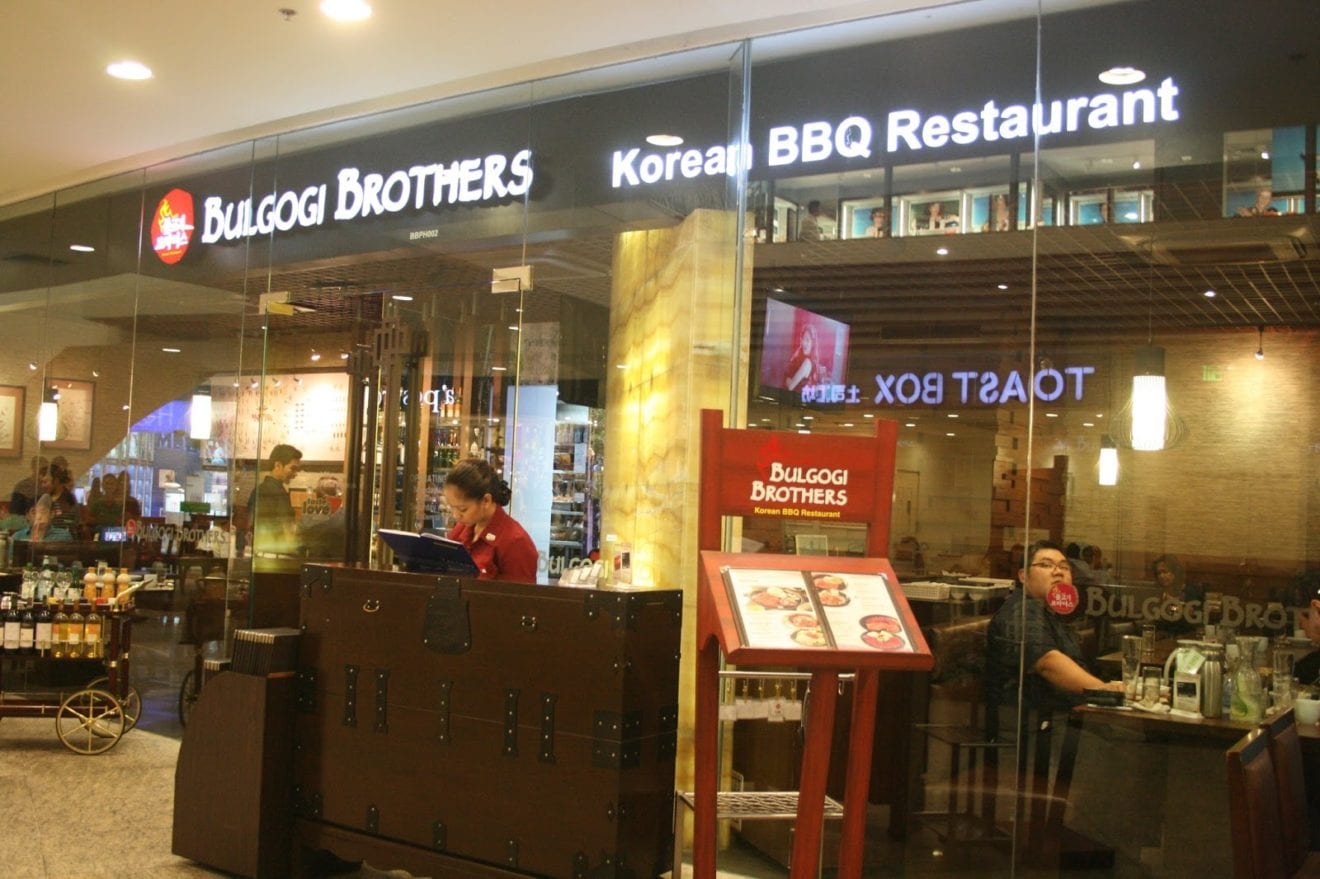
  • Bulgogi Brothers Bangkok debuts

    Bulgogi Brothers Bangkok debuts

    South Korean QSR chain Bulgogi Brothers has added Thailand to its growing Southeast Asian footprint, with its first store opened in the EmQuartier mall in central Bangkok.

    The barbecue restaurant chain has 42 restaurants worldwide – including seven in the Philippines, five in China, three in Malaysia and others in Indonesia and Myanmar. The company will open its first outlet in Tokyo in October and in Taiwan’s capital, Taipei, in December. It also plans an Indian debut this year and is targeting 100 worldwide within five years.

    The Thai franchise rights are held by Ausanee Mahagitsiri Leonio, the daughter of Prayuth Mahagitsiri, described by Thai media as “the Nescafe coffee tycoon”. She also owns the Thai Krispy Kreme franchise.

    The chairman and CEO of Bulgogi Brothers’ parent company Et & Zeus is Intae Jung, who says his brand is making the most of the popularity of K-pop music, Korean TV series and fashion reputation.

    “Korean food has become a fad in Asia due to the popularity of South Korean pop music and TV series. Korean is the fourth most recognised cuisine by nationality among Thai consumers, following Japanese, Italian and Chinese,” he said in an interview with the Bangkok Post newspaper.

    “The Philippines, Thailand and Myanmar are the top three priority markets we want to focus on for our five-year business plan. In Thailand we want to see 10 more Bulgogi Brothers restaurants by 2020,” Jung said.

    Ausanee, president of King of Bulgogi Thailand, said she plans to spend 100 million baht (US$3 million) to open two Bulgogi Brothers Bangkok restaurants, including the EmQuartier one.

    “We expanded into the Korean restaurant business because the food tastes similar to Thai food. Many Thais travel to South Korea and enjoy watching Korean dramas, which inspires them to try some dishes,” she said.

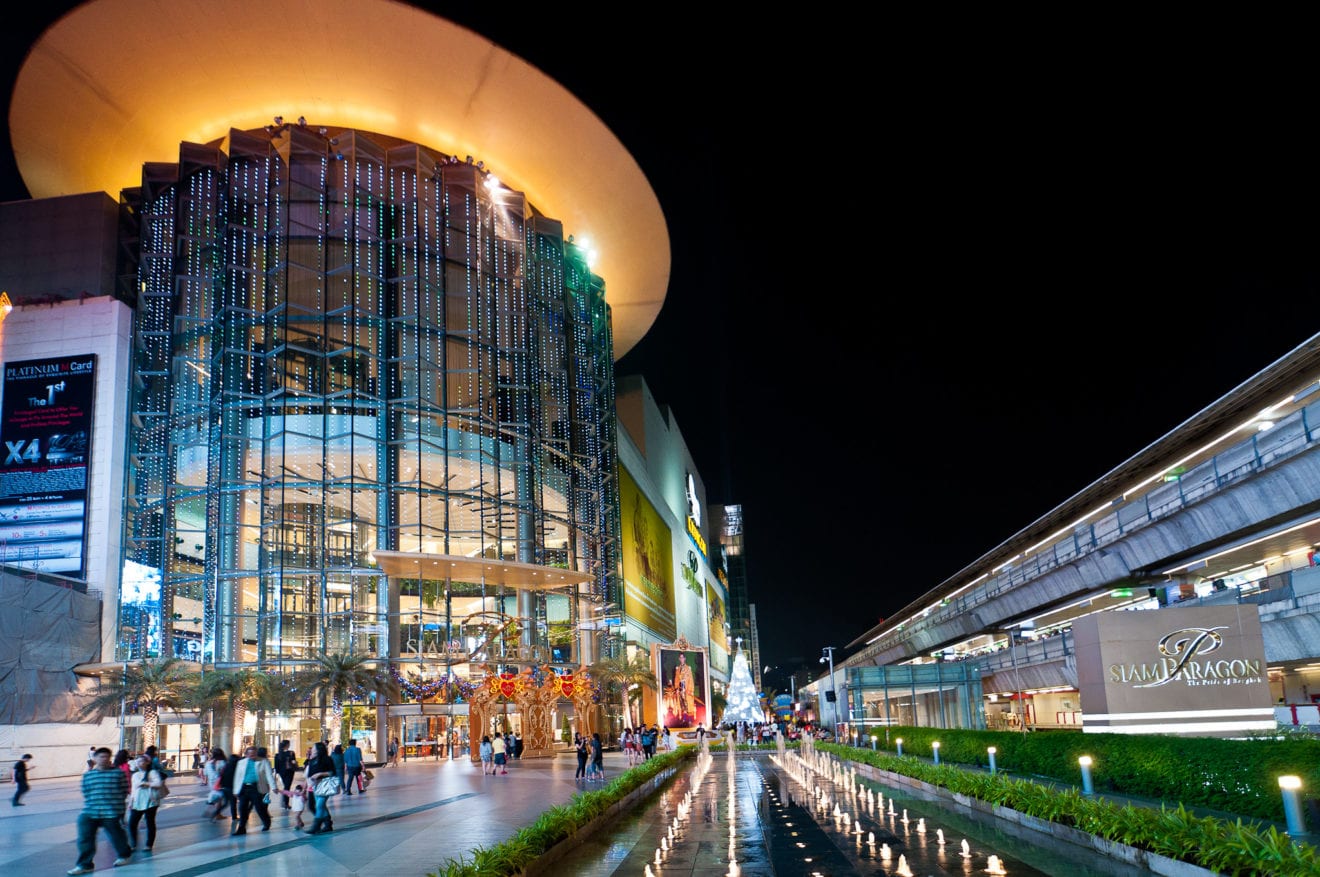
  • Siam Paragon names and shames bad taxis

    Siam Paragon names and shames bad taxis

    The unprofessionality of Bangkok’s taxi drivers is notorious internationally.

    Now a Bangkok shopping centre has teamed with the Department of Land Transport to name and shame bad drivers, in the hope they’ll reform or find fares elsewhere.

    Most residents of, or visitors to, Bangkok relying on taxis to transport them home or to their hotel after a day’s retail therapy have endured frustrating delays due to taxi drivers illegally refusing fares.

    Despite fines and threats of being reported to the hotline – itself overloaded, such is the extent of the problem – drivers try to pick and choose passengers which give them the best profits, leaving others stranded on the pavement.

    DLT has fined 31 of 54 drivers caught refusing fares at the Siam Paragon taxi rank and is hunting down a further 23, according to website Thai Rath Online.

    Meanwhile, the drivers’ taxi registration numbers, taxi co-ops and rental agents have been listed on a sign at the rank so potential passengers are warned, according to DLT director-general Teerapong Rodprasert. The drivers’ names were not listed because drivers often share cars.

    In a crackdown at the rank, DLT officials suspended the licences of two drivers for seven days because it was their second offence.

    Last week, Thai police conducted a blitz on Sukhumvit Rd, catching 34 drivers who refused fares late one night.

    Both locals and tourists report an epidemic of Thai taxi drivers refusing fares or refusing to use the meter and setting flat fees for hires, both illegal.

    A 24 hour hotline – 1584 – allows passengers to lodge complaints, by providing the taxi’s or driver’s registration numbers. There is also a free DLT Check smartphone app available.

  • Tesco Lotus confirms expansion plans

    Tesco Lotus confirms expansion plans

    Tesco Lotus remains committed to Thailand and will continue to invest in expanding its retail and online channels, according to a report in the Bangkok Post newspaper.

    Tesco Lotus has previously announced plans to open five large stores and 50 express stores over the coming year.

    But a cloud descended over the company’s future in the wake of parent Tesco UK’s financial turmoil, with talk the Thai division may be sold off to pay off debt in the UK.

    However, in an interview with the Bangkok Post, CEO John Christie said Tesco will also increase investment in programs to help reduce the prices of fresh food, groceries and household items.

    It would appear that any plan to liquidate Tesco’s Asian assets are at least on ice.

    In its annual result announced last week Tesco said its combined Asian operations posted a profit of £565 million, down 18.4 per cent largely on falling sales in China, where the brand is being phased out. That’s considerably more than the £467 million profit in the UK and £164 million in Europe.

    Christie also said Tesco Lotus has so far invested over 4 billion baht (US$30.6 million) under its Roll Back price campaign to help cut product prices, and another 600 million baht ($18.37 million)to help slash the price of fresh food.

    “Tesco Lotus has made huge investments over the years to help Thais save on their cost of living. We are confident that our investment plan will strengthen our leadership in the modern retail sector, while we continue to work with Thai suppliers and business partners to grow together with us and help Thai people cut the cost of living,” Christie said.

    “Thailand is a strategic market for the Tesco Group. Growth opportunities here remain promising and we will continue to invest to grow our business”.